
交易员王总
1.6k Posts

交易员王总
公众号:《交易员王总》 12年老交易员,穿越两轮牛熊,用实战经验分享,手握顶级资源,不讲神话,用结果说话。
1 Following
8.2K+ Followers
4.7K+ Liked
Posts
All
Quotes
Videos
PINNED
With top-tier resource strategies, teaching, and a stable professional trading style, good at medium to long-term layouts in spot contracts! If you have questions or want to resolve your strategy issues, save the QR code below, use the scan function in Binance, or you can also enter the chat ID: 1158798133 to add me as a friend, and then you can directly contact me here.

Many people believe that in the crypto world, small capital has no future—you can only go all-in and gamble on luck. But one beginner I mentored truly broke this misconception: starting from 1,800 USDT, he steadily built it to 30,000 USDT in five months. His account has now surpassed 45,000 USDT, with zero liquidation throughout the entire process.
He achieved nearly 20x returns, and it never came from betting on market moves or chasing huge profits. Instead, it relied on a small-capital turnaround system that ordinary people can copy.
1. Split the principal into thirds; capital protection comes first
The root cause of why retail traders lose big is always full-position gambling with no exit plan. He divided his 1,800 USDT evenly into three parts and operated strictly by separate allocations: 600 USDT for short-term trading arbitrage—take small profits and exit quickly; 600 USDT for trend-following setups—only catch steady, reliable moves; and the remaining 600 USDT kept as a reserve the whole time—stay idle and do not act impulsively. The crypto market never lacks opportunities. The only way to have a chance at continuous comeback is to hold onto your principal.
2. Only trade the main impulse wave; reject useless messy operations
Most of the market’s time—about 70%—is spent in range-bound consolidation and shakeouts. Frequent trading only keeps sending money away. He always sticks to these principles: never blindly bottom-fish, never emotionally chase after pumps, and only enter once the trend is clear and the signals are confirmed. If a single trade gains 25%, he locks in profits immediately. If he doesn’t understand the setup or isn’t confident, he stays out completely. Winning or losing at the end comes down to patience and self-control.
3. Rigidly follow trading discipline; eliminate emotional trading
He set “iron rules” for himself: any single-trade loss must be strictly limited to within 2%; cut losses decisively rather than holding and hoping. Once profit exceeds 5%, he cuts the position by half to lock in gains—take profits rather than relying on wishful thinking. He never adds to average down or speculate that the market will reverse; everything follows the rules.
The core of a small-capital comeback isn’t one single trade with extraordinary profit—it’s the steady accumulation of compounding returns.
From 1,800 USDT to over 45,000 USDT—there are no insider tricks. It’s all built on discipline, risk control, and a structured system. In the crypto world, the real winners are never the ones who bet correctly on one move—they’re the ones who survive long enough, stay stable, and keep earning consistently. #美伊互袭油轮冲突升级
He achieved nearly 20x returns, and it never came from betting on market moves or chasing huge profits. Instead, it relied on a small-capital turnaround system that ordinary people can copy.
1. Split the principal into thirds; capital protection comes first
The root cause of why retail traders lose big is always full-position gambling with no exit plan. He divided his 1,800 USDT evenly into three parts and operated strictly by separate allocations: 600 USDT for short-term trading arbitrage—take small profits and exit quickly; 600 USDT for trend-following setups—only catch steady, reliable moves; and the remaining 600 USDT kept as a reserve the whole time—stay idle and do not act impulsively. The crypto market never lacks opportunities. The only way to have a chance at continuous comeback is to hold onto your principal.
2. Only trade the main impulse wave; reject useless messy operations
Most of the market’s time—about 70%—is spent in range-bound consolidation and shakeouts. Frequent trading only keeps sending money away. He always sticks to these principles: never blindly bottom-fish, never emotionally chase after pumps, and only enter once the trend is clear and the signals are confirmed. If a single trade gains 25%, he locks in profits immediately. If he doesn’t understand the setup or isn’t confident, he stays out completely. Winning or losing at the end comes down to patience and self-control.
3. Rigidly follow trading discipline; eliminate emotional trading
He set “iron rules” for himself: any single-trade loss must be strictly limited to within 2%; cut losses decisively rather than holding and hoping. Once profit exceeds 5%, he cuts the position by half to lock in gains—take profits rather than relying on wishful thinking. He never adds to average down or speculate that the market will reverse; everything follows the rules.
The core of a small-capital comeback isn’t one single trade with extraordinary profit—it’s the steady accumulation of compounding returns.
From 1,800 USDT to over 45,000 USDT—there are no insider tricks. It’s all built on discipline, risk control, and a structured system. In the crypto world, the real winners are never the ones who bet correctly on one move—they’re the ones who survive long enough, stay stable, and keep earning consistently. #美伊互袭油轮冲突升级
People often ask me: I only have 1,000 U in principal—can I still make something happen in the crypto market?
I train students with small capital. I never start by talking about doubling money or making huge profits. I only look at three things: whether you can control your position sizing, whether you dare to cut losses, and whether you can keep the profits. If you get these three right, a small account can find a way forward. #CryptoMarketUpsAndDownsTakeProfitsAndKeepSafe
Most retail traders lose money because they lose the battle of mindset. The smaller the principal, the more impatient people become—they think that without going all-in or heavy positions, they can’t grow quickly. But what I’ve summarized from years of hands-on experience is this: the real gap between accounts is never created by one single trade’s extreme profit. Instead, it’s whether you can follow the rules and find the right rhythm at every stage.
First stage: master position sizing and stabilize the foundation
Never go all-in with 1,000 U at once. You must split your position and execute in batches. For every trade, plan your take-profit and stop-loss levels in advance. Never chase pumps, never “hold and hope.” And absolutely avoid going against the market in an attempt to recover losses—eliminate unnecessary risk at the source.
Second stage: compound with the trend and scale steadily
Once your account shows stable profits, don’t blindly increase your position size. Only add in batches when the market trend is clear and price action is smooth. You should only take profits from the most stable, most certain middle portion of the move. If the market is uncertain at the beginning or the end of the move (the “fish head and fish tail”), simply skip it and don’t participate.
Third stage: lock in profits—take them off the table
Many people become more restless the more they earn, and more reckless the more they trade. I’ve always believed that regularly locking in and withdrawing part of your profits is far more important than the account’s fluctuating numbers. In crypto trading, making money is luck—but being able to reliably keep the profit is the real skill.
I’ve seen countless traders get the direction completely right, yet end up losing heavily and getting forced out. The core comes down to three fatal issues: chaotic position sizing, failing to set or honor stop-losses, and stubbornly holding on to floating losses.
With a small principal, don’t rush to prove yourself or desperately try to “turn things around.” First, control each loss properly. Then steadily protect each profit. Small gains accumulate—that’s how compounding works.
Don’t fantasize about a one-trade reversal or overnight wealth. Keep up with the rhythm: control your position size strictly, cut losses decisively, and lock in profits in a disciplined way—your account will naturally climb steadily.
I train students with small capital. I never start by talking about doubling money or making huge profits. I only look at three things: whether you can control your position sizing, whether you dare to cut losses, and whether you can keep the profits. If you get these three right, a small account can find a way forward. #CryptoMarketUpsAndDownsTakeProfitsAndKeepSafe
Most retail traders lose money because they lose the battle of mindset. The smaller the principal, the more impatient people become—they think that without going all-in or heavy positions, they can’t grow quickly. But what I’ve summarized from years of hands-on experience is this: the real gap between accounts is never created by one single trade’s extreme profit. Instead, it’s whether you can follow the rules and find the right rhythm at every stage.
First stage: master position sizing and stabilize the foundation
Never go all-in with 1,000 U at once. You must split your position and execute in batches. For every trade, plan your take-profit and stop-loss levels in advance. Never chase pumps, never “hold and hope.” And absolutely avoid going against the market in an attempt to recover losses—eliminate unnecessary risk at the source.
Second stage: compound with the trend and scale steadily
Once your account shows stable profits, don’t blindly increase your position size. Only add in batches when the market trend is clear and price action is smooth. You should only take profits from the most stable, most certain middle portion of the move. If the market is uncertain at the beginning or the end of the move (the “fish head and fish tail”), simply skip it and don’t participate.
Third stage: lock in profits—take them off the table
Many people become more restless the more they earn, and more reckless the more they trade. I’ve always believed that regularly locking in and withdrawing part of your profits is far more important than the account’s fluctuating numbers. In crypto trading, making money is luck—but being able to reliably keep the profit is the real skill.
I’ve seen countless traders get the direction completely right, yet end up losing heavily and getting forced out. The core comes down to three fatal issues: chaotic position sizing, failing to set or honor stop-losses, and stubbornly holding on to floating losses.
With a small principal, don’t rush to prove yourself or desperately try to “turn things around.” First, control each loss properly. Then steadily protect each profit. Small gains accumulate—that’s how compounding works.
Don’t fantasize about a one-trade reversal or overnight wealth. Keep up with the rhythm: control your position size strictly, cut losses decisively, and lock in profits in a disciplined way—your account will naturally climb steadily.
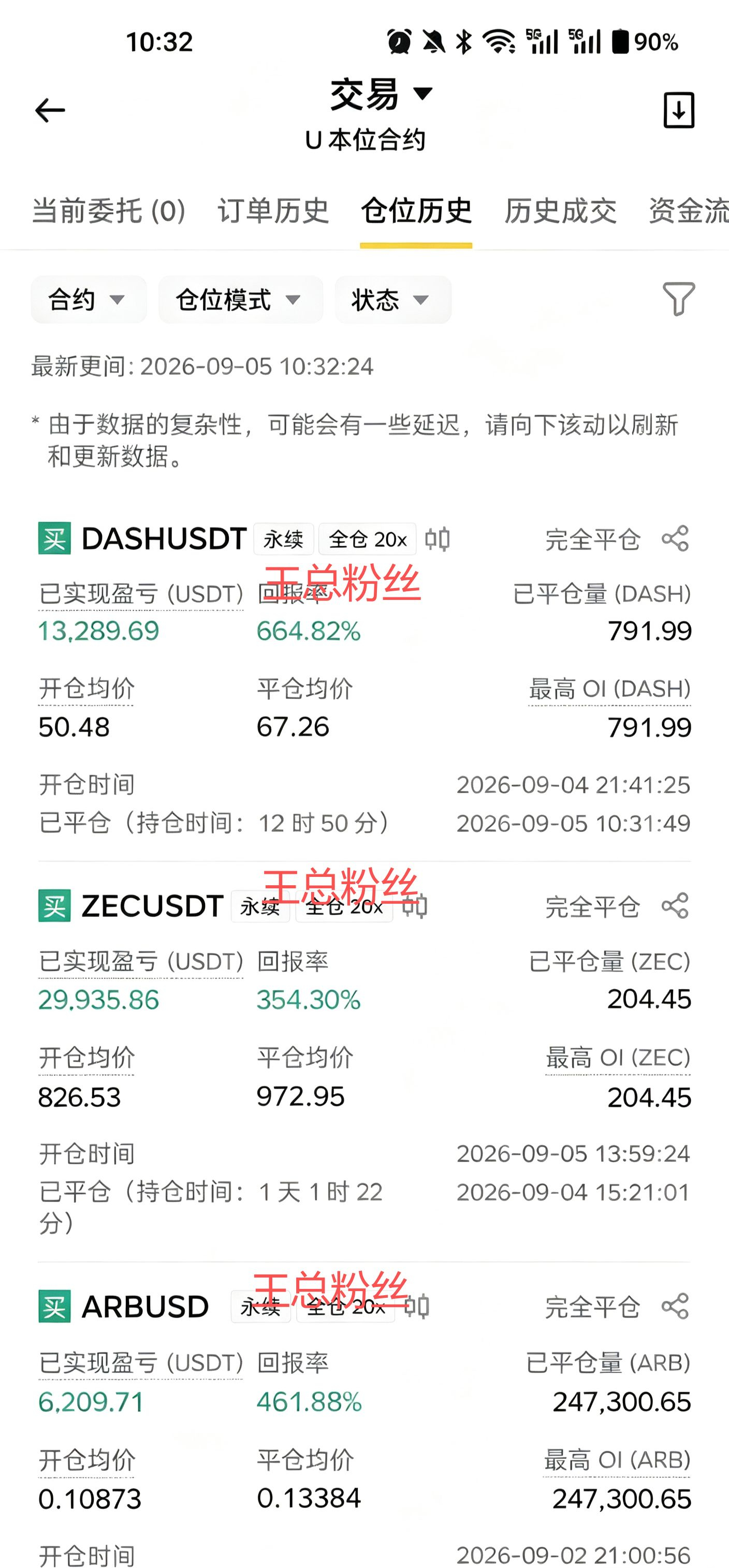
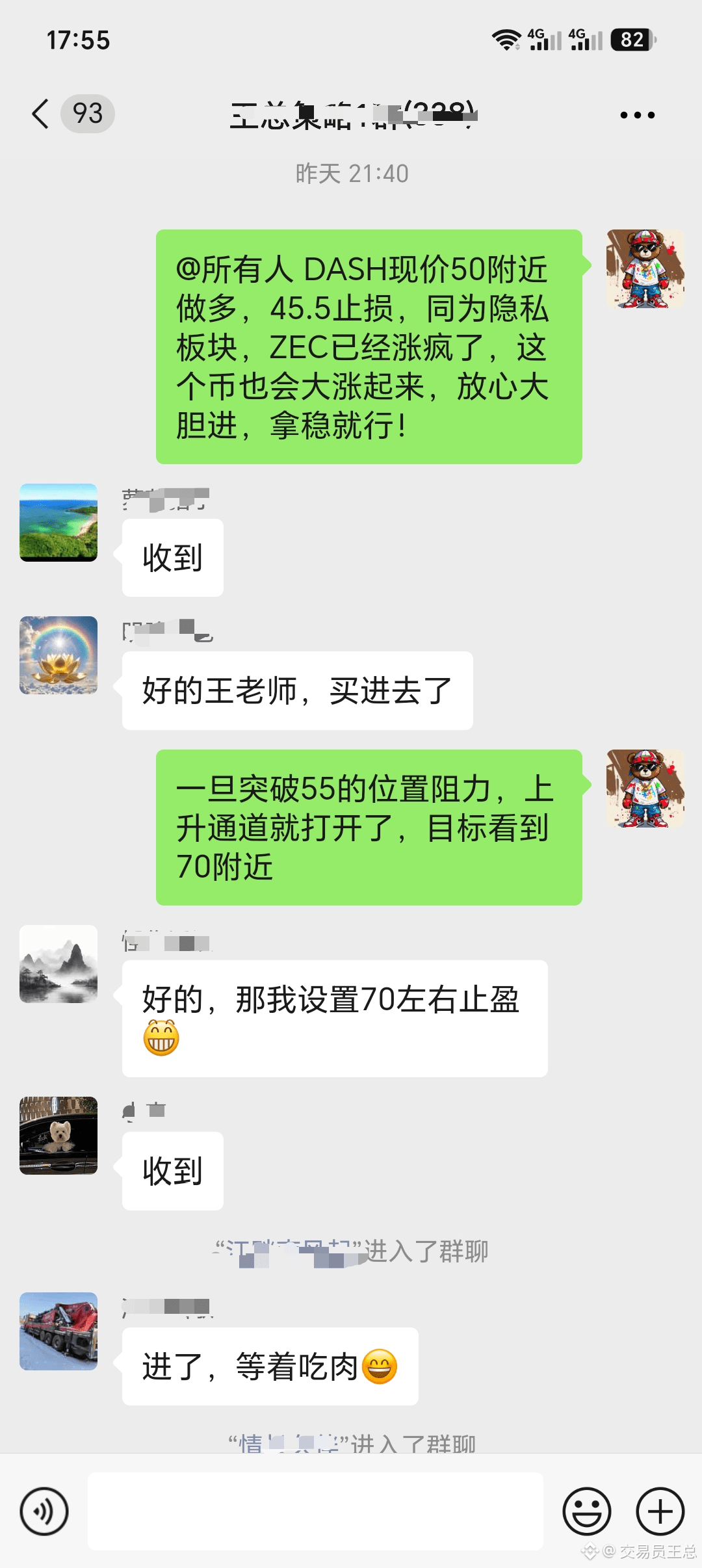
The most explosive fans I’ve ever had! Starting from 800U, in just three months I drove it straight to 19,000U. With a small capital, it was a perfect comeback and a royal “god-tier” reversal!
Some people think it was luck? Pure illusion!
When he first found me, he was even worse off than most retail traders! He chased rallies and cut at the wrong times all the way through, blindly tried to bottom-pick—every time the chart showed the slightest strength, he would recklessly rush in. His principal was tiny, but his actions were extremely aggressive. The account kept losing—doing worse and worse!
I only asked him one key question: Do you want to gamble on a once-in-a-while burst of wealth, or do you want to follow the rules and steadily grow compounding gains over the long term?
After he realized it, I made him stick to three iron trading rules, and he directly achieved a leap in social class!
1. Firmly split positions; absolutely no all-in. Eliminate the root cause of massive losses and liquidation;
2. Hard stop-loss. Never “hold and pray.” When it hits the point, exit immediately—don’t bet on a reversal;
3. Prefer fewer trades but higher quality. If you don’t understand it, go to cash. If there’s no clear trend, never force a trade.
At first, he really couldn’t adapt! While others make a dozen messy trades a day, he only catches two or three high-probability “top-notch” setups. It looks like fewer trades, but it’s a top-tier mindset that cuts through 90% of the weeds!
Stick with it and your account undergoes a complete transformation! From pulling back 20% in a single day and persistent heavy losses, to later when risk control was maxed out and almost nothing was given back. He steadily broke through from 800U to over 5,000U, held above 10,000U, and finally surged to 19,000U—up steadily the whole way, never crashing!
No inside information, no tricks, no mysticism. His comeback was possible because he mastered just one core: first protect the principal and stay alive, then steadily earn profits.
After years deep in the crypto space, I’ve seen it clearly: the ones who lose the fastest and the worst are always the people who are impatient and greedy for quick gains!
Always thinking about doubling in one trade, or changing your life in one cycle—frequent emotional trading in the end only means the market will grind you down and wipe you to zero!
The real experts who can make a small account bigger have an extreme amount of patience. They only trade what they can understand and what is stable and controllable—then they steadily overpower the market with compounding.
Crypto never lacks opportunities. What’s most scarce is principal and patience.
Don’t fantasize about small capital multiplying a hundredfold overnight. If you can survive the drawdowns and protect your principal, then all the doubling opportunities will eventually come your way!
No sneaking around in the dark, no stepping into traps. Steady compounding. Follow Boss Wang’s rhythm—I’ll help you grow your small capital step by step!
Some people think it was luck? Pure illusion!
When he first found me, he was even worse off than most retail traders! He chased rallies and cut at the wrong times all the way through, blindly tried to bottom-pick—every time the chart showed the slightest strength, he would recklessly rush in. His principal was tiny, but his actions were extremely aggressive. The account kept losing—doing worse and worse!
I only asked him one key question: Do you want to gamble on a once-in-a-while burst of wealth, or do you want to follow the rules and steadily grow compounding gains over the long term?
After he realized it, I made him stick to three iron trading rules, and he directly achieved a leap in social class!
1. Firmly split positions; absolutely no all-in. Eliminate the root cause of massive losses and liquidation;
2. Hard stop-loss. Never “hold and pray.” When it hits the point, exit immediately—don’t bet on a reversal;
3. Prefer fewer trades but higher quality. If you don’t understand it, go to cash. If there’s no clear trend, never force a trade.
At first, he really couldn’t adapt! While others make a dozen messy trades a day, he only catches two or three high-probability “top-notch” setups. It looks like fewer trades, but it’s a top-tier mindset that cuts through 90% of the weeds!
Stick with it and your account undergoes a complete transformation! From pulling back 20% in a single day and persistent heavy losses, to later when risk control was maxed out and almost nothing was given back. He steadily broke through from 800U to over 5,000U, held above 10,000U, and finally surged to 19,000U—up steadily the whole way, never crashing!
No inside information, no tricks, no mysticism. His comeback was possible because he mastered just one core: first protect the principal and stay alive, then steadily earn profits.
After years deep in the crypto space, I’ve seen it clearly: the ones who lose the fastest and the worst are always the people who are impatient and greedy for quick gains!
Always thinking about doubling in one trade, or changing your life in one cycle—frequent emotional trading in the end only means the market will grind you down and wipe you to zero!
The real experts who can make a small account bigger have an extreme amount of patience. They only trade what they can understand and what is stable and controllable—then they steadily overpower the market with compounding.
Crypto never lacks opportunities. What’s most scarce is principal and patience.
Don’t fantasize about small capital multiplying a hundredfold overnight. If you can survive the drawdowns and protect your principal, then all the doubling opportunities will eventually come your way!
No sneaking around in the dark, no stepping into traps. Steady compounding. Follow Boss Wang’s rhythm—I’ll help you grow your small capital step by step!
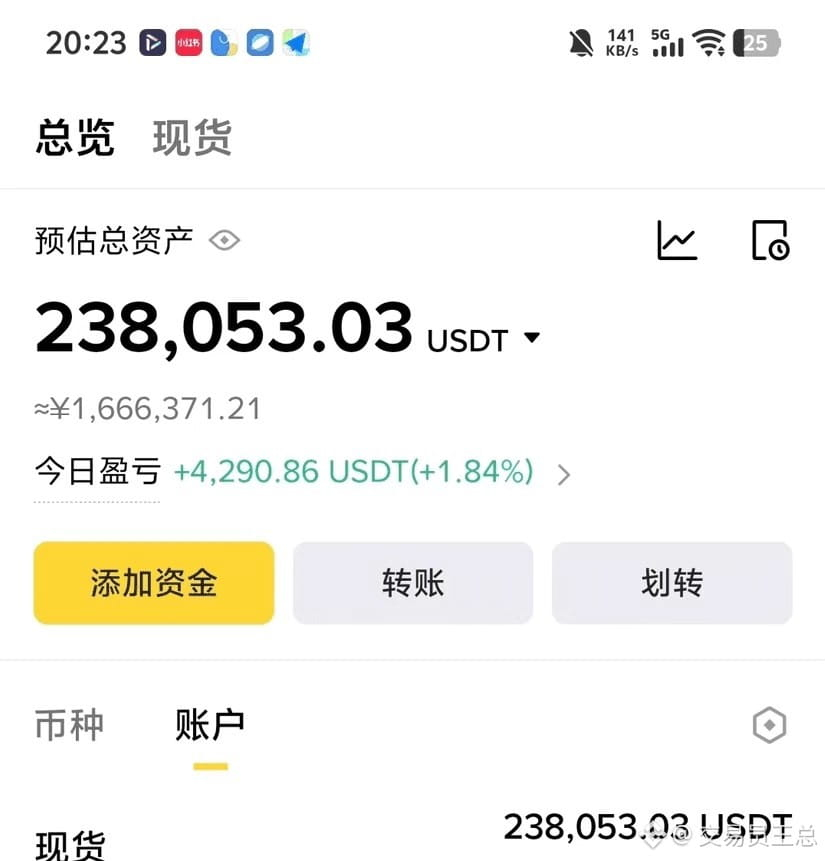
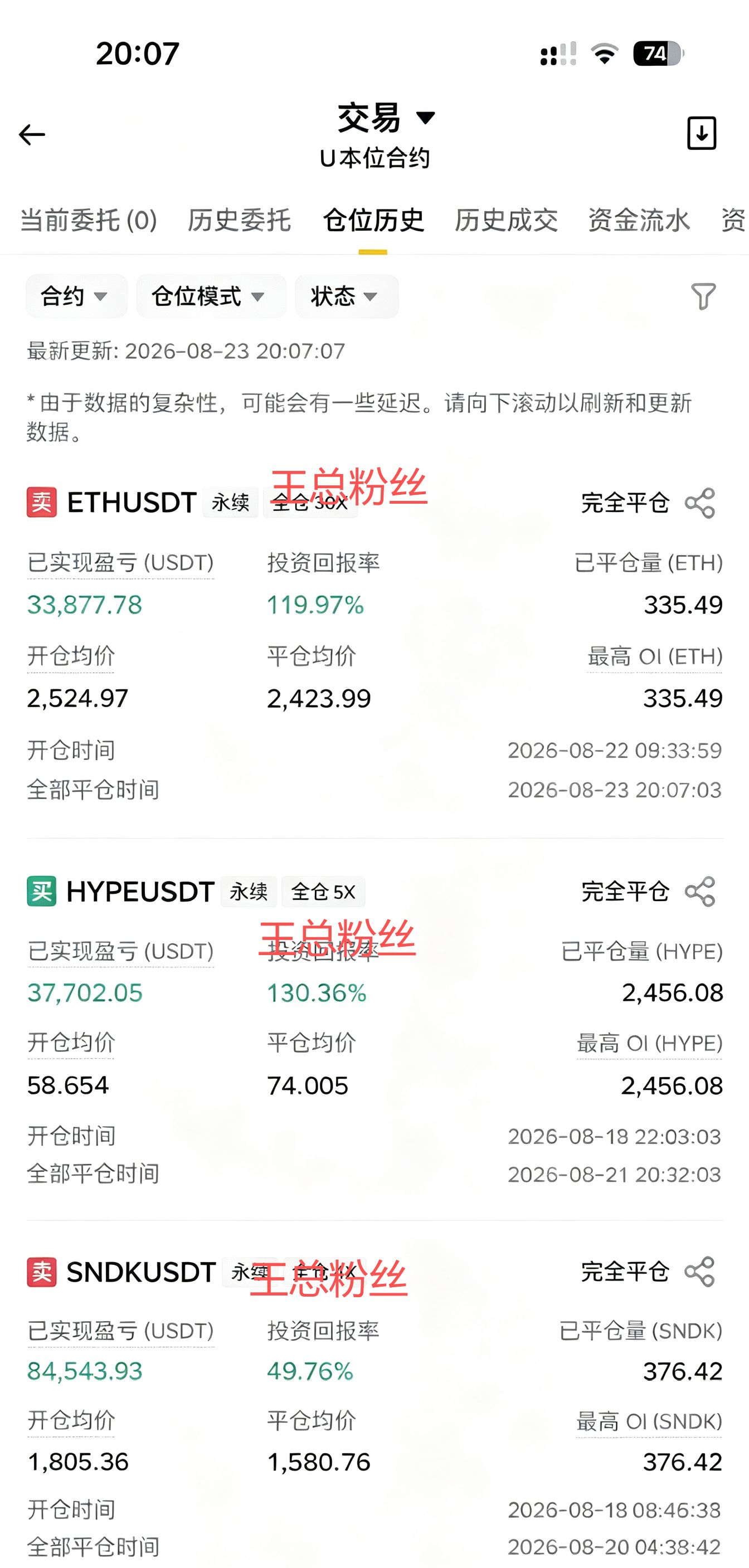
Don’t underestimate the steady returns of a few thousand U per week! The root cause of most people losing big in the crypto circle—cutting repeatedly, panicking and selling—comes down to being too greedy and looking down on “stable and win” setups, all while gambling for a huge profit overnight.
Following my playbook, my fans have all turned the tables against the trend! Your equity curve rises steadily in one direction, with almost no drawdowns—daily profits, weekly realized gains. This is the top trading rhythm that crushes 90% of retail traders in the crypto market!
Before many people get the hang of it, it’s always the same: you always want to catch the big move, double on a single trade. When you make a bit, you greedily refuse to let go; when you lose, you stubbornly hold on and don’t cut losses. Your account swings like a roller coaster—profits get given back, and your principal keeps shrinking. The more you trade, the worse you do!
I only have him change three points, and directly from continuous losses to making a few thousand U every week. Ordinary people can mindlessly copy it and earn:
First, only trade high-certainty setups—no random guessing.
Stop chasing pumps and killing rallies, and stop blindly catching bottoms. Don’t guess the top, don’t bet on sudden spikes—wait until the trend is clear and the signals meet your criteria before entering. No matter how lively the chart looks, if you can’t understand it, stay in cash. Never waste principal on invalid trades!
Second, take profits as they come—never get greedy and try to ride the entire move.
In the crypto world, 90% fail and end up at zero, and they all fall due to greed! Don’t fantasize about eating the entire segment of the trend with one trade. When your profit per trade hits target, take profit immediately. So many people make money but can’t bear to leave; then one pullback wipes out the gains and even turns the trade negative—what a waste! Little by little is the way. Steady wins are the king.
Third, use position-splitting—avoid “all-in” do-or-die bets.
Even the best setups are never worth going all-in. Keep to small positions for trial trades, add on in line with the trend. If you’re right, let the profits expand; if you’re wrong, cut losses quickly and exit with a small stop. Never let one bad trade empty your whole account—completely eliminate liquidation risk!
This playbook looks simple, but it’s the most reliable profit logic in the crypto market. No fake “get rich overnight” hype—only a steadily rising equity curve, driven by self-discipline, rule-keeping, and no emotional trading. It easily crushes every gambler-style trade!
The crypto market never lacks opportunities—what’s missing is people who can consistently make money. You don’t need to chase hot topics or catch “freak charts.” Just trade certainty: make money and take it, and if you can’t understand it, go flat.
True sustainable gains in the crypto world have never come from impulsively becoming rich overnight. It’s built trade by trade, carefully and steadily. Keep this rhythm, and everyone can easily earn a few thousand U per week—stable couch-earning!
Following my playbook, my fans have all turned the tables against the trend! Your equity curve rises steadily in one direction, with almost no drawdowns—daily profits, weekly realized gains. This is the top trading rhythm that crushes 90% of retail traders in the crypto market!
Before many people get the hang of it, it’s always the same: you always want to catch the big move, double on a single trade. When you make a bit, you greedily refuse to let go; when you lose, you stubbornly hold on and don’t cut losses. Your account swings like a roller coaster—profits get given back, and your principal keeps shrinking. The more you trade, the worse you do!
I only have him change three points, and directly from continuous losses to making a few thousand U every week. Ordinary people can mindlessly copy it and earn:
First, only trade high-certainty setups—no random guessing.
Stop chasing pumps and killing rallies, and stop blindly catching bottoms. Don’t guess the top, don’t bet on sudden spikes—wait until the trend is clear and the signals meet your criteria before entering. No matter how lively the chart looks, if you can’t understand it, stay in cash. Never waste principal on invalid trades!
Second, take profits as they come—never get greedy and try to ride the entire move.
In the crypto world, 90% fail and end up at zero, and they all fall due to greed! Don’t fantasize about eating the entire segment of the trend with one trade. When your profit per trade hits target, take profit immediately. So many people make money but can’t bear to leave; then one pullback wipes out the gains and even turns the trade negative—what a waste! Little by little is the way. Steady wins are the king.
Third, use position-splitting—avoid “all-in” do-or-die bets.
Even the best setups are never worth going all-in. Keep to small positions for trial trades, add on in line with the trend. If you’re right, let the profits expand; if you’re wrong, cut losses quickly and exit with a small stop. Never let one bad trade empty your whole account—completely eliminate liquidation risk!
This playbook looks simple, but it’s the most reliable profit logic in the crypto market. No fake “get rich overnight” hype—only a steadily rising equity curve, driven by self-discipline, rule-keeping, and no emotional trading. It easily crushes every gambler-style trade!
The crypto market never lacks opportunities—what’s missing is people who can consistently make money. You don’t need to chase hot topics or catch “freak charts.” Just trade certainty: make money and take it, and if you can’t understand it, go flat.
True sustainable gains in the crypto world have never come from impulsively becoming rich overnight. It’s built trade by trade, carefully and steadily. Keep this rhythm, and everyone can easily earn a few thousand U per week—stable couch-earning!
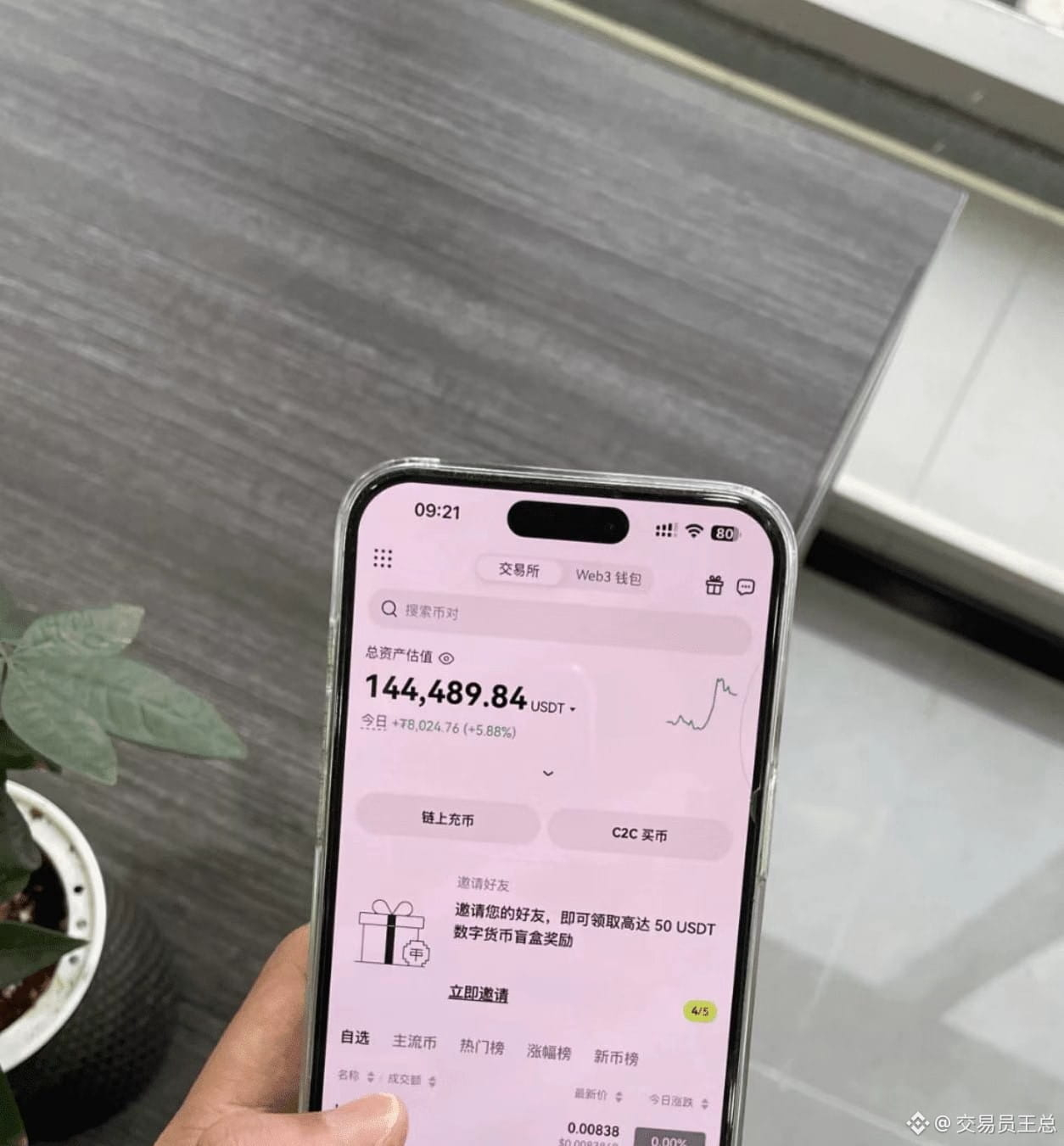
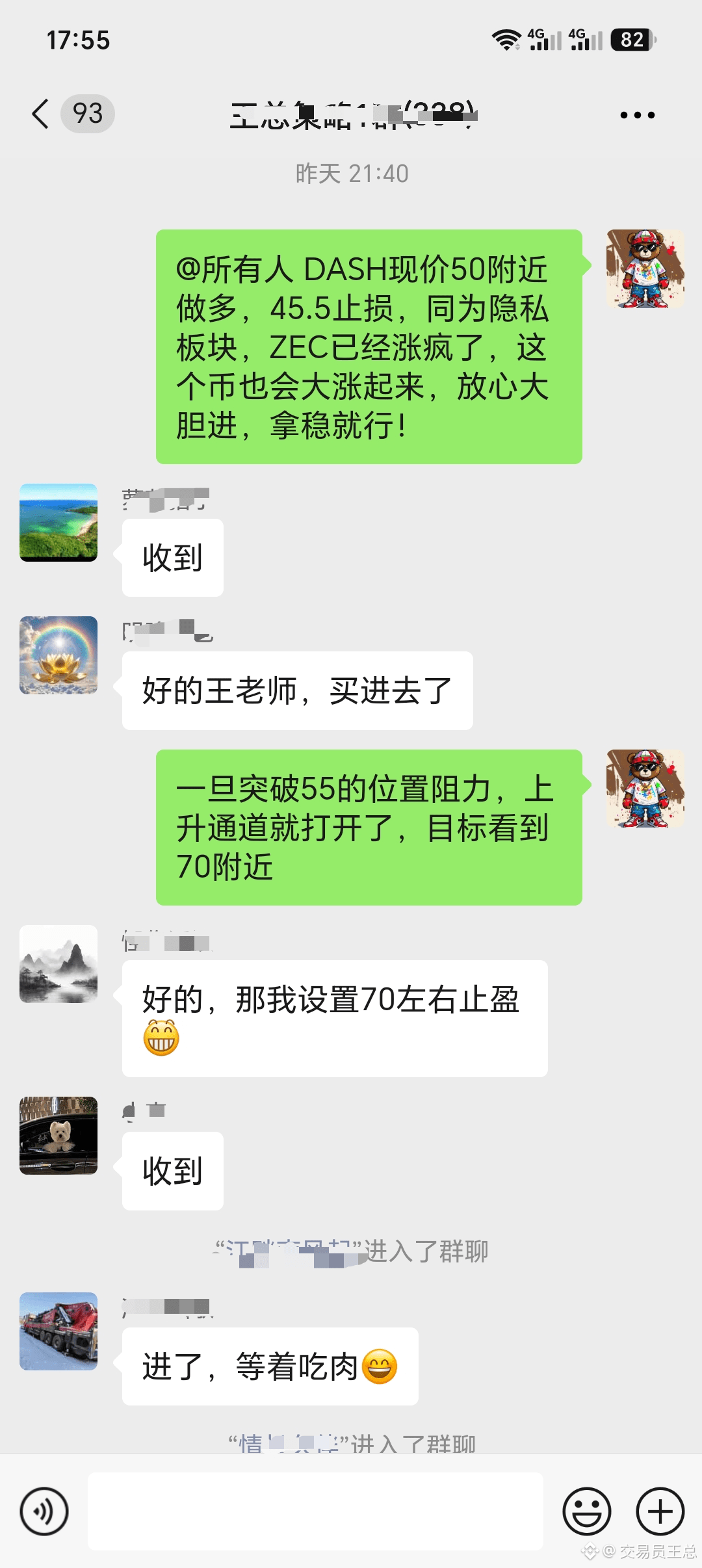
The privacy coin sector has directly exploded and taken off recently!
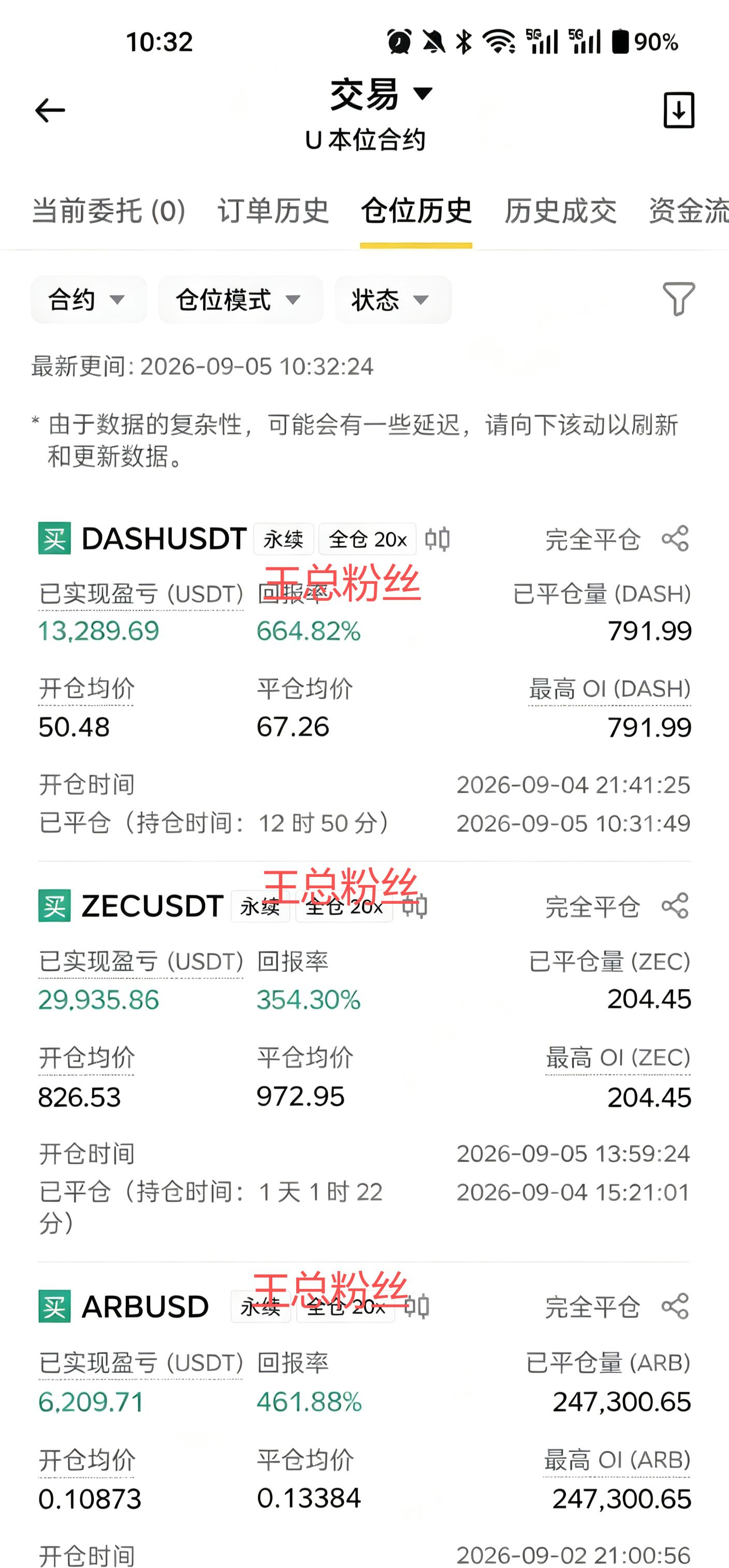
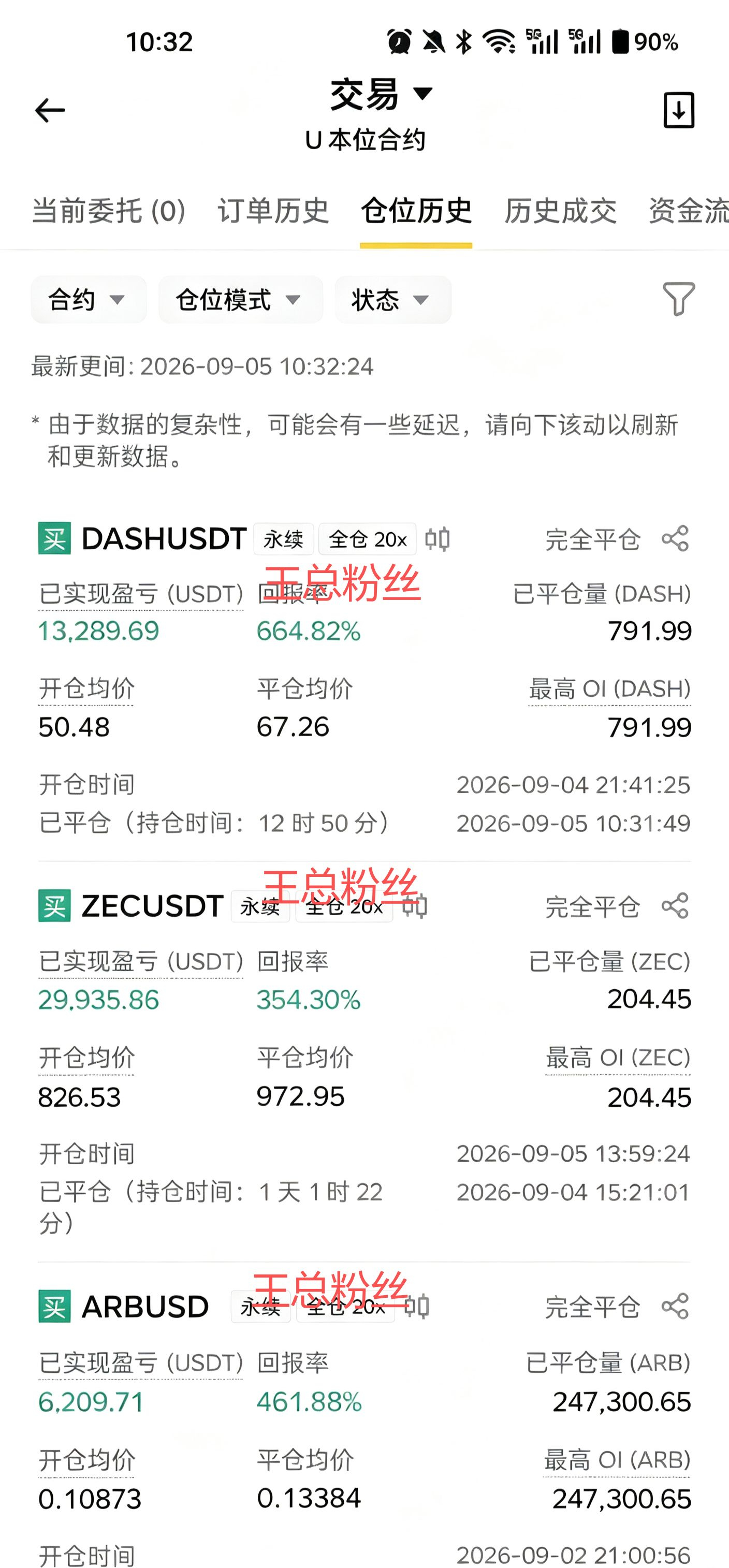
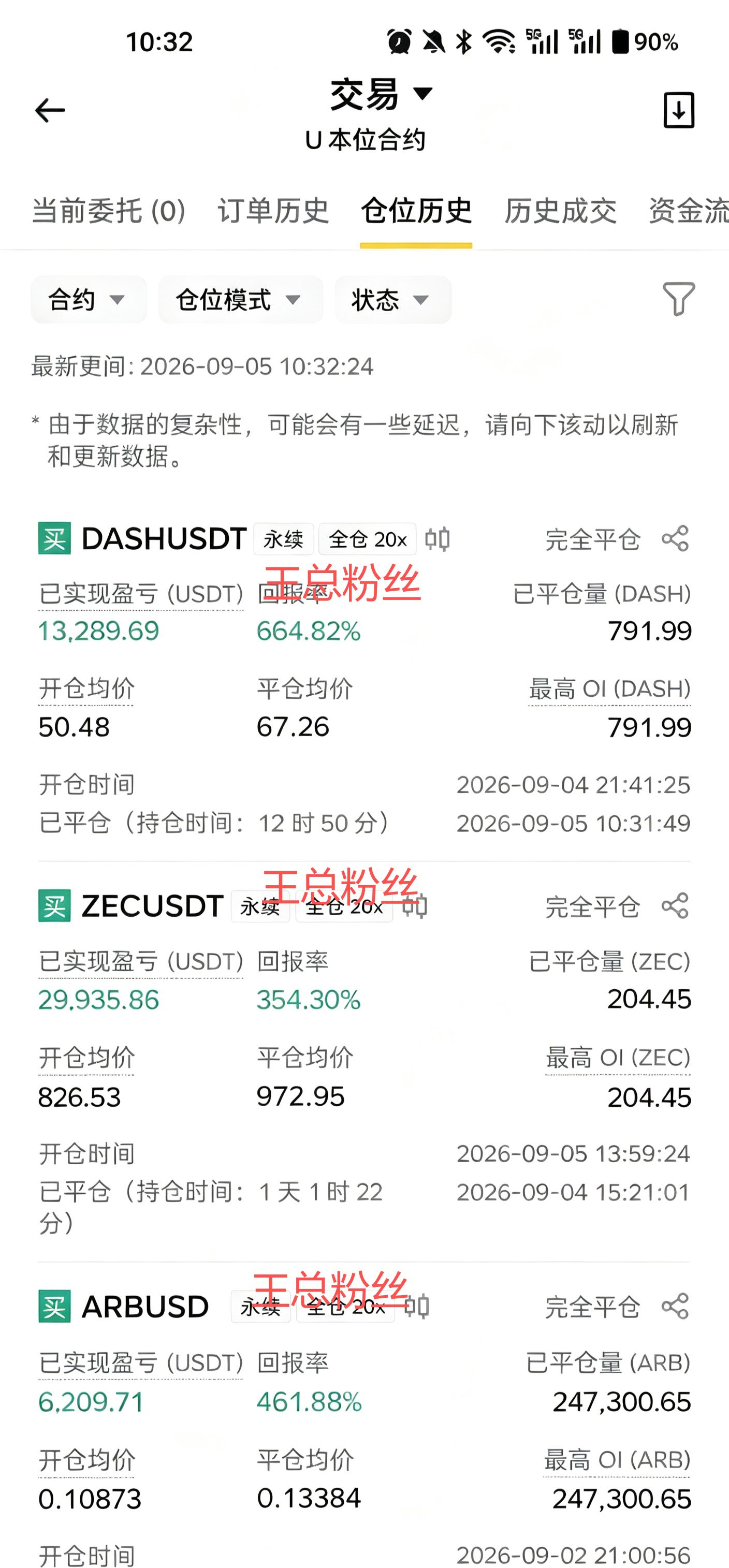
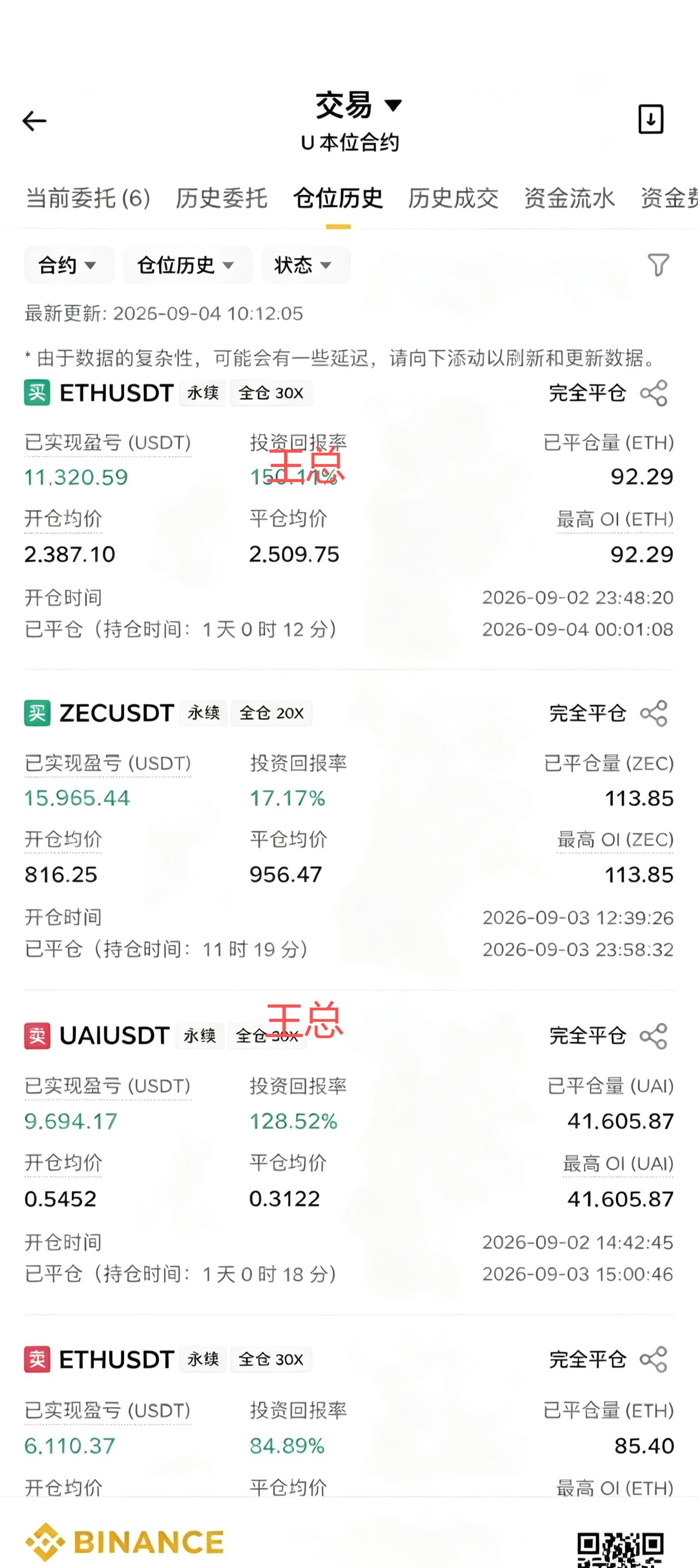
$DASH Two major privacy coins erupted one after another. Riding this wave of momentum brought in over 50,000 U in profits. This rare windfall was firmly seized in hand!
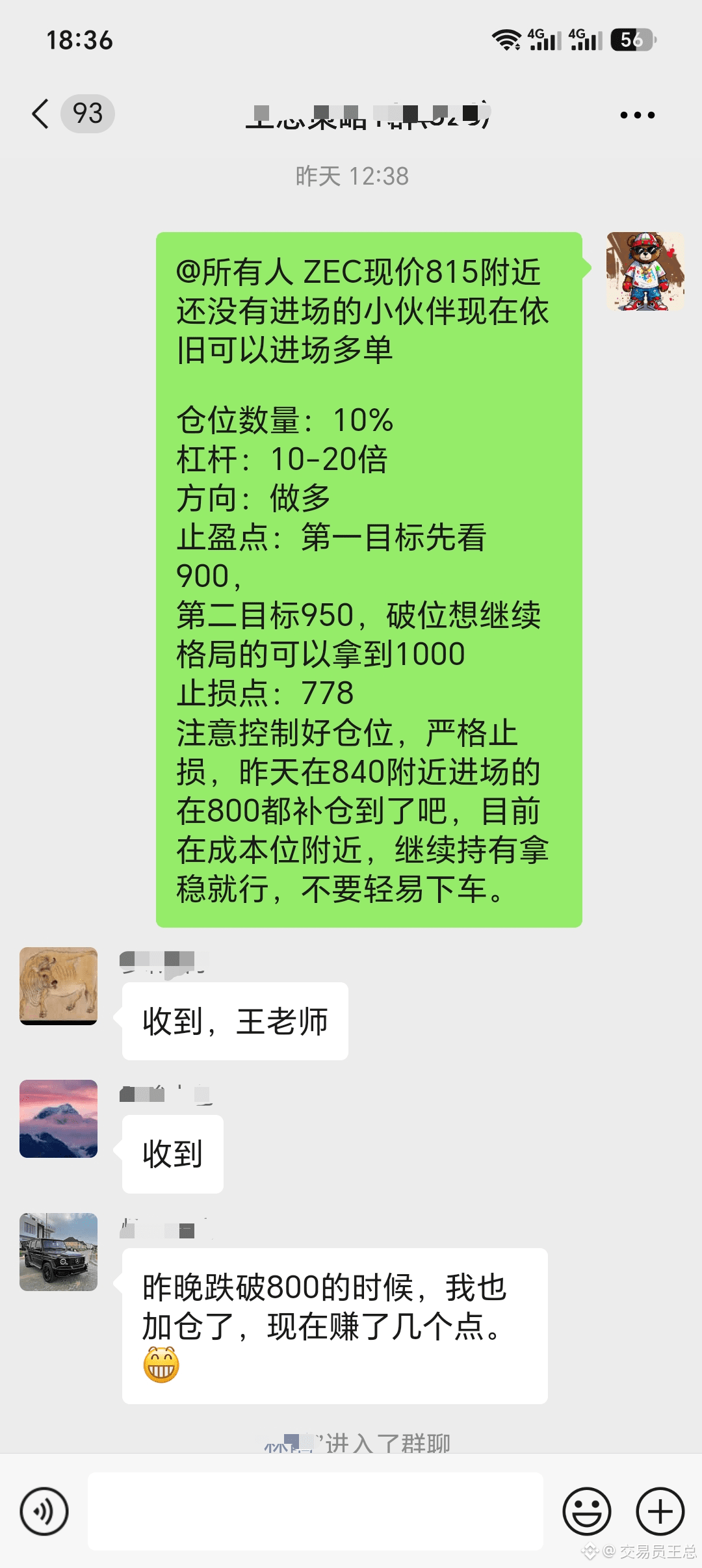
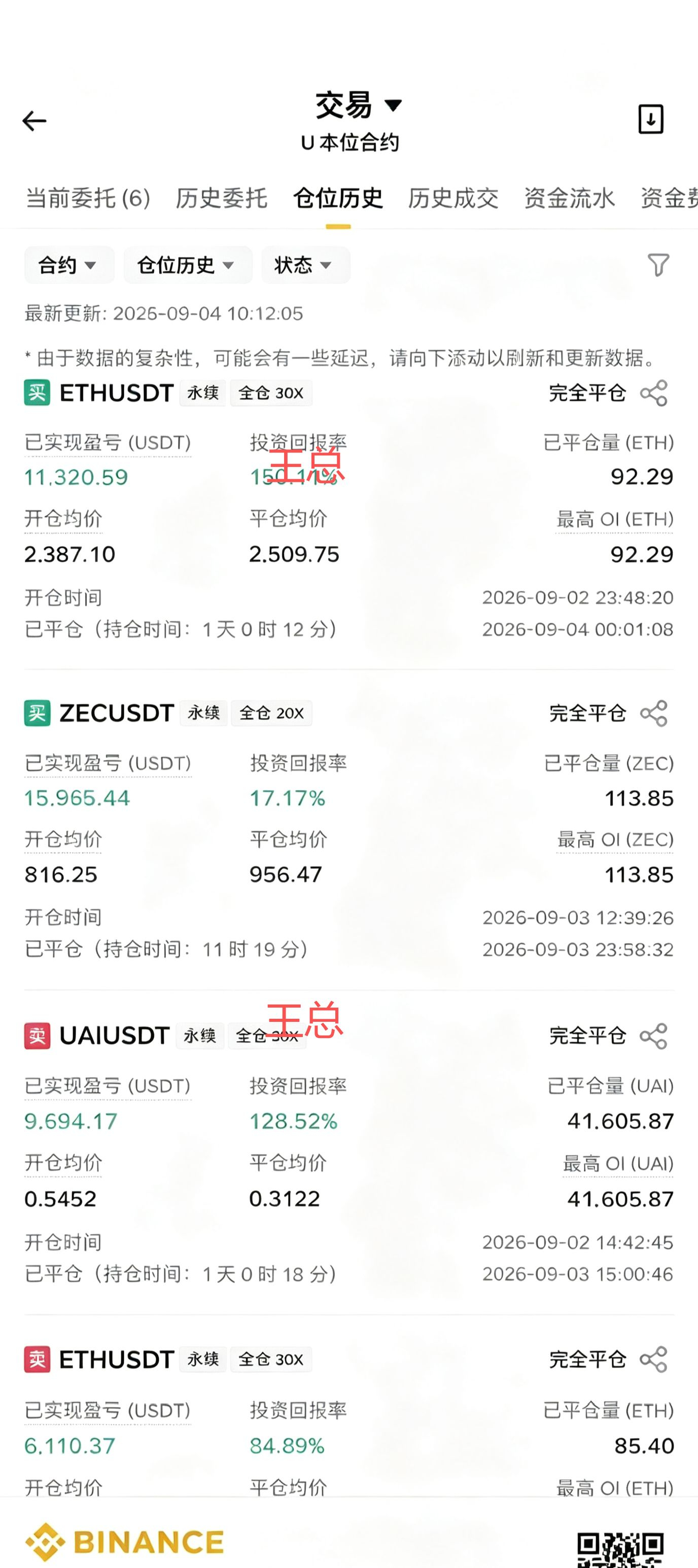
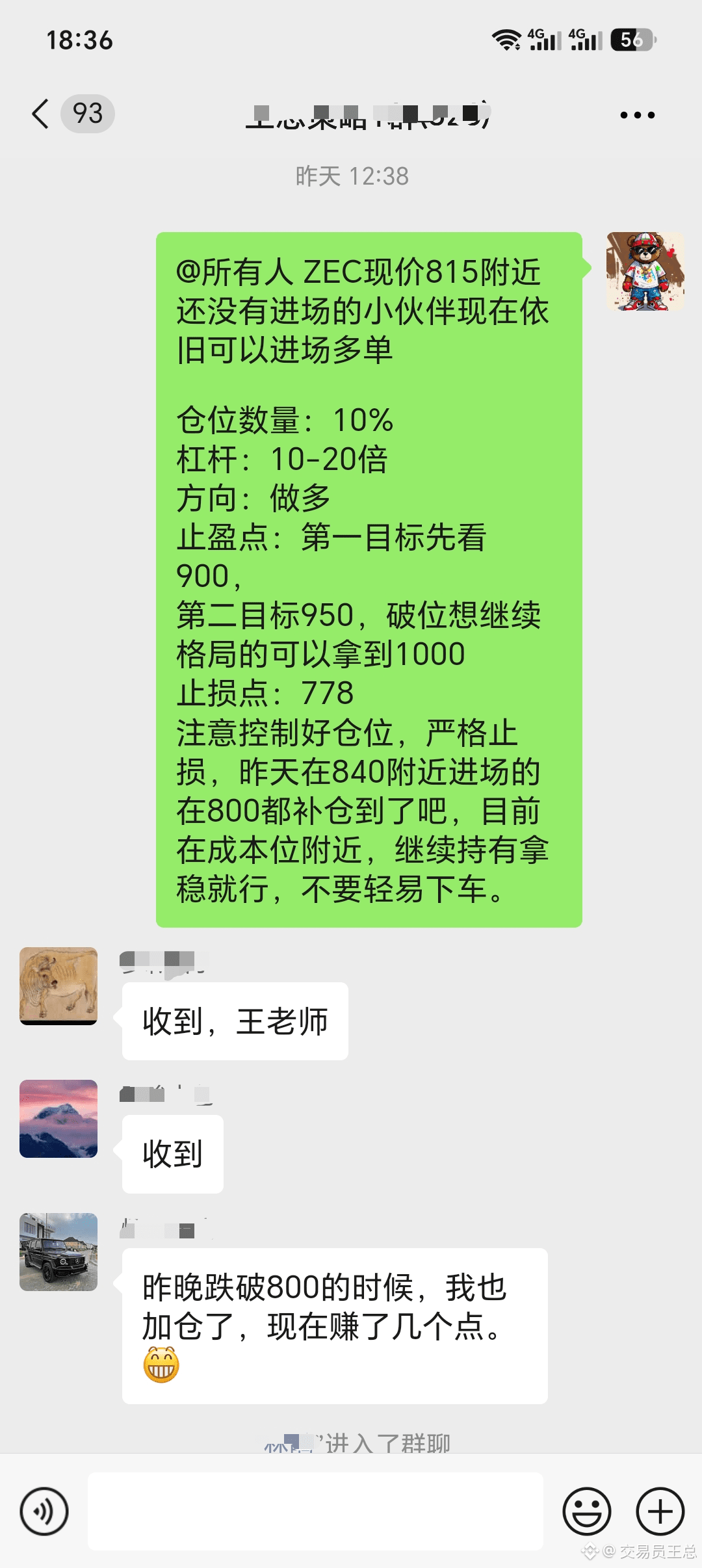
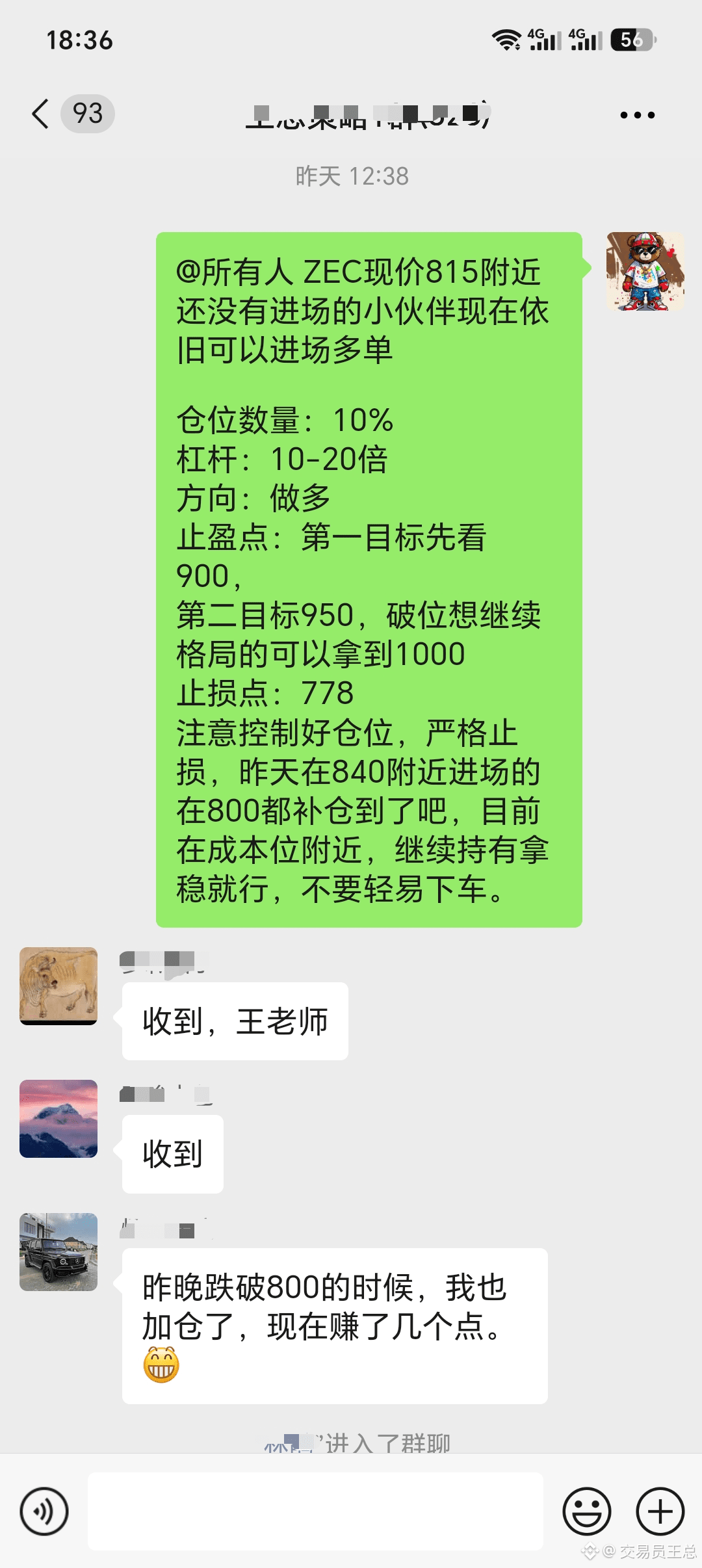
This wave of $ZEC long positions once again proves how accurate my judgment is! In the face of a strong trend, there is simply no ceiling to the upside. Even if it surges to the 1000 level, you can still boldly go long and eat big gains! Those who are timid and dare not enter the market, yet go against the trend to short, are destined to end up deeply trapped!
The hourly, daily, and weekly charts have all formed a strong bullish structure. The big trend is clearly right in front of us, yet if you insist on shorting against it, who else would get trapped but you! In trading, never blindly try to short the top just because price has risen a lot. Likewise, do not rush to buy the bottom when price is falling. As long as you fully understand the core logic of trend judgment, trading can almost put you in an invincible position!
Friends who dared to decisively follow the pace in this wave have seen their accounts directly double and surge! The reality of the crypto market is this cruel: the bold survive, and the timid starve! If you cannot even withstand a 30% floating loss fluctuation, what makes you expect to capture a 300% explosive return!
The next major layout is already quietly brewing, and the subsequent gains will only be more狂暴惊人! Whether you can seize the next wealth opportunity depends on whether you have the courage to get on board! Those who truly want to catch the market and make money will naturally not miss the opportunity!
$DASH Two major privacy coins erupted one after another. Riding this wave of momentum brought in over 50,000 U in profits. This rare windfall was firmly seized in hand!
This wave of $ZEC long positions once again proves how accurate my judgment is! In the face of a strong trend, there is simply no ceiling to the upside. Even if it surges to the 1000 level, you can still boldly go long and eat big gains! Those who are timid and dare not enter the market, yet go against the trend to short, are destined to end up deeply trapped!
The hourly, daily, and weekly charts have all formed a strong bullish structure. The big trend is clearly right in front of us, yet if you insist on shorting against it, who else would get trapped but you! In trading, never blindly try to short the top just because price has risen a lot. Likewise, do not rush to buy the bottom when price is falling. As long as you fully understand the core logic of trend judgment, trading can almost put you in an invincible position!
Friends who dared to decisively follow the pace in this wave have seen their accounts directly double and surge! The reality of the crypto market is this cruel: the bold survive, and the timid starve! If you cannot even withstand a 30% floating loss fluctuation, what makes you expect to capture a 300% explosive return!
The next major layout is already quietly brewing, and the subsequent gains will only be more狂暴惊人! Whether you can seize the next wealth opportunity depends on whether you have the courage to get on board! Those who truly want to catch the market and make money will naturally not miss the opportunity!
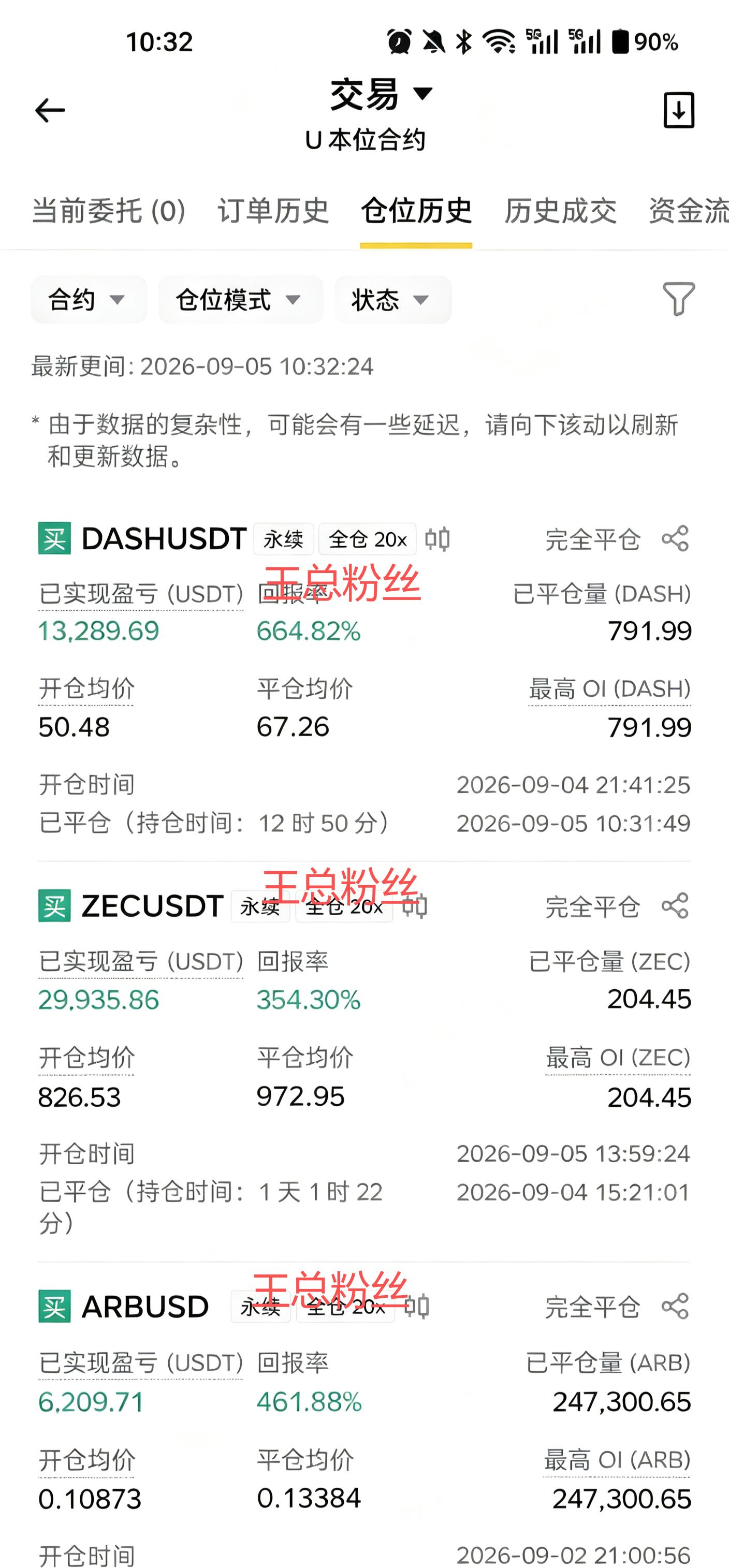
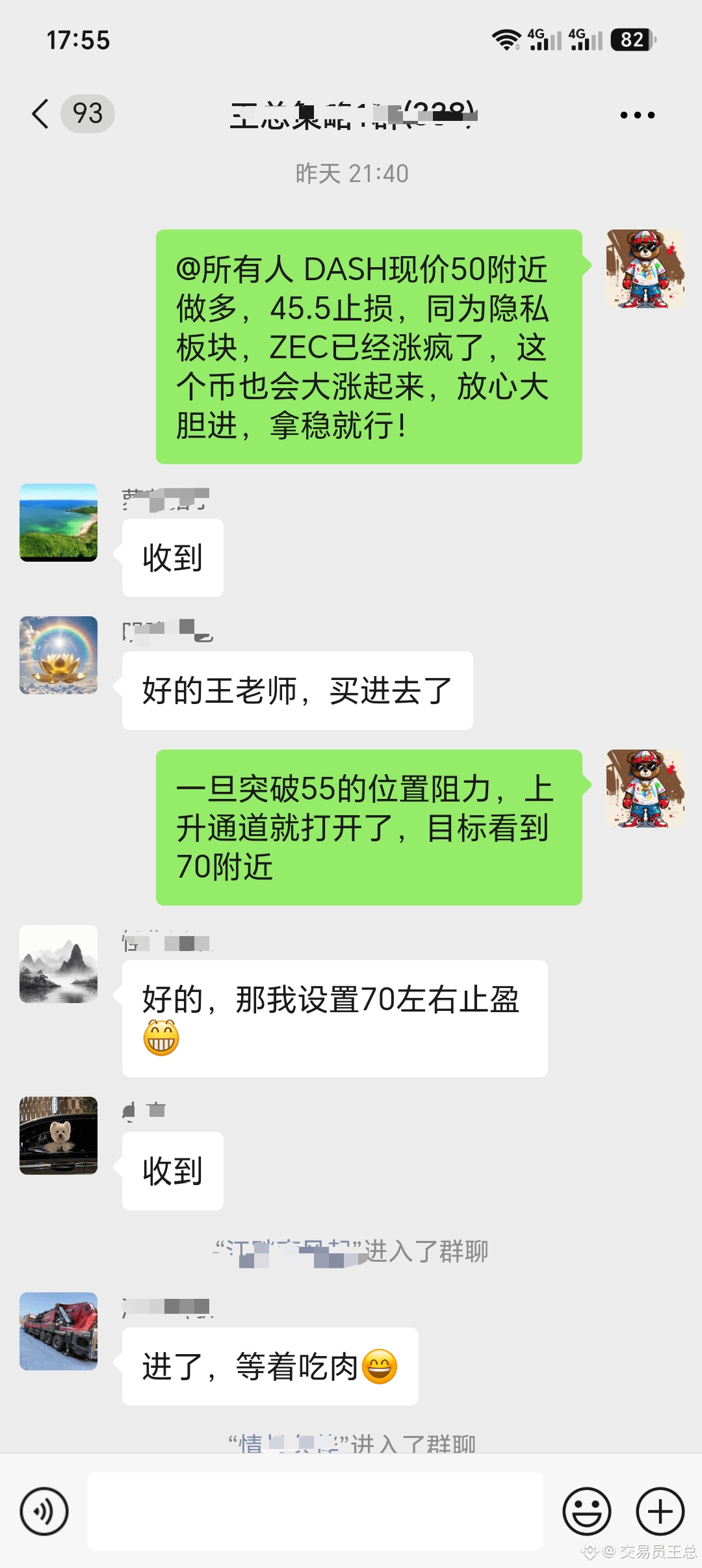
Has trading not improved at all? Frequent orders, repeated being trapped, and continuous losses? Today I’m sharing a super high-win-rate, battle-tested strategy! No complicated technicals, no late-night backtesting, and ordinary people can also make steady money!
It specifically solves the problems of not understanding market trends, not knowing when to enter, and frequently getting trapped. Stick to it, and making a profit is really that simple!
① Carefully select assets, prevent liquidation
Only trade high-quality U.S. stocks and mainstream crypto coins in a bull market, and use low leverage to go long steadily, fundamentally avoiding liquidation risk. Never touch altcoins; their trends have no bottom line and will only trap people endlessly.
② Follow the trend and hold positions to maximize profits
Once an order is profitable, hold firmly. Ride the trend and capture the swing move, letting profits keep expanding without missing the upside gains.
③ Don’t panic when trapped; the more it falls, the greater the opportunity
No need to cut losses or panic over small losses! After getting trapped, carefully study the candlestick chart. The deeper the loss, the more solid the bottom, and at low levels, add long positions with high leverage—the reversal is easy and the explosive profits are huge!
Many people underestimate this simple method, but they don’t realize that the simpler the trading logic, the more it can crush most retail traders! Master the core points, and you can directly outperform 90% of traders.
✅ Choosing the right asset is key
High-quality assets come with built-in rebound potential; altcoins have no chance of turning around. The first step in trading is screening the right instruments.
✅ Suitable for all lazy traders
No need to study complicated indicators. If you’re not trapped, just hold steadily for gains; if you are trapped, dig deep into market trends. The more you lose, the more you learn to trade, and the more trapped you are, the more opportunities you have.
✅ Every decline is a golden pit
Mainstream assets have a long-term bullish outlook. Short-term pullbacks are not risk—they are doubled opportunities to pick up chips at low prices.
✅ Deeply trapped means a big opportunity
The deeper you are trapped, the more solidly the bottom is formed, and the stronger the subsequent reversal explosion. Building positions at low levels delivers unbeatable value.
Buffett’s core investing principle: for assets you believe in, the lower the price, the more worth it they are to accumulate. Buy low, wait for the rise, and let compounding double your returns!
Stable profits never come from frequent trading; they come from a reliable system! Strictly execute this strategy, and easily achieve a trading comeback!
It specifically solves the problems of not understanding market trends, not knowing when to enter, and frequently getting trapped. Stick to it, and making a profit is really that simple!
① Carefully select assets, prevent liquidation
Only trade high-quality U.S. stocks and mainstream crypto coins in a bull market, and use low leverage to go long steadily, fundamentally avoiding liquidation risk. Never touch altcoins; their trends have no bottom line and will only trap people endlessly.
② Follow the trend and hold positions to maximize profits
Once an order is profitable, hold firmly. Ride the trend and capture the swing move, letting profits keep expanding without missing the upside gains.
③ Don’t panic when trapped; the more it falls, the greater the opportunity
No need to cut losses or panic over small losses! After getting trapped, carefully study the candlestick chart. The deeper the loss, the more solid the bottom, and at low levels, add long positions with high leverage—the reversal is easy and the explosive profits are huge!
Many people underestimate this simple method, but they don’t realize that the simpler the trading logic, the more it can crush most retail traders! Master the core points, and you can directly outperform 90% of traders.
✅ Choosing the right asset is key
High-quality assets come with built-in rebound potential; altcoins have no chance of turning around. The first step in trading is screening the right instruments.
✅ Suitable for all lazy traders
No need to study complicated indicators. If you’re not trapped, just hold steadily for gains; if you are trapped, dig deep into market trends. The more you lose, the more you learn to trade, and the more trapped you are, the more opportunities you have.
✅ Every decline is a golden pit
Mainstream assets have a long-term bullish outlook. Short-term pullbacks are not risk—they are doubled opportunities to pick up chips at low prices.
✅ Deeply trapped means a big opportunity
The deeper you are trapped, the more solidly the bottom is formed, and the stronger the subsequent reversal explosion. Building positions at low levels delivers unbeatable value.
Buffett’s core investing principle: for assets you believe in, the lower the price, the more worth it they are to accumulate. Buy low, wait for the rise, and let compounding double your returns!
Stable profits never come from frequent trading; they come from a reliable system! Strictly execute this strategy, and easily achieve a trading comeback!
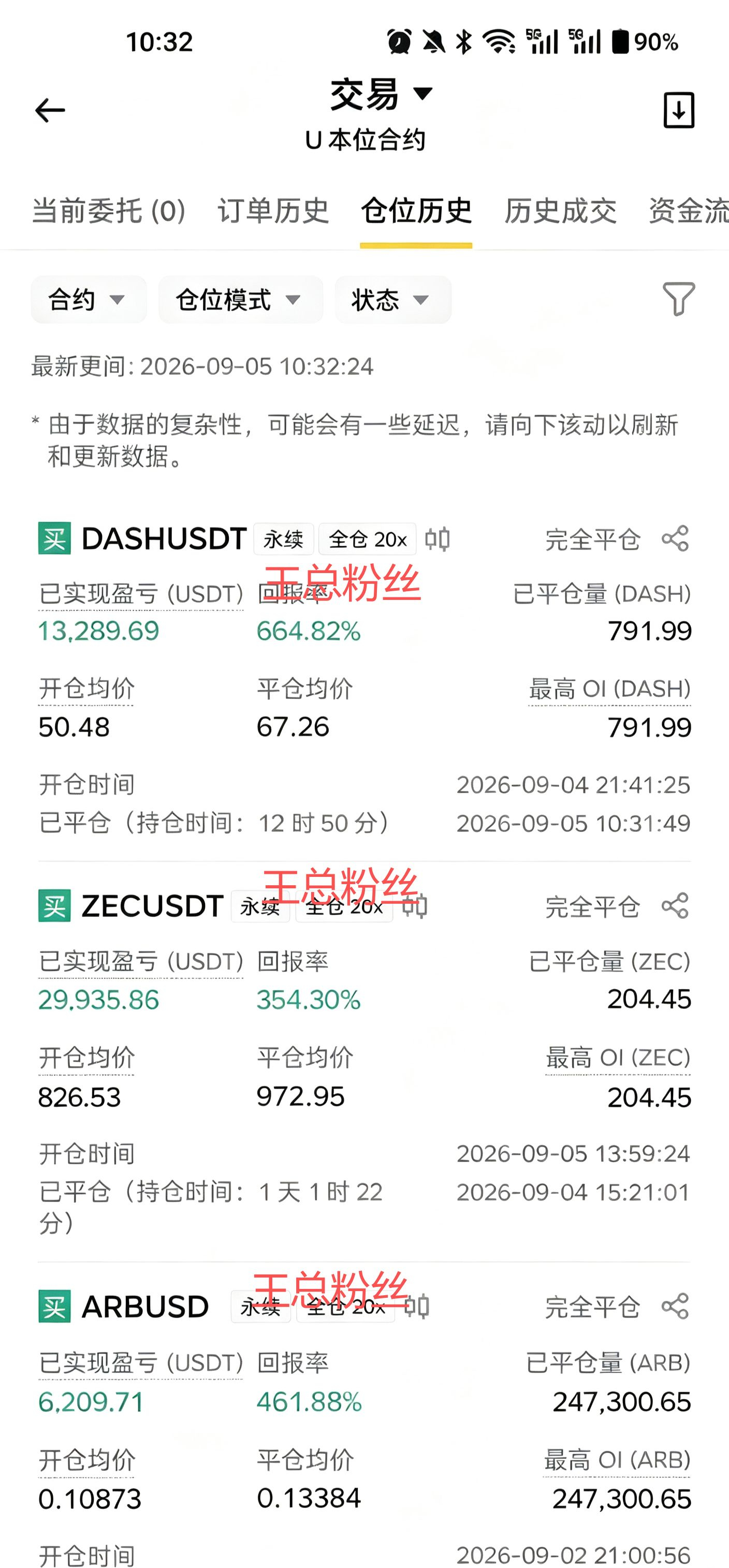
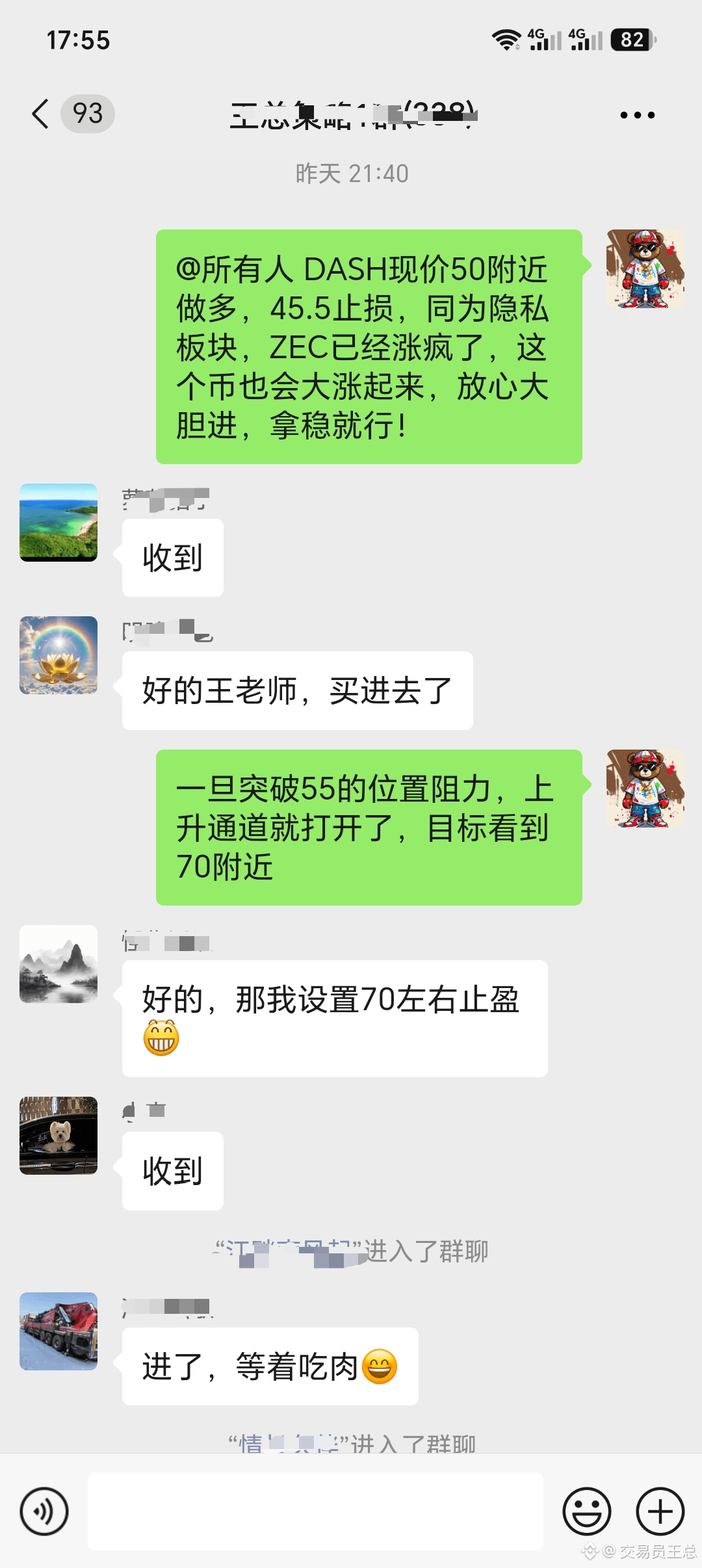
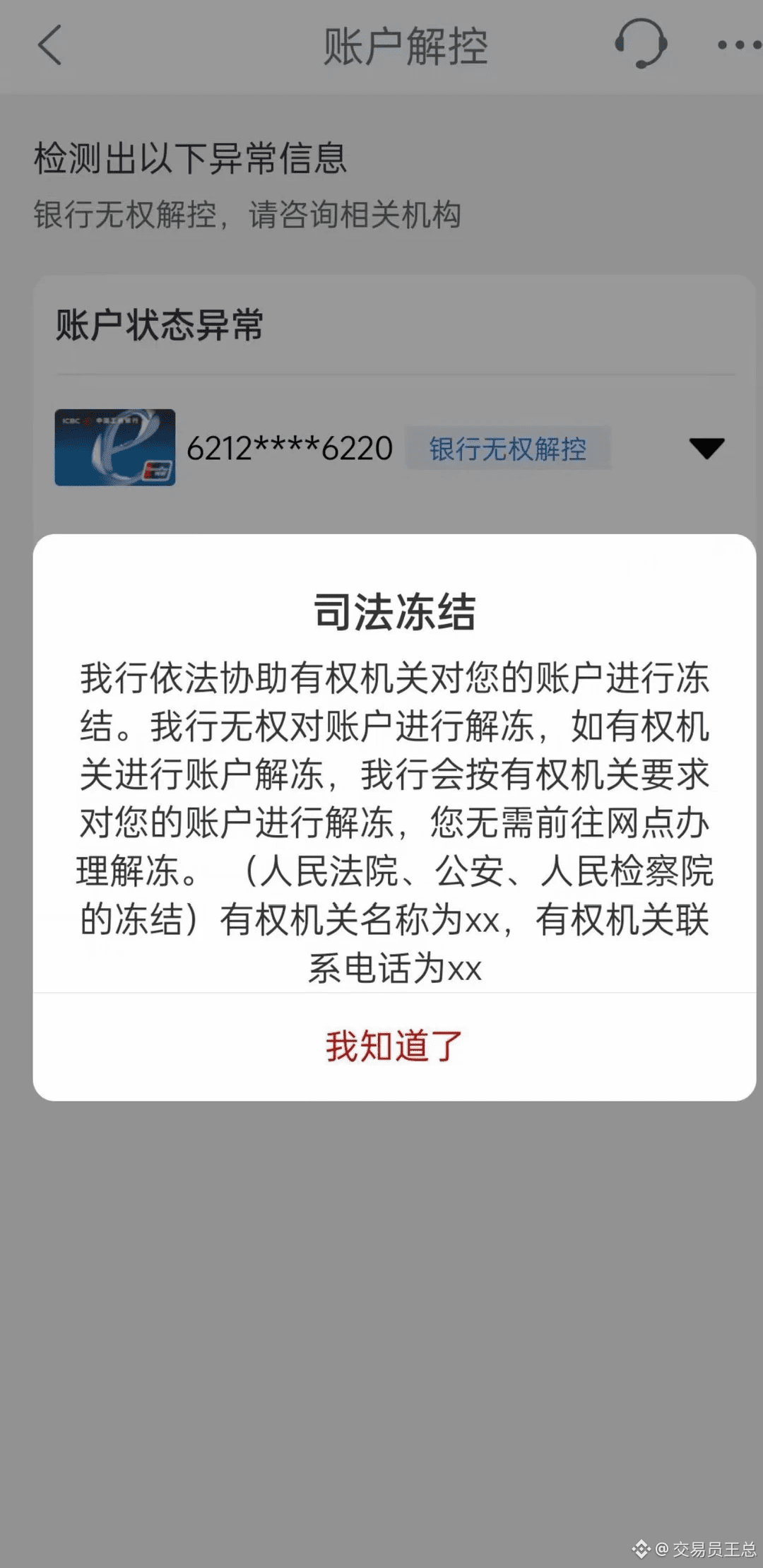
Hello, this is the Criminal Investigation Brigade of the Public Security Bureau. The system warning shows that the bank card under your name has abnormal transactions and is suspected to be involved in a money laundering case. Please cooperate immediately and verify all recent transaction records. #新手必看
When you suddenly receive a call like this, even experienced crypto traders will feel a jolt of alarm! But do not panic. The more panicked you are, the easier it is to say the wrong thing. Remember these three steps to cooperate properly and reduce trouble for yourself!
1. Clarify the boundaries: normal crypto trading is not illegal
When questioned, you can honestly explain: personal trading of virtual currency itself is not illegal, but if you receive funds from an unknown source, you must bear the corresponding responsibility. Make it clear that you are just an ordinary trader, that all operations were conducted on legitimate platforms, and that you did not participate in any illegal activity.
2. If a refund is requested, stay calm and cooperate, do not confront it head-on
If you are told that the credited funds have a problem and need to be refunded, steady your mindset and communicate properly. You can say: "I will fully cooperate with the investigation, and everything will be handled according to regulations."
Proactively submit evidence such as transaction records and transfer screenshots. The more actively you cooperate, the faster the issue will be resolved, and it will be less likely to implicate other bank cards. Refusing to cooperate will only make a small matter bigger.
3. Distinguish the freezing situation clearly; proactive cooperation leaves no record
You must understand the difference between the two: if you actively participate in illegal activity, all accounts will be frozen; if you normally trade and accidentally receive problematic funds, usually only the receiving card will be frozen. As long as you actively cooperate with the verification, there will be no criminal record.
Crypto trading is full of risks. Every transfer must be handled carefully. Be sure to do these three checks: verify the other party's real-name credentials, verify the source of funds, and verify the safety of the wallet address.
In crypto trading, stability is always more important than quick money! Protect your assets, and never accidentally get caught up in the vortex of scams or money laundering.
Follow Wang Zong, no bragging, no empty promises! Daily updates with firsthand news, account risk avoidance knowledge, and in-depth market analysis! #币圈
When you suddenly receive a call like this, even experienced crypto traders will feel a jolt of alarm! But do not panic. The more panicked you are, the easier it is to say the wrong thing. Remember these three steps to cooperate properly and reduce trouble for yourself!
1. Clarify the boundaries: normal crypto trading is not illegal
When questioned, you can honestly explain: personal trading of virtual currency itself is not illegal, but if you receive funds from an unknown source, you must bear the corresponding responsibility. Make it clear that you are just an ordinary trader, that all operations were conducted on legitimate platforms, and that you did not participate in any illegal activity.
2. If a refund is requested, stay calm and cooperate, do not confront it head-on
If you are told that the credited funds have a problem and need to be refunded, steady your mindset and communicate properly. You can say: "I will fully cooperate with the investigation, and everything will be handled according to regulations."
Proactively submit evidence such as transaction records and transfer screenshots. The more actively you cooperate, the faster the issue will be resolved, and it will be less likely to implicate other bank cards. Refusing to cooperate will only make a small matter bigger.
3. Distinguish the freezing situation clearly; proactive cooperation leaves no record
You must understand the difference between the two: if you actively participate in illegal activity, all accounts will be frozen; if you normally trade and accidentally receive problematic funds, usually only the receiving card will be frozen. As long as you actively cooperate with the verification, there will be no criminal record.
Crypto trading is full of risks. Every transfer must be handled carefully. Be sure to do these three checks: verify the other party's real-name credentials, verify the source of funds, and verify the safety of the wallet address.
In crypto trading, stability is always more important than quick money! Protect your assets, and never accidentally get caught up in the vortex of scams or money laundering.
Follow Wang Zong, no bragging, no empty promises! Daily updates with firsthand news, account risk avoidance knowledge, and in-depth market analysis! #币圈
Many people treat the crypto market like a casino, but mature trading never relies on luck.
Here is a real case: a newcomer started with only 1800U, grew it to 29,000U in three months, and now has a stable account balance of 58,000U, with zero liquidation throughout. The secret to this comeback is the three core trading logics below.
1. Split positions to stay alive first 1800U is divided equally into three parts of 600U each: - Intraday position: one trade per day; take profit once the target is reached and do not overstay - Swing position: patiently wait for the main trend and act only when the opportunity is clear - Reserve position: untouched by market swings, serving as the final safety backup
Going all-in is the number one cause of liquidation for small accounts. In crypto, survival comes first and profit second.
2. Abandon sideways markets and only catch the main uptrend 80% of the time, the market is choppy and being shaken out; frequent trading only wastes principal. If the trend is not clear, stay in cash and wait. Enter only when the move begins. Once profit exceeds 20%, transfer out 30% of the gains first to lock them in. Experts rarely trade frequently; they act only to catch one major move.
3. Strictly follow iron rules and eliminate emotional trading Three rules must be executed unconditionally: - If a single trade loses 2%, cut it immediately and exit - Reduce the position by half once profit reaches 4% to lock in gains - Never add to a losing position to avoid deeper losses
Trading should let capital follow the rules, not emotions.
Turning 1800U into 58,000U depends not on gambling luck, but on a complete and workable trading system. Whether you can profit in crypto for the long term depends less on market conditions and more on risk control.
I only do real trading, no empty promises. The team still has a few openings left. If you want to learn this steady strategy and turn things around, welcome to join us!
Here is a real case: a newcomer started with only 1800U, grew it to 29,000U in three months, and now has a stable account balance of 58,000U, with zero liquidation throughout. The secret to this comeback is the three core trading logics below.
1. Split positions to stay alive first 1800U is divided equally into three parts of 600U each: - Intraday position: one trade per day; take profit once the target is reached and do not overstay - Swing position: patiently wait for the main trend and act only when the opportunity is clear - Reserve position: untouched by market swings, serving as the final safety backup
Going all-in is the number one cause of liquidation for small accounts. In crypto, survival comes first and profit second.
2. Abandon sideways markets and only catch the main uptrend 80% of the time, the market is choppy and being shaken out; frequent trading only wastes principal. If the trend is not clear, stay in cash and wait. Enter only when the move begins. Once profit exceeds 20%, transfer out 30% of the gains first to lock them in. Experts rarely trade frequently; they act only to catch one major move.
3. Strictly follow iron rules and eliminate emotional trading Three rules must be executed unconditionally: - If a single trade loses 2%, cut it immediately and exit - Reduce the position by half once profit reaches 4% to lock in gains - Never add to a losing position to avoid deeper losses
Trading should let capital follow the rules, not emotions.
Turning 1800U into 58,000U depends not on gambling luck, but on a complete and workable trading system. Whether you can profit in crypto for the long term depends less on market conditions and more on risk control.
I only do real trading, no empty promises. The team still has a few openings left. If you want to learn this steady strategy and turn things around, welcome to join us!
Friends with capital within 5000U, read this carefully! The crypto market is never about gambling on luck; it’s all about trading strategy. If you want small capital to turn things around, never be impatient or greedy for quick gains. A steady mindset and strict discipline are the core.
Last year I mentored a complete beginner who started with only 800U. At first, he was timid and dared not trade, afraid of losing everything. He followed my trading rules throughout and traded steadily, never going all-in blindly or trading at random. In the end, he grew it to 19,000U in four months and broke through 28,000U in six months, with zero liquidations the whole way and a pure compounding comeback.
This turnaround wasn’t luck; it came from three practical iron rules that small-capital traders can copy directly:
1. Split capital into three parts to leave room for mistakes
With 800U, allocate it scientifically: 300U for BTC and ETH intraday short-term trades, taking profit once you catch a small 2%-4% swing; 250U for short swings, only following clear trends and holding for 2-4 days for steady gains; the remaining 250U stays as reserve principal, untouched no matter how the market moves, protecting the bottom line.
Most small-account losses come from going all-in. When price rises, greed prevents taking profits; when it falls, they refuse to stop loss. That path is doomed to be short-lived. Truly steady traders always keep backup ammo.
2. Only trade trending markets; give up on useless choppy ranges
The market spends about 80% of the time moving sideways. Frequent trading only wastes fees and burns capital. Without a clear trend signal, stay in cash and wait patiently; only enter decisively after the move is confirmed.
When a single trade reaches 12% profit, immediately withdraw half of it. Locking in gains is the only real profit. Skilled traders never overtrade; they only take high-probability setups and never chase pumps.
3. Strictly control trading discipline and quit emotional trading
Hold firmly to hard risk-control rules: keep any single-trade loss within 1.2%, and exit with no exceptions once that level is hit; if profit exceeds 2.5%, reduce half the position first, then let the remaining position ride for more gains; after a loss, never add to the position to average down, to avoid getting trapped deeper and deeper.
Trading doesn’t require perfect prediction every time, but it does require strict rule-following every time. The essence of stable profitability is using discipline to keep impulsive trading in check.
Having small capital has never been the real weakness. What’s truly dangerous is always wanting to go all-in for a comeback. Growing from 800U to 28,000U depended not on gambling, but on rules, patience, and self-discipline.
Last year I mentored a complete beginner who started with only 800U. At first, he was timid and dared not trade, afraid of losing everything. He followed my trading rules throughout and traded steadily, never going all-in blindly or trading at random. In the end, he grew it to 19,000U in four months and broke through 28,000U in six months, with zero liquidations the whole way and a pure compounding comeback.
This turnaround wasn’t luck; it came from three practical iron rules that small-capital traders can copy directly:
1. Split capital into three parts to leave room for mistakes
With 800U, allocate it scientifically: 300U for BTC and ETH intraday short-term trades, taking profit once you catch a small 2%-4% swing; 250U for short swings, only following clear trends and holding for 2-4 days for steady gains; the remaining 250U stays as reserve principal, untouched no matter how the market moves, protecting the bottom line.
Most small-account losses come from going all-in. When price rises, greed prevents taking profits; when it falls, they refuse to stop loss. That path is doomed to be short-lived. Truly steady traders always keep backup ammo.
2. Only trade trending markets; give up on useless choppy ranges
The market spends about 80% of the time moving sideways. Frequent trading only wastes fees and burns capital. Without a clear trend signal, stay in cash and wait patiently; only enter decisively after the move is confirmed.
When a single trade reaches 12% profit, immediately withdraw half of it. Locking in gains is the only real profit. Skilled traders never overtrade; they only take high-probability setups and never chase pumps.
3. Strictly control trading discipline and quit emotional trading
Hold firmly to hard risk-control rules: keep any single-trade loss within 1.2%, and exit with no exceptions once that level is hit; if profit exceeds 2.5%, reduce half the position first, then let the remaining position ride for more gains; after a loss, never add to the position to average down, to avoid getting trapped deeper and deeper.
Trading doesn’t require perfect prediction every time, but it does require strict rule-following every time. The essence of stable profitability is using discipline to keep impulsive trading in check.
Having small capital has never been the real weakness. What’s truly dangerous is always wanting to go all-in for a comeback. Growing from 800U to 28,000U depended not on gambling, but on rules, patience, and self-discipline.
The most torturous market move in crypto is never a sustained loss, but giving back everything with a single trade after a winning streak.
After three straight days of profits, your account keeps growing steadily, your trading feels amazing, and your mindset starts to drift as you begin to think you’ve figured out the market. But often on the fourth day, a reversal wipes out all the profits along with your principal, and you’re instantly back to square one.
Many people can’t escape this cycle: on day one, a small gain feels satisfying; on day two, more profit makes the mind loosen up; on day three, continued gains lead to complete overconfidence, making you feel sure you can’t lose.
Then the chaos begins: you stop thinking about downside risk and focus only on potential gains, increasing your position size more and more, blindly trusting that “the feel is there.”
Once the market turns weaker, you comfort yourself in the early pullback by saying it’s normal volatility; as profits keep shrinking, you stubbornly refuse to close the trade; and when it finally flips from profit to loss and panic takes over, all you can do is painfully cut the loss. The profits accumulated over three hard days are wiped out in one trade.
The scariest part of consecutive wins is that they make you completely drop your guard.
You wrongly believe you’ve mastered the market, so you loosen your stop-loss, max out your position, and relax your risk control. Little do you know that the steady profits before were just helped by luck, not true skill—you simply hadn’t yet faced the ultimate test of market conditions.
To break out of this vicious cycle, you only need to follow one iron rule: after consecutive wins, proactively reduce your position or go flat and rest.
The most dangerous moment in crypto is never when you’re losing money, but when you’re making money and getting carried away with blind confidence. The market specifically targets traders whose mindset has inflated and whose discipline has loosened.
After making money, the first thing is not to go all in on the next trade, but to stop, review calmly, and stabilize your rhythm.
Most people lose money not because they lose to the market, but because they are defeated by the restless, inflated mindset that comes after winning. Only by controlling greed and keeping your mind steady can you stay in the market for the long run.
If you want to fix impulsive trading, stabilize returns, and stop giving back profits, keep up with the pace and let discipline help you hold onto every gain.
After three straight days of profits, your account keeps growing steadily, your trading feels amazing, and your mindset starts to drift as you begin to think you’ve figured out the market. But often on the fourth day, a reversal wipes out all the profits along with your principal, and you’re instantly back to square one.
Many people can’t escape this cycle: on day one, a small gain feels satisfying; on day two, more profit makes the mind loosen up; on day three, continued gains lead to complete overconfidence, making you feel sure you can’t lose.
Then the chaos begins: you stop thinking about downside risk and focus only on potential gains, increasing your position size more and more, blindly trusting that “the feel is there.”
Once the market turns weaker, you comfort yourself in the early pullback by saying it’s normal volatility; as profits keep shrinking, you stubbornly refuse to close the trade; and when it finally flips from profit to loss and panic takes over, all you can do is painfully cut the loss. The profits accumulated over three hard days are wiped out in one trade.
The scariest part of consecutive wins is that they make you completely drop your guard.
You wrongly believe you’ve mastered the market, so you loosen your stop-loss, max out your position, and relax your risk control. Little do you know that the steady profits before were just helped by luck, not true skill—you simply hadn’t yet faced the ultimate test of market conditions.
To break out of this vicious cycle, you only need to follow one iron rule: after consecutive wins, proactively reduce your position or go flat and rest.
The most dangerous moment in crypto is never when you’re losing money, but when you’re making money and getting carried away with blind confidence. The market specifically targets traders whose mindset has inflated and whose discipline has loosened.
After making money, the first thing is not to go all in on the next trade, but to stop, review calmly, and stabilize your rhythm.
Most people lose money not because they lose to the market, but because they are defeated by the restless, inflated mindset that comes after winning. Only by controlling greed and keeping your mind steady can you stay in the market for the long run.
If you want to fix impulsive trading, stabilize returns, and stop giving back profits, keep up with the pace and let discipline help you hold onto every gain.
Many beginners holding 1000U take the wrong path as soon as they enter the futures market. Instead of starting gradually and testing the waters, they go all-in with heavy positions in hopes of huge profits. That is not trading at all; it is actively pushing their principal toward losses.
I have seen too many cases like this: with only 1000U in capital, they open with 50x leverage and a full-position heavy trade. A small market fluctuation is enough to wipe the account out completely.
Most people, after losing everything, never reflect on their own problems. They only want to gamble again and quickly recover their losses. Time and again they engage in emotional, heavy-position speculation, and in the end they lose it all and completely lose any chance of turning things around.
Those who truly survive long term in futures and make stable profits all have the opposite mindset: split 1000U into 10 parts, and use only 100U each time for light-position trial and error.
Operating with a small position is never about getting rich from one trade. Its core purpose is to validate market judgment. Go long lightly if you think it will rise, go short lightly if you think it will fall, and if you are wrong, stop losses in time and treat the small loss as tuition to the market.
The core advantage of this approach is that 90% of your capital remains locked and untouched throughout, so you always have room to test, adjust positions, and re-enter the market, without being eliminated by the market in one shot.
There is no need to obsess over leverage. 20x or 50x can both work, but the core logic never changes: small orders are used to verify judgment, not to gamble on returns.
The key factor that widens the gap in crypto trading has never been how much you can earn on the first trade, but how long you can survive in the market.
The market is never afraid that you misjudge it often; it is afraid that you lose everything at once and have no capital left to recover. The vast majority of losses are not because market judgment is poor, but because the mindset is impatient and eager for quick success.
The real bottom line for getting started in futures trading: you do not need every trade to be profitable, but you absolutely must not let any single trade end your trading journey outright.
I have seen too many cases like this: with only 1000U in capital, they open with 50x leverage and a full-position heavy trade. A small market fluctuation is enough to wipe the account out completely.
Most people, after losing everything, never reflect on their own problems. They only want to gamble again and quickly recover their losses. Time and again they engage in emotional, heavy-position speculation, and in the end they lose it all and completely lose any chance of turning things around.
Those who truly survive long term in futures and make stable profits all have the opposite mindset: split 1000U into 10 parts, and use only 100U each time for light-position trial and error.
Operating with a small position is never about getting rich from one trade. Its core purpose is to validate market judgment. Go long lightly if you think it will rise, go short lightly if you think it will fall, and if you are wrong, stop losses in time and treat the small loss as tuition to the market.
The core advantage of this approach is that 90% of your capital remains locked and untouched throughout, so you always have room to test, adjust positions, and re-enter the market, without being eliminated by the market in one shot.
There is no need to obsess over leverage. 20x or 50x can both work, but the core logic never changes: small orders are used to verify judgment, not to gamble on returns.
The key factor that widens the gap in crypto trading has never been how much you can earn on the first trade, but how long you can survive in the market.
The market is never afraid that you misjudge it often; it is afraid that you lose everything at once and have no capital left to recover. The vast majority of losses are not because market judgment is poor, but because the mindset is impatient and eager for quick success.
The real bottom line for getting started in futures trading: you do not need every trade to be profitable, but you absolutely must not let any single trade end your trading journey outright.
I advise retail crypto traders with less than 2000U not to keep thinking about going all-in to get rich overnight. Most small-cap traders are too eager for quick wins and blow up and get forced out within a month.
If you want to turn a small account around, there is no need to gamble. The beginners I coach started with only 1500U and grew it to 30,000U in five months; it is now steadily at 45,000U, with zero blowups the entire way.
Results like this don’t come from luck, but from three practical trading systems that small accounts can copy directly.
1. Split the capital into three parts and protect the principal line
Divide 1500U into three equal parts: 500U for intraday short-term trades, taking profit when a small swing makes 3%, never being greedy; 500U for trend swings, only catching major moves and not acting until the target is above 15%; keep the remaining 500U as a reserve card and do not use it no matter how tempting the market looks.
The core reason small accounts lose money is going all in. In crypto trading, survive first, and only then will you have a chance to double.
2. Give up on choppy markets and only catch the main uptrend
The market spends 70% of the time in useless sideways action. Frequent trading only wastes fees and burns capital. If there is no clear trend, stay out and wait.
Wait for the move to break out and confirm before entering precisely, and take part of the profit once the account gains 25%. Trade less, wait for opportunities, and capture one strong rally; that is far better than trading blindly and frequently.
3. Strict discipline, eliminate emotional trading
Three hard rules: keep any single-trade loss within 2%, cut losses decisively when the level is hit, and never hold and hope; when profit reaches 5%, sell half first to lock in gains, then hold the remaining position at breakeven to pursue longer-term returns; never add to losing positions to average down, and stop in time when you are wrong.
Trading can’t be perfectly accurate every time, but if you strictly follow the rules and execute them properly, profitability will eventually become the norm.
Growing a small account does not depend on a get-rich-quick mentality; it depends on risk control, patience, and execution.
Many people keep losing money and making no progress simply because they don’t know how to split positions, don’t understand trends, and can’t control their hands.
Turning 1500U into 45,000U is not a lucky miracle, but the result of a mature trading system. Knowing how to protect, wait, and control position size is far more profitable than blindly going heavy.
The market never lacks opportunities; what it lacks are people who know how to seize the rhythm. If you want to get out of losses and build your own trading system, look for Mr. Wang. He will help you cut through the market fog and achieve stable compounding growth with a small account to turn things around.
If you want to turn a small account around, there is no need to gamble. The beginners I coach started with only 1500U and grew it to 30,000U in five months; it is now steadily at 45,000U, with zero blowups the entire way.
Results like this don’t come from luck, but from three practical trading systems that small accounts can copy directly.
1. Split the capital into three parts and protect the principal line
Divide 1500U into three equal parts: 500U for intraday short-term trades, taking profit when a small swing makes 3%, never being greedy; 500U for trend swings, only catching major moves and not acting until the target is above 15%; keep the remaining 500U as a reserve card and do not use it no matter how tempting the market looks.
The core reason small accounts lose money is going all in. In crypto trading, survive first, and only then will you have a chance to double.
2. Give up on choppy markets and only catch the main uptrend
The market spends 70% of the time in useless sideways action. Frequent trading only wastes fees and burns capital. If there is no clear trend, stay out and wait.
Wait for the move to break out and confirm before entering precisely, and take part of the profit once the account gains 25%. Trade less, wait for opportunities, and capture one strong rally; that is far better than trading blindly and frequently.
3. Strict discipline, eliminate emotional trading
Three hard rules: keep any single-trade loss within 2%, cut losses decisively when the level is hit, and never hold and hope; when profit reaches 5%, sell half first to lock in gains, then hold the remaining position at breakeven to pursue longer-term returns; never add to losing positions to average down, and stop in time when you are wrong.
Trading can’t be perfectly accurate every time, but if you strictly follow the rules and execute them properly, profitability will eventually become the norm.
Growing a small account does not depend on a get-rich-quick mentality; it depends on risk control, patience, and execution.
Many people keep losing money and making no progress simply because they don’t know how to split positions, don’t understand trends, and can’t control their hands.
Turning 1500U into 45,000U is not a lucky miracle, but the result of a mature trading system. Knowing how to protect, wait, and control position size is far more profitable than blindly going heavy.
The market never lacks opportunities; what it lacks are people who know how to seize the rhythm. If you want to get out of losses and build your own trading system, look for Mr. Wang. He will help you cut through the market fog and achieve stable compounding growth with a small account to turn things around.
The derivatives market is the most brutal; in an instant of rise and fall, it is the difference between heaven and hell.
When I first got into derivatives, I had 8000U in capital, and my head was full of fantasies about quickly doubling it. I blindly opened a 100x high-leverage position to bet on the market. But in just fifteen minutes, a small market fluctuation wiped out half my capital.
At that time, staring at the screen full of red numbers, my mentality completely collapsed, and I immediately understood: for beginners, liquidation is never an accident, but the inevitable result of ignoring risk.
That big loss also made me shed my impatience and develop real respect for the market. I slowly realized that derivatives are never a gamble on luck, but a practice of risk control.
I have seen too many traders fall here: they get arrogant after a small profit, trade frequently, and get liquidated again and again; after continued losses, they stare at the charts all night, consumed by anxiety and unwillingness, and the more they lose, the more they hold, and the more they hold, the more they lose.
The real secret of a trading master is just one word: wait. Stay out of the market and watch 70% of the time, and only take 30% of the opportunities with precision. Catch one clearly determined major upward wave, and you can take all the profits.
Last year, during the Solana rally, I relied entirely on the BOLL Bollinger Bands indicator to handle it steadily. While others blindly chased the rise and sold into the drop, I only focused on the core rhythm of the indicator: Bollinger Band contraction means the market is accumulating energy and preparing for a shift; when the bands open and volume expands, that is a clear signal that the move is starting.
I built my position in batches at the lower band, with stop-losses set in advance to lock risk firmly in place, and in three weeks I steadily achieved a 30x return. This was not a lucky prediction, but the result of strict trading discipline.
After countless rounds of gains and losses, I set three iron trading rules, which are also my protection for surviving in the market:
1. Keep the loss on any single trade strictly within 2%, and never hold a losing position and let it deepen
2. Trade no more than twice a day, and eliminate frequent emotional trading
3. Once unrealized profit reaches 50%, immediately set a breakeven stop-loss to lock in all profits
The market is never short of people willing to go all in, but it lacks traders who can protect their capital and survive long term. If you want to double your profits in derivatives, the first prerequisite is to avoid liquidation and maintain your rhythm.
If you are still being driven by the market and controlled by emotions, frequently losing money and falling into traps, you may as well calm down and adjust your approach.
I have struggled my way out from the abyss of derivatives, fully understanding market rhythm and risk-control logic. If you want to avoid liquidation traps and steadily protect your profits, then follow my rhythm: use discipline to avoid risk, and use patience to wait for clear opportunities.
When I first got into derivatives, I had 8000U in capital, and my head was full of fantasies about quickly doubling it. I blindly opened a 100x high-leverage position to bet on the market. But in just fifteen minutes, a small market fluctuation wiped out half my capital.
At that time, staring at the screen full of red numbers, my mentality completely collapsed, and I immediately understood: for beginners, liquidation is never an accident, but the inevitable result of ignoring risk.
That big loss also made me shed my impatience and develop real respect for the market. I slowly realized that derivatives are never a gamble on luck, but a practice of risk control.
I have seen too many traders fall here: they get arrogant after a small profit, trade frequently, and get liquidated again and again; after continued losses, they stare at the charts all night, consumed by anxiety and unwillingness, and the more they lose, the more they hold, and the more they hold, the more they lose.
The real secret of a trading master is just one word: wait. Stay out of the market and watch 70% of the time, and only take 30% of the opportunities with precision. Catch one clearly determined major upward wave, and you can take all the profits.
Last year, during the Solana rally, I relied entirely on the BOLL Bollinger Bands indicator to handle it steadily. While others blindly chased the rise and sold into the drop, I only focused on the core rhythm of the indicator: Bollinger Band contraction means the market is accumulating energy and preparing for a shift; when the bands open and volume expands, that is a clear signal that the move is starting.
I built my position in batches at the lower band, with stop-losses set in advance to lock risk firmly in place, and in three weeks I steadily achieved a 30x return. This was not a lucky prediction, but the result of strict trading discipline.
After countless rounds of gains and losses, I set three iron trading rules, which are also my protection for surviving in the market:
1. Keep the loss on any single trade strictly within 2%, and never hold a losing position and let it deepen
2. Trade no more than twice a day, and eliminate frequent emotional trading
3. Once unrealized profit reaches 50%, immediately set a breakeven stop-loss to lock in all profits
The market is never short of people willing to go all in, but it lacks traders who can protect their capital and survive long term. If you want to double your profits in derivatives, the first prerequisite is to avoid liquidation and maintain your rhythm.
If you are still being driven by the market and controlled by emotions, frequently losing money and falling into traps, you may as well calm down and adjust your approach.
I have struggled my way out from the abyss of derivatives, fully understanding market rhythm and risk-control logic. If you want to avoid liquidation traps and steadily protect your profits, then follow my rhythm: use discipline to avoid risk, and use patience to wait for clear opportunities.
Most people treat the crypto market like a casino and gamble on luck, but real traders never rely on betting — only on a systematic, stable compounding approach.
Here’s a real-world case: a beginner started with just 1800U and grew it to 29,000U in three months, and is now steadily at 58,000U, with zero liquidations throughout.
His ability to multiply against the trend had nothing to do with luck; it all came from three core trading systems.
1. Reasonable position sizing: survive first, profit later
The biggest taboo with small capital is going all in. I had him split 1800U into three equal parts: 600U for intraday short-term trades, one trade per day, taking profit once the target is hit; 600U for swing trades, only catching trending moves; the remaining 600U as backup principal, kept untouched to preserve room for error.
Most liquidations happen because people go all in and leave no room for mistakes. In crypto, the first goal is always survival, then doubling profits.
2. Avoid ineffective choppy markets; only capture high-certainty major moves
For most of the time, crypto is just range-bound and shaking out weak hands. Frequent trading only burns fees and capital. If there is no clear trend, stay completely out of the market.
If a single trade gains over 20%, immediately withdraw 30% to lock in profits. True experts never overtrade; they wait for precise opportunities and act only when the strongest leg of the move begins.
3. Use rules to control emotions and eliminate impulsive trading
The biggest trap in trading is emotional loss of control. I gave him three hard rules: cut losses unconditionally at 2%; reduce position immediately and lock in profits at 4%; never average down, to avoid getting trapped deeper and deeper.
Trading is not about feeling — it is about rules. Only by controlling greed and impulse can you achieve long-term stable profits.
Turning 1800U into 58,000U was not gambling, and not luck — it was all based on a complete trading system.
Crypto profits are not about whether the market is good or bad, but whether you have a trading system that can survive steadily and compound.
Mr. Wang only does real trading, no empty promises. There are still open spots in the team. If you want to learn this steady approach and completely get rid of losses, come aboard and make steady profits together!
Here’s a real-world case: a beginner started with just 1800U and grew it to 29,000U in three months, and is now steadily at 58,000U, with zero liquidations throughout.
His ability to multiply against the trend had nothing to do with luck; it all came from three core trading systems.
1. Reasonable position sizing: survive first, profit later
The biggest taboo with small capital is going all in. I had him split 1800U into three equal parts: 600U for intraday short-term trades, one trade per day, taking profit once the target is hit; 600U for swing trades, only catching trending moves; the remaining 600U as backup principal, kept untouched to preserve room for error.
Most liquidations happen because people go all in and leave no room for mistakes. In crypto, the first goal is always survival, then doubling profits.
2. Avoid ineffective choppy markets; only capture high-certainty major moves
For most of the time, crypto is just range-bound and shaking out weak hands. Frequent trading only burns fees and capital. If there is no clear trend, stay completely out of the market.
If a single trade gains over 20%, immediately withdraw 30% to lock in profits. True experts never overtrade; they wait for precise opportunities and act only when the strongest leg of the move begins.
3. Use rules to control emotions and eliminate impulsive trading
The biggest trap in trading is emotional loss of control. I gave him three hard rules: cut losses unconditionally at 2%; reduce position immediately and lock in profits at 4%; never average down, to avoid getting trapped deeper and deeper.
Trading is not about feeling — it is about rules. Only by controlling greed and impulse can you achieve long-term stable profits.
Turning 1800U into 58,000U was not gambling, and not luck — it was all based on a complete trading system.
Crypto profits are not about whether the market is good or bad, but whether you have a trading system that can survive steadily and compound.
Mr. Wang only does real trading, no empty promises. There are still open spots in the team. If you want to learn this steady approach and completely get rid of losses, come aboard and make steady profits together!
Meet a long-established crypto big shot from Guangzhou who has spent a full ten years deeply rooted in the market, turning a few tens of thousands in starting capital into over 30 million.
At 57 this year, he has absolutely no airs about him. In daily life, he wears an old T-shirt, walks around in slippers, rides an e-bike to drink morning tea, and even habitually bargains when buying groceries. A pure Guangzhou dialect phrase is always on his lips: even if you make tens of millions, it’s still best to live steadily and simply.
Others think he got rich overnight through inside information or luck, but that’s not the case. To multiply hundreds of times in the crypto world and stand firmly on his feet, he relies only on a few hard-core trading rules he has kept to for many years.
1. Understand the main players’ order flow, and don’t blindly follow the crowd
A rapid surge followed by a slow decline is a classic sign of major players accumulating and shaking out weak hands. Don’t get shaken out by small fluctuations; on the other hand, if a sharp drop is followed by a long period of weak rebound, it means the main players have already left. Blindly buying the dip will only catch a falling knife.
2. See through whether volume is real or fake, and avoid market traps
Heavy volume at high levels does not necessarily mean the trend has topped out; more likely, it’s capital rotating and building momentum. What is truly dangerous is a low-volume, slow decline at high levels, when enthusiasm is exhausted and no one is left to pick up the bag. Only repeated, gentle volume increases at the bottom are the real signal that big money is entering and the trend is starting.
3. Sentiment matters more than candlesticks; volume reveals human nature
Candlesticks can be deliberately faked, but trading volume and market sentiment can’t lie. In essence, all price swings are a contest of human nature in the market. Understand sentiment, and you understand most of the market.
4. Learn to stay out of the market and wait; give up obsession and greed
The core essence of his trading is just one word: emptiness. Don’t be greedy for profits, don’t fear pullbacks, and don’t cling to positions. Only by enduring the loneliness of staying in cash can you accurately catch high-quality major moves.
The big shot often says that the biggest enemy in crypto has never been the market makers, but one’s own greed and impulse. The market never lacks doubled returns; what it truly lacks are traders who can stay calm, keep their hands in check, and uphold discipline.
Those who can smile until the very end in the crypto world are never the ones who trade most frequently, but the ones who understand self-discipline and patience best.
At 57 this year, he has absolutely no airs about him. In daily life, he wears an old T-shirt, walks around in slippers, rides an e-bike to drink morning tea, and even habitually bargains when buying groceries. A pure Guangzhou dialect phrase is always on his lips: even if you make tens of millions, it’s still best to live steadily and simply.
Others think he got rich overnight through inside information or luck, but that’s not the case. To multiply hundreds of times in the crypto world and stand firmly on his feet, he relies only on a few hard-core trading rules he has kept to for many years.
1. Understand the main players’ order flow, and don’t blindly follow the crowd
A rapid surge followed by a slow decline is a classic sign of major players accumulating and shaking out weak hands. Don’t get shaken out by small fluctuations; on the other hand, if a sharp drop is followed by a long period of weak rebound, it means the main players have already left. Blindly buying the dip will only catch a falling knife.
2. See through whether volume is real or fake, and avoid market traps
Heavy volume at high levels does not necessarily mean the trend has topped out; more likely, it’s capital rotating and building momentum. What is truly dangerous is a low-volume, slow decline at high levels, when enthusiasm is exhausted and no one is left to pick up the bag. Only repeated, gentle volume increases at the bottom are the real signal that big money is entering and the trend is starting.
3. Sentiment matters more than candlesticks; volume reveals human nature
Candlesticks can be deliberately faked, but trading volume and market sentiment can’t lie. In essence, all price swings are a contest of human nature in the market. Understand sentiment, and you understand most of the market.
4. Learn to stay out of the market and wait; give up obsession and greed
The core essence of his trading is just one word: emptiness. Don’t be greedy for profits, don’t fear pullbacks, and don’t cling to positions. Only by enduring the loneliness of staying in cash can you accurately catch high-quality major moves.
The big shot often says that the biggest enemy in crypto has never been the market makers, but one’s own greed and impulse. The market never lacks doubled returns; what it truly lacks are traders who can stay calm, keep their hands in check, and uphold discipline.
Those who can smile until the very end in the crypto world are never the ones who trade most frequently, but the ones who understand self-discipline and patience best.
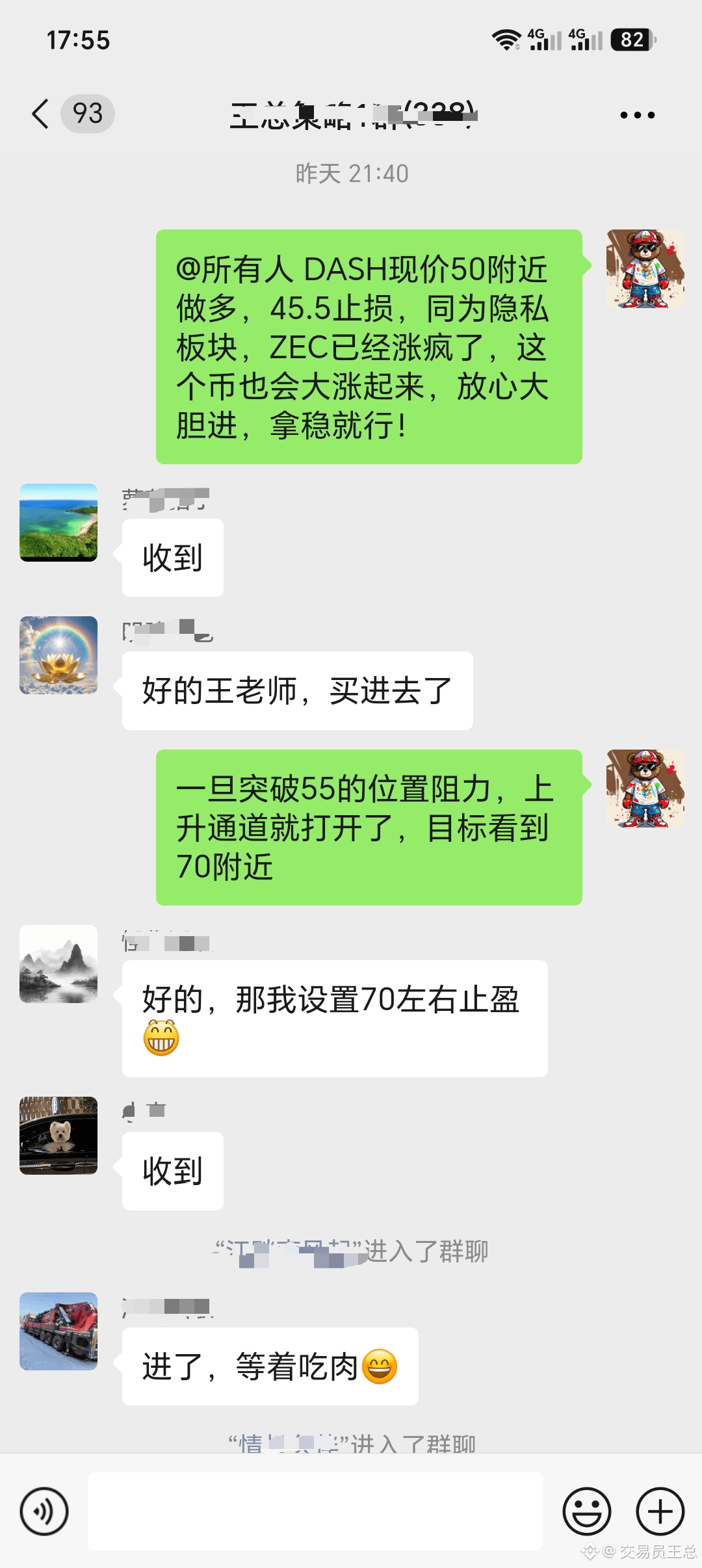
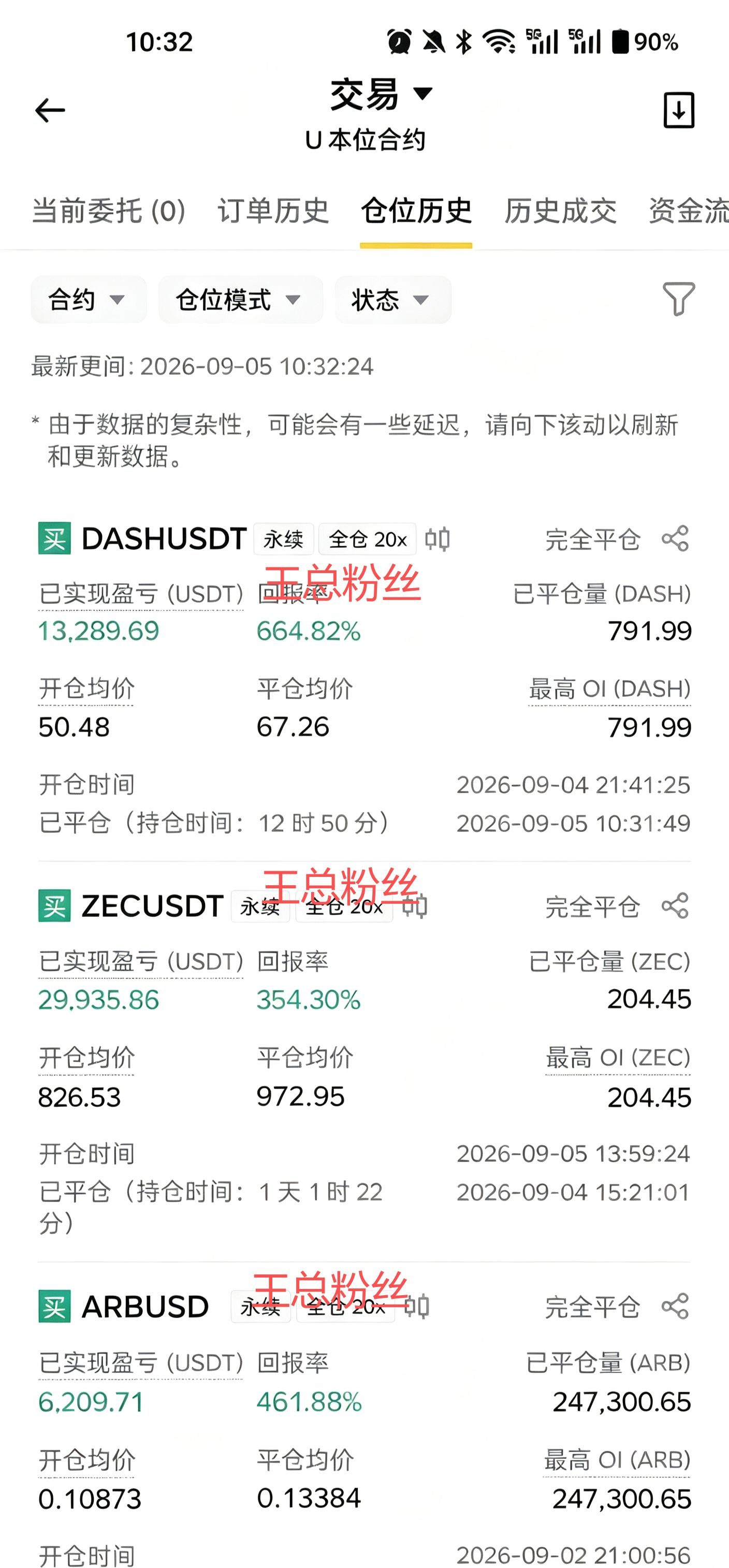
This privacy sector rally has been incredibly rewarding!
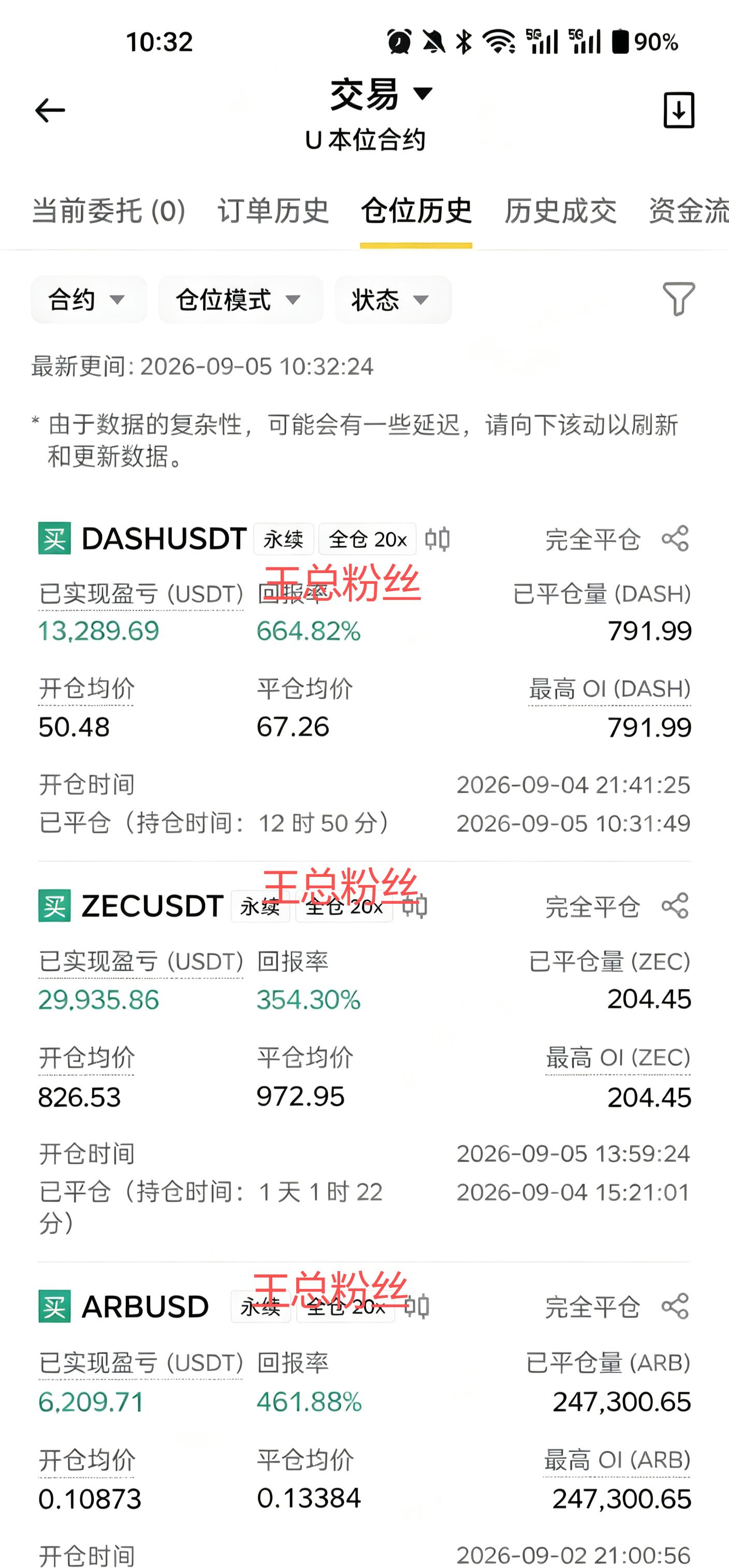
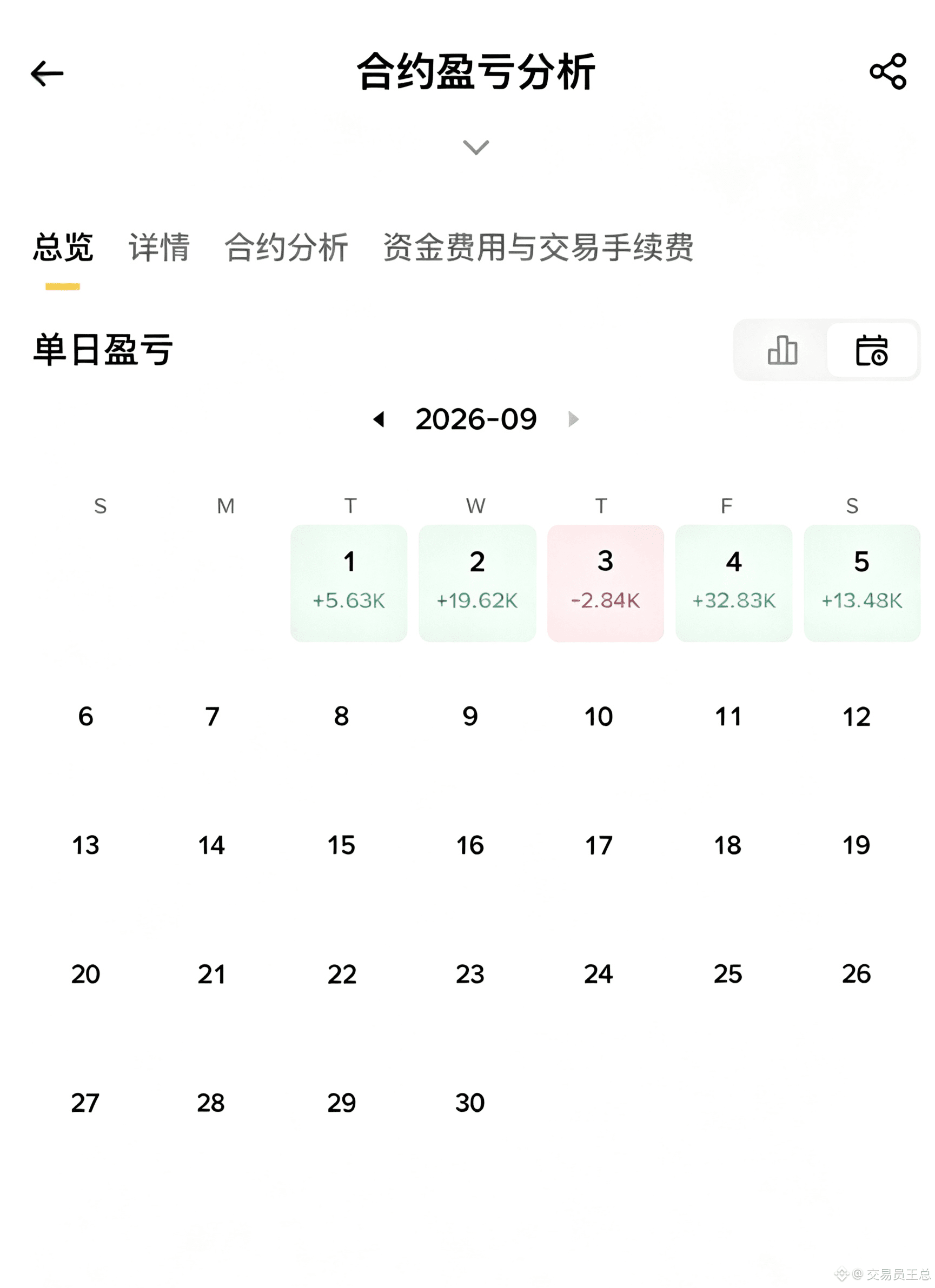
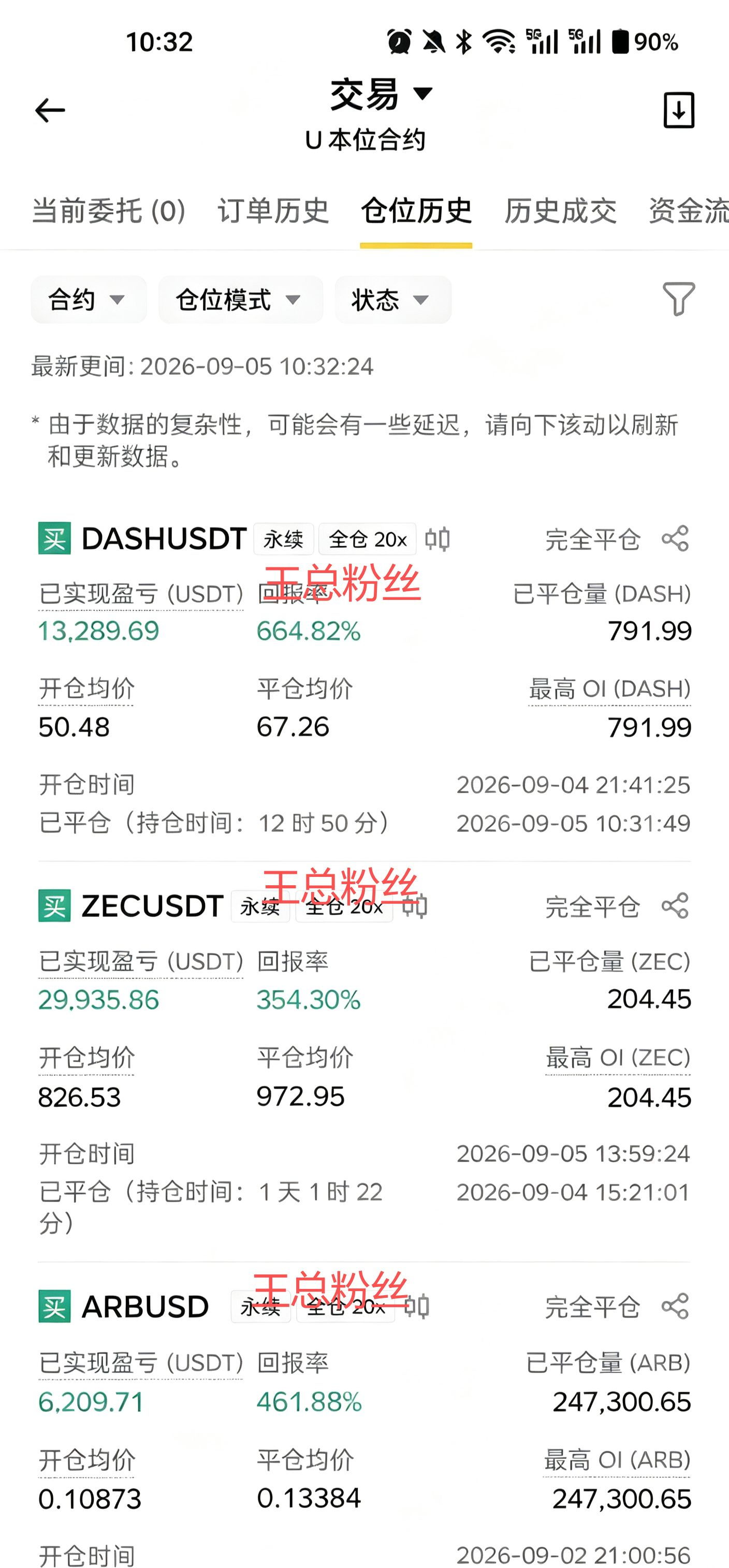
$ZEC successfully locked in $30,000 in profits, and $DASH also steadily captured $13,000 in gains. The collective strength in privacy coins this round is not an accident; it reflects a broader trend recovery across the entire sector.
Many people are wondering: why did ZEC surge first, and then DASH follow with a breakout?
Here I’ll break down the core logic clearly:
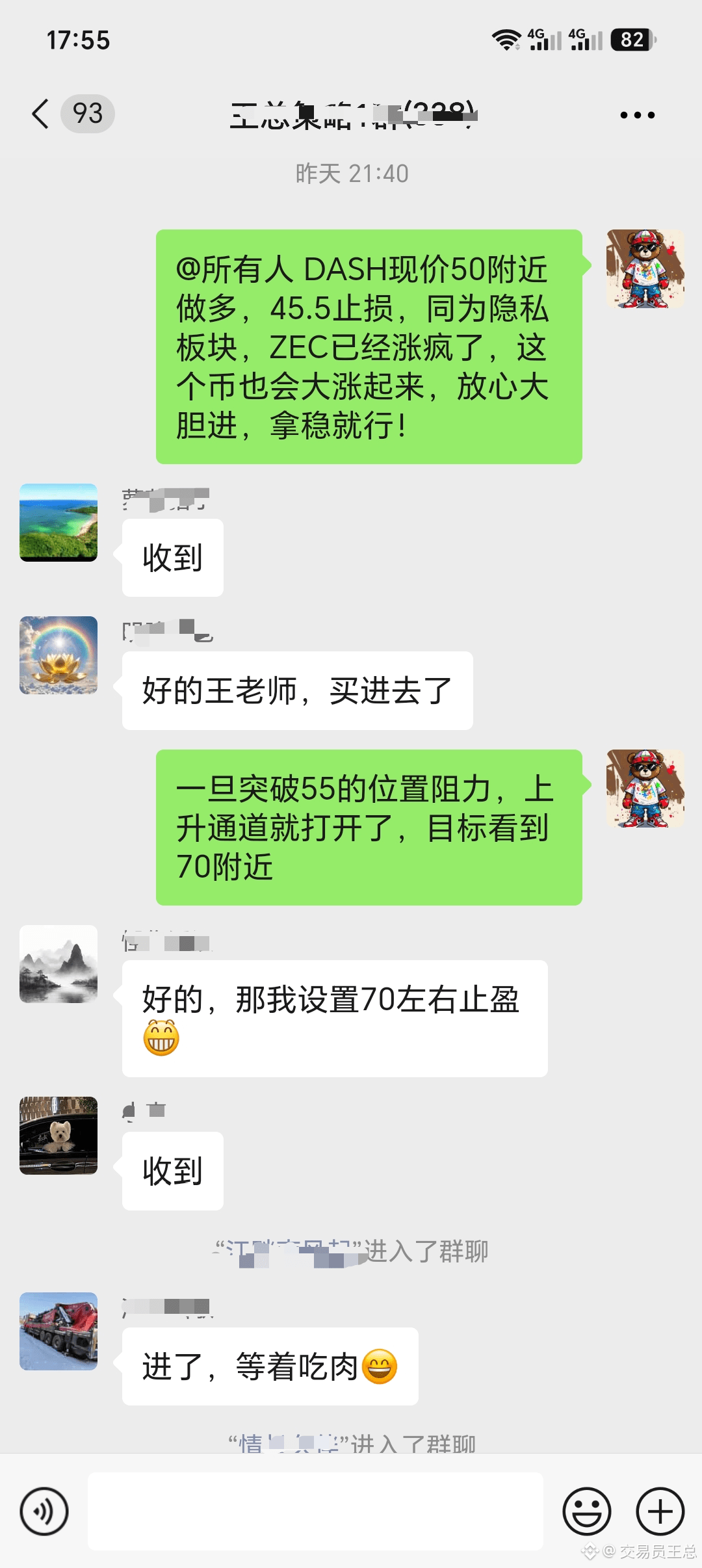
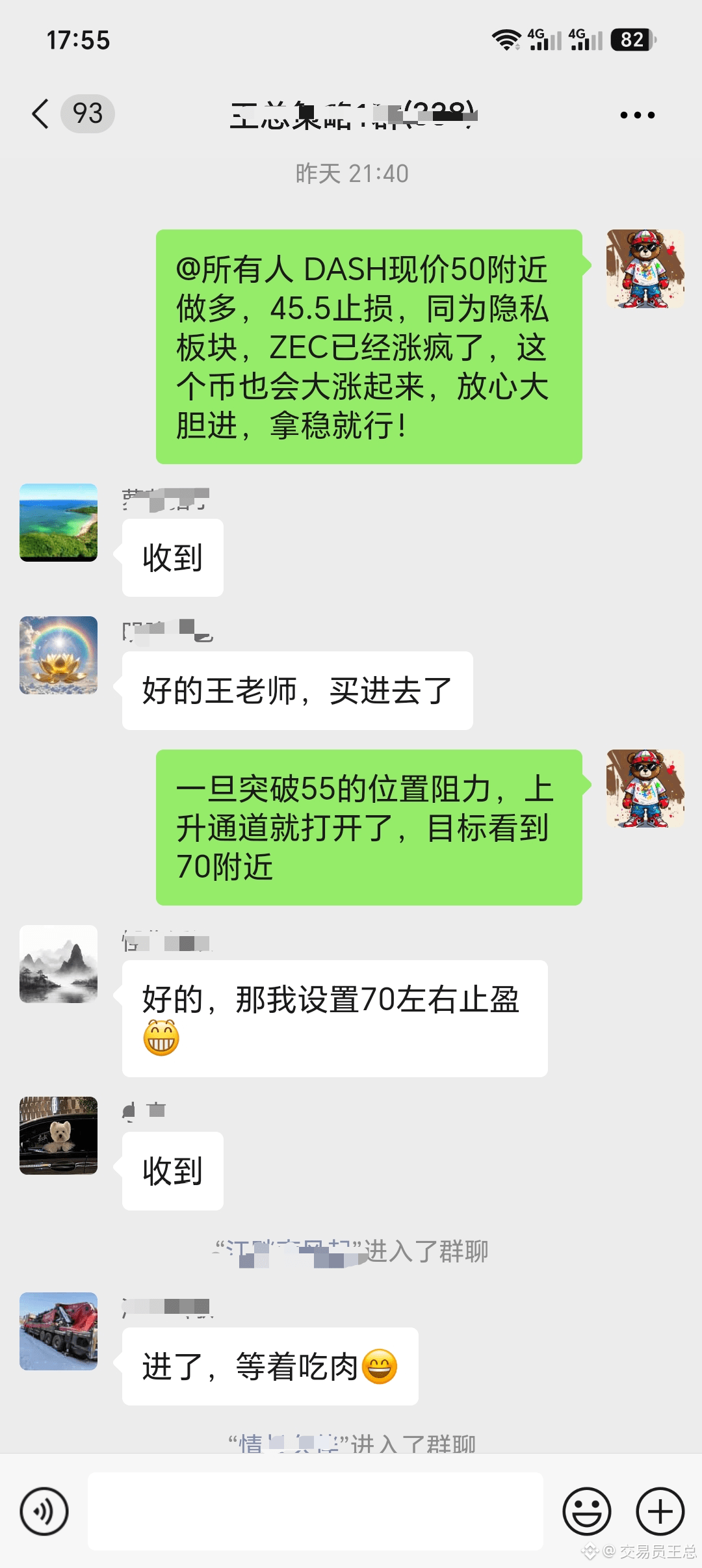
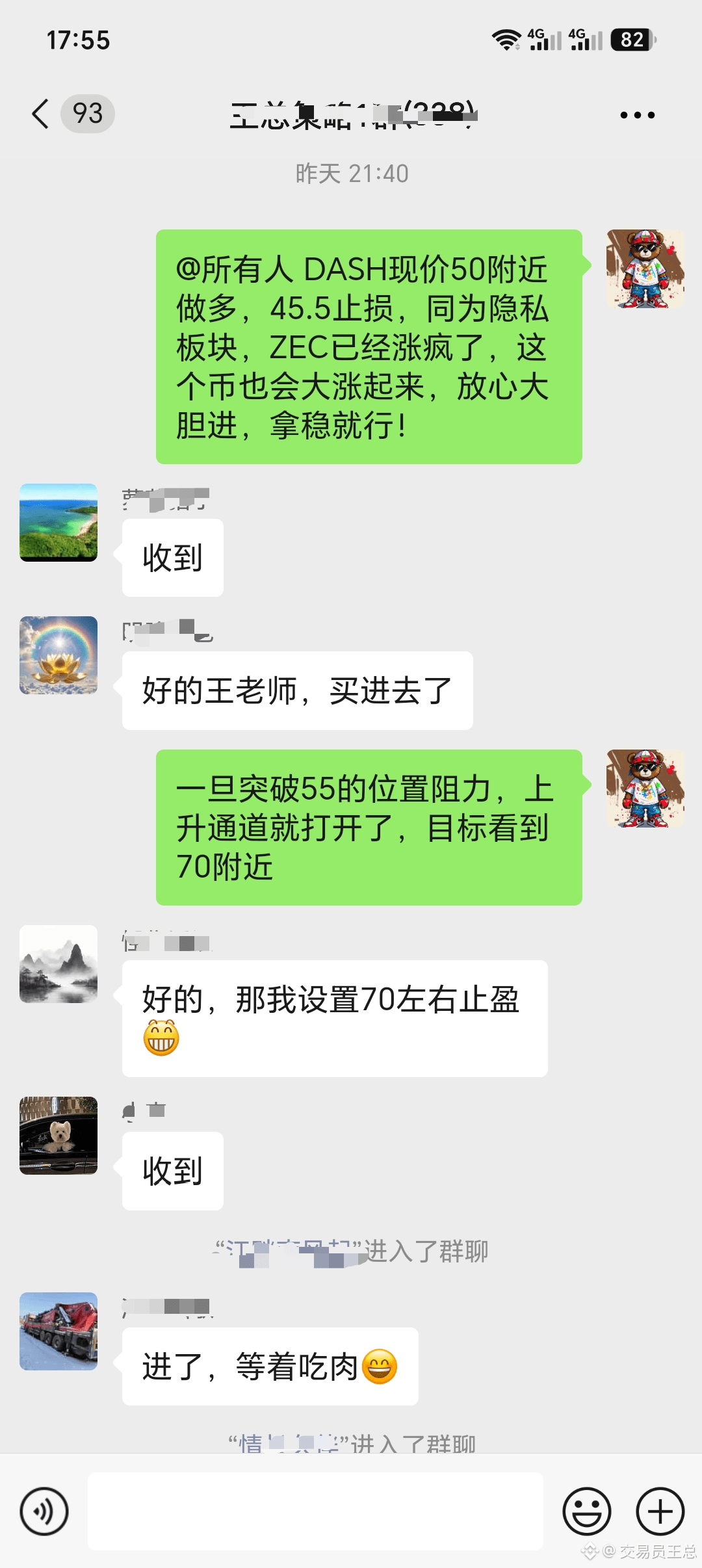
ZEC was the leader of this privacy sector move, kicking off the rally first. After a solid short-term gain, its upward momentum slowed and it entered a consolidation phase. DASH, however, had a clear lagging effect. It had been building strength and adjusting earlier on, and after the U.S. stock market opened last night, funds poured in heavily, triggering a violent surge. It jumped 75% in a single day, steadily catching up and breaking out.
I precisely identified DASH’s lagging catch-up arbitrage opportunity and positioned ahead of time. For followers who kept pace, this trade basically turned into a comfortable 5x, with returns fully maximized.
At present, the heat in the privacy sector is still continuing, and the move is far from over. In addition to ZEC and DASH, there are two other promising coins in the same sector that have quietly been building momentum and are ready to move.
I’ve already organized the complete allocation strategy in advance, and a new round of low-risk opportunities is now in place. Whether you can keep up with this sector dividend and catch another main uptrend wave depends entirely on your choice!
$ZEC successfully locked in $30,000 in profits, and $DASH also steadily captured $13,000 in gains. The collective strength in privacy coins this round is not an accident; it reflects a broader trend recovery across the entire sector.
Many people are wondering: why did ZEC surge first, and then DASH follow with a breakout?
Here I’ll break down the core logic clearly:
ZEC was the leader of this privacy sector move, kicking off the rally first. After a solid short-term gain, its upward momentum slowed and it entered a consolidation phase. DASH, however, had a clear lagging effect. It had been building strength and adjusting earlier on, and after the U.S. stock market opened last night, funds poured in heavily, triggering a violent surge. It jumped 75% in a single day, steadily catching up and breaking out.
I precisely identified DASH’s lagging catch-up arbitrage opportunity and positioned ahead of time. For followers who kept pace, this trade basically turned into a comfortable 5x, with returns fully maximized.
At present, the heat in the privacy sector is still continuing, and the move is far from over. In addition to ZEC and DASH, there are two other promising coins in the same sector that have quietly been building momentum and are ready to move.
I’ve already organized the complete allocation strategy in advance, and a new round of low-risk opportunities is now in place. Whether you can keep up with this sector dividend and catch another main uptrend wave depends entirely on your choice!
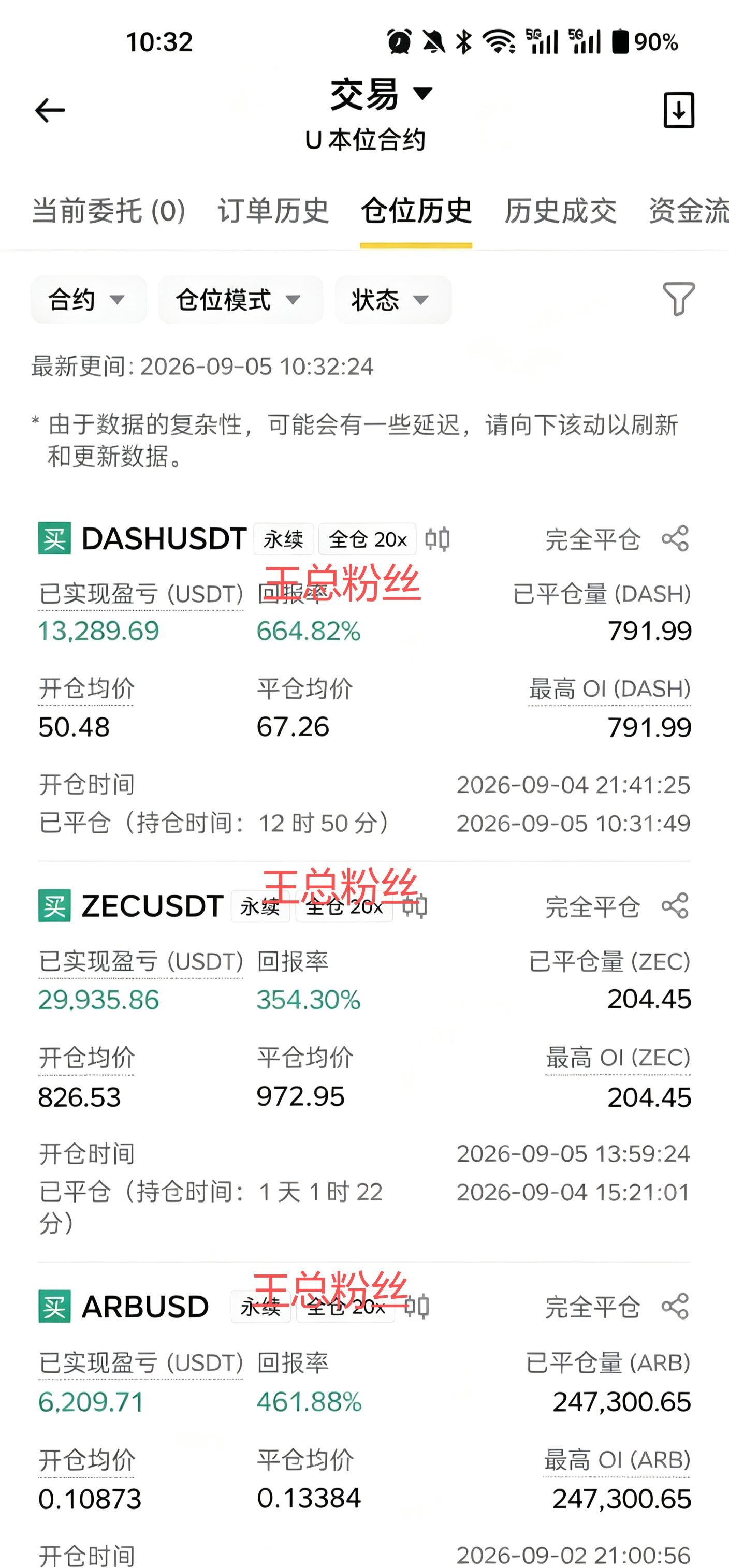
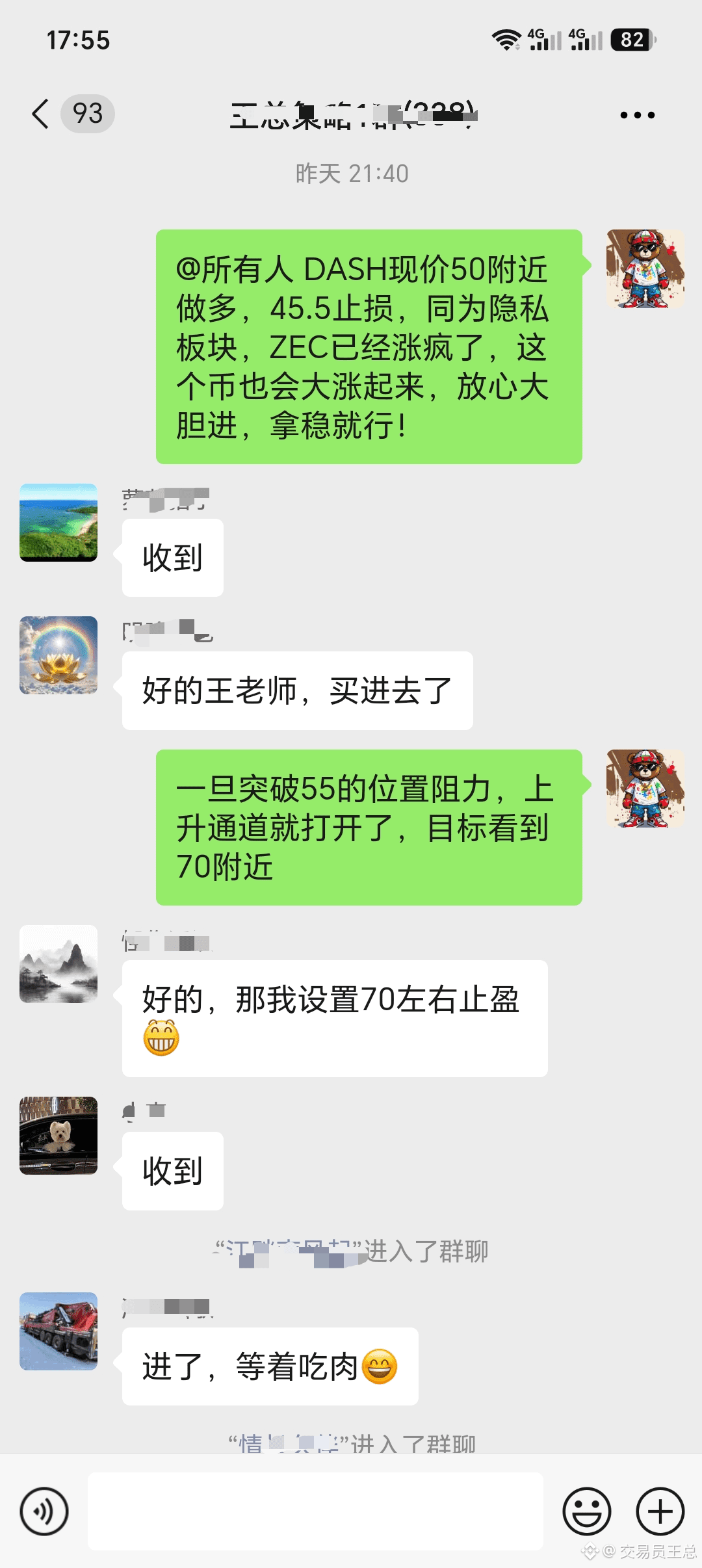
Friends with less than 5000U in capital, listen carefully to my advice.
In crypto, you don’t rely on gambling; you rely on strategy and patience. For small capital to turn things around, never rush in with heavy positions. Only by staying steady can you make money.
Last year, I guided a beginner who started with only 800U. At first, he didn’t dare to trade, afraid of losing it all. I only had him strictly follow trading discipline and execute steadily.
In four months, he reached 19,000U. In six months, he surged to 28,000U, with zero liquidations the entire time.
It wasn’t luck. It was all built on three iron rules for preserving capital and compounding gains. Small accounts can copy them directly:
1. Split the capital into three parts to keep a safety cushion
With 800U, allocate funds precisely: 300U for intraday BTC and ETH trades, taking profit when the move reaches 2%-4%; 250U for short swing trades, only catching clear trends and holding for 2-4 days for steady arbitrage; 250U as a permanent reserve, never used in extreme market conditions, leaving enough room for error.
Going all-in is the biggest taboo for small capital. Chasing gains in a rising market and panicking in a falling one, with no room for mistakes, simply won’t go far. Keeping funds in reserve and knowing how to control position size is what makes a trading winner.
2. Only trade trends; give up on meaningless sideways churn
Most of the time, the market is chopping and shaking out weak hands. Frequent trading only burns fees. If there’s no signal, stay out and wait. Only act when the trend is clear.
Once profit reaches 12%, immediately withdraw half and lock in gains. Experts never overtrade. They only take high-probability setups, never chase pumps, and never act on impulse.
3. Rules first; eliminate emotional trading
Strict risk control: keep the loss on any single trade within 1.2%, and stop out immediately when that level is reached; when profit exceeds 2.5%, reduce half the position first, then let the rest ride with the trend; never add to a losing position to average down, and never let losses snowball.
You don’t need to be right on every trade, but you must obey the rules every time. The core of stable profitability is using discipline to restrain reckless trading.
Having small capital isn’t scary. What’s scary is always wanting one shot to turn everything around. Turning 800U into 28,000U was never about luck; it was about rules, patience, and self-discipline.
Most people lose money because they trade blindly and have no guidance. The method for stable profits is right here. Opportunities are always there—the question is whether you want to follow and make it to shore!
In crypto, you don’t rely on gambling; you rely on strategy and patience. For small capital to turn things around, never rush in with heavy positions. Only by staying steady can you make money.
Last year, I guided a beginner who started with only 800U. At first, he didn’t dare to trade, afraid of losing it all. I only had him strictly follow trading discipline and execute steadily.
In four months, he reached 19,000U. In six months, he surged to 28,000U, with zero liquidations the entire time.
It wasn’t luck. It was all built on three iron rules for preserving capital and compounding gains. Small accounts can copy them directly:
1. Split the capital into three parts to keep a safety cushion
With 800U, allocate funds precisely: 300U for intraday BTC and ETH trades, taking profit when the move reaches 2%-4%; 250U for short swing trades, only catching clear trends and holding for 2-4 days for steady arbitrage; 250U as a permanent reserve, never used in extreme market conditions, leaving enough room for error.
Going all-in is the biggest taboo for small capital. Chasing gains in a rising market and panicking in a falling one, with no room for mistakes, simply won’t go far. Keeping funds in reserve and knowing how to control position size is what makes a trading winner.
2. Only trade trends; give up on meaningless sideways churn
Most of the time, the market is chopping and shaking out weak hands. Frequent trading only burns fees. If there’s no signal, stay out and wait. Only act when the trend is clear.
Once profit reaches 12%, immediately withdraw half and lock in gains. Experts never overtrade. They only take high-probability setups, never chase pumps, and never act on impulse.
3. Rules first; eliminate emotional trading
Strict risk control: keep the loss on any single trade within 1.2%, and stop out immediately when that level is reached; when profit exceeds 2.5%, reduce half the position first, then let the rest ride with the trend; never add to a losing position to average down, and never let losses snowball.
You don’t need to be right on every trade, but you must obey the rules every time. The core of stable profitability is using discipline to restrain reckless trading.
Having small capital isn’t scary. What’s scary is always wanting one shot to turn everything around. Turning 800U into 28,000U was never about luck; it was about rules, patience, and self-discipline.
Most people lose money because they trade blindly and have no guidance. The method for stable profits is right here. Opportunities are always there—the question is whether you want to follow and make it to shore!
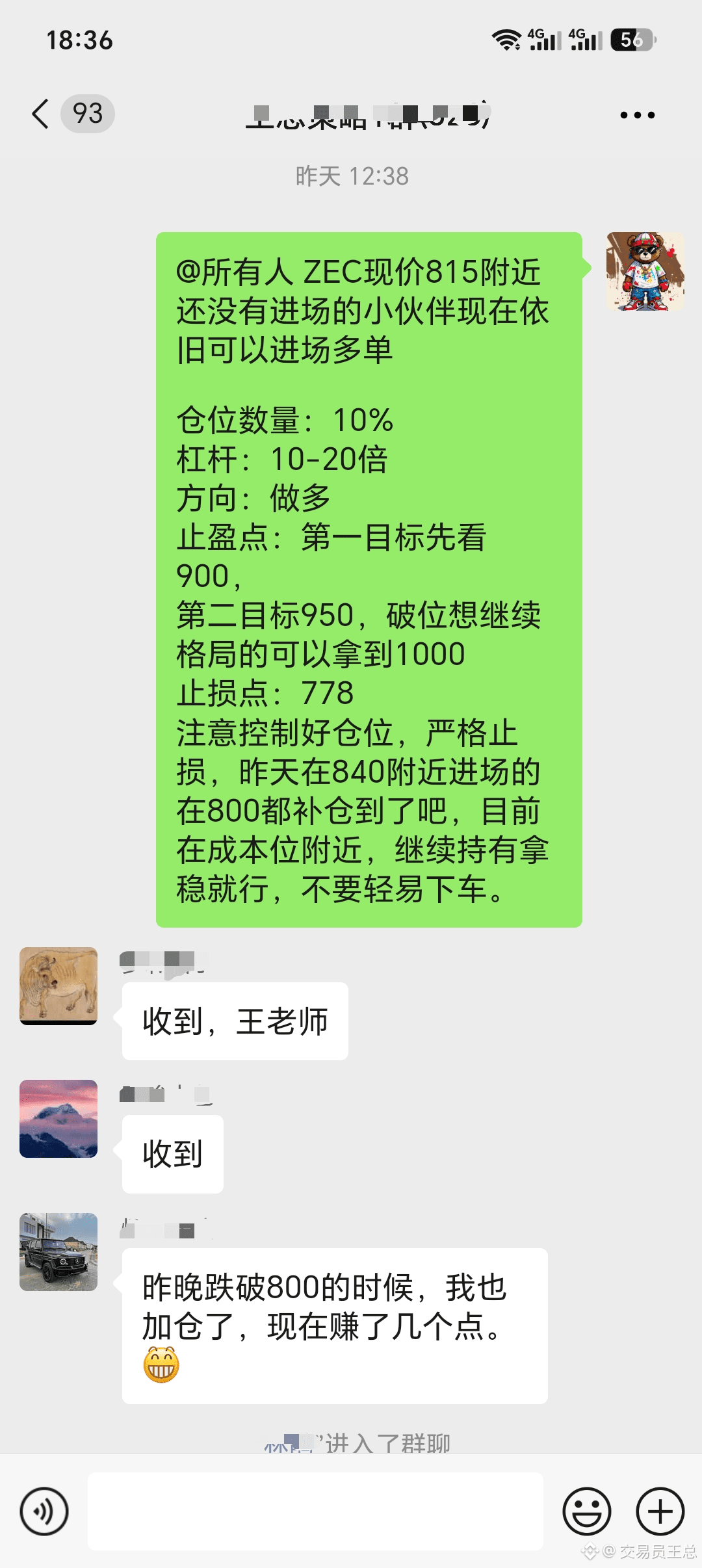
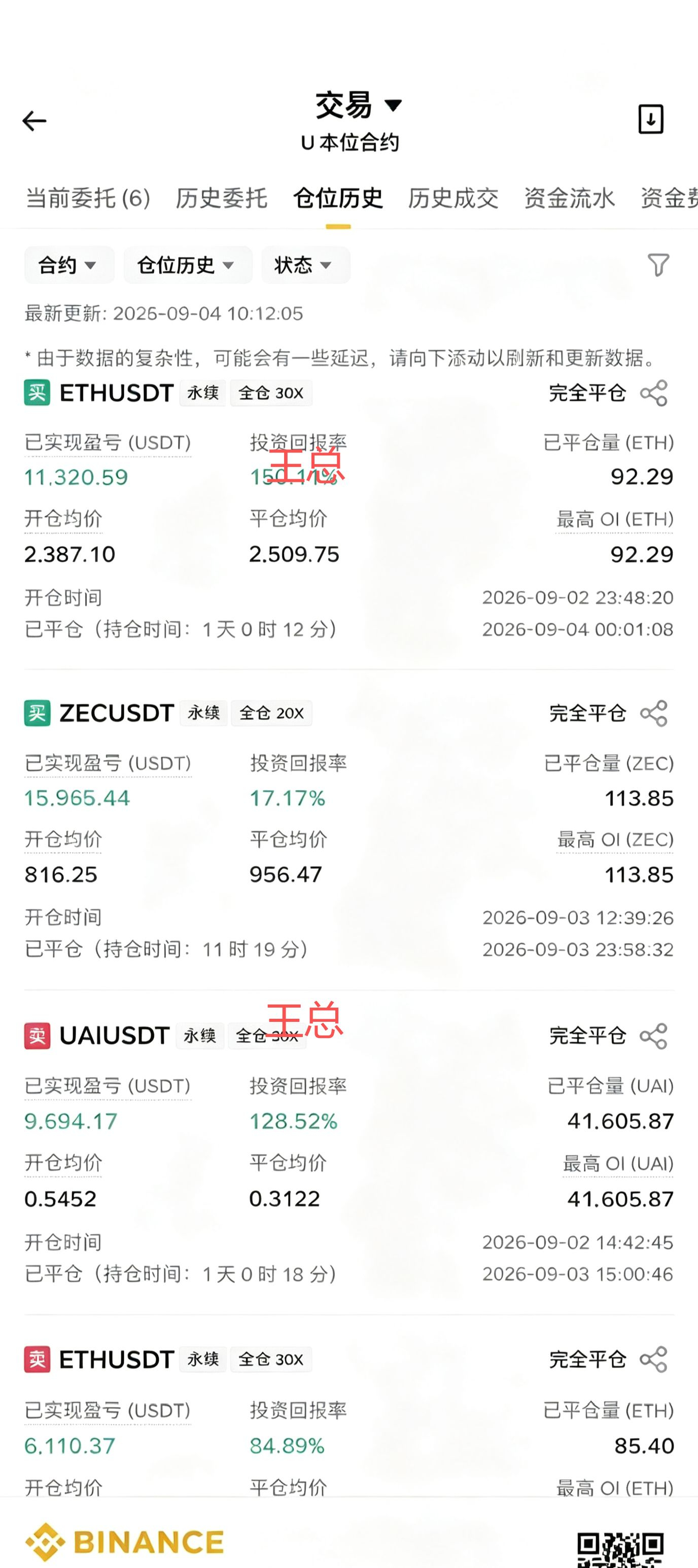
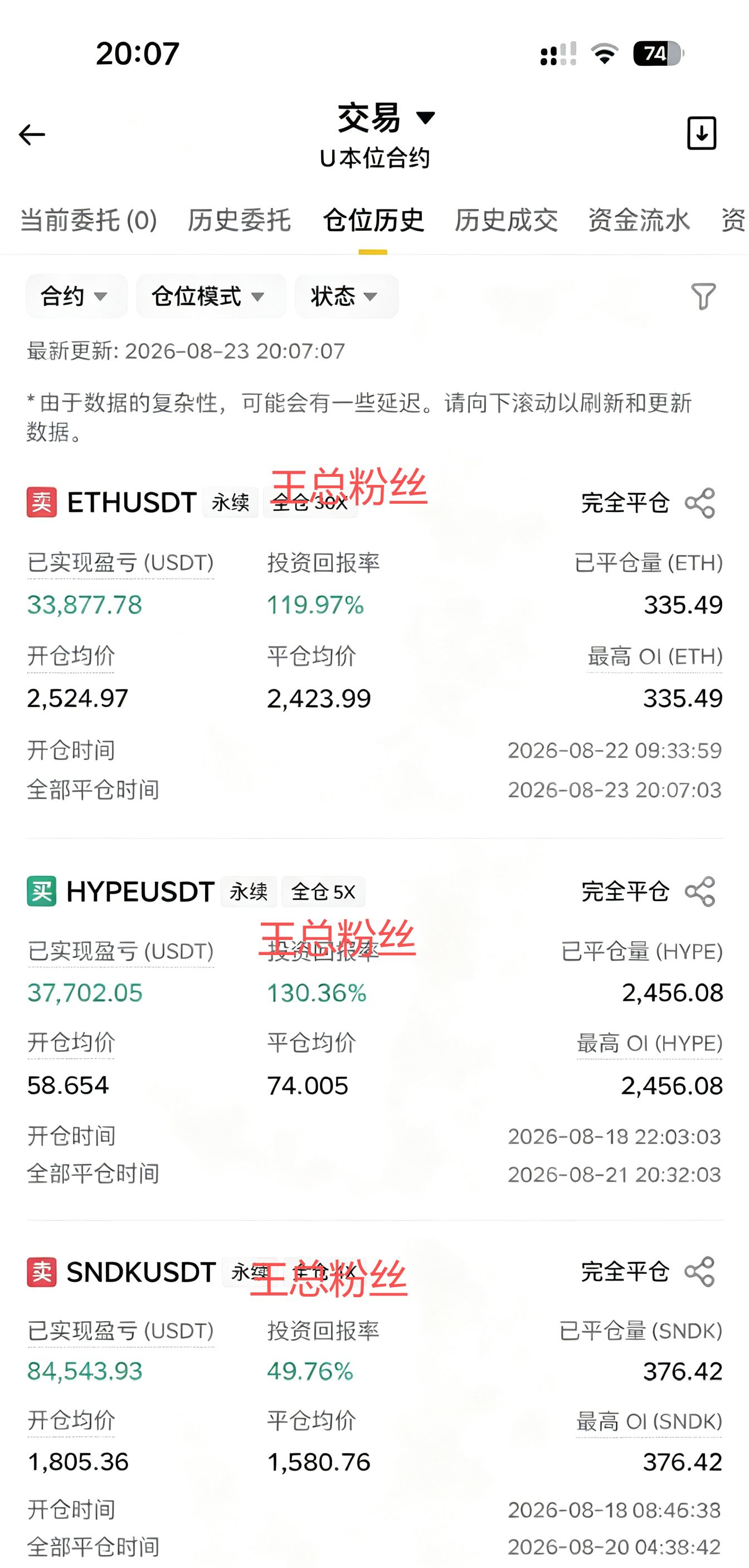
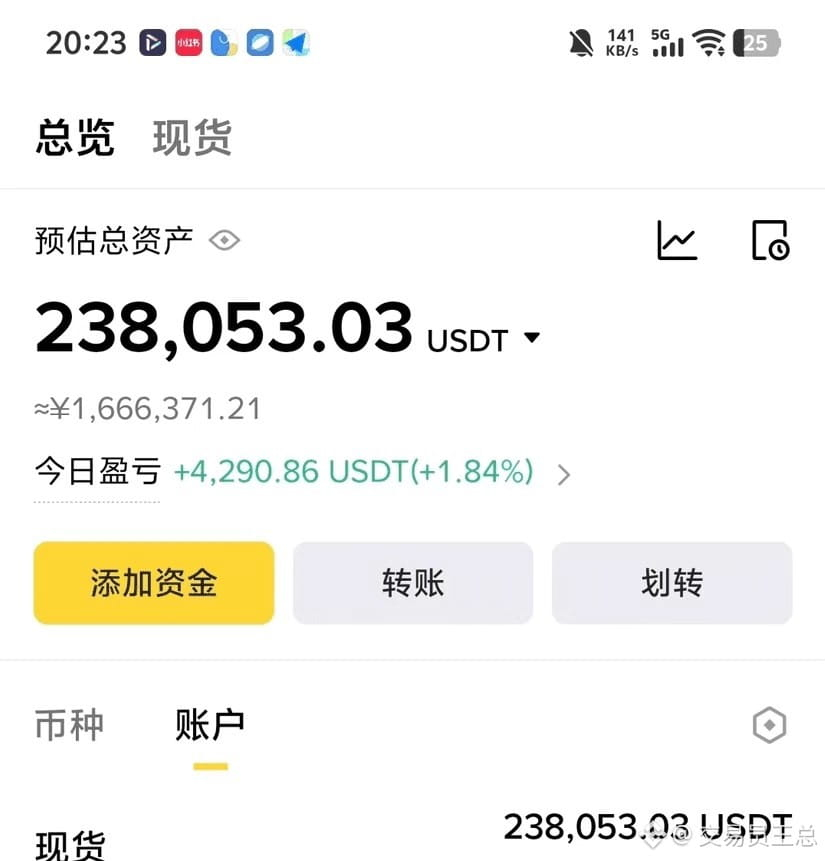
Many people in the crypto market end up losing more and more. When they chase a rally, it drops; when they cut losses, it rises. They always feel like the market is targeting them. In fact, most of the time it’s not that they got the direction wrong, but that they lose because they don’t know how to manage position size.
I’m sharing a simple yet extremely practical pyramid-style rolling position method. Small capital compounds steadily thanks to it. The core principle is just one sentence: never go all in at once.
The biggest common mistake among retail traders is seeing a setup and instantly deploying all their capital. A small pullback and their mindset collapses. They either cut losses passively or get stuck holding a losing position, completely losing control.
Stable trading lies in entering and exiting in stages.
Split your capital into five parts. First use a small position to test the market’s strength. Do not blindly take a heavy position. After the trend is confirmed, if the market pulls back by about 15%, add to the position in stages. Ride the trend to lower your average cost, adding only in the direction of the trend, never stubbornly fighting against it.
In an upward trend, don’t be greedy. As price rises by 20%, reduce the position in stages to lock in actual profits and avoid seeing unrealized gains evaporate.
The core advantages of this approach: you have chips to add on declines, and profits to take on rises. By rolling the position, you can steadily capture the full trend. Most people cannot hold onto profits because they go all in at once and get shaken out by small fluctuations.
For advanced use, you can optimize the rhythm and roll within an 8%-10% volatility range, greatly improving capital efficiency.
Remember: position management always comes before market prediction. Without position control, even the best setup will still lose money; with the right rhythm, even an ordinary market can generate steady profits.
One last practical detail: after a coin surges continuously, if a huge bearish candle suddenly crashes down, the market is likely to reverse. Take profit and reduce risk immediately; do not keep fighting.
Many people are obsessed with all kinds of indicators and get-rich-quick strategies, yet ignore the essence of trading. What truly determines long-term profit or loss is only position management plus strict execution. Master these two points, and you can steadily profit from the market.
I, General Wang, only do real trading, no empty promises. Our team is continuously recruiting. If you want to systematically learn position management, stop repeated losses, and truly turn things around, get in the car and make steady profits with us!
I’m sharing a simple yet extremely practical pyramid-style rolling position method. Small capital compounds steadily thanks to it. The core principle is just one sentence: never go all in at once.
The biggest common mistake among retail traders is seeing a setup and instantly deploying all their capital. A small pullback and their mindset collapses. They either cut losses passively or get stuck holding a losing position, completely losing control.
Stable trading lies in entering and exiting in stages.
Split your capital into five parts. First use a small position to test the market’s strength. Do not blindly take a heavy position. After the trend is confirmed, if the market pulls back by about 15%, add to the position in stages. Ride the trend to lower your average cost, adding only in the direction of the trend, never stubbornly fighting against it.
In an upward trend, don’t be greedy. As price rises by 20%, reduce the position in stages to lock in actual profits and avoid seeing unrealized gains evaporate.
The core advantages of this approach: you have chips to add on declines, and profits to take on rises. By rolling the position, you can steadily capture the full trend. Most people cannot hold onto profits because they go all in at once and get shaken out by small fluctuations.
For advanced use, you can optimize the rhythm and roll within an 8%-10% volatility range, greatly improving capital efficiency.
Remember: position management always comes before market prediction. Without position control, even the best setup will still lose money; with the right rhythm, even an ordinary market can generate steady profits.
One last practical detail: after a coin surges continuously, if a huge bearish candle suddenly crashes down, the market is likely to reverse. Take profit and reduce risk immediately; do not keep fighting.
Many people are obsessed with all kinds of indicators and get-rich-quick strategies, yet ignore the essence of trading. What truly determines long-term profit or loss is only position management plus strict execution. Master these two points, and you can steadily profit from the market.
I, General Wang, only do real trading, no empty promises. Our team is continuously recruiting. If you want to systematically learn position management, stop repeated losses, and truly turn things around, get in the car and make steady profits with us!
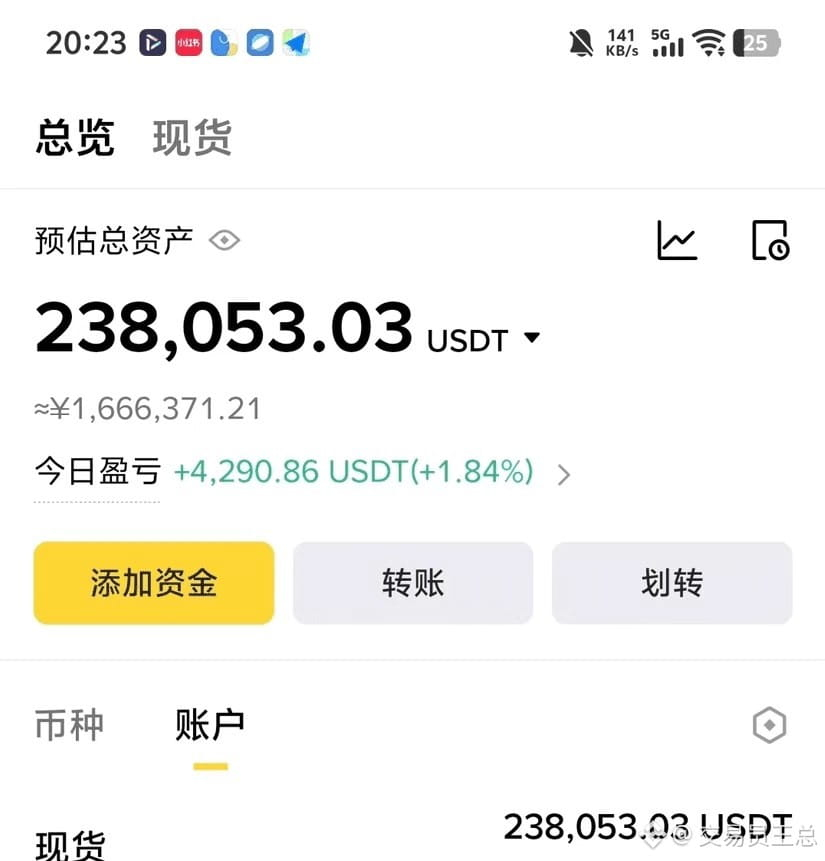
I’m 38 this year, and I’ve been deeply involved in the crypto world for nine years. I’ve already built an eight-figure net worth. These days, I no longer have to worry about the price when it comes to daily spending, travel, or accommodation.
This is not bragging, just the truth. Compared with peers around me who run physical businesses or e-commerce, trading really does feel more at ease. A fixed salary makes it very hard to break through social classes. Ten years ago, I devoted myself fully to trading, stepped into countless pitfalls, and went through endless losses before I gained the stable confidence I have today.
After multiple complete bull and bear cycles, I’m already used to the ups and downs. I’ve been able to stay firmly in the harsh crypto market not because of some super technique, but because I strictly follow trading discipline and precisely control the timing of entries and staying in cash.
Here are the core logic points of major-player operations that I’ve summed up from nine years of real trading experience. Every sentence is hard-earned experience:
Don’t chase when prices rise fast but fall slowly: this kind of move is not strong trend strength. It’s the main players secretly accumulating and shaking out positions, and blindly following will only leave you trapped.
Don’t buy the dip when prices drop sharply but rebound weakly: a small rebound after a big drop is just a false bullish signal used by the main players to distribute positions and lure buyers. Following the crowd here is like catching a falling knife.
Don’t panic when volume expands at high levels; run when volume shrinks at high levels: high-volume at the top is usually capital turnover during the final push, while shrinking volume at high levels means the enthusiasm is exhausted and no one is left to take the bag. A crash can come at any time.
A single surge in volume at the bottom is a lure; sustained volume is the real bottom: one-time explosive volume is often a short-term trick. Only several consecutive days of steady volume and stabilization are the real signal that big money is entering.
The core of crypto trading is emotional speculation, and trading volume is the most honest answer. When the whole market is wildly enthusiastic, that’s when the main players are exiting; when everyone is panicking and cutting losses, that’s exactly when the main players are quietly positioning.
The market always harvests the same kind of people: not those who can’t read the chart, but those who can’t control their hands and are full of wishful thinking. Retail traders who always want to get rich from one trade and stubbornly fight the trend will ultimately not escape losses.
I never make money through talent or luck; I rely on continuous review and iterative trading strategies. Today, with AI data models, I only take high-probability swing trades and compound steadily.
People who trade by feeling, by signal calls, or by gambling on luck are destined not to go far in crypto. The market never lacks opportunities; what it lacks are traders who understand rhythm and follow discipline.
Opportunities in the market are always there, but capital and comeback chances are limited. If you don’t want to keep being harvested like a leek and want to build your own trading system and reach profitability steadily, look for Mr. Wang. He’ll help you step out of emotional trading and steadily ride through bull and bear markets!
This is not bragging, just the truth. Compared with peers around me who run physical businesses or e-commerce, trading really does feel more at ease. A fixed salary makes it very hard to break through social classes. Ten years ago, I devoted myself fully to trading, stepped into countless pitfalls, and went through endless losses before I gained the stable confidence I have today.
After multiple complete bull and bear cycles, I’m already used to the ups and downs. I’ve been able to stay firmly in the harsh crypto market not because of some super technique, but because I strictly follow trading discipline and precisely control the timing of entries and staying in cash.
Here are the core logic points of major-player operations that I’ve summed up from nine years of real trading experience. Every sentence is hard-earned experience:
Don’t chase when prices rise fast but fall slowly: this kind of move is not strong trend strength. It’s the main players secretly accumulating and shaking out positions, and blindly following will only leave you trapped.
Don’t buy the dip when prices drop sharply but rebound weakly: a small rebound after a big drop is just a false bullish signal used by the main players to distribute positions and lure buyers. Following the crowd here is like catching a falling knife.
Don’t panic when volume expands at high levels; run when volume shrinks at high levels: high-volume at the top is usually capital turnover during the final push, while shrinking volume at high levels means the enthusiasm is exhausted and no one is left to take the bag. A crash can come at any time.
A single surge in volume at the bottom is a lure; sustained volume is the real bottom: one-time explosive volume is often a short-term trick. Only several consecutive days of steady volume and stabilization are the real signal that big money is entering.
The core of crypto trading is emotional speculation, and trading volume is the most honest answer. When the whole market is wildly enthusiastic, that’s when the main players are exiting; when everyone is panicking and cutting losses, that’s exactly when the main players are quietly positioning.
The market always harvests the same kind of people: not those who can’t read the chart, but those who can’t control their hands and are full of wishful thinking. Retail traders who always want to get rich from one trade and stubbornly fight the trend will ultimately not escape losses.
I never make money through talent or luck; I rely on continuous review and iterative trading strategies. Today, with AI data models, I only take high-probability swing trades and compound steadily.
People who trade by feeling, by signal calls, or by gambling on luck are destined not to go far in crypto. The market never lacks opportunities; what it lacks are traders who understand rhythm and follow discipline.
Opportunities in the market are always there, but capital and comeback chances are limited. If you don’t want to keep being harvested like a leek and want to build your own trading system and reach profitability steadily, look for Mr. Wang. He’ll help you step out of emotional trading and steadily ride through bull and bear markets!
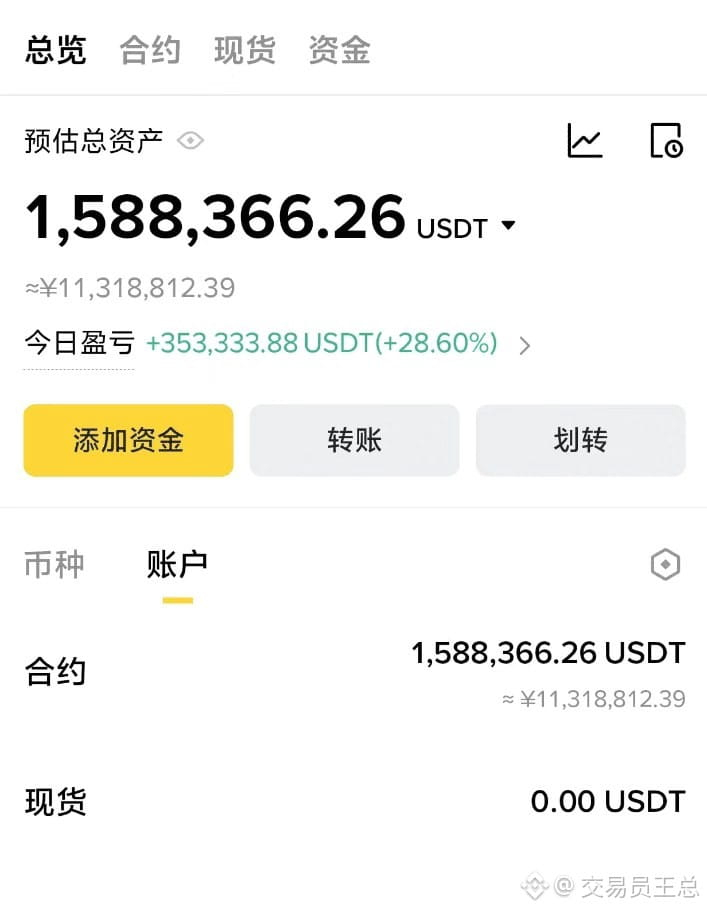
Log in to explore more content