
dfinity
1.6k Posts

dfinity
Report
Block User
Open Trade
Frequent Trader
3.4 Years
6 Following
254 Followers
552 Liked
Posts
Portfolio
All
Quotes
Videos
PINNED
·
--
Biggest project till in the history of internet by icp.
Biggest project till in the history of internet by icp.
2
2
15
4.1k
·
--
Smart Contract Audits on Centralized Cloud: The Hidden Risk in Web3 Security InfrastructureIn decentralized finance and Web3 protocols, smart contract security audits serve as the primary assurance of code safety before mainnet deployment. Protocols securing hundreds of millions of dollars in capital rely on published audit documentation to verify that vulnerabilities have been systematically identified and remediated.
However, an infrastructural vulnerability persists across the security sector: the majority of Web3 audit reports remain hosted on centralized cloud storage providers such as Amazon Web Services (AWS S3) and Google Cloud.
1. The Single Point of Failure in Audit Hosting
Storing security documentation on centralized infrastructure introduces three fundamental operational risks:
- Administrative Overwrite Risk: Centralized object storage relies on identity and access management (IAM) credentials. A compromised administrative session or credential leakage allows unauthorized parties to silently alter or overwrite PDF documentation without cryptographic detection.
- Domain and Service Discontinuity: Hosting continuity is dependent on traditional corporate billing systems. Expired payment credentials, registrar disputes, or corporate restructuring can result in historic audit archives becoming permanently inaccessible.
- Asymmetric Bandwidth Taxation: High-volume verification traffic, formal proof downloads, and reproducibility packages incur ongoing egress bandwidth charges for security research organizations.
2. Consensus-Driven Orthogonal Persistence
The deployment of decentralized object storage architectures on the Internet Computer Protocol ($ICP) provides an institutional solution to these structural vulnerabilities:
- Cryptographic Content Verification: Stored audit artifacts are hashed using the BLAKE3 algorithm and committed directly to canister state. Every read request processed through HTTP gateways is authenticated against threshold signatures generated by subnet consensus, preventing unauthorized modifications.
- WebAuthn Hardware Authentication: Administrative operations are bound to hardware enclaves and passkeys, removing the vulnerability associated with static API keys and long-lived session tokens.
- Permanent Lifecycle Economics: Through the reverse gas model, storage canisters self-fund memory allocation via algorithmic burning of cycles. This ensures that historical security audits remain permanently verifiable without perpetual operational maintenance.
As the Web3 ecosystem expands institutional adoption throughout 2026, aligning the hosting of critical security findings with decentralized cryptographic standards represents an essential step in safeguarding digital asset infrastructure.
$ICP #ICP #BinanceSquare
Smart Contract Audits on Centralized Cloud: The Hidden Risk in Web3 Security Infrastructure
In decentralized finance and Web3 protocols, smart contract security audits serve as the primary assurance of code safety before mainnet deployment. Protocols securing hundreds of millions of dollars in capital rely on published audit documentation to verify that vulnerabilities have been systematically identified and remediated.
However, an infrastructural vulnerability persists across the security sector: the majority of Web3 audit reports remain hosted on centralized cloud storage providers such as Amazon Web Services (AWS S3) and Google Cloud.
1. The Single Point of Failure in Audit Hosting
Storing security documentation on centralized infrastructure introduces three fundamental operational risks:
- Administrative Overwrite Risk: Centralized object storage relies on identity and access management (IAM) credentials. A compromised administrative session or credential leakage allows unauthorized parties to silently alter or overwrite PDF documentation without cryptographic detection.
- Domain and Service Discontinuity: Hosting continuity is dependent on traditional corporate billing systems. Expired payment credentials, registrar disputes, or corporate restructuring can result in historic audit archives becoming permanently inaccessible.
- Asymmetric Bandwidth Taxation: High-volume verification traffic, formal proof downloads, and reproducibility packages incur ongoing egress bandwidth charges for security research organizations.
2. Consensus-Driven Orthogonal Persistence
The deployment of decentralized object storage architectures on the Internet Computer Protocol ($ICP ) provides an institutional solution to these structural vulnerabilities:
- Cryptographic Content Verification: Stored audit artifacts are hashed using the BLAKE3 algorithm and committed directly to canister state. Every read request processed through HTTP gateways is authenticated against threshold signatures generated by subnet consensus, preventing unauthorized modifications.
- WebAuthn Hardware Authentication: Administrative operations are bound to hardware enclaves and passkeys, removing the vulnerability associated with static API keys and long-lived session tokens.
- Permanent Lifecycle Economics: Through the reverse gas model, storage canisters self-fund memory allocation via algorithmic burning of cycles. This ensures that historical security audits remain permanently verifiable without perpetual operational maintenance.
As the Web3 ecosystem expands institutional adoption throughout 2026, aligning the hosting of critical security findings with decentralized cryptographic standards represents an essential step in safeguarding digital asset infrastructure.
$ICP #ICP #BinanceSquare
1
396
·
--
ICPay — Decentralized S3 Storage: Eliminating Cloud Egress Taxes on the Internet ComputerIn traditional cloud computing architecture, object storage and data distribution have long been subjected to asymmetric pricing models. While hyperscalers offer free data ingestion, outbound data transfer (egress) carries steep penalties often exceeding ninety dollars per terabyte. For enterprises managing continuous data replication, high-throughput media catalogs, and automated build pipelines, egress bandwidth frequently surpasses raw disk storage as their largest recurring operational cost.
The emergence of sovereign smart contract platforms on the Internet Computer Protocol ($ICP) introduces a scalable alternative: on-chain decentralized object storage with cryptographic finality and zero egress bandwidth taxation.
1. The Architectural Disconnect in Centralized Cloud
Legacy cloud storage providers bundle infrastructure hosting with corporate administrative control. Under this model:
- Outbound data transfer is artificially taxed to discourage multi-cloud interoperability and lock customers into proprietary ecosystems.
- Authentication relies on static access keys and administrative IAM roles susceptible to credential exposure and unauthorized access.
- Account continuity is contingent upon corporate payment rails and unilateral terms of service enforcement.
2. Orthogonal Persistence and the Reverse Gas Model
Decentralized storage canisters on the Internet Computer divorce data plane persistence from centralized administrative chokepoints:
- 64-Bit Stable Memory: Canisters utilize orthogonal persistent memory structures capable of scaling horizontally up to 400 gigabytes per individual canister without memory fragmentation or upgrade hazards.
- Reverse Gas Economics: Canisters self-fund compute cycles and storage rent through algorithmic burning of cycles. Query calls and read streams processed through consensus-certified HTTP boundary gateways incur zero gas fees for end users and zero bandwidth invoices for developers.
- S3 Protocol Parity: Compatibility with the standard S3 specification allows existing enterprise tools, Docker build runners, and backup daemons to interface directly with on-chain storage with minimal migration overhead.
3. Cryptographic Sovereign Custody
Unlike centralized cloud environments where root administrators hold ultimate custody over customer assets, canister ownership in ICPay is derived strictly from the caller cryptographic principal. Storage allocations are bound to WebAuthn public-key hardware enclaves, ensuring that no intermediary holds master root keys or administrative kill switches over stored data.
As distributed computing matures in 2026, the transition toward decentralized object storage represents more than cost optimization—it represents the restoration of infrastructural sovereignty for modern digital organizations.
$ICP #ICP #BinanceSquare
ICPay — Decentralized S3 Storage: Eliminating Cloud Egress Taxes on the Internet Computer
In traditional cloud computing architecture, object storage and data distribution have long been subjected to asymmetric pricing models. While hyperscalers offer free data ingestion, outbound data transfer (egress) carries steep penalties often exceeding ninety dollars per terabyte. For enterprises managing continuous data replication, high-throughput media catalogs, and automated build pipelines, egress bandwidth frequently surpasses raw disk storage as their largest recurring operational cost.
The emergence of sovereign smart contract platforms on the Internet Computer Protocol ($ICP ) introduces a scalable alternative: on-chain decentralized object storage with cryptographic finality and zero egress bandwidth taxation.
1. The Architectural Disconnect in Centralized Cloud
Legacy cloud storage providers bundle infrastructure hosting with corporate administrative control. Under this model:
- Outbound data transfer is artificially taxed to discourage multi-cloud interoperability and lock customers into proprietary ecosystems.
- Authentication relies on static access keys and administrative IAM roles susceptible to credential exposure and unauthorized access.
- Account continuity is contingent upon corporate payment rails and unilateral terms of service enforcement.
2. Orthogonal Persistence and the Reverse Gas Model
Decentralized storage canisters on the Internet Computer divorce data plane persistence from centralized administrative chokepoints:
- 64-Bit Stable Memory: Canisters utilize orthogonal persistent memory structures capable of scaling horizontally up to 400 gigabytes per individual canister without memory fragmentation or upgrade hazards.
- Reverse Gas Economics: Canisters self-fund compute cycles and storage rent through algorithmic burning of cycles. Query calls and read streams processed through consensus-certified HTTP boundary gateways incur zero gas fees for end users and zero bandwidth invoices for developers.
- S3 Protocol Parity: Compatibility with the standard S3 specification allows existing enterprise tools, Docker build runners, and backup daemons to interface directly with on-chain storage with minimal migration overhead.
3. Cryptographic Sovereign Custody
Unlike centralized cloud environments where root administrators hold ultimate custody over customer assets, canister ownership in ICPay is derived strictly from the caller cryptographic principal. Storage allocations are bound to WebAuthn public-key hardware enclaves, ensuring that no intermediary holds master root keys or administrative kill switches over stored data.
As distributed computing matures in 2026, the transition toward decentralized object storage represents more than cost optimization—it represents the restoration of infrastructural sovereignty for modern digital organizations.
$ICP #ICP #BinanceSquare
1
342
·
--
Article
ICPay — The 100% On-Chain Vision: Web3 Payments Without Centralized Cloud DependenciesArchitecting Sovereign Financial Infrastructure on the World Computer
The vast majority of modern decentralized applications rely on centralized cloud services like AWS, Cloudflare, and third-party RPC nodes to serve their frontend interfaces and index state. This creates critical single points of failure.
ICPay is architected to advance toward a fully autonomous, 100% on-chain web payment ecosystem.
───────────────
Core Technical Architecture & Mechanisms
───────────────
1. True Autonomous Canister Execution
Canisters on the Internet Computer execute code, maintain state, and serve HTTP traffic directly to end users without traditional web servers.
2. Elimination of Cloud De-Platforming Risk
By anchoring backend business logic to an auditable public blockchain canister, user balances and payment routes cannot be shut down by cloud providers.
3. The Global Standard for Consumer Payments
Combining zero-gas UX, biometric authentication, human handles, and sub-second settlement, ICPay demonstrates the true potential of the Internet Computer as a world financial platform.
$ICP #ICP #Decentralization
ICPay — The 100% On-Chain Vision: Web3 Payments Without Centralized Cloud Dependencies
Architecting Sovereign Financial Infrastructure on the World Computer
The vast majority of modern decentralized applications rely on centralized cloud services like AWS, Cloudflare, and third-party RPC nodes to serve their frontend interfaces and index state. This creates critical single points of failure.
ICPay is architected to advance toward a fully autonomous, 100% on-chain web payment ecosystem.
───────────────
Core Technical Architecture & Mechanisms
───────────────
1. True Autonomous Canister Execution
Canisters on the Internet Computer execute code, maintain state, and serve HTTP traffic directly to end users without traditional web servers.
2. Elimination of Cloud De-Platforming Risk
By anchoring backend business logic to an auditable public blockchain canister, user balances and payment routes cannot be shut down by cloud providers.
3. The Global Standard for Consumer Payments
Combining zero-gas UX, biometric authentication, human handles, and sub-second settlement, ICPay demonstrates the true potential of the Internet Computer as a world financial platform.
$ICP #ICP #Decentralization
313
·
--
Article
ICPay — Liquidity Architecture: Multi-Asset Swaps and Ecosystem InteroperabilityConnecting ICP, ckBTC, and ICRC Ecosystem Liquidity Pools
Siloed liquidity pools force crypto users to execute multi-hop transfers across disparate decentralized applications, paying compounding fees and increasing transaction failure rates.
ICPay integrates unified liquidity routing to support frictionless multi-token swaps directly inside user wallets.
───────────────
Core Technical Architecture & Mechanisms
───────────────
1. Multi-Token Support
Manage and trade native $ICP, ckBTC ($BTC), and major ICRC ecosystem assets within a unified portfolio view.
2. Optimized Trade Execution
Automated price discovery identifies optimal swap routes across verified canister liquidity pools to minimize market impact.
3. Zero Third-Party Custody Risks
Swaps execute through deterministic smart contract interactions without routing assets through centralized off-chain market makers.
$ICP $BTC #ICP
ICPay — Liquidity Architecture: Multi-Asset Swaps and Ecosystem Interoperability
Connecting ICP, ckBTC, and ICRC Ecosystem Liquidity Pools
Siloed liquidity pools force crypto users to execute multi-hop transfers across disparate decentralized applications, paying compounding fees and increasing transaction failure rates.
ICPay integrates unified liquidity routing to support frictionless multi-token swaps directly inside user wallets.
───────────────
Core Technical Architecture & Mechanisms
───────────────
1. Multi-Token Support
Manage and trade native $ICP , ckBTC ($BTC ), and major ICRC ecosystem assets within a unified portfolio view.
2. Optimized Trade Execution
Automated price discovery identifies optimal swap routes across verified canister liquidity pools to minimize market impact.
3. Zero Third-Party Custody Risks
Swaps execute through deterministic smart contract interactions without routing assets through centralized off-chain market makers.
$ICP $BTC #ICP
185
·
--
Article
ICPay — Security Verification: Independent Verification of Canister Wasm HashesStep-by-Step Guide to Proving Canister Code Authenticity On-Chain
True decentralization requires that any independent third party can verify that running canister code exactly matches open-source repository releases without relying on developer assertions.
ICPay maintains reproducible build environments allowing anyone to verify live canister module hashes.
───────────────
Core Technical Architecture & Mechanisms
───────────────
1. Deterministic Containerized Builds
Build scripts compile Motoko source code in isolated environments, producing identical WebAssembly bytecode with matching cryptographic hashes.
2. Live Canister Status Queries
Querying canister_status on canister 6vbhm-nqaaa-aaaan-q6muq-cai returns the active module_hash directly from IC subnet consensus.
3. Continuous Hash History
The Transparency Explorer tracks every historical release hash alongside corresponding Git commit hashes.
$ICP #ICP #Security
ICPay — Security Verification: Independent Verification of Canister Wasm Hashes
Step-by-Step Guide to Proving Canister Code Authenticity On-Chain
True decentralization requires that any independent third party can verify that running canister code exactly matches open-source repository releases without relying on developer assertions.
ICPay maintains reproducible build environments allowing anyone to verify live canister module hashes.
───────────────
Core Technical Architecture & Mechanisms
───────────────
1. Deterministic Containerized Builds
Build scripts compile Motoko source code in isolated environments, producing identical WebAssembly bytecode with matching cryptographic hashes.
2. Live Canister Status Queries
Querying canister_status on canister 6vbhm-nqaaa-aaaan-q6muq-cai returns the active module_hash directly from IC subnet consensus.
3. Continuous Hash History
The Transparency Explorer tracks every historical release hash alongside corresponding Git commit hashes.
$ICP #ICP #Security
1
278
·
--

Article
ICPay — Sustainability: Canister Cycles Economics and Cost ResilienceStable Computation Costs Pegged to SDR for Long-Term Viability
Fluctuating cryptocurrency prices create massive computing budget instability for decentralized applications on traditional blockchains, where hosting fees rise as token prices appreciate.
ICPay operates on the Internet Computer cycles model, where compute and storage costs are pegged directly to IMF Special Drawing Rights (SDR).
───────────────
Core Technical Architecture & Mechanisms
───────────────
1. Invariant Compute Pricing
Cycles are minted by burning ICP at real-time market rates, ensuring one trillion cycles consistently equals approximately 1 SDR in computational power.
2. Free Read Operations
Query calls on the Internet Computer execute at zero cycle cost to end users and canisters, enabling fast and free read operations for user dashboards.
3. Automated Canister Monitoring
Operational scripts monitor canister cycle thresholds, automatically executing top-ups to maintain perpetual infrastructure uptime.
$ICP #ICP #Cycles
ICPay — Sustainability: Canister Cycles Economics and Cost Resilience
Stable Computation Costs Pegged to SDR for Long-Term Viability
Fluctuating cryptocurrency prices create massive computing budget instability for decentralized applications on traditional blockchains, where hosting fees rise as token prices appreciate.
ICPay operates on the Internet Computer cycles model, where compute and storage costs are pegged directly to IMF Special Drawing Rights (SDR).
───────────────
Core Technical Architecture & Mechanisms
───────────────
1. Invariant Compute Pricing
Cycles are minted by burning ICP at real-time market rates, ensuring one trillion cycles consistently equals approximately 1 SDR in computational power.
2. Free Read Operations
Query calls on the Internet Computer execute at zero cycle cost to end users and canisters, enabling fast and free read operations for user dashboards.
3. Automated Canister Monitoring
Operational scripts monitor canister cycle thresholds, automatically executing top-ups to maintain perpetual infrastructure uptime.
$ICP #ICP #Cycles
455
·
--
Article
ICPay — Namespace Architecture: Anti-Squatting and Handle GovernanceProtecting Brand Authenticity and Fair User Registration
Decentralized naming systems frequently suffer from aggressive domain squatting, trademark impersonation, and chaotic speculative hoarding that destroys consumer trust.
ICPay implements structured namespace architecture to protect user identity and platform integrity.
───────────────
Core Technical Architecture & Mechanisms
───────────────
1. Strict Format Validation
Handles must conform to strict character sets (alphanumeric with underscores, length boundaries) validated natively by the backend Motoko actor.
2. Reserved Brand Protection
Institutional, protocol, and verified community brands are safeguarded against malicious impersonation and phishing exploits.
3. Permanent Handle-to-Subaccount Binding
Registered usernames map immutably to user ledger subaccounts, preventing malicious reassignment or unauthorized transfers.
$ICP #ICP #Namespace
ICPay — Namespace Architecture: Anti-Squatting and Handle Governance
Protecting Brand Authenticity and Fair User Registration
Decentralized naming systems frequently suffer from aggressive domain squatting, trademark impersonation, and chaotic speculative hoarding that destroys consumer trust.
ICPay implements structured namespace architecture to protect user identity and platform integrity.
───────────────
Core Technical Architecture & Mechanisms
───────────────
1. Strict Format Validation
Handles must conform to strict character sets (alphanumeric with underscores, length boundaries) validated natively by the backend Motoko actor.
2. Reserved Brand Protection
Institutional, protocol, and verified community brands are safeguarded against malicious impersonation and phishing exploits.
3. Permanent Handle-to-Subaccount Binding
Registered usernames map immutably to user ledger subaccounts, preventing malicious reassignment or unauthorized transfers.
$ICP #ICP #Namespace
304
·
--
Verified

Article
ICPay — Cryptographic Primitives: The Mechanics of Chain-Key SignaturesThreshold ECDSA and Autonomous Multi-Chain Interoperability
Connecting disparate blockchain ecosystems typically relies on centralized bridges, custodians, or multi-signature federations, which remain the single largest source of hacks in Web3 history.
ICPay harnesses the Internet Computer native Chain-Key Cryptography to eliminate bridge vulnerabilities.
───────────────
Core Technical Architecture & Mechanisms
───────────────
1. Protocol-Level Secret Sharing
Master private keys are partitioned into polynomial shares distributed across dozens of independent node machines using threshold cryptography.
2. Native Outbound Signatures
The canister requests threshold signatures directly from the subnet to sign transactions for Bitcoin and other networks without exposing key material.
3. Fault Tolerant Key Resharing
Keys are periodically reshared across dynamic node sets, ensuring key secrecy even if individual nodes join or leave the network.
$ICP $BTC #ICP
ICPay — Cryptographic Primitives: The Mechanics of Chain-Key Signatures
Threshold ECDSA and Autonomous Multi-Chain Interoperability
Connecting disparate blockchain ecosystems typically relies on centralized bridges, custodians, or multi-signature federations, which remain the single largest source of hacks in Web3 history.
ICPay harnesses the Internet Computer native Chain-Key Cryptography to eliminate bridge vulnerabilities.
───────────────
Core Technical Architecture & Mechanisms
───────────────
1. Protocol-Level Secret Sharing
Master private keys are partitioned into polynomial shares distributed across dozens of independent node machines using threshold cryptography.
2. Native Outbound Signatures
The canister requests threshold signatures directly from the subnet to sign transactions for Bitcoin and other networks without exposing key material.
3. Fault Tolerant Key Resharing
Keys are periodically reshared across dynamic node sets, ensuring key secrecy even if individual nodes join or leave the network.
$ICP $BTC #ICP
473
·
--
Article
ICPay — Commerce Viability: Fixed vs Dynamic Transaction EconomicsWhy Deterministic Ledger Costs Are Essential for Merchant Adoption
For retail merchants operating on thin gross margins, variable transaction fees can convert a profitable sale into a net loss. Unpredictable gas pricing has long prevented commercial retail adoption of crypto payments.
ICPay establishes true economic predictability with invariant transaction fees.
───────────────
Core Technical Architecture & Mechanisms
───────────────
1. Deterministic Cost Modeling
Merchants can accurately model accounting costs knowing every ICP ledger transfer incurs exactly 0.0001 ICP regardless of basket size.
2. Zero End-User Surcharges
Customers never abandon checkout carts due to unexpected surge pricing or gas spikes during high network traffic.
3. Efficient Settlement Reconciliation
Fixed fees eliminate the complex floating-rate accounting reconciliations required when dealing with fluctuating gas tokens.
$ICP #ICP #Commerce
ICPay — Commerce Viability: Fixed vs Dynamic Transaction Economics
Why Deterministic Ledger Costs Are Essential for Merchant Adoption
For retail merchants operating on thin gross margins, variable transaction fees can convert a profitable sale into a net loss. Unpredictable gas pricing has long prevented commercial retail adoption of crypto payments.
ICPay establishes true economic predictability with invariant transaction fees.
───────────────
Core Technical Architecture & Mechanisms
───────────────
1. Deterministic Cost Modeling
Merchants can accurately model accounting costs knowing every ICP ledger transfer incurs exactly 0.0001 ICP regardless of basket size.
2. Zero End-User Surcharges
Customers never abandon checkout carts due to unexpected surge pricing or gas spikes during high network traffic.
3. Efficient Settlement Reconciliation
Fixed fees eliminate the complex floating-rate accounting reconciliations required when dealing with fluctuating gas tokens.
$ICP #ICP #Commerce
343
·
--
Article
ICPay — Protocol Reliability: Zero-Downtime Canister Upgrades and State SafetyPreserving User Account Balances Across Production Motoko Releases
Upgrading smart contracts on live blockchain networks carries severe risk. Incorrect memory deserialization can permanently corrupt contract state and erase user account balances.
ICPay executes upgrades following rigorous Motoko stable memory persistence protocols.
───────────────
Core Technical Architecture & Mechanisms
───────────────
1. Stable Memory Data Structures
Critical user accounts, balances, and transaction indexes reside in Motoko stable variables that survive code updates without serialization bottlenecks.
2. Pre-Upgrade and Post-Upgrade Hooks
Deterministic migration routines validate state consistency before executing WebAssembly module replacement on canister 6vbhm-nqaaa-aaaan-q6muq-cai.
3. Verifiable Rollback Capabilities
The operations toolchain verifies cryptographic wasm hashes before applying upgrades, maintaining deterministic rollback paths if anomalies arise.
$ICP #ICP #DevOps
ICPay — Protocol Reliability: Zero-Downtime Canister Upgrades and State Safety
Preserving User Account Balances Across Production Motoko Releases
Upgrading smart contracts on live blockchain networks carries severe risk. Incorrect memory deserialization can permanently corrupt contract state and erase user account balances.
ICPay executes upgrades following rigorous Motoko stable memory persistence protocols.
───────────────
Core Technical Architecture & Mechanisms
───────────────
1. Stable Memory Data Structures
Critical user accounts, balances, and transaction indexes reside in Motoko stable variables that survive code updates without serialization bottlenecks.
2. Pre-Upgrade and Post-Upgrade Hooks
Deterministic migration routines validate state consistency before executing WebAssembly module replacement on canister 6vbhm-nqaaa-aaaan-q6muq-cai.
3. Verifiable Rollback Capabilities
The operations toolchain verifies cryptographic wasm hashes before applying upgrades, maintaining deterministic rollback paths if anomalies arise.
$ICP #ICP #DevOps
229
·
--

Article
ICPay — Developer Infrastructure: Canister-Native Integration InterfacesEnabling External Platforms to Accept Instant ICP and ICRC Payments
Integrating cryptocurrency payment gateways into web applications often forces developers to manage complex nodes, private keys, and fragile indexing servers.
ICPay provides clean, canister-native integration endpoints that allow developers to accept payments directly on the Internet Computer.
───────────────
Core Technical Architecture & Mechanisms
───────────────
1. Inter-Canister Payment Calls
Third-party Motoko and Rust canisters interact directly with ICPay backend actor methods to initiate and verify user settlements.
2. Deterministic Memo Tracking
Attach unique numeric memos to invoices for automatic programmatic reconciliation upon ledger finality.
3. Headless Checkout Verification
Query payment settlement status via public query endpoints without incurring cycle costs or requiring privileged secrets.
$ICP #ICP #Developers
ICPay — Developer Infrastructure: Canister-Native Integration Interfaces
Enabling External Platforms to Accept Instant ICP and ICRC Payments
Integrating cryptocurrency payment gateways into web applications often forces developers to manage complex nodes, private keys, and fragile indexing servers.
ICPay provides clean, canister-native integration endpoints that allow developers to accept payments directly on the Internet Computer.
───────────────
Core Technical Architecture & Mechanisms
───────────────
1. Inter-Canister Payment Calls
Third-party Motoko and Rust canisters interact directly with ICPay backend actor methods to initiate and verify user settlements.
2. Deterministic Memo Tracking
Attach unique numeric memos to invoices for automatic programmatic reconciliation upon ledger finality.
3. Headless Checkout Verification
Query payment settlement status via public query endpoints without incurring cycle costs or requiring privileged secrets.
$ICP #ICP #Developers
1
402
·
--
Partly True
Article
ICPay — UX Deconstruction: Overcoming Legacy Web3 Usability BottlenecksDesigning Consumer-First Financial Interfaces on Decentralized Rails
Decentralized applications frequently mistake cryptographic complexity for product sophistication. Unintelligible hexadecimal hashes, gas sliders, and cryptic error messages alienate everyday users.
ICPay eliminates technical noise by prioritizing clean typography, explicit confirmations, and real-time state synchronization.
───────────────
Core Technical Architecture & Mechanisms
───────────────
1. Human-Centered Routing
Every payment flow centers on recognizable identities, clear fiat equivalents, and unambiguous recipient verification cards.
2. Real-Time Balance Synchronization
Reactive SWR state management updates balances and activity feeds instantaneously across active browser sessions.
3. Clean Error Surfacing
Technical canister traps are parsed and presented to consumers with actionable, clear remediation instructions.
$ICP #ICP #UX
ICPay — UX Deconstruction: Overcoming Legacy Web3 Usability Bottlenecks
Designing Consumer-First Financial Interfaces on Decentralized Rails
Decentralized applications frequently mistake cryptographic complexity for product sophistication. Unintelligible hexadecimal hashes, gas sliders, and cryptic error messages alienate everyday users.
ICPay eliminates technical noise by prioritizing clean typography, explicit confirmations, and real-time state synchronization.
───────────────
Core Technical Architecture & Mechanisms
───────────────
1. Human-Centered Routing
Every payment flow centers on recognizable identities, clear fiat equivalents, and unambiguous recipient verification cards.
2. Real-Time Balance Synchronization
Reactive SWR state management updates balances and activity feeds instantaneously across active browser sessions.
3. Clean Error Surfacing
Technical canister traps are parsed and presented to consumers with actionable, clear remediation instructions.
$ICP #ICP #UX
392
·
--
Article
ICPay — Token Standards: ICRC-2 Delegation Approvals and Automated SettlementSecure Allowance Management for Decentralized Commerce
Direct transfer-and-notify patterns can create edge cases where receiving contracts fail to acknowledge incoming funds. Modern decentralized token architectures require granular authorization standards.
ICPay supports the official ICRC-2 token standard, enabling secure approval and delegation mechanics.
───────────────
Core Technical Architecture & Mechanisms
───────────────
1. Granular Spend Allowances
Users authorize specific spending allowances for designated smart contracts without relinquishing custody of their primary balance.
2. Transfer-From Atomic Execution
Receiving canisters pull authorized amounts atomically during trade or swap execution, eliminating failed deposit state desynchronization.
3. Time-Bounded Delegations
Approvals include deterministic expiration timestamps, automatically revoking contract permissions after transaction completion.
$ICP #ICP #ICRC2
ICPay — Token Standards: ICRC-2 Delegation Approvals and Automated Settlement
Secure Allowance Management for Decentralized Commerce
Direct transfer-and-notify patterns can create edge cases where receiving contracts fail to acknowledge incoming funds. Modern decentralized token architectures require granular authorization standards.
ICPay supports the official ICRC-2 token standard, enabling secure approval and delegation mechanics.
───────────────
Core Technical Architecture & Mechanisms
───────────────
1. Granular Spend Allowances
Users authorize specific spending allowances for designated smart contracts without relinquishing custody of their primary balance.
2. Transfer-From Atomic Execution
Receiving canisters pull authorized amounts atomically during trade or swap execution, eliminating failed deposit state desynchronization.
3. Time-Bounded Delegations
Approvals include deterministic expiration timestamps, automatically revoking contract permissions after transaction completion.
$ICP #ICP #ICRC2
326
·
--

Article
ICPay — User Onboarding: Accelerating Mainstream Adoption Without Recovery SheetsFrom Sign-Up to First Transaction in Under Thirty Seconds
The requirement to write down and securely store recovery phrases is the single largest drop-off barrier in Web3 user acquisition. Mainstream consumers expect familiar, instant onboarding workflows.
ICPay streamlines onboarding to under 30 seconds using native WebAuthn credentials.
───────────────
Core Technical Architecture & Mechanisms
───────────────
1. One-Click Device Registration
Users create an account by authorizing a biometric prompt on their smartphone or laptop, requiring zero passwords or security questions.
2. Immediate Username Claiming
Upon authentication, users register their personalized @username instantly on the blockchain, ready to receive incoming funds.
3. Zero Browser Extension Downloads
Operates directly in any modern mobile or desktop browser without requiring users to install third-party browser plugins.
$ICP #ICP #UserExperience
ICPay — User Onboarding: Accelerating Mainstream Adoption Without Recovery Sheets
From Sign-Up to First Transaction in Under Thirty Seconds
The requirement to write down and securely store recovery phrases is the single largest drop-off barrier in Web3 user acquisition. Mainstream consumers expect familiar, instant onboarding workflows.
ICPay streamlines onboarding to under 30 seconds using native WebAuthn credentials.
───────────────
Core Technical Architecture & Mechanisms
───────────────
1. One-Click Device Registration
Users create an account by authorizing a biometric prompt on their smartphone or laptop, requiring zero passwords or security questions.
2. Immediate Username Claiming
Upon authentication, users register their personalized @username instantly on the blockchain, ready to receive incoming funds.
3. Zero Browser Extension Downloads
Operates directly in any modern mobile or desktop browser without requiring users to install third-party browser plugins.
$ICP #ICP #UserExperience
350
·
--
Article
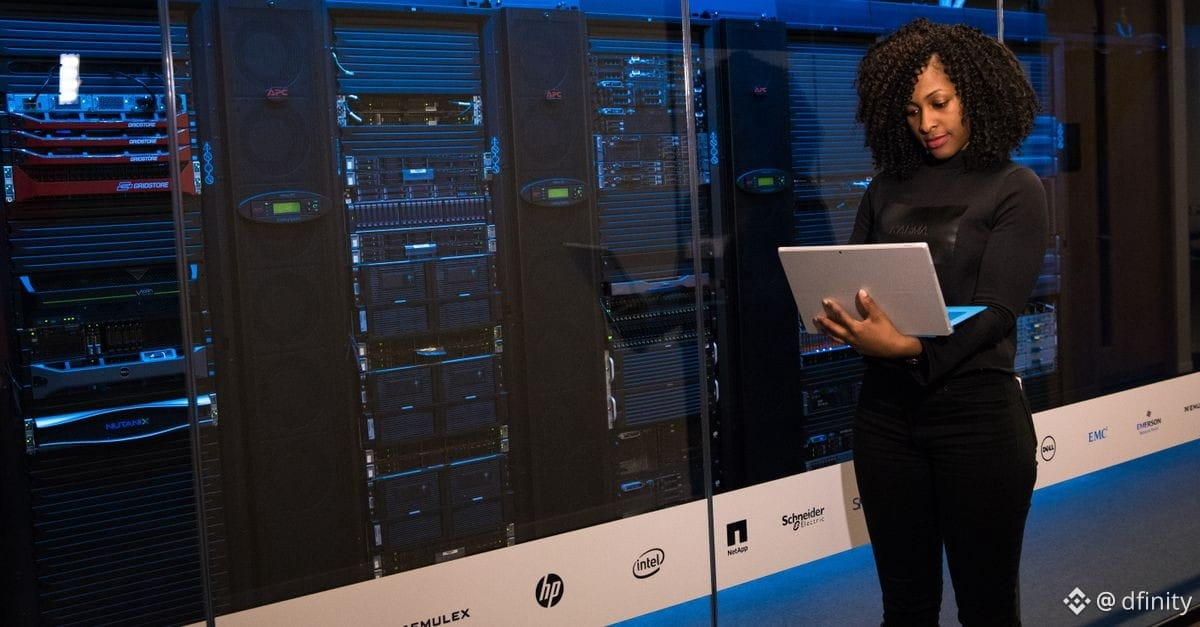
ICPay — Bitcoin Utility: Native L1 ckBTC Transfers Without BridgesHarnessing Chain-Key Cryptography for Instant, Low-Cost Bitcoin Payments
Transferring Bitcoin natively on layer-1 involves slow block times (10 to 60 minutes) and volatile miner fees. Traditional wrapped Bitcoin solutions introduce centralized custody risks and multi-signature bridge vulnerabilities.
ICPay supports chain-key Bitcoin (ckBTC), providing true 1:1 Bitcoin value with sub-second finality.
───────────────
Core Technical Architecture & Mechanisms
───────────────
1. True 1:1 Bitcoin Backing
ckBTC is fully backed by real Bitcoin held directly by the Internet Computer protocol canisters without third-party custodians.
2. Sub-Second Bitcoin Velocity
Transfers of ckBTC settle in under one second, transforming Bitcoin into a viable currency for everyday retail transactions.
3. Fixed Sub-Cent Fees
Transfers execute with deterministic low network fees, bypassing expensive Bitcoin base-layer mempool congestion.
$BTC $ICP #Bitcoin
ICPay — Bitcoin Utility: Native L1 ckBTC Transfers Without Bridges
Harnessing Chain-Key Cryptography for Instant, Low-Cost Bitcoin Payments
Transferring Bitcoin natively on layer-1 involves slow block times (10 to 60 minutes) and volatile miner fees. Traditional wrapped Bitcoin solutions introduce centralized custody risks and multi-signature bridge vulnerabilities.
ICPay supports chain-key Bitcoin (ckBTC), providing true 1:1 Bitcoin value with sub-second finality.
───────────────
Core Technical Architecture & Mechanisms
───────────────
1. True 1:1 Bitcoin Backing
ckBTC is fully backed by real Bitcoin held directly by the Internet Computer protocol canisters without third-party custodians.
2. Sub-Second Bitcoin Velocity
Transfers of ckBTC settle in under one second, transforming Bitcoin into a viable currency for everyday retail transactions.
3. Fixed Sub-Cent Fees
Transfers execute with deterministic low network fees, bypassing expensive Bitcoin base-layer mempool congestion.
$BTC $ICP #Bitcoin
287
·
--
Bullish
Icp tech the ”alien tech” will be bigger than entire crypto market #icp $ICP
{future}(ICPUSDT)
Icp tech the ”alien tech” will be bigger than entire crypto market #icp $ICP
1
263
·
--
Good morning! ☀️ Wishing everyone a profitable day in the markets. Stay disciplined, manage your risk, and let the charts do the talking. 🚀
Good morning! ☀️ Wishing everyone a profitable day in the markets. Stay disciplined, manage your risk, and let the charts do the talking. 🚀
62
·
--
Article
ICPay — Fraud Mitigation: Countering Address Spoofing & Clipboard PoisoningHow Human-Readable Handle Routing Eliminates Crypto Transfer Pitfalls
Clipboard poisoning malware monitors user clipboards for cryptocurrency addresses, instantaneously replacing copied strings with visually similar attacker addresses. Due to 63-character complexity, victims routinely approve fraudulent transfers without noticing.
ICPay neutralizes address spoofing attack vectors through human-readable handle abstraction.
───────────────
Core Technical Architecture & Mechanisms
───────────────
1. Explicit Handle Confirmation
Users confirm destination usernames (e.g. @alice) instead of opaque 63-character hex strings, making unauthorized alterations immediately obvious.
2. Direct Canister Handle Resolution
The backend canister resolves registered handles directly against verified internal tables, preventing malicious address injection.
3. Profile Metadata Verification
Transfer confirmation screens display verified avatars, joined dates, and public profile badges before the user signs the transaction.
$ICP #ICP #Security
ICPay — Fraud Mitigation: Countering Address Spoofing & Clipboard Poisoning
How Human-Readable Handle Routing Eliminates Crypto Transfer Pitfalls
Clipboard poisoning malware monitors user clipboards for cryptocurrency addresses, instantaneously replacing copied strings with visually similar attacker addresses. Due to 63-character complexity, victims routinely approve fraudulent transfers without noticing.
ICPay neutralizes address spoofing attack vectors through human-readable handle abstraction.
───────────────
Core Technical Architecture & Mechanisms
───────────────
1. Explicit Handle Confirmation
Users confirm destination usernames (e.g. @alice) instead of opaque 63-character hex strings, making unauthorized alterations immediately obvious.
2. Direct Canister Handle Resolution
The backend canister resolves registered handles directly against verified internal tables, preventing malicious address injection.
3. Profile Metadata Verification
Transfer confirmation screens display verified avatars, joined dates, and public profile badges before the user signs the transaction.
$ICP #ICP #Security
347
Log in to explore more content
Join global crypto users on Binance Square
⚡️ Get latest and useful information about crypto.
💬 Trusted by the world’s largest crypto exchange.
👍 Discover real insights from verified creators.
Email / Phone number
Trending Topics
BTCRebounds80K
36,523 views
582 Discussing
BITCOIN UPDATE I’M STILL BEARISH, AND HERE’S WHY! 🚨⚠️
As you all witnessed, BTC bounced back from the $75,700 area and touched $81K. First, the market trapped long traders, and then it trapped short traders.
I’m still bearish. First of all, as everyone knows, Democrats won today’s US midterm elections, and in my view, this outcome is bearish for the market.
The market can remain volatile in the short term and trap as many traders as it wants, but that doesn’t change the overall market outlook.
There are several important upcoming events, including US Non Farm Payrolls (November 6), US CPI Inflation (November 10), US PPI (November 13), US Retail Sales (November 17), FOMC Meeting Minutes (November 18), US PCE Inflation (November 25), Federal Reserve interest rate expectations, the US Dollar Index (DXY), Treasury Yields, Nasdaq performance, Bitcoin ETF flows, and ongoing( Iran ) Israel geopolitical developments. All of these could have a significant impact on Bitcoin and the overall crypto market.
But don’t get too carried away by Bitcoin’s recent movement. Technically speaking, there hasn’t been any major bullish move yet. Yesterday, BTC was trading between $80K and $82K, and even today, it’s still around the same range.
If you want to turn bullish, that’s entirely your choice.
In my previous post, I clearly explained that BTC had technical support in the $75K / $76K zone, and the price bounced from that support and made its way back towards $80K. But this wasn’t something I had failed to mention before. In fact, I repeatedly mentioned in my posts that BTC could move towards $80K, $81K, or even $82K.
Despite that, I’m still bearish.
And I don’t have just one reason to support my bearish outlook. I have several reasons, which I’ve already explained in my previous posts.
For now, I’ll continue to wait for BTC to drop below $74K, which I believe could happen very soon. In my view, such a correction is also necessary for the market.
Anyone looking for crypto guidance just let me know.
#BTCRebounds80K
Strategic Adviser
·14 Likes
·9.6k views
Binance98PercentReplenished
29,640 views
498 Discussing
USMidterms-WhatAreMarketsExpecting?
311,504 views
1,997 Discussing