
周东野
527 Posts

周东野
Report
Block User
I'm Dongye from Rian,Dedicated to making life more interesting.
热爱自己热爱的东西,分析、家庭、分享、新闻、加密、公益。
声明:所有推文皆为个人观点,不构成任何投资建议。
投资有风险,入市需谨慎。合作私聊
Open Trade
High-Frequency Trader
5.3 Years
21 Following
7.4K+ Followers
1.2K+ Liked
Posts
Portfolio
All
Quotes
Videos
Live
·
--
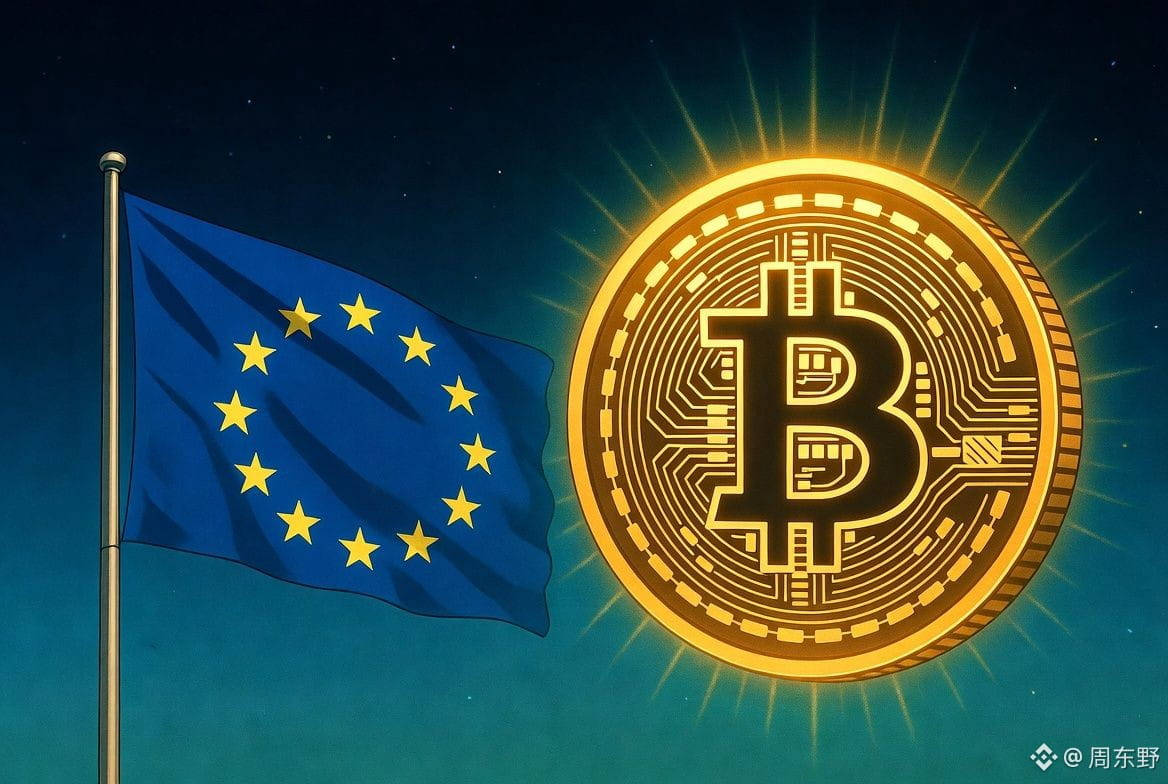
The EU’s anti–money laundering (AML) oversight draws such an exact “line in the sand” for the crypto industry. The Central Contact Point (CCP) framework is directly extended to crypto asset service providers (CASPs).
In simple terms, if you want to solicit users or provide services in an EU member state, then regardless of whether your servers are tucked away on an offshore island and your compliance team is all operating remotely overseas, you must establish a real, tangible local point of contact within that country’s borders.
In the past, many cross-border exchanges have been best at playing hide-and-seek—making their legal entities into extremely complex stacked structures. Once a regulator, or even law enforcement in a given country, needs to obtain the transaction trail of suspect funds or issue a freeze order, they often find that no legal responsible party can be located locally. The official letters either go nowhere or get kicked around between different overseas shell companies.
Once the CCP framework is implemented, this kind of compliance-arbitrage space is basically shut down. EU regulators effectively require exchanges to point the muzzle of their operation right at their own foreheads: they must designate a “fall guy” or “responsible party” who can be summoned at any time locally and will bear legal consequences.
If a platform becomes involved in money laundering or funds connected to fraud are being parked, and regulators can’t obtain data or need urgent intervention, they no longer need to file cross-border judicial assistance requests. They can simply come directly to this local point of contact for people and data. If you don’t cooperate, the platform can be taken down on the spot, or even a local penalty mechanism can be triggered.
This also means that asset-light mid- and small-sized exchanges that rely on a few offshore licenses and take a “grey route” to penetrate the EU market will see their compliance costs rise exponentially.
Because each member state will require you to attach a figurehead and an entity, the costs of fulfilling legal obligations later, compliance audit costs, and the possibility of being subject to joint regulatory liability at any time will directly squeeze these platforms’ profit margins.
The impact on the entire industry is actually quite certain: the compliance “game” has completely evolved into a wall-building contest based on the size of funds and legal resources. Large, top-tier licensed exchanges can use this opportunity to further take control of pricing power in Europe, while market makers and liquidity channels operating in the grey zone will be forced to shift toward decentralized on-chain privacy protocols—or even deeper underground networks. The second- and third-tier CEXs that survive in the gaps will only be able to scale back their business or be acquired.$BTC
#欧盟扩中央联络点框架至加密服务商
The EU’s anti–money laundering (AML) oversight draws such an exact “line in the sand” for the crypto industry. The Central Contact Point (CCP) framework is directly extended to crypto asset service providers (CASPs).
In simple terms, if you want to solicit users or provide services in an EU member state, then regardless of whether your servers are tucked away on an offshore island and your compliance team is all operating remotely overseas, you must establish a real, tangible local point of contact within that country’s borders.
In the past, many cross-border exchanges have been best at playing hide-and-seek—making their legal entities into extremely complex stacked structures. Once a regulator, or even law enforcement in a given country, needs to obtain the transaction trail of suspect funds or issue a freeze order, they often find that no legal responsible party can be located locally. The official letters either go nowhere or get kicked around between different overseas shell companies.
Once the CCP framework is implemented, this kind of compliance-arbitrage space is basically shut down. EU regulators effectively require exchanges to point the muzzle of their operation right at their own foreheads: they must designate a “fall guy” or “responsible party” who can be summoned at any time locally and will bear legal consequences.
If a platform becomes involved in money laundering or funds connected to fraud are being parked, and regulators can’t obtain data or need urgent intervention, they no longer need to file cross-border judicial assistance requests. They can simply come directly to this local point of contact for people and data. If you don’t cooperate, the platform can be taken down on the spot, or even a local penalty mechanism can be triggered.
This also means that asset-light mid- and small-sized exchanges that rely on a few offshore licenses and take a “grey route” to penetrate the EU market will see their compliance costs rise exponentially.
Because each member state will require you to attach a figurehead and an entity, the costs of fulfilling legal obligations later, compliance audit costs, and the possibility of being subject to joint regulatory liability at any time will directly squeeze these platforms’ profit margins.
The impact on the entire industry is actually quite certain: the compliance “game” has completely evolved into a wall-building contest based on the size of funds and legal resources. Large, top-tier licensed exchanges can use this opportunity to further take control of pricing power in Europe, while market makers and liquidity channels operating in the grey zone will be forced to shift toward decentralized on-chain privacy protocols—or even deeper underground networks. The second- and third-tier CEXs that survive in the gaps will only be able to scale back their business or be acquired.$BTC
#欧盟扩中央联络点框架至加密服务商
In simple terms, if you want to solicit users or provide services in an EU member state, then regardless of whether your servers are tucked away on an offshore island and your compliance team is all operating remotely overseas, you must establish a real, tangible local point of contact within that country’s borders.
In the past, many cross-border exchanges have been best at playing hide-and-seek—making their legal entities into extremely complex stacked structures. Once a regulator, or even law enforcement in a given country, needs to obtain the transaction trail of suspect funds or issue a freeze order, they often find that no legal responsible party can be located locally. The official letters either go nowhere or get kicked around between different overseas shell companies.
Once the CCP framework is implemented, this kind of compliance-arbitrage space is basically shut down. EU regulators effectively require exchanges to point the muzzle of their operation right at their own foreheads: they must designate a “fall guy” or “responsible party” who can be summoned at any time locally and will bear legal consequences.
If a platform becomes involved in money laundering or funds connected to fraud are being parked, and regulators can’t obtain data or need urgent intervention, they no longer need to file cross-border judicial assistance requests. They can simply come directly to this local point of contact for people and data. If you don’t cooperate, the platform can be taken down on the spot, or even a local penalty mechanism can be triggered.
This also means that asset-light mid- and small-sized exchanges that rely on a few offshore licenses and take a “grey route” to penetrate the EU market will see their compliance costs rise exponentially.
Because each member state will require you to attach a figurehead and an entity, the costs of fulfilling legal obligations later, compliance audit costs, and the possibility of being subject to joint regulatory liability at any time will directly squeeze these platforms’ profit margins.
The impact on the entire industry is actually quite certain: the compliance “game” has completely evolved into a wall-building contest based on the size of funds and legal resources. Large, top-tier licensed exchanges can use this opportunity to further take control of pricing power in Europe, while market makers and liquidity channels operating in the grey zone will be forced to shift toward decentralized on-chain privacy protocols—or even deeper underground networks. The second- and third-tier CEXs that survive in the gaps will only be able to scale back their business or be acquired.$BTC
#欧盟扩中央联络点框架至加密服务商
120
·
--
Verified
The latest U.S. August employment data came in a full three times higher than market expectations, tearing a hole right through the macro outlook that had been gradually easing.
The probability of further rate hikes shot up to 58% on the spot. The Nasdaq and the S&P were the first to buckle under the pressure—fears that liquidity would tighten triggered a new wave of selling in the U.S. stock market.
But if you shift your focus back to the crypto market, the picture is completely different.
$BTC Bitcoin is still firmly holding the $79,000 level. The trading action shows an extremely rare level of resilience. This in turn confirms a key fact: when mainstream capital faces fluctuations in rate expectations, it no longer simply treats crypto assets as a risk satellite of U.S. stocks. The overall positioning and liquidity structure are far more solid than many people assume.
Even more worth paying attention are the unusual moves within specific sub-sectors. Over the past week, $ZEC carved out an independent uptrend that ignored the broader macro backdrop, surging 45% within a single week. For this long-established privacy coin to break through amid rate-hike fears is absolutely not a coincidence or mere retail speculation—it truly reflects deeper liquidity preferences.
When regulatory pressure from the macro environment and rate-hike expectations both intensify, demand for absolute privacy and on-chain anonymous settlement will be amplified by necessity. Every extra point of cost along the compliant route increases the risk-off premium of native privacy networks by a fraction. This anti-fragility to traditional macro liquidity is the underlying logic that allows decentralized privacy assets to be aggressively pulled higher even while the broader market is in turmoil.
#比特币突破79000美元 #zec
The latest U.S. August employment data came in a full three times higher than market expectations, tearing a hole right through the macro outlook that had been gradually easing.
The probability of further rate hikes shot up to 58% on the spot. The Nasdaq and the S&P were the first to buckle under the pressure—fears that liquidity would tighten triggered a new wave of selling in the U.S. stock market.
But if you shift your focus back to the crypto market, the picture is completely different.
$BTC Bitcoin is still firmly holding the $79,000 level. The trading action shows an extremely rare level of resilience. This in turn confirms a key fact: when mainstream capital faces fluctuations in rate expectations, it no longer simply treats crypto assets as a risk satellite of U.S. stocks. The overall positioning and liquidity structure are far more solid than many people assume.
Even more worth paying attention are the unusual moves within specific sub-sectors. Over the past week, $ZEC carved out an independent uptrend that ignored the broader macro backdrop, surging 45% within a single week. For this long-established privacy coin to break through amid rate-hike fears is absolutely not a coincidence or mere retail speculation—it truly reflects deeper liquidity preferences.
When regulatory pressure from the macro environment and rate-hike expectations both intensify, demand for absolute privacy and on-chain anonymous settlement will be amplified by necessity. Every extra point of cost along the compliant route increases the risk-off premium of native privacy networks by a fraction. This anti-fragility to traditional macro liquidity is the underlying logic that allows decentralized privacy assets to be aggressively pulled higher even while the broader market is in turmoil.
#比特币突破79000美元 #zec
The probability of further rate hikes shot up to 58% on the spot. The Nasdaq and the S&P were the first to buckle under the pressure—fears that liquidity would tighten triggered a new wave of selling in the U.S. stock market.
But if you shift your focus back to the crypto market, the picture is completely different.
$BTC Bitcoin is still firmly holding the $79,000 level. The trading action shows an extremely rare level of resilience. This in turn confirms a key fact: when mainstream capital faces fluctuations in rate expectations, it no longer simply treats crypto assets as a risk satellite of U.S. stocks. The overall positioning and liquidity structure are far more solid than many people assume.
Even more worth paying attention are the unusual moves within specific sub-sectors. Over the past week, $ZEC carved out an independent uptrend that ignored the broader macro backdrop, surging 45% within a single week. For this long-established privacy coin to break through amid rate-hike fears is absolutely not a coincidence or mere retail speculation—it truly reflects deeper liquidity preferences.
When regulatory pressure from the macro environment and rate-hike expectations both intensify, demand for absolute privacy and on-chain anonymous settlement will be amplified by necessity. Every extra point of cost along the compliant route increases the risk-off premium of native privacy networks by a fraction. This anti-fragility to traditional macro liquidity is the underlying logic that allows decentralized privacy assets to be aggressively pulled higher even while the broader market is in turmoil.
#比特币突破79000美元 #zec

2
4.5k
·
--
Verified
The oil price has risen again, and I can’t even afford to fill up anymore—
Because the neighbor suddenly pressed the gun barrel directly against Iran’s most vital oil valve.
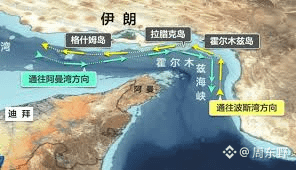
Fox’s exclusive is that the U.S. military launched a direct strike, hitting targets near Khark Island and the port of Jask, and they even didn’t spare the oil tankers.
Khark Island is only some twenty-odd kilometers from the coastline, but 90% of Iran’s exported crude has to be loaded and shipped out from here. Before, when the U.S. fought back, it largely stayed within limits—targeting mainly military sites—while energy facilities were a kind of unstated but widely understood red line. Now that move has come out, it’s like smashing the boot that had been hanging in midair right onto the ground.
That day, oil prices bounced around near $98. Once the explosions started, the market immediately began to climb in an utterly unreasonable way. Put simply, the money is not betting on the immediate loss from one or two tankers being destroyed. Instead, they’re trading the idea that once the most core logistics hub is physically disrupted, the liquidity in the Middle East’s supply side seizes up completely.
Since February this year, when the Strait of Hormuz—the waterway responsible for about 20% of global shipping capacity—was blocked, the macro market has been stuck in a state of extreme distortion and weightlessness caused by liquidity contraction. People had still been debating whether both sides could find a step to step down from earlier. But now, by physically breaking the export pipelines for crude oil, it’s simply about pushing the other side to the negotiating table through extreme economic suffocation.
However, the most lethal hidden risk in this matter isn’t whether oil prices will surge to $120. In trades on-chain or in macro-asset markets, the logic is completely the same. When a sovereign entity’s most critical cash-flow clearing channel is completely destroyed, it can’t just sit and accept full surrender—it must inevitably take asymmetric retaliatory measures.
The probability of the Strait of Hormuz going from “basically closed” to “utterly unusable” has shot up to near maximum. The risk at the tail end of the global supply chain is shifting from a predictable probability event to an irreversible, certain loss.
If the risk-hedging anchor of underlying assets like energy is completely detonated, then all pricing models for risk assets have to be wiped clean and redone. For macro exposures and hedging with leverage, in the coming days you absolutely must raise liquidity defense to the highest level. $BTC
#美军打击霍尔木兹岛及贾斯克目标
The oil price has risen again, and I can’t even afford to fill up anymore—
Because the neighbor suddenly pressed the gun barrel directly against Iran’s most vital oil valve.
Fox’s exclusive is that the U.S. military launched a direct strike, hitting targets near Khark Island and the port of Jask, and they even didn’t spare the oil tankers.
Khark Island is only some twenty-odd kilometers from the coastline, but 90% of Iran’s exported crude has to be loaded and shipped out from here. Before, when the U.S. fought back, it largely stayed within limits—targeting mainly military sites—while energy facilities were a kind of unstated but widely understood red line. Now that move has come out, it’s like smashing the boot that had been hanging in midair right onto the ground.
That day, oil prices bounced around near $98. Once the explosions started, the market immediately began to climb in an utterly unreasonable way. Put simply, the money is not betting on the immediate loss from one or two tankers being destroyed. Instead, they’re trading the idea that once the most core logistics hub is physically disrupted, the liquidity in the Middle East’s supply side seizes up completely.
Since February this year, when the Strait of Hormuz—the waterway responsible for about 20% of global shipping capacity—was blocked, the macro market has been stuck in a state of extreme distortion and weightlessness caused by liquidity contraction. People had still been debating whether both sides could find a step to step down from earlier. But now, by physically breaking the export pipelines for crude oil, it’s simply about pushing the other side to the negotiating table through extreme economic suffocation.
However, the most lethal hidden risk in this matter isn’t whether oil prices will surge to $120. In trades on-chain or in macro-asset markets, the logic is completely the same. When a sovereign entity’s most critical cash-flow clearing channel is completely destroyed, it can’t just sit and accept full surrender—it must inevitably take asymmetric retaliatory measures.
The probability of the Strait of Hormuz going from “basically closed” to “utterly unusable” has shot up to near maximum. The risk at the tail end of the global supply chain is shifting from a predictable probability event to an irreversible, certain loss.
If the risk-hedging anchor of underlying assets like energy is completely detonated, then all pricing models for risk assets have to be wiped clean and redone. For macro exposures and hedging with leverage, in the coming days you absolutely must raise liquidity defense to the highest level. $BTC
#美军打击霍尔木兹岛及贾斯克目标
Because the neighbor suddenly pressed the gun barrel directly against Iran’s most vital oil valve.
Fox’s exclusive is that the U.S. military launched a direct strike, hitting targets near Khark Island and the port of Jask, and they even didn’t spare the oil tankers.
Khark Island is only some twenty-odd kilometers from the coastline, but 90% of Iran’s exported crude has to be loaded and shipped out from here. Before, when the U.S. fought back, it largely stayed within limits—targeting mainly military sites—while energy facilities were a kind of unstated but widely understood red line. Now that move has come out, it’s like smashing the boot that had been hanging in midair right onto the ground.
That day, oil prices bounced around near $98. Once the explosions started, the market immediately began to climb in an utterly unreasonable way. Put simply, the money is not betting on the immediate loss from one or two tankers being destroyed. Instead, they’re trading the idea that once the most core logistics hub is physically disrupted, the liquidity in the Middle East’s supply side seizes up completely.
Since February this year, when the Strait of Hormuz—the waterway responsible for about 20% of global shipping capacity—was blocked, the macro market has been stuck in a state of extreme distortion and weightlessness caused by liquidity contraction. People had still been debating whether both sides could find a step to step down from earlier. But now, by physically breaking the export pipelines for crude oil, it’s simply about pushing the other side to the negotiating table through extreme economic suffocation.
However, the most lethal hidden risk in this matter isn’t whether oil prices will surge to $120. In trades on-chain or in macro-asset markets, the logic is completely the same. When a sovereign entity’s most critical cash-flow clearing channel is completely destroyed, it can’t just sit and accept full surrender—it must inevitably take asymmetric retaliatory measures.
The probability of the Strait of Hormuz going from “basically closed” to “utterly unusable” has shot up to near maximum. The risk at the tail end of the global supply chain is shifting from a predictable probability event to an irreversible, certain loss.
If the risk-hedging anchor of underlying assets like energy is completely detonated, then all pricing models for risk assets have to be wiped clean and redone. For macro exposures and hedging with leverage, in the coming days you absolutely must raise liquidity defense to the highest level. $BTC
#美军打击霍尔木兹岛及贾斯克目标
2
3.2k
·
--
Understand this $AERO rally—there’s absolutely no need to obsess over those fake, hollow macro indicators.
If you break the books down, the essence is that on the Base chain, the real trading liquidity is starting to recover, and RWA—represented by tokenized assets from the US stock market—has created on-chain value that settles there.
In the past, people had a bias against DEX tokens. They thought it was just another batch of “mining coins,” essentially another round of money-printing and dumping.
But when a DEX comes to dominate the vast majority of real settlement business across the entire Layer 2—and even its liquidity tokens are integrated via collateral into lending protocols like TENOR—the token turnover efficiency on-chain and the structure of locked capital have already changed.
From a purely on-chain game-theory perspective, most people only see token price movement, but they ignore the reconfiguration of role-based earnings behind it.
For ordinary liquidity providers, simply mining in pools to short is very likely to get liquidated due to one-sided market conditions and price swings. But for whales and arbitrageurs, using seamless collateral + borrowing is like adding leverage on Base with extremely low real capital costs and embedding it into the system. This mechanism turns those chips that have settled in the pools into real currency—squeezing sell-pressure on the circulating supply dramatically in the short term.
That said, I remain cautious about this short-term valuation “repair.” In crypto markets, chasing pumps often marks the beginning of liquidity’s end.
What’s truly worth watching isn’t how much AERO can pull in next—it’s that the underlying logic of where this capital flow is going has changed. Hot money is accelerating its escape from purely conceptual sectors with no cash flow and valuations inflated by “air,” and rushing into top-tier infrastructure that has real fee revenue support and ecosystem backing from a mainnet.
Before you’re truly ready to get in, there’s no need to let the current surge intoxicate you. You should put more effort into observing whether Base’s TVL growth has started to stall, and whether the number of daily active addresses—after removing wash-trading volume—can continue to hold at high levels. If there’s a real break in settlement volume, the current token liquidity premium will be quickly erased by arbitrageurs.
In this market, it has never been short of stories about getting rich overnight. What’s missing is the ability, amid the frenzy, to clearly see the liquidation lines and calmly hold tight to your wallet.$BTC
#aero单日上涨17%
Understand this $AERO rally—there’s absolutely no need to obsess over those fake, hollow macro indicators.
If you break the books down, the essence is that on the Base chain, the real trading liquidity is starting to recover, and RWA—represented by tokenized assets from the US stock market—has created on-chain value that settles there.
In the past, people had a bias against DEX tokens. They thought it was just another batch of “mining coins,” essentially another round of money-printing and dumping.
But when a DEX comes to dominate the vast majority of real settlement business across the entire Layer 2—and even its liquidity tokens are integrated via collateral into lending protocols like TENOR—the token turnover efficiency on-chain and the structure of locked capital have already changed.
From a purely on-chain game-theory perspective, most people only see token price movement, but they ignore the reconfiguration of role-based earnings behind it.
For ordinary liquidity providers, simply mining in pools to short is very likely to get liquidated due to one-sided market conditions and price swings. But for whales and arbitrageurs, using seamless collateral + borrowing is like adding leverage on Base with extremely low real capital costs and embedding it into the system. This mechanism turns those chips that have settled in the pools into real currency—squeezing sell-pressure on the circulating supply dramatically in the short term.
That said, I remain cautious about this short-term valuation “repair.” In crypto markets, chasing pumps often marks the beginning of liquidity’s end.
What’s truly worth watching isn’t how much AERO can pull in next—it’s that the underlying logic of where this capital flow is going has changed. Hot money is accelerating its escape from purely conceptual sectors with no cash flow and valuations inflated by “air,” and rushing into top-tier infrastructure that has real fee revenue support and ecosystem backing from a mainnet.
Before you’re truly ready to get in, there’s no need to let the current surge intoxicate you. You should put more effort into observing whether Base’s TVL growth has started to stall, and whether the number of daily active addresses—after removing wash-trading volume—can continue to hold at high levels. If there’s a real break in settlement volume, the current token liquidity premium will be quickly erased by arbitrageurs.
In this market, it has never been short of stories about getting rich overnight. What’s missing is the ability, amid the frenzy, to clearly see the liquidation lines and calmly hold tight to your wallet.$BTC
#aero单日上涨17%
If you break the books down, the essence is that on the Base chain, the real trading liquidity is starting to recover, and RWA—represented by tokenized assets from the US stock market—has created on-chain value that settles there.
In the past, people had a bias against DEX tokens. They thought it was just another batch of “mining coins,” essentially another round of money-printing and dumping.
But when a DEX comes to dominate the vast majority of real settlement business across the entire Layer 2—and even its liquidity tokens are integrated via collateral into lending protocols like TENOR—the token turnover efficiency on-chain and the structure of locked capital have already changed.
From a purely on-chain game-theory perspective, most people only see token price movement, but they ignore the reconfiguration of role-based earnings behind it.
For ordinary liquidity providers, simply mining in pools to short is very likely to get liquidated due to one-sided market conditions and price swings. But for whales and arbitrageurs, using seamless collateral + borrowing is like adding leverage on Base with extremely low real capital costs and embedding it into the system. This mechanism turns those chips that have settled in the pools into real currency—squeezing sell-pressure on the circulating supply dramatically in the short term.
That said, I remain cautious about this short-term valuation “repair.” In crypto markets, chasing pumps often marks the beginning of liquidity’s end.
What’s truly worth watching isn’t how much AERO can pull in next—it’s that the underlying logic of where this capital flow is going has changed. Hot money is accelerating its escape from purely conceptual sectors with no cash flow and valuations inflated by “air,” and rushing into top-tier infrastructure that has real fee revenue support and ecosystem backing from a mainnet.
Before you’re truly ready to get in, there’s no need to let the current surge intoxicate you. You should put more effort into observing whether Base’s TVL growth has started to stall, and whether the number of daily active addresses—after removing wash-trading volume—can continue to hold at high levels. If there’s a real break in settlement volume, the current token liquidity premium will be quickly erased by arbitrageurs.
In this market, it has never been short of stories about getting rich overnight. What’s missing is the ability, amid the frenzy, to clearly see the liquidation lines and calmly hold tight to your wallet.$BTC
#aero单日上涨17%

1
2.8k
·
--
There isn’t much to post today. Everyone, take care of yourselves. $BTC $BNB $ETH
There isn’t much to post today. Everyone, take care of yourselves. $BTC $BNB $ETH
303
·
--
Verified
The yen’s appreciation has been anything but quiet. On Tuesday, it climbed against the US dollar all the way to 153.53, with its month-on-month gain nearing 3.8%—making it the top performer among the G10 currencies. Many people watching the market are calling for 152 to be reached soon, but how much staying power does the move really have? You need to break it down by layers.
On the surface, this round of sharp surge appears to be a chain reaction triggered by a liquidity shortfall.
The US holiday markets already have thin liquidity. Once USD/JPY broke below the key support level at 155, it immediately set off a large wave of long positions getting stopped out. Options traders who had been buying and holding long exposure to the dollar had to follow the flow and dump USD to manage risk. From a technical perspective, once 155 is broken, the lower line of defense quickly retreats to around 152.27 and even 152.10—this is also the yen’s most solid technical support zone this year.
First, there are rumors about an asset-allocation adjustment by Japan’s Government Pension Investment Fund (GPIF). If an institution of this magnitude prepares to move overseas assets back to Japan, liquidity expectations both on-chain and off-chain could be rewritten in an instant. Second is the bulk unwinding of carry trade positions based on interest-rate differentials.
Previously, people borrowed low-interest yen to buy higher-yield US dollar assets and lock in steady carry returns—provided that currency volatility stayed low enough. Now that the exchange rate has smashed through 154, leveraged carry-trade capital has no choice but to sell foreign-currency assets, convert back to yen, and repay debt to survive. The more aggressively positions are liquidated, the more aggressively the yen gets bought—creating a squeeze effect. That said, there’s a hidden implication: if this liquidation-driven move pushes the yen too high in the short term, it may actually open up profit opportunities for funds that have been waiting to build short positions at high levels.
The key deciding factor is whether there is another rate hike. The probability implied by overnight index swaps that the Bank of Japan will raise rates by 25 basis points next week is as high as 97%—the market is basically treating a hike as a certainty. But based on the central bank’s past playbook, simply going through the motions and hiking by 25 bps may not be enough to keep the yen’s momentum going.
The market’s stance is very clear right now: the rate hike is merely the “minimum threshold” to support the yen. To maintain this push higher, the Bank of Japan not only has to act next week, but also must deliver a very hawkish signal in subsequent communications—clearly outlining expectations for continuing rate hikes through year-end.
If the central bank’s tone is even slightly hesitant, or if this Friday’s US inflation data comes in hotter than expected and sparks a rebound in the market, the arbitrage positioning will very likely return once again.
#日元突破155逼近年内新高
The yen’s appreciation has been anything but quiet. On Tuesday, it climbed against the US dollar all the way to 153.53, with its month-on-month gain nearing 3.8%—making it the top performer among the G10 currencies. Many people watching the market are calling for 152 to be reached soon, but how much staying power does the move really have? You need to break it down by layers.
On the surface, this round of sharp surge appears to be a chain reaction triggered by a liquidity shortfall.
The US holiday markets already have thin liquidity. Once USD/JPY broke below the key support level at 155, it immediately set off a large wave of long positions getting stopped out. Options traders who had been buying and holding long exposure to the dollar had to follow the flow and dump USD to manage risk. From a technical perspective, once 155 is broken, the lower line of defense quickly retreats to around 152.27 and even 152.10—this is also the yen’s most solid technical support zone this year.
First, there are rumors about an asset-allocation adjustment by Japan’s Government Pension Investment Fund (GPIF). If an institution of this magnitude prepares to move overseas assets back to Japan, liquidity expectations both on-chain and off-chain could be rewritten in an instant. Second is the bulk unwinding of carry trade positions based on interest-rate differentials.
Previously, people borrowed low-interest yen to buy higher-yield US dollar assets and lock in steady carry returns—provided that currency volatility stayed low enough. Now that the exchange rate has smashed through 154, leveraged carry-trade capital has no choice but to sell foreign-currency assets, convert back to yen, and repay debt to survive. The more aggressively positions are liquidated, the more aggressively the yen gets bought—creating a squeeze effect. That said, there’s a hidden implication: if this liquidation-driven move pushes the yen too high in the short term, it may actually open up profit opportunities for funds that have been waiting to build short positions at high levels.
The key deciding factor is whether there is another rate hike. The probability implied by overnight index swaps that the Bank of Japan will raise rates by 25 basis points next week is as high as 97%—the market is basically treating a hike as a certainty. But based on the central bank’s past playbook, simply going through the motions and hiking by 25 bps may not be enough to keep the yen’s momentum going.
The market’s stance is very clear right now: the rate hike is merely the “minimum threshold” to support the yen. To maintain this push higher, the Bank of Japan not only has to act next week, but also must deliver a very hawkish signal in subsequent communications—clearly outlining expectations for continuing rate hikes through year-end.
If the central bank’s tone is even slightly hesitant, or if this Friday’s US inflation data comes in hotter than expected and sparks a rebound in the market, the arbitrage positioning will very likely return once again.
#日元突破155逼近年内新高
On the surface, this round of sharp surge appears to be a chain reaction triggered by a liquidity shortfall.
The US holiday markets already have thin liquidity. Once USD/JPY broke below the key support level at 155, it immediately set off a large wave of long positions getting stopped out. Options traders who had been buying and holding long exposure to the dollar had to follow the flow and dump USD to manage risk. From a technical perspective, once 155 is broken, the lower line of defense quickly retreats to around 152.27 and even 152.10—this is also the yen’s most solid technical support zone this year.
First, there are rumors about an asset-allocation adjustment by Japan’s Government Pension Investment Fund (GPIF). If an institution of this magnitude prepares to move overseas assets back to Japan, liquidity expectations both on-chain and off-chain could be rewritten in an instant. Second is the bulk unwinding of carry trade positions based on interest-rate differentials.
Previously, people borrowed low-interest yen to buy higher-yield US dollar assets and lock in steady carry returns—provided that currency volatility stayed low enough. Now that the exchange rate has smashed through 154, leveraged carry-trade capital has no choice but to sell foreign-currency assets, convert back to yen, and repay debt to survive. The more aggressively positions are liquidated, the more aggressively the yen gets bought—creating a squeeze effect. That said, there’s a hidden implication: if this liquidation-driven move pushes the yen too high in the short term, it may actually open up profit opportunities for funds that have been waiting to build short positions at high levels.
The key deciding factor is whether there is another rate hike. The probability implied by overnight index swaps that the Bank of Japan will raise rates by 25 basis points next week is as high as 97%—the market is basically treating a hike as a certainty. But based on the central bank’s past playbook, simply going through the motions and hiking by 25 bps may not be enough to keep the yen’s momentum going.
The market’s stance is very clear right now: the rate hike is merely the “minimum threshold” to support the yen. To maintain this push higher, the Bank of Japan not only has to act next week, but also must deliver a very hawkish signal in subsequent communications—clearly outlining expectations for continuing rate hikes through year-end.
If the central bank’s tone is even slightly hesitant, or if this Friday’s US inflation data comes in hotter than expected and sparks a rebound in the market, the arbitrage positioning will very likely return once again.
#日元突破155逼近年内新高

435
·
--
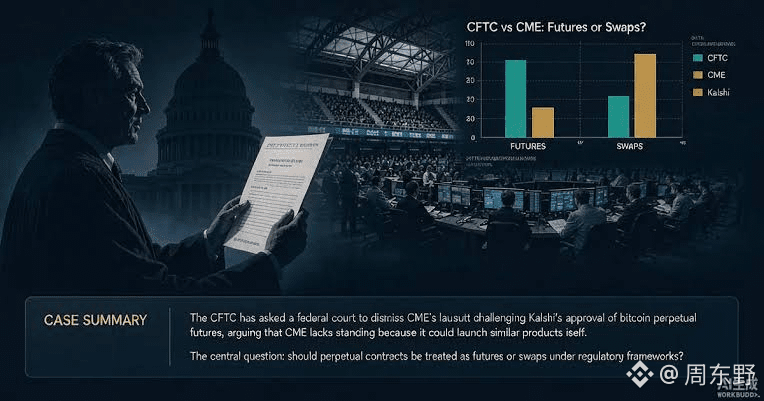
This Bitcoin $BTC perpetual contract created by Kalshi has been hauled to a Washington court by the CME via a lawsuit. The CME’s logic is simple: because it has no expiration date and relies on funding rates to track spot, it is essentially a swap rather than a standard futures contract, so the CFTC shouldn’t have approved it.
The CFTC’s response was extremely straightforward: it directly requested that the case be dismissed and characterized the CME’s complaint as “manufacturing issues out of nothing.” The regulatory reasoning is clear. Perpetual contracts are merely a mechanism innovation and don’t change the underlying nature of price hedging. Moreover, CME’s own Bitcoin futures trading volume is even higher than before the approval, so the business has suffered no harm. Since the door to compliance is already open, the CME could easily list one of its own.
This time, the CME’s challenge isn’t really a dispute over compliance dogma—it’s the instinctive fear of a traditional derivatives giant over crypto’s native trading structures entering the regulated market. Perpetual contracts are the most successful derivatives in the crypto industry: they have high capital efficiency, eliminate the need for frequent rolling positions, and automatically anchor to spot via funding rates—an effective “dimensionality reduction” for traders. In the past, regulatory barriers were the traditional exchanges’ biggest moat. As long as perpetual products were kept out of the door, the CME could monopolize the compliant derivatives “cake” using traditional futures.
Now that Kalshi has won this approval, it effectively connects perpetual contracts directly into the compliance channel. When traders no longer have to bear the discount/premium fluctuations from periodic settlement dates and the friction costs of rolling positions, the rigid disadvantages of traditional futures are amplified endlessly. The CME may loudly claim the classification is non-compliant, but what it’s truly worried about is its pricing power and the risk of having its clearing-fee pool eroded.
By taking a firm stance this time to defend its position, the CFTC shows that regulators are starting to accept crypto market-validated derivative structures and are no longer being led around by traditional financial giants. Even if the CME submitted its response in early October, it can’t stop the permeation of perpetual mechanisms. Traders will always choose markets with higher capital efficiency and lower friction. Once the benefits of mechanism evolution are released, there’s no going back.
#cftc请求驳回cme诉kalshi比特币期货案
This Bitcoin $BTC perpetual contract created by Kalshi has been hauled to a Washington court by the CME via a lawsuit. The CME’s logic is simple: because it has no expiration date and relies on funding rates to track spot, it is essentially a swap rather than a standard futures contract, so the CFTC shouldn’t have approved it.
The CFTC’s response was extremely straightforward: it directly requested that the case be dismissed and characterized the CME’s complaint as “manufacturing issues out of nothing.” The regulatory reasoning is clear. Perpetual contracts are merely a mechanism innovation and don’t change the underlying nature of price hedging. Moreover, CME’s own Bitcoin futures trading volume is even higher than before the approval, so the business has suffered no harm. Since the door to compliance is already open, the CME could easily list one of its own.
This time, the CME’s challenge isn’t really a dispute over compliance dogma—it’s the instinctive fear of a traditional derivatives giant over crypto’s native trading structures entering the regulated market. Perpetual contracts are the most successful derivatives in the crypto industry: they have high capital efficiency, eliminate the need for frequent rolling positions, and automatically anchor to spot via funding rates—an effective “dimensionality reduction” for traders. In the past, regulatory barriers were the traditional exchanges’ biggest moat. As long as perpetual products were kept out of the door, the CME could monopolize the compliant derivatives “cake” using traditional futures.
Now that Kalshi has won this approval, it effectively connects perpetual contracts directly into the compliance channel. When traders no longer have to bear the discount/premium fluctuations from periodic settlement dates and the friction costs of rolling positions, the rigid disadvantages of traditional futures are amplified endlessly. The CME may loudly claim the classification is non-compliant, but what it’s truly worried about is its pricing power and the risk of having its clearing-fee pool eroded.
By taking a firm stance this time to defend its position, the CFTC shows that regulators are starting to accept crypto market-validated derivative structures and are no longer being led around by traditional financial giants. Even if the CME submitted its response in early October, it can’t stop the permeation of perpetual mechanisms. Traders will always choose markets with higher capital efficiency and lower friction. Once the benefits of mechanism evolution are released, there’s no going back.
#cftc请求驳回cme诉kalshi比特币期货案
The CFTC’s response was extremely straightforward: it directly requested that the case be dismissed and characterized the CME’s complaint as “manufacturing issues out of nothing.” The regulatory reasoning is clear. Perpetual contracts are merely a mechanism innovation and don’t change the underlying nature of price hedging. Moreover, CME’s own Bitcoin futures trading volume is even higher than before the approval, so the business has suffered no harm. Since the door to compliance is already open, the CME could easily list one of its own.
This time, the CME’s challenge isn’t really a dispute over compliance dogma—it’s the instinctive fear of a traditional derivatives giant over crypto’s native trading structures entering the regulated market. Perpetual contracts are the most successful derivatives in the crypto industry: they have high capital efficiency, eliminate the need for frequent rolling positions, and automatically anchor to spot via funding rates—an effective “dimensionality reduction” for traders. In the past, regulatory barriers were the traditional exchanges’ biggest moat. As long as perpetual products were kept out of the door, the CME could monopolize the compliant derivatives “cake” using traditional futures.
Now that Kalshi has won this approval, it effectively connects perpetual contracts directly into the compliance channel. When traders no longer have to bear the discount/premium fluctuations from periodic settlement dates and the friction costs of rolling positions, the rigid disadvantages of traditional futures are amplified endlessly. The CME may loudly claim the classification is non-compliant, but what it’s truly worried about is its pricing power and the risk of having its clearing-fee pool eroded.
By taking a firm stance this time to defend its position, the CFTC shows that regulators are starting to accept crypto market-validated derivative structures and are no longer being led around by traditional financial giants. Even if the CME submitted its response in early October, it can’t stop the permeation of perpetual mechanisms. Traders will always choose markets with higher capital efficiency and lower friction. Once the benefits of mechanism evolution are released, there’s no going back.
#cftc请求驳回cme诉kalshi比特币期货案
2
1.6k
·
--
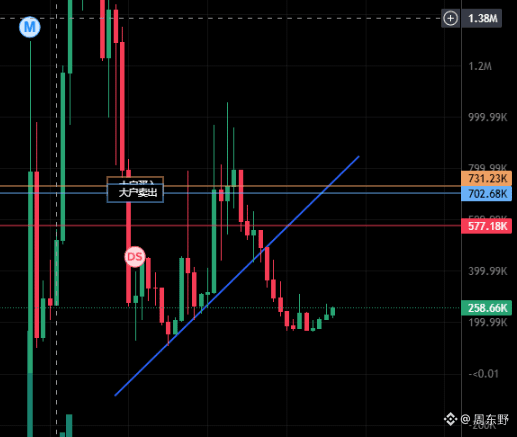
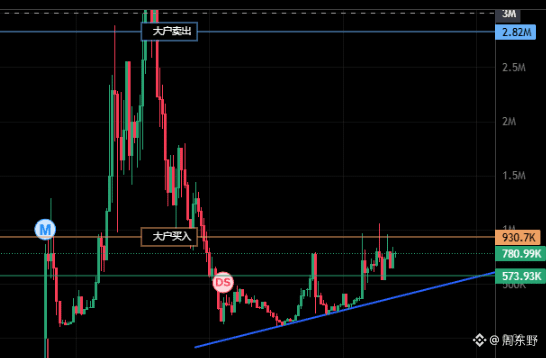
Trading is just like this—if your angle fails, then when everyone trades, you must keep a calm mindset. Remember: don’t get carried away.
Trading is just like this—if your angle fails, then when everyone trades, you must keep a calm mindset. Remember: don’t get carried away.
周东野
·
--
The angle looks pretty good; let's see if you can translate it for me by 8X
387
·
--
The angle looks pretty good; let's see if you can translate it for me by 8X
The angle looks pretty good; let's see if you can translate it for me by 8X
1
1
397
·
--
Verified
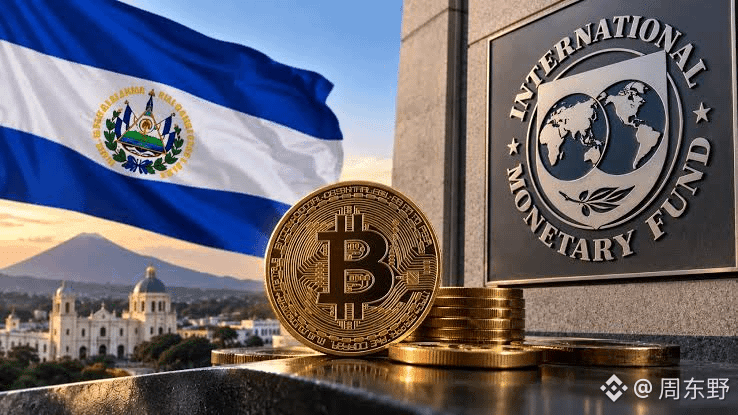
The IMF has just finished auditing El Salvador’s books and confirmed one detail: since the review in June last year, not a cent of public money has been spent on the newly added bitcoin in the treasury; it has all come from private donations.
This directly responds to earlier market skepticism. When El Salvador announced in November last year that its holdings had increased by 1090 coins $BTC , the market generally believed Bukele was once again tapping the treasury to buy the dip, and some even feared this would anger the IMF and trigger a default line in the sand on the $1.4 billion aid agreement. Now, the audit results have successfully kept public finances out of the risk zone.
From the perspective of macro strategy, Bukele’s government had already made an institutional compromise when it signed the agreement with the IMF in December 2024: changing the requirement that merchants must accept bitcoin to a voluntary arrangement, keeping taxes pegged to the U.S. dollar, and removing bitcoin’s hard impact on the fiat system. It then transferred operation of the official Chivo wallet to private capital, with the government retreating to a minority shareholder role and retaining only custodial responsibility for assets.
This combination of measures is essentially a precise de-risking operation.
For the private operator, it gained traffic and fee channels; for users, there is still government-backed custody; for the state budget, the government no longer bears the underlying costs of maintenance and settlement, while both preserving the IMF’s liquidity lifeline and retaining the narrative of a “national-level BTC strategic reserve.”
At present, El Salvador’s National Bitcoin Office holds about 7764 BTC on its books, with assets exceeding $600 million.
Bukele’s earlier high-profile slogan of “buying 1 BTC every day” has, under debt pressure, ultimately narrowed into a political posture sustained by private donations and privatized operations.
When sovereign states try crypto, it is hard to succeed by forcing payment reform through administrative orders. The real solution is to hand high-risk settlement and liquidity back to the market, while the government returns to the roles of regulation and custody. This national experiment has ultimately shifted from an all-or-nothing gamble fueled by enthusiasm to a realistic compromise in institutions and a balance in commerce.
#imf称萨尔瓦多购币未用公共资金
The IMF has just finished auditing El Salvador’s books and confirmed one detail: since the review in June last year, not a cent of public money has been spent on the newly added bitcoin in the treasury; it has all come from private donations.
This directly responds to earlier market skepticism. When El Salvador announced in November last year that its holdings had increased by 1090 coins $BTC , the market generally believed Bukele was once again tapping the treasury to buy the dip, and some even feared this would anger the IMF and trigger a default line in the sand on the $1.4 billion aid agreement. Now, the audit results have successfully kept public finances out of the risk zone.
From the perspective of macro strategy, Bukele’s government had already made an institutional compromise when it signed the agreement with the IMF in December 2024: changing the requirement that merchants must accept bitcoin to a voluntary arrangement, keeping taxes pegged to the U.S. dollar, and removing bitcoin’s hard impact on the fiat system. It then transferred operation of the official Chivo wallet to private capital, with the government retreating to a minority shareholder role and retaining only custodial responsibility for assets.
This combination of measures is essentially a precise de-risking operation.
For the private operator, it gained traffic and fee channels; for users, there is still government-backed custody; for the state budget, the government no longer bears the underlying costs of maintenance and settlement, while both preserving the IMF’s liquidity lifeline and retaining the narrative of a “national-level BTC strategic reserve.”
At present, El Salvador’s National Bitcoin Office holds about 7764 BTC on its books, with assets exceeding $600 million.
Bukele’s earlier high-profile slogan of “buying 1 BTC every day” has, under debt pressure, ultimately narrowed into a political posture sustained by private donations and privatized operations.
When sovereign states try crypto, it is hard to succeed by forcing payment reform through administrative orders. The real solution is to hand high-risk settlement and liquidity back to the market, while the government returns to the roles of regulation and custody. This national experiment has ultimately shifted from an all-or-nothing gamble fueled by enthusiasm to a realistic compromise in institutions and a balance in commerce.
#imf称萨尔瓦多购币未用公共资金
This directly responds to earlier market skepticism. When El Salvador announced in November last year that its holdings had increased by 1090 coins $BTC , the market generally believed Bukele was once again tapping the treasury to buy the dip, and some even feared this would anger the IMF and trigger a default line in the sand on the $1.4 billion aid agreement. Now, the audit results have successfully kept public finances out of the risk zone.
From the perspective of macro strategy, Bukele’s government had already made an institutional compromise when it signed the agreement with the IMF in December 2024: changing the requirement that merchants must accept bitcoin to a voluntary arrangement, keeping taxes pegged to the U.S. dollar, and removing bitcoin’s hard impact on the fiat system. It then transferred operation of the official Chivo wallet to private capital, with the government retreating to a minority shareholder role and retaining only custodial responsibility for assets.
This combination of measures is essentially a precise de-risking operation.
For the private operator, it gained traffic and fee channels; for users, there is still government-backed custody; for the state budget, the government no longer bears the underlying costs of maintenance and settlement, while both preserving the IMF’s liquidity lifeline and retaining the narrative of a “national-level BTC strategic reserve.”
At present, El Salvador’s National Bitcoin Office holds about 7764 BTC on its books, with assets exceeding $600 million.
Bukele’s earlier high-profile slogan of “buying 1 BTC every day” has, under debt pressure, ultimately narrowed into a political posture sustained by private donations and privatized operations.
When sovereign states try crypto, it is hard to succeed by forcing payment reform through administrative orders. The real solution is to hand high-risk settlement and liquidity back to the market, while the government returns to the roles of regulation and custody. This national experiment has ultimately shifted from an all-or-nothing gamble fueled by enthusiasm to a realistic compromise in institutions and a balance in commerce.
#imf称萨尔瓦多购币未用公共资金
1
2
2.9k
·
--
Verified
This round of capital injection into the national team is much more urgent than many people expected. This is by no means just a simple liquidity supplement, but a highly realistic defensive battle to protect the balance sheets of the entire system. Don’t wait until it rains to think about repairing the roof; while the weather is still clear, first reinforce the beams and pillars. The capital increase announcements from this batch of financial institutions are, in plain terms, a very clear act of preparing for the worst.
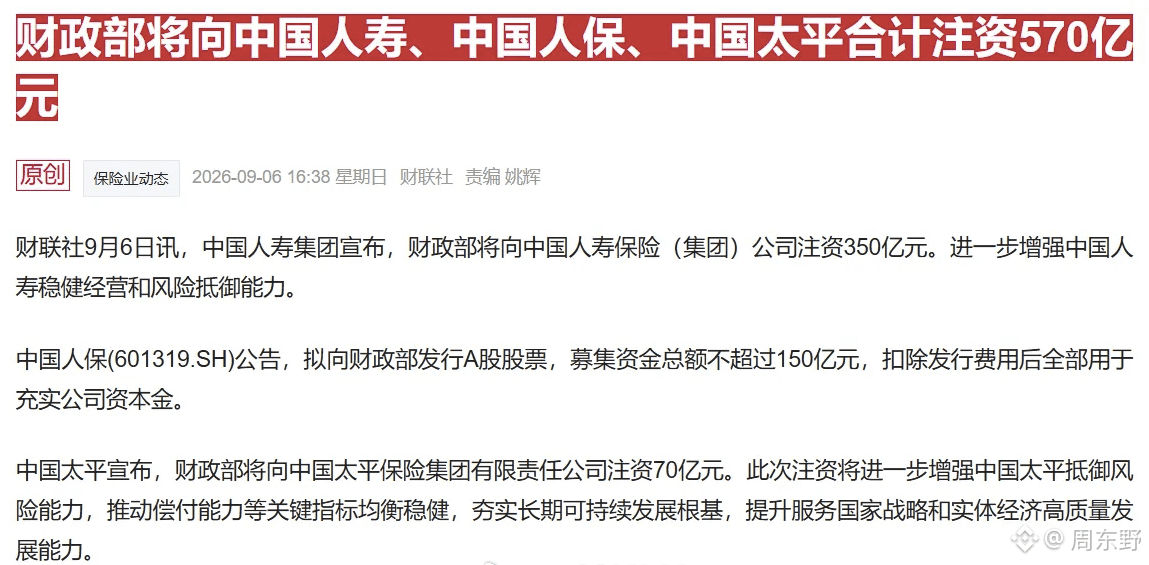
$54 billion is being poured directly into state-owned banks and leading insurers, with the Ministry of Finance and the Tobacco General Company investing real money. Agricultural Bank of China is set to raise 160 billion yuan, ICBC 100 billion yuan, and China Life, Taiping, and PICC are all on the list. This shows that the current pressure has gone beyond a simple contraction in bank lending and has directly pushed insurance funds toward the edge of solvency.
In a low-interest-rate environment, relying on retained profits to replenish capital can no longer keep up with the pace of depletion. Banks are facing narrowing net interest margins and must replenish core Tier 1 capital to support risk assets; insurers, meanwhile, are under extremely heavy pressure from spread-loss risks. The solvency of small and medium-sized insurers is tight, and if leading insurers do not fill their capital base now, they will have no room to maneuver in the secondary market or in real-economy investments.
The Ministry of Finance is stepping in directly to subscribe to A-share private placements, adding ammunition to banks as the main force and adding weight to insurers as stabilizers. By thickening the safety cushion, they will later dare to lend more boldly and make long-term investments to support the transformation of the real economy.
Looking at the stock market, don’t expect an immediate, major bull market in the short term. When the referees begin to massively replenish capital from the top down, it means everyone must be prepared for a prolonged low-interest-rate environment and asset scarcity. But this is indeed a clear long-term support signal. In the long run, the market’s foundation will be more stable, and for those who insist on long-term value investing, it instead brings a higher degree of certainty and confidence.
#中国向银行保险业注资450亿美元 #中国八大金融机构注资3600亿元
This round of capital injection into the national team is much more urgent than many people expected. This is by no means just a simple liquidity supplement, but a highly realistic defensive battle to protect the balance sheets of the entire system. Don’t wait until it rains to think about repairing the roof; while the weather is still clear, first reinforce the beams and pillars. The capital increase announcements from this batch of financial institutions are, in plain terms, a very clear act of preparing for the worst.
$54 billion is being poured directly into state-owned banks and leading insurers, with the Ministry of Finance and the Tobacco General Company investing real money. Agricultural Bank of China is set to raise 160 billion yuan, ICBC 100 billion yuan, and China Life, Taiping, and PICC are all on the list. This shows that the current pressure has gone beyond a simple contraction in bank lending and has directly pushed insurance funds toward the edge of solvency.
In a low-interest-rate environment, relying on retained profits to replenish capital can no longer keep up with the pace of depletion. Banks are facing narrowing net interest margins and must replenish core Tier 1 capital to support risk assets; insurers, meanwhile, are under extremely heavy pressure from spread-loss risks. The solvency of small and medium-sized insurers is tight, and if leading insurers do not fill their capital base now, they will have no room to maneuver in the secondary market or in real-economy investments.
The Ministry of Finance is stepping in directly to subscribe to A-share private placements, adding ammunition to banks as the main force and adding weight to insurers as stabilizers. By thickening the safety cushion, they will later dare to lend more boldly and make long-term investments to support the transformation of the real economy.
Looking at the stock market, don’t expect an immediate, major bull market in the short term. When the referees begin to massively replenish capital from the top down, it means everyone must be prepared for a prolonged low-interest-rate environment and asset scarcity. But this is indeed a clear long-term support signal. In the long run, the market’s foundation will be more stable, and for those who insist on long-term value investing, it instead brings a higher degree of certainty and confidence.
#中国向银行保险业注资450亿美元 #中国八大金融机构注资3600亿元
$54 billion is being poured directly into state-owned banks and leading insurers, with the Ministry of Finance and the Tobacco General Company investing real money. Agricultural Bank of China is set to raise 160 billion yuan, ICBC 100 billion yuan, and China Life, Taiping, and PICC are all on the list. This shows that the current pressure has gone beyond a simple contraction in bank lending and has directly pushed insurance funds toward the edge of solvency.
In a low-interest-rate environment, relying on retained profits to replenish capital can no longer keep up with the pace of depletion. Banks are facing narrowing net interest margins and must replenish core Tier 1 capital to support risk assets; insurers, meanwhile, are under extremely heavy pressure from spread-loss risks. The solvency of small and medium-sized insurers is tight, and if leading insurers do not fill their capital base now, they will have no room to maneuver in the secondary market or in real-economy investments.
The Ministry of Finance is stepping in directly to subscribe to A-share private placements, adding ammunition to banks as the main force and adding weight to insurers as stabilizers. By thickening the safety cushion, they will later dare to lend more boldly and make long-term investments to support the transformation of the real economy.
Looking at the stock market, don’t expect an immediate, major bull market in the short term. When the referees begin to massively replenish capital from the top down, it means everyone must be prepared for a prolonged low-interest-rate environment and asset scarcity. But this is indeed a clear long-term support signal. In the long run, the market’s foundation will be more stable, and for those who insist on long-term value investing, it instead brings a higher degree of certainty and confidence.
#中国向银行保险业注资450亿美元 #中国八大金融机构注资3600亿元
9
2
19
14.3k
·
--
Partly True
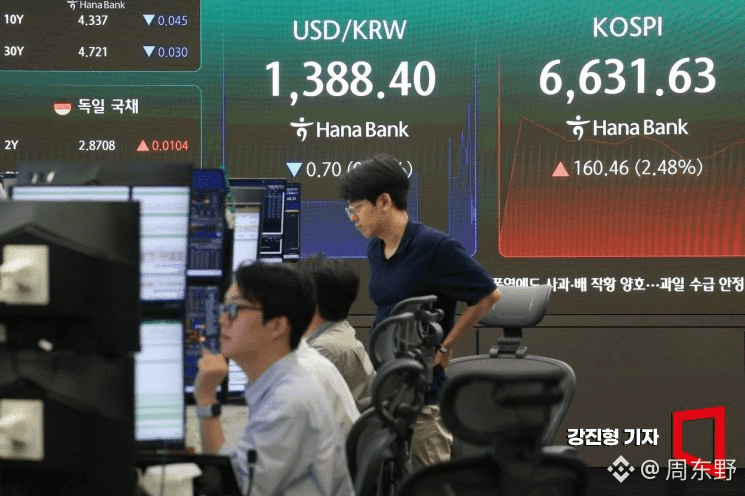
The afterglow of U.S. tech stocks is still driving the Asia session. SK Hynix and Kioxia are surging hard on the lingering semiconductor rally, but behind the market frenzy, the real pricing power is not in chip orders at all, but in the smoke drifting out of the Strait of Hormuz.
Oil prices have been pushed directly above $92.
Iran’s move to “draw exclusion zones” in the strait is basically putting a noose around the global supply chain. On one side is asset inflation driven by semiconductor computing demand; on the other is the inflationary cost created by geopolitical conflict. The market is now trying to hedge a logical fracture with extreme volatility.
More troublesome is the undercurrent in capital flows. Whether the Fed hits the brakes in September depends entirely on this Friday’s CPI data. If the data comes in hotter than expected, a September rate hike will be priced in, and liquidity in global risk assets will be drained again. If the data is softer, rate-cut expectations will rise, and the aftershock of a dollar selloff will instantly flow back into the yen.
Looking at the yen’s current price action, carry-trade unwinding has pushed the exchange rate to around 156. Barclays has already said that GPIF adjusting its bond allocation and the Bank of Japan staying hawkish are catalysts for USD/JPY to break below 150. The barrier to further yen appreciation is being pushed endlessly higher. Anyone blindly buying the yen now is effectively stepping into a blade squeezed by both the Fed and geopolitics.
Europe is not doing much better. Far-right parties won 44% of the vote in a local German election, and the fiscal split brought on by a political shift to the right will feed directly into German bond yields.
The logic right now is extremely simple: don’t be fooled by the opening gains in Asia-Pacific stocks. When the U.S. and Iran directly use drones and tanker attacks against each other, and the Trump administration abandons signing a nuclear deal and shifts straight to strike capability, the long-term risk premium in energy prices has already been forcibly baked into asset pricing.
This is not simply a continuation of a tech-stock bull market; it is a liquidity game woven together by energy inflation and policy mismatch at central banks. The market is using semiconductor beta to mask its fear of geopolitical black swans, but when CPI data and oil prices hit at the same time, the only things that can really save you are highly liquid hard assets and hedging tools.$BTC
#三星sk海力士领涨韩股走高 #美国空袭伊朗油轮德黑兰限制霍尔木兹海峡
The afterglow of U.S. tech stocks is still driving the Asia session. SK Hynix and Kioxia are surging hard on the lingering semiconductor rally, but behind the market frenzy, the real pricing power is not in chip orders at all, but in the smoke drifting out of the Strait of Hormuz.
Oil prices have been pushed directly above $92.
Iran’s move to “draw exclusion zones” in the strait is basically putting a noose around the global supply chain. On one side is asset inflation driven by semiconductor computing demand; on the other is the inflationary cost created by geopolitical conflict. The market is now trying to hedge a logical fracture with extreme volatility.
More troublesome is the undercurrent in capital flows. Whether the Fed hits the brakes in September depends entirely on this Friday’s CPI data. If the data comes in hotter than expected, a September rate hike will be priced in, and liquidity in global risk assets will be drained again. If the data is softer, rate-cut expectations will rise, and the aftershock of a dollar selloff will instantly flow back into the yen.
Looking at the yen’s current price action, carry-trade unwinding has pushed the exchange rate to around 156. Barclays has already said that GPIF adjusting its bond allocation and the Bank of Japan staying hawkish are catalysts for USD/JPY to break below 150. The barrier to further yen appreciation is being pushed endlessly higher. Anyone blindly buying the yen now is effectively stepping into a blade squeezed by both the Fed and geopolitics.
Europe is not doing much better. Far-right parties won 44% of the vote in a local German election, and the fiscal split brought on by a political shift to the right will feed directly into German bond yields.
The logic right now is extremely simple: don’t be fooled by the opening gains in Asia-Pacific stocks. When the U.S. and Iran directly use drones and tanker attacks against each other, and the Trump administration abandons signing a nuclear deal and shifts straight to strike capability, the long-term risk premium in energy prices has already been forcibly baked into asset pricing.
This is not simply a continuation of a tech-stock bull market; it is a liquidity game woven together by energy inflation and policy mismatch at central banks. The market is using semiconductor beta to mask its fear of geopolitical black swans, but when CPI data and oil prices hit at the same time, the only things that can really save you are highly liquid hard assets and hedging tools.$BTC
#三星sk海力士领涨韩股走高 #美国空袭伊朗油轮德黑兰限制霍尔木兹海峡
Oil prices have been pushed directly above $92.
Iran’s move to “draw exclusion zones” in the strait is basically putting a noose around the global supply chain. On one side is asset inflation driven by semiconductor computing demand; on the other is the inflationary cost created by geopolitical conflict. The market is now trying to hedge a logical fracture with extreme volatility.
More troublesome is the undercurrent in capital flows. Whether the Fed hits the brakes in September depends entirely on this Friday’s CPI data. If the data comes in hotter than expected, a September rate hike will be priced in, and liquidity in global risk assets will be drained again. If the data is softer, rate-cut expectations will rise, and the aftershock of a dollar selloff will instantly flow back into the yen.
Looking at the yen’s current price action, carry-trade unwinding has pushed the exchange rate to around 156. Barclays has already said that GPIF adjusting its bond allocation and the Bank of Japan staying hawkish are catalysts for USD/JPY to break below 150. The barrier to further yen appreciation is being pushed endlessly higher. Anyone blindly buying the yen now is effectively stepping into a blade squeezed by both the Fed and geopolitics.
Europe is not doing much better. Far-right parties won 44% of the vote in a local German election, and the fiscal split brought on by a political shift to the right will feed directly into German bond yields.
The logic right now is extremely simple: don’t be fooled by the opening gains in Asia-Pacific stocks. When the U.S. and Iran directly use drones and tanker attacks against each other, and the Trump administration abandons signing a nuclear deal and shifts straight to strike capability, the long-term risk premium in energy prices has already been forcibly baked into asset pricing.
This is not simply a continuation of a tech-stock bull market; it is a liquidity game woven together by energy inflation and policy mismatch at central banks. The market is using semiconductor beta to mask its fear of geopolitical black swans, but when CPI data and oil prices hit at the same time, the only things that can really save you are highly liquid hard assets and hedging tools.$BTC
#三星sk海力士领涨韩股走高 #美国空袭伊朗油轮德黑兰限制霍尔木兹海峡
370
·
--
Today's key events
1. Bitwise BHYP becomes the largest HYPE ETF, with holdings of $166 million [← Main line 1]
[Market Structure · Confirmed] UBS, Jane Street, and 28 other institutions collectively hold $74.9 million in exposure; 13F data verifies institutional entry
2. WOO X withdrawal delays escalate, ZachXBT issues a public warning [Independent event]
[Security · Heating up] Users' withdrawal delays remain unresolved for several days; risks tied to the platform's affiliates are rising, and the trust crisis is spreading
3. ZCAT surges over 380% in 24 hours, market cap exceeds $119 million [← Main line 3]
[Narrative · Pulse] Public buying by Ansem drives a sharp price spike; the ZEC dividend meme token rises from $100,000 to a peak of $65 million within one week of launch
4. TIME falls from ten-thousand-dollar highs to zero, convicted felon once controlled a billion-dollar treasury [Independent event]
[Governance · Reversal] Wonderland's founder knowingly appointed someone with a fraud conviction; TIME plunges 99.99% to $0.02
5. Nearly 4,000 BTC move within the Liquid Network [Independent event]
[Positioning · Heating up] A white-hat comment hints at risk, and the large transfer of dormant BTC draws market attention
6. Metaplanet must cancel its 2.73 million share issuance [Independent event]
[Governance · New] The company must reset its retroactive incentive plan, or face the risk of its governance path becoming ineffective
Most consistent judgment: $BTC the market is in the first stage of a bull market, and the trend of institutional capital entering is clear
Most anxious topic: whether WOO X withdrawal delays will trigger a broader platform trust crisis
Greatest disagreement: $ZEC sustainability of the short squeeze rally vs. retail top traders still being short
Main sentiment: FOMO, optimism, vigilance
Today's key events
1. Bitwise BHYP becomes the largest HYPE ETF, with holdings of $166 million [← Main line 1]
[Market Structure · Confirmed] UBS, Jane Street, and 28 other institutions collectively hold $74.9 million in exposure; 13F data verifies institutional entry
2. WOO X withdrawal delays escalate, ZachXBT issues a public warning [Independent event]
[Security · Heating up] Users' withdrawal delays remain unresolved for several days; risks tied to the platform's affiliates are rising, and the trust crisis is spreading
3. ZCAT surges over 380% in 24 hours, market cap exceeds $119 million [← Main line 3]
[Narrative · Pulse] Public buying by Ansem drives a sharp price spike; the ZEC dividend meme token rises from $100,000 to a peak of $65 million within one week of launch
4. TIME falls from ten-thousand-dollar highs to zero, convicted felon once controlled a billion-dollar treasury [Independent event]
[Governance · Reversal] Wonderland's founder knowingly appointed someone with a fraud conviction; TIME plunges 99.99% to $0.02
5. Nearly 4,000 BTC move within the Liquid Network [Independent event]
[Positioning · Heating up] A white-hat comment hints at risk, and the large transfer of dormant BTC draws market attention
6. Metaplanet must cancel its 2.73 million share issuance [Independent event]
[Governance · New] The company must reset its retroactive incentive plan, or face the risk of its governance path becoming ineffective
Most consistent judgment: $BTC the market is in the first stage of a bull market, and the trend of institutional capital entering is clear
Most anxious topic: whether WOO X withdrawal delays will trigger a broader platform trust crisis
Greatest disagreement: $ZEC sustainability of the short squeeze rally vs. retail top traders still being short
Main sentiment: FOMO, optimism, vigilance
1. Bitwise BHYP becomes the largest HYPE ETF, with holdings of $166 million [← Main line 1]
[Market Structure · Confirmed] UBS, Jane Street, and 28 other institutions collectively hold $74.9 million in exposure; 13F data verifies institutional entry
2. WOO X withdrawal delays escalate, ZachXBT issues a public warning [Independent event]
[Security · Heating up] Users' withdrawal delays remain unresolved for several days; risks tied to the platform's affiliates are rising, and the trust crisis is spreading
3. ZCAT surges over 380% in 24 hours, market cap exceeds $119 million [← Main line 3]
[Narrative · Pulse] Public buying by Ansem drives a sharp price spike; the ZEC dividend meme token rises from $100,000 to a peak of $65 million within one week of launch
4. TIME falls from ten-thousand-dollar highs to zero, convicted felon once controlled a billion-dollar treasury [Independent event]
[Governance · Reversal] Wonderland's founder knowingly appointed someone with a fraud conviction; TIME plunges 99.99% to $0.02
5. Nearly 4,000 BTC move within the Liquid Network [Independent event]
[Positioning · Heating up] A white-hat comment hints at risk, and the large transfer of dormant BTC draws market attention
6. Metaplanet must cancel its 2.73 million share issuance [Independent event]
[Governance · New] The company must reset its retroactive incentive plan, or face the risk of its governance path becoming ineffective
Most consistent judgment: $BTC the market is in the first stage of a bull market, and the trend of institutional capital entering is clear
Most anxious topic: whether WOO X withdrawal delays will trigger a broader platform trust crisis
Greatest disagreement: $ZEC sustainability of the short squeeze rally vs. retail top traders still being short
Main sentiment: FOMO, optimism, vigilance
363
·
--
Partly True
On September 7, the U.S. Treasury launched a new round of Treasury buybacks, with a weekly cap of $14.5 billion and a monthly plan to buy back $38.25 billion in long-dated bonds, while the Fed will also reinvest more than $2 billion in short-dated bonds.
The market is once again cheering and calling this a full QE, but there is no need to be overly excited. What Scott Bessent is doing is using cash raised from issuing short-term debt to buy back old long-term bonds with very poor liquidity. In essence, it is using short-term borrowing to pay down long-term debt and forcibly suppress long-term Treasury yields. It is by no means the Fed turning on its money printer.
However, the first hands to receive the cash are Wall Street primary dealers. For the crypto market, the game is about liquidity spillover.
Bitcoin is currently stuck at the $80,000 threshold, with huge short liquidation clusters piled up between $79,500 and $82,000. After Wall Street giants receive cash on Wednesday, balance-sheet liquidity increases significantly. Even if only a very small portion of risk capital flows into crypto, it would still be enough to spark a move on the charts. Breaking above $82,000 could trigger a chain reaction of short squeezes.
XRP, meanwhile, is benefiting from liquidity while also building in hard expectations around the Senate’s CLARITY Act vote on September 15. Net inflows into spot ETFs have already exceeded $1.66 billion, and price has consolidated around $1.45. If this new money combines with favorable legislation, once the $1.70 resistance is broken, the $2 barrier will quickly collapse.
But the fatal mid-term risk is very clear. If this kind of operation triggers a rebound in inflation, the Fed will be forced to keep rates high for longer, which in turn would cap the ceiling for the next major bull market.
On September 9, there is no need to look at grand narratives. Just watch where the money lands next, the real buying support for $BTC Bitcoin at $80,000 and $XRP at $1.45.
#BTC触及80000美元 #xrp
On September 7, the U.S. Treasury launched a new round of Treasury buybacks, with a weekly cap of $14.5 billion and a monthly plan to buy back $38.25 billion in long-dated bonds, while the Fed will also reinvest more than $2 billion in short-dated bonds.
The market is once again cheering and calling this a full QE, but there is no need to be overly excited. What Scott Bessent is doing is using cash raised from issuing short-term debt to buy back old long-term bonds with very poor liquidity. In essence, it is using short-term borrowing to pay down long-term debt and forcibly suppress long-term Treasury yields. It is by no means the Fed turning on its money printer.
However, the first hands to receive the cash are Wall Street primary dealers. For the crypto market, the game is about liquidity spillover.
Bitcoin is currently stuck at the $80,000 threshold, with huge short liquidation clusters piled up between $79,500 and $82,000. After Wall Street giants receive cash on Wednesday, balance-sheet liquidity increases significantly. Even if only a very small portion of risk capital flows into crypto, it would still be enough to spark a move on the charts. Breaking above $82,000 could trigger a chain reaction of short squeezes.
XRP, meanwhile, is benefiting from liquidity while also building in hard expectations around the Senate’s CLARITY Act vote on September 15. Net inflows into spot ETFs have already exceeded $1.66 billion, and price has consolidated around $1.45. If this new money combines with favorable legislation, once the $1.70 resistance is broken, the $2 barrier will quickly collapse.
But the fatal mid-term risk is very clear. If this kind of operation triggers a rebound in inflation, the Fed will be forced to keep rates high for longer, which in turn would cap the ceiling for the next major bull market.
On September 9, there is no need to look at grand narratives. Just watch where the money lands next, the real buying support for $BTC Bitcoin at $80,000 and $XRP at $1.45.
#BTC触及80000美元 #xrp
The market is once again cheering and calling this a full QE, but there is no need to be overly excited. What Scott Bessent is doing is using cash raised from issuing short-term debt to buy back old long-term bonds with very poor liquidity. In essence, it is using short-term borrowing to pay down long-term debt and forcibly suppress long-term Treasury yields. It is by no means the Fed turning on its money printer.
However, the first hands to receive the cash are Wall Street primary dealers. For the crypto market, the game is about liquidity spillover.
Bitcoin is currently stuck at the $80,000 threshold, with huge short liquidation clusters piled up between $79,500 and $82,000. After Wall Street giants receive cash on Wednesday, balance-sheet liquidity increases significantly. Even if only a very small portion of risk capital flows into crypto, it would still be enough to spark a move on the charts. Breaking above $82,000 could trigger a chain reaction of short squeezes.
XRP, meanwhile, is benefiting from liquidity while also building in hard expectations around the Senate’s CLARITY Act vote on September 15. Net inflows into spot ETFs have already exceeded $1.66 billion, and price has consolidated around $1.45. If this new money combines with favorable legislation, once the $1.70 resistance is broken, the $2 barrier will quickly collapse.
But the fatal mid-term risk is very clear. If this kind of operation triggers a rebound in inflation, the Fed will be forced to keep rates high for longer, which in turn would cap the ceiling for the next major bull market.
On September 9, there is no need to look at grand narratives. Just watch where the money lands next, the real buying support for $BTC Bitcoin at $80,000 and $XRP at $1.45.
#BTC触及80000美元 #xrp
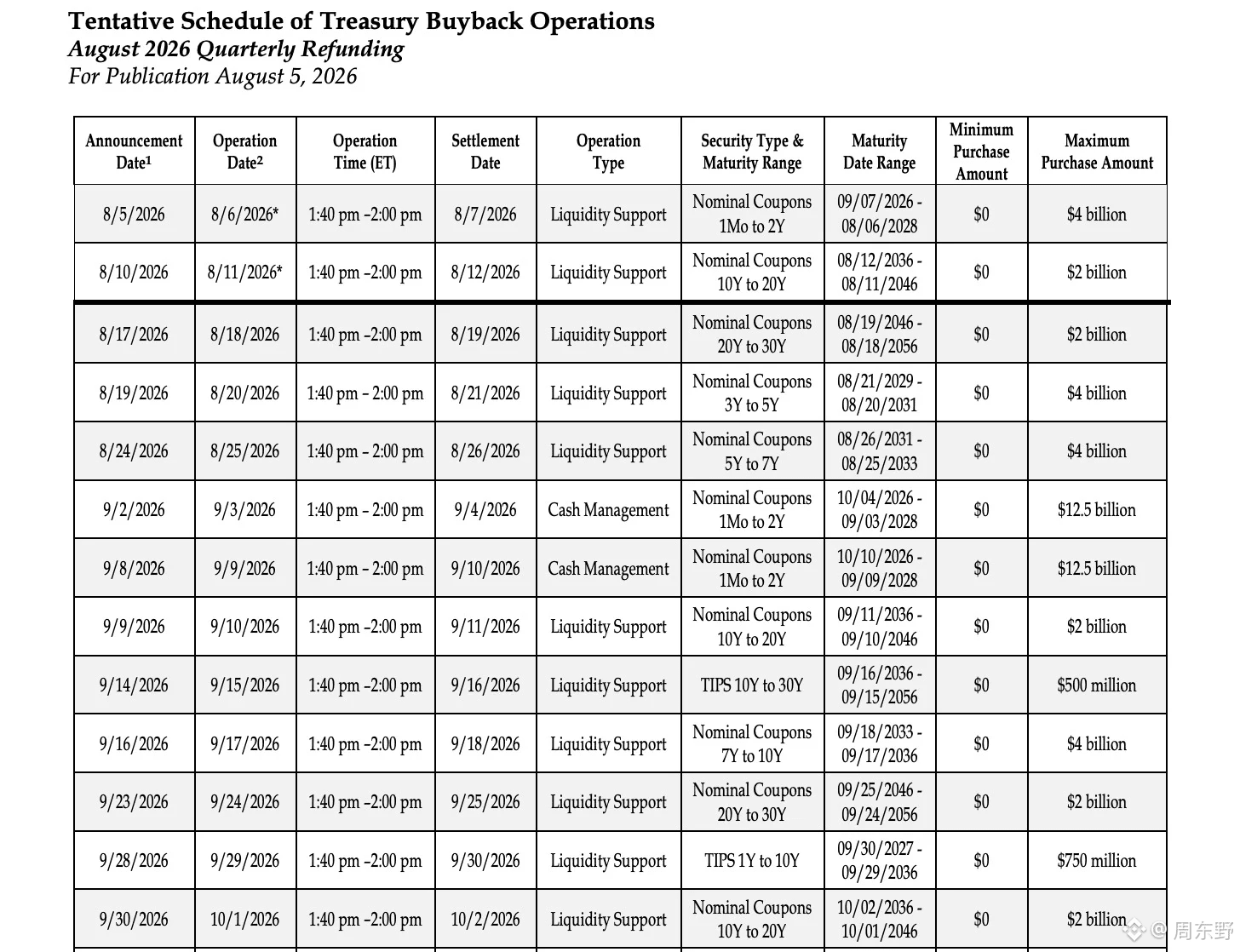
384
·
--
The latest blockade data released by the U.S. Central Command is quite interesting.
As of September 6, they have forcibly intercepted and ordered 92 merchant ships to change course in the maritime blockade operation targeting Iran, directly disabled 3 ships, and forcibly boarded and inspected 2. In the same period, the Air Force even deployed F-35A stealth fighters over the relevant waters for routine patrols, and firmly stated that this blockade will continue for a long time.
This is by no means a routine patrol; in essence, it is a highly destructive on-chain transactional liquidation and liquidity cutoff.
For shipowners and traders running this route, as long as your cargo, settlement, or ultimate beneficiary involves Iran, you are effectively in a state of public unsecured exposure at sea.
Being ordered to change course means the performance cycle is extended indefinitely, and the resulting demurrage, crew wages, and cargo spoilage risks all have to be borne by private capital.
And the 3 ships that were directly disabled are sending a signal to all shipping players: in key waters controlled by the U.S. military, the cost of friction from violations has risen directly from fines to complete asset destruction.
Even more noteworthy is the routine involvement of the F-35A.
Having fifth-generation fighters patrolling above merchant ships is, bluntly put, using high-precision absolute air superiority to clear away any possibility of resistance for boarding, seizure, and electronic reconnaissance on the surface. This directly squeezes the survival space of small fleets and covert transshipment chains that had previously operated in gray areas to the limit.
But this extremely tough physical blockade cannot possibly have no side effects.
The most direct result is severe volatility in global geopolitical safe-haven funds and shipping insurance rates. When merchant ships normally transiting the waters all have to bear the performance uncertainty of being indiscriminately boarded and inspected, the high performance premium will ultimately be passed on to bulk commodity prices at the end of the chain.
In the final analysis, the U.S. military is using absolute physical force to reshape the underlying settlement rules of the Middle Eastern waters, but trying to completely seal off a mature underground trade network with fifth-generation fighters and maritime interceptions. The marginal monitoring costs it ultimately pays, along with the geopolitical liquidity backlash it triggers, are probably far more far-reaching than the few numbers released in the Command's official figures suggest.$BTC
#美军称对伊海上封锁已使92艘商船改变航向
The latest blockade data released by the U.S. Central Command is quite interesting.
As of September 6, they have forcibly intercepted and ordered 92 merchant ships to change course in the maritime blockade operation targeting Iran, directly disabled 3 ships, and forcibly boarded and inspected 2. In the same period, the Air Force even deployed F-35A stealth fighters over the relevant waters for routine patrols, and firmly stated that this blockade will continue for a long time.
This is by no means a routine patrol; in essence, it is a highly destructive on-chain transactional liquidation and liquidity cutoff.
For shipowners and traders running this route, as long as your cargo, settlement, or ultimate beneficiary involves Iran, you are effectively in a state of public unsecured exposure at sea.
Being ordered to change course means the performance cycle is extended indefinitely, and the resulting demurrage, crew wages, and cargo spoilage risks all have to be borne by private capital.
And the 3 ships that were directly disabled are sending a signal to all shipping players: in key waters controlled by the U.S. military, the cost of friction from violations has risen directly from fines to complete asset destruction.
Even more noteworthy is the routine involvement of the F-35A.
Having fifth-generation fighters patrolling above merchant ships is, bluntly put, using high-precision absolute air superiority to clear away any possibility of resistance for boarding, seizure, and electronic reconnaissance on the surface. This directly squeezes the survival space of small fleets and covert transshipment chains that had previously operated in gray areas to the limit.
But this extremely tough physical blockade cannot possibly have no side effects.
The most direct result is severe volatility in global geopolitical safe-haven funds and shipping insurance rates. When merchant ships normally transiting the waters all have to bear the performance uncertainty of being indiscriminately boarded and inspected, the high performance premium will ultimately be passed on to bulk commodity prices at the end of the chain.
In the final analysis, the U.S. military is using absolute physical force to reshape the underlying settlement rules of the Middle Eastern waters, but trying to completely seal off a mature underground trade network with fifth-generation fighters and maritime interceptions. The marginal monitoring costs it ultimately pays, along with the geopolitical liquidity backlash it triggers, are probably far more far-reaching than the few numbers released in the Command's official figures suggest.$BTC
#美军称对伊海上封锁已使92艘商船改变航向
As of September 6, they have forcibly intercepted and ordered 92 merchant ships to change course in the maritime blockade operation targeting Iran, directly disabled 3 ships, and forcibly boarded and inspected 2. In the same period, the Air Force even deployed F-35A stealth fighters over the relevant waters for routine patrols, and firmly stated that this blockade will continue for a long time.
This is by no means a routine patrol; in essence, it is a highly destructive on-chain transactional liquidation and liquidity cutoff.
For shipowners and traders running this route, as long as your cargo, settlement, or ultimate beneficiary involves Iran, you are effectively in a state of public unsecured exposure at sea.
Being ordered to change course means the performance cycle is extended indefinitely, and the resulting demurrage, crew wages, and cargo spoilage risks all have to be borne by private capital.
And the 3 ships that were directly disabled are sending a signal to all shipping players: in key waters controlled by the U.S. military, the cost of friction from violations has risen directly from fines to complete asset destruction.
Even more noteworthy is the routine involvement of the F-35A.
Having fifth-generation fighters patrolling above merchant ships is, bluntly put, using high-precision absolute air superiority to clear away any possibility of resistance for boarding, seizure, and electronic reconnaissance on the surface. This directly squeezes the survival space of small fleets and covert transshipment chains that had previously operated in gray areas to the limit.
But this extremely tough physical blockade cannot possibly have no side effects.
The most direct result is severe volatility in global geopolitical safe-haven funds and shipping insurance rates. When merchant ships normally transiting the waters all have to bear the performance uncertainty of being indiscriminately boarded and inspected, the high performance premium will ultimately be passed on to bulk commodity prices at the end of the chain.
In the final analysis, the U.S. military is using absolute physical force to reshape the underlying settlement rules of the Middle Eastern waters, but trying to completely seal off a mature underground trade network with fifth-generation fighters and maritime interceptions. The marginal monitoring costs it ultimately pays, along with the geopolitical liquidity backlash it triggers, are probably far more far-reaching than the few numbers released in the Command's official figures suggest.$BTC
#美军称对伊海上封锁已使92艘商船改变航向



Binance News
·
--
U.S. Central Command Says 92 Merchant Ships Diverted in Iran Maritime Blockade Operation
U.S. Central Command said that as of September 6, U.S. forces had ordered 92 merchant ships to change course in their maritime blockade operation against Iran, rendered three ships unable to operate, and boarded two vessels for inspection. Jiemian News reported that the U.S. Air Force also flew an F-35A stealth fighter on patrol over regional waters, and said the U.S. military will continue the operation.
145
·
--
This three-hour late-night closed-door discussion in Moscow laid bare the cruelest and most real “bargaining logic” in great-power rivalry.
On the surface, it looked like Trump’s envoy Witkoff and his son-in-law Kushner were shuttling between capitals in a diplomatic effort to broker a three-day “mutual ceasefire between Kyiv and Moscow.” But this is by no means a glimmer of peace; it is a classic political performance and test of retreating in order to advance.
Putin chose this moment to do the U.S. envoy a favor by announcing a pause in airstrikes on Kyiv. The cost was minimal, yet it precisely seized the initiative. The Russian army’s advance on the front line is hard power, and it is also Russia’s biggest confidence booster at the negotiating table. The so-called “three-day halt to airstrikes on Kyiv” was, in essence, a tactical move that can be restarted at any time, in exchange for trust dividends from the U.S. in political mediation. At the same time, it poured cold water on Ukraine’s hopes of a broader ceasefire, once again sending a signal to the outside world: the pace is still controlled by Moscow, and any broad plan detached from battlefield reality is empty talk.
Ukraine’s response highlights its extreme passivity. Zelensky simultaneously announced a suspension of strikes on Moscow, seemingly to secure a more equal space for interaction, but this equality itself is a passive follow-up driven by U.S. pressure. Facing the U.S. representatives set to arrive in Kyiv on the 6th, Ukraine must rely on this posture to maintain Washington’s attention and political support.
The real core of the U.S. shuttle diplomacy is that Trump’s team is eager to secure tangible political leverage before the upcoming trip to Kyiv. What Kushner and Witkoff want is not an inch of Donbas, but something they can present to American public opinion as a “mediation achievement.” The confirmation by Russia and the U.S. that direct contact between the presidents will be maintained means that for a long time to come, the level at which the war’s trajectory is decided has further tilted toward Moscow and Washington, while Kyiv’s room for tactical choice is being squeezed narrower and narrower.
This kind of short ceasefire can easily collapse at any moment. For observers truly focused on geopolitical developments, who puts what on the negotiating table in these three days is far more consequential than the temporary calm on the battlefield. $BTC
#俄乌同时宣布停火3天
This three-hour late-night closed-door discussion in Moscow laid bare the cruelest and most real “bargaining logic” in great-power rivalry.
On the surface, it looked like Trump’s envoy Witkoff and his son-in-law Kushner were shuttling between capitals in a diplomatic effort to broker a three-day “mutual ceasefire between Kyiv and Moscow.” But this is by no means a glimmer of peace; it is a classic political performance and test of retreating in order to advance.
Putin chose this moment to do the U.S. envoy a favor by announcing a pause in airstrikes on Kyiv. The cost was minimal, yet it precisely seized the initiative. The Russian army’s advance on the front line is hard power, and it is also Russia’s biggest confidence booster at the negotiating table. The so-called “three-day halt to airstrikes on Kyiv” was, in essence, a tactical move that can be restarted at any time, in exchange for trust dividends from the U.S. in political mediation. At the same time, it poured cold water on Ukraine’s hopes of a broader ceasefire, once again sending a signal to the outside world: the pace is still controlled by Moscow, and any broad plan detached from battlefield reality is empty talk.
Ukraine’s response highlights its extreme passivity. Zelensky simultaneously announced a suspension of strikes on Moscow, seemingly to secure a more equal space for interaction, but this equality itself is a passive follow-up driven by U.S. pressure. Facing the U.S. representatives set to arrive in Kyiv on the 6th, Ukraine must rely on this posture to maintain Washington’s attention and political support.
The real core of the U.S. shuttle diplomacy is that Trump’s team is eager to secure tangible political leverage before the upcoming trip to Kyiv. What Kushner and Witkoff want is not an inch of Donbas, but something they can present to American public opinion as a “mediation achievement.” The confirmation by Russia and the U.S. that direct contact between the presidents will be maintained means that for a long time to come, the level at which the war’s trajectory is decided has further tilted toward Moscow and Washington, while Kyiv’s room for tactical choice is being squeezed narrower and narrower.
This kind of short ceasefire can easily collapse at any moment. For observers truly focused on geopolitical developments, who puts what on the negotiating table in these three days is far more consequential than the temporary calm on the battlefield. $BTC
#俄乌同时宣布停火3天
On the surface, it looked like Trump’s envoy Witkoff and his son-in-law Kushner were shuttling between capitals in a diplomatic effort to broker a three-day “mutual ceasefire between Kyiv and Moscow.” But this is by no means a glimmer of peace; it is a classic political performance and test of retreating in order to advance.
Putin chose this moment to do the U.S. envoy a favor by announcing a pause in airstrikes on Kyiv. The cost was minimal, yet it precisely seized the initiative. The Russian army’s advance on the front line is hard power, and it is also Russia’s biggest confidence booster at the negotiating table. The so-called “three-day halt to airstrikes on Kyiv” was, in essence, a tactical move that can be restarted at any time, in exchange for trust dividends from the U.S. in political mediation. At the same time, it poured cold water on Ukraine’s hopes of a broader ceasefire, once again sending a signal to the outside world: the pace is still controlled by Moscow, and any broad plan detached from battlefield reality is empty talk.
Ukraine’s response highlights its extreme passivity. Zelensky simultaneously announced a suspension of strikes on Moscow, seemingly to secure a more equal space for interaction, but this equality itself is a passive follow-up driven by U.S. pressure. Facing the U.S. representatives set to arrive in Kyiv on the 6th, Ukraine must rely on this posture to maintain Washington’s attention and political support.
The real core of the U.S. shuttle diplomacy is that Trump’s team is eager to secure tangible political leverage before the upcoming trip to Kyiv. What Kushner and Witkoff want is not an inch of Donbas, but something they can present to American public opinion as a “mediation achievement.” The confirmation by Russia and the U.S. that direct contact between the presidents will be maintained means that for a long time to come, the level at which the war’s trajectory is decided has further tilted toward Moscow and Washington, while Kyiv’s room for tactical choice is being squeezed narrower and narrower.
This kind of short ceasefire can easily collapse at any moment. For observers truly focused on geopolitical developments, who puts what on the negotiating table in these three days is far more consequential than the temporary calm on the battlefield. $BTC
#俄乌同时宣布停火3天
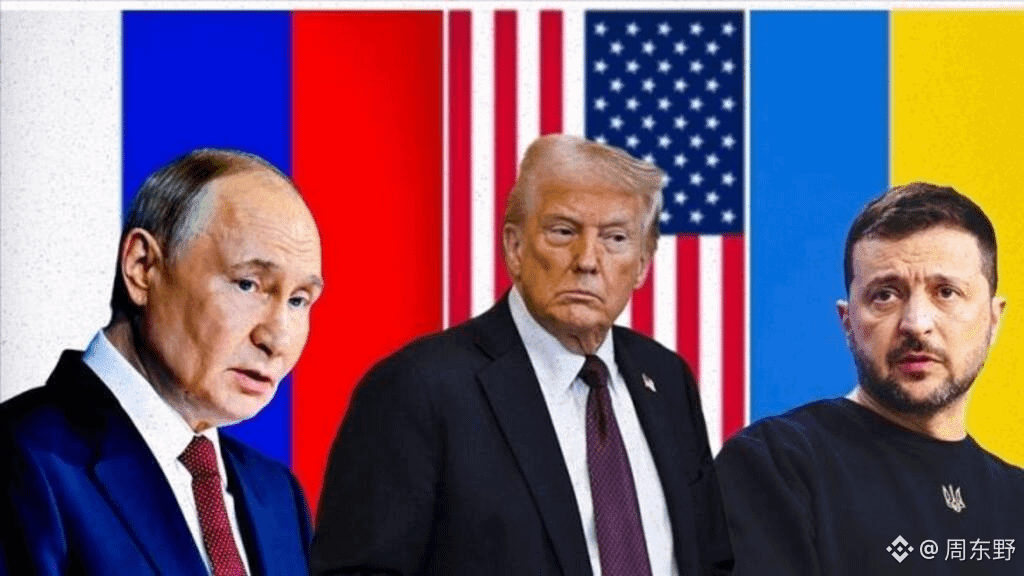
1
3
4.1k

·
--
YZZ
YZZ

YZZ竹竹
·
--
Bullish#幣安BSC鏈 The latest traffic code everyone’s talking about! The hottest focus is all here:
👑 【#交易量之王 】Invesqo QQQ($QQQB )
Data power: Market cap 41.9M ⚡ 24h trading volume surged to 122M!
Highlights: The fiercest of the entire field, no question! With the double buff of “U.S. stock mapping + on-chain pre-market hype,” both retail and big players are rushing in!
🐱 【#中文圈頂流 】$哈基米
Data power: Market cap 68.3M 🐾 Trading volume 42.7M (holders up to 65,000+)
Highlights: The name itself has the strongest viral power! Who wouldn’t smile at such a cute cat meme? Post this and you instantly come with traffic.
🐂 【#應景玄學幣 】$牛来
Data power: Market cap 98.5M 🚀 Volume 24M
Highlights: This name itself is the strongest lucky charm! It directly maxes out the good omen of “the bull market is here,” and the comments section will definitely have people instantly jumping in to ride the joke.
These three are packed with hype — which one are you planning to jump on?
👑 【#交易量之王 】Invesqo QQQ($QQQB )
Data power: Market cap 41.9M ⚡ 24h trading volume surged to 122M!
Highlights: The fiercest of the entire field, no question! With the double buff of “U.S. stock mapping + on-chain pre-market hype,” both retail and big players are rushing in!
🐱 【#中文圈頂流 】$哈基米
Data power: Market cap 68.3M 🐾 Trading volume 42.7M (holders up to 65,000+)
Highlights: The name itself has the strongest viral power! Who wouldn’t smile at such a cute cat meme? Post this and you instantly come with traffic.
🐂 【#應景玄學幣 】$牛来
Data power: Market cap 98.5M 🚀 Volume 24M
Highlights: This name itself is the strongest lucky charm! It directly maxes out the good omen of “the bull market is here,” and the comments section will definitely have people instantly jumping in to ride the joke.
These three are packed with hype — which one are you planning to jump on?

87


·
--
Zcash $ZEC in this round of rebound, its market cap jumped straight into the top ten, even surpassing $DOGE Dogecoin. Its weekly gain climbed to nearly 70%, with the price standing around $860.
Looking only at the rise in price and market cap, it is easy to classify this as another cyclical pulse of an old privacy coin. But if we shift the perspective back to on-chain liquidity and token structure, the logic behind this move is clearly not that simple.
In the past, people held ZEC mostly out of a need to hedge hidden fund flows, or because of the zero-knowledge proof premium driven by an extreme belief in decentralization. But such assets have always come with very high time costs and opportunity costs — once you park capital on the Zcash chain, you are effectively giving up the yield and leverage efficiency of the entire external DeFi ecosystem.
This time, capital dared to aggressively push ZEC to new heights at a major level because the core change lies in the rebalancing between the boundary of capital safety and the cost of on-chain immobilization.
When most narratives and high-beta assets in the market fall into homogeneous competition, and capital cannot find an asset that can simultaneously absorb massive liquidity and provide an extremely high privacy security barrier, a foundational asset like ZEC, with extremely solid infrastructure and thoroughly cleaned-up holdings, becomes the ideal safe haven for large capital.
But that does not mean one can be blindly optimistic.
A short-term explosive rally of this intensity in ZEC will inevitably attract heavy selling pressure from decentralized validator nodes and early trapped holders, and the rise in on-chain transfer activity is often accompanied by a rapid drain of short-term liquidity.
If you do not pay attention to the real net capital retention inside the Shielded Pool, and only chase the move by looking at CEX spot trading volume, you will most likely become the liquidity stepping stone in this token rotation process.
In essence, privacy is not a universal safe haven. Only when the price returns to a reasonable range where technical implementation and real on-chain usage scenarios intersect can this round of market cap restructuring truly be confirmed.
#zec市值超越doge #ZEC续刷历史新高
Zcash $ZEC in this round of rebound, its market cap jumped straight into the top ten, even surpassing $DOGE Dogecoin. Its weekly gain climbed to nearly 70%, with the price standing around $860.
Looking only at the rise in price and market cap, it is easy to classify this as another cyclical pulse of an old privacy coin. But if we shift the perspective back to on-chain liquidity and token structure, the logic behind this move is clearly not that simple.
In the past, people held ZEC mostly out of a need to hedge hidden fund flows, or because of the zero-knowledge proof premium driven by an extreme belief in decentralization. But such assets have always come with very high time costs and opportunity costs — once you park capital on the Zcash chain, you are effectively giving up the yield and leverage efficiency of the entire external DeFi ecosystem.
This time, capital dared to aggressively push ZEC to new heights at a major level because the core change lies in the rebalancing between the boundary of capital safety and the cost of on-chain immobilization.
When most narratives and high-beta assets in the market fall into homogeneous competition, and capital cannot find an asset that can simultaneously absorb massive liquidity and provide an extremely high privacy security barrier, a foundational asset like ZEC, with extremely solid infrastructure and thoroughly cleaned-up holdings, becomes the ideal safe haven for large capital.
But that does not mean one can be blindly optimistic.
A short-term explosive rally of this intensity in ZEC will inevitably attract heavy selling pressure from decentralized validator nodes and early trapped holders, and the rise in on-chain transfer activity is often accompanied by a rapid drain of short-term liquidity.
If you do not pay attention to the real net capital retention inside the Shielded Pool, and only chase the move by looking at CEX spot trading volume, you will most likely become the liquidity stepping stone in this token rotation process.
In essence, privacy is not a universal safe haven. Only when the price returns to a reasonable range where technical implementation and real on-chain usage scenarios intersect can this round of market cap restructuring truly be confirmed.
#zec市值超越doge #ZEC续刷历史新高
Looking only at the rise in price and market cap, it is easy to classify this as another cyclical pulse of an old privacy coin. But if we shift the perspective back to on-chain liquidity and token structure, the logic behind this move is clearly not that simple.
In the past, people held ZEC mostly out of a need to hedge hidden fund flows, or because of the zero-knowledge proof premium driven by an extreme belief in decentralization. But such assets have always come with very high time costs and opportunity costs — once you park capital on the Zcash chain, you are effectively giving up the yield and leverage efficiency of the entire external DeFi ecosystem.
This time, capital dared to aggressively push ZEC to new heights at a major level because the core change lies in the rebalancing between the boundary of capital safety and the cost of on-chain immobilization.
When most narratives and high-beta assets in the market fall into homogeneous competition, and capital cannot find an asset that can simultaneously absorb massive liquidity and provide an extremely high privacy security barrier, a foundational asset like ZEC, with extremely solid infrastructure and thoroughly cleaned-up holdings, becomes the ideal safe haven for large capital.
But that does not mean one can be blindly optimistic.
A short-term explosive rally of this intensity in ZEC will inevitably attract heavy selling pressure from decentralized validator nodes and early trapped holders, and the rise in on-chain transfer activity is often accompanied by a rapid drain of short-term liquidity.
If you do not pay attention to the real net capital retention inside the Shielded Pool, and only chase the move by looking at CEX spot trading volume, you will most likely become the liquidity stepping stone in this token rotation process.
In essence, privacy is not a universal safe haven. Only when the price returns to a reasonable range where technical implementation and real on-chain usage scenarios intersect can this round of market cap restructuring truly be confirmed.
#zec市值超越doge #ZEC续刷历史新高
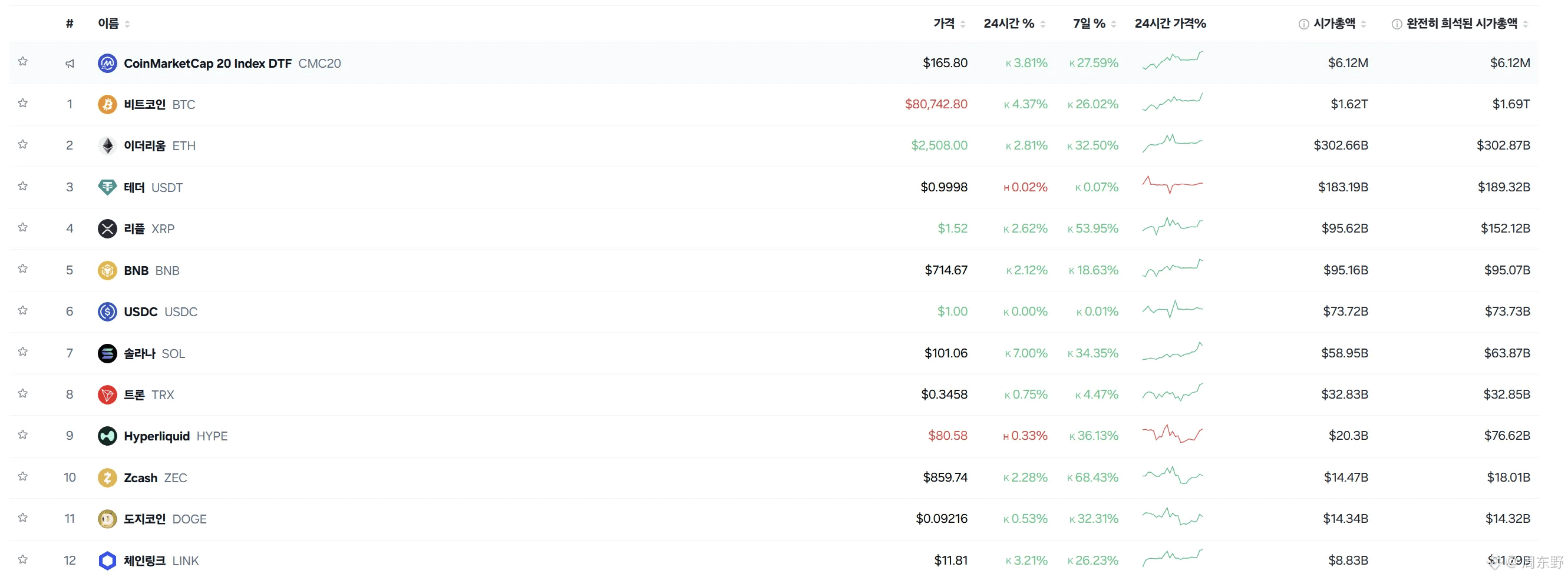
1
2
695
Log in to explore more content
Join global crypto users on Binance Square
⚡️ Get latest and useful information about crypto.
💬 Trusted by the world’s largest crypto exchange.
👍 Discover real insights from verified creators.
Email / Phone number
Trending Topics
AppleDebutsFoldablePhone
16,107 views
343 Discussing
Apple just dropped the foldable iPhone — and the market is paying attention. This isn't just another product cycle; it's a new product category, a new CEO on stage, and a $1,999 price tag that pushes $AAPL further into ultra-premium territory. Foldables are the narrative, and Apple is now the headline.
#appledebutsfoldablephone #EUExtendsCentralContactPointToCASPs #US10YTreasuryYieldHitsHighestSinceNov2023 #BrentCrudeTops$100 #USTreasuryToBuyBackUpTo$6BLongDatedDebt
KimHotbae
·1 Likes
·1.4k views
IranSaysReadyToEscalateWarWithUS
0 views
0 Discussing
EUExtendsCentralContactPointToCASPs
2,436 views
91 Discussing