
FEY60 1
746 Posts

FEY60 1
Report
Block User
Web3 Content Creator || Crypto Analysis || Tidak menerima titipan dana
0 Following
25 Followers
92 Liked
Posts
·
--
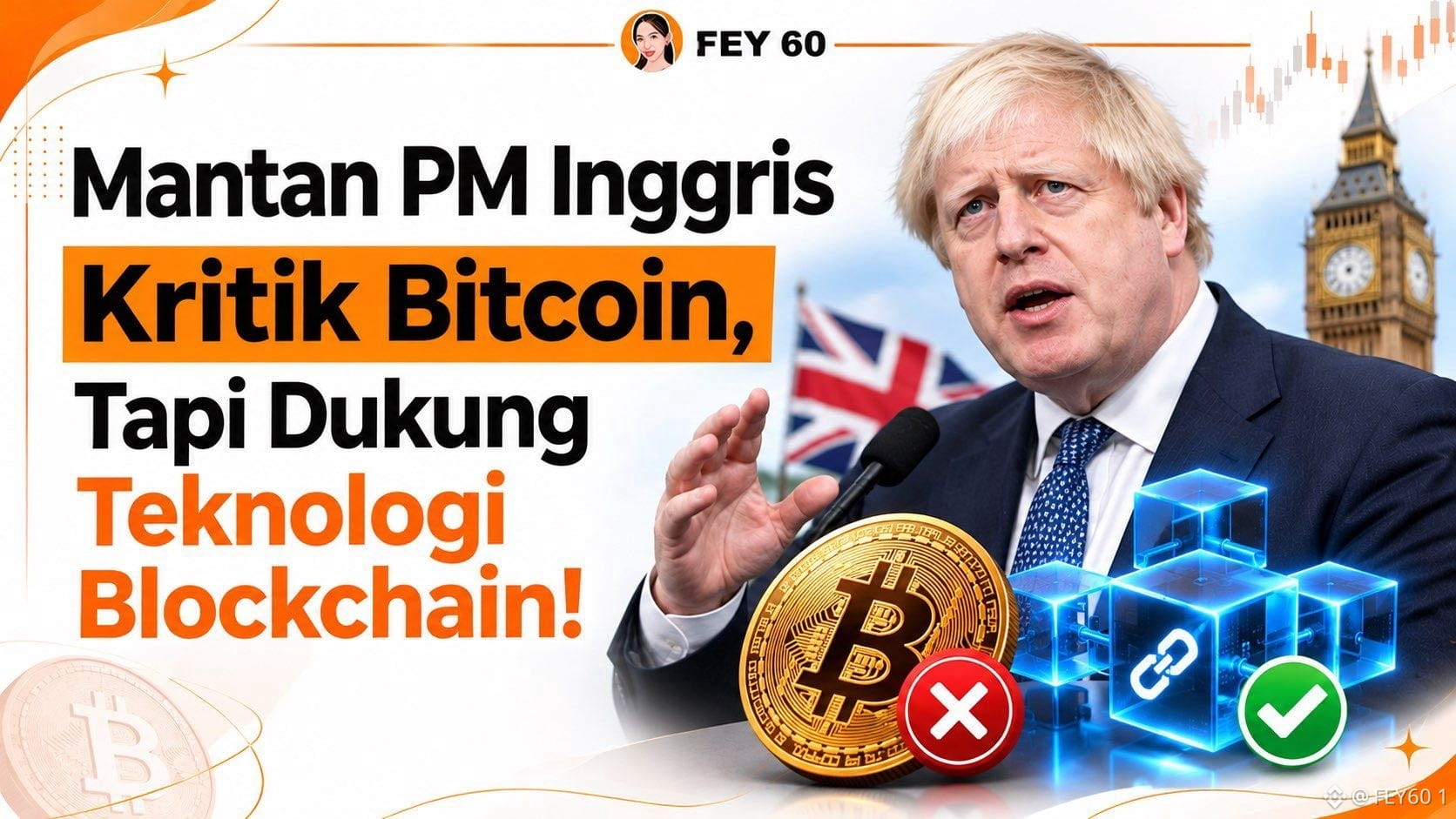
The crypto world is buzzing again with comments from a prominent political figure. Former UK Prime Minister Boris Johnson openly admitted that he remains skeptical of Bitcoin ($BTC) while speaking at the Solana Breakpoint conference in London.
.
Johnson even mistakenly called Bitcoin’s creator by the pseudonym “Yakimoto Nakasori” (which should be Satoshi Nakamoto). He questioned who would be responsible if investors lost money due to hacking, and told a story about people in his village who lost money by repeatedly trying to recoup their losses in crypto.
.
Previously, Johnson also called Bitcoin a “giant Ponzi scheme,” a claim that was immediately refuted by Michael Saylor (Chairman of Strategy), who pointed out that Bitcoin has no central issuer or promoter.
.
Interestingly, though, despite being skeptical of the coin, Johnson is a strong supporter of its technology!
.
📌 3 Important Things You Should Know:
1️⃣ Against the Coin, Supportive of the Technology
Johnson stressed that the UK should become a global leader in developing blockchain technology and asset tokenization. In his view, the technology behind crypto has significant potential to benefit the future of finance.
.
2️⃣ Blockchain Transactions Are Actually Transparent
When Johnson raised the issue of crypto being used for illegal transactions, the event moderator quickly set the record straight. In fact, law enforcement can track transaction records on the blockchain much more easily than paper cash!
.
3️⃣ The UK Is Becoming More Crypto-Friendly
Despite Johnson’s doubts, people and regulators in the UK continue to move forward. More than 8% of UK adults now own crypto assets.
.
In addition, the UK financial regulator (FCA) has finalized mandatory crypto rules that will take full effect by the end of 2027, while the Bank of England (BoE) has also eased its stablecoin rules.
.
Does it make sense for someone to support blockchain technology but reject Bitcoin, or do the two actually complement each other?
.
#Bitcoin #BTC #Blockchain #CryptoNews #UKRegulation
.
Johnson even mistakenly called Bitcoin’s creator by the pseudonym “Yakimoto Nakasori” (which should be Satoshi Nakamoto). He questioned who would be responsible if investors lost money due to hacking, and told a story about people in his village who lost money by repeatedly trying to recoup their losses in crypto.
.
Previously, Johnson also called Bitcoin a “giant Ponzi scheme,” a claim that was immediately refuted by Michael Saylor (Chairman of Strategy), who pointed out that Bitcoin has no central issuer or promoter.
.
Interestingly, though, despite being skeptical of the coin, Johnson is a strong supporter of its technology!
.
📌 3 Important Things You Should Know:
1️⃣ Against the Coin, Supportive of the Technology
Johnson stressed that the UK should become a global leader in developing blockchain technology and asset tokenization. In his view, the technology behind crypto has significant potential to benefit the future of finance.
.
2️⃣ Blockchain Transactions Are Actually Transparent
When Johnson raised the issue of crypto being used for illegal transactions, the event moderator quickly set the record straight. In fact, law enforcement can track transaction records on the blockchain much more easily than paper cash!
.
3️⃣ The UK Is Becoming More Crypto-Friendly
Despite Johnson’s doubts, people and regulators in the UK continue to move forward. More than 8% of UK adults now own crypto assets.
.
In addition, the UK financial regulator (FCA) has finalized mandatory crypto rules that will take full effect by the end of 2027, while the Bank of England (BoE) has also eased its stablecoin rules.
.
Does it make sense for someone to support blockchain technology but reject Bitcoin, or do the two actually complement each other?
.
#Bitcoin #BTC #Blockchain #CryptoNews #UKRegulation
81
·
--
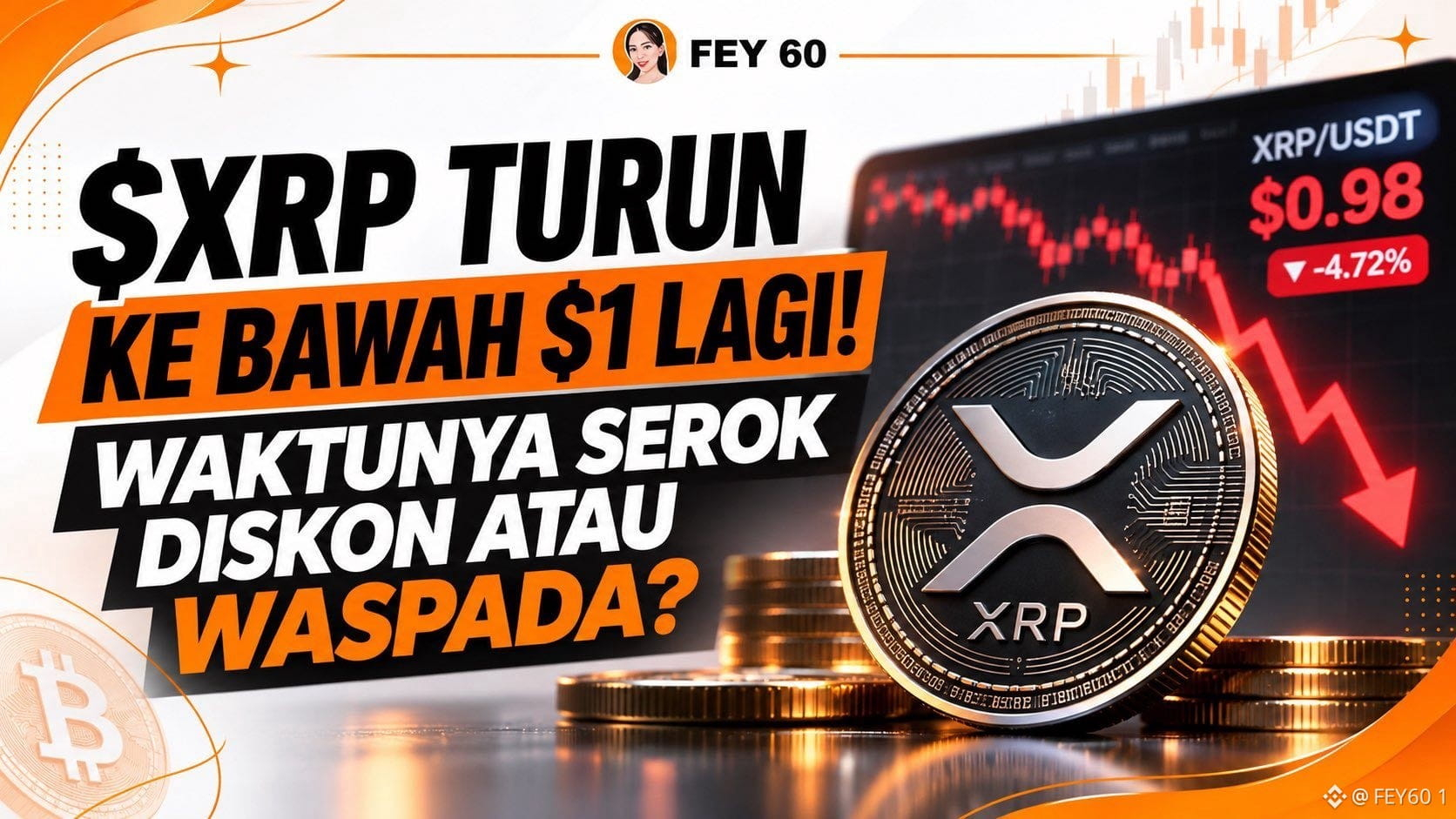
Shocking news from $XRP! For the first time since November 2024, the coin’s price has fallen below the psychological $1 level again.
.
After briefly hitting a low of around $0.89, $XRP is slowly trying to bounce back into the $0.95–$1.02 range. Previously, $XRP recorded 10 consecutive days of daily losses—the longest losing streak of 2026!
.
The question is: Is a price below $1 an attractive discount, or a sign of further weakness?
.
📌 What’s Happening in the $XRP Market?
• Far from Its Peak: The price has corrected by ~27% over the past month and is down about ~74% from its all-time high (ATH) of $3.65.
.
• Institutional Investors Pull Funds: Spot XRP ETFs recorded $19.1 million in outflows over the past week—the largest weekly outflow in 8 months.
.
The Market Is Panicking (Extreme Fear): Around $50 million worth of long positions (bets that the price would rise) were liquidated on November 14, pushing market sentiment to extreme fear.
.
💡 3 Interesting Things to Keep an Eye On:
1️⃣ Whales Are Buying While ETFs Are Selling
Interestingly, while institutional funds are flowing out of ETFs, the number of large wallets holding 10,000+ $XRP on the network has hit a new record high! This means many big investors are taking advantage of the dip to accumulate (buy the dip).
.
2️⃣ Learn from Last August
The last time the price fell below $1, in August, it briefly surged 71% before falling again. So, to be truly safe, XRP needs to hold firmly above $1.10–$1.20 first.
.
3️⃣ Don’t Blindly Trust Old Predictions
Many ambitious price targets (such as $2.80) are old predictions from earlier this year. Always adjust your analysis to reflect current market conditions (DYOR).
.
Is this the right time to dollar-cost average (DCA), or should you wait until the price is firmly back above $1?
#XRP #Ripple #CryptoNews #Altcoins #CryptoMarket
.
After briefly hitting a low of around $0.89, $XRP is slowly trying to bounce back into the $0.95–$1.02 range. Previously, $XRP recorded 10 consecutive days of daily losses—the longest losing streak of 2026!
.
The question is: Is a price below $1 an attractive discount, or a sign of further weakness?
.
📌 What’s Happening in the $XRP Market?
• Far from Its Peak: The price has corrected by ~27% over the past month and is down about ~74% from its all-time high (ATH) of $3.65.
.
• Institutional Investors Pull Funds: Spot XRP ETFs recorded $19.1 million in outflows over the past week—the largest weekly outflow in 8 months.
.
The Market Is Panicking (Extreme Fear): Around $50 million worth of long positions (bets that the price would rise) were liquidated on November 14, pushing market sentiment to extreme fear.
.
💡 3 Interesting Things to Keep an Eye On:
1️⃣ Whales Are Buying While ETFs Are Selling
Interestingly, while institutional funds are flowing out of ETFs, the number of large wallets holding 10,000+ $XRP on the network has hit a new record high! This means many big investors are taking advantage of the dip to accumulate (buy the dip).
.
2️⃣ Learn from Last August
The last time the price fell below $1, in August, it briefly surged 71% before falling again. So, to be truly safe, XRP needs to hold firmly above $1.10–$1.20 first.
.
3️⃣ Don’t Blindly Trust Old Predictions
Many ambitious price targets (such as $2.80) are old predictions from earlier this year. Always adjust your analysis to reflect current market conditions (DYOR).
.
Is this the right time to dollar-cost average (DCA), or should you wait until the price is firmly back above $1?
#XRP #Ripple #CryptoNews #Altcoins #CryptoMarket
·
--
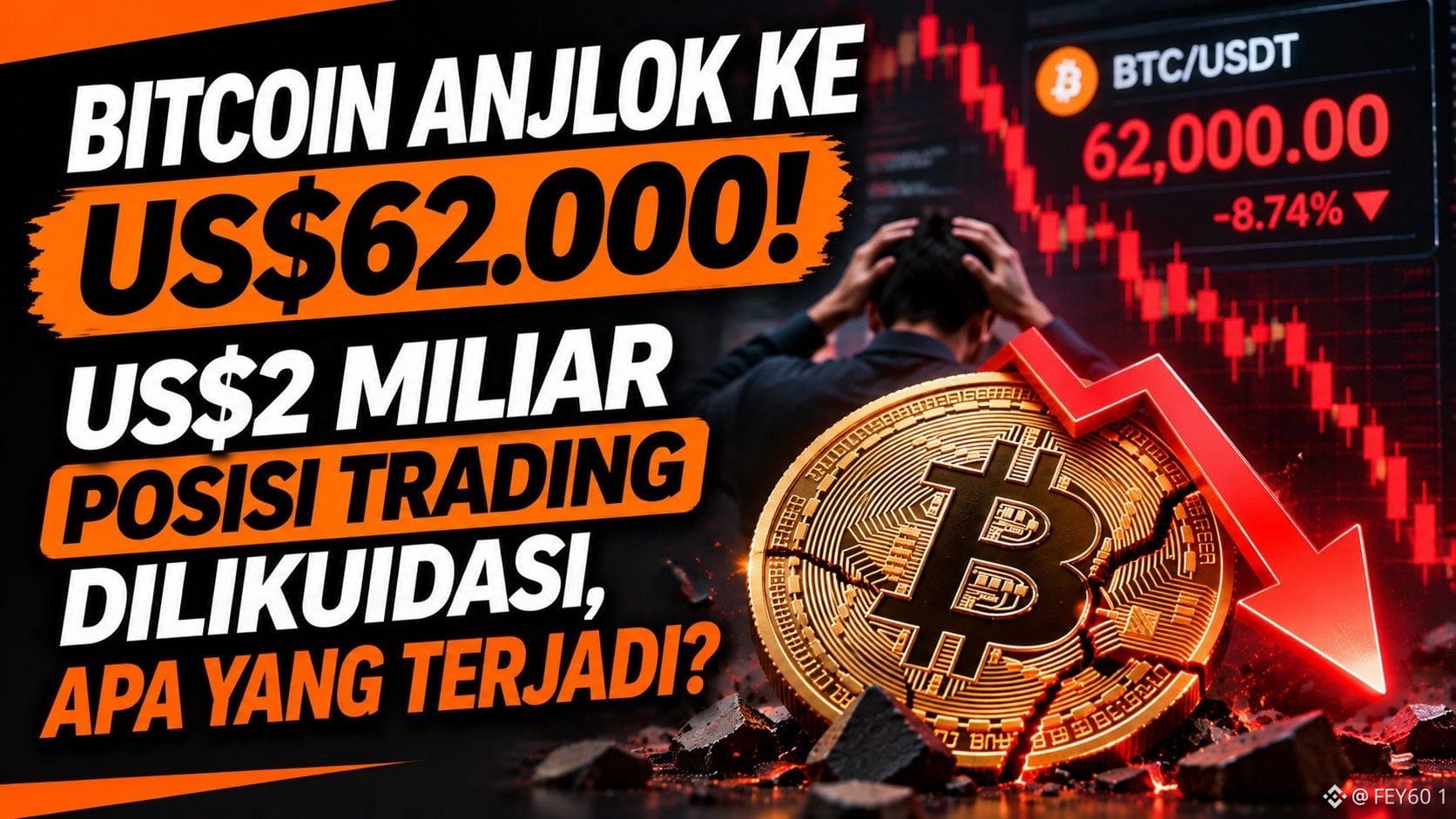
The cryptocurrency market is influenced not only by Bitcoin's movements, but also by global economic policies. One factor currently drawing attention is the direction of U.S. interest rates.
.
Federal Reserve Bank of Boston official Susan Collins said that gradual interest rate hikes may still be necessary to control inflation.
.
Why does this matter to the crypto market?
📊 1. Interest Rates and Bitcoin
When interest rates rise, interest-bearing assets such as bonds can become more attractive than risky assets like Bitcoin.
.
💰 2. Borrowing Costs Increase
High interest rates make borrowing more expensive. This can weigh on investment and economic activity.
.
📉 3. Market Liquidity Could Shrink
Tighter monetary policy can reduce the availability of liquidity and make investors more cautious about taking risks.
.
However, interest rate hikes are not the only factor that determines Bitcoin's price. ETF fund flows, global economic conditions, investor demand, and market sentiment also have an impact.
.
The Fed's next decision will be one of the key developments for cryptocurrency market participants to watch.
.
🔥 The question is:
If the Fed raises interest rates again, will Bitcoin come under even more pressure, or will it manage to hold up amid economic uncertainty?
.
What do you think?
.
#BitcoinActiveSupplyInProfitDropsBelow45%
.
Federal Reserve Bank of Boston official Susan Collins said that gradual interest rate hikes may still be necessary to control inflation.
.
Why does this matter to the crypto market?
📊 1. Interest Rates and Bitcoin
When interest rates rise, interest-bearing assets such as bonds can become more attractive than risky assets like Bitcoin.
.
💰 2. Borrowing Costs Increase
High interest rates make borrowing more expensive. This can weigh on investment and economic activity.
.
📉 3. Market Liquidity Could Shrink
Tighter monetary policy can reduce the availability of liquidity and make investors more cautious about taking risks.
.
However, interest rate hikes are not the only factor that determines Bitcoin's price. ETF fund flows, global economic conditions, investor demand, and market sentiment also have an impact.
.
The Fed's next decision will be one of the key developments for cryptocurrency market participants to watch.
.
🔥 The question is:
If the Fed raises interest rates again, will Bitcoin come under even more pressure, or will it manage to hold up amid economic uncertainty?
.
What do you think?
.
#BitcoinActiveSupplyInProfitDropsBelow45%
67
·
--
The global financial markets haven’t been doing well over the past 48 hours! Bitcoin has also come under pressure, falling to around $72,500 after being hit by two major shocks in a row.
.
Before the market has even had a chance to catch its breath, a third important data release is due tomorrow (8:30 a.m. U.S. time): October’s Producer Price Index (PPI).
Let’s break down this chain of events in simple terms!
.
📌 3 Major Things Weighing on the Market:
1️⃣ Nvidia’s Big Boss Steps Down
Jensen Huang has officially stepped down as Nvidia’s CEO. The surprising news immediately sent Nvidia shares ( $NVDA ) down ~7.3% at the close (wiping out around $300 billion in market value). With tech stocks already shaky, risky assets like crypto have felt the impact too.
.
2️⃣ Strategy ( $MSTR ) to Be Removed from the MSCI Index
Bitcoin giant Strategy will be removed from the MSCI index list after November 30. Don’t worry, this is not a delisting from the stock exchange, and the company is not being forced to sell its $BTC holdings. However, this move could make it a little harder for the company to raise new capital.
.
3️⃣ Awaiting Producer Inflation Data (PPI)
Tomorrow, the market is waiting for data on price increases at the factory/producer level (PPI). The figure is forecast to rise +0.4% month over month (and +0.3% for core inflation). If it comes in higher than expected, as yesterday’s consumer inflation (CPI) data did, the market is worried the U.S. Federal Reserve may take an even tougher stance on interest rates.
.
💡 Important Lessons for New Investors:
• The Global Market Domino Effect: When tech giants like Nvidia are shaken, major investors often temporarily pull money out of various risky assets (risk-off), including Bitcoin.
.
• Don’t Misunderstand $MSTR : Being removed from an index is just an adjustment to a global stock list, not a sign that the company is going bankrupt or about to dump Bitcoin onto the market.
.
Of the three pieces of news above, which do you think is making the crypto market most nervous right now?
#Bitcoin #BTC #CryptoNews
.
Before the market has even had a chance to catch its breath, a third important data release is due tomorrow (8:30 a.m. U.S. time): October’s Producer Price Index (PPI).
Let’s break down this chain of events in simple terms!
.
📌 3 Major Things Weighing on the Market:
1️⃣ Nvidia’s Big Boss Steps Down
Jensen Huang has officially stepped down as Nvidia’s CEO. The surprising news immediately sent Nvidia shares ( $NVDA ) down ~7.3% at the close (wiping out around $300 billion in market value). With tech stocks already shaky, risky assets like crypto have felt the impact too.
.
2️⃣ Strategy ( $MSTR ) to Be Removed from the MSCI Index
Bitcoin giant Strategy will be removed from the MSCI index list after November 30. Don’t worry, this is not a delisting from the stock exchange, and the company is not being forced to sell its $BTC holdings. However, this move could make it a little harder for the company to raise new capital.
.
3️⃣ Awaiting Producer Inflation Data (PPI)
Tomorrow, the market is waiting for data on price increases at the factory/producer level (PPI). The figure is forecast to rise +0.4% month over month (and +0.3% for core inflation). If it comes in higher than expected, as yesterday’s consumer inflation (CPI) data did, the market is worried the U.S. Federal Reserve may take an even tougher stance on interest rates.
.
💡 Important Lessons for New Investors:
• The Global Market Domino Effect: When tech giants like Nvidia are shaken, major investors often temporarily pull money out of various risky assets (risk-off), including Bitcoin.
.
• Don’t Misunderstand $MSTR : Being removed from an index is just an adjustment to a global stock list, not a sign that the company is going bankrupt or about to dump Bitcoin onto the market.
.
Of the three pieces of news above, which do you think is making the crypto market most nervous right now?
#Bitcoin #BTC #CryptoNews

67
·
--
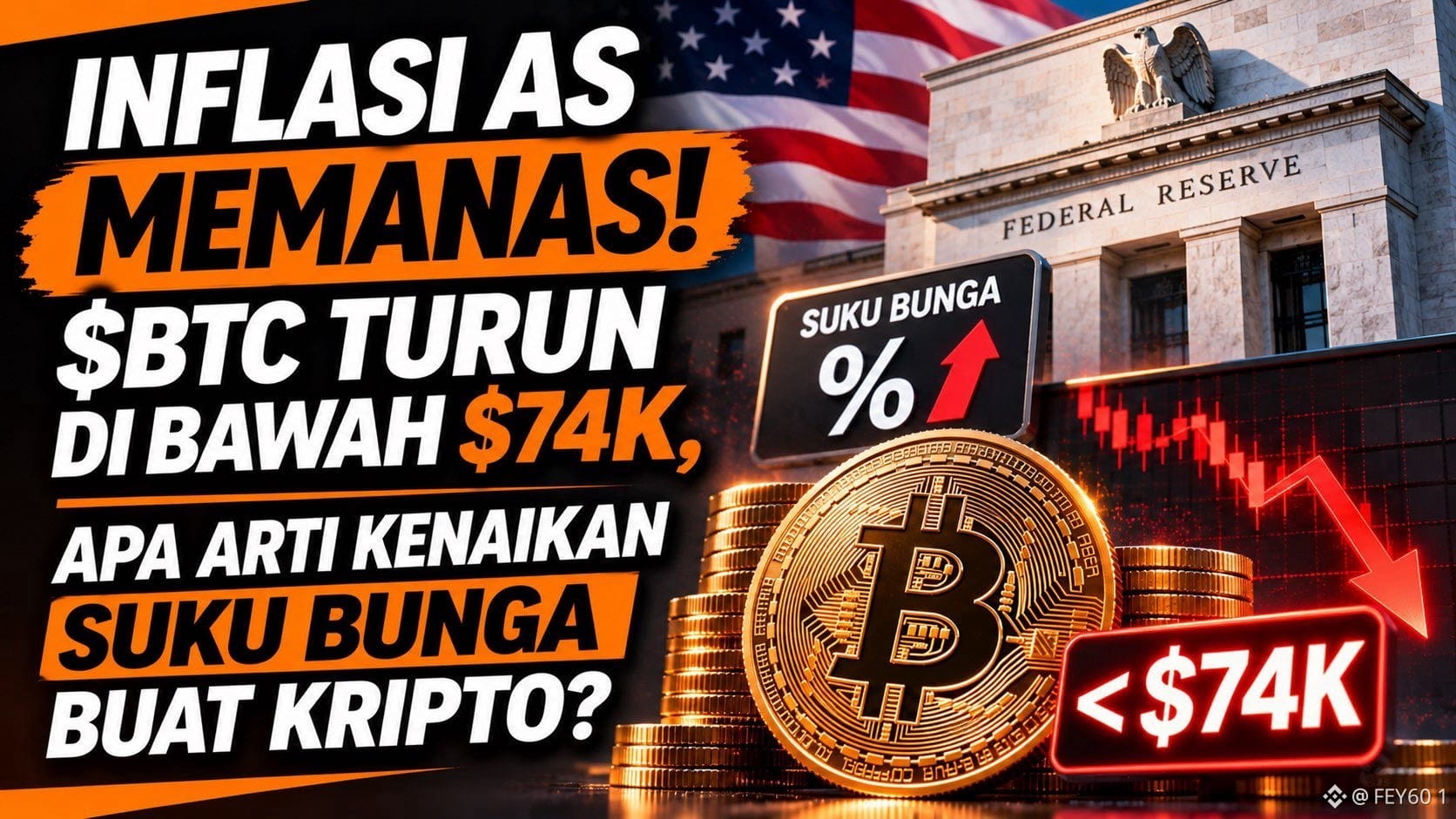
Global financial markets are volatile again! Bitcoin ( $BTC ) has fallen to the $73,000–$74,000 range after US October inflation (CPI) data came in higher than analysts expected.
.
This has investors worried ahead of the US Federal Reserve (the Fed) meeting next December.
.
📌 Key Facts Behind the Latest Inflation Data:
• Headline Inflation (Headline CPI): Rose +0.4% month over month (slightly above the 0.3% forecast). Although down from last month's figure (0.6%), the number is still considered too "hot" by the market.
.
• Core Inflation (Core CPI): Rose +0.3%, holding at the same level for three consecutive months.
.
• Signals from the Fed: Fed officials have said that a 0.5% (50 bps) interest rate hike must be considered if core inflation reaches 0.3% or higher.
.
• Market Odds: The FedWatch tool currently estimates a 15% chance of a 0.5% interest rate hike, while most still expect a regular 0.25% hike.
.
• Impact on Crypto: $BTC fell around 2%, while other assets such as ETH and XRP dropped further, by around 3.5%.
.
3 Key Lessons for Beginner Investors:
1️⃣ The Difference Between Headline and Core Inflation
Although this month's increase slowed slightly compared with last month, stubborn core inflation is making the Fed think twice about easing its interest rate policy.
.
2️⃣ Why Did ETH Fall Further Than BTC?
Altcoins like Ethereum usually have higher sensitivity (beta) and greater use of leverage (margin borrowing) than Bitcoin. When markets are tense, altcoins tend to fall harder.
.
3️⃣ Clearing Out Leveraged Positions
Before this inflation data was released, the market had already been rocked by mass liquidations worth $1.12 billion in 24 hours! This means many greedy traders used borrowed funds and ended up getting "burned" when prices reversed.
$BTC
.
This has investors worried ahead of the US Federal Reserve (the Fed) meeting next December.
.
📌 Key Facts Behind the Latest Inflation Data:
• Headline Inflation (Headline CPI): Rose +0.4% month over month (slightly above the 0.3% forecast). Although down from last month's figure (0.6%), the number is still considered too "hot" by the market.
.
• Core Inflation (Core CPI): Rose +0.3%, holding at the same level for three consecutive months.
.
• Signals from the Fed: Fed officials have said that a 0.5% (50 bps) interest rate hike must be considered if core inflation reaches 0.3% or higher.
.
• Market Odds: The FedWatch tool currently estimates a 15% chance of a 0.5% interest rate hike, while most still expect a regular 0.25% hike.
.
• Impact on Crypto: $BTC fell around 2%, while other assets such as ETH and XRP dropped further, by around 3.5%.
.
3 Key Lessons for Beginner Investors:
1️⃣ The Difference Between Headline and Core Inflation
Although this month's increase slowed slightly compared with last month, stubborn core inflation is making the Fed think twice about easing its interest rate policy.
.
2️⃣ Why Did ETH Fall Further Than BTC?
Altcoins like Ethereum usually have higher sensitivity (beta) and greater use of leverage (margin borrowing) than Bitcoin. When markets are tense, altcoins tend to fall harder.
.
3️⃣ Clearing Out Leveraged Positions
Before this inflation data was released, the market had already been rocked by mass liquidations worth $1.12 billion in 24 hours! This means many greedy traders used borrowed funds and ended up getting "burned" when prices reversed.
$BTC
60
·
--
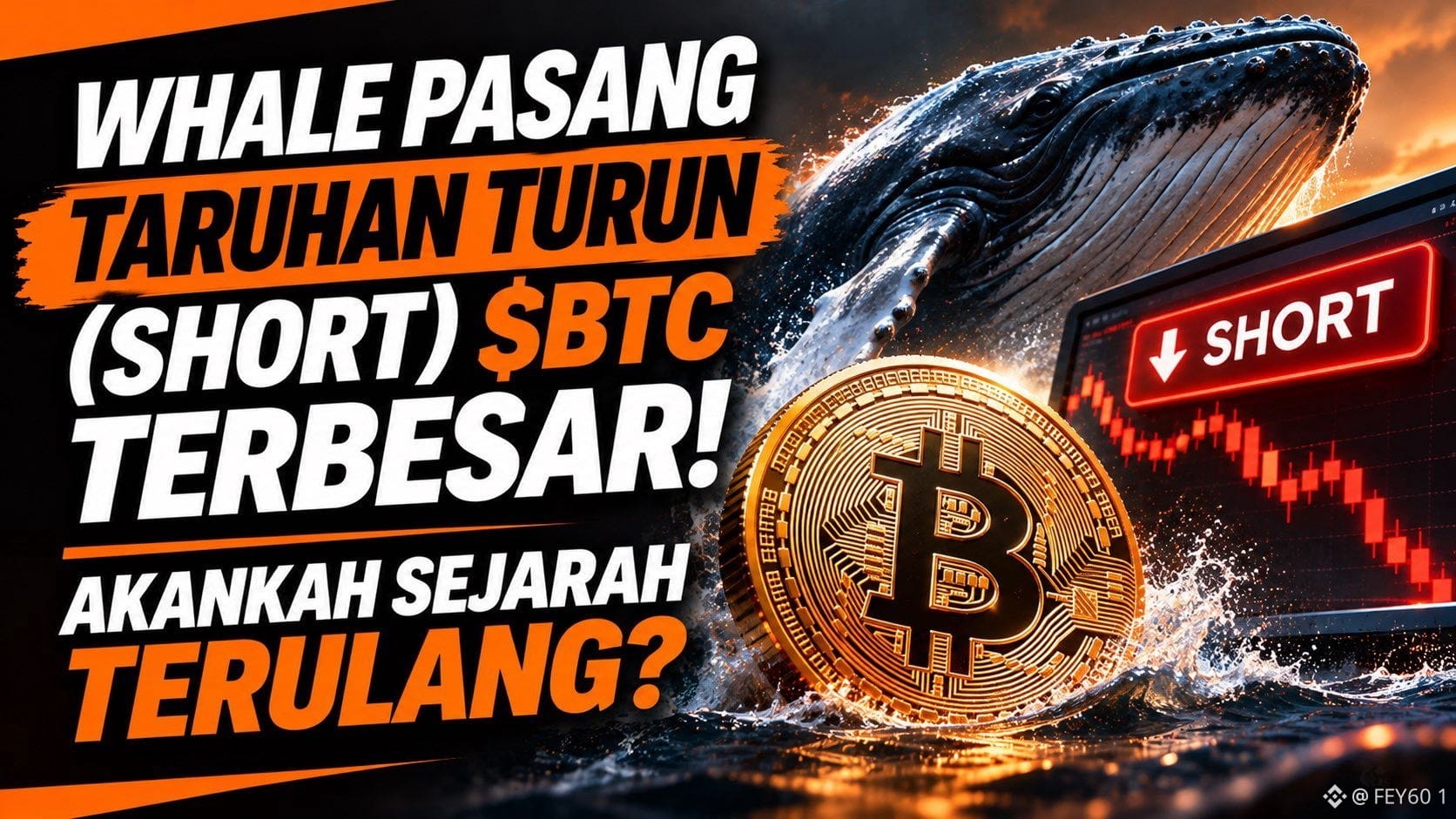
There's some interesting news about whale activity. Big players on the Hyperliquid trading platform have just collectively switched to net short positions on Bitcoin.
.
This is their biggest short position since October 2025. BTC is currently trading around $74K–$76K.
.
The question is: Is Bitcoin really about to plunge again, or are these whales about to get caught in a trap?
.
📌 Key Facts About Whale Activity:
- Switching Sides (Oct. 27): After consistently betting on prices going up (going long) for 7 months, these whales suddenly reversed course and opened short positions. Since that day, BTC has indeed corrected by around 6%.
- Whales’ Track Record Is Mixed:
October 2025: Their short bets paid off, and BTC plunged 23%.
March 2026: Their short bets failed completely as BTC instead surged (rallied) 16%!
May 2026: When they bet on prices going up (went long), prices instead fell 28.6%.
.
Important note: This data is only from one group of traders on the Hyperliquid platform; it does not reflect the entire global crypto market!
.
3 Important Lessons for Beginner Investors:
1️⃣ Whales Can Be Wrong Too!
Of their last 3 big bets, these whales were right only once! So don't panic and blindly open short positions just because you see what they're doing.
.
2️⃣ The Danger of a Short Squeeze
If lots of people bet that prices will fall, but a large buyer suddenly steps in and pushes prices up, those holding short positions will be forced to buy their coins back. This can actually trigger a very sharp price increase (a short squeeze)!
.
3️⃣ Focus on the Long-Term Trend
Price fluctuations caused by short-term trader activity are normal in the crypto market. Keep doing your own research (DYOR).
.
Will BTC continue to correct like it did last October, or is it about to bounce back and leave these whales kicking themselves?
Share your thoughts in the comments! 👇👇
#Bitcoin #BTC #CryptoNews #Whales
.
This is their biggest short position since October 2025. BTC is currently trading around $74K–$76K.
.
The question is: Is Bitcoin really about to plunge again, or are these whales about to get caught in a trap?
.
📌 Key Facts About Whale Activity:
- Switching Sides (Oct. 27): After consistently betting on prices going up (going long) for 7 months, these whales suddenly reversed course and opened short positions. Since that day, BTC has indeed corrected by around 6%.
- Whales’ Track Record Is Mixed:
October 2025: Their short bets paid off, and BTC plunged 23%.
March 2026: Their short bets failed completely as BTC instead surged (rallied) 16%!
May 2026: When they bet on prices going up (went long), prices instead fell 28.6%.
.
Important note: This data is only from one group of traders on the Hyperliquid platform; it does not reflect the entire global crypto market!
.
3 Important Lessons for Beginner Investors:
1️⃣ Whales Can Be Wrong Too!
Of their last 3 big bets, these whales were right only once! So don't panic and blindly open short positions just because you see what they're doing.
.
2️⃣ The Danger of a Short Squeeze
If lots of people bet that prices will fall, but a large buyer suddenly steps in and pushes prices up, those holding short positions will be forced to buy their coins back. This can actually trigger a very sharp price increase (a short squeeze)!
.
3️⃣ Focus on the Long-Term Trend
Price fluctuations caused by short-term trader activity are normal in the crypto market. Keep doing your own research (DYOR).
.
Will BTC continue to correct like it did last October, or is it about to bounce back and leave these whales kicking themselves?
Share your thoughts in the comments! 👇👇
#Bitcoin #BTC #CryptoNews #Whales
71
·
--
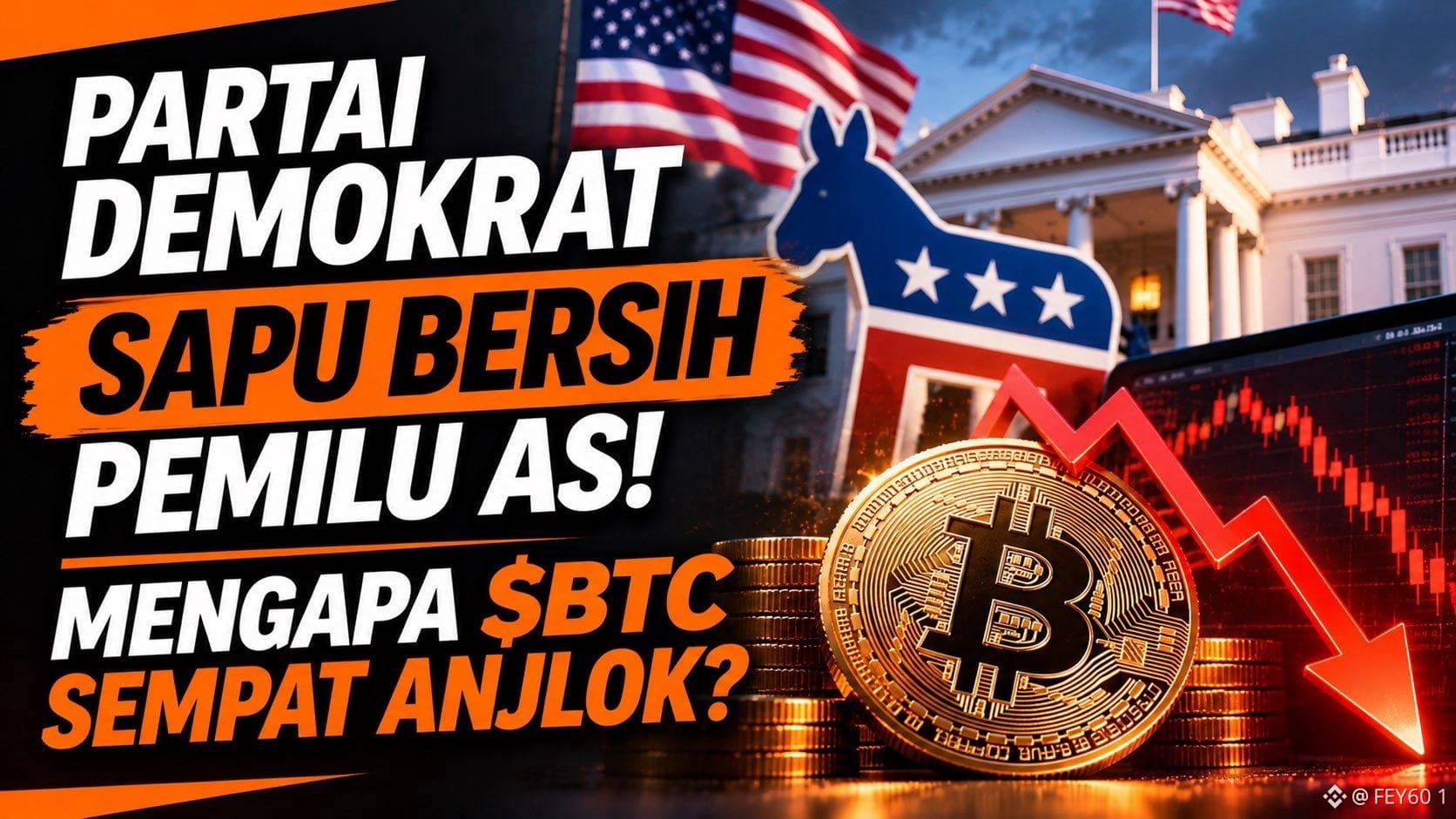
Big news has just come from the US political scene. The Democratic Party has officially won control of the House and Senate.
.
In response to the midterm election results, Bitcoin ( $BTC ) briefly plunged to $75,618—the lowest level in the past 7 weeks! But interestingly, $BTC quickly rebounded back to around $78K.
.
Let's break down what actually happened in simple terms!
.
📌 Key Facts Behind the Market Move:
- Already Priced In: Prediction markets had actually already estimated the Democrats' chances of winning at ~75%. So, this price drop wasn't caused by surprise, but was a normal response to temporary selling.
- Wave of Liquidations: The brief drop wiped out (liquidated) nearly $300 million worth of long positions (traders betting that the price would rise)!
- The Fate of Crypto Regulation (CLARITY Act): The bill seeking to clarify the legal framework for the crypto market in the US hit a roadblock in the Senate.
.
With Elizabeth Warren (known for taking a very tough stance on crypto) entering the race to become Chair of the Senate Banking Committee, crypto regulations are expected to become even stricter going forward.
.
💡 3 Key Lessons for Investors:
1️⃣ Political Effects Are Only Temporary
Price drops during midterm elections are often part of Bitcoin's natural 4-year cycle, rather than being solely determined by which party wins.
.
2️⃣ Bitcoin's Resilience Put to the Test
Despite concerns that regulations in the US could become stricter, buyers in the spot market took advantage of the dip to scoop up $BTC , helping it quickly recover to $78K.
.
3️⃣ Regulatory Clarity Remains Key
The changing political landscape in the US will certainly affect how quickly crypto legislation is passed. However, the crypto industry is much more mature than it was a few years ago.
.
Will political changes in the US hold back $BTC , or is this actually the best accumulation opportunity before the next rally?
.
In response to the midterm election results, Bitcoin ( $BTC ) briefly plunged to $75,618—the lowest level in the past 7 weeks! But interestingly, $BTC quickly rebounded back to around $78K.
.
Let's break down what actually happened in simple terms!
.
📌 Key Facts Behind the Market Move:
- Already Priced In: Prediction markets had actually already estimated the Democrats' chances of winning at ~75%. So, this price drop wasn't caused by surprise, but was a normal response to temporary selling.
- Wave of Liquidations: The brief drop wiped out (liquidated) nearly $300 million worth of long positions (traders betting that the price would rise)!
- The Fate of Crypto Regulation (CLARITY Act): The bill seeking to clarify the legal framework for the crypto market in the US hit a roadblock in the Senate.
.
With Elizabeth Warren (known for taking a very tough stance on crypto) entering the race to become Chair of the Senate Banking Committee, crypto regulations are expected to become even stricter going forward.
.
💡 3 Key Lessons for Investors:
1️⃣ Political Effects Are Only Temporary
Price drops during midterm elections are often part of Bitcoin's natural 4-year cycle, rather than being solely determined by which party wins.
.
2️⃣ Bitcoin's Resilience Put to the Test
Despite concerns that regulations in the US could become stricter, buyers in the spot market took advantage of the dip to scoop up $BTC , helping it quickly recover to $78K.
.
3️⃣ Regulatory Clarity Remains Key
The changing political landscape in the US will certainly affect how quickly crypto legislation is passed. However, the crypto industry is much more mature than it was a few years ago.
.
Will political changes in the US hold back $BTC , or is this actually the best accumulation opportunity before the next rally?
64
·
--
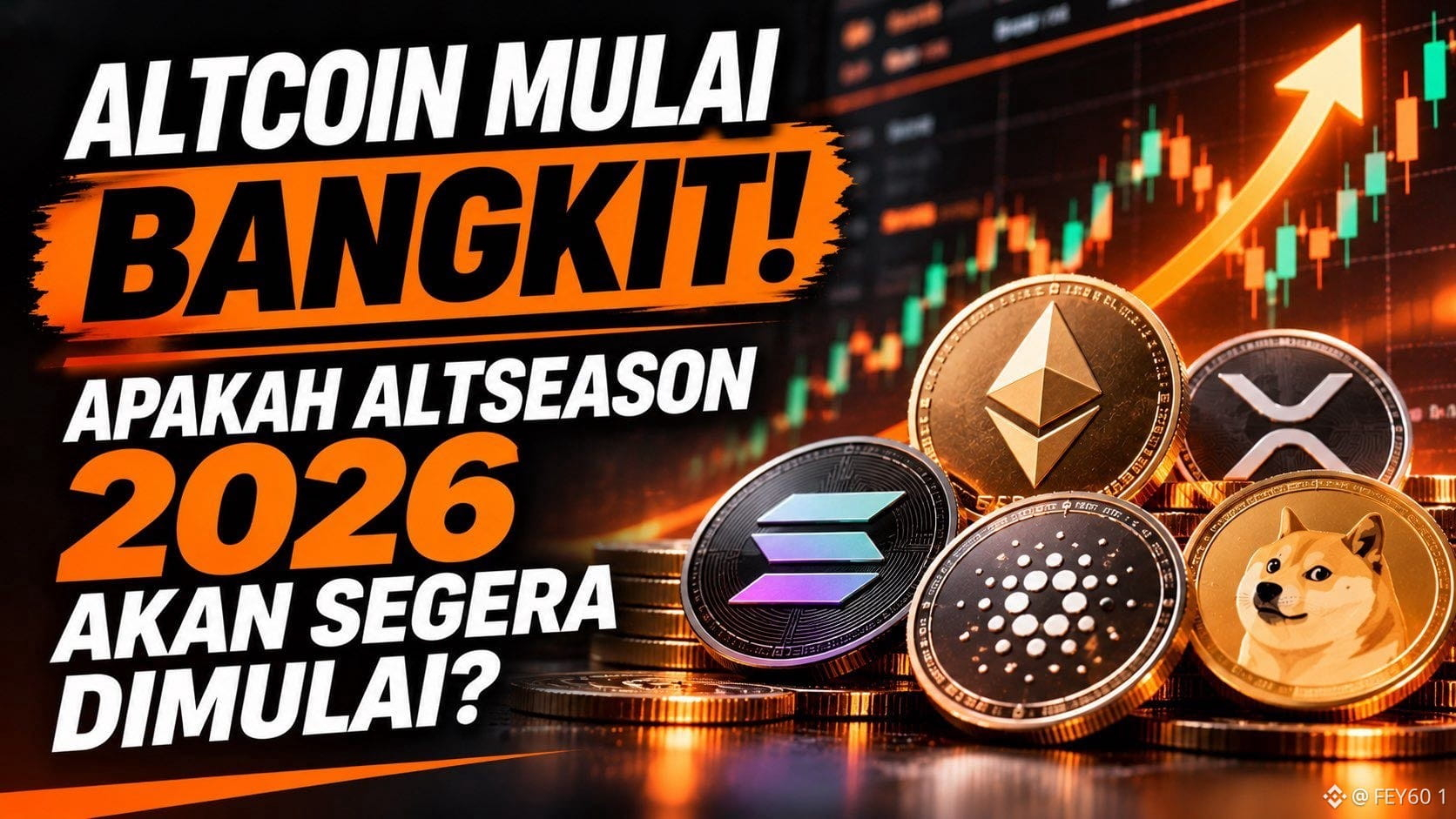
The crypto market is beginning to show signs of recovery. On Wednesday, November 4, 2026, Solana (SOL), Dogecoin (DOGE), and Cardano (ADA) rose by around 1.6%–2.2%.
.
However, all three are still down nearly 25% over the past month. Is this the beginning of an altcoin revival, or just a temporary rebound?
.
📈 1. Bitcoin Begins to Recover
Bitcoin’s gains could improve market sentiment and create opportunities for altcoins to rally as well.
.
💰 2. Potential Capital Rotation
As Bitcoin begins to stabilize, investors may look for opportunities in altcoins such as SOL, DOGE, and ADA.
.
📊 3. Bitcoin Dominance
A consistent decline in Bitcoin dominance could signal that capital is starting to flow into altcoins.
.
🔥 4. Is Altseason Around the Corner?
Not necessarily. Daily gains aren’t enough to confirm Altcoin Season. Here are some indicators to watch:
.
• Altcoin trading volume increases.
• Altcoins consistently outperform Bitcoin.
• Bitcoin dominance declines.
• ETH/BTC begins to strengthen.
.
The gains in SOL, DOGE, and ADA are a positive sign, but they don’t prove that Altseason 2026 has begun.
.
If the recovery continues and capital rotation really takes place, altcoins could gain new momentum.
.
What do you think—is Altseason 2026 getting closer, or will the market continue to correct?
#Altcoin #Altseason2026 #Bitcoin
.
However, all three are still down nearly 25% over the past month. Is this the beginning of an altcoin revival, or just a temporary rebound?
.
📈 1. Bitcoin Begins to Recover
Bitcoin’s gains could improve market sentiment and create opportunities for altcoins to rally as well.
.
💰 2. Potential Capital Rotation
As Bitcoin begins to stabilize, investors may look for opportunities in altcoins such as SOL, DOGE, and ADA.
.
📊 3. Bitcoin Dominance
A consistent decline in Bitcoin dominance could signal that capital is starting to flow into altcoins.
.
🔥 4. Is Altseason Around the Corner?
Not necessarily. Daily gains aren’t enough to confirm Altcoin Season. Here are some indicators to watch:
.
• Altcoin trading volume increases.
• Altcoins consistently outperform Bitcoin.
• Bitcoin dominance declines.
• ETH/BTC begins to strengthen.
.
The gains in SOL, DOGE, and ADA are a positive sign, but they don’t prove that Altseason 2026 has begun.
.
If the recovery continues and capital rotation really takes place, altcoins could gain new momentum.
.
What do you think—is Altseason 2026 getting closer, or will the market continue to correct?
#Altcoin #Altseason2026 #Bitcoin
63
·
--
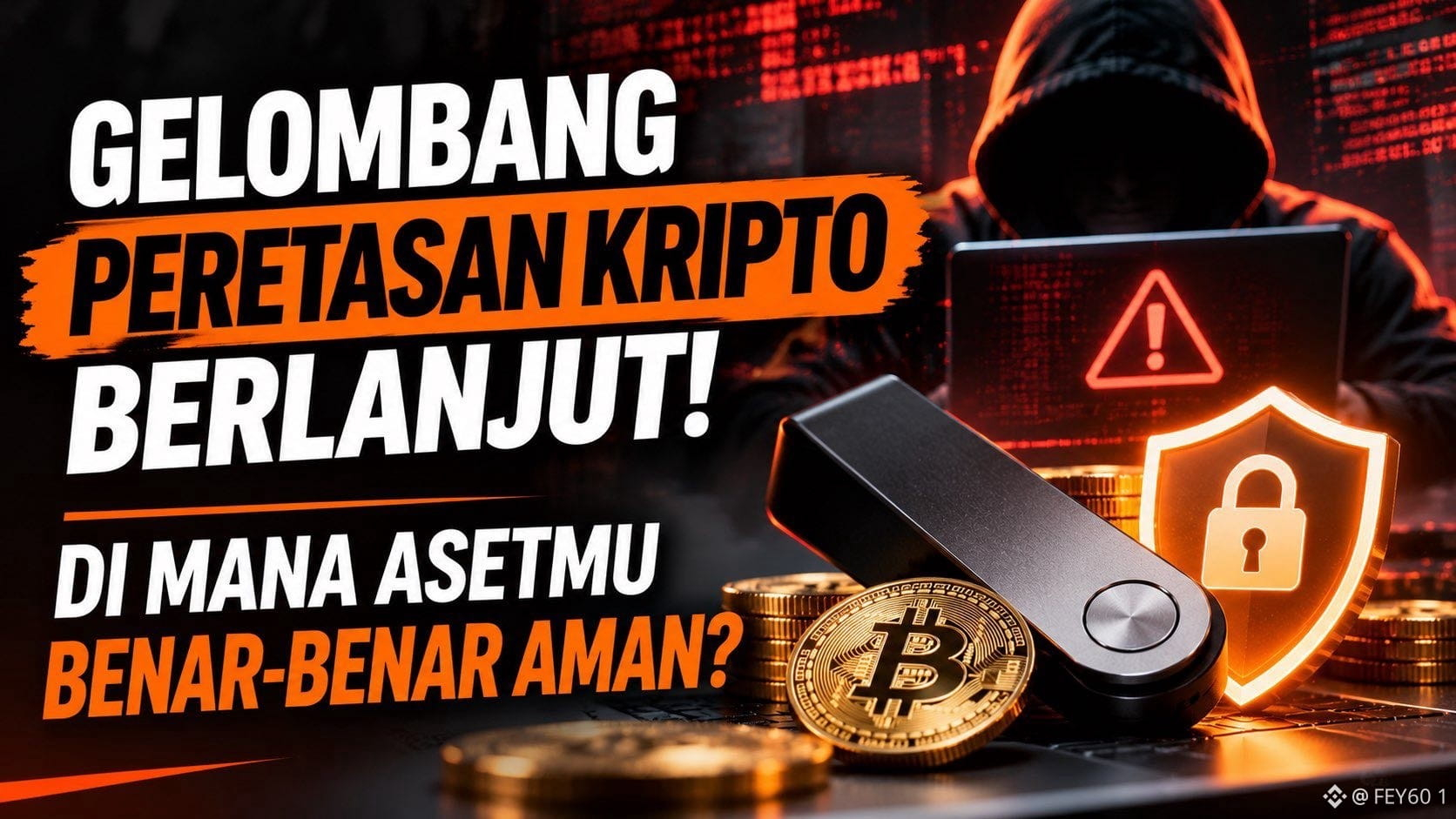
The crypto world is being put to the test. After the shocking incident where Binance lost around $6.36 billion in a hack, wallet breaches still haven’t stopped!
.
Several other platforms have also fallen victim, leaving many investors panicking and wondering: “Where is our money actually safe?”
.
Let’s break down the situation in a relaxed, simple way! What Actually Happened?
.
- Binance Hack Record: On October 29, $6.36 billion disappeared from Binance wallets in just 20 minutes. The FBI linked the attack to a notorious hacking group from North Korea.
- User Funds Replaced: Fortunately, Binance promised to cover 100% of users’ losses using its emergency reserve fund (SAFU). Around $3 billion was also successfully frozen!
- The Next Victims: After Binance, other platforms like Mercado Bitcoin, entities in Europe, and even 12 DeFi sites were hit by security breaches.
- BTC Price Affected: This wave of hacking news briefly caused the price of Bitcoin ( $BTC ) to drop by more than 4%, to around $77K.
.
3 Important Lessons to Keep Your Crypto Safe:
1️⃣ The Difference Between Hot Wallets & Cold Wallets
Wallets that are always connected to the internet (hot wallets), such as exchange apps, are highly vulnerable to hackers. For long-term storage, cold wallets (offline physical wallets) are much safer.
.
2️⃣ People Are Often the Weak Link
Many hacks don’t break the code directly, but instead manipulate people through social engineering, such as fake emails or phishing traps. Always be careful when clicking on any link!
.
3️⃣ Nowhere Is 100% Risk-Free
Keeping your crypto on an exchange carries the risk of the platform being hacked. Keeping it in a personal wallet (self-custody) means you’re fully responsible for keeping your private keys secure. A combination of both is the wisest approach!
.
Are you the type who’s comfortable keeping crypto on an exchange, or do you prefer using a personal cold wallet?
#CryptoSecurity #Binance #Bitcoin #BTC #CryptoNews
.
Several other platforms have also fallen victim, leaving many investors panicking and wondering: “Where is our money actually safe?”
.
Let’s break down the situation in a relaxed, simple way! What Actually Happened?
.
- Binance Hack Record: On October 29, $6.36 billion disappeared from Binance wallets in just 20 minutes. The FBI linked the attack to a notorious hacking group from North Korea.
- User Funds Replaced: Fortunately, Binance promised to cover 100% of users’ losses using its emergency reserve fund (SAFU). Around $3 billion was also successfully frozen!
- The Next Victims: After Binance, other platforms like Mercado Bitcoin, entities in Europe, and even 12 DeFi sites were hit by security breaches.
- BTC Price Affected: This wave of hacking news briefly caused the price of Bitcoin ( $BTC ) to drop by more than 4%, to around $77K.
.
3 Important Lessons to Keep Your Crypto Safe:
1️⃣ The Difference Between Hot Wallets & Cold Wallets
Wallets that are always connected to the internet (hot wallets), such as exchange apps, are highly vulnerable to hackers. For long-term storage, cold wallets (offline physical wallets) are much safer.
.
2️⃣ People Are Often the Weak Link
Many hacks don’t break the code directly, but instead manipulate people through social engineering, such as fake emails or phishing traps. Always be careful when clicking on any link!
.
3️⃣ Nowhere Is 100% Risk-Free
Keeping your crypto on an exchange carries the risk of the platform being hacked. Keeping it in a personal wallet (self-custody) means you’re fully responsible for keeping your private keys secure. A combination of both is the wisest approach!
.
Are you the type who’s comfortable keeping crypto on an exchange, or do you prefer using a personal cold wallet?
#CryptoSecurity #Binance #Bitcoin #BTC #CryptoNews
62
·
--
Amid the turmoil in politics and global markets, Bitcoin ( $BTC ) is showing remarkable resilience! After coming under pressure, BTC managed to rebound to around $78.2K, up from $76.3K.
.
What’s more, this happened just ahead of the US Midterm Elections and only three days after the biggest Bitcoin ETF outflow since last June!
.
Key Market Developments:
- Heated US Politics (Nov. 3): All 435 House seats and 35 Senate seats are up for grabs. TD Cowen analysts say the election results could affect the fate of the crypto market structure bill in the Senate.
- Massive ETF Outflows: Spot Bitcoin ETFs recorded net outflows of -$643.3 million in a single day last Friday. BlackRock’s ETF (IBIT) saw outflows of -$233.7 million, while Fidelity’s (FBTC) saw -$201 million.
- Main Trigger: Market fears were fueled by reports of a ~$6.3 billion hack involving the Binance exchange on October 29.
- Not Capitulation: Analysts at The Block emphasized that the $643M in outflows was actually less than 1% of total ETF assets. This was an act of risk adjustment (de-risking), not a full-scale retreat (capitulation).
.
3 Things to Watch:
1️⃣ Strong Market Absorption
Despite the largest ETF outflows in the past four months, the price of $BTC didn’t crash and quickly recovered. This suggests there are other buyers in the spot market ready to absorb Wall Street’s selling pressure.
.
2️⃣ Four-Year Cycle vs. Election Issues
Price corrections during midterm election years are often driven more by Bitcoin’s own four-year cycle than by the results of political voting alone.
.
3️⃣ Regulatory Clarity in the Senate
The US election results will determine how quickly the crypto regulation bill is passed. Regulatory certainty from the US government remains key to attracting long-term institutional capital.
.
Will the effects of the US elections push $BTC to new record highs, or does the market still need time to consolidate?
.
What’s more, this happened just ahead of the US Midterm Elections and only three days after the biggest Bitcoin ETF outflow since last June!
.
Key Market Developments:
- Heated US Politics (Nov. 3): All 435 House seats and 35 Senate seats are up for grabs. TD Cowen analysts say the election results could affect the fate of the crypto market structure bill in the Senate.
- Massive ETF Outflows: Spot Bitcoin ETFs recorded net outflows of -$643.3 million in a single day last Friday. BlackRock’s ETF (IBIT) saw outflows of -$233.7 million, while Fidelity’s (FBTC) saw -$201 million.
- Main Trigger: Market fears were fueled by reports of a ~$6.3 billion hack involving the Binance exchange on October 29.
- Not Capitulation: Analysts at The Block emphasized that the $643M in outflows was actually less than 1% of total ETF assets. This was an act of risk adjustment (de-risking), not a full-scale retreat (capitulation).
.
3 Things to Watch:
1️⃣ Strong Market Absorption
Despite the largest ETF outflows in the past four months, the price of $BTC didn’t crash and quickly recovered. This suggests there are other buyers in the spot market ready to absorb Wall Street’s selling pressure.
.
2️⃣ Four-Year Cycle vs. Election Issues
Price corrections during midterm election years are often driven more by Bitcoin’s own four-year cycle than by the results of political voting alone.
.
3️⃣ Regulatory Clarity in the Senate
The US election results will determine how quickly the crypto regulation bill is passed. Regulatory certainty from the US government remains key to attracting long-term institutional capital.
.
Will the effects of the US elections push $BTC to new record highs, or does the market still need time to consolidate?
70
·
--
Breaking news has just emerged from the Bitcoin network. An artificial intelligence (AI/LLM)-based scanner has successfully found 3 security vulnerabilities (bugs) in the Bitcoin Core system.
.
Media headlines immediately started claiming, “AI Crashes Bitcoin Nodes.” But hold on—is Bitcoin really in serious danger? Let’s take a clear-eyed look at the facts!
.
Important Facts You Need to Know:
👉 Funds 100% Safe: The Bitcoin Core development team has confirmed that these bugs CANNOT be used to steal funds or move anyone’s balance.
👉 Impact of the Bugs: Two medium-severity bugs could cause a node operator’s computer to crash or experience a memory spike, while one low-severity bug targets a system recovery file.
👉 Fixes Have Been Released: Security update patches were officially released on October 27 in Bitcoin Core versions 29.5, 30.4, 31.2+, and the latest version.
👉 More Bugs Are Coming: This is part of a new transparency policy. Around 3 other low-severity bugs are expected to be disclosed over the next two weeks.
.
3 Important Lessons from This Discovery:
1️⃣ Crashing a Node ≠ Hacking Bitcoin
A node is a computer that records transaction history. If one or several nodes crash, thousands of other nodes around the world continue running normally and keeping the network secure. Bitcoin doesn’t stop operating!
.
2️⃣ AI as a Security Auditor
The fact that AI can find security vulnerabilities quickly and cheaply is good news. Developers can now use AI to strengthen Bitcoin’s defenses before malicious actors can exploit them.
.
3️⃣ Education Is Key to Facing FUD
Sensational headlines often cause panic. The fact is, finding a vulnerability and then immediately patching it is a routine and normal part of developing world-class software.
.
🤔 What do you think?
Will AI’s role in the future make the $BTC network more resilient, or will it introduce new threats?
#Bitcoin #BTC #CryptoNews #AI #BitcoinCore
.
Media headlines immediately started claiming, “AI Crashes Bitcoin Nodes.” But hold on—is Bitcoin really in serious danger? Let’s take a clear-eyed look at the facts!
.
Important Facts You Need to Know:
👉 Funds 100% Safe: The Bitcoin Core development team has confirmed that these bugs CANNOT be used to steal funds or move anyone’s balance.
👉 Impact of the Bugs: Two medium-severity bugs could cause a node operator’s computer to crash or experience a memory spike, while one low-severity bug targets a system recovery file.
👉 Fixes Have Been Released: Security update patches were officially released on October 27 in Bitcoin Core versions 29.5, 30.4, 31.2+, and the latest version.
👉 More Bugs Are Coming: This is part of a new transparency policy. Around 3 other low-severity bugs are expected to be disclosed over the next two weeks.
.
3 Important Lessons from This Discovery:
1️⃣ Crashing a Node ≠ Hacking Bitcoin
A node is a computer that records transaction history. If one or several nodes crash, thousands of other nodes around the world continue running normally and keeping the network secure. Bitcoin doesn’t stop operating!
.
2️⃣ AI as a Security Auditor
The fact that AI can find security vulnerabilities quickly and cheaply is good news. Developers can now use AI to strengthen Bitcoin’s defenses before malicious actors can exploit them.
.
3️⃣ Education Is Key to Facing FUD
Sensational headlines often cause panic. The fact is, finding a vulnerability and then immediately patching it is a routine and normal part of developing world-class software.
.
🤔 What do you think?
Will AI’s role in the future make the $BTC network more resilient, or will it introduce new threats?
#Bitcoin #BTC #CryptoNews #AI #BitcoinCore
46
·
--
Shocking news has emerged from the cold storage industry. Keystone, a renowned crypto wallet manufacturer, has been forced to destroy 18,835 hardware wallets in its inventory after hackers managed to steal its official authentication key (WebAuth key)!
.
The theft puts fake Keystone devices at risk of passing official authenticity checks.
.
📌 Key Facts About the Keystone Case:
- Permanent Factory Key: This authentication key is embedded during the manufacturing process, so it cannot be removed or updated via a firmware update.
- Mass Destruction: All affected units in stock will be destroyed. Sales have been temporarily halted and shifted to a pre-order system until new production keys are ready.
- User Data Leak: A total of 25,964 customers’ records (names, email addresses, phone numbers, and addresses) were briefly exposed to the public.
- Private Keys Safe: Keystone has confirmed that seed phrases, private keys, and payment data remain safe and untouched.
- Existing Units Still Safe: Devices received by users before October 20, 2026, remain safe as long as they pass authentication.
.
💡 3 Key Lessons About Self-Custody:
1️⃣ Supply Chain Threats
Many users assume cold storage is 100% safe. However, if a manufacturer’s verification system is hacked, counterfeit devices can easily fool buyers.
.
2️⃣ A Difficult Year for Hardware Wallets
Throughout 2026, various popular brands, including Coldcard, Ledger, Trezor, and SafePal, have all faced security vulnerabilities. No system is completely immune.
.
3️⃣ Private Key Security Remains Paramount
Although personal shipping information was briefly leaked, users’ crypto assets fortunately remain safe because their private keys are stored offline in an encryption chip.
.
Does this incident make you more cautious about choosing a hardware wallet to store your crypto assets?
#CryptoSecurity #Keystone #HardwareWallet #Bitcoin #BTC
.
The theft puts fake Keystone devices at risk of passing official authenticity checks.
.
📌 Key Facts About the Keystone Case:
- Permanent Factory Key: This authentication key is embedded during the manufacturing process, so it cannot be removed or updated via a firmware update.
- Mass Destruction: All affected units in stock will be destroyed. Sales have been temporarily halted and shifted to a pre-order system until new production keys are ready.
- User Data Leak: A total of 25,964 customers’ records (names, email addresses, phone numbers, and addresses) were briefly exposed to the public.
- Private Keys Safe: Keystone has confirmed that seed phrases, private keys, and payment data remain safe and untouched.
- Existing Units Still Safe: Devices received by users before October 20, 2026, remain safe as long as they pass authentication.
.
💡 3 Key Lessons About Self-Custody:
1️⃣ Supply Chain Threats
Many users assume cold storage is 100% safe. However, if a manufacturer’s verification system is hacked, counterfeit devices can easily fool buyers.
.
2️⃣ A Difficult Year for Hardware Wallets
Throughout 2026, various popular brands, including Coldcard, Ledger, Trezor, and SafePal, have all faced security vulnerabilities. No system is completely immune.
.
3️⃣ Private Key Security Remains Paramount
Although personal shipping information was briefly leaked, users’ crypto assets fortunately remain safe because their private keys are stored offline in an encryption chip.
.
Does this incident make you more cautious about choosing a hardware wallet to store your crypto assets?
#CryptoSecurity #Keystone #HardwareWallet #Bitcoin #BTC
70
·
--
Big news from the traditional finance (TradFi) world. JPMorgan has officially expanded its deposit token, JPMD, directly to the Ethereum mainnet ($ETH), after previously launching it on the Base network.
.
Through its Kinexys platform, JPMorgan has processed more than $4 trillion in transactions, with daily volume reaching $7 billion. Those are staggering figures!
.
📌 Key Facts You Need to Know:
- Institutions Only: This token is NOT for retail users and CANNOT be freely traded on public exchanges.
- Main Purpose: Used by large financial institutions for interbank payments, transaction collateral, and instant foreign currency exchanges around the clock.
- Not Ordinary Crypto: JPMD runs on a permissioned network, meaning access is tightly controlled by the bank.
💡 4 Interesting Things to Keep an Eye On:
1️⃣ Validation for Ethereum ($ETH)
The entry of the largest bank in the US onto Ethereum shows that public blockchains are increasingly being recognized as a key foundation for the future global financial system.
2️⃣ Why Move from L2 to L1?
Why did JPMorgan choose to enter Ethereum's main network (L1) after starting on Base (L2)? The answer lies in the highest level of security and immediate liquidity offered by the main network.
3️⃣ What Is a Deposit Token?
Simply put, it's bank cash converted into a digital blockchain format. Banks no longer have to wait for business hours to transfer money between countries!
4️⃣ The CEO's Contradictory Stance
Interestingly, Jamie Dimon (JPMorgan's CEO) is known for strongly disliking and frequently criticizing crypto. Yet at the same time, his company is among the most active in using blockchain technology!
🤔 What do you think? Will JPMorgan's move push the price of $ETH even higher, or is this just an internal matter for big banks?
Share your thoughts in the comments! 👇👇
#Ethereum #ETH #JPMorgan #CryptoNews
.
Through its Kinexys platform, JPMorgan has processed more than $4 trillion in transactions, with daily volume reaching $7 billion. Those are staggering figures!
.
📌 Key Facts You Need to Know:
- Institutions Only: This token is NOT for retail users and CANNOT be freely traded on public exchanges.
- Main Purpose: Used by large financial institutions for interbank payments, transaction collateral, and instant foreign currency exchanges around the clock.
- Not Ordinary Crypto: JPMD runs on a permissioned network, meaning access is tightly controlled by the bank.
💡 4 Interesting Things to Keep an Eye On:
1️⃣ Validation for Ethereum ($ETH)
The entry of the largest bank in the US onto Ethereum shows that public blockchains are increasingly being recognized as a key foundation for the future global financial system.
2️⃣ Why Move from L2 to L1?
Why did JPMorgan choose to enter Ethereum's main network (L1) after starting on Base (L2)? The answer lies in the highest level of security and immediate liquidity offered by the main network.
3️⃣ What Is a Deposit Token?
Simply put, it's bank cash converted into a digital blockchain format. Banks no longer have to wait for business hours to transfer money between countries!
4️⃣ The CEO's Contradictory Stance
Interestingly, Jamie Dimon (JPMorgan's CEO) is known for strongly disliking and frequently criticizing crypto. Yet at the same time, his company is among the most active in using blockchain technology!
🤔 What do you think? Will JPMorgan's move push the price of $ETH even higher, or is this just an internal matter for big banks?
Share your thoughts in the comments! 👇👇
#Ethereum #ETH #JPMorgan #CryptoNews

70
·
--
Shocking news has emerged from the world of hardware wallet security. Mark Karpelès revealed that a hidden hacking device (implant) was found inside a Ledger Nano X hardware wallet originating from Malaysia.
The chip was installed directly in the display circuitry, complete with an eSIM, antenna, and microcontroller. Ledger has confirmed the case and directed its investigation toward one of its official resellers in Southeast Asia, CryptoBilis (which serves the ID, MY, and PH regions).
What Actually Happened?
• Risk During Setup: The suspected counterfeit chip recorded the recovery phrase directly from the screen during initial setup.
• Passed Authenticity Checks: Since the Ledger’s original main chip was not tampered with, this modified device could still pass the official authenticity (genuine) check!
• Ledger’s Advisory: Customers who bought from CryptoBilis in the last 90 days are being asked NOT to activate new units. If you have already used one, you are strongly advised to move your assets to a new device and recovery phrase as soon as possible.
4 Important Things You Need to Know:
1. A Secure Chip Doesn’t Necessarily Mean the Device Is Secure
Many people assume that if the main chip is secure, the entire wallet must be safe. But hackers can exploit other components, such as the display, to steal information without touching the main security chip.
2. An Official Reseller Is No 100% Guarantee
The “official reseller” label helps confirm that a product came from the manufacturer, but it cannot guarantee that the product wasn’t tampered with by bad actors somewhere along the supply chain.
3. The Golden Rules of Using a Hardware Wallet
Always buy from a trusted source, inspect the packaging when it arrives, and most importantly: NEVER use a recovery phrase that has already been entered or generated by someone else!
4. A Way Forward
Can we still trust a single hardware device, or is it time to switch to a multisig wallet so our assets stay safe if one device is compromised?
How do you store your crypto assets these days?
62
·
--
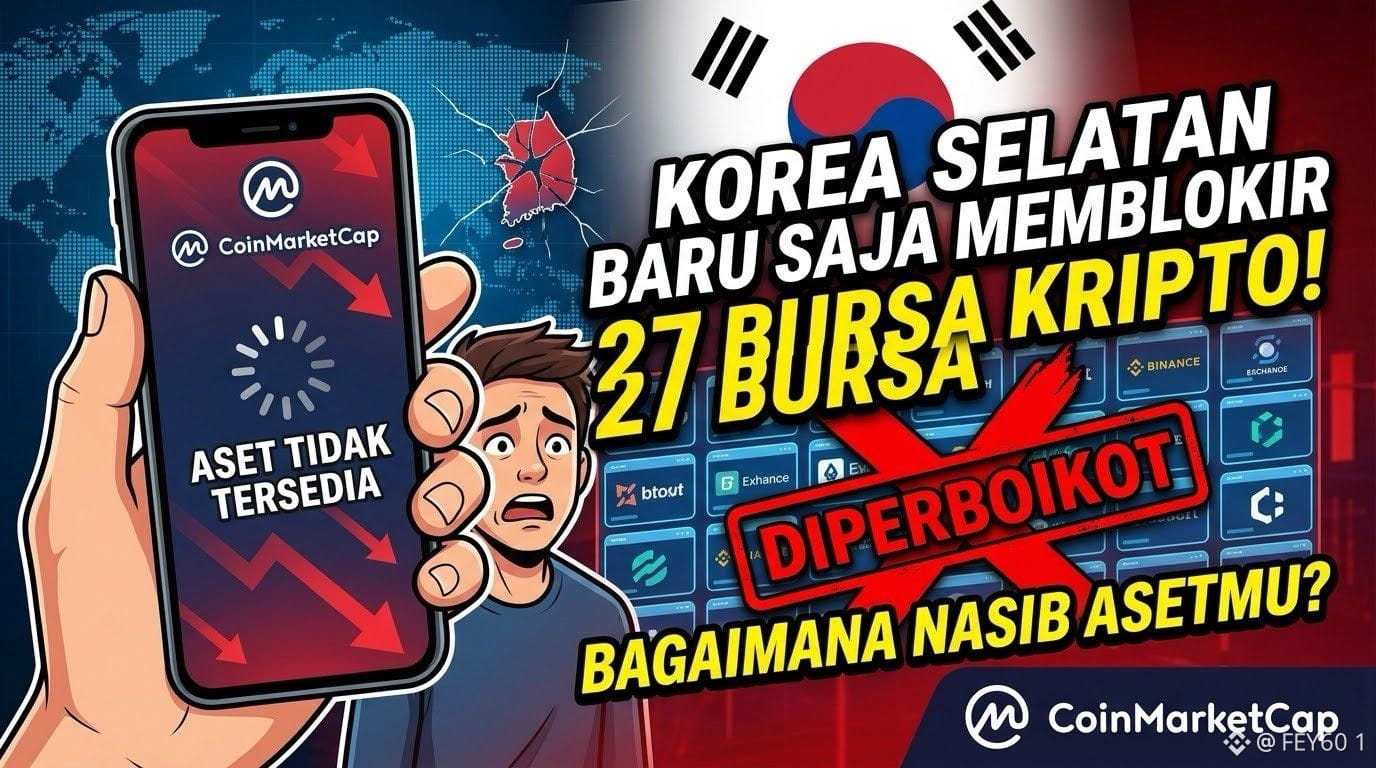
The South Korean government, through the Financial Intelligence Unit (FIU), has taken decisive action by blocking access to 27 overseas crypto exchanges at the network level.
.
Major names such as KuCoin, MEXC, Phemex, BingX, and BitMart are now officially cut off from domestic users because they have not registered under AML (Anti-Money Laundering) regulations.
.
Many local users are now beginning to experience difficulties withdrawing funds from these platforms.
.
📌 Key Facts About This Incident:
• Access Blocked: 27 unregistered overseas exchanges have been blocked at the network level since October 13.
• Withdrawal Issues: Affected users may have difficulty securing their assets; DAXA will step in to handle the withdrawal escalation process.
• Legal Action: A total of 44 unregistered operators have been referred to the authorities.
Of all the platforms operating in the country, only ~28 South Korean exchanges hold official licenses.
💡 4 Key Perspectives & Analysis:
1️⃣ Liquidity Shock
The sudden disappearance of 27 exchanges is bound to affect global liquidity flows. Which assets or altcoins will feel the pressure first?
2️⃣ Accelerating Asset Exodus
More than $110 billion is estimated to have left South Korean exchanges in 2025 alone. Will these strict regulations further accelerate the outflow of funds from centralized exchanges?
3️⃣ Effectiveness of Workarounds
Some platforms typically try changing their URL domains to evade blocks. But are workarounds like this still effective amid the FIU’s close monitoring?
4️⃣ Risk Management for Affected Users
For users whose assets are stuck, what critical steps should they take today before access is completely shut off?
🤔 What’s your take on these strict regulations? Will this decisive action improve industry security, or will it stifle innovation and market liquidity?
#CryptoNews #KoreaSouth #Regulation
.
Major names such as KuCoin, MEXC, Phemex, BingX, and BitMart are now officially cut off from domestic users because they have not registered under AML (Anti-Money Laundering) regulations.
.
Many local users are now beginning to experience difficulties withdrawing funds from these platforms.
.
📌 Key Facts About This Incident:
• Access Blocked: 27 unregistered overseas exchanges have been blocked at the network level since October 13.
• Withdrawal Issues: Affected users may have difficulty securing their assets; DAXA will step in to handle the withdrawal escalation process.
• Legal Action: A total of 44 unregistered operators have been referred to the authorities.
Of all the platforms operating in the country, only ~28 South Korean exchanges hold official licenses.
💡 4 Key Perspectives & Analysis:
1️⃣ Liquidity Shock
The sudden disappearance of 27 exchanges is bound to affect global liquidity flows. Which assets or altcoins will feel the pressure first?
2️⃣ Accelerating Asset Exodus
More than $110 billion is estimated to have left South Korean exchanges in 2025 alone. Will these strict regulations further accelerate the outflow of funds from centralized exchanges?
3️⃣ Effectiveness of Workarounds
Some platforms typically try changing their URL domains to evade blocks. But are workarounds like this still effective amid the FIU’s close monitoring?
4️⃣ Risk Management for Affected Users
For users whose assets are stuck, what critical steps should they take today before access is completely shut off?
🤔 What’s your take on these strict regulations? Will this decisive action improve industry security, or will it stifle innovation and market liquidity?
#CryptoNews #KoreaSouth #Regulation

59
·
--
The South Korean government, through its Financial Intelligence Unit (FIU), has taken decisive action by blocking access to 27 overseas crypto exchanges at the network level.
.
Major names such as KuCoin, MEXC, Phemex, BingX, and BitMart are now officially inaccessible to domestic users because they have not registered under AML (Anti-Money Laundering) regulations.
.
Many local users are now having difficulty withdrawing funds from these platforms.
.
📌 Key Facts About This Development:
• Access blocked: 27 unregistered overseas exchanges have been blocked at the network level since October 13.
• Withdrawal issues: Affected users may have difficulty securing their assets; DAXA will step in to handle the withdrawal escalation process.
• Legal action: A total of 44 unregistered operators have been referred to the authorities.
Of all the platforms operating in the country, only around 28 South Korean exchanges hold official licenses.
💡 4 Key Perspectives and Insights:
1️⃣ Liquidity Shock
The sudden disappearance of 27 exchanges is bound to affect global liquidity flows. Which assets or altcoins will feel the pressure first?
2️⃣ Accelerating Asset Exodus
More than $110 billion reportedly left South Korean exchanges in 2025 alone. Will these stricter regulations further accelerate the outflow of funds from centralized exchanges?
3️⃣ How Effective Are Workarounds?
Some platforms typically try changing their URL domains to evade blocks. But are workarounds like this still effective amid strict FIU oversight?
4️⃣ Risk Management for Affected Users
For users whose assets are stuck, what critical steps should they take today before access is completely cut off?
🤔 What’s your take on these strict regulations? Will this decisive action have a positive impact on industry security, or will it stifle innovation and market liquidity?
#CryptoNews #SouthKorea #Regulation
.
Major names such as KuCoin, MEXC, Phemex, BingX, and BitMart are now officially inaccessible to domestic users because they have not registered under AML (Anti-Money Laundering) regulations.
.
Many local users are now having difficulty withdrawing funds from these platforms.
.
📌 Key Facts About This Development:
• Access blocked: 27 unregistered overseas exchanges have been blocked at the network level since October 13.
• Withdrawal issues: Affected users may have difficulty securing their assets; DAXA will step in to handle the withdrawal escalation process.
• Legal action: A total of 44 unregistered operators have been referred to the authorities.
Of all the platforms operating in the country, only around 28 South Korean exchanges hold official licenses.
💡 4 Key Perspectives and Insights:
1️⃣ Liquidity Shock
The sudden disappearance of 27 exchanges is bound to affect global liquidity flows. Which assets or altcoins will feel the pressure first?
2️⃣ Accelerating Asset Exodus
More than $110 billion reportedly left South Korean exchanges in 2025 alone. Will these stricter regulations further accelerate the outflow of funds from centralized exchanges?
3️⃣ How Effective Are Workarounds?
Some platforms typically try changing their URL domains to evade blocks. But are workarounds like this still effective amid strict FIU oversight?
4️⃣ Risk Management for Affected Users
For users whose assets are stuck, what critical steps should they take today before access is completely cut off?
🤔 What’s your take on these strict regulations? Will this decisive action have a positive impact on industry security, or will it stifle innovation and market liquidity?
#CryptoNews #SouthKorea #Regulation
67
·
--
The market is boring again, but meme coins are making some noise! 🐱
While Bitcoin ( $BTC ) is stuck trading around ~$81.6K and major coins are losing their bigger narratives today, audience attention is slowly starting to shift toward the meme sector.
The coin grabbing the most attention right now is none other than Cash Cat ( $CASHCAT ).
Are we witnessing the start of a genuine meme coin rotation, or is this just a dead-cat bounce—literally?
📌 What’s Happening in the Market?
- CASHCAT: Surged +8.4% over the past 24 hours (~$0.112, MCap $112M), with volume up +86%.
- Robinhood Memes category: Up ~+10% today, largely flat over the week, and down ~-41% over the month.
- Solana Cat Coins Fade: POPCAT is down -1.6% and MEW is down -3.8%.
- DOGE: Holding at $0.082 (-2.6% daily, ~-35% YTD, and ~-60% YoY).
💡 4 Key Perspectives & Analysis:
1️⃣ Not All Cat Coins Are Equal
Why are cat coins on newer chains in the green while Solana-based cats are in the red? Chain-specific liquidity and enthusiasm for new platforms have proven to be major factors in shaping meme narratives.
2️⃣ Short-Term Surge vs. Future Trend
A daily jump of +8% may look tempting, but don’t ignore the -30% performance over the month. Always educate yourself to read timeframes objectively before getting carried away by cheerful headlines!
3️⃣ Wallet Movements Before Official News
Analysis from Bubblemaps shows that fresh wallets accumulated CASHCAT before its official listing on Robinhood last August. Wallet clustering and insider-like positioning are high-risk signals to watch out for in the meme world.
4️⃣ Is $DOGE Still the “Meme Index”?
As a pioneering meme coin, DOGE is down ~60% YoY. Does DOGE still determine the direction of the sector as a whole, or has the meme cycle now become entirely fragmented by individual chains?

69
·
--
When a wallet linked to the U.S. government suddenly moved 12,267 BTC (around $1.01 billion) on October 8, the crypto community panicked.
There was only one narrative everywhere: "The government is going to dump again!"
But when we examine the on-chain data and court rulings, the reality is very different from the rumors circulating.
Let’s break down the real facts behind this massive transfer! 👇
📊 The Real Facts from On-Chain Data
1. No Evidence of a Sale Yet: The 12,267 BTC were moved to a new, unlabeled address. Arkham data shows no confirmed deposits to an exchange or OTC desk.
2. Return of Bitfinex Assets: These coins were seized in connection with the Bitfinex hack. The court has ruled that the assets must be returned in their original form (restitution in kind) to Bitfinex—not freely sold.
3. Transfer to Coinbase Prime: The transaction that actually went to Coinbase Prime was a smaller one the previous day (October 7), amounting to ~833.6 BTC ($71.56 million).
4. Remaining U.S. Holdings: As of today, U.S. government wallets still hold around $25.5 billion in crypto assets.
🔍 3 Key Points That Are Often Misunderstood
Restitution ≠ Dump or Strategic Reserve: Getting caught up in the "sell vs. hold" narrative makes us overlook the legal facts. The government isn’t dumping coins on the market; it’s simply carrying out a court order to return the stolen funds to their rightful owner.
Seized Coins Aren’t Automatically Free to Sell: Legally seized assets are subject to strict procedures. While the return process is underway, the government can’t simply liquidate those assets on the open market.
Did This Cause Bitcoin’s Price to Fall? Blaming yesterday’s price drop on the movement of U.S. government wallets doesn’t seem quite right. We also need to consider macro factors such as geopolitical tensions in the Middle East and $487 million in ETF outflows.
💬 What do you think?
59
·
--
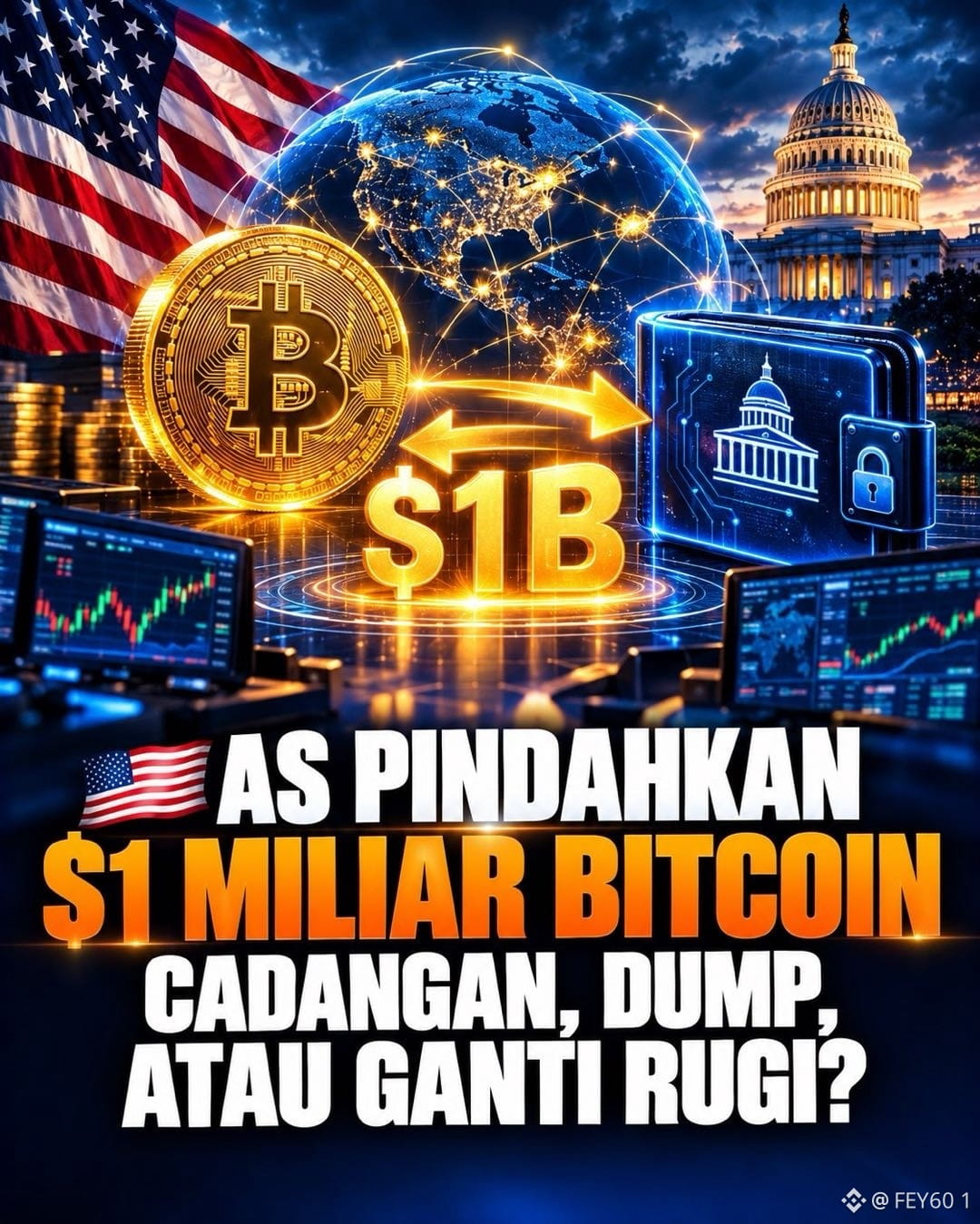
When a wallet linked to the U.S. government suddenly moved 12,267 BTC (around $1.01 billion) on October 8, the crypto community panicked.
There was only one narrative going around: “The government is going to dump again!”
But when we examine the on-chain data and court rulings, the reality is very different from the rumors circulating.
Let’s take a look at the real facts behind this massive move! 👇
📊 The Real Facts from On-Chain Data
1. No Evidence of a Sale: The 12,267 BTC was moved to a new, unlabeled address. Arkham data shows no confirmed deposits to an exchange or OTC desk.
2. Return of Bitfinex Assets: These coins were seized in connection with the Bitfinex hack. The court has ruled that the assets must be returned in their original form (restitution in kind) to Bitfinex, not sold at will.
3. Transfer to Coinbase Prime: The only transfer that actually went to Coinbase Prime was a smaller transaction the day before (October 7), totaling ~833.6 BTC ($71.56 million).
4. Remaining U.S. Holdings: As of today, U.S. government wallets still hold around $25.5 billion in crypto assets.
🔍 3 Key Points That Are Often Misunderstood
Restitution ≠ Dumping or Strategic Reserves: Getting caught up in the “sell vs. hold” narrative makes us overlook the legal facts. The government isn’t dumping coins on the market; it’s simply carrying out a court order to return stolen funds to their rightful owner.
Seized Coins Aren’t Automatically Free to Sell: Legally seized assets are subject to strict procedures. While the return process is underway, the government can’t simply liquidate those assets on the open market.
Did This Cause BTC’s Price to Fall? Blaming yesterday’s price drop on the movement of a U.S. government wallet doesn’t seem quite right. We also need to account for macro factors, such as geopolitical tensions in the Middle East and $487 million in ETF outflows.
💬 What do you think?
71
·
--
Bitcoin is actually not 100% anonymous, but more accurately called pseudonymous. Because its transactions are open to the public on the blockchain, anyone can view wallet addresses, transfer amounts, and the destination. What’s kept secret is only the owner’s name.
But that name can be uncovered if it’s linked to other data, such as identity verification (KTP) on official exchanges, transaction patterns, or special analytics tools.
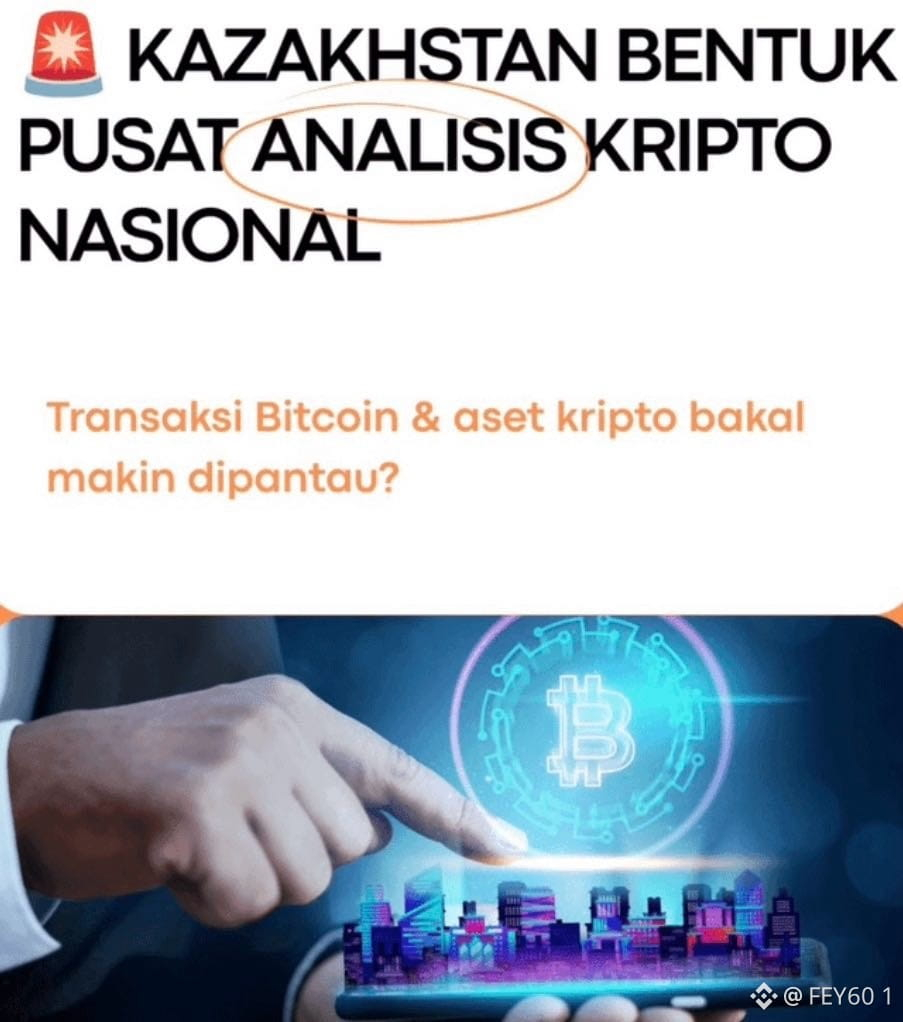
And now, Kazakhstan has even built a National Crypto Analysis Center to strengthen oversight of crypto transactions.
This system is designed to combine fiat and crypto transaction data. So information such as customer data, wallet addresses, and transaction activity can be analyzed within a single system.
Why is Kazakhstan doing this?
Because crypto has quite a large presence there. Kazakhstan is also known as one of the countries with significant Bitcoin mining activity, while the value of crypto transactions in the country has already reached more than US$10 billion.
So the government chose an approach of regulating and monitoring—not just banning it.
This shows that crypto is increasingly becoming part of a more organized financial system.
It doesn’t mean crypto becomes fully monitored or that every user’s identity is automatically exposed.
But one thing is clear:
Transaction trails on the blockchain exist, and with the right data and analytics technology, those trails can be traced.
What do you think: does this system make transactions safer, or does it make users feel overly monitored?
61
Log in to explore more content
Join global crypto users on Binance Square
⚡️ Get latest and useful information about crypto.
💬 Trusted by the world’s largest crypto exchange.
👍 Discover real insights from verified creators.
Email / Phone number
Trending Topics
NvidiaBeatsEstimatesAICloudStocksRiseAfterHours
7,269 views
86 Discussing
Nvidia Beats With $115.8 Billion in Revenue, Guides to $130 Billion and Adds $150 Billion Buyback
Binance News
·8 Likes
·12k views
A Packed Week of Earnings and Data Tests Markets
154,768 views
668 Discussing
AnthropicIPOTestsInvestorAppetiteForAI
341,635 views
2,944 Discussing