

كريبتو بالعربي
2k Posts

كريبتو بالعربي
 Square Verified+
Report
Block User
أهم أخبار واستراتيجيات الربح من بينانس والعملات الرقمية ببساطة. اكتشف شروحات التداول للمبتدئين ودليلك الشامل لاحتراف عالم المال
https://blockarabi.com

DeFi Challenge Winner

DeFi Challenge Participant
Open Trade
Frequent Trader
6 Years
56 Following
145.3K+ Followers
23.8K+ Liked
2 Badges
Posts
Portfolio
All
Quotes
Videos
Live
Verified
Article
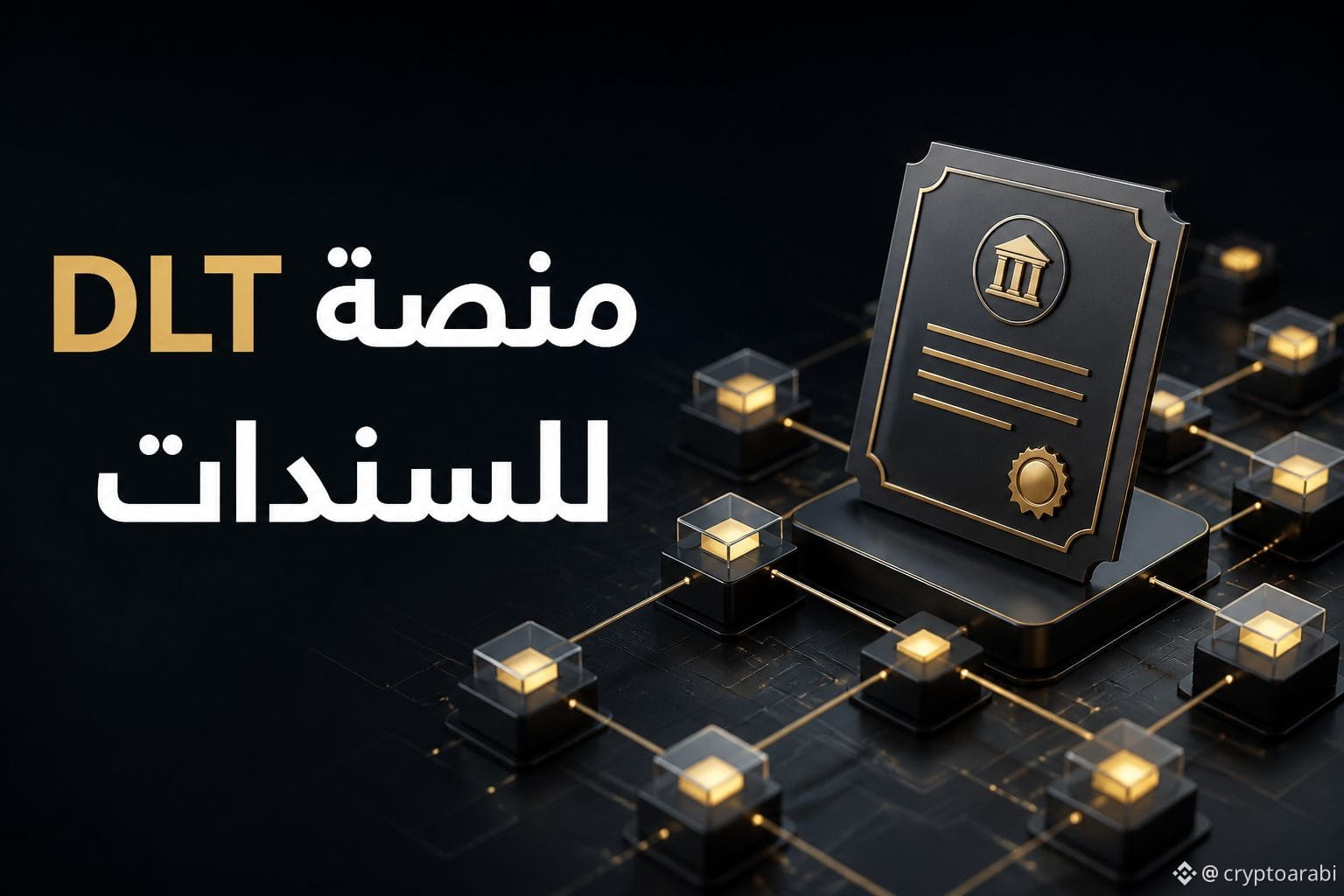
Bank Negara Malaysia Launches DLT Platform for Tokenized Bonds and SukukBank Negara Malaysia has launched a new distributed ledger technology (DLT)-based platform for issuing and holding tokenized bonds, a move that strengthens the infrastructure for tokenized finance and links ownership registration with payment settlement within an official central bank framework.
Bank Negara Malaysia said the new system, known as SSDS+, supports the issuance, holding and servicing of tokenized Islamic and debt securities, including sukuk. The platform digitally tracks ownership of these securities and their transfers, enabling more organized management of financial asset records.
Bank Negara Malaysia Launches DLT Platform for Tokenized Bonds and Sukuk
Bank Negara Malaysia has launched a new distributed ledger technology (DLT)-based platform for issuing and holding tokenized bonds, a move that strengthens the infrastructure for tokenized finance and links ownership registration with payment settlement within an official central bank framework.
Bank Negara Malaysia said the new system, known as SSDS+, supports the issuance, holding and servicing of tokenized Islamic and debt securities, including sukuk. The platform digitally tracks ownership of these securities and their transfers, enabling more organized management of financial asset records.
Bank Negara Malaysia said the new system, known as SSDS+, supports the issuance, holding and servicing of tokenized Islamic and debt securities, including sukuk. The platform digitally tracks ownership of these securities and their transfers, enabling more organized management of financial asset records.
1
1.4k

Article
FINMA approves Switzerland’s first Bitcoin ETF for retail investorsThe Swiss Financial Market Supervisory Authority (FINMA) has approved what it described as the country’s first Bitcoin ETF, which will invest directly in Bitcoin and be available to retail investors.
The approval came as the authority noted growing interest in investing in cryptocurrencies, particularly Bitcoin (BTC). Although the fund issuer was not named in the announcement, FINMA said that several providers had already submitted applications or announced their intention to apply to launch Bitcoin ETFs.
FINMA approves Switzerland’s first Bitcoin ETF for retail investors
The Swiss Financial Market Supervisory Authority (FINMA) has approved what it described as the country’s first Bitcoin ETF, which will invest directly in Bitcoin and be available to retail investors.
The approval came as the authority noted growing interest in investing in cryptocurrencies, particularly Bitcoin (BTC). Although the fund issuer was not named in the announcement, FINMA said that several providers had already submitted applications or announced their intention to apply to launch Bitcoin ETFs.
The approval came as the authority noted growing interest in investing in cryptocurrencies, particularly Bitcoin (BTC). Although the fund issuer was not named in the announcement, FINMA said that several providers had already submitted applications or announced their intention to apply to launch Bitcoin ETFs.
3
2
868

Article
U.S. Bitcoin Funds Post Biggest Inflow Since September, with Support from IBITU.S. spot Bitcoin ETFs recorded net inflows of $526.7 million on Monday, their largest daily inflow in nearly a month, following two consecutive weeks of net outflows.
According to data from Farside Investors, this was the strongest inflow since September 22, when the funds attracted $714.7 million. It also reversed a net outflow of $82.4 million recorded the previous Friday.
U.S. Bitcoin Funds Post Biggest Inflow Since September, with Support from IBIT
U.S. spot Bitcoin ETFs recorded net inflows of $526.7 million on Monday, their largest daily inflow in nearly a month, following two consecutive weeks of net outflows.
According to data from Farside Investors, this was the strongest inflow since September 22, when the funds attracted $714.7 million. It also reversed a net outflow of $82.4 million recorded the previous Friday.
According to data from Farside Investors, this was the strongest inflow since September 22, when the funds attracted $714.7 million. It also reversed a net outflow of $82.4 million recorded the previous Friday.
1
1
599
·
--
Bullish
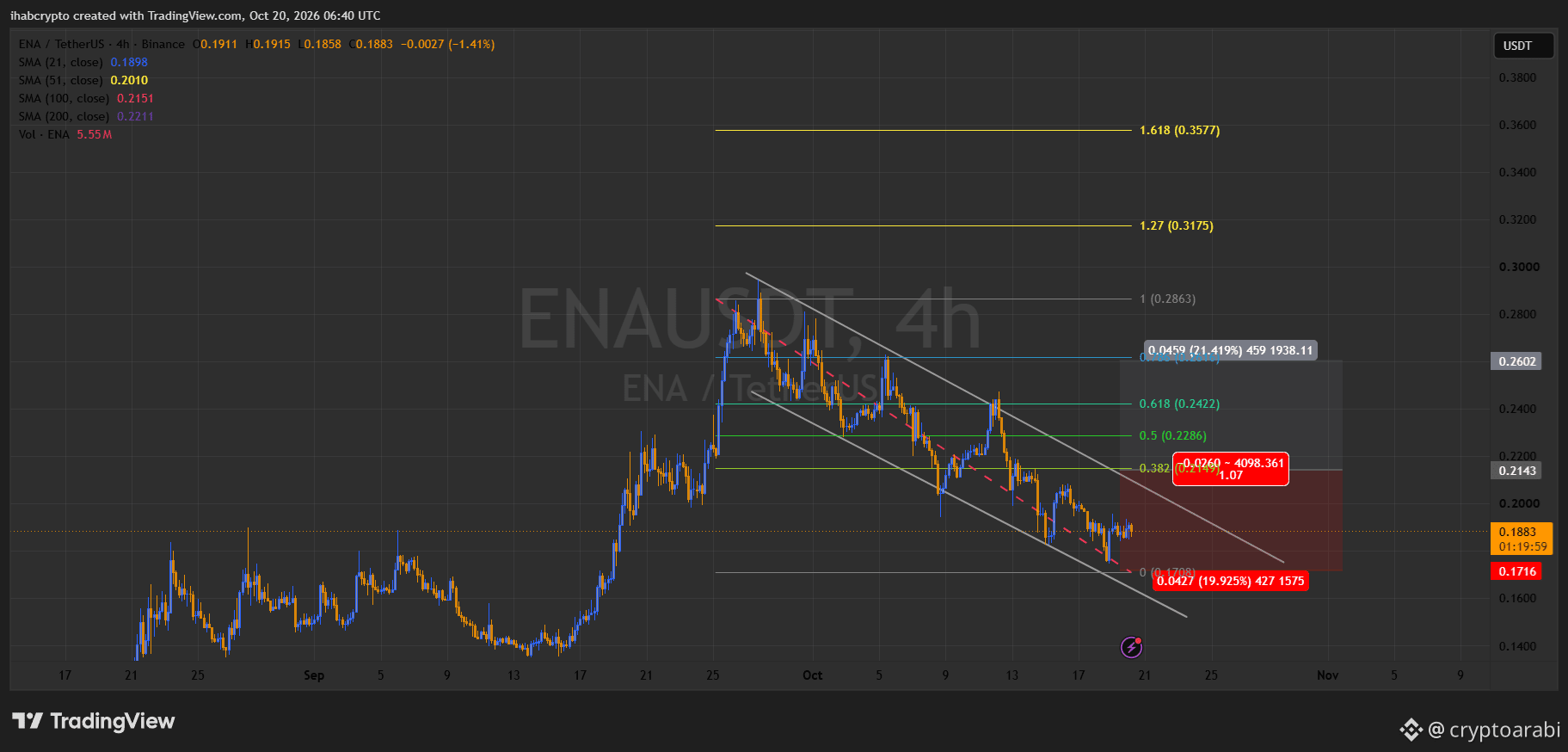
The time to buy currency $ENA is approaching. It is one of the currencies I consider very important in this cycle.
The time to buy currency $ENA is approaching. It is one of the currencies I consider very important in this cycle.
2
1.4k
Verified
Article
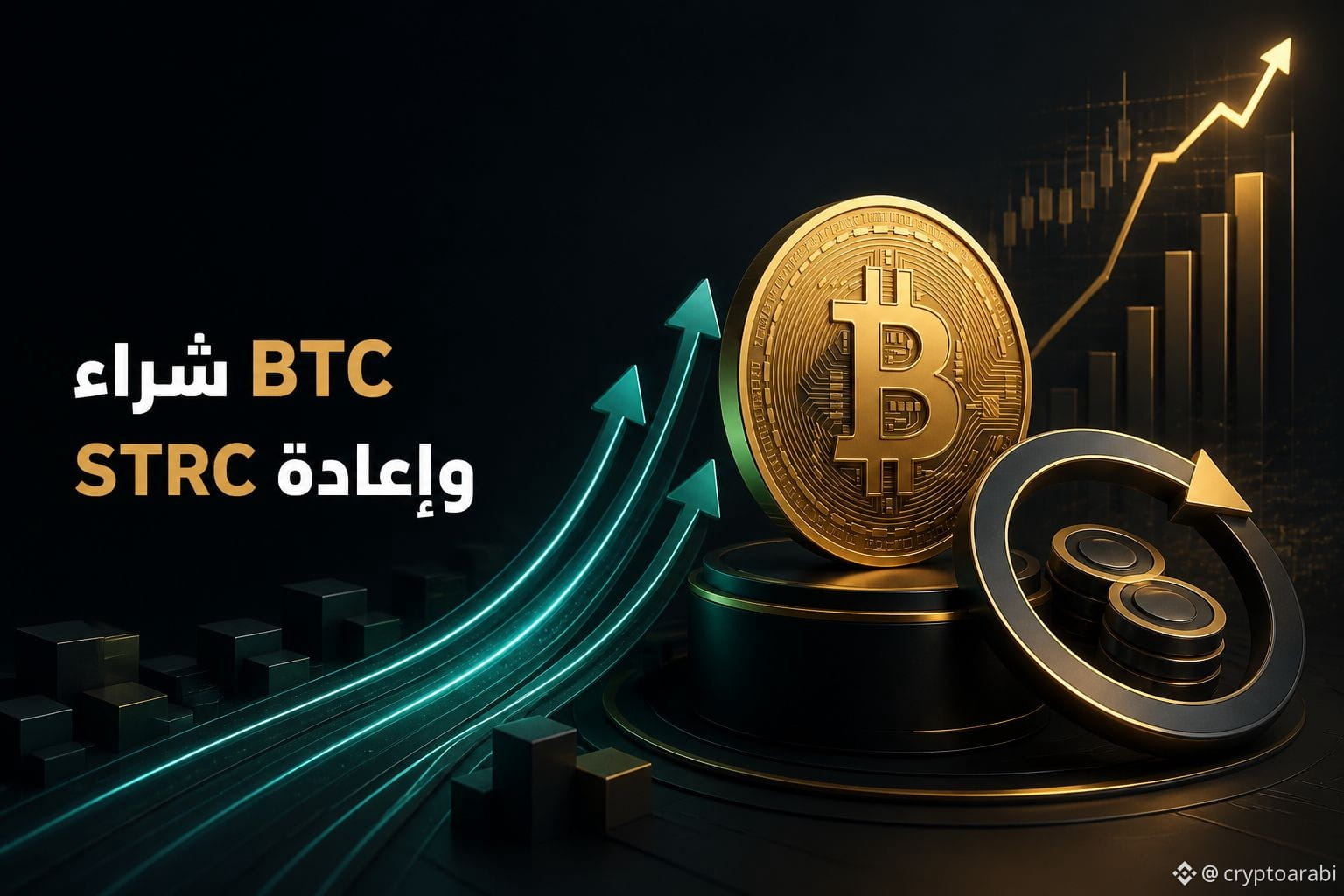
Strategy Adds 267 BTC and Repurchases $193 Million Worth of STRCStrategy, the largest publicly traded institutional holder of Bitcoin, continued its moves to increase its exposure to BTC while managing its capital structure through buybacks of its preferred shares.
According to a filing with the U.S. Securities and Exchange Commission, the company purchased 267 Bitcoin worth $22.1 million between October 12 and 18, at an average price of $82,900 per coin. The transaction brought the company’s holdings to 848,517 BTC.
Strategy Adds 267 BTC and Repurchases $193 Million Worth of STRC
Strategy, the largest publicly traded institutional holder of Bitcoin, continued its moves to increase its exposure to BTC while managing its capital structure through buybacks of its preferred shares.
According to a filing with the U.S. Securities and Exchange Commission, the company purchased 267 Bitcoin worth $22.1 million between October 12 and 18, at an average price of $82,900 per coin. The transaction brought the company’s holdings to 848,517 BTC.
According to a filing with the U.S. Securities and Exchange Commission, the company purchased 267 Bitcoin worth $22.1 million between October 12 and 18, at an average price of $82,900 per coin. The transaction brought the company’s holdings to 848,517 BTC.
1
3
715
Article
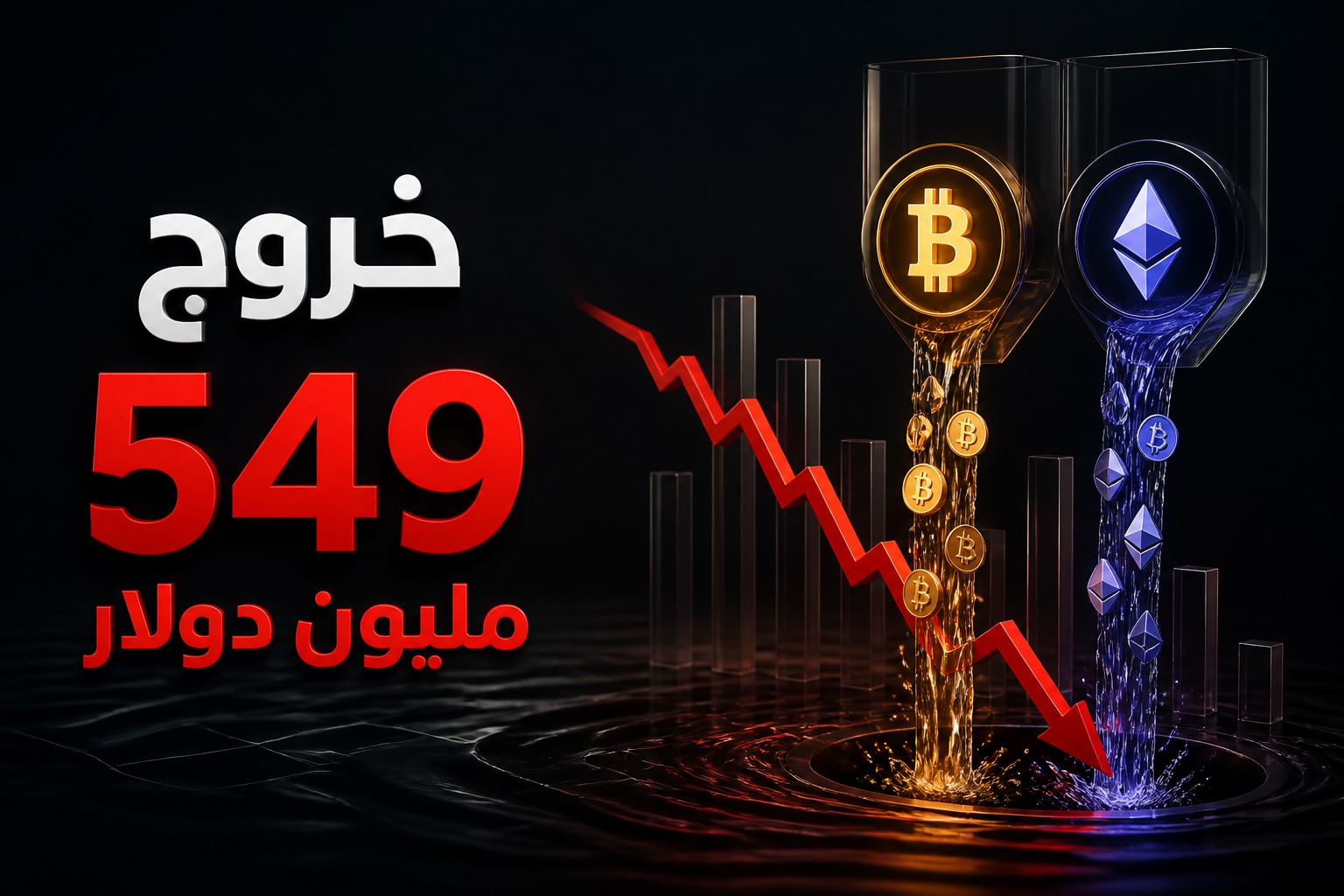
Spot Bitcoin and Ether Funds See $549 Million in Outflows as ETH’s October Bleed Nears $1 BillionU.S.-listed spot Bitcoin and Ether funds recorded net outflows of $549 million over the past week, another sign that liquidity continues to flow out of two of the market’s largest digital asset funds.
According to SoSoValue data, Bitcoin funds saw outflows of about $229 million, while Ether withdrawals were higher at $320 million. This reflects continued pressure on spot funds, with Ether remaining the hardest hit over the week.
Spot Bitcoin and Ether Funds See $549 Million in Outflows as ETH’s October Bleed Nears $1 Billion
U.S.-listed spot Bitcoin and Ether funds recorded net outflows of $549 million over the past week, another sign that liquidity continues to flow out of two of the market’s largest digital asset funds.
According to SoSoValue data, Bitcoin funds saw outflows of about $229 million, while Ether withdrawals were higher at $320 million. This reflects continued pressure on spot funds, with Ether remaining the hardest hit over the week.
According to SoSoValue data, Bitcoin funds saw outflows of about $229 million, while Ether withdrawals were higher at $320 million. This reflects continued pressure on spot funds, with Ether remaining the hardest hit over the week.
1
3
686
Verified
Article
Tether backs AIsa as a strategic partner in an extended funding roundAIsa announced that it had closed its seed extension round, with Tether and HIVEN joining as strategic investors. This brings the company’s total funding to more than $9 million.
The two new investors join a list of backers that includes Alibaba, Tribe Capital, Sumitomo Corporation, Draper Associates, Saison Capital, and others.
Tether backs AIsa as a strategic partner in an extended funding round
AIsa announced that it had closed its seed extension round, with Tether and HIVEN joining as strategic investors. This brings the company’s total funding to more than $9 million.
The two new investors join a list of backers that includes Alibaba, Tribe Capital, Sumitomo Corporation, Draper Associates, Saison Capital, and others.
The two new investors join a list of backers that includes Alibaba, Tribe Capital, Sumitomo Corporation, Draper Associates, Saison Capital, and others.
1
1.2k
Verified

Article
Lagarde: Euro area economy is resilient and the “digital euro” is nearingEuropean Central Bank President Christine Lagarde said the euro area economy continues to show some resilience, as the central bank presses ahead with its digital euro project as a forthcoming step in the modernization of payments in Europe.
Lagarde made the remarks in a speech at the International Monetary Fund’s annual meetings on Saturday, where she also discussed the state of inflation in the euro area. She said the September inflation rate of 3.8% largely reflects higher energy costs, with these pressures expected to ease over the coming year.
Lagarde: Euro area economy is resilient and the “digital euro” is nearing
European Central Bank President Christine Lagarde said the euro area economy continues to show some resilience, as the central bank presses ahead with its digital euro project as a forthcoming step in the modernization of payments in Europe.
Lagarde made the remarks in a speech at the International Monetary Fund’s annual meetings on Saturday, where she also discussed the state of inflation in the euro area. She said the September inflation rate of 3.8% largely reflects higher energy costs, with these pressures expected to ease over the coming year.
Lagarde made the remarks in a speech at the International Monetary Fund’s annual meetings on Saturday, where she also discussed the state of inflation in the euro area. She said the September inflation rate of 3.8% largely reflects higher energy costs, with these pressures expected to ease over the coming year.
1
993

Article
Crypto PACs Ramp Up Spending Against Sherrod Brown in Ohio RacePolitical groups linked to the cryptocurrency industry have ramped up spending in Ohio’s Senate race, a fresh sign that political money has become a key part of the battle to shape the next U.S. Congress.
According to filings submitted to the Federal Election Commission on Thursday, a Fairshake affiliate called Defend American Jobs spent about $46.6 million on media ads opposing Sherrod Brown’s return to the Senate, while supporting incumbent Republican Senator Jon Husted in Ohio’s 2026 midterm election race.
Crypto PACs Ramp Up Spending Against Sherrod Brown in Ohio Race
Political groups linked to the cryptocurrency industry have ramped up spending in Ohio’s Senate race, a fresh sign that political money has become a key part of the battle to shape the next U.S. Congress.
According to filings submitted to the Federal Election Commission on Thursday, a Fairshake affiliate called Defend American Jobs spent about $46.6 million on media ads opposing Sherrod Brown’s return to the Senate, while supporting incumbent Republican Senator Jon Husted in Ohio’s 2026 midterm election race.
According to filings submitted to the Federal Election Commission on Thursday, a Fairshake affiliate called Defend American Jobs spent about $46.6 million on media ads opposing Sherrod Brown’s return to the Senate, while supporting incumbent Republican Senator Jon Husted in Ohio’s 2026 midterm election race.
1
754
Article
Australia proposes bill to adopt OECD framework for cryptocurrency tax reportingAustralia has announced a draft bill aimed at enabling the automatic exchange of cryptocurrency tax information between countries, reflecting a clear acceleration toward more coordinated international regulation.
The bill is titled Treasury Laws Amendment Bill 2026: Tax information reporting and is open for public comment until October 28. According to the Australian Treasury, the proposed legislation will establish the legal basis for implementing the OECD’s Crypto-Asset Reporting Framework, or CARF, in Australian law, while also introducing a domestic crypto-asset reporting system.
Australia proposes bill to adopt OECD framework for cryptocurrency tax reporting
Australia has announced a draft bill aimed at enabling the automatic exchange of cryptocurrency tax information between countries, reflecting a clear acceleration toward more coordinated international regulation.
The bill is titled Treasury Laws Amendment Bill 2026: Tax information reporting and is open for public comment until October 28. According to the Australian Treasury, the proposed legislation will establish the legal basis for implementing the OECD’s Crypto-Asset Reporting Framework, or CARF, in Australian law, while also introducing a domestic crypto-asset reporting system.
The bill is titled Treasury Laws Amendment Bill 2026: Tax information reporting and is open for public comment until October 28. According to the Australian Treasury, the proposed legislation will establish the legal basis for implementing the OECD’s Crypto-Asset Reporting Framework, or CARF, in Australian law, while also introducing a domestic crypto-asset reporting system.
1
728
Article
Judge Rejects Bid to Vacate Gemini’s $5 Million Settlement with CFTCA U.S. federal judge rejected a joint request by the Gemini platform and the U.S. Commodity Futures Trading Commission (CFTC) to vacate a $5 million settlement, even though the commission itself had concluded that it might not have pursued the case under its current enforcement standards.
U.S. District Judge Alvin Hellerstein ruled that the CFTC’s shifting enforcement priorities, along with the allegations against the agency’s Enforcement Division, did not provide sufficient grounds to set aside the settlement reached in January 2025.
Judge Rejects Bid to Vacate Gemini’s $5 Million Settlement with CFTC
A U.S. federal judge rejected a joint request by the Gemini platform and the U.S. Commodity Futures Trading Commission (CFTC) to vacate a $5 million settlement, even though the commission itself had concluded that it might not have pursued the case under its current enforcement standards.
U.S. District Judge Alvin Hellerstein ruled that the CFTC’s shifting enforcement priorities, along with the allegations against the agency’s Enforcement Division, did not provide sufficient grounds to set aside the settlement reached in January 2025.
U.S. District Judge Alvin Hellerstein ruled that the CFTC’s shifting enforcement priorities, along with the allegations against the agency’s Enforcement Division, did not provide sufficient grounds to set aside the settlement reached in January 2025.
1
4
912
Verified

Article
Mastercard integrates stablecoin balances into banking payments and payment cardsMastercard is expanding its presence in stablecoin payments with a new platform that enables businesses to incorporate stablecoins into their banking services and traditional payment cards, without having to build their own infrastructure from scratch.
The new platform, called Global Money Platform, marks Mastercard’s first major integration with BVNK since its acquisition of the stablecoin infrastructure company in August, the company announced Thursday.
Mastercard integrates stablecoin balances into banking payments and payment cards
Mastercard is expanding its presence in stablecoin payments with a new platform that enables businesses to incorporate stablecoins into their banking services and traditional payment cards, without having to build their own infrastructure from scratch.
The new platform, called Global Money Platform, marks Mastercard’s first major integration with BVNK since its acquisition of the stablecoin infrastructure company in August, the company announced Thursday.
The new platform, called Global Money Platform, marks Mastercard’s first major integration with BVNK since its acquisition of the stablecoin infrastructure company in August, the company announced Thursday.
4
968
Verified

Article
VanEck Seeks to Withdraw ETF Application Linked to Lido Staked EtherAsset manager VanEck said it no longer plans to proceed with its proposed exchange-traded fund linked to Lido staked Ether, a product intended to give investors direct exposure to a liquid staking asset.
In a filing submitted to the U.S. Securities and Exchange Commission on Wednesday, VanEck Digital Assets said it does not intend to proceed with the planned distribution of the fund’s shares. The filing did not explain the reason for the decision, nor did it clarify whether the company would pursue an alternative product later.
VanEck Seeks to Withdraw ETF Application Linked to Lido Staked Ether
Asset manager VanEck said it no longer plans to proceed with its proposed exchange-traded fund linked to Lido staked Ether, a product intended to give investors direct exposure to a liquid staking asset.
In a filing submitted to the U.S. Securities and Exchange Commission on Wednesday, VanEck Digital Assets said it does not intend to proceed with the planned distribution of the fund’s shares. The filing did not explain the reason for the decision, nor did it clarify whether the company would pursue an alternative product later.
In a filing submitted to the U.S. Securities and Exchange Commission on Wednesday, VanEck Digital Assets said it does not intend to proceed with the planned distribution of the fund’s shares. The filing did not explain the reason for the decision, nor did it clarify whether the company would pursue an alternative product later.
6
1.1k

Article
Qivalis Obtains Electronic Money License in the Netherlands, Paving the Way for a Euro Stablecoin LaunchQivalis, a European banking consortium based in Amsterdam, announced that it has obtained an electronic money institution license from the Dutch central bank, a significant regulatory milestone that paves the way for it to launch a euro-denominated stablecoin.
The license, issued by De Nederlandsche Bank, gives the company status as an entity subject to ongoing central bank supervision and also authorizes it to issue euro-denominated electronic money tokens. Qivalis has therefore cleared one of the major regulatory hurdles that stood between it and entering this market.
Qivalis Obtains Electronic Money License in the Netherlands, Paving the Way for a Euro Stablecoin Launch
Qivalis, a European banking consortium based in Amsterdam, announced that it has obtained an electronic money institution license from the Dutch central bank, a significant regulatory milestone that paves the way for it to launch a euro-denominated stablecoin.
The license, issued by De Nederlandsche Bank, gives the company status as an entity subject to ongoing central bank supervision and also authorizes it to issue euro-denominated electronic money tokens. Qivalis has therefore cleared one of the major regulatory hurdles that stood between it and entering this market.
The license, issued by De Nederlandsche Bank, gives the company status as an entity subject to ongoing central bank supervision and also authorizes it to issue euro-denominated electronic money tokens. Qivalis has therefore cleared one of the major regulatory hurdles that stood between it and entering this market.
1
1k

Article
Ledger asks distributors in Southeast Asia and Hong Kong to halt sales of its devicesLedger has asked sellers and authorized distributors of its devices in six Southeast Asian markets, as well as Hong Kong, to suspend sales and remove its hardware wallets from shelves, as the company continues to investigate reports involving devices suspected of having been tampered with.
According to an announcement the company made on X on Tuesday, the request covers distributors in Indonesia, Singapore, Thailand, the Philippines, Vietnam and Malaysia, as well as Hong Kong. Ledger says the aim is to contain the situation until it can determine where in the distribution chain the tampering occurred.
Ledger asks distributors in Southeast Asia and Hong Kong to halt sales of its devices
Ledger has asked sellers and authorized distributors of its devices in six Southeast Asian markets, as well as Hong Kong, to suspend sales and remove its hardware wallets from shelves, as the company continues to investigate reports involving devices suspected of having been tampered with.
According to an announcement the company made on X on Tuesday, the request covers distributors in Indonesia, Singapore, Thailand, the Philippines, Vietnam and Malaysia, as well as Hong Kong. Ledger says the aim is to contain the situation until it can determine where in the distribution chain the tampering occurred.
According to an announcement the company made on X on Tuesday, the request covers distributors in Indonesia, Singapore, Thailand, the Philippines, Vietnam and Malaysia, as well as Hong Kong. Ledger says the aim is to contain the situation until it can determine where in the distribution chain the tampering occurred.
3
1.2k
Verified

Article
Binance to shut down mining pool services on November 10Binance has announced that it will shut down its mining pool and related services on November 10, ending an operation that has lasted for more than six years.
The shutdown includes Binance Pool and other services such as Pool Savings, Cloud Mining, and Transaction Accelerator, as well as related features such as mining pool APIs and hashrate notifications.
Binance to shut down mining pool services on November 10
Binance has announced that it will shut down its mining pool and related services on November 10, ending an operation that has lasted for more than six years.
The shutdown includes Binance Pool and other services such as Pool Savings, Cloud Mining, and Transaction Accelerator, as well as related features such as mining pool APIs and hashrate notifications.
The shutdown includes Binance Pool and other services such as Pool Savings, Cloud Mining, and Transaction Accelerator, as well as related features such as mining pool APIs and hashrate notifications.
3
1.1k
Article
South Korea blocks 27 cryptocurrency websites, including KuCoin and MEXCAuthorities in South Korea have approved measures to block domestic access to 27 websites operated by unregistered cryptocurrency platforms and virtual asset service providers, primarily targeting entities operating outside the country’s established regulatory framework.
The list includes prominent names such as KuCoin, MEXC, Phemex, and Bitrue, as well as other platforms including CoinW, BTCC, BitMart, BingX, and DigiFinex.
South Korea blocks 27 cryptocurrency websites, including KuCoin and MEXC
Authorities in South Korea have approved measures to block domestic access to 27 websites operated by unregistered cryptocurrency platforms and virtual asset service providers, primarily targeting entities operating outside the country’s established regulatory framework.
The list includes prominent names such as KuCoin, MEXC, Phemex, and Bitrue, as well as other platforms including CoinW, BTCC, BitMart, BingX, and DigiFinex.
The list includes prominent names such as KuCoin, MEXC, Phemex, and Bitrue, as well as other platforms including CoinW, BTCC, BitMart, BingX, and DigiFinex.
2
4
1.1k
Verified
Article
Standard Chartered Adds RLUSD Custody, Targets Its Use as Trading CollateralStandard Chartered has announced the launch of institutional custody services for Ripple’s RLUSD stablecoin on the XRP Ledger, strengthening the stablecoin’s presence in institutional financial infrastructure and paving the way for broader use in trading and lending.
The new service is offered through the bank’s branch at the Dubai International Financial Centre, giving eligible institutional clients access to the bank’s digital asset custody infrastructure, with direct support for RLUSD on the same network the stablecoin operates on.
Standard Chartered Adds RLUSD Custody, Targets Its Use as Trading Collateral
Standard Chartered has announced the launch of institutional custody services for Ripple’s RLUSD stablecoin on the XRP Ledger, strengthening the stablecoin’s presence in institutional financial infrastructure and paving the way for broader use in trading and lending.
The new service is offered through the bank’s branch at the Dubai International Financial Centre, giving eligible institutional clients access to the bank’s digital asset custody infrastructure, with direct support for RLUSD on the same network the stablecoin operates on.
The new service is offered through the bank’s branch at the Dubai International Financial Centre, giving eligible institutional clients access to the bank’s digital asset custody infrastructure, with direct support for RLUSD on the same network the stablecoin operates on.
5
4.9k

Article
France backs reporting rule for cryptocurrency wallets worth over €100,000French lawmakers have backed a new proposal that could change how some cryptocurrency users handle tax disclosures in France. The amendment targets holders of self-custodied crypto assets—that is, assets not held with a crypto-asset service provider—including assets stored in personal wallets.
Under the proposal, any holding worth €100,000 or more, equivalent to about $112,000, would be subject to a new reporting requirement. Owners of these assets would be required to declare them based on their value on December 31 each year.
France backs reporting rule for cryptocurrency wallets worth over €100,000
French lawmakers have backed a new proposal that could change how some cryptocurrency users handle tax disclosures in France. The amendment targets holders of self-custodied crypto assets—that is, assets not held with a crypto-asset service provider—including assets stored in personal wallets.
Under the proposal, any holding worth €100,000 or more, equivalent to about $112,000, would be subject to a new reporting requirement. Owners of these assets would be required to declare them based on their value on December 31 each year.
Under the proposal, any holding worth €100,000 or more, equivalent to about $112,000, would be subject to a new reporting requirement. Owners of these assets would be required to declare them based on their value on December 31 each year.
1
560
Article
Ledger confirms unauthorized hardware implant and losses that could exceed $86 millionLedger announced that it is investigating reports of losses linked to its hardware wallet devices purchased through a distributor in Southeast Asia, confirming that one affected device contained an unauthorized hardware implant.
The company said in a post on X on Saturday that it is contacting users as part of its ongoing investigation into the incident, which researcher Specter estimated could exceed $86 million across Bitcoin, Ethereum, and Tron.
Ledger confirms unauthorized hardware implant and losses that could exceed $86 million
Ledger announced that it is investigating reports of losses linked to its hardware wallet devices purchased through a distributor in Southeast Asia, confirming that one affected device contained an unauthorized hardware implant.
The company said in a post on X on Saturday that it is contacting users as part of its ongoing investigation into the incident, which researcher Specter estimated could exceed $86 million across Bitcoin, Ethereum, and Tron.
The company said in a post on X on Saturday that it is contacting users as part of its ongoing investigation into the incident, which researcher Specter estimated could exceed $86 million across Bitcoin, Ethereum, and Tron.
2
1
5
4.4k
Log in to explore more content
Join global crypto users on Binance Square
⚡️ Get latest and useful information about crypto.
💬 Trusted by the world’s largest crypto exchange.
👍 Discover real insights from verified creators.
Email / Phone number
Trending Topics
BinancePick
2.5M views
137,309 Discussing
Join #EarningsSeason: Predict Earnings on Binance Pick, Share Your Take on Binance Square!
Binance Square Official
·399 Likes
·336.9k views
EarningsSeason
4.9M views
23,837 Discussing
ElectrumWalletBugLetRogueServersStealFunds
1,797 views
110 Discussing