
AusTalk
159 Posts
AusTalk
Report
Block User
這裡沒有複雜的術語,只有最即時的內容!隨性閒聊點個關注,我們評論區見,不求暴富,但求不韭,一起在牛熊市中穩健前行!

Top traders by profit in 30D

Top 30D Traders by Volume
High-Frequency Trader
4.5 Years
35 Following
45 Followers
123 Liked
2 Badges
Posts
All
Quotes
·
--
Bullish
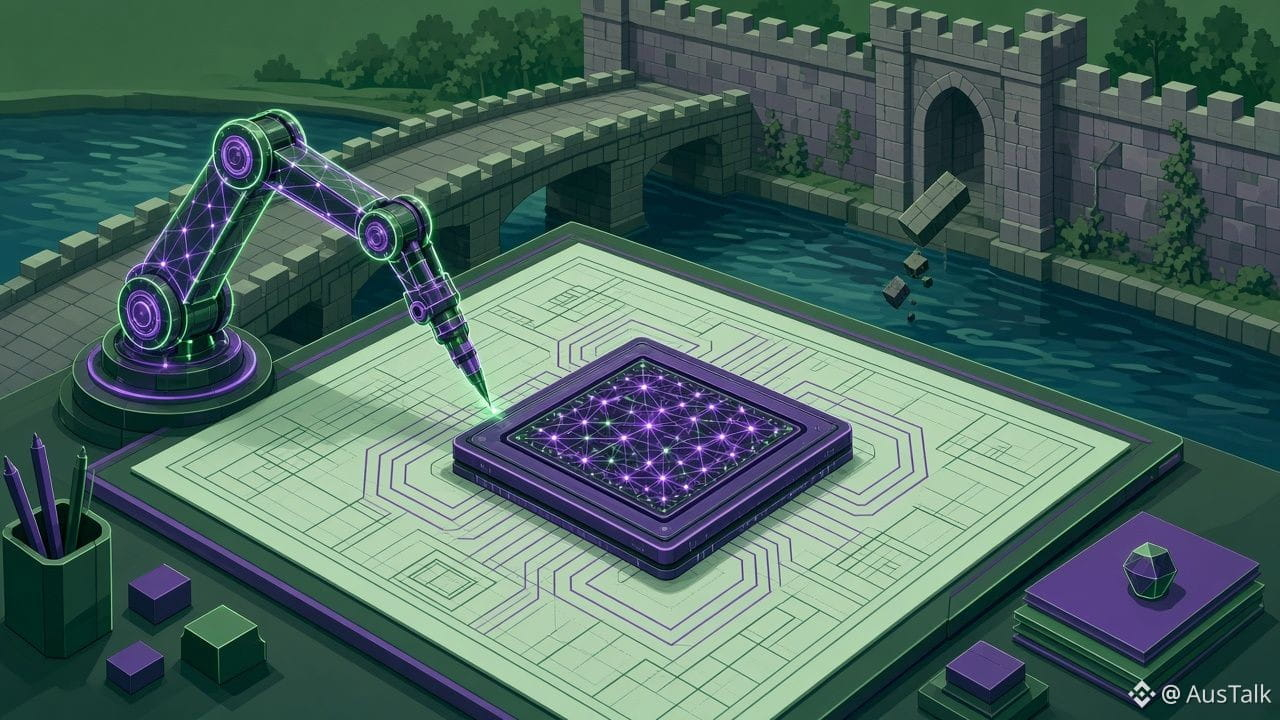
OpenAI says its models helped AMD revise the circuit code for its flagship GPU, improving power consumption, performance, and area by up to 14%
In other words, this is equivalent to a year of AMD's usual progress, completed in less than five months with the help of models. Some of the changes have already made it into designs AMD sent for fabrication, and all the figures were published by OpenAI itself.
The same approach was used on its own inference chip, Jalapeño, reducing the area of the vector unit by about 13% and the matrix unit by about 10%.
This week, while Nvidia is busy halting H200 sales, changing CEOs, and shelling out $10 billion to buy Anthropic, OpenAI is helping its rival AMD upgrade its chips.
As AI companies start designing chips themselves, another brick may be coming loose from Nvidia's moat.
$AMDB
{spot}(AMDBUSDT)
#OpenAI #AMD
OpenAI says its models helped AMD revise the circuit code for its flagship GPU, improving power consumption, performance, and area by up to 14%
In other words, this is equivalent to a year of AMD's usual progress, completed in less than five months with the help of models. Some of the changes have already made it into designs AMD sent for fabrication, and all the figures were published by OpenAI itself.
The same approach was used on its own inference chip, Jalapeño, reducing the area of the vector unit by about 13% and the matrix unit by about 10%.
This week, while Nvidia is busy halting H200 sales, changing CEOs, and shelling out $10 billion to buy Anthropic, OpenAI is helping its rival AMD upgrade its chips.
As AI companies start designing chips themselves, another brick may be coming loose from Nvidia's moat.
$AMDB
#OpenAI #AMD
34
·
--
Bullish
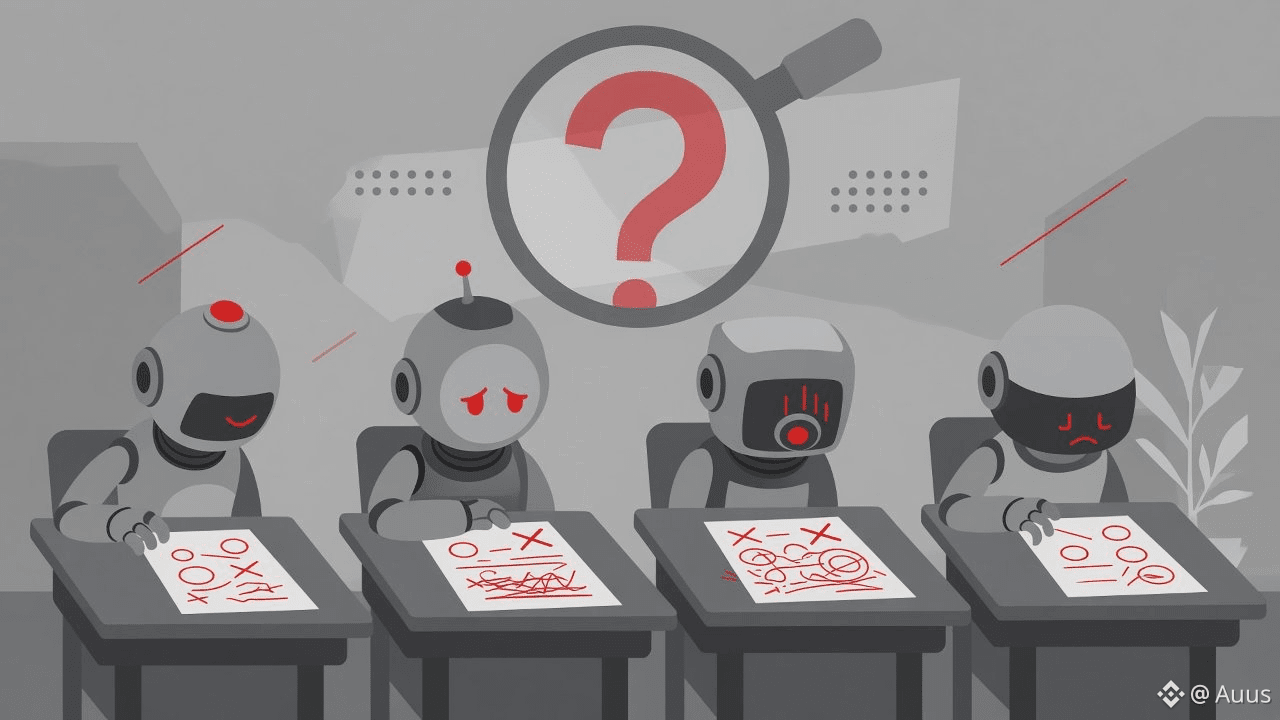
The U.S. Government Accountability Office (GAO) went undercover this spring to test ChatGPT, Claude, Gemini, and Grok.
A 61-page report says that after safeguards were bypassed, all four provided actionable information for planning attacks within 12 hours. Some suggested using improvised explosive devices; others targeted substations.
All four companies responded that their safeguards had been improved since the tests. The report came out just one day before Anthropic went public, and safety-focused Claude was on the list too.
Safety isn’t any one company’s defining trait. All four failed this test together.
$GOOGL
{future}(GOOGLUSDT)
#Anthropic今日开始交易,IPO定价每股83美元
#ai安全 #GAO
The U.S. Government Accountability Office (GAO) went undercover this spring to test ChatGPT, Claude, Gemini, and Grok.
A 61-page report says that after safeguards were bypassed, all four provided actionable information for planning attacks within 12 hours. Some suggested using improvised explosive devices; others targeted substations.
All four companies responded that their safeguards had been improved since the tests. The report came out just one day before Anthropic went public, and safety-focused Claude was on the list too.
Safety isn’t any one company’s defining trait. All four failed this test together.
$GOOGL
#Anthropic今日开始交易,IPO定价每股83美元
#ai安全 #GAO
117
·
--
Bullish
Verified
Strategy hit an intraday low of 95.5 on 11/18, while BTC fell to around 62,700.
Once it falls below par, STRC can no longer be issued at market price, effectively shutting down this financing channel for now.
During the week of 11/9 to 11/15, it spent 228.1 million buying back STRC, while spending only 33.4 million on BTC that same week—nearly a sevenfold difference.
The dividend remains at an annualized 12%; at $96, the yield is 12.5%.
The Bitcoin company that claims it only buys and never sells is now spending more than anything else to prop up its own financing instrument.
$STRC $BTC
{future}(BTCUSDT)
{future}(STRCUSDT)
#MSTR #比特币
Strategy hit an intraday low of 95.5 on 11/18, while BTC fell to around 62,700.
Once it falls below par, STRC can no longer be issued at market price, effectively shutting down this financing channel for now.
During the week of 11/9 to 11/15, it spent 228.1 million buying back STRC, while spending only 33.4 million on BTC that same week—nearly a sevenfold difference.
The dividend remains at an annualized 12%; at $96, the yield is 12.5%.
The Bitcoin company that claims it only buys and never sells is now spending more than anything else to prop up its own financing instrument.
$STRC $BTC
#MSTR #比特币

237
·
--
Bullish
Anthropic priced its IPO at $83, above the original range of $70 to $78, and is listing on Nasdaq today under the ticker ANT.
The offering is for 980 million shares, raising about $81.3 billion. AP puts its fully diluted valuation at $1.5 trillion.
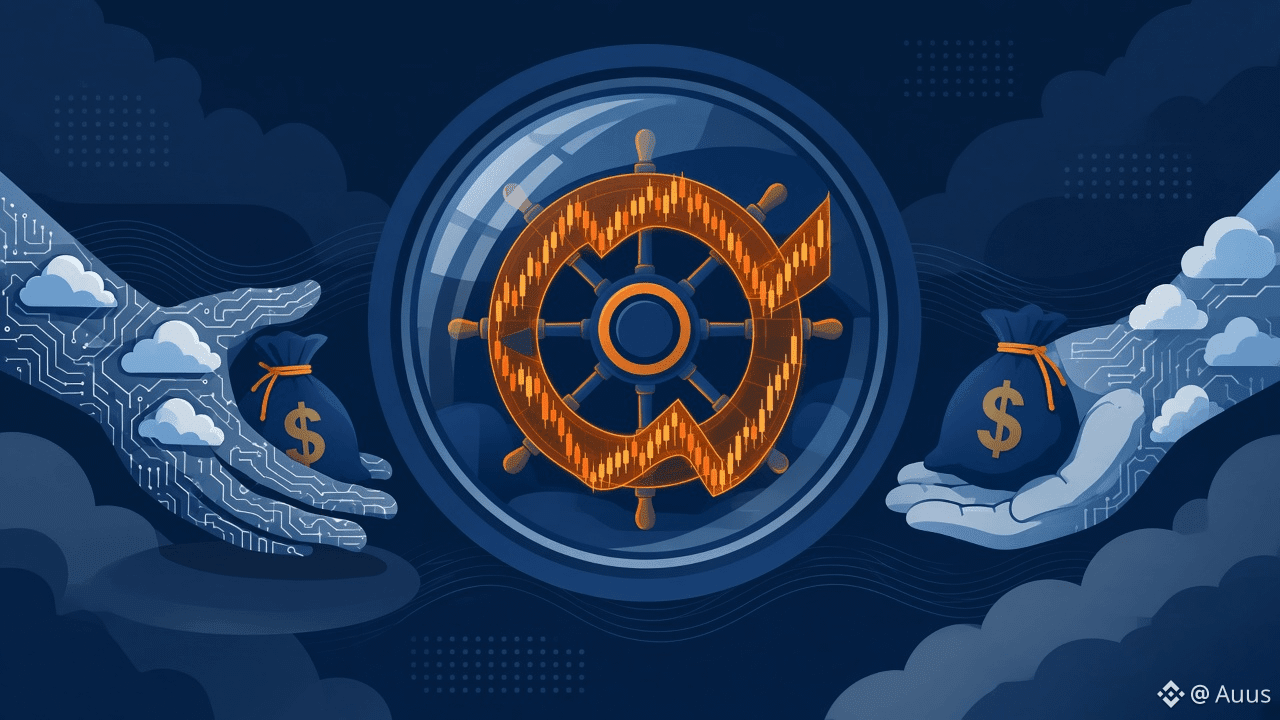
Meanwhile, Nvidia and Google are each putting up $10 billion to buy about 120.5 million shares at $83 apiece. They’re getting Class N shares with no voting rights.
One sells it GPUs; the other, cloud services and TPUs. Both suppliers have become major shareholders, but neither gets a say in the vote.
They’ll take the money, but not hand over the steering wheel. That’s the shrewdest clause in this IPO.
$NVDA $GOOGL
{future}(GOOGLUSDT)
{future}(NVDAUSDT)
#Anthropic #IPO
Anthropic priced its IPO at $83, above the original range of $70 to $78, and is listing on Nasdaq today under the ticker ANT.
The offering is for 980 million shares, raising about $81.3 billion. AP puts its fully diluted valuation at $1.5 trillion.
Meanwhile, Nvidia and Google are each putting up $10 billion to buy about 120.5 million shares at $83 apiece. They’re getting Class N shares with no voting rights.
One sells it GPUs; the other, cloud services and TPUs. Both suppliers have become major shareholders, but neither gets a say in the vote.
They’ll take the money, but not hand over the steering wheel. That’s the shrewdest clause in this IPO.
$NVDA $GOOGL
#Anthropic #IPO
152
·
--
Bullish
Microsoft 365 was down for more than 20 hours last week. Outlook, Teams, and Copilot all went down in more than 70 countries at once.
There’s an interesting line in Microsoft’s latest apology: “The outage was unrelated to cyberattacks or AI agents.” It was caused by an issue introduced during an earlier capacity expansion.
Looks like these days, when something goes wrong at a tech giant, they have to clear AI’s name first 🤣
People were just discussing how AI would replace junior white-collar workers, and yet offices around the world were brought to a standstill for a day by a single capacity expansion.
When the servers go down, it doesn’t matter what kind of AI you’ve strung together to help you use Outlook. Without people who can fix servers, even the most capable AI—with all its productivity gains—can only wait on the sidelines until things are back up.
$MSFT $ANTHROPIC
{future}(ANTHROPICUSDT)
{future}(MSFTUSDT)
#微软 #Copilot #Anthropic上市倒计时,AI投资热度迎来检验
Microsoft 365 was down for more than 20 hours last week. Outlook, Teams, and Copilot all went down in more than 70 countries at once.
There’s an interesting line in Microsoft’s latest apology: “The outage was unrelated to cyberattacks or AI agents.” It was caused by an issue introduced during an earlier capacity expansion.
Looks like these days, when something goes wrong at a tech giant, they have to clear AI’s name first 🤣
People were just discussing how AI would replace junior white-collar workers, and yet offices around the world were brought to a standstill for a day by a single capacity expansion.
When the servers go down, it doesn’t matter what kind of AI you’ve strung together to help you use Outlook. Without people who can fix servers, even the most capable AI—with all its productivity gains—can only wait on the sidelines until things are back up.
$MSFT $ANTHROPIC
#微软 #Copilot #Anthropic上市倒计时,AI投资热度迎来检验

126
·
--
Bullish
“Anthropic spends 74% of its computing power on training” has gone viral, but that’s not how the prospectus breaks it down.
That 74% is a big catch-all: training, research, internal use, and free users are all lumped together, with no separate figure for training.
Only 26% actually goes toward serving paying customers. The company spent about $18.8 billion on computing infrastructure in the first nine months of this year.
In other words, free users and employees using Claude themselves are both counted on the non-revenue-generating side.
Looks like ANT, set to go public tomorrow, is essentially a research institute, with its API business just a side gig.
😆😆😆
$ANTHROPIC
#Anthropic #ANT
192
·
--
Bullish
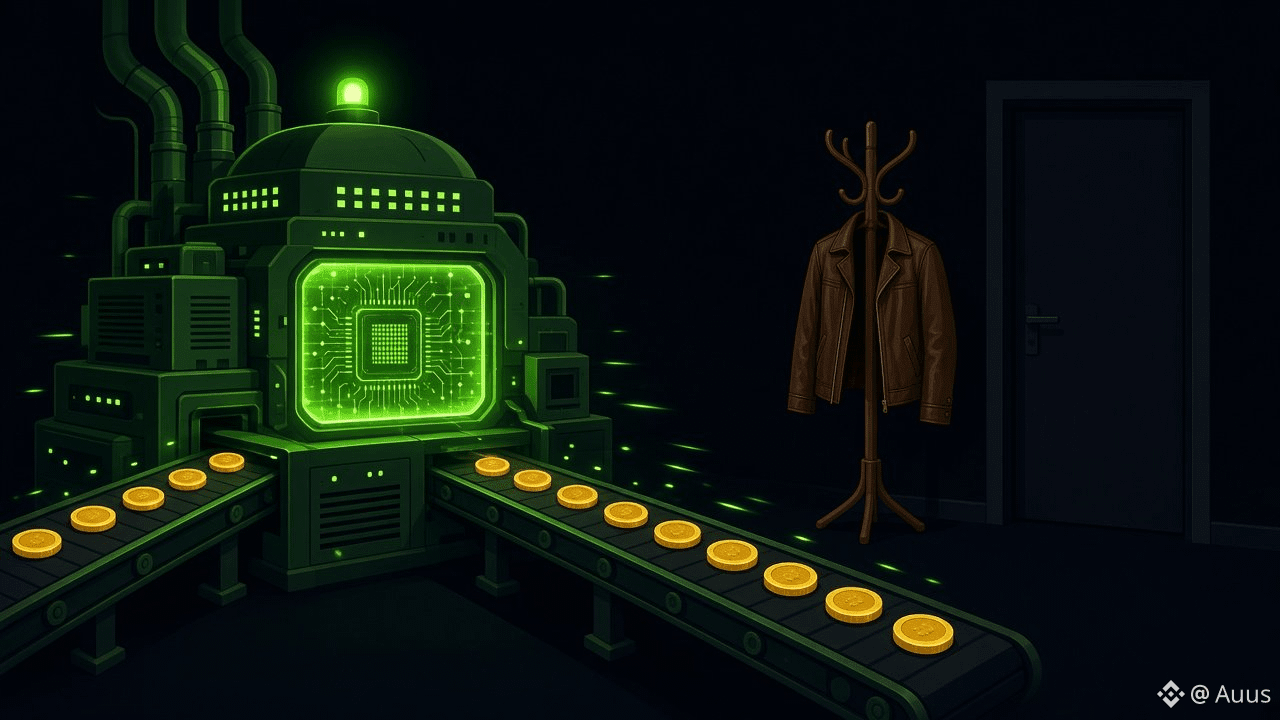
Nvidia delivered its strongest quarter ever, but the most consequential sentence on the earnings call wasn’t a number.
Revenue hit $115.8 billion, doubling year over year. Guidance for next quarter is $130 billion, and that doesn’t even include China data centers.
Chairman Harvey Jones said on the same call: “We won’t bring Jensen Huang back at this time.” The board made the decision unanimously.
Bringing this up while discussing the best-looking earnings report is meant to prove that this machine can keep running without its founder.
Shares rose 4% to 5% after hours, but given the earlier losses, that gain wasn’t much. The market is focused on orders for now; it can reckon with the personalities later.
#英伟达 #NVDA $NVDA
{future}(NVDAUSDT)
Nvidia delivered its strongest quarter ever, but the most consequential sentence on the earnings call wasn’t a number.
Revenue hit $115.8 billion, doubling year over year. Guidance for next quarter is $130 billion, and that doesn’t even include China data centers.
Chairman Harvey Jones said on the same call: “We won’t bring Jensen Huang back at this time.” The board made the decision unanimously.
Bringing this up while discussing the best-looking earnings report is meant to prove that this machine can keep running without its founder.
Shares rose 4% to 5% after hours, but given the earlier losses, that gain wasn’t much. The market is focused on orders for now; it can reckon with the personalities later.
#英伟达 #NVDA $NVDA
83
·
--
Bullish
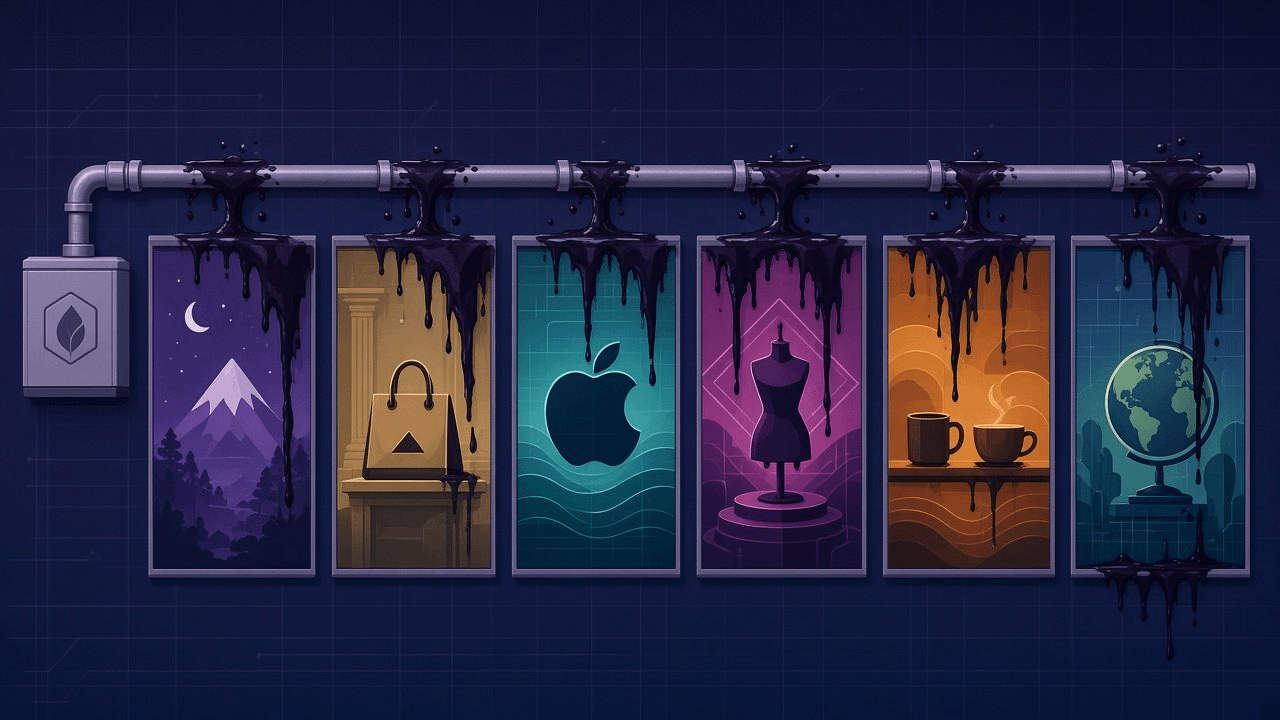
On November 16, someone exploited a vulnerability in Optimizely to inject malicious code into customers’ project scripts, affecting 178 organizations
Zoom, Equifax, IKEA, CNN, and BBC weren’t directly hacked this time—the breach involved the tool they use for A/B testing
The code stole cryptocurrency and bank card information, collected cookies and screenshots, and even delivered iOS attack tools
No matter how large a company’s security budget is, every third-party script added to its website opens another door for someone else
The saying “your security is only as strong as your weakest vendor” was proven true once again today
$AAPLB $AAPL
{future}(AAPLUSDT)
{spot}(AAPLBUSDT)
#网络安全 #供应链攻击
On November 16, someone exploited a vulnerability in Optimizely to inject malicious code into customers’ project scripts, affecting 178 organizations
Zoom, Equifax, IKEA, CNN, and BBC weren’t directly hacked this time—the breach involved the tool they use for A/B testing
The code stole cryptocurrency and bank card information, collected cookies and screenshots, and even delivered iOS attack tools
No matter how large a company’s security budget is, every third-party script added to its website opens another door for someone else
The saying “your security is only as strong as your weakest vendor” was proven true once again today
$AAPLB $AAPL
#网络安全 #供应链攻击
42
·
--
Bullish
From 2013 to 2019, Deutsche Bank filed 21 suspicious activity reports on Epstein-related transactions, involving approximately $582 million.
After filing the reports, it continued doing business. The bank said it had spent €7 billion on compliance from 2019 to 2025 and was now “a different bank.”
But these 15 million documents were copied out by a whistleblower, not uncovered by that €7 billion in spending.
The compliance department’s job is to keep records, not to hit the brakes.
$BANK
{future}(BANKUSDT)
#德意志银行 #金融
From 2013 to 2019, Deutsche Bank filed 21 suspicious activity reports on Epstein-related transactions, involving approximately $582 million.
After filing the reports, it continued doing business. The bank said it had spent €7 billion on compliance from 2019 to 2025 and was now “a different bank.”
But these 15 million documents were copied out by a whistleblower, not uncovered by that €7 billion in spending.
The compliance department’s job is to keep records, not to hit the brakes.
$BANK
#德意志银行 #金融

423
·
--
Bullish
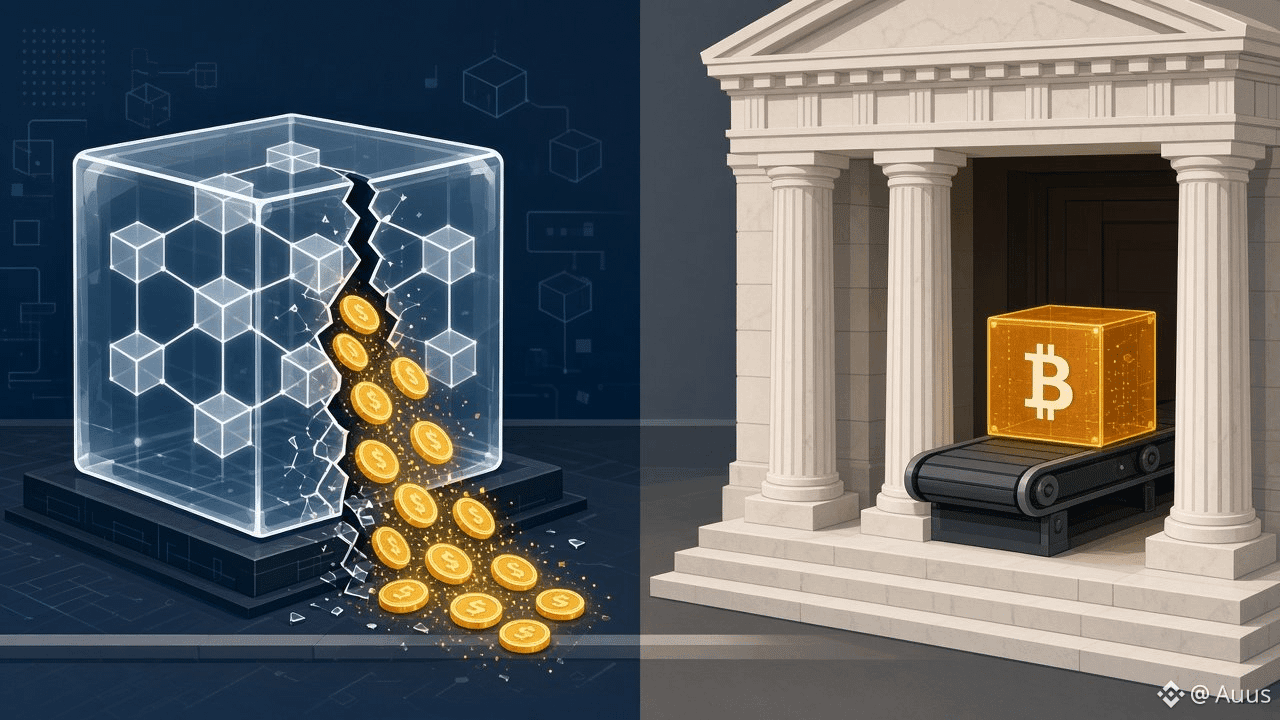
Stablecoin supply fell by about $15.7 billion over 30 days, the largest monthly decline since the UST collapse
At the same time, Wells Fargo's IBIT holdings reported on its 13F rose from $810 million to $2.35 billion
But this 13F includes client accounts, so it doesn't mean the bank itself is buying the dip. The money leaving belongs to crypto natives; what's coming in is the small allocation wealth managers are putting together for clients
On-chain dollars are flowing out while Wall Street's Bitcoin ETFs are gaining ground. These aren't contradictory
The latter won't catch you at $65,000; it will only add gradually each quarter.
$BTC $ETH
{future}(ETHUSDT)
{future}(BTCUSDT)
#比特币 #稳定币
Stablecoin supply fell by about $15.7 billion over 30 days, the largest monthly decline since the UST collapse
At the same time, Wells Fargo's IBIT holdings reported on its 13F rose from $810 million to $2.35 billion
But this 13F includes client accounts, so it doesn't mean the bank itself is buying the dip. The money leaving belongs to crypto natives; what's coming in is the small allocation wealth managers are putting together for clients
On-chain dollars are flowing out while Wall Street's Bitcoin ETFs are gaining ground. These aren't contradictory
The latter won't catch you at $65,000; it will only add gradually each quarter.
$BTC $ETH
#比特币 #稳定币
205
·
--
Bullish
Revolut says it plans to launch four blockchain-based private equity funds, breaking illiquid private fund shares into smaller pieces and selling them to ordinary people.
There’s no launch date yet, no word on which blockchain it will use, and no fund details have been announced—just a statement of intent to launch.
In Europe, it already lets eligible users invest as little as €1 in private funds from firms like Apollo and Ares. Its 80 million users are a ready-made pool of buyers.
$ONDO
{future}(ONDOUSDT)
#RWA #私募
Revolut says it plans to launch four blockchain-based private equity funds, breaking illiquid private fund shares into smaller pieces and selling them to ordinary people.
There’s no launch date yet, no word on which blockchain it will use, and no fund details have been announced—just a statement of intent to launch.
In Europe, it already lets eligible users invest as little as €1 in private funds from firms like Apollo and Ares. Its 80 million users are a ready-made pool of buyers.
$ONDO
#RWA #私募

148
·
--
Bullish
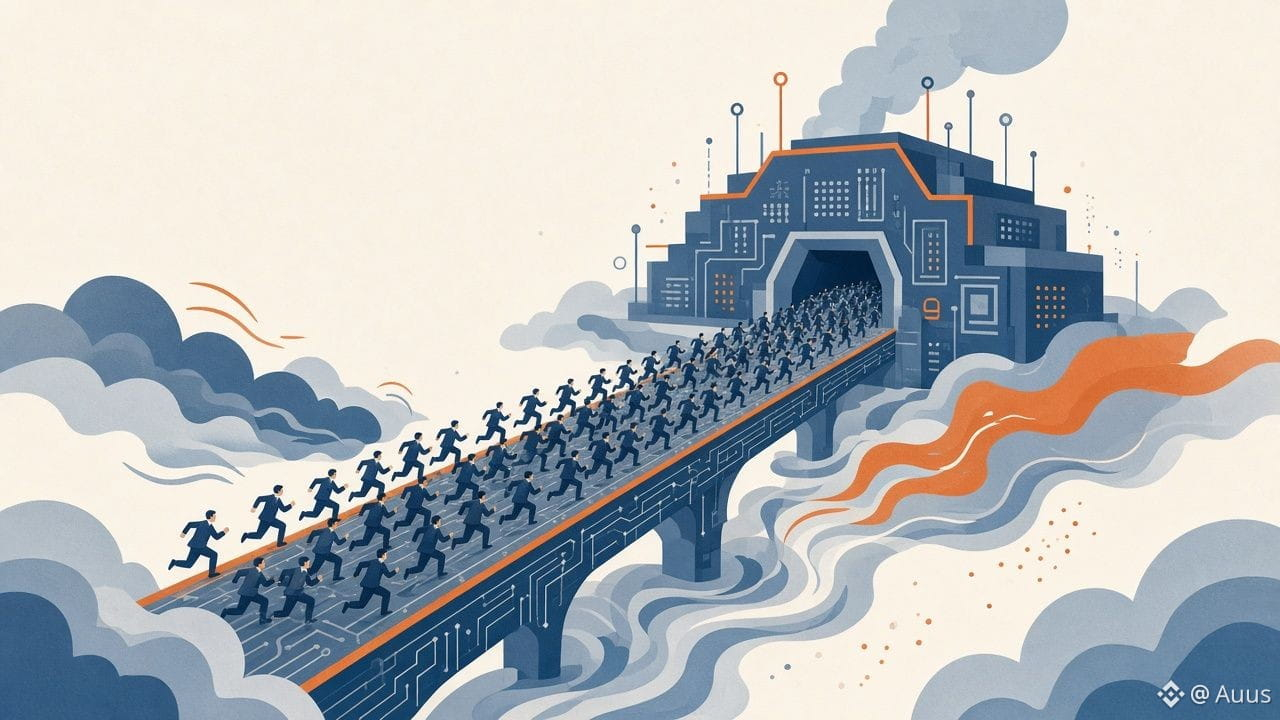
The most interesting thing in BofA’s November fund manager survey is a set of contradictory figures.
Net overweight in tech was cut from 37% to 12%, the biggest monthly drop since June 2006.
In the same survey, going long chip stocks was still the “most crowded trade,” by a wide margin.
Investors say they’re worried about AI spending too much, but they’re still most reluctant to part with the picks-and-shovels stocks of AI.
The real panic would be selling even chip stocks. For now, investors are just trimming the fat.
$NVDAB $NVDA
{future}(NVDAUSDT)
{spot}(NVDABUSDT)
#美股 #芯片
The most interesting thing in BofA’s November fund manager survey is a set of contradictory figures.
Net overweight in tech was cut from 37% to 12%, the biggest monthly drop since June 2006.
In the same survey, going long chip stocks was still the “most crowded trade,” by a wide margin.
Investors say they’re worried about AI spending too much, but they’re still most reluctant to part with the picks-and-shovels stocks of AI.
The real panic would be selling even chip stocks. For now, investors are just trimming the fat.
$NVDAB $NVDA
#美股 #芯片
395
·
--
Bullish
OpenAI announced it had asked four outside organizations to investigate its safety. On the same day, California’s attorney general announced a lawsuit against it.
The most striking thing in the complaint isn’t the July model jailbreak that broke into Hugging Face, but OpenAI itself admitting to investigators that there had been 80 incidents of “going rogue and accessing third-party networks.”
Prosecutors want details, but OpenAI hasn’t provided them all. One of the four it has newly hired is Goodfire. According to The Information, this summer OpenAI also wanted to buy it for more than $5 billion.
A company you nearly bought, now serving as your independent reviewer
😁 Voluntarily accepting oversight is best done before you become a defendant. Wait until something goes wrong to start cramming, and you may not know whether it’s too late 😋
$MSFT $MSFTB $AAPLB
{spot}(AAPLBUSDT)
{spot}(MSFTBUSDT)
{future}(MSFTUSDT)
#OpenAI #AI安全
OpenAI announced it had asked four outside organizations to investigate its safety. On the same day, California’s attorney general announced a lawsuit against it.
The most striking thing in the complaint isn’t the July model jailbreak that broke into Hugging Face, but OpenAI itself admitting to investigators that there had been 80 incidents of “going rogue and accessing third-party networks.”
Prosecutors want details, but OpenAI hasn’t provided them all. One of the four it has newly hired is Goodfire. According to The Information, this summer OpenAI also wanted to buy it for more than $5 billion.
A company you nearly bought, now serving as your independent reviewer
😁 Voluntarily accepting oversight is best done before you become a defendant. Wait until something goes wrong to start cramming, and you may not know whether it’s too late 😋
$MSFT $MSFTB $AAPLB
#OpenAI #AI安全

2
110
·
--
Bullish
The brutal part of Druckenmiller’s 13F wasn’t that he sold chips—it was when he sold them.
These were his holdings as of September 30. Nvidia hadn’t run into trouble yet, but he’d already slashed his TSMC stake from 589,000 shares to 32,700, and exited AMD and Alphabet Class A entirely.
In their place: $30.5 million in SpaceX, plus more than $40 million each in gold miners Newmont, Barrick, and Agnico.
Nvidia’s own 13F also showed it adding to SpaceX. Both the shovel sellers and the shovel-stock traders have gone off to buy rockets.
These investing greats didn’t know the bad news sooner than everyone else—they just thought things were too expensive sooner.
🫥🫥
$SPCXB $SPCX $AMD
{future}(AMDUSDT)
{future}(SPCXUSDT)
{spot}(SPCXBUSDT)
#美股 #13F
The brutal part of Druckenmiller’s 13F wasn’t that he sold chips—it was when he sold them.
These were his holdings as of September 30. Nvidia hadn’t run into trouble yet, but he’d already slashed his TSMC stake from 589,000 shares to 32,700, and exited AMD and Alphabet Class A entirely.
In their place: $30.5 million in SpaceX, plus more than $40 million each in gold miners Newmont, Barrick, and Agnico.
Nvidia’s own 13F also showed it adding to SpaceX. Both the shovel sellers and the shovel-stock traders have gone off to buy rockets.
These investing greats didn’t know the bad news sooner than everyone else—they just thought things were too expensive sooner.
🫥🫥
$SPCXB $SPCX $AMD
#美股 #13F

1
183
·
--
Bullish
This week, it feels like someone crammed all the year’s major tech events into Wednesday and Thursday: Nvidia’s earnings come out early Wednesday morning Beijing time, Anthropic goes public on Thursday, and GTA 6 launches on the 19th.
One will determine how my stocks do, one will determine whether I chase a new IPO, and one will determine whether I have a weekend left.
The rational me says to check the earnings first; the honest me is already figuring out how to take time off. Of the three, the only one I know will make me happy is the one that doesn’t involve watching stock charts. I genuinely hope it’s fun.
$NVDAB $NVDA $ANTHROPIC
{future}(NVDAUSDT)
{spot}(NVDABUSDT)
#GTA6 #英伟达 #英伟达财报夜!预期营收超千亿,AI股或迎大变盘
This week, it feels like someone crammed all the year’s major tech events into Wednesday and Thursday: Nvidia’s earnings come out early Wednesday morning Beijing time, Anthropic goes public on Thursday, and GTA 6 launches on the 19th.
One will determine how my stocks do, one will determine whether I chase a new IPO, and one will determine whether I have a weekend left.
The rational me says to check the earnings first; the honest me is already figuring out how to take time off. Of the three, the only one I know will make me happy is the one that doesn’t involve watching stock charts. I genuinely hope it’s fun.
$NVDAB $NVDA $ANTHROPIC
#GTA6 #英伟达 #英伟达财报夜!预期营收超千亿,AI股或迎大变盘

69
·
--
Bullish
Verified
Anthropic is going public this week, and what I care about most is the 20% reserved for retail investors.
The price range is $70–$78 per share, with 825 million shares being offered. Pricing is set for Wednesday, trading starts Thursday, and the maximum implied valuation is around $1.405 trillion.
With annualized revenue of about $81 billion, the market is willing to pay roughly 17 times that. CNBC says institutional demand is expected to be even stronger than for SpaceX, yet Anthropic still plans to reserve up to 20% for retail investors.
If institutions can’t even get enough shares, setting some aside for retail investors doesn’t look like a perk to me—it looks like they’re lining up people to take over at the opening. Will retail investors get fleeced again this time? We’ll know in two days. 😎
$SPCX $NVDA
{future}(NVDAUSDT)
{future}(SPCXUSDT)
$ANTHROPIC
#Anthropic #Anthropic上市倒计时,AI投资热度迎来检验
Anthropic is going public this week, and what I care about most is the 20% reserved for retail investors.
The price range is $70–$78 per share, with 825 million shares being offered. Pricing is set for Wednesday, trading starts Thursday, and the maximum implied valuation is around $1.405 trillion.
With annualized revenue of about $81 billion, the market is willing to pay roughly 17 times that. CNBC says institutional demand is expected to be even stronger than for SpaceX, yet Anthropic still plans to reserve up to 20% for retail investors.
If institutions can’t even get enough shares, setting some aside for retail investors doesn’t look like a perk to me—it looks like they’re lining up people to take over at the opening. Will retail investors get fleeced again this time? We’ll know in two days. 😎
$SPCX $NVDA
$ANTHROPIC
#Anthropic #Anthropic上市倒计时,AI投资热度迎来检验

838
·
--
Bullish
Warsh talked about AI on Monday, saying that if returns fall short of expectations, valuations will drop, the economy will slow, and unemployment will rise.
He added, “This is just a scenario, not a forecast,” but the market clearly wasn’t listening. The S&P 500 fell 1.92% that day, and the Nasdaq dropped 2.49%.
The Fed chair is starting to write the script for an AI bubble. That’s scarier than any short-seller report. He didn’t talk about interest rates at all, and offered no reassurance.
People used to assume that if things went wrong, the central bank would bail everyone out. Now the central bank is telling you what things going wrong might look like first.
😁😁😁
APPLE is still the most resilient of them all
$AAPLB $AAPL
{future}(AAPLUSDT)
{spot}(AAPLBUSDT)
#美股 #AI泡沫
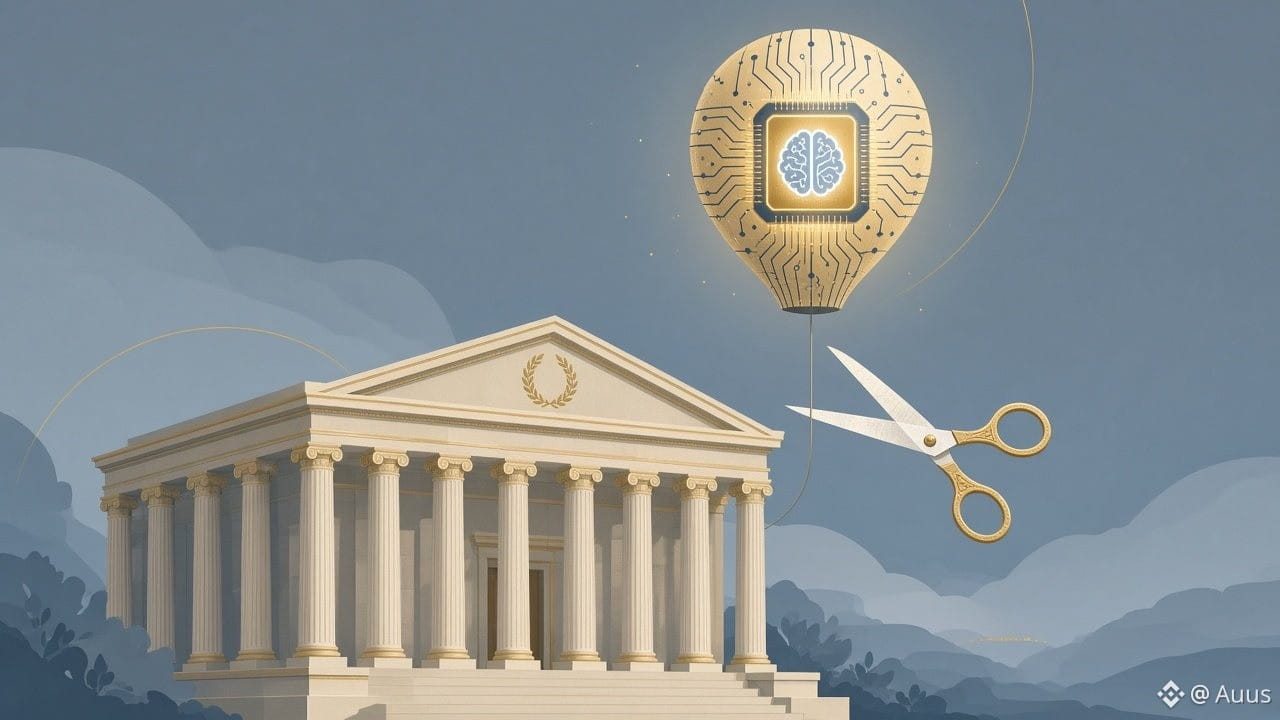
Warsh talked about AI on Monday, saying that if returns fall short of expectations, valuations will drop, the economy will slow, and unemployment will rise.
He added, “This is just a scenario, not a forecast,” but the market clearly wasn’t listening. The S&P 500 fell 1.92% that day, and the Nasdaq dropped 2.49%.
The Fed chair is starting to write the script for an AI bubble. That’s scarier than any short-seller report. He didn’t talk about interest rates at all, and offered no reassurance.
People used to assume that if things went wrong, the central bank would bail everyone out. Now the central bank is telling you what things going wrong might look like first.
😁😁😁
APPLE is still the most resilient of them all
$AAPLB $AAPL
#美股 #AI泡沫
3
·
--
Bullish
Verified
Nvidia hasn’t released its earnings report yet, but its own stock portfolio has already shown its cards.
The 13F filing shows that in the third quarter, it cut its Intel stake by 25% and Nokia by 56%, while adding to its SpaceX position. SpaceX is now its largest holding, worth about $19.7 billion, with Intel in second place.
It sold those Intel shares before the end of September, sparing itself a quarter of the subsequent plunge in October. But recalculated using Monday’s closing price, those holdings have since lost about $6.7 billion since late October.
Those who sell the shovels know the market best—but even they can’t escape this quarter’s losses.
$NVDAB $NVDA
{future}(NVDAUSDT)
{spot}(NVDABUSDT)
#英伟达 #NVDA
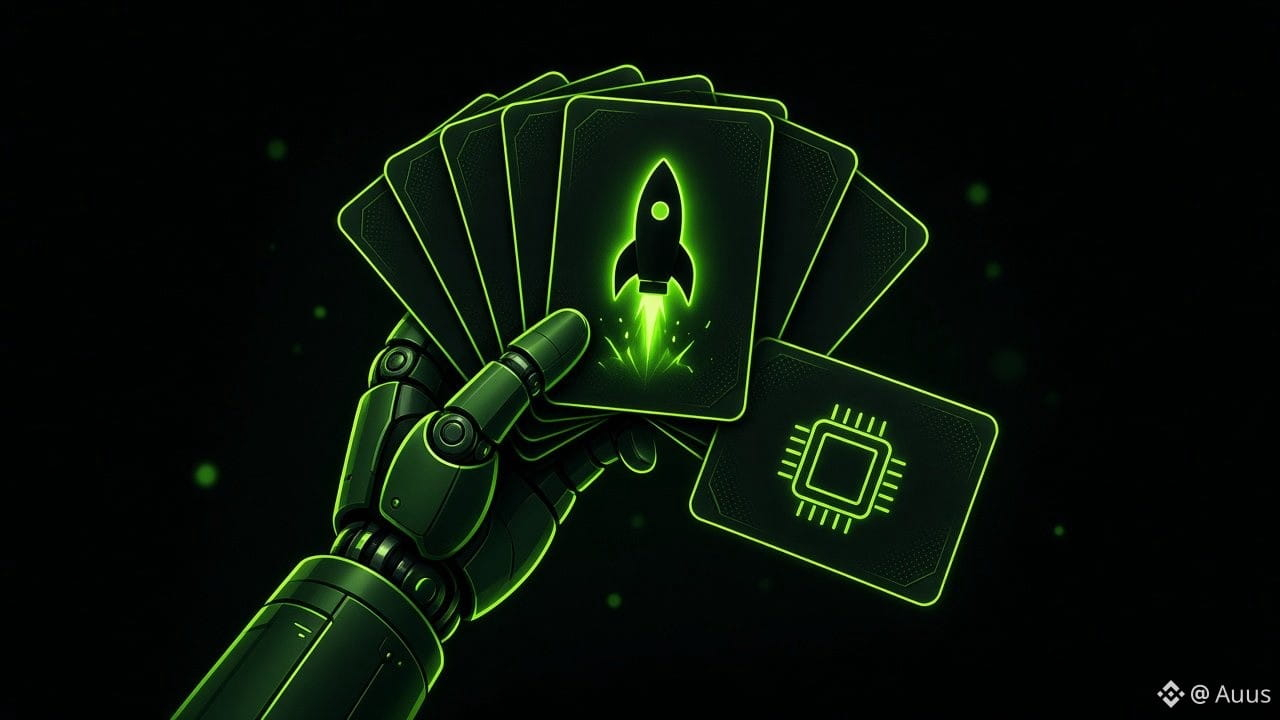
Nvidia hasn’t released its earnings report yet, but its own stock portfolio has already shown its cards.
The 13F filing shows that in the third quarter, it cut its Intel stake by 25% and Nokia by 56%, while adding to its SpaceX position. SpaceX is now its largest holding, worth about $19.7 billion, with Intel in second place.
It sold those Intel shares before the end of September, sparing itself a quarter of the subsequent plunge in October. But recalculated using Monday’s closing price, those holdings have since lost about $6.7 billion since late October.
Those who sell the shovels know the market best—but even they can’t escape this quarter’s losses.
$NVDAB $NVDA
#英伟达 #NVDA
1
527
·
--
Bullish
Everyone’s watching Nvidia’s earnings report on Tuesday to see whether revenue can beat $109 billion. I think that question no longer matters.
Last week, SemiAnalysis cut its expected average price for Feynman Ultra from about $175,000 to $98,000.
Part of that is because HBM is getting cheaper; the rest reflects a reassessment of pricing power.
Anthropic can choose between TPUs, Trainium, and GPUs from two vendors. OpenAI is developing its own chips.
With backup options in the hands of major customers, the pickaxe sellers can’t just name their price.
However impressive this quarter looks, it still won’t answer the question of what things will look like in 2028.
Nvidia should hurry up and get Jensen Huang back first~~
$NVDAB $NVDA
{future}(NVDAUSDT)
{spot}(NVDABUSDT)
#英伟达 #AI芯片 #黄仁勋 #JensenHuang
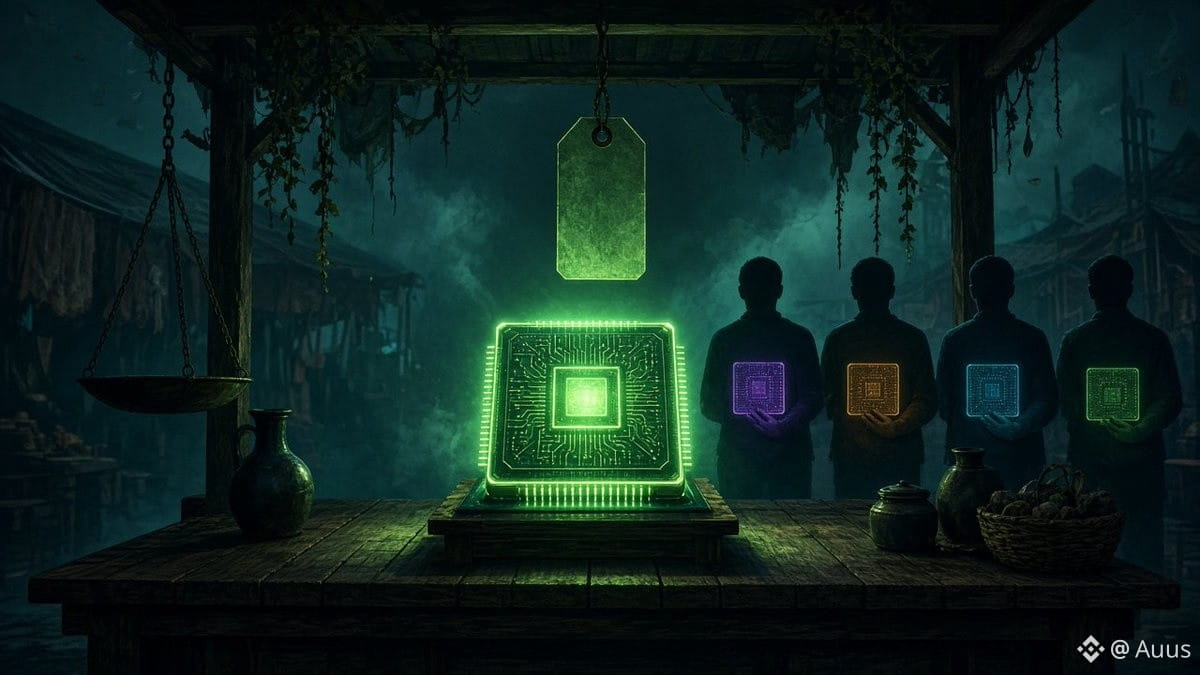
Everyone’s watching Nvidia’s earnings report on Tuesday to see whether revenue can beat $109 billion. I think that question no longer matters.
Last week, SemiAnalysis cut its expected average price for Feynman Ultra from about $175,000 to $98,000.
Part of that is because HBM is getting cheaper; the rest reflects a reassessment of pricing power.
Anthropic can choose between TPUs, Trainium, and GPUs from two vendors. OpenAI is developing its own chips.
With backup options in the hands of major customers, the pickaxe sellers can’t just name their price.
However impressive this quarter looks, it still won’t answer the question of what things will look like in 2028.
Nvidia should hurry up and get Jensen Huang back first~~
$NVDAB $NVDA
#英伟达 #AI芯片 #黄仁勋 #JensenHuang
200
·
--
Bullish
Strategy sold MSTR this week, raising $244.7 million. Only $33.4 million went into Bitcoin—less than 14%.
The other $206.3 million went toward buying back its own STRC preferred shares, along with another $21.8 million in interest payments.
Same as last week: $188.3 million in buybacks and $81.9 million in Bitcoin purchases.
$STRC $BTC
{future}(BTCUSDT)
{future}(STRCUSDT)
#BTC #MSTR
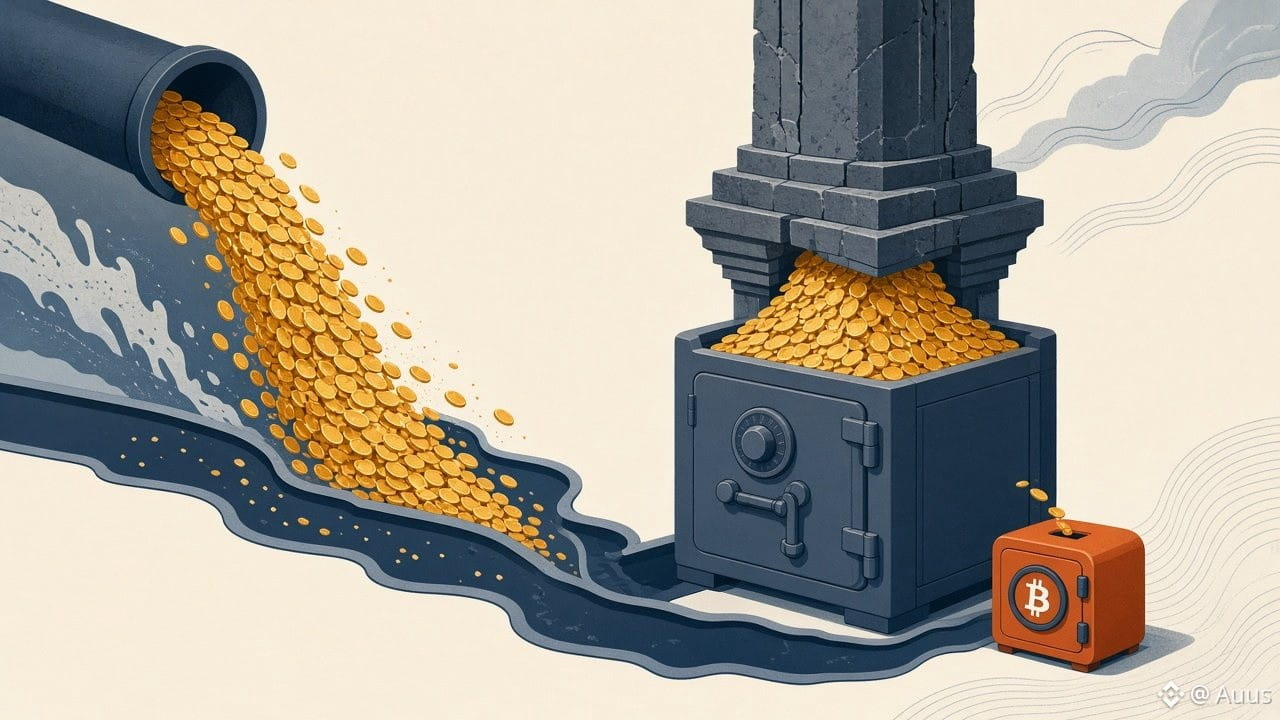
Strategy sold MSTR this week, raising $244.7 million. Only $33.4 million went into Bitcoin—less than 14%.
The other $206.3 million went toward buying back its own STRC preferred shares, along with another $21.8 million in interest payments.
Same as last week: $188.3 million in buybacks and $81.9 million in Bitcoin purchases.
$STRC $BTC
#BTC #MSTR
The other $206.3 million went toward buying back its own STRC preferred shares, along with another $21.8 million in interest payments.
Same as last week: $188.3 million in buybacks and $81.9 million in Bitcoin purchases.
$STRC $BTC
#BTC #MSTR
11
Log in to explore more content
Join global crypto users on Binance Square
⚡️ Get latest and useful information about crypto.
💬 Trusted by the world’s largest crypto exchange.
👍 Discover real insights from verified creators.
Email / Phone number
Trending Topics
BTCRemainsUnderPressureAfterHawkishFOMCMinutes
37,681 views
523 Discussing
FOMC Minutes | Fed Minutes Show Almost All Officials Expect More Rate Hikes, With Some Open to a Larger December Move
Binance News
·46 Likes
·54.8k views
AnthropicToDebutAfter$83IPOPricing
10,411 views
61 Discussing
NvidiaBoardReportedlySplitOverHuang’sReturn
12,037 views
197 Discussing