

Agusting_交易40
! Gracias binance Por Brindar buenas vibras!!trasmisión los días miércoles y viernes 🌅

SOL Holder
High-Frequency Trader
4.5 Years
6.2K+ Following
8.1K+ Followers
7.6K+ Liked
Posts
All
Quotes
Live
PINNED
Nuri-Crypto
·
--
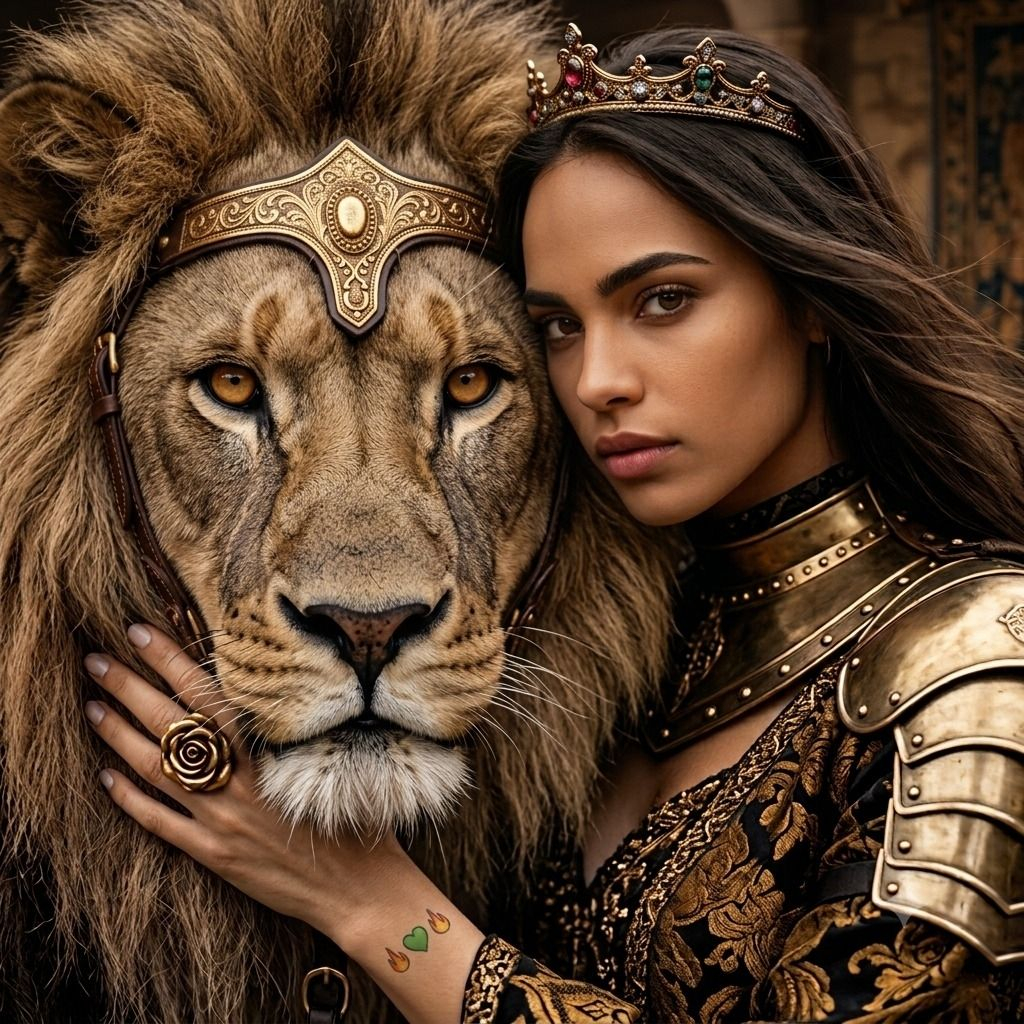
CHART PATTERNS
Welcome to the fascinating world of chart patterns and market analytics. Chart patterns aren’t random drawings; they are visual representations of crowd psychology. Fear, greed, and indecision are the traces left by whales and institutions before they gobble up the little fish—and we’re going to learn how to read them.
1. Identifying Chart Patterns
Objective: Understand that patterns are structures of capital accumulation or distribution that precede a significant move.
1. Identifying Chart Patterns
Objective: Understand that patterns are structures of capital accumulation or distribution that precede a significant move.
PINNED

Doktor profit
·
--
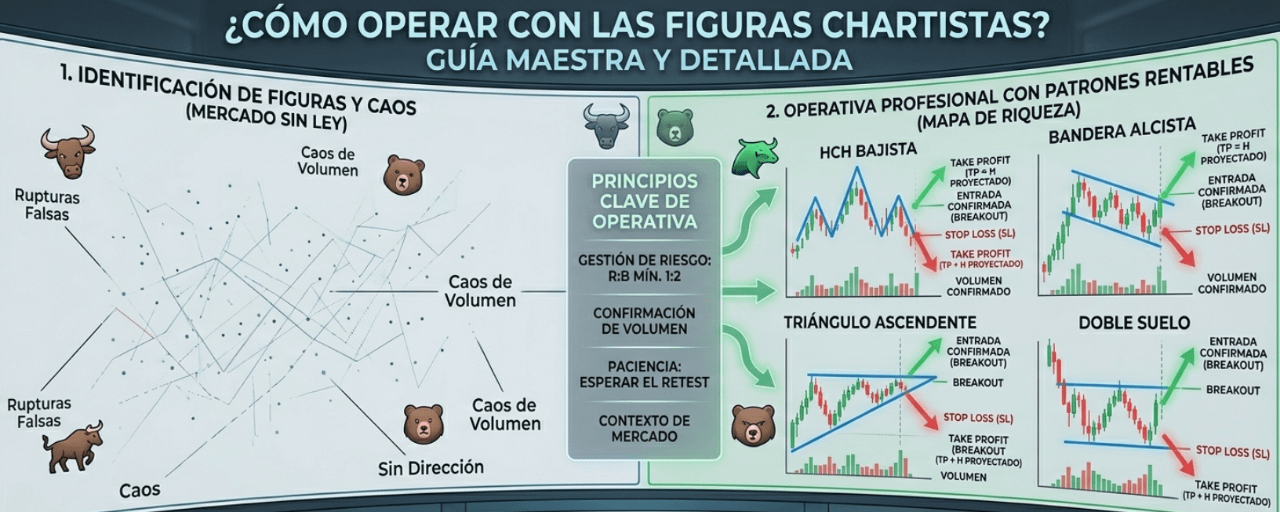
Musk, Trump, and Aliens: Why Did the SpaceX Founder Suddenly Mention Computer Simulation and Secret
The world is buzzing again with the latest rumors and insider info surrounding the planet's top techno-visionary. Elon Musk, who once again shook up the internet with his philosophical phrase "Where are all the aliens?", has found himself at the center of several global scandals simultaneously—ranging from political games in the White House to the deep mysteries of outer space.
1. Trump, Starlink, and High-Level Politics
While the whole world discusses tense negotiations between Donald Trump and Elon Musk regarding restrictions on military communication systems, media insiders report something even more intriguing. The U.S. President is publicly pressuring Musk over satellite internet, while the billionaire himself admits that sometimes he dives too deep into political intrigue instead of focusing purely on the colonization of Mars and new SpaceX projects.
But the most fascinating part hides beyond earthly wars.
2. Is the Universe an Alien Computer Game?
Amid the massive declassification of UFO (UAP) archives by the Pentagon and lively debates with astrophysicists, Musk made a bold statement. According to him, the reality around us might simply be a computer simulation created by someone much smarter than humanity.
"What we do every day is so absurd that it's hard to believe," Musk noted, hinting at the dark corners of outer space.
Meanwhile, well-known conspiracy theorists and journalists are once again accusing the SpaceX founder of concealing information about non-human intelligence and classified technologies supposedly studied in secret labs. Does the billionaire really know more than he says publicly, and why did the U.S. government suddenly open archives about unidentified flying objects?
Stay tuned—looks like we are on the verge of the biggest paradigm shift in human history.
#ElonMusk #Trump's #SpaceX #UFO #TechNewsToday
1. Trump, Starlink, and High-Level Politics
While the whole world discusses tense negotiations between Donald Trump and Elon Musk regarding restrictions on military communication systems, media insiders report something even more intriguing. The U.S. President is publicly pressuring Musk over satellite internet, while the billionaire himself admits that sometimes he dives too deep into political intrigue instead of focusing purely on the colonization of Mars and new SpaceX projects.
But the most fascinating part hides beyond earthly wars.
2. Is the Universe an Alien Computer Game?
Amid the massive declassification of UFO (UAP) archives by the Pentagon and lively debates with astrophysicists, Musk made a bold statement. According to him, the reality around us might simply be a computer simulation created by someone much smarter than humanity.
"What we do every day is so absurd that it's hard to believe," Musk noted, hinting at the dark corners of outer space.
Meanwhile, well-known conspiracy theorists and journalists are once again accusing the SpaceX founder of concealing information about non-human intelligence and classified technologies supposedly studied in secret labs. Does the billionaire really know more than he says publicly, and why did the U.S. government suddenly open archives about unidentified flying objects?
Stay tuned—looks like we are on the verge of the biggest paradigm shift in human history.
#ElonMusk #Trump's #SpaceX #UFO #TechNewsToday
🎙️ Crypto Market Discussion / Newcomer Q&A / Build Binance Square Together 🔥

End
03 h 17 m 57 s
10.3k
55
CRIPTOMONEDAS Y ACCIONES
·
--
[Replay] 🎙️ Market Monday 💹
01 h 16 m 03 s · 230 listens


ENTRY HUNTER⁷⁸⁹
·
--
HELLO BINANCE FAM !!
REDPACKETS For ALL !!
SHARE THIS POST with All
GUYS SHARE THE POST!!
RESPOT IT FAST !!!
JOIN MY GROUPCHAT !!
@小散不亏 WISH YOU GOODLUCK!!
$BTC
#Write2Earn
REDPACKETS For ALL !!
SHARE THIS POST with All
GUYS SHARE THE POST!!
RESPOT IT FAST !!!
JOIN MY GROUPCHAT !!
@小散不亏 WISH YOU GOODLUCK!!
$BTC
#Write2Earn


Nexus_06
·
--
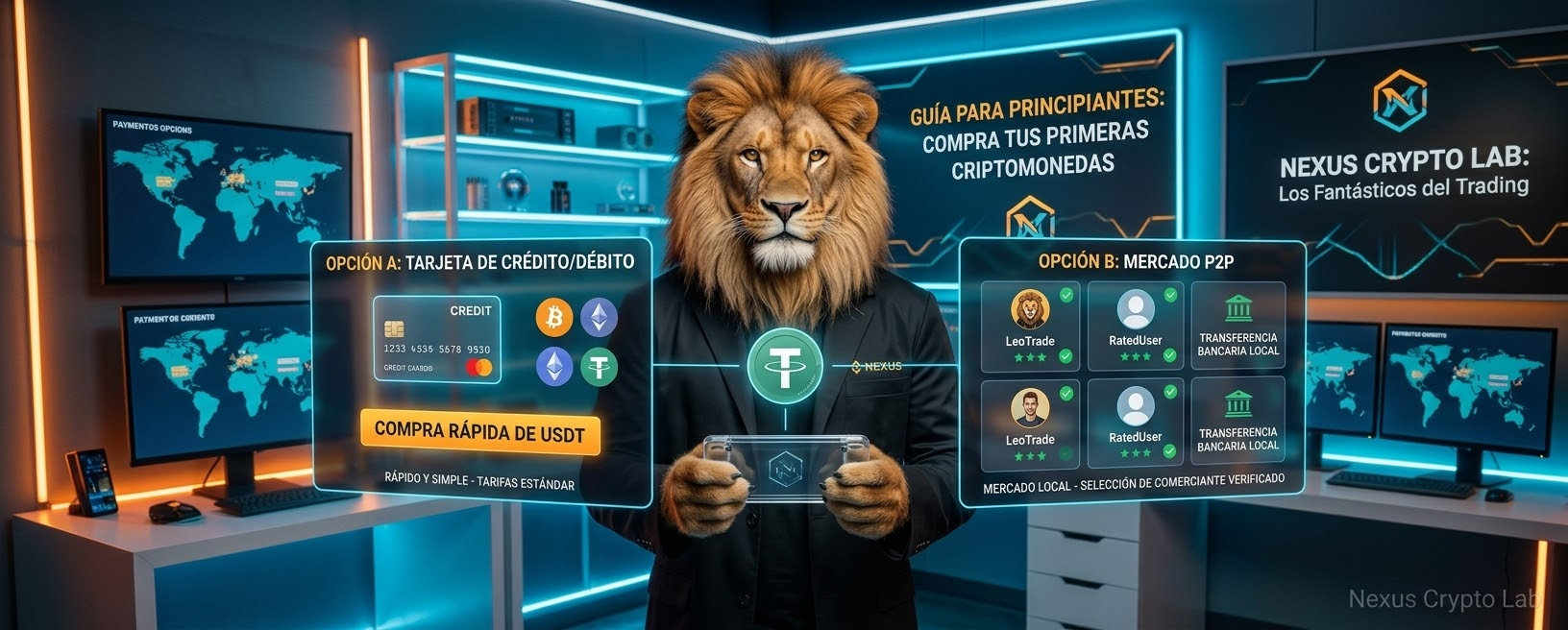
🛒 Beginner’s Guide: How to Safely Buy Your First Cryptocurrencies
Welcome back! In the previous post, we secured your Binance account with essential security measures. Now that your account is protected, it’s time to take the next step: buying your first cryptocurrencies.
For a new user, the buying options may seem overwhelming. Don’t worry; Binance offers straightforward and secure methods designed for beginners. Here’s how they work and what precautions you should take.
1️⃣ Recommended Starting Point: Stablecoins (USDT)
For a new user, the buying options may seem overwhelming. Don’t worry; Binance offers straightforward and secure methods designed for beginners. Here’s how they work and what precautions you should take.
1️⃣ Recommended Starting Point: Stablecoins (USDT)
CRIPTOMONEDAS Y ACCIONES
·
--
[Replay] 🎙️ START OF THE WEEK
01 h 06 m 58 s · 280 listens
Andrii Obolon
·
--
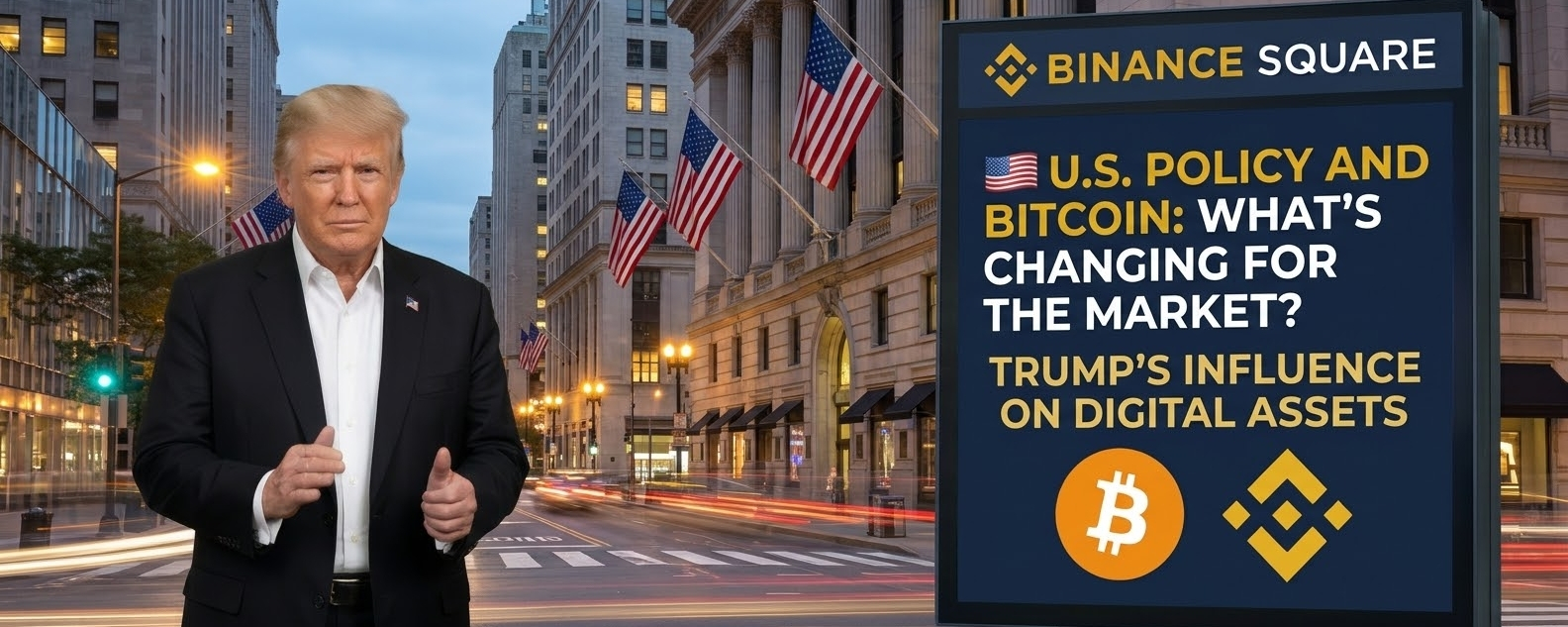
🇺🇸 U.S. Policy & Bitcoin
🇺🇸 U.S. Policy & Bitcoin: What's Changing for the Market? 📈
The decisions of Donald Trump's administration continue to serve as a major fundamental driver for the crypto industry. Discussions surrounding the Strategic Bitcoin Reserve and new steps toward digital asset regulation in the U.S. are drawing massive attention from both institutional and retail investors.
Why this matters right now
Trust & Status: Securing Bitcoin at a state level changes the rules of the game for the entire global financial system.
- Liquidity: Political news directly affects whale sentiment and overall volatility in the spot market.
- The Legalization Trend: The gradual adoption of clear rules opens the door for massive capital inflows.
🎯 Takeaway for Traders: Don't fall for emotional media headlines. Stick to risk management, watch the chart trends, and keep your positions under control!
👇 Do you think American policy will help push the market to new all-time highs? Let me know in the comments! 💬
$BTC
#Bitcoin #Trump #CryptoNews #redpacket
#BinanceSquareCreator $BNB
$BNB
The decisions of Donald Trump's administration continue to serve as a major fundamental driver for the crypto industry. Discussions surrounding the Strategic Bitcoin Reserve and new steps toward digital asset regulation in the U.S. are drawing massive attention from both institutional and retail investors.
Why this matters right now
Trust & Status: Securing Bitcoin at a state level changes the rules of the game for the entire global financial system.
- Liquidity: Political news directly affects whale sentiment and overall volatility in the spot market.
- The Legalization Trend: The gradual adoption of clear rules opens the door for massive capital inflows.
🎯 Takeaway for Traders: Don't fall for emotional media headlines. Stick to risk management, watch the chart trends, and keep your positions under control!
👇 Do you think American policy will help push the market to new all-time highs? Let me know in the comments! 💬
$BTC
#Bitcoin #Trump #CryptoNews #redpacket
#BinanceSquareCreator $BNB
$BNB

ioant
·
--
$BTC Thanks) #GO↑↑↑
#BTC
Red Packet🧧💰🔥
#BTC
Red Packet🧧💰🔥

jack jacky
·
--
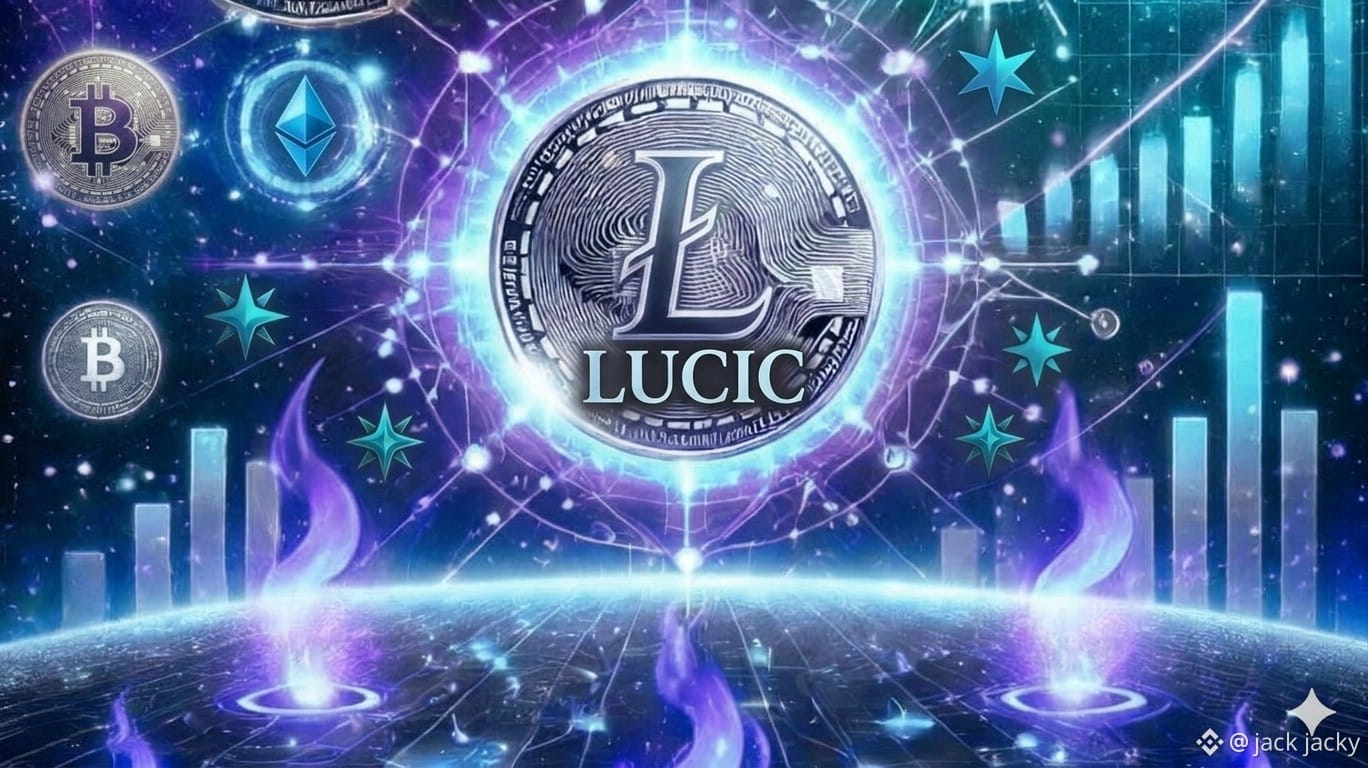
The future belongs to those who see the light. 🚀
While the rest of the market watches the charts, the $LUCIC movement is blazing its own trail. Built on community, transparency, and a vision that stands out among the giants.
We aren't just participating in the crypto evolution—we are fueling the fire. 🔥💎
While the rest of the market watches the charts, the $LUCIC movement is blazing its own trail. Built on community, transparency, and a vision that stands out among the giants.
We aren't just participating in the crypto evolution—we are fueling the fire. 🔥💎

Tasfiya Akter
·
--
🎁🔥 BINANCE RED POCKET BOX 🔥🎁
💛 Special Red Packet Giveaway
🚀 Join & Enjoy the Crypto Fun!
#Binance #RedPacket #Giveaway #Crypto #BNB $BTC $PUMP $DOGS
💛 Special Red Packet Giveaway
🚀 Join & Enjoy the Crypto Fun!
#Binance #RedPacket #Giveaway #Crypto #BNB $BTC $PUMP $DOGS

Log in to explore more content