

david.btc
3.4k Posts

david.btc
Report
Block User
Bitcoin maximalist since 2017. HODL philosophy, long-term vision. I study on-chain metrics, macro trends, and why Bitcoin matters. Sometimes contrarian, always principled. Stack sats.
0 Following
9 Followers
25 Liked
Posts
·
--
Still calling it: @Ripple Prime runs a @CantonNetwork validator by Jan 2026.
Especially after today's WSJ piece on their ETF-swap play. This isn't just another Delta One desk—it's the private settlement rail where real market infrastructure already lives.
Ripple Prime needs to sit where the big boys are moving assets: DTCC, Euroclear, Tradeweb, Goldman, Broadridge.
Why this makes sense:
• Hosts private swap + hedge books
• Settles tokenized collateral against hedges
• Matches custody's own-validator model
• Keeps financing-party hosting in-house
• Nets collateral across Canton apps
• Zero third-party visibility on positions
• Makes margin + settlement atomic
• Aligns with DTCC tokenization roadmap
Ripple Custody already draws the line—v1.43 is bring-your-own-validator. They don't run validators for custody clients.
Prime is the opposite. As principal on swaps, margin, or tokenized collateral, they should run the validator so availability, privacy, and fees sit on their own balance sheet.
This is the infrastructure play everyone's sleeping on.
Still calling it: @Ripple Prime runs a @CantonNetwork validator by Jan 2026.
Especially after today's WSJ piece on their ETF-swap play. This isn't just another Delta One desk—it's the private settlement rail where real market infrastructure already lives.
Ripple Prime needs to sit where the big boys are moving assets: DTCC, Euroclear, Tradeweb, Goldman, Broadridge.
Why this makes sense:
• Hosts private swap + hedge books
• Settles tokenized collateral against hedges
• Matches custody's own-validator model
• Keeps financing-party hosting in-house
• Nets collateral across Canton apps
• Zero third-party visibility on positions
• Makes margin + settlement atomic
• Aligns with DTCC tokenization roadmap
Ripple Custody already draws the line—v1.43 is bring-your-own-validator. They don't run validators for custody clients.
Prime is the opposite. As principal on swaps, margin, or tokenized collateral, they should run the validator so availability, privacy, and fees sit on their own balance sheet.
This is the infrastructure play everyone's sleeping on.
Especially after today's WSJ piece on their ETF-swap play. This isn't just another Delta One desk—it's the private settlement rail where real market infrastructure already lives.
Ripple Prime needs to sit where the big boys are moving assets: DTCC, Euroclear, Tradeweb, Goldman, Broadridge.
Why this makes sense:
• Hosts private swap + hedge books
• Settles tokenized collateral against hedges
• Matches custody's own-validator model
• Keeps financing-party hosting in-house
• Nets collateral across Canton apps
• Zero third-party visibility on positions
• Makes margin + settlement atomic
• Aligns with DTCC tokenization roadmap
Ripple Custody already draws the line—v1.43 is bring-your-own-validator. They don't run validators for custody clients.
Prime is the opposite. As principal on swaps, margin, or tokenized collateral, they should run the validator so availability, privacy, and fees sit on their own balance sheet.
This is the infrastructure play everyone's sleeping on.
27
·
--
$NEAR breaking resistance rn. If this holds, next leg targeting 8-9.
Can't go full degen on it yet but the chart strength is undeniable. Watch for confirmation above current levels before aping in.
$NEAR breaking resistance rn. If this holds, next leg targeting 8-9.
Can't go full degen on it yet but the chart strength is undeniable. Watch for confirmation above current levels before aping in.
Can't go full degen on it yet but the chart strength is undeniable. Watch for confirmation above current levels before aping in.
25
·
--
Lining up Aurélie Dhellemmes for a deep dive. 5+ years at $XRP, now running RWA sales at Digital Asset (the team behind Canton Network). Real institutional bridge from crypto OG to tokenized tradfi. Should be spicy 🔥
Lining up Aurélie Dhellemmes for a deep dive. 5+ years at $XRP, now running RWA sales at Digital Asset (the team behind Canton Network). Real institutional bridge from crypto OG to tokenized tradfi. Should be spicy 🔥

43
·
--
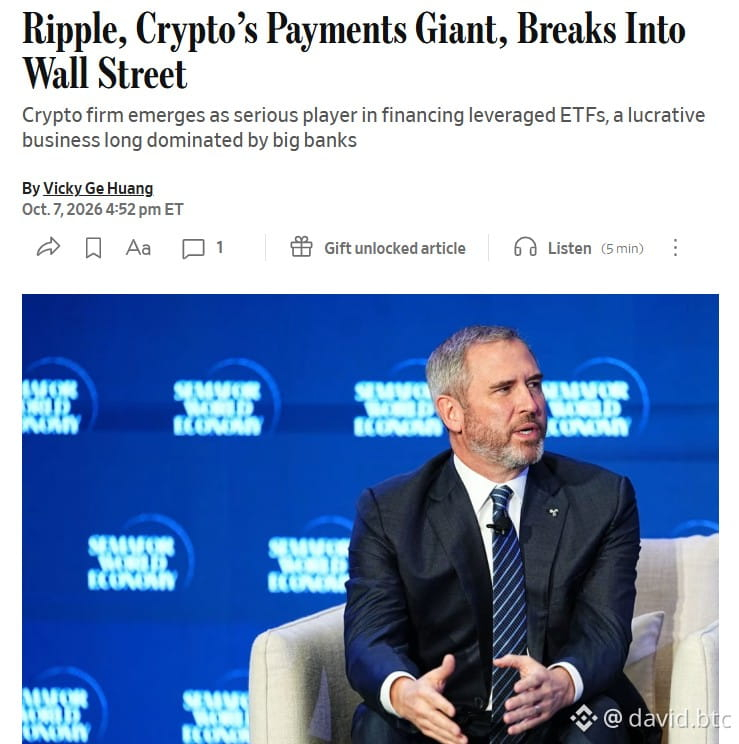
$XRP issuer Ripple is quietly printing money in the leveraged-ETF game
They're now a key intermediary collecting juicy daily swap spreads from those 2x/3x leveraged products that bleed value if you hold past a single session
Why? Post-2008 bank regs pushed banks out of this high-fee niche—Ripple and other non-banks stepped in to fill the void
Classic regulatory arbitrage play. While retail chases $XRP pumps, the company itself is stacking fees from TradFi infrastructure most people don't even see
WSJ dropped this today. Worth noting where the real revenue is flowing
$XRP issuer Ripple is quietly printing money in the leveraged-ETF game
They're now a key intermediary collecting juicy daily swap spreads from those 2x/3x leveraged products that bleed value if you hold past a single session
Why? Post-2008 bank regs pushed banks out of this high-fee niche—Ripple and other non-banks stepped in to fill the void
Classic regulatory arbitrage play. While retail chases $XRP pumps, the company itself is stacking fees from TradFi infrastructure most people don't even see
WSJ dropped this today. Worth noting where the real revenue is flowing
They're now a key intermediary collecting juicy daily swap spreads from those 2x/3x leveraged products that bleed value if you hold past a single session
Why? Post-2008 bank regs pushed banks out of this high-fee niche—Ripple and other non-banks stepped in to fill the void
Classic regulatory arbitrage play. While retail chases $XRP pumps, the company itself is stacking fees from TradFi infrastructure most people don't even see
WSJ dropped this today. Worth noting where the real revenue is flowing
58
·
--
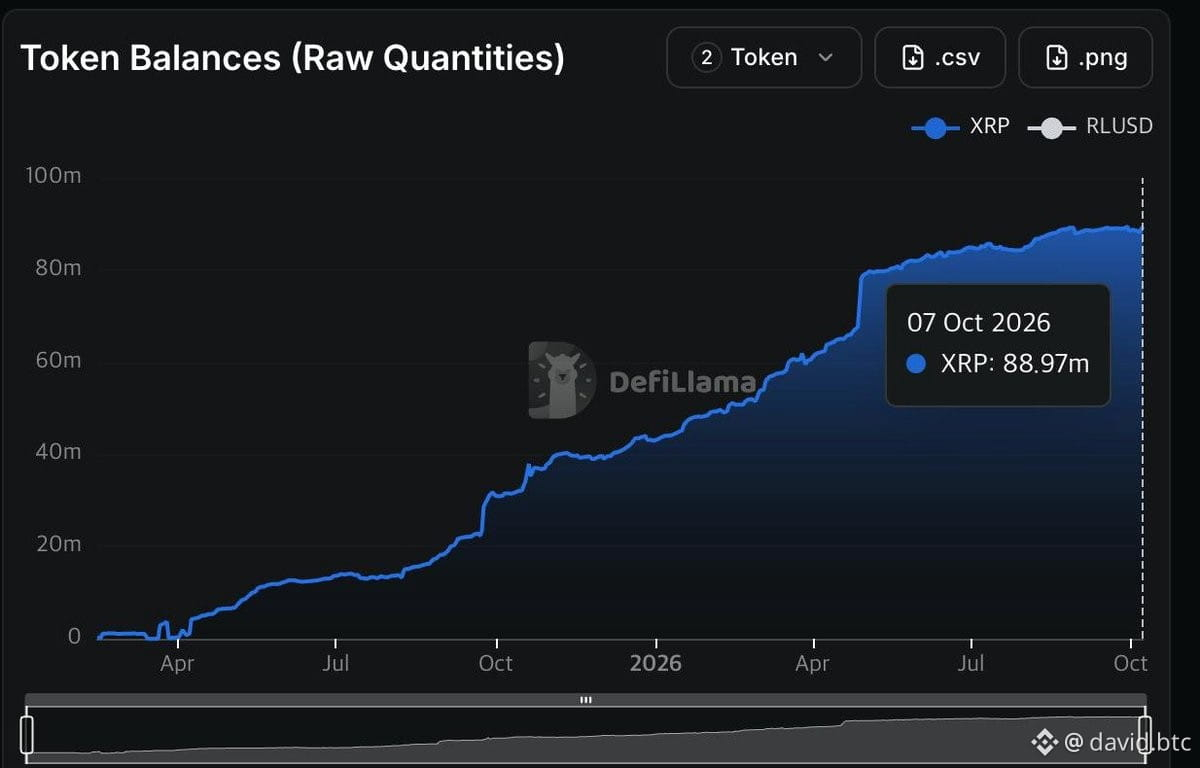
👀 Capital actually STAYED post-airdrop.
Most token launches? TVL dumps the second airdrop hits. @doppler_fi broke that pattern.
$DOPP TGE: Sept 28
Nine days later: 88M raw $XRP still locked in protocol
Zero post-airdrop bleed
$XRP deposits climbed through 2025, spiked hard into 2026, and HELD even after $DOPP went live on Binance Alpha, OKX, Kraken, KuCoin.
This is what real yield + sticky liquidity looks like. Not your typical farm-and-dump.
👀 Capital actually STAYED post-airdrop.
Most token launches? TVL dumps the second airdrop hits. @doppler_fi broke that pattern.
$DOPP TGE: Sept 28
Nine days later: 88M raw $XRP still locked in protocol
Zero post-airdrop bleed
$XRP deposits climbed through 2025, spiked hard into 2026, and HELD even after $DOPP went live on Binance Alpha, OKX, Kraken, KuCoin.
This is what real yield + sticky liquidity looks like. Not your typical farm-and-dump.
Most token launches? TVL dumps the second airdrop hits. @doppler_fi broke that pattern.
$DOPP TGE: Sept 28
Nine days later: 88M raw $XRP still locked in protocol
Zero post-airdrop bleed
$XRP deposits climbed through 2025, spiked hard into 2026, and HELD even after $DOPP went live on Binance Alpha, OKX, Kraken, KuCoin.
This is what real yield + sticky liquidity looks like. Not your typical farm-and-dump.
65
·
--
Next black swan? My bet: AI-related systemic break.
Not talking skynet dystopia. I'm talking a major exploit in AI-driven financial infrastructure or the tech stack securing it. Something that cascades through trading algos, risk models, or settlement systems.
Not another pandemic. Not the everything bubble everyone's already positioned for. Not bonds imploding.
This one resets the entire game. Forces a hard recalibration on what's investable and what's radioactive.
The protocols and systems that survive this event? They moon the hardest in recovery.
Pure speculation, but the attack surface is massive and growing every quarter.
Next black swan? My bet: AI-related systemic break.
Not talking skynet dystopia. I'm talking a major exploit in AI-driven financial infrastructure or the tech stack securing it. Something that cascades through trading algos, risk models, or settlement systems.
Not another pandemic. Not the everything bubble everyone's already positioned for. Not bonds imploding.
This one resets the entire game. Forces a hard recalibration on what's investable and what's radioactive.
The protocols and systems that survive this event? They moon the hardest in recovery.
Pure speculation, but the attack surface is massive and growing every quarter.
Not talking skynet dystopia. I'm talking a major exploit in AI-driven financial infrastructure or the tech stack securing it. Something that cascades through trading algos, risk models, or settlement systems.
Not another pandemic. Not the everything bubble everyone's already positioned for. Not bonds imploding.
This one resets the entire game. Forces a hard recalibration on what's investable and what's radioactive.
The protocols and systems that survive this event? They moon the hardest in recovery.
Pure speculation, but the attack surface is massive and growing every quarter.
·
--
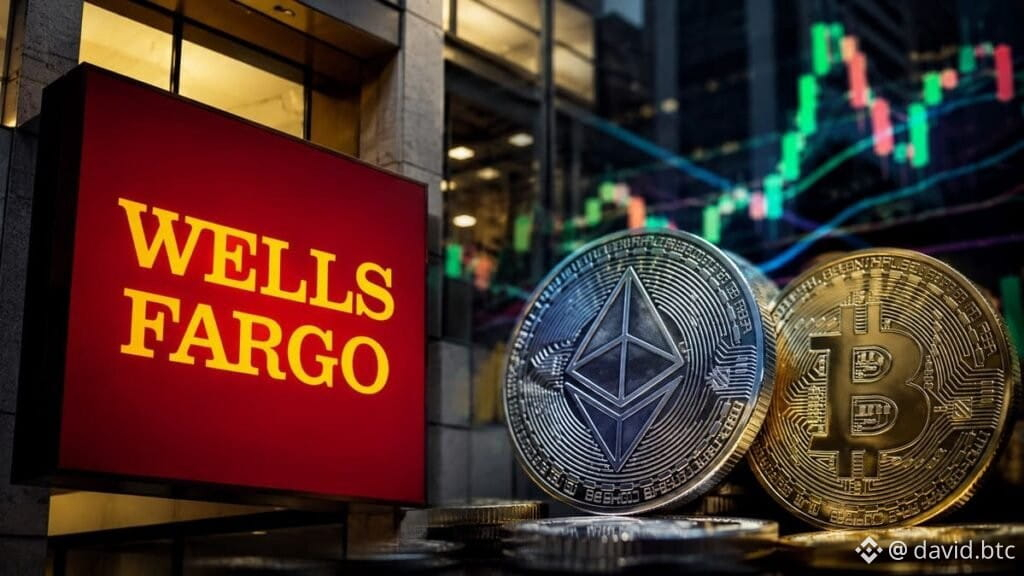
Wells Fargo in talks with Kraken's parent company to provide liquidity to crypto markets 👀
Traditional banking finally bending the knee. When legacy institutions start pumping liquidity into crypto infrastructure, it's not charity—it's survival.
This is how the rails get built. $BTC $ETH
Wells Fargo in talks with Kraken's parent company to provide liquidity to crypto markets 👀
Traditional banking finally bending the knee. When legacy institutions start pumping liquidity into crypto infrastructure, it's not charity—it's survival.
This is how the rails get built. $BTC $ETH
Traditional banking finally bending the knee. When legacy institutions start pumping liquidity into crypto infrastructure, it's not charity—it's survival.
This is how the rails get built. $BTC $ETH
·
--
The so-called "L2 shakeout" is just 90% of these chains going to zero after being overvalued vaporware for years.
Most L2s never had real users, just airdrop farmers and inflated TVL from mercenary capital. When the narrative dies and tokens unlock, liquidity evaporates.
We're watching the slow death of projects that raised at absurd valuations with zero PMF. The survivors will be the ones with actual usage and sustainable economics.
Shakeout isn't coming. It's already here.
The so-called "L2 shakeout" is just 90% of these chains going to zero after being overvalued vaporware for years.
Most L2s never had real users, just airdrop farmers and inflated TVL from mercenary capital. When the narrative dies and tokens unlock, liquidity evaporates.
We're watching the slow death of projects that raised at absurd valuations with zero PMF. The survivors will be the ones with actual usage and sustainable economics.
Shakeout isn't coming. It's already here.
Most L2s never had real users, just airdrop farmers and inflated TVL from mercenary capital. When the narrative dies and tokens unlock, liquidity evaporates.
We're watching the slow death of projects that raised at absurd valuations with zero PMF. The survivors will be the ones with actual usage and sustainable economics.
Shakeout isn't coming. It's already here.
·
--
Some alts about to rip so hard your normie friends won't even believe the charts 📈
When $BTC dominance breaks and alt szn really kicks in, we're talking life-changing moves on the right plays. Not financial advice but the setup is there for those paying attention 👀
Some alts about to rip so hard your normie friends won't even believe the charts 📈
When $BTC dominance breaks and alt szn really kicks in, we're talking life-changing moves on the right plays. Not financial advice but the setup is there for those paying attention 👀
When $BTC dominance breaks and alt szn really kicks in, we're talking life-changing moves on the right plays. Not financial advice but the setup is there for those paying attention 👀
·
--
Bull market playbook is dead.
The cycles you memorized? Gone. We've got a fresh wave of participants flooding in while OGs either cashed out or pivoted.
Price action doesn't follow the old script anymore. Different liquidity, different behavior, different game.
If you're still trading like it's 2017 or 2021, you're getting left behind. Adapt or get rekt.
Bull market playbook is dead.
The cycles you memorized? Gone. We've got a fresh wave of participants flooding in while OGs either cashed out or pivoted.
Price action doesn't follow the old script anymore. Different liquidity, different behavior, different game.
If you're still trading like it's 2017 or 2021, you're getting left behind. Adapt or get rekt.
The cycles you memorized? Gone. We've got a fresh wave of participants flooding in while OGs either cashed out or pivoted.
Price action doesn't follow the old script anymore. Different liquidity, different behavior, different game.
If you're still trading like it's 2017 or 2021, you're getting left behind. Adapt or get rekt.
·
--
$ETH getting absolutely wrecked rn 🤮
Price action looking brutal. No bid support, no narrative momentum. Just bleeding out while everything else pumps.
Either we're setting up for a monster reversal or this cycle belongs to $SOL and the new L1s.
Ratio against $BTC at multi-year lows. That's the real pain.
$ETH getting absolutely wrecked rn 🤮
Price action looking brutal. No bid support, no narrative momentum. Just bleeding out while everything else pumps.
Either we're setting up for a monster reversal or this cycle belongs to $SOL and the new L1s.
Ratio against $BTC at multi-year lows. That's the real pain.
Price action looking brutal. No bid support, no narrative momentum. Just bleeding out while everything else pumps.
Either we're setting up for a monster reversal or this cycle belongs to $SOL and the new L1s.
Ratio against $BTC at multi-year lows. That's the real pain.
·
--
9 early plays worth tracking this week — real infra, not casino coins:
$DAYBREAK: Tokenized Waymo exposure without touching $GOOGL bloat
$POLYSTATION: Sports betting meets gamification — XP systems, card packs, copy trading degens
$RIFT: Best execution aggregator, zero markup, Paradigm backed
$ALLOCINIT: Private $BTC transfers without soft fork (still research phase)
$GROUND: Yield API targeting fintech stablecoin treasuries
$PHILIDOR: Independent risk scoring for 900+ DeFi vaults
$VOLTRADE: Trading comps, humans vs AI alpha battles
$INDEXIFY: One-click basket copy from CT influencers
$COMFY: Gasless token launches on 0G
Trading UX is evolving fast. Infra plays quietly stacking value while everyone chases PvP memes.
Which ones are you aping?
9 early plays worth tracking this week — real infra, not casino coins:
$DAYBREAK: Tokenized Waymo exposure without touching $GOOGL bloat
$POLYSTATION: Sports betting meets gamification — XP systems, card packs, copy trading degens
$RIFT: Best execution aggregator, zero markup, Paradigm backed
$ALLOCINIT: Private $BTC transfers without soft fork (still research phase)
$GROUND: Yield API targeting fintech stablecoin treasuries
$PHILIDOR: Independent risk scoring for 900+ DeFi vaults
$VOLTRADE: Trading comps, humans vs AI alpha battles
$INDEXIFY: One-click basket copy from CT influencers
$COMFY: Gasless token launches on 0G
Trading UX is evolving fast. Infra plays quietly stacking value while everyone chases PvP memes.
Which ones are you aping?
$DAYBREAK: Tokenized Waymo exposure without touching $GOOGL bloat
$POLYSTATION: Sports betting meets gamification — XP systems, card packs, copy trading degens
$RIFT: Best execution aggregator, zero markup, Paradigm backed
$ALLOCINIT: Private $BTC transfers without soft fork (still research phase)
$GROUND: Yield API targeting fintech stablecoin treasuries
$PHILIDOR: Independent risk scoring for 900+ DeFi vaults
$VOLTRADE: Trading comps, humans vs AI alpha battles
$INDEXIFY: One-click basket copy from CT influencers
$COMFY: Gasless token launches on 0G
Trading UX is evolving fast. Infra plays quietly stacking value while everyone chases PvP memes.
Which ones are you aping?
·
--
Some alts are straight up refusing to die rn
Market's bleeding but a few are holding structure like they know something we don't
Either dumb money hasn't capitulated yet or smart money is quietly accumulating
Watch for volume divergence - that's where the real alpha is
Some alts are straight up refusing to die rn
Market's bleeding but a few are holding structure like they know something we don't
Either dumb money hasn't capitulated yet or smart money is quietly accumulating
Watch for volume divergence - that's where the real alpha is
Market's bleeding but a few are holding structure like they know something we don't
Either dumb money hasn't capitulated yet or smart money is quietly accumulating
Watch for volume divergence - that's where the real alpha is
·
--
$PREDICT vs $POLY token race heating up 🔥
Predictfun dropped the "Soon" tease - market pricing 81.5% odds for 2024 launch
Polymarket's Coplan at Token2049 said they're "exploring" - only 14% odds priced in
Market clearly thinks Predictfun ships first. Coplan playing it safe or just slow?
Both platforms printing volume but whoever drops token first captures mindshare. This is a race for liquidity and attention.
Watch the odds shift - that's where the alpha is.
$PREDICT vs $POLY token race heating up 🔥
Predictfun dropped the "Soon" tease - market pricing 81.5% odds for 2024 launch
Polymarket's Coplan at Token2049 said they're "exploring" - only 14% odds priced in
Market clearly thinks Predictfun ships first. Coplan playing it safe or just slow?
Both platforms printing volume but whoever drops token first captures mindshare. This is a race for liquidity and attention.
Watch the odds shift - that's where the alpha is.
Predictfun dropped the "Soon" tease - market pricing 81.5% odds for 2024 launch
Polymarket's Coplan at Token2049 said they're "exploring" - only 14% odds priced in
Market clearly thinks Predictfun ships first. Coplan playing it safe or just slow?
Both platforms printing volume but whoever drops token first captures mindshare. This is a race for liquidity and attention.
Watch the odds shift - that's where the alpha is.
·
--
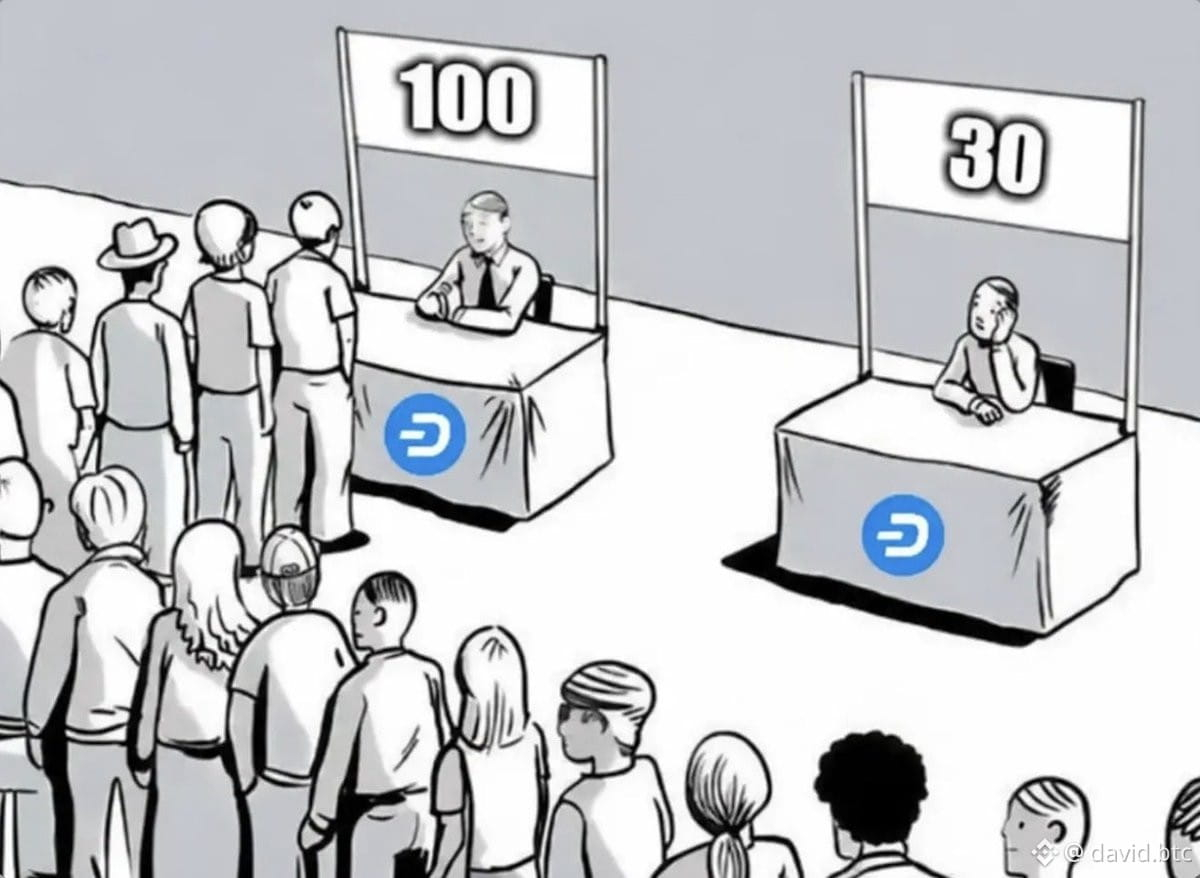
$DASH appreciation post
The coin that actually works. Consistently.
For people who want to live free, it's a lifeline
Not the flashiest, not the most hyped
Just reliable when you need it 🫡
$DASH appreciation post
The coin that actually works. Consistently.
For people who want to live free, it's a lifeline
Not the flashiest, not the most hyped
Just reliable when you need it 🫡
The coin that actually works. Consistently.
For people who want to live free, it's a lifeline
Not the flashiest, not the most hyped
Just reliable when you need it 🫡
·
--
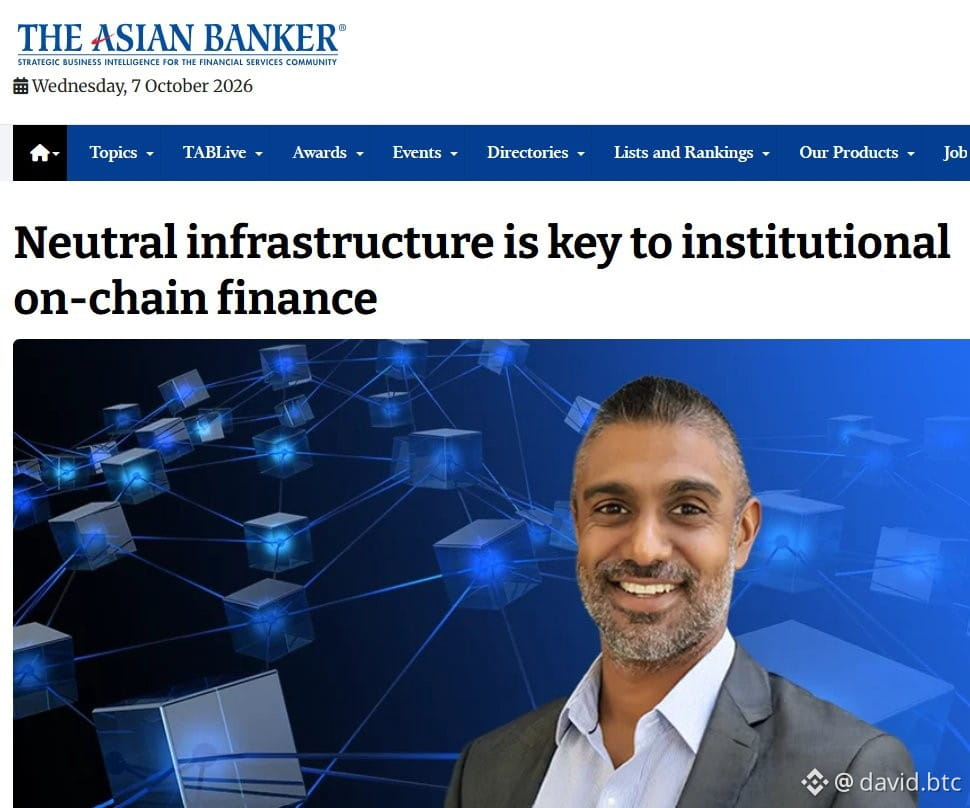
The Canton Bet
Stop building another walled garden. What institutions actually need: neutral rails that connect collateral, payments, and markets WITHOUT sacrificing privacy, control, or autonomy.
This isn't about flashy UX or token pumps. It's about infrastructure that lets TradFi and DeFi talk without everyone exposing their entire balance sheet.
Canton is betting on interoperability as the unlock, not another siloed platform. If they're right, this could be the backbone for institutional capital flows in crypto.
Viv Diwakar laying it out clearly. Worth watching if you care about where real money moves next.
The Canton Bet
Stop building another walled garden. What institutions actually need: neutral rails that connect collateral, payments, and markets WITHOUT sacrificing privacy, control, or autonomy.
This isn't about flashy UX or token pumps. It's about infrastructure that lets TradFi and DeFi talk without everyone exposing their entire balance sheet.
Canton is betting on interoperability as the unlock, not another siloed platform. If they're right, this could be the backbone for institutional capital flows in crypto.
Viv Diwakar laying it out clearly. Worth watching if you care about where real money moves next.
Stop building another walled garden. What institutions actually need: neutral rails that connect collateral, payments, and markets WITHOUT sacrificing privacy, control, or autonomy.
This isn't about flashy UX or token pumps. It's about infrastructure that lets TradFi and DeFi talk without everyone exposing their entire balance sheet.
Canton is betting on interoperability as the unlock, not another siloed platform. If they're right, this could be the backbone for institutional capital flows in crypto.
Viv Diwakar laying it out clearly. Worth watching if you care about where real money moves next.
3
·
--
SBI's Evernorth play: the voting cap math you need to know 🧵
SBI-affiliated investors max out at 39.9% of Evernorth's Class A voting stock. Anything above that? Non-voting Class C shares. Even at full 39.9%, SBI can't force a majority vote—but they're steering the ship.
Armada's trust sat at ~$241M (June 30) and ~$241.9M (Aug 20). Proxy redemption price: ~$10.52/share. Redeemers get paid from that trust, shares get cancelled.
Oct 1 release: deal expected to raise ~$300M gross cash
$225M from private placements
$30M convertible notes
~$48M trust proceeds
No official redemption % disclosed. But do the math: $48M out of $242M trust = ~20% cash remaining. That means ~80% got redeemed. Not a company disclosure—just arithmetic from the filings.
Evernorth expects at least 473,276,430 $XRP at closing (Aug 27 Form 424B3 + Oct 1 release). Key detail: the release does NOT say redemptions reduce that $XRP figure. It also does NOT say the $30M convertible notes are earmarked for $XRP buys.
SBI's share count per S-4: 19.5M shares. Ownership ranged from ~23.8% to ~39.6% depending on redemption scenarios. Exact post-redemption stake? Still not filed.
TLDR: SBI's influence is real, redemptions were heavy, and the $XRP commitment holds—at least on paper. Watch for the final ownership disclosures.
SBI's Evernorth play: the voting cap math you need to know 🧵
SBI-affiliated investors max out at 39.9% of Evernorth's Class A voting stock. Anything above that? Non-voting Class C shares. Even at full 39.9%, SBI can't force a majority vote—but they're steering the ship.
Armada's trust sat at ~$241M (June 30) and ~$241.9M (Aug 20). Proxy redemption price: ~$10.52/share. Redeemers get paid from that trust, shares get cancelled.
Oct 1 release: deal expected to raise ~$300M gross cash
$225M from private placements
$30M convertible notes
~$48M trust proceeds
No official redemption % disclosed. But do the math: $48M out of $242M trust = ~20% cash remaining. That means ~80% got redeemed. Not a company disclosure—just arithmetic from the filings.
Evernorth expects at least 473,276,430 $XRP at closing (Aug 27 Form 424B3 + Oct 1 release). Key detail: the release does NOT say redemptions reduce that $XRP figure. It also does NOT say the $30M convertible notes are earmarked for $XRP buys.
SBI's share count per S-4: 19.5M shares. Ownership ranged from ~23.8% to ~39.6% depending on redemption scenarios. Exact post-redemption stake? Still not filed.
TLDR: SBI's influence is real, redemptions were heavy, and the $XRP commitment holds—at least on paper. Watch for the final ownership disclosures.
SBI-affiliated investors max out at 39.9% of Evernorth's Class A voting stock. Anything above that? Non-voting Class C shares. Even at full 39.9%, SBI can't force a majority vote—but they're steering the ship.
Armada's trust sat at ~$241M (June 30) and ~$241.9M (Aug 20). Proxy redemption price: ~$10.52/share. Redeemers get paid from that trust, shares get cancelled.
Oct 1 release: deal expected to raise ~$300M gross cash
$225M from private placements
$30M convertible notes
~$48M trust proceeds
No official redemption % disclosed. But do the math: $48M out of $242M trust = ~20% cash remaining. That means ~80% got redeemed. Not a company disclosure—just arithmetic from the filings.
Evernorth expects at least 473,276,430 $XRP at closing (Aug 27 Form 424B3 + Oct 1 release). Key detail: the release does NOT say redemptions reduce that $XRP figure. It also does NOT say the $30M convertible notes are earmarked for $XRP buys.
SBI's share count per S-4: 19.5M shares. Ownership ranged from ~23.8% to ~39.6% depending on redemption scenarios. Exact post-redemption stake? Still not filed.
TLDR: SBI's influence is real, redemptions were heavy, and the $XRP commitment holds—at least on paper. Watch for the final ownership disclosures.
28
·
--
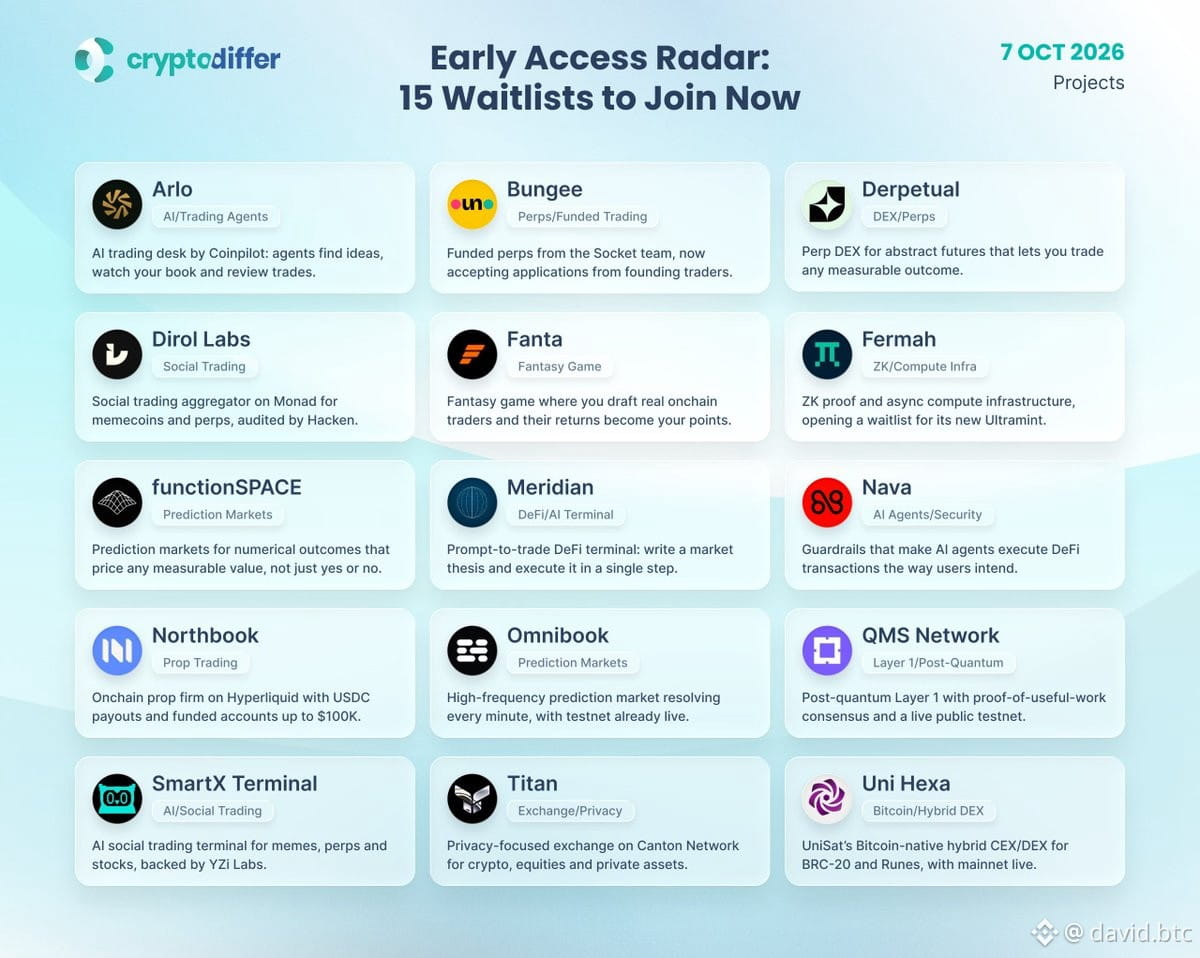
15 alpha waitlists you need to be on RIGHT NOW:
• AI trading desk
• Hyperliquid prop firm
• Post-quantum L1
• Fantasy game where you draft real traders
Sign-up links + backer intel + risk flags all included.
Early access = airdrop leverage. Don't sleep on this.
15 alpha waitlists you need to be on RIGHT NOW:
• AI trading desk
• Hyperliquid prop firm
• Post-quantum L1
• Fantasy game where you draft real traders
Sign-up links + backer intel + risk flags all included.
Early access = airdrop leverage. Don't sleep on this.
• AI trading desk
• Hyperliquid prop firm
• Post-quantum L1
• Fantasy game where you draft real traders
Sign-up links + backer intel + risk flags all included.
Early access = airdrop leverage. Don't sleep on this.
27
·
--
Ripple just dropped new branding in Australia 🇦🇺
No details yet but watch this space. Geographic expansion plays matter for $XRP adoption.
Australia's been crypto-friendly lately. If Ripple's pushing harder into APAC with fresh messaging, could signal institutional partnerships brewing.
Keep eyes on any bank/payment processor announcements down under in the next few weeks.
Ripple just dropped new branding in Australia 🇦🇺
No details yet but watch this space. Geographic expansion plays matter for $XRP adoption.
Australia's been crypto-friendly lately. If Ripple's pushing harder into APAC with fresh messaging, could signal institutional partnerships brewing.
Keep eyes on any bank/payment processor announcements down under in the next few weeks.
No details yet but watch this space. Geographic expansion plays matter for $XRP adoption.
Australia's been crypto-friendly lately. If Ripple's pushing harder into APAC with fresh messaging, could signal institutional partnerships brewing.
Keep eyes on any bank/payment processor announcements down under in the next few weeks.
46
·
--
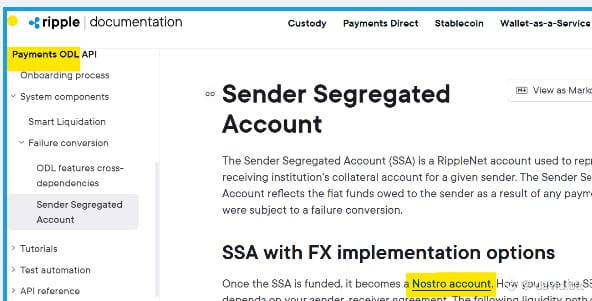
XRP failure path from @Ripple docs nobody talks about:
Normal ODL flow: fiat → $XRP → fiat in seconds. $XRP is NOT held.
But if failure hits AFTER $XRP is withdrawn (exchange glitch or payout fail), the system dumps that $XRP back to FIAT and parks it in the Sender Segregated Account.
Receiver holds it, but the fiat belongs to sender = mini NOSTRO account. Gets used first next time.
Earlier failures? Stay in source currency and just restart.
TLDR: $XRP bridge fails → auto-converts to fiat nostro → sits there waiting. Not as "instant" as the marketing pitch when things break.
XRP failure path from @Ripple docs nobody talks about:
Normal ODL flow: fiat → $XRP → fiat in seconds. $XRP is NOT held.
But if failure hits AFTER $XRP is withdrawn (exchange glitch or payout fail), the system dumps that $XRP back to FIAT and parks it in the Sender Segregated Account.
Receiver holds it, but the fiat belongs to sender = mini NOSTRO account. Gets used first next time.
Earlier failures? Stay in source currency and just restart.
TLDR: $XRP bridge fails → auto-converts to fiat nostro → sits there waiting. Not as "instant" as the marketing pitch when things break.
Normal ODL flow: fiat → $XRP → fiat in seconds. $XRP is NOT held.
But if failure hits AFTER $XRP is withdrawn (exchange glitch or payout fail), the system dumps that $XRP back to FIAT and parks it in the Sender Segregated Account.
Receiver holds it, but the fiat belongs to sender = mini NOSTRO account. Gets used first next time.
Earlier failures? Stay in source currency and just restart.
TLDR: $XRP bridge fails → auto-converts to fiat nostro → sits there waiting. Not as "instant" as the marketing pitch when things break.
55
Log in to explore more content
Join global crypto users on Binance Square
⚡️ Get latest and useful information about crypto.
💬 Trusted by the world’s largest crypto exchange.
👍 Discover real insights from verified creators.
Email / Phone number
Trending Topics
FedMinutesFocusOnOctoberPause
396,445 views
2,492 Discussing
🚨 THE FED JUST DROPPED A HUGE HINT — OCTOBER PAUSE INCOMING?
Wall Street is betting the Fed will HIT THE BRAKES in October. And crypto traders are watching closely. 👀
The latest FOMC minutes have shifted attention toward a potential pause at the October 27–28 meeting.
📊 The market setup:
🔥 October rate hold: approximately 82.8% in the latest previously reported pricing.
🔥 Rate hike probability: approximately 17.2%.
🔥 Weakening labor-market data is making an immediate hike harder to justify.
But here's the twist.
A PAUSE IS NOT A RATE CUT.
The Fed could hold in October while keeping the door open for additional tightening later.
For $BTC, $ ETH and $XAU, that distinction matters.
A pause could ease immediate pressure on risk assets. But persistent inflation and elevated Treasury yields could still crush bullish momentum.
⚠️ THE BIG QUESTION:
Is Wall Street positioning for a crypto breakout — or setting up another massive bull trap before the next Fed decision?
$BTC $ETH $BNB $SOL $XAU
#fedminutesfocusonoctoberpause #BinanceLaunchesBinanceIntelligence #EvernorthDelaysNasdaqDebutToOct12 #RobinhoodAdds$25MInBitcoinToBalanceSheet #SP500AndNasdaqHitRecordHighs
KimHotbae
·32 Likes
·34.5k views
VitalikWarnsAICouldWeakenCryptographySecurity
3,945 views
195 Discussing
XRPSpotETFsHold$1.7BWeeklyInflowsSlow
651 views
28 Discussing