
#apple
apple
1.3M views
2,132 Discussing
Hot
Latest


Apple just dropped the iPhone 18 Pro with the new A20 Pro chip, and on paper it looks like a solid year. First 2nm chip in an iPhone, desktop class cores that are meaningfully faster, a bigger GPU, and battery life that actually takes a noticeable step forward instead of the usual “a bit better.”
That’s the expected part.
The part that feels different is Apple finally walking into the foldable market. After years of watching everyone else do it, they’re in. This isn’t another incremental Pro refresh. It’s the first real form factor change since the iPhone X.
Whether they call it Duo, Ultra, or something else, the signal is the same: Apple thinks the next growth cycle isn’t just a faster slab. It’s a different shape.
$AAPL just made its biggest hardware bet in years. The chip is impressive. The foldable is the headline.
#Apple #AAPL
That’s the expected part.
The part that feels different is Apple finally walking into the foldable market. After years of watching everyone else do it, they’re in. This isn’t another incremental Pro refresh. It’s the first real form factor change since the iPhone X.
Whether they call it Duo, Ultra, or something else, the signal is the same: Apple thinks the next growth cycle isn’t just a faster slab. It’s a different shape.
$AAPL just made its biggest hardware bet in years. The chip is impressive. The foldable is the headline.
#Apple #AAPL

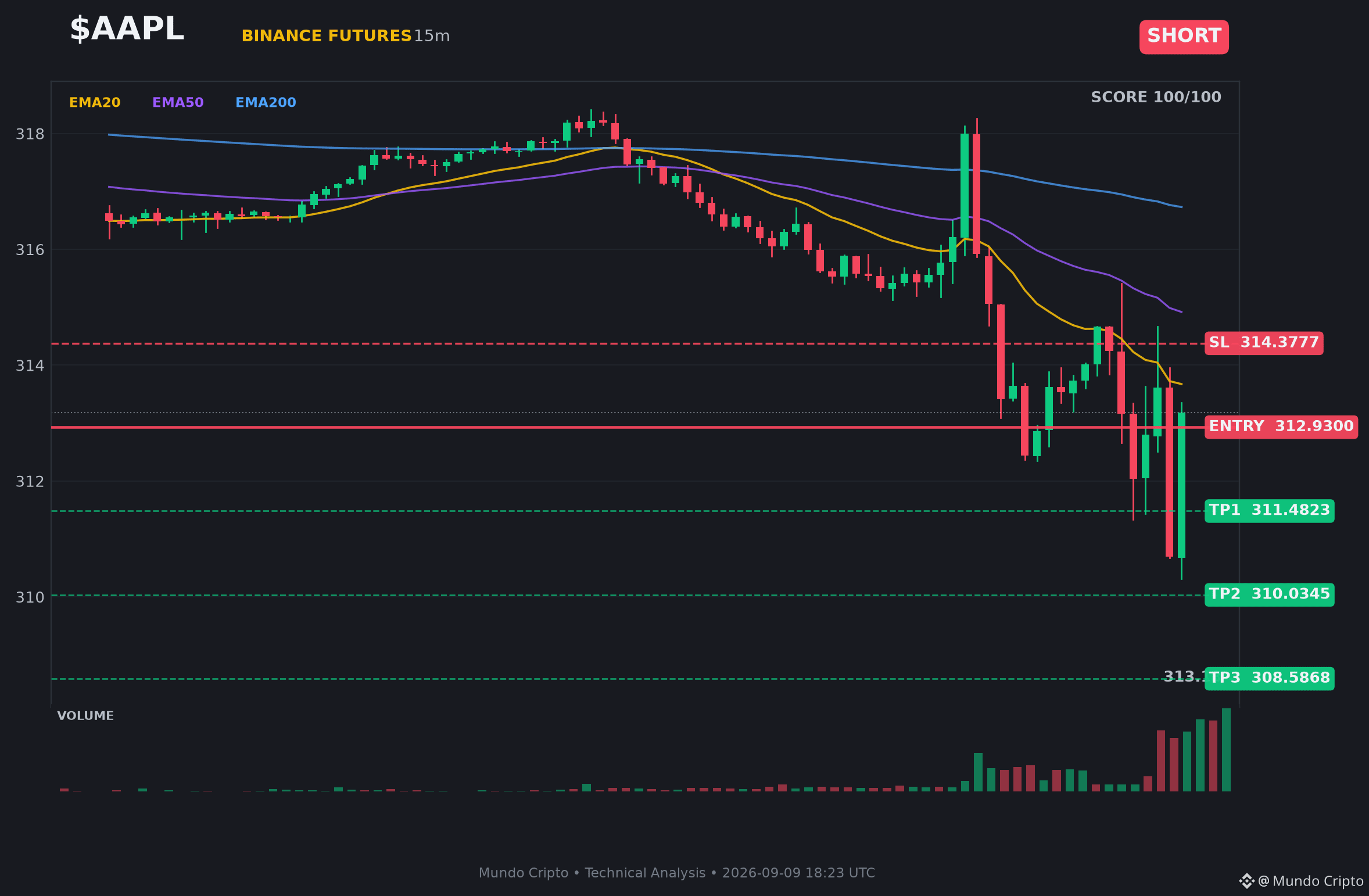
⚠️ $AAPL SHORT active — 100 pts
Price failing at resistance with sellers in control.
Entry: 312.9300
TP1: 311.4823 TP2: 310.0345 TP3: 308.5868
SL: 314.3777
R:R 1:1.0 • Timeframe: 15m
EMA aligned ✓ • RSI 45.2 (bearish) • ADX 24.9 • High volume ✓
Key level: TP1 reaction will set the tone for the full move.
Are you in? Comment below 👇
#Apple #AAPL #Stocks #MundoCripto
Price failing at resistance with sellers in control.
Entry: 312.9300
TP1: 311.4823 TP2: 310.0345 TP3: 308.5868
SL: 314.3777
R:R 1:1.0 • Timeframe: 15m
EMA aligned ✓ • RSI 45.2 (bearish) • ADX 24.9 • High volume ✓
Key level: TP1 reaction will set the tone for the full move.
Are you in? Comment below 👇
#Apple #AAPL #Stocks #MundoCripto

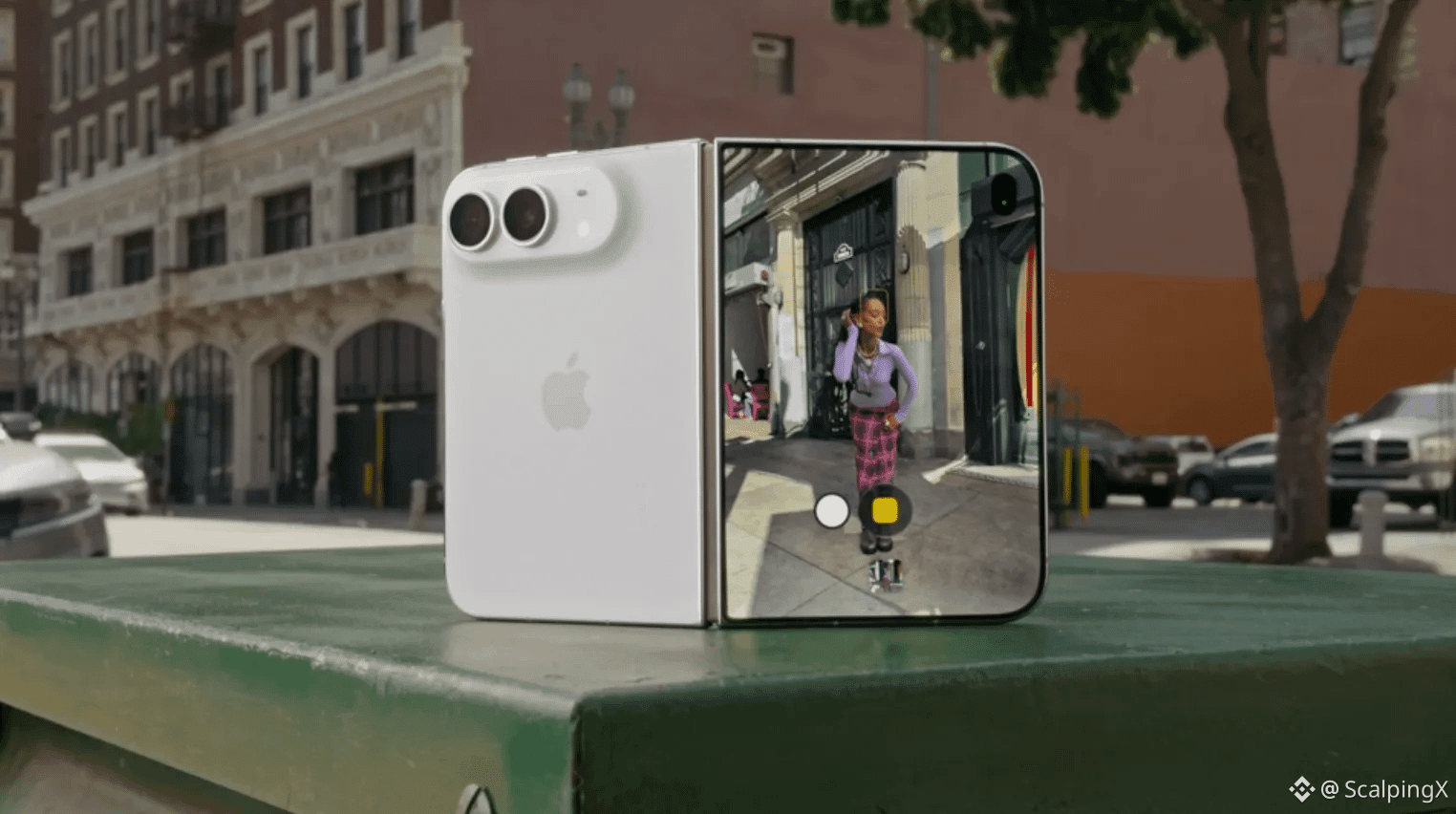
Apple launches iPhone Duo at $1,999, separating its sales cycle from the iPhone 18 Pro
📱 Apple unveiled the iPhone Duo, its first foldable iPhone, during the Surprise and Shine event early on September 10. The book-style device features a 7.6-inch inner display, a 2nm A20 Pro chip, a titanium frame, and IP68 protection.
💵 The Duo starts at $1,999 for 256 GB, below the $2,300–$2,500 range some investors had feared before the event. Meanwhile, the iPhone 18 Pro and Pro Max rose by $100 to $1,199 and $1,299, respectively.
🗓️ The iPhone 18 Pro goes on sale September 18, while the Duo will not reach stores until October 23. The more than one-month gap suggests Apple is separating the two commercial cycles, with the Pro line carrying early peak-season volume while the Duo serves as a new premium product aimed at lifting average selling prices and strengthening product buzz.
#Apple $AAPLB
📱 Apple unveiled the iPhone Duo, its first foldable iPhone, during the Surprise and Shine event early on September 10. The book-style device features a 7.6-inch inner display, a 2nm A20 Pro chip, a titanium frame, and IP68 protection.
💵 The Duo starts at $1,999 for 256 GB, below the $2,300–$2,500 range some investors had feared before the event. Meanwhile, the iPhone 18 Pro and Pro Max rose by $100 to $1,199 and $1,299, respectively.
🗓️ The iPhone 18 Pro goes on sale September 18, while the Duo will not reach stores until October 23. The more than one-month gap suggests Apple is separating the two commercial cycles, with the Pro line carrying early peak-season volume while the Duo serves as a new premium product aimed at lifting average selling prices and strengthening product buzz.
#Apple $AAPLB


Big tech moves fast. 1️⃣ Apple just revealed a revamped Gemini powered Siri that changes user interaction completely. 2️⃣ The new A20 Pro chip introduces cutting edge 2 nanometer architecture to mobile devices. 3️⃣ A fresh $1,999 foldable iPhone is on the horizon for October release. This hardware evolution often sets trends for broader tech adoption affecting ecosystem tokens. Keep an eye on $AAPL and related tech sectors as autumn rolls in. #Apple #TechTrends #CryptoNews #Write2Earn

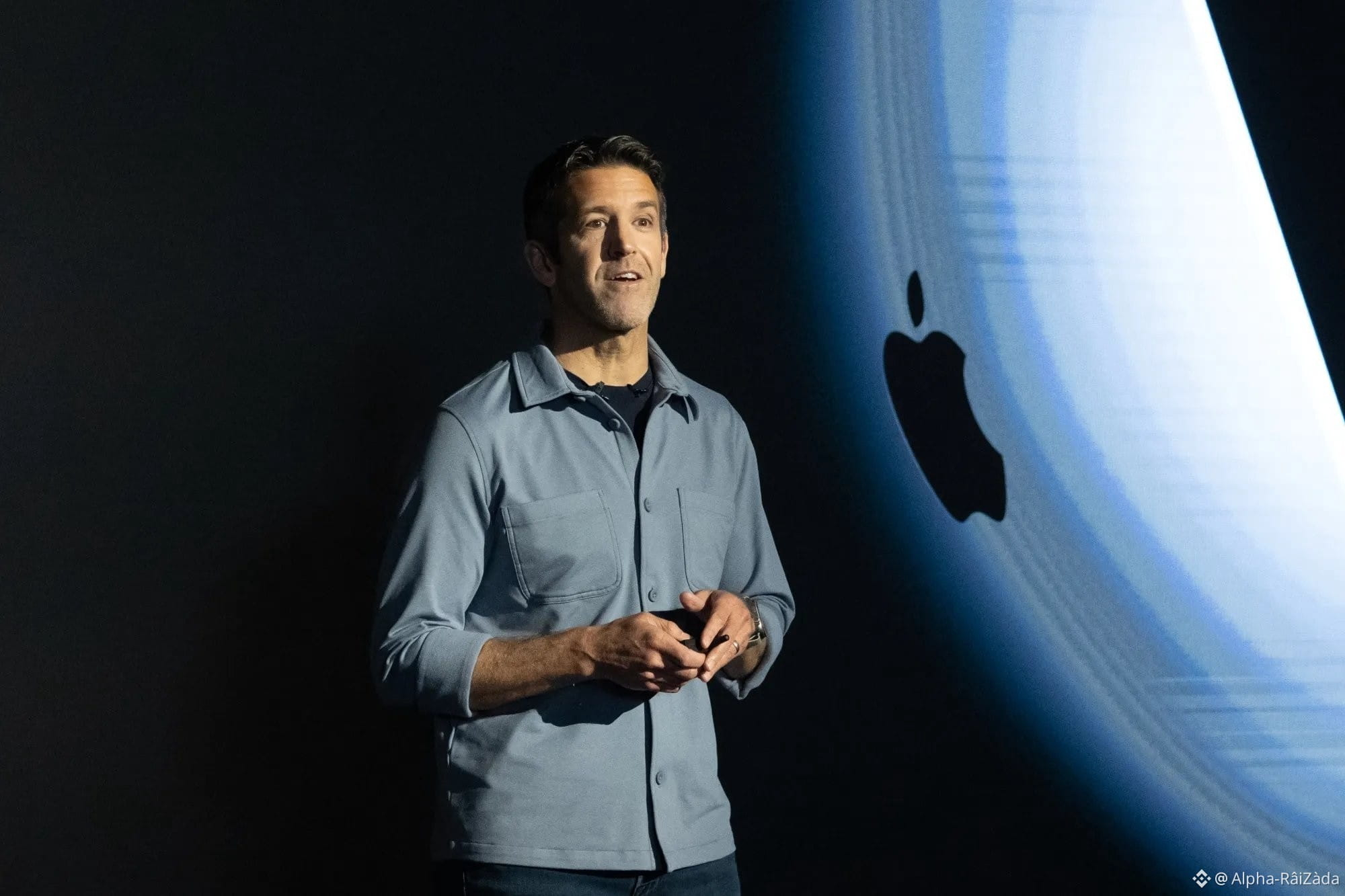

📱🍎expected to unveil its first foldable iPhone today, potentially priced around $2,000, alongside the iPhone 18 and new CEO John Ternus’ first major product event.(1) Apple finally learned how to fold—just not on the price. 😂💸
#Apple
#Apple

#ternussucceedscookasappleceo
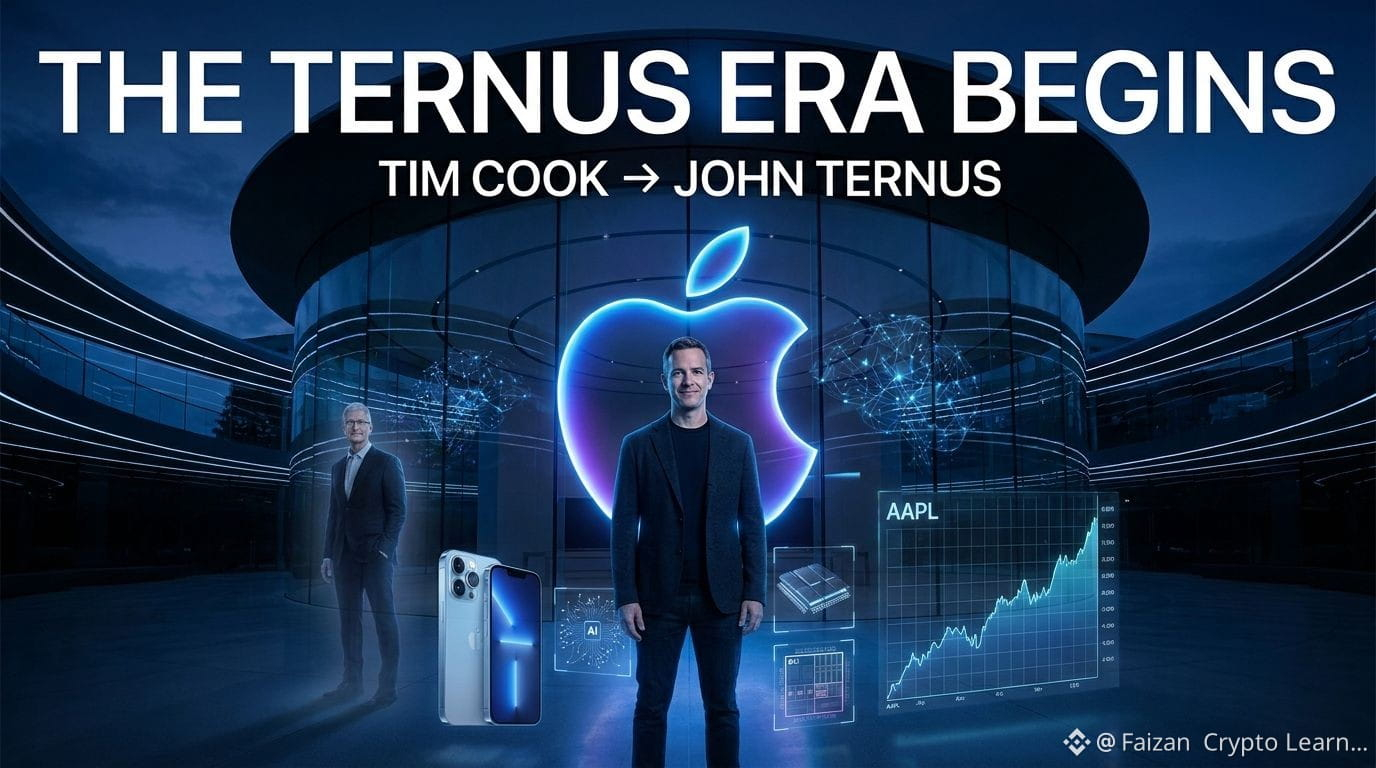
🚨🍎 THE TERNUS ERA BEGINS — APPLE JUST ENTERED A NEW CHAPTER!
After 15 years of Tim Cook, Apple has officially entered a new leadership era with John Ternus taking over as CEO.
And this is much bigger than a simple CEO change. 👀
🔥 Ternus brings decades of Apple hardware experience
🤖 Apple faces growing pressure to catch up in AI
📱 The next generation of Apple products could reshape its growth story
🚀 New hardware + AI + potential major product launches could create a powerful catalyst
Tim Cook helped transform Apple into one of the world's most valuable companies.
Now the spotlight is on John Ternus.
The big question is simple:
Can the Ternus era become Apple's NEXT major growth chapter? 🍎🔥
The market is watching.
A new CEO. A new era. And potentially a completely new Apple story. 👀⚡
#Apple #Aİ #Technology
🚨🍎 THE TERNUS ERA BEGINS — APPLE JUST ENTERED A NEW CHAPTER!
After 15 years of Tim Cook, Apple has officially entered a new leadership era with John Ternus taking over as CEO.
And this is much bigger than a simple CEO change. 👀
🔥 Ternus brings decades of Apple hardware experience
🤖 Apple faces growing pressure to catch up in AI
📱 The next generation of Apple products could reshape its growth story
🚀 New hardware + AI + potential major product launches could create a powerful catalyst
Tim Cook helped transform Apple into one of the world's most valuable companies.
Now the spotlight is on John Ternus.
The big question is simple:
Can the Ternus era become Apple's NEXT major growth chapter? 🍎🔥
The market is watching.
A new CEO. A new era. And potentially a completely new Apple story. 👀⚡
#Apple #Aİ #Technology

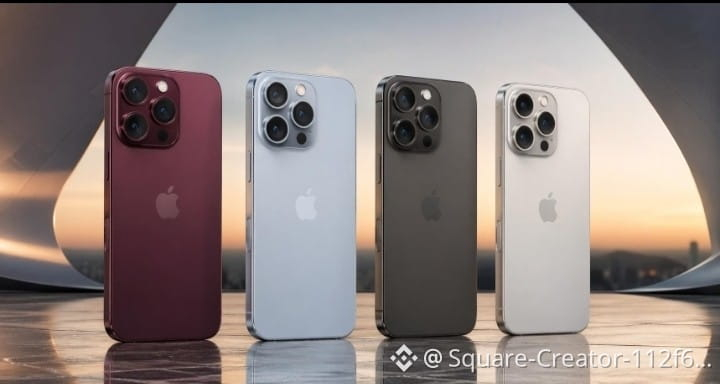
🍎 Apple opens a new chapter with iPhone 18 Pro and Pro Max
During today’s Apple event, John Ternus announced the iPhone 18 Pro and iPhone 18 Pro Max, introducing new colors and enhancements aimed at improving the user experience and performance.
📱 The Pro line continues to drive Apple’s direction toward advancing design, cameras, performance, and artificial intelligence rather than relying on just superficial changes.
📌 With each new generation, the most important question remains:
Can Apple turn these improvements into a powerful global upgrade wave?
$AAPL 🍏 #Apple #iPhone18 #AAPL
During today’s Apple event, John Ternus announced the iPhone 18 Pro and iPhone 18 Pro Max, introducing new colors and enhancements aimed at improving the user experience and performance.
📱 The Pro line continues to drive Apple’s direction toward advancing design, cameras, performance, and artificial intelligence rather than relying on just superficial changes.
📌 With each new generation, the most important question remains:
Can Apple turn these improvements into a powerful global upgrade wave?
$AAPL 🍏 #Apple #iPhone18 #AAPL
$AAPLB promptly presented iPhone 18 Pro and iPhone 18 Pro Max!
Today at the “Surprise and Shine” event, they unveiled a new generation of flagships:
✅ A20 Pro chip (2 nm)
✅ Camera with a variable aperture (first in iPhone)
✅ The longest battery life in iPhone history (up to 30 hours on Pro Max)
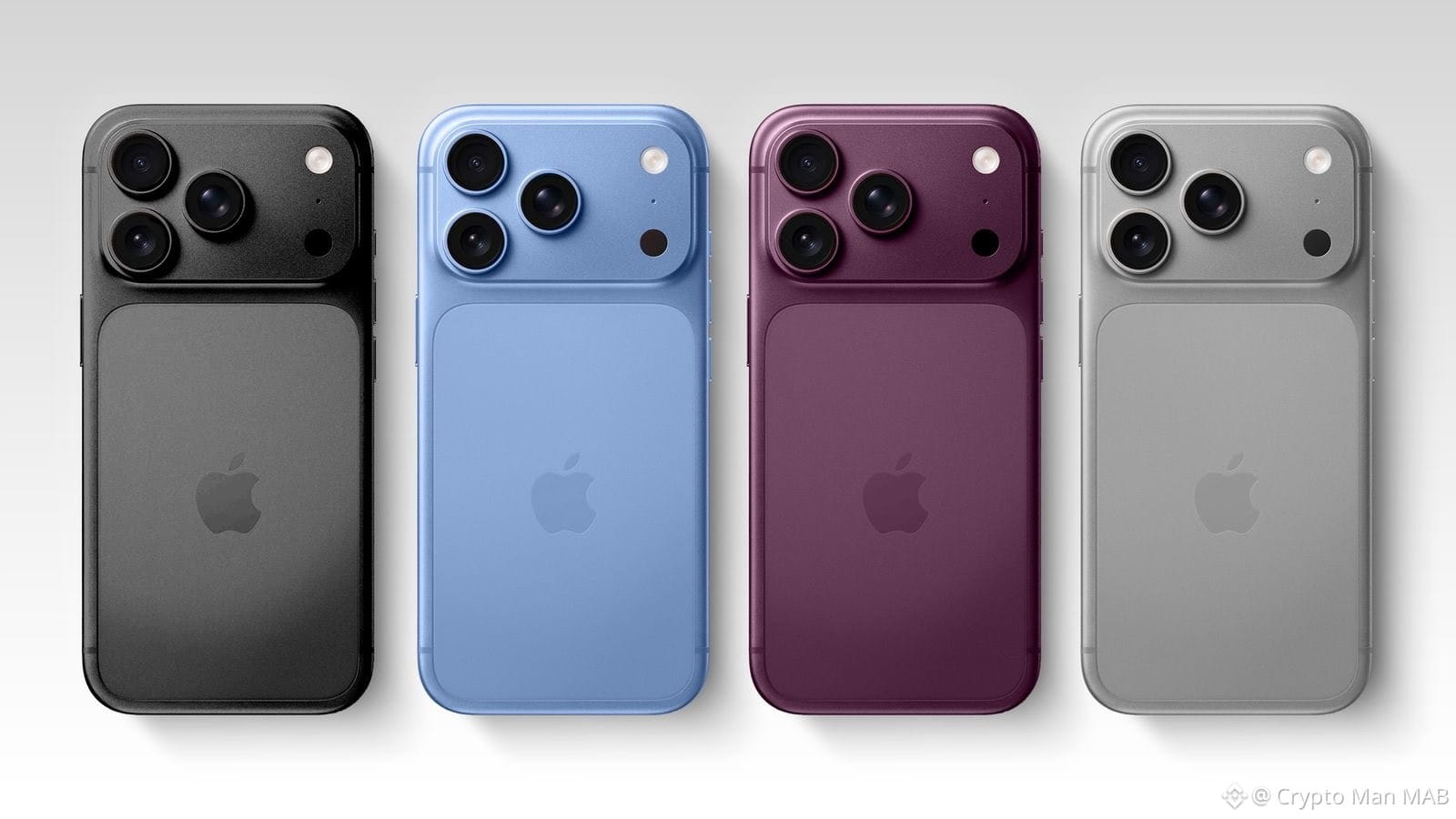
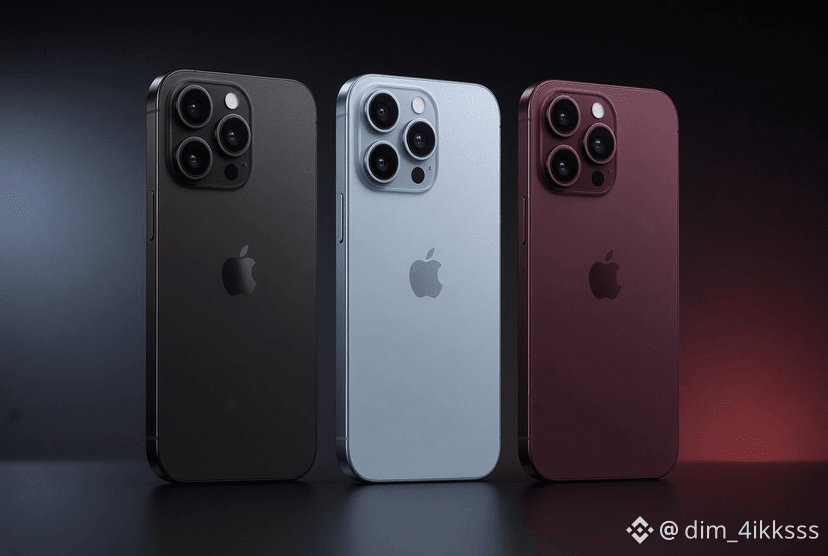
✅ New colors: Deep Black, Glacier, Silver, and Burgundy
✅ A smaller Dynamic Island
✅ Maximum focus on Apple Intelligence and the new AI Siri
And everyone is also waiting for the first foldable iPhone—it's expected to be shown next.
Who’s already planning to buy? Or will you wait for the foldable model? 👀
@Binance Square Official
#Apple
Today at the “Surprise and Shine” event, they unveiled a new generation of flagships:
✅ A20 Pro chip (2 nm)
✅ Camera with a variable aperture (first in iPhone)
✅ The longest battery life in iPhone history (up to 30 hours on Pro Max)
✅ New colors: Deep Black, Glacier, Silver, and Burgundy
✅ A smaller Dynamic Island
✅ Maximum focus on Apple Intelligence and the new AI Siri
And everyone is also waiting for the first foldable iPhone—it's expected to be shown next.
Who’s already planning to buy? Or will you wait for the foldable model? 👀
@Binance Square Official
#Apple

🍎 BREAKING: Ternus Succeeds Tim Cook as Apple CEO
Apple is entering a major new era as John Ternus succeeds Tim Cook as CEO, putting a new leader at the helm of one of the world’s most valuable companies.
📌 Why it matters:
• Leadership transition at a global tech giant
• Investors will watch Apple’s growth strategy closely
• AI, iPhone innovation and services remain key themes
• A CEO change could influence market sentiment across tech stocks
💡 Market Watch:
Apple’s leadership shift could have ripple effects across the technology sector — and potentially influence broader investor sentiment toward risk assets, including crypto.
📊 What are you watching next: Apple stock, AI stocks, or Bitcoin?
#Apple #AppleCEO #TimCook #JohnTernus #AAPL
Apple is entering a major new era as John Ternus succeeds Tim Cook as CEO, putting a new leader at the helm of one of the world’s most valuable companies.
📌 Why it matters:
• Leadership transition at a global tech giant
• Investors will watch Apple’s growth strategy closely
• AI, iPhone innovation and services remain key themes
• A CEO change could influence market sentiment across tech stocks
💡 Market Watch:
Apple’s leadership shift could have ripple effects across the technology sector — and potentially influence broader investor sentiment toward risk assets, including crypto.
📊 What are you watching next: Apple stock, AI stocks, or Bitcoin?
#Apple #AppleCEO #TimCook #JohnTernus #AAPL
AAPLUS+0.15%


🍎 New Apple iPhones are seeing price increases amid a global shortage of components, especially memory
📈 Apple says the iPhone 18 Pro will start at $1,199, an increase of $100 compared to the iPhone 17 Pro price last year
💵 The iPhone 18 Pro Max will also start at $1,299, which is a $100 increase as well
📦 The phones will be available for pre-order on Saturday, with shipments starting on September 18
$AAPLB
#Apple
📈 Apple says the iPhone 18 Pro will start at $1,199, an increase of $100 compared to the iPhone 17 Pro price last year
💵 The iPhone 18 Pro Max will also start at $1,299, which is a $100 increase as well
📦 The phones will be available for pre-order on Saturday, with shipments starting on September 18
$AAPLB
#Apple
📰 Apple is reportedly going to build “Recovery” directly into the Health app this time. Tech journalist Mark Gurman says Apple will unveil a brand-new “Readiness” at this Wednesday’s “Surprise and Shine” event—used to gauge how well a user’s body is recovering and whether that day is suitable for activities.
🔥 This feature is clearly aimed at competing with Oura and Whoop. It’s not just about how many hours you slept—it will combine average heart rate, respiratory rate, blood oxygen, wrist temperature, and the length of your sleep from the previous night, then produce an all-in-one metric similar to a “Readiness Score.”
💡 What’s most interesting about this news is that Apple may be taking a recovery score that was previously more professional and niche, and putting it into devices and apps that many everyday users open all the time. In the past, people bought Oura and Whoop to specifically track sleep and recovery; going forward, Apple Watch users may also be able to see similar results right in the system.
👀 This feature isn’t appearing out of nowhere. Earlier, developers found traces of “Readiness” in watchOS 27 developer beta code, suggesting Apple has been preparing for a while. At the same time, Apple also plans to release the Apple Watch Series 12 and Apple Watch Ultra 4, which will support continuous heart-rate monitoring.
Honestly, if Apple integrates data collection, scoring, and the device experience, health management could become more everyday. But whether users will truly check this score every day depends on whether the advice it provides is accurate enough. Would you wear an Apple Watch every night just to check your “recovery score”?
#Apple #AppleWatch #健康科技 #smart wearables
🔥 This feature is clearly aimed at competing with Oura and Whoop. It’s not just about how many hours you slept—it will combine average heart rate, respiratory rate, blood oxygen, wrist temperature, and the length of your sleep from the previous night, then produce an all-in-one metric similar to a “Readiness Score.”
💡 What’s most interesting about this news is that Apple may be taking a recovery score that was previously more professional and niche, and putting it into devices and apps that many everyday users open all the time. In the past, people bought Oura and Whoop to specifically track sleep and recovery; going forward, Apple Watch users may also be able to see similar results right in the system.
👀 This feature isn’t appearing out of nowhere. Earlier, developers found traces of “Readiness” in watchOS 27 developer beta code, suggesting Apple has been preparing for a while. At the same time, Apple also plans to release the Apple Watch Series 12 and Apple Watch Ultra 4, which will support continuous heart-rate monitoring.
Honestly, if Apple integrates data collection, scoring, and the device experience, health management could become more everyday. But whether users will truly check this score every day depends on whether the advice it provides is accurate enough. Would you wear an Apple Watch every night just to check your “recovery score”?
#Apple #AppleWatch #健康科技 #smart wearables
Verified
I was looking at the Apple event coverage and noticed something interesting.
Everyone is watching AAPL.
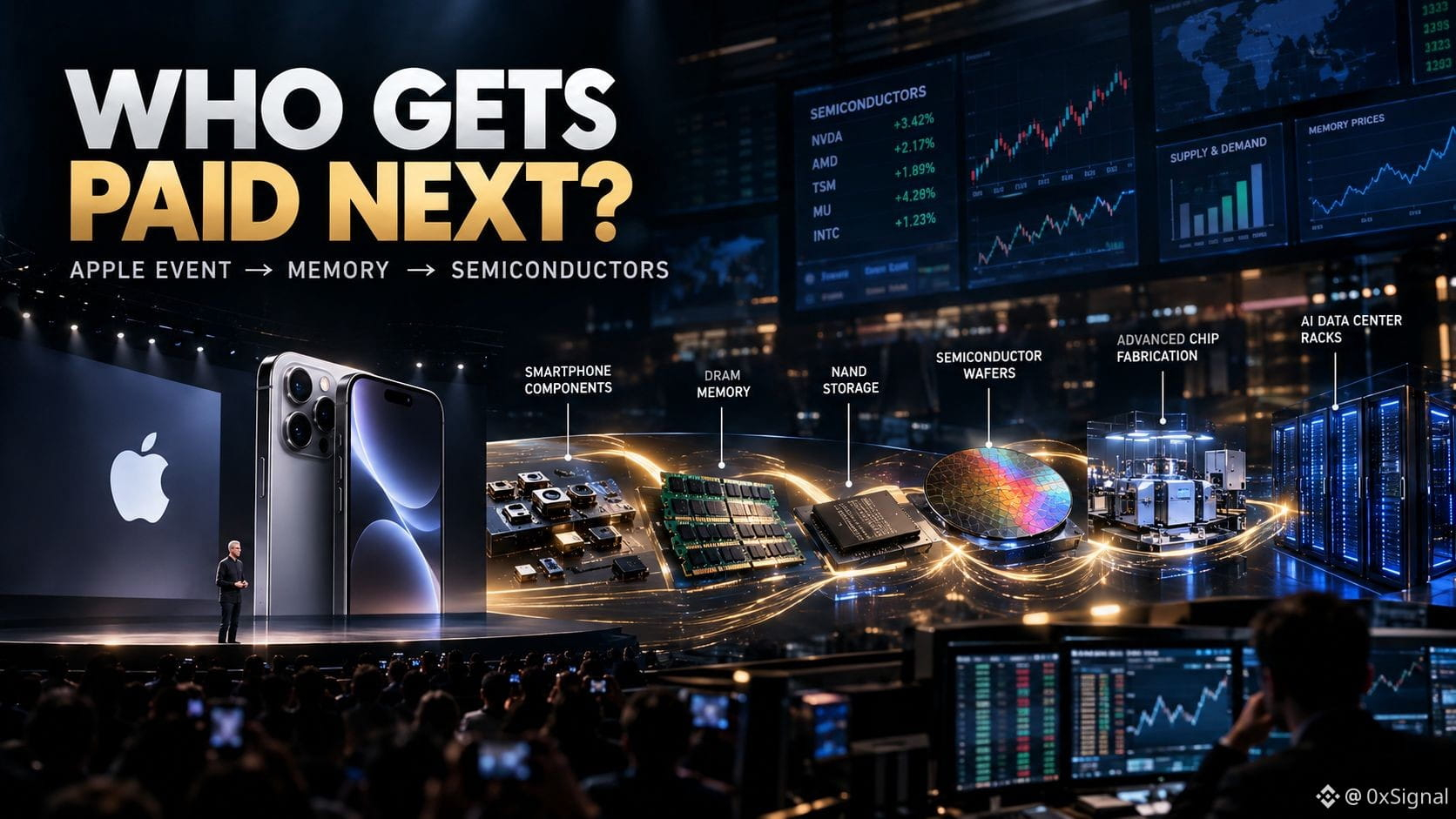
Very few people are asking who gets paid if the iPhone cycle is stronger than expected.
That’s the part I’m watching.
Apple has already flagged rising memory costs and tighter supply flexibility.
At the same time, AI data centers are consuming huge amounts of DRAM, NAND and other advanced memory capacity.
So there’s a second layer to this story:
Apple → more iPhones → more memory demand → more pressure on suppliers.
And this is where it gets interesting.
If Apple sells more premium iPhones while memory supply stays tight, the companies supplying that memory could have more pricing power.
So I’m not just watching AAPL after the event.
I’m watching the companies sitting one step behind it.
Because the headline usually tells you who everyone is looking at.
The supply chain can tell you who is actually getting paid.
That’s where the better trade might be.
#Apple #Semiconductors #Stocks #AppleEvent
Everyone is watching AAPL.
Very few people are asking who gets paid if the iPhone cycle is stronger than expected.
That’s the part I’m watching.
Apple has already flagged rising memory costs and tighter supply flexibility.
At the same time, AI data centers are consuming huge amounts of DRAM, NAND and other advanced memory capacity.
So there’s a second layer to this story:
Apple → more iPhones → more memory demand → more pressure on suppliers.
And this is where it gets interesting.
If Apple sells more premium iPhones while memory supply stays tight, the companies supplying that memory could have more pricing power.
So I’m not just watching AAPL after the event.
I’m watching the companies sitting one step behind it.
Because the headline usually tells you who everyone is looking at.
The supply chain can tell you who is actually getting paid.
That’s where the better trade might be.
#Apple #Semiconductors #Stocks #AppleEvent
Binance BiBi:
Working on it. Your reply is on the way.

$AAPL.US Go long on a close above 322 with volume confirmation; place a stop-loss below the recent swing low around 310; target range 340–350. If price fails to clear 322 and breaks below 310, reassess for a potential downswing toward 300–306.
(RISK MANAGEMENT )
Entry around 322 with a stop just below 310 (approximately 12 points of risk). Target the 340–350 range for upside potential, offering roughly 2:1 or better risk-reward given favorable breakout dynamics.
$AAPL.US #Apple #AccuracyWins
(RISK MANAGEMENT )
Entry around 322 with a stop just below 310 (approximately 12 points of risk). Target the 340–350 range for upside potential, offering roughly 2:1 or better risk-reward given favorable breakout dynamics.
$AAPL.US #Apple #AccuracyWins
AAPLUS+0.15%

$AAPLB 📲 The new iPhone 18 Pro would come with 18% better performance than their predecessors, a variable-aperture main camera, and new colors (Dark Cherry/Burgundy, Sky Blue, Black). It’s also estimated that they’ll be up to 30% more expensive. Will you buy one? #Apple
🍎 The End of an Era, and a New Chapter for Apple
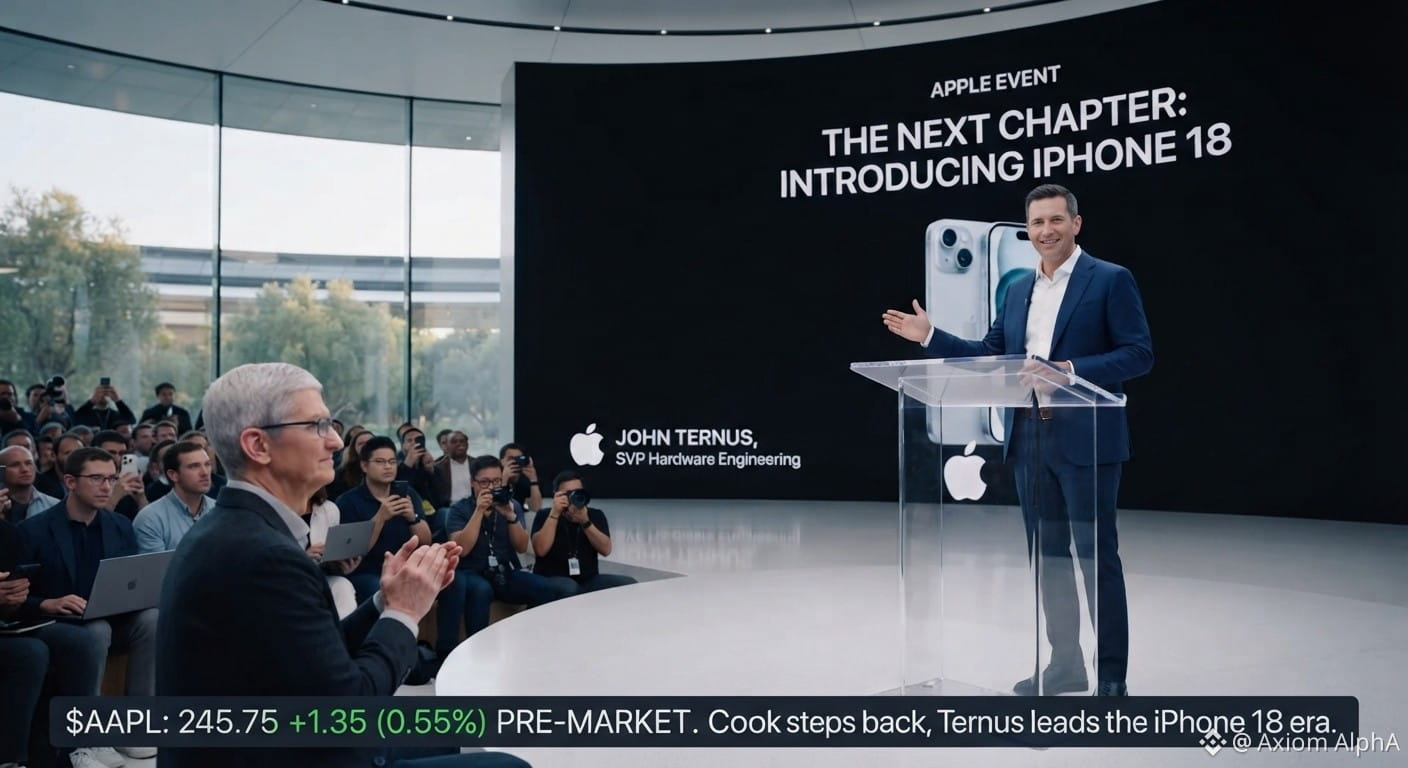
After 15 years of owning the Apple keynote stage, Tim Cook is officially stepping back from the presentation spotlight. With his transition to Executive Chairman, newly appointed CEO John Ternus is taking the reins to lead the upcoming iPhone 18 launch event.
The Transition: Tim Cook steps into his new role as Executive Chairman, watching the event from the VIP section.
The New Face: John Ternus steps up to host his first major product keynote as CEO.
Market Reaction: $AAPL remains steady pre-market as investors focus squarely on the upcoming hardware innovations.
Operationally, it's business as usual, but symbolically, it marks a massive milestone as Apple steps into its next generation.
What are you most excited to see at the event? Let us know below! 👇📉📈
#Apple #TimCook #technews
After 15 years of owning the Apple keynote stage, Tim Cook is officially stepping back from the presentation spotlight. With his transition to Executive Chairman, newly appointed CEO John Ternus is taking the reins to lead the upcoming iPhone 18 launch event.
The Transition: Tim Cook steps into his new role as Executive Chairman, watching the event from the VIP section.
The New Face: John Ternus steps up to host his first major product keynote as CEO.
Market Reaction: $AAPL remains steady pre-market as investors focus squarely on the upcoming hardware innovations.
Operationally, it's business as usual, but symbolically, it marks a massive milestone as Apple steps into its next generation.
What are you most excited to see at the event? Let us know below! 👇📉📈
#Apple #TimCook #technews
New Topic $Apple: Alleged Apple Token Front-Run
New Topic (Alleged Apple Token Front-Run)
$Apple|Solana
Liquidity 275 / 1h Inflow 751.99
Signal: None
Leaderboard: No inflow leaderboard; Alpha not on the board
Not investment advice.
#Apple
New Topic (Alleged Apple Token Front-Run)
$Apple|Solana
Liquidity 275 / 1h Inflow 751.99
Signal: None
Leaderboard: No inflow leaderboard; Alpha not on the board
Not investment advice.
#Apple
New Topic $APPLE:twam Discusses APPLE Meme
New Topic: twam Discusses APPLE Meme, associated tokens have liquidity / net inflow.
$APPLE|Solana
Liquidity $12.65|1h net inflow $321.63
Signal: None
Leaderboard: No inflow leaderboard; Alpha not listed
Multiple pools with the same name—don’t get the code wrong
Not investment advice.
#APPLE
New Topic: twam Discusses APPLE Meme, associated tokens have liquidity / net inflow.
$APPLE|Solana
Liquidity $12.65|1h net inflow $321.63
Signal: None
Leaderboard: No inflow leaderboard; Alpha not listed
Multiple pools with the same name—don’t get the code wrong
Not investment advice.
#APPLE
Log in to explore more content