
BTC ZOIII Fox
2.3k Posts

BTC ZOIII Fox
Report
Block User
Join Binance to Earn money from home hope you guys follow me and support me and guide
254 Following
565 Followers
1.2K+ Liked
Posts
All
Live
What makes you notice a coin on the Top Trade list first?
$BTR $PROM $KOMA
What is the first thing you check before putting a coin on your watchlist?
What makes you notice a coin on the Top Trade list first?
$BTR $PROM $KOMA
What is the first thing you check before putting a coin on your watchlist?
$BTR $PROM $KOMA
What is the first thing you check before putting a coin on your watchlist?
Huge price movement
0%
High trading volume
0%
New market narrative
0%
Bitcoin direction
0%
0 votes • Voting closed
1.6k
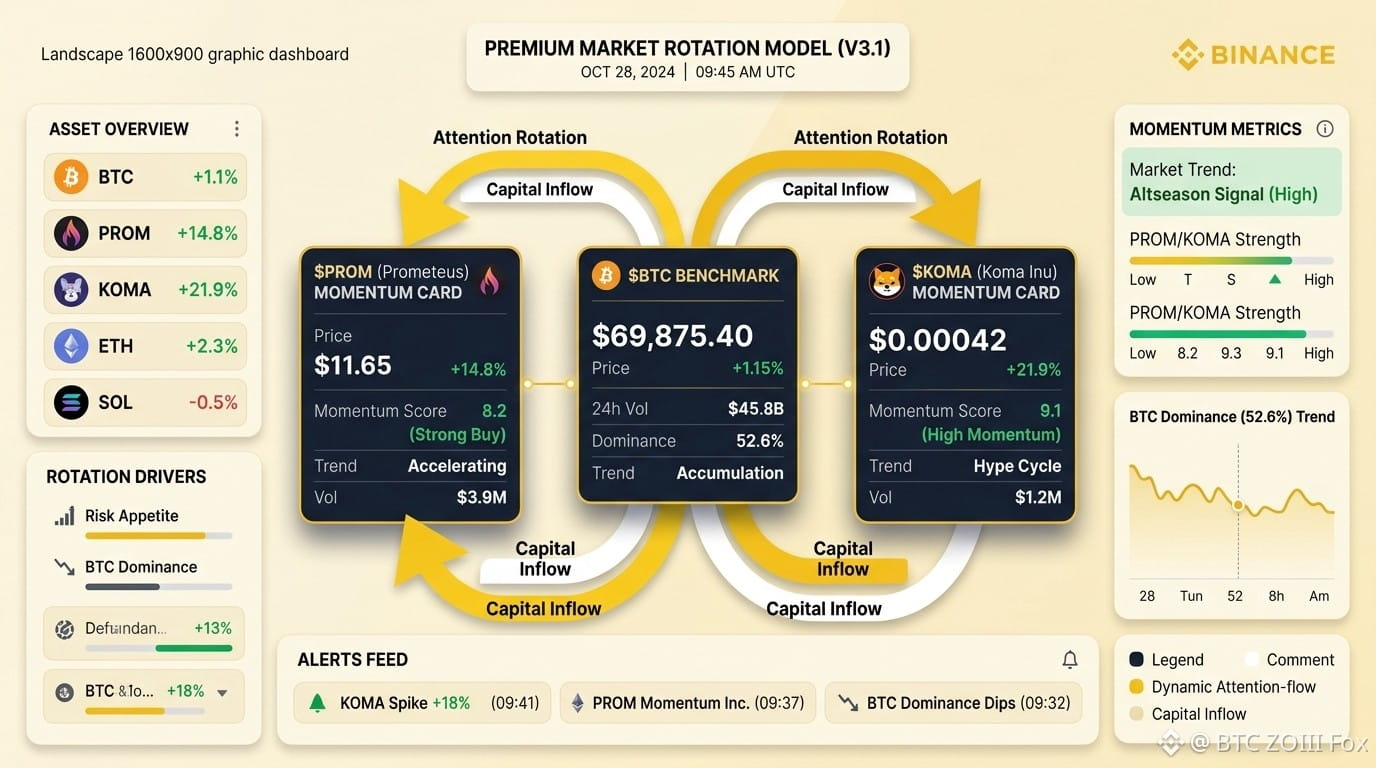
Today's Top Trade list tells a simple story: attention is rotating.
$PROM is showing strong upside momentum, $KOMA continues attracting traders, while $BTC remains the broader market benchmark.
This combination shows how traders can follow multiple narratives at once. Bitcoin provides the market reference, while smaller names compete for attention through momentum and volatility.
The big question is whether today's strongest names can continue holding trader interest or whether the market rotates again tomorrow.
Which one is your top watch?
#crypto #BinanceSquare #bitcoin #altcoins #trading
Today's Top Trade list tells a simple story: attention is rotating.
$PROM is showing strong upside momentum, $KOMA continues attracting traders, while $BTC remains the broader market benchmark.
This combination shows how traders can follow multiple narratives at once. Bitcoin provides the market reference, while smaller names compete for attention through momentum and volatility.
The big question is whether today's strongest names can continue holding trader interest or whether the market rotates again tomorrow.
Which one is your top watch?
#crypto #BinanceSquare #bitcoin #altcoins #trading
$PROM is showing strong upside momentum, $KOMA continues attracting traders, while $BTC remains the broader market benchmark.
This combination shows how traders can follow multiple narratives at once. Bitcoin provides the market reference, while smaller names compete for attention through momentum and volatility.
The big question is whether today's strongest names can continue holding trader interest or whether the market rotates again tomorrow.
Which one is your top watch?
#crypto #BinanceSquare #bitcoin #altcoins #trading
1
1
123
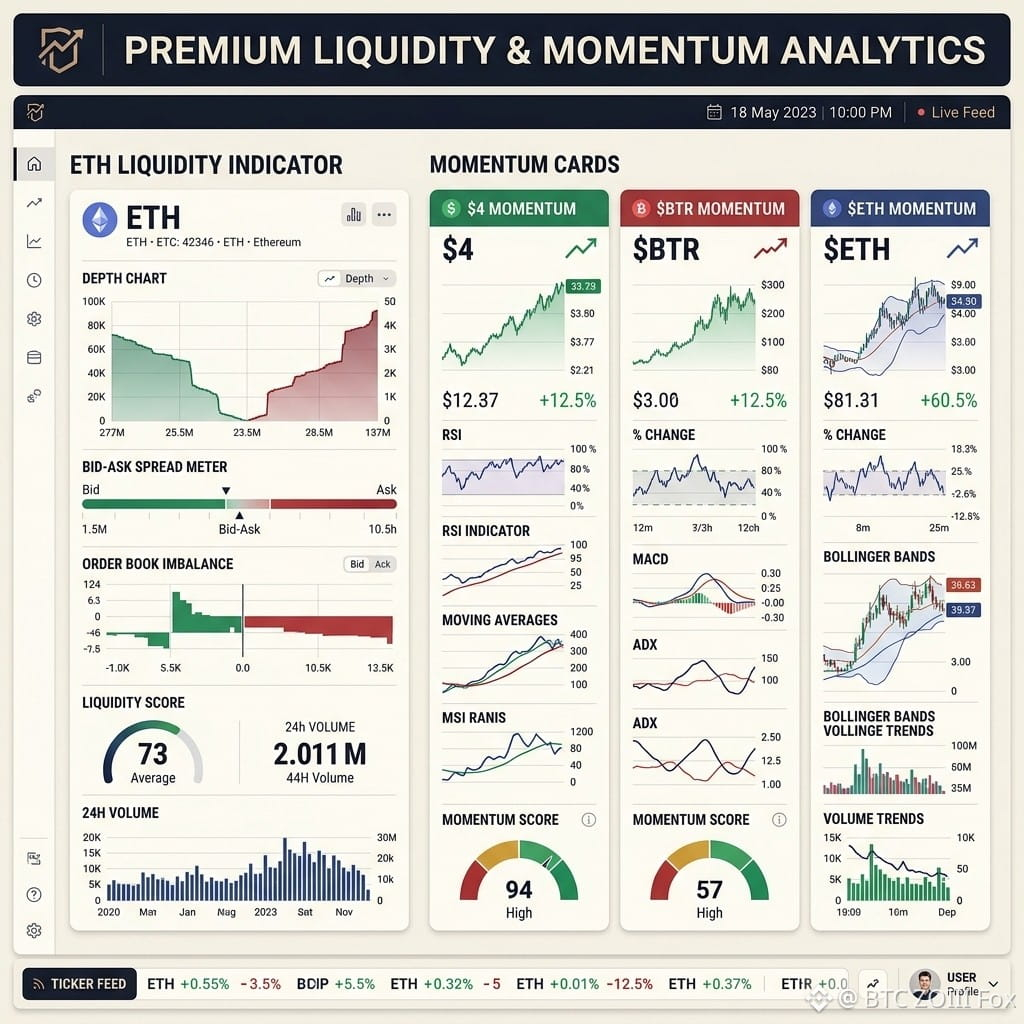
Momentum traders have plenty to watch today.
$4 is showing one of the strongest moves on the list, $BTR is also attracting attention, while $ETH provides a completely different market profile with deeper established liquidity.
The interesting part is how quickly trader attention can move between these categories. A strong altcoin move can pull attention away from larger assets for a while, especially when the market is searching for momentum.
But attention and sustainability are two different things.
Which setup looks most interesting to you?
#crypto #BinanceSquare #Ethereum #altcoins #trading
Momentum traders have plenty to watch today.
$4 is showing one of the strongest moves on the list, $BTR is also attracting attention, while $ETH provides a completely different market profile with deeper established liquidity.
The interesting part is how quickly trader attention can move between these categories. A strong altcoin move can pull attention away from larger assets for a while, especially when the market is searching for momentum.
But attention and sustainability are two different things.
Which setup looks most interesting to you?
#crypto #BinanceSquare #Ethereum #altcoins #trading
$4 is showing one of the strongest moves on the list, $BTR is also attracting attention, while $ETH provides a completely different market profile with deeper established liquidity.
The interesting part is how quickly trader attention can move between these categories. A strong altcoin move can pull attention away from larger assets for a while, especially when the market is searching for momentum.
But attention and sustainability are two different things.
Which setup looks most interesting to you?
#crypto #BinanceSquare #Ethereum #altcoins #trading
130
The market is showing three very different reactions today.
$龙虾 is attracting strong upside attention, $BTC remains relatively steady, while $CLO is moving lower.
This creates an interesting market psychology picture. Strong upside moves attract momentum traders, stable major assets attract cautious observers, and sharp downside moves create questions around sentiment.
There isn't just one type of trader active in the market right now.
Which price behavior interests you most?
#crypto #BinanceSquare #bitcoin #altcoins #trading
The market is showing three very different reactions today.
$龙虾 is attracting strong upside attention, $BTC remains relatively steady, while $CLO is moving lower.
This creates an interesting market psychology picture. Strong upside moves attract momentum traders, stable major assets attract cautious observers, and sharp downside moves create questions around sentiment.
There isn't just one type of trader active in the market right now.
Which price behavior interests you most?
#crypto #BinanceSquare #bitcoin #altcoins #trading
$龙虾 is attracting strong upside attention, $BTC remains relatively steady, while $CLO is moving lower.
This creates an interesting market psychology picture. Strong upside moves attract momentum traders, stable major assets attract cautious observers, and sharp downside moves create questions around sentiment.
There isn't just one type of trader active in the market right now.
Which price behavior interests you most?
#crypto #BinanceSquare #bitcoin #altcoins #trading
710
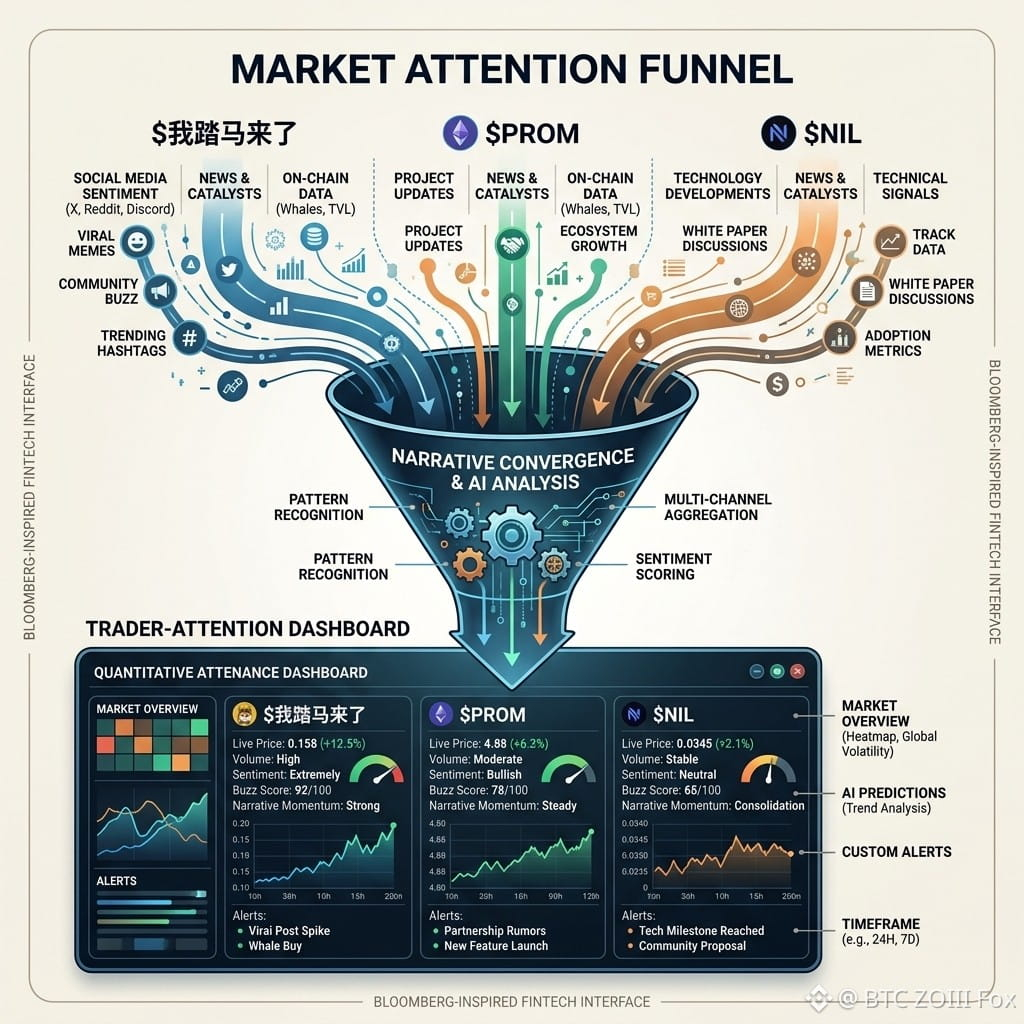
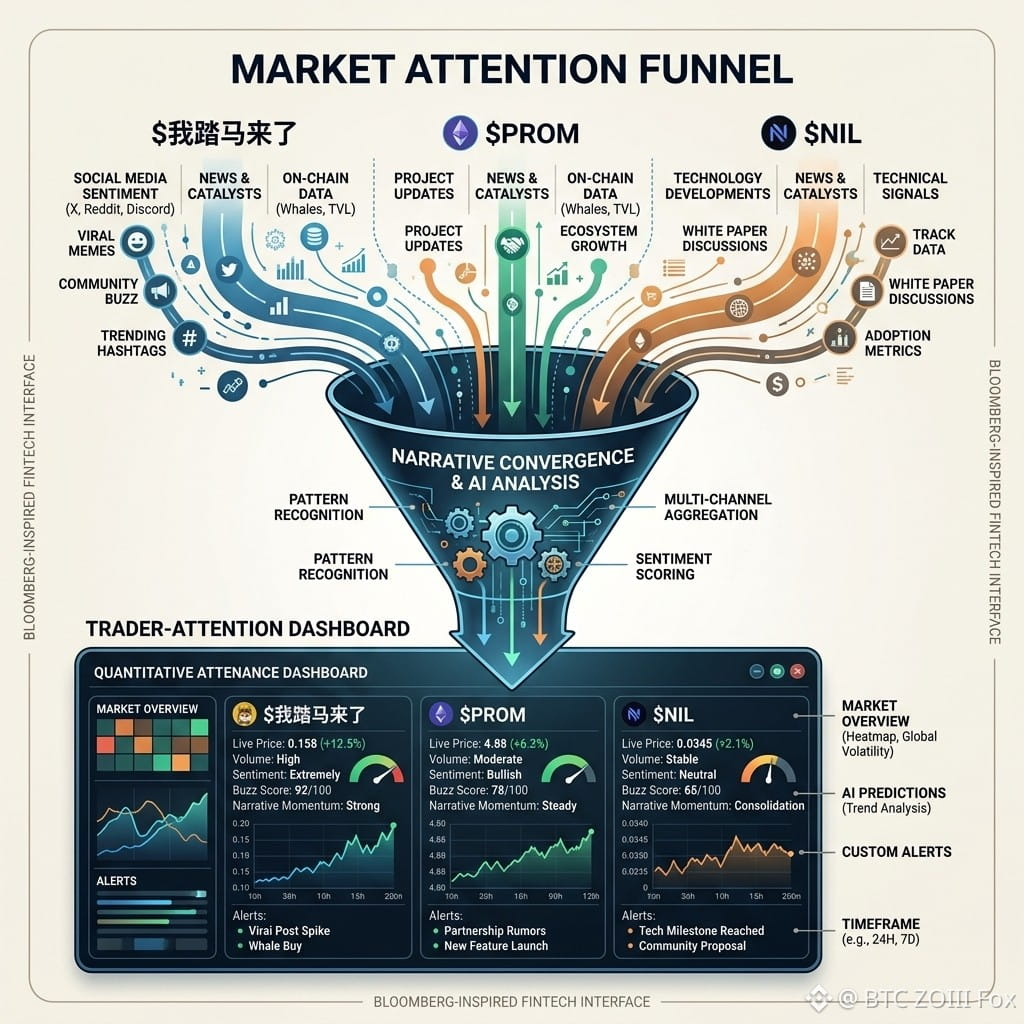
Attention is moving across completely different narratives today.
$PROM and $4 remain among the strongest momentum names, while $我踏马来了 and $NIL are also attracting active market interest.
When several unrelated assets start appearing near the top of the trading list, it can show that traders are searching broadly rather than following one single market story.
That usually makes the market feel more reactive and curiosity-driven.
Which narrative are you following today?
#crypto #BinanceSquare #altcoins #trading
Attention is moving across completely different narratives today.
$PROM and $4 remain among the strongest momentum names, while $我踏马来了 and $NIL are also attracting active market interest.
When several unrelated assets start appearing near the top of the trading list, it can show that traders are searching broadly rather than following one single market story.
That usually makes the market feel more reactive and curiosity-driven.
Which narrative are you following today?
#crypto #BinanceSquare #altcoins #trading
$PROM and $4 remain among the strongest momentum names, while $我踏马来了 and $NIL are also attracting active market interest.
When several unrelated assets start appearing near the top of the trading list, it can show that traders are searching broadly rather than following one single market story.
That usually makes the market feel more reactive and curiosity-driven.
Which narrative are you following today?
#crypto #BinanceSquare #altcoins #trading
241
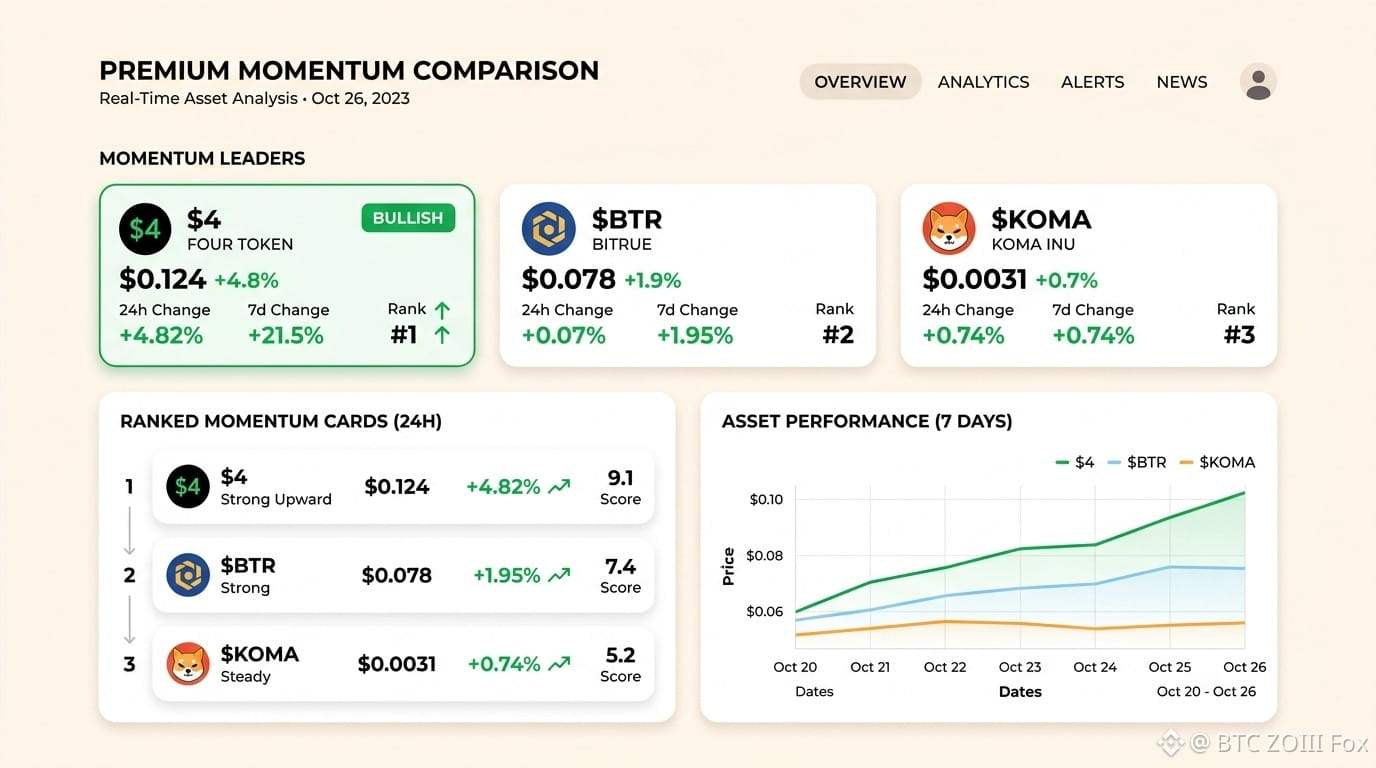
Three different momentum stories are competing today.
$4 is leading with a major move, $BTR is also showing strong upside activity, while $KOMA is attracting attention with a more moderate gain.
This is where trader psychology becomes interesting. Once one asset makes a large move, traders often start comparing it with other active names. That comparison itself can create more attention across the sector.
The market is constantly asking: what is moving next?
Which of these three has your attention?
#crypto #BinanceSquare #altcoins #trading
Three different momentum stories are competing today.
$4 is leading with a major move, $BTR is also showing strong upside activity, while $KOMA is attracting attention with a more moderate gain.
This is where trader psychology becomes interesting. Once one asset makes a large move, traders often start comparing it with other active names. That comparison itself can create more attention across the sector.
The market is constantly asking: what is moving next?
Which of these three has your attention?
#crypto #BinanceSquare #altcoins #trading
$4 is leading with a major move, $BTR is also showing strong upside activity, while $KOMA is attracting attention with a more moderate gain.
This is where trader psychology becomes interesting. Once one asset makes a large move, traders often start comparing it with other active names. That comparison itself can create more attention across the sector.
The market is constantly asking: what is moving next?
Which of these three has your attention?
#crypto #BinanceSquare #altcoins #trading
436
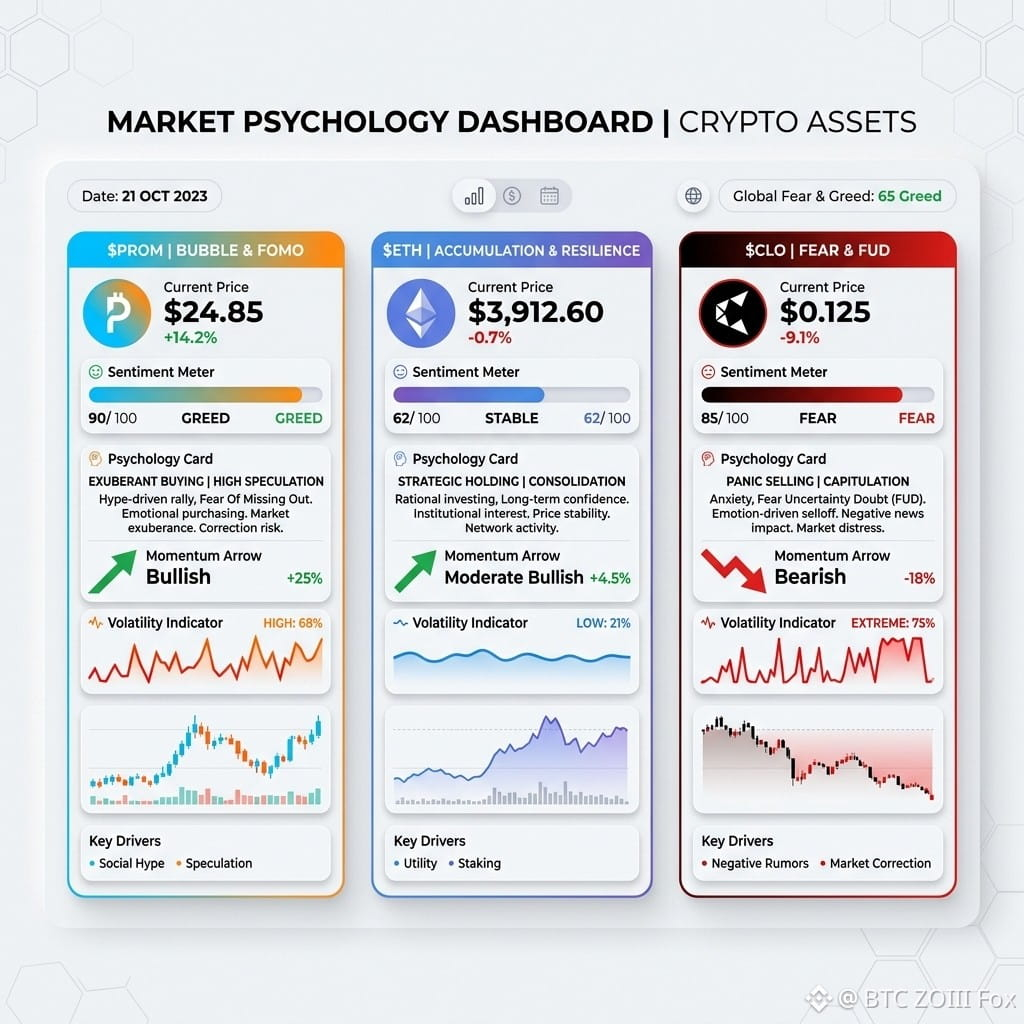
Today's market has a clear momentum-versus-stability contrast.
$PROM is showing strong upside momentum, while $CLO is moving lower and $ETH remains a much more established market reference.
That difference creates three different trader mindsets: momentum chasing, reaction to weakness, and watching established liquidity.
This is why Top Trade activity can be useful for understanding market psychology. It shows not only what is moving, but also where traders are spending their attention.
Which narrative interests you most?
#crypto #BinanceSquare #Ethereum #altcoins #trading
Today's market has a clear momentum-versus-stability contrast.
$PROM is showing strong upside momentum, while $CLO is moving lower and $ETH remains a much more established market reference.
That difference creates three different trader mindsets: momentum chasing, reaction to weakness, and watching established liquidity.
This is why Top Trade activity can be useful for understanding market psychology. It shows not only what is moving, but also where traders are spending their attention.
Which narrative interests you most?
#crypto #BinanceSquare #Ethereum #altcoins #trading
$PROM is showing strong upside momentum, while $CLO is moving lower and $ETH remains a much more established market reference.
That difference creates three different trader mindsets: momentum chasing, reaction to weakness, and watching established liquidity.
This is why Top Trade activity can be useful for understanding market psychology. It shows not only what is moving, but also where traders are spending their attention.
Which narrative interests you most?
#crypto #BinanceSquare #Ethereum #altcoins #trading
63
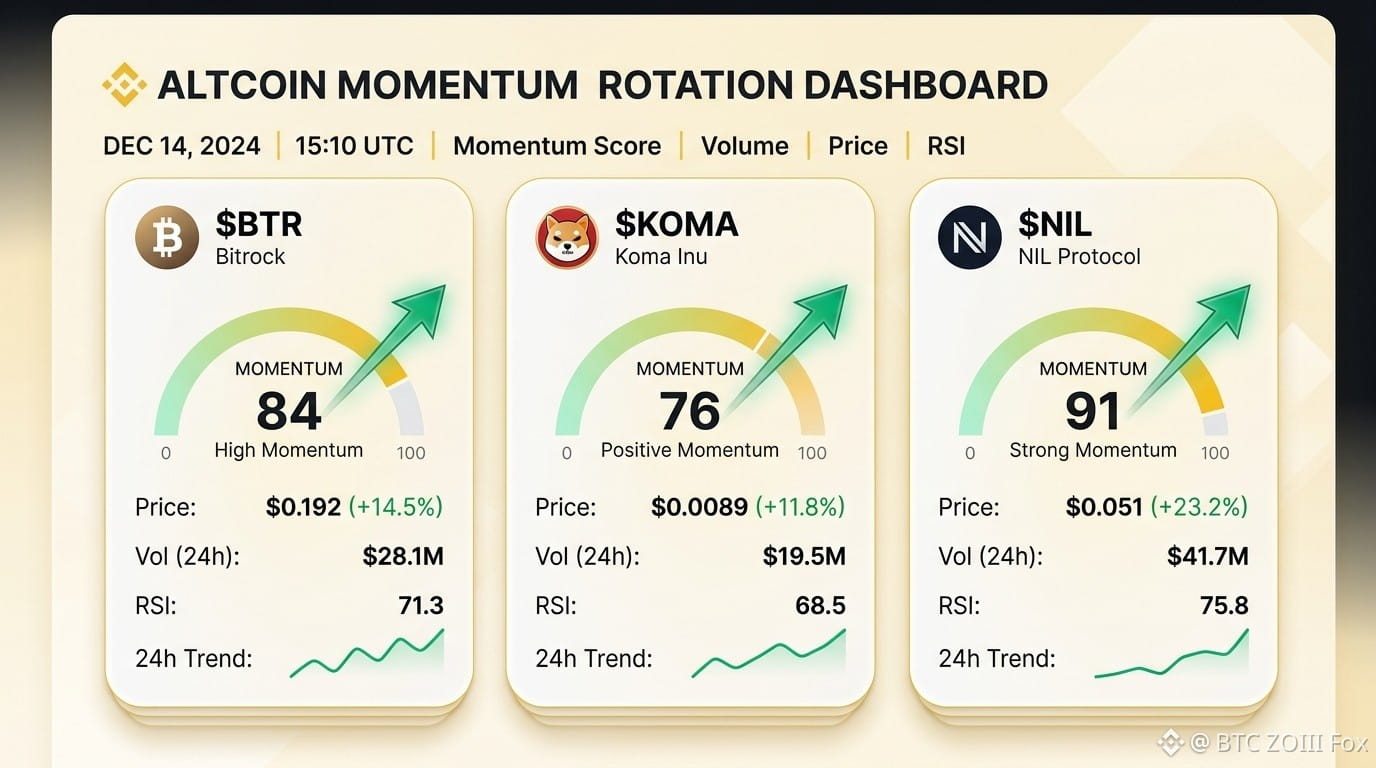
Altcoin activity is spreading across multiple narratives.
$BTR is showing the strongest move among these three, while $KOMA and $NIL are also keeping traders interested.
When several altcoins appear together in the Top Trade rankings, it can indicate that traders are actively scanning beyond the largest market assets. Different narratives start competing for the same attention.
The key question is which project can keep that attention after the initial momentum slows down.
Which one has your strongest watchlist position?
#crypto #BinanceSquare #altcoins #trading
Altcoin activity is spreading across multiple narratives.
$BTR is showing the strongest move among these three, while $KOMA and $NIL are also keeping traders interested.
When several altcoins appear together in the Top Trade rankings, it can indicate that traders are actively scanning beyond the largest market assets. Different narratives start competing for the same attention.
The key question is which project can keep that attention after the initial momentum slows down.
Which one has your strongest watchlist position?
#crypto #BinanceSquare #altcoins #trading
$BTR is showing the strongest move among these three, while $KOMA and $NIL are also keeping traders interested.
When several altcoins appear together in the Top Trade rankings, it can indicate that traders are actively scanning beyond the largest market assets. Different narratives start competing for the same attention.
The key question is which project can keep that attention after the initial momentum slows down.
Which one has your strongest watchlist position?
#crypto #BinanceSquare #altcoins #trading
296
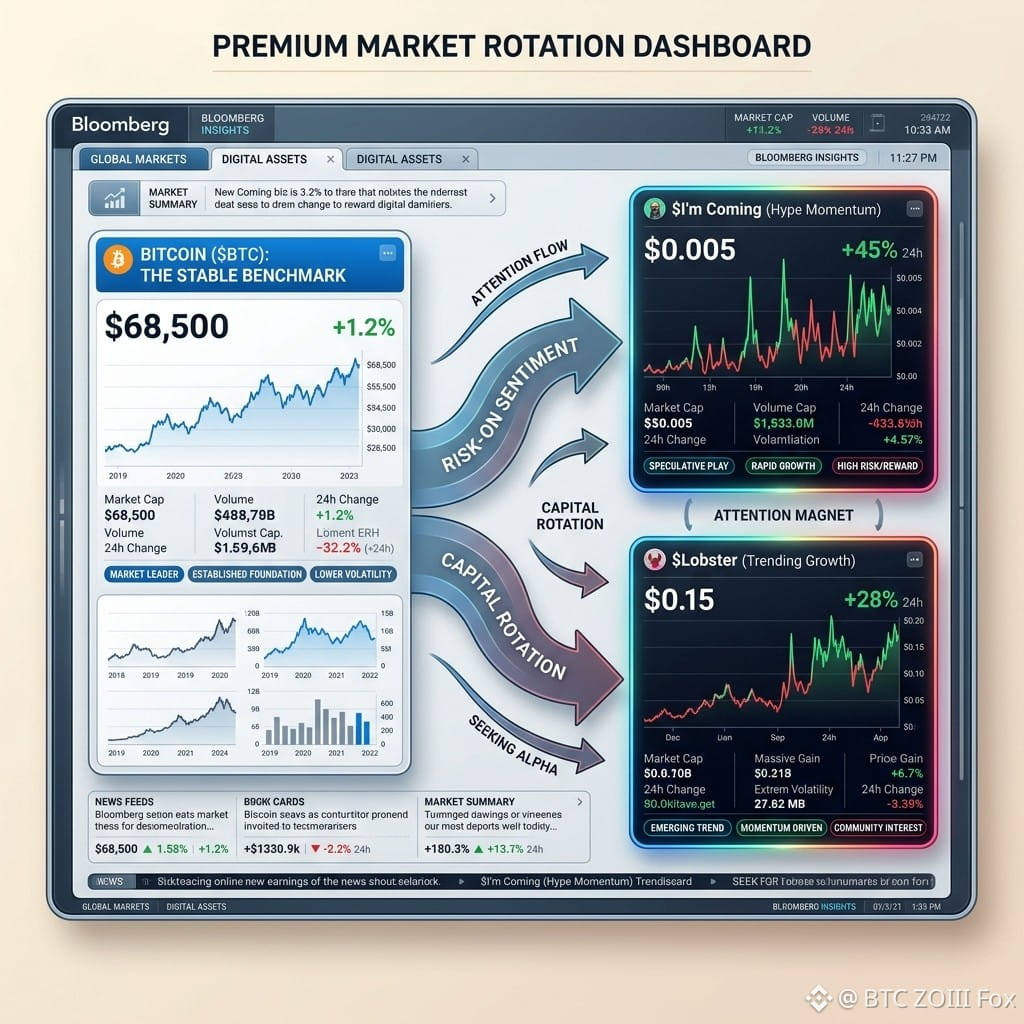
Bitcoin is steady while the smaller names are making noise.
$BTC is showing a relatively modest move compared with $我踏马来了 and $龙虾 , which are attracting more aggressive attention today.
This contrast is a good example of how market attention works. Bitcoin can remain relatively stable while traders rotate toward smaller assets looking for stronger short-term movement.
That doesn't automatically mean the market has abandoned major assets. It simply shows that trader curiosity can move much faster than the broader market.
Which side has your attention today?
#crypto #BinanceSquare #bitcoin #altcoins #trading
Bitcoin is steady while the smaller names are making noise.
$BTC is showing a relatively modest move compared with $我踏马来了 and $龙虾 , which are attracting more aggressive attention today.
This contrast is a good example of how market attention works. Bitcoin can remain relatively stable while traders rotate toward smaller assets looking for stronger short-term movement.
That doesn't automatically mean the market has abandoned major assets. It simply shows that trader curiosity can move much faster than the broader market.
Which side has your attention today?
#crypto #BinanceSquare #bitcoin #altcoins #trading
$BTC is showing a relatively modest move compared with $我踏马来了 and $龙虾 , which are attracting more aggressive attention today.
This contrast is a good example of how market attention works. Bitcoin can remain relatively stable while traders rotate toward smaller assets looking for stronger short-term movement.
That doesn't automatically mean the market has abandoned major assets. It simply shows that trader curiosity can move much faster than the broader market.
Which side has your attention today?
#crypto #BinanceSquare #bitcoin #altcoins #trading
493
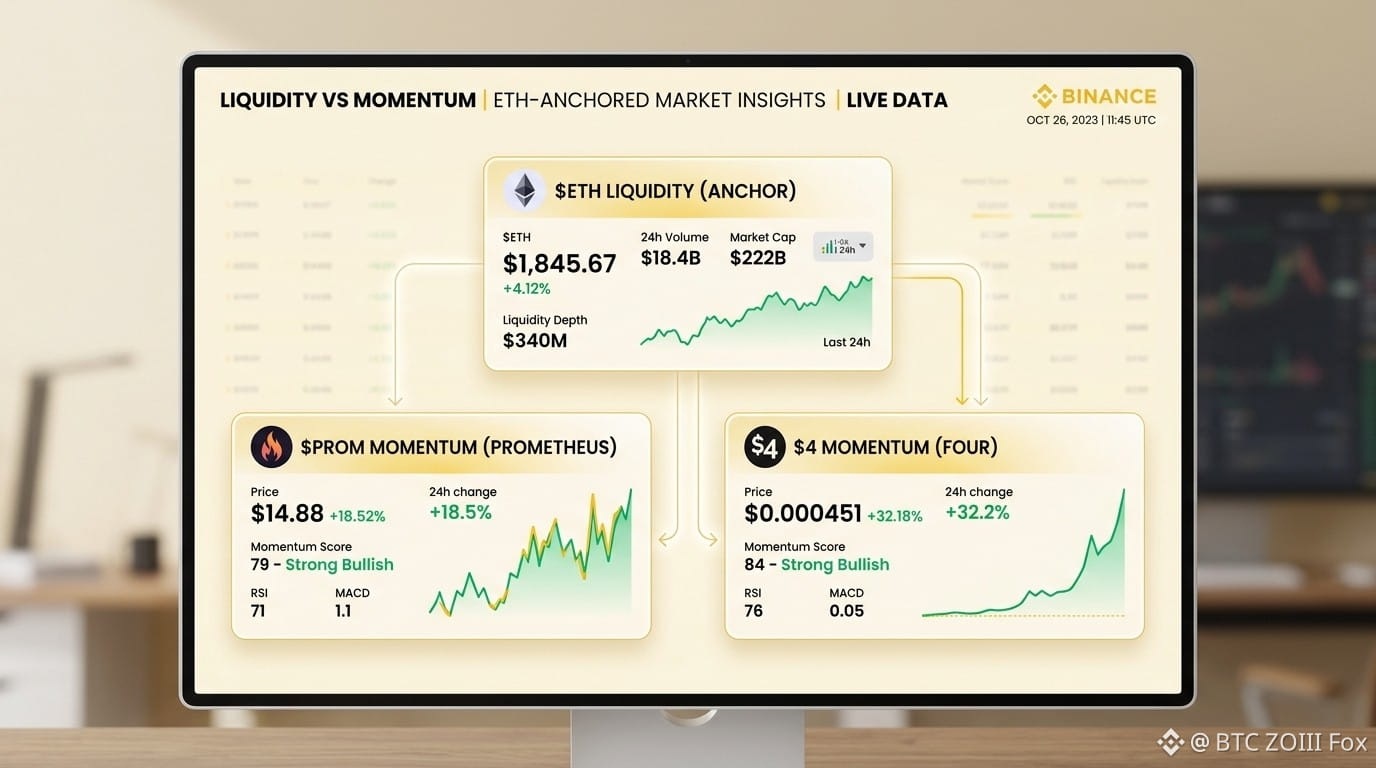
Momentum is clearly competing with established liquidity.
$PROM and $4 are showing aggressive upside movement, while $ETH remains one of the market's major liquidity anchors.
This combination is interesting because it represents two very different trader behaviors. Some participants are watching established assets like ETH, while others are following fast-moving names where volatility is much higher.
When attention starts moving between these two groups, market sentiment can become increasingly speculative.
Are you watching the major asset or the momentum names today?
#crypto #BinanceSquare #Ethereum #altcoins #trading
Momentum is clearly competing with established liquidity.
$PROM and $4 are showing aggressive upside movement, while $ETH remains one of the market's major liquidity anchors.
This combination is interesting because it represents two very different trader behaviors. Some participants are watching established assets like ETH, while others are following fast-moving names where volatility is much higher.
When attention starts moving between these two groups, market sentiment can become increasingly speculative.
Are you watching the major asset or the momentum names today?
#crypto #BinanceSquare #Ethereum #altcoins #trading
$PROM and $4 are showing aggressive upside movement, while $ETH remains one of the market's major liquidity anchors.
This combination is interesting because it represents two very different trader behaviors. Some participants are watching established assets like ETH, while others are following fast-moving names where volatility is much higher.
When attention starts moving between these two groups, market sentiment can become increasingly speculative.
Are you watching the major asset or the momentum names today?
#crypto #BinanceSquare #Ethereum #altcoins #trading
205
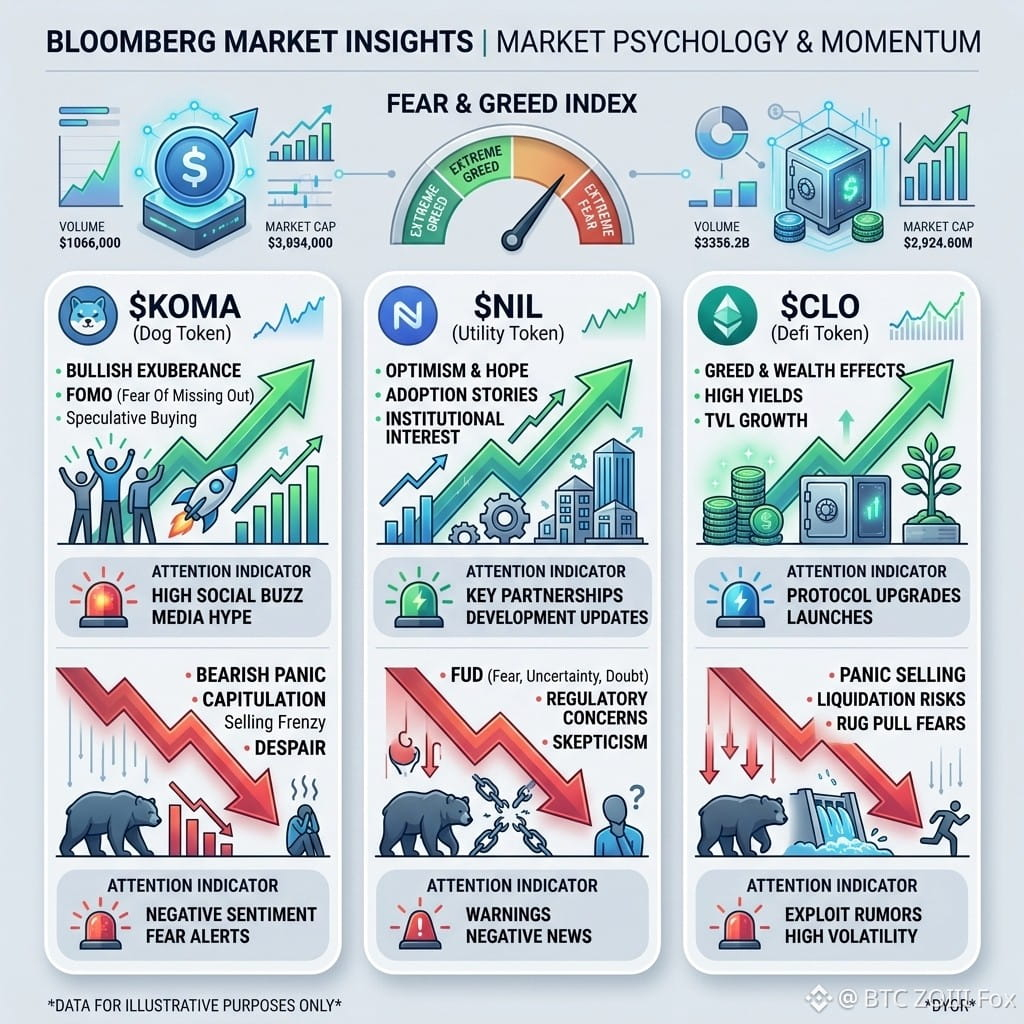
Not every trending coin needs extreme volatility to attract attention.
$KOMA is showing positive momentum, $NIL is also active, while $CLO is moving in the opposite direction on today's list.
This creates an interesting snapshot of trader psychology. Positive momentum naturally attracts attention, but a sharp move lower can create just as much curiosity because traders start asking what caused the move and whether the narrative is changing.
The market isn't always about chasing green candles. Sometimes the biggest conversations start around unusual price action.
Which of these three are you monitoring?
#crypto #BinanceSquare #altcoins #trading
Not every trending coin needs extreme volatility to attract attention.
$KOMA is showing positive momentum, $NIL is also active, while $CLO is moving in the opposite direction on today's list.
This creates an interesting snapshot of trader psychology. Positive momentum naturally attracts attention, but a sharp move lower can create just as much curiosity because traders start asking what caused the move and whether the narrative is changing.
The market isn't always about chasing green candles. Sometimes the biggest conversations start around unusual price action.
Which of these three are you monitoring?
#crypto #BinanceSquare #altcoins #trading
$KOMA is showing positive momentum, $NIL is also active, while $CLO is moving in the opposite direction on today's list.
This creates an interesting snapshot of trader psychology. Positive momentum naturally attracts attention, but a sharp move lower can create just as much curiosity because traders start asking what caused the move and whether the narrative is changing.
The market isn't always about chasing green candles. Sometimes the biggest conversations start around unusual price action.
Which of these three are you monitoring?
#crypto #BinanceSquare #altcoins #trading
207
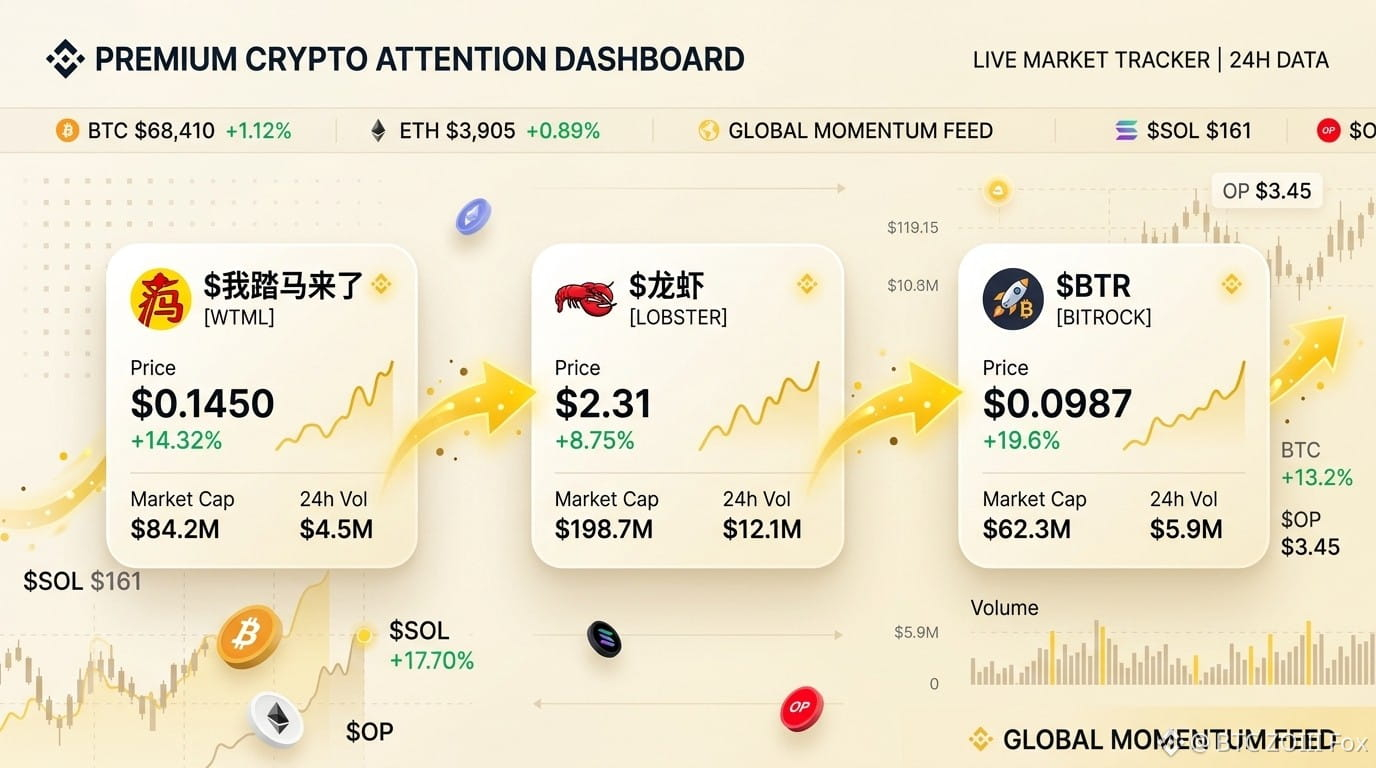
Smaller-cap attention is getting stronger today.
$我踏马来了 is showing solid momentum, while $龙虾 and $BTR are also attracting active traders. The interesting pattern here is that all three are outside the usual BTC/ETH conversation.
This is exactly where market psychology becomes noticeable. When traders see several smaller names moving together, curiosity can quickly turn into speculation. Some traders follow momentum, while others start looking for the next asset that could attract similar attention.
For now, these names are clearly getting noticed.
Which one stands out to you?
#crypto #BinanceSquare #altcoins #trading
Smaller-cap attention is getting stronger today.
$我踏马来了 is showing solid momentum, while $龙虾 and $BTR are also attracting active traders. The interesting pattern here is that all three are outside the usual BTC/ETH conversation.
This is exactly where market psychology becomes noticeable. When traders see several smaller names moving together, curiosity can quickly turn into speculation. Some traders follow momentum, while others start looking for the next asset that could attract similar attention.
For now, these names are clearly getting noticed.
Which one stands out to you?
#crypto #BinanceSquare #altcoins #trading
$我踏马来了 is showing solid momentum, while $龙虾 and $BTR are also attracting active traders. The interesting pattern here is that all three are outside the usual BTC/ETH conversation.
This is exactly where market psychology becomes noticeable. When traders see several smaller names moving together, curiosity can quickly turn into speculation. Some traders follow momentum, while others start looking for the next asset that could attract similar attention.
For now, these names are clearly getting noticed.
Which one stands out to you?
#crypto #BinanceSquare #altcoins #trading
701
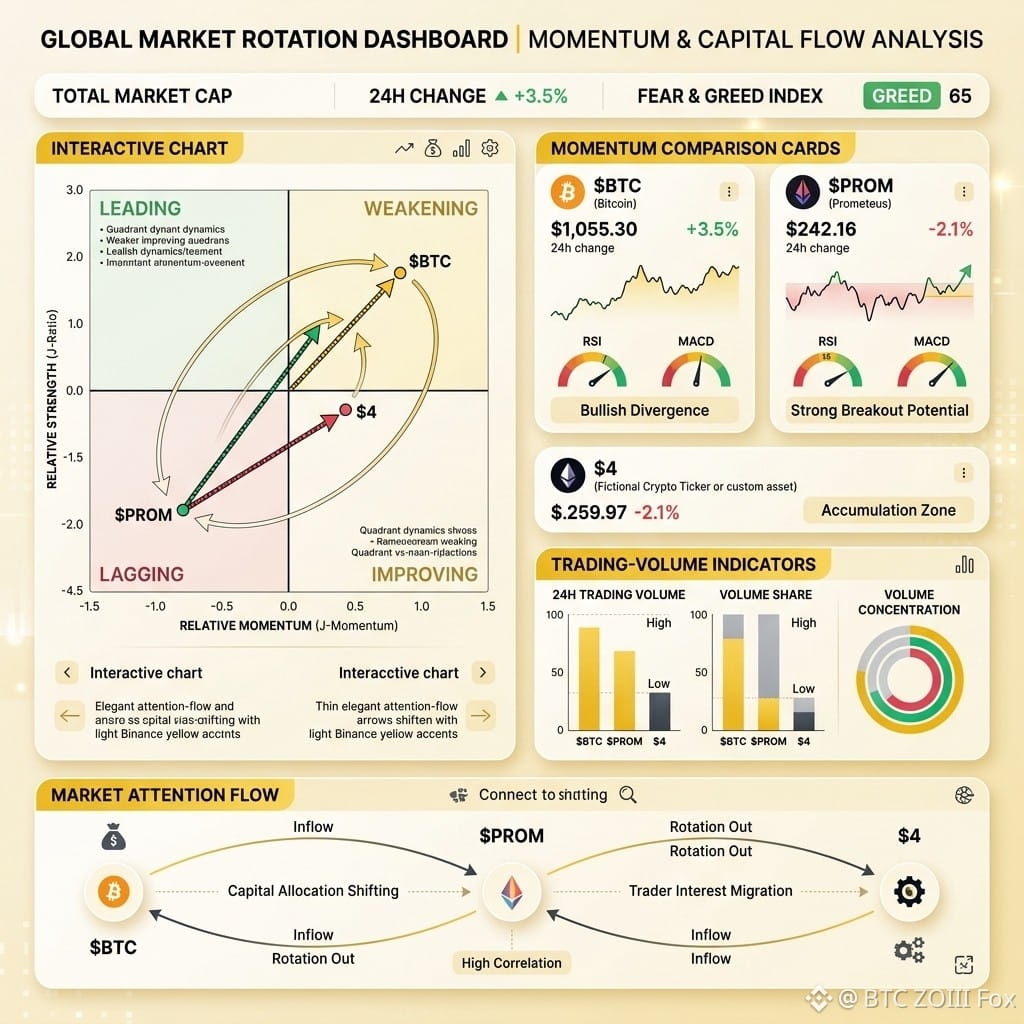
Market attention is heating up fast today.
$4 and $PROM are both showing strong momentum, with gains of more than 45% on the current Top Trade list. Meanwhile, $BTC is moving at a much calmer pace, showing just how different the market behavior can be between major assets and fast-moving names.
When two smaller assets suddenly attract heavy trading activity, curiosity usually follows. Traders start watching volume, momentum and whether the move can maintain attention.
The interesting part isn't simply the percentage gain. It's how quickly trader attention can rotate toward a new narrative.
Which one are you watching most closely today?
#crypto #BinanceSquare #bitcoin #altcoins #trading
Market attention is heating up fast today.
$4 and $PROM are both showing strong momentum, with gains of more than 45% on the current Top Trade list. Meanwhile, $BTC is moving at a much calmer pace, showing just how different the market behavior can be between major assets and fast-moving names.
When two smaller assets suddenly attract heavy trading activity, curiosity usually follows. Traders start watching volume, momentum and whether the move can maintain attention.
The interesting part isn't simply the percentage gain. It's how quickly trader attention can rotate toward a new narrative.
Which one are you watching most closely today?
#crypto #BinanceSquare #bitcoin #altcoins #trading
$4 and $PROM are both showing strong momentum, with gains of more than 45% on the current Top Trade list. Meanwhile, $BTC is moving at a much calmer pace, showing just how different the market behavior can be between major assets and fast-moving names.
When two smaller assets suddenly attract heavy trading activity, curiosity usually follows. Traders start watching volume, momentum and whether the move can maintain attention.
The interesting part isn't simply the percentage gain. It's how quickly trader attention can rotate toward a new narrative.
Which one are you watching most closely today?
#crypto #BinanceSquare #bitcoin #altcoins #trading
102
Which coin has the strongest momentum on today's Top Trade list?
$4 $PROM $BTR
Which one are you watching and what caught your attention?
Which coin has the strongest momentum on today's Top Trade list?
$4 $PROM $BTR
Which one are you watching and what caught your attention?
$4 $PROM $BTR
Which one are you watching and what caught your attention?
$4
0%
$PROM
67%
$BTR
33%
$我踏马来了
0%
3 votes • Voting closed
118
#dusk $DUSK
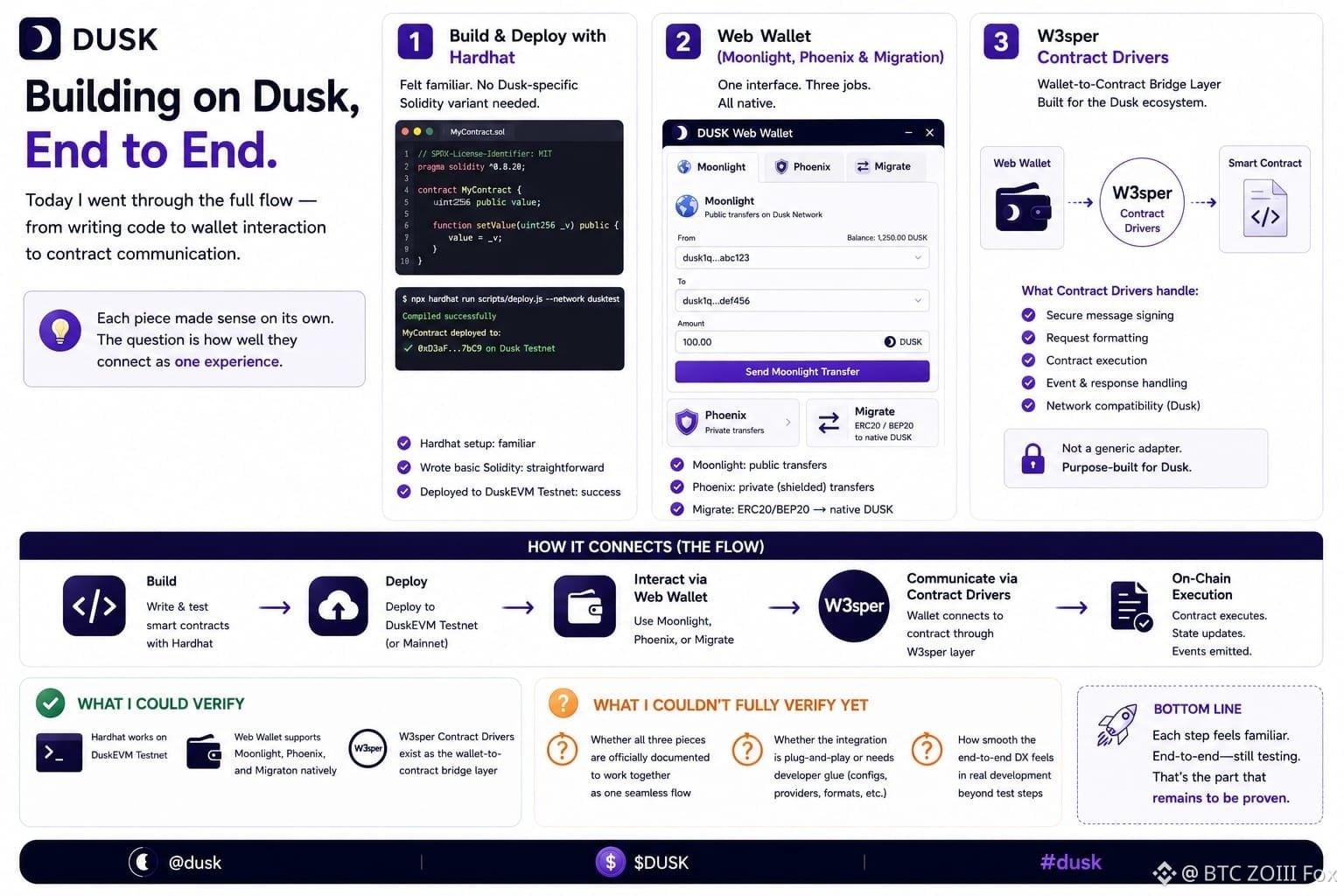
spent today actually going Through what building on Dusk looks like end to end past the DuskEVM testnet deploy Id already tried
Hardhat setup felt genuinely familiar wrote basic Solidity Deployed fine no Dusk specific Solidity variant needed
then went Looking at the Web Wallet side turns out it handles both Moonlight and Phoenix natively plus ERC20/BEP20 to native migration all in 0ne interface
then W3spers Contract Drivers specifically the wallet to contract bridge layer sitting underneath both 0f those
three pieces Id been reading about separately Actually connect into one flow deploy through Hardhat wallet interactions through Web Wallet contract communication through Contract Drivers specifically built for this ecosystem rather than a Generic adapter
what I couldn0t fully verify whether all three pieces are documented to work together smoothly as one continuous workflow or whether each is separately solid but the actual gluing together is something a developer figures out mostly through trial And error
felt familiar at Each individual step. whether it feels familiar end to end is the part I haven0t actually tested yet
@Dusk_Foundation $DUSK #dusk
#dusk $DUSK
spent today actually going Through what building on Dusk looks like end to end past the DuskEVM testnet deploy Id already tried
Hardhat setup felt genuinely familiar wrote basic Solidity Deployed fine no Dusk specific Solidity variant needed
then went Looking at the Web Wallet side turns out it handles both Moonlight and Phoenix natively plus ERC20/BEP20 to native migration all in 0ne interface
then W3spers Contract Drivers specifically the wallet to contract bridge layer sitting underneath both 0f those
three pieces Id been reading about separately Actually connect into one flow deploy through Hardhat wallet interactions through Web Wallet contract communication through Contract Drivers specifically built for this ecosystem rather than a Generic adapter
what I couldn0t fully verify whether all three pieces are documented to work together smoothly as one continuous workflow or whether each is separately solid but the actual gluing together is something a developer figures out mostly through trial And error
felt familiar at Each individual step. whether it feels familiar end to end is the part I haven0t actually tested yet
@Dusk $DUSK #dusk
spent today actually going Through what building on Dusk looks like end to end past the DuskEVM testnet deploy Id already tried
Hardhat setup felt genuinely familiar wrote basic Solidity Deployed fine no Dusk specific Solidity variant needed
then went Looking at the Web Wallet side turns out it handles both Moonlight and Phoenix natively plus ERC20/BEP20 to native migration all in 0ne interface
then W3spers Contract Drivers specifically the wallet to contract bridge layer sitting underneath both 0f those
three pieces Id been reading about separately Actually connect into one flow deploy through Hardhat wallet interactions through Web Wallet contract communication through Contract Drivers specifically built for this ecosystem rather than a Generic adapter
what I couldn0t fully verify whether all three pieces are documented to work together smoothly as one continuous workflow or whether each is separately solid but the actual gluing together is something a developer figures out mostly through trial And error
felt familiar at Each individual step. whether it feels familiar end to end is the part I haven0t actually tested yet
@Dusk $DUSK #dusk
73
#dusk $DUSK
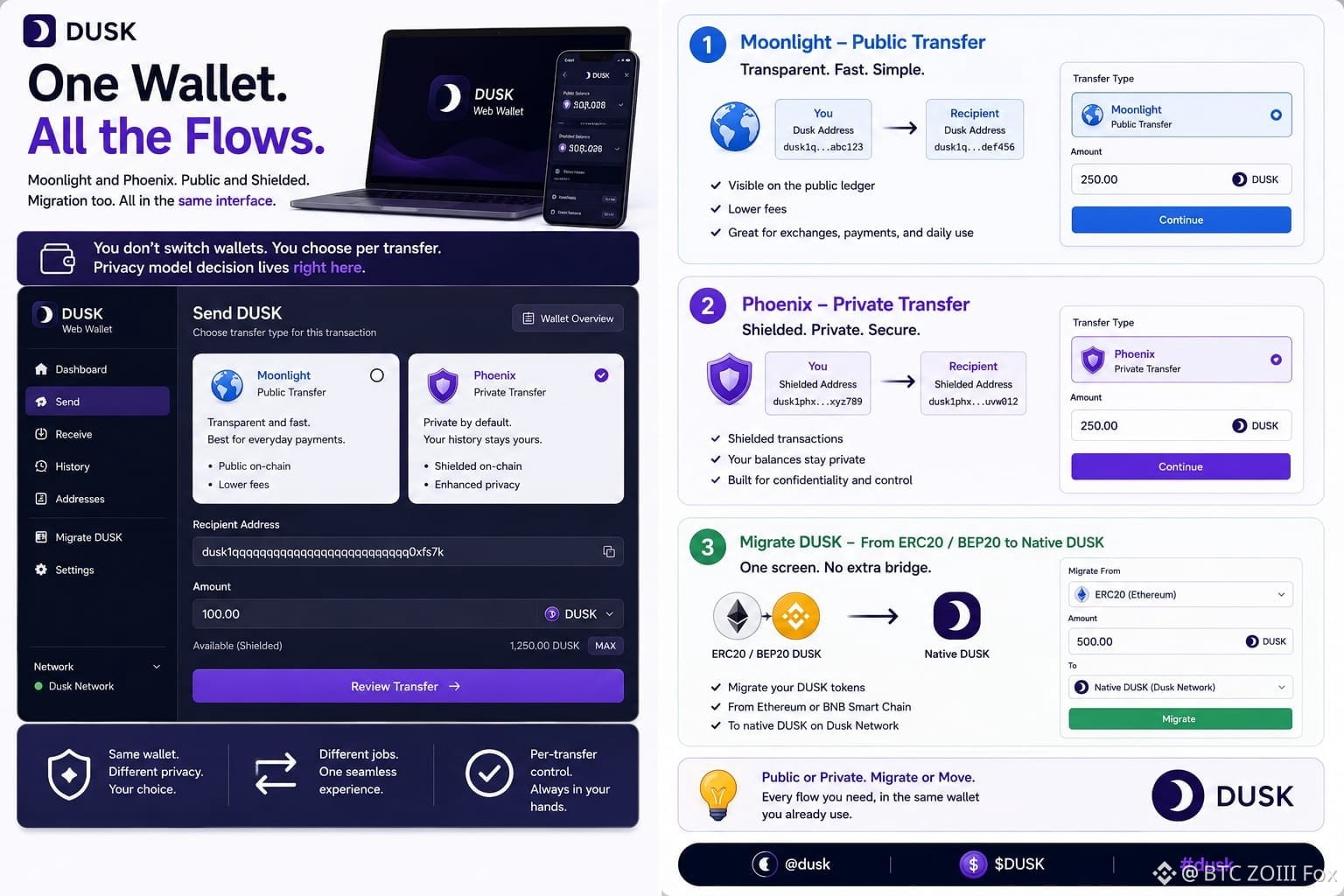
opened the Web Wallet today expecting to find separate flows for Moonlight and Phoenix maybe a Toggle buried in settings somewhere
there isnot one because theres no separation to toggle between. both transfer Types just live in the Same interface public and shielded sitting side by side chosen pertransfer rather than perwallet
scrolled further and found the migration path too ERC20 and BEP20 DUSK moving to native DUSK through This exact same screen no separate bridging app required
three genuinely different jobs public transfer private Transfer migration and somehow its one interface handling all three without feeling like three different tools stitched Together
the privacy model decision Id assumed would happen somewhere upstream turns out to just live right here at the wallet transfer by transfer
@Dusk_Foundation $DUSK #dusk
#dusk $DUSK
opened the Web Wallet today expecting to find separate flows for Moonlight and Phoenix maybe a Toggle buried in settings somewhere
there isnot one because theres no separation to toggle between. both transfer Types just live in the Same interface public and shielded sitting side by side chosen pertransfer rather than perwallet
scrolled further and found the migration path too ERC20 and BEP20 DUSK moving to native DUSK through This exact same screen no separate bridging app required
three genuinely different jobs public transfer private Transfer migration and somehow its one interface handling all three without feeling like three different tools stitched Together
the privacy model decision Id assumed would happen somewhere upstream turns out to just live right here at the wallet transfer by transfer
@Dusk $DUSK #dusk
opened the Web Wallet today expecting to find separate flows for Moonlight and Phoenix maybe a Toggle buried in settings somewhere
there isnot one because theres no separation to toggle between. both transfer Types just live in the Same interface public and shielded sitting side by side chosen pertransfer rather than perwallet
scrolled further and found the migration path too ERC20 and BEP20 DUSK moving to native DUSK through This exact same screen no separate bridging app required
three genuinely different jobs public transfer private Transfer migration and somehow its one interface handling all three without feeling like three different tools stitched Together
the privacy model decision Id assumed would happen somewhere upstream turns out to just live right here at the wallet transfer by transfer
@Dusk $DUSK #dusk
89
#termmax
btc zoii day 5
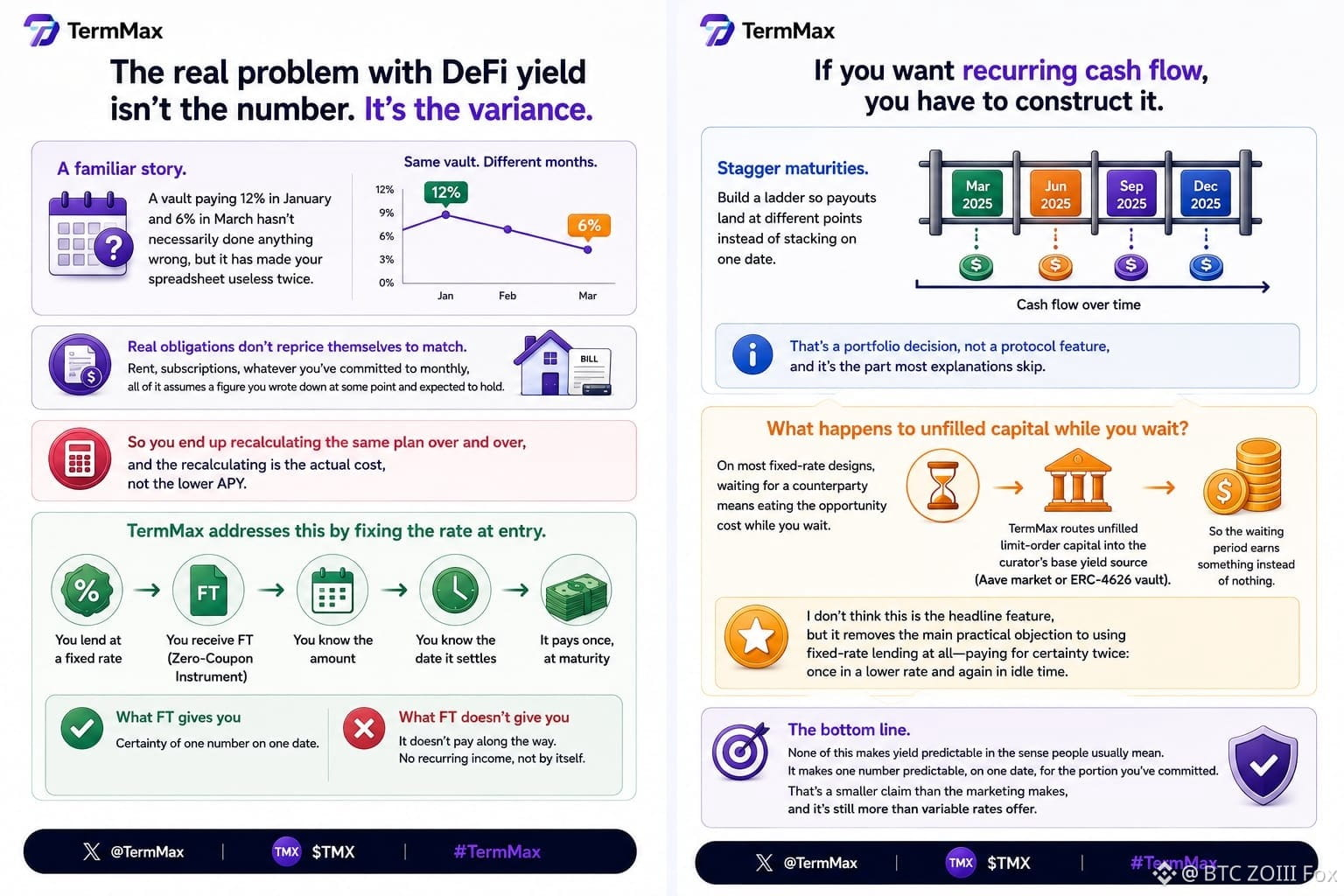
Anyone who has tried to plan around DeFi yield knows the awkward part isnot the number its the variance. A vault paying 12% in January and 6% in March hasnot necessarily done anything wrong but it has made your spreadsheet useless twice. Real obligations donot reprice themselves to match. Rent subscriptions whatever you hve committed to monthly all of it assumes a figure you wrote down at some point and expected to hold. So you end up recalculating the same plan over and over and the Recalculating is the actual cost not the lower APY.
TermMax addresses This by fixing the rate at entry. When you lend you receive FT which is structurally a zerocoupon instrument: you know the amount and you know the date it settles. Worth being precise about what that does and doesnot give you because I have seen it described as predictable income and thats not quite right. FT doesnot pay you along the way. It pays once at maturity. If what you actually want is something resembling recurring cash flow you have to construct it the way fixed income Desks always have, by staggering maturities so the payouts land at different points rather than stacking on one date. Thats a portfolio decisionnot a protocol feature and it the part most explanations skip.
The other half of it is What happens to capital that hasnot been matched yet. On most fixed rate designs committing to a rate means waiting for a counterparty and eating the opportunity cost while you wait. TermMax routes unfilled limitorder capital into whatever Base yield source the curator selected an Aave market or an ERC 4626 vault so the waiting period earns something instead of nothing. I donot think this is the Geadline feature but it removes the main practical objection to using fixed rate lending at all which is that you pay for certainty twice once in a lower rate and again in idle time.
None of this makes yield predictable in the sense people usually mean. It makes one number Predictable on one date for the portion you have committed.
@termmax #TermMax
#termmax
btc zoii day 5
Anyone who has tried to plan around DeFi yield knows the awkward part isnot the number its the variance. A vault paying 12% in January and 6% in March hasnot necessarily done anything wrong but it has made your spreadsheet useless twice. Real obligations donot reprice themselves to match. Rent subscriptions whatever you hve committed to monthly all of it assumes a figure you wrote down at some point and expected to hold. So you end up recalculating the same plan over and over and the Recalculating is the actual cost not the lower APY.
TermMax addresses This by fixing the rate at entry. When you lend you receive FT which is structurally a zerocoupon instrument: you know the amount and you know the date it settles. Worth being precise about what that does and doesnot give you because I have seen it described as predictable income and thats not quite right. FT doesnot pay you along the way. It pays once at maturity. If what you actually want is something resembling recurring cash flow you have to construct it the way fixed income Desks always have, by staggering maturities so the payouts land at different points rather than stacking on one date. Thats a portfolio decisionnot a protocol feature and it the part most explanations skip.
The other half of it is What happens to capital that hasnot been matched yet. On most fixed rate designs committing to a rate means waiting for a counterparty and eating the opportunity cost while you wait. TermMax routes unfilled limitorder capital into whatever Base yield source the curator selected an Aave market or an ERC 4626 vault so the waiting period earns something instead of nothing. I donot think this is the Geadline feature but it removes the main practical objection to using fixed rate lending at all which is that you pay for certainty twice once in a lower rate and again in idle time.
None of this makes yield predictable in the sense people usually mean. It makes one number Predictable on one date for the portion you have committed.
@TermMax #TermMax
btc zoii day 5
Anyone who has tried to plan around DeFi yield knows the awkward part isnot the number its the variance. A vault paying 12% in January and 6% in March hasnot necessarily done anything wrong but it has made your spreadsheet useless twice. Real obligations donot reprice themselves to match. Rent subscriptions whatever you hve committed to monthly all of it assumes a figure you wrote down at some point and expected to hold. So you end up recalculating the same plan over and over and the Recalculating is the actual cost not the lower APY.
TermMax addresses This by fixing the rate at entry. When you lend you receive FT which is structurally a zerocoupon instrument: you know the amount and you know the date it settles. Worth being precise about what that does and doesnot give you because I have seen it described as predictable income and thats not quite right. FT doesnot pay you along the way. It pays once at maturity. If what you actually want is something resembling recurring cash flow you have to construct it the way fixed income Desks always have, by staggering maturities so the payouts land at different points rather than stacking on one date. Thats a portfolio decisionnot a protocol feature and it the part most explanations skip.
The other half of it is What happens to capital that hasnot been matched yet. On most fixed rate designs committing to a rate means waiting for a counterparty and eating the opportunity cost while you wait. TermMax routes unfilled limitorder capital into whatever Base yield source the curator selected an Aave market or an ERC 4626 vault so the waiting period earns something instead of nothing. I donot think this is the Geadline feature but it removes the main practical objection to using fixed rate lending at all which is that you pay for certainty twice once in a lower rate and again in idle time.
None of this makes yield predictable in the sense people usually mean. It makes one number Predictable on one date for the portion you have committed.
@TermMax #TermMax
95
#termmax
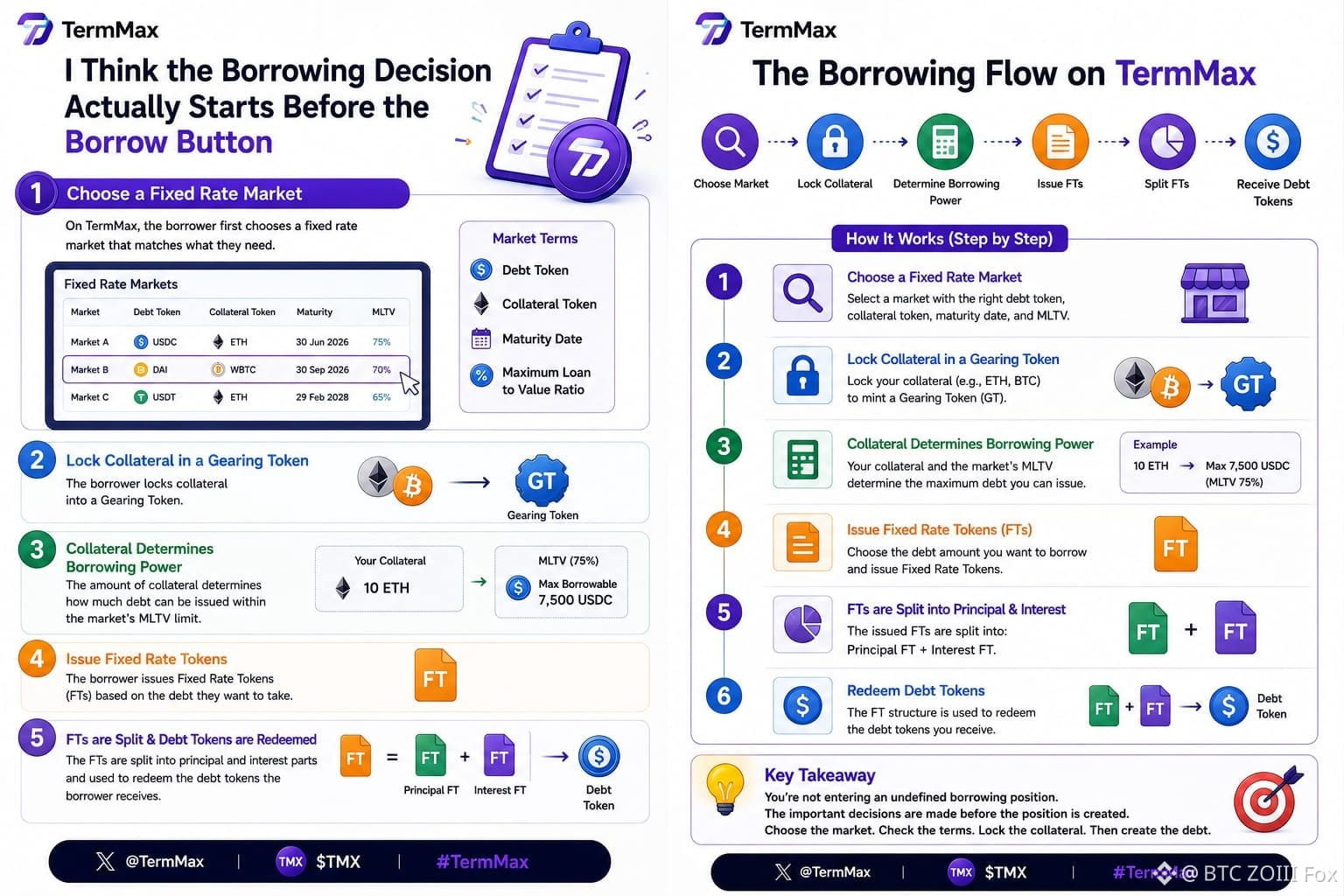
I think the borrowing decision actually starts before the Borrow button
On TermMax the borrower first chooses a fixed rate market that matches what they need
That market already has the key terms defined
The debt token
The collateral token
The maturity date
And the maximum loan to value ratio
From there the borrower locks collateral into a Gearing Token
The amount of collateral determines how much debt can be issued within the markets MLTV limit
Then the borrower issues Fixed Rate Tokens based on the debt they want to take
Those FTs are split into principal and interest parts and the resulting structure is used to redeem the debt tokens the borrower receives
What I like about this flow is that the borrower is not entering an undefined borrowing position
The important decisions are made before the position is created
Choose the market
Check the terms
Lock the collateral
Then create the debt
@termmax TMX #TermMax
#termmax
I think the borrowing decision actually starts before the Borrow button
On TermMax the borrower first chooses a fixed rate market that matches what they need
That market already has the key terms defined
The debt token
The collateral token
The maturity date
And the maximum loan to value ratio
From there the borrower locks collateral into a Gearing Token
The amount of collateral determines how much debt can be issued within the markets MLTV limit
Then the borrower issues Fixed Rate Tokens based on the debt they want to take
Those FTs are split into principal and interest parts and the resulting structure is used to redeem the debt tokens the borrower receives
What I like about this flow is that the borrower is not entering an undefined borrowing position
The important decisions are made before the position is created
Choose the market
Check the terms
Lock the collateral
Then create the debt
@TermMax TMX #TermMax
I think the borrowing decision actually starts before the Borrow button
On TermMax the borrower first chooses a fixed rate market that matches what they need
That market already has the key terms defined
The debt token
The collateral token
The maturity date
And the maximum loan to value ratio
From there the borrower locks collateral into a Gearing Token
The amount of collateral determines how much debt can be issued within the markets MLTV limit
Then the borrower issues Fixed Rate Tokens based on the debt they want to take
Those FTs are split into principal and interest parts and the resulting structure is used to redeem the debt tokens the borrower receives
What I like about this flow is that the borrower is not entering an undefined borrowing position
The important decisions are made before the position is created
Choose the market
Check the terms
Lock the collateral
Then create the debt
@TermMax TMX #TermMax
75
#dusk $DUSK
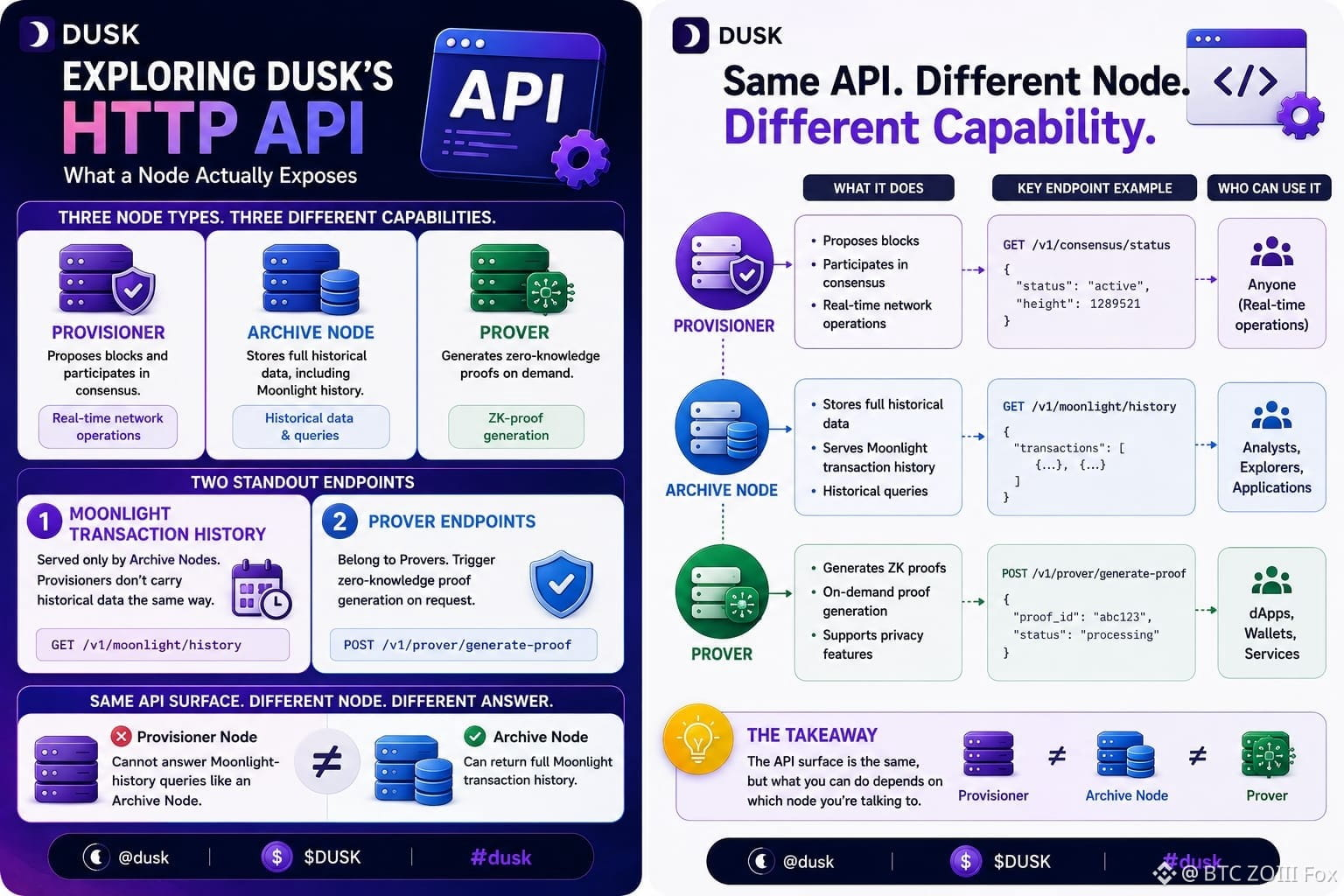
spent today going through the HTTP API docs instead of the Whitepaper for once curious what a node actually exposes once it's running
found two things that stood out specifically. one endpoint Serves Moonlight transaction history but only through archive nodes regular provisioners donot carry that historical data the same way
the other set of endpoints belongs to Provers specifically triggering zero Knowledge proof generation on request rather than doing it locally yourself
didnot get to actually hit these endpoints live since I donot have a node running right now but tracing whats documented was still useful it maps directly 0nto the three node types each one exposing genuinely different capability through the same API surface
a provisioner only setup literally cannot answer a Moonlight history query the way an archive Node can. same API different node different answer
kind of clarified something Id been fuzzy on the API isnot one Uniform thing it shaped by which specific node you are actually talking to
@Dusk_Foundation $DUSK #dusk
#dusk $DUSK
spent today going through the HTTP API docs instead of the Whitepaper for once curious what a node actually exposes once it's running
found two things that stood out specifically. one endpoint Serves Moonlight transaction history but only through archive nodes regular provisioners donot carry that historical data the same way
the other set of endpoints belongs to Provers specifically triggering zero Knowledge proof generation on request rather than doing it locally yourself
didnot get to actually hit these endpoints live since I donot have a node running right now but tracing whats documented was still useful it maps directly 0nto the three node types each one exposing genuinely different capability through the same API surface
a provisioner only setup literally cannot answer a Moonlight history query the way an archive Node can. same API different node different answer
kind of clarified something Id been fuzzy on the API isnot one Uniform thing it shaped by which specific node you are actually talking to
@Dusk $DUSK #dusk
spent today going through the HTTP API docs instead of the Whitepaper for once curious what a node actually exposes once it's running
found two things that stood out specifically. one endpoint Serves Moonlight transaction history but only through archive nodes regular provisioners donot carry that historical data the same way
the other set of endpoints belongs to Provers specifically triggering zero Knowledge proof generation on request rather than doing it locally yourself
didnot get to actually hit these endpoints live since I donot have a node running right now but tracing whats documented was still useful it maps directly 0nto the three node types each one exposing genuinely different capability through the same API surface
a provisioner only setup literally cannot answer a Moonlight history query the way an archive Node can. same API different node different answer
kind of clarified something Id been fuzzy on the API isnot one Uniform thing it shaped by which specific node you are actually talking to
@Dusk $DUSK #dusk
1
93
#dusk $DUSK
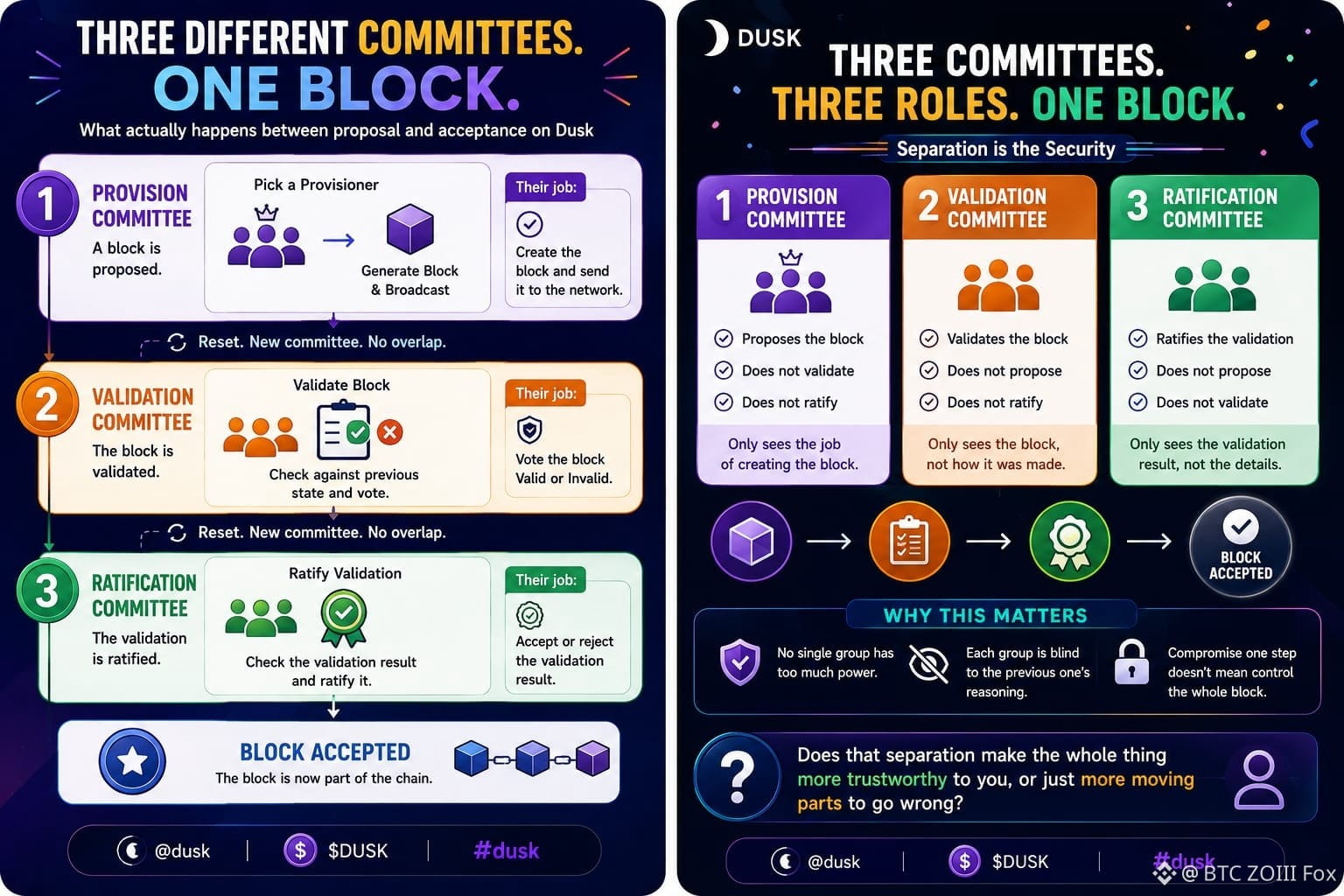
Three different Committees. one block.
thats what actually happens between proposal and acceptance on Dusk and it took rereading The whitepaper twice to actually separate the steps in my head
a provisioner gets picked generates the block sends it out. done that part simple
then everything resets. a fresh committee gets picked different people nobody from the proposal Step carries over and they check the block against what came before vote it valid or not
then it Resets again. another fresh committee checking whether that validation vote actually held up
nobody proposes and validates the same block. nobody validates and ratifies the same block. each group only ever sees one piece decides on that piece and hands it Forward
nine times out of ten Id assumed consensus meant one group agreeing together. here its three separate groups each blind to the last ones reasoning just its oUtput
does that Separation make the whole thing more trustworthy to you or just more moving parts to go wrong?
@Dusk_Foundation $DUSK #dusk
#dusk $DUSK
Three different Committees. one block.
thats what actually happens between proposal and acceptance on Dusk and it took rereading The whitepaper twice to actually separate the steps in my head
a provisioner gets picked generates the block sends it out. done that part simple
then everything resets. a fresh committee gets picked different people nobody from the proposal Step carries over and they check the block against what came before vote it valid or not
then it Resets again. another fresh committee checking whether that validation vote actually held up
nobody proposes and validates the same block. nobody validates and ratifies the same block. each group only ever sees one piece decides on that piece and hands it Forward
nine times out of ten Id assumed consensus meant one group agreeing together. here its three separate groups each blind to the last ones reasoning just its oUtput
does that Separation make the whole thing more trustworthy to you or just more moving parts to go wrong?
@Dusk $DUSK #dusk
Three different Committees. one block.
thats what actually happens between proposal and acceptance on Dusk and it took rereading The whitepaper twice to actually separate the steps in my head
a provisioner gets picked generates the block sends it out. done that part simple
then everything resets. a fresh committee gets picked different people nobody from the proposal Step carries over and they check the block against what came before vote it valid or not
then it Resets again. another fresh committee checking whether that validation vote actually held up
nobody proposes and validates the same block. nobody validates and ratifies the same block. each group only ever sees one piece decides on that piece and hands it Forward
nine times out of ten Id assumed consensus meant one group agreeing together. here its three separate groups each blind to the last ones reasoning just its oUtput
does that Separation make the whole thing more trustworthy to you or just more moving parts to go wrong?
@Dusk $DUSK #dusk
71
Log in to explore more content
Join global crypto users on Binance Square
⚡️ Get latest and useful information about crypto.
💬 Trusted by the world’s largest crypto exchange.
👍 Discover real insights from verified creators.
Email / Phone number
Trending Topics
FedRateWatch
1.5M views
6,880 Discussing
Share & Win Traffic Reward in our Trending Hashtag Campaign
✨Topic: FOMC September, What's The Fed's Next Move?
👉How to Join:
Publish a short post or article with hashtag #FedRateWatch
Create content based on the below angles:
- August core CPI rose 0.3% month-over-month, and the odds of a 25bp hike this week are now close to 90%. Do you anticipate a rate hike this week? Is it a one-off, or the start of a longer hiking cycle?
- If the hike lands, how does it play out for BTC, tech stocks, and gold? Bullish or bearish?
- How are you planning to trade next? Share your BTC, stocks or gold trade/holdings with our trade sharing widget.
⏰Campaign Period:
- 2026-09-15 11:00 - 2026-09-17 3:00 UTC
🎁Reward:
- Qualified posts that comply with the above guidelines and contain more than 100 words will be reviewed and may receive a random traffic boost of 500 to 3,000 views. You will receive a notification from your feed secretary if your post is selected.
- Get a chance to have your article featured on Binance Square Official
Need ideas for your post? Visit the topic page #FedRateWatch or the Square Guide on How to Post for Better Reach.
Binance Square Official
·653 Likes
·1.7M views
ZcashRises6%
62,969 views
710 Discussing
XRPSinks10%
41,420 views
469 Discussing