
我是画家
8 Posts

我是画家
公众号:画美元的画家
8 Following
151 Followers
126 Liked
Posts
$BTC
My current market view,
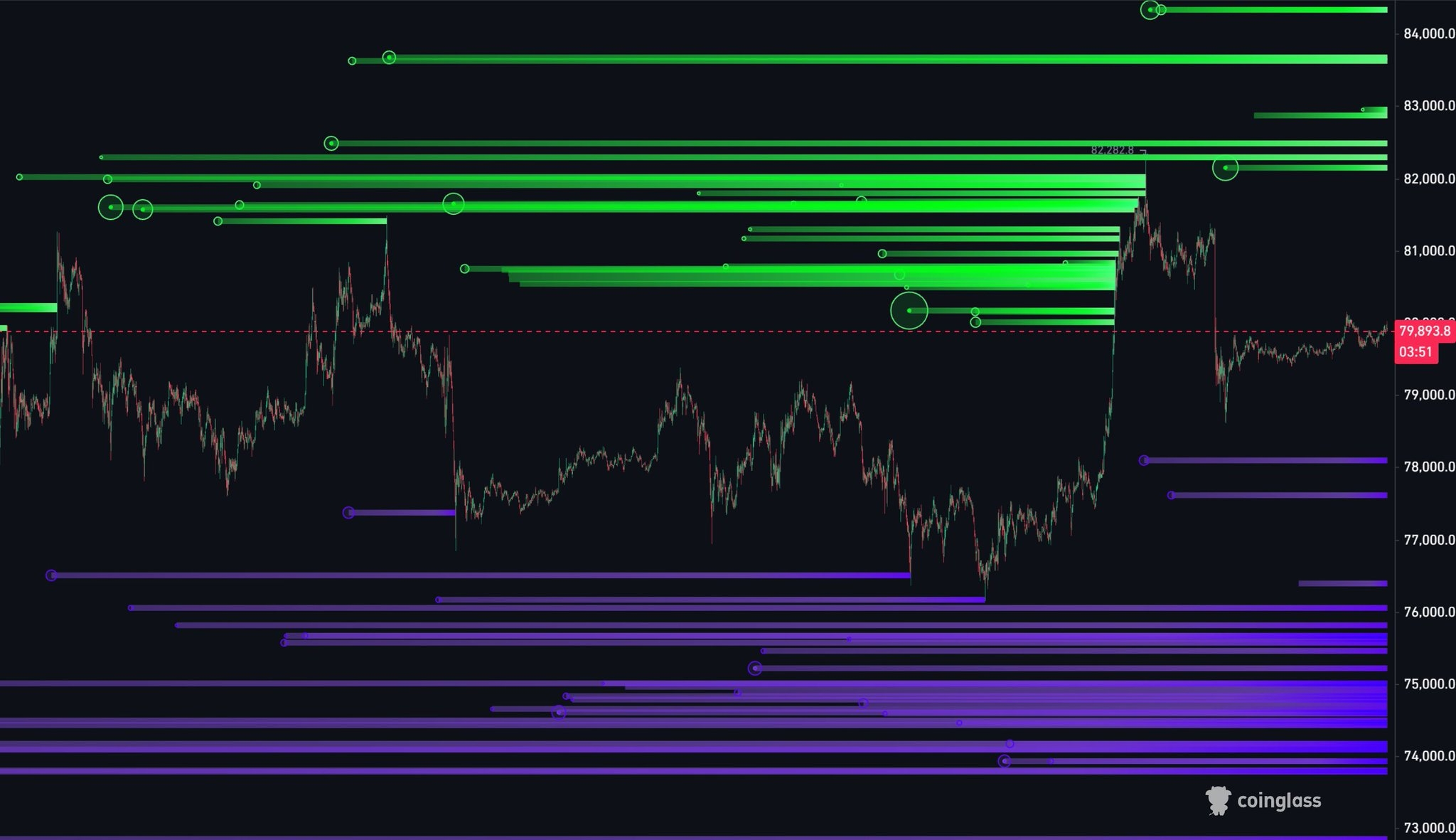
Price is currently entering weekend trading, and today is Sunday,
Usually on Sundays there is some kind of manipulative volatility,
I expect today to be similar as well,
What I am paying special attention to today is a scam-like pump around evening time, reaching 80.5k or 80.8k,
and then being rejected from there (possibly at the Monday Asian open) back down to mO (78.5k),
that is where I will look for a point to continue going long to 83-84k.
Overall, the plan basically remains unchanged,
now we just need to see how things develop next.
My current market view,
Price is currently entering weekend trading, and today is Sunday,
Usually on Sundays there is some kind of manipulative volatility,
I expect today to be similar as well,
What I am paying special attention to today is a scam-like pump around evening time, reaching 80.5k or 80.8k,
and then being rejected from there (possibly at the Monday Asian open) back down to mO (78.5k),
that is where I will look for a point to continue going long to 83-84k.
Overall, the plan basically remains unchanged,
now we just need to see how things develop next.
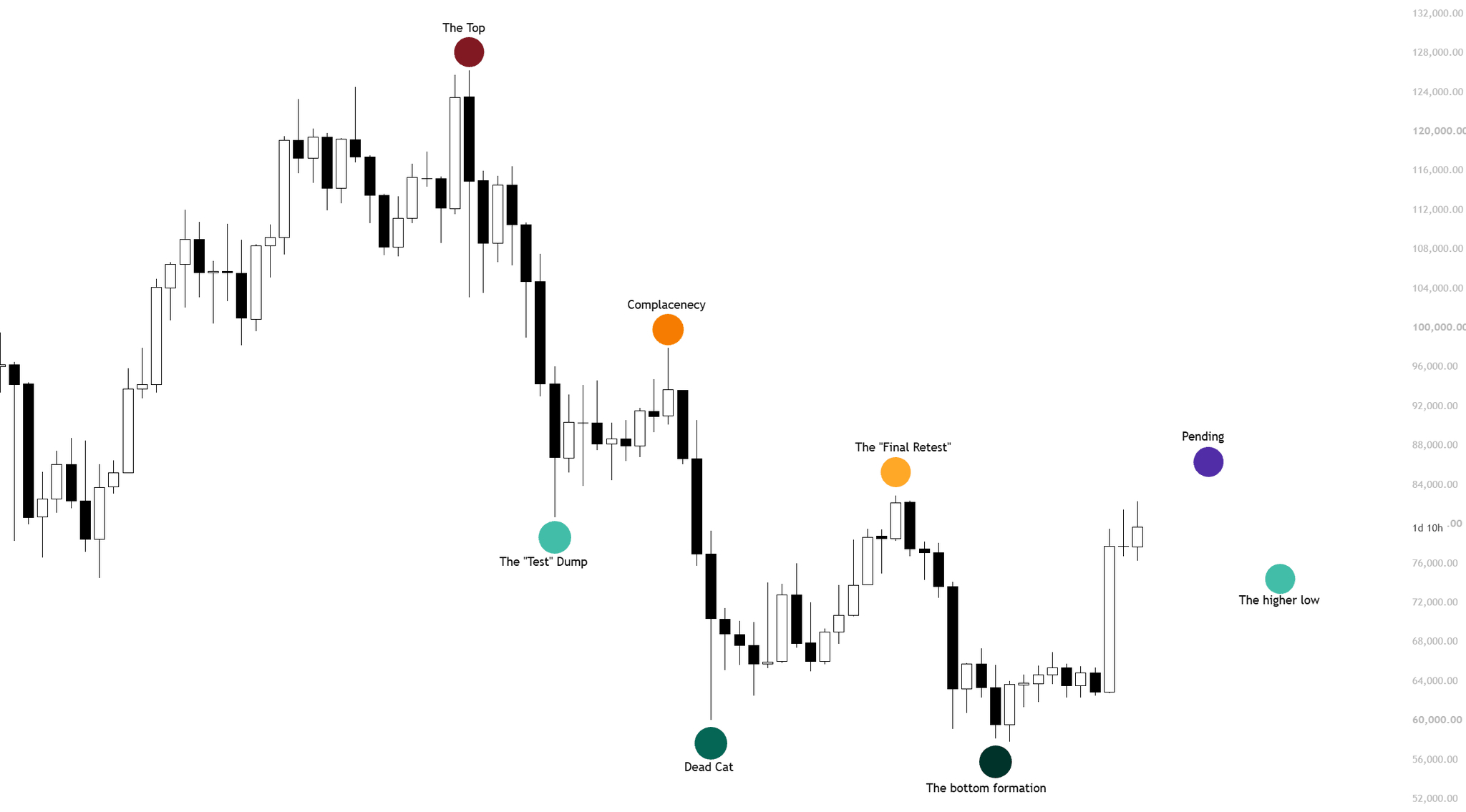
$BTC Although the monthly candlestick was up 27%, Monday was still not a particularly good day for BTC.
Almost every move up into Monday has ultimately been retraced.
As we head into next week, I’ll keep that in mind, especially considering that BTC just swept the $82K level and has already pulled back below the highs.
If we maintain a bearish structure on Monday, it’s very likely we’ll see another move lower.
However, if we instead dump hard on Monday, that’s when things get interesting. In the few rare cases, those Monday sell-offs may have marked a turning point low.
Almost every move up into Monday has ultimately been retraced.
As we head into next week, I’ll keep that in mind, especially considering that BTC just swept the $82K level and has already pulled back below the highs.
If we maintain a bearish structure on Monday, it’s very likely we’ll see another move lower.
However, if we instead dump hard on Monday, that’s when things get interesting. In the few rare cases, those Monday sell-offs may have marked a turning point low.
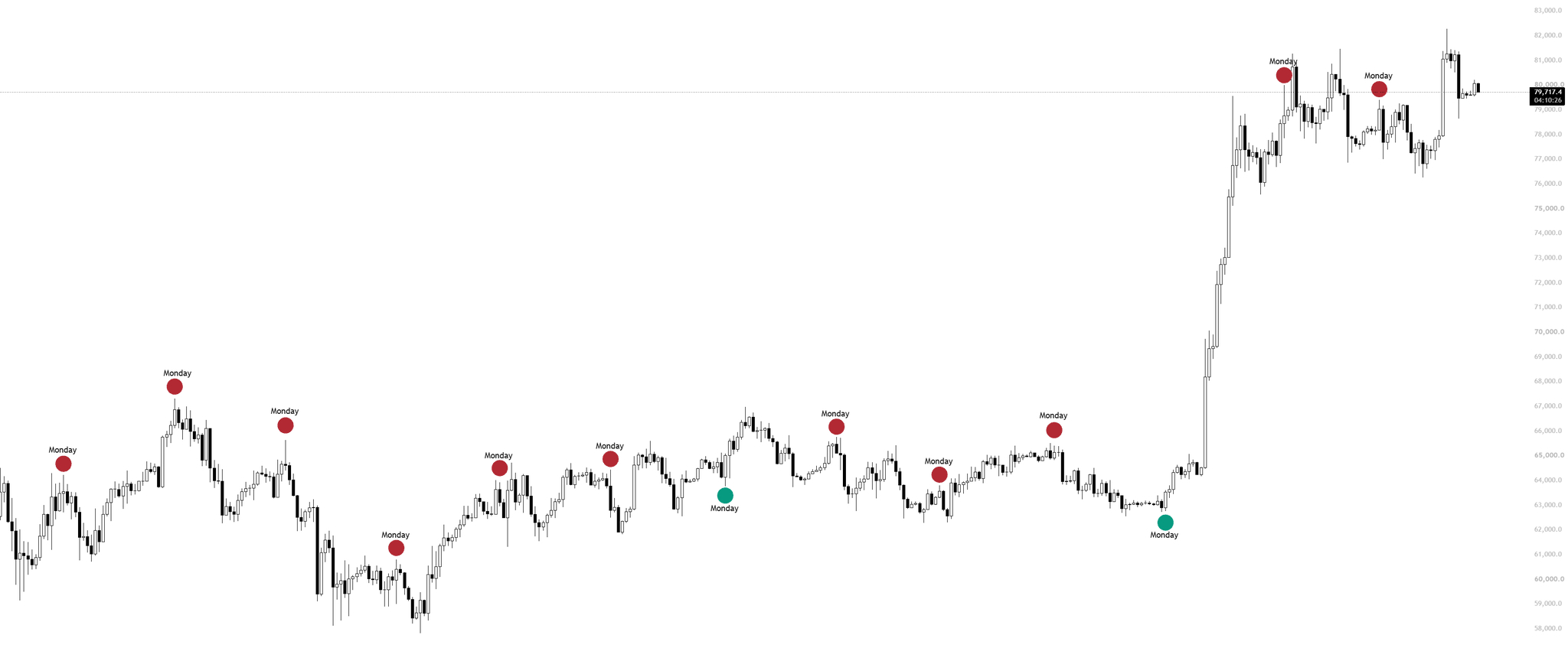
$BTC 74K is very likely to be tested eventually.
But based on experience, these ranges usually accumulate a lot of liquidity at both the highs and the lows before any major sweep occurs.
That said, before we test the 70K low, I think it is quite likely that we continue to hold the upper part of this range and accumulate more liquidity.
This is the scenario I am currently highly confident in.
So for now, I will continue looking for continuation long opportunities, while using my unrealized PnL to gradually increase exposure to bitcoin:native.
But based on experience, these ranges usually accumulate a lot of liquidity at both the highs and the lows before any major sweep occurs.
That said, before we test the 70K low, I think it is quite likely that we continue to hold the upper part of this range and accumulate more liquidity.
This is the scenario I am currently highly confident in.
So for now, I will continue looking for continuation long opportunities, while using my unrealized PnL to gradually increase exposure to bitcoin:native.
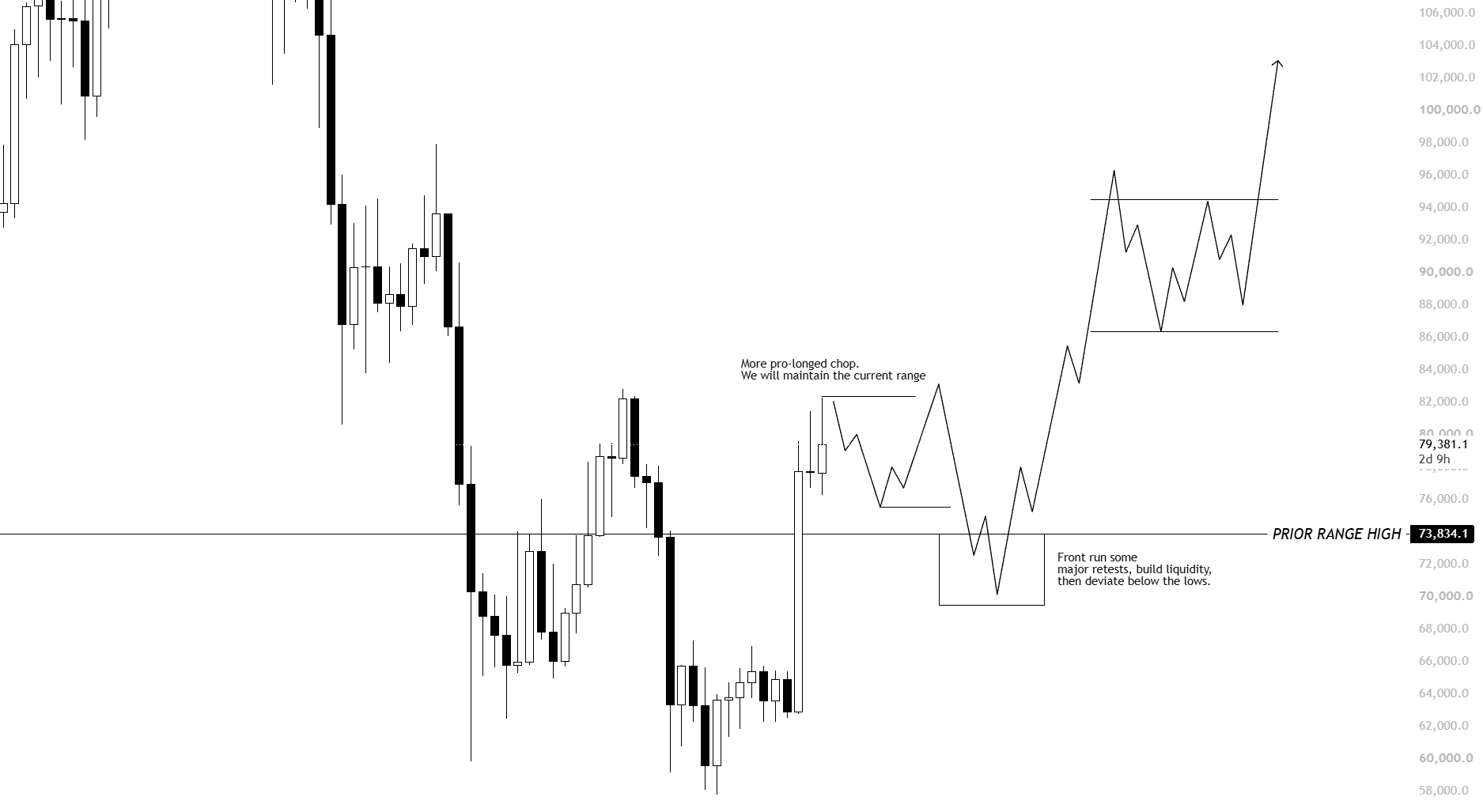
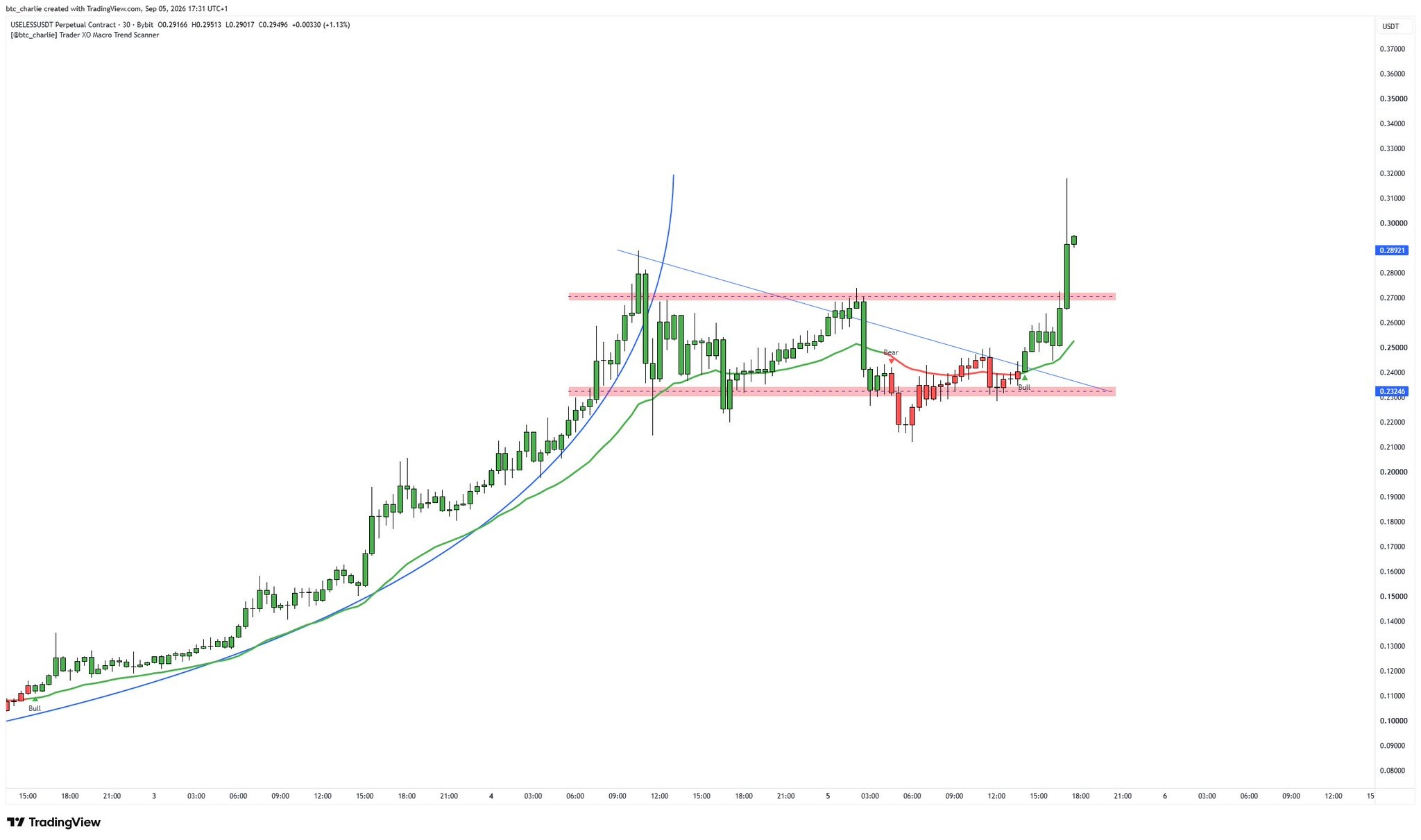
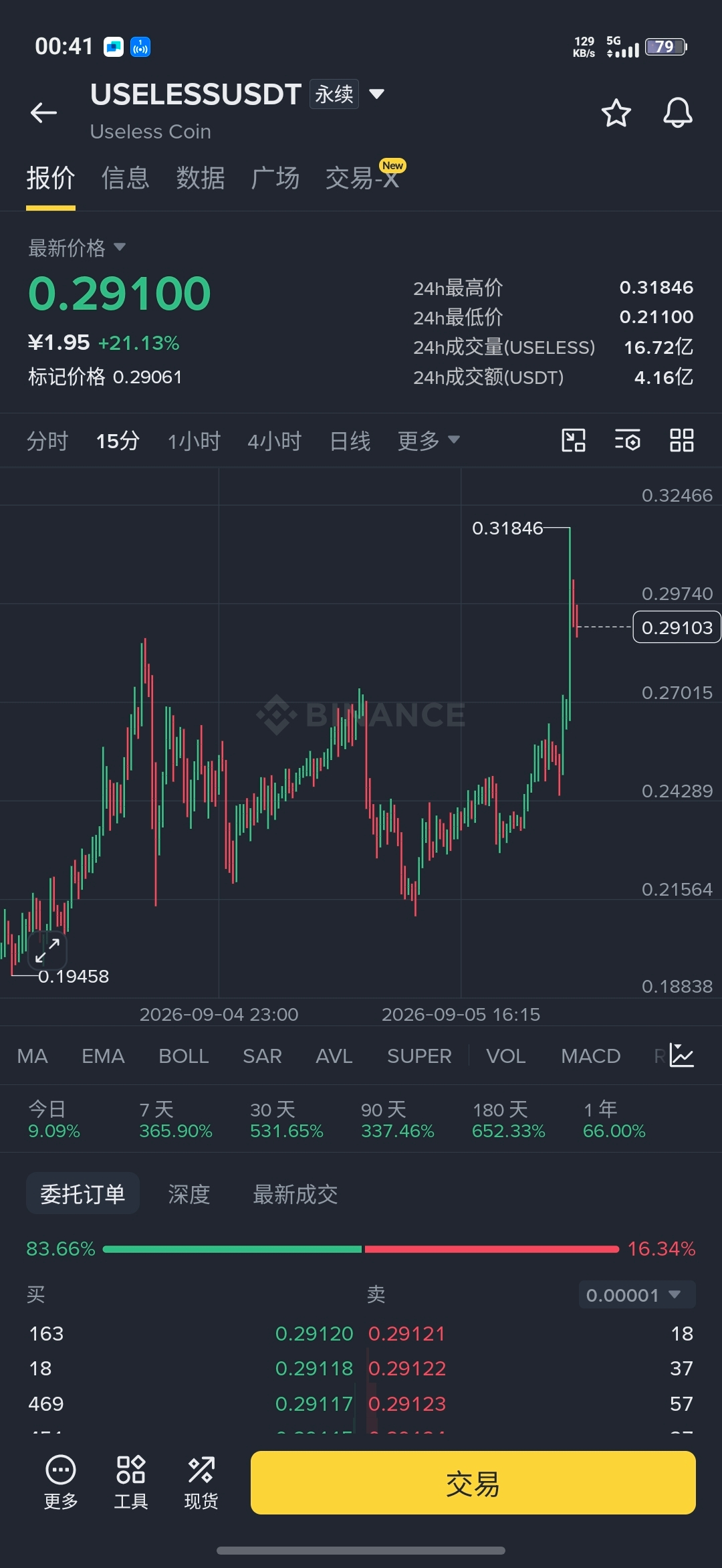
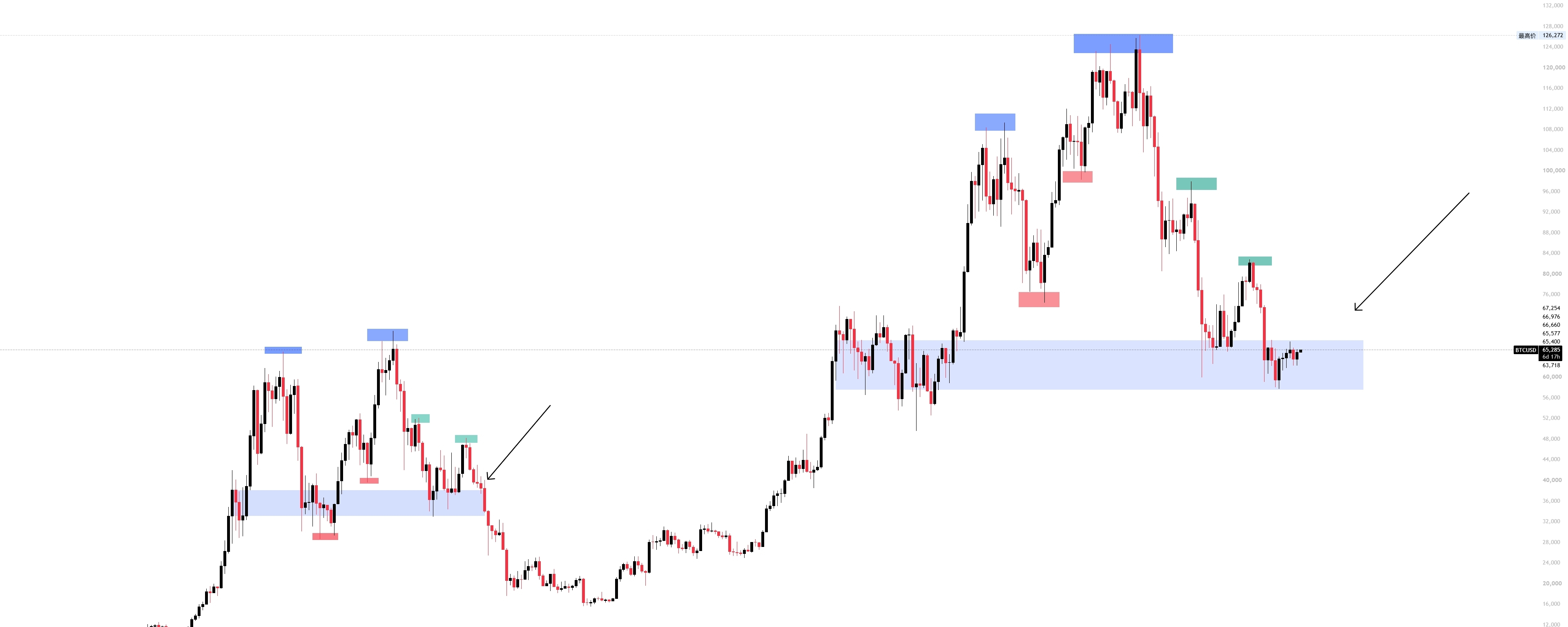
This kind of trap
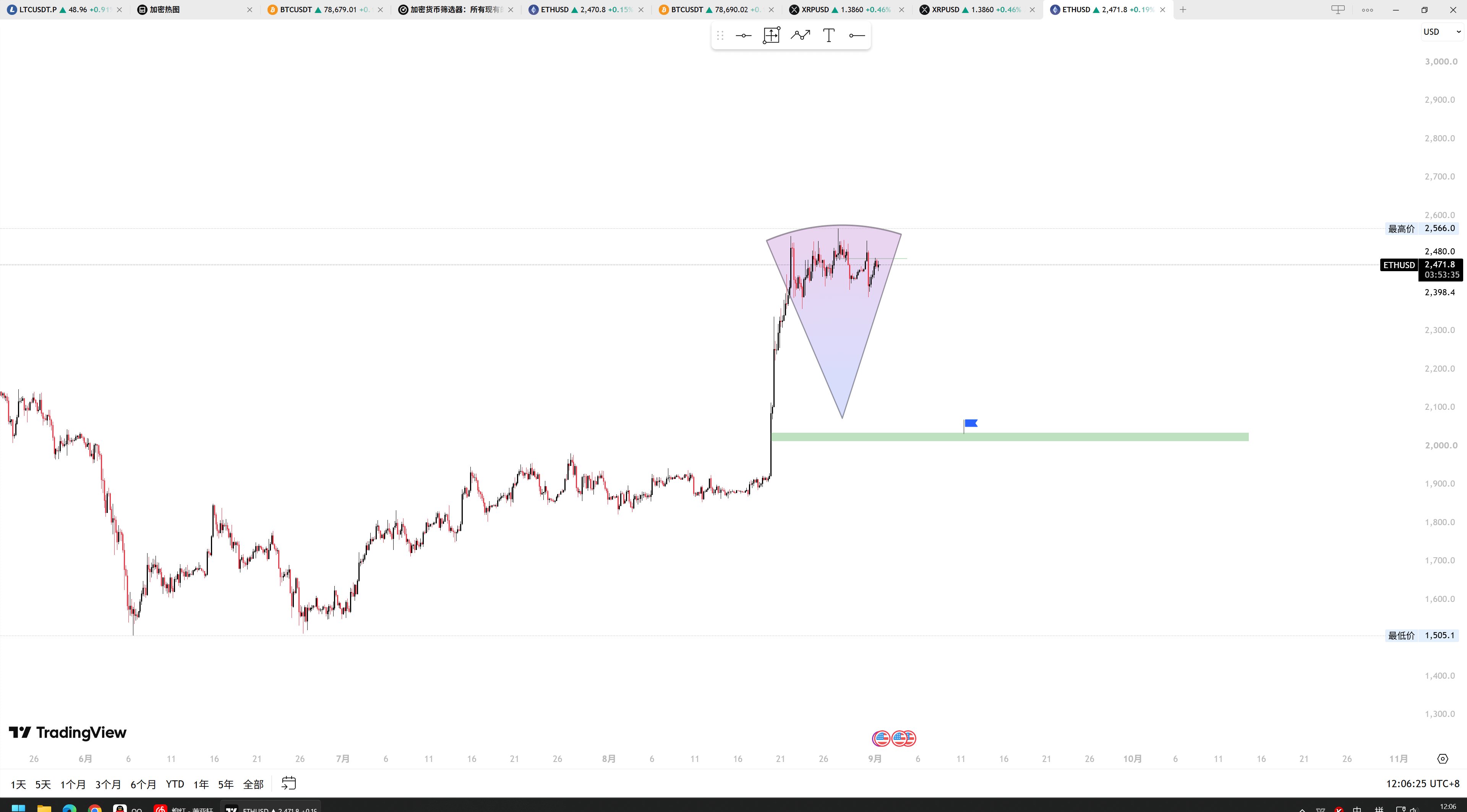
If this divergence pattern forms, a slow bottoming selloff will hurt many people
If this divergence pattern forms, a slow bottoming selloff will hurt many people
Log in to explore more content