

Xoxomarket
38 Posts

Xoxomarket
Report
Block User
Following capital, AI & Crypto & Stocks;Less hype, more signal观察市场,也观察资本如何流动,不追热点,只聊值得思考的事 #Ai #Crypto #Stocks
2 Following
42 Followers
95 Liked
Posts
PINNED
·
--
The market doesn’t reward everyone who gets the direction right. First, you have to experience losses, learn to wait, and ride out the volatility!
You think what you’re missing is a good opportunity. In reality, what you need more is the ability to seize it!
Those who truly understand risk and respect the rules have a chance to go further.
You think what you’re missing is a good opportunity. In reality, what you need more is the ability to seize it!
Those who truly understand risk and respect the rules have a chance to go further.
4
·
--
Verified
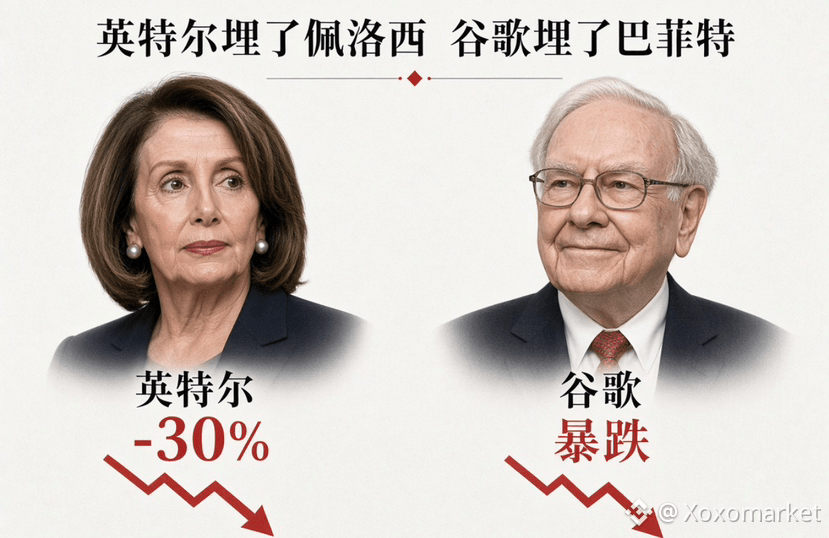
One is America’s most-watched “queen of congressional stock trading”
The other is the “Oracle of Omaha” of value investing
In the end, Intel plunged nearly 30%, dealing a major blow to Pelosi’s faith in tech stocks. Google plunged after its earnings report, putting the conflict between massive AI investments and returns on capital squarely before Buffett.
Even the once-dazzling halo of the “Oracle” must fade in the face of the market.
The capital markets have never believed in anyone’s fame; they believe only in performance, expectations, and real returns.
You can believe in the Oracle, but don’t ever hand over your own account to one.
They’re buying the future, but you’re the one who bears the drawdown.
$INTC $GOOGLB
785
·
--
Verified
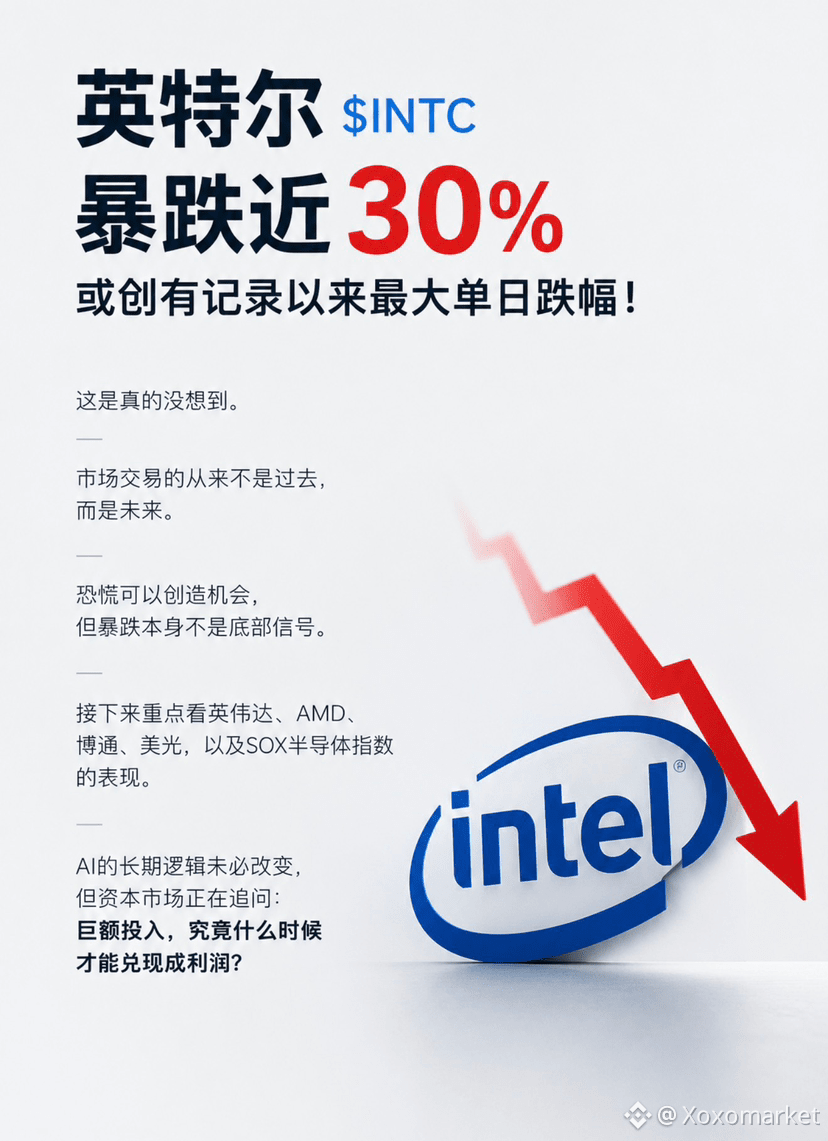
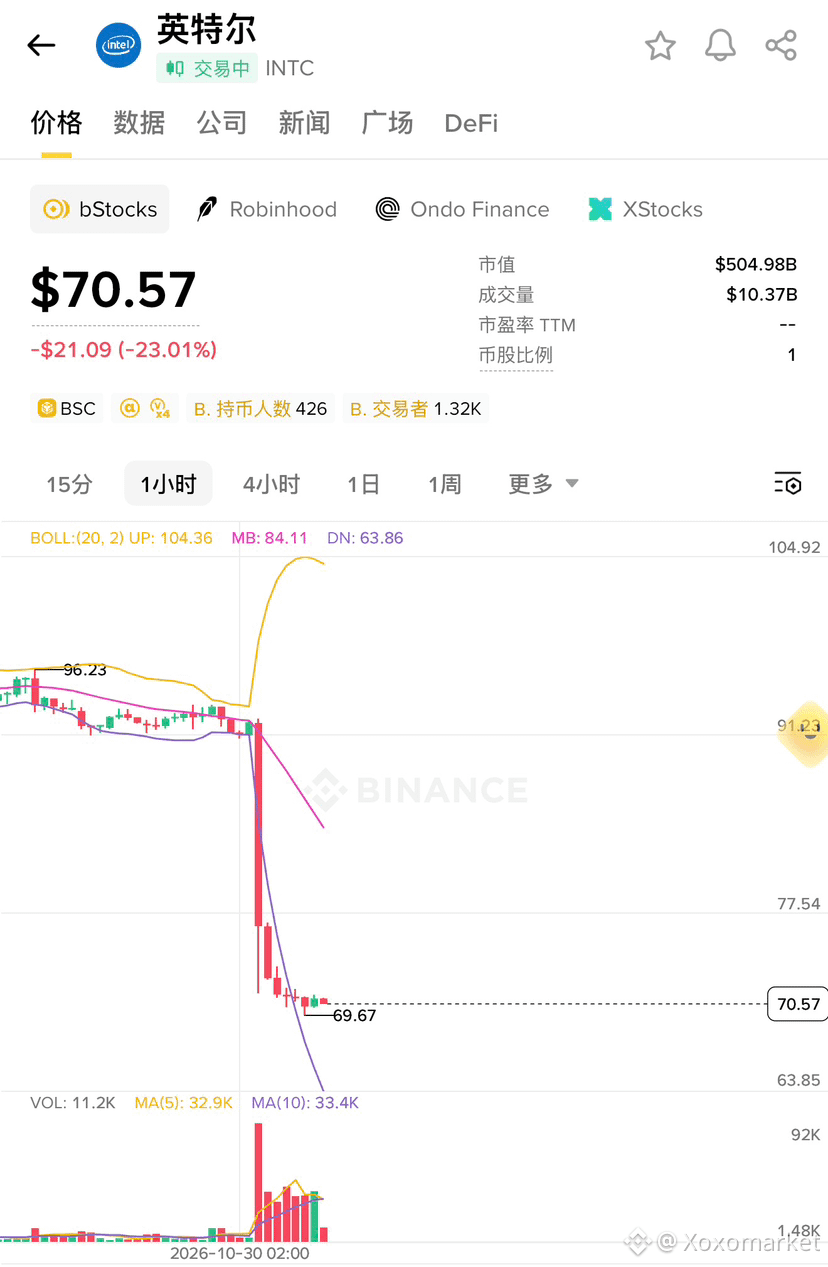
Intel $INTC plunges nearly 30%, potentially its biggest single-day drop on record!
I really didn’t see this coming! U.S. stocks are turning into memes…
Markets have never traded on the past, but on the future.
Panic can create opportunities, but a sharp sell-off in itself is not a signal that the bottom is in.
Next, keep a close eye on Nvidia, AMD, Broadcom, Micron, and the performance of the SOX Semiconductor Index.
The long-term AI thesis may not have changed, but capital markets are asking: when will these massive investments finally translate into profits?
1
742
·
--
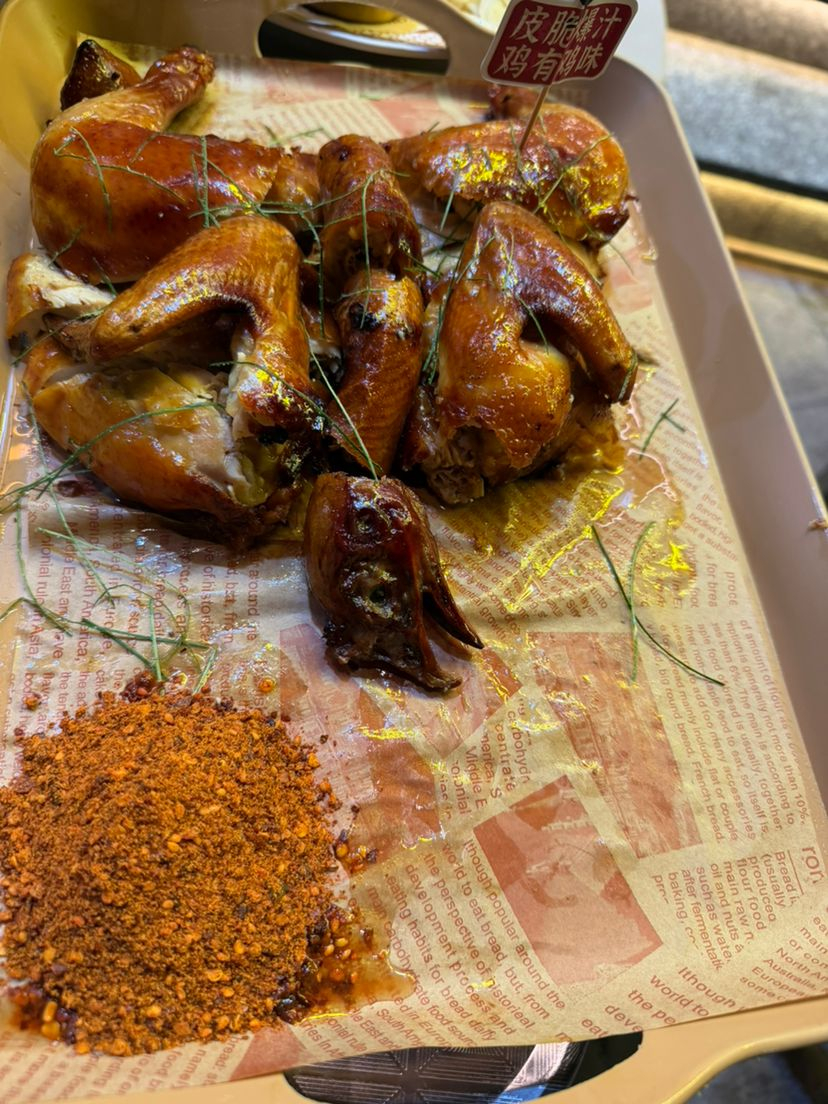
Shenzhen is great—good quality at affordable prices~
Shenzhen is great—good quality at affordable prices~



202
·
--
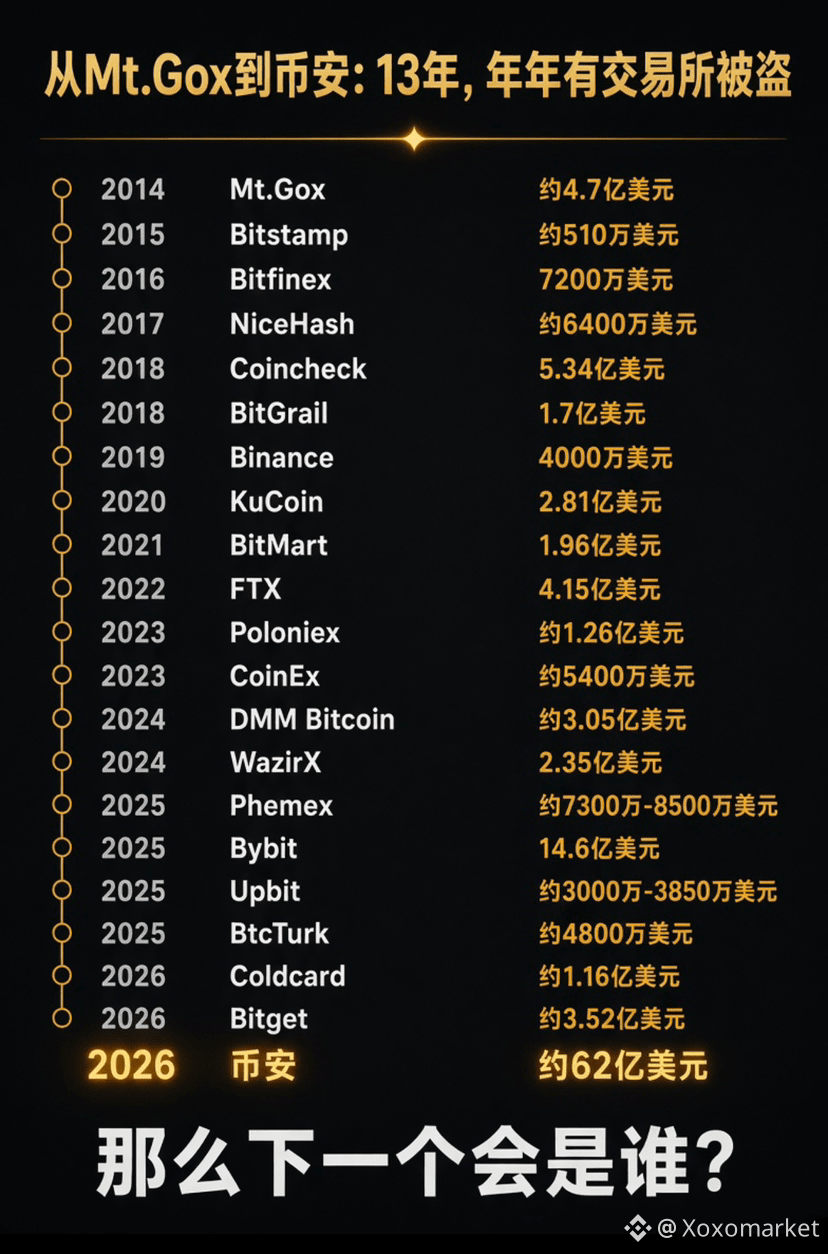
From Mt. Gox to Binance, crypto exchange security incidents have never truly stopped over the past 13 years! Who will be next?
Billions of dollars in losses have repeatedly reminded the market:
Bull markets can create wealth, but security is what protects it.
#Binance #Hackers #Security #Exchange
From Mt. Gox to Binance, crypto exchange security incidents have never truly stopped over the past 13 years! Who will be next?
Billions of dollars in losses have repeatedly reminded the market:
Bull markets can create wealth, but security is what protects it.
#Binance #Hackers #Security #Exchange
Billions of dollars in losses have repeatedly reminded the market:
Bull markets can create wealth, but security is what protects it.
#Binance #Hackers #Security #Exchange
168
·
--
Verified
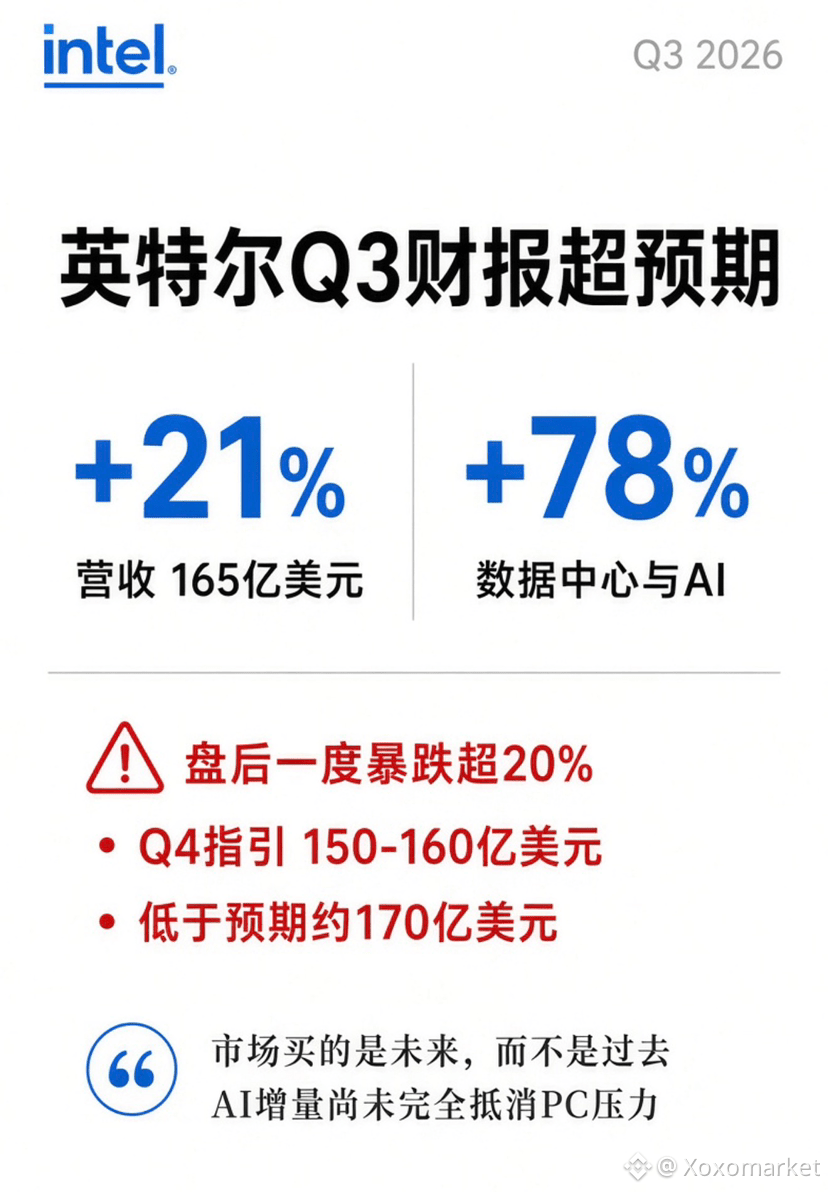
Intel's Q3 results beat expectations, yet its stock plunged more than 20% at one point after hours! AI business grew 78%—so why is the market still unimpressed?
On October 30, Intel ($INTC) released its Q3 results:
Revenue of $16.5 billion, up 21% year over year
Adjusted earnings per share beat market expectations
Data center and AI business grew 78%
But what really disappointed the market was the Q4 outlook:
1. Revenue is expected to be $15–16 billion, below the market's expectation of about $17 billion
2. Memory shortages are weighing on PC demand, with PC revenue expected to fall more than 20% quarter over quarter
3. The shutdown of its factory in Israel is expected to reduce revenue by about $300 million.
The stock was already up about 150% year to date before the results, but plunged more than 20% at one point after hours.
Why?!
The market buys into the future, not the past.
Intel's AI business is indeed growing rapidly, but its traditional PC business is still under pressure, and supply chain issues are also affecting near-term deliveries.
For now, the growth from AI isn't enough to fully offset the pressure on its traditional business.
These results sent a signal worth paying attention to:
The investment thesis for the AI industry is shifting from growth to returns. Having AI orders doesn't mean making a profit, and revenue growth doesn't necessarily mean a reasonable valuation.
Going forward, the key things to watch are whether data center growth can continue, when PC demand will recover, and whether the AI business can truly improve overall profitability.
#Intel #INTC #AI #USStocks #Semiconductors
562
·
--
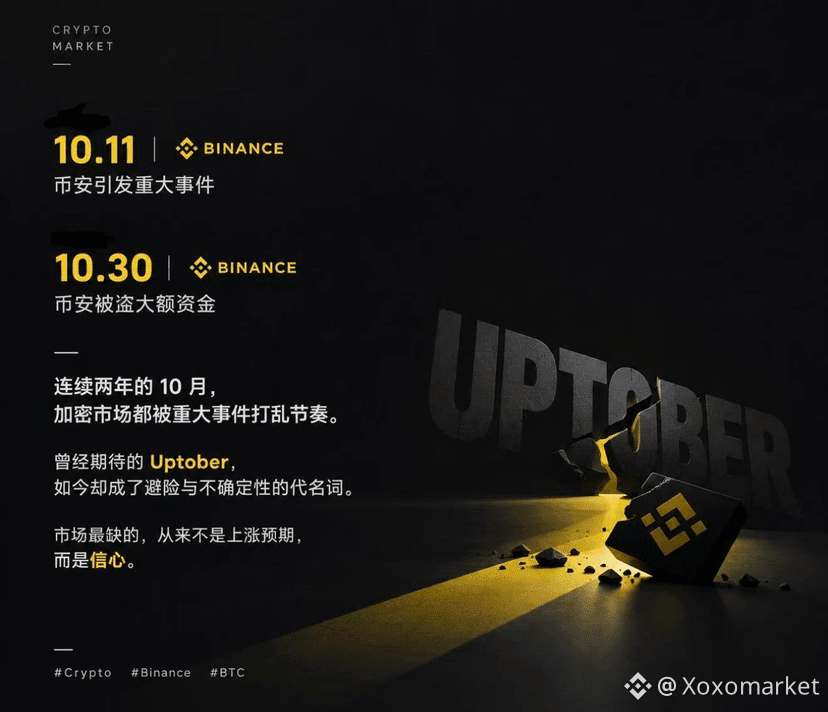
October 11 last year, October 30 this year.
For two Octobers in a row, major events have disrupted the rhythm of the crypto market.
The once-anticipated Uptober has now become synonymous with risk aversion and uncertainty.
What the market has always lacked most is not expectations of a rally, but confidence.
#Crypto #Binance #BTC
For two Octobers in a row, major events have disrupted the rhythm of the crypto market.
The once-anticipated Uptober has now become synonymous with risk aversion and uncertainty.
What the market has always lacked most is not expectations of a rally, but confidence.
#Crypto #Binance #BTC
71
·
--
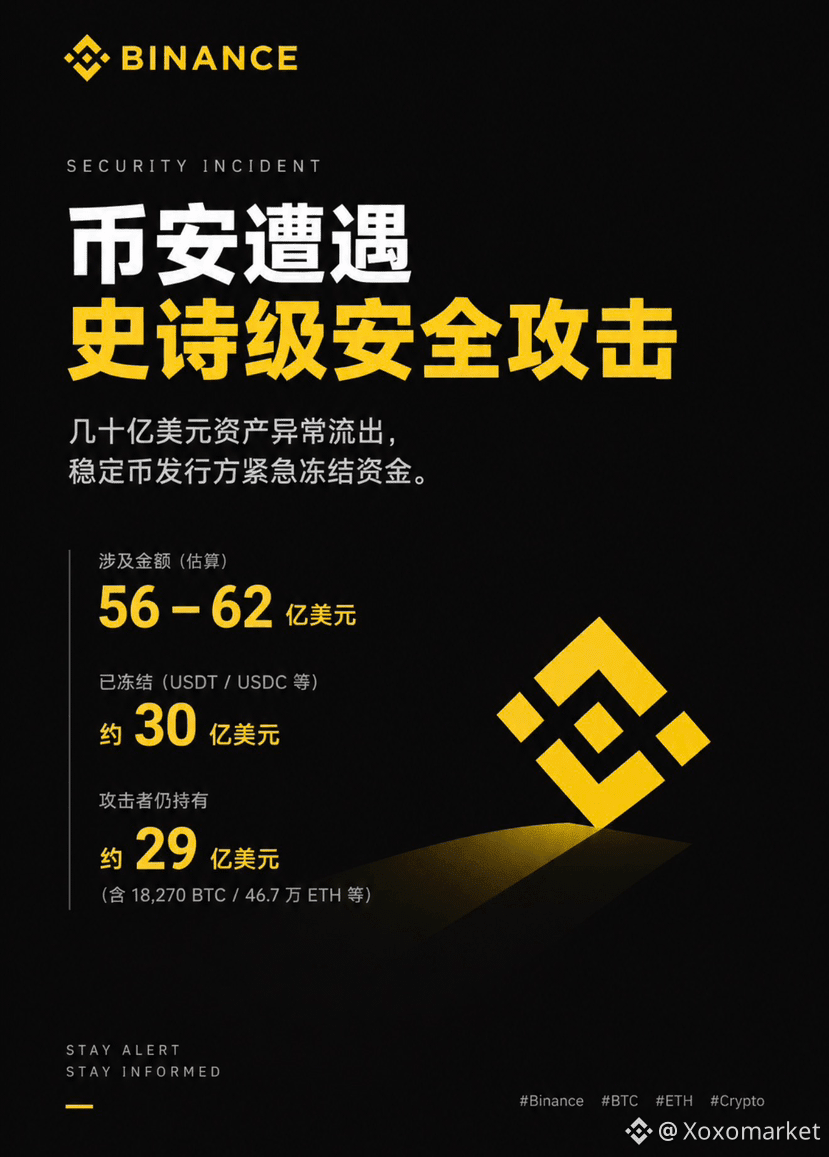
Binance hit by an epic security attack! Billions of dollars’ worth of assets transferred out abnormally, prompting stablecoin issuers to urgently freeze funds.
The night before the incident, hackers rehearsed twice using test wallets, from late evening until dawn! The list of coins to sweep had been prepared in advance: 64 tokens and ETH.
At 4 a.m. on October 30, multiple Binance hot wallets saw batches of abnormal fund transfers over just more than three minutes. On-chain tracking indicates the amount involved may have exceeded $5.6 billion across multiple blockchains. The exact losses are still awaiting final confirmation from the company.
Staggering sums: On-chain monitoring shows that the assets transferred out abnormally included BTC, ETH, USDT, USDC, and various tokens. At today’s prices, the losses could be as high as $3.7 billion!
Emergency stablecoin freeze: Issuers including Tether and Circle have frozen some related assets, with the amount frozen reaching the tens of billions of dollars. Some assets can no longer be transferred as a result.
Were private keys leaked, or was the signing system exploited?
Binance has not announced anything yet!
Binance suspends deposits and withdrawals: The platform is conducting security checks, tracking funds, and cooperating with relevant authorities. Binance says users’ funds are safe and that it will cover the losses caused by this incident.
Centralized stablecoins such as USDT and USDC can have specific addresses’ assets frozen by their issuers. This can help prevent hackers from moving funds, but it also serves as another reminder: stablecoins are not entirely beyond the control of centralized entities.
An exchange’s security cannot be judged by its size and market share alone.
If there are vulnerabilities in hot-wallet permissions, authorization mechanisms, or key management, even the most powerful trading platform may face systemic risks. The safety of user funds requires more than a promise—it needs to be verified through proof of reserves, independent audits, and transparent post-incident reviews.
The short-term shock and long-term trust are the real challenges facing the market.
Incidents like this may heighten risk aversion and put pressure on BTC, ETH, BNB, and the broader crypto market. But one security incident alone is not enough to conclude that the long-term fundamentals of the crypto industry have fundamentally changed.
For the crypto industry to enter mainstream finance, security cannot be a marketing slogan; it must be part of the infrastructure.
For everyday users, don’t panic or take rash action at this stage, and don’t trust links claiming to facilitate asset transfers, refunds, or security verification. Refer to official Binance announcements for all updates.
$BNB $ETH $BTC
#Binance #BTC #ETH #Crypto
1
482
·
--
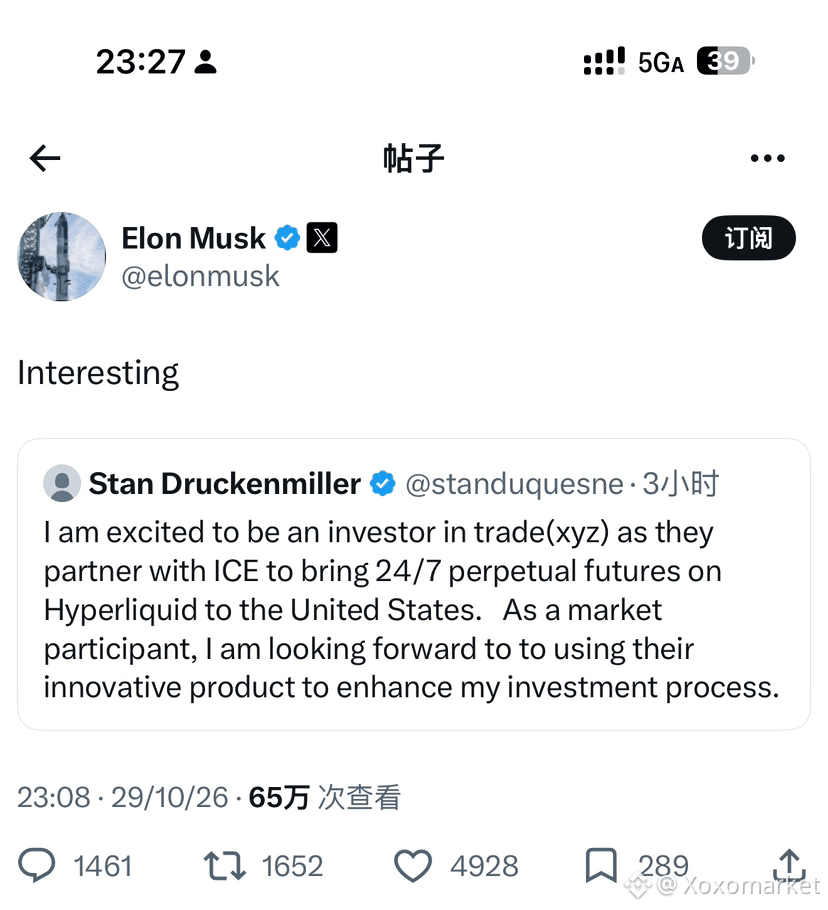
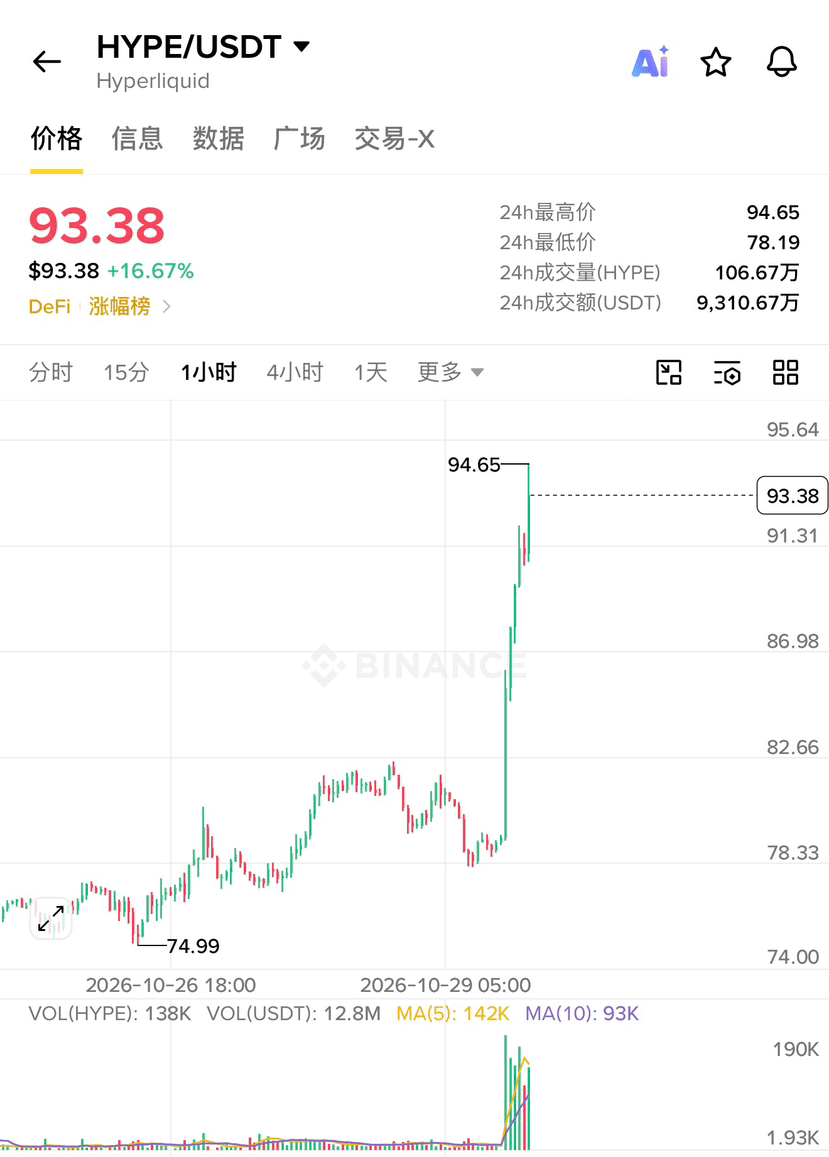
$HYPE Keep going! Musk has even mentioned it by name
$HYPE Keep going! Musk has even mentioned it by name
1
13
·
--
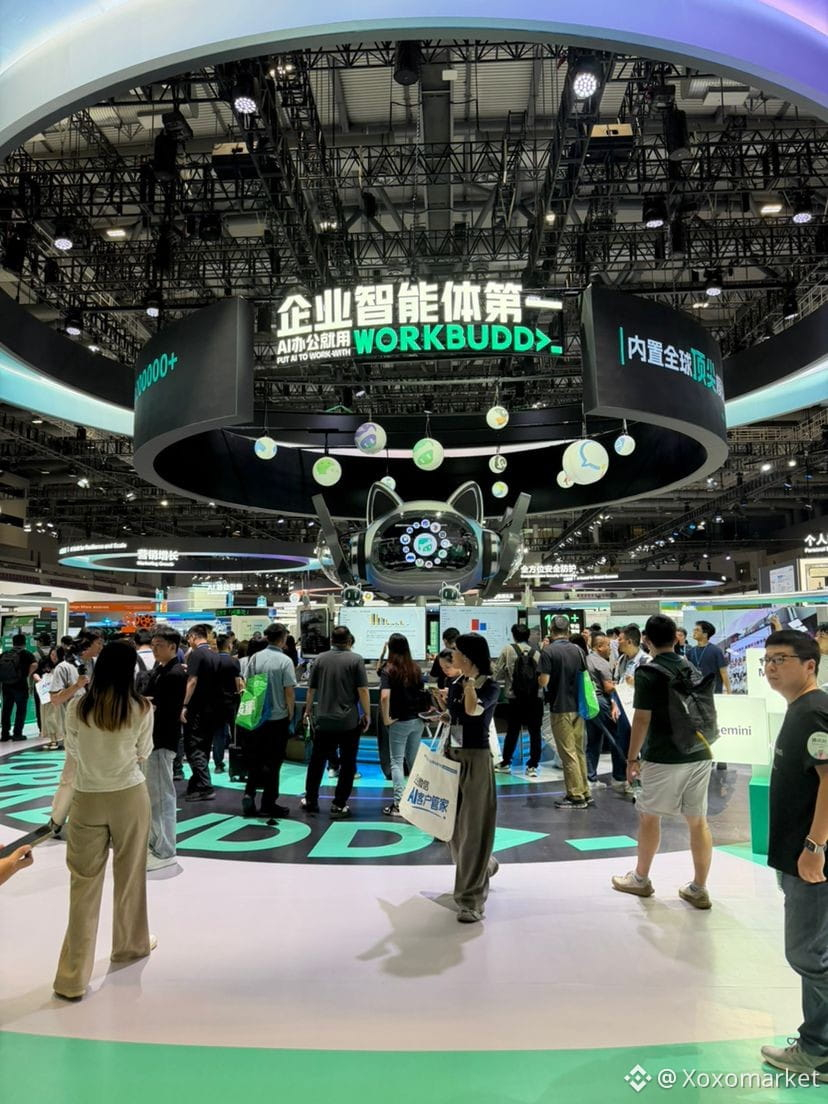
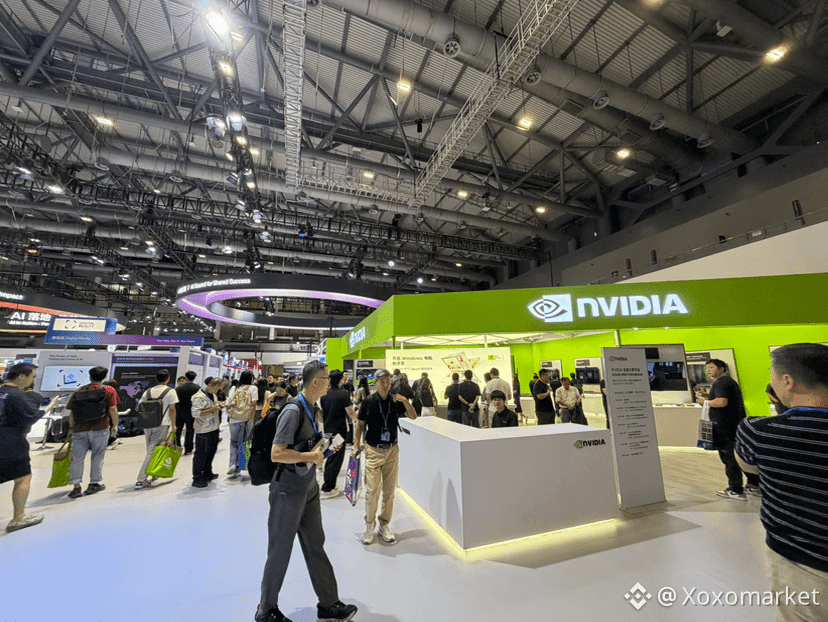
Today I attended the Tencent Global Digital Ecosystem Summit, and my biggest takeaway is: AI is moving from a technical concept into thousands of industries and sectors in a real way.
I’ve always believed that in the second half of AI competition, the key is not just how powerful the models are, but whether they can truly integrate into business, solve real problems, and create sustainable commercial value.
Tencent has a vast product matrix, a huge user base, and strong industry connectivity, so the future is worth looking forward to.
Technology creates value, and ecosystems amplify value.
Looking forward to Tencent’s continued innovation, and also to AI bringing real change to more industries! 🚀
#TencentGlobalDigitalEcosystemSummit #TencentAI #ArtificialIntelligence #TechInnovation #NVIDIA #AMD #Intel


98
·
--
South Korea’s former president Yoon Suk Yeol: prosecutors again seek the death penalty at his second trial!
Yoon Suk Yeol was accused of insurrection after declaring martial law on December 3, 2024, and was sentenced to life imprisonment at his first trial.
The special counsel’s team considers the sentence too lenient and is seeking to have it replaced with the death penalty.
Presidential power is not personal power, and the constitutional order must not be trampled on.
The final verdict will affect not only Yoon Suk Yeol’s personal fate, but also test the limits of South Korea’s democratic system and rule of law.
#SouthKorea #YoonSukYeol #SouthKoreanPresident
296
·
--
Whether the market's good or not, let's set that aside! Eat well, drink well—life's got to be enjoyed! 😂
Buy seafood yourself and find somewhere to have it cooked: it's fresh, affordable, and you can enjoy it in comfort.
Whether the market's good or not, let's set that aside! Eat well, drink well—life's got to be enjoyed! 😂
Buy seafood yourself and find somewhere to have it cooked: it's fresh, affordable, and you can enjoy it in comfort.
Buy seafood yourself and find somewhere to have it cooked: it's fresh, affordable, and you can enjoy it in comfort.




1
175
·
--
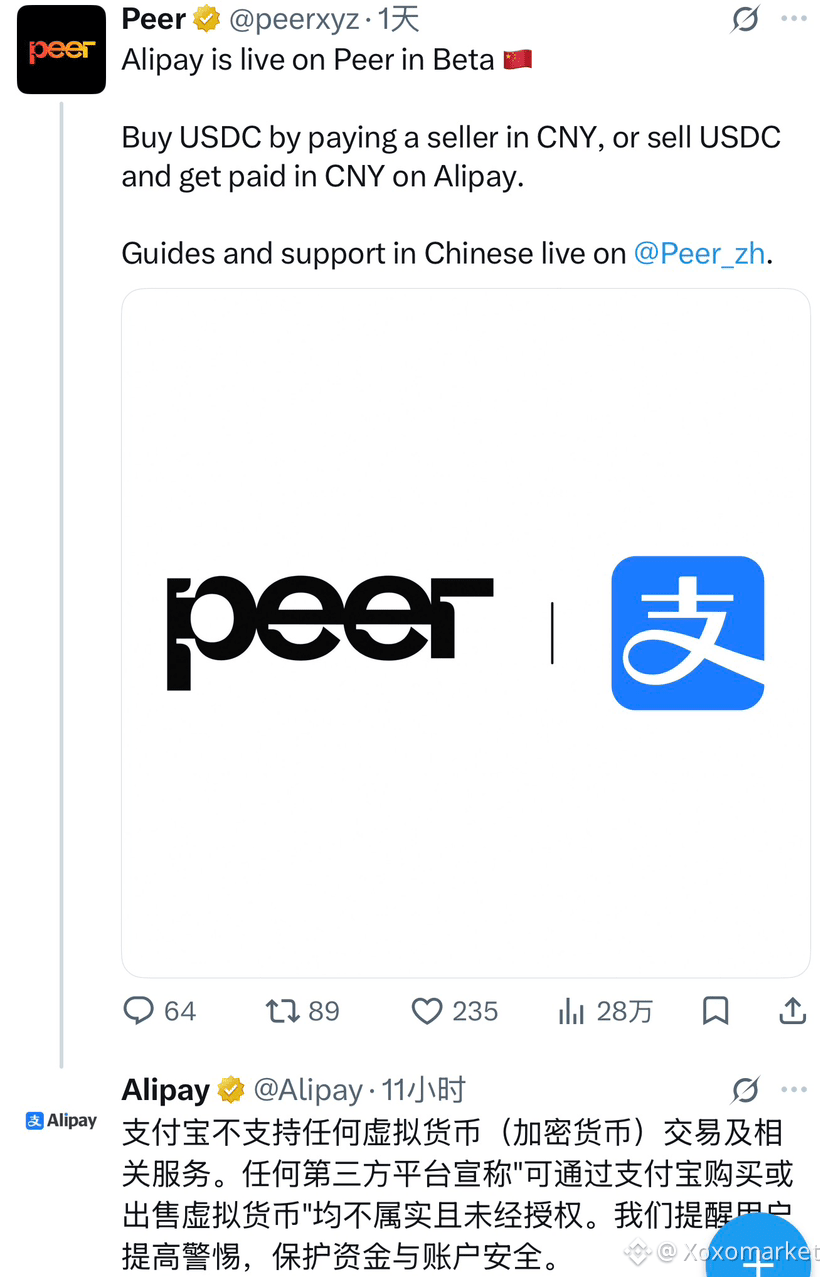
Official response from Alipay: Peer is not authorized to trade USDC through the platform
Alipay does not support any virtual currency (cryptocurrency) trading or related services. Claims by any third-party platform that users "can buy or sell virtual currencies through Alipay" are false and unauthorized. We remind users to stay vigilant and protect the security of their funds and accounts.
#Peer #Alipay
332
·
--
Verified
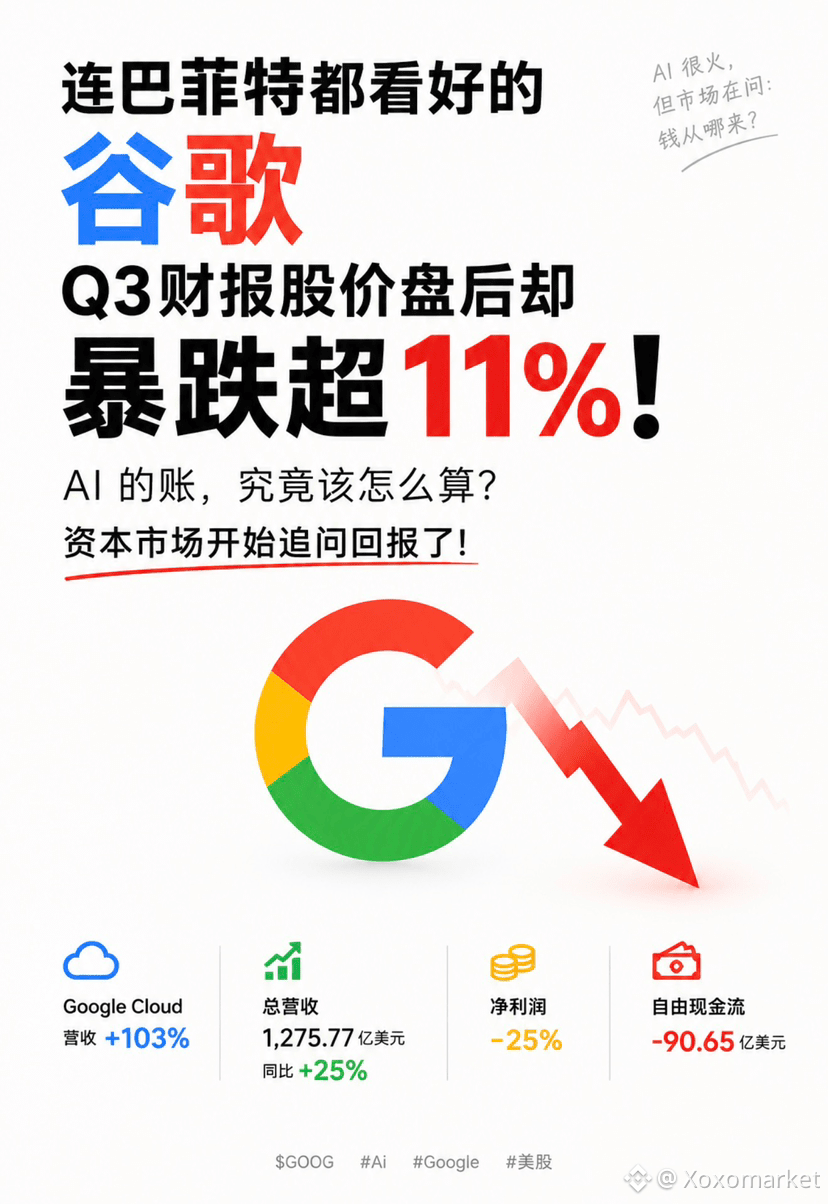
Even Google, a company Buffett is bullish on, saw its stock plunge more than 11% after hours following its Q3 earnings report! How should we calculate the cost of AI? The market is starting to demand returns!
Alphabet delivered an earnings report full of contradictions:
Revenue of $127.577 billion, up 25% year over year
Google Cloud revenue up 103% year over year, with operating margin rising to 36.2%
Net income down 25% year over year, with EPS falling from $2.87 to $2.12
Quarterly capital expenditures of $51.355 billion, sending free cash flow into negative territory at -$9.065 billion
The market is buying the future, not just growth.
The surge in cloud business proves that demand for enterprise AI infrastructure is strong. But revenue growth doesn’t necessarily mean cash flow growth. As capital expenditures continue to climb, the market naturally wants to know: When will these investments translate into returns that shareholders can actually receive?
AI can’t just be a story; the cash cow has to keep delivering, too.
Search revenue grew 12%, and YouTube ad revenue grew 9%, but both fell short of market expectations.
Google’s core strength isn’t just Gemini—it’s the complete ecosystem spanning search, advertising, cloud, chips, and models.
If AI brings more queries but can’t consistently improve ad monetization, or if massive investments eat into cloud growth, it will be hard to support the valuation with a story alone.
What will truly determine the next market rally isn’t how much Google spends on AI, but how much profit and cash flow those investments ultimately generate!
$GOOG
#AI #Google #USStocks
GOOGUS-1.85%
33
·
--
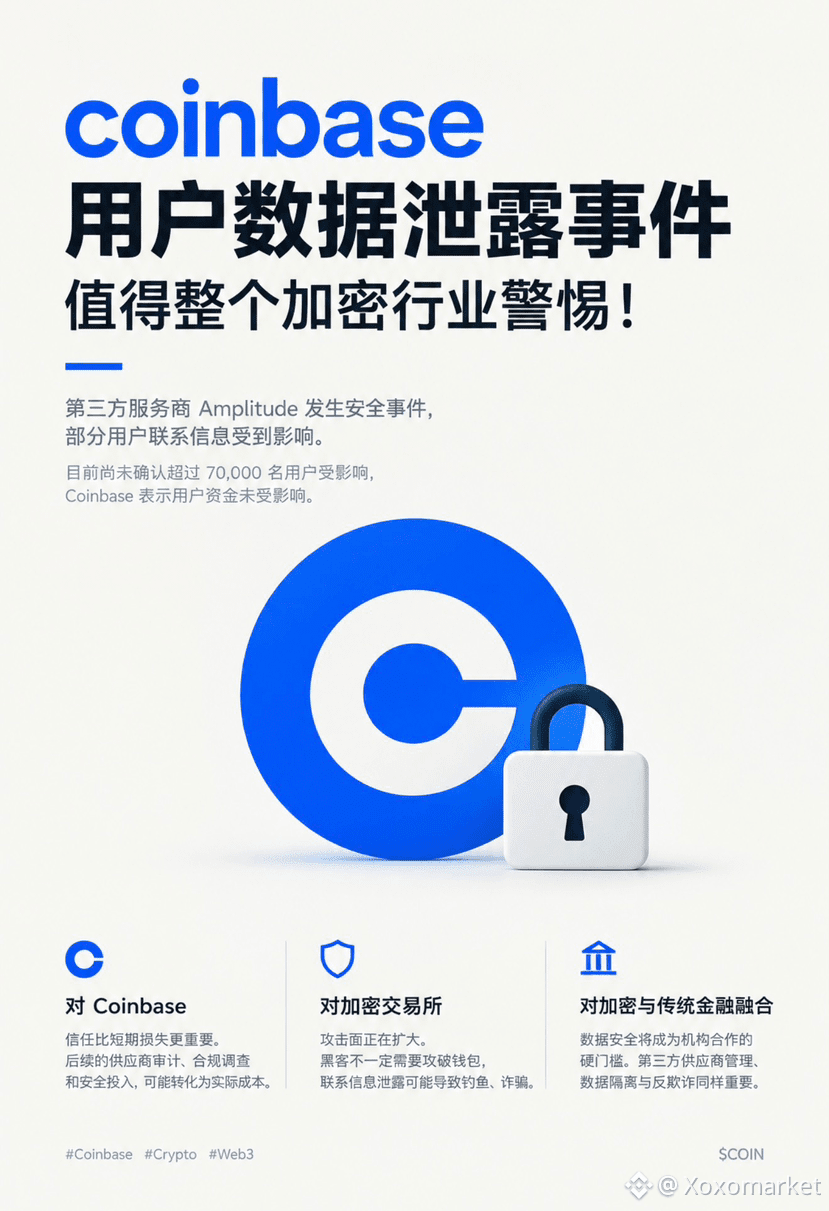
The Coinbase user data breach is a wake-up call for the entire crypto industry!
On October 28, Coinbase confirmed a security incident at Amplitude, a third-party data analytics provider, that affected some users’ contact information.
But one point must be made clear: reports that more than 70,000 users were affected have not yet been officially confirmed by Coinbase. Coinbase said it has found no evidence of unauthorized access to its own systems, and no user funds were affected.
For Coinbase: Trust matters more than short-term losses
Users can accept market volatility, but it’s much harder to accept having their personal information exposed. Follow-up vendor audits, compliance investigations, and security investments could all translate into real costs.
For crypto exchanges: The attack surface is expanding. Hackers don’t necessarily need to breach wallets. Once contact information is exposed, it can be used for targeted phishing, fake customer support scams, and account recovery attacks. The fact that no assets were directly stolen doesn’t mean the risk is over.
For the convergence of crypto and traditional finance: Data security will become a hard requirement for institutional partnerships. As exchanges, banks, brokerages, custodians, and asset management platforms become increasingly connected, security responsibilities can’t stop at core trading systems.
Licensing, custody, and compliance are important, but third-party vendor management, data segregation, and anti-fraud measures are just as crucial to earning users’ trust.
$COIN
#Coinbase #Crypto #Web3
171
·
--
Verified
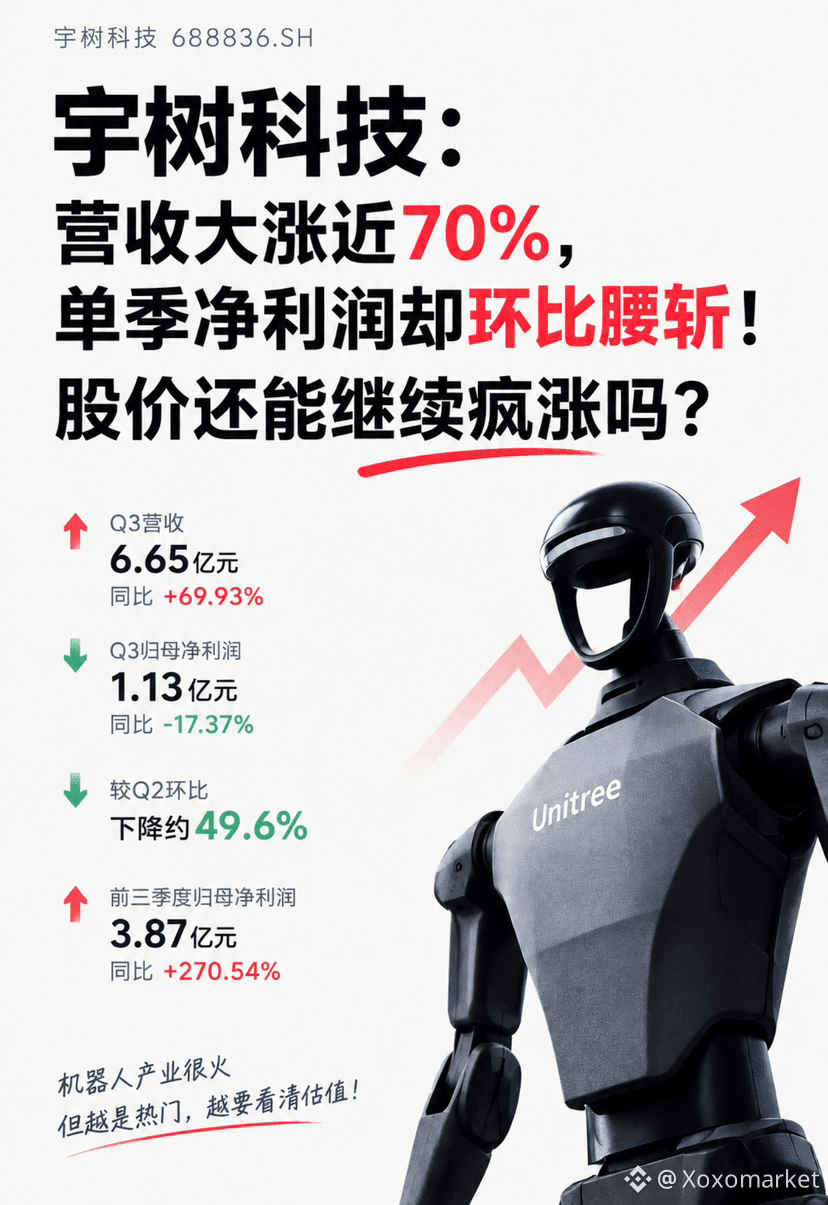
Unitree Robotics: Revenue surges nearly 70%, but quarterly net profit is halved sequentially! Can the stock keep soaring?
Revenue growth shows that the business is still expanding, but the decline in quarterly profit means the quality of that growth still needs further validation.
Q3 revenue: RMB 665 million, up 69.93% year over year
Q3 net profit attributable to shareholders: RMB 113 million, down 17.37% year over year
Down approximately 49.6% sequentially from RMB 224 million in Q2
Net profit attributable to shareholders for the first three quarters: RMB 387 million, up 270.54% year over year
Can the stock continue to rise?
The market is pricing in more than just how much the company earned today. It is also weighing whether humanoid robots can achieve large-scale commercial deployment in the future.
But there is a key contradiction here:
A bigger industry outlook does not mean the current stock price is cheaper!
If the market has already priced in rapid growth over the next few years, then even if results continue to grow, the stock could still come under pressure if that growth falls short of expectations.
I am bullish on the long-term development of the robotics industry, but I do not equate being bullish on the industry with being bullish on a stock at any price.
In the short term, Unitree Robotics must prove its results can live up to high expectations.
In the long term, what will truly determine its value is whether its technological edge can translate into sustainable commercial profits.
$UNITREE
2
2.3k
·
--
Verified
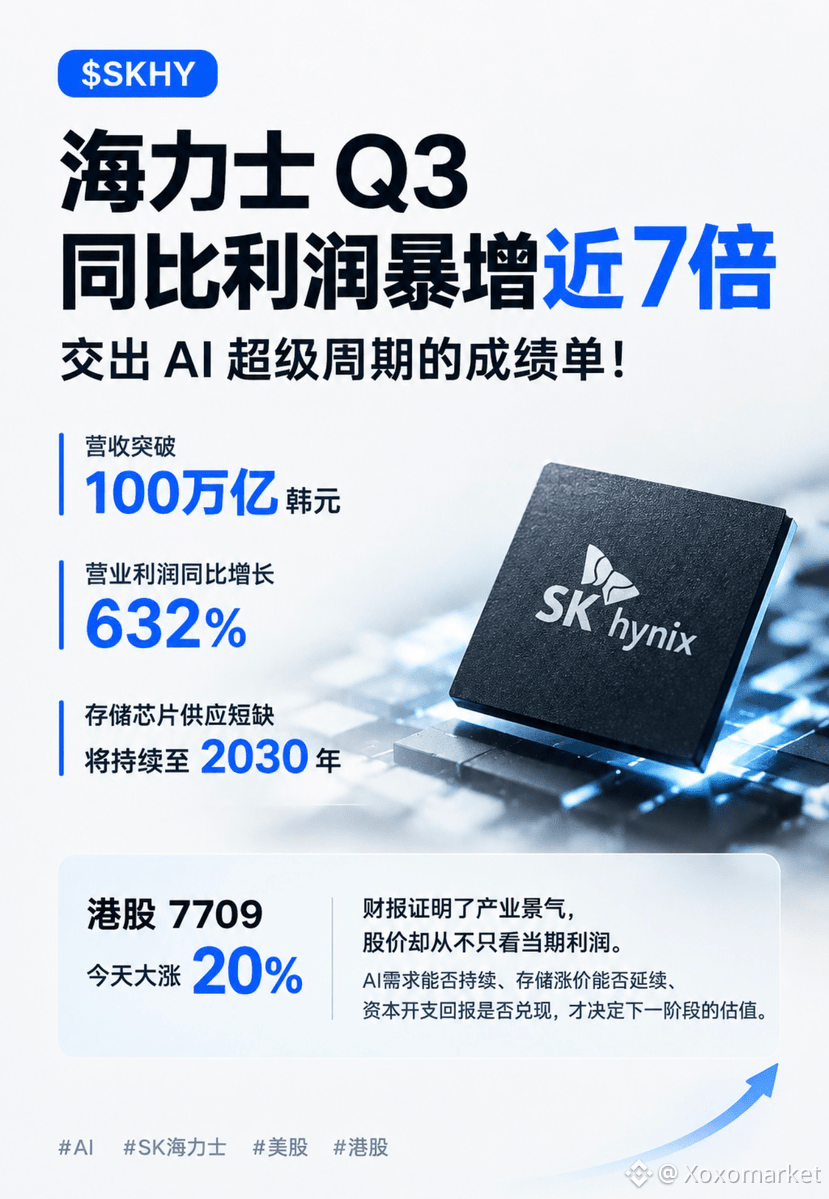
$SKHY SK Hynix’s Q3 profit surged nearly sevenfold year over year, delivering a report card for the AI supercycle!
Revenue topped 100 trillion won, and the memory chip shortage is expected to last until 2030
Hong Kong stock 7709: up 20% today
The earnings report confirms the industry’s strength, but stock prices are never driven solely by current profits. Whether AI demand can be sustained, memory price increases can continue, and returns on capital spending can materialize will determine valuations in the next phase.
#AI #SKHynix #USStocks #HongKongStocks
657
·
--
Heading to Dubai 🇦🇪 tomorrow ✈️
Any experienced folks have tips on what I should keep in mind when visiting these days?
Heading to Dubai 🇦🇪 tomorrow ✈️
Any experienced folks have tips on what I should keep in mind when visiting these days?
Any experienced folks have tips on what I should keep in mind when visiting these days?
79
·
--
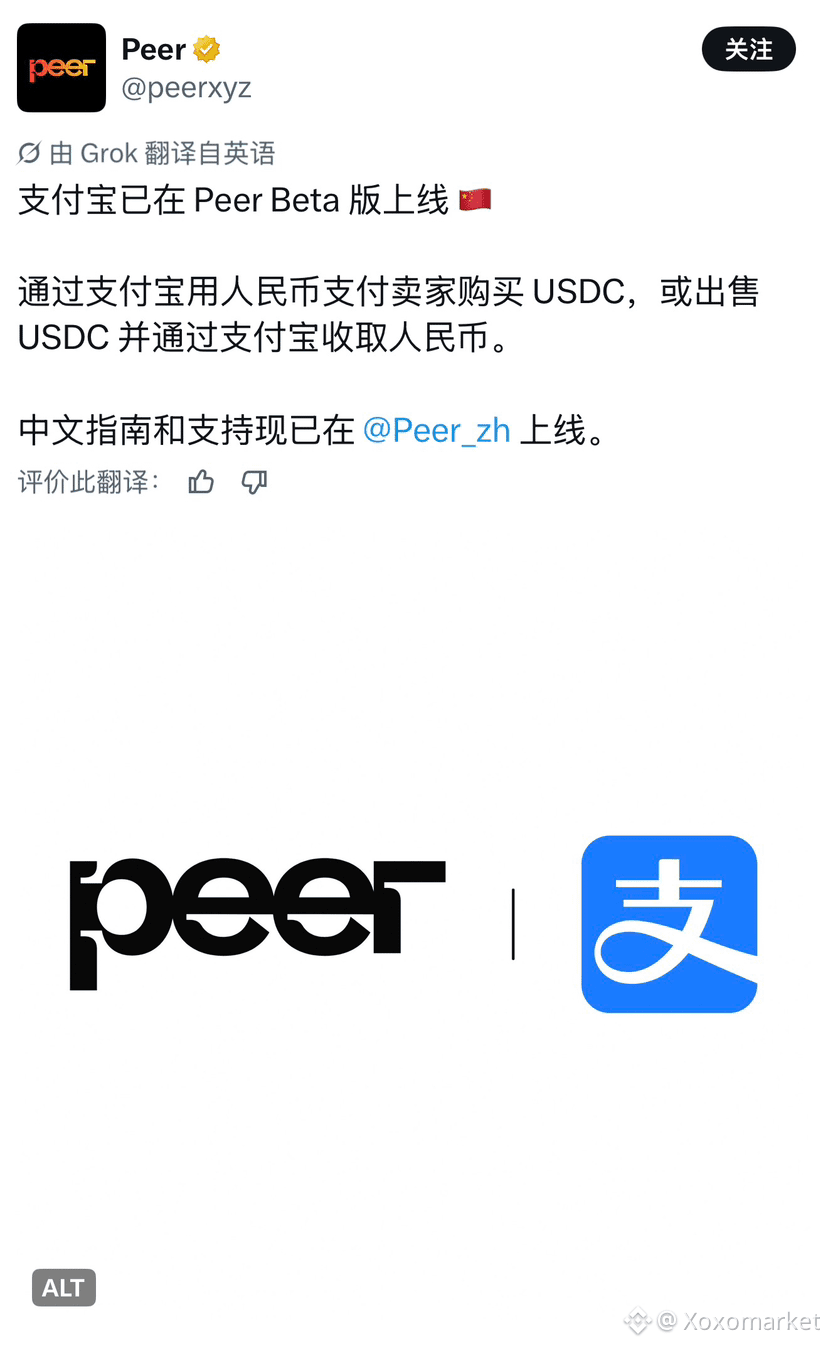
Can you now buy and sell USDC directly through Alipay? 🔥
Peer has integrated Alipay into its Beta version. Users can pay in RMB via Alipay to trade USDC peer-to-peer with counterparties.
This means Peer has added Alipay as a payment method. It does not mean Alipay has officially announced a partnership with a crypto project, nor does it mean the related transactions have received regulatory approval.
But the industry implications behind this development are worth discussing.
1. Competition among stablecoins is shifting from issuance to payment access. What will truly matter in the future is not just how much USDC has been issued, but how easily users can obtain, transfer, and use stablecoins.
2. P2P on- and off-ramps could complement centralized exchanges. If payment verification, transaction security, and liquidity continue to improve, users may have more ways to access on-chain assets.
3. The next phase of on-chain finance will depend on infrastructure.
Payment channels, stablecoins, wallets, and on-chain trading protocols need to become increasingly interconnected to form a more complete financial network.
But it is too early to be overly optimistic: Alipay access is still in Beta, and RMB-side liquidity, actual trading volume, and transaction security all need further validation.
More importantly, China still has clear prohibitions and regulatory rules covering virtual currency-related business. A product launch should not be interpreted as a relaxation of regulation.
#USDC #Stablecoin #Crypto #DeFi #Alipay #OTC #Peer
23
1
78
90.5k
·
--
The NBA teams up with Kalshi and Polymarket—prediction markets are moving beyond crypto! When expectations can be priced, financial markets gain a new way to observe the world.
This is more than a sports business partnership; it’s a financial trend worth watching. In the future, market expectations about events could themselves become tradable assets.
Sports are just the entry point. Macroeconomics, policy, and corporate events could drive longer-term growth.
Turn market expectations about interest rates, inflation, elections, and business events into real-time price signals.
As official data, liquidity, trading platforms, and risk monitoring come together, the industry could evolve from a traffic-driven business into a more mature financial service.
But regulation, insider information, market manipulation, and market depth will determine the industry’s ceiling! The long-term value of prediction markets isn’t just letting users bet on the future—it’s turning expectations about the future into prices.
#PredictionMarkets #Kalshi #Polymarket #Crypto #NBA

101
Log in to explore more content
Join global crypto users on Binance Square
⚡️ Get latest and useful information about crypto.
💬 Trusted by the world’s largest crypto exchange.
👍 Discover real insights from verified creators.
Email / Phone number
Trending Topics
UniswapA16zSeekDeFiExemptionFromIllinoisCryptoTax
20,160 views
687 Discussing
The debate over crypto taxation is heating up as Uniswap and Andreessen Horowitz ( a16z ) push for a DeFi exemption from Illinois proposed crypto tax rules. Their concern is that decentralized finance protocols and non custodial platforms could face unfair tax burdens potentially slowing innovation and making crypto development more difficult. DeFi platforms allow users to trade and manage digital assets without traditional intermediaries so applying conventional financial tax rules may create serious challenges. This could become an important moment for the US crypto industry as regulators must find a balance between fair taxation, investor protection, and innovation. 🚀
The main concern is that the proposed 0.2% tax is calculated on transaction value, not simply trading profits. Uniswap a16z and the DeFi Education Fund want wallet withdrawals and cross chain bridging excluded, while also opposing requirements to maintain private key records. Illinois has agreed to postpone implementation until July 1, 2027 subject to court approval. The outcome could influence how other US states approach DeFi taxation. The Defiant +2
What do you think 🤔 ? Should DeFi transactions be tax free to protect decentralization or should crypto platforms follow traditional tax rules ? 🤔
#UniswapA16zSeekDeFiExemptionFromIllinoisCryptoTax
Volatile
·3 Likes
·191 views
HKDollarStablecoinHKDAPToLaunchOnSolana
14,271 views
427 Discussing
$1.5BInLeveragedCryptoBetsLiquidated
33,076 views
236 Discussing