
Traders杨
657 Posts
Traders杨
Report
Block User
B站零零后百倍实盘ICT订单流kol,已帮助10余位老哥解决吃饭问题,广场大善人没有之一。

原创之星
Open Trade
High-Frequency Trader
5.3 Years
0 Following
1.0K+ Followers
1.4K+ Liked
1 Badges
Posts
Portfolio
All
Quotes
Videos
Live
PINNED
·
--
[点击一键入会群组](https://www.binance.com/groupList?chatId=v1.00.QzJDSWRDcnlwdEZpeGRJVvOm97nRijh1sXnqmlmQ1Ug&source=squareProfile) has helped more than 10 senior brothers solve the problem of getting meals (square socialist practitioners). Order-flow training video is openly available for free.
Real trading performance: $20 to $420, $0.98 to $270
Coo coo! Coo coo! Coo coo!
点击一键入会群组 has helped more than 10 senior brothers solve the problem of getting meals (square socialist practitioners). Order-flow training video is openly available for free.
Real trading performance: $20 to $420, $0.98 to $270
Coo coo! Coo coo! Coo coo!
Real trading performance: $20 to $420, $0.98 to $270
Coo coo! Coo coo! Coo coo!

2
53
·
--
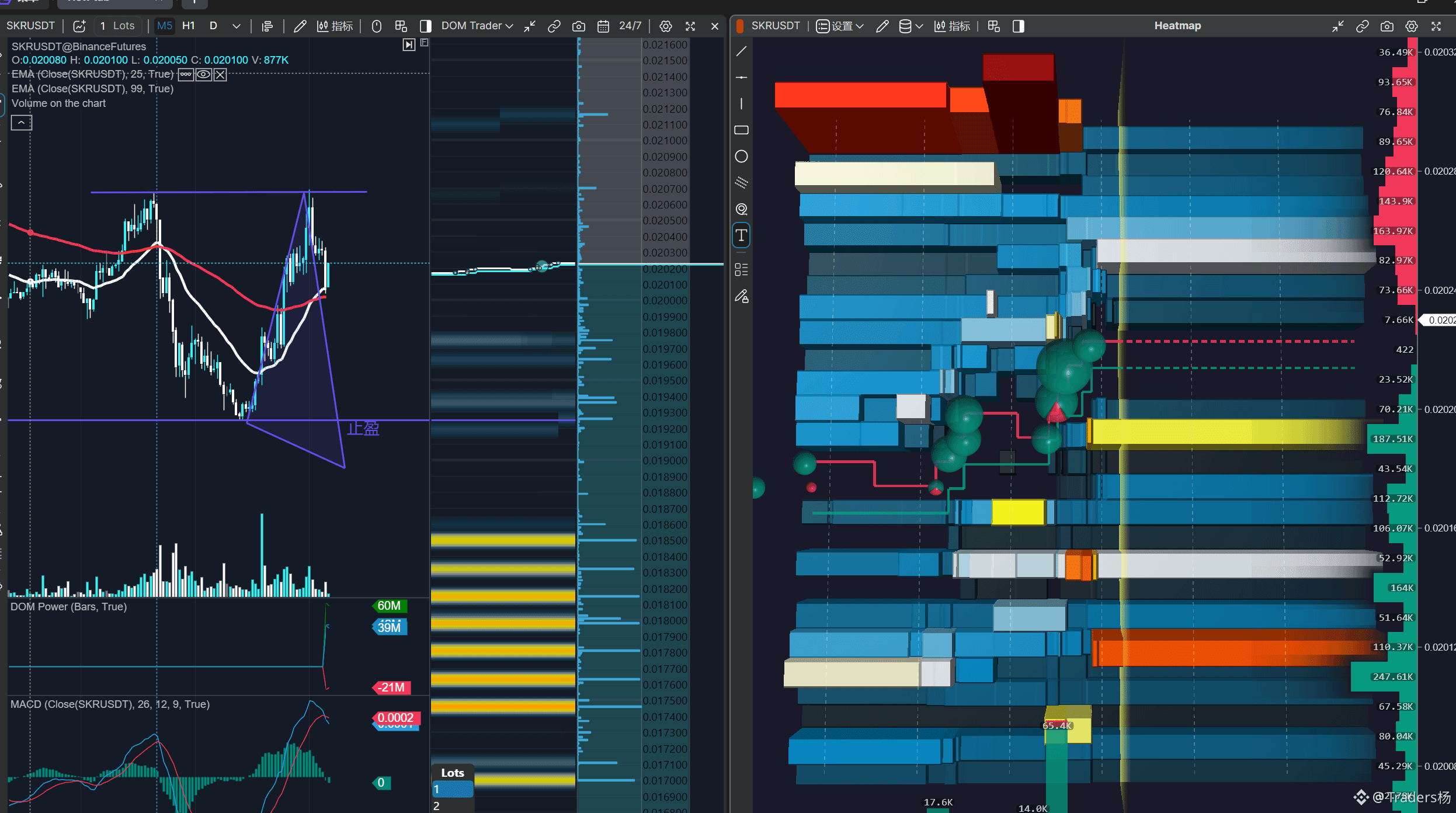
I am currently shorting $SKR , and the TP has already been marked. Interestingly, this is a liquidity play; when it reaches the take-profit level, I may directly become the counterparty and go long.
{future}(SKRUSDT)
I am currently shorting $SKR , and the TP has already been marked. Interestingly, this is a liquidity play; when it reaches the take-profit level, I may directly become the counterparty and go long.
1
389
·
--
Bullish
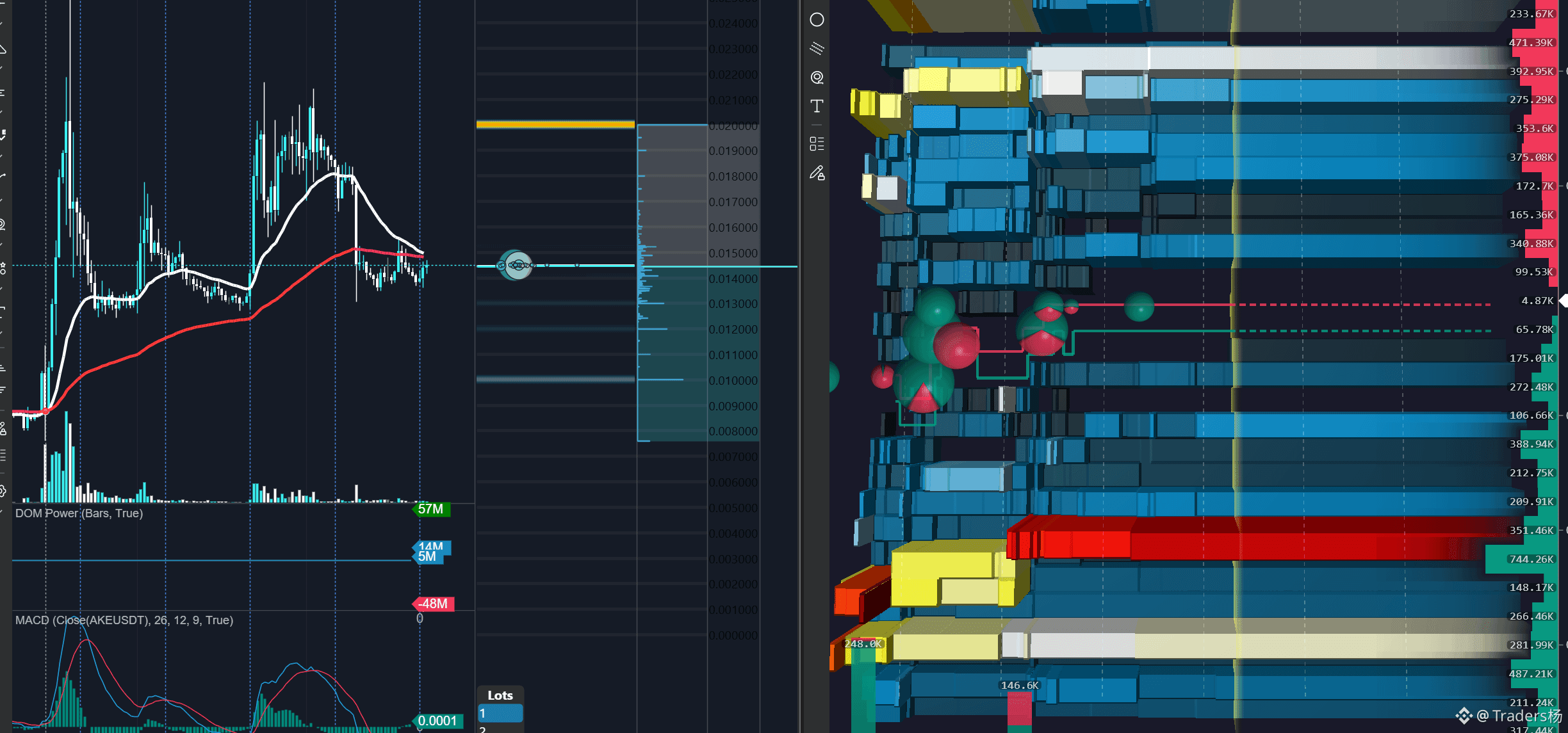
This is my new position on September 7th, wishing me luck, a liquidity hunting signal. It is expected to move upward toward the DOM.
This is my new position on September 7th, wishing me luck, a liquidity hunting signal. It is expected to move upward toward the DOM.
2
140
·
--
Bullish
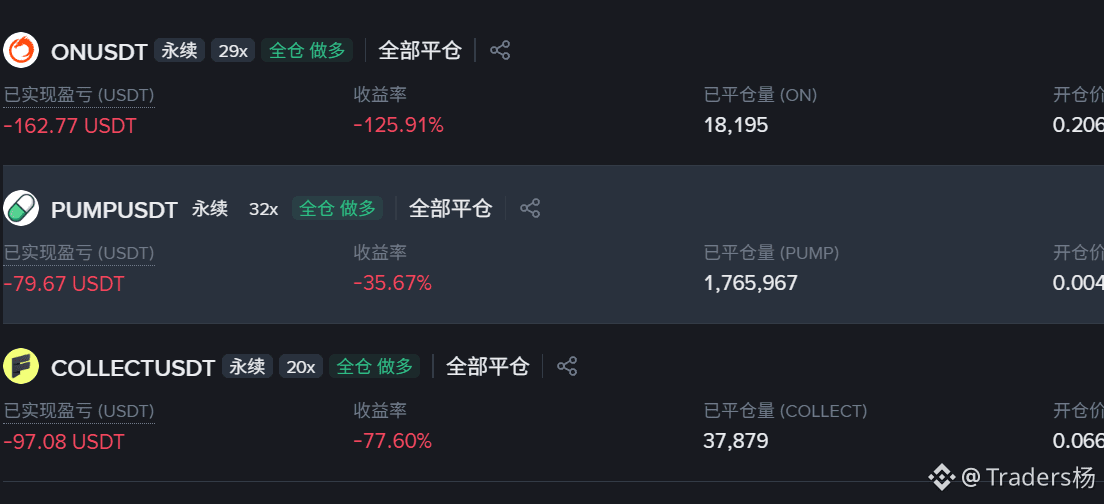
Yesterday was the scene of a series of tragic incidents.
Yesterday was the scene of a series of tragic incidents.
1
716
·
--
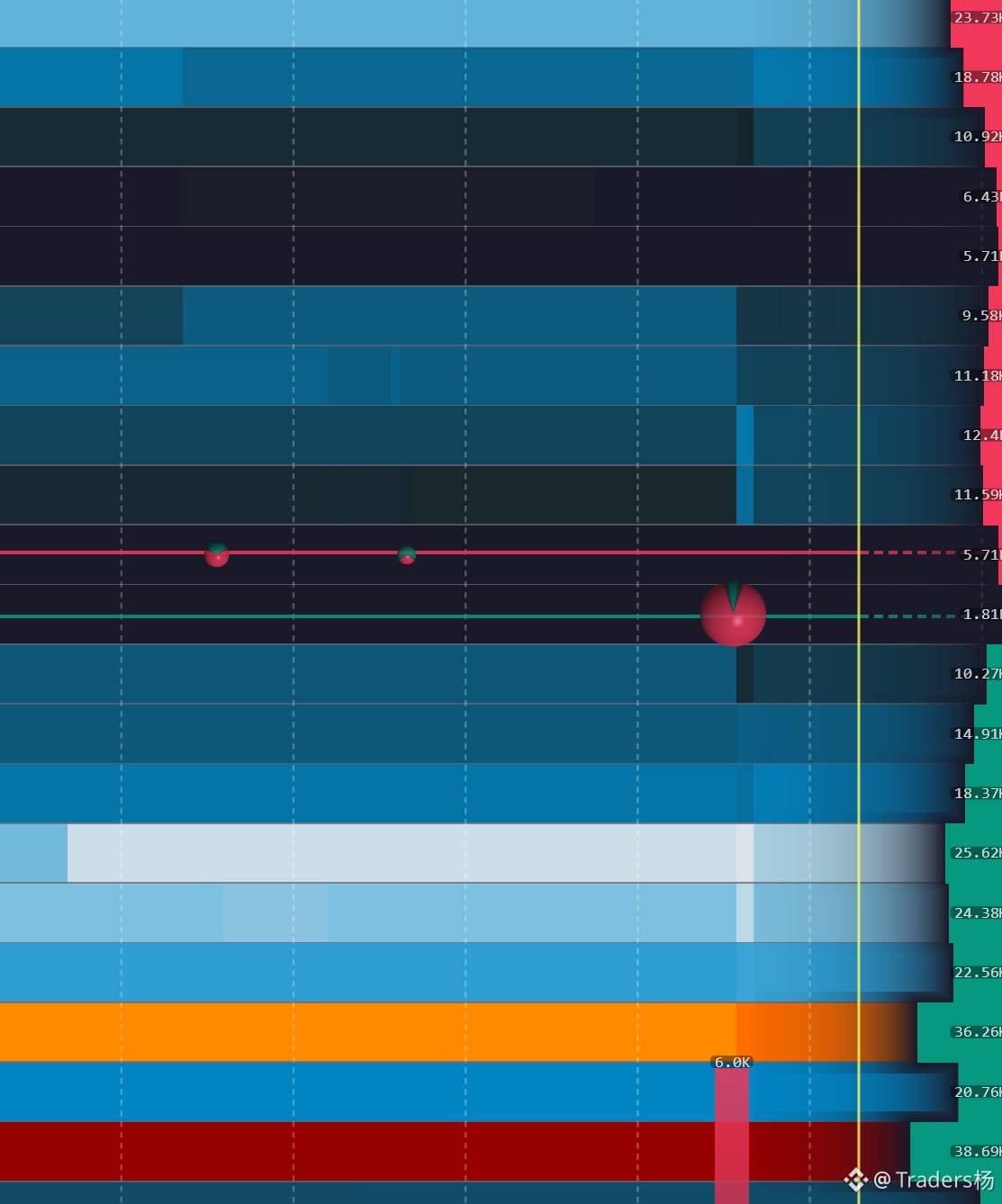
In the evening, my funds of $BICO had already been fully moved into a certain token. Leaving before take-profit is reached is actually a way to withstand pullback volatility. There is always a coin in the startup phase! Reaching take-profit will test your patience, buddy.
In the evening, my funds of $BICO had already been fully moved into a certain token. Leaving before take-profit is reached is actually a way to withstand pullback volatility. There is always a coin in the startup phase! Reaching take-profit will test your patience, buddy.

1
441
·
--
Bullish
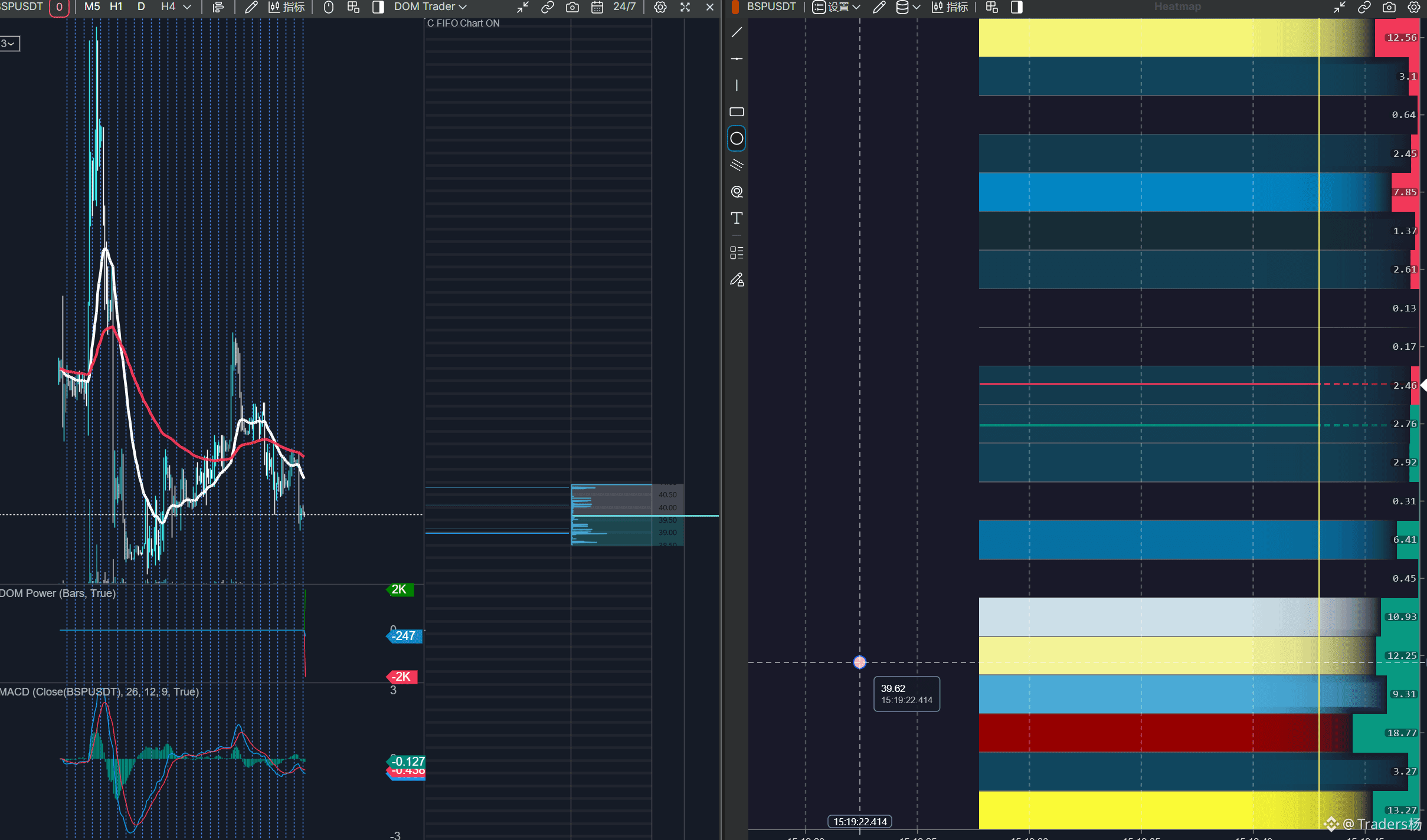
A public welfare signal $BSP , it's not about going long now, or if you go long now, control your position and buy more as it falls; in any case, it will go up. I have currently added it to my watchlist, and only when it falls a bit will my position go in. Make your own judgment.
{future}(BSPUSDT)
A public welfare signal $BSP , it's not about going long now, or if you go long now, control your position and buy more as it falls; in any case, it will go up. I have currently added it to my watchlist, and only when it falls a bit will my position go in. Make your own judgment.
1
115
·
--
September 3, continuing to offer a poverty-alleviation slot for 5 USDT, limited to Binance Square only for situations like being unable to eat or urgent needs. Case review required (Phase 6)
September 3, continuing to offer a poverty-alleviation slot for 5 USDT, limited to Binance Square only for situations like being unable to eat or urgent needs. Case review required (Phase 6)

1
33
·
--
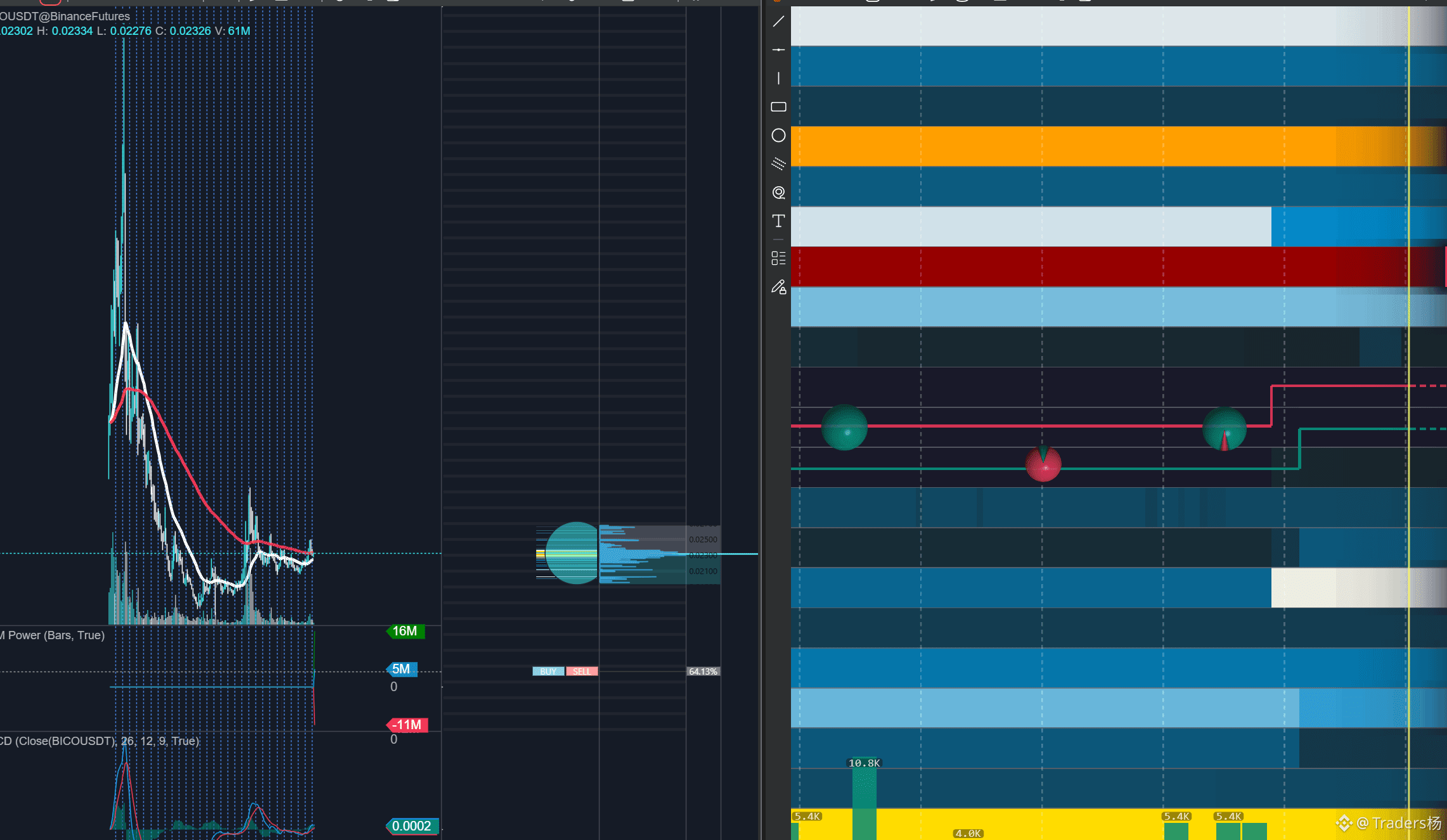
Those of you who opened $BICO can keep holding. I left because I saw a better opportunity and took profits. I'll share a current technical analysis here. We already mentioned the profit-taking level in a previous post. As long as you're not a quick scalper, if you want to earn more, make friends with time. Time and I are just friends with benefits, so I can't stay with it too long.
Those of you who opened $BICO can keep holding. I left because I saw a better opportunity and took profits. I'll share a current technical analysis here. We already mentioned the profit-taking level in a previous post. As long as you're not a quick scalper, if you want to earn more, make friends with time. Time and I are just friends with benefits, so I can't stay with it too long.
7
1
502
·
--
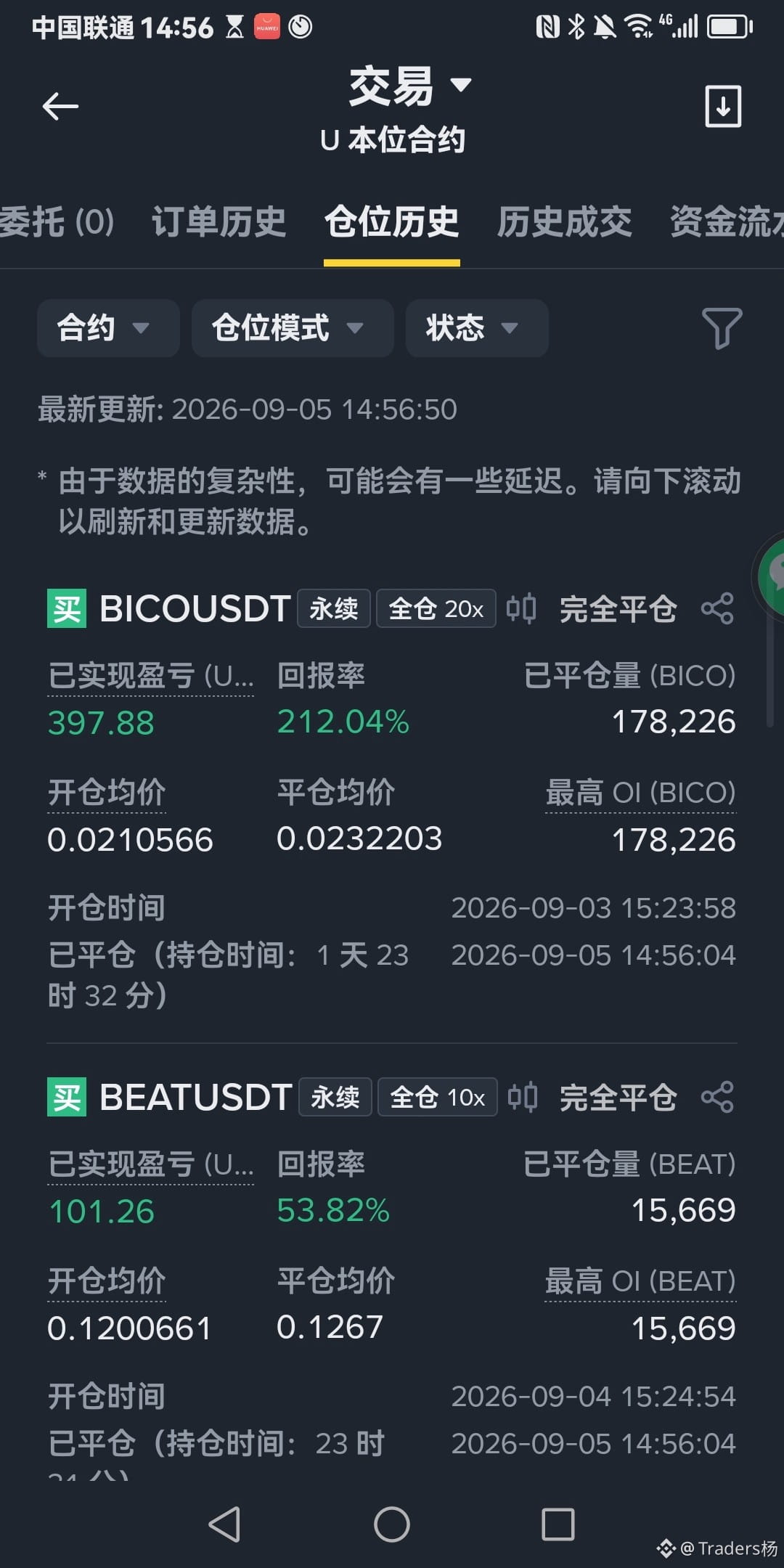
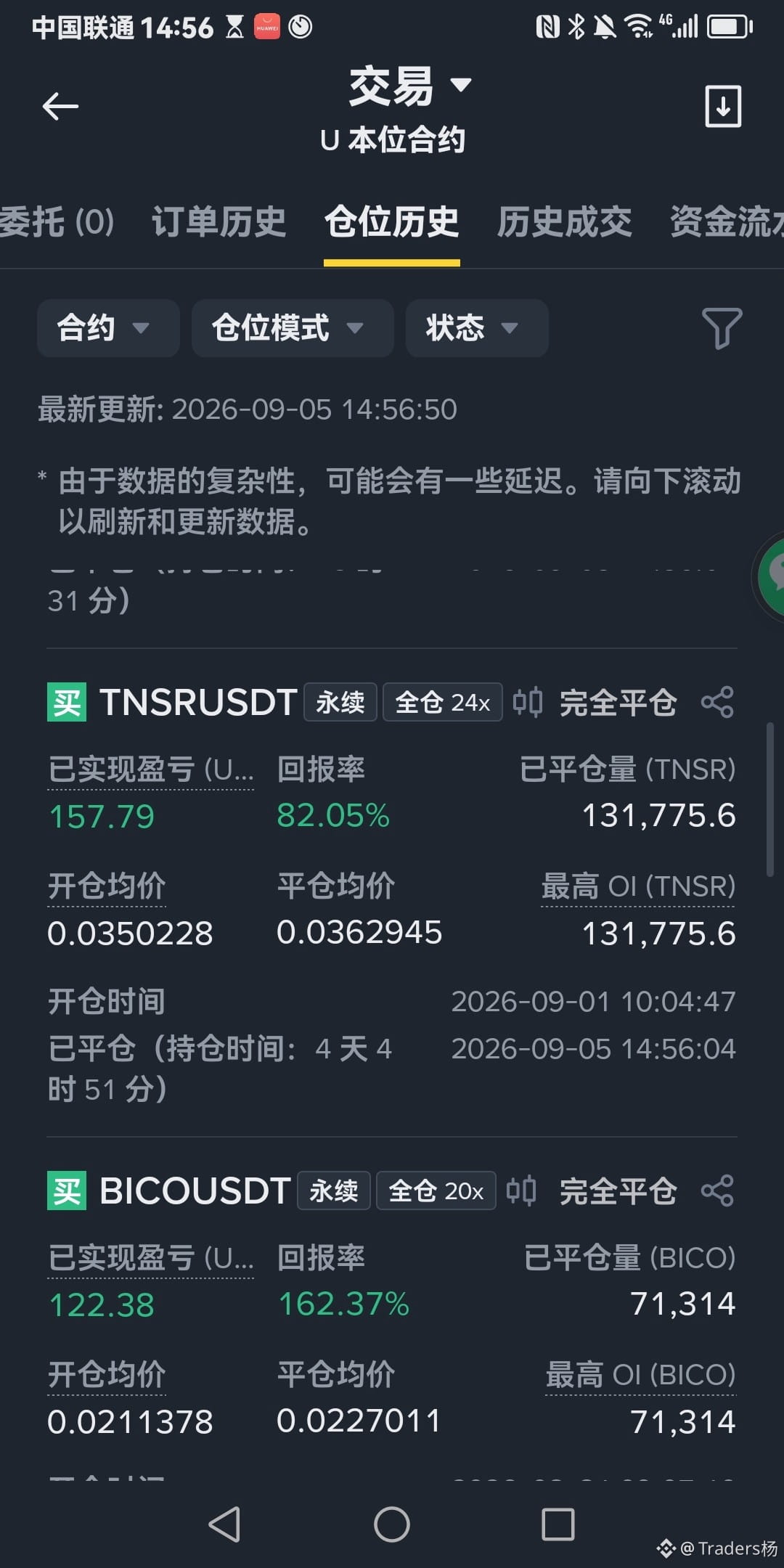
The harvest is in, a total of over 700 dollars across several orders, $BICO . I found some new coins appearing in my order flow signals, so my funds need to be moved.
The harvest is in, a total of over 700 dollars across several orders, $BICO . I found some new coins appearing in my order flow signals, so my funds need to be moved.
1
639
·
--
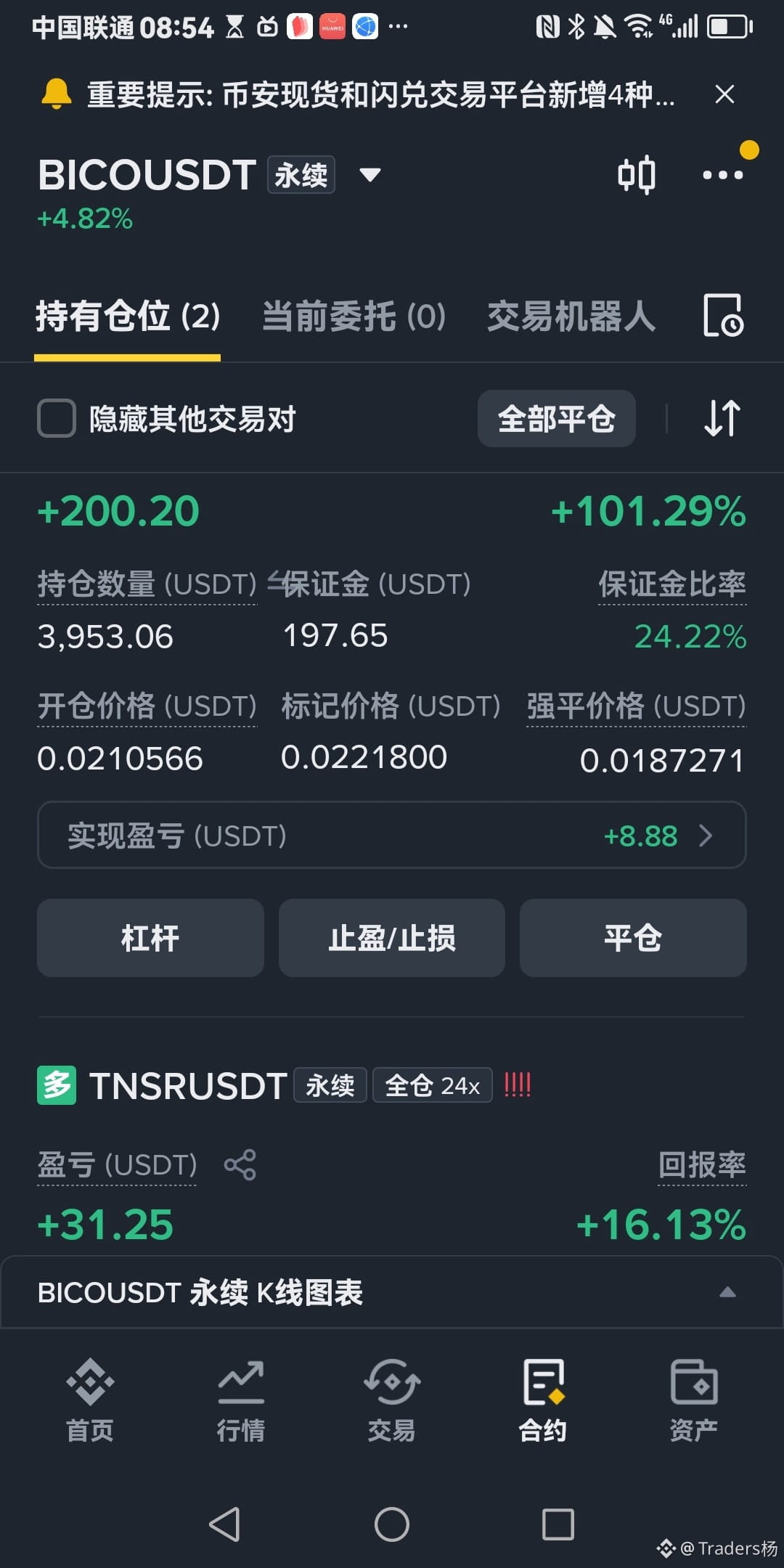
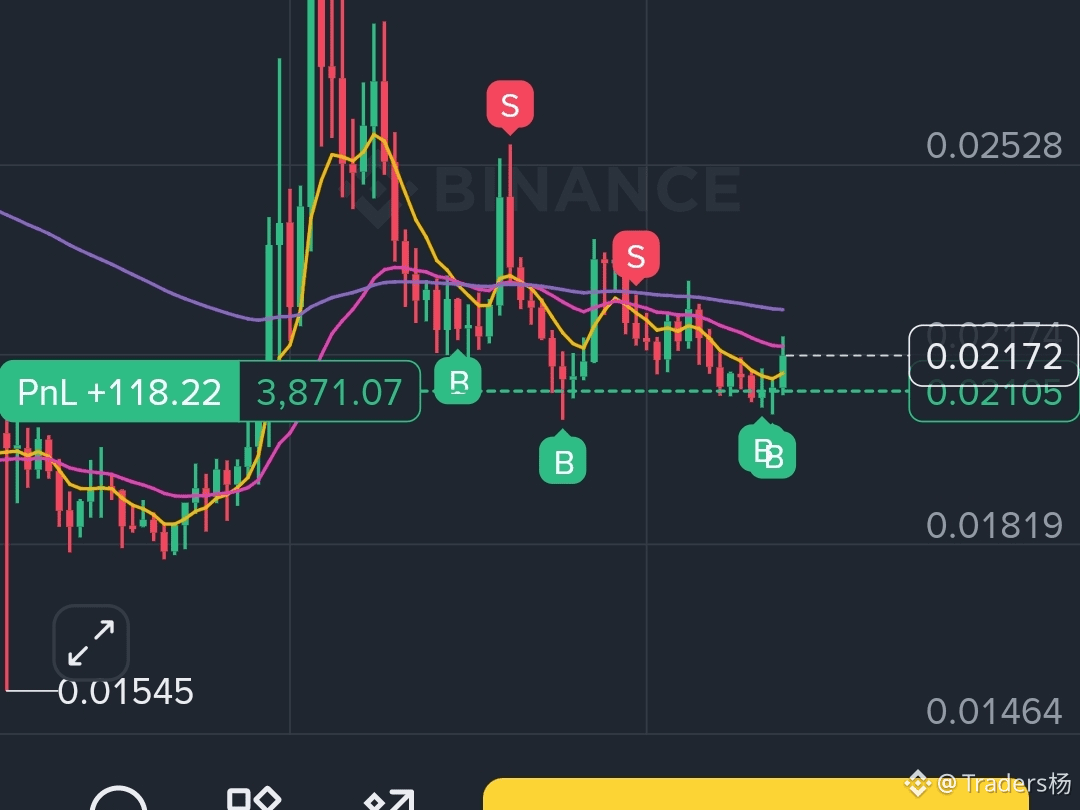
Continue to eat and take ($BICO and $TNSR ) until you grab a few days, unless you hit the take-profit point. The fee rate changing from once every 8 hours to every 4 hours or even 1 hour would already feel great—like taking off.
Continue to eat and take ($BICO and $TNSR ) until you grab a few days, unless you hit the take-profit point. The fee rate changing from once every 8 hours to every 4 hours or even 1 hour would already feel great—like taking off.
2
3
574
·
--
Bullish
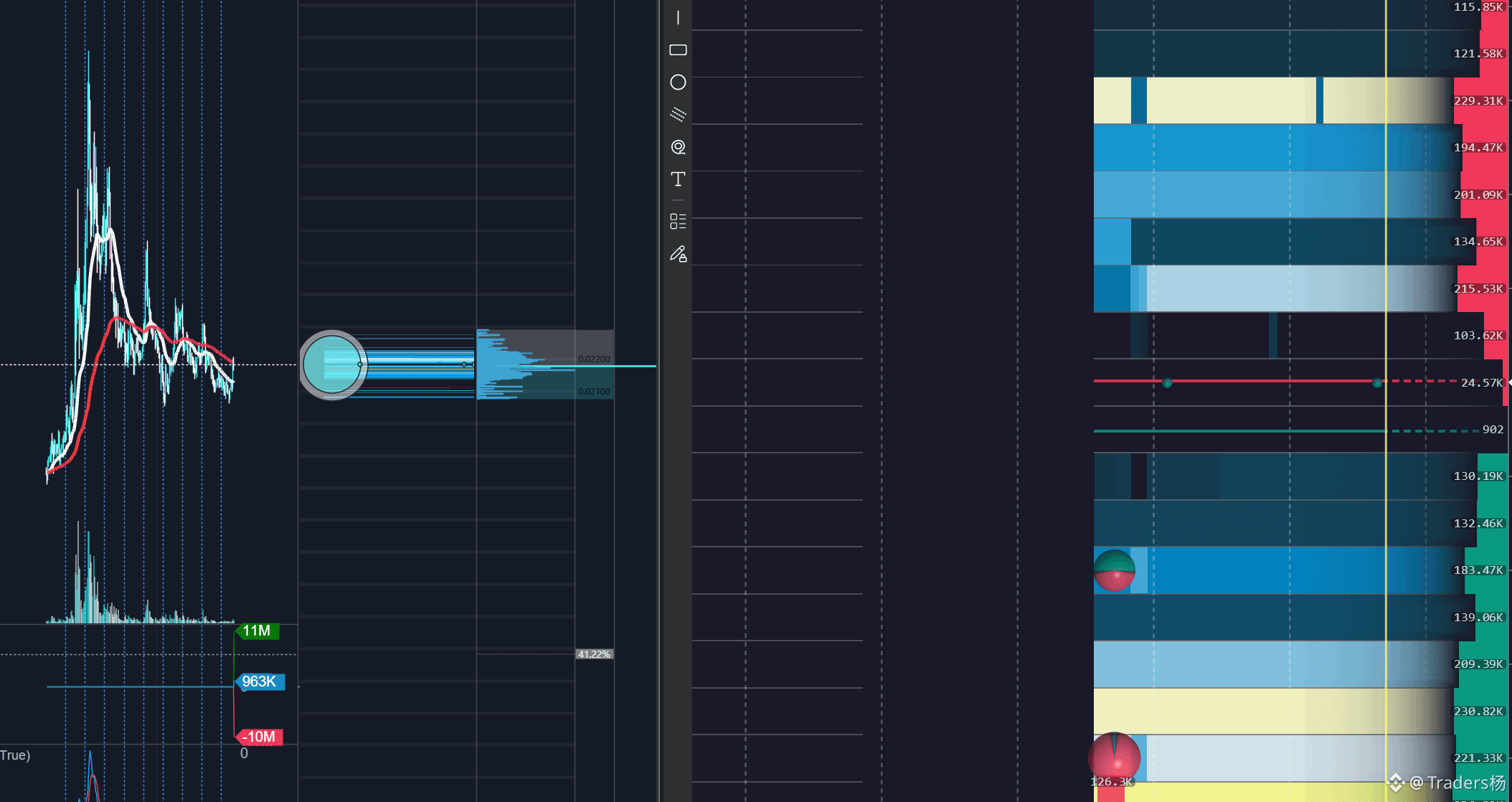
$BICO perfect price action. I’ve analyzed this many times before—here’s another fresh technical chart. Starting from the heatmap, DOM, and volume, you should have made a lot of progress.
$BICO perfect price action. I’ve analyzed this many times before—here’s another fresh technical chart. Starting from the heatmap, DOM, and volume, you should have made a lot of progress.
1
1
779
·
--
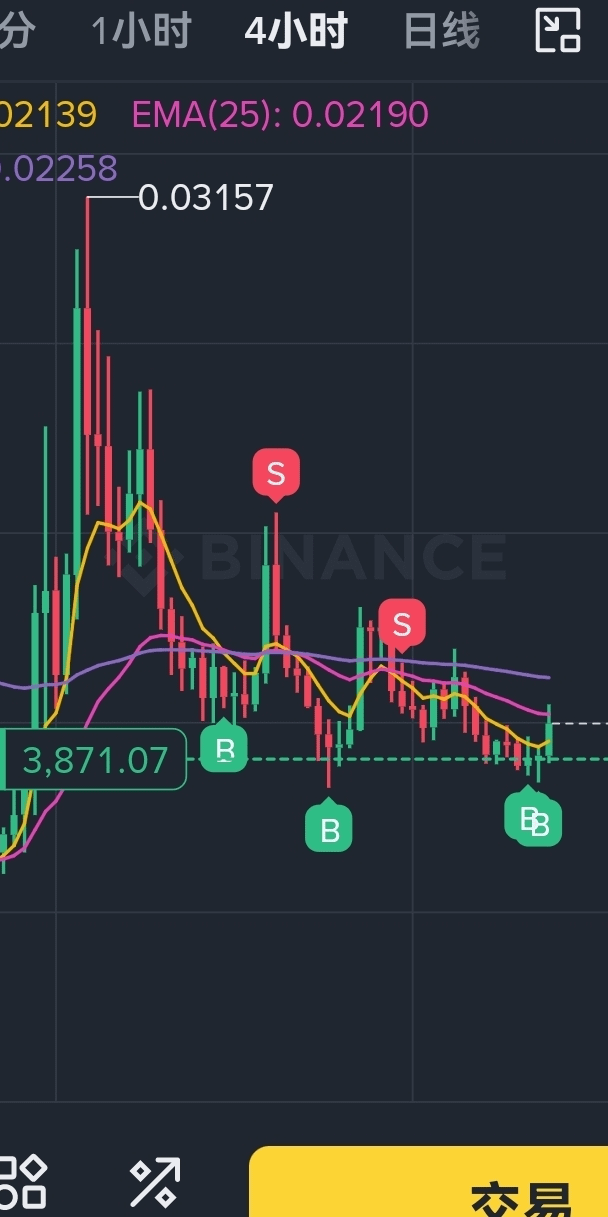
$BICO 3 times long positions in all the right places, using the heat map to find where retail traders stop out. This time I’ll hold for a very long time, and as I said before, I’ll hold until the previous high.
$BICO 3 times long positions in all the right places, using the heat map to find where retail traders stop out. This time I’ll hold for a very long time, and as I said before, I’ll hold until the previous high.
3
1
446
·
--
Bullish
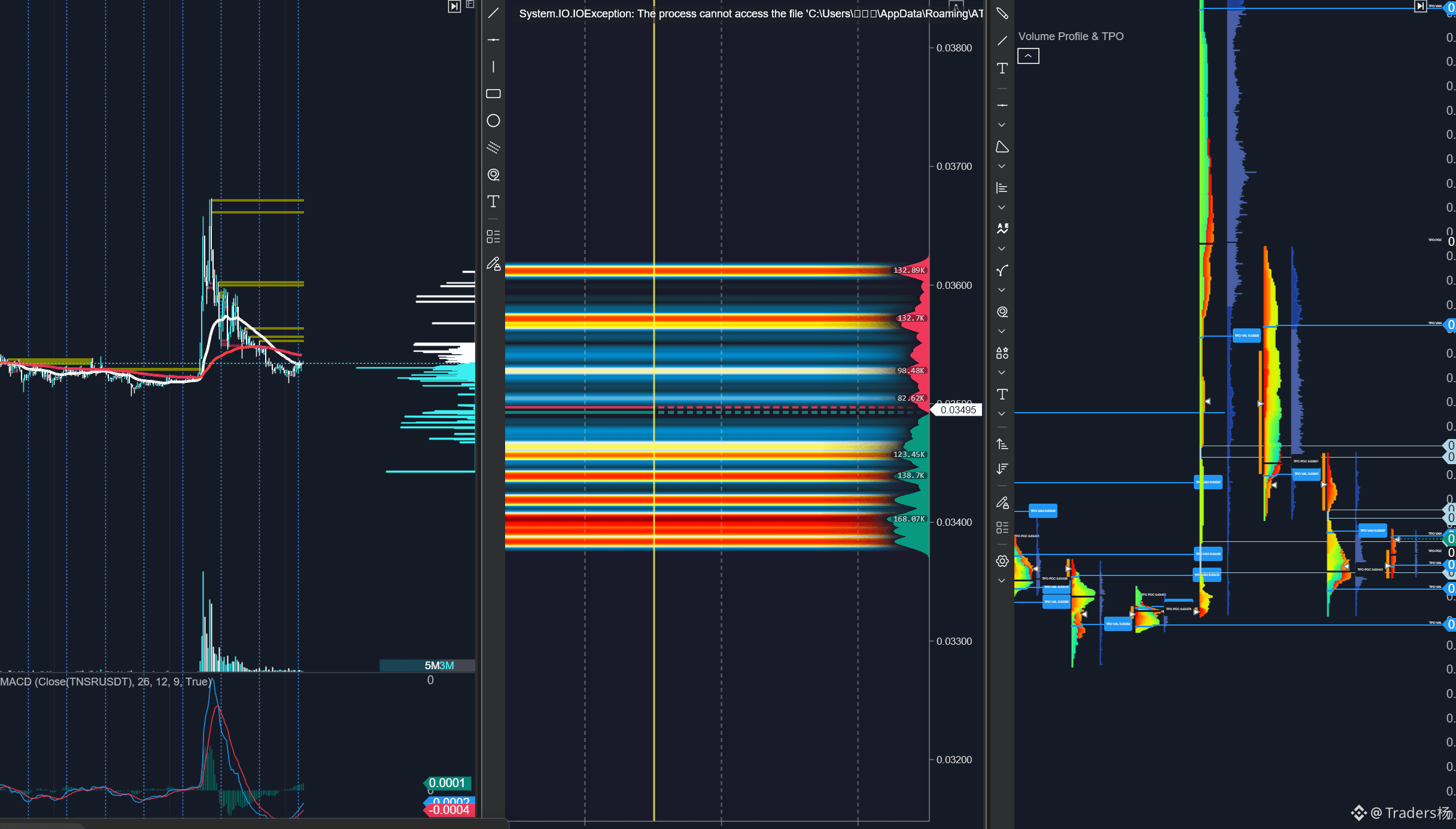
Request takeoff. TPO + heatmap DOM + trapped traders.
Request takeoff. TPO + heatmap DOM + trapped traders.
1
153
·
--
Bullish
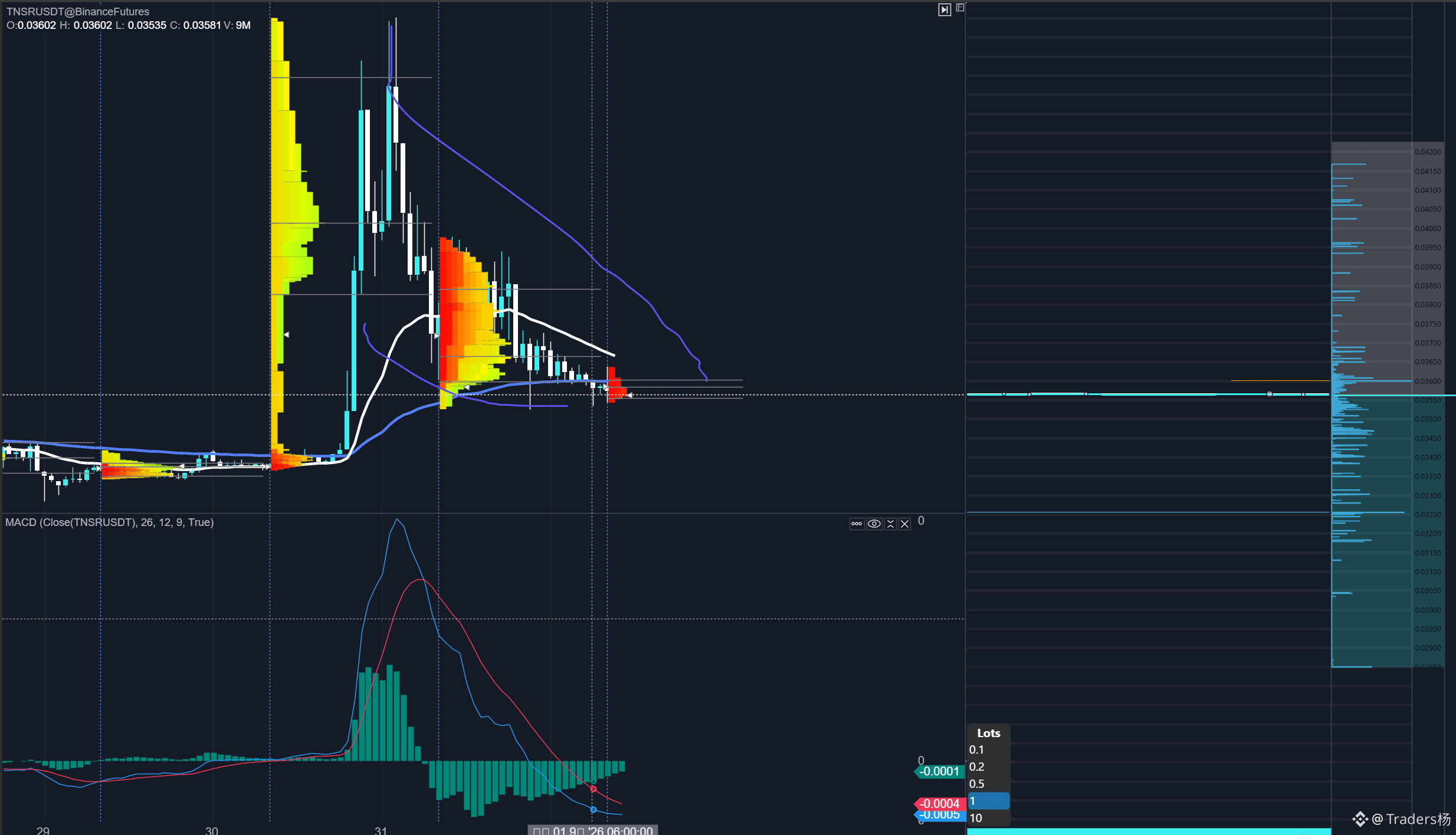
Continue to sneak in another position, quietly going long. After passing the pressure test, it feels very pleasant.
Continue to sneak in another position, quietly going long. After passing the pressure test, it feels very pleasant.
1
412
·
--
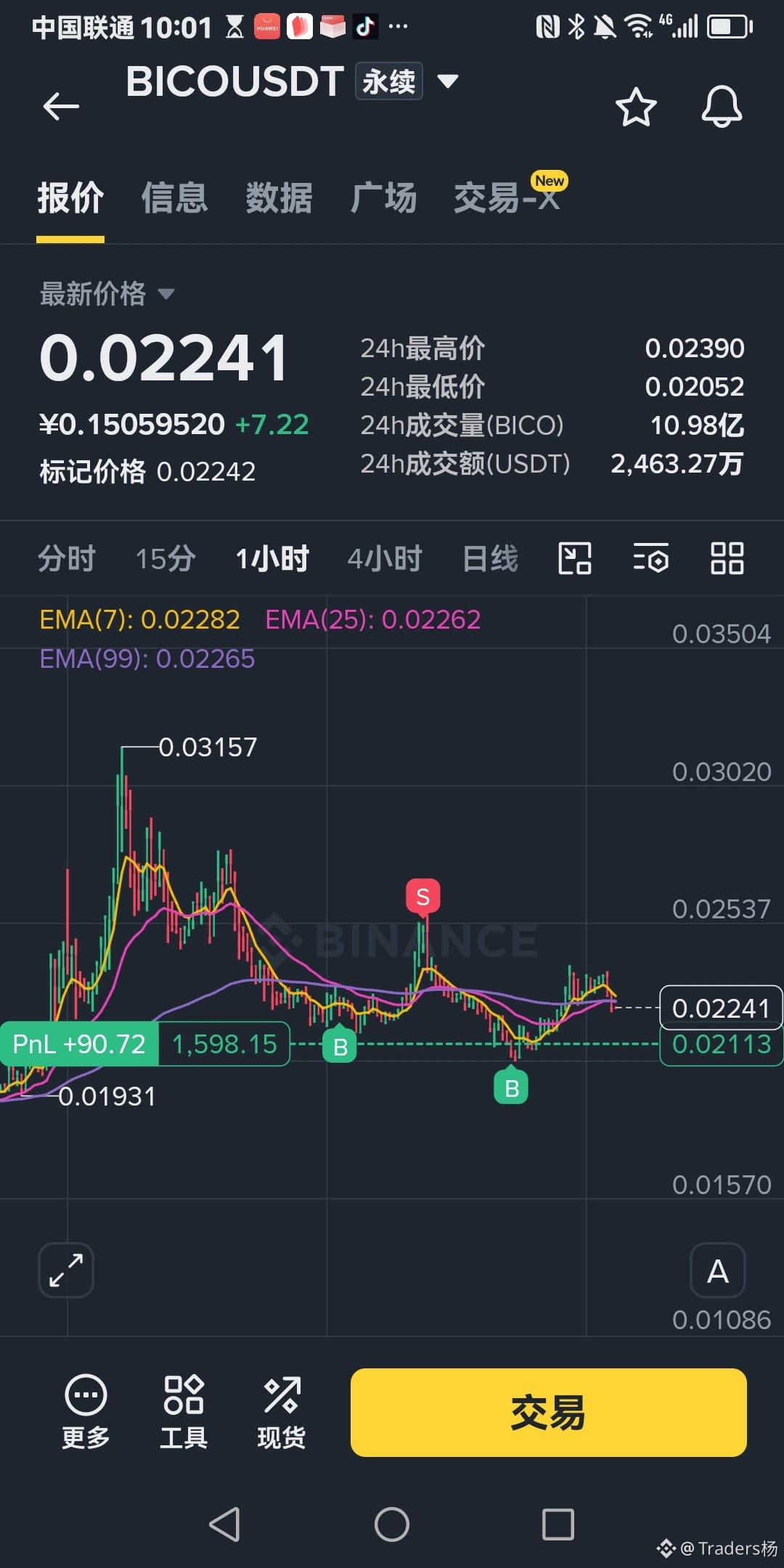
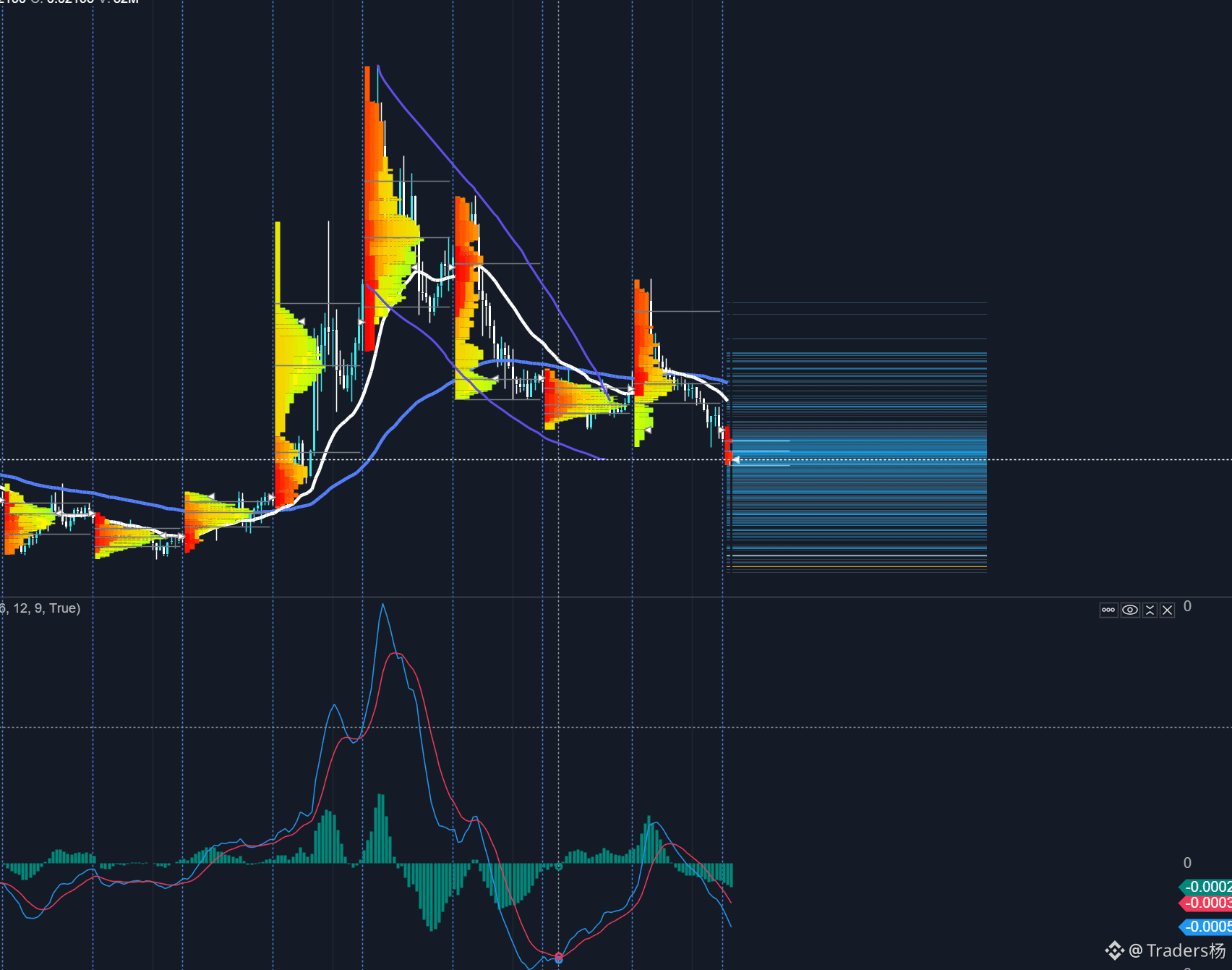
The public welfare signal I shared with everyone yesterday performed well. Today I will continue holding $BICO . The targets remain unchanged from what I said in my previous post.
The public welfare signal I shared with everyone yesterday performed well. Today I will continue holding $BICO . The targets remain unchanged from what I said in my previous post.

1
296
·
--
Bullish
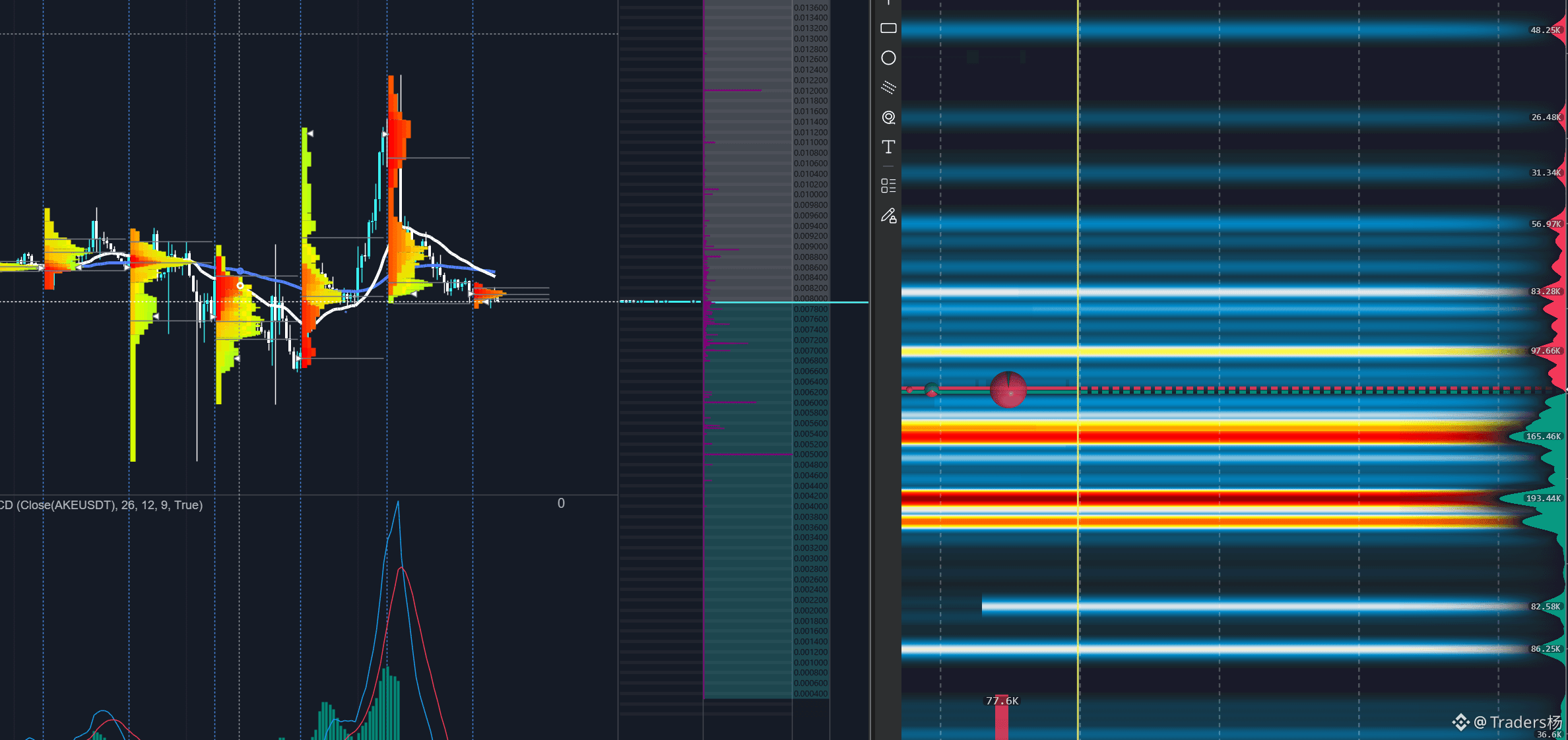
$AKE I also thought too much. I see TPO has already pulled back to VAL. In the evening we can step out into the next direction. I’ll plant a small ant position first; if it drops, I’ll top up according to the percentage.
{future}(AKEUSDT)
$AKE I also thought too much. I see TPO has already pulled back to VAL. In the evening we can step out into the next direction. I’ll plant a small ant position first; if it drops, I’ll top up according to the percentage.
1
606
·
--
Bullish
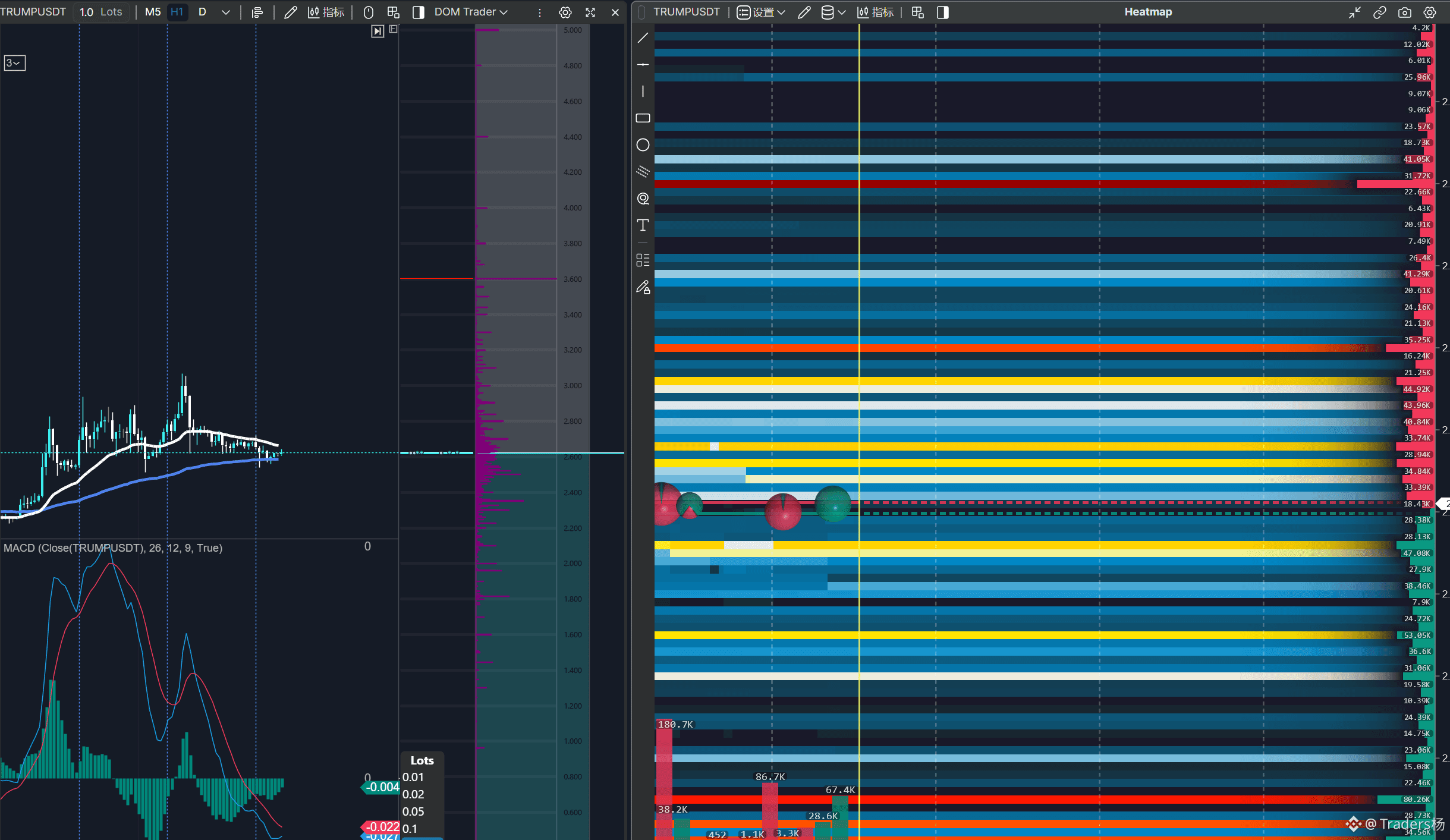
I’ve completely stopped the old Tesla $TRUMP today, going long and going long—anyway there are DOM orders above; just sell it to him! Each gets what they want.
{future}(TRUMPUSDT)
I’ve completely stopped the old Tesla $TRUMP today, going long and going long—anyway there are DOM orders above; just sell it to him! Each gets what they want.

2
804
·
--
Bullish
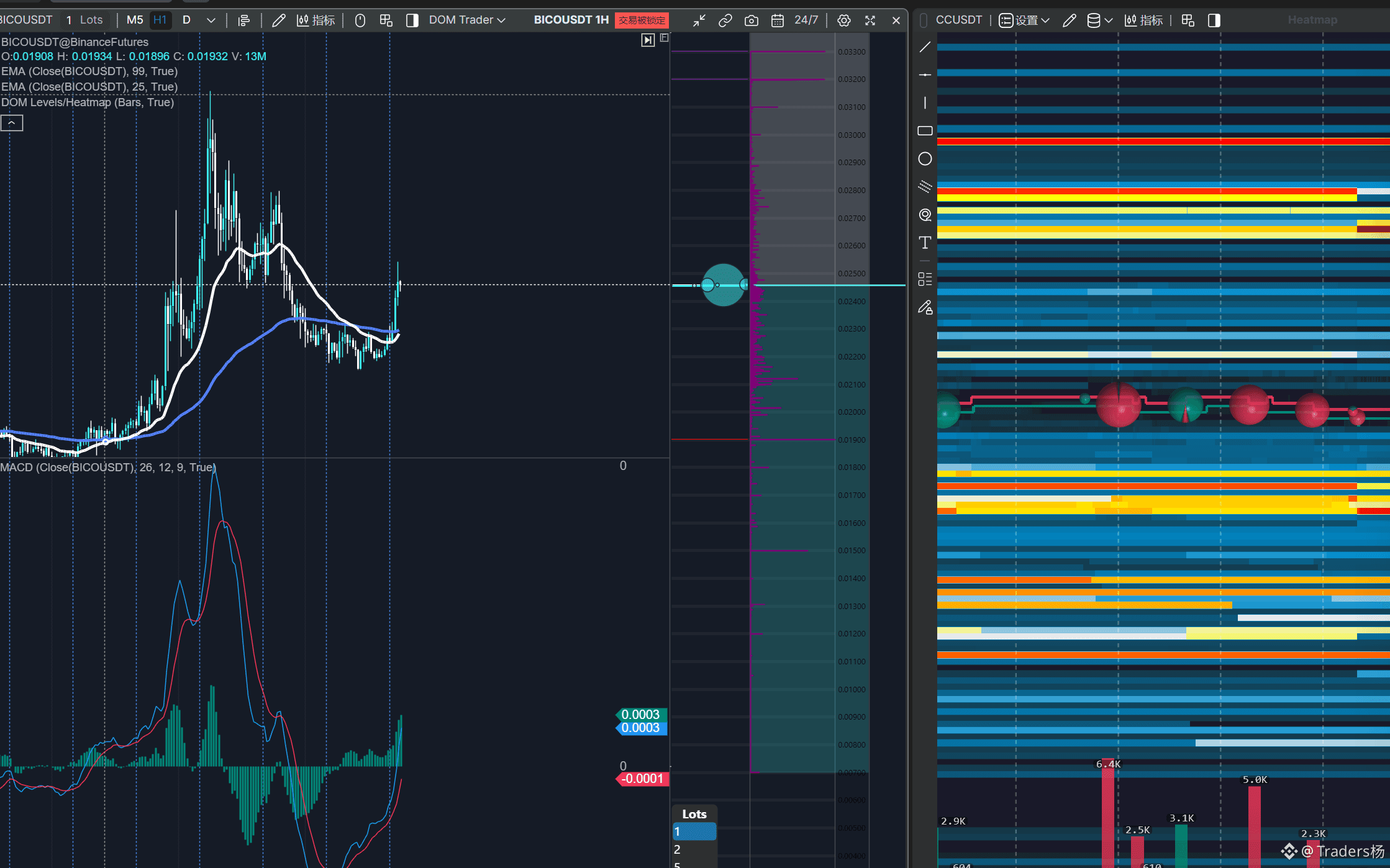
Signals shared for free in the morning achieved a decent result: $BICO . If you get liquidated, keep a calm mindset. If you’re anxious, move more slowly. The long-term goal is still the previous high point; there may be a pullback before a further breakout to the upside.
Signals shared for free in the morning achieved a decent result: $BICO . If you get liquidated, keep a calm mindset. If you’re anxious, move more slowly. The long-term goal is still the previous high point; there may be a pullback before a further breakout to the upside.
1
249
·
--
Bullish
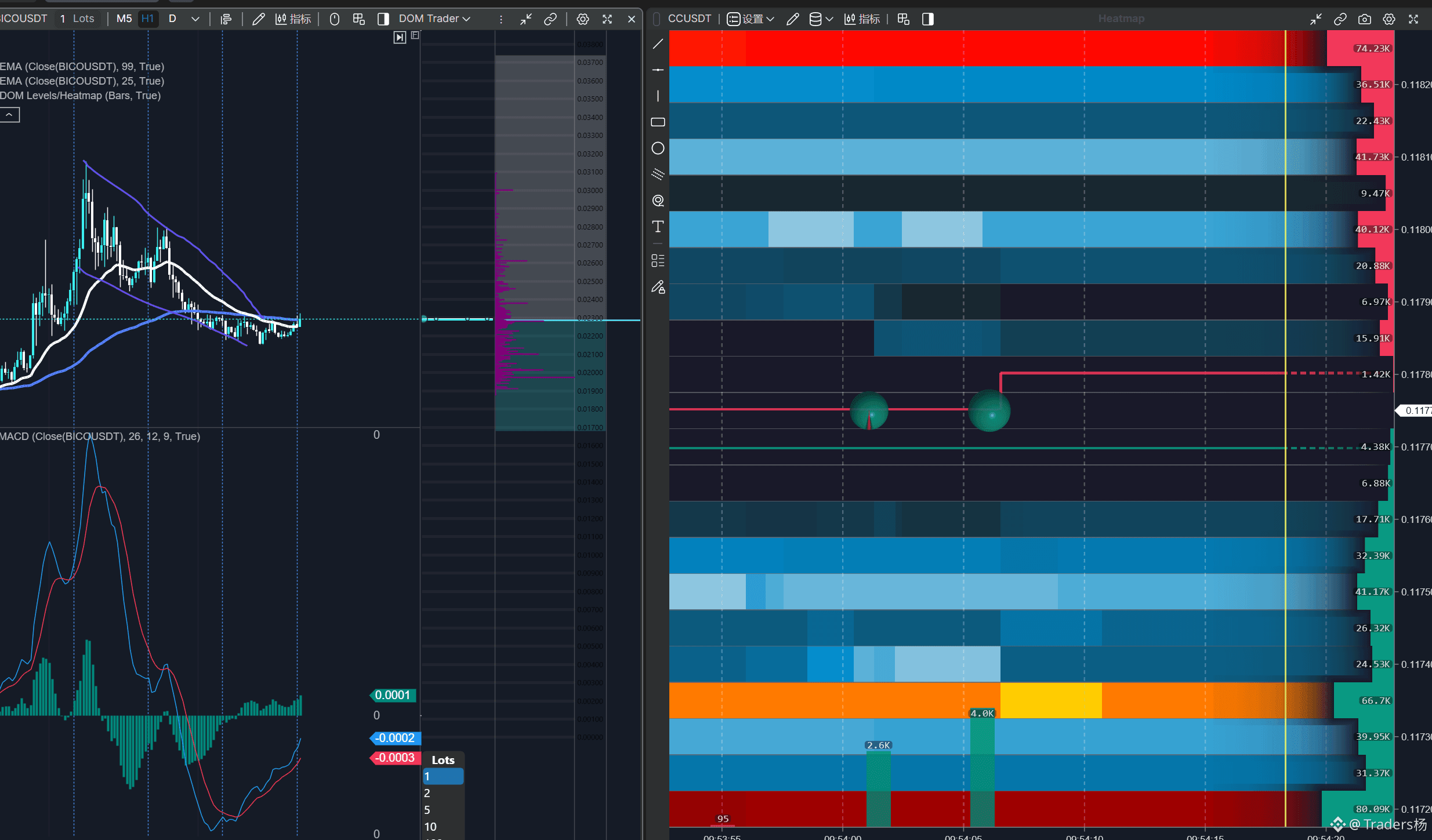
After it surged, I topped up 3000 RMB. First, go long at $BICO . The take-profit position can reach the previous high, then switch to another trading strategy. Take the real money and test it out.
After it surged, I topped up 3000 RMB. First, go long at $BICO . The take-profit position can reach the previous high, then switch to another trading strategy. Take the real money and test it out.
3
1
754
Log in to explore more content
Join global crypto users on Binance Square
⚡️ Get latest and useful information about crypto.
💬 Trusted by the world’s largest crypto exchange.
👍 Discover real insights from verified creators.
Email / Phone number
Trending Topics
AppleDebutsFoldablePhone
47,115 views
948 Discussing
Apple just dropped the foldable iPhone — and the market is paying attention. This isn't just another product cycle; it's a new product category, a new CEO on stage, and a $1,999 price tag that pushes $AAPL further into ultra-premium territory. Foldables are the narrative, and Apple is now the headline.
#appledebutsfoldablephone #EUExtendsCentralContactPointToCASPs #US10YTreasuryYieldHitsHighestSinceNov2023 #BrentCrudeTops$100 #USTreasuryToBuyBackUpTo$6BLongDatedDebt
KimHotbae
·2 Likes
·2.9k views
TSMCAugustRevenueUp53.3%YoY
11,259 views
317 Discussing
IranSaysReadyToEscalateWarWithUS
14,201 views
334 Discussing