

始终轮
24 Posts

始终轮
Report
Block User
行于暗夜,侍奉光明。万物皆虚,万事皆允。
2 Following
9 Followers
25 Liked
Posts
All
Quotes

·
--
#市场反弹迹象
1. The probability that the Federal Reserve will keep interest rates unchanged in January next year is 91.4%, and the probability of a 25 basis point rate cut is 8.6%.
2. Russia has stated that it is using Bitcoin for international payments.
3. Yesterday, the net outflow of Bitcoin ETFs in the U.S. was 2,258 BTC, while the net inflow of Ethereum ETFs was 12,445 ETH.
4. U.S. Senator Cynthia Lummis proposed a plan to fund Bitcoin purchases, which partly relies on the U.S. gold reserves.
5. Robinhood CEO stated that Trump's administration will accelerate the transfer of RWA assets to the blockchain.
6. ETHDenver founder John Paller mentioned that Trump's policies may create ideal conditions for the flourishing of DeFi.
7. DWF Labs co-founder Andrei Grachev stated that AI, DeSci, quantum resistance, meme, and other topics will be key narratives in 2025.
8. Anchorage Digital CEO Nathan McCauley expects that in 2025, the industry will focus on stablecoins, SAB 121, and other areas.
9. Sonic Gateway announced its launch, and users can now bridge assets from Ethereum to Sonic.
10. The perpetual contract price of BTC experienced a momentary spike, reminding to pay attention to market trends.
11. Several crypto trading companies reported that the OTC trading volume of cryptocurrencies has surged in recent months, with election results being a significant driving force.
12. Bitwise Bitcoin ETF holdings slightly decreased to about 40,996 BTC.
13. BlackRock's Bitcoin ETF holdings reached approximately 551,000 BTC.
14. Ripple CTO David Schwartz stated on the X platform that staking belongs to the creation of new value, while interest income is a transfer of existing value.
#市场反弹迹象
1. The probability that the Federal Reserve will keep interest rates unchanged in January next year is 91.4%, and the probability of a 25 basis point rate cut is 8.6%.
2. Russia has stated that it is using Bitcoin for international payments.
3. Yesterday, the net outflow of Bitcoin ETFs in the U.S. was 2,258 BTC, while the net inflow of Ethereum ETFs was 12,445 ETH.
4. U.S. Senator Cynthia Lummis proposed a plan to fund Bitcoin purchases, which partly relies on the U.S. gold reserves.
5. Robinhood CEO stated that Trump's administration will accelerate the transfer of RWA assets to the blockchain.
6. ETHDenver founder John Paller mentioned that Trump's policies may create ideal conditions for the flourishing of DeFi.
7. DWF Labs co-founder Andrei Grachev stated that AI, DeSci, quantum resistance, meme, and other topics will be key narratives in 2025.
8. Anchorage Digital CEO Nathan McCauley expects that in 2025, the industry will focus on stablecoins, SAB 121, and other areas.
9. Sonic Gateway announced its launch, and users can now bridge assets from Ethereum to Sonic.
10. The perpetual contract price of BTC experienced a momentary spike, reminding to pay attention to market trends.
11. Several crypto trading companies reported that the OTC trading volume of cryptocurrencies has surged in recent months, with election results being a significant driving force.
12. Bitwise Bitcoin ETF holdings slightly decreased to about 40,996 BTC.
13. BlackRock's Bitcoin ETF holdings reached approximately 551,000 BTC.
14. Ripple CTO David Schwartz stated on the X platform that staking belongs to the creation of new value, while interest income is a transfer of existing value.
1. The probability that the Federal Reserve will keep interest rates unchanged in January next year is 91.4%, and the probability of a 25 basis point rate cut is 8.6%.
2. Russia has stated that it is using Bitcoin for international payments.
3. Yesterday, the net outflow of Bitcoin ETFs in the U.S. was 2,258 BTC, while the net inflow of Ethereum ETFs was 12,445 ETH.
4. U.S. Senator Cynthia Lummis proposed a plan to fund Bitcoin purchases, which partly relies on the U.S. gold reserves.
5. Robinhood CEO stated that Trump's administration will accelerate the transfer of RWA assets to the blockchain.
6. ETHDenver founder John Paller mentioned that Trump's policies may create ideal conditions for the flourishing of DeFi.
7. DWF Labs co-founder Andrei Grachev stated that AI, DeSci, quantum resistance, meme, and other topics will be key narratives in 2025.
8. Anchorage Digital CEO Nathan McCauley expects that in 2025, the industry will focus on stablecoins, SAB 121, and other areas.
9. Sonic Gateway announced its launch, and users can now bridge assets from Ethereum to Sonic.
10. The perpetual contract price of BTC experienced a momentary spike, reminding to pay attention to market trends.
11. Several crypto trading companies reported that the OTC trading volume of cryptocurrencies has surged in recent months, with election results being a significant driving force.
12. Bitwise Bitcoin ETF holdings slightly decreased to about 40,996 BTC.
13. BlackRock's Bitcoin ETF holdings reached approximately 551,000 BTC.
14. Ripple CTO David Schwartz stated on the X platform that staking belongs to the creation of new value, while interest income is a transfer of existing value.
1
1.2k
·
--
According to the draft executive order drafted by the Bitcoin Policy Institute, the United States plans to establish a strategic Bitcoin reserve through the Exchange Stabilization Fund (ESF) of the Treasury Department.
The "Nuclear-Powered Engine" of the U.S. Bitcoin Program
1. Strategic Reserve: Building for the Future Economy
2. The "Shield" of Digital Gold
3. Leader of the Global Digital Economy
According to the draft executive order, the U.S. Secretary of the Treasury will be authorized to allocate no less than $520 billion from the Exchange Stabilization Fund for the purchase of Bitcoin.
Custodial Security: Allowing Bitcoin to "Settle Down".
Long-term Holding: The "Vault" Era of Bitcoin.
Transparency: Making the "Hidden Cards" Visible to the Market.
Short-term Volatility: Mass Purchases May Trigger Price Surges
The United States is not the first country to propose a strategic Bitcoin reserve, nor will it be the last. In fact, some lawmakers in Russia and France have already proposed establishing their own Bitcoin reserve programs.
$BTC
According to the draft executive order drafted by the Bitcoin Policy Institute, the United States plans to establish a strategic Bitcoin reserve through the Exchange Stabilization Fund (ESF) of the Treasury Department.
The "Nuclear-Powered Engine" of the U.S. Bitcoin Program
1. Strategic Reserve: Building for the Future Economy
2. The "Shield" of Digital Gold
3. Leader of the Global Digital Economy
According to the draft executive order, the U.S. Secretary of the Treasury will be authorized to allocate no less than $520 billion from the Exchange Stabilization Fund for the purchase of Bitcoin.
Custodial Security: Allowing Bitcoin to "Settle Down".
Long-term Holding: The "Vault" Era of Bitcoin.
Transparency: Making the "Hidden Cards" Visible to the Market.
Short-term Volatility: Mass Purchases May Trigger Price Surges
The United States is not the first country to propose a strategic Bitcoin reserve, nor will it be the last. In fact, some lawmakers in Russia and France have already proposed establishing their own Bitcoin reserve programs.
$BTC
The "Nuclear-Powered Engine" of the U.S. Bitcoin Program
1. Strategic Reserve: Building for the Future Economy
2. The "Shield" of Digital Gold
3. Leader of the Global Digital Economy
According to the draft executive order, the U.S. Secretary of the Treasury will be authorized to allocate no less than $520 billion from the Exchange Stabilization Fund for the purchase of Bitcoin.
Custodial Security: Allowing Bitcoin to "Settle Down".
Long-term Holding: The "Vault" Era of Bitcoin.
Transparency: Making the "Hidden Cards" Visible to the Market.
Short-term Volatility: Mass Purchases May Trigger Price Surges
The United States is not the first country to propose a strategic Bitcoin reserve, nor will it be the last. In fact, some lawmakers in Russia and France have already proposed establishing their own Bitcoin reserve programs.
$BTC
1
579
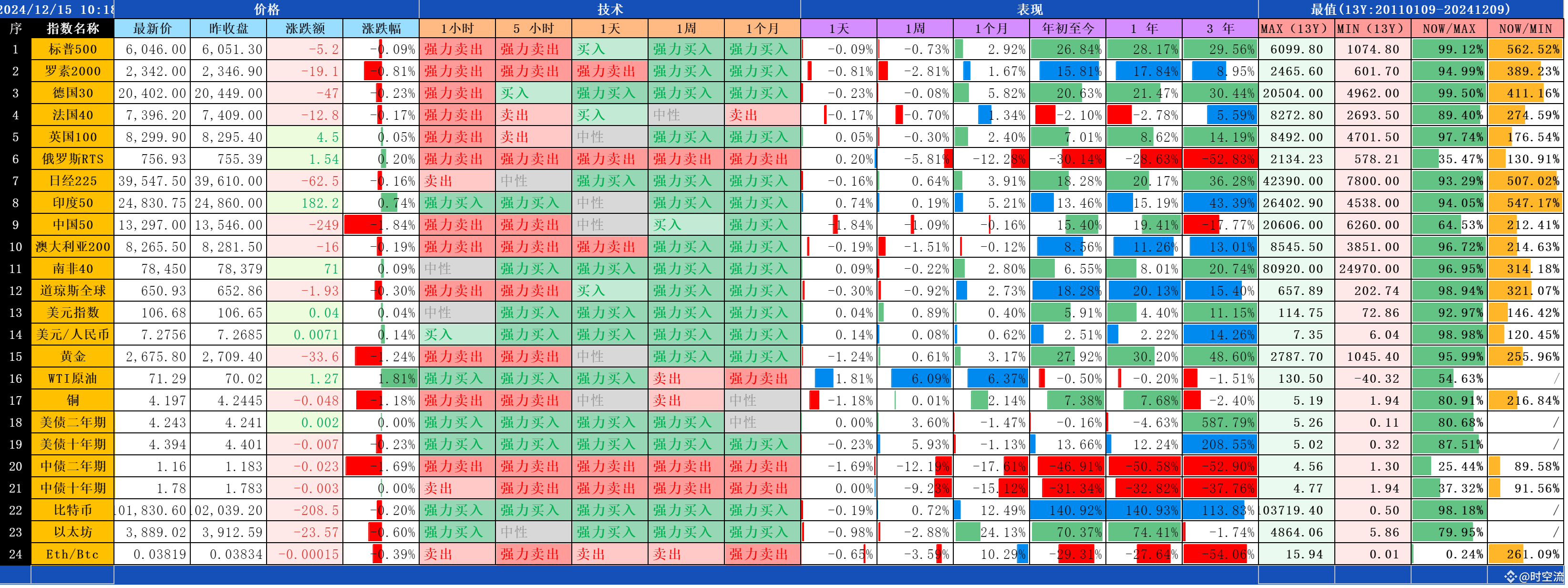
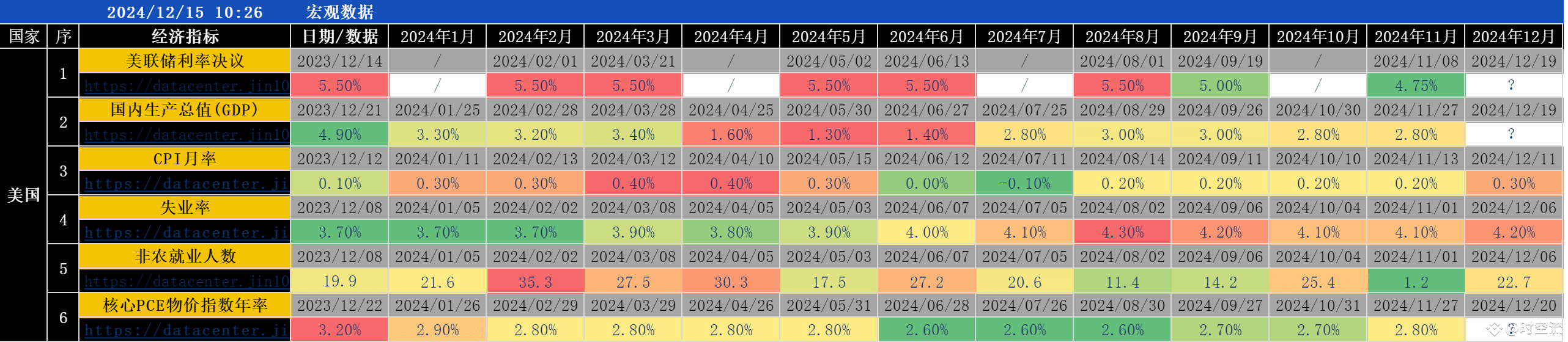
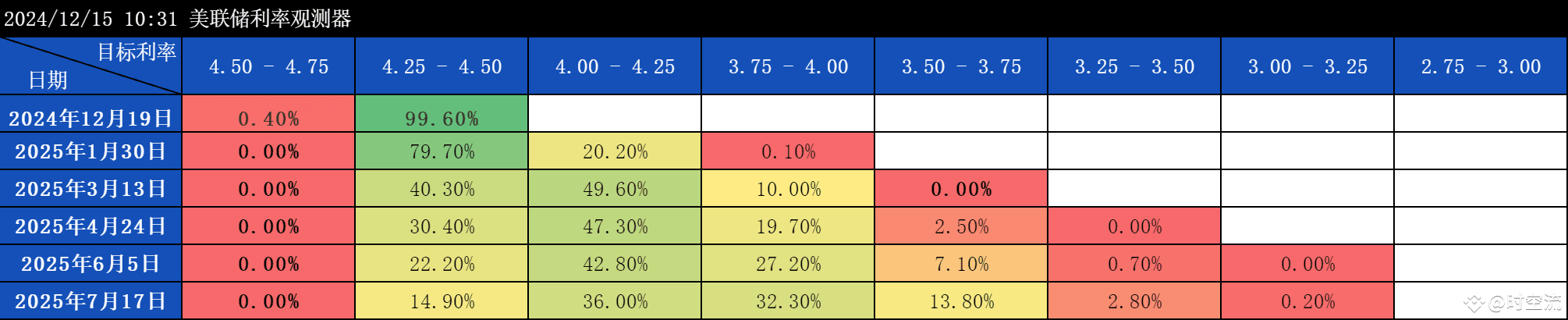
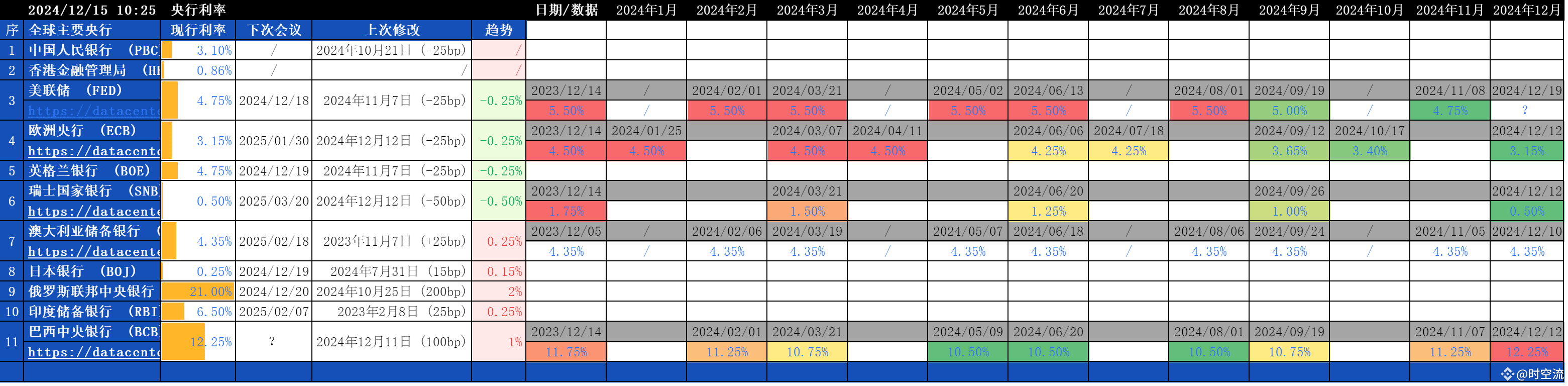
·
--
Bearish
#美联储12月降息预期上升 Last night I noticed something was off, so I conducted a thorough analysis using Bollinger Bands, MACD, moving averages, DeMark sequences, and VPVR indicators. I gained an in-depth understanding and interpretation of the Federal Reserve, Wall Street, and the policies of various central banks. After rigorously calculating through trading methods such as Chan theory, wave theory, Vortex Spiral, and Fibonacci, I ended up getting trapped again.
{future}(BTCUSDT)
#美联储12月降息预期上升 Last night I noticed something was off, so I conducted a thorough analysis using Bollinger Bands, MACD, moving averages, DeMark sequences, and VPVR indicators. I gained an in-depth understanding and interpretation of the Federal Reserve, Wall Street, and the policies of various central banks. After rigorously calculating through trading methods such as Chan theory, wave theory, Vortex Spiral, and Fibonacci, I ended up getting trapped again.
1
3.7k
·
--
#BTC新高10W
#特朗普将提名亲加密SEC主席
On Wednesday, Trump nominated pro-cryptocurrency Atkins to succeed Gensler as the chairman of the U.S. Securities and Exchange Commission (SEC). This boosted Bitcoin to break through the 100,000 mark. The fundamentals of the cryptocurrency market are getting better and better.
#BTC新高10W
#特朗普将提名亲加密SEC主席
On Wednesday, Trump nominated pro-cryptocurrency Atkins to succeed Gensler as the chairman of the U.S. Securities and Exchange Commission (SEC). This boosted Bitcoin to break through the 100,000 mark. The fundamentals of the cryptocurrency market are getting better and better.
#特朗普将提名亲加密SEC主席
On Wednesday, Trump nominated pro-cryptocurrency Atkins to succeed Gensler as the chairman of the U.S. Securities and Exchange Commission (SEC). This boosted Bitcoin to break through the 100,000 mark. The fundamentals of the cryptocurrency market are getting better and better.
My Futures Portfolio
0 / 200
Minimum 10USDT
Public
7D PNL
(USDT)
4.89
7D ROI
-100.00%
AUM
$0.00
Win Rate
95.65%
388
·
--
Bullish
#历史见证者打卡 pancake breaks 100000, the first 100% in real trading, let's create miracles together. $BTC
#历史见证者打卡 pancake breaks 100000, the first 100% in real trading, let's create miracles together. $BTC
My Futures Portfolio
0 / 200
Minimum 10USDT
Public
7D PNL
(USDT)
4.89
7D ROI
-100.00%
AUM
$0.00
Win Rate
95.65%
1
329
·
--
Seek the horse according to the map, unity of knowledge and action.
Seek the horse according to the map, unity of knowledge and action.
始终轮
·
--
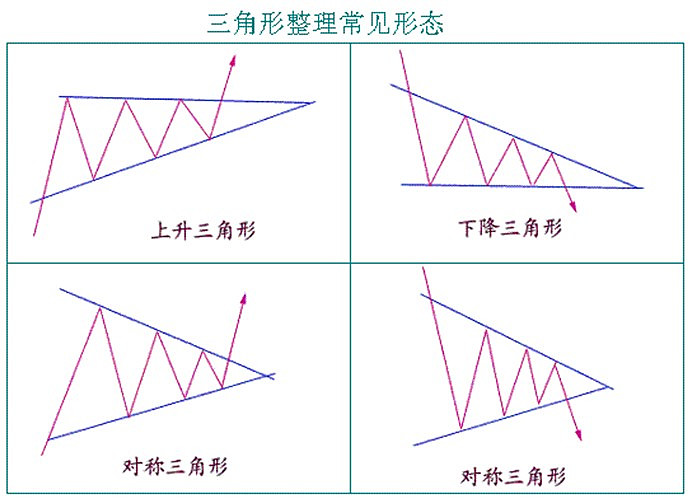
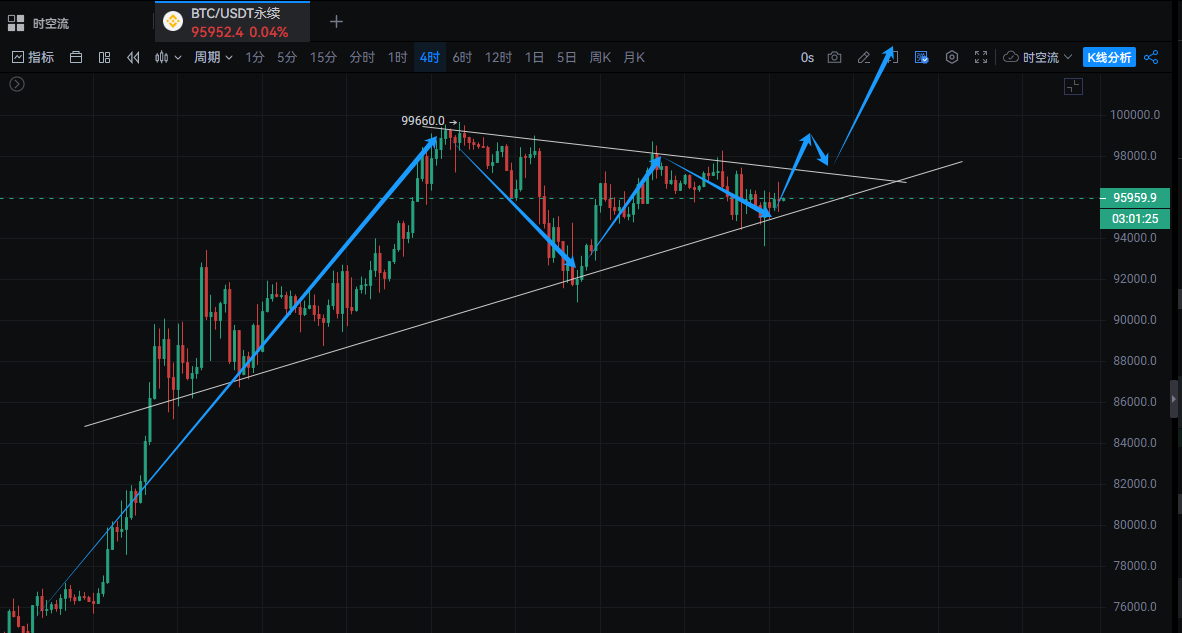
The $BTC pancake K-line is currently in an ascending triangle pattern, and I personally remain bullish for the future. After some oscillation and consolidation, breaking through 100k is just a trivial matter.
1
50
·
--
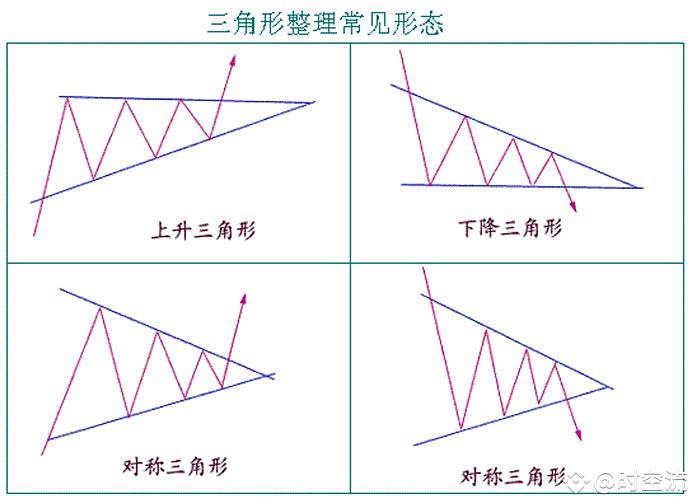
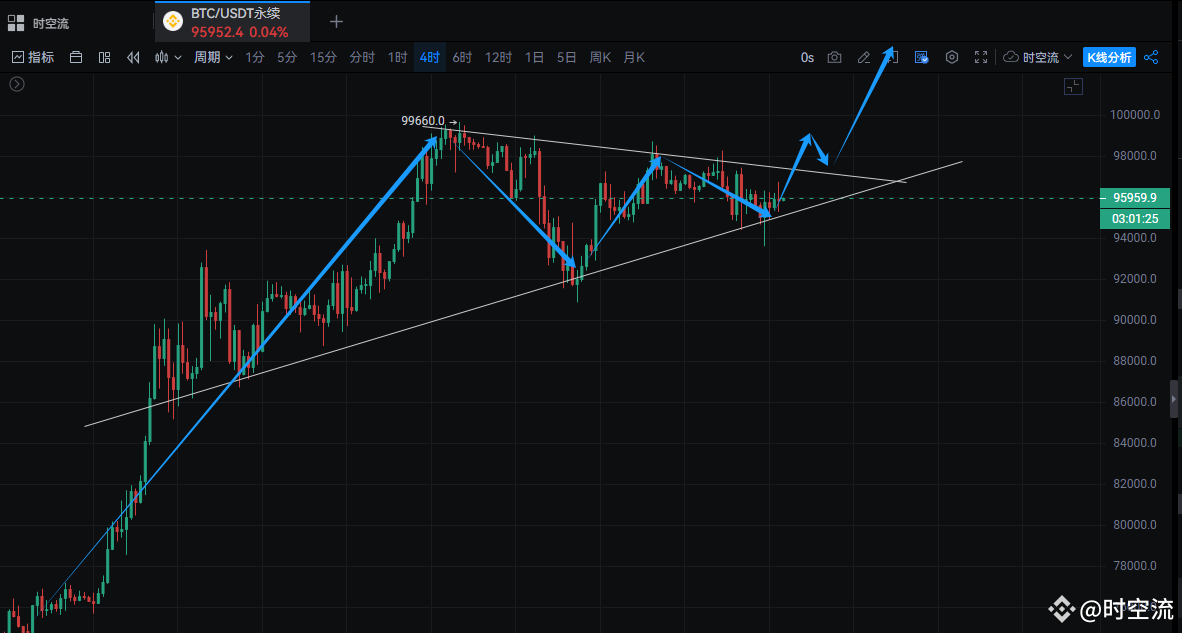
The $BTC pancake K-line is currently in an ascending triangle pattern, and I personally remain bullish for the future. After some oscillation and consolidation, breaking through 100k is just a trivial matter.
The $BTC pancake K-line is currently in an ascending triangle pattern, and I personally remain bullish for the future. After some oscillation and consolidation, breaking through 100k is just a trivial matter.
My Futures Portfolio
0 / 200
Minimum 10USDT
Public
7D PNL
(USDT)
4.89
7D ROI
-100.00%
AUM
$0.00
Win Rate
95.65%
2
1
2
179
·
--
What are U-based contracts and coin-based contracts and what are their differences?Coin-margined contracts use cryptocurrencies as settlement currencies. Instead of holding stablecoins as margin, they are denominated and settled in the underlying cryptocurrency. Each contract has a multiplier that reflects the value of the contract. For example, a BTC contract is worth $100, while an ETH contract is worth $10. Contracts have different expiration dates, including perpetual and quarterly contracts. The advantage of coin-margined contracts is that they use cryptocurrencies as settlement currencies, which can provide an ideal option for miners or holders. Since the contract is settled in the underlying cryptocurrency, the proceeds can be used for long-term capital accumulation. In addition, as prices continue to rise, the value of the collateral also increases accordingly, so coin-margined contracts are an excellent way to increase cryptocurrency holdings.
What are U-based contracts and coin-based contracts and what are their differences?
Coin-margined contracts use cryptocurrencies as settlement currencies. Instead of holding stablecoins as margin, they are denominated and settled in the underlying cryptocurrency. Each contract has a multiplier that reflects the value of the contract. For example, a BTC contract is worth $100, while an ETH contract is worth $10. Contracts have different expiration dates, including perpetual and quarterly contracts. The advantage of coin-margined contracts is that they use cryptocurrencies as settlement currencies, which can provide an ideal option for miners or holders. Since the contract is settled in the underlying cryptocurrency, the proceeds can be used for long-term capital accumulation. In addition, as prices continue to rise, the value of the collateral also increases accordingly, so coin-margined contracts are an excellent way to increase cryptocurrency holdings.
2
2.4k
·
--
How to avoid getting liquidated in cryptocurrency trading?To avoid forced liquidation in cryptocurrency trading, here are some suggestions that traders can consider:
1. Proper risk management: When trading cryptocurrencies, it is very important to manage risk correctly. Traders should only invest what they can afford to lose and avoid over-leveraged positions.
2. Set a stop-loss order: Traders can use a stop-loss order to reduce losses if the market moves in the opposite direction. A stop-loss order automatically closes the trade at a predetermined price to limit losses.
3. Diversify your portfolio: Diversifying your portfolio with different cryptocurrencies can help reduce risk and reduce the impact of price fluctuations of a single asset.
How to avoid getting liquidated in cryptocurrency trading?
To avoid forced liquidation in cryptocurrency trading, here are some suggestions that traders can consider:
1. Proper risk management: When trading cryptocurrencies, it is very important to manage risk correctly. Traders should only invest what they can afford to lose and avoid over-leveraged positions.
2. Set a stop-loss order: Traders can use a stop-loss order to reduce losses if the market moves in the opposite direction. A stop-loss order automatically closes the trade at a predetermined price to limit losses.
3. Diversify your portfolio: Diversifying your portfolio with different cryptocurrencies can help reduce risk and reduce the impact of price fluctuations of a single asset.
1. Proper risk management: When trading cryptocurrencies, it is very important to manage risk correctly. Traders should only invest what they can afford to lose and avoid over-leveraged positions.
2. Set a stop-loss order: Traders can use a stop-loss order to reduce losses if the market moves in the opposite direction. A stop-loss order automatically closes the trade at a predetermined price to limit losses.
3. Diversify your portfolio: Diversifying your portfolio with different cryptocurrencies can help reduce risk and reduce the impact of price fluctuations of a single asset.
1
248
·
--
Funding rate arbitrageWhat is Funding Rate Arbitrage?
There are two types of funding rate arbitrage:
1. Funding rate arbitrage between spot and perpetual contracts
Funding rate arbitrage between spot and perpetual contracts refers to conducting two transactions in opposite directions, equal in quantity, and with offsetting profits and losses in spot and perpetual contracts at the same time, with the goal of earning funding fee income in perpetual contract transactions.
When the funding rate is positive, buy spot and short the perpetual contract with a position equal to the spot, and short to obtain stable funding fee income. This arbitrage is also called positive arbitrage.
When the funding rate is negative, spot leverage borrows currency to sell spot, and perpetual contracts go long with a position equal to the spot leverage sales, and go long to obtain stable funding fee income.
Funding rate arbitrage
What is Funding Rate Arbitrage?
There are two types of funding rate arbitrage:
1. Funding rate arbitrage between spot and perpetual contracts
Funding rate arbitrage between spot and perpetual contracts refers to conducting two transactions in opposite directions, equal in quantity, and with offsetting profits and losses in spot and perpetual contracts at the same time, with the goal of earning funding fee income in perpetual contract transactions.
When the funding rate is positive, buy spot and short the perpetual contract with a position equal to the spot, and short to obtain stable funding fee income. This arbitrage is also called positive arbitrage.
When the funding rate is negative, spot leverage borrows currency to sell spot, and perpetual contracts go long with a position equal to the spot leverage sales, and go long to obtain stable funding fee income.
There are two types of funding rate arbitrage:
1. Funding rate arbitrage between spot and perpetual contracts
Funding rate arbitrage between spot and perpetual contracts refers to conducting two transactions in opposite directions, equal in quantity, and with offsetting profits and losses in spot and perpetual contracts at the same time, with the goal of earning funding fee income in perpetual contract transactions.
When the funding rate is positive, buy spot and short the perpetual contract with a position equal to the spot, and short to obtain stable funding fee income. This arbitrage is also called positive arbitrage.
When the funding rate is negative, spot leverage borrows currency to sell spot, and perpetual contracts go long with a position equal to the spot leverage sales, and go long to obtain stable funding fee income.
1
385
·
--
What does a negative funding rate mean?Negative funding rates mean that short traders of perpetual contracts need to pay funding fees to long traders. This usually means that the price of the perpetual contract is lower than the price of the underlying asset, so short traders need to pay funding fees to maintain their short positions. This can also be seen as a market trend, as more traders may hold short positions, which reflects the belief that the price of the underlying asset will fall.
In this case, long traders will receive funding fees from short traders because their positions are bullish. For traders who wish to trade perpetual contracts, negative funding rates may present arbitrage opportunities as they can take advantage of this opportunity to hold a long perpetual contract position and receive the benefits of the funding fee payment.
What does a negative funding rate mean?
Negative funding rates mean that short traders of perpetual contracts need to pay funding fees to long traders. This usually means that the price of the perpetual contract is lower than the price of the underlying asset, so short traders need to pay funding fees to maintain their short positions. This can also be seen as a market trend, as more traders may hold short positions, which reflects the belief that the price of the underlying asset will fall.
In this case, long traders will receive funding fees from short traders because their positions are bullish. For traders who wish to trade perpetual contracts, negative funding rates may present arbitrage opportunities as they can take advantage of this opportunity to hold a long perpetual contract position and receive the benefits of the funding fee payment.
In this case, long traders will receive funding fees from short traders because their positions are bullish. For traders who wish to trade perpetual contracts, negative funding rates may present arbitrage opportunities as they can take advantage of this opportunity to hold a long perpetual contract position and receive the benefits of the funding fee payment.
1
2.2k
·
--
What does Bitcoin’s high funding rate mean?In perpetual futures contracts, high Bitcoin funding rates refer to those that exceed the base rate of 0.01%. Generally speaking, the maximum upper limit of Bitcoin funding rates is 0.375%, and the minimum lower limit is -0.375%, with some differences between different exchanges.
A high funding rate means that long positions need to pay a large amount of funding fees to short positions. This indicates that the demand for long positions is high relative to short positions, which may cause the price of perpetual futures contracts to be higher than the price of the underlying asset.
A high funding rate may also indicate bullish market sentiment, meaning that traders are optimistic about the future price of the underlying asset. Traders may be willing to pay higher funding rates to maintain their long positions, expecting the price of the underlying asset to rise in the future.
What does Bitcoin’s high funding rate mean?
In perpetual futures contracts, high Bitcoin funding rates refer to those that exceed the base rate of 0.01%. Generally speaking, the maximum upper limit of Bitcoin funding rates is 0.375%, and the minimum lower limit is -0.375%, with some differences between different exchanges.
A high funding rate means that long positions need to pay a large amount of funding fees to short positions. This indicates that the demand for long positions is high relative to short positions, which may cause the price of perpetual futures contracts to be higher than the price of the underlying asset.
A high funding rate may also indicate bullish market sentiment, meaning that traders are optimistic about the future price of the underlying asset. Traders may be willing to pay higher funding rates to maintain their long positions, expecting the price of the underlying asset to rise in the future.
A high funding rate means that long positions need to pay a large amount of funding fees to short positions. This indicates that the demand for long positions is high relative to short positions, which may cause the price of perpetual futures contracts to be higher than the price of the underlying asset.
A high funding rate may also indicate bullish market sentiment, meaning that traders are optimistic about the future price of the underlying asset. Traders may be willing to pay higher funding rates to maintain their long positions, expecting the price of the underlying asset to rise in the future.
1
398
·
--
The Difference Between Funding Rate and Funding FeesThe funding rate and funding fees are two related but distinct concepts in perpetual contract trading.
The funding rate is a measure of the rate that current position holders should pay or receive, used to adjust the difference between the perpetual contract price and the underlying index price. It consists of two parts: the interest rate and the premium, and is dynamically adjusted based on market demand and supply conditions. The funding rate is calculated based on the difference between the perpetual contract price and the underlying asset price, as well as the leverage level used for the position. The funding rate is usually expressed as a percentage and is charged or paid at each funding interval, typically every 8 hours in most cryptocurrency exchanges.
The Difference Between Funding Rate and Funding Fees
The funding rate and funding fees are two related but distinct concepts in perpetual contract trading.
The funding rate is a measure of the rate that current position holders should pay or receive, used to adjust the difference between the perpetual contract price and the underlying index price. It consists of two parts: the interest rate and the premium, and is dynamically adjusted based on market demand and supply conditions. The funding rate is calculated based on the difference between the perpetual contract price and the underlying asset price, as well as the leverage level used for the position. The funding rate is usually expressed as a percentage and is charged or paid at each funding interval, typically every 8 hours in most cryptocurrency exchanges.
The funding rate is a measure of the rate that current position holders should pay or receive, used to adjust the difference between the perpetual contract price and the underlying index price. It consists of two parts: the interest rate and the premium, and is dynamically adjusted based on market demand and supply conditions. The funding rate is calculated based on the difference between the perpetual contract price and the underlying asset price, as well as the leverage level used for the position. The funding rate is usually expressed as a percentage and is charged or paid at each funding interval, typically every 8 hours in most cryptocurrency exchanges.
1
242
·
--
Funding RateFunding rates are the rates set by cryptocurrency exchanges to maintain the balance between contract prices and the prices of the underlying assets, typically applicable to perpetual contracts. It is a mechanism for fund exchange between long and short traders, used to adjust the costs or profits of traders holding contracts, keeping contract prices close to the prices of the underlying assets.
When the price of a perpetual contract deviates from the price of the underlying asset, the exchange will adjust the funding rate to prompt longs or shorts to pay funding in the opposite direction, thus bringing the contract price back to the price of the underlying asset.
Funding Rate
Funding rates are the rates set by cryptocurrency exchanges to maintain the balance between contract prices and the prices of the underlying assets, typically applicable to perpetual contracts. It is a mechanism for fund exchange between long and short traders, used to adjust the costs or profits of traders holding contracts, keeping contract prices close to the prices of the underlying assets.
When the price of a perpetual contract deviates from the price of the underlying asset, the exchange will adjust the funding rate to prompt longs or shorts to pay funding in the opposite direction, thus bringing the contract price back to the price of the underlying asset.
When the price of a perpetual contract deviates from the price of the underlying asset, the exchange will adjust the funding rate to prompt longs or shorts to pay funding in the opposite direction, thus bringing the contract price back to the price of the underlying asset.
1
459
·
--
What is the difference between open interest and trading volume in cryptocurrencies?Open interest and trading volume are two important indicators used in cryptocurrency market analysis, representing different aspects of market activity.
Open interest refers to the total number of open futures or options contracts on a specific cryptocurrency exchange, while trading volume refers to the total number of contracts traded within a specific time frame, such as a day or a week.
In other words, open interest represents the total number of contracts held by current market participants, while trading volume represents the total number of contracts bought and sold within a specific time period.
Although both indicators provide important information about market trading activity and liquidity levels, open interest is a more forward-looking indicator that can offer insights into future market activity, while trading volume provides a more immediate view of trading activity.
What is the difference between open interest and trading volume in cryptocurrencies?
Open interest and trading volume are two important indicators used in cryptocurrency market analysis, representing different aspects of market activity.
Open interest refers to the total number of open futures or options contracts on a specific cryptocurrency exchange, while trading volume refers to the total number of contracts traded within a specific time frame, such as a day or a week.
In other words, open interest represents the total number of contracts held by current market participants, while trading volume represents the total number of contracts bought and sold within a specific time period.
Although both indicators provide important information about market trading activity and liquidity levels, open interest is a more forward-looking indicator that can offer insights into future market activity, while trading volume provides a more immediate view of trading activity.
Open interest refers to the total number of open futures or options contracts on a specific cryptocurrency exchange, while trading volume refers to the total number of contracts traded within a specific time frame, such as a day or a week.
In other words, open interest represents the total number of contracts held by current market participants, while trading volume represents the total number of contracts bought and sold within a specific time period.
Although both indicators provide important information about market trading activity and liquidity levels, open interest is a more forward-looking indicator that can offer insights into future market activity, while trading volume provides a more immediate view of trading activity.
1
304
Log in to explore more content
Join global crypto users on Binance Square
⚡️ Get latest and useful information about crypto.
💬 Trusted by the world’s largest crypto exchange.
👍 Discover real insights from verified creators.
Email / Phone number
Trending Topics
BinanceLaunchesBinanceIntelligence
703,190 views
4,411 Discussing
#binancelaunchesbinanceintelligence 🚨 WHAT IF THE NEXT BIG EXCHANGE BATTLE ISN’T ABOUT FEES? 👀
Binance just made a bigger move than adding another AI chatbot.
With Binance Intelligence, AI is moving deeper into the exchange — from understanding market data to building trading workflows. 🤖⚡
The real question is:
Who has the best liquidity?
Or who has the smartest AI layer?
If users can research, test ideas and manage trading workflows without switching between different tools, the exchange itself could become a financial assistant.
That could be a much bigger shift than it looks today.
If Binance Intelligence drives more users, more strategies and more trading activity, $BNB could become one of the tokens to watch. 👀
Is Binance building the future of AI-powered finance?
$BNB
#binancelaunchesbinanceintelligence #BinanceAI #CryptoAI #AITrading
Suleman Khan Haqqani
·16 Likes
·22.4k views
BTCFallsBelow$84K
23,556 views
89 Discussing
DubaiVARAIssuesReserveAssetAuditCircular
3,957 views
271 Discussing