

The Blockopedia
2.1k Posts

The Blockopedia
Report
Block User
Blockopedia is an independent news website that covers trending stories about blockchain, NFTs, Metaverse, Gamefi, and Web3.
7 Following
18.1K+ Followers
18.3K+ Liked
Posts
All
Quotes
Videos
Why Trading Alone No Longer Keeps Users on an Exchange
"Exchange products have become very similar now, and trading alone does not actually create long-term loyalty." Kaya Wong on why LBank went after Pudgy Penguins and Nobody Sausage instead of another fee war. Culture, she argues, builds a connection outside of trading activity. Her own summary is the line the whole strategy rests on: trading brings people, but culture gives them a reason to stay.
GUEST: Kaya Wong is the VP of Marketing and Partnerships at LBank.
#lbank #pudgypenguins #crypto #exchange #community #branding #web3 #culture
Why Trading Alone No Longer Keeps Users on an Exchange
"Exchange products have become very similar now, and trading alone does not actually create long-term loyalty." Kaya Wong on why LBank went after Pudgy Penguins and Nobody Sausage instead of another fee war. Culture, she argues, builds a connection outside of trading activity. Her own summary is the line the whole strategy rests on: trading brings people, but culture gives them a reason to stay.
GUEST: Kaya Wong is the VP of Marketing and Partnerships at LBank.
#lbank #pudgypenguins #crypto #exchange #community #branding #web3 #culture
"Exchange products have become very similar now, and trading alone does not actually create long-term loyalty." Kaya Wong on why LBank went after Pudgy Penguins and Nobody Sausage instead of another fee war. Culture, she argues, builds a connection outside of trading activity. Her own summary is the line the whole strategy rests on: trading brings people, but culture gives them a reason to stay.
GUEST: Kaya Wong is the VP of Marketing and Partnerships at LBank.
#lbank #pudgypenguins #crypto #exchange #community #branding #web3 #culture
447
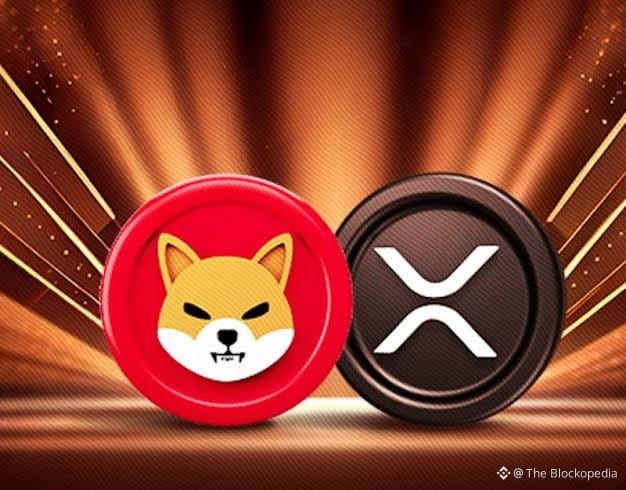
🔥 Ripple Eyes New Opportunity as Shiba Inu Ships Fresh Updates
Mid-September is shaping up busy for two of crypto's loudest communities. 🪙
According to a September 18 roundup, Ripple (XRP) has a notable opportunity on the table, while Shiba Inu (SHIB) continues rolling out updates to its ecosystem. Details are still thin, but both storylines are worth tracking closely.
Why it matters: XRP and SHIB each command some of the most engaged holder bases in the market, so any headline around them tends to move sentiment fast. 📈
The takeaway is simple: follow the primary sources, watch official announcements, and don't let hype do your thinking for you. ⚠️
Not financial advice.
#XRP #ShibaInu #Crypto $XRP $SHIB
🔥 Ripple Eyes New Opportunity as Shiba Inu Ships Fresh Updates
Mid-September is shaping up busy for two of crypto's loudest communities. 🪙
According to a September 18 roundup, Ripple (XRP) has a notable opportunity on the table, while Shiba Inu (SHIB) continues rolling out updates to its ecosystem. Details are still thin, but both storylines are worth tracking closely.
Why it matters: XRP and SHIB each command some of the most engaged holder bases in the market, so any headline around them tends to move sentiment fast. 📈
The takeaway is simple: follow the primary sources, watch official announcements, and don't let hype do your thinking for you. ⚠️
Not financial advice.
#XRP #ShibaInu #Crypto $XRP $SHIB
Mid-September is shaping up busy for two of crypto's loudest communities. 🪙
According to a September 18 roundup, Ripple (XRP) has a notable opportunity on the table, while Shiba Inu (SHIB) continues rolling out updates to its ecosystem. Details are still thin, but both storylines are worth tracking closely.
Why it matters: XRP and SHIB each command some of the most engaged holder bases in the market, so any headline around them tends to move sentiment fast. 📈
The takeaway is simple: follow the primary sources, watch official announcements, and don't let hype do your thinking for you. ⚠️
Not financial advice.
#XRP #ShibaInu #Crypto $XRP $SHIB
1
2
2.5k
Why Airdrop Marketing Stopped Working in Crypto
Projects used to hand a million tokens to airdrop channels with millions of followers, and most of those followers were bot farms. Matt Cepulis says the whole channel is out of a job now, because everybody understands it does not work anymore. And he names the cost: companies made the huge mistake of bringing their TVL to the robots, to people who were only ever farming the airdrop.
GUEST: Matt Cepulis is the Founder and CEO of LuvKaizen.
#airdrop #crypto #web3 #marketing #botfarms #tvl #luvkaizen #kol
Why Airdrop Marketing Stopped Working in Crypto
Projects used to hand a million tokens to airdrop channels with millions of followers, and most of those followers were bot farms. Matt Cepulis says the whole channel is out of a job now, because everybody understands it does not work anymore. And he names the cost: companies made the huge mistake of bringing their TVL to the robots, to people who were only ever farming the airdrop.
GUEST: Matt Cepulis is the Founder and CEO of LuvKaizen.
#airdrop #crypto #web3 #marketing #botfarms #tvl #luvkaizen #kol
Projects used to hand a million tokens to airdrop channels with millions of followers, and most of those followers were bot farms. Matt Cepulis says the whole channel is out of a job now, because everybody understands it does not work anymore. And he names the cost: companies made the huge mistake of bringing their TVL to the robots, to people who were only ever farming the airdrop.
GUEST: Matt Cepulis is the Founder and CEO of LuvKaizen.
#airdrop #crypto #web3 #marketing #botfarms #tvl #luvkaizen #kol
182
Verified
💰 Stablecoin Firm dtcpay Raises $25M With SBI Group On Board
Payments platform dtcpay has closed a $25 million Series A round, and one of the backers is Japan's SBI Group. 🏦
The Singapore-based stablecoin payments company says the funding will go toward building out its infrastructure and expanding its push into regulated stablecoin payments across multiple markets.
The presence of a heavyweight institutional investor like SBI Group is the part worth watching. Big financial players have been steadily warming to stablecoin rails, and their participation in funding rounds signals growing conviction that digital-dollar payments are moving from a crypto niche into mainstream financial plumbing. 📈
For the broader market, stablecoins are increasingly the quiet backbone of crypto - handling settlement and cross-border transfers while the headlines chase price action. 💰 More institutional capital into this layer could shape how money moves on-chain over the coming years. 🪙
Not financial advice.
#Stablecoins #Crypto #dtcpay $USDT
💰 Stablecoin Firm dtcpay Raises $25M With SBI Group On Board
Payments platform dtcpay has closed a $25 million Series A round, and one of the backers is Japan's SBI Group. 🏦
The Singapore-based stablecoin payments company says the funding will go toward building out its infrastructure and expanding its push into regulated stablecoin payments across multiple markets.
The presence of a heavyweight institutional investor like SBI Group is the part worth watching. Big financial players have been steadily warming to stablecoin rails, and their participation in funding rounds signals growing conviction that digital-dollar payments are moving from a crypto niche into mainstream financial plumbing. 📈
For the broader market, stablecoins are increasingly the quiet backbone of crypto - handling settlement and cross-border transfers while the headlines chase price action. 💰 More institutional capital into this layer could shape how money moves on-chain over the coming years. 🪙
Not financial advice.
#Stablecoins #Crypto #dtcpay $USDT
Payments platform dtcpay has closed a $25 million Series A round, and one of the backers is Japan's SBI Group. 🏦
The Singapore-based stablecoin payments company says the funding will go toward building out its infrastructure and expanding its push into regulated stablecoin payments across multiple markets.
The presence of a heavyweight institutional investor like SBI Group is the part worth watching. Big financial players have been steadily warming to stablecoin rails, and their participation in funding rounds signals growing conviction that digital-dollar payments are moving from a crypto niche into mainstream financial plumbing. 📈
For the broader market, stablecoins are increasingly the quiet backbone of crypto - handling settlement and cross-border transfers while the headlines chase price action. 💰 More institutional capital into this layer could shape how money moves on-chain over the coming years. 🪙
Not financial advice.
#Stablecoins #Crypto #dtcpay $USDT

1
1
1.8k
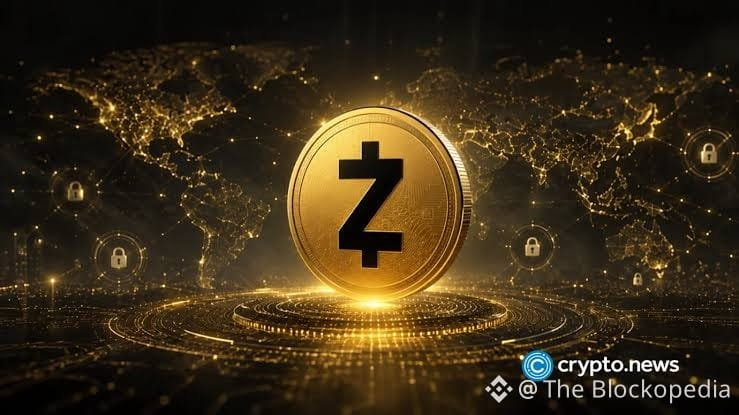
🔥 Zcash Devs Lock In NU7: Nov. 5 Upgrade, 25-Second Blocks
Zcash is getting a major rework, and the team has just confirmed the date. 🗓️
Developers say the NU7 network upgrade is set to activate on November 5, bringing a big change to how fast the chain produces blocks. Under the new setup, blocks will arrive roughly every 25 seconds.
Faster blocks matter for a payments-focused network like Zcash. Shorter waits typically mean quicker transaction confirmations and a smoother experience for everyday users, which is central to ZEC's privacy-first pitch. 🪙
The confirmation gives holders, miners and node operators a clear timeline to prepare for the switch. Network upgrades of this size usually call for some housekeeping on the operator side, so the runway to Nov. 5 is worth noting. ⚠️
Bottom line: a firm date, a meaningfully faster block time, and a clear signal on where Zcash development is heading next. 📈
Not financial advice.
#Zcash #ZEC #Crypto $ZEC
🔥 Zcash Devs Lock In NU7: Nov. 5 Upgrade, 25-Second Blocks
Zcash is getting a major rework, and the team has just confirmed the date. 🗓️
Developers say the NU7 network upgrade is set to activate on November 5, bringing a big change to how fast the chain produces blocks. Under the new setup, blocks will arrive roughly every 25 seconds.
Faster blocks matter for a payments-focused network like Zcash. Shorter waits typically mean quicker transaction confirmations and a smoother experience for everyday users, which is central to ZEC's privacy-first pitch. 🪙
The confirmation gives holders, miners and node operators a clear timeline to prepare for the switch. Network upgrades of this size usually call for some housekeeping on the operator side, so the runway to Nov. 5 is worth noting. ⚠️
Bottom line: a firm date, a meaningfully faster block time, and a clear signal on where Zcash development is heading next. 📈
Not financial advice.
#Zcash #ZEC #Crypto $ZEC
Zcash is getting a major rework, and the team has just confirmed the date. 🗓️
Developers say the NU7 network upgrade is set to activate on November 5, bringing a big change to how fast the chain produces blocks. Under the new setup, blocks will arrive roughly every 25 seconds.
Faster blocks matter for a payments-focused network like Zcash. Shorter waits typically mean quicker transaction confirmations and a smoother experience for everyday users, which is central to ZEC's privacy-first pitch. 🪙
The confirmation gives holders, miners and node operators a clear timeline to prepare for the switch. Network upgrades of this size usually call for some housekeeping on the operator side, so the runway to Nov. 5 is worth noting. ⚠️
Bottom line: a firm date, a meaningfully faster block time, and a clear signal on where Zcash development is heading next. 📈
Not financial advice.
#Zcash #ZEC #Crypto $ZEC
243
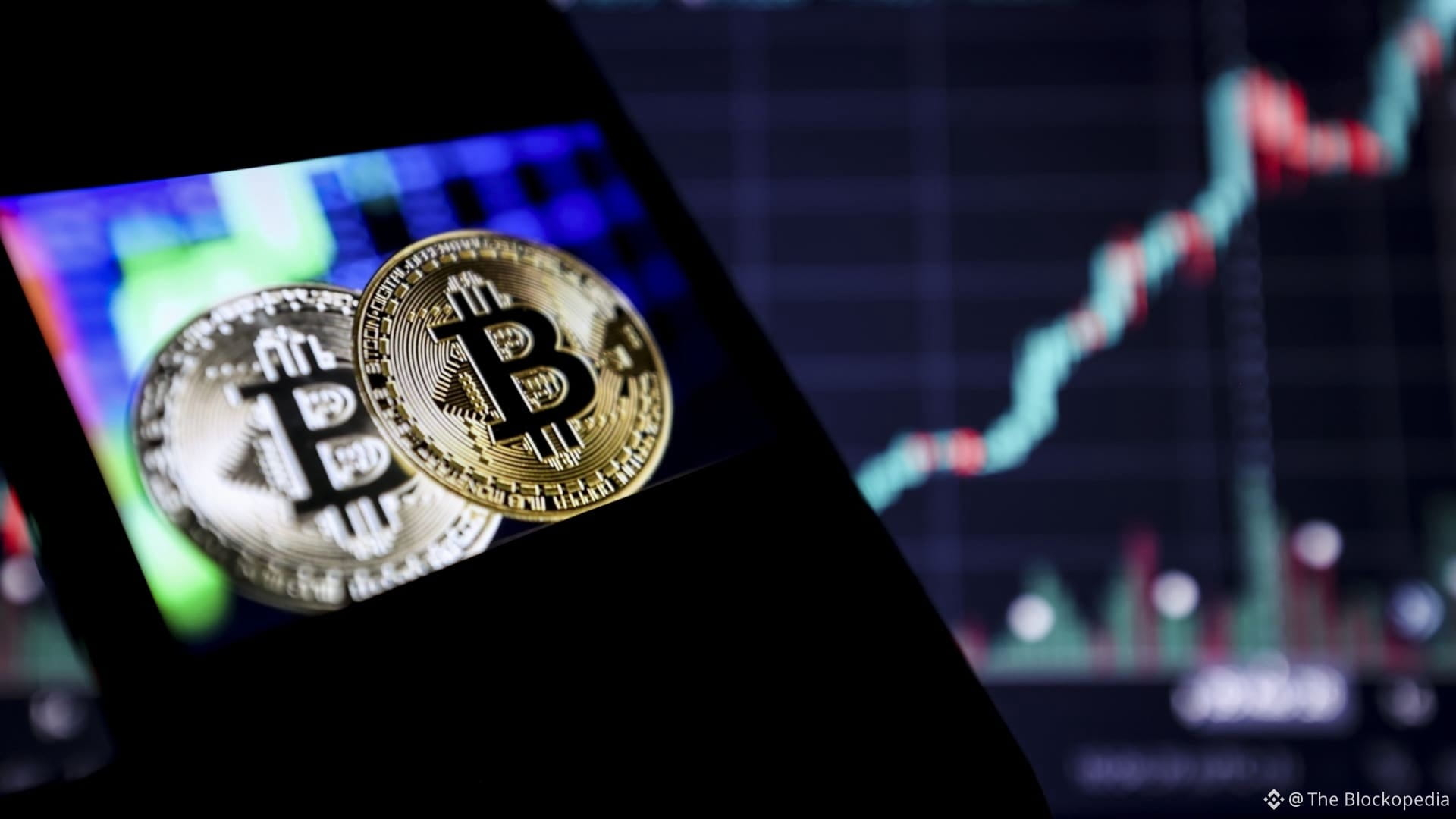
🚀 Bitcoin Tops $77K After BOJ Hikes Rates to 1.25%
Bitcoin pushed above $77,000 right after the Bank of Japan raised its policy rate to 1.25% — and the market's reaction says a lot. 🚀
Higher rates in Japan usually mean tighter global liquidity, and crypto has historically been sensitive to that. This time, BTC absorbed the news and moved up instead, which suggests buyers were positioned for the hike and treated it as a "sell the rumor, buy the news" moment.
Why it matters: the BOJ has been the outlier among major central banks for years, keeping policy loose while others tightened. With rates now at 1.25%, yen-funded carry trades get more expensive — a factor that has previously rattled risk assets, including crypto. 🔥
So far, the market is shrugging that off rather than selling into it. Whether this momentum holds will depend on how global liquidity and the yen respond in the sessions ahead. ⚠️📈
Not financial advice.
#Bitcoin #Crypto $BTC $BOJ
🚀 Bitcoin Tops $77K After BOJ Hikes Rates to 1.25%
Bitcoin pushed above $77,000 right after the Bank of Japan raised its policy rate to 1.25% — and the market's reaction says a lot. 🚀
Higher rates in Japan usually mean tighter global liquidity, and crypto has historically been sensitive to that. This time, BTC absorbed the news and moved up instead, which suggests buyers were positioned for the hike and treated it as a "sell the rumor, buy the news" moment.
Why it matters: the BOJ has been the outlier among major central banks for years, keeping policy loose while others tightened. With rates now at 1.25%, yen-funded carry trades get more expensive — a factor that has previously rattled risk assets, including crypto. 🔥
So far, the market is shrugging that off rather than selling into it. Whether this momentum holds will depend on how global liquidity and the yen respond in the sessions ahead. ⚠️📈
Not financial advice.
#Bitcoin #Crypto $BTC $BOJ
Bitcoin pushed above $77,000 right after the Bank of Japan raised its policy rate to 1.25% — and the market's reaction says a lot. 🚀
Higher rates in Japan usually mean tighter global liquidity, and crypto has historically been sensitive to that. This time, BTC absorbed the news and moved up instead, which suggests buyers were positioned for the hike and treated it as a "sell the rumor, buy the news" moment.
Why it matters: the BOJ has been the outlier among major central banks for years, keeping policy loose while others tightened. With rates now at 1.25%, yen-funded carry trades get more expensive — a factor that has previously rattled risk assets, including crypto. 🔥
So far, the market is shrugging that off rather than selling into it. Whether this momentum holds will depend on how global liquidity and the yen respond in the sessions ahead. ⚠️📈
Not financial advice.
#Bitcoin #Crypto $BTC $BOJ
804
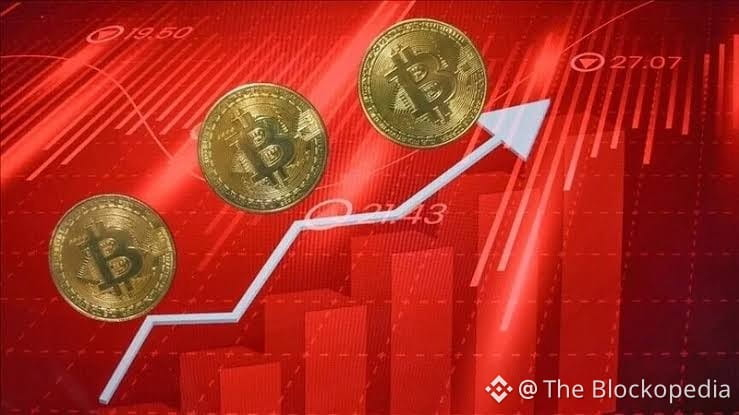
🚀 Bitcoin breaks above $77,000 as bulls push higher
Bitcoin has climbed past the $77,000 mark, and the market is paying attention. 🚀
This latest move puts the leading crypto back in the spotlight, reminding traders why BTC remains the headline act of the entire market. Momentum like this tends to pull capital and attention across the space.
For holders, it's another milestone worth watching closely. For anyone on the sidelines, moments like these are a good reminder that crypto moves fast — and risk management matters just as much as upside. ⚠️
Eyes now turn to whether $BTC can hold this level or push even higher. 💰
Not financial advice.
#Bitcoin #Crypto #BTC $BTC
🚀 Bitcoin breaks above $77,000 as bulls push higher
Bitcoin has climbed past the $77,000 mark, and the market is paying attention. 🚀
This latest move puts the leading crypto back in the spotlight, reminding traders why BTC remains the headline act of the entire market. Momentum like this tends to pull capital and attention across the space.
For holders, it's another milestone worth watching closely. For anyone on the sidelines, moments like these are a good reminder that crypto moves fast — and risk management matters just as much as upside. ⚠️
Eyes now turn to whether $BTC can hold this level or push even higher. 💰
Not financial advice.
#Bitcoin #Crypto #BTC $BTC
Bitcoin has climbed past the $77,000 mark, and the market is paying attention. 🚀
This latest move puts the leading crypto back in the spotlight, reminding traders why BTC remains the headline act of the entire market. Momentum like this tends to pull capital and attention across the space.
For holders, it's another milestone worth watching closely. For anyone on the sidelines, moments like these are a good reminder that crypto moves fast — and risk management matters just as much as upside. ⚠️
Eyes now turn to whether $BTC can hold this level or push even higher. 💰
Not financial advice.
#Bitcoin #Crypto #BTC $BTC
196
⚠️ BitBank hit with U.S. sanctions over alleged IRGC Bitcoin transfers
⚠️ A crypto exchange is now in the crosshairs of U.S. authorities.
Washington has placed sanctions on BitBank, accusing the platform of facilitating Bitcoin transfers tied to Iran's Islamic Revolutionary Guard Corps (IRGC). The move puts the exchange squarely in the spotlight of ongoing enforcement against digital assets allegedly used to move money outside the traditional banking system 🏦
For the wider market, this is another reminder that regulators are watching who moves coins and where they end up. Exchanges that fail to satisfy compliance expectations can face serious consequences, and the fallout often reaches everyday users through tighter checks and restricted access 🔻
Sanctions actions like this tend to shape how platforms approach KYC, monitoring and risk controls, making clear that crypto's open rails come with growing scrutiny 🪙
Not financial advice.
#Bitcoin #Crypto #Sanctions $BTC
⚠️ BitBank hit with U.S. sanctions over alleged IRGC Bitcoin transfers
⚠️ A crypto exchange is now in the crosshairs of U.S. authorities.
Washington has placed sanctions on BitBank, accusing the platform of facilitating Bitcoin transfers tied to Iran's Islamic Revolutionary Guard Corps (IRGC). The move puts the exchange squarely in the spotlight of ongoing enforcement against digital assets allegedly used to move money outside the traditional banking system 🏦
For the wider market, this is another reminder that regulators are watching who moves coins and where they end up. Exchanges that fail to satisfy compliance expectations can face serious consequences, and the fallout often reaches everyday users through tighter checks and restricted access 🔻
Sanctions actions like this tend to shape how platforms approach KYC, monitoring and risk controls, making clear that crypto's open rails come with growing scrutiny 🪙
Not financial advice.
#Bitcoin #Crypto #Sanctions $BTC
⚠️ A crypto exchange is now in the crosshairs of U.S. authorities.
Washington has placed sanctions on BitBank, accusing the platform of facilitating Bitcoin transfers tied to Iran's Islamic Revolutionary Guard Corps (IRGC). The move puts the exchange squarely in the spotlight of ongoing enforcement against digital assets allegedly used to move money outside the traditional banking system 🏦
For the wider market, this is another reminder that regulators are watching who moves coins and where they end up. Exchanges that fail to satisfy compliance expectations can face serious consequences, and the fallout often reaches everyday users through tighter checks and restricted access 🔻
Sanctions actions like this tend to shape how platforms approach KYC, monitoring and risk controls, making clear that crypto's open rails come with growing scrutiny 🪙
Not financial advice.
#Bitcoin #Crypto #Sanctions $BTC
132
⚠️ Ledger CTO: Bitcoin's Quantum Migration Could Take Years
Worried about quantum computers cracking Bitcoin overnight? Ledger's CTO says the opposite is more likely: any migration to quantum-safe cryptography would be a slow, multi-year process, not a sudden emergency.
Why it matters: Bitcoin's public-key cryptography is a long-term talking point for critics, but the practical reality is that transitioning the network to new standards takes coordination, tooling, and broad consensus. ⚠️ That timeline cuts both ways — it gives the ecosystem room to prepare, but it also means no instant fix exists.
For holders, the takeaway isn't panic. It's that protocol-level changes on Bitcoin move deliberately, and quantum readiness is a marathon rather than a sprint. 🔥 Keep an eye on wallet and infrastructure upgrades, since they'll likely lead the way.
Not financial advice.
#Bitcoin #Crypto $BTC #QuantumComputing
⚠️ Ledger CTO: Bitcoin's Quantum Migration Could Take Years
Worried about quantum computers cracking Bitcoin overnight? Ledger's CTO says the opposite is more likely: any migration to quantum-safe cryptography would be a slow, multi-year process, not a sudden emergency.
Why it matters: Bitcoin's public-key cryptography is a long-term talking point for critics, but the practical reality is that transitioning the network to new standards takes coordination, tooling, and broad consensus. ⚠️ That timeline cuts both ways — it gives the ecosystem room to prepare, but it also means no instant fix exists.
For holders, the takeaway isn't panic. It's that protocol-level changes on Bitcoin move deliberately, and quantum readiness is a marathon rather than a sprint. 🔥 Keep an eye on wallet and infrastructure upgrades, since they'll likely lead the way.
Not financial advice.
#Bitcoin #Crypto $BTC #QuantumComputing
Worried about quantum computers cracking Bitcoin overnight? Ledger's CTO says the opposite is more likely: any migration to quantum-safe cryptography would be a slow, multi-year process, not a sudden emergency.
Why it matters: Bitcoin's public-key cryptography is a long-term talking point for critics, but the practical reality is that transitioning the network to new standards takes coordination, tooling, and broad consensus. ⚠️ That timeline cuts both ways — it gives the ecosystem room to prepare, but it also means no instant fix exists.
For holders, the takeaway isn't panic. It's that protocol-level changes on Bitcoin move deliberately, and quantum readiness is a marathon rather than a sprint. 🔥 Keep an eye on wallet and infrastructure upgrades, since they'll likely lead the way.
Not financial advice.
#Bitcoin #Crypto $BTC #QuantumComputing

36
🔥 US Bitcoin Reserve Bill Just Cleared a Key Committee Vote
A US House committee just moved a Strategic Bitcoin Reserve bill forward, voting to send it on to the next stage. The House Financial Services Committee approved the measure 28-21.
The proposal would see the US hold BTC as a reserve asset — a step Bitcoin advocates have pushed for since the idea first went mainstream in American politics. Passing a committee is not the finish line, but it is a real signal that the topic has moved from the fringe to the floor of Congress. 🏦
For the market, the takeaway is momentum. A formal vote on a national BTC reserve puts the US squarely in the conversation alongside other governments and institutions exploring digital asset holdings. If the bill keeps advancing, it could reshape how policymakers and large players think about Bitcoin's role in national balance sheets. 📈
Plenty of hurdles remain before anything becomes law, so treat headlines as headlines. 🔥
Not financial advice.
#Bitcoin #Crypto $BTC $ETH
🔥 US Bitcoin Reserve Bill Just Cleared a Key Committee Vote
A US House committee just moved a Strategic Bitcoin Reserve bill forward, voting to send it on to the next stage. The House Financial Services Committee approved the measure 28-21.
The proposal would see the US hold BTC as a reserve asset — a step Bitcoin advocates have pushed for since the idea first went mainstream in American politics. Passing a committee is not the finish line, but it is a real signal that the topic has moved from the fringe to the floor of Congress. 🏦
For the market, the takeaway is momentum. A formal vote on a national BTC reserve puts the US squarely in the conversation alongside other governments and institutions exploring digital asset holdings. If the bill keeps advancing, it could reshape how policymakers and large players think about Bitcoin's role in national balance sheets. 📈
Plenty of hurdles remain before anything becomes law, so treat headlines as headlines. 🔥
Not financial advice.
#Bitcoin #Crypto $BTC $ETH
A US House committee just moved a Strategic Bitcoin Reserve bill forward, voting to send it on to the next stage. The House Financial Services Committee approved the measure 28-21.
The proposal would see the US hold BTC as a reserve asset — a step Bitcoin advocates have pushed for since the idea first went mainstream in American politics. Passing a committee is not the finish line, but it is a real signal that the topic has moved from the fringe to the floor of Congress. 🏦
For the market, the takeaway is momentum. A formal vote on a national BTC reserve puts the US squarely in the conversation alongside other governments and institutions exploring digital asset holdings. If the bill keeps advancing, it could reshape how policymakers and large players think about Bitcoin's role in national balance sheets. 📈
Plenty of hurdles remain before anything becomes law, so treat headlines as headlines. 🔥
Not financial advice.
#Bitcoin #Crypto $BTC $ETH

71
🪙 Ripple CTO Says Senate Blocked CLARITY Act to Shield Bank Profits
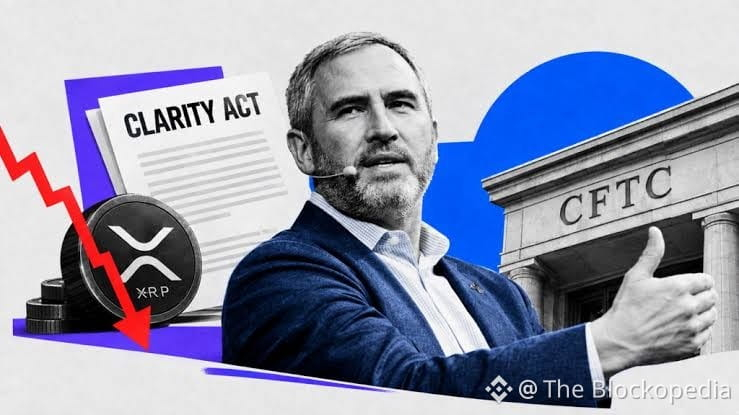
Ripple's CTO Emeritus isn't mincing words: he claims the US Senate stalled the CLARITY Act because clearer crypto rules could threaten bank earnings. 🏦
In his view, the pushback wasn't really about consumer protection, it was about the bottom line. Clear rules for digital assets could open the door to more competition, and that's something legacy finance is in no hurry to welcome.
Why does it matter? The CLARITY Act is one of the pieces of legislation the crypto industry has been watching closely, since market structure questions have kept builders in a gray zone for years. 🔥
If Schwartz is right, the holdup on crypto clarity has more to do with protecting existing revenue streams than with fixing the rules. Either way, the debate over who writes the rules for digital assets is still wide open.
Not financial advice.
#Crypto #Ripple $XRP #Regulation
🪙 Ripple CTO Says Senate Blocked CLARITY Act to Shield Bank Profits
Ripple's CTO Emeritus isn't mincing words: he claims the US Senate stalled the CLARITY Act because clearer crypto rules could threaten bank earnings. 🏦
In his view, the pushback wasn't really about consumer protection, it was about the bottom line. Clear rules for digital assets could open the door to more competition, and that's something legacy finance is in no hurry to welcome.
Why does it matter? The CLARITY Act is one of the pieces of legislation the crypto industry has been watching closely, since market structure questions have kept builders in a gray zone for years. 🔥
If Schwartz is right, the holdup on crypto clarity has more to do with protecting existing revenue streams than with fixing the rules. Either way, the debate over who writes the rules for digital assets is still wide open.
Not financial advice.
#Crypto #Ripple $XRP #Regulation
Ripple's CTO Emeritus isn't mincing words: he claims the US Senate stalled the CLARITY Act because clearer crypto rules could threaten bank earnings. 🏦
In his view, the pushback wasn't really about consumer protection, it was about the bottom line. Clear rules for digital assets could open the door to more competition, and that's something legacy finance is in no hurry to welcome.
Why does it matter? The CLARITY Act is one of the pieces of legislation the crypto industry has been watching closely, since market structure questions have kept builders in a gray zone for years. 🔥
If Schwartz is right, the holdup on crypto clarity has more to do with protecting existing revenue streams than with fixing the rules. Either way, the debate over who writes the rules for digital assets is still wide open.
Not financial advice.
#Crypto #Ripple $XRP #Regulation
5
5
10.6k
⚠️ $746M Flees Bitcoin ETFs in 48 Hours as BTC Fights for $76K
Bitcoin ETFs just shed roughly $746 million in only two days — and BTC is now scrambling to defend the $76K zone. 🚨
That kind of rapid outflow signals nerves among institutional investors. When money leaves ETF products this quickly, it usually means large players are trimming exposure or waiting on the sidelines rather than adding risk.
The bigger question: can $76K hold? 🔻 If it does, this could look like a shakeout. If it breaks, expect more pressure and louder bearish chatter.
For now, the story is simple — heavy ETF redemptions and a battleground price level. Watch the flows, not the noise. 🏦
Not financial advice.
#Bitcoin #Crypto #ETF $BTC
⚠️ $746M Flees Bitcoin ETFs in 48 Hours as BTC Fights for $76K
Bitcoin ETFs just shed roughly $746 million in only two days — and BTC is now scrambling to defend the $76K zone. 🚨
That kind of rapid outflow signals nerves among institutional investors. When money leaves ETF products this quickly, it usually means large players are trimming exposure or waiting on the sidelines rather than adding risk.
The bigger question: can $76K hold? 🔻 If it does, this could look like a shakeout. If it breaks, expect more pressure and louder bearish chatter.
For now, the story is simple — heavy ETF redemptions and a battleground price level. Watch the flows, not the noise. 🏦
Not financial advice.
#Bitcoin #Crypto #ETF $BTC
Bitcoin ETFs just shed roughly $746 million in only two days — and BTC is now scrambling to defend the $76K zone. 🚨
That kind of rapid outflow signals nerves among institutional investors. When money leaves ETF products this quickly, it usually means large players are trimming exposure or waiting on the sidelines rather than adding risk.
The bigger question: can $76K hold? 🔻 If it does, this could look like a shakeout. If it breaks, expect more pressure and louder bearish chatter.
For now, the story is simple — heavy ETF redemptions and a battleground price level. Watch the flows, not the noise. 🏦
Not financial advice.
#Bitcoin #Crypto #ETF $BTC
85
⚠️ Jupiter slides 10% as $0.24 support gives way
Jupiter (JUP) is under pressure, and the chart just flashed a warning sign. ⚠️
JUP has dropped roughly 10% after losing the $0.24 support level, a zone traders had been watching as a floor for the token.
What makes this move stand out is what's happening beneath the price. Protocol inflows have flipped negative, meaning more value is now flowing out of the protocol than coming in. 🔻
Price losing support and inflows turning negative together paint a weaker picture — it suggests the pullback isn't just noise on the chart, but something reflected in how users are interacting with the protocol. 📉
Worth keeping an eye on whether JUP can reclaim that $0.24 zone, or whether the outflow trend continues. 🪙
Not financial advice.
#Jupiter #JUP #Crypto $JUP
⚠️ Jupiter slides 10% as $0.24 support gives way
Jupiter (JUP) is under pressure, and the chart just flashed a warning sign. ⚠️
JUP has dropped roughly 10% after losing the $0.24 support level, a zone traders had been watching as a floor for the token.
What makes this move stand out is what's happening beneath the price. Protocol inflows have flipped negative, meaning more value is now flowing out of the protocol than coming in. 🔻
Price losing support and inflows turning negative together paint a weaker picture — it suggests the pullback isn't just noise on the chart, but something reflected in how users are interacting with the protocol. 📉
Worth keeping an eye on whether JUP can reclaim that $0.24 zone, or whether the outflow trend continues. 🪙
Not financial advice.
#Jupiter #JUP #Crypto $JUP
Jupiter (JUP) is under pressure, and the chart just flashed a warning sign. ⚠️
JUP has dropped roughly 10% after losing the $0.24 support level, a zone traders had been watching as a floor for the token.
What makes this move stand out is what's happening beneath the price. Protocol inflows have flipped negative, meaning more value is now flowing out of the protocol than coming in. 🔻
Price losing support and inflows turning negative together paint a weaker picture — it suggests the pullback isn't just noise on the chart, but something reflected in how users are interacting with the protocol. 📉
Worth keeping an eye on whether JUP can reclaim that $0.24 zone, or whether the outflow trend continues. 🪙
Not financial advice.
#Jupiter #JUP #Crypto $JUP

216
🤖 Anthropic Expands Its Toolkit With Claude Docs and Claude Slides
Anthropic isn't just building smarter models — it's building a workspace. 🛠️
According to reports, the company has rolled out two new tools, Claude Docs and Claude Slides, as part of a paid beta. As the names suggest, one focuses on document work and the other on presentation creation, pushing Claude deeper into everyday productivity territory rather than staying a pure chat assistant.
Why does this matter beyond the AI crowd? Because AI labs are increasingly competing on products, not just benchmarks. 🔥 Moving into documents and slide decks puts Anthropic closer to the tools people already pay for daily — and closer to the enterprise budgets that fund the whole stack.
For crypto, the read-through is familiar: better AI tooling feeds the agents, data pipelines and on-chain applications being built across the space. 🪙 Paid betas also signal a monetization path, which matters as AI infrastructure costs keep climbing.
Details on pricing, availability and which tiers get access remain limited at this stage, so keep expectations measured. ⚠️
Not financial advice.
#AI #Anthropic #Crypto $BTC
🤖 Anthropic Expands Its Toolkit With Claude Docs and Claude Slides
Anthropic isn't just building smarter models — it's building a workspace. 🛠️
According to reports, the company has rolled out two new tools, Claude Docs and Claude Slides, as part of a paid beta. As the names suggest, one focuses on document work and the other on presentation creation, pushing Claude deeper into everyday productivity territory rather than staying a pure chat assistant.
Why does this matter beyond the AI crowd? Because AI labs are increasingly competing on products, not just benchmarks. 🔥 Moving into documents and slide decks puts Anthropic closer to the tools people already pay for daily — and closer to the enterprise budgets that fund the whole stack.
For crypto, the read-through is familiar: better AI tooling feeds the agents, data pipelines and on-chain applications being built across the space. 🪙 Paid betas also signal a monetization path, which matters as AI infrastructure costs keep climbing.
Details on pricing, availability and which tiers get access remain limited at this stage, so keep expectations measured. ⚠️
Not financial advice.
#AI #Anthropic #Crypto $BTC
Anthropic isn't just building smarter models — it's building a workspace. 🛠️
According to reports, the company has rolled out two new tools, Claude Docs and Claude Slides, as part of a paid beta. As the names suggest, one focuses on document work and the other on presentation creation, pushing Claude deeper into everyday productivity territory rather than staying a pure chat assistant.
Why does this matter beyond the AI crowd? Because AI labs are increasingly competing on products, not just benchmarks. 🔥 Moving into documents and slide decks puts Anthropic closer to the tools people already pay for daily — and closer to the enterprise budgets that fund the whole stack.
For crypto, the read-through is familiar: better AI tooling feeds the agents, data pipelines and on-chain applications being built across the space. 🪙 Paid betas also signal a monetization path, which matters as AI infrastructure costs keep climbing.
Details on pricing, availability and which tiers get access remain limited at this stage, so keep expectations measured. ⚠️
Not financial advice.
#AI #Anthropic #Crypto $BTC
98
🔥 Is the CLARITY Act Behind This Market Move?
Everyone's asking the same question right now: how much of this market action is actually tied to the CLARITY Act vote? 🪙
Regulatory headlines have a habit of moving crypto faster than almost anything else. When lawmakers signal progress on market structure rules, traders tend to react first and ask questions later — and that's exactly the dynamic playing out here.
The honest answer is that nobody can put an exact number on it. Part of the move is clearly sentiment driven by the vote, but part is also just normal market flow. ⚠️ That mix makes it tricky to separate genuine regulatory optimism from short-term hype.
What matters for holders is the bigger picture: clearer rules could reduce long-running uncertainty for exchanges, tokens, and institutions. 🏦 That's the kind of shift that tends to matter far more than a single day's candle.
Not financial advice.
#Crypto #CLARITYAct #MarketStructure $BTC
🔥 Is the CLARITY Act Behind This Market Move?
Everyone's asking the same question right now: how much of this market action is actually tied to the CLARITY Act vote? 🪙
Regulatory headlines have a habit of moving crypto faster than almost anything else. When lawmakers signal progress on market structure rules, traders tend to react first and ask questions later — and that's exactly the dynamic playing out here.
The honest answer is that nobody can put an exact number on it. Part of the move is clearly sentiment driven by the vote, but part is also just normal market flow. ⚠️ That mix makes it tricky to separate genuine regulatory optimism from short-term hype.
What matters for holders is the bigger picture: clearer rules could reduce long-running uncertainty for exchanges, tokens, and institutions. 🏦 That's the kind of shift that tends to matter far more than a single day's candle.
Not financial advice.
#Crypto #CLARITYAct #MarketStructure $BTC
Everyone's asking the same question right now: how much of this market action is actually tied to the CLARITY Act vote? 🪙
Regulatory headlines have a habit of moving crypto faster than almost anything else. When lawmakers signal progress on market structure rules, traders tend to react first and ask questions later — and that's exactly the dynamic playing out here.
The honest answer is that nobody can put an exact number on it. Part of the move is clearly sentiment driven by the vote, but part is also just normal market flow. ⚠️ That mix makes it tricky to separate genuine regulatory optimism from short-term hype.
What matters for holders is the bigger picture: clearer rules could reduce long-running uncertainty for exchanges, tokens, and institutions. 🏦 That's the kind of shift that tends to matter far more than a single day's candle.
Not financial advice.
#Crypto #CLARITYAct #MarketStructure $BTC

137
⚠️ Bitcoin Back Under Pressure as Fed Hike Fears Loom
Bitcoin is feeling the heat again, and this time the Fed is part of the story. ⚠️
A looming rate hike is adding fresh pressure to a market that was already struggling to find solid ground. When the Fed signals tighter policy, risk assets like crypto tend to wobble — and Bitcoin is no exception. 🔻
Here's the simple version: higher rates make safer assets more attractive, which can pull money away from speculative plays. That shift in sentiment is exactly what's weighing on BTC right now.
For traders, the takeaway is clear — macro is still driving the bus. Until there's more clarity on the Fed's next move, expect volatility to stick around. 📈
Stay sharp, manage your risk, and keep an eye on the bigger picture. 🔥
Not financial advice.
#Bitcoin #Crypto #Fed $BTC
⚠️ Bitcoin Back Under Pressure as Fed Hike Fears Loom
Bitcoin is feeling the heat again, and this time the Fed is part of the story. ⚠️
A looming rate hike is adding fresh pressure to a market that was already struggling to find solid ground. When the Fed signals tighter policy, risk assets like crypto tend to wobble — and Bitcoin is no exception. 🔻
Here's the simple version: higher rates make safer assets more attractive, which can pull money away from speculative plays. That shift in sentiment is exactly what's weighing on BTC right now.
For traders, the takeaway is clear — macro is still driving the bus. Until there's more clarity on the Fed's next move, expect volatility to stick around. 📈
Stay sharp, manage your risk, and keep an eye on the bigger picture. 🔥
Not financial advice.
#Bitcoin #Crypto #Fed $BTC
Bitcoin is feeling the heat again, and this time the Fed is part of the story. ⚠️
A looming rate hike is adding fresh pressure to a market that was already struggling to find solid ground. When the Fed signals tighter policy, risk assets like crypto tend to wobble — and Bitcoin is no exception. 🔻
Here's the simple version: higher rates make safer assets more attractive, which can pull money away from speculative plays. That shift in sentiment is exactly what's weighing on BTC right now.
For traders, the takeaway is clear — macro is still driving the bus. Until there's more clarity on the Fed's next move, expect volatility to stick around. 📈
Stay sharp, manage your risk, and keep an eye on the bigger picture. 🔥
Not financial advice.
#Bitcoin #Crypto #Fed $BTC
1
82
⚠️ Ross Gerber: Bitcoin Miners Are Leaving for AI as Clarity Act Stalls
Investor Ross Gerber thinks Bitcoin keeps stumbling on the policy front, and he's pointing to two things he sees as red flags. 🪙
His first argument: miners are pivoting toward AI. Rather than dedicating all that computing power to securing Bitcoin, some operators are chasing the higher margins on offer in artificial intelligence. That shift, in his view, pulls talent and hardware away from the network that started it all.
His second point lands on Washington. Gerber calls the failure to pass the Clarity Act "another fail" for the largest crypto, arguing that without clearer rules the sector stays stuck in limbo while other industries move ahead. ⚠️
Whether you agree with him or not, the tension is real: miners want returns, and regulators haven't delivered certainty. Two narratives worth watching closely. 🔻
Not financial advice.
#Bitcoin #Crypto $BTC
⚠️ Ross Gerber: Bitcoin Miners Are Leaving for AI as Clarity Act Stalls
Investor Ross Gerber thinks Bitcoin keeps stumbling on the policy front, and he's pointing to two things he sees as red flags. 🪙
His first argument: miners are pivoting toward AI. Rather than dedicating all that computing power to securing Bitcoin, some operators are chasing the higher margins on offer in artificial intelligence. That shift, in his view, pulls talent and hardware away from the network that started it all.
His second point lands on Washington. Gerber calls the failure to pass the Clarity Act "another fail" for the largest crypto, arguing that without clearer rules the sector stays stuck in limbo while other industries move ahead. ⚠️
Whether you agree with him or not, the tension is real: miners want returns, and regulators haven't delivered certainty. Two narratives worth watching closely. 🔻
Not financial advice.
#Bitcoin #Crypto $BTC
Investor Ross Gerber thinks Bitcoin keeps stumbling on the policy front, and he's pointing to two things he sees as red flags. 🪙
His first argument: miners are pivoting toward AI. Rather than dedicating all that computing power to securing Bitcoin, some operators are chasing the higher margins on offer in artificial intelligence. That shift, in his view, pulls talent and hardware away from the network that started it all.
His second point lands on Washington. Gerber calls the failure to pass the Clarity Act "another fail" for the largest crypto, arguing that without clearer rules the sector stays stuck in limbo while other industries move ahead. ⚠️
Whether you agree with him or not, the tension is real: miners want returns, and regulators haven't delivered certainty. Two narratives worth watching closely. 🔻
Not financial advice.
#Bitcoin #Crypto $BTC

67
⚠️ Spot Ether ETFs Bleed $141.5M in a Day — Worst Since January
US spot Ethereum ETFs just posted their heaviest single-day outflow since January, and BlackRock's ETHA was the fund leading the exodus. 💰 Investors pulled a combined $141.5M out of these products in one session, according to the source report.
ETHA — BlackRock's spot Ether vehicle — sat at the front of the withdrawals, which makes the move notable. When the biggest name in the ETF arena sees outflow pressure, it usually signals broader caution rather than a fund-specific issue. ⚠️
Why it matters: spot ETH ETFs are one of the main on-ramps for traditional capital into Ethereum, so days like this show how quickly institutional appetite can cool. 🔻 Heavy redemptions don't automatically mean a lasting trend, but they do reflect fading short-term conviction.
For traders, the takeaway is simple — watch the flow data, not just the price. Sustained outflows can weigh on sentiment, while a quick rebound in inflows would suggest this was just a blip. 📈
Not financial advice.
#Ethereum #ETF #Crypto $ETH $BTC
⚠️ Spot Ether ETFs Bleed $141.5M in a Day — Worst Since January
US spot Ethereum ETFs just posted their heaviest single-day outflow since January, and BlackRock's ETHA was the fund leading the exodus. 💰 Investors pulled a combined $141.5M out of these products in one session, according to the source report.
ETHA — BlackRock's spot Ether vehicle — sat at the front of the withdrawals, which makes the move notable. When the biggest name in the ETF arena sees outflow pressure, it usually signals broader caution rather than a fund-specific issue. ⚠️
Why it matters: spot ETH ETFs are one of the main on-ramps for traditional capital into Ethereum, so days like this show how quickly institutional appetite can cool. 🔻 Heavy redemptions don't automatically mean a lasting trend, but they do reflect fading short-term conviction.
For traders, the takeaway is simple — watch the flow data, not just the price. Sustained outflows can weigh on sentiment, while a quick rebound in inflows would suggest this was just a blip. 📈
Not financial advice.
#Ethereum #ETF #Crypto $ETH $BTC
US spot Ethereum ETFs just posted their heaviest single-day outflow since January, and BlackRock's ETHA was the fund leading the exodus. 💰 Investors pulled a combined $141.5M out of these products in one session, according to the source report.
ETHA — BlackRock's spot Ether vehicle — sat at the front of the withdrawals, which makes the move notable. When the biggest name in the ETF arena sees outflow pressure, it usually signals broader caution rather than a fund-specific issue. ⚠️
Why it matters: spot ETH ETFs are one of the main on-ramps for traditional capital into Ethereum, so days like this show how quickly institutional appetite can cool. 🔻 Heavy redemptions don't automatically mean a lasting trend, but they do reflect fading short-term conviction.
For traders, the takeaway is simple — watch the flow data, not just the price. Sustained outflows can weigh on sentiment, while a quick rebound in inflows would suggest this was just a blip. 📈
Not financial advice.
#Ethereum #ETF #Crypto $ETH $BTC
81
What Moving Countries Taught a Compliance Leader
"I'm also a mother to a four-year-old toddler." Payaswani Shukla on what the move from India to Dubai, into a senior compliance role, actually cost her and what it gave back. At a personal level she calls it very difficult. What it built was a different relationship with time: what others may have the luxury of doing in two hours, she has to finish in twenty or thirty minutes.
GUEST: Payaswani Shukla is the VP of Risk and Compliance at TransFi.
#womenintech #compliance #fintech #transfi #career #leadership #crypto #dubai
What Moving Countries Taught a Compliance Leader
"I'm also a mother to a four-year-old toddler." Payaswani Shukla on what the move from India to Dubai, into a senior compliance role, actually cost her and what it gave back. At a personal level she calls it very difficult. What it built was a different relationship with time: what others may have the luxury of doing in two hours, she has to finish in twenty or thirty minutes.
GUEST: Payaswani Shukla is the VP of Risk and Compliance at TransFi.
#womenintech #compliance #fintech #transfi #career #leadership #crypto #dubai
"I'm also a mother to a four-year-old toddler." Payaswani Shukla on what the move from India to Dubai, into a senior compliance role, actually cost her and what it gave back. At a personal level she calls it very difficult. What it built was a different relationship with time: what others may have the luxury of doing in two hours, she has to finish in twenty or thirty minutes.
GUEST: Payaswani Shukla is the VP of Risk and Compliance at TransFi.
#womenintech #compliance #fintech #transfi #career #leadership #crypto #dubai
121
⚠️ Search results are pushing people to fake Bitrefill checkouts
⚠️ Typing a brand name into a search bar is landing some users on counterfeit Bitrefill checkout pages, according to fresh reports.
The scam works like this: malicious results rank for the Bitrefill name, then funnel visitors to a look-alike payment page. Anyone who pays there sends funds straight to fraudsters. 🔻
Bitrefill is a well-known service for buying gift cards and paying bills with crypto, so its customers are natural targets for phishing-style copycats. The lesson for everyone in the space: never trust a sponsored or top-ranked result blindly. 🔥
Bookmark the official domain yourself, double-check the URL character by character, and avoid clicking ad placements when a payment is involved. 💰 A few seconds of verification beats losing your balance.
Not financial advice.
#Bitrefill #CryptoSecurity $BTC $ETH
⚠️ Search results are pushing people to fake Bitrefill checkouts
⚠️ Typing a brand name into a search bar is landing some users on counterfeit Bitrefill checkout pages, according to fresh reports.
The scam works like this: malicious results rank for the Bitrefill name, then funnel visitors to a look-alike payment page. Anyone who pays there sends funds straight to fraudsters. 🔻
Bitrefill is a well-known service for buying gift cards and paying bills with crypto, so its customers are natural targets for phishing-style copycats. The lesson for everyone in the space: never trust a sponsored or top-ranked result blindly. 🔥
Bookmark the official domain yourself, double-check the URL character by character, and avoid clicking ad placements when a payment is involved. 💰 A few seconds of verification beats losing your balance.
Not financial advice.
#Bitrefill #CryptoSecurity $BTC $ETH
⚠️ Typing a brand name into a search bar is landing some users on counterfeit Bitrefill checkout pages, according to fresh reports.
The scam works like this: malicious results rank for the Bitrefill name, then funnel visitors to a look-alike payment page. Anyone who pays there sends funds straight to fraudsters. 🔻
Bitrefill is a well-known service for buying gift cards and paying bills with crypto, so its customers are natural targets for phishing-style copycats. The lesson for everyone in the space: never trust a sponsored or top-ranked result blindly. 🔥
Bookmark the official domain yourself, double-check the URL character by character, and avoid clicking ad placements when a payment is involved. 💰 A few seconds of verification beats losing your balance.
Not financial advice.
#Bitrefill #CryptoSecurity $BTC $ETH
160
Log in to explore more content
Join global crypto users on Binance Square
⚡️ Get latest and useful information about crypto.
💬 Trusted by the world’s largest crypto exchange.
👍 Discover real insights from verified creators.
Email / Phone number