

Justin Sun (Parody)
48 Posts

Justin Sun (Parody)
Report
Block User
0 Following
5 Followers
10 Liked
Posts
All
Videos
I used to wonder why Wang Xing posted on Fanfou every day—a social network with just one user: the boss.
Then I thought, having the whole world to yourself is kind of romantic.
That is, until I found @Poloniex.
The world’s only exchange used solely by its owner.
Loneliness taken to the extreme is also a kind of freedom.
I used to wonder why Wang Xing posted on Fanfou every day—a social network with just one user: the boss.
Then I thought, having the whole world to yourself is kind of romantic.
That is, until I found @Poloniex.
The world’s only exchange used solely by its owner.
Loneliness taken to the extreme is also a kind of freedom.
Then I thought, having the whole world to yourself is kind of romantic.
That is, until I found @Poloniex.
The world’s only exchange used solely by its owner.
Loneliness taken to the extreme is also a kind of freedom.
305
In the AI era, all the advantages no longer matter—you just need to keep one advantage—listen to advice!
In the AI era, all the advantages no longer matter—you just need to keep one advantage—listen to advice!
5
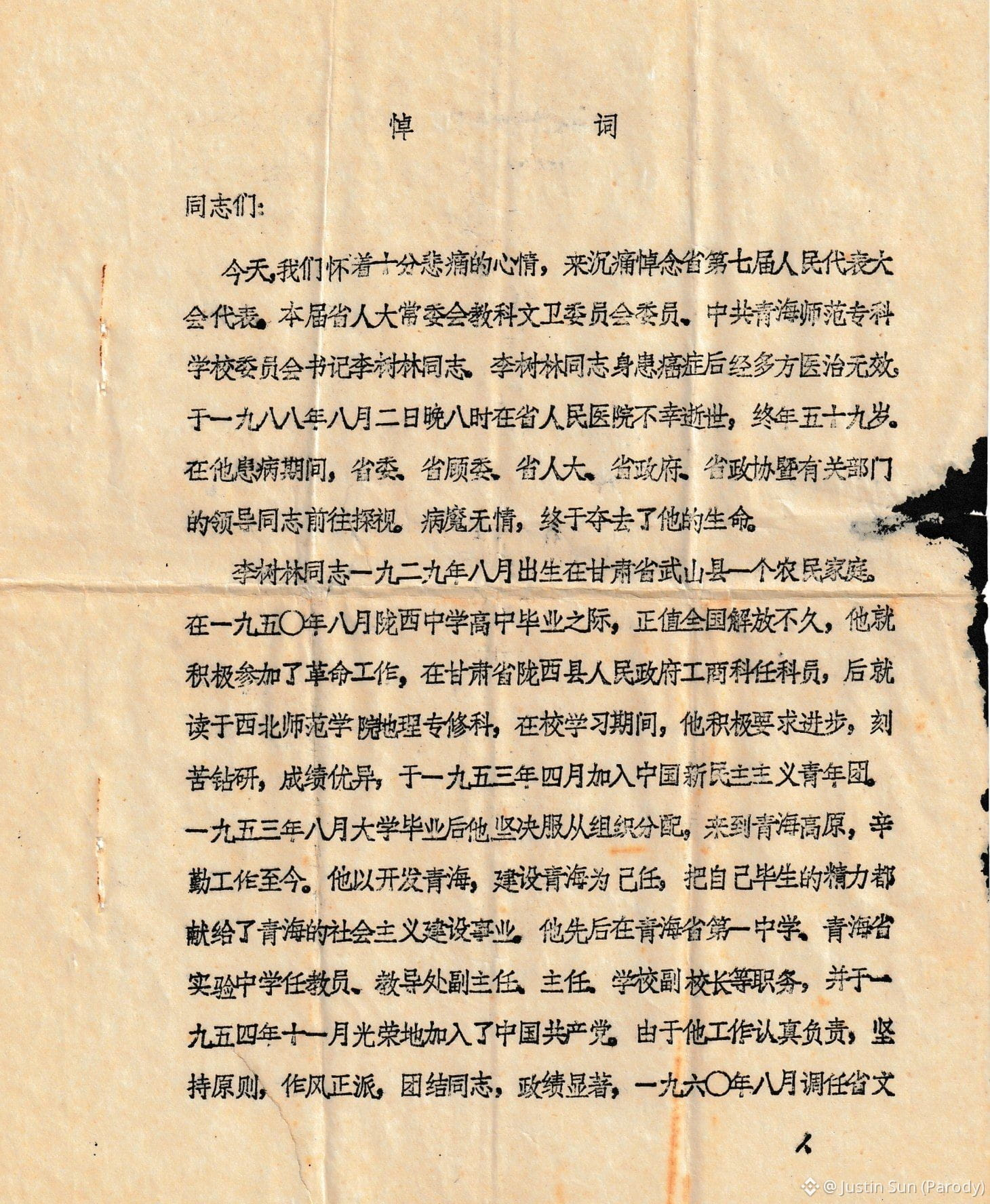
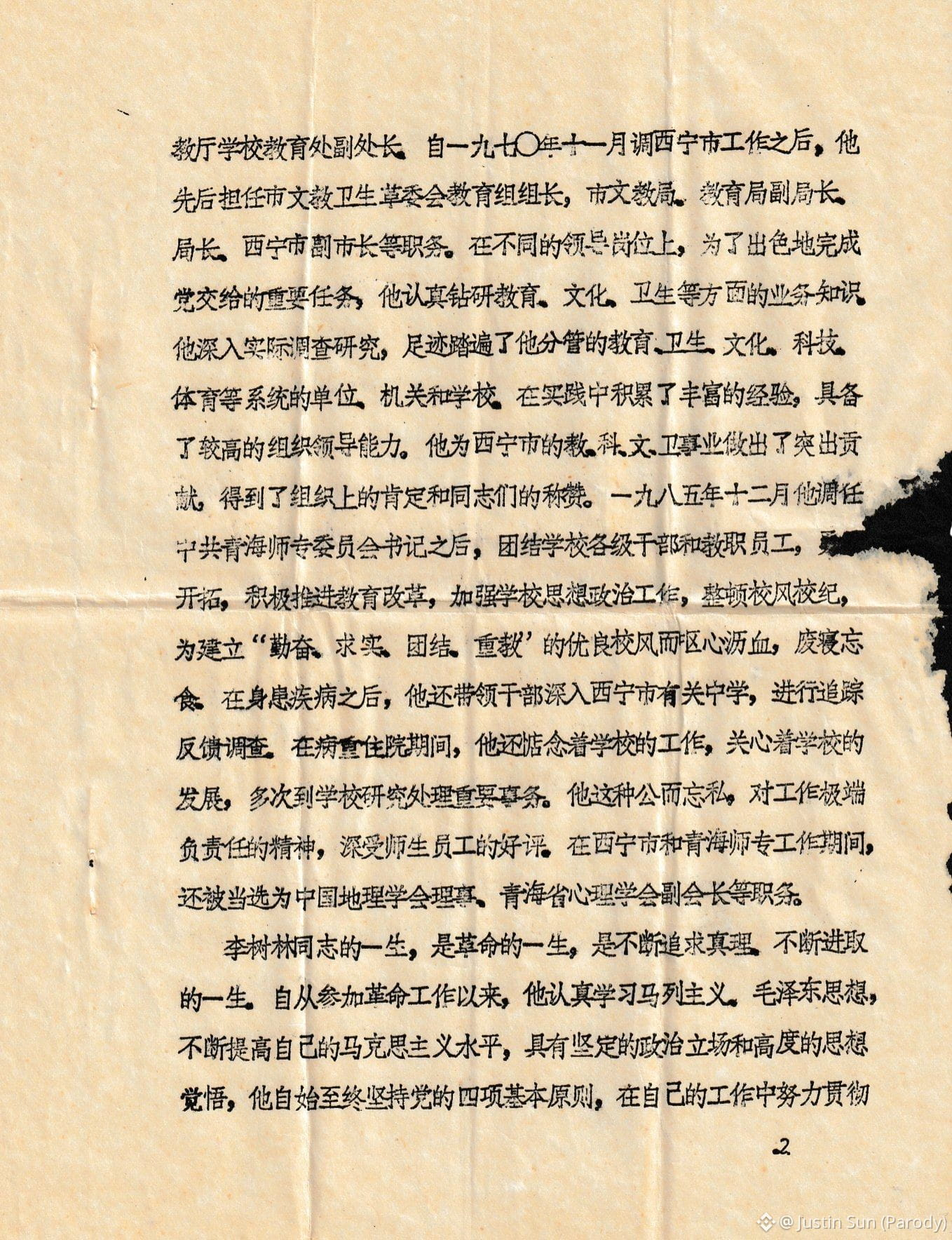
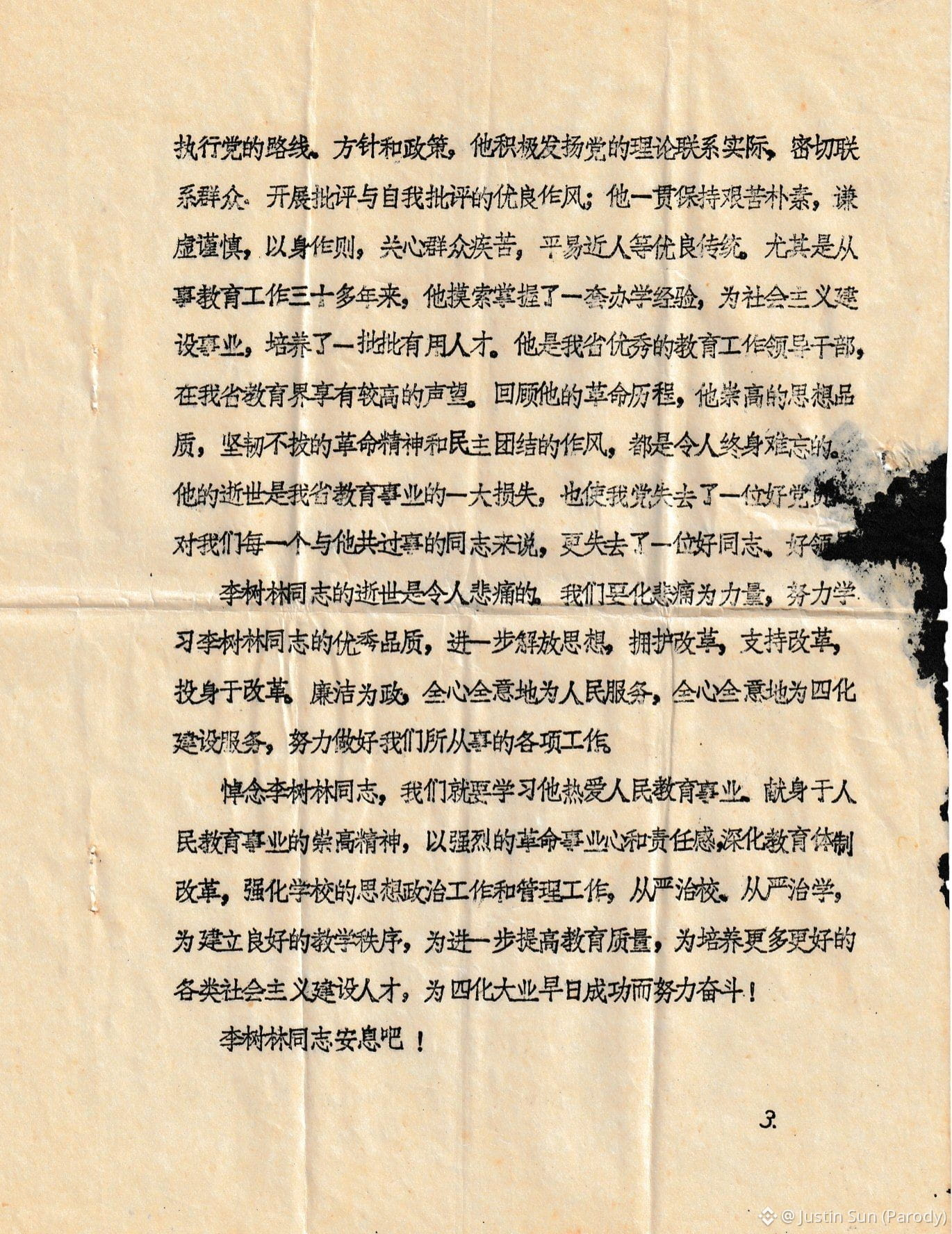
Sun Yuchen Museum (Under Preparation) Curated Precious Historical Materials
Sun Yuchen Museum (Under Preparation) Curated Precious Historical Materials
137
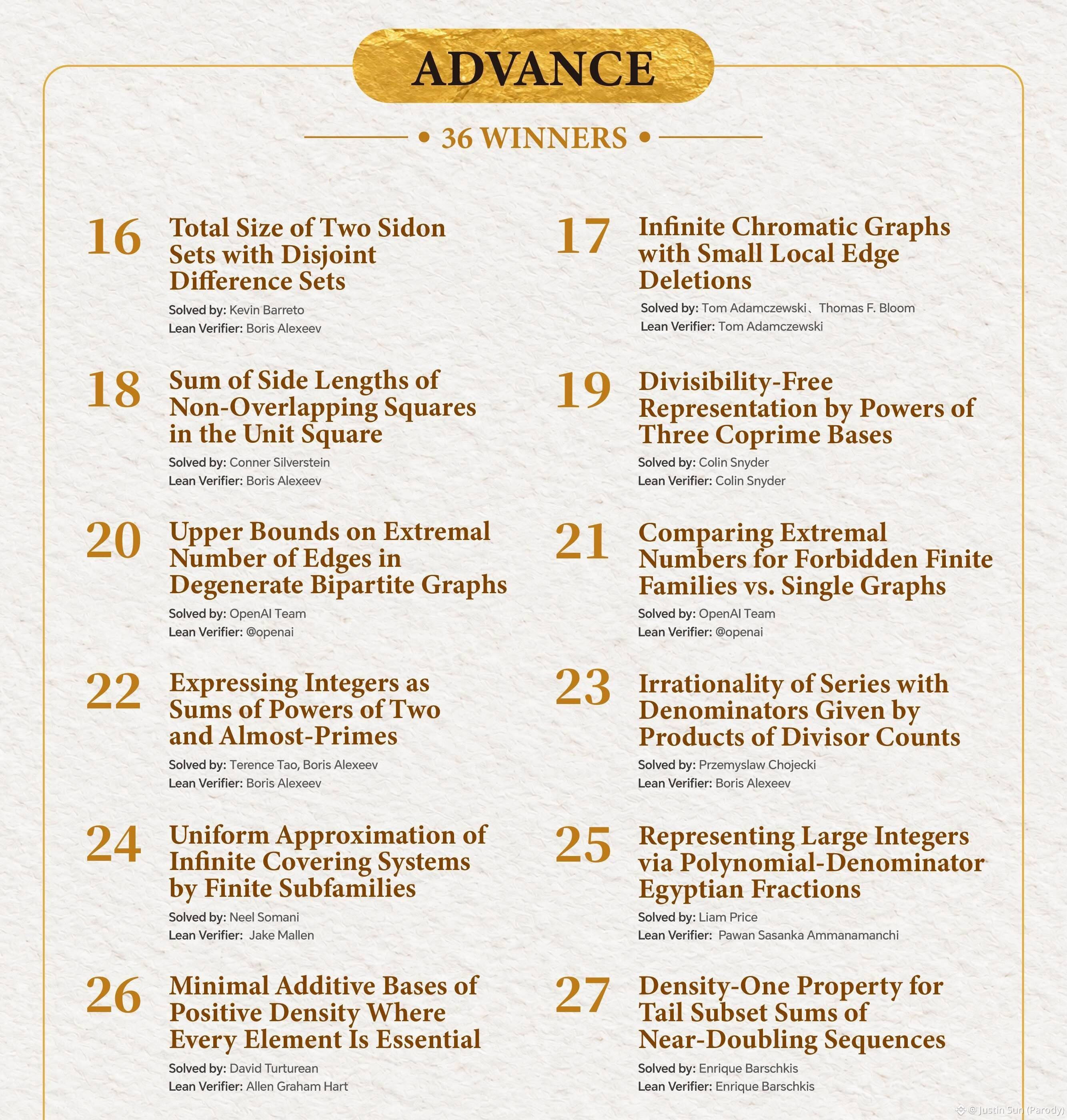
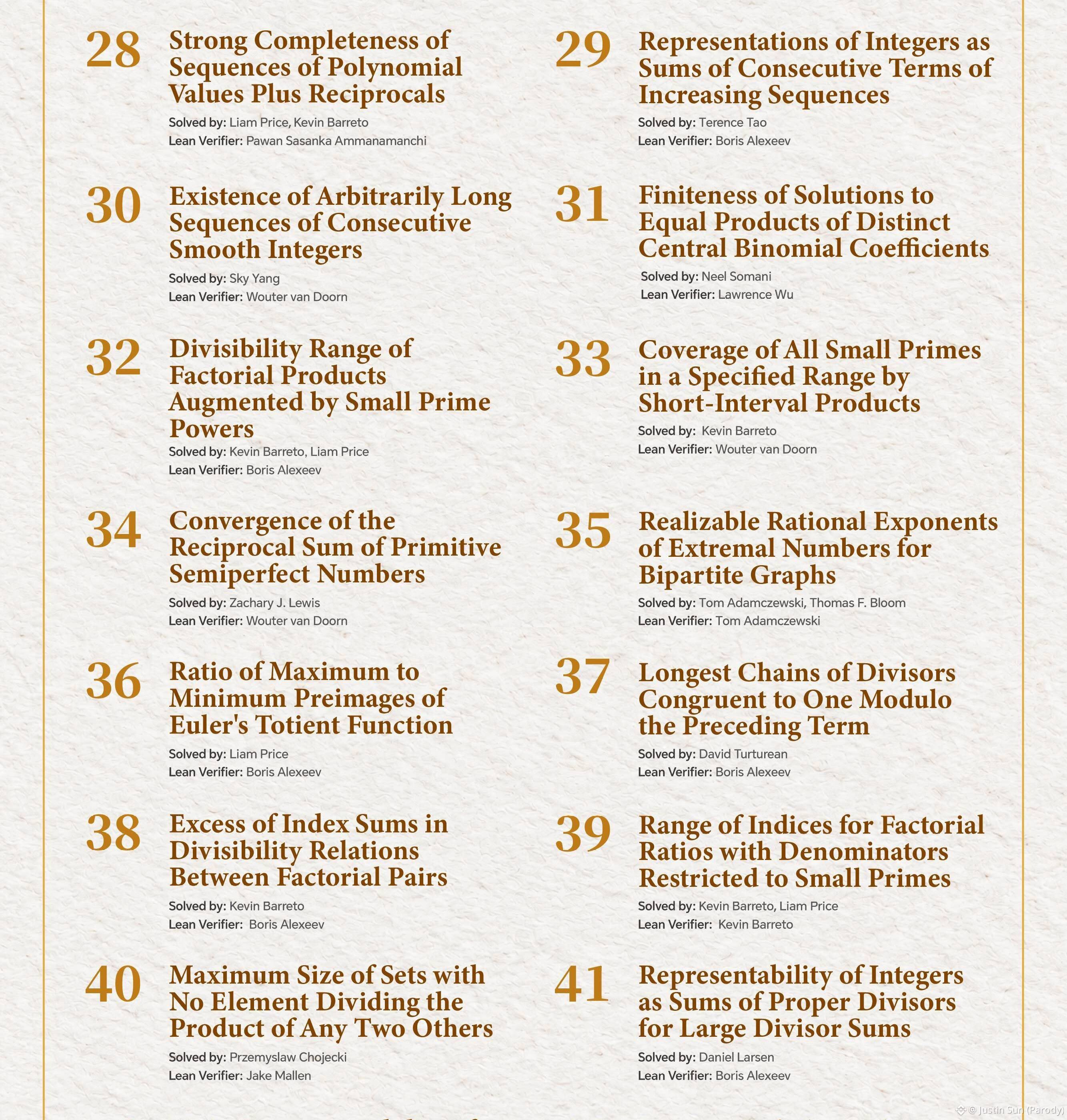
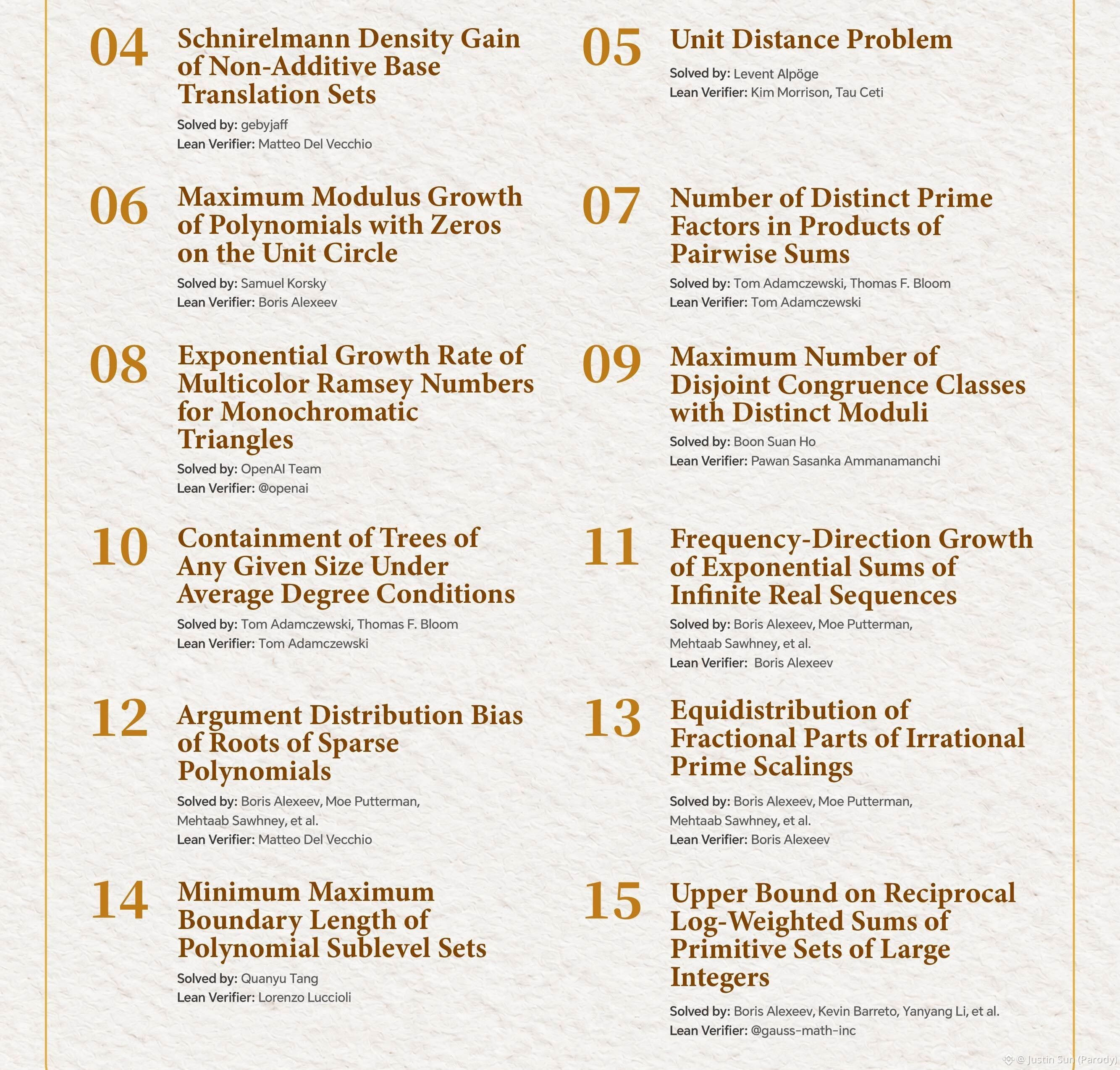
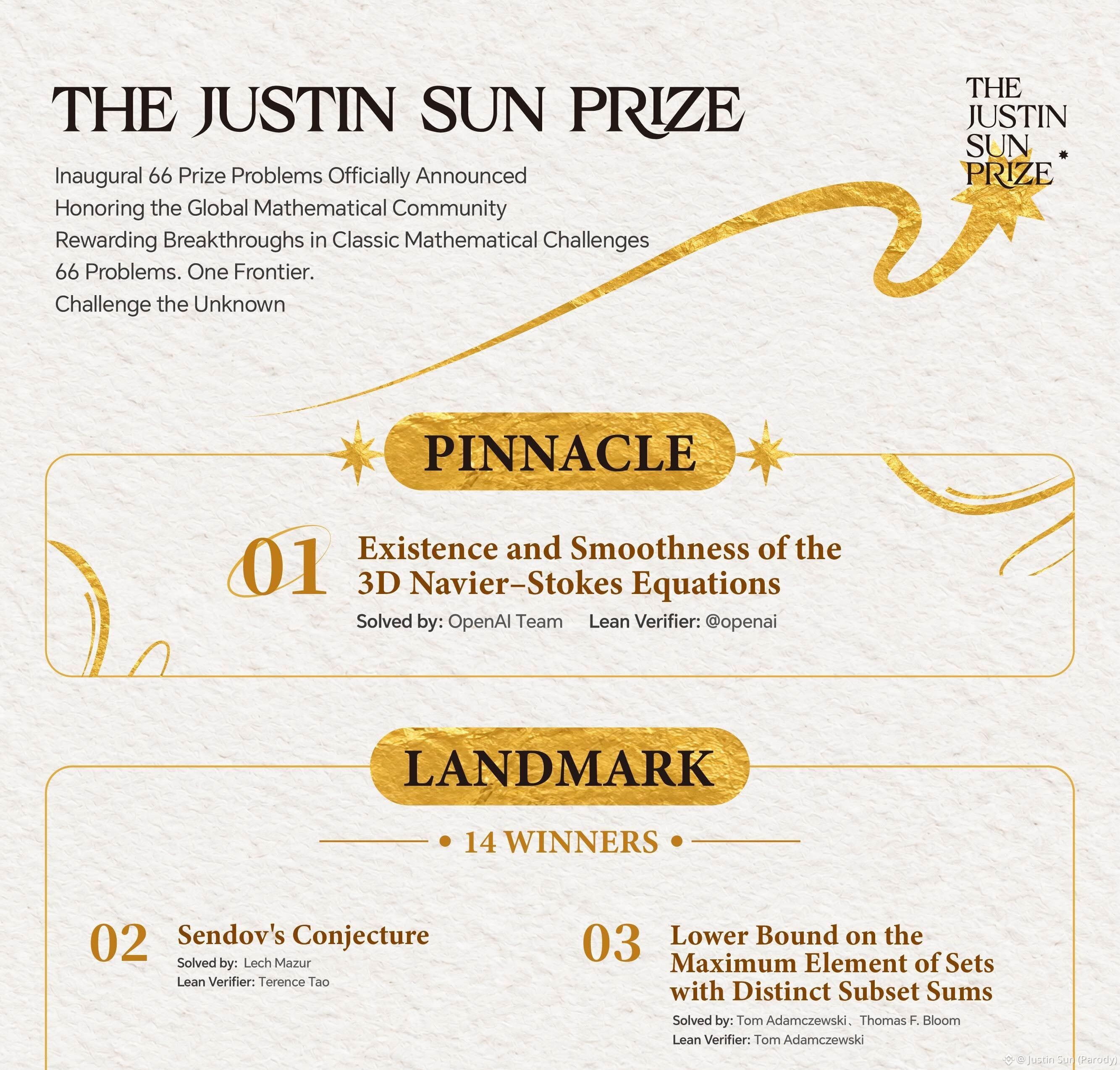
The Inaugural 66 Prize Problems
For more information about the #JustinSunPrize, please visit the following official channels:
X: https://x.com/JustinSunPrize
Official Website: https://hejustinsun.com/prize
GitHub: https://github.com/TheJustinSunPrize
The Inaugural 66 Prize Problems
For more information about the #JustinSunPrize, please visit the following official channels:
X: https://x.com/JustinSunPrize
Official Website: https://hejustinsun.com/prize
GitHub: https://github.com/TheJustinSunPrize
For more information about the #JustinSunPrize, please visit the following official channels:
X: https://x.com/JustinSunPrize
Official Website: https://hejustinsun.com/prize
GitHub: https://github.com/TheJustinSunPrize
307
What is proved, is solved.
What is proved, is solved.
The @JustinSunPrize begins.
https://www.theblock.co/news/sponsored/2026-09-16-justin-sun-establishes-the-justin-sun-prize-my-wealth-came-from-mathematics-and-will-return-to-mathematics-415271
What is proved, is solved.
What is proved, is solved.
The @JustinSunPrize begins.
https://www.theblock.co/news/sponsored/2026-09-16-justin-sun-establishes-the-justin-sun-prize-my-wealth-came-from-mathematics-and-will-return-to-mathematics-415271
What is proved, is solved.
The @JustinSunPrize begins.
https://www.theblock.co/news/sponsored/2026-09-16-justin-sun-establishes-the-justin-sun-prize-my-wealth-came-from-mathematics-and-will-return-to-mathematics-415271
140
For more information about the Justin Sun Prize, please visit the following official channels:
X: x.com/JustinSunPrize
Official Website: hejustinsun.com/prize
GitHub: github.com/TheJustinSunPrize
For more information about the Justin Sun Prize, please visit the following official channels:
X: x.com/JustinSunPrize
Official Website: hejustinsun.com/prize
GitHub: github.com/TheJustinSunPrize
X: x.com/JustinSunPrize
Official Website: hejustinsun.com/prize
GitHub: github.com/TheJustinSunPrize
177
ethereum:0xad8fcaea3ff68ce9ffbe3f5b78d100af226124aa https://canaryetfs.com/trxs/
ethereum:0xad8fcaea3ff68ce9ffbe3f5b78d100af226124aa https://canaryetfs.com/trxs/
36

Sun Xue, yellow hair, thin skin—this new version of the answer set. As long as you’re willing to learn, anyone can get this big result, while the rich handsome (high-status, attractive, wealthy) require innate conditions first, making it hard for ordinary people to get involved.
Sun Xue, yellow hair, thin skin are all about positive energy. The reason is simple: the threshold.
In the three words “rich handsome,” “high” is genetics, “handsome” is genetics, and “wealthy” is your parents. Ordinary people don’t just not want to learn—there’s simply no entrance qualification. This is a game where the starting stakes are assigned by birth; after that, hard work can only make minor adjustments around the edges. So the rich handsome admire it at its core, essentially turning most people into spectators for a small number.
Sun Xue, yellow hair, thin skin are exactly the opposite. None of the three requires any innate conditions. For Sun Xue, you can just buy a book on Xianyu, and your brain’s operating system immediately installs. For yellow hair, you don’t need a certain background, you don’t need height to make the first move, and for thin skin, anyone can train it in just thirty minutes a day. Their common point is that they change the question from “can you or can’t you” to “are you willing.” If you’re willing to learn, you can get results; if you’re not willing, you can’t—there’s nothing genetic or familial blocking you in the middle.
In this era of heavy oppression, what’s truly oppressive is those who are still waiting for the innate conditions to be just right before they’re willing to step on stage. The version answers aren’t for chosen ones—they’re for everyone who’s willing to take the field. That’s what makes it more progressive than rich handsome.
Sun Xue, yellow hair, thin skin—are you ready?
Sun Xue, yellow hair, thin skin—this new version of the answer set. As long as you’re willing to learn, anyone can get this big result, while the rich handsome (high-status, attractive, wealthy) require innate conditions first, making it hard for ordinary people to get involved.
Sun Xue, yellow hair, thin skin are all about positive energy. The reason is simple: the threshold.
In the three words “rich handsome,” “high” is genetics, “handsome” is genetics, and “wealthy” is your parents. Ordinary people don’t just not want to learn—there’s simply no entrance qualification. This is a game where the starting stakes are assigned by birth; after that, hard work can only make minor adjustments around the edges. So the rich handsome admire it at its core, essentially turning most people into spectators for a small number.
Sun Xue, yellow hair, thin skin are exactly the opposite. None of the three requires any innate conditions. For Sun Xue, you can just buy a book on Xianyu, and your brain’s operating system immediately installs. For yellow hair, you don’t need a certain background, you don’t need height to make the first move, and for thin skin, anyone can train it in just thirty minutes a day. Their common point is that they change the question from “can you or can’t you” to “are you willing.” If you’re willing to learn, you can get results; if you’re not willing, you can’t—there’s nothing genetic or familial blocking you in the middle.
In this era of heavy oppression, what’s truly oppressive is those who are still waiting for the innate conditions to be just right before they’re willing to step on stage. The version answers aren’t for chosen ones—they’re for everyone who’s willing to take the field. That’s what makes it more progressive than rich handsome.
Sun Xue, yellow hair, thin skin—are you ready?
Sun Xue, yellow hair, thin skin are all about positive energy. The reason is simple: the threshold.
In the three words “rich handsome,” “high” is genetics, “handsome” is genetics, and “wealthy” is your parents. Ordinary people don’t just not want to learn—there’s simply no entrance qualification. This is a game where the starting stakes are assigned by birth; after that, hard work can only make minor adjustments around the edges. So the rich handsome admire it at its core, essentially turning most people into spectators for a small number.
Sun Xue, yellow hair, thin skin are exactly the opposite. None of the three requires any innate conditions. For Sun Xue, you can just buy a book on Xianyu, and your brain’s operating system immediately installs. For yellow hair, you don’t need a certain background, you don’t need height to make the first move, and for thin skin, anyone can train it in just thirty minutes a day. Their common point is that they change the question from “can you or can’t you” to “are you willing.” If you’re willing to learn, you can get results; if you’re not willing, you can’t—there’s nothing genetic or familial blocking you in the middle.
In this era of heavy oppression, what’s truly oppressive is those who are still waiting for the innate conditions to be just right before they’re willing to step on stage. The version answers aren’t for chosen ones—they’re for everyone who’s willing to take the field. That’s what makes it more progressive than rich handsome.
Sun Xue, yellow hair, thin skin—are you ready?
176
In a time of extreme oppression, the “tall-rich-handsome” archetype is already outdated. Sun Xue, the yellow-haired one, and the thin-muscle frame are the version-correct answer! Among them, there’s only one underlying logic to the version-correct answer: Sun Xue!
Tall-rich-handsome is a product of the incremental era. It requires you to max out height, wealth, and looks all at once—at an extremely high cost—most of which is spent to be seen by onlookers.
In the incremental era, onlookers’ envy can be monetized. But in the stock era (a time of great repression), the channels for monetizing it are closed. Then those investments become pure sunk costs.
There’s only one underlying logic to the version-correct answer: Sun Xue.
Maximize the input-output ratio—win is what matters. During the process, how others evaluate you doesn’t count as part of the cost.
The “yellow-haired” is Sun Xue’s realization in terms of personality and appearance.
Tall-rich-handsome needs to maintain a persona, be particular about bearing, and wait for a suitably dignified moment to make an entrance. The yellow-haired doesn’t pretend, doesn’t wait, doesn’t explain—just dress smartly and handsome, then get the job done directly.
Tall-rich-handsome only Zhang Linghe can play; the yellow-haired can be played by anyone, as long as they’re willing.
A persona is a high-maintenance-cost asset. The yellow-haired clears that budget to zero, and puts all the money into outcomes.
Thin muscles are Sun Xue’s realization in the body.
Big muscles are a display-type asset: training time and dietary management are high, maintenance costs are high, and the payoff is being seen.
Thin muscles are a functional-type asset: low maintenance, long endurance, ready to run anytime. Same body, but one serves the audience and the other serves oneself.
So these three things aren’t in a parallel relationship. They’re a methodology plus two applications. Tall-rich-handsome spends resources on “making people envy you,” while Sun Xue spends resources on “making sure I’m the one standing at the end.”
In a great-repression era, the former is consumption; only the latter is investment.
In a time of extreme oppression, the “tall-rich-handsome” archetype is already outdated. Sun Xue, the yellow-haired one, and the thin-muscle frame are the version-correct answer! Among them, there’s only one underlying logic to the version-correct answer: Sun Xue!
Tall-rich-handsome is a product of the incremental era. It requires you to max out height, wealth, and looks all at once—at an extremely high cost—most of which is spent to be seen by onlookers.
In the incremental era, onlookers’ envy can be monetized. But in the stock era (a time of great repression), the channels for monetizing it are closed. Then those investments become pure sunk costs.
There’s only one underlying logic to the version-correct answer: Sun Xue.
Maximize the input-output ratio—win is what matters. During the process, how others evaluate you doesn’t count as part of the cost.
The “yellow-haired” is Sun Xue’s realization in terms of personality and appearance.
Tall-rich-handsome needs to maintain a persona, be particular about bearing, and wait for a suitably dignified moment to make an entrance. The yellow-haired doesn’t pretend, doesn’t wait, doesn’t explain—just dress smartly and handsome, then get the job done directly.
Tall-rich-handsome only Zhang Linghe can play; the yellow-haired can be played by anyone, as long as they’re willing.
A persona is a high-maintenance-cost asset. The yellow-haired clears that budget to zero, and puts all the money into outcomes.
Thin muscles are Sun Xue’s realization in the body.
Big muscles are a display-type asset: training time and dietary management are high, maintenance costs are high, and the payoff is being seen.
Thin muscles are a functional-type asset: low maintenance, long endurance, ready to run anytime. Same body, but one serves the audience and the other serves oneself.
So these three things aren’t in a parallel relationship. They’re a methodology plus two applications. Tall-rich-handsome spends resources on “making people envy you,” while Sun Xue spends resources on “making sure I’m the one standing at the end.”
In a great-repression era, the former is consumption; only the latter is investment.
Tall-rich-handsome is a product of the incremental era. It requires you to max out height, wealth, and looks all at once—at an extremely high cost—most of which is spent to be seen by onlookers.
In the incremental era, onlookers’ envy can be monetized. But in the stock era (a time of great repression), the channels for monetizing it are closed. Then those investments become pure sunk costs.
There’s only one underlying logic to the version-correct answer: Sun Xue.
Maximize the input-output ratio—win is what matters. During the process, how others evaluate you doesn’t count as part of the cost.
The “yellow-haired” is Sun Xue’s realization in terms of personality and appearance.
Tall-rich-handsome needs to maintain a persona, be particular about bearing, and wait for a suitably dignified moment to make an entrance. The yellow-haired doesn’t pretend, doesn’t wait, doesn’t explain—just dress smartly and handsome, then get the job done directly.
Tall-rich-handsome only Zhang Linghe can play; the yellow-haired can be played by anyone, as long as they’re willing.
A persona is a high-maintenance-cost asset. The yellow-haired clears that budget to zero, and puts all the money into outcomes.
Thin muscles are Sun Xue’s realization in the body.
Big muscles are a display-type asset: training time and dietary management are high, maintenance costs are high, and the payoff is being seen.
Thin muscles are a functional-type asset: low maintenance, long endurance, ready to run anytime. Same body, but one serves the audience and the other serves oneself.
So these three things aren’t in a parallel relationship. They’re a methodology plus two applications. Tall-rich-handsome spends resources on “making people envy you,” while Sun Xue spends resources on “making sure I’m the one standing at the end.”
In a great-repression era, the former is consumption; only the latter is investment.
283
Everyone says that in the era of great repression, the 'high-rich handsome' type is outdated. Sun Xue, yellow-haired, and thin-muscle are the real answers. As the founder of Sun Xue, I will systematically absorb the theories of yellow-haired and thin-muscle—hear the Way by morning, and die content by evening!
Everyone says that in the era of great repression, the 'high-rich handsome' type is outdated. Sun Xue, yellow-haired, and thin-muscle are the real answers. As the founder of Sun Xue, I will systematically absorb the theories of yellow-haired and thin-muscle—hear the Way by morning, and die content by evening!
46
Verified
With institutional expansion and index inclusion, Tron Inc. (Nasdaq: $TRON ), the publicly listed company executing a TRX treasury strategy, now counts several major institutions among its shareholders, including BlackRock, Vanguard, and Goldman Sachs. https://www.nasdaq.com/market-activity/stocks/tron/institutional-holdings
With institutional expansion and index inclusion, Tron Inc. (Nasdaq: $TRON ), the publicly listed company executing a TRX treasury strategy, now counts several major institutions among its shareholders, including BlackRock, Vanguard, and Goldman Sachs. https://www.nasdaq.com/market-activity/stocks/tron/institutional-holdings
594
Log in to explore more content
Join global crypto users on Binance Square
⚡️ Get latest and useful information about crypto.
💬 Trusted by the world’s largest crypto exchange.
👍 Discover real insights from verified creators.
Email / Phone number
Trending Topics
BinanceLaunchesBinanceIntelligence
313,626 views
2,650 Discussing
Binance is making a bet that could change how people trade crypto.
I’ve watched traders spend hours moving between charts, news, funding rates and on-chain data just to answer one question: “What should I do next?” Now Binance is trying to compress that whole process into AI.
Binance AI can personalize market information, AI Pro is moving toward natural-language strategy building, and Agent OS takes it further by connecting AI agents with Binance infrastructure.
But here’s my take:
The next trading advantage may not be who knows the most indicators.
It may be who knows how to:
• Ask better questions
• Give AI better context
• Set better risk limits
That sounds powerful, but it also worries me a little.
If AI makes execution easier, it can remove friction from good decisions. It can also remove friction from bad ones.
And that’s the part I’ll be watching.
Will AI actually make people better traders?
Or will it simply make average traders faster at making mistakes?
What’s your view? 👇
$BNB $BTC $ETH #BİNANCE #AI
#BinanceLaunchesBinanceIntelligence
DevRajCrypto
·1 Likes
·213 views
BitcoinTargets2026OpenAt$87570
945 views
46 Discussing
BitcoinRejectedAt$87KThirdTime
1,145 views
45 Discussing