
Hernán Ríos Strategos
76 Posts
Hernán Ríos Strategos
Report
Block User
Frequent Trader
7.8 Years
5 Following
0 Followers
18 Liked
Posts
All
Videos
What would you say to yourself after a loss? A phrase to calm you down.
After a loss, your mind fills with unhelpful thoughts. What you tell yourself in that moment determines your next trade, so it’s a good idea to have a short phrase ready before a loss happens.
A phrase of your own that brings you back to the plan: I followed my plan, the loss was accounted for, I’m moving on.
$PAXG
#trading #psicotrading #oro #disciplina #Strategos
Educational content, not financial advice.
2
What would you say to yourself after a loss? The phrase that calms you down.
After a loss, your mind fills with unhelpful thoughts. What you tell yourself in that moment determines your next trade, so it’s a good idea to have a short phrase ready before a loss happens.
A phrase of your own that brings you back to the plan: I followed my plan, the loss was accounted for, I’m moving forward.
$PAXG
#trading #psicotrading #oro #disciplina #Strategos
Educational content, not financial advice.
17
Want to know what I learned in ten years of discipline in forty-five seconds?
Habit one: write the plan before trading, never after. Habit two: set the stop before the entry, always. Habit three: keep a journal every day, whether you win or lose.
Five habits, one lesson: discipline isn’t willpower, it’s design.
$PAXG
#trading #psicotrading #oro #disciplina #Strategos
Educational content, not financial advice.
2
Want to know what I learned in ten years of discipline in forty-five seconds?
Habit one: write the plan before trading, never after. Habit two: set the stop before entering, always. Habit three: keep a journal every day, win or lose.
Five habits, one lesson: discipline isn’t willpower, it’s design.
$PAXG
#trading #psicotrading #oro #disciplina #Strategos
Educational content, not financial advice.
15
Why does your business run out of money even when sales are good?
Because your business and household finances are one and the same. You make $1,000 in sales, and that very same day it goes toward groceries. Then, when it’s time to restock, there’s nothing left.
Doña Marta sells tamales on WhatsApp and swore she wasn’t making any money. She made one simple rule: sales revenue stays in a separate little box, and she only takes out her salary on Saturdays. Within a month, she finally saw her profit.
Today: split today’s money into two envelopes, one for the business and one for the household. Don’t mix them.
Do you keep your money separate, or does it all go into the same pot?
Educational content, not financial advice.
$PAXG
#trading #psicotrading #oro #disciplina #Strategos
2
Why does your business run out of money even when sales are good?
Because your business and household finances are mixed together. You make $1,000, and it’s gone that same day on groceries. Then, when it’s time to restock, there’s nothing left.
Doña Marta sells tamales on WhatsApp and was sure she wasn’t making any money. She made one simple rule: sales money stays in a separate little box, and she only takes out her salary on Saturdays. Within a month, she finally saw her profit.
Today: split today’s money into two envelopes, one for the business and one for home. Don’t mix them.
Do you keep your money separate, or does it all go into the same pot?
Educational content, not financial advice.
$PAXG
#trading #psicotrading #oro #disciplina #Strategos
2
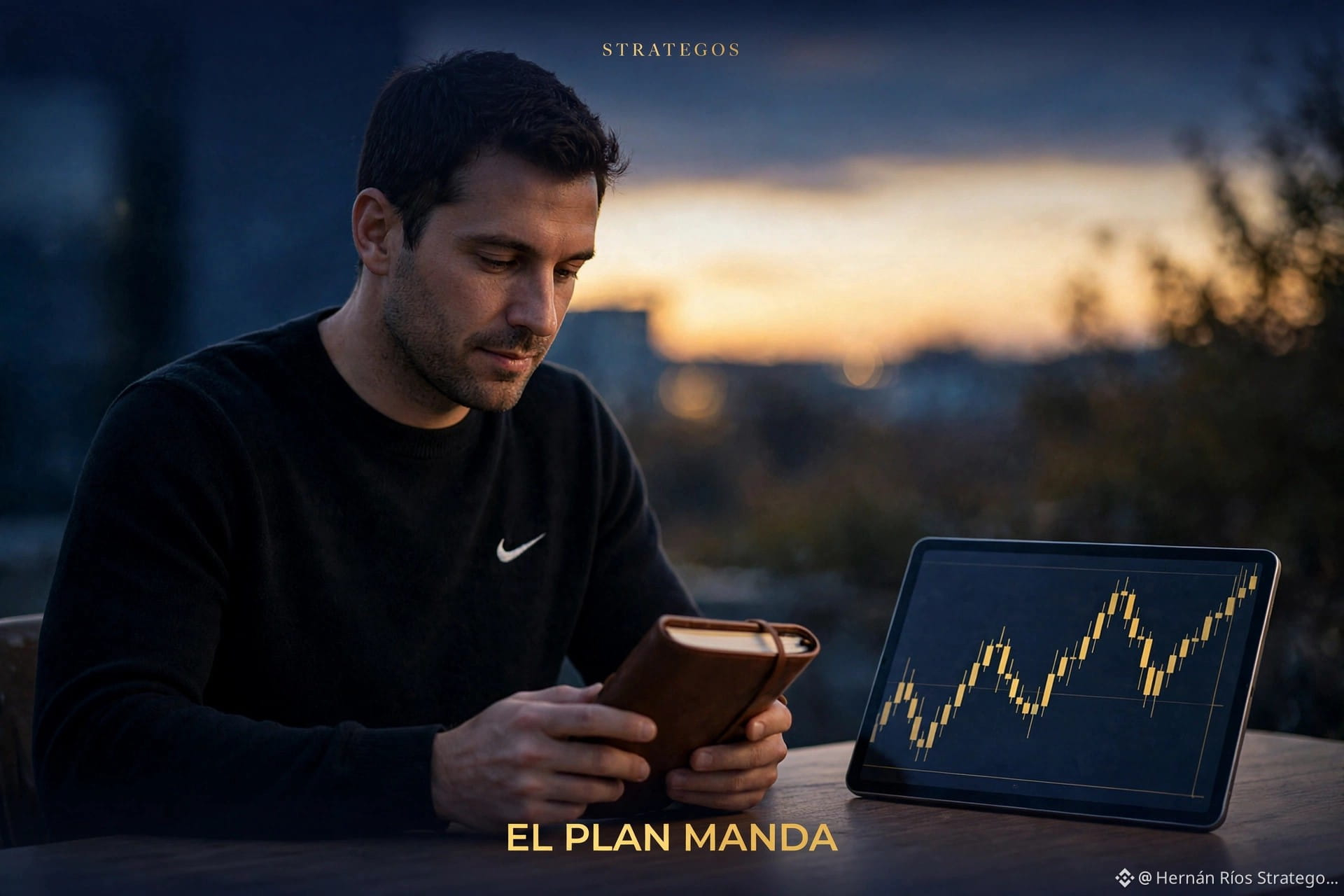
Did you close the platform today feeling like you traded… but without knowing what you learned?
That’s the problem: many traders end the day counting dollars, not lessons. If you lost a trade today because you entered without confirmation, the lesson isn’t “I’m no good at this,” it’s “there’s a reason my confirmation rule exists.” One written lesson is worth more than ten forgotten trades.
Tomorrow: before you trade, write down in one line what the market taught you today.
What did the market teach you today? Share it in the comments.
Educational content, not financial advice.
$PAXG
#trading #psicotrading #oro #disciplina #Strategos
5
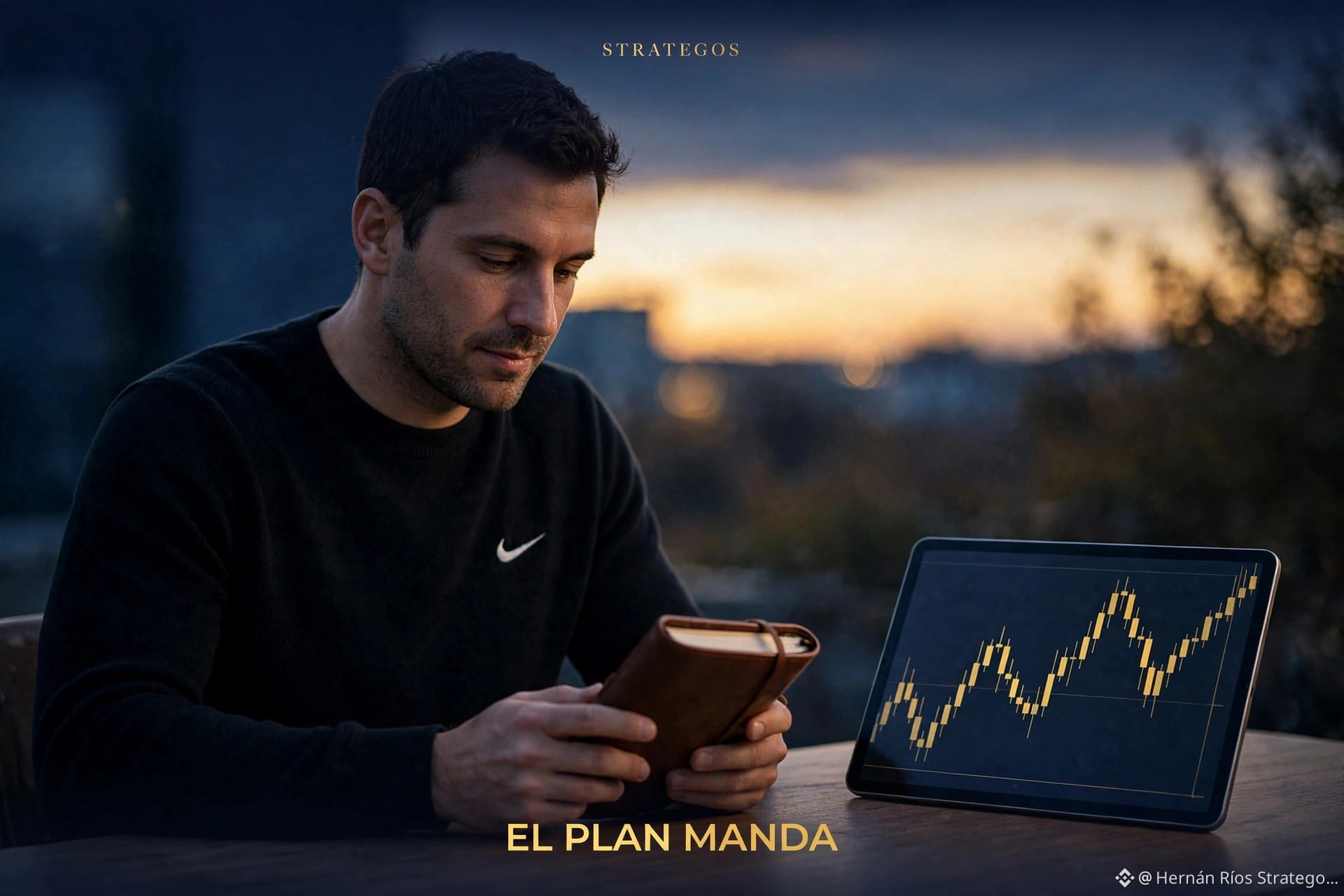
Did you close the platform today feeling like you traded… but not knowing what you learned?
That’s the problem: many traders end the day counting dollars, not lessons. If you lost a trade today because you entered without confirmation, the lesson isn’t “I’m no good at this,” it’s “There’s a reason my confirmation rule exists.” One written lesson is worth more than ten forgotten trades.
Tomorrow: before you trade, write one line about what the market taught you today.
What did the market teach you today? Share it in the comments.
Educational content, not financial advice.
$PAXG
#trading #psicotrading #oro #disciplina #Strategos
13
Did you trade after an argument or a bad day and do worse than ever?
The emotions from your life don’t stay off the platform. If you show up angry, sad, or under pressure, that’s the mindset you trade with. The chart doesn’t know you had a bad day, and it won’t compensate you for it. A day without trading is better than a day spent trading angry.
$PAXG
#trading #psicotrading #oro #disciplina #Strategos
Educational content, not financial advice.
2
Have you traded after an argument or a bad day and done worse than ever?
The emotions in your life don’t stay outside the platform. If you show up angry, sad, or under pressure, that’s the mindset you trade with. The chart doesn’t know you’ve had a bad day, and it won’t compensate you for it. A day without trading is better than a day spent trading angry.
$PAXG
#trading #psicotrading #oro #disciplina #Strategos
Educational content, not financial advice.
9
Does gold keep blowing through your stop, even when your analysis was right?
It’s not that your analysis failed: gold moves much more than other markets, and your position was too large for those swings. When gold moves $20 in a day, one full lot costs you $2,000; with 0.10 lots, that same move is $200.
Rule of thumb: if your stop is $10 away from the price and you’re risking 1% of a $1,000 account ($10), your position size is 0.01 lots. First measure how much gold moves, then decide on your position size. Never the other way around.
Do you adjust your lot size based on how gold moves, or do you always trade the same size?
Educational content, not financial advice.
$PAXG
#trading #psicotrading #oro #disciplina #Strategos
Does gold keep taking out your stop over and over, even though your analysis was right?
It’s not that your analysis was wrong: gold simply moves much more than other markets, and your position was too large for those swings. When gold moves $20 in a day, a full lot costs you $2,000; with 0.10 lots, that same move is $200.
Rule of thumb: if your stop is $10 away from the price and you’re risking 1% of a $1,000 account ($10), your position size is 0.01 lots. First measure how much gold moves, then decide on your position size. Never the other way around.
Do you adjust your lot size based on how gold moves, or do you always trade the same size?
Educational content, not financial advice.
$PAXG
#trading #psicotrading #oro #disciplina #Strategos
6
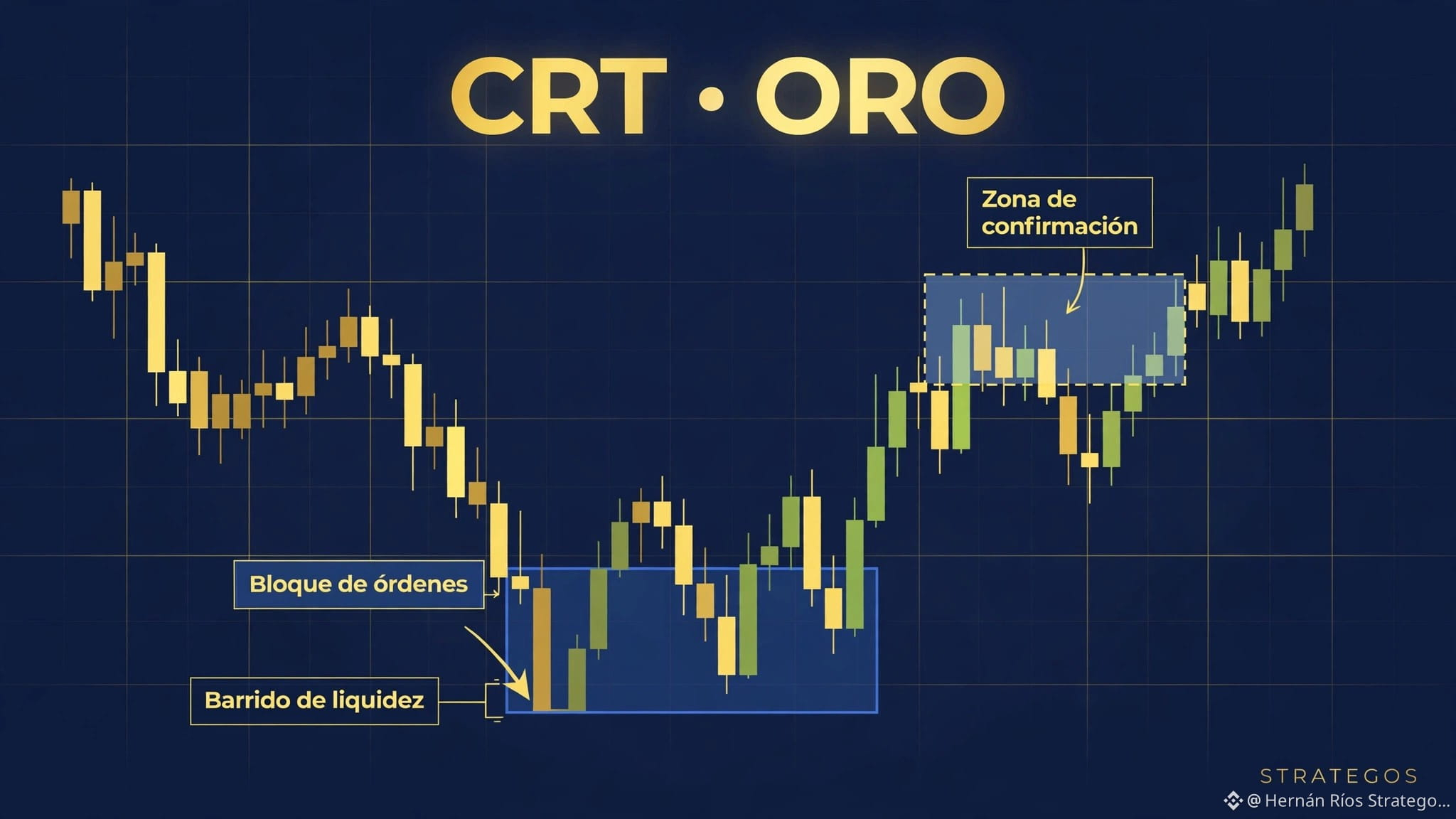
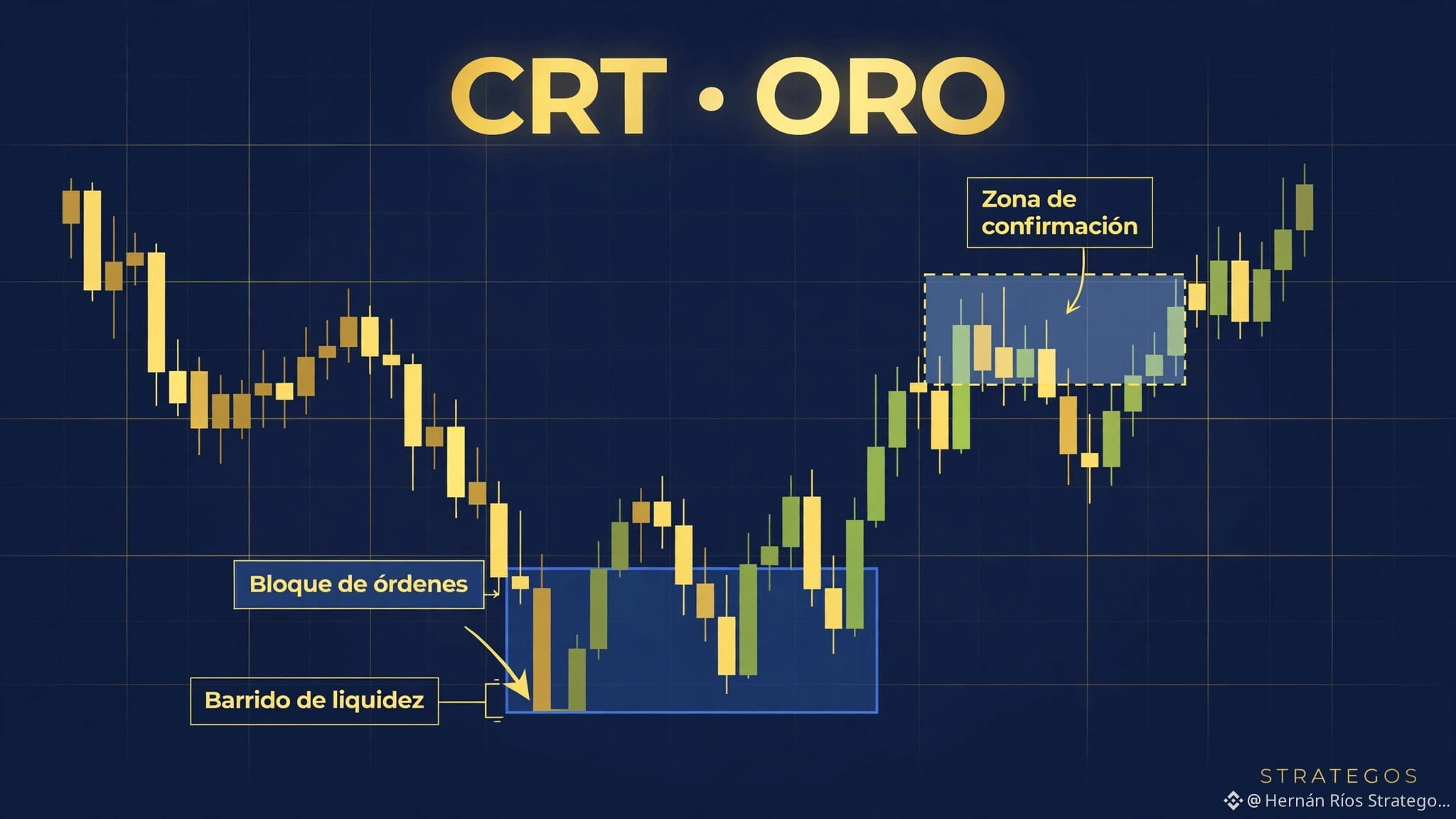
Has it ever happened to you that you start trading and gold isn’t moving in either direction… and just when you exit, it takes off?
It’s not bad luck: it’s the time of day. In CRT, gold really moves during two windows: London (01:00–04:00) and New York (06:00–09:00), Monclova time. Outside those hours, the price tends to range and hunt stops.
Today: mark those two windows on your chart and trade only during those times; outside them, observe and take notes.
Which session has worked better for you: London or New York?
Educational content, not financial advice.
$PAXG
#trading #psicotrading #oro #disciplina #Strategos
2
Has it ever happened to you that you start trading and gold doesn’t move in either direction… then just when you exit, it takes off?
It’s not bad luck: it’s the time of day. In CRT, gold really moves during two windows: London (01:00–04:00) and New York (06:00–09:00), Monclova time. Outside those hours, the price usually ranges and hunts stops.
Today: mark those two windows on your chart and trade only during them; outside those hours, watch and take notes.
Which session has worked better for you: London or New York?
Educational content, not financial advice.
$PAXG
#trading #psicotrading #oro #disciplina #Strategos
4
Do you keep the promise you made to yourself? Your plan is your word.
Every morning you promise yourself to follow your plan, with a stop and a trading limit. The promise is easy to make and hard to keep when the price moves. But the plan is not a suggestion; it is your word to yourself. Every time you keep it, your word becomes more valuable.
$PAXG
#trading #psicotrading #oro #disciplina #Strategos
Educational content, not financial advice.
2
Do you keep the promise you made to yourself? The plan is your word.
Every morning you promise yourself you’ll follow your plan, with a stop and an operation limit. The promise is easy to make and hard to keep when the price moves. But the plan is not a suggestion; it is your word to yourself. Every time you keep it, your word becomes worth more.
$PAXG
#trading #psicotrading #oro #disciplina #Strategos
Educational content, not financial advice.
9
Have you earned your first pesos… and already spent them?
That’s the number one mistake beginners make: they sell, get paid, and by the next day the money is gone—spent on treats, clothes, or a “I deserve this” moment. The business is left with nothing, and the next sale has to start from scratch.
Think of it this way: a neighbor sells tamales on WhatsApp on weekends. For every $1,000 she collects, she sets aside $300 to buy more dough, corn husks, and gas before touching a peso for herself.
Educational content, not financial advice.
$PAXG
How many times has a winning streak made you feel invincible… only for the next trade to bring you back to reality?
Confidence is your ally: it means knowing your plan works even when you lose a trade. Overconfidence is its dangerous twin: increasing your position size because this time it’s bound to work, entering without confirmation, or skipping your stop-loss.
Example: you win 3 trades in a row, double your risk on the fourth, and lose everything you made that week in a single trade. It wasn’t bad luck: it was ego disguised as confidence.
Educational content, not financial advice.
$PAXG
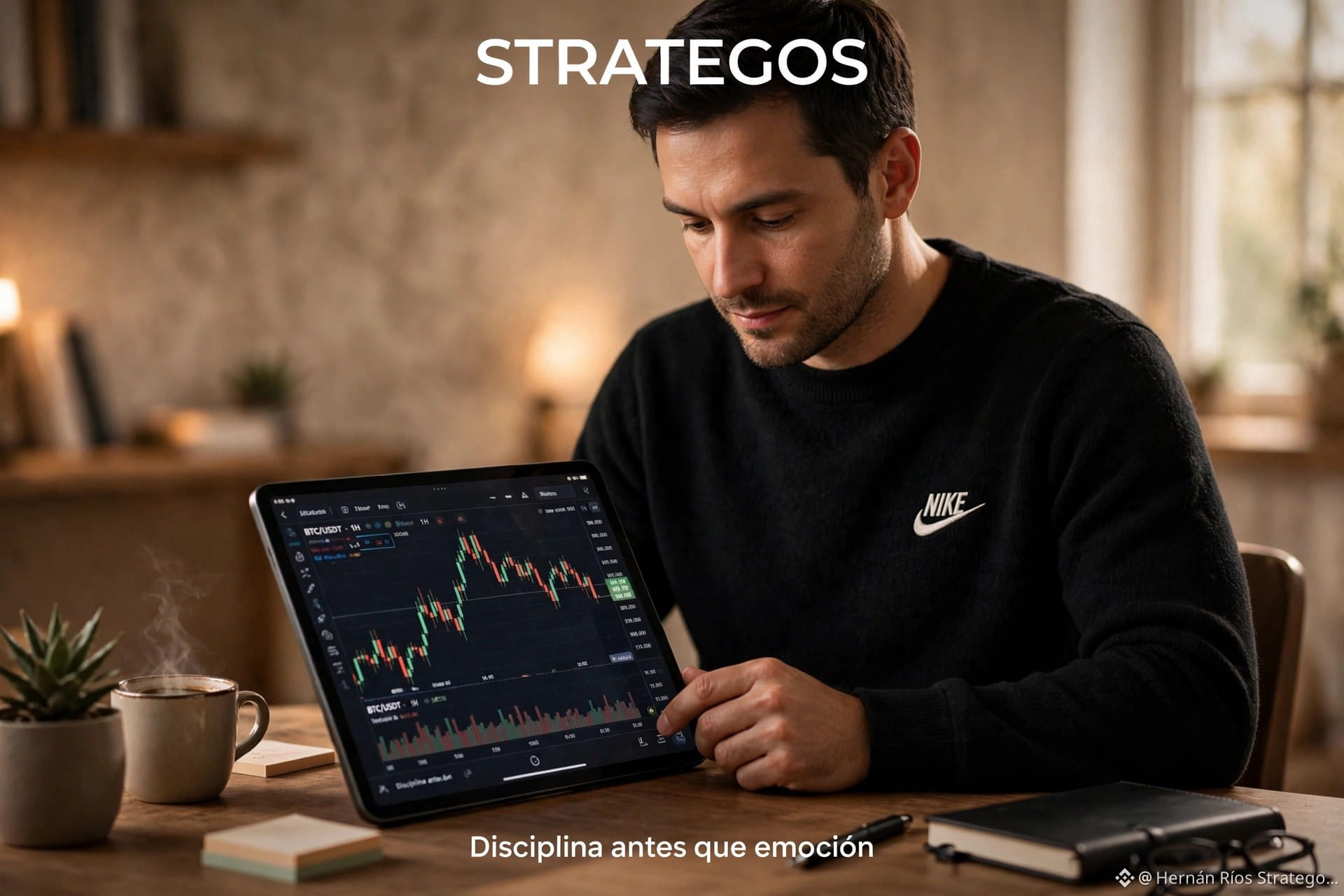
How many times have you won more trades than you’ve lost... and yet your account is still down? 📉
The problem isn’t your accuracy, it’s your risk/reward ratio.
If you risk $100 to make $100, you need to win more than 50% of the time just to break even. But if you risk $100 to make $300 (a 1:3 ratio), winning just 3 out of 10 trades puts you ahead: 3 wins of $300 = $900, minus 7 losses of $100 = $700, leaving you +$200.
Educational content, not financial advice.
$PAXG
10
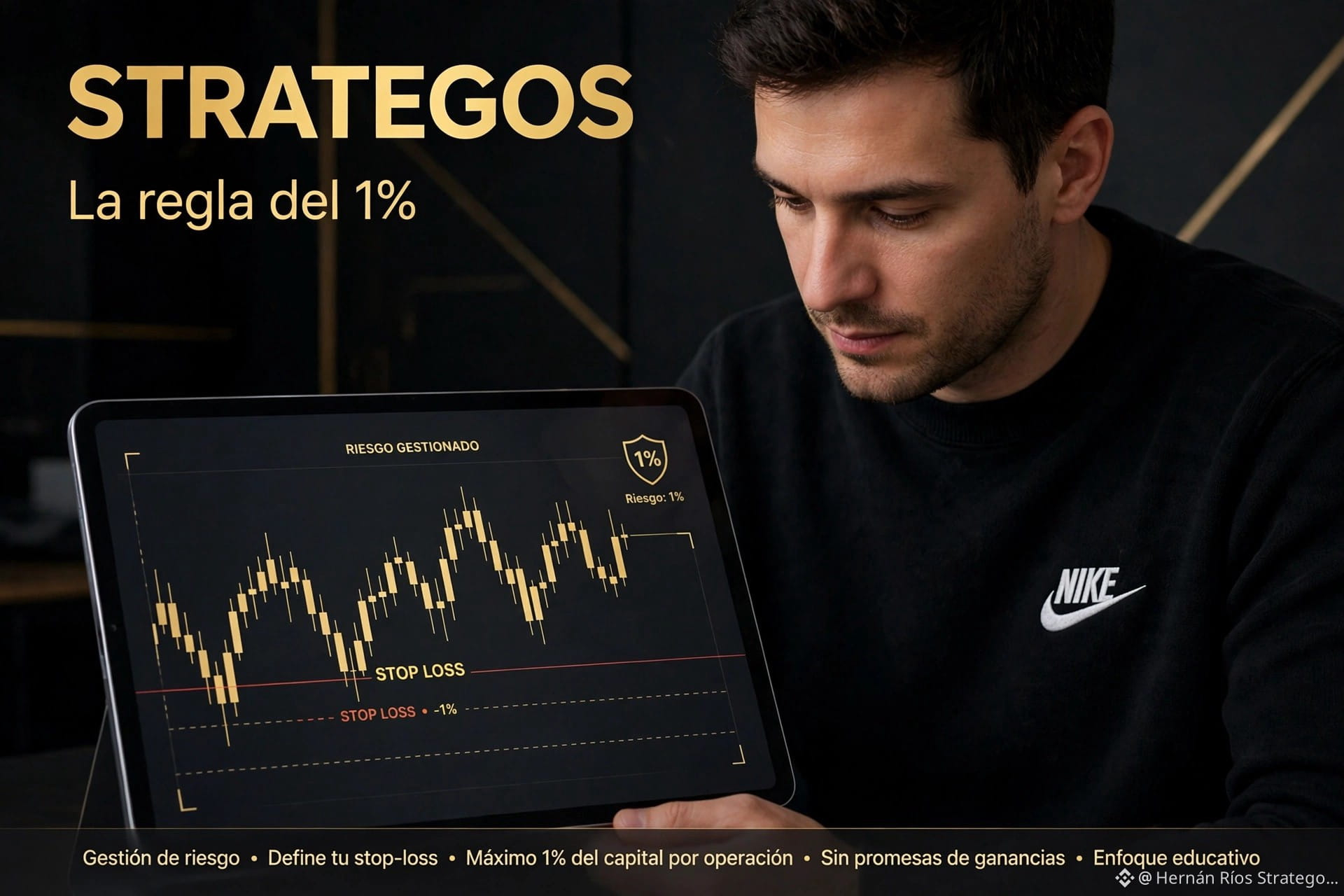
Do you set your target where it suits you, or where the market is actually headed?
You don't set a target at a level that would let you make the amount you want. You set it where price has a reason to go: a zone, a liquidity level, a level price has already respected.
If your target is up in the air, your ratio is made up.
Is your target in a real zone or at a round number?
Educational content, not financial advice.
$PAXG
Log in to explore more content
Join global crypto users on Binance Square
⚡️ Get latest and useful information about crypto.
💬 Trusted by the world’s largest crypto exchange.
👍 Discover real insights from verified creators.
Email / Phone number
Trending Topics
EvolveAtBinanceBlockchainWeek
1.8M views
17,583 Discussing
Binance Blockchain Week is officially underway! 🌍
On November 28–29, whether you’re in Bangkok or joining from afar, tune in to the livestreams and join the conversation on Binance Square!
Here’s what’s in store 👇
📺 Watch the main stage live
Tune in throughout both days as industry speakers share their perspectives on this year’s theme, “Evolve” From technological innovation to real-world applications, explore what’s next for crypto.
⚔️ Watch two trading competitions
The Aster Open Qualifier and the Binance Trading Master Tournament will both be streamed live. Tune in to follow the traders in action.
🏆 Watch The Blockchain 100 Awards Ceremony
The Blockchain 100 list was selected by the community. Join us in celebrating the creators and the ideas they share!
💬 Join the community conversation
Use #EvolveAtBinanceBlockchainWeek in a post with a photo to share what you’re looking forward to, your views on the industry, or your favorite moments from the event.
The event page is now live! Subscribe to all livestreams with one click so you don’t miss a moment 👏
Binance Blockchain Week
·426 Likes
·528.8k views
ColdcardFlawLeadsToTheftOfAtLeast1789BTC
40,512 views
409 Discussing
SECIssuesNoActionLetterOnMoleculeModel
6,310 views
111 Discussing