

Star_crypto1
13 Following
8 Followers
88 Liked
Posts
All
Quotes
Hamzi-⁵
·
--
BullishThis is the part of TermMax I kept coming back to after reading through its strategy docs.
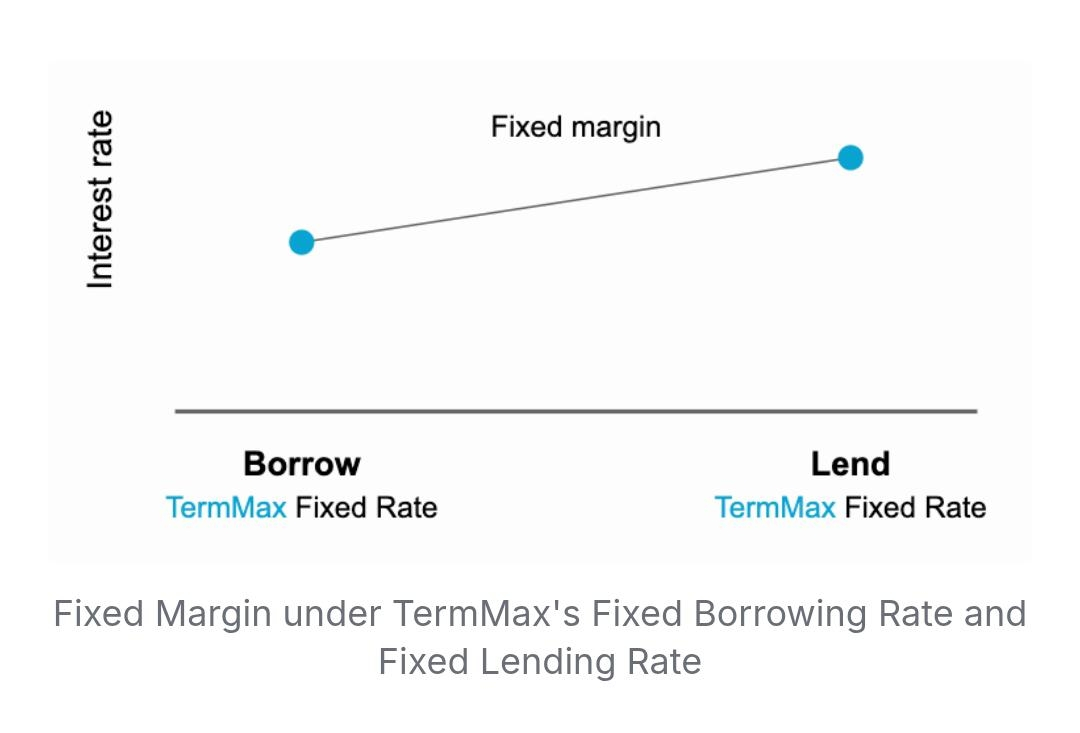
TermMax’s Strategy 3 uses a straightforward setup:
Borrow fixed in Market A → Lend fixed in Market B
The idea is to borrow at a lower fixed rate and lend at a higher fixed rate, creating a potential spread.
What caught my attention is that both sides are fixed.
Your borrowing cost is known upfront, while the lending return is also defined. That makes the potential spread easier to calculate instead of constantly dealing with two floating rates moving in different directions.
My observation: the real value here isn’t just the rate difference. It’s the predictability of both sides of the position.
Of course, a spread on paper isn’t guaranteed profit. Liquidity, collateral, maturity, available rates and execution still matter.
Could predictable fixed-rate spreads become a more practical way to structure DeFi strategies? #termmax #TermMax @TermMax #FOMCWatch #ToyotaFinanceLaunchesTokenizedBondForRetail #UAESaysItDetectedTwoIranianBallisticMissiles $BTW $APR $TUT
TermMax’s Strategy 3 uses a straightforward setup:
Borrow fixed in Market A → Lend fixed in Market B
The idea is to borrow at a lower fixed rate and lend at a higher fixed rate, creating a potential spread.
What caught my attention is that both sides are fixed.
Your borrowing cost is known upfront, while the lending return is also defined. That makes the potential spread easier to calculate instead of constantly dealing with two floating rates moving in different directions.
My observation: the real value here isn’t just the rate difference. It’s the predictability of both sides of the position.
Of course, a spread on paper isn’t guaranteed profit. Liquidity, collateral, maturity, available rates and execution still matter.
Could predictable fixed-rate spreads become a more practical way to structure DeFi strategies? #termmax #TermMax @TermMax #FOMCWatch #ToyotaFinanceLaunchesTokenizedBondForRetail #UAESaysItDetectedTwoIranianBallisticMissiles $BTW $APR $TUT
Hamzi-⁵
·
--
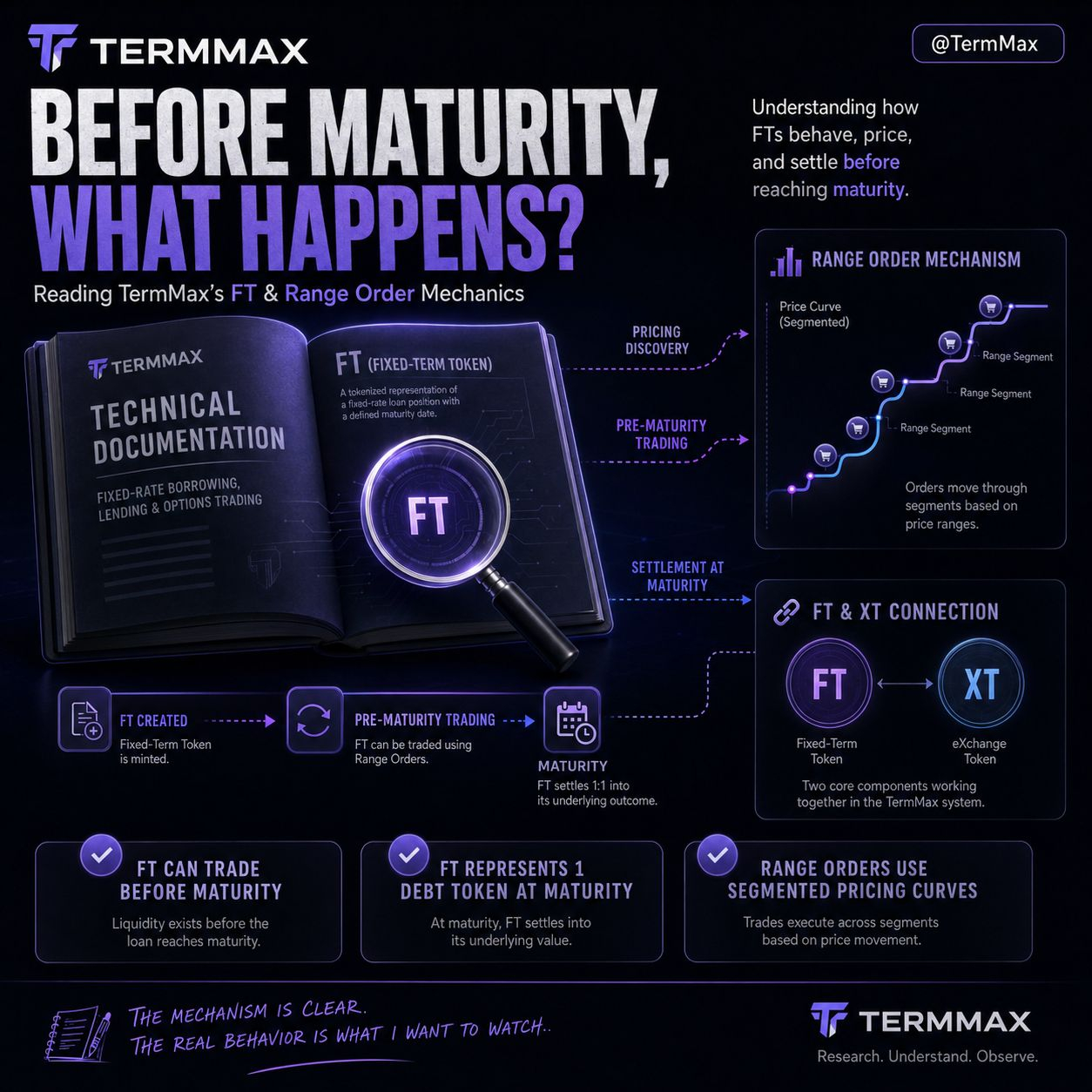
BullishOne thing I didn’t expect to focus on with TermMax was the time between an FT being created and reaching maturity.
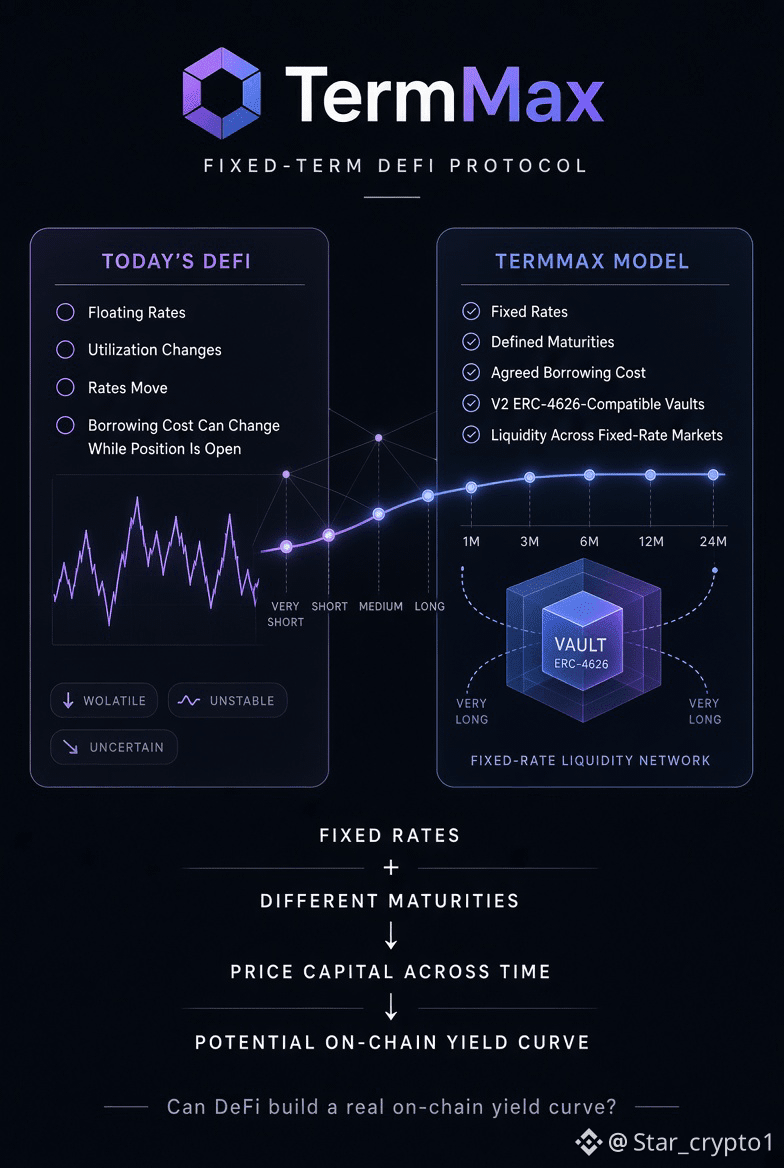
At first, the fixed-rate part seemed like the main story. But the more I looked at the mechanism, the pre-maturity side became harder to ignore. An FT represents a commitment to repay 1 debt token at maturity, while the FT can be sold before maturity.
That changed how I was looking at it.
There’s a defined maturity, but the FT can still move through the market before getting there. Then Range Orders add another layer: TermMax uses pricing curves split into segments, with the applicable rate changing across those portions as an order is filled.
Each part makes sense on its own. What I find genuinely interesting is what happens when they meet in practice. If an FT is trading before maturity while orders move through different parts of a pricing curve, how much does the remaining time actually matter to the market?
Does that interaction make FT pricing easier to understand, or could it introduce a different layer of uncertainty that only becomes visible once real trading starts? #TermMax @TermMax #termmax $APR $TUT $BTW #ChinaJulyOutputRetailInvestmentAllMiss #SECReviewsSix3xLeveragedCommodityETFs #USToPressNationsToPickUSOrChinaAICoalition
At first, the fixed-rate part seemed like the main story. But the more I looked at the mechanism, the pre-maturity side became harder to ignore. An FT represents a commitment to repay 1 debt token at maturity, while the FT can be sold before maturity.
That changed how I was looking at it.
There’s a defined maturity, but the FT can still move through the market before getting there. Then Range Orders add another layer: TermMax uses pricing curves split into segments, with the applicable rate changing across those portions as an order is filled.
Each part makes sense on its own. What I find genuinely interesting is what happens when they meet in practice. If an FT is trading before maturity while orders move through different parts of a pricing curve, how much does the remaining time actually matter to the market?
Does that interaction make FT pricing easier to understand, or could it introduce a different layer of uncertainty that only becomes visible once real trading starts? #TermMax @TermMax #termmax $APR $TUT $BTW #ChinaJulyOutputRetailInvestmentAllMiss #SECReviewsSix3xLeveragedCommodityETFs #USToPressNationsToPickUSOrChinaAICoalition
Hamzi-⁵
·
--
BullishOne thing I didn’t expect to focus on with TermMax was the time between an FT being created and reaching maturity.
At first, the fixed-rate part seemed like the main story. But the more I looked at the mechanism, the pre-maturity side became harder to ignore. An FT represents a commitment to repay 1 debt token at maturity, while the FT can be sold before maturity.
That changed how I was looking at it.
There’s a defined maturity, but the FT can still move through the market before getting there. Then Range Orders add another layer: TermMax uses pricing curves split into segments, with the applicable rate changing across those portions as an order is filled.
Each part makes sense on its own. What I find genuinely interesting is what happens when they meet in practice. If an FT is trading before maturity while orders move through different parts of a pricing curve, how much does the remaining time actually matter to the market?
Does that interaction make FT pricing easier to understand, or could it introduce a different layer of uncertainty that only becomes visible once real trading starts? #TermMax @TermMax #termmax $APR $TUT $BTW #ChinaJulyOutputRetailInvestmentAllMiss #SECReviewsSix3xLeveragedCommodityETFs #USToPressNationsToPickUSOrChinaAICoalition
At first, the fixed-rate part seemed like the main story. But the more I looked at the mechanism, the pre-maturity side became harder to ignore. An FT represents a commitment to repay 1 debt token at maturity, while the FT can be sold before maturity.
That changed how I was looking at it.
There’s a defined maturity, but the FT can still move through the market before getting there. Then Range Orders add another layer: TermMax uses pricing curves split into segments, with the applicable rate changing across those portions as an order is filled.
Each part makes sense on its own. What I find genuinely interesting is what happens when they meet in practice. If an FT is trading before maturity while orders move through different parts of a pricing curve, how much does the remaining time actually matter to the market?
Does that interaction make FT pricing easier to understand, or could it introduce a different layer of uncertainty that only becomes visible once real trading starts? #TermMax @TermMax #termmax $APR $TUT $BTW #ChinaJulyOutputRetailInvestmentAllMiss #SECReviewsSix3xLeveragedCommodityETFs #USToPressNationsToPickUSOrChinaAICoalition
Hamzi-⁵
·
--
BullishDay 3 We Learned That
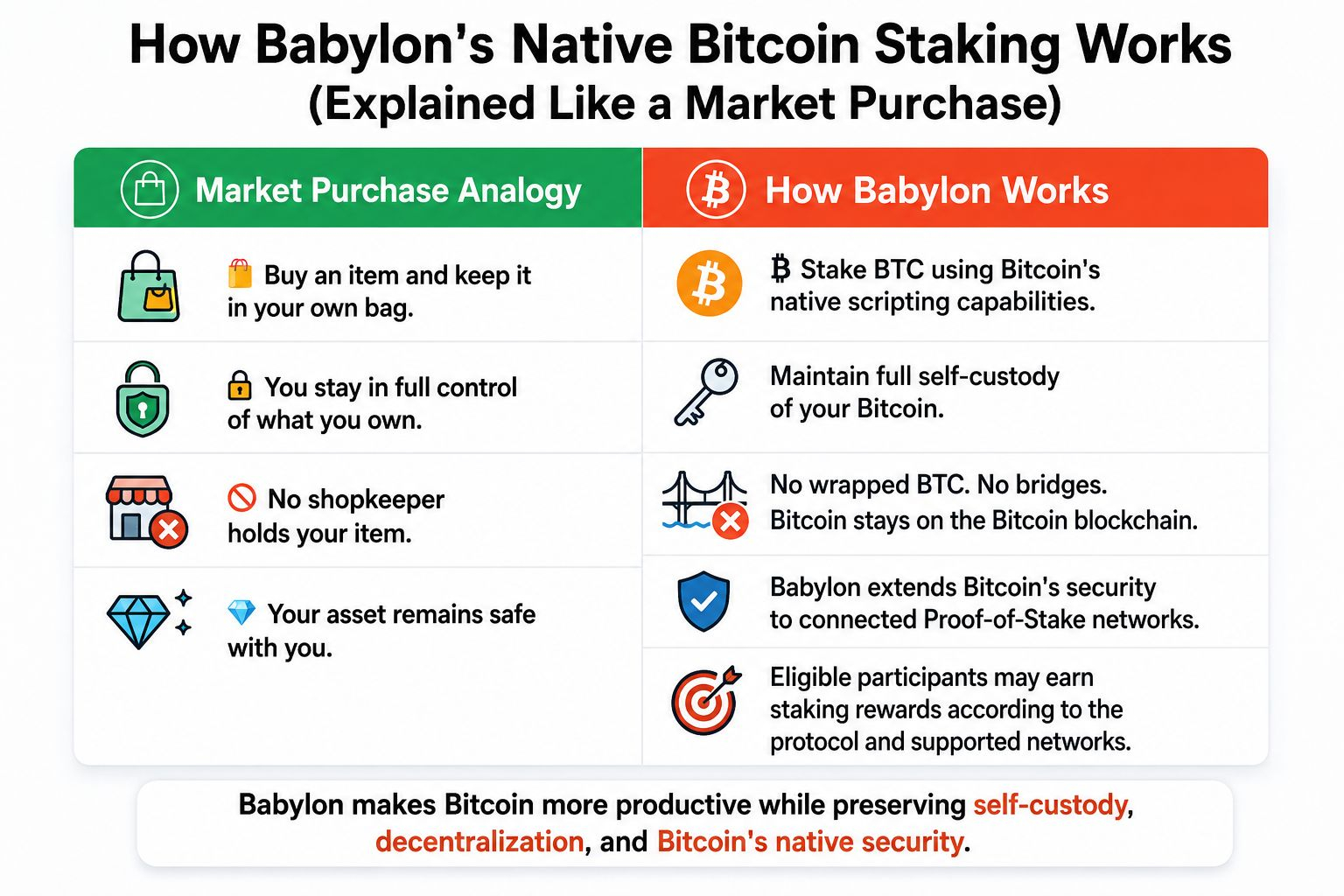
How Babylon’s Native Bitcoin Staking Works In Few Steps (Explained Like a Market Purchase)
In today’s crypto market, investors are always looking for ways to make their assets more productive. Babylon introduces a model where Bitcoin can participate in securing a broader ecosystem while remaining true to its core principles.
Step 1: Just like buying something in a market and keeping it in your own bag, users stake Bitcoin using Bitcoin’s native scripting capabilities while maintaining full self-custody.
Step 2: There’s no wrapping, no bridging, and no handing your asset to a third party. Your Bitcoin remains on the Bitcoin blockchain.
Step 3: Babylon extends Bitcoin’s security to connected Proof-of-Stake networks through its protocol design.
Step 4: Eligible participants may earn staking rewards according to the protocol and the supported networks, while continuing to benefit from Bitcoin’s native security model.
From a market perspective, this creates a new way for Bitcoin holders to participate in the ecosystem without giving up ownership or security. Babylon’s vision is to make Bitcoin more productive while preserving the trust, decentralization, and security that define it.
#Babylon #BABY #bitcoin #BTC #crypto #Web3
#baby $BABY $BTC $BABY @BabylonLabs_io
How Babylon’s Native Bitcoin Staking Works In Few Steps (Explained Like a Market Purchase)
In today’s crypto market, investors are always looking for ways to make their assets more productive. Babylon introduces a model where Bitcoin can participate in securing a broader ecosystem while remaining true to its core principles.
Step 1: Just like buying something in a market and keeping it in your own bag, users stake Bitcoin using Bitcoin’s native scripting capabilities while maintaining full self-custody.
Step 2: There’s no wrapping, no bridging, and no handing your asset to a third party. Your Bitcoin remains on the Bitcoin blockchain.
Step 3: Babylon extends Bitcoin’s security to connected Proof-of-Stake networks through its protocol design.
Step 4: Eligible participants may earn staking rewards according to the protocol and the supported networks, while continuing to benefit from Bitcoin’s native security model.
From a market perspective, this creates a new way for Bitcoin holders to participate in the ecosystem without giving up ownership or security. Babylon’s vision is to make Bitcoin more productive while preserving the trust, decentralization, and security that define it.
#Babylon #BABY #bitcoin #BTC #crypto #Web3
#baby $BABY $BTC $BABY @BabylonLabs_io
Log in to explore more content