

Quant to the moon
25 Posts

Quant to the moon
Report
Block User

Top traders by profit in 7D

QNT Holder
Frequent Trader
8.7 Years
2 Following
30 Followers
29 Liked
1 Badges
Posts
All
Quotes
See translation
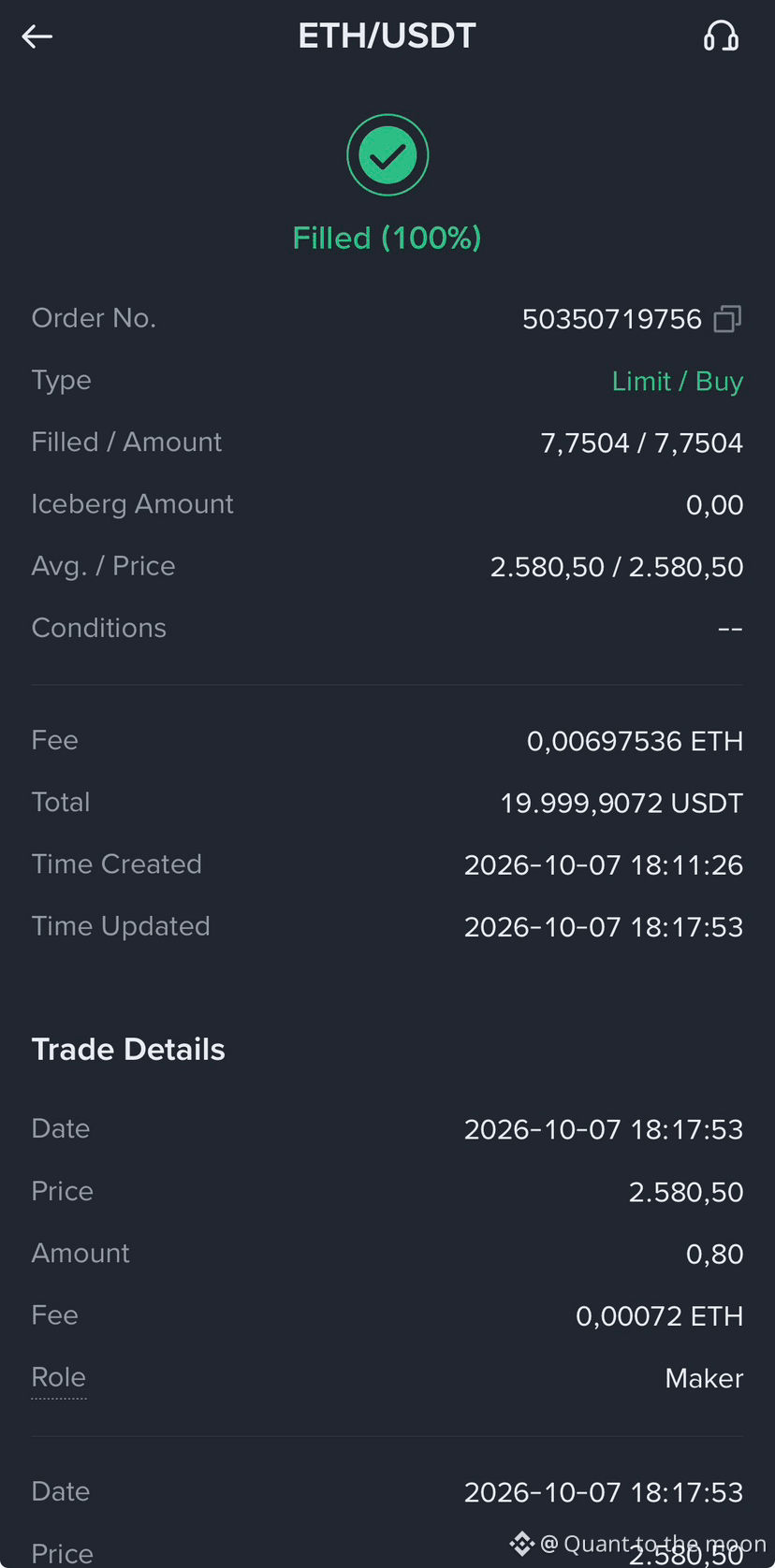
Bắt đầu mua thêm $ETH ở vùng 2550, vẫn Hold $QNT
Bắt đầu mua thêm $ETH ở vùng 2550, vẫn Hold $QNT
1
349
Verified
GOOGLE x $QNT Confirmed?!!👀
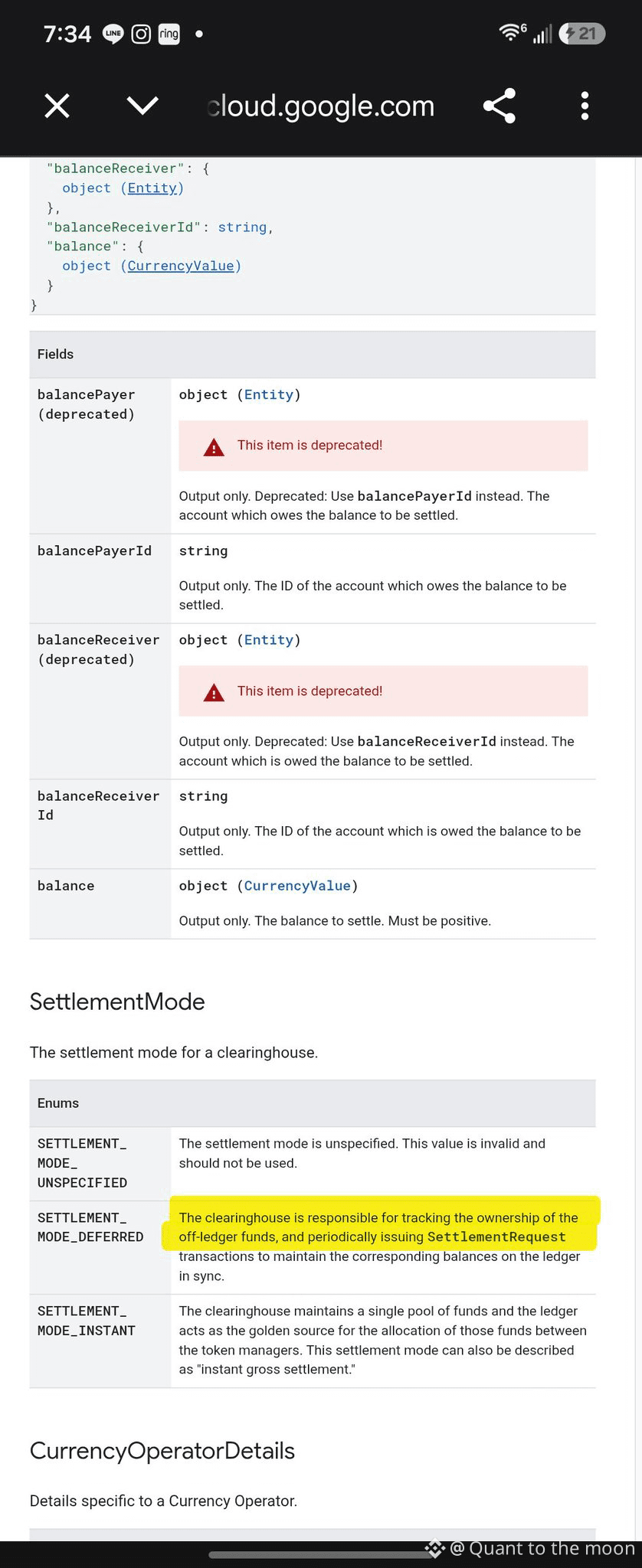
Google’s GCUL (Google Cloud Universal Ledger) docs show a setup where the real money can stay offledger, while a clearinghouse keeps the tokenized balance on GCUL in sync.
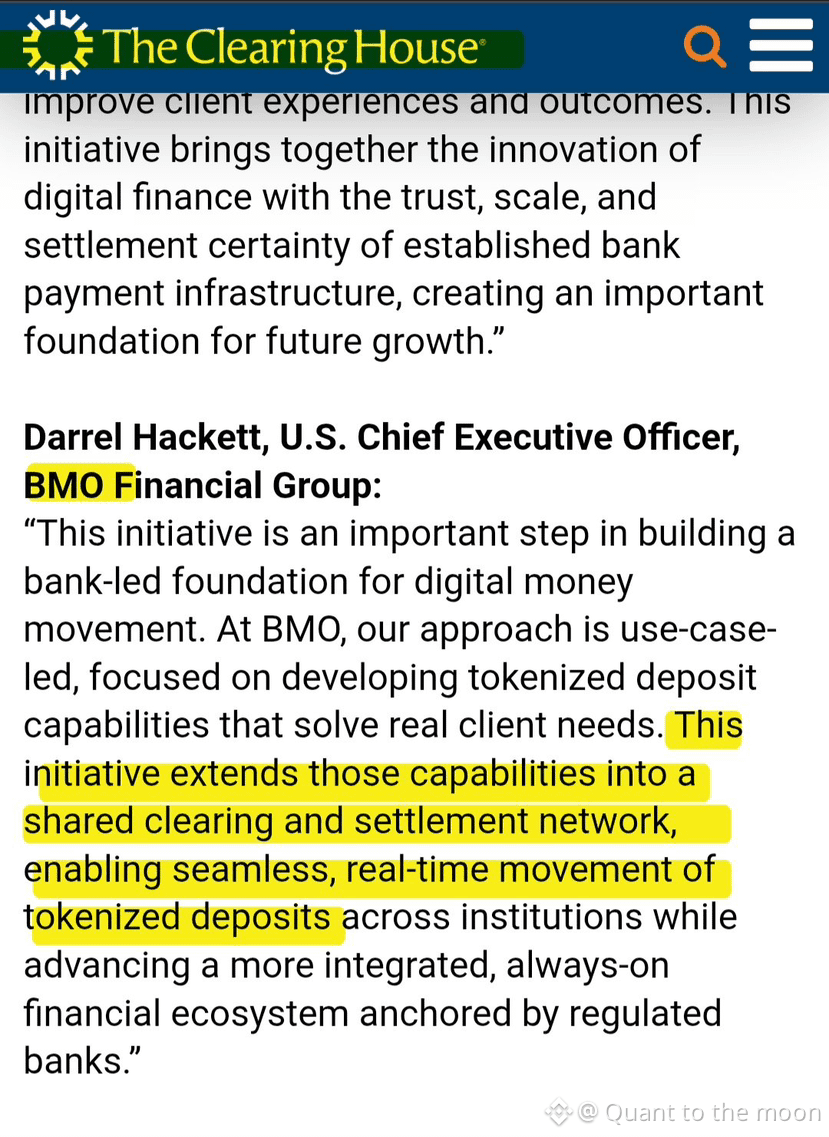
TLDR; BMO (Major 🇨🇦 Bank) built its tokenized cash/deposit platform with CME (worlds largest derivatives marketplace) + Google Cloud.
Then BMO joined TCH and said the TCH network extends those capabilities into a shared clearing and settlement network.
And who did TCH choose for that network’s interoperability + orchestration layer?
💥💥💥💥Quant💥💥💥💥
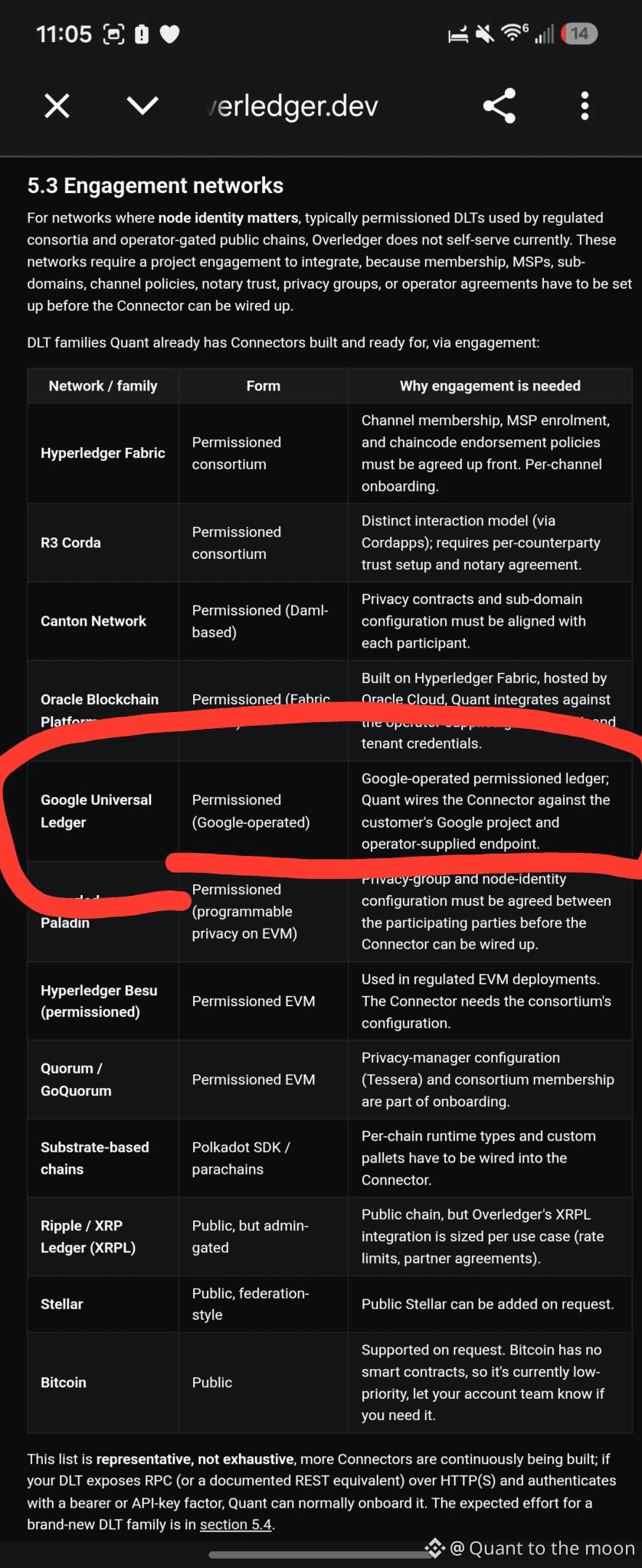
Oh, and Quant already has a GCUL connector built and ready.💥
Earlier today I exposed the connection between TD x Quant, and now I gift BMO x Google x Qnt 🫡 Two major Canadian Banks and Google. Breadcrumbs are insane with Quant.
GOOGLE x $QNT Confirmed?!!👀
Google’s GCUL (Google Cloud Universal Ledger) docs show a setup where the real money can stay offledger, while a clearinghouse keeps the tokenized balance on GCUL in sync.
TLDR; BMO (Major 🇨🇦 Bank) built its tokenized cash/deposit platform with CME (worlds largest derivatives marketplace) + Google Cloud.
Then BMO joined TCH and said the TCH network extends those capabilities into a shared clearing and settlement network.
And who did TCH choose for that network’s interoperability + orchestration layer?
💥💥💥💥Quant💥💥💥💥
Oh, and Quant already has a GCUL connector built and ready.💥
Earlier today I exposed the connection between TD x Quant, and now I gift BMO x Google x Qnt 🫡 Two major Canadian Banks and Google. Breadcrumbs are insane with Quant.
Google’s GCUL (Google Cloud Universal Ledger) docs show a setup where the real money can stay offledger, while a clearinghouse keeps the tokenized balance on GCUL in sync.
TLDR; BMO (Major 🇨🇦 Bank) built its tokenized cash/deposit platform with CME (worlds largest derivatives marketplace) + Google Cloud.
Then BMO joined TCH and said the TCH network extends those capabilities into a shared clearing and settlement network.
And who did TCH choose for that network’s interoperability + orchestration layer?
💥💥💥💥Quant💥💥💥💥
Oh, and Quant already has a GCUL connector built and ready.💥
Earlier today I exposed the connection between TD x Quant, and now I gift BMO x Google x Qnt 🫡 Two major Canadian Banks and Google. Breadcrumbs are insane with Quant.

734
67
See translation
Tôi sẽ không đặt hết 100% ở một mức vì cú rũ hôm nay $ETH mới chỉ quét được phần trên, chưa quét hết cụm thấp hơn.
vùng mua tiếp theo sẽ là 2520
Tôi sẽ không đặt hết 100% ở một mức vì cú rũ hôm nay $ETH mới chỉ quét được phần trên, chưa quét hết cụm thấp hơn.
vùng mua tiếp theo sẽ là 2520
vùng mua tiếp theo sẽ là 2520
577
159
Partly True
See translation
Hãy nói về con số với các Đối tác của $QNT:
TCH: 2 nghìn tỷ $ mỗi ngày (CHIPS/RTP)
Murex: 1,5 nghìn tỷ $ mỗi ngày (Forex)
Nexi/SIA: 5,5 tỷ $ mỗi ngày (EU Rails)
UK GBTD: 2,56 nghìn tỷ $ tổng tiền gửi ngân hàng
Oracle: 1.566 tổ chức tài chính (156+ quốc gia)
Hãy nói về con số với các Đối tác của $QNT:
TCH: 2 nghìn tỷ $ mỗi ngày (CHIPS/RTP)
Murex: 1,5 nghìn tỷ $ mỗi ngày (Forex)
Nexi/SIA: 5,5 tỷ $ mỗi ngày (EU Rails)
UK GBTD: 2,56 nghìn tỷ $ tổng tiền gửi ngân hàng
Oracle: 1.566 tổ chức tài chính (156+ quốc gia)
TCH: 2 nghìn tỷ $ mỗi ngày (CHIPS/RTP)
Murex: 1,5 nghìn tỷ $ mỗi ngày (Forex)
Nexi/SIA: 5,5 tỷ $ mỗi ngày (EU Rails)
UK GBTD: 2,56 nghìn tỷ $ tổng tiền gửi ngân hàng
Oracle: 1.566 tổ chức tài chính (156+ quốc gia)
619
Verified
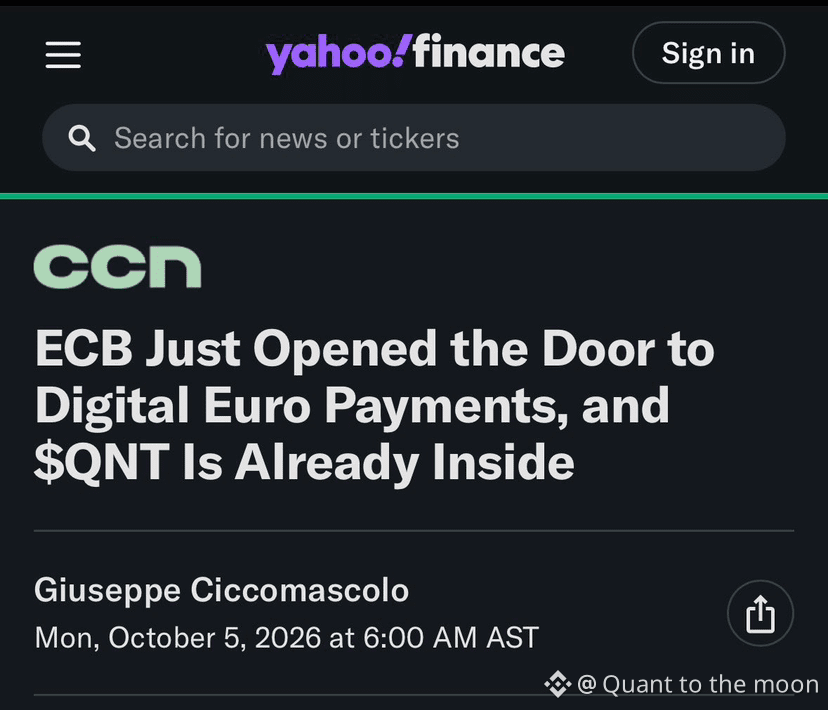
“ECB Just Opened the Door to Digital Euro Payments, and $QNT Is Already Inside”
Quant is at the heart of the future payment rails in the US, UK, and EU, and it can connect those rails.
“ECB Just Opened the Door to Digital Euro Payments, and $QNT Is Already Inside”
Quant is at the heart of the future payment rails in the US, UK, and EU, and it can connect those rails.
Quant is at the heart of the future payment rails in the US, UK, and EU, and it can connect those rails.
855
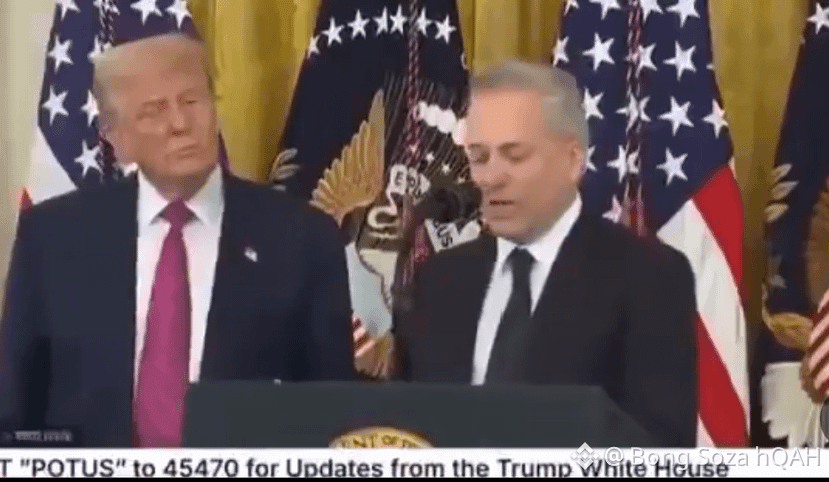
🚨🚨 LISTEN VERY CAREFULLY! 🇺🇸
Trump’s “Crypto Czar,” David Sacks, says a NEW PAYMENT SYSTEM is about to launch. 👀
And we’re talking about…
💥 QUADRILLIONS OF DOLLARS ON-CHAIN!
🌐 Blockchain-based payments
💰 Quadrillions in motion
🇺🇸 The U.S. accelerating its crypto push
🔥 If this is confirmed, we could be witnessing one of the biggest changes in financial infrastructure in history.$QNT
🚨🚨 LISTEN VERY CAREFULLY! 🇺🇸
Trump’s “Crypto Czar,” David Sacks, says a NEW PAYMENT SYSTEM is about to launch. 👀
And we’re talking about…
💥 QUADRILLIONS OF DOLLARS ON-CHAIN!
🌐 Blockchain-based payments
💰 Quadrillions in motion
🇺🇸 The U.S. accelerating its crypto push
🔥 If this is confirmed, we could be witnessing one of the biggest changes in financial infrastructure in history.$QNT
Trump’s “Crypto Czar,” David Sacks, says a NEW PAYMENT SYSTEM is about to launch. 👀
And we’re talking about…
💥 QUADRILLIONS OF DOLLARS ON-CHAIN!
🌐 Blockchain-based payments
💰 Quadrillions in motion
🇺🇸 The U.S. accelerating its crypto push
🔥 If this is confirmed, we could be witnessing one of the biggest changes in financial infrastructure in history.$QNT
695
Quant now has a role in payment infrastructure in both the U.S. and Europe
The ECB is conducting trials of the digital euro, where Quant has been selected to test programmable conditional payments.
👉 Quant joins the ECB’s digital euro project
👉 The Clearing House also selected Quant for its U.S. tokenized bank deposit initiative
👉 Both projects focus on connecting traditional financial infrastructure with programmable digital money
Europe is testing central bank digital currency while U.S. banking infrastructure shifts toward tokenized deposits—and Quant is now involved on both fronts.
Quant now has a role in payment infrastructure in both the U.S. and Europe
The ECB is conducting trials of the digital euro, where Quant has been selected to test programmable conditional payments.
👉 Quant joins the ECB’s digital euro project
👉 The Clearing House also selected Quant for its U.S. tokenized bank deposit initiative
👉 Both projects focus on connecting traditional financial infrastructure with programmable digital money
Europe is testing central bank digital currency while U.S. banking infrastructure shifts toward tokenized deposits—and Quant is now involved on both fronts.
The ECB is conducting trials of the digital euro, where Quant has been selected to test programmable conditional payments.
👉 Quant joins the ECB’s digital euro project
👉 The Clearing House also selected Quant for its U.S. tokenized bank deposit initiative
👉 Both projects focus on connecting traditional financial infrastructure with programmable digital money
Europe is testing central bank digital currency while U.S. banking infrastructure shifts toward tokenized deposits—and Quant is now involved on both fronts.
3
🚨 Quant now has a role in both U.S. and European payment infrastructure
The ECB is moving ahead with its digital euro pilot, where Quant has already been selected to test programmable conditional payments.
👉 Quant is involved in the ECB digital euro project
👉 The Clearing House also selected Quant for its U.S. tokenized bank deposit initiative
👉 Both projects focus on connecting traditional financial infrastructure with programmable digital money
Europe is testing central bank digital money while U.S. banking infrastructure is moving toward tokenized deposits, and Quant is now involved on both sides.
$QNT
🚨 Quant now has a role in both U.S. and European payment infrastructure
The ECB is moving ahead with its digital euro pilot, where Quant has already been selected to test programmable conditional payments.
👉 Quant is involved in the ECB digital euro project
👉 The Clearing House also selected Quant for its U.S. tokenized bank deposit initiative
👉 Both projects focus on connecting traditional financial infrastructure with programmable digital money
Europe is testing central bank digital money while U.S. banking infrastructure is moving toward tokenized deposits, and Quant is now involved on both sides.
$QNT
The ECB is moving ahead with its digital euro pilot, where Quant has already been selected to test programmable conditional payments.
👉 Quant is involved in the ECB digital euro project
👉 The Clearing House also selected Quant for its U.S. tokenized bank deposit initiative
👉 Both projects focus on connecting traditional financial infrastructure with programmable digital money
Europe is testing central bank digital money while U.S. banking infrastructure is moving toward tokenized deposits, and Quant is now involved on both sides.
$QNT
373
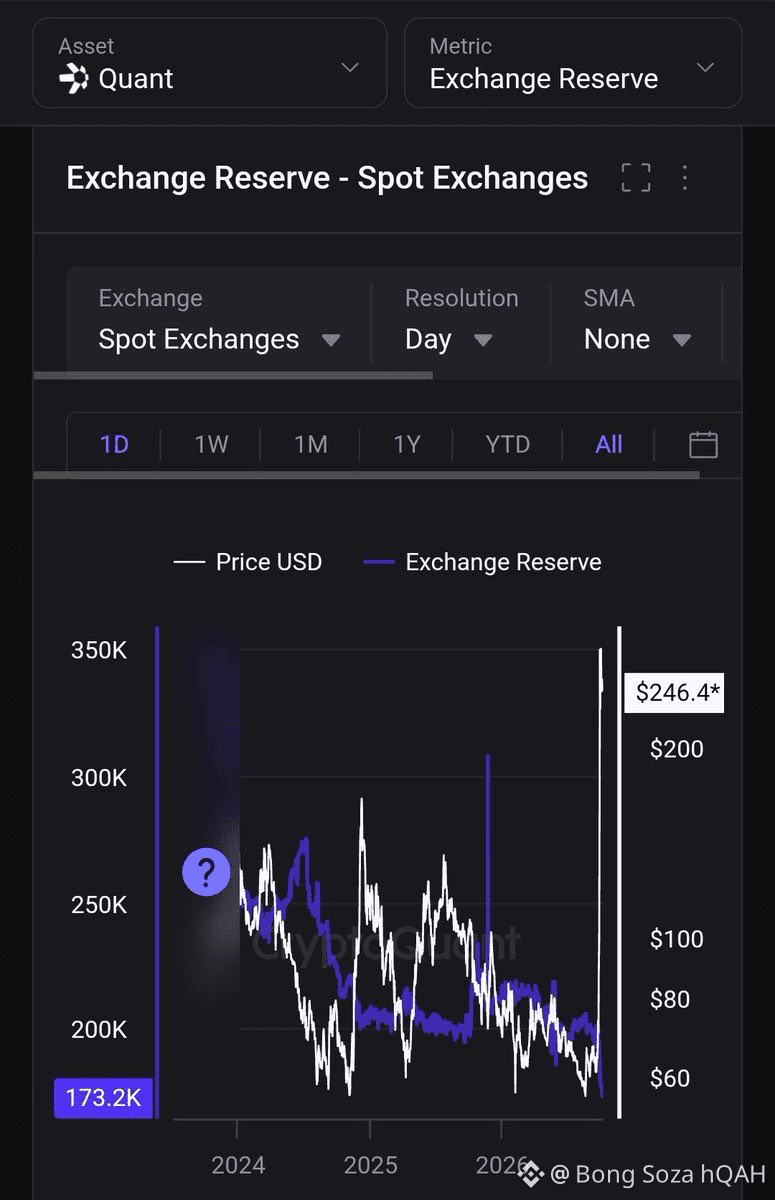
Only about 173,000 tokens $QNT are being traded on exchanges. They are all already held in private wallets. The amount is extremely low.
Only about 173,000 tokens $QNT are being traded on exchanges. They are all already held in private wallets. The amount is extremely low.
2
4
3.5k
·
--
Bullish
If the Fed holds rates steady and the market believes rates have peaked, BTC could benefit from expectations of improving liquidity in the future. However, if concerns about persistent inflation or a growing risk of recession intensify, $BTC may remain under pressure.
In summary:
A Fed rate hold in October has been almost fully priced in. The real story will be the next policy direction, global liquidity, and flows into risk assets—with BTC among the most sensitive.
If the Fed holds rates steady and the market believes rates have peaked, BTC could benefit from expectations of improving liquidity in the future. However, if concerns about persistent inflation or a growing risk of recession intensify, $BTC may remain under pressure.
In summary:
A Fed rate hold in October has been almost fully priced in. The real story will be the next policy direction, global liquidity, and flows into risk assets—with BTC among the most sensitive.
In summary:
A Fed rate hold in October has been almost fully priced in. The real story will be the next policy direction, global liquidity, and flows into risk assets—with BTC among the most sensitive.
270
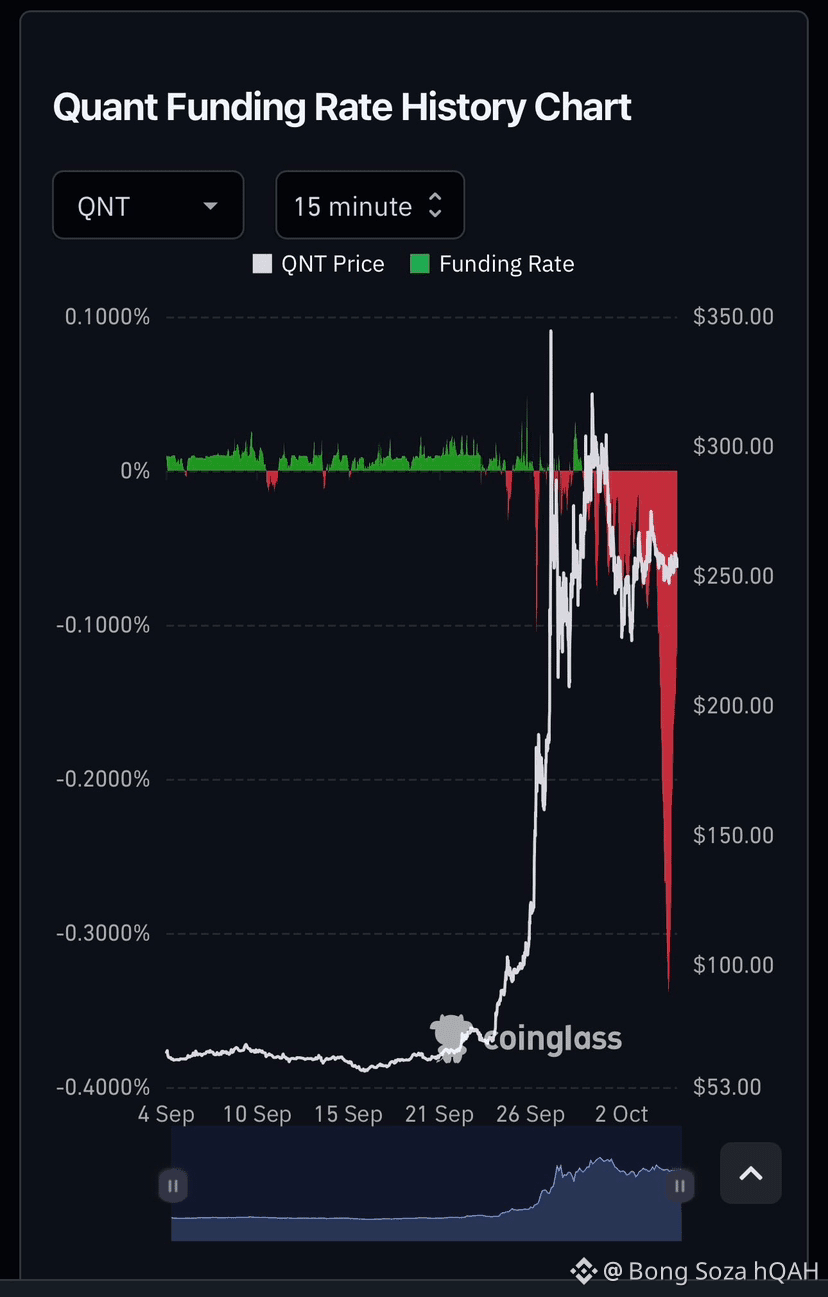
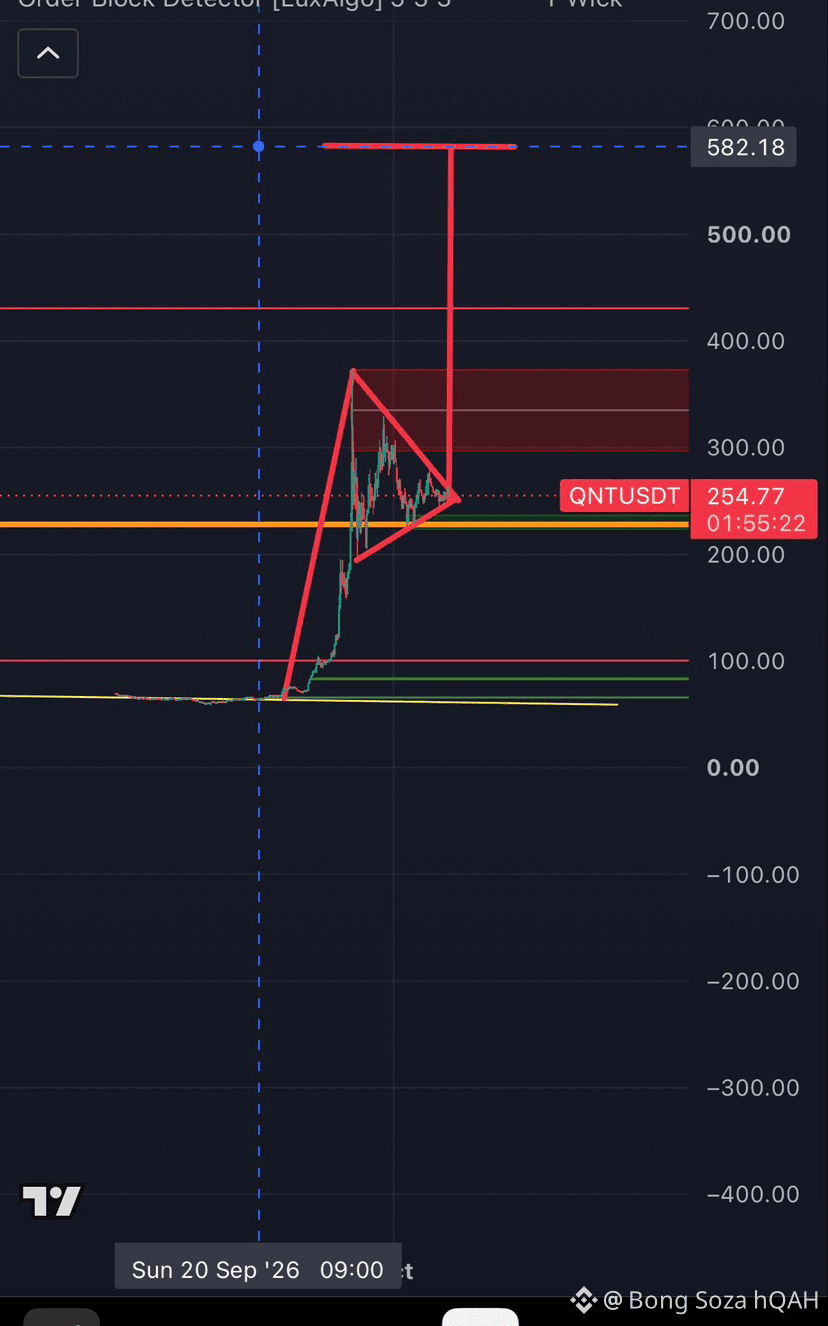
The upcoming short squeeze will almost certainly push the price of $QNT to around $450–$525.
The upcoming short squeeze will almost certainly push the price of $QNT to around $450–$525.
2
1
2.2k
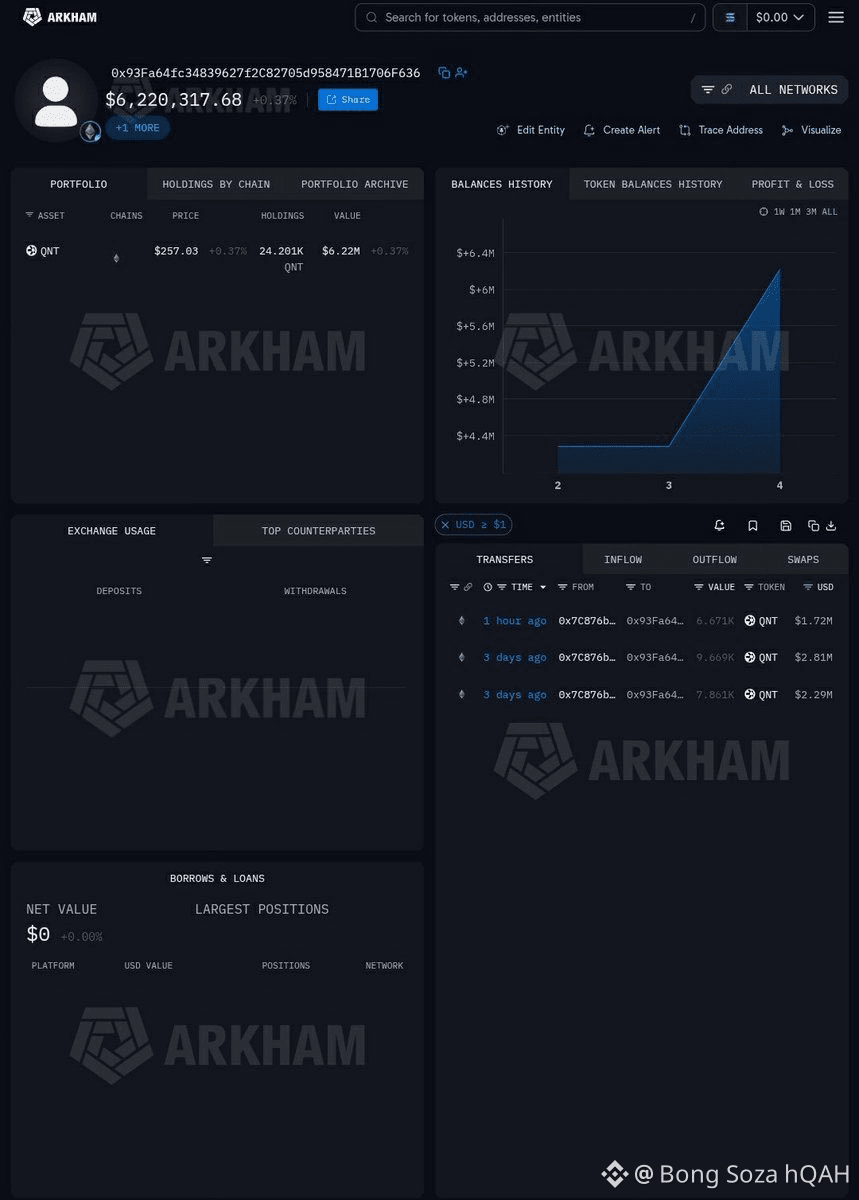
A whale wallet just accumulated another $6.2 million $QNT . What's going on?
A whale wallet just accumulated another $6.2 million $QNT . What's going on?
2
3
7.7k
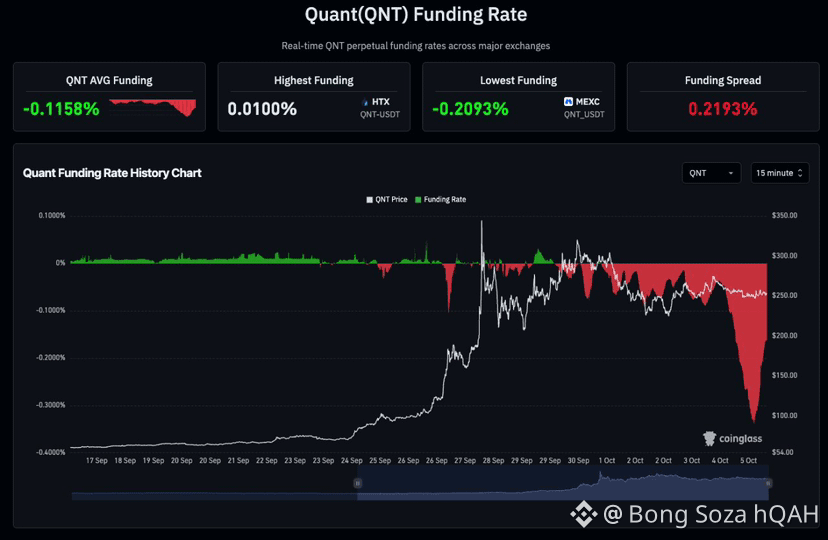
The price $QNT experienced a parabolic rally in late September (linked to the news that The Clearing House selected Quant for its tokenized deposit network), then pulled back and is now moving sideways/consolidating around $250 #QuantNetwork
The price $QNT experienced a parabolic rally in late September (linked to the news that The Clearing House selected Quant for its tokenized deposit network), then pulled back and is now moving sideways/consolidating around $250 #QuantNetwork
269
Get ready for a strong short squeeze with $QNT
Get ready for a strong short squeeze with $QNT
1
1
877
Another one bites the dust
Another one bites the dust


Binance News
·
--
Crypto Whale Faces Significant Losses in ETH and BTC Trades
According to BlockBeats, a prominent cryptocurrency trader, known for substantial losses in Ethereum (ETH) and Bitcoin (BTC) trades, has shifted focus back to ETH. After incurring a $35.84 million loss from long positions on ETH, the trader switched to shorting BTC, resulting in an additional $7.5 million loss. In total, the trader has lost $43.33 million in just one month, leaving less than $1 million in their account.
Seven hours ago, the trader closed all BTC short positions and initiated a new short position on ETH. The trader shorted 5,432 ETH at a price of $4,485, equivalent to approximately $24.5 million, with a liquidation price set at $4,594.
Seven hours ago, the trader closed all BTC short positions and initiated a new short position on ETH. The trader shorted 5,432 ETH at a price of $4,485, equivalent to approximately $24.5 million, with a liquidation price set at $4,594.
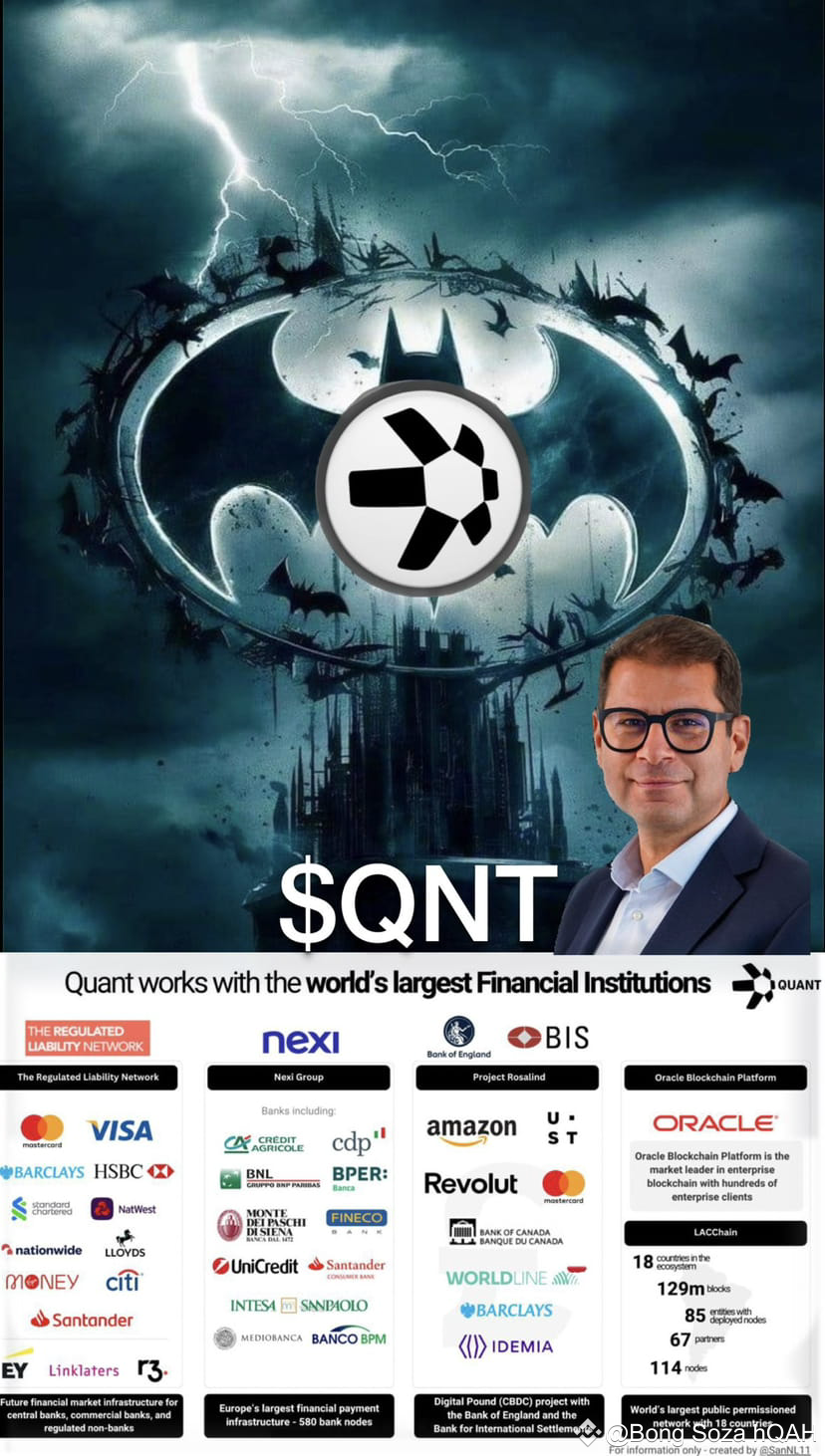
Among the myriad of blockchains, one project stands out: $QNT (Quant Network).
#QNT may not be a blockchain itself, but rather an interoperability solution that connects various blockchains via the Overledger. This powerful ledger enables enterprises and businesses to utilize the unique abilities of many different blockchains for any use case.
Among the myriad of blockchains, one project stands out: $QNT (Quant Network).
#QNT may not be a blockchain itself, but rather an interoperability solution that connects various blockchains via the Overledger. This powerful ledger enables enterprises and businesses to utilize the unique abilities of many different blockchains for any use case.
#QNT may not be a blockchain itself, but rather an interoperability solution that connects various blockchains via the Overledger. This powerful ledger enables enterprises and businesses to utilize the unique abilities of many different blockchains for any use case.
1
1
1
415
$QNT
-Quant Network
-Overledger
-Authorise
And now…. 🥁 🥁 roll….
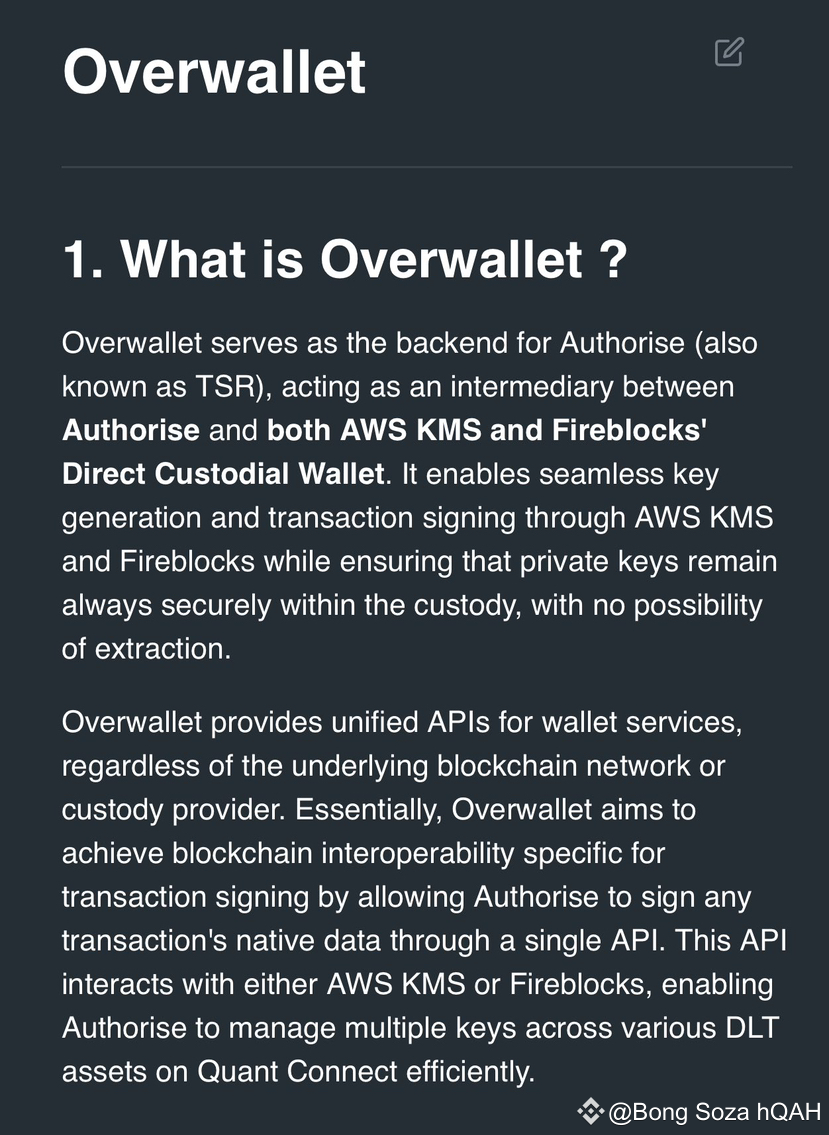
Overwallet…… ‼️‼️🔥🔥‼️‼️ yeah! You’ve read it right.. OVERWALLET!
@JarnoQuamfyShow noticed this.
What’s going on @quant_network ‘s kitchen?
Let’s look into the why and what this is…
$QNT
-Quant Network
-Overledger
-Authorise
And now…. 🥁 🥁 roll….
Overwallet…… ‼️‼️🔥🔥‼️‼️ yeah! You’ve read it right.. OVERWALLET!
@JarnoQuamfyShow noticed this.
What’s going on @quant_network ‘s kitchen?
Let’s look into the why and what this is…
-Quant Network
-Overledger
-Authorise
And now…. 🥁 🥁 roll….
Overwallet…… ‼️‼️🔥🔥‼️‼️ yeah! You’ve read it right.. OVERWALLET!
@JarnoQuamfyShow noticed this.
What’s going on @quant_network ‘s kitchen?
Let’s look into the why and what this is…
177
Log in to explore more content
Join global crypto users on Binance Square
⚡️ Get latest and useful information about crypto.
💬 Trusted by the world’s largest crypto exchange.
👍 Discover real insights from verified creators.
Email / Phone number
Trending Topics
FedMinutesFocusOnOctoberPause
69,967 views
873 Discussing
⚡ One Fed Decision Could Move Markets
October could bring another important Fed decision.
The latest minutes are keeping a pause in focus.
That could influence stocks, bonds and crypto.
Risk appetite may change quickly after the decision.
Will Bitcoin be the biggest beneficiary? 🚀
$BTC $ETH $BNB
#fedminutesfocusonoctoberpause
CryptoMahibaloch
·5 Likes
·9.5k views
BinanceLaunchesBinanceIntelligence
1M views
6,133 Discussing
EvernorthDelaysNasdaqDebutToOct12
3,542 views
161 Discussing