

疯入膏肓
213 Posts
疯入膏肓
Report
Block User
Open Trade
RLUSD Holder
High-Frequency Trader
5.4 Years
65 Following
120 Followers
108 Liked
Posts
Portfolio
All
Quotes
·
--
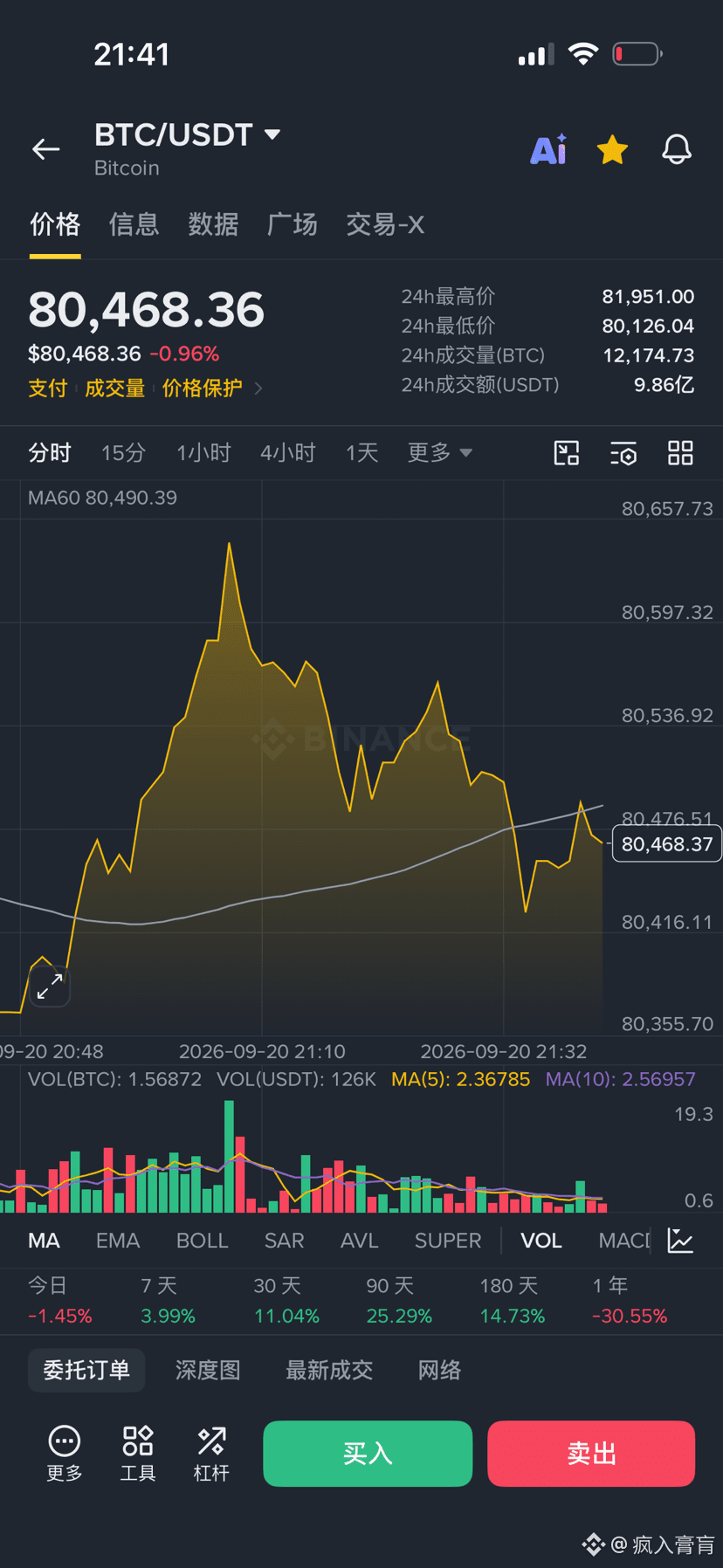
Tomorrow night I’m gunning for 85,000—this time they even reversed to pick people up. Can they not get off the bus?
Tomorrow night I’m gunning for 85,000—this time they even reversed to pick people up. Can they not get off the bus?
1
1.8k
·
--
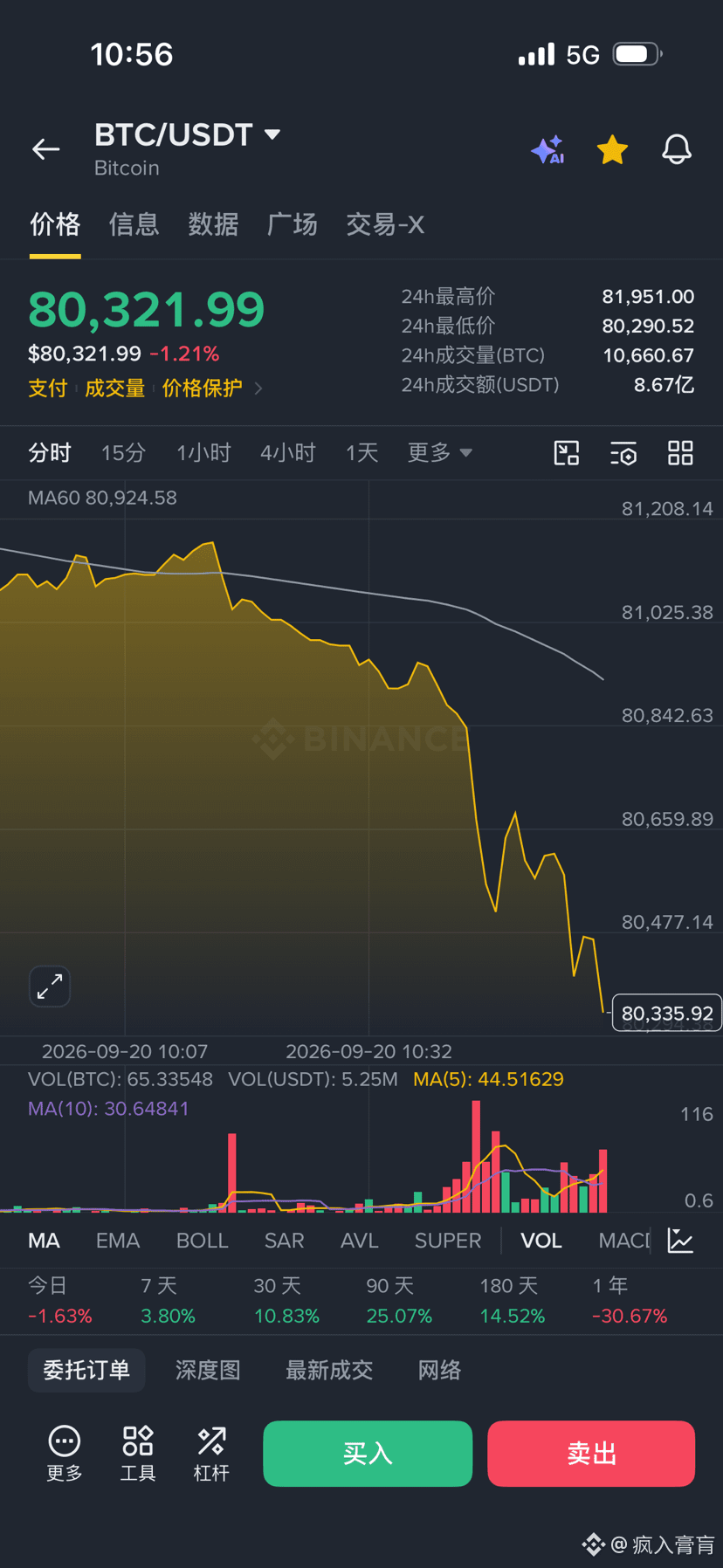
Is this about to break 80k again? I’m really begging you.
Is this about to break 80k again? I’m really begging you.
1.6k
·
--
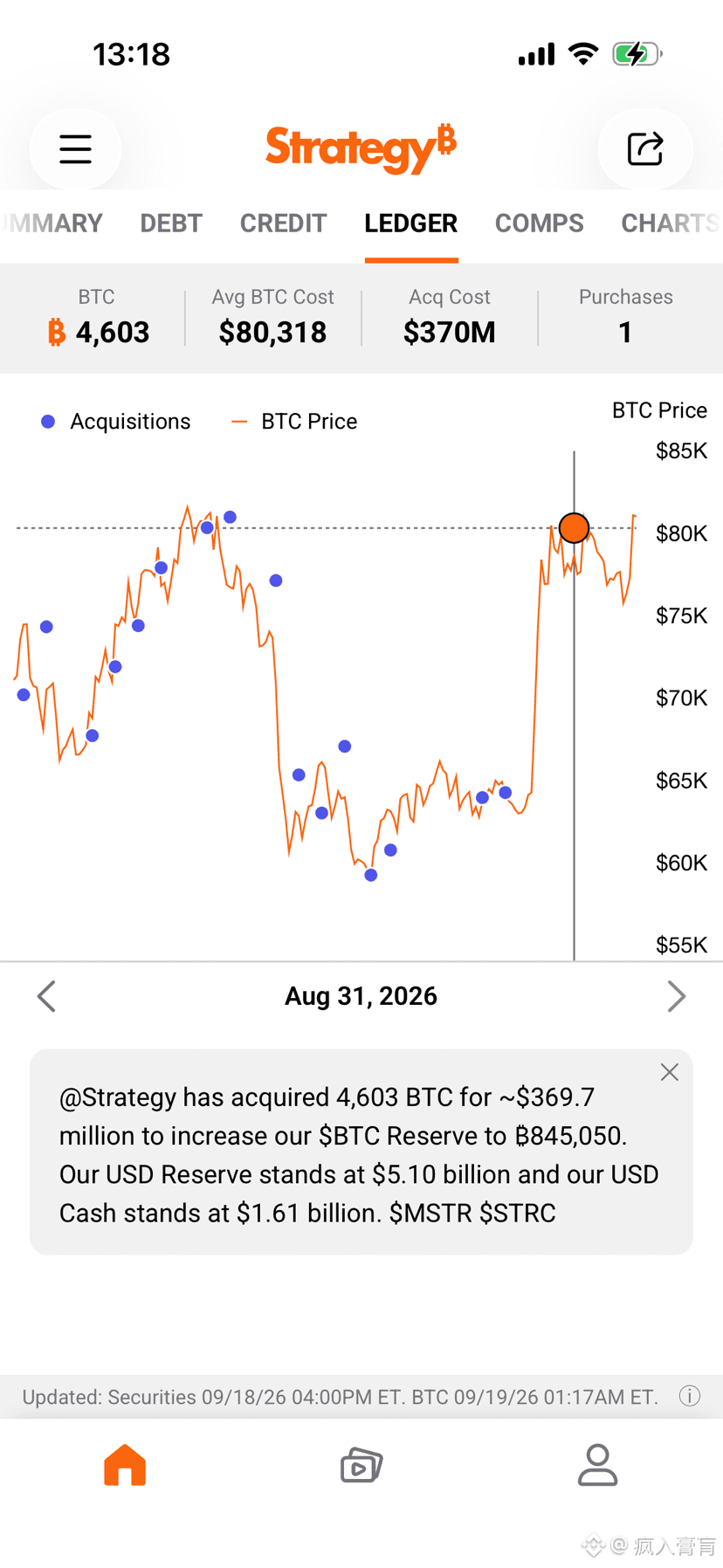
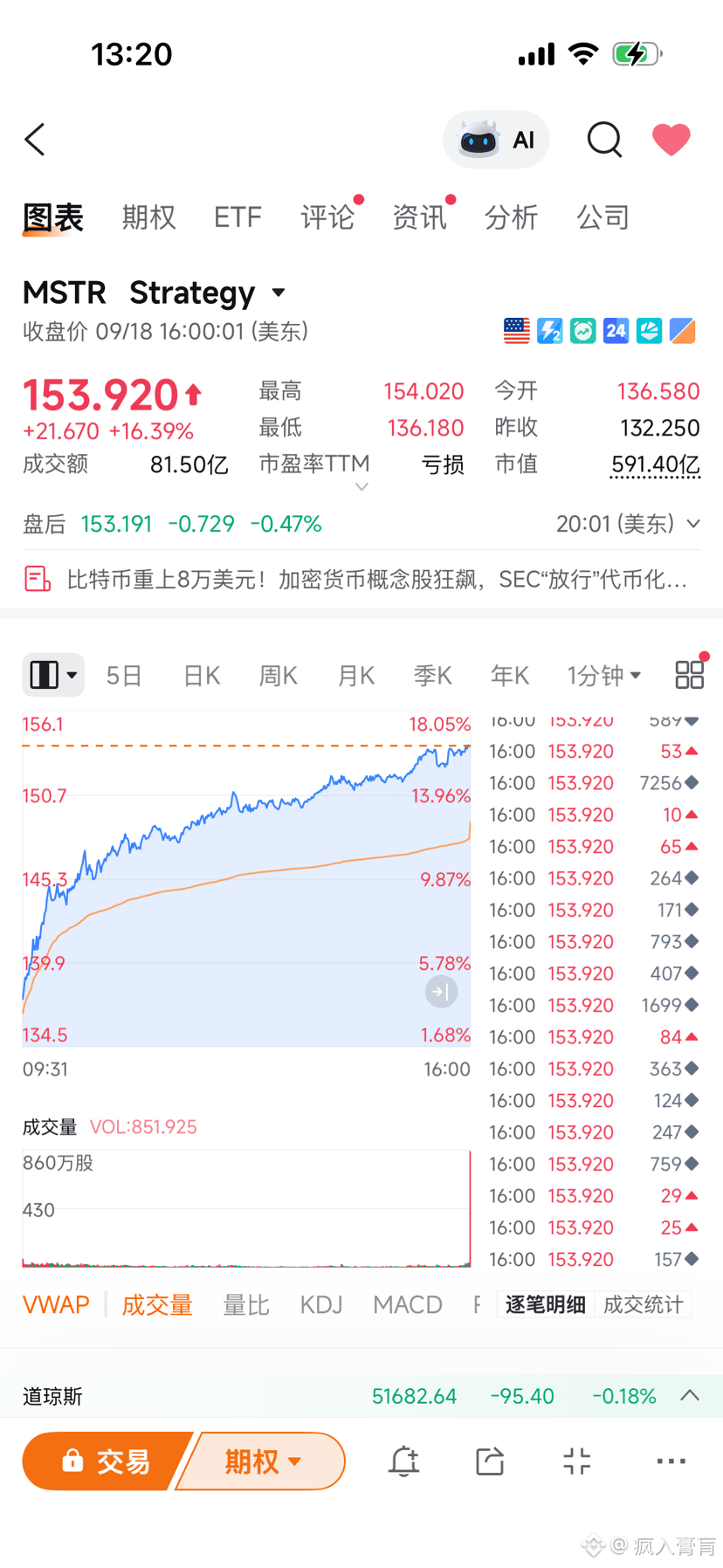
I want to know whether yesterday’s big surge and strategy are related. If yesterday MicroStrategy was still buying, then it wouldn’t be stable—it could be a fake bull. If yesterday MicroStrategy didn’t buy, then it’s pretty simple to wait for the seller to buy as it goes up to 85,000.
I want to know whether yesterday’s big surge and strategy are related. If yesterday MicroStrategy was still buying, then it wouldn’t be stable—it could be a fake bull. If yesterday MicroStrategy didn’t buy, then it’s pretty simple to wait for the seller to buy as it goes up to 85,000.
2
225
·
--
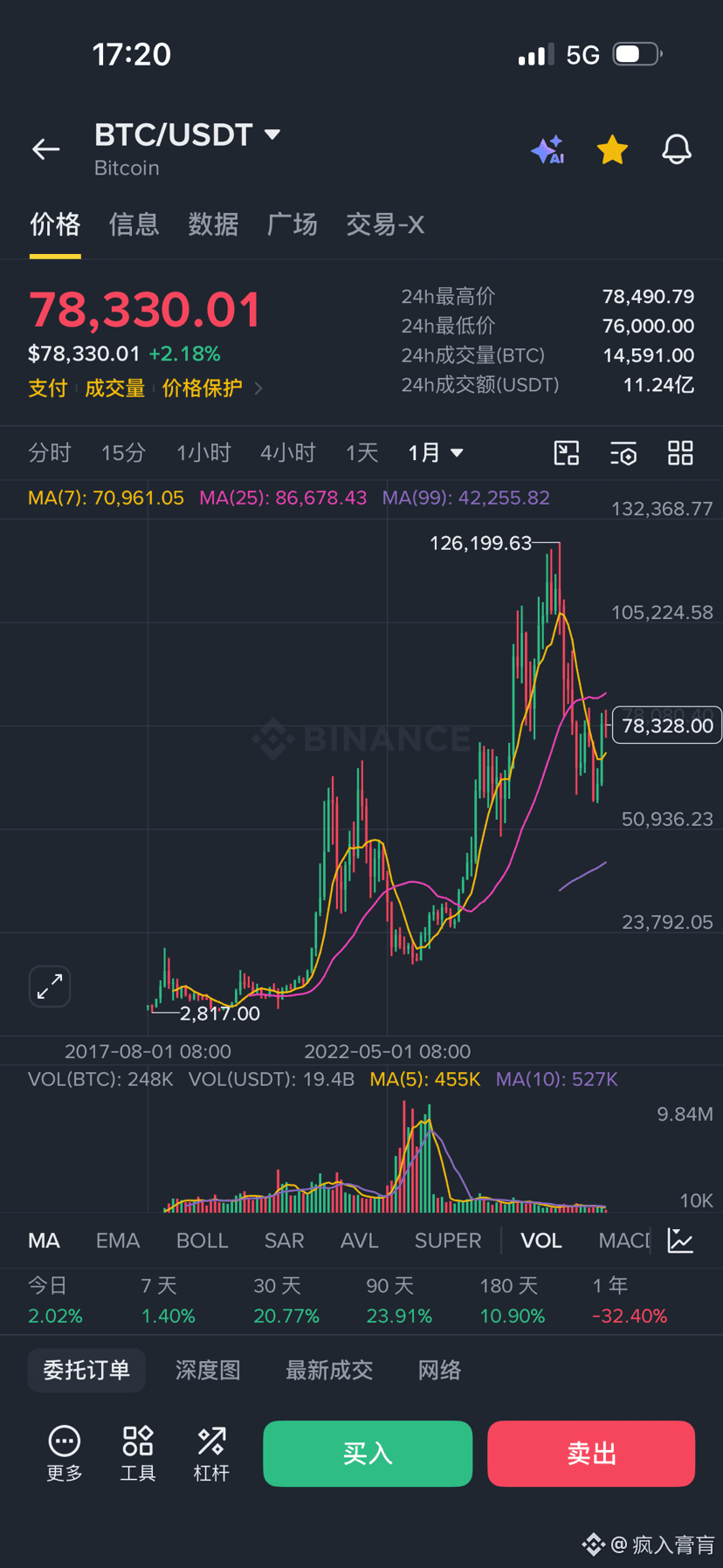
I’ll say it one last time: after tonight when we break above 80,000, you’ll never be able to buy BTC below 80,000 again
I’ll say it one last time: after tonight when we break above 80,000, you’ll never be able to buy BTC below 80,000 again
2
1
1.6k
·
--
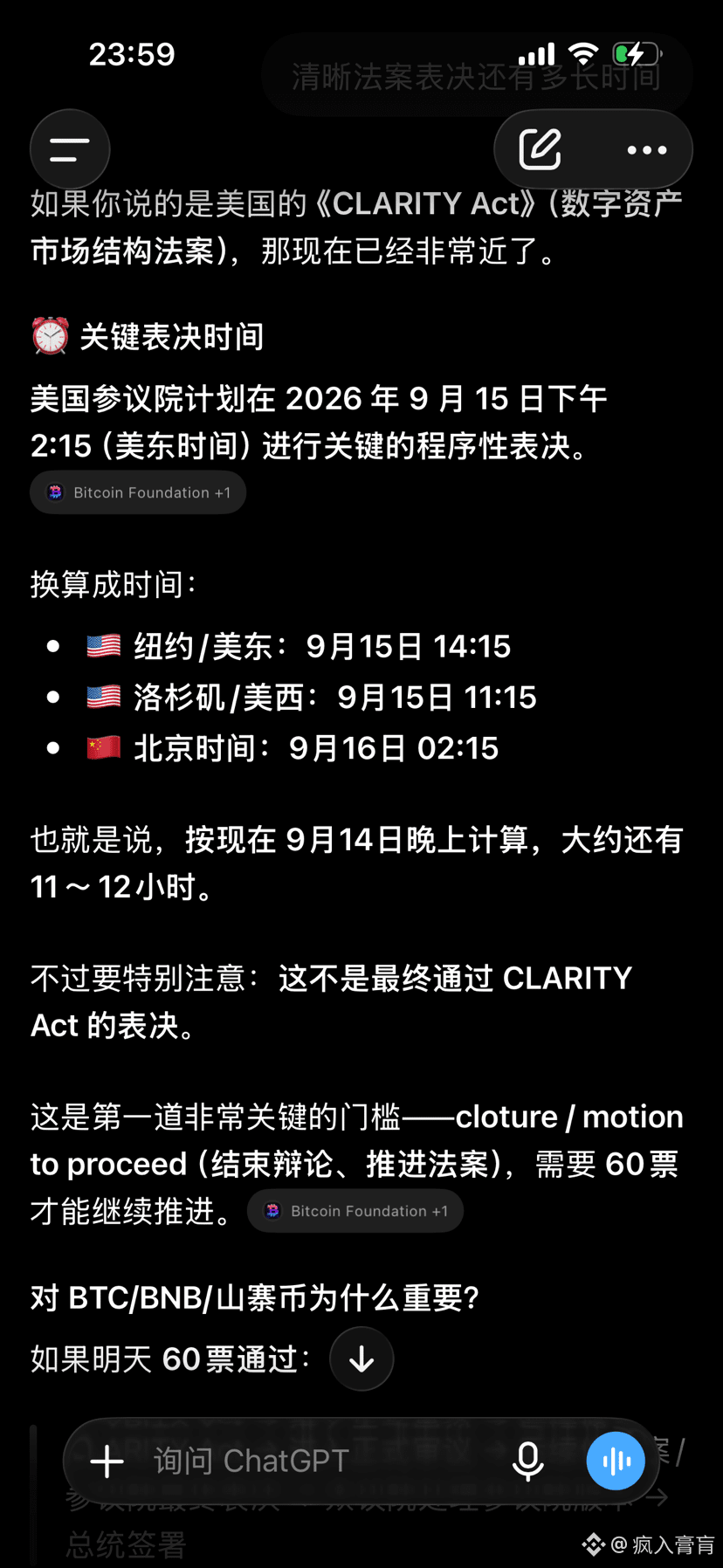
Clear the bill voting time. I'm ready for the bill to fail—I'll fall $60k and buy half. Then on the 17th, after the rate hike, when it drops to $30k, I'll buy the other half to allocate to BTC.
Clear the bill voting time. I'm ready for the bill to fail—I'll fall $60k and buy half. Then on the 17th, after the rate hike, when it drops to $30k, I'll buy the other half to allocate to BTC.
29
2
13
21.2k
·
--
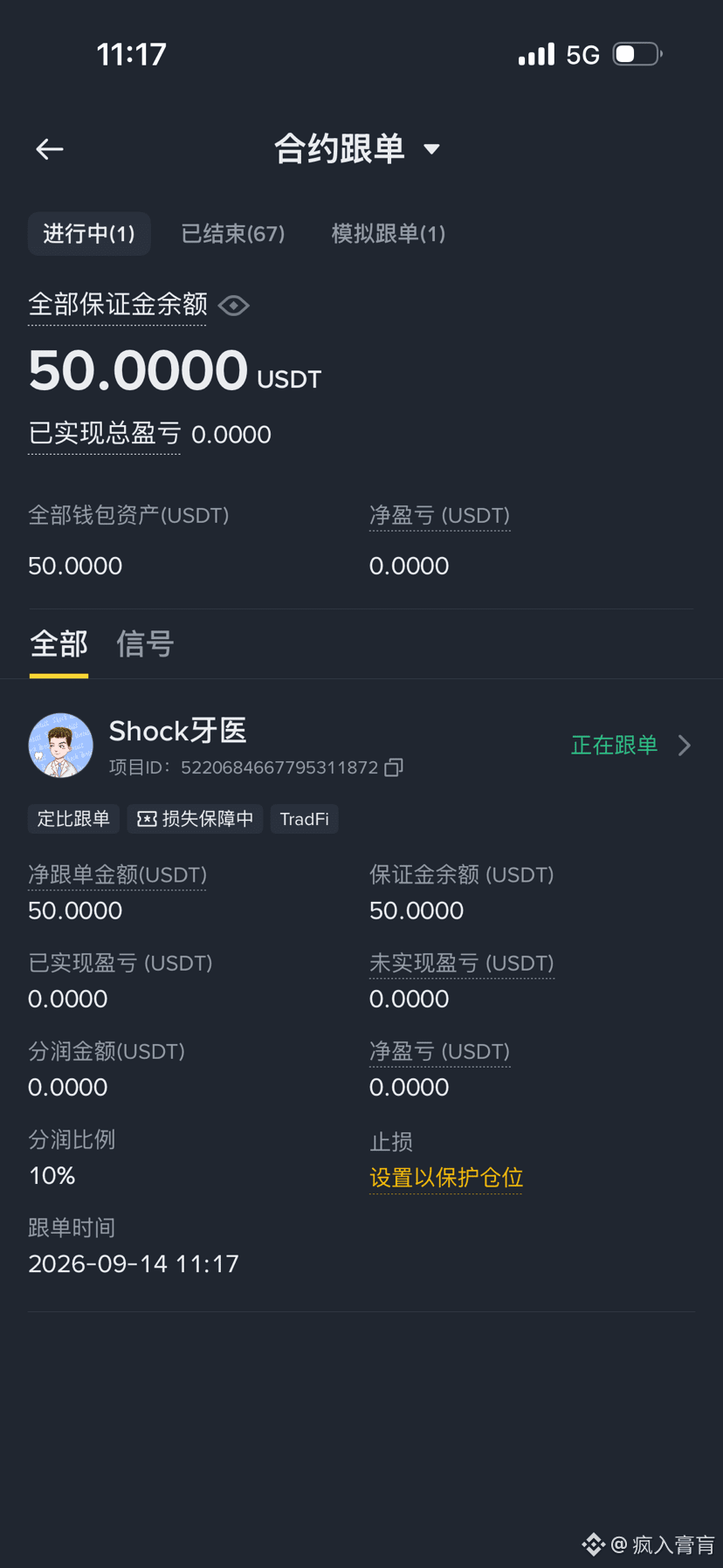
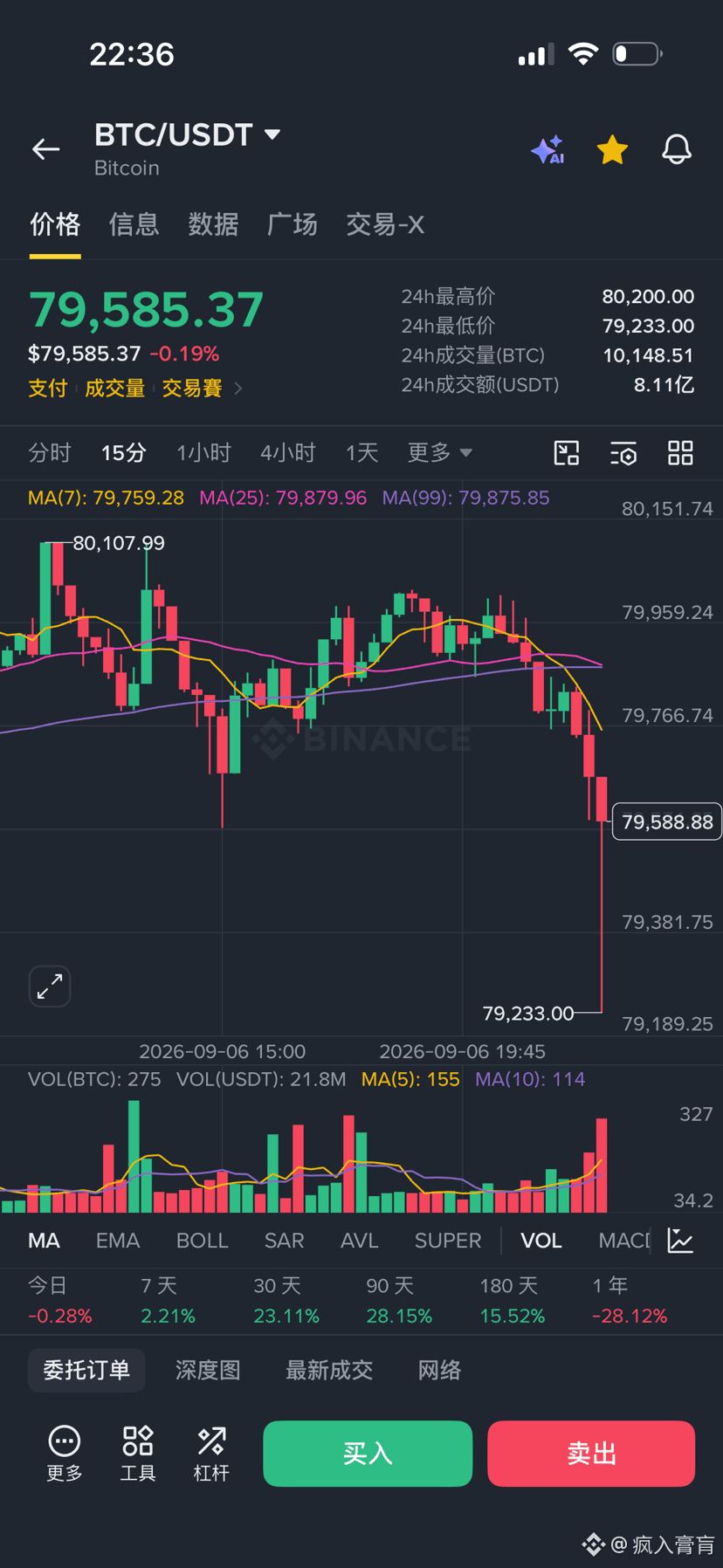
I sent out 50 packs of coupons, and I just wanted to make up for those 50 losses. So the first thing I thought of was a dentist.
I sent out 50 packs of coupons, and I just wanted to make up for those 50 losses. So the first thing I thought of was a dentist.
35
·
--
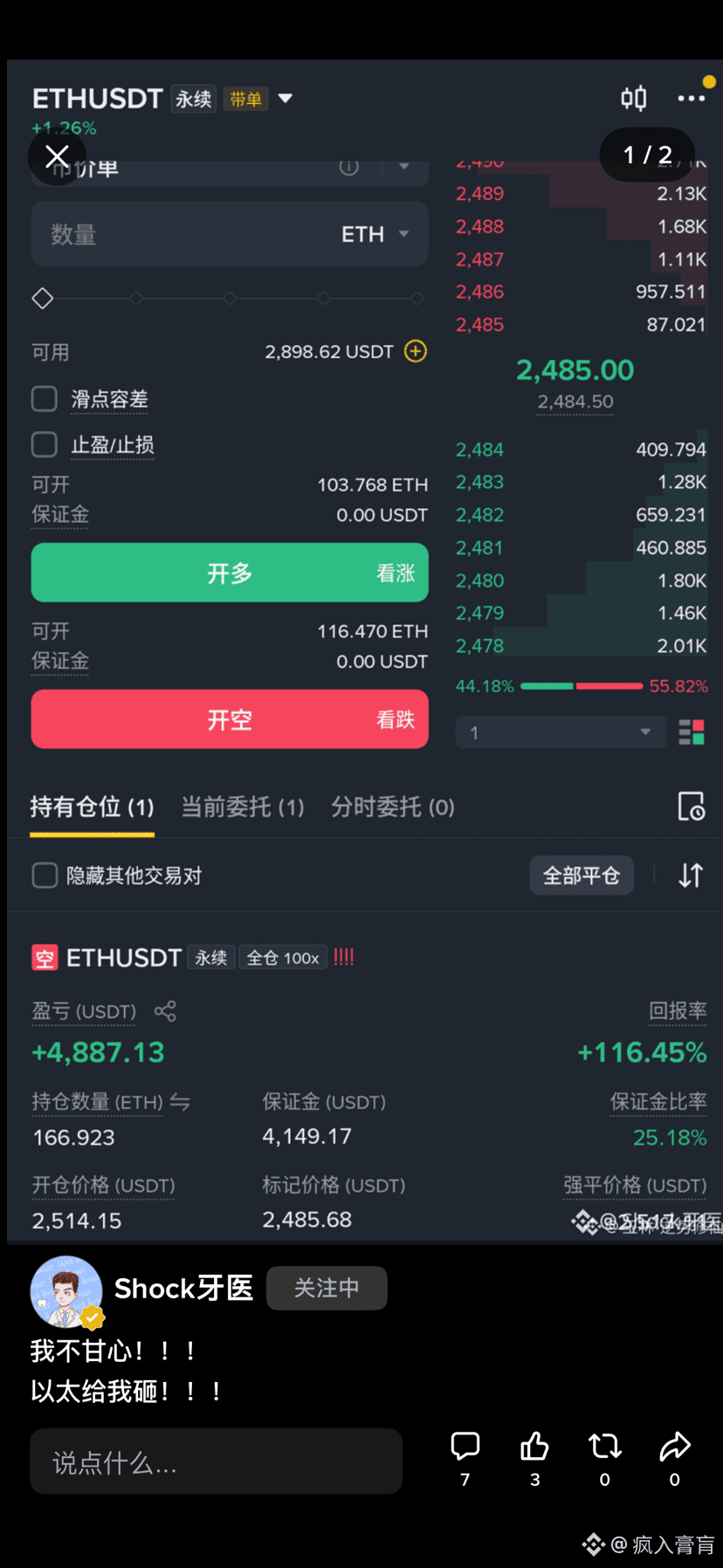
Important news flash: the whale dentist just opened a 177 ETH short position, liquidation price 2550.
Important news flash: the whale dentist just opened a 177 ETH short position, liquidation price 2550.
1
2
2k
·
--
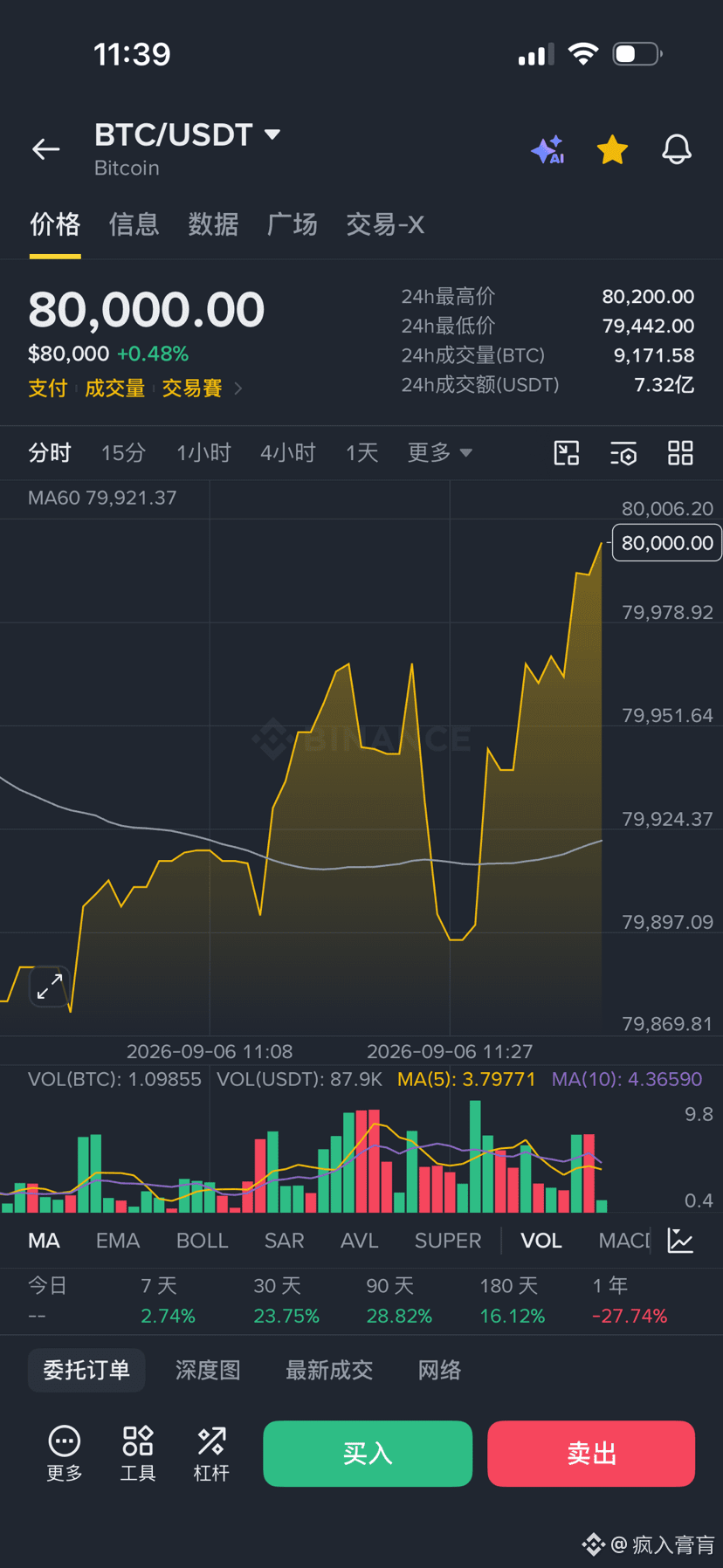
From then on, in this metaverse there will no longer be BTC below 80,000.
From then on, in this metaverse there will no longer be BTC below 80,000.
3
1
1.3k
·
--
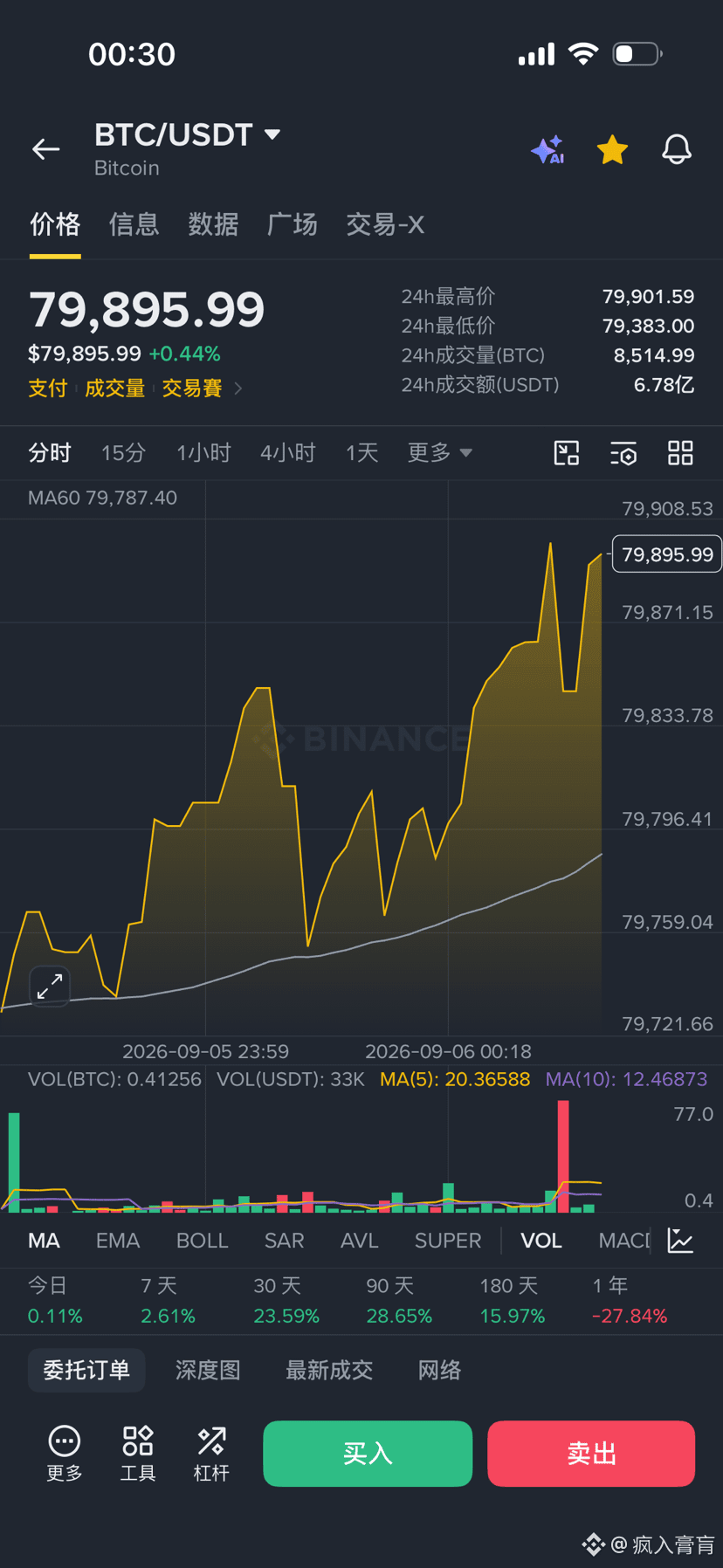
Is there any chance it can reach 80,000? Then I can sleep peacefully.
Is there any chance it can reach 80,000? Then I can sleep peacefully.
1
1.5k
·
--
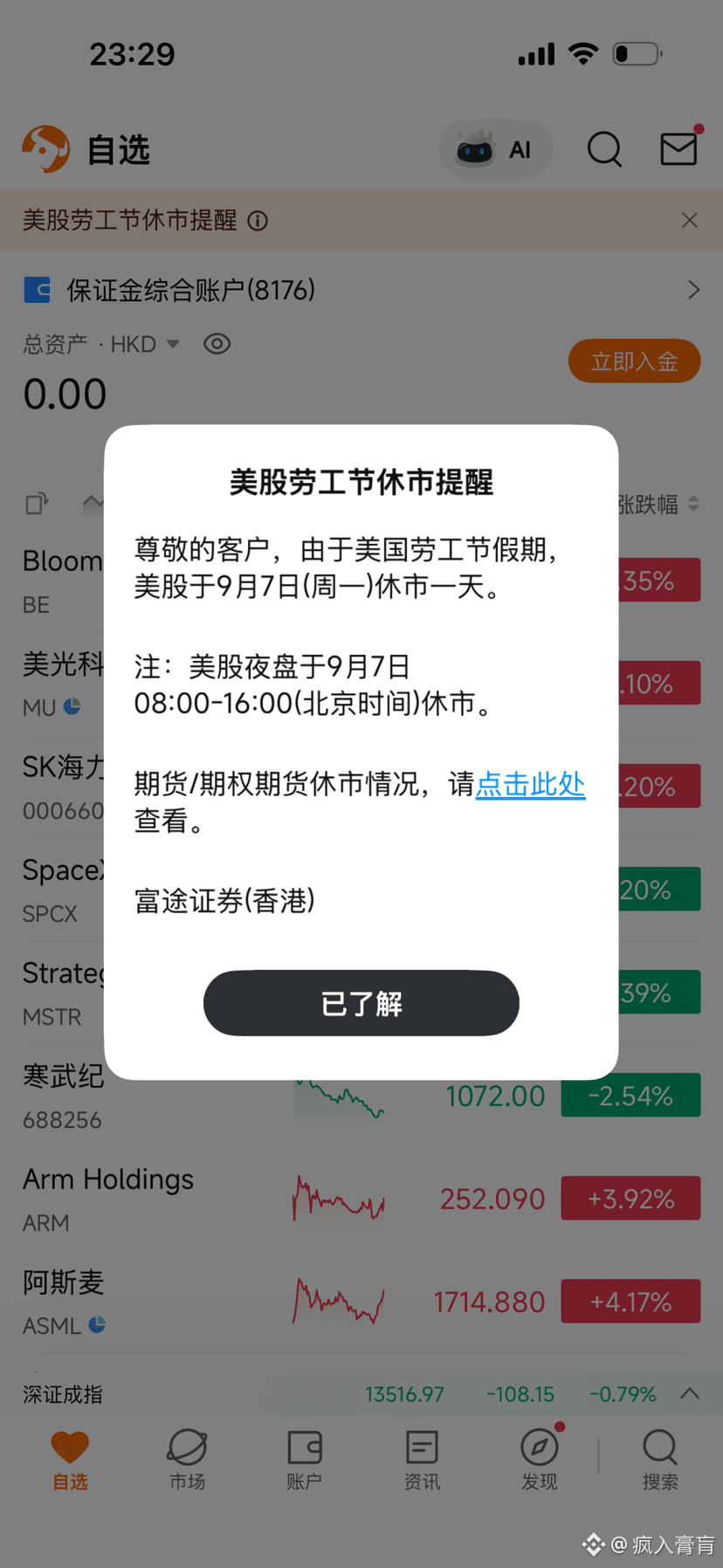
This market is stuck at 79600 for BTC, and it will last for three days! The U.S. is also closed on Monday
This market is stuck at 79600 for BTC, and it will last for three days! The U.S. is also closed on Monday
186
·
--
I’m not asking to keep up with BNB, but can Bitcoin at least get a little taste of the gravy?
I’m not asking to keep up with BNB, but can Bitcoin at least get a little taste of the gravy?
280
·
--
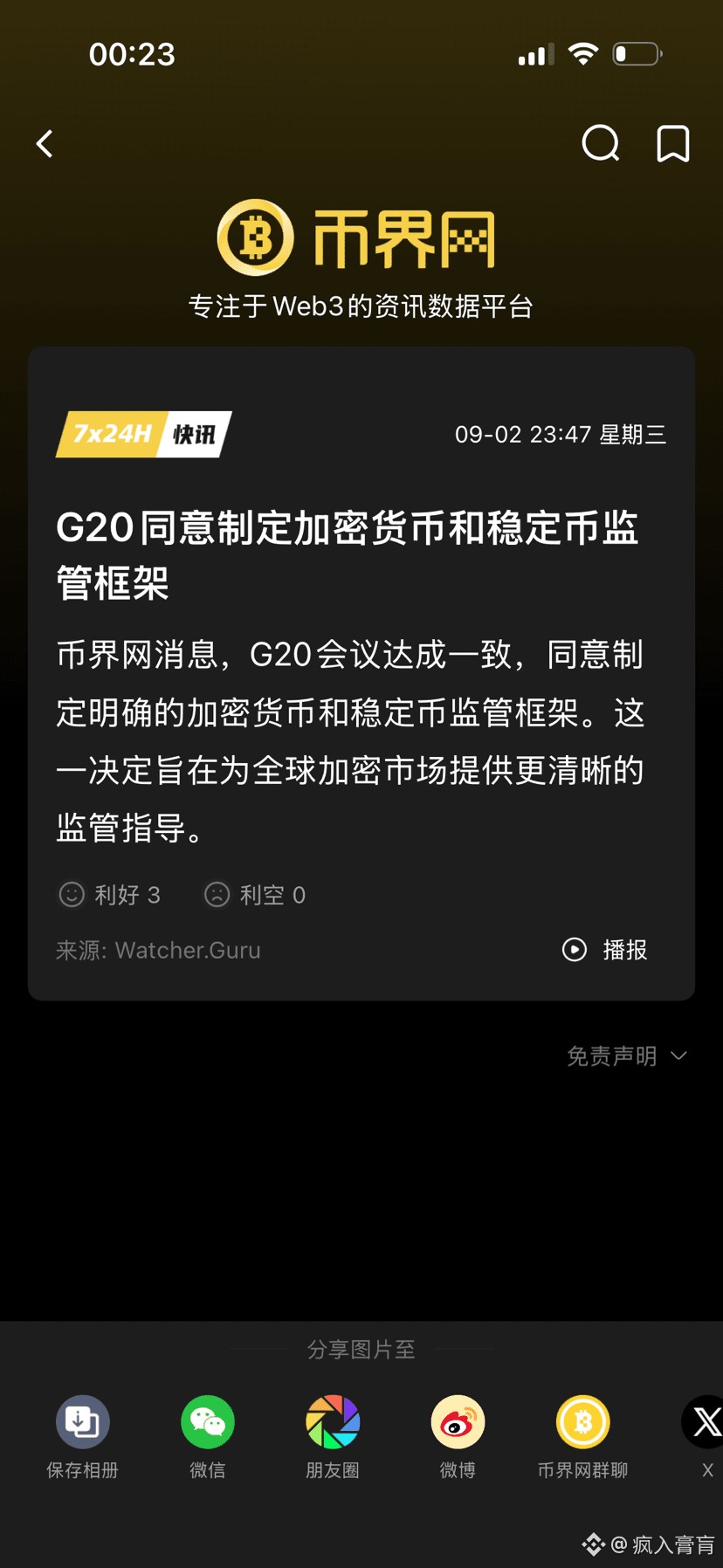
Does this G20 include China? If Bitcoin returns to China, then 1 million per coin would be a matter of minutes.
Does this G20 include China? If Bitcoin returns to China, then 1 million per coin would be a matter of minutes.
62
15
43.2k
·
--
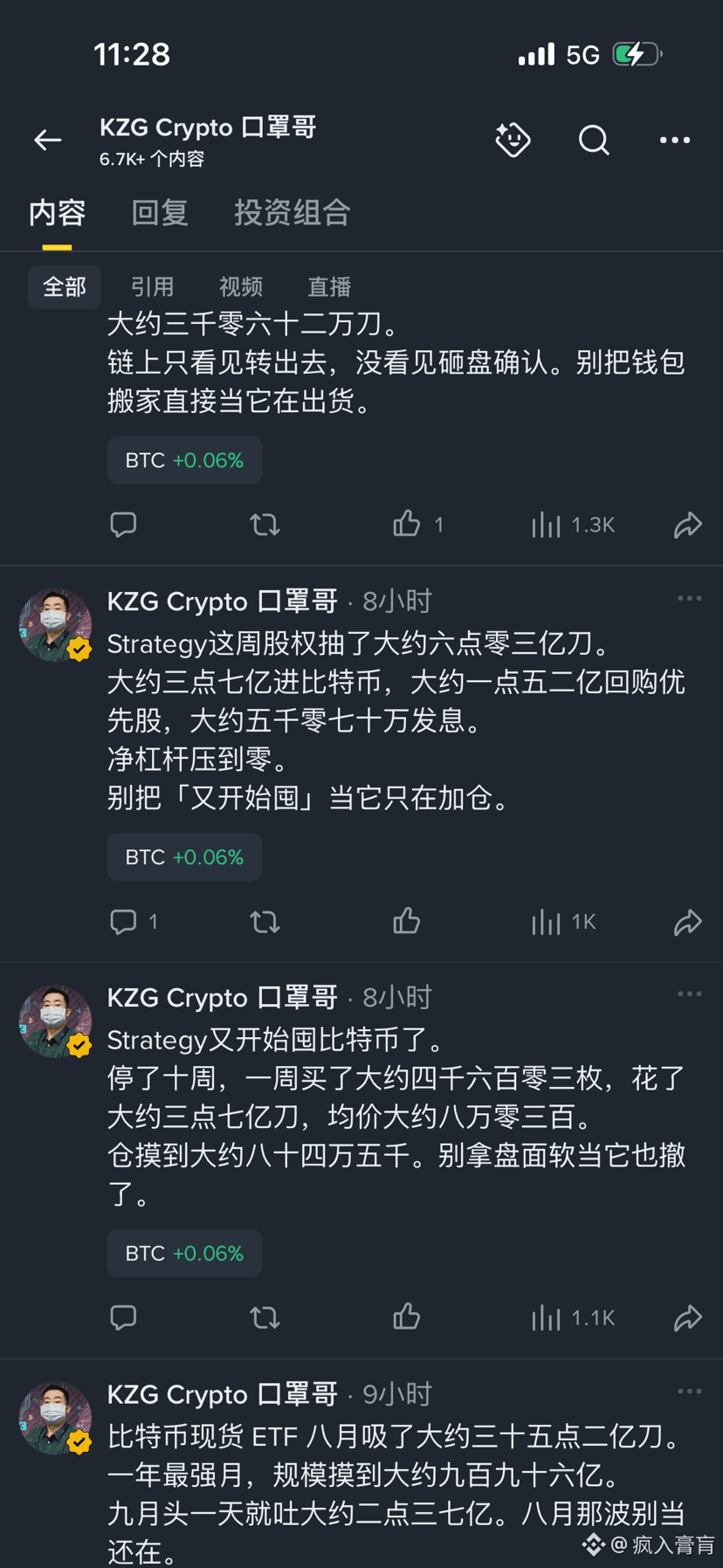
Kzg, this is still a script sent—there are conflicts in both the first and second parts.
Kzg, this is still a script sent—there are conflicts in both the first and second parts.
148
·
--
I thought the 80k run-up would be BlackRock’s ETF buying, but it turns out it’s Strategy buying instead. The last time it was at 80k, only Saylor was buying—I sold. Once it returns to 60k, I’ll buy one last time and won’t sell.
I thought the 80k run-up would be BlackRock’s ETF buying, but it turns out it’s Strategy buying instead. The last time it was at 80k, only Saylor was buying—I sold. Once it returns to 60k, I’ll buy one last time and won’t sell.
161
·
--
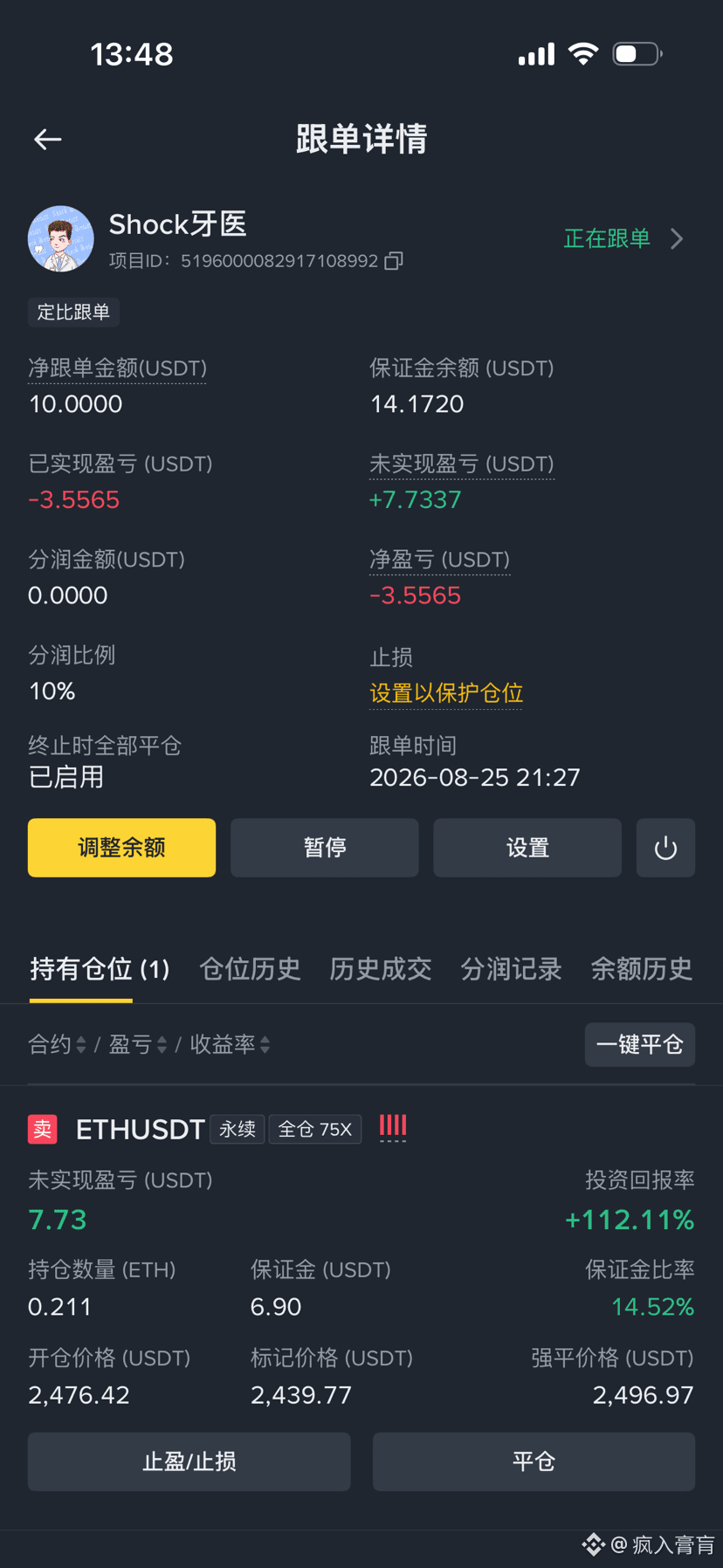
Dentist or savage—I've been wondering how my assets don't move up or down; turns out it’s just that when copy-trading, they give me 0.2 ETH for 10u, and they hedged against my spot with me 😂
Dentist or savage—I've been wondering how my assets don't move up or down; turns out it’s just that when copy-trading, they give me 0.2 ETH for 10u, and they hedged against my spot with me 😂
245
·
--
This time, for the rest of my life, I never want to see BTC below ten thousand again. Put up the spot—everything. I took my USDT 500 for investing and bought spot.
This time, for the rest of my life, I never want to see BTC below ten thousand again. Put up the spot—everything. I took my USDT 500 for investing and bought spot.
227
·
--
I really can’t take it anymore. Da Bing, don’t bet 80,000 again in this lifetime. With BTC propping up the market cap, the crypto world still has something to play with. One trillion isn’t enough—let’s go to ten trillion; there’s liquidity everywhere.
I really can’t take it anymore. Da Bing, don’t bet 80,000 again in this lifetime. With BTC propping up the market cap, the crypto world still has something to play with. One trillion isn’t enough—let’s go to ten trillion; there’s liquidity everywhere.
223
·
--
Doesn’t it feel like today’s 80,000 is pretty similar to the 60,000 back then—stuck in between, not great but not bad. Still, it firmly held its ground.
Doesn’t it feel like today’s 80,000 is pretty similar to the 60,000 back then—stuck in between, not great but not bad. Still, it firmly held its ground.
58
·
--
I’m thinking that in the US stock market, just about any company is worth a trillion dollars. Since BTC is so famous, it’s only worth a trillion dollars. Is it because too much BTC has been circulating outside, making it hard to push up? The spot ETF has a billion dollars, and the strategy also has a billion—half in the US and half in China, 1000亿 each. In US stocks, for example Nvidia—out of 4 trillion dollars, how much is held and not moved, and how much is actually being traded in the market?
I’m thinking that in the US stock market, just about any company is worth a trillion dollars. Since BTC is so famous, it’s only worth a trillion dollars. Is it because too much BTC has been circulating outside, making it hard to push up? The spot ETF has a billion dollars, and the strategy also has a billion—half in the US and half in China, 1000亿 each. In US stocks, for example Nvidia—out of 4 trillion dollars, how much is held and not moved, and how much is actually being traded in the market?
1
97
Log in to explore more content
Join global crypto users on Binance Square
⚡️ Get latest and useful information about crypto.
💬 Trusted by the world’s largest crypto exchange.
👍 Discover real insights from verified creators.
Email / Phone number
Trending Topics
BitwiseFilesFinalNEARSpotETFProspectus
71,862 views
1,279 Discussing
#bitwisefilesfinalnearspotetfprospectus
Can $NEAR REALLY reach $562 with an ETF approval? 🚀
The crypto market is buzzing as Bitwise files its final prospectus for a Spot NEAR ETF (Ticker: NRR on NYSE Arca)! 📊🔥
Is institutional money about to unleash the biggest pump in NEAR’s history? Analysts are throwing around mind-blowing price targets:
🎯 Intermediate Target: $155
🎯 2030 Long-Term Target: $562
💡 Let's do the math:
At $562, $NEAR would sit at roughly a $680 Billion market cap—putting it right up there with Ethereum's potential valuation. With NEAR leading the Chain Abstraction & AI crypto narrative, this might not be as crazy as it sounds!
With SEC regulations turning more crypto-friendly and Wall Street knocking on the door, are you Accumulating or Holding?
👇 Drop your realistic price prediction for $NEAR in the comments! 👇
#BitwiseFilesFinalNEARSpotETFProspectus #Altcoins #CryptoNews #ETF
Doomsday-Trader
·6 Likes
·3.6k views
BitgetHackerMoves$83MStolenXRP
29,632 views
157 Discussing
SOLSpotETFWeeklyInflow$188M
18,915 views
127 Discussing