
皮皮不挂壁
18 Posts

皮皮不挂壁
Report
Block User
BP-E8354D33D824
8 Following
15 Followers
0 Liked
Posts
All
Quotes
·
--
BTC is testing the 200-week moving average, and this weekend’s weekly close is crucial
Bitcoin briefly fell to around $67,000 today. According to BeInCrypto data, the price landed right around the 200-week simple moving average (approximately $67,922). In July this year, the same average caught a pullback, before the rally in August. So many people are watching to see whether it holds this time.
Here are a few key dates to keep an eye on:
1. This Sunday’s weekly close
If the weekly candle closes below the 200-week moving average, analysts see the next reference range at $66,000–$67,000, followed by around $62,300, a level that held twice this year.
2. November 30: MSCI index adjustment
MSCI will remove Strategy, the largest corporate holder of Bitcoin, from relevant indexes. Portfolio rebalancing by passive funds could bring additional volatility.
3. December 9: Fed rate decision
U.S. PPI was up 6.5% year over year in October, and market bets on a rate hike in December have risen above 80%. Macroeconomic pressures have yet to ease.
In addition, U.S. spot Bitcoin ETFs recorded net outflows for six consecutive trading days through November 12, totaling approximately $1.7 billion.
My take is that we’re now more in a “wait for events to unfold” phase, where technical levels and the macro calendar matter more than the news flow.
Do you think the 200-week moving average will hold this time?
#比特币 #BTC #200周均线 #美联储 #MarketAnalysis
300
·
--
AI giants are lining up to go public. Is Bitcoin’s money being “drained” away?
There’s an interesting theory making the rounds these past couple of days: Bitcoin’s weakness may have something to do with U.S. IPOs competing for capital.
First, the facts. BTC fell to around $67,500 this week, its lowest level since August, while the Crypto Fear & Greed Index dropped to 20, indicating extreme fear. Meanwhile, Anthropic is preparing for an IPO and reportedly plans to raise up to about $64.4 billion, with subscriptions at roughly six times the amount on offer.
In an interview, the CEO of Xapo Bank suggested that investors looking to secure IPO allocations may first sell liquid assets like Bitcoin to free up cash. He compared it to the period before SpaceX’s IPO this June, when Bitcoin also weakened. Strive’s CEO offered a similar comparison: BTC fell about 19% in the 50 days before SpaceX’s IPO, and has fallen about 18% over a similar period ahead of Anthropic’s IPO.
My take is that this logic can explain some of the weakness, but not all of it. Rising expectations of a Fed rate hike in December, consecutive outflows from spot ETFs, and weakness in U.S. tech stocks are also weighing on the market. Attributing the entire decline to an “IPO cash drain” is an oversimplification.
Still, it’s a reminder of one thing: The crypto market is becoming increasingly intertwined with traditional capital markets, so keeping an eye on the flow of funds in U.S. stocks is important when following crypto, too.
Do you think major IPOs really divert capital from crypto, or is this just an explanation people reach for when prices fall?
#比特币 #BTC #Anthropic #美股IPO #MarketSentiment
274
·
--
Bitcoin drops below $70,000—what is this downturn really pricing in?
BTC fell below $70,000 intraday today, hitting a low near $67,000, its lowest level since mid-August. ETH also dropped below $2,000. Here are a few key themes I’ve been tracking over the past couple of days:
1. Interest rate expectations have shifted. U.S. October CPI came in higher than expected. According to CME FedWatch data, traders have now priced in an over 80% probability of a 25-basis-point Fed rate hike in December. The U.S. Dollar Index climbed above 103, and the 10-year Treasury yield returned to above 5%, putting risk assets under broad pressure.
2. ETF funds are flowing out. According to Farside data, U.S. spot Bitcoin ETFs have seen net outflows for multiple consecutive trading days, totaling more than $1.4 billion. Institutional buying has clearly weakened.
3. Leverage is being flushed out. CoinGlass data shows more than $1.6 billion in liquidations over 24 hours, nearly 90% of them long positions. Funding rates have turned negative, suggesting the market is now more inclined to short.
4. Sentiment has reached an extreme. The Fear & Greed Index has fallen to 20, entering the extreme fear zone.
My take: In the short term, the direction will depend mainly on macroeconomic data and the December FOMC meeting. Sentiment indicators are only a reference—they’re not a reason to buy the dip. In this kind of market, I’m paying more attention to position sizing and leverage than trying to guess where the bottom is.
Do you think this is a temporary leverage flush, or the beginning of a macro shift? Let’s discuss in the comments.
#比特币 #BTC #美联储 #加密市场 #MarketAnalysis
85
·
--
Let’s Talk IPOs: Why “Going Public” Doesn’t Mean “Get In and Make Money”
Lately, lots of people have been talking about IPOs, and it’s the same in crypto: one launch, token subscription, and internal mint after another. I’ve taken part in several in a row, so here are some honest thoughts.
1. The issue price isn’t the floor
A lot of people think getting in at the launch price means they’re safe. In reality, once trading opens, the price is determined by buyers and sellers. If early token holdings are too concentrated, it’s common for the price to crash below the issue price right after launch.
2. Find out where the money is going
Before participating, get clear on three things: How much of the funds raised goes directly into the project team’s pockets? Is the liquidity pool created automatically, and can the funds be withdrawn? Does the contract have a backdoor, or allow additional tokens to be minted? You can check all of this on-chain—it’s more reliable than promotional materials.
3. The first few seconds after launch are crucial
The real volatility is concentrated in the first few minutes after the liquidity pool opens. Get your slippage settings, gas, and token approvals ready in advance, or a good price can vanish in an instant. I learned that the hard way this week: my sell order didn’t go through because the price fell too quickly. By the time I placed it again, I could only get a third of the price.
4. Set your exit rules in advance
Decide how much profit you’ll take and how much loss you’re willing to accept before trading opens. Write it down and stick to it—don’t hesitate in the heat of the moment.
5. Start with a small position
At their core, IPOs and token launches are about trading time and risk for an opportunity. Keep your position size under control, so losses don’t sting and any gains are a pleasant surprise.
In short: an IPO is an opportunity, not a guarantee. Check the contract first, then the rules, and only then the hype.
Which new launch have you joined recently? How did it go? Let’s talk in the comments 👇
#IPO #打新 #币安广场 #OnChainSecurity
59
·
--
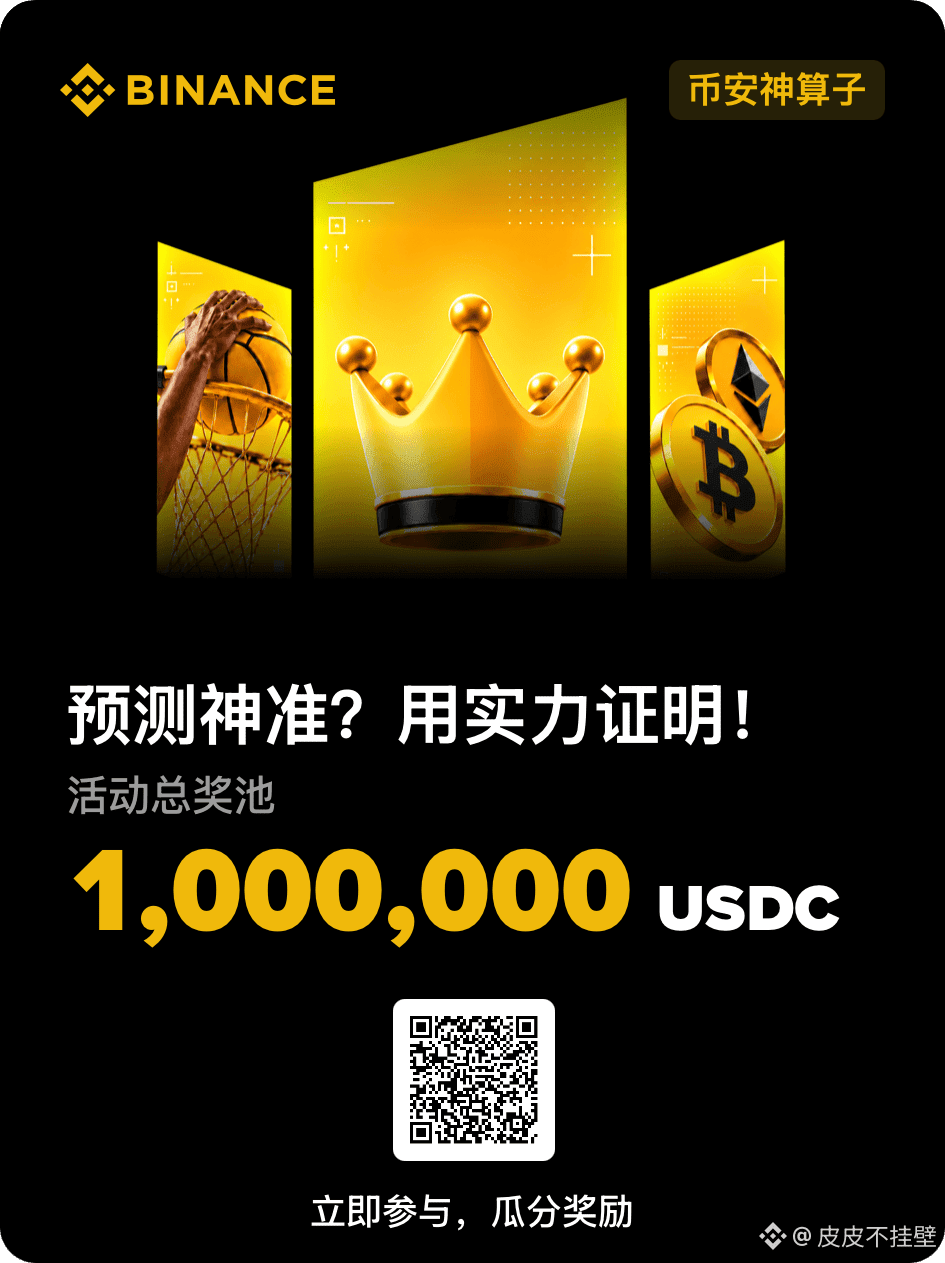
#币安神算子 You all saw nothing but panic
But all I saw was opportunity everywhere.
That
is why I lost more than all of you.
#币安神算子 You all saw nothing but panic
But all I saw was opportunity everywhere.
That
is why I lost more than all of you.
But all I saw was opportunity everywhere.
That
is why I lost more than all of you.
1
·
--
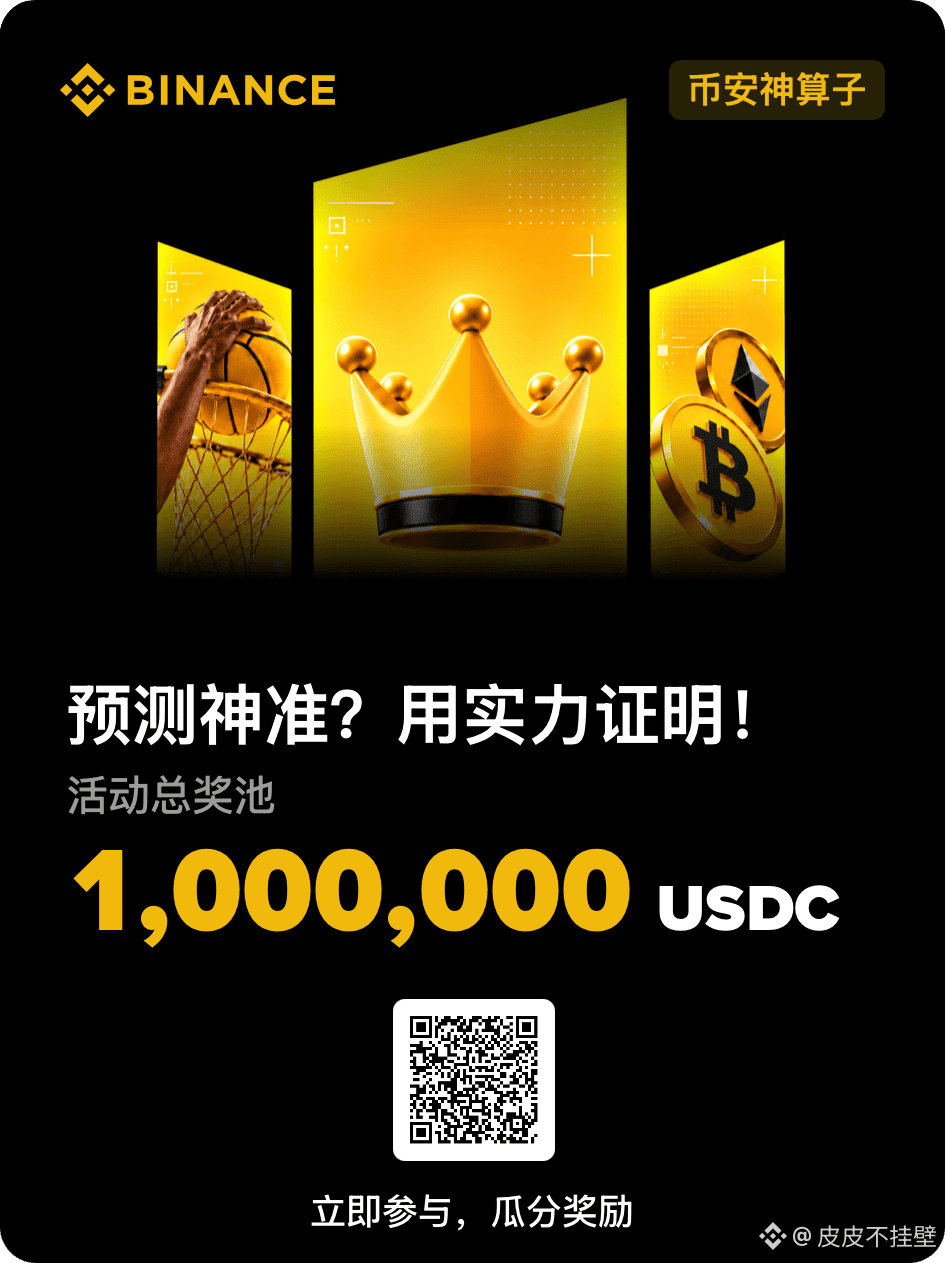
#币安神算子 I've been playing #BinanceOracle for a few days. Here are my honest thoughts 👇
How to earn points:
• Check in daily for extra bonuses for consecutive check-ins
• Post on the Square every day with the hashtag: +100
• Trade at least $50 every day: +200
• Use points to make predictions—get them right and keep building your score
My approach: I’m not chasing popular picks early on; I only bet on markets I understand. The new “Financial Results” section is pretty interesting—you can compare revenue, guidance, and market expectations, which gives you a better basis than guessing short-term price movements. I’m starting small and saving my points for opportunities I feel more confident about.
The event runs until November 16. The weekly leaderboard is finalized every Monday at 8 a.m., and there are participation prizes too, so just keep building up your points over time.
What have you been betting on lately? Let’s chat in the comments 👀
Participate responsibly. This is not investment advice.
67
·
--
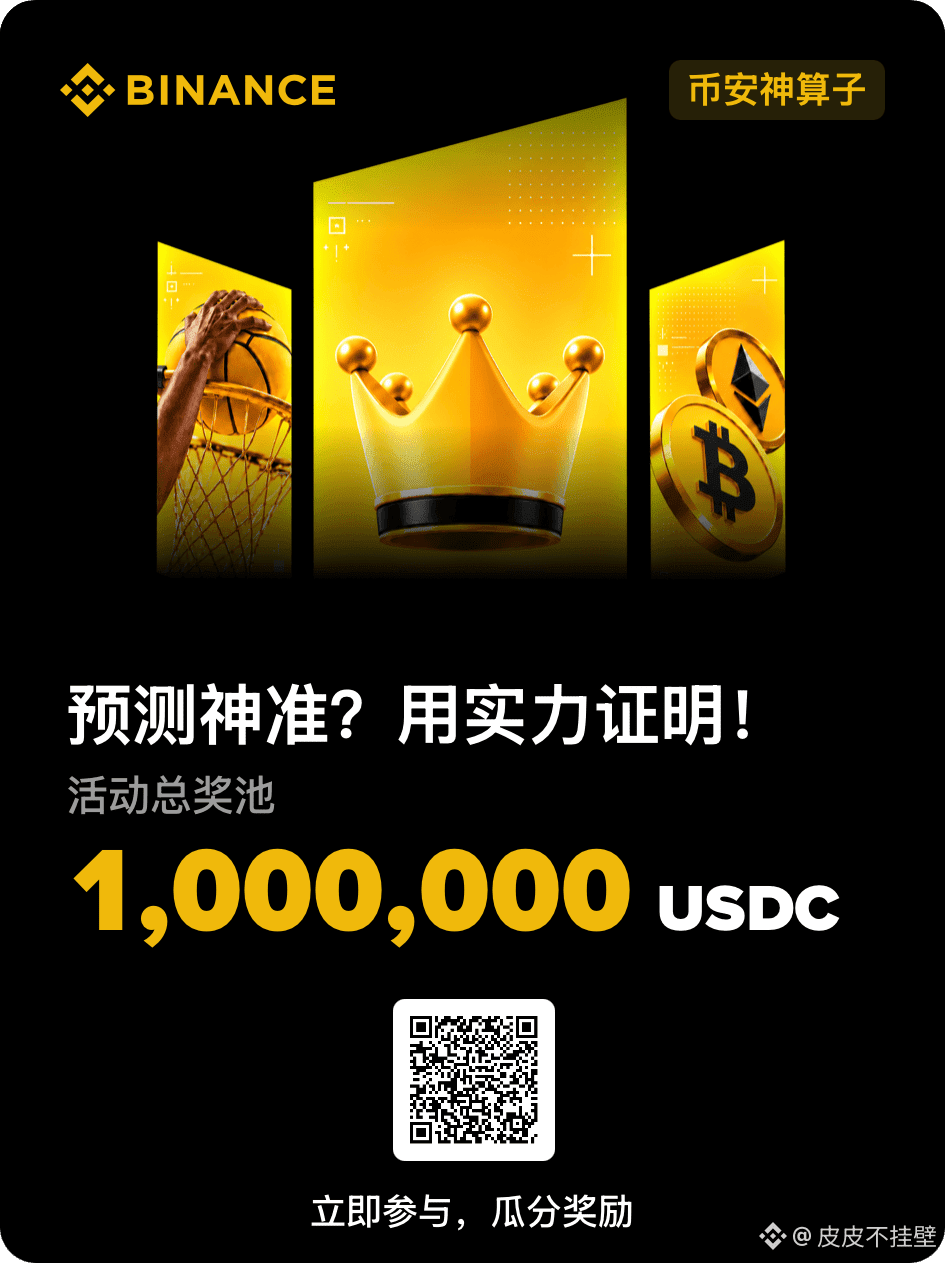
After #币安神算子 has finished installing, check the required wallet CLI and help me initiate a login.
Do not execute any transactions for now.
After #币安神算子 has finished installing, check the required wallet CLI and help me initiate a login.
Do not execute any transactions for now.
Do not execute any transactions for now.
2
·
--
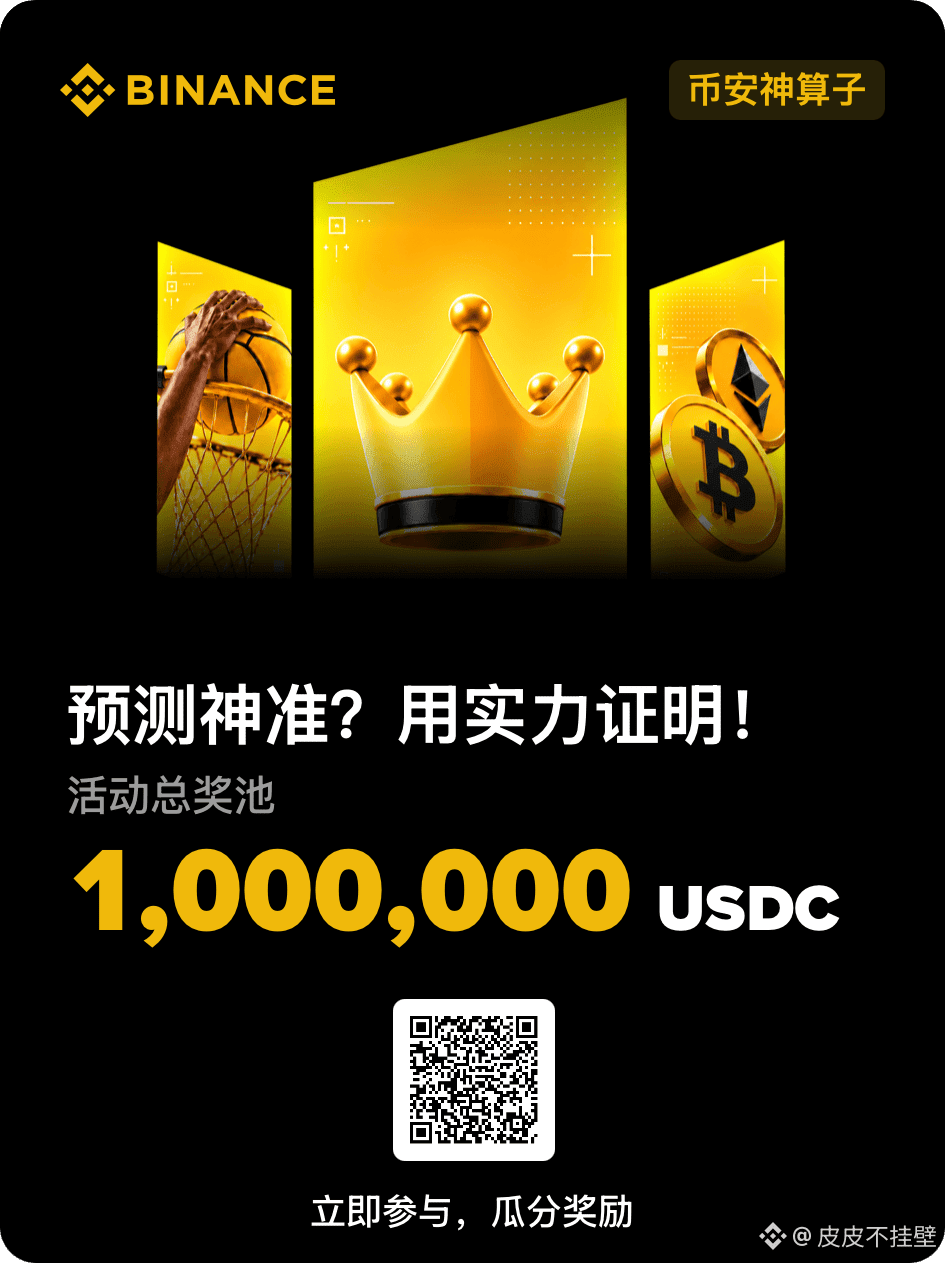
#币安神算子 Binance Oracle is officially live! Make predictions with points at no cost and climb the leaderboard to share up to 1 million USDC!
Earn points easily by checking in, posting, and trading. Early-bird rewards are already claimed—join the race now!
#币安神算子 Binance Oracle is officially live! Make predictions with points at no cost and climb the leaderboard to share up to 1 million USDC!
Earn points easily by checking in, posting, and trading. Early-bird rewards are already claimed—join the race now!
Earn points easily by checking in, posting, and trading. Early-bird rewards are already claimed—join the race now!
63
·
--
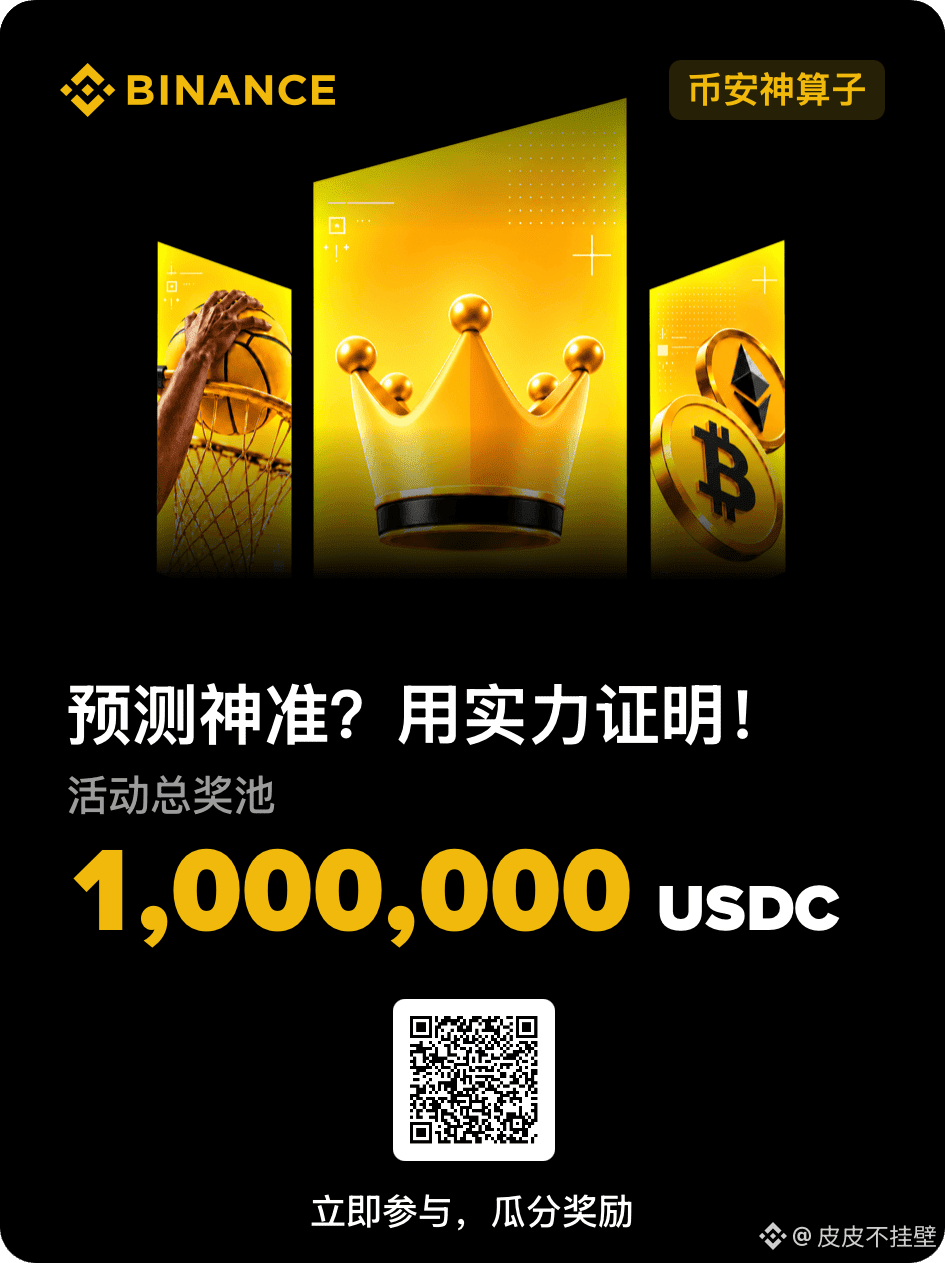
#币安神算子 Binance Predictor is officially live! Make predictions with points at no cost and climb the leaderboard to share up to 1 million USDC!
Earn points easily by checking in, posting, and trading. Early birds are already claiming rewards—join the race now!
#币安神算子 Binance Predictor is officially live! Make predictions with points at no cost and climb the leaderboard to share up to 1 million USDC!
Earn points easily by checking in, posting, and trading. Early birds are already claiming rewards—join the race now!
Earn points easily by checking in, posting, and trading. Early birds are already claiming rewards—join the race now!
·
--
#termmax Recently I’ve been following @TermMax and this project. It feels quite interesting in how it combines fixed income with DeFi. Through flexible maturity management and risk control, it offers everyday users more stable yield options while maintaining on-chain transparency. Personally, I think a direction that focuses on real needs has more long-term value than pure speculation. I’ll keep watching for further progress—feel free to discuss it with me too.
#termmax Recently I’ve been following @TermMax and this project. It feels quite interesting in how it combines fixed income with DeFi. Through flexible maturity management and risk control, it offers everyday users more stable yield options while maintaining on-chain transparency. Personally, I think a direction that focuses on real needs has more long-term value than pure speculation. I’ll keep watching for further progress—feel free to discuss it with me too.
74
·
--
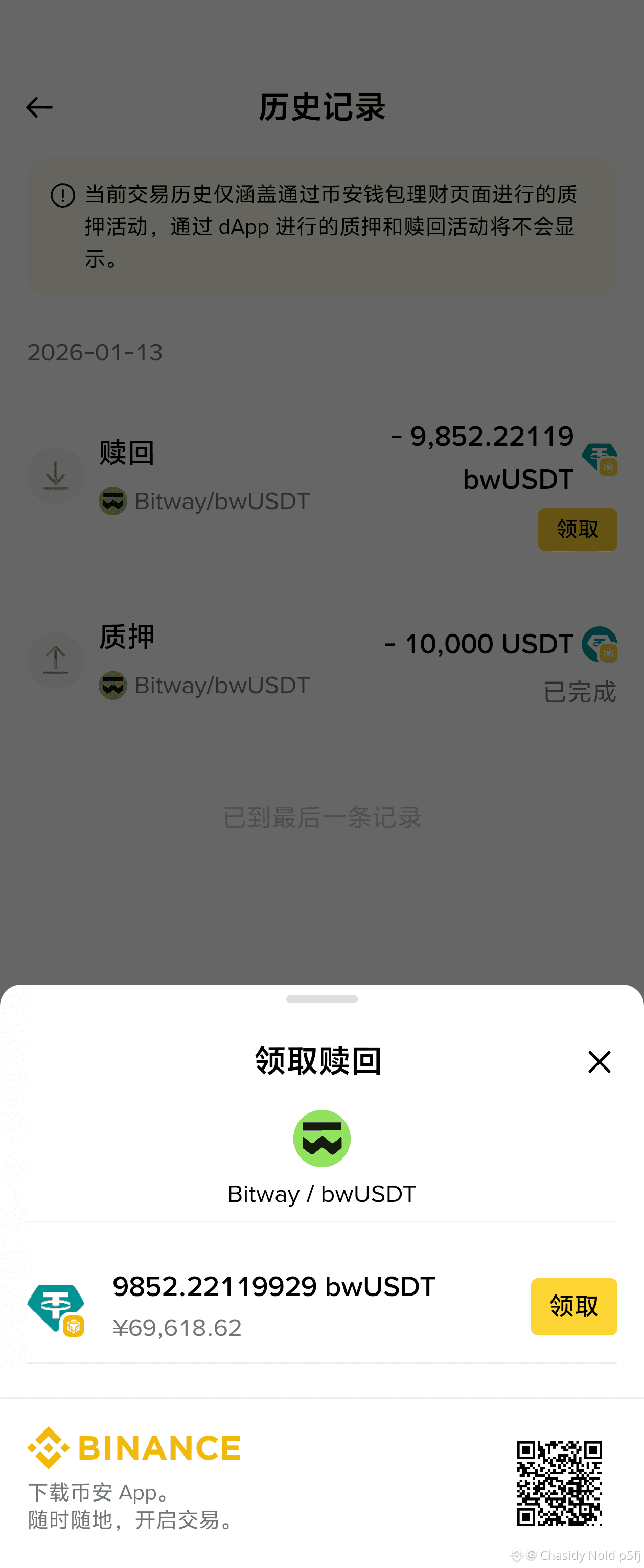
What’s going on if the Bitway staking promotion expires and you can’t redeem?
What’s going on if the Bitway staking promotion expires and you can’t redeem?
99
Log in to explore more content
Join global crypto users on Binance Square
⚡️ Get latest and useful information about crypto.
💬 Trusted by the world’s largest crypto exchange.
👍 Discover real insights from verified creators.
Email / Phone number