
Yick_Yang
87 Posts

Yick_Yang
币安返佣:YICKBTC|公众号:叁拾湾
18 Following
85 Followers
127 Liked
Posts
#铜价创历史新高突破每磅6.80美元 Copper prices have gone crazy again…
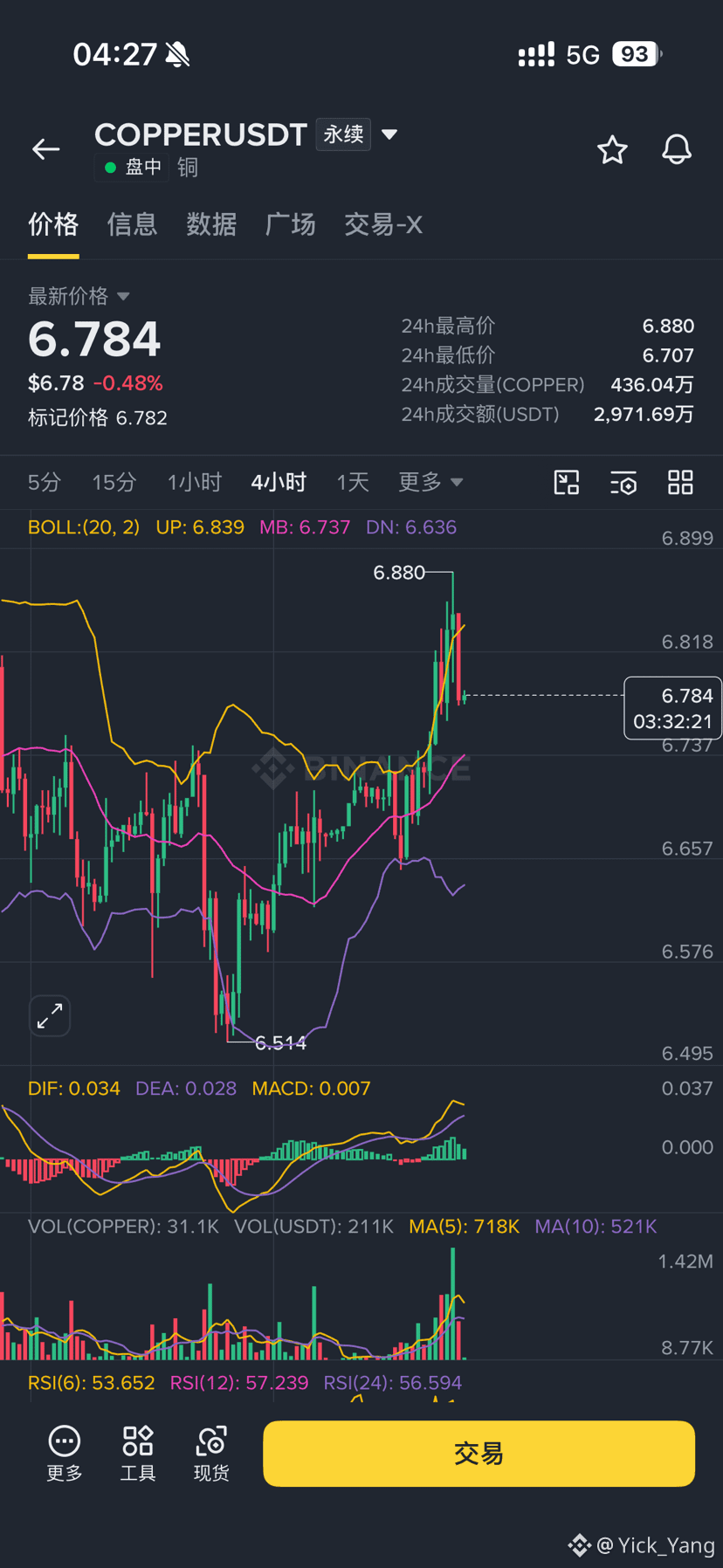
Prices have broken through $6.80 per pound, and copper in London has also hit a new all-time high.
Behind this round of gains, the core logic is still twofold: on one side, supply is getting tighter and tighter; on the other, AI data centers, power grids, and new energy continue to drive copper demand.
Add in expectations of US tariffs, and more and more copper is being shipped to the US in advance, further squeezing supply in other regions.
Copper has risen this much already—are the markets once again pricing in the next round of inflation ahead of time?
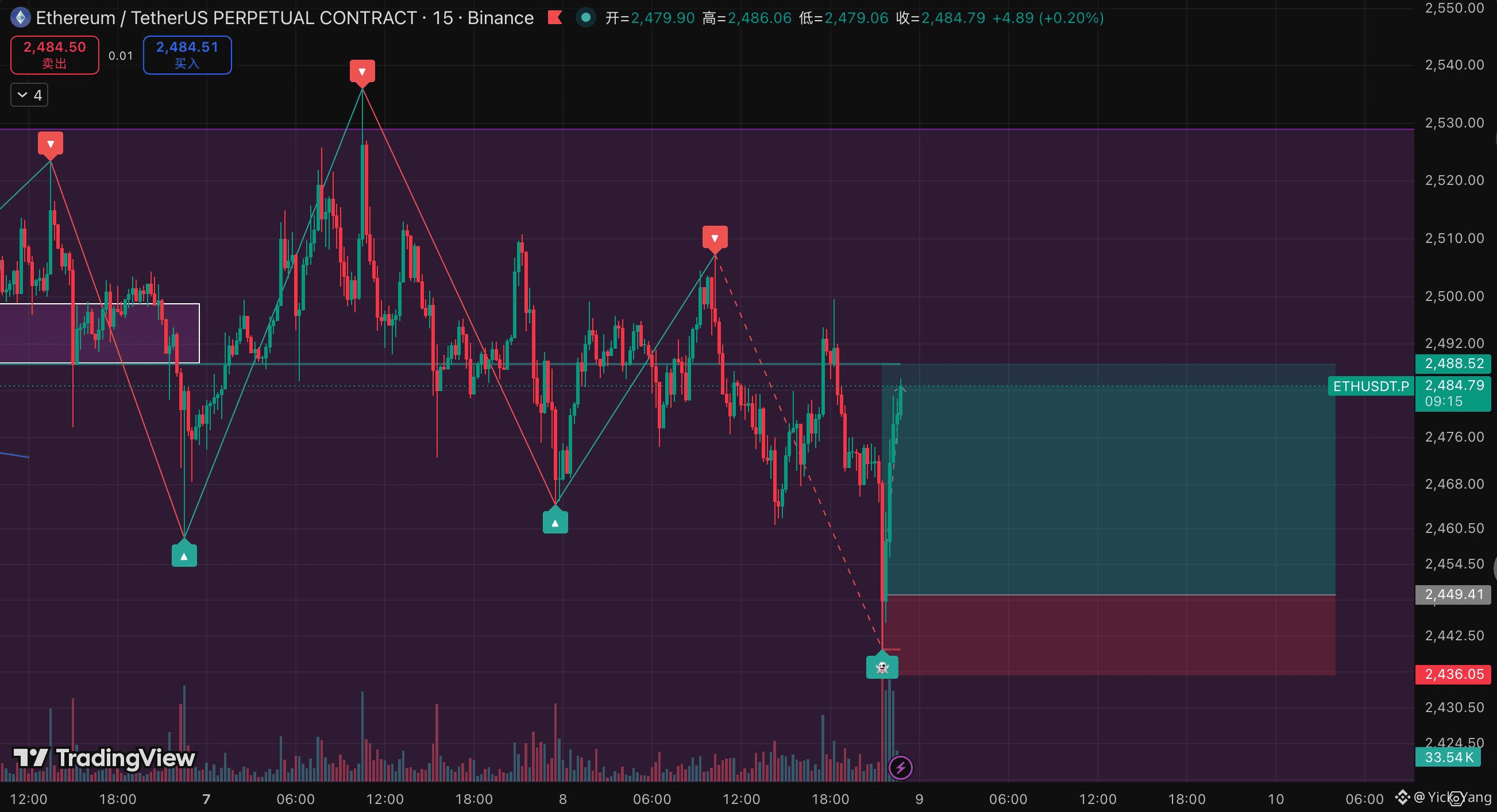
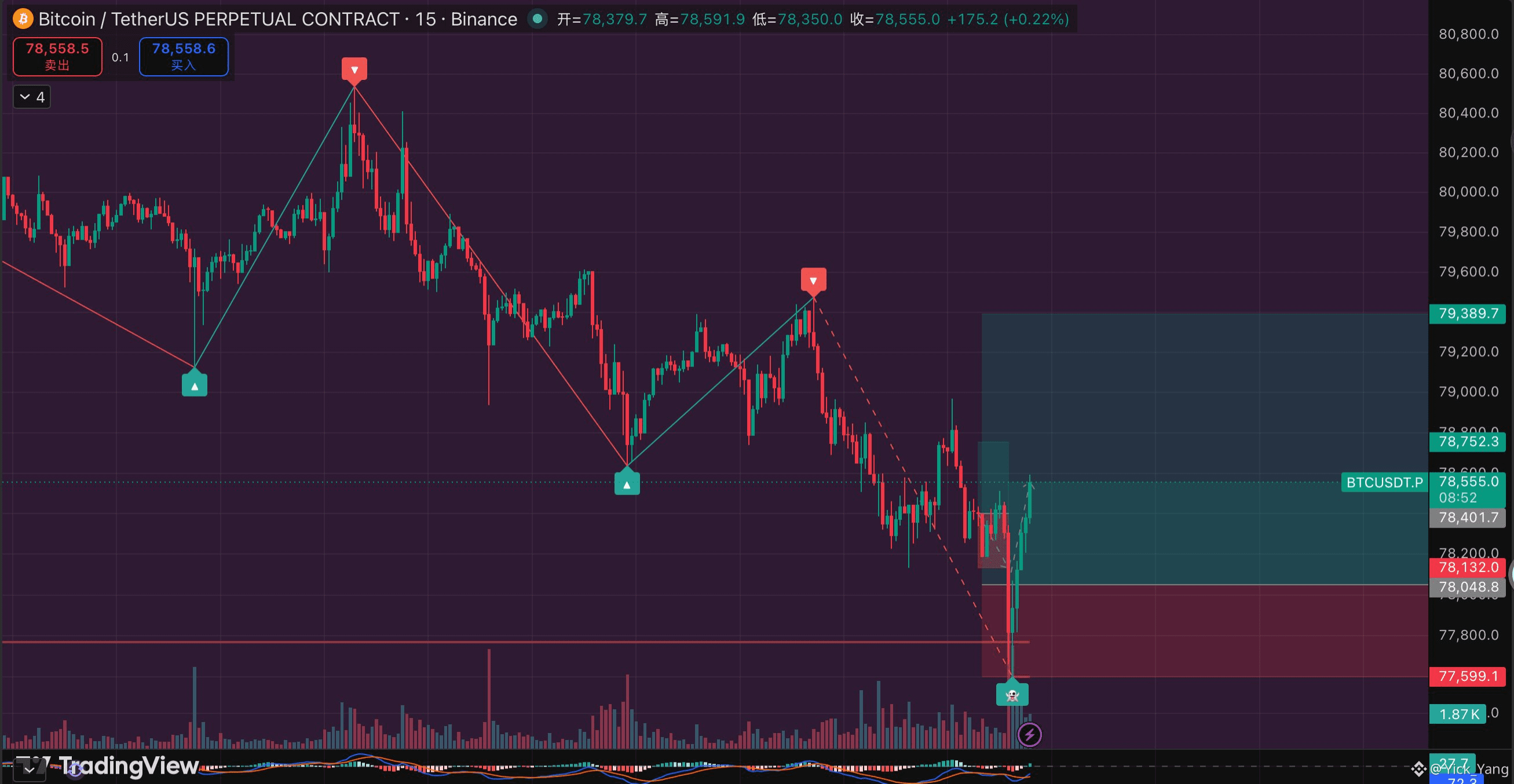
Will crypto also react next? Worth taking another look$BTC $COPPER
Prices have broken through $6.80 per pound, and copper in London has also hit a new all-time high.
Behind this round of gains, the core logic is still twofold: on one side, supply is getting tighter and tighter; on the other, AI data centers, power grids, and new energy continue to drive copper demand.
Add in expectations of US tariffs, and more and more copper is being shipped to the US in advance, further squeezing supply in other regions.
Copper has risen this much already—are the markets once again pricing in the next round of inflation ahead of time?
Will crypto also react next? Worth taking another look$BTC $COPPER
See translation
#美加关税战升级
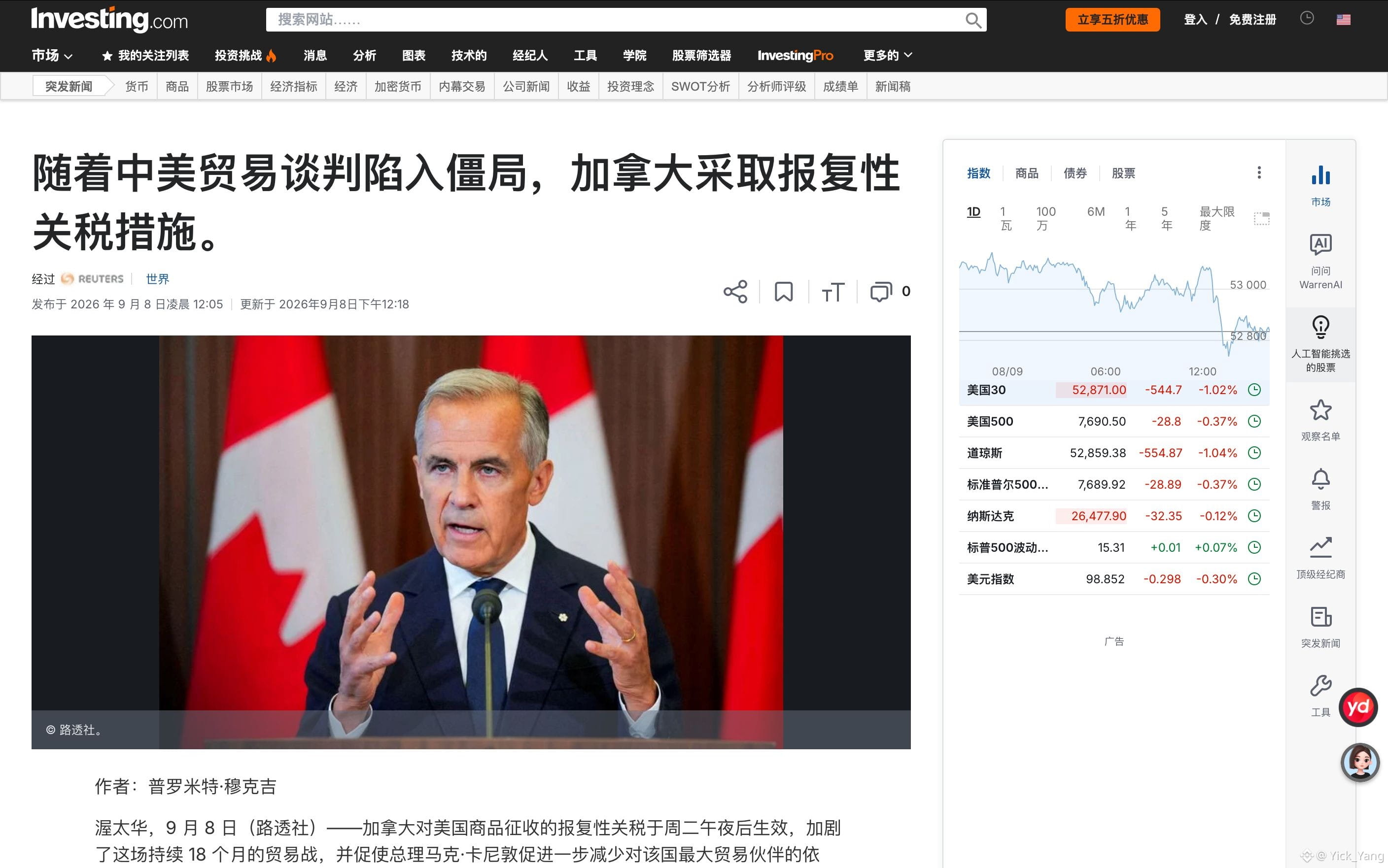
加拿大9月8日起对约 200亿美元美国商品加征15%~50%的报复性关税,涉及钢铁、家具、服装、电子产品等,此前美国已经对部分加拿大商品加征最高50%的关税。
谈判破裂后,双方开始互相加码,对市场来说,真正值得关注的不是某一轮关税,而是全球贸易保护主义会不会进一步扩散。
贸易摩擦升级 → 通胀压力 → 经济增长承压 → 资金避险情绪升温。
宏观环境越乱,市场波动可能就越大,加密市场也很难完全置身事外。$XAUT $BTC
加拿大9月8日起对约 200亿美元美国商品加征15%~50%的报复性关税,涉及钢铁、家具、服装、电子产品等,此前美国已经对部分加拿大商品加征最高50%的关税。
谈判破裂后,双方开始互相加码,对市场来说,真正值得关注的不是某一轮关税,而是全球贸易保护主义会不会进一步扩散。
贸易摩擦升级 → 通胀压力 → 经济增长承压 → 资金避险情绪升温。
宏观环境越乱,市场波动可能就越大,加密市场也很难完全置身事外。$XAUT $BTC
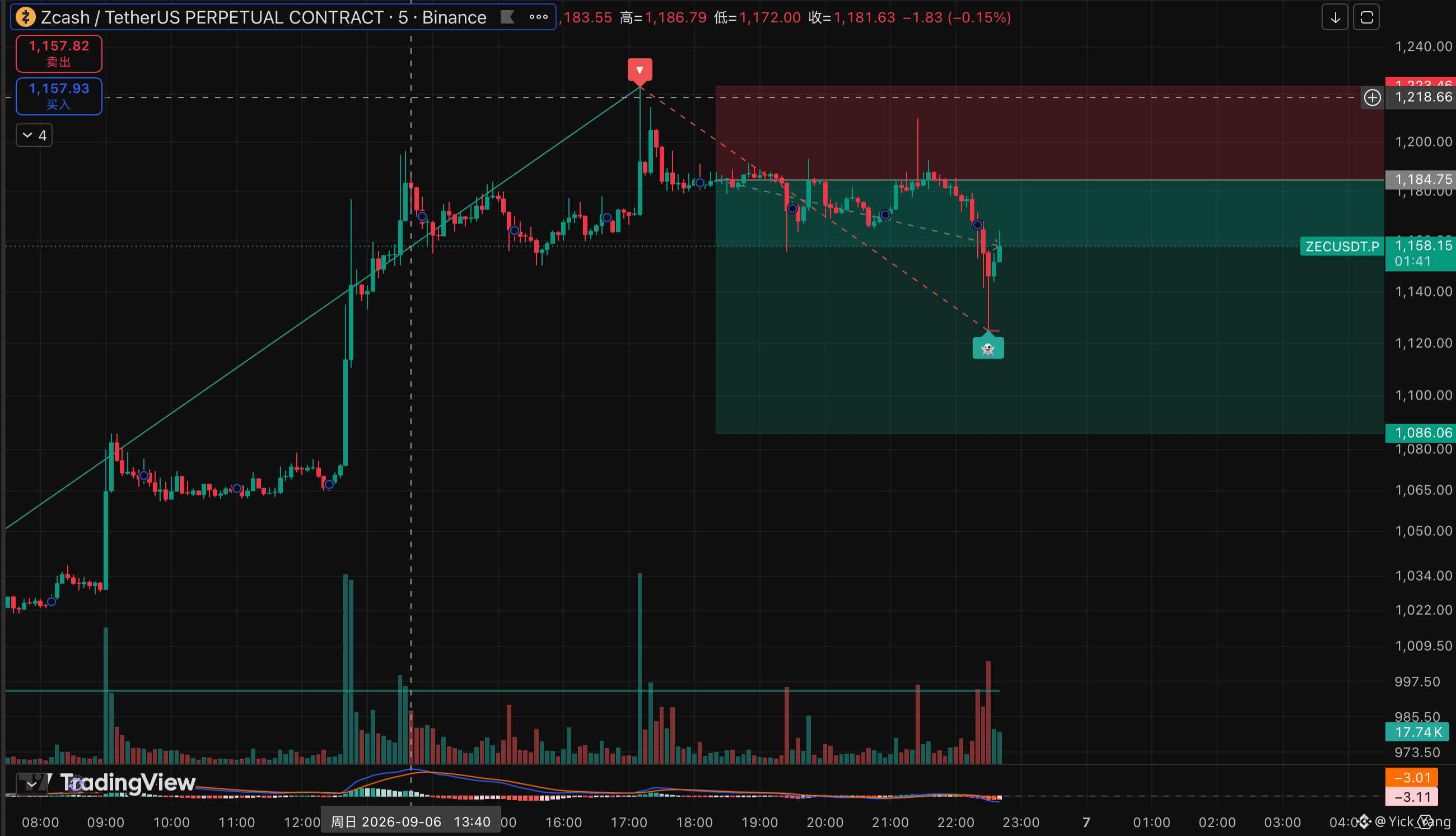
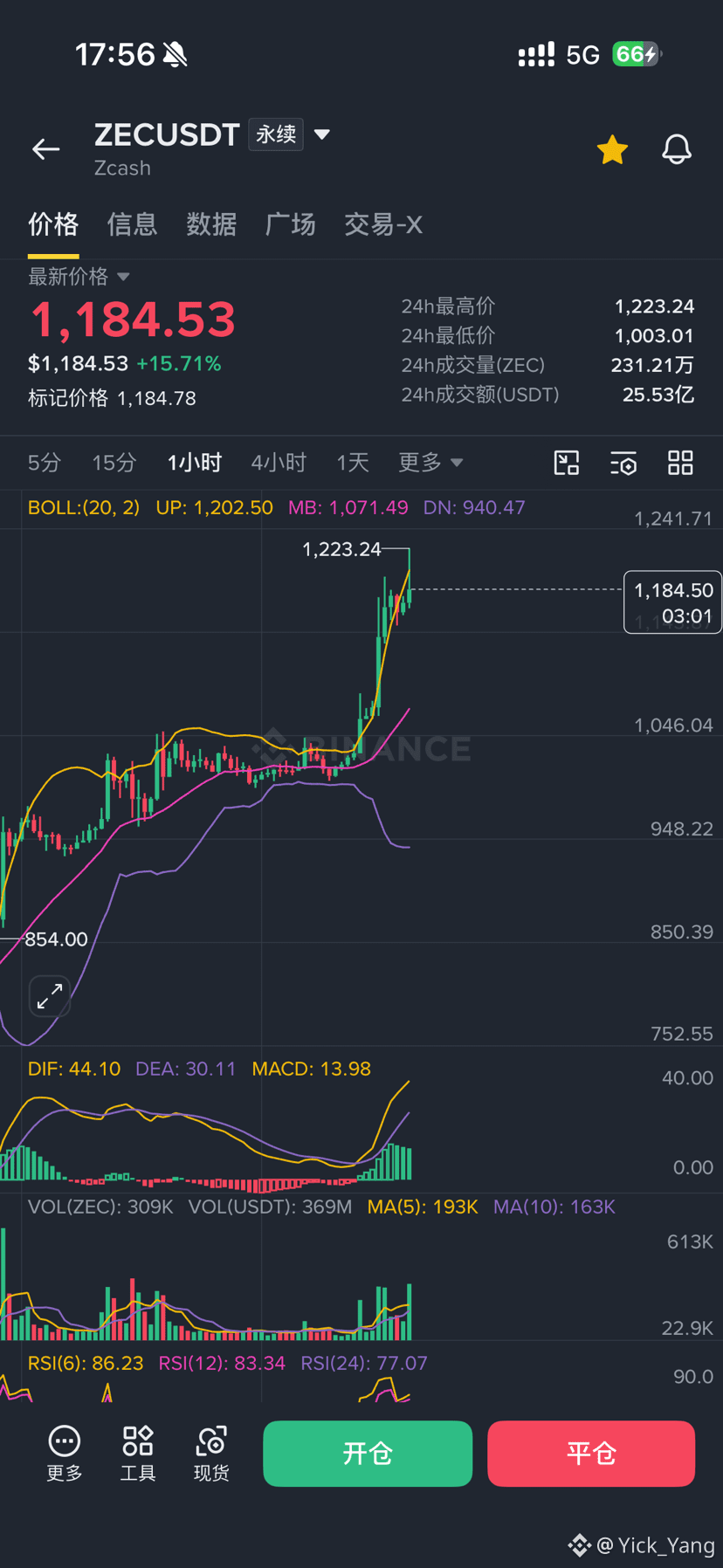
$ZEC hit my breakeven point for me. I’ll try to top out once more.
If I can’t catch it, I’ll go to sleep 😪
If I can’t catch it, I’ll go to sleep 😪
#俄乌同时宣布停火3天
Russia and Ukraine announced a 3-day ceasefire and will carry out a prisoner exchange.
A short-term ceasefire does not mean the war is over, but each ceasefire is a step in the peace process.
If the war really begins to cool down, global risk assets may also usher in new room for imagination.
Peace is always good for the market.
$BTC $ETH $SOL
Russia and Ukraine announced a 3-day ceasefire and will carry out a prisoner exchange.
A short-term ceasefire does not mean the war is over, but each ceasefire is a step in the peace process.
If the war really begins to cool down, global risk assets may also usher in new room for imagination.
Peace is always good for the market.
$BTC $ETH $SOL
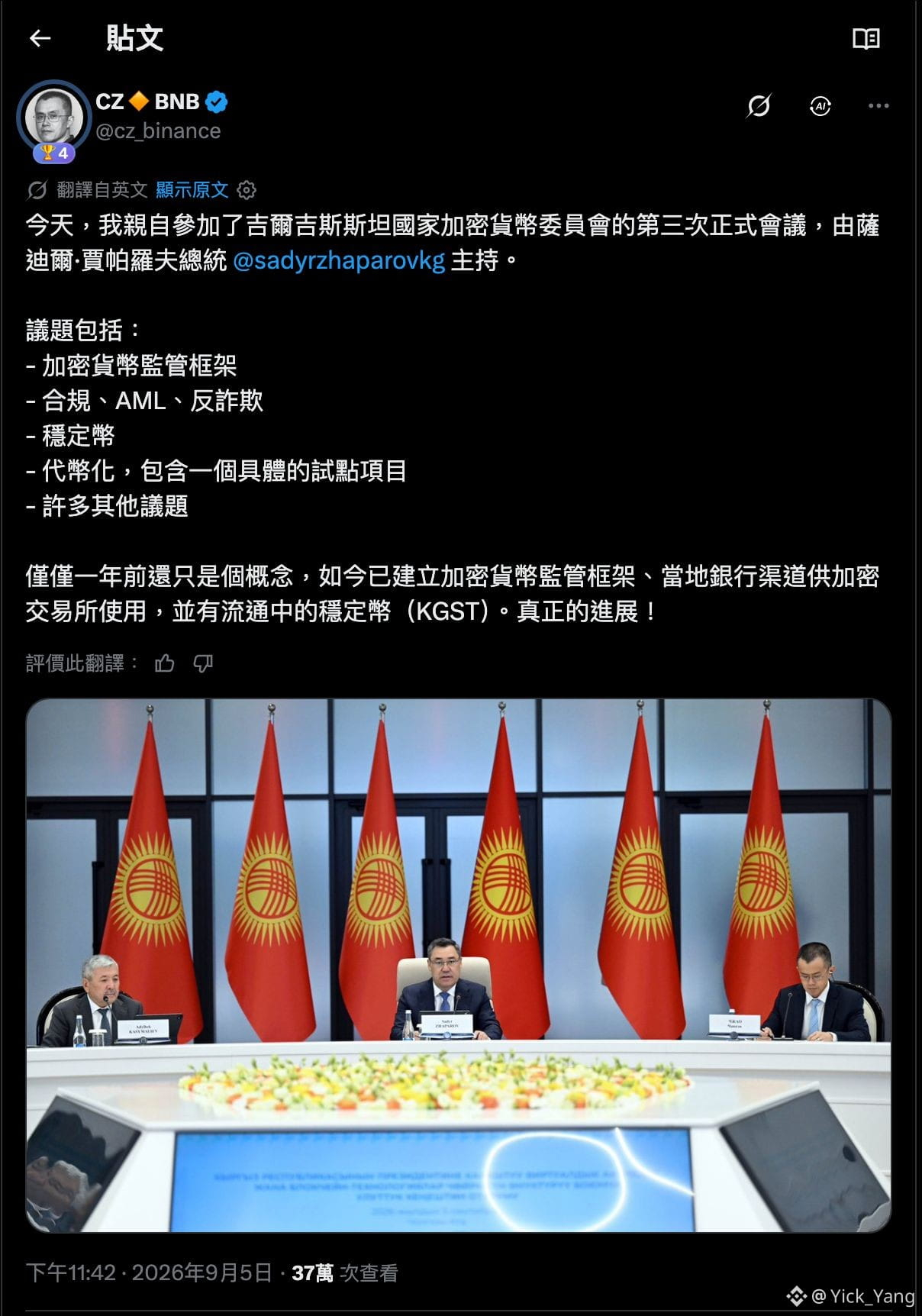
CZ's tweet actually sends a very strong signal:
Crypto is moving from a fringe asset toward the mainstream financial system.
Regulation, banks, and stablecoins are all gradually taking shape,
and the future of crypto is not only to replace finance, but to become part of financial infrastructure.
$BNB $BTC
Crypto is moving from a fringe asset toward the mainstream financial system.
Regulation, banks, and stablecoins are all gradually taking shape,
and the future of crypto is not only to replace finance, but to become part of financial infrastructure.
$BNB $BTC
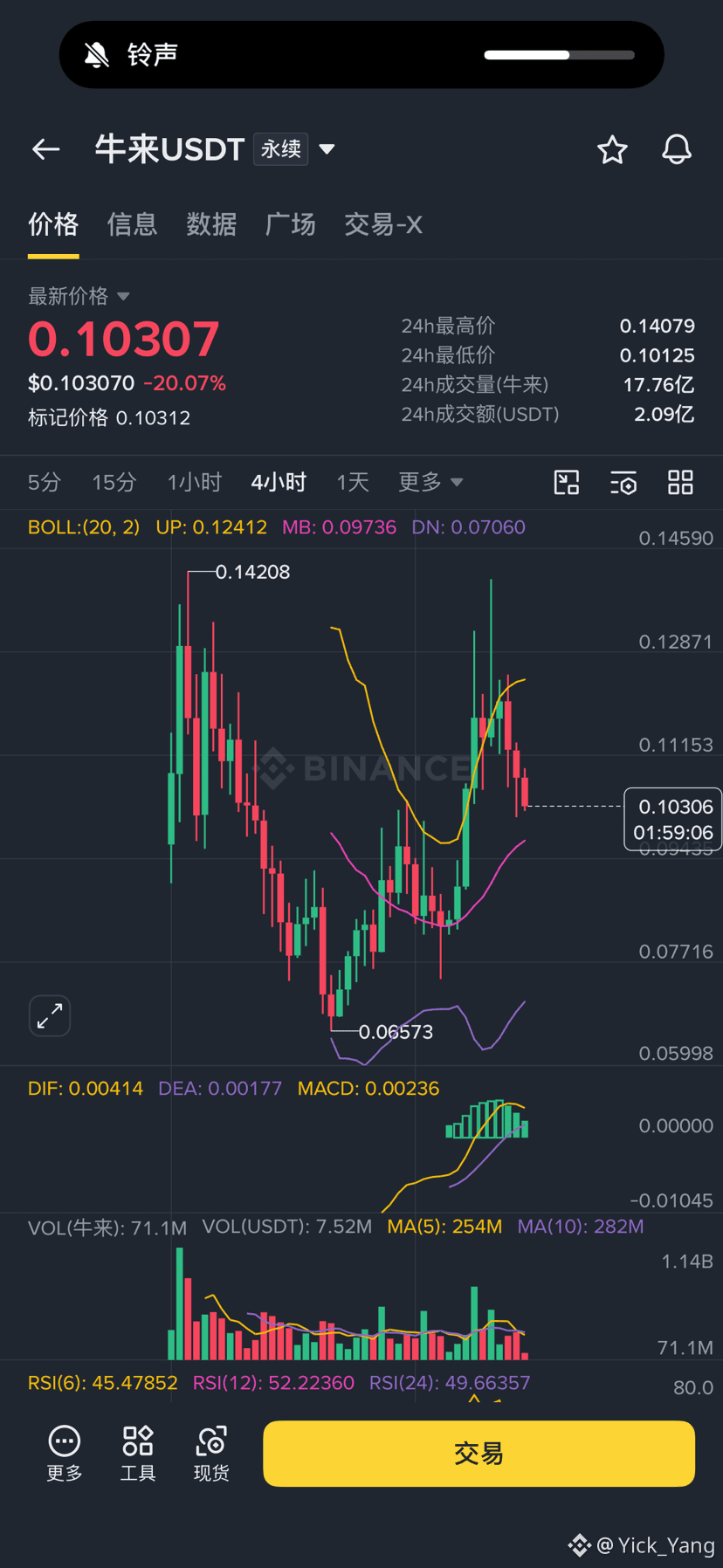
Last night $牛来 almost made a new high. Is there anyone bold enough willing to short it?
Why do I feel like it might be going spot?
Why do I feel like it might be going spot?
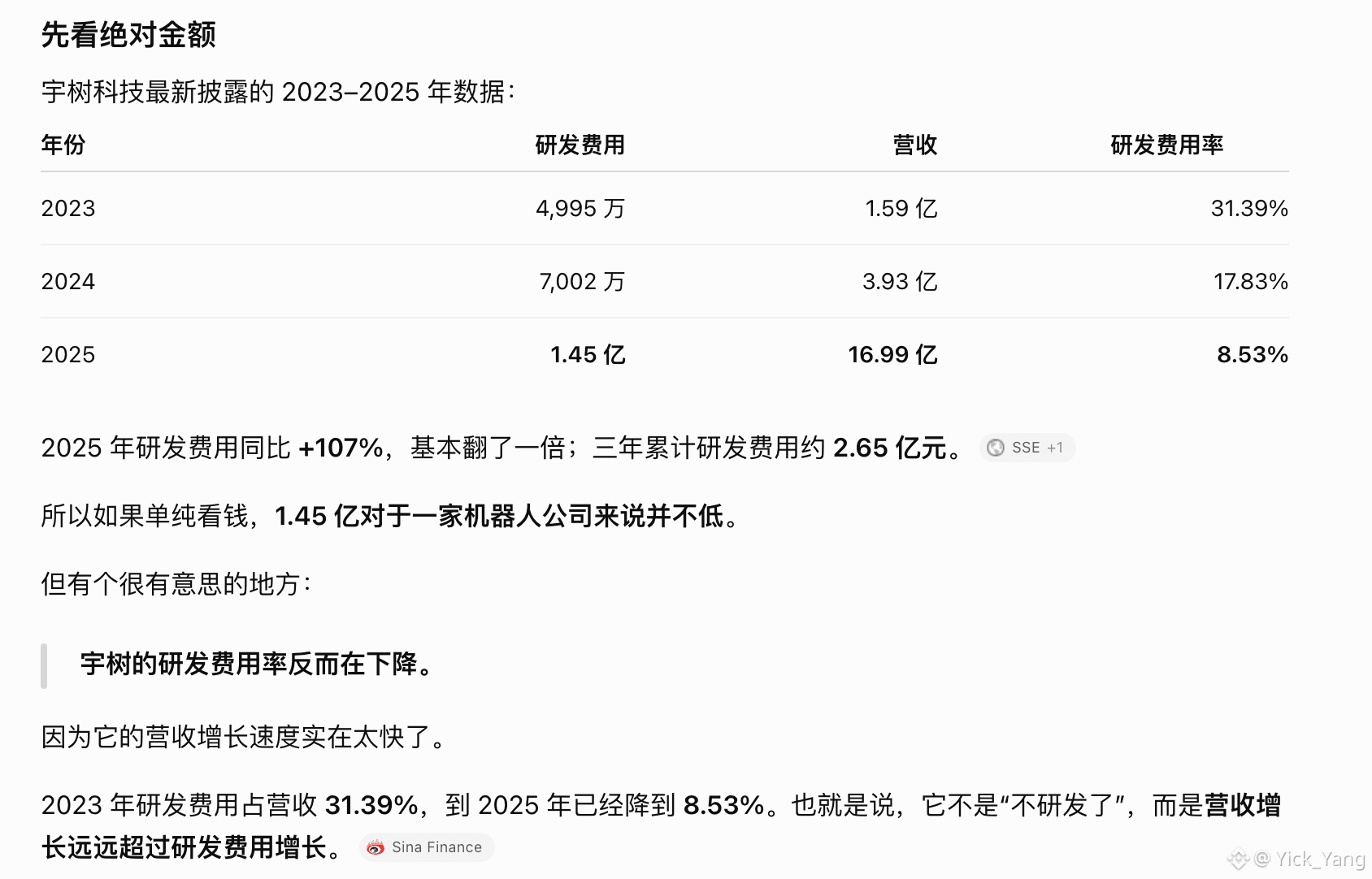
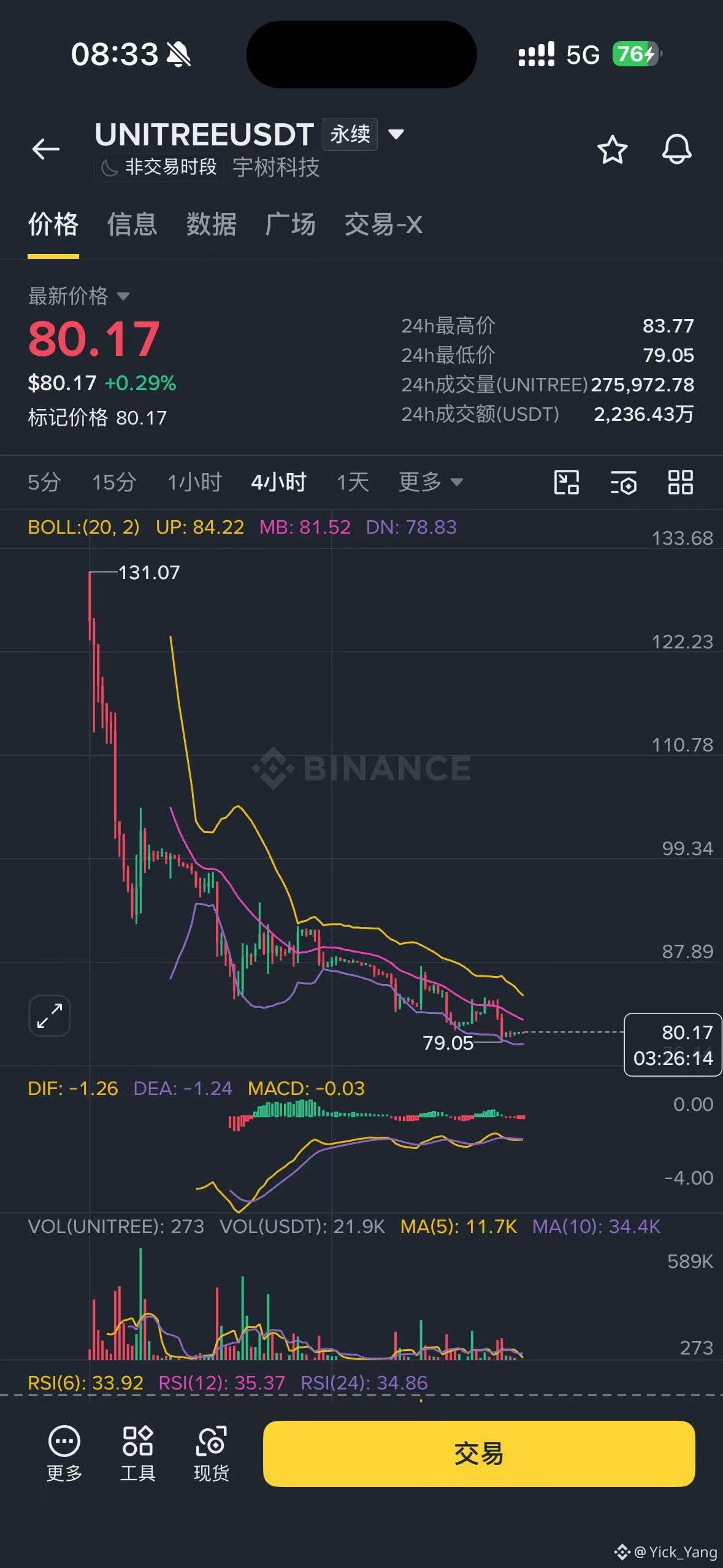
#宇树上市后连续回落 Unitree Technology’s recent correction has already cut the price in half from its peak.
But what’s really worth watching is not how much it has fallen, but whether the high valuations in the robotics sector can still hold up.
Unitree’s R&D investment is indeed not low, but its revenue is also growing rapidly. What the market now needs to reprice is whether high growth can continue to be realized.
A 50% drop does not mean a bottom, but if the fundamentals haven’t deteriorated, the risk-reward profile after a sharp selloff will start to look different.
The main robotics theme may not be over yet; it may just be entering a phase of valuation digestion.
$UNITREE
But what’s really worth watching is not how much it has fallen, but whether the high valuations in the robotics sector can still hold up.
Unitree’s R&D investment is indeed not low, but its revenue is also growing rapidly. What the market now needs to reprice is whether high growth can continue to be realized.
A 50% drop does not mean a bottom, but if the fundamentals haven’t deteriorated, the risk-reward profile after a sharp selloff will start to look different.
The main robotics theme may not be over yet; it may just be entering a phase of valuation digestion.
$UNITREE
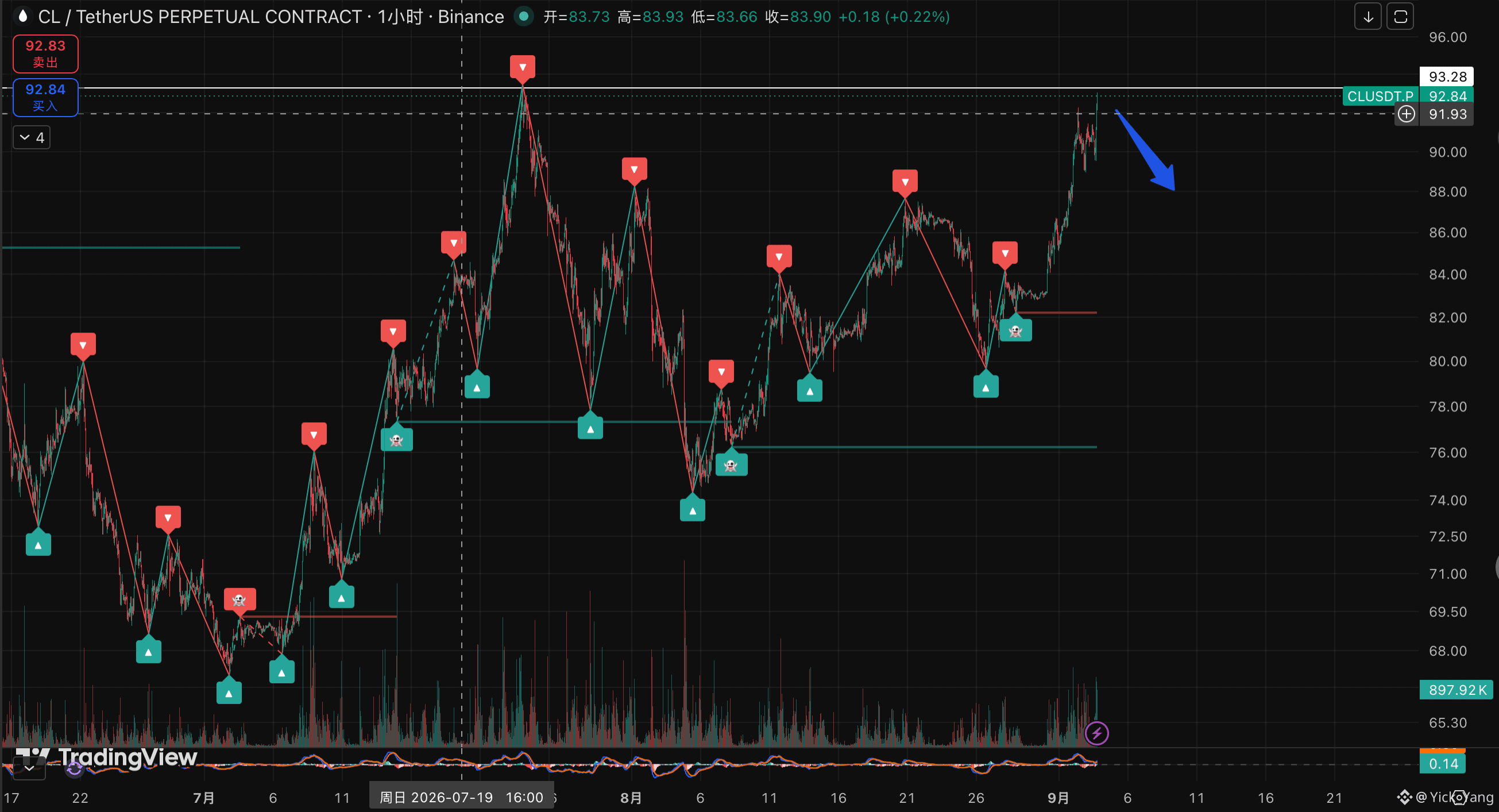
Oil has risen pretty aggressively this round. The game between Trump and Iran is still ongoing, and oil prices have been pushed higher all the way.
At the moment, they are already approaching the prior resistance zone of 92–95 USD. Personally, I’m not too optimistic about a straight breakout above 100 USD.
I’m more inclined to see prices form a “M” top around 92–95 USD—after a spike higher, then quickly turn back. If there really is a second attempt to rally but it can’t hold, the downside space afterward could be larger than you might expect.
Don’t rush to chase at high levels; wait for the market structure to give you the answer. $CL
At the moment, they are already approaching the prior resistance zone of 92–95 USD. Personally, I’m not too optimistic about a straight breakout above 100 USD.
I’m more inclined to see prices form a “M” top around 92–95 USD—after a spike higher, then quickly turn back. If there really is a second attempt to rally but it can’t hold, the downside space afterward could be larger than you might expect.
Don’t rush to chase at high levels; wait for the market structure to give you the answer. $CL
#clarity法案2026年立法概率15%
The U.S. Crypto Market Structure Bill, the CLARITY Act. The latest prediction market indicates that the probability of it becoming law in 2026 has fallen to about 15%.
A key procedural vote in the Senate is scheduled for September 15. However, to move it forward, supporters still need to secure 60 votes. Democratic support has become the biggest variable—what was once “likely to be enacted within the year” has now dropped to 15%, and the gap in expectations has become substantial.
For the crypto market, in the short term it may continue to trade on “expectations of enactment.” But if the bill fails to advance on September 15, the regulatory-positive narrative is likely to cool further.
At 15%, this is no longer a favorable “enactment expectation.” It is instead a question of whether the market can “survive until 2027.”$BTC $ETH
The U.S. Crypto Market Structure Bill, the CLARITY Act. The latest prediction market indicates that the probability of it becoming law in 2026 has fallen to about 15%.
A key procedural vote in the Senate is scheduled for September 15. However, to move it forward, supporters still need to secure 60 votes. Democratic support has become the biggest variable—what was once “likely to be enacted within the year” has now dropped to 15%, and the gap in expectations has become substantial.
For the crypto market, in the short term it may continue to trade on “expectations of enactment.” But if the bill fails to advance on September 15, the regulatory-positive narrative is likely to cool further.
At 15%, this is no longer a favorable “enactment expectation.” It is instead a question of whether the market can “survive until 2027.”$BTC $ETH
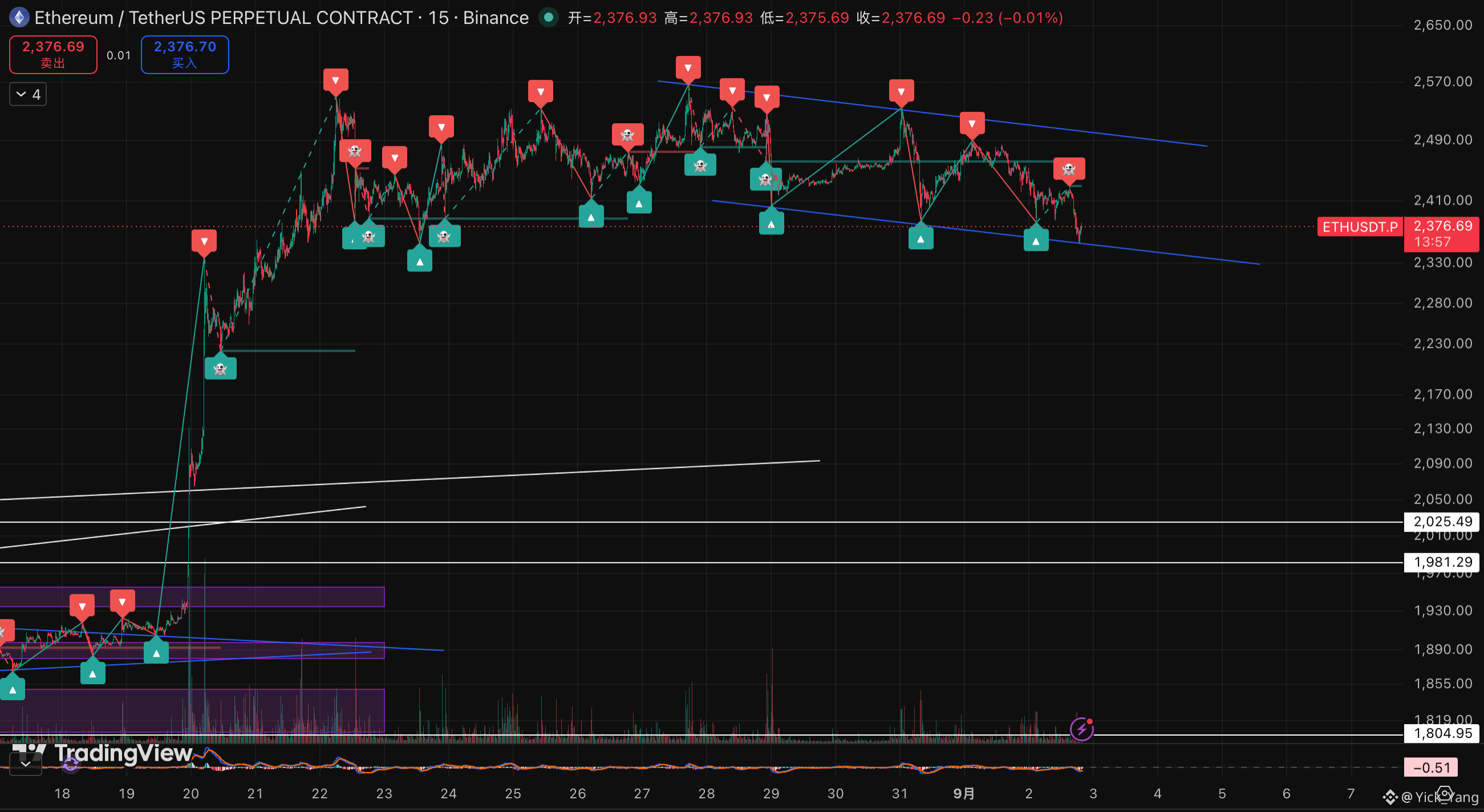
$ETH lows and highs are getting lower and lower
It’s time to start a new round of deep pullback... keep holding the idea of trading from the short side
It’s time to start a new round of deep pullback... keep holding the idea of trading from the short side
Musk has been talking about AI again recently, but what I think is truly worth watching isn’t what Grok upgraded this time—it’s this: AI is shifting from “a chat tool” to “an execution tool.”
Lower token costs, develop AI agents, and let AI truly trade, make payments, code, and carry out tasks.
What’s more, Binance has recently also been ramping up AI agents + crypto, while expanding tokenized stock trading—imagination around AI-related assets is being reignited.
In the next phase, the competition probably won’t be about whose AI can chat better, but about who can make AI cheaper, faster, and truly capable of making money for you.$GOOGL $TSLA
Lower token costs, develop AI agents, and let AI truly trade, make payments, code, and carry out tasks.
What’s more, Binance has recently also been ramping up AI agents + crypto, while expanding tokenized stock trading—imagination around AI-related assets is being reignited.
In the next phase, the competition probably won’t be about whose AI can chat better, but about who can make AI cheaper, faster, and truly capable of making money for you.$GOOGL $TSLA
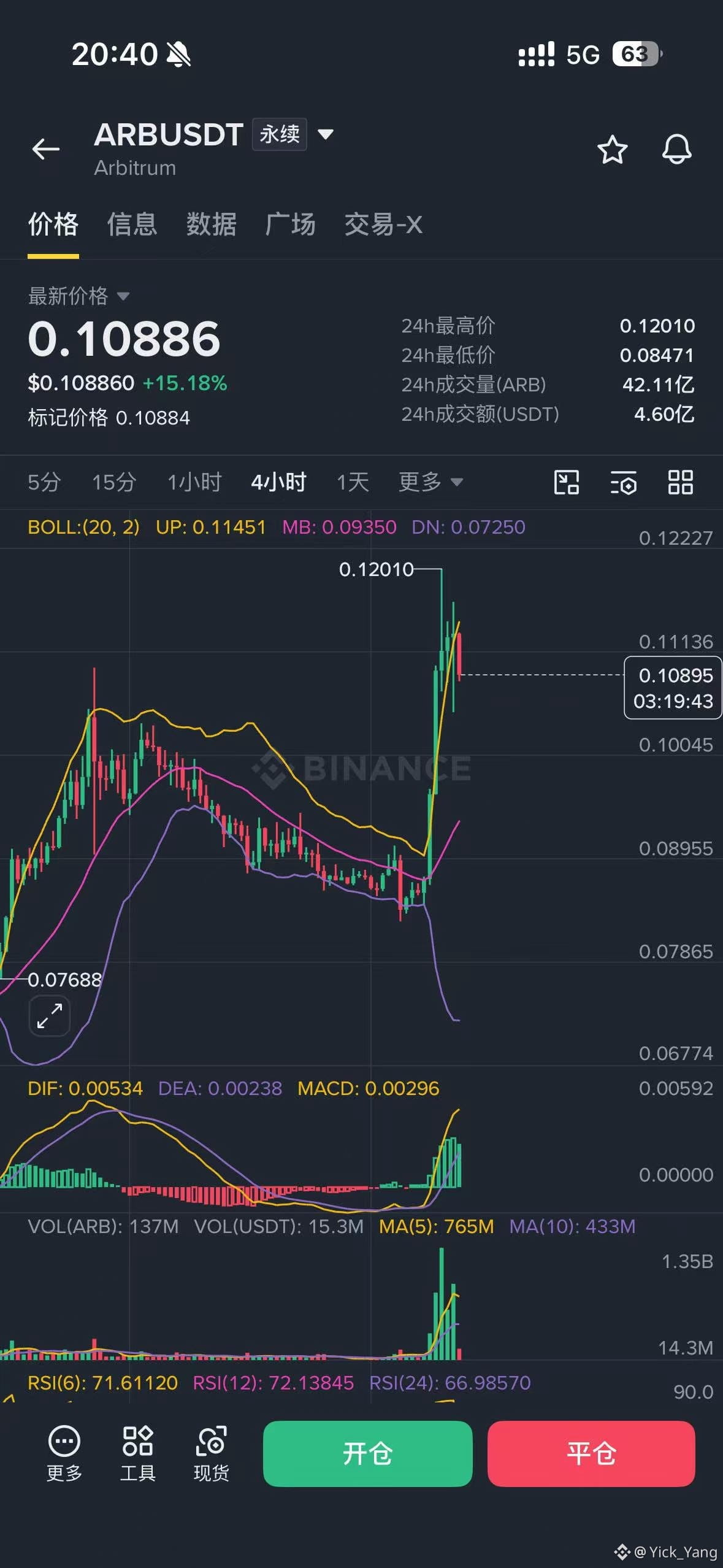
#arb上涨30%受robinhood链收入推动
ARB has suddenly surged, mainly driven by the hype around Robinhood Chain.
R
obinhood Chain is built on the Arbitrum technology stack. In recent times, on-chain transactions and revenue have been growing rapidly, and the market has started to trade again around the thesis of “Arbitrum ecosystem revenue growth.”
However, note that “Robinhood Chain earns a lot” ≠ “ARB directly gets distributed so much money.”
At the moment, it’s more like the market is trading future revenue expectations early. Whether this move can continue depends on whether the hype around Robinhood Chain can be sustained.$ARB
ARB has suddenly surged, mainly driven by the hype around Robinhood Chain.
R
obinhood Chain is built on the Arbitrum technology stack. In recent times, on-chain transactions and revenue have been growing rapidly, and the market has started to trade again around the thesis of “Arbitrum ecosystem revenue growth.”
However, note that “Robinhood Chain earns a lot” ≠ “ARB directly gets distributed so much money.”
At the moment, it’s more like the market is trading future revenue expectations early. Whether this move can continue depends on whether the hype around Robinhood Chain can be sustained.$ARB

Log in to explore more content