
二狗哥很ok
526 Posts

二狗哥很ok
情绪操盘手 别人恐惧我贪婪
17 Following
210 Followers
137 Liked
Posts
All
Quotes


草根牛仔
·
--
I’ve been scouting all day and couldn’t find any good plays. If you guys spot a solid opportunity, hit me up so we can make some gains together!

LAZY-NOMAD
·
--
Bullish95% of $SANTOS Circulating Supply is controlled by Top 5 Wallet whales.
Is Santos Fan token Binance Adopted Son or Aborted Son?
When are whales going to wake up? If they want Exit liquidity they need to Pump the prices. Short sellers are feasting, Just need to liquidate them for a short squeeze.
Is Santos Fan token Binance Adopted Son or Aborted Son?
When are whales going to wake up? If they want Exit liquidity they need to Pump the prices. Short sellers are feasting, Just need to liquidate them for a short squeeze.
草根牛仔
·
--
Hey, what happened to that pinned intro post of mine? It was up for months and now it just vanished. Super weird.
LAZY-NOMAD
·
--
Bullish95% of $SANTOS Circulating Supply is controlled by Top 5 Wallet whales.
Is Santos Fan token Binance Adopted Son or Aborted Son?
When are whales going to wake up? If they want Exit liquidity they need to Pump the prices. Short sellers are feasting, Just need to liquidate them for a short squeeze.
Is Santos Fan token Binance Adopted Son or Aborted Son?
When are whales going to wake up? If they want Exit liquidity they need to Pump the prices. Short sellers are feasting, Just need to liquidate them for a short squeeze.
草根牛仔
·
--
Just got wrecked after cutting losses at $BICO , and now it’s pumping hard. So frustrating! 😠
晴天886
·
--
$BTC
Patience in waiting, patience in holding positions
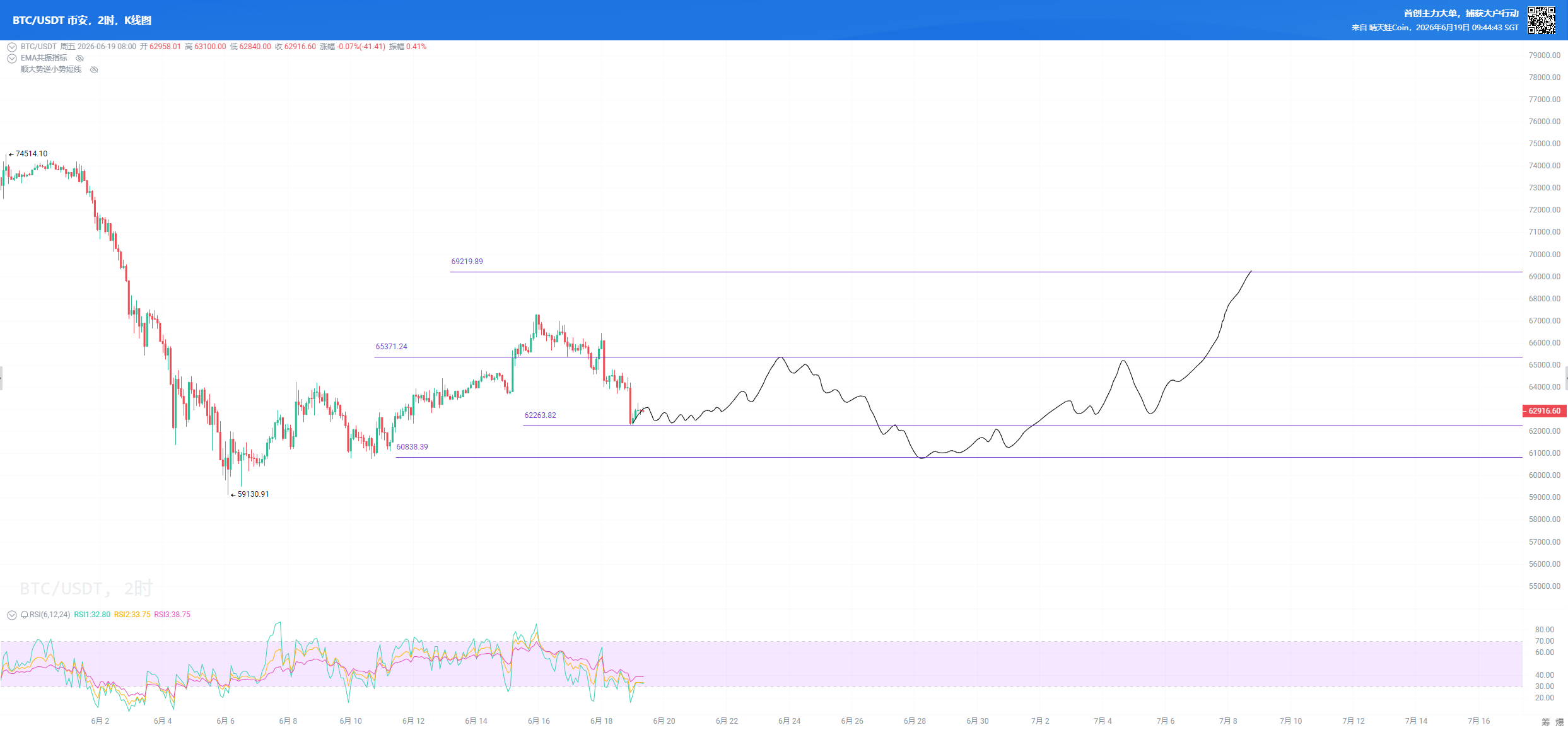
I don’t think the current drop from 67200 will directly break the 60k level. The more likely scenario is that the price finds support around 62300, bounces back to test the 65200 region.
After hitting resistance at 65200, it will continue to dip to test the support at 61000. After that, the market will likely experience a solid rebound, moving up to around 69200 where it will enter a consolidation phase, and that’s the right spot to set up short positions for the next move.
Patience in waiting, patience in holding positions
I don’t think the current drop from 67200 will directly break the 60k level. The more likely scenario is that the price finds support around 62300, bounces back to test the 65200 region.
After hitting resistance at 65200, it will continue to dip to test the support at 61000. After that, the market will likely experience a solid rebound, moving up to around 69200 where it will enter a consolidation phase, and that’s the right spot to set up short positions for the next move.
草根牛仔
·
--
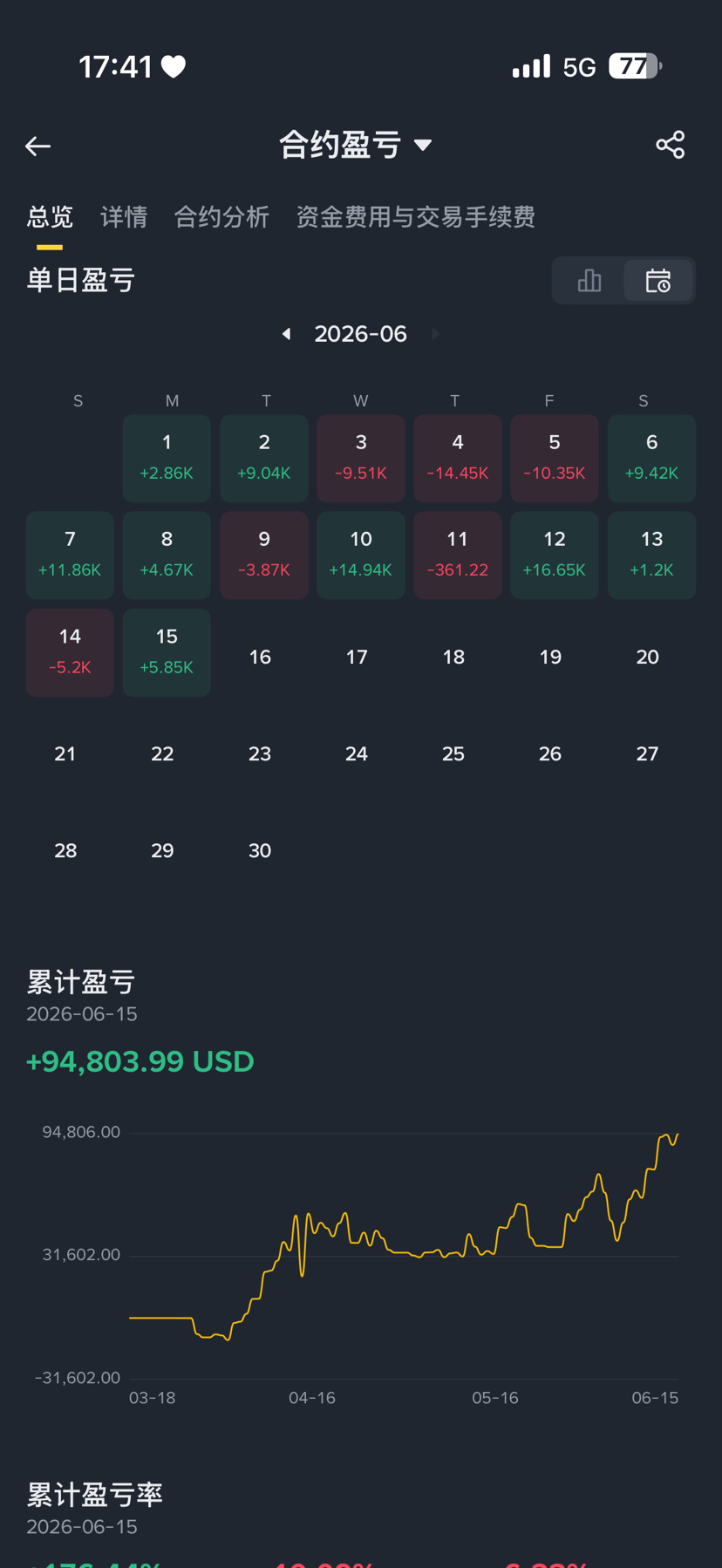
$EVAA 30 minutes to earn 7500u, feeling great! 500u with 3 months of real trading profits at 110k.
草根牛仔
·
--
If we hold this trade $EVAA , it’s going to be all good, with the last 500u.
In about 3 months, profits will be around 95000u. Let's hustle to get back to break even!
In about 3 months, profits will be around 95000u. Let's hustle to get back to break even!
草根牛仔
·
--
Hold on to $BTW and you'll be golden.

博达尔多
·
--
$SPORTFUN is really treating users like fools, it's a total scam.
Log in to explore more content