


Agusemq
hola
208 Following
67 Followers
11 Liked
Posts
All
Quotes
PINNED



ALØNDRACRYPTØ1
·
--
$BTC 🖇️ $SOL 🖇️$ETH
Morgan Stanley (one of the largest and most influential investment banks in the world) has just confirmed that it will fully enter the spot crypto market by the end of this year. This news is a game changer because they won't just limit themselves to ETFs; they'll allow direct trading of assets and are working to obtain a license to officially custody their clients' funds.
By 2026, the bet gets even bolder, as they plan to launch their own digital wallet designed to move not only Bitcoin or Solana but also tokenized stocks and bonds. Their vision is to transform the current financial system so that trading of traditional assets operates 24/7 with almost immediate settlements.
This Wall Street move is a clear signal that institutional adoption is no longer going backward. Seeing giants of this scale recommending their clients hold up to 4% in Bitcoin makes it clear that the financial infrastructure is merging with the crypto ecosystem.
What do you think of this play by Morgan Stanley? Do you believe this will push other big banks to stop being mere spectators and open up direct trading to everyone?
#MorganStanleytoLaunchSpotCryptoTradingin2026

Rahi Crypto Intel Pro
·
--
🚨 MARKET ALERT: FED EMERGENCY ANNOUNCEMENT TOMORROW!
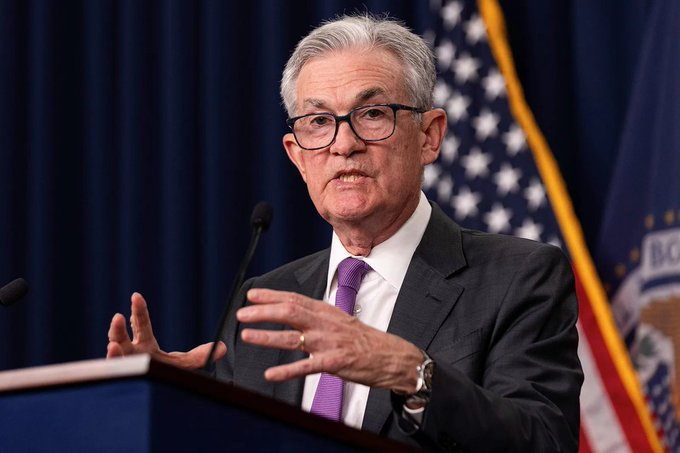
🇺🇸 Fed Chair Jerome Powell is set to speak at 10:30 AM ET in what’s being called an emergency announcement. This isn’t a routine update—traders and analysts are bracing for major market-moving news.
📉 Markets are already jittery, and any sign of aggressive action could trigger massive volatility in stocks, crypto, and bonds.
⚡ Experts warn: “If Powell drops bad news, expect a sharp sell-off. This could be historic.”
💡 What to do: Stay alert, avoid knee-jerk moves, and keep an eye on your positions. Big shifts could happen within hours.
🔥 This could be the story everyone talks about tomorrow. Don’t scroll past it.
$BIFI
$OG
$SANTOS


Binance News
·
--
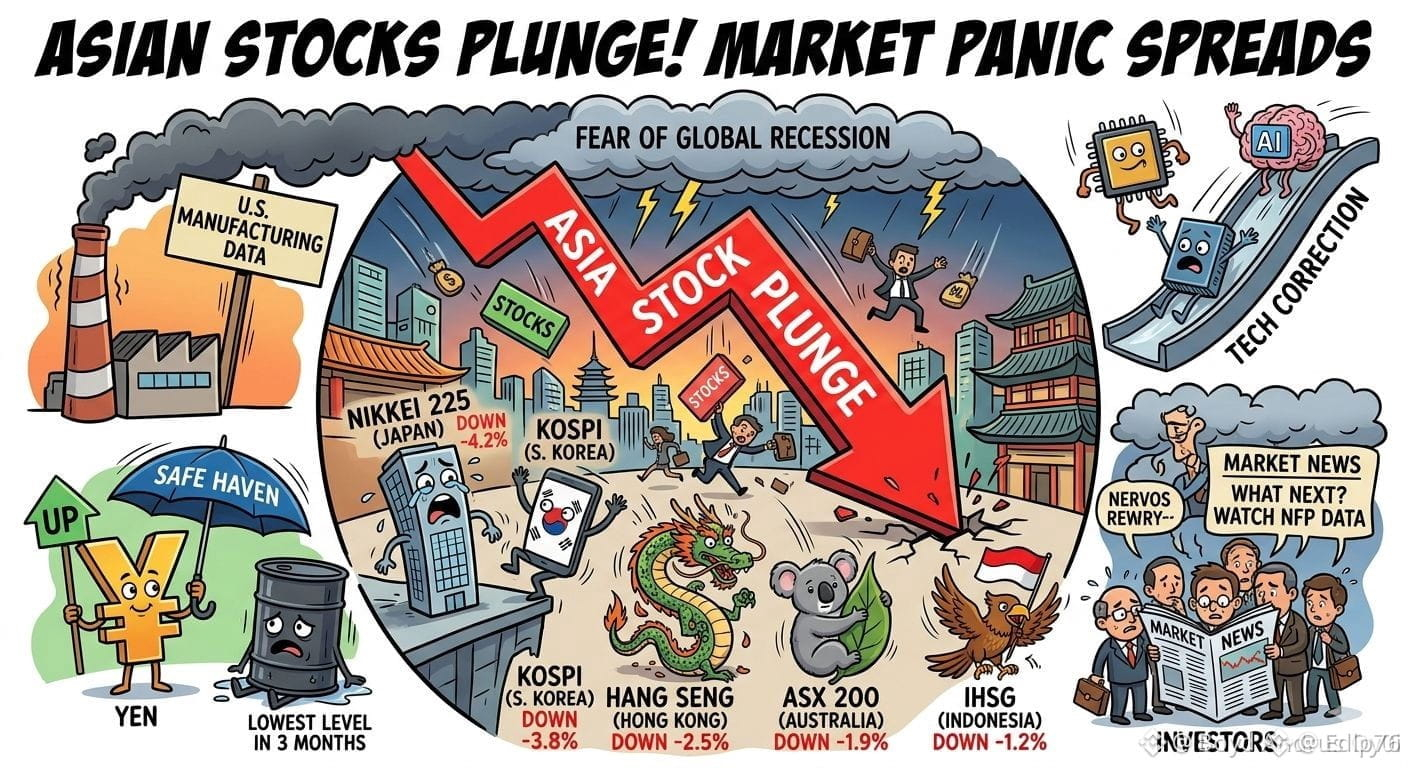
Bitcoin Drops as Geopolitical Tensions and Historic Oil Supply Shock Rattle Global Markets
Bitcoin dropped to around $68,000 as geopolitical tensions and a historic oil supply disruption rattled global markets, pushing investor sentiment into extreme fear (Fear & Greed Index falling to the 13–29 range).
The decline comes amid escalating uncertainty driven by former U.S. President Donald Trump’s dual-track strategy toward Iran—combining military pressure with negotiations—which has heightened geopolitical risk. U.S. equities reacted sharply, with the three major indexes recording their steepest losses since February. The S&P 500 alone erased $1 trillion in market value in a single session, while technology stocks led a broad sell-off.
At the same time, investors are scrambling to adjust to what is being described as the largest oil supply disruption in history. Wall Street Journal posted on X, highlighting the significant impact this event is having on global markets. The disruption has led to increased volatility in oil prices, prompting investors to reassess their portfolios and risk management strategies.
Market participants are also weighing the wider geopolitical and economic implications, as shifting oil supply dynamics could reshape international relations and trade patterns. With the situation still evolving, analysts expect continued uncertainty.

Log in to explore more content