

SercryptoSC
2k Posts

SercryptoSC
Report
Block User
0 Following
2.8K+ Followers
2.4K+ Liked
Posts
·
--
Tokenized Robinhood shares turned into liquidity for memecoins
📊 Tokenized shares on the Robinhood Chain became part of speculative trading of memecoins. In early September, the daily trading volume in “memecoin — share token” pairs reached about $440 million.
🗣️ At the peak moment, the combined market capitalization of popular Stock Tokens was around $69 million, but their price in DeFi pools could significantly deviate from the value of the underlying shares due to liquidity mechanics.
📊 A token tied to Hims & Hers Health was a telling example: its price in one of the pools pulled far away from the value of the actual share. A similar situation happened with Farmmi — a memecoin linked to the company sparked speculative interest, after which the company’s shares on Nasdaq surged sharply.
📊 At the same time, Stock Tokens are backed by real shares, but they are not shares themselves and do not grant holders corporate voting rights. The new model effectively combined tokenization of traditional assets with memecoin speculation into a single on-chain market.
📈 Trading on ByBit 🤖 Pumping the bankroll on Dragonfly
📱 YouTube 📱 TikTok
Tokenized Robinhood shares turned into liquidity for memecoins
📊 Tokenized shares on the Robinhood Chain became part of speculative trading of memecoins. In early September, the daily trading volume in “memecoin — share token” pairs reached about $440 million.
🗣️ At the peak moment, the combined market capitalization of popular Stock Tokens was around $69 million, but their price in DeFi pools could significantly deviate from the value of the underlying shares due to liquidity mechanics.
📊 A token tied to Hims & Hers Health was a telling example: its price in one of the pools pulled far away from the value of the actual share. A similar situation happened with Farmmi — a memecoin linked to the company sparked speculative interest, after which the company’s shares on Nasdaq surged sharply.
📊 At the same time, Stock Tokens are backed by real shares, but they are not shares themselves and do not grant holders corporate voting rights. The new model effectively combined tokenization of traditional assets with memecoin speculation into a single on-chain market.
📈 Trading on ByBit 🤖 Pumping the bankroll on Dragonfly
📱 YouTube 📱 TikTok
📊 Tokenized shares on the Robinhood Chain became part of speculative trading of memecoins. In early September, the daily trading volume in “memecoin — share token” pairs reached about $440 million.
🗣️ At the peak moment, the combined market capitalization of popular Stock Tokens was around $69 million, but their price in DeFi pools could significantly deviate from the value of the underlying shares due to liquidity mechanics.
📊 A token tied to Hims & Hers Health was a telling example: its price in one of the pools pulled far away from the value of the actual share. A similar situation happened with Farmmi — a memecoin linked to the company sparked speculative interest, after which the company’s shares on Nasdaq surged sharply.
📊 At the same time, Stock Tokens are backed by real shares, but they are not shares themselves and do not grant holders corporate voting rights. The new model effectively combined tokenization of traditional assets with memecoin speculation into a single on-chain market.
📈 Trading on ByBit 🤖 Pumping the bankroll on Dragonfly
📱 YouTube 📱 TikTok

21
·
--
🌐 Daily news digest
🔵Bitcoin approached $87,000. The liquidation volume exceeded $326 million
🔵Trump will hold another dinner for the largest holders of the memecoin TRUMP
🔵Bitcoin has never underperformed stocks over a four-year period — Willy Woo
🔵What is Uptober and why do people expect Bitcoin to rise in October?
🔵Tokenized stocks received a new liquidity model thanks to the LONG protocol
🔵The SEC proposed new rules for storing cryptoassets for investment advisers and funds
🔵NEAR proposed to change its tokenomics
🔵Bitcoin broke through the $85,500 sellers’ wall
📈 Trading on ByBit 🤖 Supercharging my deposit on Dragonfly
📱 YouTube 📱 TikTok
🌐 Daily news digest
🔵Bitcoin approached $87,000. The liquidation volume exceeded $326 million
🔵Trump will hold another dinner for the largest holders of the memecoin TRUMP
🔵Bitcoin has never underperformed stocks over a four-year period — Willy Woo
🔵What is Uptober and why do people expect Bitcoin to rise in October?
🔵Tokenized stocks received a new liquidity model thanks to the LONG protocol
🔵The SEC proposed new rules for storing cryptoassets for investment advisers and funds
🔵NEAR proposed to change its tokenomics
🔵Bitcoin broke through the $85,500 sellers’ wall
📈 Trading on ByBit 🤖 Supercharging my deposit on Dragonfly
📱 YouTube 📱 TikTok
🔵Bitcoin approached $87,000. The liquidation volume exceeded $326 million
🔵Trump will hold another dinner for the largest holders of the memecoin TRUMP
🔵Bitcoin has never underperformed stocks over a four-year period — Willy Woo
🔵What is Uptober and why do people expect Bitcoin to rise in October?
🔵Tokenized stocks received a new liquidity model thanks to the LONG protocol
🔵The SEC proposed new rules for storing cryptoassets for investment advisers and funds
🔵NEAR proposed to change its tokenomics
🔵Bitcoin broke through the $85,500 sellers’ wall
📈 Trading on ByBit 🤖 Supercharging my deposit on Dragonfly
📱 YouTube 📱 TikTok
28
·
--
📊 Gen Z gains an advantage in the investment market thanks to an early start
📊 Gen Z in the US begins investing on average at 19—earlier than Millennials, Generation X, and Baby Boomers. When they retire at 65, this gives them about 46 years of investment horizon.
🔈 According to Grayscale research head Zack Pandl, an early start allows young investors to handle market volatility more easily and to keep building savings for longer.
📊 This may be especially relevant for digital assets, which are characterized by high volatility. A longer horizon provides more time to recover from drawdowns and can potentially increase the role of such assets in a long-term portfolio.
🔜 Other studies also point to Gen Z’s tendency to accumulate: for example, Binance noted that a significant portion of young investors prefer to buy assets rather than actively trade them.
📈 Trading on ByBit 🤖 Pumping up my deposit on Dragonfly
📱 YouTube 📱 TikTok
📊 Gen Z gains an advantage in the investment market thanks to an early start
📊 Gen Z in the US begins investing on average at 19—earlier than Millennials, Generation X, and Baby Boomers. When they retire at 65, this gives them about 46 years of investment horizon.
🔈 According to Grayscale research head Zack Pandl, an early start allows young investors to handle market volatility more easily and to keep building savings for longer.
📊 This may be especially relevant for digital assets, which are characterized by high volatility. A longer horizon provides more time to recover from drawdowns and can potentially increase the role of such assets in a long-term portfolio.
🔜 Other studies also point to Gen Z’s tendency to accumulate: for example, Binance noted that a significant portion of young investors prefer to buy assets rather than actively trade them.
📈 Trading on ByBit 🤖 Pumping up my deposit on Dragonfly
📱 YouTube 📱 TikTok
📊 Gen Z in the US begins investing on average at 19—earlier than Millennials, Generation X, and Baby Boomers. When they retire at 65, this gives them about 46 years of investment horizon.
🔈 According to Grayscale research head Zack Pandl, an early start allows young investors to handle market volatility more easily and to keep building savings for longer.
📊 This may be especially relevant for digital assets, which are characterized by high volatility. A longer horizon provides more time to recover from drawdowns and can potentially increase the role of such assets in a long-term portfolio.
🔜 Other studies also point to Gen Z’s tendency to accumulate: for example, Binance noted that a significant portion of young investors prefer to buy assets rather than actively trade them.
📈 Trading on ByBit 🤖 Pumping up my deposit on Dragonfly
📱 YouTube 📱 TikTok

851
·
--
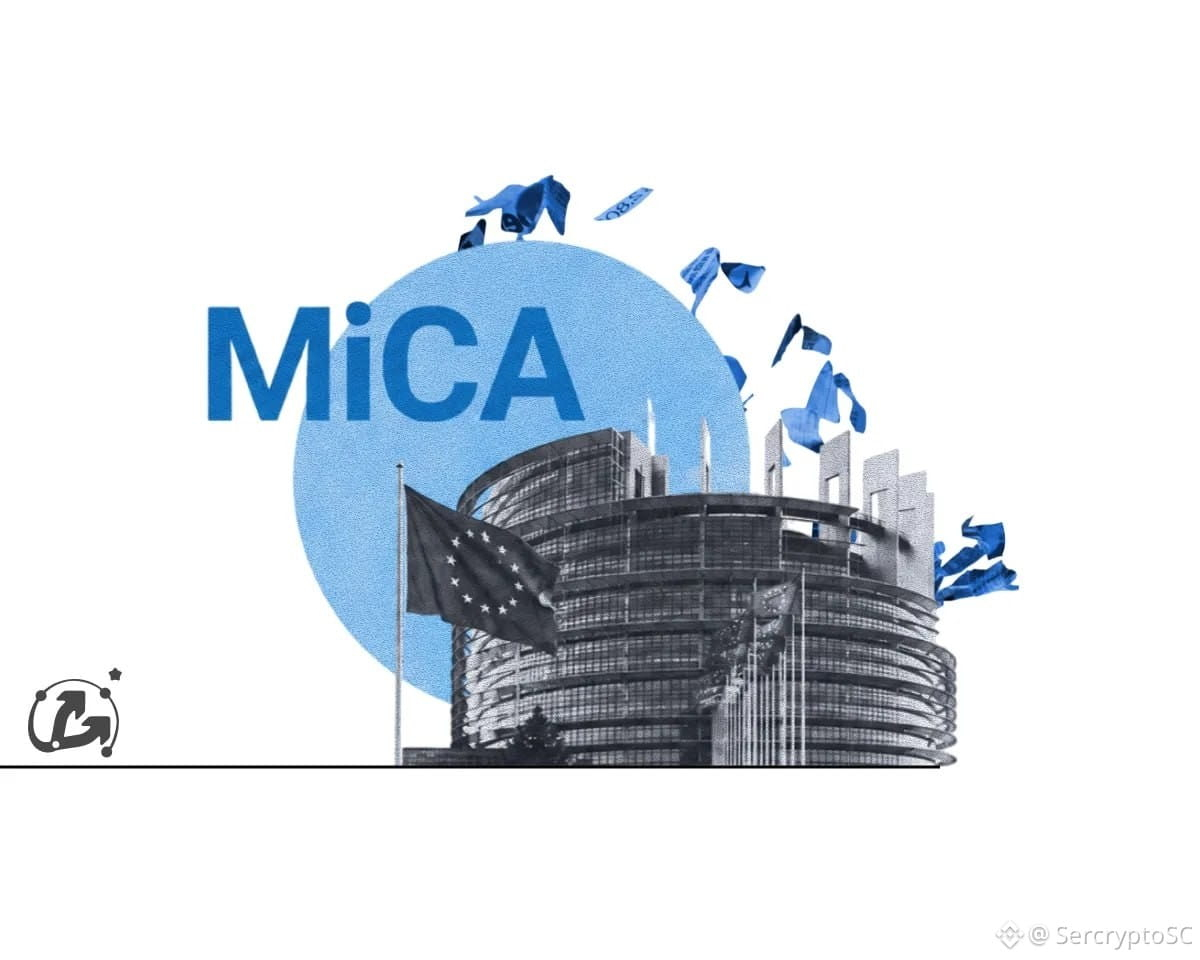
🇪🇺 More than 50,000 Europeans call for easing MiCA rules for stablecoins
✍️ More than 50,000 residents of Europe backed an initiative to change MiCA rules so that regulated stablecoins can offer users cashback, loyalty programs, and reduced fees.
📊 Stand With Crypto EU also proposes allowing part of the revenue from reserve assets to be passed on to users and maintaining access to global stablecoins while complying with transparency and reserve requirements.
📊 Currently, MiCA limits payments related to the holding period of ART and EMT. At the same time, there is no direct ban on any cashback or bonus programs—restrictions depend on the reward mechanism and its economic effect.
🔜 The position of European central banks differs: the ESCB supports keeping and expanding limits on stablecoin yield, including indirect schemes through lending, borrowing, and staking.
🏦 Thus, when revising MiCA, two positions came into conflict: the industry wants to make stablecoins more attractive to users, while central banks insist on maintaining restrictions due to risks to the financial system.
📈 I trade on ByBit 🤖 I’m accelerating my deposit on Dragonfly
📱 YouTube 📱 TikTok
🇪🇺 More than 50,000 Europeans call for easing MiCA rules for stablecoins
✍️ More than 50,000 residents of Europe backed an initiative to change MiCA rules so that regulated stablecoins can offer users cashback, loyalty programs, and reduced fees.
📊 Stand With Crypto EU also proposes allowing part of the revenue from reserve assets to be passed on to users and maintaining access to global stablecoins while complying with transparency and reserve requirements.
📊 Currently, MiCA limits payments related to the holding period of ART and EMT. At the same time, there is no direct ban on any cashback or bonus programs—restrictions depend on the reward mechanism and its economic effect.
🔜 The position of European central banks differs: the ESCB supports keeping and expanding limits on stablecoin yield, including indirect schemes through lending, borrowing, and staking.
🏦 Thus, when revising MiCA, two positions came into conflict: the industry wants to make stablecoins more attractive to users, while central banks insist on maintaining restrictions due to risks to the financial system.
📈 I trade on ByBit 🤖 I’m accelerating my deposit on Dragonfly
📱 YouTube 📱 TikTok
✍️ More than 50,000 residents of Europe backed an initiative to change MiCA rules so that regulated stablecoins can offer users cashback, loyalty programs, and reduced fees.
📊 Stand With Crypto EU also proposes allowing part of the revenue from reserve assets to be passed on to users and maintaining access to global stablecoins while complying with transparency and reserve requirements.
📊 Currently, MiCA limits payments related to the holding period of ART and EMT. At the same time, there is no direct ban on any cashback or bonus programs—restrictions depend on the reward mechanism and its economic effect.
🔜 The position of European central banks differs: the ESCB supports keeping and expanding limits on stablecoin yield, including indirect schemes through lending, borrowing, and staking.
🏦 Thus, when revising MiCA, two positions came into conflict: the industry wants to make stablecoins more attractive to users, while central banks insist on maintaining restrictions due to risks to the financial system.
📈 I trade on ByBit 🤖 I’m accelerating my deposit on Dragonfly
📱 YouTube 📱 TikTok
21
·
--
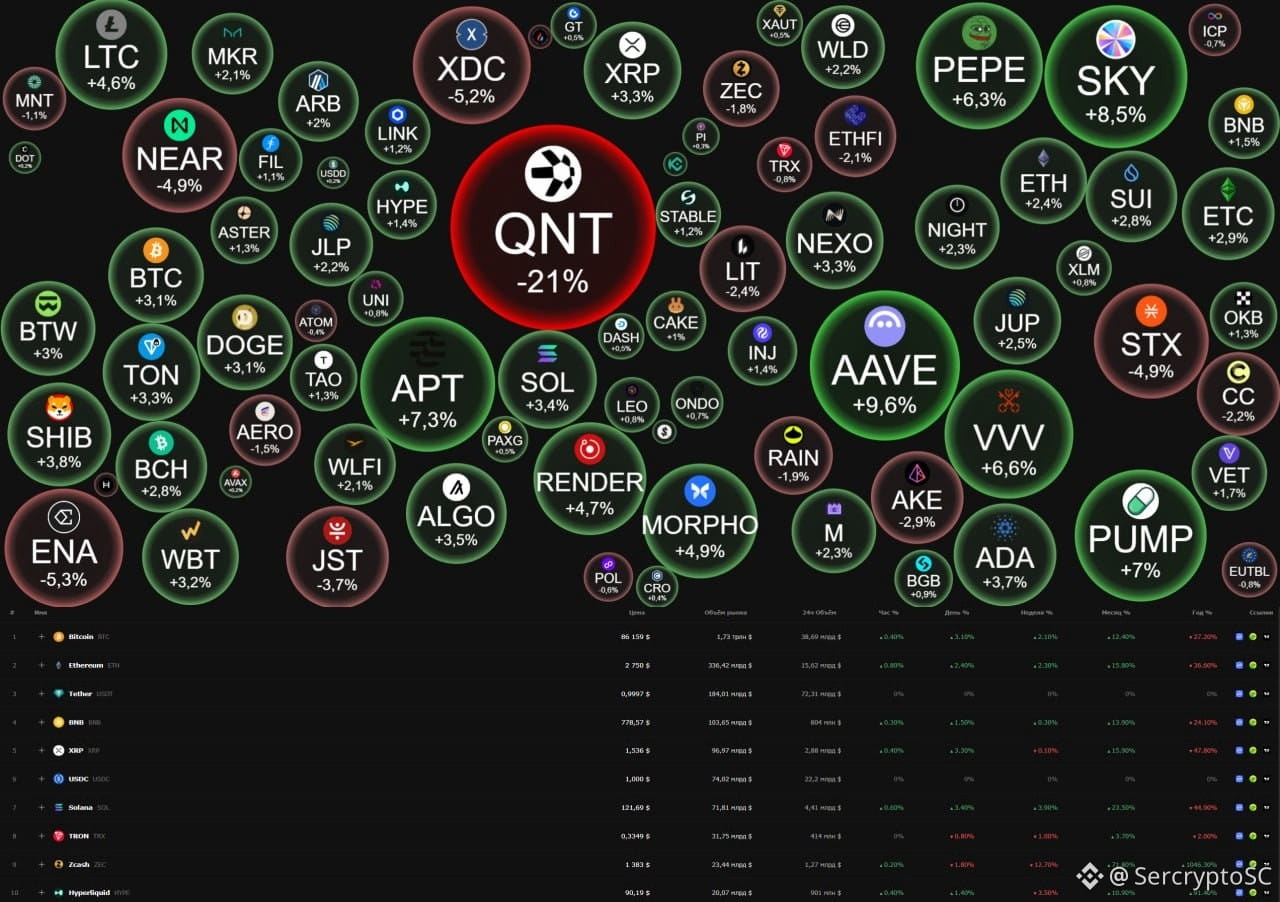
🕯 Market changes over the past day + top 10 coins
🔼 2.94T (+2.76%) - Crypto market capitalization.
💵 71 Greed) - Fear and Greed Index.
💎 56/100 - CMC Altseason Index.
📈 I trade on ByBit 🤖 I’m accelerating my deposit on Dragonfly
📱 YouTube 📱 TikTok
🕯 Market changes over the past day + top 10 coins
🔼 2.94T (+2.76%) - Crypto market capitalization.
💵 71 Greed) - Fear and Greed Index.
💎 56/100 - CMC Altseason Index.
📈 I trade on ByBit 🤖 I’m accelerating my deposit on Dragonfly
📱 YouTube 📱 TikTok
🔼 2.94T (+2.76%) - Crypto market capitalization.
💵 71 Greed) - Fear and Greed Index.
💎 56/100 - CMC Altseason Index.
📈 I trade on ByBit 🤖 I’m accelerating my deposit on Dragonfly
📱 YouTube 📱 TikTok
122
·
--
The share of perp-DEX grew to 12%
🗣️ The share of decentralized platforms for perpetual futures (perp-DEX) increased from 0.11% in January 2023 to 12.33% in September 2026, according to Castle Labs.
📊 The peak came in December 2025 — 14.25%, and the segment’s monthly trading volume reached a record $1.36T in October of that year.
✍️ One of the growth drivers was tokenized real-world assets (RWA). In July, their share reached 19.6% of perp-DEX trading volume.
📊 Hyperliquid remains the leader by open interest — 56.8% of the total. Next are Aster (9.7%), Variational (6.2%), Lighter (5.7%), and edgeX (4.2%).
🔜 After Hyperliquid launched, there have already been more than 261 perp-DEXs, reflecting the segment’s rapid expansion.
📈 Trading on ByBit 🤖 Accelerating my deposit on Dragonfly
📱 YouTube 📱 TikTok
The share of perp-DEX grew to 12%
🗣️ The share of decentralized platforms for perpetual futures (perp-DEX) increased from 0.11% in January 2023 to 12.33% in September 2026, according to Castle Labs.
📊 The peak came in December 2025 — 14.25%, and the segment’s monthly trading volume reached a record $1.36T in October of that year.
✍️ One of the growth drivers was tokenized real-world assets (RWA). In July, their share reached 19.6% of perp-DEX trading volume.
📊 Hyperliquid remains the leader by open interest — 56.8% of the total. Next are Aster (9.7%), Variational (6.2%), Lighter (5.7%), and edgeX (4.2%).
🔜 After Hyperliquid launched, there have already been more than 261 perp-DEXs, reflecting the segment’s rapid expansion.
📈 Trading on ByBit 🤖 Accelerating my deposit on Dragonfly
📱 YouTube 📱 TikTok
🗣️ The share of decentralized platforms for perpetual futures (perp-DEX) increased from 0.11% in January 2023 to 12.33% in September 2026, according to Castle Labs.
📊 The peak came in December 2025 — 14.25%, and the segment’s monthly trading volume reached a record $1.36T in October of that year.
✍️ One of the growth drivers was tokenized real-world assets (RWA). In July, their share reached 19.6% of perp-DEX trading volume.
📊 Hyperliquid remains the leader by open interest — 56.8% of the total. Next are Aster (9.7%), Variational (6.2%), Lighter (5.7%), and edgeX (4.2%).
🔜 After Hyperliquid launched, there have already been more than 261 perp-DEXs, reflecting the segment’s rapid expansion.
📈 Trading on ByBit 🤖 Accelerating my deposit on Dragonfly
📱 YouTube 📱 TikTok
335
·
--
🌐 Daily news digest
🔵Peter Schiff рассказал, как может развернуться новый economic crisis
🔵Damage from crypto hacks in September reached $766 million — PeckShield
🔵Bitcoin whales are back after more than 10 years of silence: in September they moved over 2184 BTC
🔵Bitcoin closed September up 6.5%, Ethereum — almost 9%
🔵Base developers activated the Cobalt update on the mainnet
🔵At Bitwise, they linked the growth of the crypto market to the failure of the CLARITY Act
🔵Broadcom will allocate up to $42 billion to Anthropic for renting its own AI chips
📈 I trade on ByBit 🤖 Accelerating my deposit on Dragonfly
📱 YouTube 📱 TikTok
🌐 Daily news digest
🔵Peter Schiff рассказал, как может развернуться новый economic crisis
🔵Damage from crypto hacks in September reached $766 million — PeckShield
🔵Bitcoin whales are back after more than 10 years of silence: in September they moved over 2184 BTC
🔵Bitcoin closed September up 6.5%, Ethereum — almost 9%
🔵Base developers activated the Cobalt update on the mainnet
🔵At Bitwise, they linked the growth of the crypto market to the failure of the CLARITY Act
🔵Broadcom will allocate up to $42 billion to Anthropic for renting its own AI chips
📈 I trade on ByBit 🤖 Accelerating my deposit on Dragonfly
📱 YouTube 📱 TikTok
🔵Peter Schiff рассказал, как может развернуться новый economic crisis
🔵Damage from crypto hacks in September reached $766 million — PeckShield
🔵Bitcoin whales are back after more than 10 years of silence: in September they moved over 2184 BTC
🔵Bitcoin closed September up 6.5%, Ethereum — almost 9%
🔵Base developers activated the Cobalt update on the mainnet
🔵At Bitwise, they linked the growth of the crypto market to the failure of the CLARITY Act
🔵Broadcom will allocate up to $42 billion to Anthropic for renting its own AI chips
📈 I trade on ByBit 🤖 Accelerating my deposit on Dragonfly
📱 YouTube 📱 TikTok
6
·
--
Bitcoin posted its best third quarter since 2017
🥇 BTC closed Q3 2026 up 42.71% — the best performance for a third quarter since 2017.
🔈 At the same time, the year began with a sharp decline: in Q1, Bitcoin fell 22.2%, and in Q2 it dropped another 14.09%. At the end of September, the price was around $83,700.
📊 During the quarter, US spot BTC ETFs attracted $6.34 billion — a 2026 high. Most of the volume came in August and September, but inflows slowed by the end of the quarter.
📊 The key resistance zone is currently around $85,000–85,500. The nearest support levels, according to Glassnode, are $77,200 and $73,300.
📊 Glassnode notes an early stage of the upward move, but with relatively limited market participation. CryptoQuant also pointed to the persistence of the long-term structure as long as the MVRV Z-Score remains above its 365-day average.
📈 Trading on ByBit 🤖 I’m turbocharging the depot on Dragonfly
📱 YouTube 📱 TikTok
Bitcoin posted its best third quarter since 2017
🥇 BTC closed Q3 2026 up 42.71% — the best performance for a third quarter since 2017.
🔈 At the same time, the year began with a sharp decline: in Q1, Bitcoin fell 22.2%, and in Q2 it dropped another 14.09%. At the end of September, the price was around $83,700.
📊 During the quarter, US spot BTC ETFs attracted $6.34 billion — a 2026 high. Most of the volume came in August and September, but inflows slowed by the end of the quarter.
📊 The key resistance zone is currently around $85,000–85,500. The nearest support levels, according to Glassnode, are $77,200 and $73,300.
📊 Glassnode notes an early stage of the upward move, but with relatively limited market participation. CryptoQuant also pointed to the persistence of the long-term structure as long as the MVRV Z-Score remains above its 365-day average.
📈 Trading on ByBit 🤖 I’m turbocharging the depot on Dragonfly
📱 YouTube 📱 TikTok
🥇 BTC closed Q3 2026 up 42.71% — the best performance for a third quarter since 2017.
🔈 At the same time, the year began with a sharp decline: in Q1, Bitcoin fell 22.2%, and in Q2 it dropped another 14.09%. At the end of September, the price was around $83,700.
📊 During the quarter, US spot BTC ETFs attracted $6.34 billion — a 2026 high. Most of the volume came in August and September, but inflows slowed by the end of the quarter.
📊 The key resistance zone is currently around $85,000–85,500. The nearest support levels, according to Glassnode, are $77,200 and $73,300.
📊 Glassnode notes an early stage of the upward move, but with relatively limited market participation. CryptoQuant also pointed to the persistence of the long-term structure as long as the MVRV Z-Score remains above its 365-day average.
📈 Trading on ByBit 🤖 I’m turbocharging the depot on Dragonfly
📱 YouTube 📱 TikTok

182
·
--
DogeOS launched a DeFi testnet on Dogecoin
🔈 DogeOS has launched the public testnet Chikyū — an EVM-compatible ZK rollup on top of Dogecoin that brings support for smart contracts and DeFi to the network.
📊 The network is designed for roughly 300 TPS versus about 30 TPS for Dogecoin, and block creation time has been reduced to about 3 seconds. Fees are paid in DOGE; no separate gas token is issued.
📊 The testnet already includes liquidity infrastructure, lending, perpetual contracts, options, stablecoins, prediction markets, and launchpads.
🔜 At the current stage, security is ensured by the sequencer, validators, and a trusted execution environment. In the future, DogeOS plans to move ZK-proof verification directly into Dogecoin via an OP_CHECKZKP update.
📈 I trade on ByBit 🤖 I’m turbo-charging my deposit on Dragonfly
📱 YouTube 📱 TikTok
DogeOS launched a DeFi testnet on Dogecoin
🔈 DogeOS has launched the public testnet Chikyū — an EVM-compatible ZK rollup on top of Dogecoin that brings support for smart contracts and DeFi to the network.
📊 The network is designed for roughly 300 TPS versus about 30 TPS for Dogecoin, and block creation time has been reduced to about 3 seconds. Fees are paid in DOGE; no separate gas token is issued.
📊 The testnet already includes liquidity infrastructure, lending, perpetual contracts, options, stablecoins, prediction markets, and launchpads.
🔜 At the current stage, security is ensured by the sequencer, validators, and a trusted execution environment. In the future, DogeOS plans to move ZK-proof verification directly into Dogecoin via an OP_CHECKZKP update.
📈 I trade on ByBit 🤖 I’m turbo-charging my deposit on Dragonfly
📱 YouTube 📱 TikTok
🔈 DogeOS has launched the public testnet Chikyū — an EVM-compatible ZK rollup on top of Dogecoin that brings support for smart contracts and DeFi to the network.
📊 The network is designed for roughly 300 TPS versus about 30 TPS for Dogecoin, and block creation time has been reduced to about 3 seconds. Fees are paid in DOGE; no separate gas token is issued.
📊 The testnet already includes liquidity infrastructure, lending, perpetual contracts, options, stablecoins, prediction markets, and launchpads.
🔜 At the current stage, security is ensured by the sequencer, validators, and a trusted execution environment. In the future, DogeOS plans to move ZK-proof verification directly into Dogecoin via an OP_CHECKZKP update.
📈 I trade on ByBit 🤖 I’m turbo-charging my deposit on Dragonfly
📱 YouTube 📱 TikTok

13
·
--
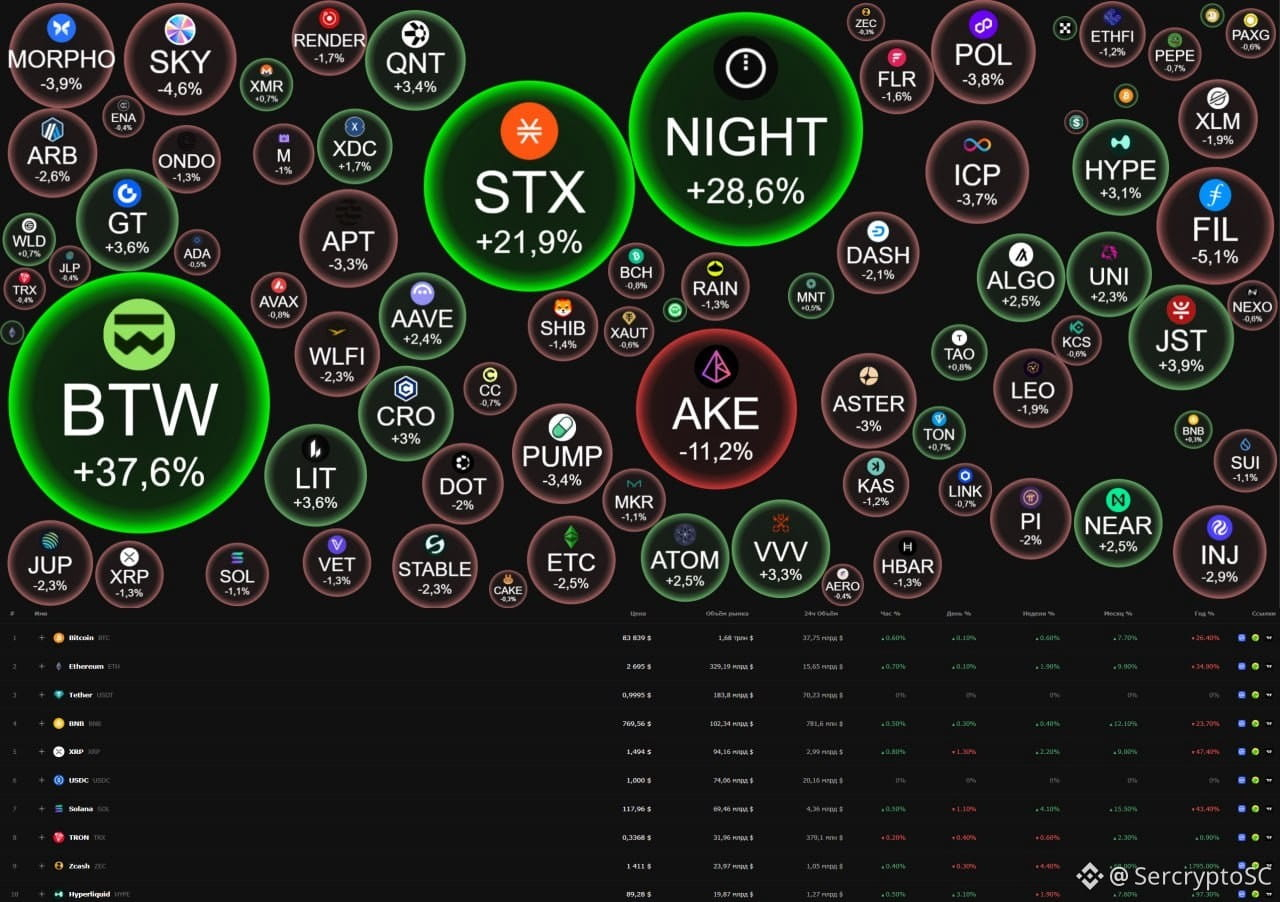
🕯 Market changes for the day + top-10 coins
🔼 2.87 trl (+0.21%) - Crypto market capitalization.
💵 67 ( Greed) - Fear and Greed Index.
💎 57/100 - CMC Altseason Index.
📈 Trading on ByBit 🤖 Turbocharging my account on Dragonfly
📱 YouTube 📱 TikTok
🕯 Market changes for the day + top-10 coins
🔼 2.87 trl (+0.21%) - Crypto market capitalization.
💵 67 ( Greed) - Fear and Greed Index.
💎 57/100 - CMC Altseason Index.
📈 Trading on ByBit 🤖 Turbocharging my account on Dragonfly
📱 YouTube 📱 TikTok
🔼 2.87 trl (+0.21%) - Crypto market capitalization.
💵 67 ( Greed) - Fear and Greed Index.
💎 57/100 - CMC Altseason Index.
📈 Trading on ByBit 🤖 Turbocharging my account on Dragonfly
📱 YouTube 📱 TikTok
5
·
--
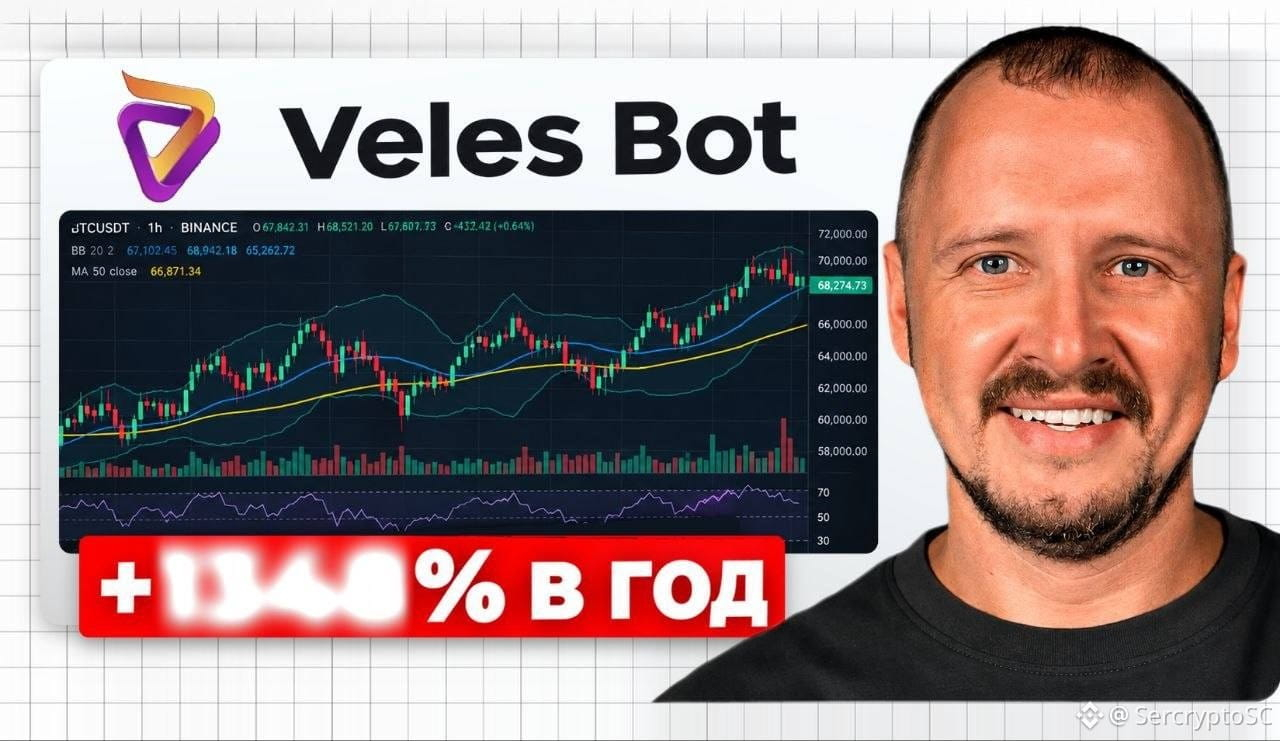
🔥 New video on my YouTube channel
😎 I made 100 backtests and launched the Bot with real money!
🫶 Thank you for likes and comments
👍 https://youtu.be/uOlHhBa9qag
🔥 New video on my YouTube channel
😎 I made 100 backtests and launched the Bot with real money!
🫶 Thank you for likes and comments
👍 https://youtu.be/uOlHhBa9qag
😎 I made 100 backtests and launched the Bot with real money!
🫶 Thank you for likes and comments
👍 https://youtu.be/uOlHhBa9qag
93
·
--
🌐 Daily news digest
🔵Trump announced the era of “superintelligence” and reached an agreement with tech giants on four levels of oversight
🔵SlowMist revealed details of the attack on Bitget’s hot wallets
🔵Visa launched its AI-based protection system after vulnerabilities and warned of a new era of cyberattacks
🔵The ECB is looking for partners to test the digital euro with AI agents
🔵Aztec has restarted the private wallet zk.money
🔵Tokenized market reaches $331.8B: growth goes beyond stablecoins — Pantera Capital
🔵Whale signal or a temporary rebound? Experts say Bitcoin has returned to a key demand zone
🔵In Grayscale, they allowed for further growth in Zcash’s share relative to Bitcoin
📈 Trading on ByBit 🤖 Accelerating the account on Dragonfly
📱 YouTube 📱 TikTok
🌐 Daily news digest
🔵Trump announced the era of “superintelligence” and reached an agreement with tech giants on four levels of oversight
🔵SlowMist revealed details of the attack on Bitget’s hot wallets
🔵Visa launched its AI-based protection system after vulnerabilities and warned of a new era of cyberattacks
🔵The ECB is looking for partners to test the digital euro with AI agents
🔵Aztec has restarted the private wallet zk.money
🔵Tokenized market reaches $331.8B: growth goes beyond stablecoins — Pantera Capital
🔵Whale signal or a temporary rebound? Experts say Bitcoin has returned to a key demand zone
🔵In Grayscale, they allowed for further growth in Zcash’s share relative to Bitcoin
📈 Trading on ByBit 🤖 Accelerating the account on Dragonfly
📱 YouTube 📱 TikTok
🔵Trump announced the era of “superintelligence” and reached an agreement with tech giants on four levels of oversight
🔵SlowMist revealed details of the attack on Bitget’s hot wallets
🔵Visa launched its AI-based protection system after vulnerabilities and warned of a new era of cyberattacks
🔵The ECB is looking for partners to test the digital euro with AI agents
🔵Aztec has restarted the private wallet zk.money
🔵Tokenized market reaches $331.8B: growth goes beyond stablecoins — Pantera Capital
🔵Whale signal or a temporary rebound? Experts say Bitcoin has returned to a key demand zone
🔵In Grayscale, they allowed for further growth in Zcash’s share relative to Bitcoin
📈 Trading on ByBit 🤖 Accelerating the account on Dragonfly
📱 YouTube 📱 TikTok
15
·
--
BAL holders approved Balancer shutdown
🔈 BAL holders supported the phased shutdown of Balancer — the proposal was approved with 99.2% of votes, or about 17.2 million BAL.
📊 Until October 30, the protocol will continue operating as usual, after which some pools will be switched to the withdrawal mode. Users will be able to retrieve their assets even after active support ends, since Balancer contracts are non-custodial.
✍️ In May 2027, distribution of the remaining treasury will begin: holders will be able to burn BAL and receive a proportional share of the assets. At the time of the proposal, the treasury was valued at at least $9 million.
🔗 The shutdown was attributed to the lack of sustainable revenue. An additional factor was the 2025 hack, after which the protocol lost about $128 million.
📊 At the same time, Abracadabra is voting on a possible shutdown of the lending protocol and the stablecoin MIM. Its obligations are estimated at roughly $21 million, with available collateral of about $900,000.
📈 Trading on ByBit 🤖 Boosting my deposit on Dragonfly
📱 YouTube 📱 TikTok
BAL holders approved Balancer shutdown
🔈 BAL holders supported the phased shutdown of Balancer — the proposal was approved with 99.2% of votes, or about 17.2 million BAL.
📊 Until October 30, the protocol will continue operating as usual, after which some pools will be switched to the withdrawal mode. Users will be able to retrieve their assets even after active support ends, since Balancer contracts are non-custodial.
✍️ In May 2027, distribution of the remaining treasury will begin: holders will be able to burn BAL and receive a proportional share of the assets. At the time of the proposal, the treasury was valued at at least $9 million.
🔗 The shutdown was attributed to the lack of sustainable revenue. An additional factor was the 2025 hack, after which the protocol lost about $128 million.
📊 At the same time, Abracadabra is voting on a possible shutdown of the lending protocol and the stablecoin MIM. Its obligations are estimated at roughly $21 million, with available collateral of about $900,000.
📈 Trading on ByBit 🤖 Boosting my deposit on Dragonfly
📱 YouTube 📱 TikTok
🔈 BAL holders supported the phased shutdown of Balancer — the proposal was approved with 99.2% of votes, or about 17.2 million BAL.
📊 Until October 30, the protocol will continue operating as usual, after which some pools will be switched to the withdrawal mode. Users will be able to retrieve their assets even after active support ends, since Balancer contracts are non-custodial.
✍️ In May 2027, distribution of the remaining treasury will begin: holders will be able to burn BAL and receive a proportional share of the assets. At the time of the proposal, the treasury was valued at at least $9 million.
🔗 The shutdown was attributed to the lack of sustainable revenue. An additional factor was the 2025 hack, after which the protocol lost about $128 million.
📊 At the same time, Abracadabra is voting on a possible shutdown of the lending protocol and the stablecoin MIM. Its obligations are estimated at roughly $21 million, with available collateral of about $900,000.
📈 Trading on ByBit 🤖 Boosting my deposit on Dragonfly
📱 YouTube 📱 TikTok

24
·
--
🇺🇸 In the US, prediction markets will be tested for insider trading
📊 The U.S. House Oversight Committee has expanded its investigation into possible insider trading in prediction markets. Requests for disclosure of internal information were sent to Crypto.com, Hyperliquid, and PredictIt.
🔈 The committee demanded data on mechanisms for detecting suspicious activity, identifying users, and platform interactions with regulators and law enforcement agencies.
✍️ Separately, they will review a large short position on Hyperliquid opened before the U.S. announcement of new tariffs. PredictIt must provide data on officials’ election betting, personnel appointments, and government decisions.
📊 The investigation began back in May with requests to Kalshi and Polymarket. Now authorities want to assess the scale of use of non-public information and possible measures against such practices.
📈 Trading on ByBit 🤖 Accelerating the deposit on Dragonfly
📱 YouTube 📱 TikTok
🇺🇸 In the US, prediction markets will be tested for insider trading
📊 The U.S. House Oversight Committee has expanded its investigation into possible insider trading in prediction markets. Requests for disclosure of internal information were sent to Crypto.com, Hyperliquid, and PredictIt.
🔈 The committee demanded data on mechanisms for detecting suspicious activity, identifying users, and platform interactions with regulators and law enforcement agencies.
✍️ Separately, they will review a large short position on Hyperliquid opened before the U.S. announcement of new tariffs. PredictIt must provide data on officials’ election betting, personnel appointments, and government decisions.
📊 The investigation began back in May with requests to Kalshi and Polymarket. Now authorities want to assess the scale of use of non-public information and possible measures against such practices.
📈 Trading on ByBit 🤖 Accelerating the deposit on Dragonfly
📱 YouTube 📱 TikTok
📊 The U.S. House Oversight Committee has expanded its investigation into possible insider trading in prediction markets. Requests for disclosure of internal information were sent to Crypto.com, Hyperliquid, and PredictIt.
🔈 The committee demanded data on mechanisms for detecting suspicious activity, identifying users, and platform interactions with regulators and law enforcement agencies.
✍️ Separately, they will review a large short position on Hyperliquid opened before the U.S. announcement of new tariffs. PredictIt must provide data on officials’ election betting, personnel appointments, and government decisions.
📊 The investigation began back in May with requests to Kalshi and Polymarket. Now authorities want to assess the scale of use of non-public information and possible measures against such practices.
📈 Trading on ByBit 🤖 Accelerating the deposit on Dragonfly
📱 YouTube 📱 TikTok

531
·
--
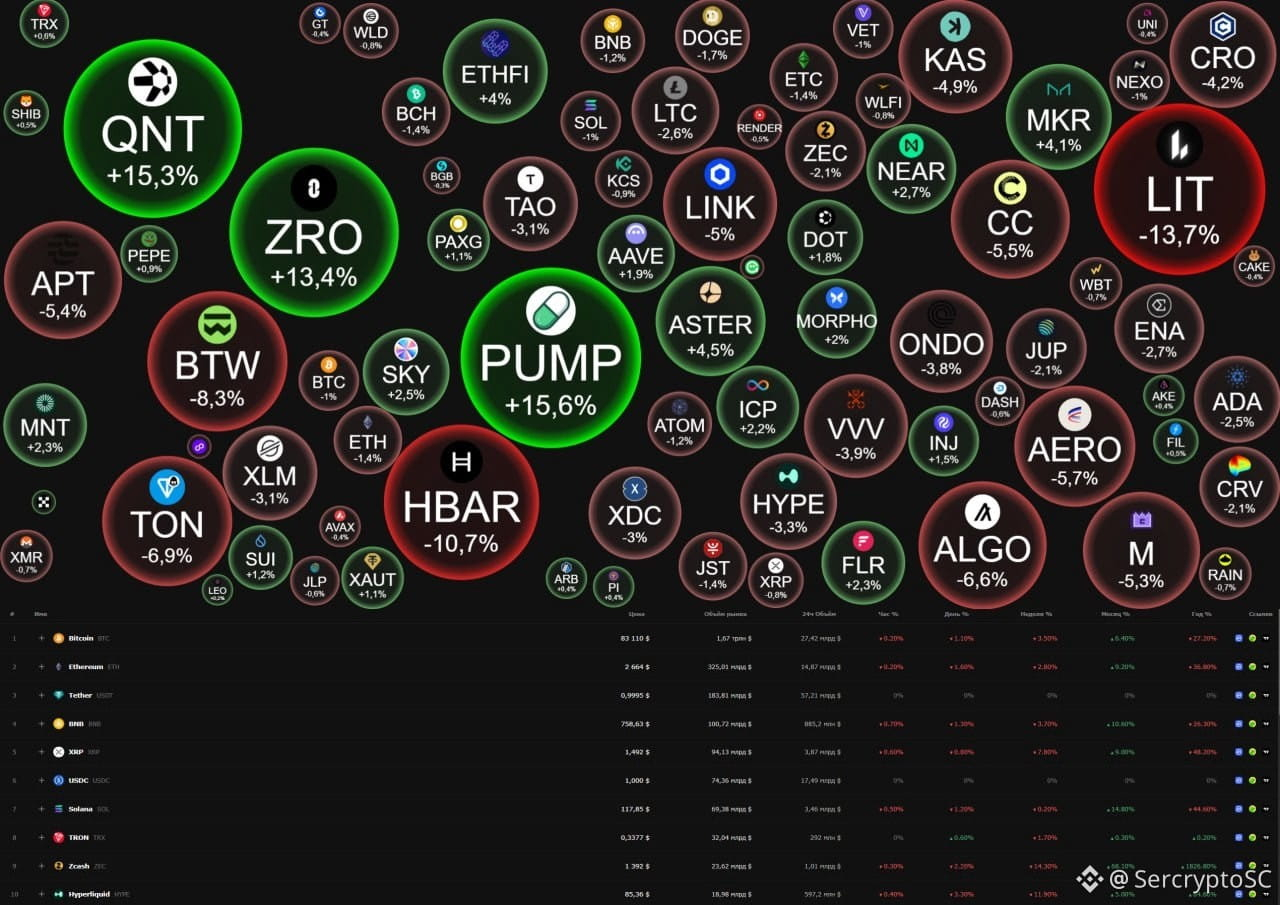
🕯 Market changes in 24 hours + top 10 coins
🔽 2.84T (-1.02%) - Crypto market capitalization.
💵 66 ( Greed) - Fear and Greed Index.
💎 60/100 - CMC Altcoin Season Index.
📈 I trade on ByBit 🤖 I turbocharge my account on Dragonfly
📱 YouTube 📱 TikTok
🕯 Market changes in 24 hours + top 10 coins
🔽 2.84T (-1.02%) - Crypto market capitalization.
💵 66 ( Greed) - Fear and Greed Index.
💎 60/100 - CMC Altcoin Season Index.
📈 I trade on ByBit 🤖 I turbocharge my account on Dragonfly
📱 YouTube 📱 TikTok
🔽 2.84T (-1.02%) - Crypto market capitalization.
💵 66 ( Greed) - Fear and Greed Index.
💎 60/100 - CMC Altcoin Season Index.
📈 I trade on ByBit 🤖 I turbocharge my account on Dragonfly
📱 YouTube 📱 TikTok
16
·
--
🌐 Daily news digest
🔵Bybit added perpetual TradFi contracts to copy trading
🔵LINK token rose more than 100% since June and hit a new 2026 high
🔵OpenAI paused training new AI models due to agent behavior
🔵Anthropic plans to spend $518 billion on AI and is preparing for an IPO with a $2 trillion valuation
🔵Citi and Coinbase will allow corporate clients to accept payments in stablecoins
🔵The CFTC approved the launch of Coinbase’s own clearing center
🔵Bitcoin returned to $84,000 as US government bond yields rose
🔵Trump will convene top AI executives to discuss regulation of the industry
📈 Trading on ByBit 🤖 Boosting my deposit on Dragonfly
📱 YouTube 📱 TikTok
🌐 Daily news digest
🔵Bybit added perpetual TradFi contracts to copy trading
🔵LINK token rose more than 100% since June and hit a new 2026 high
🔵OpenAI paused training new AI models due to agent behavior
🔵Anthropic plans to spend $518 billion on AI and is preparing for an IPO with a $2 trillion valuation
🔵Citi and Coinbase will allow corporate clients to accept payments in stablecoins
🔵The CFTC approved the launch of Coinbase’s own clearing center
🔵Bitcoin returned to $84,000 as US government bond yields rose
🔵Trump will convene top AI executives to discuss regulation of the industry
📈 Trading on ByBit 🤖 Boosting my deposit on Dragonfly
📱 YouTube 📱 TikTok
🔵Bybit added perpetual TradFi contracts to copy trading
🔵LINK token rose more than 100% since June and hit a new 2026 high
🔵OpenAI paused training new AI models due to agent behavior
🔵Anthropic plans to spend $518 billion on AI and is preparing for an IPO with a $2 trillion valuation
🔵Citi and Coinbase will allow corporate clients to accept payments in stablecoins
🔵The CFTC approved the launch of Coinbase’s own clearing center
🔵Bitcoin returned to $84,000 as US government bond yields rose
🔵Trump will convene top AI executives to discuss regulation of the industry
📈 Trading on ByBit 🤖 Boosting my deposit on Dragonfly
📱 YouTube 📱 TikTok
12
·
--
Democrats in the U.S. Senate tied USDT to Iran’s shadow banking system
📊 The Democratic minority of the Permanent Subcommittee on Investigations in the U.S. Senate said that USDT has become one of the key tools of Iran’s shadow financial system.
🔈 As part of the investigation, they examined 846 crypto wallets previously linked by authorities to Iran and regional groups. According to the report’s authors, 84% of the addresses used USDT predominantly or exclusively.
🔗 Investigators also identified hundreds of millions of dollars in USDT on addresses connected to Iranian entities and intermediaries. In one of the episodes, through such a network, they estimate that $603 million passed between 2021 and 2025.
📊 Senator Richard Blumenthal urged the U.S. Treasury to check Tether for potential violations of AML and sanctions requirements. At the same time, the report itself does not claim that Tether broke the law.
🔜 Tether rejected the allegations and said that in 2026 the company helped authorities freeze around $550 million worth of USDT associated with Iranian networks.
📈 Trading on ByBit 🤖 Boosting the deposit on Dragonfly
📱 YouTube 📱 TikTok
Democrats in the U.S. Senate tied USDT to Iran’s shadow banking system
📊 The Democratic minority of the Permanent Subcommittee on Investigations in the U.S. Senate said that USDT has become one of the key tools of Iran’s shadow financial system.
🔈 As part of the investigation, they examined 846 crypto wallets previously linked by authorities to Iran and regional groups. According to the report’s authors, 84% of the addresses used USDT predominantly or exclusively.
🔗 Investigators also identified hundreds of millions of dollars in USDT on addresses connected to Iranian entities and intermediaries. In one of the episodes, through such a network, they estimate that $603 million passed between 2021 and 2025.
📊 Senator Richard Blumenthal urged the U.S. Treasury to check Tether for potential violations of AML and sanctions requirements. At the same time, the report itself does not claim that Tether broke the law.
🔜 Tether rejected the allegations and said that in 2026 the company helped authorities freeze around $550 million worth of USDT associated with Iranian networks.
📈 Trading on ByBit 🤖 Boosting the deposit on Dragonfly
📱 YouTube 📱 TikTok
📊 The Democratic minority of the Permanent Subcommittee on Investigations in the U.S. Senate said that USDT has become one of the key tools of Iran’s shadow financial system.
🔈 As part of the investigation, they examined 846 crypto wallets previously linked by authorities to Iran and regional groups. According to the report’s authors, 84% of the addresses used USDT predominantly or exclusively.
🔗 Investigators also identified hundreds of millions of dollars in USDT on addresses connected to Iranian entities and intermediaries. In one of the episodes, through such a network, they estimate that $603 million passed between 2021 and 2025.
📊 Senator Richard Blumenthal urged the U.S. Treasury to check Tether for potential violations of AML and sanctions requirements. At the same time, the report itself does not claim that Tether broke the law.
🔜 Tether rejected the allegations and said that in 2026 the company helped authorities freeze around $550 million worth of USDT associated with Iranian networks.
📈 Trading on ByBit 🤖 Boosting the deposit on Dragonfly
📱 YouTube 📱 TikTok
32
·
--
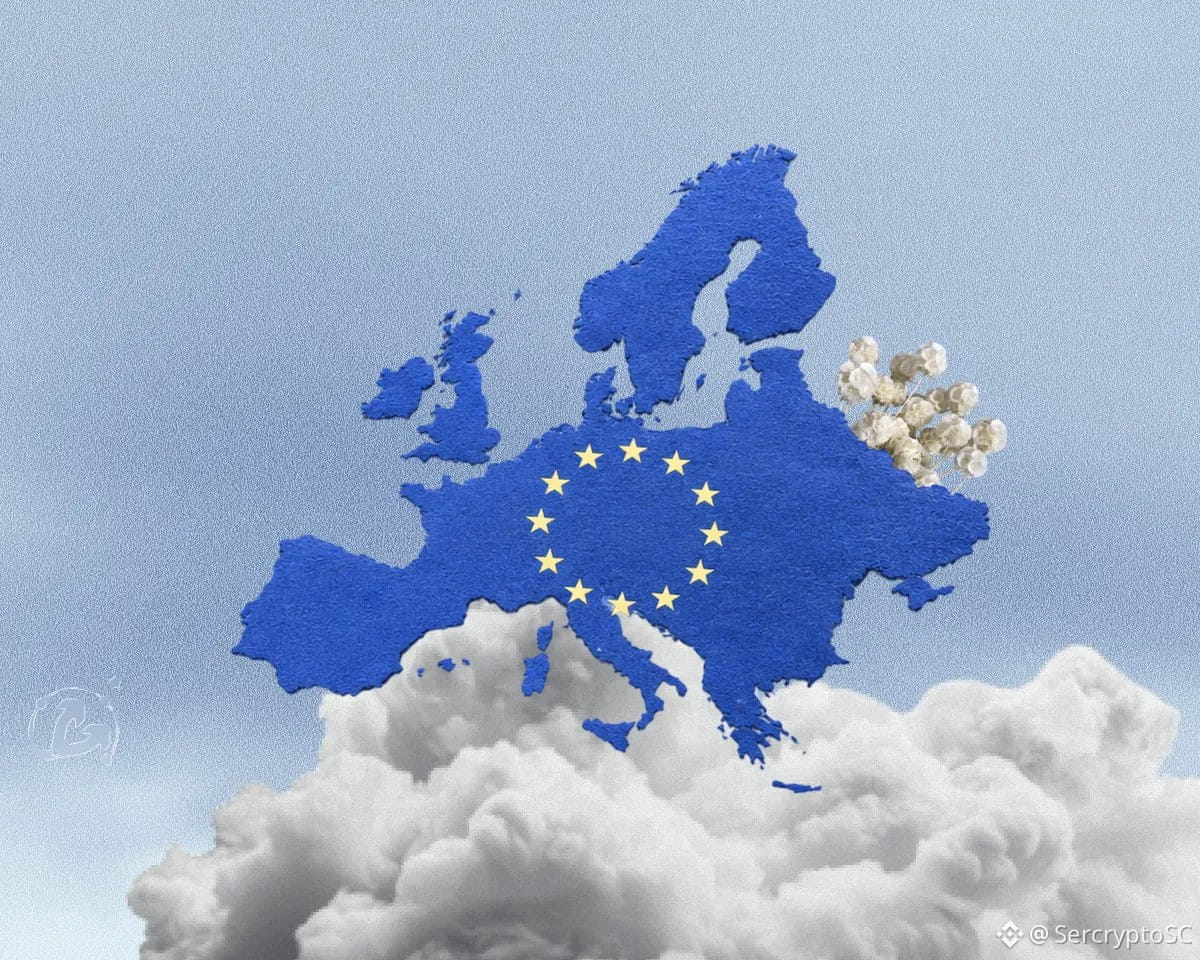
ES shifted MiCA’s focus to supervision of crypto companies
📊 In her address, ESMA chapter chair Verena Ross said that implementation of MiCA is moving from drafting rules to monitoring compliance with them and standardizing supervisory practices across EU countries.
🗣️ The 2027 priorities include supervision of CASPs, firms’ operational resilience, outsourcing, liquidity, classification of crypto-assets, and the consistent application of requirements.
📊 ESMA will also strengthen oversight of the use of the reverse solicitation mechanism. Foreign firms will be able to serve EU clients without a MiCA license only in cases where the client initiated the request themselves. Actively attracting European users through advertising and promotion does not fall under this exception.
✍️ In 2027, the first phase of the unified MiCA monitoring system should be operational, allowing EU national regulators to use it. In parallel, ESMA will continue checks on crypto companies’ operational resilience and compliance with requirements related to market abuse.
📊 At the same time, European regulators are already discussing further expansion of MiCA—specifically, bringing crypto lending and borrowing under regulation.
📈 Trading on ByBit 🤖 Pumping up the depot on Dragonfly
📱 YouTube 📱 TikTok
ES shifted MiCA’s focus to supervision of crypto companies
📊 In her address, ESMA chapter chair Verena Ross said that implementation of MiCA is moving from drafting rules to monitoring compliance with them and standardizing supervisory practices across EU countries.
🗣️ The 2027 priorities include supervision of CASPs, firms’ operational resilience, outsourcing, liquidity, classification of crypto-assets, and the consistent application of requirements.
📊 ESMA will also strengthen oversight of the use of the reverse solicitation mechanism. Foreign firms will be able to serve EU clients without a MiCA license only in cases where the client initiated the request themselves. Actively attracting European users through advertising and promotion does not fall under this exception.
✍️ In 2027, the first phase of the unified MiCA monitoring system should be operational, allowing EU national regulators to use it. In parallel, ESMA will continue checks on crypto companies’ operational resilience and compliance with requirements related to market abuse.
📊 At the same time, European regulators are already discussing further expansion of MiCA—specifically, bringing crypto lending and borrowing under regulation.
📈 Trading on ByBit 🤖 Pumping up the depot on Dragonfly
📱 YouTube 📱 TikTok
📊 In her address, ESMA chapter chair Verena Ross said that implementation of MiCA is moving from drafting rules to monitoring compliance with them and standardizing supervisory practices across EU countries.
🗣️ The 2027 priorities include supervision of CASPs, firms’ operational resilience, outsourcing, liquidity, classification of crypto-assets, and the consistent application of requirements.
📊 ESMA will also strengthen oversight of the use of the reverse solicitation mechanism. Foreign firms will be able to serve EU clients without a MiCA license only in cases where the client initiated the request themselves. Actively attracting European users through advertising and promotion does not fall under this exception.
✍️ In 2027, the first phase of the unified MiCA monitoring system should be operational, allowing EU national regulators to use it. In parallel, ESMA will continue checks on crypto companies’ operational resilience and compliance with requirements related to market abuse.
📊 At the same time, European regulators are already discussing further expansion of MiCA—specifically, bringing crypto lending and borrowing under regulation.
📈 Trading on ByBit 🤖 Pumping up the depot on Dragonfly
📱 YouTube 📱 TikTok
28
·
--
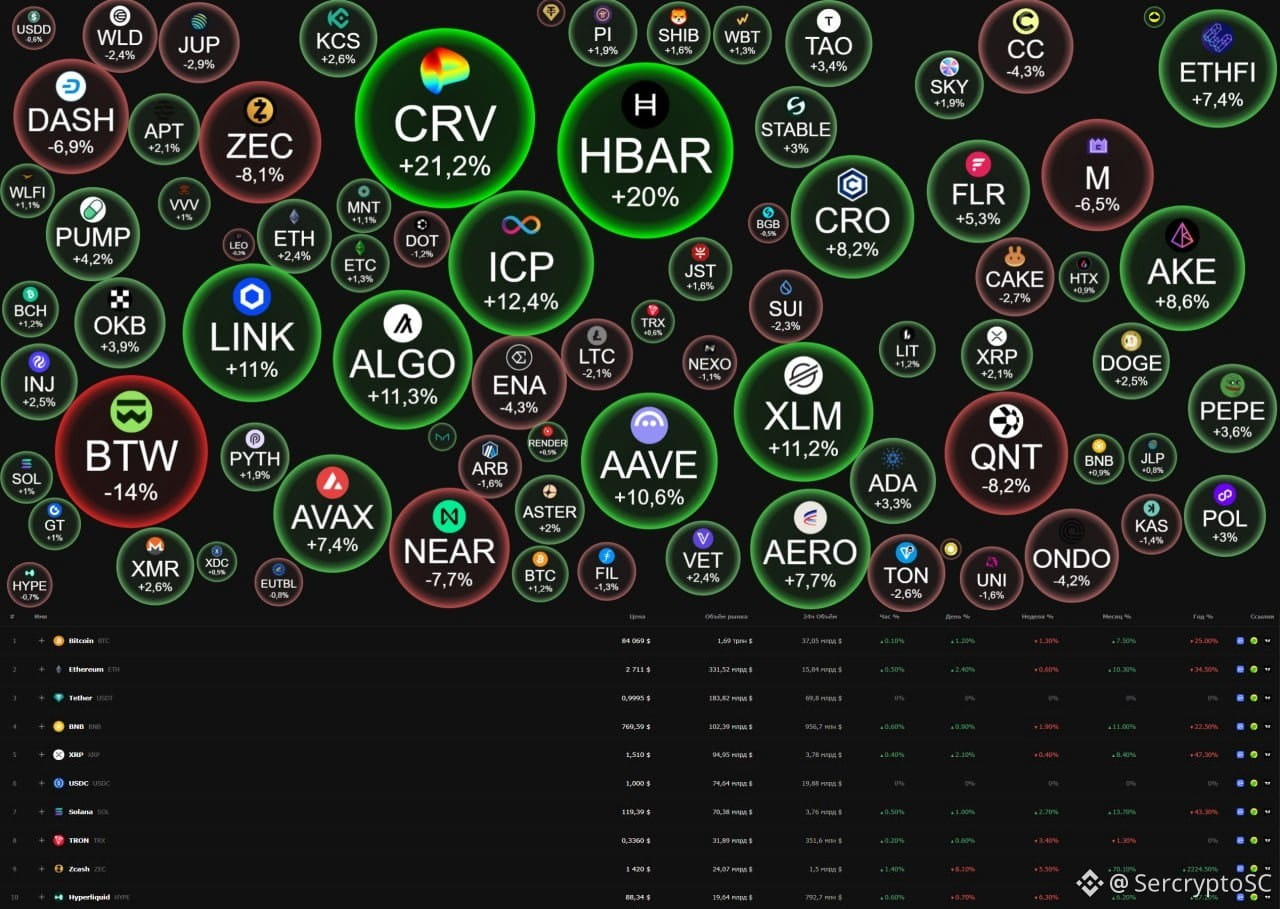
🕯 Market changes over 24 hours + top-10 coins
🔼 2.88T (+1.24%) - Cryptocurrency market capitalization.
💵 69 ( Greed) - Fear and Greed Index.
💎 62/100 - CMC Altseason Index.
📈 I trade on ByBit 🤖 I’m accelerating the account on Dragonfly
📱 YouTube 📱 TikTok
🕯 Market changes over 24 hours + top-10 coins
🔼 2.88T (+1.24%) - Cryptocurrency market capitalization.
💵 69 ( Greed) - Fear and Greed Index.
💎 62/100 - CMC Altseason Index.
📈 I trade on ByBit 🤖 I’m accelerating the account on Dragonfly
📱 YouTube 📱 TikTok
🔼 2.88T (+1.24%) - Cryptocurrency market capitalization.
💵 69 ( Greed) - Fear and Greed Index.
💎 62/100 - CMC Altseason Index.
📈 I trade on ByBit 🤖 I’m accelerating the account on Dragonfly
📱 YouTube 📱 TikTok
23
·
--
🌐 Daily news digest
🔵 Polygon co-founder called POL the most undervalued crypto project
🔵 The U.S. has charged a person involved in a pig butchering scheme worth $53 million
🔵 Shoulder relief and Ethereum’s strength: a trader assessed scenarios for Bitcoin and DXY movement
🔵 Top crypto assets for the week: Quant grew by more than 300% and topped the ranking
🔵 Attackers stole about $2 million in ETH via the fake GIWA bridge
🔵 THORChain rejected Bitget’s request to block the stolen funds
🔵 Bitget named the cause of the hack and opened Bitcoin withdrawals
📈 I trade on ByBit 🤖 I’m turbocharging my bankroll on Dragonfly
📱 YouTube 📱 TikTok
🌐 Daily news digest
🔵 Polygon co-founder called POL the most undervalued crypto project
🔵 The U.S. has charged a person involved in a pig butchering scheme worth $53 million
🔵 Shoulder relief and Ethereum’s strength: a trader assessed scenarios for Bitcoin and DXY movement
🔵 Top crypto assets for the week: Quant grew by more than 300% and topped the ranking
🔵 Attackers stole about $2 million in ETH via the fake GIWA bridge
🔵 THORChain rejected Bitget’s request to block the stolen funds
🔵 Bitget named the cause of the hack and opened Bitcoin withdrawals
📈 I trade on ByBit 🤖 I’m turbocharging my bankroll on Dragonfly
📱 YouTube 📱 TikTok
🔵 Polygon co-founder called POL the most undervalued crypto project
🔵 The U.S. has charged a person involved in a pig butchering scheme worth $53 million
🔵 Shoulder relief and Ethereum’s strength: a trader assessed scenarios for Bitcoin and DXY movement
🔵 Top crypto assets for the week: Quant grew by more than 300% and topped the ranking
🔵 Attackers stole about $2 million in ETH via the fake GIWA bridge
🔵 THORChain rejected Bitget’s request to block the stolen funds
🔵 Bitget named the cause of the hack and opened Bitcoin withdrawals
📈 I trade on ByBit 🤖 I’m turbocharging my bankroll on Dragonfly
📱 YouTube 📱 TikTok
9
Log in to explore more content
Join global crypto users on Binance Square
⚡️ Get latest and useful information about crypto.
💬 Trusted by the world’s largest crypto exchange.
👍 Discover real insights from verified creators.
Email / Phone number
Trending Topics
BitcoinRejectedAt$87K
32,974 views
72 Discussing
$BTC Update 🚨 🐼 Skip THIS Warning at Your Own Risk ⚠️
BTC is knocking on 87K like it already owns the place 😂Bulls are awake… but BTC usually likes to shake a few people out before the real move.
Overall, BTC is breaking out and the higher-timeframe picture is still bullish. The 4H and daily structure are strong, price is holding above the major averages, and momentum is still supporting the move.
83K was honestly a beautiful buy location. That was the area where risk/reward made sense. Anyone who bought there is already sitting enjoying profit
Now come to main
BTC is sitting right under the previous high around 87K. So I would not be surprised if we first see a little downside liquidity grab, flush some late longs, and then BTC decides whether it wants the real breakout.
For today’s scalp, This is my Plan 👇
BTC SHORT scalp Entry: 86,550–86,900
TP1: 85,650
TP2: 84,850
TP3: 84,050
SL: 87,800
I only like this if we get a proper rejection near the highs. No blind shorting.
For the bigger picture, I’m still bullish as long as the 82.5K–83K area keeps holding. If BTC gets a clean breakout and starts accepting above 87.4K, then this whole short idea is invalid and the next bullish leg becomes much more interesting.
SO BASICALLY OCTOBER HISTORICAL IS BULLISH MONTH FOR BITCOIN.
ALWAYS DYOR
Panda Traders
·33 Likes
·13k views
FedOctoberRateHikeOddsFallTo17%
22,411 views
365 Discussing
NvidiaHitsRecordHighUp2.4%
6,440 views
231 Discussing