
rtsky777
1.3k Posts
rtsky777
Report
Block User
平台币收集爱好者|长期持有主义者
Open Trade
Occasional Trader
1.9 Years
16 Following
394 Followers
1.2K+ Liked
Posts
Portfolio
All
Quotes
Videos
PINNED
·
--
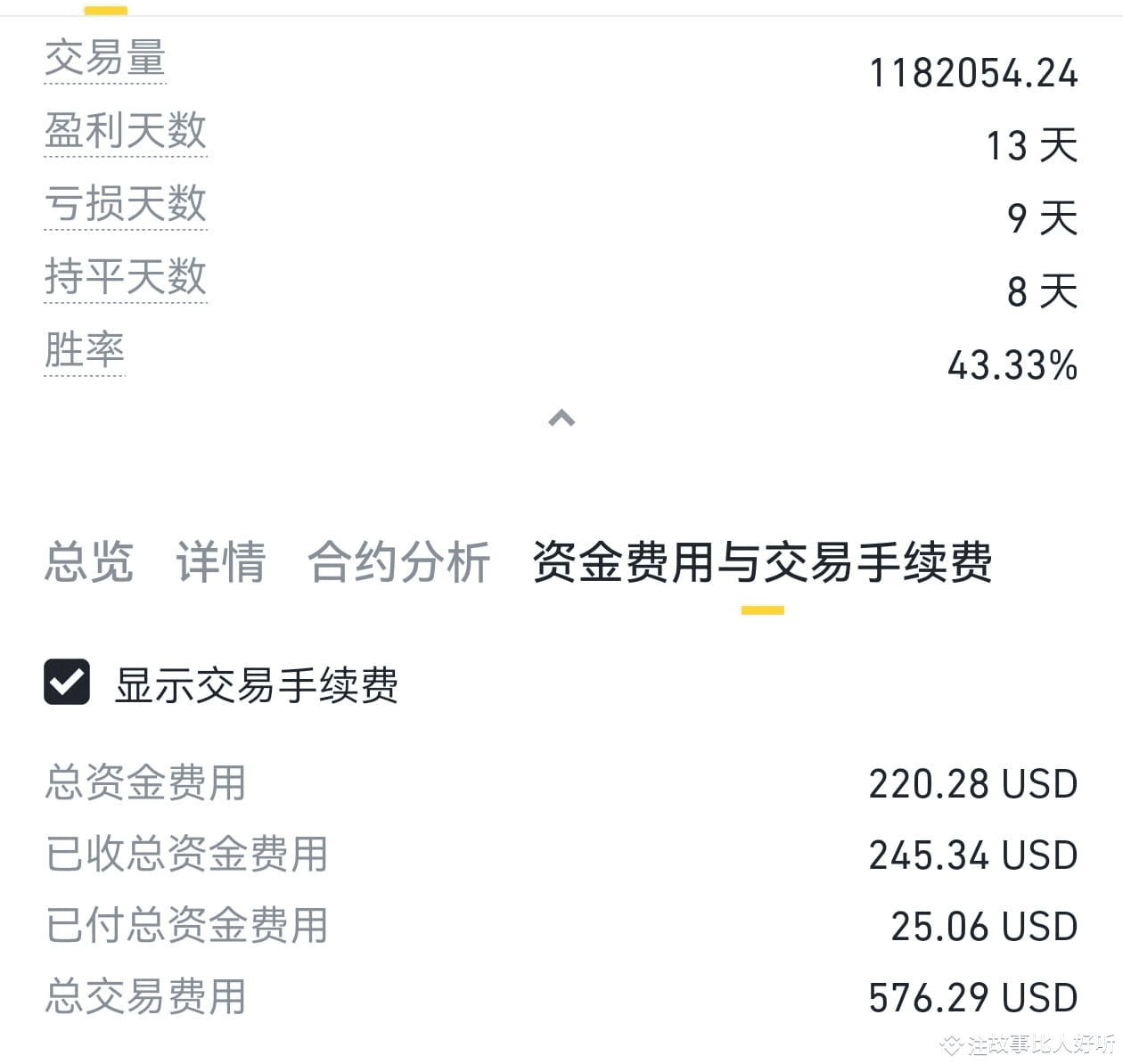
📱Open Assets--Contracts--Today’s Realized Profit and Loss--Funding Fees and Trading Fees-Total Trading Fees📲$BNB .
Like I just played for a month and had nearly 600U in fees, if activated, there’s a 150 oil rebate.
If you filled in the invitation code when registering, then you’re good, that means you have a fee rebate, just find your contact person. If there’s no fee rebate, then this fee is charged by the exchange.
If you wrote my invitation code while playing on Binance, the 100 oil fee can legally refund up to 25 oil to yourself.
Registration invitation code is 1053575781
Contract activation invitation code is 1053951016
If you have to spend, save what you can 👍👍👍
📱Open Assets--Contracts--Today’s Realized Profit and Loss--Funding Fees and Trading Fees-Total Trading Fees📲$BNB .
Like I just played for a month and had nearly 600U in fees, if activated, there’s a 150 oil rebate.
If you filled in the invitation code when registering, then you’re good, that means you have a fee rebate, just find your contact person. If there’s no fee rebate, then this fee is charged by the exchange.
If you wrote my invitation code while playing on Binance, the 100 oil fee can legally refund up to 25 oil to yourself.
Registration invitation code is 1053575781
Contract activation invitation code is 1053951016
If you have to spend, save what you can 👍👍👍
Like I just played for a month and had nearly 600U in fees, if activated, there’s a 150 oil rebate.
If you filled in the invitation code when registering, then you’re good, that means you have a fee rebate, just find your contact person. If there’s no fee rebate, then this fee is charged by the exchange.
If you wrote my invitation code while playing on Binance, the 100 oil fee can legally refund up to 25 oil to yourself.
Registration invitation code is 1053575781
Contract activation invitation code is 1053951016
If you have to spend, save what you can 👍👍👍
6
382
·
--
I’ve never been able to understand why the boss of an exchange that has long been stuck in second place so often takes snide, passive-aggressive shots at an industry leader.
It’s like a student ranked second in their grade who doesn’t think about how to improve their own grades, but instead keeps fixating on the top student, mocking them for not working hard enough or being smart enough, and asking why they scored only 99 instead of 100.
(This month, the second-place boss posted 21 tweets in total, 11 of which mentioned the top player—a share of 52.38%.)
They keep talking about unity, yet every now and then go out of their way to provoke a behemoth several times their own size.
When the other party finally responds, they’re left speechless and slink away in the end.
More amusingly, even after it was exposed that a real person had deliberately targeted Binance and made hostile comments, when confronted with criticism, they still acted like an ostrich, trying to bury their head in the sand and pretend not to see it.
Of course, perhaps they really do use Binance all the time.
After all, OKX is just work; Binance is life.
I’ve never been able to understand why the boss of an exchange that has long been stuck in second place so often takes snide, passive-aggressive shots at an industry leader.
It’s like a student ranked second in their grade who doesn’t think about how to improve their own grades, but instead keeps fixating on the top student, mocking them for not working hard enough or being smart enough, and asking why they scored only 99 instead of 100.
(This month, the second-place boss posted 21 tweets in total, 11 of which mentioned the top player—a share of 52.38%.)
They keep talking about unity, yet every now and then go out of their way to provoke a behemoth several times their own size.
When the other party finally responds, they’re left speechless and slink away in the end.
More amusingly, even after it was exposed that a real person had deliberately targeted Binance and made hostile comments, when confronted with criticism, they still acted like an ostrich, trying to bury their head in the sand and pretend not to see it.
Of course, perhaps they really do use Binance all the time.
After all, OKX is just work; Binance is life.
It’s like a student ranked second in their grade who doesn’t think about how to improve their own grades, but instead keeps fixating on the top student, mocking them for not working hard enough or being smart enough, and asking why they scored only 99 instead of 100.
(This month, the second-place boss posted 21 tweets in total, 11 of which mentioned the top player—a share of 52.38%.)
They keep talking about unity, yet every now and then go out of their way to provoke a behemoth several times their own size.
When the other party finally responds, they’re left speechless and slink away in the end.
More amusingly, even after it was exposed that a real person had deliberately targeted Binance and made hostile comments, when confronted with criticism, they still acted like an ostrich, trying to bury their head in the sand and pretend not to see it.
Of course, perhaps they really do use Binance all the time.
After all, OKX is just work; Binance is life.

6
·
--
The market is pretty fascinating right now: bears are throwing around $50,000, and the more hard-line ones are looking straight at $20,000; dip buyers think $67,000 is starting to look cheap; and another group is poring over historical candlestick charts, trying to figure out whether this is the cycle bottom. They’re all looking at the same chart, yet their conclusions differ by the price of a car.
First, let’s lay out a few figures. The Fear and Greed Index has fallen to 13, signaling extreme fear; U.S. spot Bitcoin ETFs have seen $2.35 billion in outflows over two weeks; and in the past 24 hours, more than 125,000 traders were liquidated, totaling $656.5 million. Fear, money flowing out, and leveraged positions getting wiped out—all at once.|
The bearish case is simple: ETFs are still seeing outflows, new money can’t absorb the selling pressure, and cascading liquidations can make a drop accelerate. At a time like this, saying “it can’t fall any further” is a bit like standing beneath a waterfall and studying the water level.
Dip buyers are looking at the other side. The index is down to 13; those who were going to sell have sold, and those who were going to get blown up have been blown up. A sharp rebound could happen at any time in the short term. But extreme fear only means everyone is scared—it doesn’t mean the market has promised to reverse right away. Things can get even scarier after a bout of extreme fear. Otherwise, how did the saying “buying the dip halfway down the mountain” catch on?
As for a cycle bottom, the bar is usually higher. Historically, major market-cap bottoms are rarely confirmed by a single big green candle. More often, after a crash, the market grinds people down with repeated swings; leverage is mostly flushed out, bad news stops pushing prices lower, and money gradually flows back in. ETF outflows and liquidations are still happening, which suggests the cleanup isn’t over yet.
So the biggest risk right now isn’t just that prices keep falling—it’s that falling prices, redemptions, and liquidations reinforce one another. The rebound could be fierce, but the next leg down won’t be gentle either.
If you’re buying the dip, scale in and don’t bet on a “once-in-a-century bottom” with heavy leverage. If you’re bearish, don’t treat $20,000 as a guaranteed stop. The market hasn’t even clearly hit the brakes yet, so rushing to announce that we’ve arrived is a little premature.
The market is pretty fascinating right now: bears are throwing around $50,000, and the more hard-line ones are looking straight at $20,000; dip buyers think $67,000 is starting to look cheap; and another group is poring over historical candlestick charts, trying to figure out whether this is the cycle bottom. They’re all looking at the same chart, yet their conclusions differ by the price of a car.
First, let’s lay out a few figures. The Fear and Greed Index has fallen to 13, signaling extreme fear; U.S. spot Bitcoin ETFs have seen $2.35 billion in outflows over two weeks; and in the past 24 hours, more than 125,000 traders were liquidated, totaling $656.5 million. Fear, money flowing out, and leveraged positions getting wiped out—all at once.|
The bearish case is simple: ETFs are still seeing outflows, new money can’t absorb the selling pressure, and cascading liquidations can make a drop accelerate. At a time like this, saying “it can’t fall any further” is a bit like standing beneath a waterfall and studying the water level.
Dip buyers are looking at the other side. The index is down to 13; those who were going to sell have sold, and those who were going to get blown up have been blown up. A sharp rebound could happen at any time in the short term. But extreme fear only means everyone is scared—it doesn’t mean the market has promised to reverse right away. Things can get even scarier after a bout of extreme fear. Otherwise, how did the saying “buying the dip halfway down the mountain” catch on?
As for a cycle bottom, the bar is usually higher. Historically, major market-cap bottoms are rarely confirmed by a single big green candle. More often, after a crash, the market grinds people down with repeated swings; leverage is mostly flushed out, bad news stops pushing prices lower, and money gradually flows back in. ETF outflows and liquidations are still happening, which suggests the cleanup isn’t over yet.
So the biggest risk right now isn’t just that prices keep falling—it’s that falling prices, redemptions, and liquidations reinforce one another. The rebound could be fierce, but the next leg down won’t be gentle either.
If you’re buying the dip, scale in and don’t bet on a “once-in-a-century bottom” with heavy leverage. If you’re bearish, don’t treat $20,000 as a guaranteed stop. The market hasn’t even clearly hit the brakes yet, so rushing to announce that we’ve arrived is a little premature.
First, let’s lay out a few figures. The Fear and Greed Index has fallen to 13, signaling extreme fear; U.S. spot Bitcoin ETFs have seen $2.35 billion in outflows over two weeks; and in the past 24 hours, more than 125,000 traders were liquidated, totaling $656.5 million. Fear, money flowing out, and leveraged positions getting wiped out—all at once.|
The bearish case is simple: ETFs are still seeing outflows, new money can’t absorb the selling pressure, and cascading liquidations can make a drop accelerate. At a time like this, saying “it can’t fall any further” is a bit like standing beneath a waterfall and studying the water level.
Dip buyers are looking at the other side. The index is down to 13; those who were going to sell have sold, and those who were going to get blown up have been blown up. A sharp rebound could happen at any time in the short term. But extreme fear only means everyone is scared—it doesn’t mean the market has promised to reverse right away. Things can get even scarier after a bout of extreme fear. Otherwise, how did the saying “buying the dip halfway down the mountain” catch on?
As for a cycle bottom, the bar is usually higher. Historically, major market-cap bottoms are rarely confirmed by a single big green candle. More often, after a crash, the market grinds people down with repeated swings; leverage is mostly flushed out, bad news stops pushing prices lower, and money gradually flows back in. ETF outflows and liquidations are still happening, which suggests the cleanup isn’t over yet.
So the biggest risk right now isn’t just that prices keep falling—it’s that falling prices, redemptions, and liquidations reinforce one another. The rebound could be fierce, but the next leg down won’t be gentle either.
If you’re buying the dip, scale in and don’t bet on a “once-in-a-century bottom” with heavy leverage. If you’re bearish, don’t treat $20,000 as a guaranteed stop. The market hasn’t even clearly hit the brakes yet, so rushing to announce that we’ve arrived is a little premature.

1
3.4k
·
--
Whether Jensen Huang can make money for NVIDIA and whether he is fit to remain CEO are really two separate questions. Right now, a lot of people are mixing up the answers.
Start with his ability to run the business. Product roadmaps, chip deliveries, the AI ecosystem, and how far competitors have caught up—these are the metrics on a CEO’s business report card. No one can deny Huang’s role in getting NVIDIA where it is today. But a successful company doesn’t mean its executives are automatically above scrutiny when it comes to internal relationships, conflicts of interest, and disclosure. Great contributions and governance problems can coexist.
A petition calling for his reinstatement can certainly have an impact. It can convey the views of employees, investors, or supporters to the board, and help steady morale so the company doesn’t lose the confidence of its people before the facts are even clear. But a petition isn’t proof of innocence, and the number of signatures isn’t a company-governance ballot box. Public opinion can force someone out today and bring them back tomorrow. If the board really makes decisions based on trending topics, that would be quite a spectacle.
The board should focus on whether the allegations are true, whether management violated company policies, whether relevant risks were adequately disclosed, and whether Huang’s continued tenure would harm the company’s interests. Investigate what needs investigating, explain what needs explaining, and ultimately make a decision that can stand up to scrutiny—not just brush things off with “in light of the recent impact of public opinion.”
If Huang is reinstated, that may stabilize market and team confidence in the short term, but people will keep asking: Did the board intervene too hastily in the first place? If he is replaced entirely, the new CEO will have to take on the challenges of maintaining continuity across products, customers, and the supply chain, while the market reassesses how dependent NVIDIA is on its founder.
So what really affects the company isn’t just whether Huang stays or goes. It’s whether the board can handle this matter by applying the same standards to everyone. Business performance is judged by results; governance is governed by rules; public opinion watches from the sidelines. Mix all three together, and in the end, no one will convince anyone else.
Whether Jensen Huang can make money for NVIDIA and whether he is fit to remain CEO are really two separate questions. Right now, a lot of people are mixing up the answers.
Start with his ability to run the business. Product roadmaps, chip deliveries, the AI ecosystem, and how far competitors have caught up—these are the metrics on a CEO’s business report card. No one can deny Huang’s role in getting NVIDIA where it is today. But a successful company doesn’t mean its executives are automatically above scrutiny when it comes to internal relationships, conflicts of interest, and disclosure. Great contributions and governance problems can coexist.
A petition calling for his reinstatement can certainly have an impact. It can convey the views of employees, investors, or supporters to the board, and help steady morale so the company doesn’t lose the confidence of its people before the facts are even clear. But a petition isn’t proof of innocence, and the number of signatures isn’t a company-governance ballot box. Public opinion can force someone out today and bring them back tomorrow. If the board really makes decisions based on trending topics, that would be quite a spectacle.
The board should focus on whether the allegations are true, whether management violated company policies, whether relevant risks were adequately disclosed, and whether Huang’s continued tenure would harm the company’s interests. Investigate what needs investigating, explain what needs explaining, and ultimately make a decision that can stand up to scrutiny—not just brush things off with “in light of the recent impact of public opinion.”
If Huang is reinstated, that may stabilize market and team confidence in the short term, but people will keep asking: Did the board intervene too hastily in the first place? If he is replaced entirely, the new CEO will have to take on the challenges of maintaining continuity across products, customers, and the supply chain, while the market reassesses how dependent NVIDIA is on its founder.
So what really affects the company isn’t just whether Huang stays or goes. It’s whether the board can handle this matter by applying the same standards to everyone. Business performance is judged by results; governance is governed by rules; public opinion watches from the sidelines. Mix all three together, and in the end, no one will convince anyone else.
Start with his ability to run the business. Product roadmaps, chip deliveries, the AI ecosystem, and how far competitors have caught up—these are the metrics on a CEO’s business report card. No one can deny Huang’s role in getting NVIDIA where it is today. But a successful company doesn’t mean its executives are automatically above scrutiny when it comes to internal relationships, conflicts of interest, and disclosure. Great contributions and governance problems can coexist.
A petition calling for his reinstatement can certainly have an impact. It can convey the views of employees, investors, or supporters to the board, and help steady morale so the company doesn’t lose the confidence of its people before the facts are even clear. But a petition isn’t proof of innocence, and the number of signatures isn’t a company-governance ballot box. Public opinion can force someone out today and bring them back tomorrow. If the board really makes decisions based on trending topics, that would be quite a spectacle.
The board should focus on whether the allegations are true, whether management violated company policies, whether relevant risks were adequately disclosed, and whether Huang’s continued tenure would harm the company’s interests. Investigate what needs investigating, explain what needs explaining, and ultimately make a decision that can stand up to scrutiny—not just brush things off with “in light of the recent impact of public opinion.”
If Huang is reinstated, that may stabilize market and team confidence in the short term, but people will keep asking: Did the board intervene too hastily in the first place? If he is replaced entirely, the new CEO will have to take on the challenges of maintaining continuity across products, customers, and the supply chain, while the market reassesses how dependent NVIDIA is on its founder.
So what really affects the company isn’t just whether Huang stays or goes. It’s whether the board can handle this matter by applying the same standards to everyone. Business performance is judged by results; governance is governed by rules; public opinion watches from the sidelines. Mix all three together, and in the end, no one will convince anyone else.

264
·
--
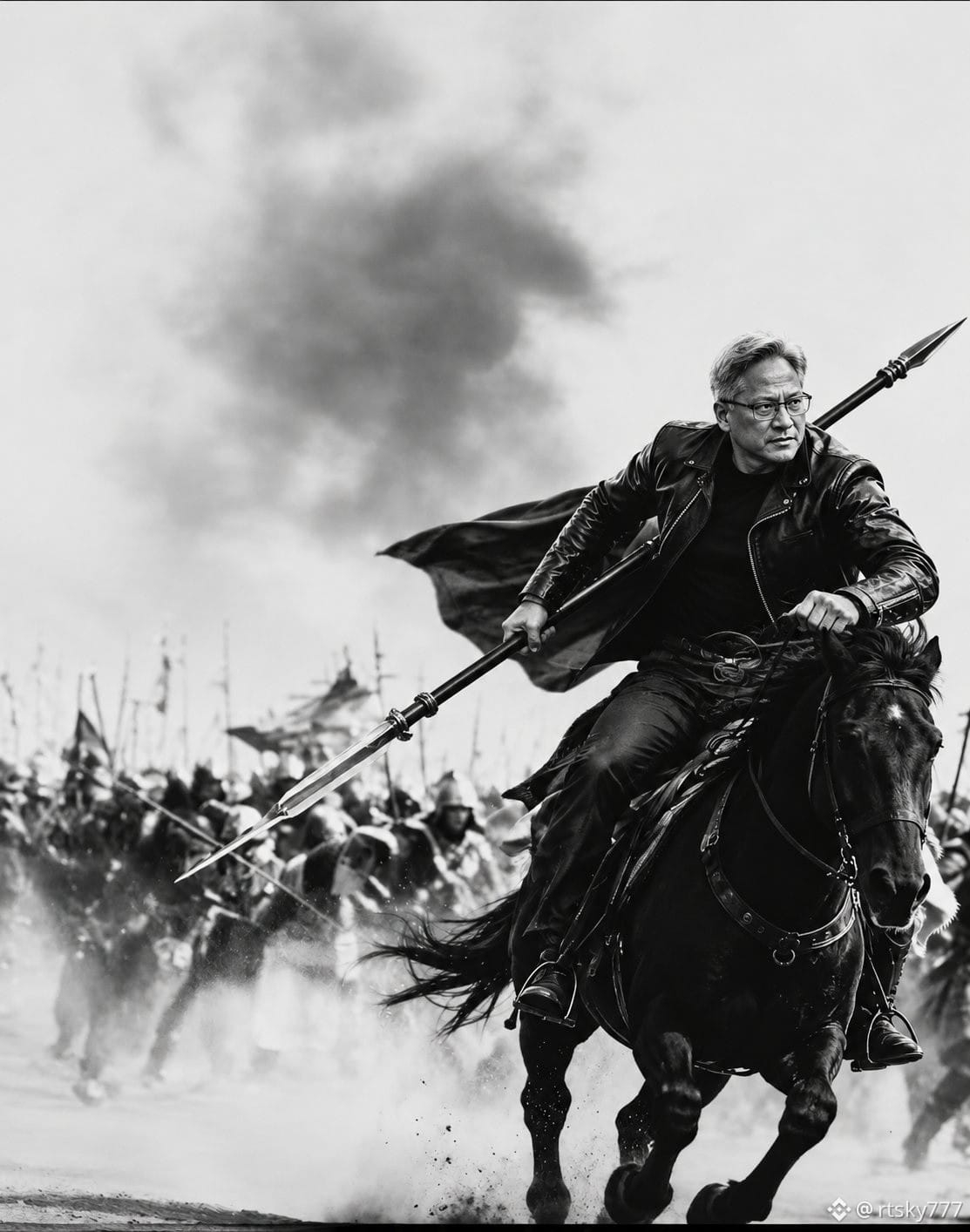
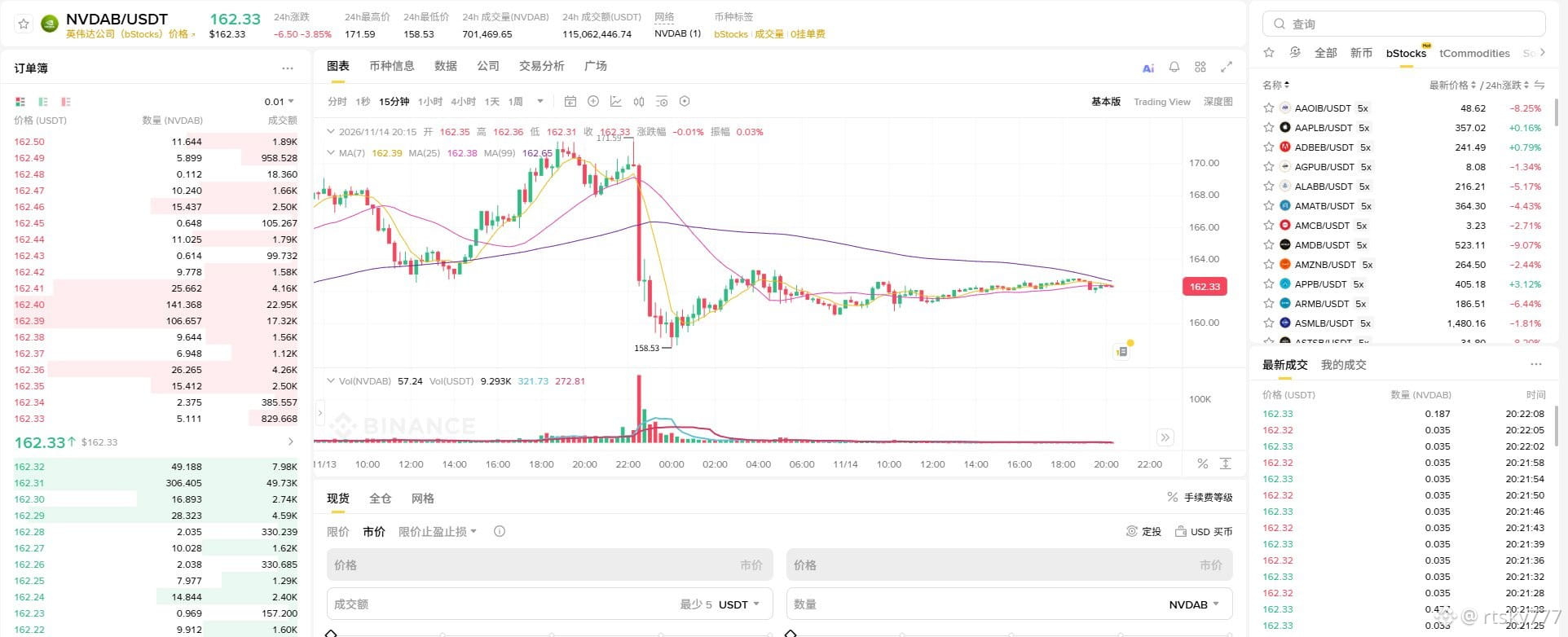
Now is a great time to buy NVIDIA
Jensen Huang will be back
NVIDIA needs him
You can buy it on Binance
Trading is open 24/7
It's going up
$NVDAB
{spot}(NVDABUSDT)
Now is a great time to buy NVIDIA
Jensen Huang will be back
NVIDIA needs him
You can buy it on Binance
Trading is open 24/7
It's going up
$NVDAB
Jensen Huang will be back
NVIDIA needs him
You can buy it on Binance
Trading is open 24/7
It's going up
$NVDAB
1
338
·
--
Verified
Japanese listed companies often give shareholders perks like rice, cooking oil, or dining vouchers. ASIAN STAR is doing things a little differently this time by giving out BNB directly.
First, a bit about the company. Founded in 1979, ASIAN STAR specializes in Japanese real estate brokerage, management, and sales. It is listed on the Tokyo Stock Exchange Standard Market under ticker 8946. Real estate is still its core business—it hasn’t suddenly changed its name to cash in on Web3. Its next move is to bring Japanese real estate onto BNB Chain as RWA, allowing traditional assets like property to circulate on-chain.
Why BNB in particular? It wasn’t just a snap decision by the boss. The company previously invested in the BNB-related fund Build and Build Company through Hash Global, and has already earned returns from the BNB ecosystem. Now it’s setting aside the equivalent of 8 million yen in BNB for shareholders, while giving them an early introduction to on-chain assets and laying the groundwork for its future real estate RWA business.
Using BNB for shareholder perks is certainly more convenient than points or gift vouchers. It isn’t restricted by geography: Japanese shareholders can use it, and overseas shareholders can receive it too. On-chain transfers don’t have to wait for bank business hours, and recipients can hold it long term, take part in the BNB Chain ecosystem, or exchange it for other assets. If the company’s RWA products do launch in the future, shareholders will already have BNB in hand, making it easier to get started.
More importantly, BNB isn’t a voucher that can only be used at designated stores. It comes with a whole established ecosystem spanning trading, public blockchains, DeFi, and more, with liquidity and use cases already in place. If its price rises, the value shareholders receive could rise along with it.
The record date for this offer is December 31. Shareholders holding at least 100 shares can apply. There’s no lottery; the allocation is based on the number of shares held.
It’s nothing unusual for a listed company to give shareholders something. But being able to circulate it globally and continue participating in an ecosystem afterward is at least a lot more interesting than a dining voucher that’s about to expire.
Japanese listed companies often give shareholders perks like rice, cooking oil, or dining vouchers. ASIAN STAR is doing things a little differently this time by giving out BNB directly.
First, a bit about the company. Founded in 1979, ASIAN STAR specializes in Japanese real estate brokerage, management, and sales. It is listed on the Tokyo Stock Exchange Standard Market under ticker 8946. Real estate is still its core business—it hasn’t suddenly changed its name to cash in on Web3. Its next move is to bring Japanese real estate onto BNB Chain as RWA, allowing traditional assets like property to circulate on-chain.
Why BNB in particular? It wasn’t just a snap decision by the boss. The company previously invested in the BNB-related fund Build and Build Company through Hash Global, and has already earned returns from the BNB ecosystem. Now it’s setting aside the equivalent of 8 million yen in BNB for shareholders, while giving them an early introduction to on-chain assets and laying the groundwork for its future real estate RWA business.
Using BNB for shareholder perks is certainly more convenient than points or gift vouchers. It isn’t restricted by geography: Japanese shareholders can use it, and overseas shareholders can receive it too. On-chain transfers don’t have to wait for bank business hours, and recipients can hold it long term, take part in the BNB Chain ecosystem, or exchange it for other assets. If the company’s RWA products do launch in the future, shareholders will already have BNB in hand, making it easier to get started.
More importantly, BNB isn’t a voucher that can only be used at designated stores. It comes with a whole established ecosystem spanning trading, public blockchains, DeFi, and more, with liquidity and use cases already in place. If its price rises, the value shareholders receive could rise along with it.
The record date for this offer is December 31. Shareholders holding at least 100 shares can apply. There’s no lottery; the allocation is based on the number of shares held.
It’s nothing unusual for a listed company to give shareholders something. But being able to circulate it globally and continue participating in an ecosystem afterward is at least a lot more interesting than a dining voucher that’s about to expire.
First, a bit about the company. Founded in 1979, ASIAN STAR specializes in Japanese real estate brokerage, management, and sales. It is listed on the Tokyo Stock Exchange Standard Market under ticker 8946. Real estate is still its core business—it hasn’t suddenly changed its name to cash in on Web3. Its next move is to bring Japanese real estate onto BNB Chain as RWA, allowing traditional assets like property to circulate on-chain.
Why BNB in particular? It wasn’t just a snap decision by the boss. The company previously invested in the BNB-related fund Build and Build Company through Hash Global, and has already earned returns from the BNB ecosystem. Now it’s setting aside the equivalent of 8 million yen in BNB for shareholders, while giving them an early introduction to on-chain assets and laying the groundwork for its future real estate RWA business.
Using BNB for shareholder perks is certainly more convenient than points or gift vouchers. It isn’t restricted by geography: Japanese shareholders can use it, and overseas shareholders can receive it too. On-chain transfers don’t have to wait for bank business hours, and recipients can hold it long term, take part in the BNB Chain ecosystem, or exchange it for other assets. If the company’s RWA products do launch in the future, shareholders will already have BNB in hand, making it easier to get started.
More importantly, BNB isn’t a voucher that can only be used at designated stores. It comes with a whole established ecosystem spanning trading, public blockchains, DeFi, and more, with liquidity and use cases already in place. If its price rises, the value shareholders receive could rise along with it.
The record date for this offer is December 31. Shareholders holding at least 100 shares can apply. There’s no lottery; the allocation is based on the number of shares held.
It’s nothing unusual for a listed company to give shareholders something. But being able to circulate it globally and continue participating in an ecosystem afterward is at least a lot more interesting than a dining voucher that’s about to expire.

2
3.6k
·
--
Oh wow
This is exactly the feeling
that makes me feel super cool
Wearing these clothes and these ski goggles
I feel like I'm not driving a car
🚗
but flying a plane
I'm going to sign up for VIP right now
Oh wow
This is exactly the feeling
that makes me feel super cool
Wearing these clothes and these ski goggles
I feel like I'm not driving a car
🚗
but flying a plane
I'm going to sign up for VIP right now
This is exactly the feeling
that makes me feel super cool
Wearing these clothes and these ski goggles
I feel like I'm not driving a car
🚗
but flying a plane
I'm going to sign up for VIP right now

1
90
·
--
I'm curious why the system has to verify that I'm human every time I log in to Binance Square now.
It never used to do that before.
Is it because I did something inhuman?
😁😃🙂
I'm curious why the system has to verify that I'm human every time I log in to Binance Square now.
It never used to do that before.
Is it because I did something inhuman?
😁😃🙂
It never used to do that before.
Is it because I did something inhuman?
😁😃🙂

1
408
·
--
Check the markets? Head to Square!
Talk trending topics? Head to Square!
Got valuable insights? Head to Square!
Have something to say? Head to Square!
Square! Square! Binance Square!
Your home turf—take the mic!
@BinanceSquareCN
Check the markets? Head to Square!
Talk trending topics? Head to Square!
Got valuable insights? Head to Square!
Have something to say? Head to Square!
Square! Square! Binance Square!
Your home turf—take the mic!
@币安广场
Talk trending topics? Head to Square!
Got valuable insights? Head to Square!
Have something to say? Head to Square!
Square! Square! Binance Square!
Your home turf—take the mic!
@币安广场
106
·
--

Article
With AI as advanced as it is today, I actually think real people may become increasingly valuable. Here are some of my thoughts on KGeN.With AI as advanced as it is today, I actually think real people may become increasingly valuable. Here are some of my thoughts on KGeN.
Having been in the crypto space for so long, there’s one thing I’ve come to realize.
That means the number of accounts and the number of real users are two completely different things.
Since we’re all into Web3, you’ve probably noticed that many projects casually claim to have hundreds of thousands or even millions of users.
But how many of them are actually real people, and how many are accounts operated in bulk by agencies? Honestly, nobody can say for sure.
Sometimes, one person might have dozens or even hundreds of accounts.
With AI as advanced as it is today, I actually think real people may become increasingly valuable. Here are some of my thoughts on KGeN.
With AI as advanced as it is today, I actually think real people may become increasingly valuable. Here are some of my thoughts on KGeN.
Having been in the crypto space for so long, there’s one thing I’ve come to realize.
That means the number of accounts and the number of real users are two completely different things.
Since we’re all into Web3, you’ve probably noticed that many projects casually claim to have hundreds of thousands or even millions of users.
But how many of them are actually real people, and how many are accounts operated in bulk by agencies? Honestly, nobody can say for sure.
Sometimes, one person might have dozens or even hundreds of accounts.
Having been in the crypto space for so long, there’s one thing I’ve come to realize.
That means the number of accounts and the number of real users are two completely different things.
Since we’re all into Web3, you’ve probably noticed that many projects casually claim to have hundreds of thousands or even millions of users.
But how many of them are actually real people, and how many are accounts operated in bulk by agencies? Honestly, nobody can say for sure.
Sometimes, one person might have dozens or even hundreds of accounts.
497
·
--
Choose C. Contract verification and renouncing ownership can only prove there’s no backdoor at the code level; the liquidity pool can be drained at any time. The true weakness of a rug is never in the contract—it’s in the pool. Checking locked-then-burnt LP is the real security inspection #币安安全星期四
Choose C. Contract verification and renouncing ownership can only prove there’s no backdoor at the code level; the liquidity pool can be drained at any time. The true weakness of a rug is never in the contract—it’s in the pool. Checking locked-then-burnt LP is the real security inspection #币安安全星期四


币安Binance华语
·
--
“The contract has been verified, ownership has been renounced, and the official says everything is fine.” 😈
What would you do❓
A. Don’t rush to trade—when else would you? 🫡
B. So many people are buying; the advantage is on me 😎
C. Hold on! First check whether the liquidity is locked/destroyed 🔍
⬇️ Share + leave your choice and your reason; pick 3 winners, each gets 20U #币安安全星期四
What would you do❓
A. Don’t rush to trade—when else would you? 🫡
B. So many people are buying; the advantage is on me 😎
C. Hold on! First check whether the liquidity is locked/destroyed 🔍
⬇️ Share + leave your choice and your reason; pick 3 winners, each gets 20U #币安安全星期四
95
·
--
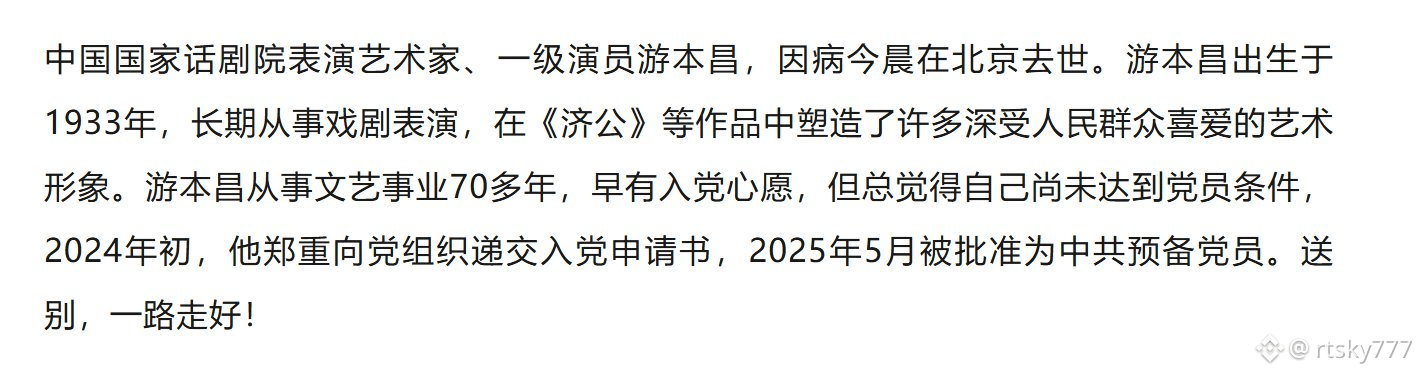
Ji Gong
Chinese National Theatre Company performing artist and first-class actor You Bencha died this morning in Beijing due to illness.
Ji Gong
Chinese National Theatre Company performing artist and first-class actor You Bencha died this morning in Beijing due to illness.
Chinese National Theatre Company performing artist and first-class actor You Bencha died this morning in Beijing due to illness.
228
·
--
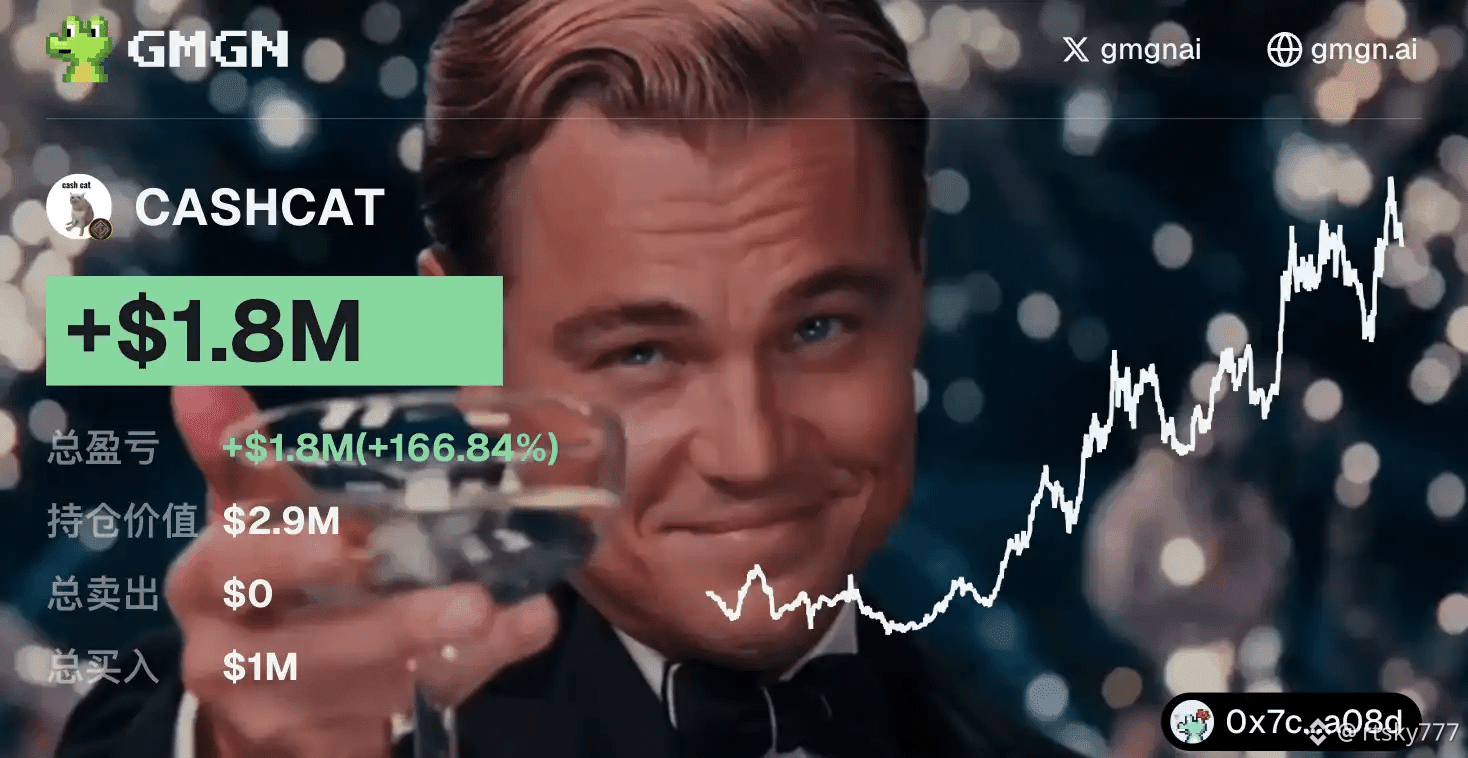
23 days ago, 96 small trades, $1 million. Now the position is up by $1.8 million, and it still hasn’t been sold.
Today, CASHCAT’s market cap reached 211 million, up 42% in 24 hours, setting a new all-time high.
But what’s most frightening isn’t the surge—it’s the trading actions of the top address on the profit leaderboard. 23 days ago, around the Aug 2 low point, it built its position with 96 fragmented small orders. Each order wasn’t large; it deliberately split them up to buy, avoiding slippage from market impact. This isn’t FOMO chasing highs—this is a planned allocation.
In early August, at that time CASHCAT had just gone through a round of brutal selloff, dropping from 200 million to half. The market was in panic; retail investors were cutting losses. It was quietly accumulating. Its cost basis was about $0.07—right in the panic-sell zone.
So what did it do over these 23 days? Nothing. Market cap climbed from 45 million to 200 million, then fell back down, and climbed again—without even batting an eye.
With a floating profit of $1.8 million, most people would’ve taken profits long ago. Why not buy a house or a car? But it didn’t move. Is this true “diamond hands,” or does it know there’s even more room ahead?
The ecosystem structure of the Robinhood Chain. CASHCAT is the flagship, with a market cap of 200 million.
Meanwhile, the second-tier players like JUGGERNAUT are still in the tens of millions. The gap is enormous. There’s no capital spillover—everything is concentrated in this one asset, CASHCAT. So what does that mean? It means the Meme narrative on this chain currently relies entirely on CASHCAT as a lone “seedling.” If it falls, the Meme rally for the whole chain breaks apart.
Once CASHCAT starts to retrace, without a second tier stepping in as a relay, there’s nowhere for the money to go—so it can only exit. Then whether this $1.8 million floating profit can be preserved depends on how fast this diamond-hand trader can run.
23 days ago, 96 small trades, $1 million. Now the position is up by $1.8 million, and it still hasn’t been sold.
Today, CASHCAT’s market cap reached 211 million, up 42% in 24 hours, setting a new all-time high.
But what’s most frightening isn’t the surge—it’s the trading actions of the top address on the profit leaderboard. 23 days ago, around the Aug 2 low point, it built its position with 96 fragmented small orders. Each order wasn’t large; it deliberately split them up to buy, avoiding slippage from market impact. This isn’t FOMO chasing highs—this is a planned allocation.
In early August, at that time CASHCAT had just gone through a round of brutal selloff, dropping from 200 million to half. The market was in panic; retail investors were cutting losses. It was quietly accumulating. Its cost basis was about $0.07—right in the panic-sell zone.
So what did it do over these 23 days? Nothing. Market cap climbed from 45 million to 200 million, then fell back down, and climbed again—without even batting an eye.
With a floating profit of $1.8 million, most people would’ve taken profits long ago. Why not buy a house or a car? But it didn’t move. Is this true “diamond hands,” or does it know there’s even more room ahead?
The ecosystem structure of the Robinhood Chain. CASHCAT is the flagship, with a market cap of 200 million.
Meanwhile, the second-tier players like JUGGERNAUT are still in the tens of millions. The gap is enormous. There’s no capital spillover—everything is concentrated in this one asset, CASHCAT. So what does that mean? It means the Meme narrative on this chain currently relies entirely on CASHCAT as a lone “seedling.” If it falls, the Meme rally for the whole chain breaks apart.
Once CASHCAT starts to retrace, without a second tier stepping in as a relay, there’s nowhere for the money to go—so it can only exit. Then whether this $1.8 million floating profit can be preserved depends on how fast this diamond-hand trader can run.
Today, CASHCAT’s market cap reached 211 million, up 42% in 24 hours, setting a new all-time high.
But what’s most frightening isn’t the surge—it’s the trading actions of the top address on the profit leaderboard. 23 days ago, around the Aug 2 low point, it built its position with 96 fragmented small orders. Each order wasn’t large; it deliberately split them up to buy, avoiding slippage from market impact. This isn’t FOMO chasing highs—this is a planned allocation.
In early August, at that time CASHCAT had just gone through a round of brutal selloff, dropping from 200 million to half. The market was in panic; retail investors were cutting losses. It was quietly accumulating. Its cost basis was about $0.07—right in the panic-sell zone.
So what did it do over these 23 days? Nothing. Market cap climbed from 45 million to 200 million, then fell back down, and climbed again—without even batting an eye.
With a floating profit of $1.8 million, most people would’ve taken profits long ago. Why not buy a house or a car? But it didn’t move. Is this true “diamond hands,” or does it know there’s even more room ahead?
The ecosystem structure of the Robinhood Chain. CASHCAT is the flagship, with a market cap of 200 million.
Meanwhile, the second-tier players like JUGGERNAUT are still in the tens of millions. The gap is enormous. There’s no capital spillover—everything is concentrated in this one asset, CASHCAT. So what does that mean? It means the Meme narrative on this chain currently relies entirely on CASHCAT as a lone “seedling.” If it falls, the Meme rally for the whole chain breaks apart.
Once CASHCAT starts to retrace, without a second tier stepping in as a relay, there’s nowhere for the money to go—so it can only exit. Then whether this $1.8 million floating profit can be preserved depends on how fast this diamond-hand trader can run.
1
243
·
--
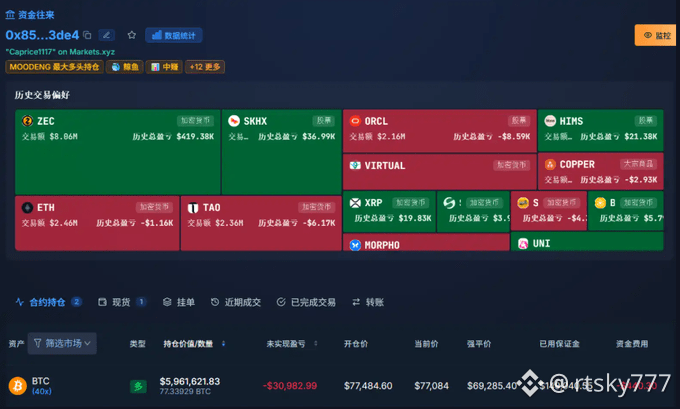
Damn, 40x leverage—liquidation price is 68,821, only 10.8% away from the current price.
This guy really dares to play.
The address starting with 0x85e opened a long position of 73.5 BTC on Hyperliquid, position value $5.65M, average entry 77,503, using 40x leverage. Now BTC is quoted at 77,124, and he’s already sitting on an unrealized loss.
But instead of cutting out, he launched a TWAP buy order of $15.46M, planning to slowly buy a total of 200.5 BTC over 48.5 hours. As of now, the progress is only 5%, and the remaining 95% hasn’t been bought yet.
This isn’t opening a brand-new position; it’s adding more on top of an existing 40x high-leverage position.
What’s a TWAP? Time-weighted average price order—plain and simple, you don’t dump everything at once; you buy gradually over time to avoid slippage/impact costs and to prevent the market from realizing he’s accumulating.
But the problem is his position is already precarious. His liquidation price is 68,821—if BTC drops just about 10%, his $5.65M position is gone.
Even more vicious: if BTC retraces by 5% over the next two days, he’ll face a double hit.
On one hand, the unrealized loss on the 73.5 BTC long will widen, pushing him even closer to liquidation.
On the other hand, the portion of the TWAP that hasn’t filled yet continues to buy at an even higher average price—effectively averaging down on a losing position. But if his directional bet is wrong, averaging down just magnifies the loss. With 40x leverage, there’s no room for error. One small gust and he gets liquidated.
Since May, on Hyperliquid, these “40x long BTC” whale moves have been showing up frequently, ranging from a few million to tens of millions in size.
These people really have money—and they really are willing to gamble. They’ve used TWAP to build positions in batches multiple times, which suggests this isn’t impulsive trading but planned execution. Still, plans are plans, and the market is the market.
You can control your buying pace; you can’t control the BTC price.
On-chain data is transparent—everyone can see his liquidation price. Is there anyone in the market watching that level to short? Of course there is. Big players on Hyperliquid watch each other’s “cards.” You know my liquidation price; I know your liquidation point. This isn’t investing anymore—it’s game theory.
Some people might even intentionally dump a bit just above his liquidation level to force him out, then scoop up cheap chips.
Damn, 40x leverage—liquidation price is 68,821, only 10.8% away from the current price.
This guy really dares to play.
The address starting with 0x85e opened a long position of 73.5 BTC on Hyperliquid, position value $5.65M, average entry 77,503, using 40x leverage. Now BTC is quoted at 77,124, and he’s already sitting on an unrealized loss.
But instead of cutting out, he launched a TWAP buy order of $15.46M, planning to slowly buy a total of 200.5 BTC over 48.5 hours. As of now, the progress is only 5%, and the remaining 95% hasn’t been bought yet.
This isn’t opening a brand-new position; it’s adding more on top of an existing 40x high-leverage position.
What’s a TWAP? Time-weighted average price order—plain and simple, you don’t dump everything at once; you buy gradually over time to avoid slippage/impact costs and to prevent the market from realizing he’s accumulating.
But the problem is his position is already precarious. His liquidation price is 68,821—if BTC drops just about 10%, his $5.65M position is gone.
Even more vicious: if BTC retraces by 5% over the next two days, he’ll face a double hit.
On one hand, the unrealized loss on the 73.5 BTC long will widen, pushing him even closer to liquidation.
On the other hand, the portion of the TWAP that hasn’t filled yet continues to buy at an even higher average price—effectively averaging down on a losing position. But if his directional bet is wrong, averaging down just magnifies the loss. With 40x leverage, there’s no room for error. One small gust and he gets liquidated.
Since May, on Hyperliquid, these “40x long BTC” whale moves have been showing up frequently, ranging from a few million to tens of millions in size.
These people really have money—and they really are willing to gamble. They’ve used TWAP to build positions in batches multiple times, which suggests this isn’t impulsive trading but planned execution. Still, plans are plans, and the market is the market.
You can control your buying pace; you can’t control the BTC price.
On-chain data is transparent—everyone can see his liquidation price. Is there anyone in the market watching that level to short? Of course there is. Big players on Hyperliquid watch each other’s “cards.” You know my liquidation price; I know your liquidation point. This isn’t investing anymore—it’s game theory.
Some people might even intentionally dump a bit just above his liquidation level to force him out, then scoop up cheap chips.
This guy really dares to play.
The address starting with 0x85e opened a long position of 73.5 BTC on Hyperliquid, position value $5.65M, average entry 77,503, using 40x leverage. Now BTC is quoted at 77,124, and he’s already sitting on an unrealized loss.
But instead of cutting out, he launched a TWAP buy order of $15.46M, planning to slowly buy a total of 200.5 BTC over 48.5 hours. As of now, the progress is only 5%, and the remaining 95% hasn’t been bought yet.
This isn’t opening a brand-new position; it’s adding more on top of an existing 40x high-leverage position.
What’s a TWAP? Time-weighted average price order—plain and simple, you don’t dump everything at once; you buy gradually over time to avoid slippage/impact costs and to prevent the market from realizing he’s accumulating.
But the problem is his position is already precarious. His liquidation price is 68,821—if BTC drops just about 10%, his $5.65M position is gone.
Even more vicious: if BTC retraces by 5% over the next two days, he’ll face a double hit.
On one hand, the unrealized loss on the 73.5 BTC long will widen, pushing him even closer to liquidation.
On the other hand, the portion of the TWAP that hasn’t filled yet continues to buy at an even higher average price—effectively averaging down on a losing position. But if his directional bet is wrong, averaging down just magnifies the loss. With 40x leverage, there’s no room for error. One small gust and he gets liquidated.
Since May, on Hyperliquid, these “40x long BTC” whale moves have been showing up frequently, ranging from a few million to tens of millions in size.
These people really have money—and they really are willing to gamble. They’ve used TWAP to build positions in batches multiple times, which suggests this isn’t impulsive trading but planned execution. Still, plans are plans, and the market is the market.
You can control your buying pace; you can’t control the BTC price.
On-chain data is transparent—everyone can see his liquidation price. Is there anyone in the market watching that level to short? Of course there is. Big players on Hyperliquid watch each other’s “cards.” You know my liquidation price; I know your liquidation point. This isn’t investing anymore—it’s game theory.
Some people might even intentionally dump a bit just above his liquidation level to force him out, then scoop up cheap chips.
1
400
·
--
Verified
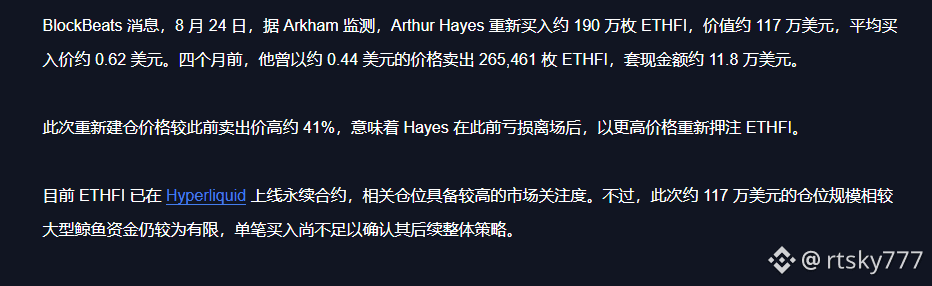
Hayes bought $1.17 million worth of ETHFI—but this money wasn’t used to buy tokens; it was used to buy ads.
Four months ago, he cut his loss at $0.44, and now he’s buying back at $0.62—41% more. On the surface, it looks like a money-losing move. In reality, it’s advertising for Hyperliquid. ETHFI was just listed on Hyperliquid for perpetual contracts. As Hyperliquid’s biggest KOL, Hayes also listed a new asset in his own ecosystem. If he doesn’t do anything, he can’t save face.
With a scale of $1.17 million, for Hayes it doesn’t even count as pocket change.
But market attention is extremely high, because everyone is watching his wallet.
When he buys, people think, “Hayes is bullish on ETHFI.” When he trades on Hyperliquid, people think, “Hyperliquid’s liquidity is good.”
A small amount of money buys a wave of public opinion—and that ROI is far higher than “properly” running ad campaigns.
Lately, Hayes has been accumulating ETH.
Since July, he’s been buying continuously through FalconX. And now, with the ETHFI buyback, it suggests that his overall stance toward the Ethereum ecosystem is shifting.
From shouting signals and then dumping, to now quietly building a left-side position—this guy’s strategy may be adjusting.
Now Hayes is re-entering: does he think the track is set to revive, or is it simply because it’s on Hyperliquid?
I’m more inclined to think it’s the latter. Hayes’s position logic has never been, “The fundamentals of this coin are so good.” It’s been, “Does this coin have a place in the ecosystem I promote?” Since ETHFI is on Hyperliquid perpetuals, it has a place—so he needs to allocate.
But retail investors should take note: players at Hayes’s level operate in layers. Publicly shouted trades are one layer, on-chain activity is another, and the truly large positions may be elsewhere. The $1.17 million is what he’s showing you; the part you don’t see is the real judgment.
Hayes bought $1.17 million worth of ETHFI—but this money wasn’t used to buy tokens; it was used to buy ads.
Four months ago, he cut his loss at $0.44, and now he’s buying back at $0.62—41% more. On the surface, it looks like a money-losing move. In reality, it’s advertising for Hyperliquid. ETHFI was just listed on Hyperliquid for perpetual contracts. As Hyperliquid’s biggest KOL, Hayes also listed a new asset in his own ecosystem. If he doesn’t do anything, he can’t save face.
With a scale of $1.17 million, for Hayes it doesn’t even count as pocket change.
But market attention is extremely high, because everyone is watching his wallet.
When he buys, people think, “Hayes is bullish on ETHFI.” When he trades on Hyperliquid, people think, “Hyperliquid’s liquidity is good.”
A small amount of money buys a wave of public opinion—and that ROI is far higher than “properly” running ad campaigns.
Lately, Hayes has been accumulating ETH.
Since July, he’s been buying continuously through FalconX. And now, with the ETHFI buyback, it suggests that his overall stance toward the Ethereum ecosystem is shifting.
From shouting signals and then dumping, to now quietly building a left-side position—this guy’s strategy may be adjusting.
Now Hayes is re-entering: does he think the track is set to revive, or is it simply because it’s on Hyperliquid?
I’m more inclined to think it’s the latter. Hayes’s position logic has never been, “The fundamentals of this coin are so good.” It’s been, “Does this coin have a place in the ecosystem I promote?” Since ETHFI is on Hyperliquid perpetuals, it has a place—so he needs to allocate.
But retail investors should take note: players at Hayes’s level operate in layers. Publicly shouted trades are one layer, on-chain activity is another, and the truly large positions may be elsewhere. The $1.17 million is what he’s showing you; the part you don’t see is the real judgment.
Four months ago, he cut his loss at $0.44, and now he’s buying back at $0.62—41% more. On the surface, it looks like a money-losing move. In reality, it’s advertising for Hyperliquid. ETHFI was just listed on Hyperliquid for perpetual contracts. As Hyperliquid’s biggest KOL, Hayes also listed a new asset in his own ecosystem. If he doesn’t do anything, he can’t save face.
With a scale of $1.17 million, for Hayes it doesn’t even count as pocket change.
But market attention is extremely high, because everyone is watching his wallet.
When he buys, people think, “Hayes is bullish on ETHFI.” When he trades on Hyperliquid, people think, “Hyperliquid’s liquidity is good.”
A small amount of money buys a wave of public opinion—and that ROI is far higher than “properly” running ad campaigns.
Lately, Hayes has been accumulating ETH.
Since July, he’s been buying continuously through FalconX. And now, with the ETHFI buyback, it suggests that his overall stance toward the Ethereum ecosystem is shifting.
From shouting signals and then dumping, to now quietly building a left-side position—this guy’s strategy may be adjusting.
Now Hayes is re-entering: does he think the track is set to revive, or is it simply because it’s on Hyperliquid?
I’m more inclined to think it’s the latter. Hayes’s position logic has never been, “The fundamentals of this coin are so good.” It’s been, “Does this coin have a place in the ecosystem I promote?” Since ETHFI is on Hyperliquid perpetuals, it has a place—so he needs to allocate.
But retail investors should take note: players at Hayes’s level operate in layers. Publicly shouted trades are one layer, on-chain activity is another, and the truly large positions may be elsewhere. The $1.17 million is what he’s showing you; the part you don’t see is the real judgment.
3
427
·
--
The author of this original work really has a wild imagination
Every time I read his content, I can laugh all day
Now the things AI is making are getting better and better
The author of this original work really has a wild imagination
Every time I read his content, I can laugh all day
Now the things AI is making are getting better and better
Every time I read his content, I can laugh all day
Now the things AI is making are getting better and better
163
·
--
Motorcycles are just flesh wrapped in metal
They crash over and, lying on the ground, are still concerned about the ants
Motorcycles are just flesh wrapped in metal
They crash over and, lying on the ground, are still concerned about the ants
They crash over and, lying on the ground, are still concerned about the ants
1
143
·
--
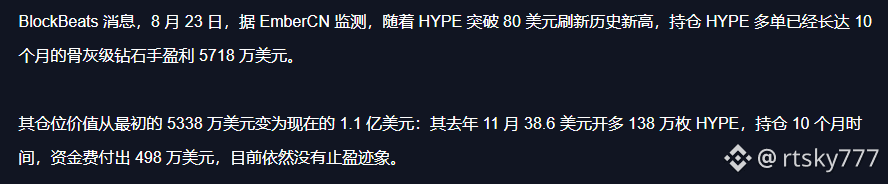
10 months, 1.38 million HYPE, entry at 38.6 and going long—now at 80 dollars. Unrealized profit: 57 million.
I’ve read these numbers three times just to make sure I didn’t misread. What shocked me isn’t how much he made—it’s that in the middle, he went through a maximum unrealized loss of nearly 20 million, and he still didn’t sell.
20 million dollars—that’s over 100 million RMB. He didn’t sell. Funding fees still kept getting paid—4.98 million, almost 5 million—over the course of 10 months without blinking.
The market is like a roller coaster, but this guy just keeps his eyes on HYPE, unmoving. What do you call that? Diamond hands? No—titanium alloy hands.
Then look at his moves. After June 16th, each round of price increases he withdrew unrealized profit to replenish margin. The liquidation price moved up to 53.39. That’s smart. Not “stupid and holding,” but using profits to build a safety cushion. Over 10 months, he only withdrew margin, never changed his position, kept paying funding fees—such composure. Not something ordinary people can have.
Those first 5 hours before Robinhood went live—people say it was insider information. I think… maybe it was. But even if it was, holding it for 10 months is still a skill. You know how many people made money off insider info, only to get greedy and then give it all back? Too many. This guy not only held on—it also shows dynamic management. It means he doesn’t just have information; he has discipline.
Now HYPE is hitting new highs. His position value is 110 million on-chain. The largest short on the chain has probably already been liquidated. In May, the short’s unrealized loss was 35.6 million. Now it’s probably even worse. In this battle, the longs won—and they won decisively.
But you ask why he still hasn’t taken profits. 57 million dollars—over 400 million RMB. If I were him, I would’ve run long ago. Buying a house and a car—aren’t they nicer? Maybe that’s the gap between me and the big shots.
They look far ahead. Or… maybe they simply don’t lack these 400 million.
10 months, 1.38 million HYPE, entry at 38.6 and going long—now at 80 dollars. Unrealized profit: 57 million.
I’ve read these numbers three times just to make sure I didn’t misread. What shocked me isn’t how much he made—it’s that in the middle, he went through a maximum unrealized loss of nearly 20 million, and he still didn’t sell.
20 million dollars—that’s over 100 million RMB. He didn’t sell. Funding fees still kept getting paid—4.98 million, almost 5 million—over the course of 10 months without blinking.
The market is like a roller coaster, but this guy just keeps his eyes on HYPE, unmoving. What do you call that? Diamond hands? No—titanium alloy hands.
Then look at his moves. After June 16th, each round of price increases he withdrew unrealized profit to replenish margin. The liquidation price moved up to 53.39. That’s smart. Not “stupid and holding,” but using profits to build a safety cushion. Over 10 months, he only withdrew margin, never changed his position, kept paying funding fees—such composure. Not something ordinary people can have.
Those first 5 hours before Robinhood went live—people say it was insider information. I think… maybe it was. But even if it was, holding it for 10 months is still a skill. You know how many people made money off insider info, only to get greedy and then give it all back? Too many. This guy not only held on—it also shows dynamic management. It means he doesn’t just have information; he has discipline.
Now HYPE is hitting new highs. His position value is 110 million on-chain. The largest short on the chain has probably already been liquidated. In May, the short’s unrealized loss was 35.6 million. Now it’s probably even worse. In this battle, the longs won—and they won decisively.
But you ask why he still hasn’t taken profits. 57 million dollars—over 400 million RMB. If I were him, I would’ve run long ago. Buying a house and a car—aren’t they nicer? Maybe that’s the gap between me and the big shots.
They look far ahead. Or… maybe they simply don’t lack these 400 million.
I’ve read these numbers three times just to make sure I didn’t misread. What shocked me isn’t how much he made—it’s that in the middle, he went through a maximum unrealized loss of nearly 20 million, and he still didn’t sell.
20 million dollars—that’s over 100 million RMB. He didn’t sell. Funding fees still kept getting paid—4.98 million, almost 5 million—over the course of 10 months without blinking.
The market is like a roller coaster, but this guy just keeps his eyes on HYPE, unmoving. What do you call that? Diamond hands? No—titanium alloy hands.
Then look at his moves. After June 16th, each round of price increases he withdrew unrealized profit to replenish margin. The liquidation price moved up to 53.39. That’s smart. Not “stupid and holding,” but using profits to build a safety cushion. Over 10 months, he only withdrew margin, never changed his position, kept paying funding fees—such composure. Not something ordinary people can have.
Those first 5 hours before Robinhood went live—people say it was insider information. I think… maybe it was. But even if it was, holding it for 10 months is still a skill. You know how many people made money off insider info, only to get greedy and then give it all back? Too many. This guy not only held on—it also shows dynamic management. It means he doesn’t just have information; he has discipline.
Now HYPE is hitting new highs. His position value is 110 million on-chain. The largest short on the chain has probably already been liquidated. In May, the short’s unrealized loss was 35.6 million. Now it’s probably even worse. In this battle, the longs won—and they won decisively.
But you ask why he still hasn’t taken profits. 57 million dollars—over 400 million RMB. If I were him, I would’ve run long ago. Buying a house and a car—aren’t they nicer? Maybe that’s the gap between me and the big shots.
They look far ahead. Or… maybe they simply don’t lack these 400 million.
3k
·
--
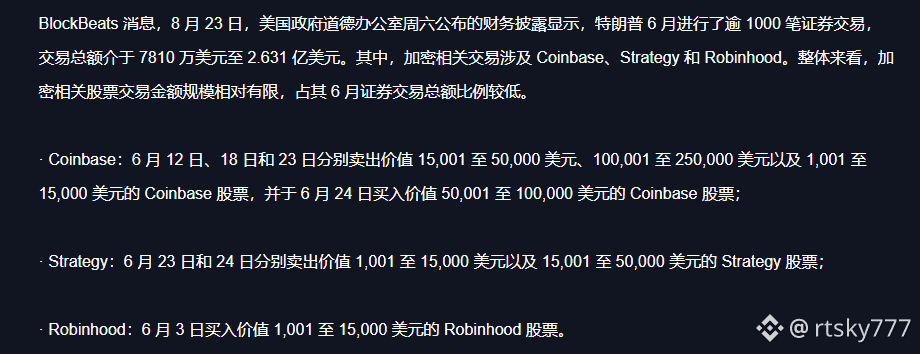
Trump sold Coinbase and Strategy in June.
Yet in public, he shouted, “The U.S. should become a bitcoin superpower.”
Trump’s mouth: Bitcoin is strategic reserves; crypto is the future.
Trump’s wallet: He sold Coinbase in three rounds and Strategy in two rounds—together reducing holdings by nearly $500,000. Then he took the leftover and bought a bit of Robinhood, just over $10,000—like buying groceries.
With more than 1,000 transactions, the total maximum was up to $260 million, and crypto made up a pathetic share. So what does that show? In Trump’s actual asset allocation, crypto stocks are a fringe item. He shouts it loud, but he didn’t really bet much.
So why sell? The timing was way too perfect. June was right around the signing of the GENIUS Act. The SEC was pushing stock tokenization—crypto circles were buzzing, thinking compliance spring was here.
Then he trimmed at the peak. This isn’t bearishness about the long-term value of crypto. It’s short-term arbitrage—policy tailwinds run out, stocks rise, and it’s time to sell.
Retail investors hear that Trump supports bitcoin and rush in to buy Coinbase, buy Strategy, and buy crypto-mining stocks.
But in June, the president was already unloading. By the time retail investors have finished taking the bait, once the earnings season hits, macro data changes, and regulators shift, the stock prices pull back—trapping the crowd that entered based on the slogans.
The small Robinhood purchase is interesting, though. The amount is tiny enough to ignore, but the direction is adding.
Robinhood and Coinbase are sworn enemies; they’re both competing for the retail investor entry point. And in the tokenization narrative, Robinhood is positioned further ahead. Trump sold Coinbase and bought Robinhood—he may be betting on the “next compliant wave,” shifting from exchanges to broker-dealers plus on-chain infrastructure.
These crypto trades amount to nowhere near even a drop in the bucket of his total $260 million in transactions.
A president’s true stance isn’t what he posts on X—it’s how he operates his account. You can shout support every day, but in real-money allocation, crypto is just a side dish.
Trump sold Coinbase and Strategy in June.
Yet in public, he shouted, “The U.S. should become a bitcoin superpower.”
Trump’s mouth: Bitcoin is strategic reserves; crypto is the future.
Trump’s wallet: He sold Coinbase in three rounds and Strategy in two rounds—together reducing holdings by nearly $500,000. Then he took the leftover and bought a bit of Robinhood, just over $10,000—like buying groceries.
With more than 1,000 transactions, the total maximum was up to $260 million, and crypto made up a pathetic share. So what does that show? In Trump’s actual asset allocation, crypto stocks are a fringe item. He shouts it loud, but he didn’t really bet much.
So why sell? The timing was way too perfect. June was right around the signing of the GENIUS Act. The SEC was pushing stock tokenization—crypto circles were buzzing, thinking compliance spring was here.
Then he trimmed at the peak. This isn’t bearishness about the long-term value of crypto. It’s short-term arbitrage—policy tailwinds run out, stocks rise, and it’s time to sell.
Retail investors hear that Trump supports bitcoin and rush in to buy Coinbase, buy Strategy, and buy crypto-mining stocks.
But in June, the president was already unloading. By the time retail investors have finished taking the bait, once the earnings season hits, macro data changes, and regulators shift, the stock prices pull back—trapping the crowd that entered based on the slogans.
The small Robinhood purchase is interesting, though. The amount is tiny enough to ignore, but the direction is adding.
Robinhood and Coinbase are sworn enemies; they’re both competing for the retail investor entry point. And in the tokenization narrative, Robinhood is positioned further ahead. Trump sold Coinbase and bought Robinhood—he may be betting on the “next compliant wave,” shifting from exchanges to broker-dealers plus on-chain infrastructure.
These crypto trades amount to nowhere near even a drop in the bucket of his total $260 million in transactions.
A president’s true stance isn’t what he posts on X—it’s how he operates his account. You can shout support every day, but in real-money allocation, crypto is just a side dish.
Yet in public, he shouted, “The U.S. should become a bitcoin superpower.”
Trump’s mouth: Bitcoin is strategic reserves; crypto is the future.
Trump’s wallet: He sold Coinbase in three rounds and Strategy in two rounds—together reducing holdings by nearly $500,000. Then he took the leftover and bought a bit of Robinhood, just over $10,000—like buying groceries.
With more than 1,000 transactions, the total maximum was up to $260 million, and crypto made up a pathetic share. So what does that show? In Trump’s actual asset allocation, crypto stocks are a fringe item. He shouts it loud, but he didn’t really bet much.
So why sell? The timing was way too perfect. June was right around the signing of the GENIUS Act. The SEC was pushing stock tokenization—crypto circles were buzzing, thinking compliance spring was here.
Then he trimmed at the peak. This isn’t bearishness about the long-term value of crypto. It’s short-term arbitrage—policy tailwinds run out, stocks rise, and it’s time to sell.
Retail investors hear that Trump supports bitcoin and rush in to buy Coinbase, buy Strategy, and buy crypto-mining stocks.
But in June, the president was already unloading. By the time retail investors have finished taking the bait, once the earnings season hits, macro data changes, and regulators shift, the stock prices pull back—trapping the crowd that entered based on the slogans.
The small Robinhood purchase is interesting, though. The amount is tiny enough to ignore, but the direction is adding.
Robinhood and Coinbase are sworn enemies; they’re both competing for the retail investor entry point. And in the tokenization narrative, Robinhood is positioned further ahead. Trump sold Coinbase and bought Robinhood—he may be betting on the “next compliant wave,” shifting from exchanges to broker-dealers plus on-chain infrastructure.
These crypto trades amount to nowhere near even a drop in the bucket of his total $260 million in transactions.
A president’s true stance isn’t what he posts on X—it’s how he operates his account. You can shout support every day, but in real-money allocation, crypto is just a side dish.
3
4
6.1k
Log in to explore more content
Join global crypto users on Binance Square
⚡️ Get latest and useful information about crypto.
💬 Trusted by the world’s largest crypto exchange.
👍 Discover real insights from verified creators.
Email / Phone number
Trending Topics
NvidiaEarningsTonight:AIStocks’NextMove?
9,619 views
201 Discussing
Nvidia Earnings Day: Interim CEO's First Appearance — Can the AI Story Hold?
Binance News
·6 Likes
·3.7k views
A Packed Week of Earnings and Data Tests Markets
97,796 views
532 Discussing
AnthropicIPOTestsInvestorAppetiteForAI
200,885 views
2,041 Discussing