
RIGGAX
35 Posts

RIGGAX
Report
Block User
I’m a regular guy with a dream
Open Trade
Frequent Trader
1.9 Years
5 Following
33 Followers
38 Liked
Posts
Portfolio
All
Quotes
·
--

Article
Kite AI: Building the Financial Infrastructure for the Agent EconomyKite AI: Building the Financial Infrastructure for the Agent Economy
Artificial intelligence is changing how people interact with technology. Today, AI agents can answer questions, conduct research, write content, analyze information, and perform different tasks with little human involvement.
But as these agents become more capable, a new challenge emerges: how can AI agents make payments, access paid services, and manage digital assets independently and securely?
This is where Kite AI comes in.
What Is Kite AI?
Kite AI is building financial infrastructure designed for the growing agent economy.
Its goal is to make it easier for AI agents to interact with digital services and move value. Instead of simply completing tasks, agents can also access paid tools and services through controlled payment systems.
Think of an AI agent that needs information from a paid API. Rather than requiring a human to manually complete every payment, the agent can request authorization and pay for the service within the limits approved by its user.
The Technology Behind Kite AI
Kite's ecosystem brings together several important components.
1. Kite Agent Passport
The Agent Passport provides identity, permissions, and payment capabilities for AI agents.
Users can create spending sessions that define how much an agent can spend, which assets it can use, and how long its permission remains active.
This gives agents room to perform tasks while allowing users to maintain control over their activities.
2. Kite Chain
Kite Chain is the blockchain infrastructure supporting transactions and coordination within the ecosystem.
It is designed to support the payment needs of AI agents, including transactions between agents and services.
3. Stablecoin Payments
Stablecoins make digital payments easier to understand because their value is designed to remain relatively stable compared with traditional currencies.
Kite supports stablecoin payment flows, allowing agents to interact with supported services without relying entirely on volatile assets for everyday payments.
4. x402 Payments
Another important part of Kite's infrastructure is its support for the x402 payment standard.
This allows online services to request payment before providing access to certain resources.
For example, an AI agent could request information from a paid API, receive a payment requirement, complete the authorized payment, and then access the information.
This creates opportunities for pay-per-use services instead of relying only on monthly subscriptions.
Real-World Use Cases
The agent economy could introduce new ways of doing everyday digital tasks.
- Online shopping: AI agents could research products and complete purchases through supported payment integrations.
- Research: Agents could pay for access to specific datasets and information services.
- Business automation: Agents could access paid software tools and APIs within approved budgets.
- Agent-to-agent payments: One agent could pay another for a particular service.
- Financial services: Agents could interact with supported blockchain applications based on permissions granted by their users.
These examples show the possibilities of an economy where AI agents can do more than simply provide information.
Why Kite AI Matters
For AI agents to become useful participants in the digital economy, they need more than intelligence.
They need identity, permissions, access to services, and reliable ways to make payments.
Kite AI is working to bring these pieces together.
Its approach focuses on giving agents the ability to perform financial activities while keeping users involved through spending limits, authorization, and control.
Conclusion
The future of AI may involve millions of agents working across different platforms, purchasing services, exchanging information, and completing tasks on behalf of people and businesses.
For this vision to work, there must be infrastructure that allows these agents to interact and move value securely.
Kite AI is building toward that future by connecting AI agents with blockchain technology, payment systems, and financial services.
The agent economy is still developing, but the infrastructure being built today could play an important role in how it grows.
#kiteai $KITE
{spot}(KITEUSDT)
@GoKiteAI
Kite AI: Building the Financial Infrastructure for the Agent Economy
Kite AI: Building the Financial Infrastructure for the Agent Economy
Artificial intelligence is changing how people interact with technology. Today, AI agents can answer questions, conduct research, write content, analyze information, and perform different tasks with little human involvement.
But as these agents become more capable, a new challenge emerges: how can AI agents make payments, access paid services, and manage digital assets independently and securely?
This is where Kite AI comes in.
What Is Kite AI?
Kite AI is building financial infrastructure designed for the growing agent economy.
Its goal is to make it easier for AI agents to interact with digital services and move value. Instead of simply completing tasks, agents can also access paid tools and services through controlled payment systems.
Think of an AI agent that needs information from a paid API. Rather than requiring a human to manually complete every payment, the agent can request authorization and pay for the service within the limits approved by its user.
The Technology Behind Kite AI
Kite's ecosystem brings together several important components.
1. Kite Agent Passport
The Agent Passport provides identity, permissions, and payment capabilities for AI agents.
Users can create spending sessions that define how much an agent can spend, which assets it can use, and how long its permission remains active.
This gives agents room to perform tasks while allowing users to maintain control over their activities.
2. Kite Chain
Kite Chain is the blockchain infrastructure supporting transactions and coordination within the ecosystem.
It is designed to support the payment needs of AI agents, including transactions between agents and services.
3. Stablecoin Payments
Stablecoins make digital payments easier to understand because their value is designed to remain relatively stable compared with traditional currencies.
Kite supports stablecoin payment flows, allowing agents to interact with supported services without relying entirely on volatile assets for everyday payments.
4. x402 Payments
Another important part of Kite's infrastructure is its support for the x402 payment standard.
This allows online services to request payment before providing access to certain resources.
For example, an AI agent could request information from a paid API, receive a payment requirement, complete the authorized payment, and then access the information.
This creates opportunities for pay-per-use services instead of relying only on monthly subscriptions.
Real-World Use Cases
The agent economy could introduce new ways of doing everyday digital tasks.
- Online shopping: AI agents could research products and complete purchases through supported payment integrations.
- Research: Agents could pay for access to specific datasets and information services.
- Business automation: Agents could access paid software tools and APIs within approved budgets.
- Agent-to-agent payments: One agent could pay another for a particular service.
- Financial services: Agents could interact with supported blockchain applications based on permissions granted by their users.
These examples show the possibilities of an economy where AI agents can do more than simply provide information.
Why Kite AI Matters
For AI agents to become useful participants in the digital economy, they need more than intelligence.
They need identity, permissions, access to services, and reliable ways to make payments.
Kite AI is working to bring these pieces together.
Its approach focuses on giving agents the ability to perform financial activities while keeping users involved through spending limits, authorization, and control.
Conclusion
The future of AI may involve millions of agents working across different platforms, purchasing services, exchanging information, and completing tasks on behalf of people and businesses.
For this vision to work, there must be infrastructure that allows these agents to interact and move value securely.
Kite AI is building toward that future by connecting AI agents with blockchain technology, payment systems, and financial services.
The agent economy is still developing, but the infrastructure being built today could play an important role in how it grows.
#kiteai $KITE
@KITE AI 中文
106
·
--
$JCT $Jct to 0.00269
Entry
00368–0.00370
Stop loss 0.00398
TP1 0.00345
TP2 0.00320
TP3 0.00290
TP4 0.00269
$JCT $Jct to 0.00269
Entry
00368–0.00370
Stop loss 0.00398
TP1 0.00345
TP2 0.00320
TP3 0.00290
TP4 0.00269
Entry
00368–0.00370
Stop loss 0.00398
TP1 0.00345
TP2 0.00320
TP3 0.00290
TP4 0.00269
430
·
--
GM KITERS 🪁
AI agents are getting smarter, but intelligence alone isn't enough.
Imagine an AI agent that can research markets, pay for data, access different services, and complete tasks on your behalf without you having to manage every step manually.
Sounds like the future, right?
But for this to work, agents need more than intelligence. They need identity, payment infrastructure, and clear permissions that determine what they can do and how much they can spend.
This is where Kite AI comes in.
Through Kite Agent Passport and its agent-focused infrastructure, Kite is working toward a future where AI agents can pay for digital services, interact with other systems, and execute tasks within limits defined by their users.
Think about businesses using agents to gather information, analyze data, and access paid tools automatically. Instead of humans handling every transaction, agents could manage eligible payments as part of their workflow.
That's what makes the agent economy interesting.
We're moving from AI that simply answers questions to AI that can actually get things done.
Kite is building toward that future, and I'm interested to see how far this ecosystem can go as adoption grows.
What industry do you think will benefit the most from the agent economy: finance, e-commerce, or digital services?
$KITE #KiteBBW

1
3
116
·
--
Good afternoon guys @Binance_Angels
In the spirit of children’s day i decided to create a smol post explaining the basics of crypto to you guys(like children)
So imagine you have 10 cookies.
Everyone in the playground knows you have 10 cookies because they saw you get them.
Now you give 2 cookies to your friend.
Instead of one teacher keeping track, every kid in the playground writes down:
Timmy gave 2 cookies to Sarah.
Because everyone wrote the same thing, nobody can cheat and say they have more cookies than they really do.
That’s basically how crypto works.
The cookies are crypto.
The giant list everyone keeps is called the blockchain.
Now imagine your cookie jar is special.
Only you have the key to open it.
Not your teacher.
Not your bank.
Not even the company that made the jar.
That’s your crypto wallet.
When people use binance and @BinanceWallet , it’s like going to a giant playground where millions of people can get, trade, and learn about different kinds of digital cookies.
Some cookies are called Bitcoin.
Some are called Ethereum.
There are thousands of others including $BNB .
The important part isn’t really the cookies.
It’s the notebook.
For the first time, people all over the world can agree on who owns what without needing one person in charge of the list.
That’s the magic of crypto.
At its core, crypto is just a giant global notebook that nobody owns, everybody can check, and everyone can trust.
I hope you understood this?
You can ask questions below
#ChildrensDay2026
Good afternoon guys @Binance Angels
In the spirit of children’s day i decided to create a smol post explaining the basics of crypto to you guys(like children)
So imagine you have 10 cookies.
Everyone in the playground knows you have 10 cookies because they saw you get them.
Now you give 2 cookies to your friend.
Instead of one teacher keeping track, every kid in the playground writes down:
Timmy gave 2 cookies to Sarah.
Because everyone wrote the same thing, nobody can cheat and say they have more cookies than they really do.
That’s basically how crypto works.
The cookies are crypto.
The giant list everyone keeps is called the blockchain.
Now imagine your cookie jar is special.
Only you have the key to open it.
Not your teacher.
Not your bank.
Not even the company that made the jar.
That’s your crypto wallet.
When people use binance and @Binance Wallet , it’s like going to a giant playground where millions of people can get, trade, and learn about different kinds of digital cookies.
Some cookies are called Bitcoin.
Some are called Ethereum.
There are thousands of others including $BNB .
The important part isn’t really the cookies.
It’s the notebook.
For the first time, people all over the world can agree on who owns what without needing one person in charge of the list.
That’s the magic of crypto.
At its core, crypto is just a giant global notebook that nobody owns, everybody can check, and everyone can trust.
I hope you understood this?
You can ask questions below
#ChildrensDay2026

1
178
·
--
Bearish
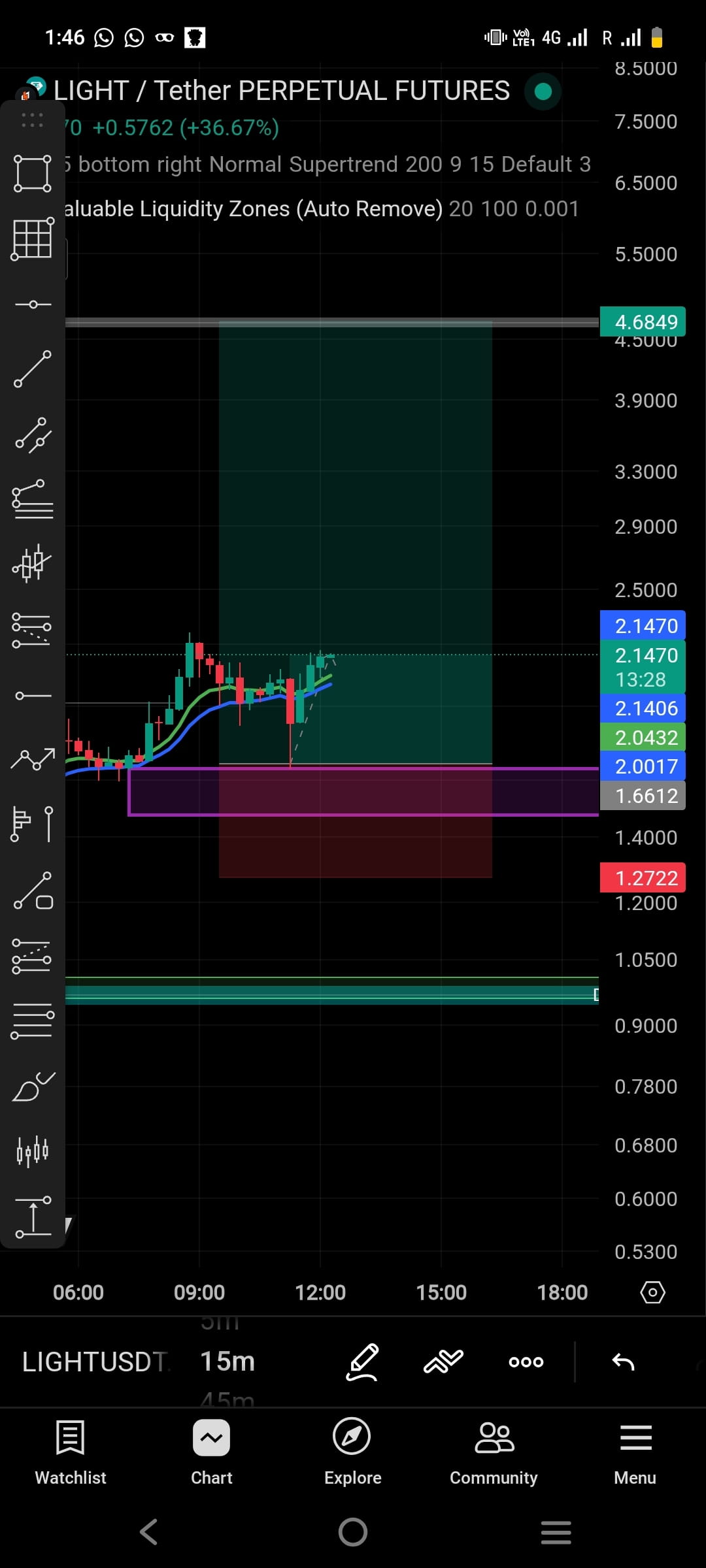
$KAITO massive sell pressure coming
A great liquidation has occured
$KAITO massive sell pressure coming
A great liquidation has occured
A great liquidation has occured
274
·
--
Bearish
$KAITO The Largest unlock for $KAITO due to fully unlock today. ( $1.1M ).
This wallet is apparently connected to the team having received an email from x about shutting down infofi platforms 7 days ago.
Was already holding a short ( 0.6 - 0.59 range ) before i saw this. This could also be manipulated though
This wallet is apparently connected to the team having received an email from x about shutting down infofi platforms 7 days ago.
Was already holding a short ( 0.6 - 0.59 range ) before i saw this. This could also be manipulated though

1
215

·
--
Bullish
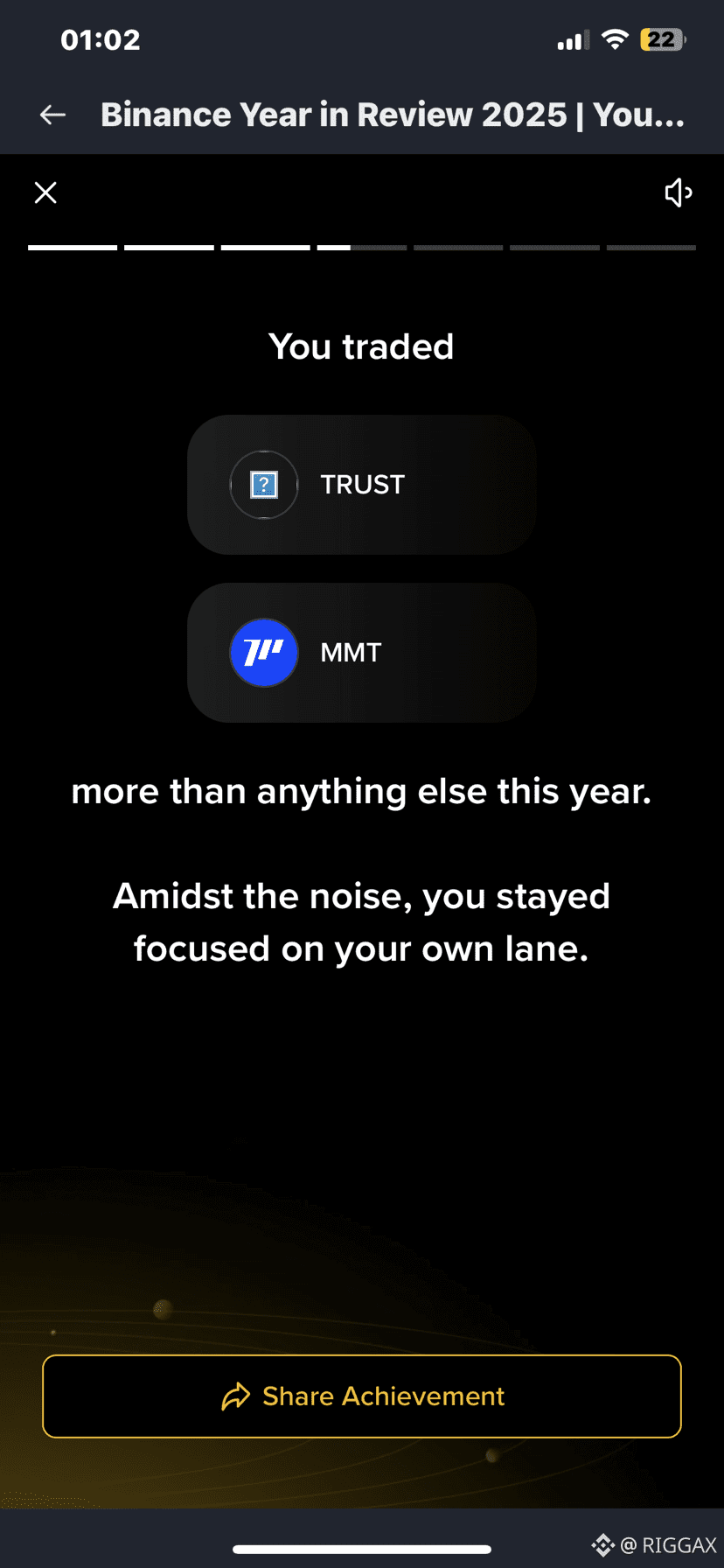
2025 was noisy, volatile, and full of distractions, but my Binance Year in Review reminded me why focus matters. This year I found myself trading TRUST and MMT more than anything else, sticking to my own lane instead of chasing every trend. Not every trade was perfect, but the consistency, lessons, and discipline really added up. Grateful for the journey, the data, and the growth. On to sharper decisions in 2026.
#2025withBinance
#2025withBinance
1
4
528
·
--
Proof?
Proof?

链上陈俊杰
·
--
$DOLO Immediately go long, the market maker is accumulating and luring shorts, the MA line trend is clearly upward, I have been observing this coin for two days, the wash has brought it down to 0.035, the fluctuations in profit over the past few days have leveled out and the price has reached a low point, open a position at 0.045 and aim for 0.6, take profit around eighty and close the position, there can be fluctuations in between where you can add to the position, immediately go long
7
·
--
Please send me a christmas present🙏🙏
Please send me a christmas present🙏🙏

Iam RIR
·
--
Yeah I Got 50000 $HOME Token ! Amazing Event Thanks To Binance 🔥
#CPIWatch
#CPIWatch

5
·
--
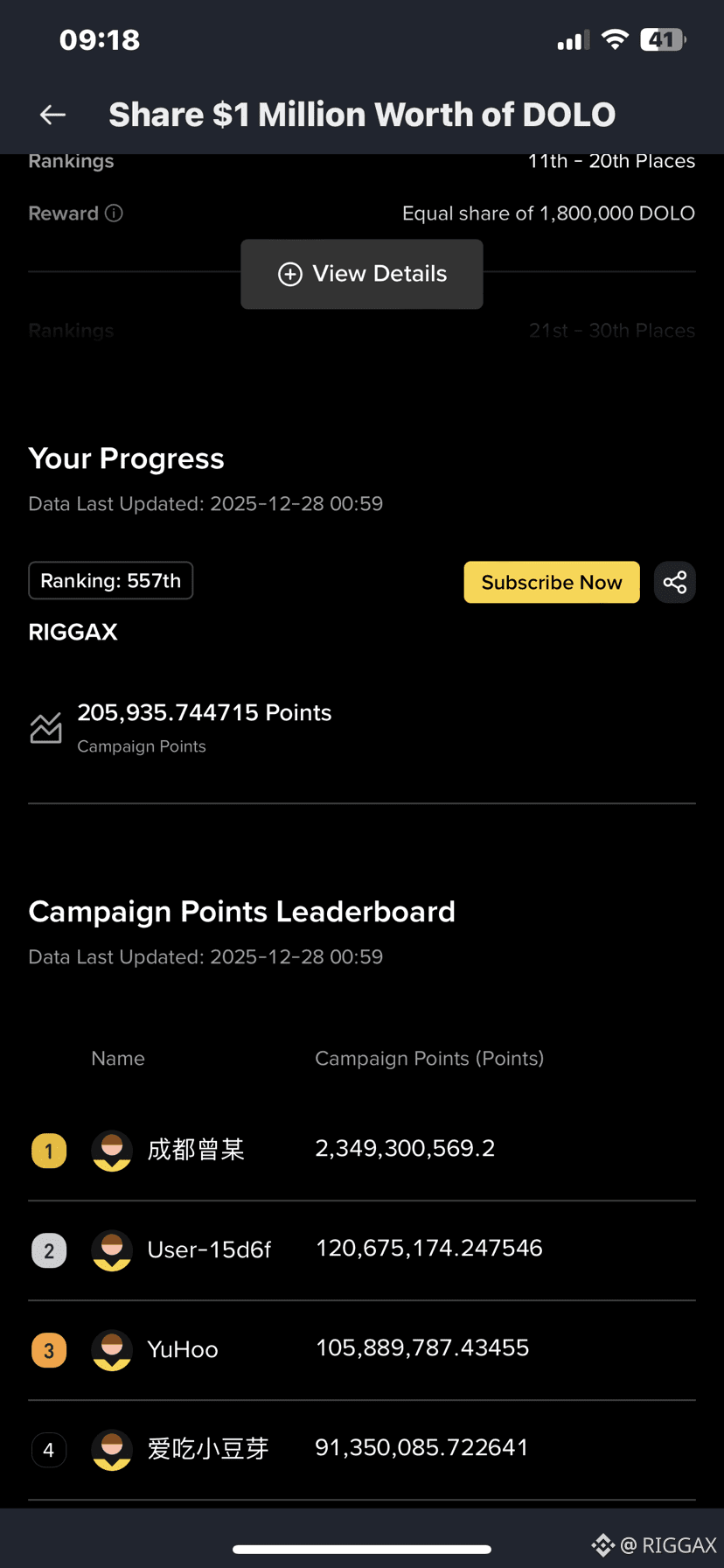
In the event if you sell you lose alm points
In the event if you sell you lose alm points

xXJackOfAllTradesXx
·
--
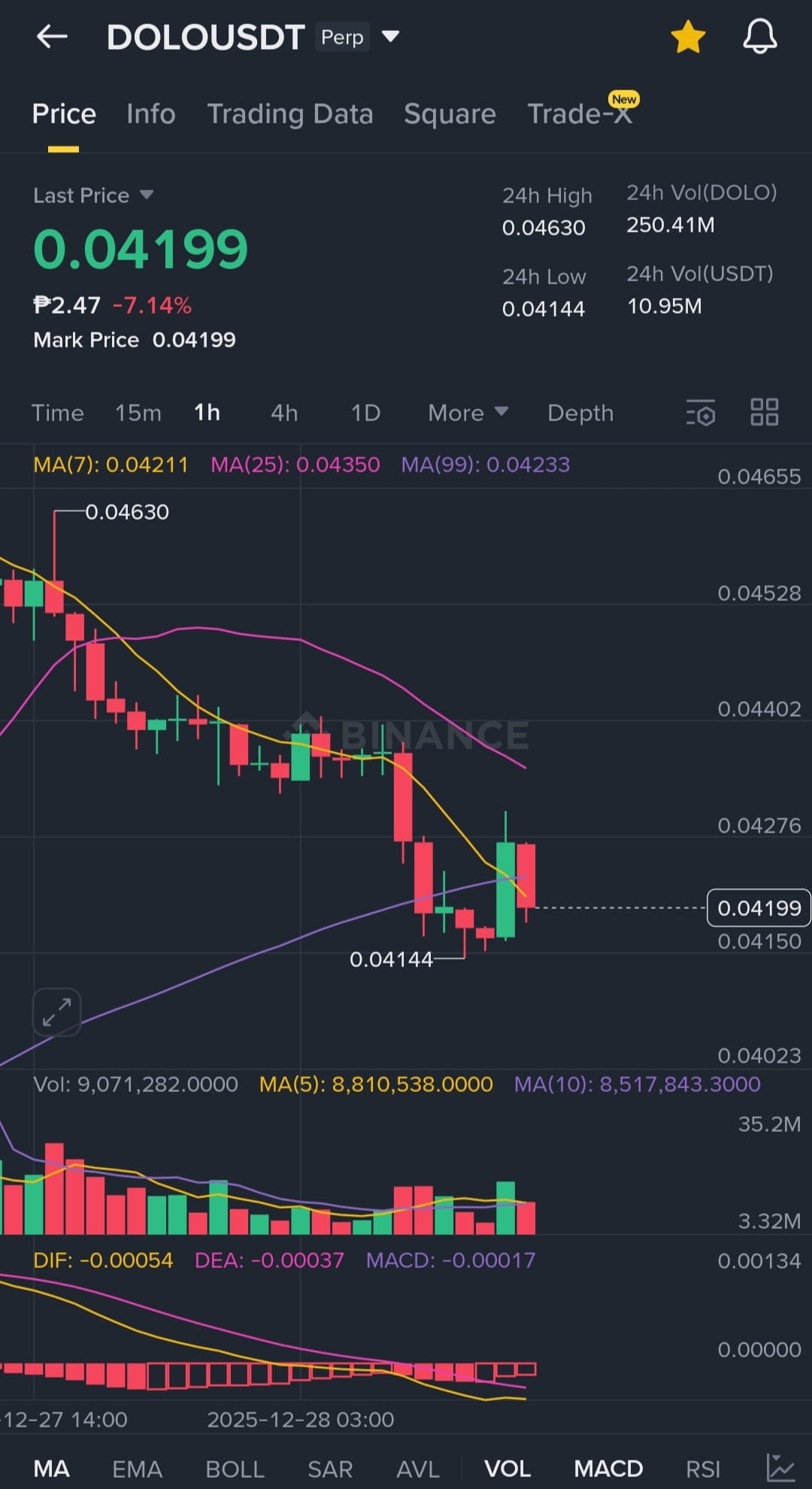
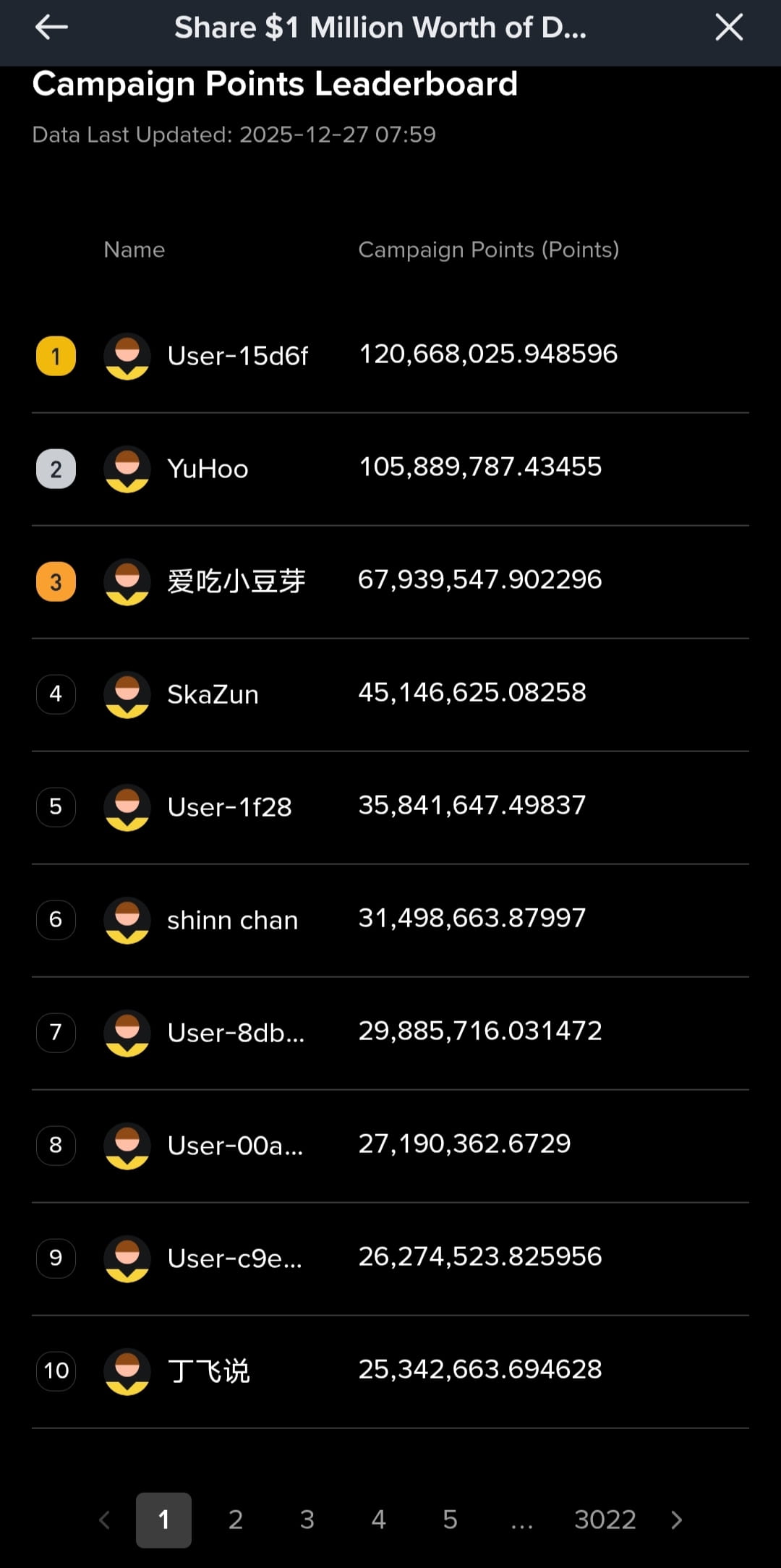
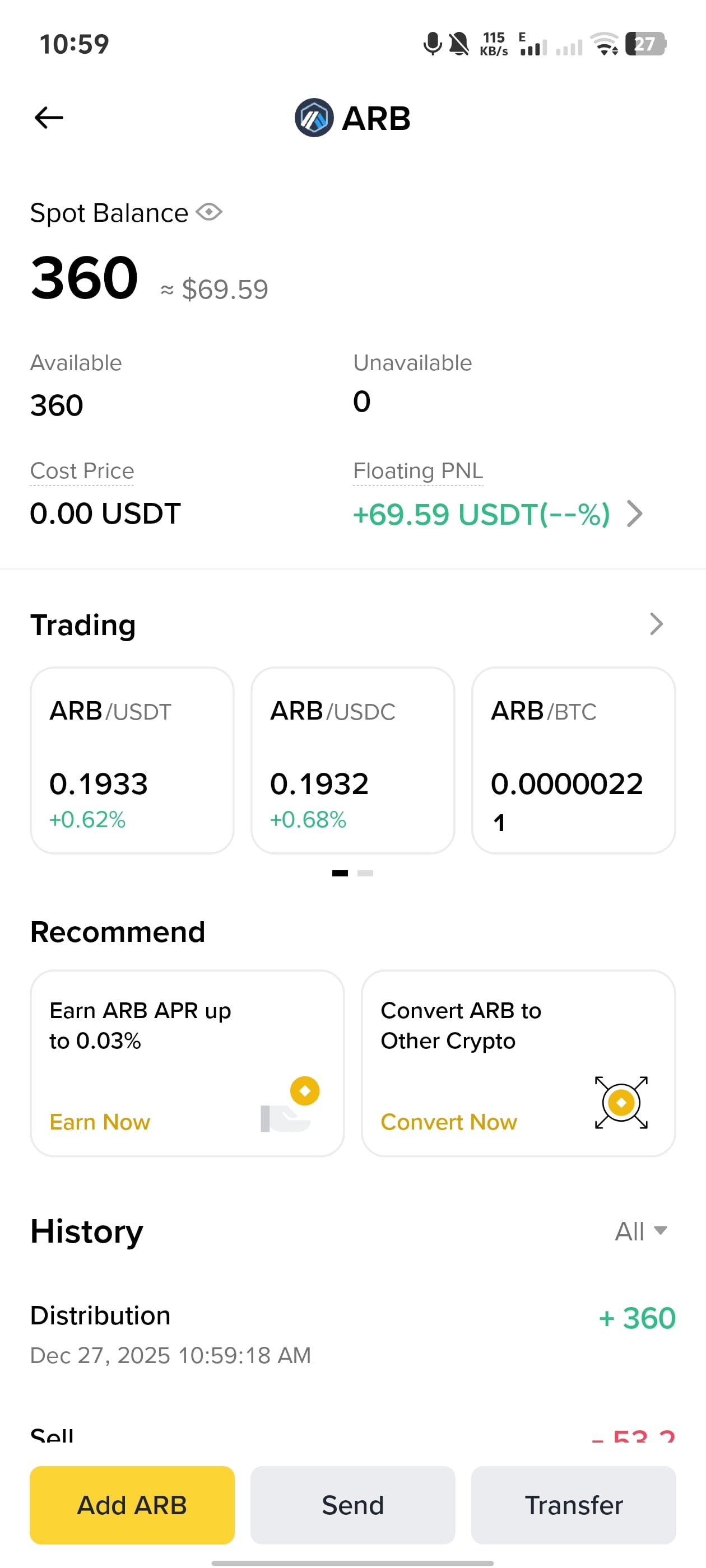
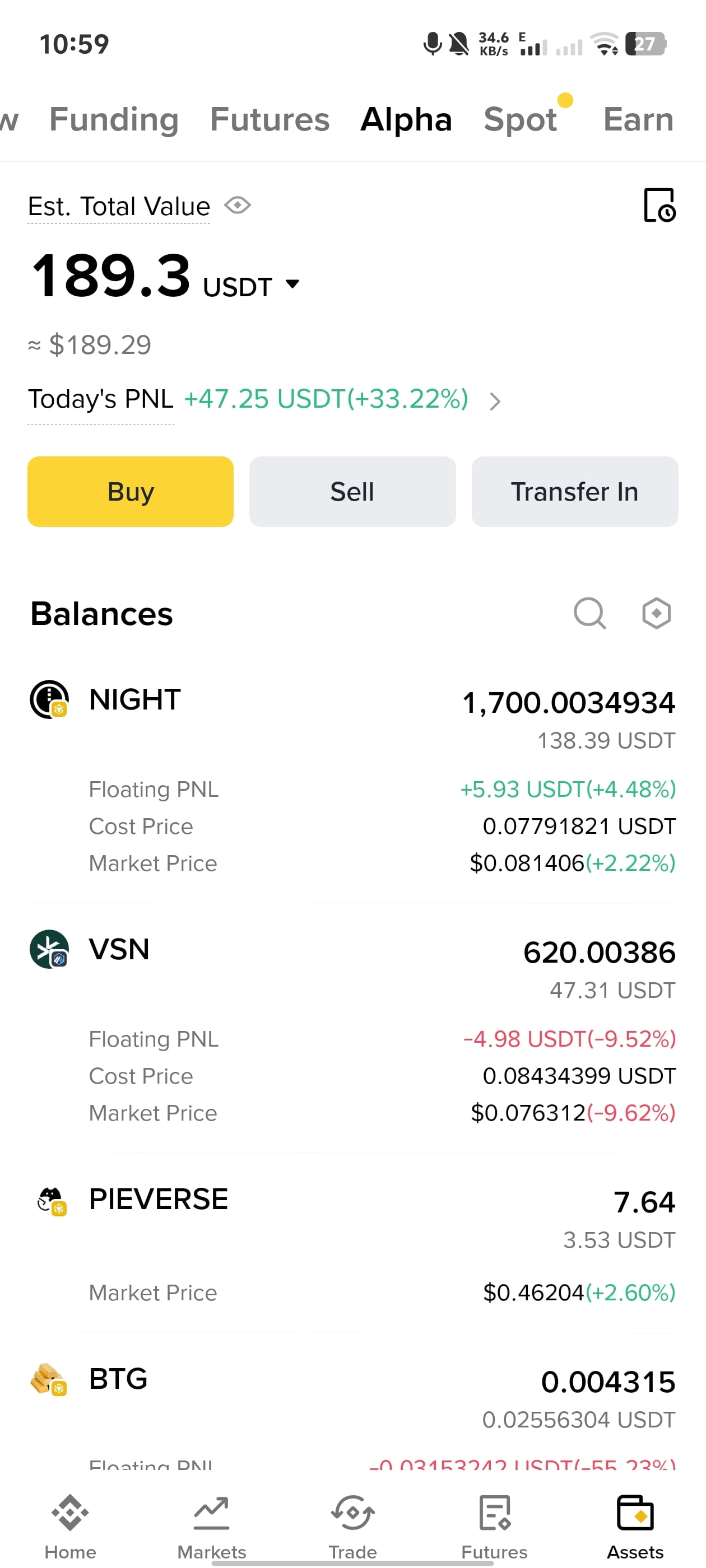
its a trap 🙊🙉🙈 beware on holding $DOLO those who have earned enought points are silently exiting 🚫🚫🚫💯
1
1
5

·
--
Its not allowin me to spin
Its not allowin me to spin

Msshehzad9
·
--
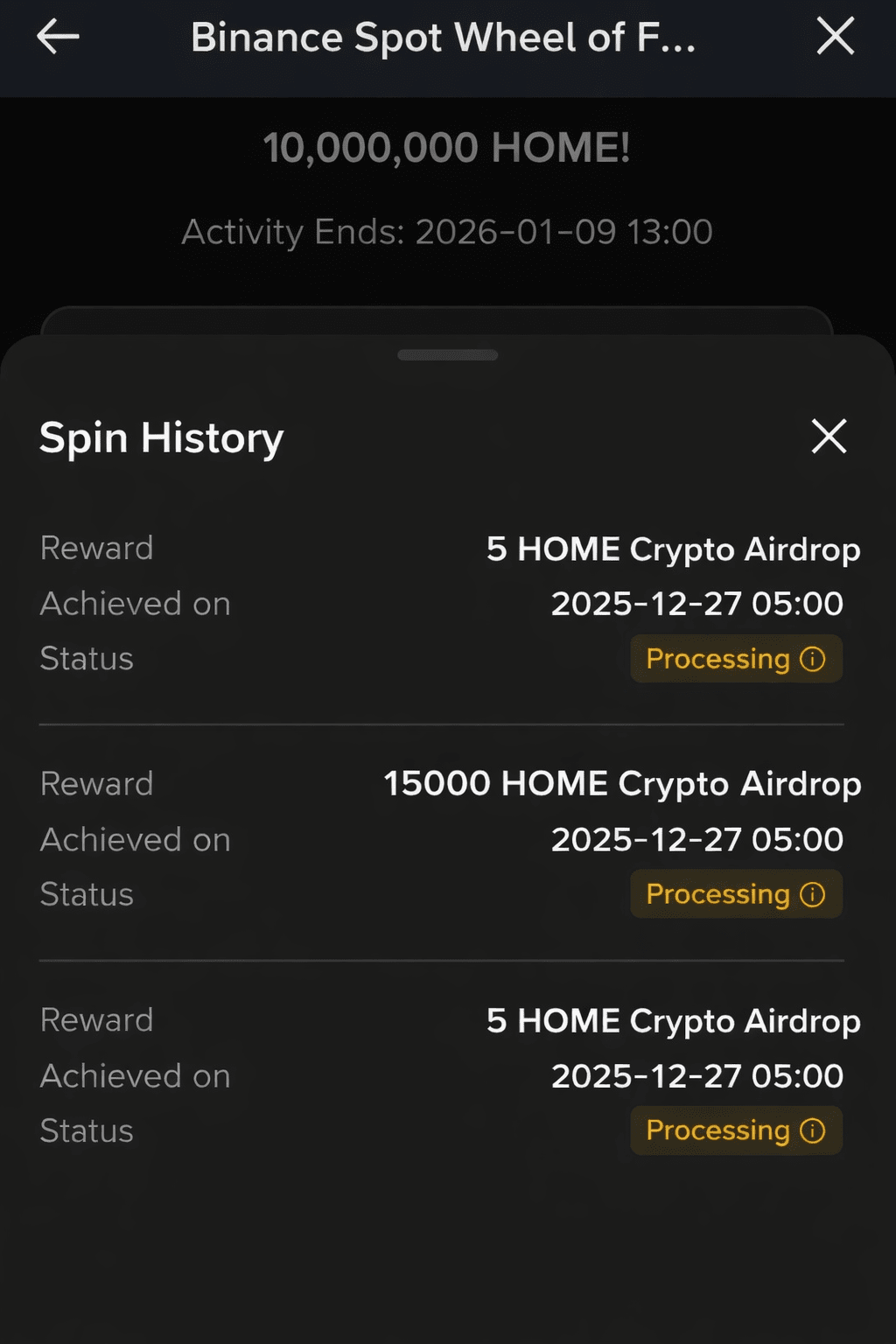
😳 Wow i GOT 15000 Home Town From Spin worth of 300$ Happy day for me 😎🥰😍😍
3
·
--
What time do you spin
What time do you spin
Msshehzad9
·
--
😳 Wow i GOT 15000 Home Town From Spin worth of 300$ Happy day for me 😎🥰😍😍
Log in to explore more content
Join global crypto users on Binance Square
⚡️ Get latest and useful information about crypto.
💬 Trusted by the world’s largest crypto exchange.
👍 Discover real insights from verified creators.
Email / Phone number
Trending Topics
NvidiaBeatsEstimatesWith$130BQ4Outlook
204 views
7 Discussing
Nvidia Beats With $115.8 Billion in Revenue, Guides to $130 Billion and Adds $150 Billion Buyback
Binance News
·16 Likes
·18.2k views
AnthropicIPOPriceCouldExceed$80
240 views
23 Discussing
CanNvidia’sDataCenterGrowthContinue?
691 views
18 Discussing