
MoonMan567
6.4k Posts

MoonMan567
Report
Block User
Navigating the Web3 cosmos | Cutting-edge crypto & finance insights | Professional analysis | Bold opinions | Trusted voice for smart investors
Open Trade
High-Frequency Trader
2.5 Years
57 Following
10.6K+ Followers
24.0K+ Liked
Posts
Portfolio
All
Quotes
Videos
Live
·
--
Tokenized stock is interesting. But a tokenized stock that also pays a dividend is even more interesting.
Binance distributed a dividend $SPYB for SPY: $1.88 per share. An important detail: it’s not just cash that simply drops into your Spot wallet. After taxes and other expenses, the dividend is reinvested into additional units $SPYB , and for on-chain holders a multiplier adjustment is applied.
This is where the real bridge between TradFi and crypto infrastructure appears.
Tokenization becomes interesting not when you just put the word “token” on a stock. It becomes interesting when real economic mechanisms of the underlying asset start working inside the product.
And this aligns well with the new SEC Innovation Exemption: the regulator directly requires that qualifying tokenized NMS stock has rights, including the right to dividends. But I wouldn’t rush to automatically equate bStocks with this regime. Binance’s legal structure has its own specifics.
I think it’s exactly these kinds of details that need to be tested to see how much tokenization truly changes the financial infrastructure.
I’ll be looking specifically at these practical cases. If you’re interested in separating the real product from a fancy label, follow @MoonMan567
{spot}(SPYBUSDT)
Tokenized stock is interesting. But a tokenized stock that also pays a dividend is even more interesting.
Binance distributed a dividend $SPYB for SPY: $1.88 per share. An important detail: it’s not just cash that simply drops into your Spot wallet. After taxes and other expenses, the dividend is reinvested into additional units $SPYB , and for on-chain holders a multiplier adjustment is applied.
This is where the real bridge between TradFi and crypto infrastructure appears.
Tokenization becomes interesting not when you just put the word “token” on a stock. It becomes interesting when real economic mechanisms of the underlying asset start working inside the product.
And this aligns well with the new SEC Innovation Exemption: the regulator directly requires that qualifying tokenized NMS stock has rights, including the right to dividends. But I wouldn’t rush to automatically equate bStocks with this regime. Binance’s legal structure has its own specifics.
I think it’s exactly these kinds of details that need to be tested to see how much tokenization truly changes the financial infrastructure.
I’ll be looking specifically at these practical cases. If you’re interested in separating the real product from a fancy label, follow @MoonMan567
Binance distributed a dividend $SPYB for SPY: $1.88 per share. An important detail: it’s not just cash that simply drops into your Spot wallet. After taxes and other expenses, the dividend is reinvested into additional units $SPYB , and for on-chain holders a multiplier adjustment is applied.
This is where the real bridge between TradFi and crypto infrastructure appears.
Tokenization becomes interesting not when you just put the word “token” on a stock. It becomes interesting when real economic mechanisms of the underlying asset start working inside the product.
And this aligns well with the new SEC Innovation Exemption: the regulator directly requires that qualifying tokenized NMS stock has rights, including the right to dividends. But I wouldn’t rush to automatically equate bStocks with this regime. Binance’s legal structure has its own specifics.
I think it’s exactly these kinds of details that need to be tested to see how much tokenization truly changes the financial infrastructure.
I’ll be looking specifically at these practical cases. If you’re interested in separating the real product from a fancy label, follow @MoonMan567

1
72
·
--
At $XRP , the picture is interesting right now: new money for buying has appeared at the same time as potential supply.
Evernorth received a commitment for $30 million in convertible financing from NH Investment & Securities. The company plans to use the capital, in part, to acquire $XRP ahead of a potential Nasdaq listing under the ticker XRPN. But the important detail is this: this is not yet $30 million of buying $XRP today.
At the same time, on September 17, spot XRP ETFs recorded an outflow of $5.15 million. And large wallets transferred about 1.6 billion XRP to Binance over the past 30 days - the highest level in about six months. This increases potential supply on the exchange, but does not automatically mean selling.
That’s the beauty of the crypto market: one signal says “capital is coming in,” while another says “some major players are moving coins closer to the exchange.”
Right now, I’d watch not one indicator, but which of these flows starts to dominate.
If you want to make sense of such conflicting signals without the “BULLISH!!!” shouting, subscribe to @MoonMan567
{future}(XRPUSDT)
At $XRP , the picture is interesting right now: new money for buying has appeared at the same time as potential supply.
Evernorth received a commitment for $30 million in convertible financing from NH Investment & Securities. The company plans to use the capital, in part, to acquire $XRP ahead of a potential Nasdaq listing under the ticker XRPN. But the important detail is this: this is not yet $30 million of buying $XRP today.
At the same time, on September 17, spot XRP ETFs recorded an outflow of $5.15 million. And large wallets transferred about 1.6 billion XRP to Binance over the past 30 days - the highest level in about six months. This increases potential supply on the exchange, but does not automatically mean selling.
That’s the beauty of the crypto market: one signal says “capital is coming in,” while another says “some major players are moving coins closer to the exchange.”
Right now, I’d watch not one indicator, but which of these flows starts to dominate.
If you want to make sense of such conflicting signals without the “BULLISH!!!” shouting, subscribe to @MoonMan567
Evernorth received a commitment for $30 million in convertible financing from NH Investment & Securities. The company plans to use the capital, in part, to acquire $XRP ahead of a potential Nasdaq listing under the ticker XRPN. But the important detail is this: this is not yet $30 million of buying $XRP today.
At the same time, on September 17, spot XRP ETFs recorded an outflow of $5.15 million. And large wallets transferred about 1.6 billion XRP to Binance over the past 30 days - the highest level in about six months. This increases potential supply on the exchange, but does not automatically mean selling.
That’s the beauty of the crypto market: one signal says “capital is coming in,” while another says “some major players are moving coins closer to the exchange.”
Right now, I’d watch not one indicator, but which of these flows starts to dominate.
If you want to make sense of such conflicting signals without the “BULLISH!!!” shouting, subscribe to @MoonMan567

147
·
--
Bank of Japan raised the rate to 1.25%.
The decision was expected, but the figure is still historic: the highest level in 31 years. Vote: 7 to 2.
And this is where things get more interesting for crypto. For decades, Japan has been one of the main sources of cheap funding via carry trade: borrow yen cheaply, then buy assets with higher yields.
When Japanese rates rise, this math gradually changes. In theory, it can put pressure on risky assets, including crypto, if carry-trade positions start to unwind.
But today $BTC hasn’t fallen apart—on the contrary, it traded above $77k. That’s a good example of why I don’t like the construction “the central bank did X—Bitcoin did Y.” The market is a bit more complex than a calculator.
Citi expects further rate hikes in December 2026 and throughout 2027. So what matters isn’t just today’s decision, but how quickly Japan actually withdraws cheap liquidity from the system.
I’ll be watching for that. If you want to break down macro without magical cause-and-effect connections, subscribe to @MoonMan567
{future}(BTCUSDT)
Bank of Japan raised the rate to 1.25%.
The decision was expected, but the figure is still historic: the highest level in 31 years. Vote: 7 to 2.
And this is where things get more interesting for crypto. For decades, Japan has been one of the main sources of cheap funding via carry trade: borrow yen cheaply, then buy assets with higher yields.
When Japanese rates rise, this math gradually changes. In theory, it can put pressure on risky assets, including crypto, if carry-trade positions start to unwind.
But today $BTC hasn’t fallen apart—on the contrary, it traded above $77k. That’s a good example of why I don’t like the construction “the central bank did X—Bitcoin did Y.” The market is a bit more complex than a calculator.
Citi expects further rate hikes in December 2026 and throughout 2027. So what matters isn’t just today’s decision, but how quickly Japan actually withdraws cheap liquidity from the system.
I’ll be watching for that. If you want to break down macro without magical cause-and-effect connections, subscribe to @MoonMan567
The decision was expected, but the figure is still historic: the highest level in 31 years. Vote: 7 to 2.
And this is where things get more interesting for crypto. For decades, Japan has been one of the main sources of cheap funding via carry trade: borrow yen cheaply, then buy assets with higher yields.
When Japanese rates rise, this math gradually changes. In theory, it can put pressure on risky assets, including crypto, if carry-trade positions start to unwind.
But today $BTC hasn’t fallen apart—on the contrary, it traded above $77k. That’s a good example of why I don’t like the construction “the central bank did X—Bitcoin did Y.” The market is a bit more complex than a calculator.
Citi expects further rate hikes in December 2026 and throughout 2027. So what matters isn’t just today’s decision, but how quickly Japan actually withdraws cheap liquidity from the system.
I’ll be watching for that. If you want to break down macro without magical cause-and-effect connections, subscribe to @MoonMan567
1
1k
·
--
The NBU has once again stepped on the brakes.
The discount rate has been raised from 15.5% to 16% per year. The reason is that inflation in Ukraine accelerated in August to 8.1%, and underlying price pressure and inflation risks remain elevated.
The NBU expects that a higher rate will support the attractiveness of hryvnia deposits and government bonds (ОВДП), ensure stability in the FX market, and help bring inflation back to the 5% target over the policy horizon.
For the crypto market, there is no button labeled “$BTC down.” But there is important context: when hryvnia instruments become more attractive, some capital has fewer reasons to seek risk beyond the traditional financial system.
I wouldn’t overstate this effect. The crypto market doesn’t live by a single decision from the NBU, but rather is influenced simultaneously by global liquidity, the exchange rate, risk appetite, and dozens of other factors.
That’s why it’s worth keeping an eye on decisions like these—not for the sake of prediction, but to understand where Ukrainian financial reality is moving. If you want to break it down without unnecessary noise, subscribe to @MoonMan567
The NBU has once again stepped on the brakes.
The discount rate has been raised from 15.5% to 16% per year. The reason is that inflation in Ukraine accelerated in August to 8.1%, and underlying price pressure and inflation risks remain elevated.
The NBU expects that a higher rate will support the attractiveness of hryvnia deposits and government bonds (ОВДП), ensure stability in the FX market, and help bring inflation back to the 5% target over the policy horizon.
For the crypto market, there is no button labeled “$BTC down.” But there is important context: when hryvnia instruments become more attractive, some capital has fewer reasons to seek risk beyond the traditional financial system.
I wouldn’t overstate this effect. The crypto market doesn’t live by a single decision from the NBU, but rather is influenced simultaneously by global liquidity, the exchange rate, risk appetite, and dozens of other factors.
That’s why it’s worth keeping an eye on decisions like these—not for the sake of prediction, but to understand where Ukrainian financial reality is moving. If you want to break it down without unnecessary noise, subscribe to @MoonMan567
The discount rate has been raised from 15.5% to 16% per year. The reason is that inflation in Ukraine accelerated in August to 8.1%, and underlying price pressure and inflation risks remain elevated.
The NBU expects that a higher rate will support the attractiveness of hryvnia deposits and government bonds (ОВДП), ensure stability in the FX market, and help bring inflation back to the 5% target over the policy horizon.
For the crypto market, there is no button labeled “$BTC down.” But there is important context: when hryvnia instruments become more attractive, some capital has fewer reasons to seek risk beyond the traditional financial system.
I wouldn’t overstate this effect. The crypto market doesn’t live by a single decision from the NBU, but rather is influenced simultaneously by global liquidity, the exchange rate, risk appetite, and dozens of other factors.
That’s why it’s worth keeping an eye on decisions like these—not for the sake of prediction, but to understand where Ukrainian financial reality is moving. If you want to break it down without unnecessary noise, subscribe to @MoonMan567

1.8k
·
--
Earlier I broke down in detail how the SEC has just opened a five-year window for trading tokenized stocks through a permissioned AMM. And BNB Chain here is genuinely interesting—but without any magic.
BNB Chain already has a large infrastructure for tokenized stocks and ETFs. In June, the network itself reported more than 709 such assets and over $5B in total volume.
So the SEC decision is potentially important for BNB Chain: if on-chain stock trading continues to move forward, the ecosystem already has something to scale.
But there’s a catch. You can’t really say that the SEC decision “pumped BNB.” The price $BNB was rising, but in crypto markets, between the news and the candle, there’s usually a whole bus of other reasons.
What interests me more here isn’t today’s move $BNB , but whether the regulatory window turns into real demand for on-chain infrastructure. That’s what will be interesting to watch.
I’ll follow this without any crypto magic. If you want to break down stories like this together, subscribe to @MoonMan567
{future}(BNBUSDT)
Earlier I broke down in detail how the SEC has just opened a five-year window for trading tokenized stocks through a permissioned AMM. And BNB Chain here is genuinely interesting—but without any magic.
BNB Chain already has a large infrastructure for tokenized stocks and ETFs. In June, the network itself reported more than 709 such assets and over $5B in total volume.
So the SEC decision is potentially important for BNB Chain: if on-chain stock trading continues to move forward, the ecosystem already has something to scale.
But there’s a catch. You can’t really say that the SEC decision “pumped BNB.” The price $BNB was rising, but in crypto markets, between the news and the candle, there’s usually a whole bus of other reasons.
What interests me more here isn’t today’s move $BNB , but whether the regulatory window turns into real demand for on-chain infrastructure. That’s what will be interesting to watch.
I’ll follow this without any crypto magic. If you want to break down stories like this together, subscribe to @MoonMan567
BNB Chain already has a large infrastructure for tokenized stocks and ETFs. In June, the network itself reported more than 709 such assets and over $5B in total volume.
So the SEC decision is potentially important for BNB Chain: if on-chain stock trading continues to move forward, the ecosystem already has something to scale.
But there’s a catch. You can’t really say that the SEC decision “pumped BNB.” The price $BNB was rising, but in crypto markets, between the news and the candle, there’s usually a whole bus of other reasons.
What interests me more here isn’t today’s move $BNB , but whether the regulatory window turns into real demand for on-chain infrastructure. That’s what will be interesting to watch.
I’ll follow this without any crypto magic. If you want to break down stories like this together, subscribe to @MoonMan567

3
3.2k
·
--
Article
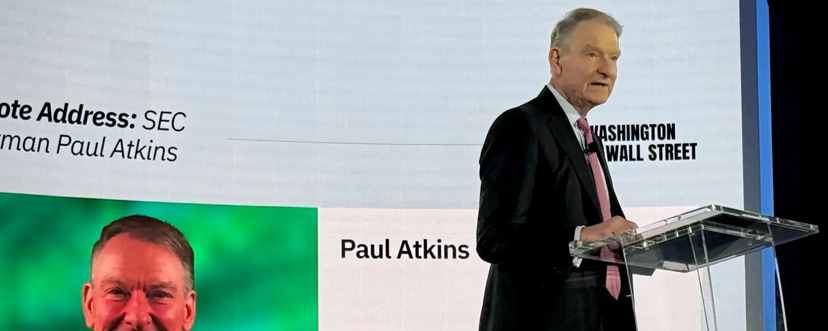
SEC opens a five-year window for tokenized shares. But this isn’t DeFi without rulesThe SEC did what the crypto market had long been waiting for from a U.S. regulator: it opened a limited opportunity to trade tokenized shares on the blockchain.
On September 17, the Commission approved the Innovation Exemption — a temporary regime exempting Tokenized Securities Venues, or TSVs, from certain requirements of the legislation.
SEC opens a five-year window for tokenized shares. But this isn’t DeFi without rules
The SEC did what the crypto market had long been waiting for from a U.S. regulator: it opened a limited opportunity to trade tokenized shares on the blockchain.
On September 17, the Commission approved the Innovation Exemption — a temporary regime exempting Tokenized Securities Venues, or TSVs, from certain requirements of the legislation.
On September 17, the Commission approved the Innovation Exemption — a temporary regime exempting Tokenized Securities Venues, or TSVs, from certain requirements of the legislation.
3
1.5k
·
--
Article
Washington Hiked the Rate, Delayed the Crypto Law, and Locked Bitcoin for 20 YearsOver the past two days, Washington managed to simultaneously slow down the main crypto regulatory law, raise the cost of money, and advance a bill that could lock Bitcoin in the national reserve for decades.
At first glance, some kind of political hodgepodge. If you look closer, it's more interesting.
Washington Hiked the Rate, Delayed the Crypto Law, and Locked Bitcoin for 20 Years
Over the past two days, Washington managed to simultaneously slow down the main crypto regulatory law, raise the cost of money, and advance a bill that could lock Bitcoin in the national reserve for decades.
At first glance, some kind of political hodgepodge. If you look closer, it's more interesting.
At first glance, some kind of political hodgepodge. If you look closer, it's more interesting.
1
5
1.3k
·
--
Verified
Circle launched Arc — its own Layer 1, where gas is paid $USDC .
And this is where it gets interesting.
On the first day, according to Dune, the network processed 7.76 million transactions; the number of addresses surpassed 840 thousand, and $USDC on Arc was around $650 million. Daily USDC transfer volume approached $1 billion.
But the figures aren’t the most interesting part.
Arc validators include BlackRock, DTCC, Visa, and eight more major financial institutions. More than 100 applications are also available from day one, including Aave V4, Morpho, and Uniswap.
So Circle isn’t building just another blockchain. It’s testing a model where traditional financial institutions aren’t merely using the network—they’re taking part in running it.
I like looking at launches like this without the breathless “it’s a revolution” hype. Day one shows interest. But the real test of Arc will begin when the holiday traffic ends and only real financial activity remains.
Follow @MoonMan567 — here we’re not looking at the fireworks of day one, but at what’s left after them.
Circle launched Arc — its own Layer 1, where gas is paid $USDC .
And this is where it gets interesting.
On the first day, according to Dune, the network processed 7.76 million transactions; the number of addresses surpassed 840 thousand, and $USDC on Arc was around $650 million. Daily USDC transfer volume approached $1 billion.
But the figures aren’t the most interesting part.
Arc validators include BlackRock, DTCC, Visa, and eight more major financial institutions. More than 100 applications are also available from day one, including Aave V4, Morpho, and Uniswap.
So Circle isn’t building just another blockchain. It’s testing a model where traditional financial institutions aren’t merely using the network—they’re taking part in running it.
I like looking at launches like this without the breathless “it’s a revolution” hype. Day one shows interest. But the real test of Arc will begin when the holiday traffic ends and only real financial activity remains.
Follow @MoonMan567 — here we’re not looking at the fireworks of day one, but at what’s left after them.
And this is where it gets interesting.
On the first day, according to Dune, the network processed 7.76 million transactions; the number of addresses surpassed 840 thousand, and $USDC on Arc was around $650 million. Daily USDC transfer volume approached $1 billion.
But the figures aren’t the most interesting part.
Arc validators include BlackRock, DTCC, Visa, and eight more major financial institutions. More than 100 applications are also available from day one, including Aave V4, Morpho, and Uniswap.
So Circle isn’t building just another blockchain. It’s testing a model where traditional financial institutions aren’t merely using the network—they’re taking part in running it.
I like looking at launches like this without the breathless “it’s a revolution” hype. Day one shows interest. But the real test of Arc will begin when the holiday traffic ends and only real financial activity remains.
Follow @MoonMan567 — here we’re not looking at the fireworks of day one, but at what’s left after them.

578
·
--
🇺🇸 The Strategic Bitcoin Reserve has taken another step toward being codified into law.
The House Committee on Financial Services has approved the American Reserve Modernization Act (H.R. 8957) by 28 votes to 21.
The bill is meant to establish in law the Strategic Bitcoin Reserve system for the federal $BTC , obtained mainly through seizures, as well as a separate Digital Asset Stockpile.
But there’s a detail that can easily get lost in crypto headlines: this isn’t a law yet. Next up is voting by the entire House, the Senate, and the President’s signature.
Even more interesting: Polymarket’s indicator for the bill’s approval by 2027 is currently around 6%. This is not analysts’ forecasts, but the market participants’ current estimate.
I’ve long noticed one quirk of the crypto market: one vote in a committee here is sometimes celebrated as if Congress has already put its stamp on it.
So don’t look at the headline—look at the next stage. Follow along with @MoonMan567 - we’ll count the doors that have actually been passed, not the ones we’re still standing by.
{future}(BTCUSDT)
🇺🇸 The Strategic Bitcoin Reserve has taken another step toward being codified into law.
The House Committee on Financial Services has approved the American Reserve Modernization Act (H.R. 8957) by 28 votes to 21.
The bill is meant to establish in law the Strategic Bitcoin Reserve system for the federal $BTC , obtained mainly through seizures, as well as a separate Digital Asset Stockpile.
But there’s a detail that can easily get lost in crypto headlines: this isn’t a law yet. Next up is voting by the entire House, the Senate, and the President’s signature.
Even more interesting: Polymarket’s indicator for the bill’s approval by 2027 is currently around 6%. This is not analysts’ forecasts, but the market participants’ current estimate.
I’ve long noticed one quirk of the crypto market: one vote in a committee here is sometimes celebrated as if Congress has already put its stamp on it.
So don’t look at the headline—look at the next stage. Follow along with @MoonMan567 - we’ll count the doors that have actually been passed, not the ones we’re still standing by.
The House Committee on Financial Services has approved the American Reserve Modernization Act (H.R. 8957) by 28 votes to 21.
The bill is meant to establish in law the Strategic Bitcoin Reserve system for the federal $BTC , obtained mainly through seizures, as well as a separate Digital Asset Stockpile.
But there’s a detail that can easily get lost in crypto headlines: this isn’t a law yet. Next up is voting by the entire House, the Senate, and the President’s signature.
Even more interesting: Polymarket’s indicator for the bill’s approval by 2027 is currently around 6%. This is not analysts’ forecasts, but the market participants’ current estimate.
I’ve long noticed one quirk of the crypto market: one vote in a committee here is sometimes celebrated as if Congress has already put its stamp on it.
So don’t look at the headline—look at the next stage. Follow along with @MoonMan567 - we’ll count the doors that have actually been passed, not the ones we’re still standing by.
1
5
756
·
--
🇺🇸 In the US, they have taken another step toward a normal tax reality for crypto.
The House Committee on Ways and Means approved the Digital Asset Tax Certainty Act with a vote of 38 to 5. Now the bill can be considered by the entire House.
What’s interesting? The bill proposes to exempt from calculating profit or loss transactions where crypto is used to pay a network fee of up to $10. It also clarifies tax rules for mining, staking, stablecoins, and reporting by crypto brokers.
But the word “law” here is premature. This is only a bill that has been approved by the committee.
I’ve seen plenty of crypto news where committee approval the very next morning turned into “the US legalized it.” For now, they’ve just taken the next step. And honestly, that’s already quite interesting.
Follow along at @MoonMan567 - here we separate a bill from a law, and news from its marketing version.
🇺🇸 In the US, they have taken another step toward a normal tax reality for crypto.
The House Committee on Ways and Means approved the Digital Asset Tax Certainty Act with a vote of 38 to 5. Now the bill can be considered by the entire House.
What’s interesting? The bill proposes to exempt from calculating profit or loss transactions where crypto is used to pay a network fee of up to $10. It also clarifies tax rules for mining, staking, stablecoins, and reporting by crypto brokers.
But the word “law” here is premature. This is only a bill that has been approved by the committee.
I’ve seen plenty of crypto news where committee approval the very next morning turned into “the US legalized it.” For now, they’ve just taken the next step. And honestly, that’s already quite interesting.
Follow along at @MoonMan567 - here we separate a bill from a law, and news from its marketing version.
The House Committee on Ways and Means approved the Digital Asset Tax Certainty Act with a vote of 38 to 5. Now the bill can be considered by the entire House.
What’s interesting? The bill proposes to exempt from calculating profit or loss transactions where crypto is used to pay a network fee of up to $10. It also clarifies tax rules for mining, staking, stablecoins, and reporting by crypto brokers.
But the word “law” here is premature. This is only a bill that has been approved by the committee.
I’ve seen plenty of crypto news where committee approval the very next morning turned into “the US legalized it.” For now, they’ve just taken the next step. And honestly, that’s already quite interesting.
Follow along at @MoonMan567 - here we separate a bill from a law, and news from its marketing version.

146
·
--
Verified
🇺🇸 The Fed raised the rate. But what matters more for the market is what happens next.
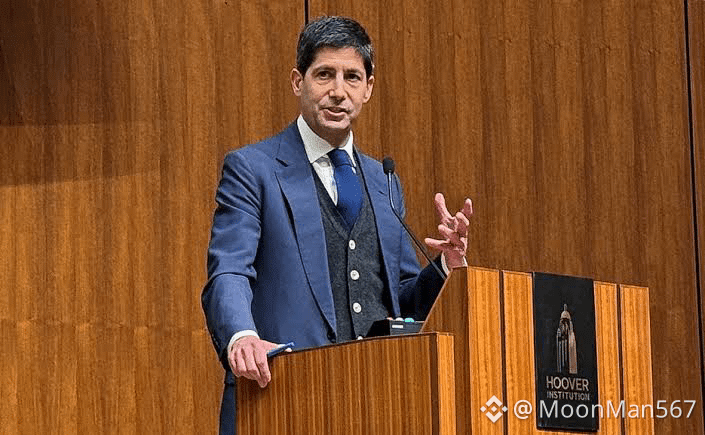
The Fed increased the rate by 25 bps — the target range is now 3.75–4.00%. This is the first hike since July 2023 and the first under Kevin Warsh’s chairmanship.
The decision itself didn’t come as a surprise. But its continuation is more interesting: most FOMC members expect another hike before the end of the year.
In his press conference, Warsh left little room for optimism about inflation: it is still too high, and, in his view, financial conditions are hard to call tight. The risks to inflation have been pushed upward, while the labor market is still strong enough for now.
And this is where the crypto market will have to do the math—not just on the decision, but on the trajectory. Money is not getting cheaper yet.
Right now, I would pay special attention not to the word “hike” itself, but to how many such hikes the market is willing to price in. Because, as always, the macroeconomic drama doesn’t start when the door slams—it starts when it becomes clear who else is about to walk in.
If you want to break down these moves without macro magic and a crystal ball—subscribe to @MoonMan567
🇺🇸 The Fed raised the rate. But what matters more for the market is what happens next.
The Fed increased the rate by 25 bps — the target range is now 3.75–4.00%. This is the first hike since July 2023 and the first under Kevin Warsh’s chairmanship.
The decision itself didn’t come as a surprise. But its continuation is more interesting: most FOMC members expect another hike before the end of the year.
In his press conference, Warsh left little room for optimism about inflation: it is still too high, and, in his view, financial conditions are hard to call tight. The risks to inflation have been pushed upward, while the labor market is still strong enough for now.
And this is where the crypto market will have to do the math—not just on the decision, but on the trajectory. Money is not getting cheaper yet.
Right now, I would pay special attention not to the word “hike” itself, but to how many such hikes the market is willing to price in. Because, as always, the macroeconomic drama doesn’t start when the door slams—it starts when it becomes clear who else is about to walk in.
If you want to break down these moves without macro magic and a crystal ball—subscribe to @MoonMan567
The Fed increased the rate by 25 bps — the target range is now 3.75–4.00%. This is the first hike since July 2023 and the first under Kevin Warsh’s chairmanship.
The decision itself didn’t come as a surprise. But its continuation is more interesting: most FOMC members expect another hike before the end of the year.
In his press conference, Warsh left little room for optimism about inflation: it is still too high, and, in his view, financial conditions are hard to call tight. The risks to inflation have been pushed upward, while the labor market is still strong enough for now.
And this is where the crypto market will have to do the math—not just on the decision, but on the trajectory. Money is not getting cheaper yet.
Right now, I would pay special attention not to the word “hike” itself, but to how many such hikes the market is willing to price in. Because, as always, the macroeconomic drama doesn’t start when the door slams—it starts when it becomes clear who else is about to walk in.
If you want to break down these moves without macro magic and a crystal ball—subscribe to @MoonMan567
5
1.1k
·
--
Verified
💳 Cardano has entered Mastercard. But don’t rush to call this an integration with $ADA cards.
On September 15, Cardano Foundation joined the Mastercard Crypto Partner Program in the Blockchains track. Participants will work on cross-border transfers, B2B transactions, settlements, and solutions with stablecoins.
And here’s the important detail that crypto headlines can easily miss: Mastercard has not announced a direct connection of ADA to its payment network. For now, this is a partnership and a platform for developing future solutions.
So the practical impact for $ADA still needs to be proven by real products, integrations, and transactions.
I like this case specifically because there’s no magical “Mastercard accepts $ADA ” yet. There’s something far more mundane instead—Cardano has gotten a seat at the table where people discuss how blockchains can work with real payment infrastructure.
And then the most interesting part begins: whether that beautiful partnership will lead to real-world mechanics. If you want to follow this specifically, subscribe to @MoonMan567
{future}(ADAUSDT)
💳 Cardano has entered Mastercard. But don’t rush to call this an integration with $ADA cards.
On September 15, Cardano Foundation joined the Mastercard Crypto Partner Program in the Blockchains track. Participants will work on cross-border transfers, B2B transactions, settlements, and solutions with stablecoins.
And here’s the important detail that crypto headlines can easily miss: Mastercard has not announced a direct connection of ADA to its payment network. For now, this is a partnership and a platform for developing future solutions.
So the practical impact for $ADA still needs to be proven by real products, integrations, and transactions.
I like this case specifically because there’s no magical “Mastercard accepts $ADA ” yet. There’s something far more mundane instead—Cardano has gotten a seat at the table where people discuss how blockchains can work with real payment infrastructure.
And then the most interesting part begins: whether that beautiful partnership will lead to real-world mechanics. If you want to follow this specifically, subscribe to @MoonMan567
On September 15, Cardano Foundation joined the Mastercard Crypto Partner Program in the Blockchains track. Participants will work on cross-border transfers, B2B transactions, settlements, and solutions with stablecoins.
And here’s the important detail that crypto headlines can easily miss: Mastercard has not announced a direct connection of ADA to its payment network. For now, this is a partnership and a platform for developing future solutions.
So the practical impact for $ADA still needs to be proven by real products, integrations, and transactions.
I like this case specifically because there’s no magical “Mastercard accepts $ADA ” yet. There’s something far more mundane instead—Cardano has gotten a seat at the table where people discuss how blockchains can work with real payment infrastructure.
And then the most interesting part begins: whether that beautiful partnership will lead to real-world mechanics. If you want to follow this specifically, subscribe to @MoonMan567

4
884
·
--
Verified
⚖️ CLARITY Act failed. But in $XRP there’s another story—one that’s only gaining momentum.
After the vote failed in the Senate $XRP , it dropped below $1.30. Regulatory clarity in the U.S. has once again stalled somewhere between Washington and the next vote.
Meanwhile, something more interesting is happening on the XRP Ledger itself.
The Batch V1.1 update was just one vote away from the required 80% validator support—27 out of 35 at the time of the latest snapshot. If the threshold is reached and support holds, a two-week countdown to activation will begin. The update will allow bundling up to eight related transactions into a single operation.
And I wouldn’t mix these two stories. The failure of the U.S. law is political risk. Batch V1.1 is a technical network update. One doesn’t automatically offset the other.
Honestly, I like moments like this: when Washington can’t agree again, and developers simply keep writing code. In crypto, sometimes that’s the healthiest part of the ecosystem.
If you’re interested in looking not only at the price, but also at what’s happening under it—follow @MoonMan567
{future}(XRPUSDT)
⚖️ CLARITY Act failed. But in $XRP there’s another story—one that’s only gaining momentum.
After the vote failed in the Senate $XRP , it dropped below $1.30. Regulatory clarity in the U.S. has once again stalled somewhere between Washington and the next vote.
Meanwhile, something more interesting is happening on the XRP Ledger itself.
The Batch V1.1 update was just one vote away from the required 80% validator support—27 out of 35 at the time of the latest snapshot. If the threshold is reached and support holds, a two-week countdown to activation will begin. The update will allow bundling up to eight related transactions into a single operation.
And I wouldn’t mix these two stories. The failure of the U.S. law is political risk. Batch V1.1 is a technical network update. One doesn’t automatically offset the other.
Honestly, I like moments like this: when Washington can’t agree again, and developers simply keep writing code. In crypto, sometimes that’s the healthiest part of the ecosystem.
If you’re interested in looking not only at the price, but also at what’s happening under it—follow @MoonMan567
After the vote failed in the Senate $XRP , it dropped below $1.30. Regulatory clarity in the U.S. has once again stalled somewhere between Washington and the next vote.
Meanwhile, something more interesting is happening on the XRP Ledger itself.
The Batch V1.1 update was just one vote away from the required 80% validator support—27 out of 35 at the time of the latest snapshot. If the threshold is reached and support holds, a two-week countdown to activation will begin. The update will allow bundling up to eight related transactions into a single operation.
And I wouldn’t mix these two stories. The failure of the U.S. law is political risk. Batch V1.1 is a technical network update. One doesn’t automatically offset the other.
Honestly, I like moments like this: when Washington can’t agree again, and developers simply keep writing code. In crypto, sometimes that’s the healthiest part of the ecosystem.
If you’re interested in looking not only at the price, but also at what’s happening under it—follow @MoonMan567

1
2
803
·
--
Verified
🏦 Standard Chartered saw $ARB for $10. But what’s more interesting is why.
The bank has begun covering Arbitrum and set a $10 target by the end of 2030. At a price of about $0.14 at the time of publication, that’s roughly a 70x difference.
It sounds like yet another crypto headline from the “fasten your seatbelts” category. But the bank’s thesis is more interesting than the number.
Standard Chartered is betting that TradFi will gradually move financial operations on-chain, and that Arbitrum could become the infrastructure for such networks. The bank projects that tokenized assets will grow from about $340 billion to $4 trillion by the end of 2028.
But there’s a small detail that nice-sounding headlines usually shyly hide: $ARB still doesn’t have a direct mechanism to earn revenue from the protocol. Even Standard Chartered itself calls this one of the risks of its forecast.
What interests me in such forecasts isn’t the “70x,” but what bridge needs to appear between the network’s business growth and the token’s price. Because a blockchain can earn millions, and a token isn’t automatically required to take that money for itself.
Otherwise it becomes good old crypto magic: the company earns, the token gets a fan club. Follow @MoonMan567 —here we’re exactly looking for where the narrative ends and the mechanics begin.
🏦 Standard Chartered saw $ARB for $10. But what’s more interesting is why.
The bank has begun covering Arbitrum and set a $10 target by the end of 2030. At a price of about $0.14 at the time of publication, that’s roughly a 70x difference.
It sounds like yet another crypto headline from the “fasten your seatbelts” category. But the bank’s thesis is more interesting than the number.
Standard Chartered is betting that TradFi will gradually move financial operations on-chain, and that Arbitrum could become the infrastructure for such networks. The bank projects that tokenized assets will grow from about $340 billion to $4 trillion by the end of 2028.
But there’s a small detail that nice-sounding headlines usually shyly hide: $ARB still doesn’t have a direct mechanism to earn revenue from the protocol. Even Standard Chartered itself calls this one of the risks of its forecast.
What interests me in such forecasts isn’t the “70x,” but what bridge needs to appear between the network’s business growth and the token’s price. Because a blockchain can earn millions, and a token isn’t automatically required to take that money for itself.
Otherwise it becomes good old crypto magic: the company earns, the token gets a fan club. Follow @MoonMan567 —here we’re exactly looking for where the narrative ends and the mechanics begin.
The bank has begun covering Arbitrum and set a $10 target by the end of 2030. At a price of about $0.14 at the time of publication, that’s roughly a 70x difference.
It sounds like yet another crypto headline from the “fasten your seatbelts” category. But the bank’s thesis is more interesting than the number.
Standard Chartered is betting that TradFi will gradually move financial operations on-chain, and that Arbitrum could become the infrastructure for such networks. The bank projects that tokenized assets will grow from about $340 billion to $4 trillion by the end of 2028.
But there’s a small detail that nice-sounding headlines usually shyly hide: $ARB still doesn’t have a direct mechanism to earn revenue from the protocol. Even Standard Chartered itself calls this one of the risks of its forecast.
What interests me in such forecasts isn’t the “70x,” but what bridge needs to appear between the network’s business growth and the token’s price. Because a blockchain can earn millions, and a token isn’t automatically required to take that money for itself.
Otherwise it becomes good old crypto magic: the company earns, the token gets a fan club. Follow @MoonMan567 —here we’re exactly looking for where the narrative ends and the mechanics begin.

1
3
2.1k
·
--
🇺🇸 The CLARITY Act did not pass. And Washington has just sent the crypto market into a mode of “well, okay then.”
The U.S. Senate failed a procedural vote on a law regulating digital assets: 49 in favor, 50 against. To proceed, 60 votes were required.
This isn’t a final rejection of the bill, but its further progress in the Senate is blocked. After months of negotiations, this is a serious political blow to efforts to establish federal rules for the crypto market.
The market reacted without diplomacy: $BTC was sliding to nearly $75K, and the drop during the session reached about 4%.
But I wouldn’t blame everything on a single vote. Tomorrow there’s also the Fed decision, and U.S. Treasury yields remain high. In crypto today, several unpleasant doors just opened at the same time.
I like political dramas less than the crypto market likes to price them in. But this time the signal really is serious: regulatory clarity in the U.S. is being delayed again.
If you want to separate real risk from yet another panic-driven headline—subscribe to @MoonMan567
🇺🇸 The CLARITY Act did not pass. And Washington has just sent the crypto market into a mode of “well, okay then.”
The U.S. Senate failed a procedural vote on a law regulating digital assets: 49 in favor, 50 against. To proceed, 60 votes were required.
This isn’t a final rejection of the bill, but its further progress in the Senate is blocked. After months of negotiations, this is a serious political blow to efforts to establish federal rules for the crypto market.
The market reacted without diplomacy: $BTC was sliding to nearly $75K, and the drop during the session reached about 4%.
But I wouldn’t blame everything on a single vote. Tomorrow there’s also the Fed decision, and U.S. Treasury yields remain high. In crypto today, several unpleasant doors just opened at the same time.
I like political dramas less than the crypto market likes to price them in. But this time the signal really is serious: regulatory clarity in the U.S. is being delayed again.
If you want to separate real risk from yet another panic-driven headline—subscribe to @MoonMan567
The U.S. Senate failed a procedural vote on a law regulating digital assets: 49 in favor, 50 against. To proceed, 60 votes were required.
This isn’t a final rejection of the bill, but its further progress in the Senate is blocked. After months of negotiations, this is a serious political blow to efforts to establish federal rules for the crypto market.
The market reacted without diplomacy: $BTC was sliding to nearly $75K, and the drop during the session reached about 4%.
But I wouldn’t blame everything on a single vote. Tomorrow there’s also the Fed decision, and U.S. Treasury yields remain high. In crypto today, several unpleasant doors just opened at the same time.
I like political dramas less than the crypto market likes to price them in. But this time the signal really is serious: regulatory clarity in the U.S. is being delayed again.
If you want to separate real risk from yet another panic-driven headline—subscribe to @MoonMan567
1
125
·
--
👀 ETFs suddenly started speaking in different languages.
Last week, U.S. spot ETFs with the identifier $BTC saw $462.7M in net outflows—after three weeks of inflows.
And ETFs with the identifier $ETH showed the opposite picture: +$196.9M over the same period. Moreover, on September 11 alone, they attracted $216.4M.
At first glance, everything is simple: money is fleeing Bitcoin and going into Ethereum.
But here it’s worth slowing down. Bitfinex points to a different mechanism: traders can use an ETH ETF as collateral for positions in CME futures, profiting from the spread between markets.
So part of this demand may not be a bet of “ETH will rise,” but rather a fairly straightforward arbitrage setup.
I personally love moments when a beautiful headline—“institutions switched to ETH”—falls apart after the second layer of data. In crypto, money often looks like conviction until you start asking what exactly it’s doing there.
If you’re interested in dissecting the mechanics of these moves, follow @MoonMan567
👀 ETFs suddenly started speaking in different languages.
Last week, U.S. spot ETFs with the identifier $BTC saw $462.7M in net outflows—after three weeks of inflows.
And ETFs with the identifier $ETH showed the opposite picture: +$196.9M over the same period. Moreover, on September 11 alone, they attracted $216.4M.
At first glance, everything is simple: money is fleeing Bitcoin and going into Ethereum.
But here it’s worth slowing down. Bitfinex points to a different mechanism: traders can use an ETH ETF as collateral for positions in CME futures, profiting from the spread between markets.
So part of this demand may not be a bet of “ETH will rise,” but rather a fairly straightforward arbitrage setup.
I personally love moments when a beautiful headline—“institutions switched to ETH”—falls apart after the second layer of data. In crypto, money often looks like conviction until you start asking what exactly it’s doing there.
If you’re interested in dissecting the mechanics of these moves, follow @MoonMan567
Last week, U.S. spot ETFs with the identifier $BTC saw $462.7M in net outflows—after three weeks of inflows.
And ETFs with the identifier $ETH showed the opposite picture: +$196.9M over the same period. Moreover, on September 11 alone, they attracted $216.4M.
At first glance, everything is simple: money is fleeing Bitcoin and going into Ethereum.
But here it’s worth slowing down. Bitfinex points to a different mechanism: traders can use an ETH ETF as collateral for positions in CME futures, profiting from the spread between markets.
So part of this demand may not be a bet of “ETH will rise,” but rather a fairly straightforward arbitrage setup.
I personally love moments when a beautiful headline—“institutions switched to ETH”—falls apart after the second layer of data. In crypto, money often looks like conviction until you start asking what exactly it’s doing there.
If you’re interested in dissecting the mechanics of these moves, follow @MoonMan567
2
1.1k
·
--
Verified
🇺🇸 The Fed is tightening the screws exactly when the markets weren’t really expecting it.
86 out of 101 economists surveyed by Reuters now expect a 25 bps Fed rate hike at the September 16 meeting. This will be the first increase since July 2023.
Futures are even more eloquent—the market is already pricing in about a 92% probability of a hike. And the yield on 10-year Treasuries has risen above 5% for the first time since October 2023.
For $BTC , this is an unpleasant backdrop. Costlier money and higher government bond yields make risky assets less comfortable for capital.
But I wouldn’t treat this as an automatic forecast of a downturn. The market has already largely repriced the increase—now, the Fed’s words about the next steps may matter more.
There’s a macro-finance omen: when everyone already knows what the Fed will do tomorrow, the most nervous-making thing is what it says after that. If you want to follow this without any unnecessary noise—subscribe to @MoonMan567
🇺🇸 The Fed is tightening the screws exactly when the markets weren’t really expecting it.
86 out of 101 economists surveyed by Reuters now expect a 25 bps Fed rate hike at the September 16 meeting. This will be the first increase since July 2023.
Futures are even more eloquent—the market is already pricing in about a 92% probability of a hike. And the yield on 10-year Treasuries has risen above 5% for the first time since October 2023.
For $BTC , this is an unpleasant backdrop. Costlier money and higher government bond yields make risky assets less comfortable for capital.
But I wouldn’t treat this as an automatic forecast of a downturn. The market has already largely repriced the increase—now, the Fed’s words about the next steps may matter more.
There’s a macro-finance omen: when everyone already knows what the Fed will do tomorrow, the most nervous-making thing is what it says after that. If you want to follow this without any unnecessary noise—subscribe to @MoonMan567
86 out of 101 economists surveyed by Reuters now expect a 25 bps Fed rate hike at the September 16 meeting. This will be the first increase since July 2023.
Futures are even more eloquent—the market is already pricing in about a 92% probability of a hike. And the yield on 10-year Treasuries has risen above 5% for the first time since October 2023.
For $BTC , this is an unpleasant backdrop. Costlier money and higher government bond yields make risky assets less comfortable for capital.
But I wouldn’t treat this as an automatic forecast of a downturn. The market has already largely repriced the increase—now, the Fed’s words about the next steps may matter more.
There’s a macro-finance omen: when everyone already knows what the Fed will do tomorrow, the most nervous-making thing is what it says after that. If you want to follow this without any unnecessary noise—subscribe to @MoonMan567
1
1.2k
·
--
🇺🇸 Today the CLARITY Act is undergoing its first real test of strength.
The U.S. Senate at 14:15 local time is scheduled to vote on cloture regarding the CLARITY Act. It requires 60 votes, and this is important: the vote is not yet about the final passage of the bill, but about the possibility of moving it on to further consideration.
The Republicans have introduced a 635-page version they call the “final proposal.” It takes into account 126 changes requested by the Democrats. But the Democrats are still preparing their own counterproposal.
Bernstein believes the progress turned out better than the market expected. The chances of advancing the bill have already exceeded 30%.
For $BTC ce, this is an important day not because the law will become law today. But because it will become clearer whether it has a political corridor to move forward.
I love American politics for one simple thing: in crypto, everyone calculates percentages, and in Washington today they’ll be calculating senators. And the second number right now is much more interesting.
If you want to dig into what’s behind the numbers, not chase headlines—follow @MoonMan567
🇺🇸 Today the CLARITY Act is undergoing its first real test of strength.
The U.S. Senate at 14:15 local time is scheduled to vote on cloture regarding the CLARITY Act. It requires 60 votes, and this is important: the vote is not yet about the final passage of the bill, but about the possibility of moving it on to further consideration.
The Republicans have introduced a 635-page version they call the “final proposal.” It takes into account 126 changes requested by the Democrats. But the Democrats are still preparing their own counterproposal.
Bernstein believes the progress turned out better than the market expected. The chances of advancing the bill have already exceeded 30%.
For $BTC ce, this is an important day not because the law will become law today. But because it will become clearer whether it has a political corridor to move forward.
I love American politics for one simple thing: in crypto, everyone calculates percentages, and in Washington today they’ll be calculating senators. And the second number right now is much more interesting.
If you want to dig into what’s behind the numbers, not chase headlines—follow @MoonMan567
The U.S. Senate at 14:15 local time is scheduled to vote on cloture regarding the CLARITY Act. It requires 60 votes, and this is important: the vote is not yet about the final passage of the bill, but about the possibility of moving it on to further consideration.
The Republicans have introduced a 635-page version they call the “final proposal.” It takes into account 126 changes requested by the Democrats. But the Democrats are still preparing their own counterproposal.
Bernstein believes the progress turned out better than the market expected. The chances of advancing the bill have already exceeded 30%.
For $BTC ce, this is an important day not because the law will become law today. But because it will become clearer whether it has a political corridor to move forward.
I love American politics for one simple thing: in crypto, everyone calculates percentages, and in Washington today they’ll be calculating senators. And the second number right now is much more interesting.
If you want to dig into what’s behind the numbers, not chase headlines—follow @MoonMan567
1
5
2.4k
·
--
🇺🇸 Tomorrow, the crypto market will receive an important signal from Washington.
On September 15, the U.S. Senate will hold a procedural vote regarding the CLARITY Act. For the bill to move forward, 60 votes are needed.
And this is where it gets interesting.
Republicans have already brought forward an updated 630-page draft. And today, Trump agreed to a significant portion of the ethical restrictions that the Democrats demanded. This could remove one of the main obstacles to bipartisan support.
Meanwhile, prediction markets don’t look particularly optimistic: the probability of getting 60+ votes is estimated at roughly 30%.
But let’s not confuse the procedural vote with the final passage of the law. There’s still a long way to go.
I love moments like this: in crypto, everyone is already counting on the future pump, while Washington is still counting votes. And honestly, the second count is much more important than the first right now. If you want to see how regulation actually changes the market—subscribe to @MoonMan567
🇺🇸 Tomorrow, the crypto market will receive an important signal from Washington.
On September 15, the U.S. Senate will hold a procedural vote regarding the CLARITY Act. For the bill to move forward, 60 votes are needed.
And this is where it gets interesting.
Republicans have already brought forward an updated 630-page draft. And today, Trump agreed to a significant portion of the ethical restrictions that the Democrats demanded. This could remove one of the main obstacles to bipartisan support.
Meanwhile, prediction markets don’t look particularly optimistic: the probability of getting 60+ votes is estimated at roughly 30%.
But let’s not confuse the procedural vote with the final passage of the law. There’s still a long way to go.
I love moments like this: in crypto, everyone is already counting on the future pump, while Washington is still counting votes. And honestly, the second count is much more important than the first right now. If you want to see how regulation actually changes the market—subscribe to @MoonMan567
On September 15, the U.S. Senate will hold a procedural vote regarding the CLARITY Act. For the bill to move forward, 60 votes are needed.
And this is where it gets interesting.
Republicans have already brought forward an updated 630-page draft. And today, Trump agreed to a significant portion of the ethical restrictions that the Democrats demanded. This could remove one of the main obstacles to bipartisan support.
Meanwhile, prediction markets don’t look particularly optimistic: the probability of getting 60+ votes is estimated at roughly 30%.
But let’s not confuse the procedural vote with the final passage of the law. There’s still a long way to go.
I love moments like this: in crypto, everyone is already counting on the future pump, while Washington is still counting votes. And honestly, the second count is much more important than the first right now. If you want to see how regulation actually changes the market—subscribe to @MoonMan567
5
1.5k
·
--
🇺🇦 Ukraine strengthens tax oversight of financial accounts abroad.
On September 11, the Ministry of Finance reported: Ukraine has joined the CRS MCAA Amendment. This provides a legal basis for exchanging an expanded scope of information about financial accounts of Ukrainian tax residents held abroad.
For the State Tax Service, this means more data to identify undeclared foreign income, determine account holders, and conduct tax risk analysis.
And an important point: a new tax is not being introduced here. Likewise, information about accounts does not become public.
But the system’s logic is changing. “Money is abroad—Ukrainian taxes can’t see it” is becoming less and less like a workable strategy.
I personally like the word “offshore” much less than before: the digital world has made financial borders more transparent, and tax authorities much more inquisitive. If you want to understand such changes without panic and scare stories—follow @MoonMan567
🇺🇦 Ukraine strengthens tax oversight of financial accounts abroad.
On September 11, the Ministry of Finance reported: Ukraine has joined the CRS MCAA Amendment. This provides a legal basis for exchanging an expanded scope of information about financial accounts of Ukrainian tax residents held abroad.
For the State Tax Service, this means more data to identify undeclared foreign income, determine account holders, and conduct tax risk analysis.
And an important point: a new tax is not being introduced here. Likewise, information about accounts does not become public.
But the system’s logic is changing. “Money is abroad—Ukrainian taxes can’t see it” is becoming less and less like a workable strategy.
I personally like the word “offshore” much less than before: the digital world has made financial borders more transparent, and tax authorities much more inquisitive. If you want to understand such changes without panic and scare stories—follow @MoonMan567
On September 11, the Ministry of Finance reported: Ukraine has joined the CRS MCAA Amendment. This provides a legal basis for exchanging an expanded scope of information about financial accounts of Ukrainian tax residents held abroad.
For the State Tax Service, this means more data to identify undeclared foreign income, determine account holders, and conduct tax risk analysis.
And an important point: a new tax is not being introduced here. Likewise, information about accounts does not become public.
But the system’s logic is changing. “Money is abroad—Ukrainian taxes can’t see it” is becoming less and less like a workable strategy.
I personally like the word “offshore” much less than before: the digital world has made financial borders more transparent, and tax authorities much more inquisitive. If you want to understand such changes without panic and scare stories—follow @MoonMan567

3
5
3.3k
Log in to explore more content
Join global crypto users on Binance Square
⚡️ Get latest and useful information about crypto.
💬 Trusted by the world’s largest crypto exchange.
👍 Discover real insights from verified creators.
Email / Phone number
Trending Topics
BTCBreaks80K
148,541 views
2,354 Discussing
#btcbreaks80k $BTC
BTC blasts past $80,000 — up 5.88% today
Bitcoin ripped higher, trading at $80,846 after opening at $76,355, hitting an intraday high of $81,238 — its best level since September 4. This is a sharp relief rally, recovering a chunk of the losses from a rough stretch that had BTC as low as $75,000 just days ago.
Driving it: the Fed's rate hike came with a dot plot showing rates falling to just 4.1% by end-2027 — signaling the tightening cycle is nearing its end. That, plus $159.5M in fresh ETF inflows and a weaker yen, boosted risk appetite broadly.
The move hit shorts hard: over $445 million in liquidations market-wide, with $230M+ from Bitcoin shorts alone — a classic short squeeze amplifying the rally.
Fair warning: analysts note this move happened fast, and BTC has rejected the $80K-81K range before this cycle. $76,000 remains the key level if momentum fades.
$BTC #Bitcoin
#BTCPriceAlert
Top Hatter 09
·3 Likes
·9.2k views
比特币突破8万
106,851 views
283 Discussing
BitcoinMarketCapTopsTesla
268 views
24 Discussing