
Max_S
86 Posts

Max_S
Report
Block User
Max专注传统金融与web3的融合,坚持以实战视角复盘市场热点,分享兼具全球化视野与前沿体感的Web3商业观察 。
25 Following
103 Followers
205 Liked
Posts
All
Quotes
·
--
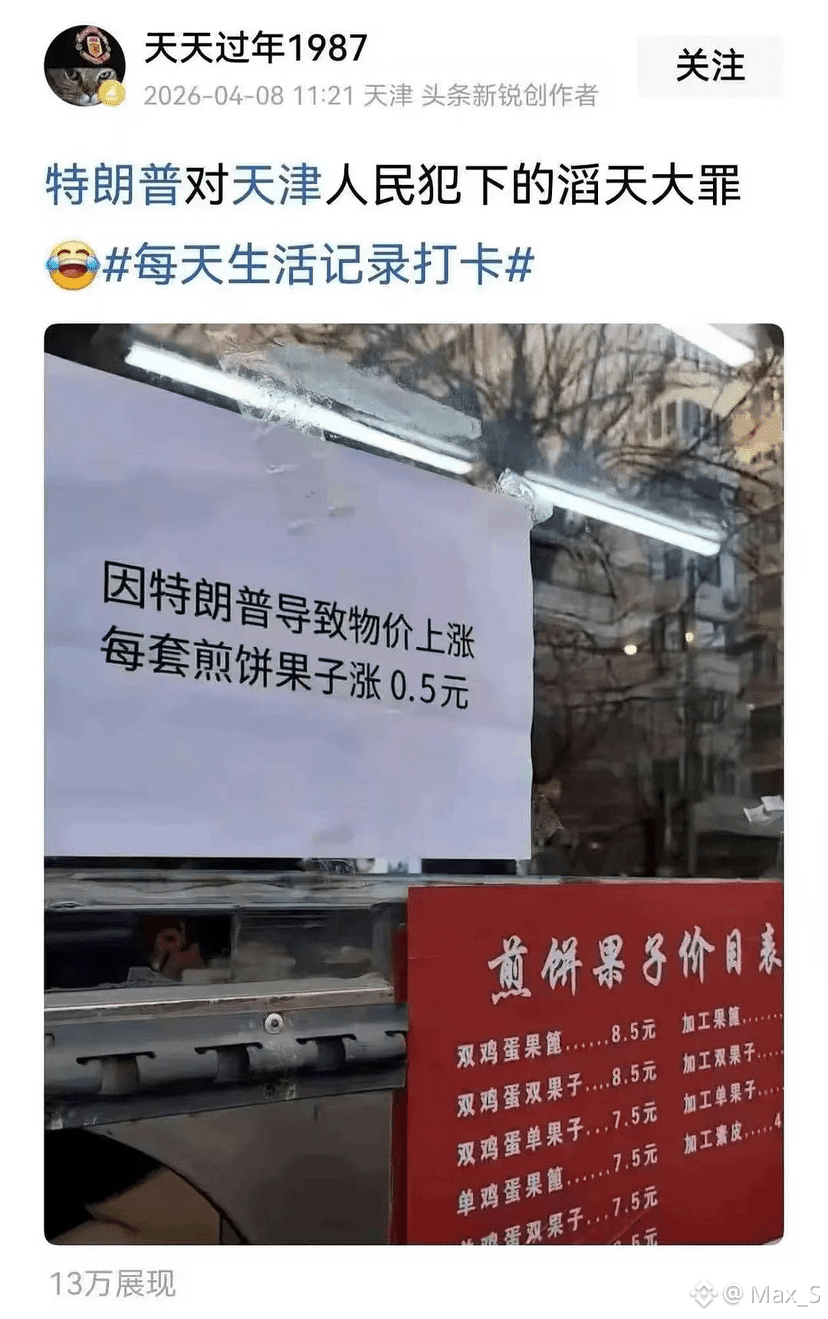
X's chat app is now available for download, $DOGE has seen some slight movement.
X's chat app is now available for download, $DOGE has seen some slight movement.

1
1
3.1k
·
--
3
6
6.5k
·
--
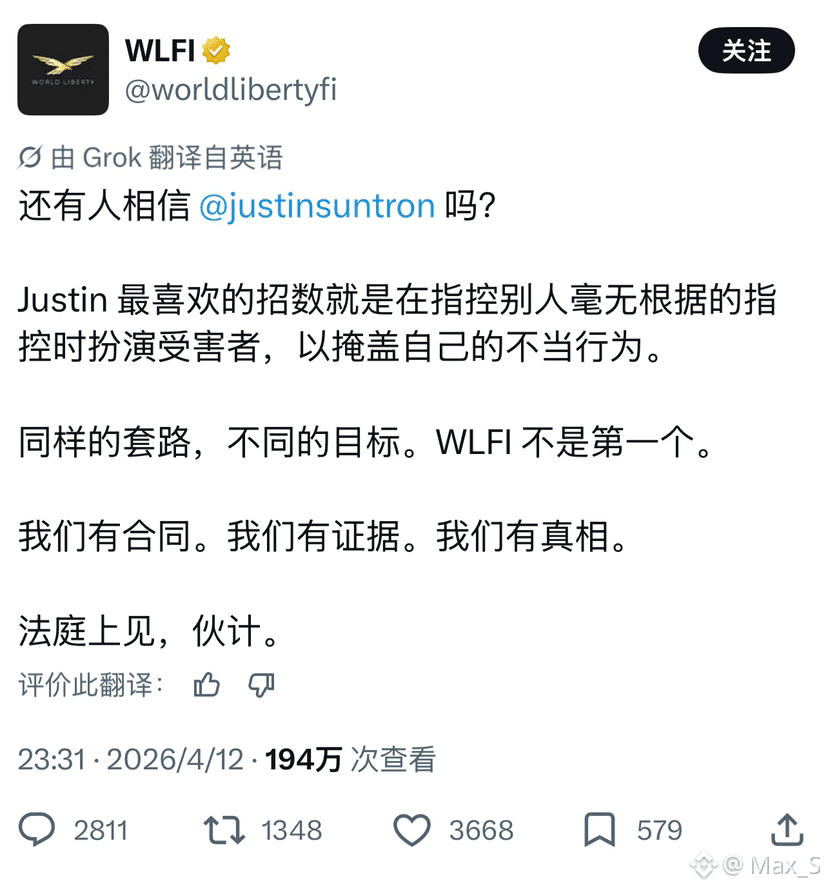
According to the latest regulatory determination, $XRP has officially been recognized as a commodity rather than a security. Once the legal status is clarified, the potential of XRP in the global payment system will be reassessed.
According to the latest regulatory determination, $XRP has officially been recognized as a commodity rather than a security. Once the legal status is clarified, the potential of XRP in the global payment system will be reassessed.

734
·
--
X (Twitter) is about to release a chat software, that $DOGE ...🐶
X (Twitter) is about to release a chat software, that $DOGE ...🐶

24
2
12
62.7k
·
--

Article
From Marginal Geek to Ruler of the Crypto Empire: Reflections and Understandings of CZ's 'Binance Life'(Binance Life: Memoir of Luck, Resilience, and Protecting Users)
This work is not only a business history documenting how Binance rose from zero to the world's largest cryptocurrency exchange but also a crisis management manual filled with personal reflection. From a McDonald's worker in Vancouver to a technology executive at Bloomberg, and then to a legendary figure imprisoned and eventually pardoned by the U.S. president, CZ reveals in the book, with an extremely candid perspective, the insider story of the game with the U.S. Department of Justice (DOJ), the confrontations before and after the FTX collapse, and his real experiences in federal prison.
From Marginal Geek to Ruler of the Crypto Empire: Reflections and Understandings of CZ's 'Binance Life'
(Binance Life: Memoir of Luck, Resilience, and Protecting Users)
This work is not only a business history documenting how Binance rose from zero to the world's largest cryptocurrency exchange but also a crisis management manual filled with personal reflection. From a McDonald's worker in Vancouver to a technology executive at Bloomberg, and then to a legendary figure imprisoned and eventually pardoned by the U.S. president, CZ reveals in the book, with an extremely candid perspective, the insider story of the game with the U.S. Department of Justice (DOJ), the confrontations before and after the FTX collapse, and his real experiences in federal prison.
This work is not only a business history documenting how Binance rose from zero to the world's largest cryptocurrency exchange but also a crisis management manual filled with personal reflection. From a McDonald's worker in Vancouver to a technology executive at Bloomberg, and then to a legendary figure imprisoned and eventually pardoned by the U.S. president, CZ reveals in the book, with an extremely candid perspective, the insider story of the game with the U.S. Department of Justice (DOJ), the confrontations before and after the FTX collapse, and his real experiences in federal prison.
288
·
--
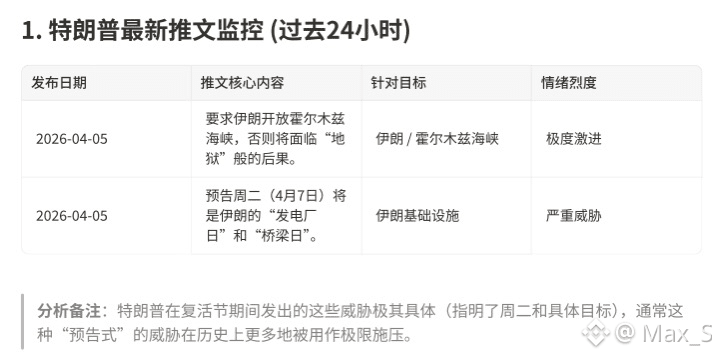
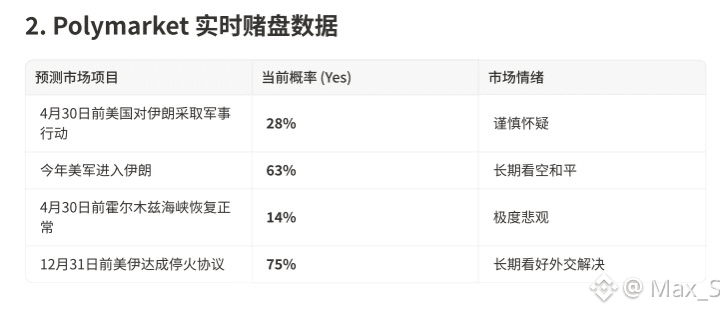
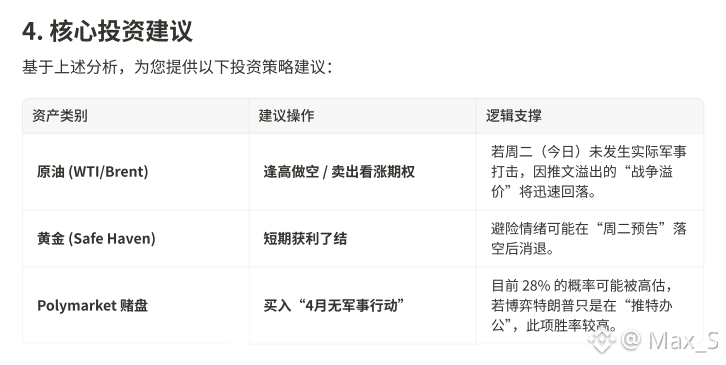
Trump stated that the entire Iranian civilization will perish tonight, let's see what #Polymarket has to say, I suspect this old thief has already started shorting crude oil.
Trump stated that the entire Iranian civilization will perish tonight, let's see what #Polymarket has to say, I suspect this old thief has already started shorting crude oil.

558
·
--
According to CryptoQuant data, $BTC long-term holders (LTH) supply has seen a positive change over the past 30 days, with a net increase of approximately +308K BTC. This indicates that holding behavior has begun to dominate the market, significantly alleviating distribution pressure.
LTH supply change is a classic indicator of genuine market confidence. Historical data shows that when LTH supply transitions from negative to positive, it often corresponds to the end of a selling climax and the low-level accumulation stage of institutions/long-term capital. It does not directly push up prices but can provide a solid foundation for subsequent rebounds—reducing "invisible selling pressure," effectively laying an "invisible floor" for the current 65K-76K oscillation range.
The current market environment is worth observing in conjunction:
Prices are still in the second consolidation phase of a weekly/daily bearish trend, with 72K-74K remaining significant resistance.
If the positive LTH signal overlaps with technical confirmation (e.g., 4H/daily volume stands above 72K or RSI weekly divergence correction), it can be viewed as a mid-term buying window.
Conversely, if prices fall back to the 66K-68K support while LTH remains positive, it represents a quality risk-reward area for gradual positioning.
Trading strategy recommendations (for reference, DYOR):
Position management: Keep short-term cash position within 30%, prioritizing observation of bullish signals in support areas backed by LTH.
Entry filtering: Must wait for volume + MACD histogram alignment to avoid false breakouts based solely on candlestick patterns.
Risk control: Set strict stop-loss on single trades below key structural levels by 1-2%, with target levels referencing the average rebound amplitude of historical positive LTH cycles.
This signal is not a call that "the bull market has arrived" but a reminder to stay rational in a volatile market: on-chain data is gradually shifting in favor of bulls. Combining personal risk preferences, optimizing positions and timeframes can effectively enhance the long-term win rate of strategies. Feel free to discuss your views; let's improve together.
#BTC #OnChainAnalysis #CryptoMarket
According to CryptoQuant data, $BTC long-term holders (LTH) supply has seen a positive change over the past 30 days, with a net increase of approximately +308K BTC. This indicates that holding behavior has begun to dominate the market, significantly alleviating distribution pressure.
LTH supply change is a classic indicator of genuine market confidence. Historical data shows that when LTH supply transitions from negative to positive, it often corresponds to the end of a selling climax and the low-level accumulation stage of institutions/long-term capital. It does not directly push up prices but can provide a solid foundation for subsequent rebounds—reducing "invisible selling pressure," effectively laying an "invisible floor" for the current 65K-76K oscillation range.
The current market environment is worth observing in conjunction:
Prices are still in the second consolidation phase of a weekly/daily bearish trend, with 72K-74K remaining significant resistance.
If the positive LTH signal overlaps with technical confirmation (e.g., 4H/daily volume stands above 72K or RSI weekly divergence correction), it can be viewed as a mid-term buying window.
Conversely, if prices fall back to the 66K-68K support while LTH remains positive, it represents a quality risk-reward area for gradual positioning.
Trading strategy recommendations (for reference, DYOR):
Position management: Keep short-term cash position within 30%, prioritizing observation of bullish signals in support areas backed by LTH.
Entry filtering: Must wait for volume + MACD histogram alignment to avoid false breakouts based solely on candlestick patterns.
Risk control: Set strict stop-loss on single trades below key structural levels by 1-2%, with target levels referencing the average rebound amplitude of historical positive LTH cycles.
This signal is not a call that "the bull market has arrived" but a reminder to stay rational in a volatile market: on-chain data is gradually shifting in favor of bulls. Combining personal risk preferences, optimizing positions and timeframes can effectively enhance the long-term win rate of strategies. Feel free to discuss your views; let's improve together.
#BTC #OnChainAnalysis #CryptoMarket
LTH supply change is a classic indicator of genuine market confidence. Historical data shows that when LTH supply transitions from negative to positive, it often corresponds to the end of a selling climax and the low-level accumulation stage of institutions/long-term capital. It does not directly push up prices but can provide a solid foundation for subsequent rebounds—reducing "invisible selling pressure," effectively laying an "invisible floor" for the current 65K-76K oscillation range.
The current market environment is worth observing in conjunction:
Prices are still in the second consolidation phase of a weekly/daily bearish trend, with 72K-74K remaining significant resistance.
If the positive LTH signal overlaps with technical confirmation (e.g., 4H/daily volume stands above 72K or RSI weekly divergence correction), it can be viewed as a mid-term buying window.
Conversely, if prices fall back to the 66K-68K support while LTH remains positive, it represents a quality risk-reward area for gradual positioning.
Trading strategy recommendations (for reference, DYOR):
Position management: Keep short-term cash position within 30%, prioritizing observation of bullish signals in support areas backed by LTH.
Entry filtering: Must wait for volume + MACD histogram alignment to avoid false breakouts based solely on candlestick patterns.
Risk control: Set strict stop-loss on single trades below key structural levels by 1-2%, with target levels referencing the average rebound amplitude of historical positive LTH cycles.
This signal is not a call that "the bull market has arrived" but a reminder to stay rational in a volatile market: on-chain data is gradually shifting in favor of bulls. Combining personal risk preferences, optimizing positions and timeframes can effectively enhance the long-term win rate of strategies. Feel free to discuss your views; let's improve together.
#BTC #OnChainAnalysis #CryptoMarket
140
·
--
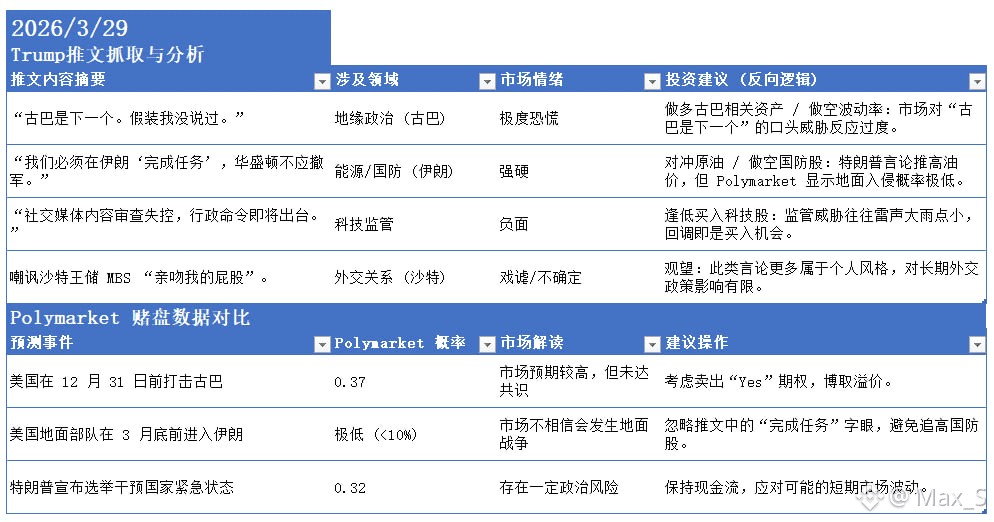
【Macroeconomic Review】Two 90-Year-Old Tycoons Cashing Out Madly, How Should People in the Crypto Space Survive in 2026?
Recently, I've noticed that the mood in the community is rather gloomy, and I completely understand everyone's concerns. The panic is actually triggered by the recent actions of those two 'old immortals' in traditional finance, both over 90 years old, which are indeed chilling upon reflection.
Let’s briefly review the current macro information gap:
1️⃣ 97-year-old Li Ka-Shing recently sold off the entire British power grid, cashing out massively.
2️⃣ 95-year-old Warren Buffett has drastically cut his position in Apple, and Berkshire's cash reserves have soared to a record $373 billion!
Historically, Berkshire's cash reserves exceeding stock holdings have only happened five times, and each time the aftermath has been — an epic crash.
The macro risk aversion sentiment in the current environment is at its peak. If traditional funds are all withdrawing for defense, our Web3 and crypto space certainly cannot remain unaffected.
💡 My practical operations and upcoming strategies:
Surviving is the most important thing! Today, I have already cleared all my high-leverage long positions for $BTC and $ETH , and I’ve also secured some profits from spot trading. The next scenario is that if there are no black swans, it will be a period of oscillation and consumption; if there are black swans, I need to keep enough USDT on hand to scoop up bloodied low-priced chips during a market wash.
Are you currently holding onto your spot positions, or have you already cleared them and are watching from the sidelines? Feel free to share your positions in the comments, and I’ll pick a few like-minded individuals to discuss the upcoming targets for ambush!
(Note: The above is only a personal macro review and trading diary share, not constituting any investment advice. Please DYOR based on your own situation!)
【Macroeconomic Review】Two 90-Year-Old Tycoons Cashing Out Madly, How Should People in the Crypto Space Survive in 2026?
Recently, I've noticed that the mood in the community is rather gloomy, and I completely understand everyone's concerns. The panic is actually triggered by the recent actions of those two 'old immortals' in traditional finance, both over 90 years old, which are indeed chilling upon reflection.
Let’s briefly review the current macro information gap:
1️⃣ 97-year-old Li Ka-Shing recently sold off the entire British power grid, cashing out massively.
2️⃣ 95-year-old Warren Buffett has drastically cut his position in Apple, and Berkshire's cash reserves have soared to a record $373 billion!
Historically, Berkshire's cash reserves exceeding stock holdings have only happened five times, and each time the aftermath has been — an epic crash.
The macro risk aversion sentiment in the current environment is at its peak. If traditional funds are all withdrawing for defense, our Web3 and crypto space certainly cannot remain unaffected.
💡 My practical operations and upcoming strategies:
Surviving is the most important thing! Today, I have already cleared all my high-leverage long positions for $BTC and $ETH , and I’ve also secured some profits from spot trading. The next scenario is that if there are no black swans, it will be a period of oscillation and consumption; if there are black swans, I need to keep enough USDT on hand to scoop up bloodied low-priced chips during a market wash.
Are you currently holding onto your spot positions, or have you already cleared them and are watching from the sidelines? Feel free to share your positions in the comments, and I’ll pick a few like-minded individuals to discuss the upcoming targets for ambush!
(Note: The above is only a personal macro review and trading diary share, not constituting any investment advice. Please DYOR based on your own situation!)
Recently, I've noticed that the mood in the community is rather gloomy, and I completely understand everyone's concerns. The panic is actually triggered by the recent actions of those two 'old immortals' in traditional finance, both over 90 years old, which are indeed chilling upon reflection.
Let’s briefly review the current macro information gap:
1️⃣ 97-year-old Li Ka-Shing recently sold off the entire British power grid, cashing out massively.
2️⃣ 95-year-old Warren Buffett has drastically cut his position in Apple, and Berkshire's cash reserves have soared to a record $373 billion!
Historically, Berkshire's cash reserves exceeding stock holdings have only happened five times, and each time the aftermath has been — an epic crash.
The macro risk aversion sentiment in the current environment is at its peak. If traditional funds are all withdrawing for defense, our Web3 and crypto space certainly cannot remain unaffected.
💡 My practical operations and upcoming strategies:
Surviving is the most important thing! Today, I have already cleared all my high-leverage long positions for $BTC and $ETH , and I’ve also secured some profits from spot trading. The next scenario is that if there are no black swans, it will be a period of oscillation and consumption; if there are black swans, I need to keep enough USDT on hand to scoop up bloodied low-priced chips during a market wash.
Are you currently holding onto your spot positions, or have you already cleared them and are watching from the sidelines? Feel free to share your positions in the comments, and I’ll pick a few like-minded individuals to discuss the upcoming targets for ambush!
(Note: The above is only a personal macro review and trading diary share, not constituting any investment advice. Please DYOR based on your own situation!)
1
519
·
--
$BTC is currently fluctuating near the $70,000 mark. Although it briefly surged to $72,000, it then retraced. The market is in a narrow range of fluctuation over the past 50 days, showing clear structural consolidation features.
$ETH has performed relatively weakly, with a 24-hour decline of about 4.95%, currently falling back to around $2,077.
Key News and Events
Options Expiry Pressure: This Friday (March 27), $14 billion worth of Bitcoin options will expire, and the market generally expects $75,000 to be a price attractor, which may lead to significant volatility before the expiry.
Geopolitical Impact: Signals from US-Iran ceasefire negotiations have led to a drop in crude oil prices, and overall sentiment in the crypto market remains cautious.
Institutional Dynamics: The Bhutanese government has released over $150 million worth of Bitcoin since 2026 and recently transferred 500 BTC to exchanges, creating some selling pressure.
Technical Upgrades: The Ethereum Foundation has released a crypto roadmap addressing quantum threats, which is a long-term positive, but in the short term, the market is more concerned about scalability pressures.
$BTC is currently fluctuating near the $70,000 mark. Although it briefly surged to $72,000, it then retraced. The market is in a narrow range of fluctuation over the past 50 days, showing clear structural consolidation features.
$ETH has performed relatively weakly, with a 24-hour decline of about 4.95%, currently falling back to around $2,077.
Key News and Events
Options Expiry Pressure: This Friday (March 27), $14 billion worth of Bitcoin options will expire, and the market generally expects $75,000 to be a price attractor, which may lead to significant volatility before the expiry.
Geopolitical Impact: Signals from US-Iran ceasefire negotiations have led to a drop in crude oil prices, and overall sentiment in the crypto market remains cautious.
Institutional Dynamics: The Bhutanese government has released over $150 million worth of Bitcoin since 2026 and recently transferred 500 BTC to exchanges, creating some selling pressure.
Technical Upgrades: The Ethereum Foundation has released a crypto roadmap addressing quantum threats, which is a long-term positive, but in the short term, the market is more concerned about scalability pressures.
$ETH has performed relatively weakly, with a 24-hour decline of about 4.95%, currently falling back to around $2,077.
Key News and Events
Options Expiry Pressure: This Friday (March 27), $14 billion worth of Bitcoin options will expire, and the market generally expects $75,000 to be a price attractor, which may lead to significant volatility before the expiry.
Geopolitical Impact: Signals from US-Iran ceasefire negotiations have led to a drop in crude oil prices, and overall sentiment in the crypto market remains cautious.
Institutional Dynamics: The Bhutanese government has released over $150 million worth of Bitcoin since 2026 and recently transferred 500 BTC to exchanges, creating some selling pressure.
Technical Upgrades: The Ethereum Foundation has released a crypto roadmap addressing quantum threats, which is a long-term positive, but in the short term, the market is more concerned about scalability pressures.
1
230
·
--
You can't rush with money; this thing is truly life-threatening.
You can't rush with money; this thing is truly life-threatening.

7
8.6k
·
--
Article
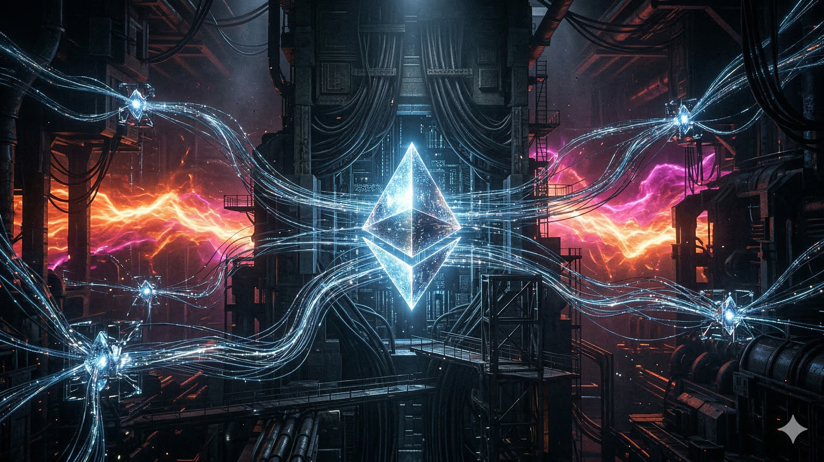
From storytelling to coding, after L2 fees drop below 1 cent, how does Ethereum, no longer 'selling Gas', make money?Once, Ethereum was the narrative engine of the Web3 world. From the grand vision of the 'Merge' to the myth of 'ultrasound money' brought about by the EIP-1559 burning mechanism, each key milestone was accompanied by a frenzy of consensus and soaring valuations. However, as we enter 2026, the sky over Ethereum has changed.
No longer radical dreams, but calm engineering.
With the Ethereum Foundation recently updating its protocol priorities for 2026, a clear signal has been released: Scale, Improve UX, and Harden the L1 have become the three main lines. This shift, rather than being an active strategic adjustment, is more a choice of 'engineering survival' under competitive and real pressures. Industry competition is forcing this behemoth to shift from 'storytelling' to 'engineering', from 'narrative-driven growth' to 'engineering-driven survival'.
From storytelling to coding, after L2 fees drop below 1 cent, how does Ethereum, no longer 'selling Gas', make money?
Once, Ethereum was the narrative engine of the Web3 world. From the grand vision of the 'Merge' to the myth of 'ultrasound money' brought about by the EIP-1559 burning mechanism, each key milestone was accompanied by a frenzy of consensus and soaring valuations. However, as we enter 2026, the sky over Ethereum has changed.
No longer radical dreams, but calm engineering.
With the Ethereum Foundation recently updating its protocol priorities for 2026, a clear signal has been released: Scale, Improve UX, and Harden the L1 have become the three main lines. This shift, rather than being an active strategic adjustment, is more a choice of 'engineering survival' under competitive and real pressures. Industry competition is forcing this behemoth to shift from 'storytelling' to 'engineering', from 'narrative-driven growth' to 'engineering-driven survival'.
No longer radical dreams, but calm engineering.
With the Ethereum Foundation recently updating its protocol priorities for 2026, a clear signal has been released: Scale, Improve UX, and Harden the L1 have become the three main lines. This shift, rather than being an active strategic adjustment, is more a choice of 'engineering survival' under competitive and real pressures. Industry competition is forcing this behemoth to shift from 'storytelling' to 'engineering', from 'narrative-driven growth' to 'engineering-driven survival'.
40
·
--
Is it that big day again? Riot control mechanism activated
Is it that big day again? Riot control mechanism activated

27
4
19
7.4k
·
--
Article
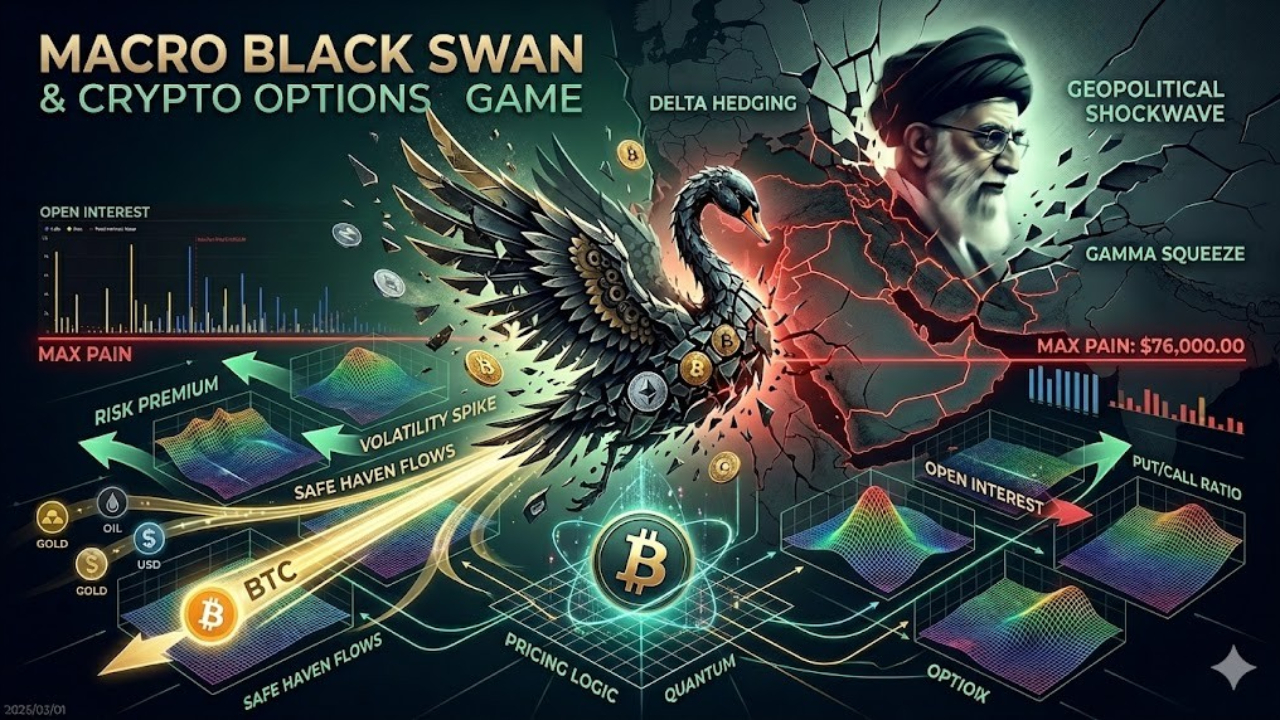
Middle East geopolitical upheaval: Insights into safe-haven fund flows and BTC pricing logic from options dataOn March 1, 2026, the global macro market will witness an epic "black swan" event: the direct military strikes launched by the United States and Israel against Iran will result in the death of Iran's Supreme Leader Khamenei.
This extreme tail risk event instantly reshaped the risk premium model of global asset classes. The complete detonation of the Middle East powder keg not only caused violent fluctuations in traditional crude oil and safe-haven assets, but also pushed the cryptocurrency market, which was at a critical juncture of competition, to the crossroads of liquidity and pricing power.
Combining Binance spot market data and Deribit options data, this study provides an in-depth analysis of the immediate impact of this geopolitical crisis on the cryptocurrency market from the perspective of quantitative and derivatives trading, and makes forward-looking predictions about future volatility paths and market trends.
Middle East geopolitical upheaval: Insights into safe-haven fund flows and BTC pricing logic from options data
On March 1, 2026, the global macro market will witness an epic "black swan" event: the direct military strikes launched by the United States and Israel against Iran will result in the death of Iran's Supreme Leader Khamenei.
This extreme tail risk event instantly reshaped the risk premium model of global asset classes. The complete detonation of the Middle East powder keg not only caused violent fluctuations in traditional crude oil and safe-haven assets, but also pushed the cryptocurrency market, which was at a critical juncture of competition, to the crossroads of liquidity and pricing power.
Combining Binance spot market data and Deribit options data, this study provides an in-depth analysis of the immediate impact of this geopolitical crisis on the cryptocurrency market from the perspective of quantitative and derivatives trading, and makes forward-looking predictions about future volatility paths and market trends.
This extreme tail risk event instantly reshaped the risk premium model of global asset classes. The complete detonation of the Middle East powder keg not only caused violent fluctuations in traditional crude oil and safe-haven assets, but also pushed the cryptocurrency market, which was at a critical juncture of competition, to the crossroads of liquidity and pricing power.
Combining Binance spot market data and Deribit options data, this study provides an in-depth analysis of the immediate impact of this geopolitical crisis on the cryptocurrency market from the perspective of quantitative and derivatives trading, and makes forward-looking predictions about future volatility paths and market trends.
26
·
--
Jane Street Liquidated, Is the "Black Box" of Wall Street Market Makers Still Functional?
In 2022, the aftershocks of the collapse of $USTC have not yet settled. Recent court documents reveal that top quantitative firm Jane Street is suspected of using insider information to precisely withdraw $85 million at a critical point during the Terra collapse, becoming a major force in crushing liquidity.
From the recently discussed "10 o'clock crash strategy" to previous heavy fines in India for manipulating options, the market-making logic of these Wall Street giants is remarkably similar: leveraging capital advantages and ultra-low latency algorithms to create panic at points of weak liquidity and profit from it.
This lawsuit, delayed for three years, sends a clear signal: the crypto market is facing severe "cross-cycle accountability." The transparency of on-chain data combined with traditional legal tools is making the front-running trades and insider communications of market makers inescapable. The era of giants running blindly has come to an end; compliance will be the only bottom line in future games.
#JaneStreet10点抛售 $BTC
Jane Street Liquidated, Is the "Black Box" of Wall Street Market Makers Still Functional?
In 2022, the aftershocks of the collapse of $USTC have not yet settled. Recent court documents reveal that top quantitative firm Jane Street is suspected of using insider information to precisely withdraw $85 million at a critical point during the Terra collapse, becoming a major force in crushing liquidity.
From the recently discussed "10 o'clock crash strategy" to previous heavy fines in India for manipulating options, the market-making logic of these Wall Street giants is remarkably similar: leveraging capital advantages and ultra-low latency algorithms to create panic at points of weak liquidity and profit from it.
This lawsuit, delayed for three years, sends a clear signal: the crypto market is facing severe "cross-cycle accountability." The transparency of on-chain data combined with traditional legal tools is making the front-running trades and insider communications of market makers inescapable. The era of giants running blindly has come to an end; compliance will be the only bottom line in future games.
#JaneStreet10点抛售 $BTC
In 2022, the aftershocks of the collapse of $USTC have not yet settled. Recent court documents reveal that top quantitative firm Jane Street is suspected of using insider information to precisely withdraw $85 million at a critical point during the Terra collapse, becoming a major force in crushing liquidity.
From the recently discussed "10 o'clock crash strategy" to previous heavy fines in India for manipulating options, the market-making logic of these Wall Street giants is remarkably similar: leveraging capital advantages and ultra-low latency algorithms to create panic at points of weak liquidity and profit from it.
This lawsuit, delayed for three years, sends a clear signal: the crypto market is facing severe "cross-cycle accountability." The transparency of on-chain data combined with traditional legal tools is making the front-running trades and insider communications of market makers inescapable. The era of giants running blindly has come to an end; compliance will be the only bottom line in future games.
#JaneStreet10点抛售 $BTC

1
1
362
·
--

Article
The Awakening of the Machine Economy: See how Automaton uses the laws of AI to open the curtain on Web 4.A rare ideological conflict is erupting at the intersection of the crypto and AI circles.
The emergence of the open-source AI project Automaton has not only caused a stir in the developer community but has also directly touched the reverse scale of Ethereum co-founder Vitalik Buterin. The developer of Automaton, Sigil, has proposed a highly disruptive concept: the world's first AI Agent capable of autonomous survival, self-iteration, and self-replication, and based on this, announced the arrival of '#Web4.0 '.
In Sigil's vision, the core paradigm shift of Web 4.0 lies in: the 'first-class citizens' on the internet and blockchain will shift from humans to AI. AI will no longer be a passive scripting tool waiting for instructions; they will possess independent crypto wallets, autonomously read and write on-chain data, and hold and manage assets. More importantly, they will engage in trading arbitrage in the market, using the earned cryptocurrencies to renew their computing power APIs and cloud servers, forming a completely self-sufficient economic closed loop that eliminates human intervention.
The Awakening of the Machine Economy: See how Automaton uses the laws of AI to open the curtain on Web 4.
A rare ideological conflict is erupting at the intersection of the crypto and AI circles.
The emergence of the open-source AI project Automaton has not only caused a stir in the developer community but has also directly touched the reverse scale of Ethereum co-founder Vitalik Buterin. The developer of Automaton, Sigil, has proposed a highly disruptive concept: the world's first AI Agent capable of autonomous survival, self-iteration, and self-replication, and based on this, announced the arrival of '#Web4.0 '.
In Sigil's vision, the core paradigm shift of Web 4.0 lies in: the 'first-class citizens' on the internet and blockchain will shift from humans to AI. AI will no longer be a passive scripting tool waiting for instructions; they will possess independent crypto wallets, autonomously read and write on-chain data, and hold and manage assets. More importantly, they will engage in trading arbitrage in the market, using the earned cryptocurrencies to renew their computing power APIs and cloud servers, forming a completely self-sufficient economic closed loop that eliminates human intervention.
The emergence of the open-source AI project Automaton has not only caused a stir in the developer community but has also directly touched the reverse scale of Ethereum co-founder Vitalik Buterin. The developer of Automaton, Sigil, has proposed a highly disruptive concept: the world's first AI Agent capable of autonomous survival, self-iteration, and self-replication, and based on this, announced the arrival of '#Web4.0 '.
In Sigil's vision, the core paradigm shift of Web 4.0 lies in: the 'first-class citizens' on the internet and blockchain will shift from humans to AI. AI will no longer be a passive scripting tool waiting for instructions; they will possess independent crypto wallets, autonomously read and write on-chain data, and hold and manage assets. More importantly, they will engage in trading arbitrage in the market, using the earned cryptocurrencies to renew their computing power APIs and cloud servers, forming a completely self-sufficient economic closed loop that eliminates human intervention.
126
·
--
Bullish
Combining the current K-line pattern and options data, $BTC is likely to show a consolidation phase followed by an upward test in the repair trend over the next week.
K-line technical analysis:
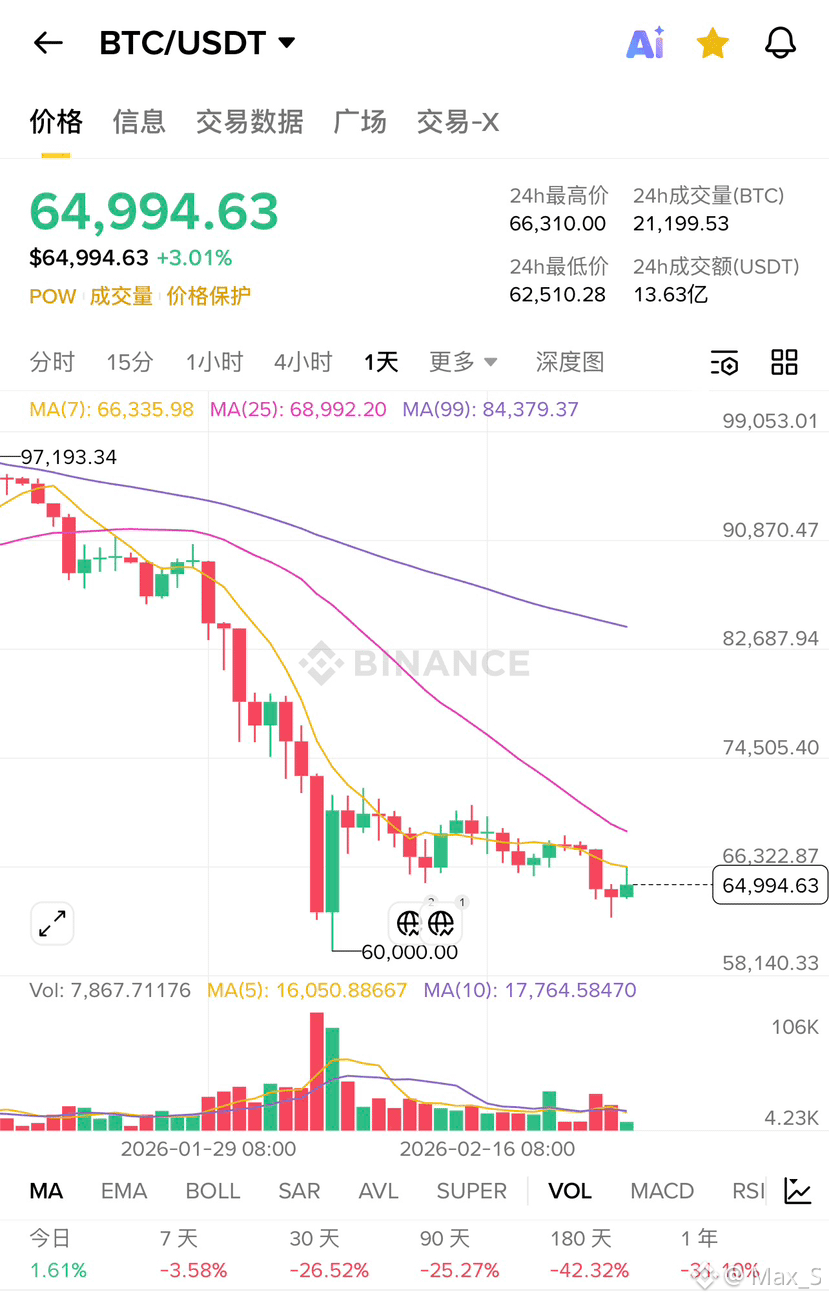
After experiencing a previous one-sided decline, BTC has received strong buying support at the $60,000 round number, currently rebounding to around $65,000. Although the overall trend is still suppressed by the upper moving averages (such as MA7 around $66,335), the short-term downward momentum has eased, and a bottom structure is being formed.
Options data analysis:
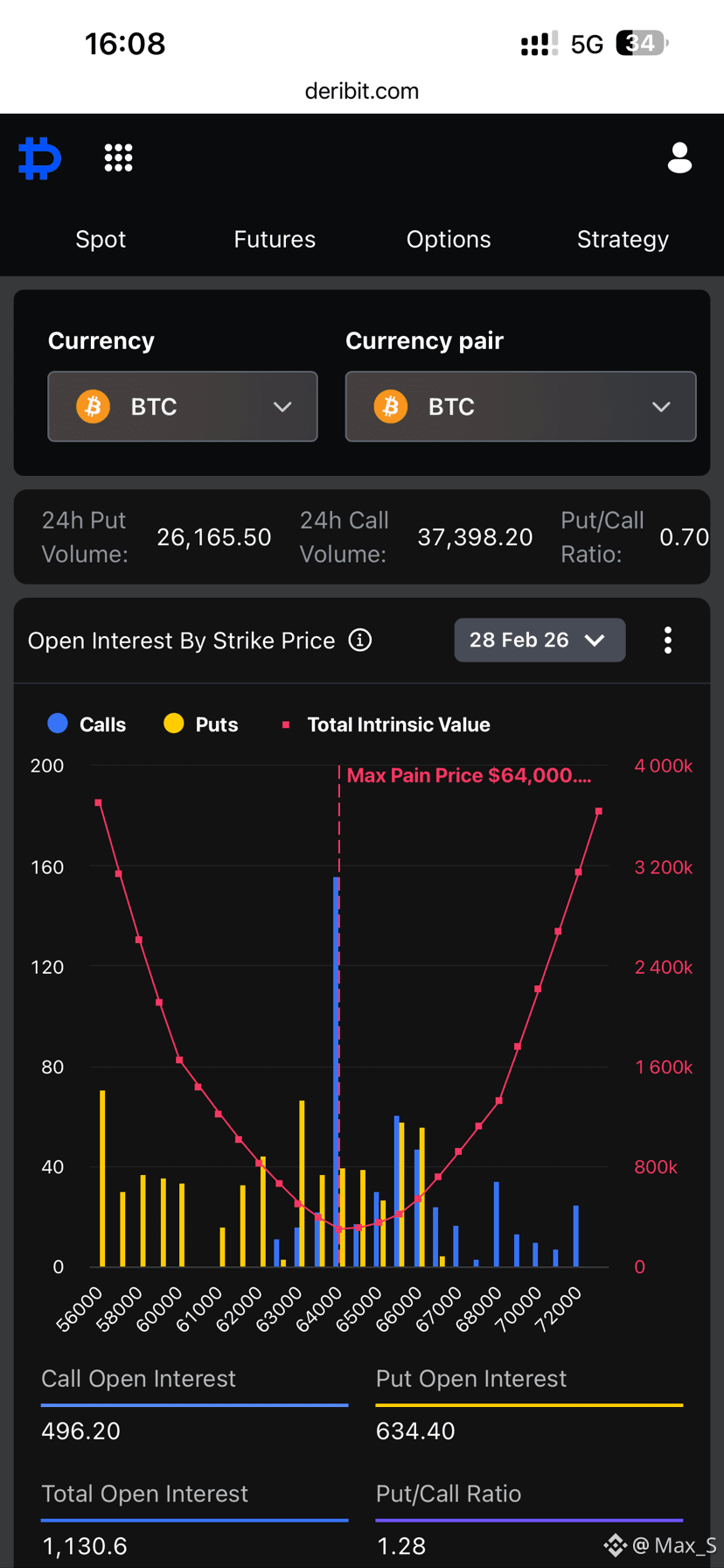
• Short-term (February 28 settlement): The maximum pain point is located at $64,000. The current price (close to 65,000) is very close to the pain point, indicating that market makers are motivated to maintain the price within this range to maximize profits, suggesting a high probability of narrow fluctuations in the next one or two days.
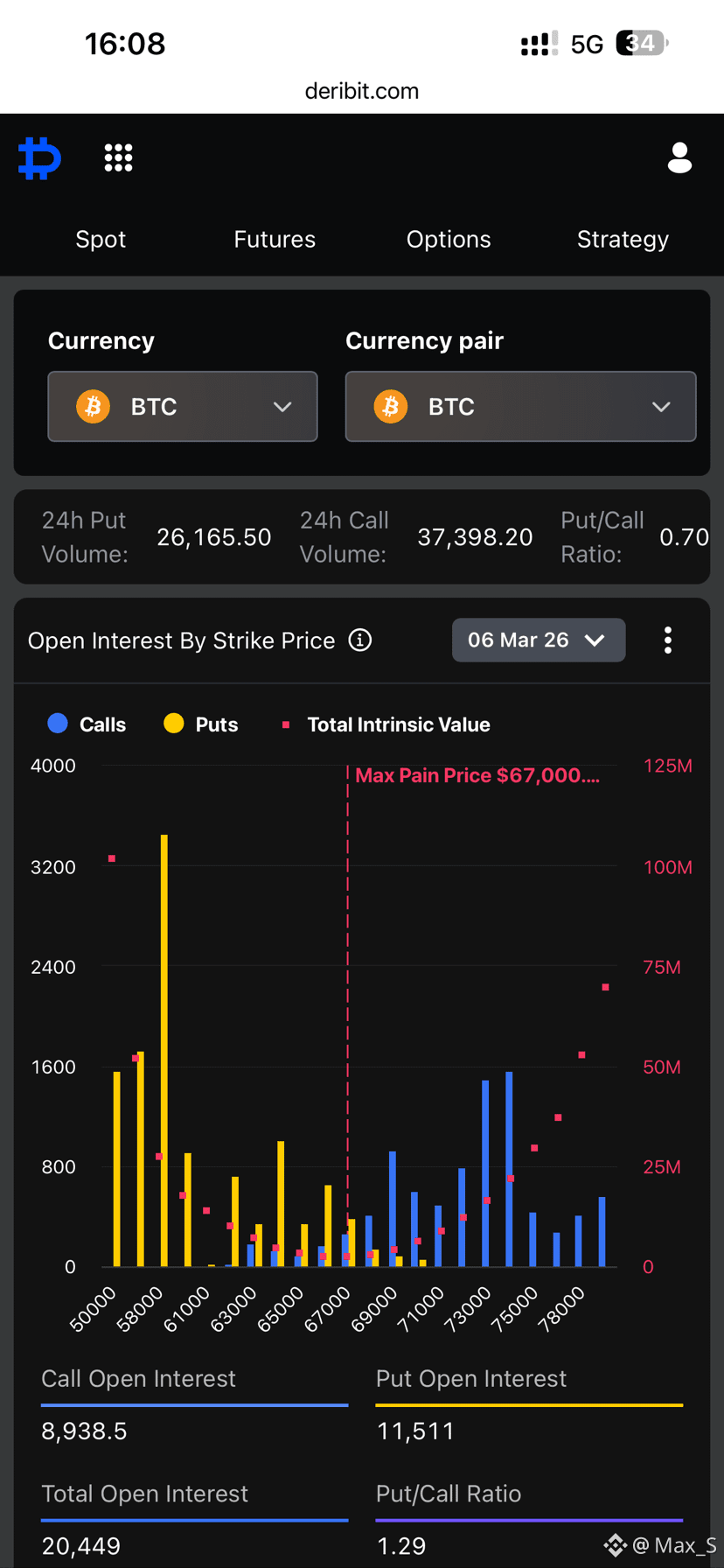
• Next week (March 6 settlement): The maximum pain point has significantly moved up to $67,000. Meanwhile, the chart shows a large volume of put options near $58,000, forming a very strong bottom defense line.
Comprehensive forecast for the next week:
Against the backdrop of strong support, $BTC is expected to oscillate around the $64,000-$65,000 range in the next two days to digest pressure; with the opening of the new week's settlement cycle, driven by the upward shift of the maximum pain point, prices are expected to break through short-term moving average resistance and launch an attack towards $67,000. The core defensive level below is $60,000; as long as this level is not broken, the rebound logic remains valid.
Combining the current K-line pattern and options data, $BTC is likely to show a consolidation phase followed by an upward test in the repair trend over the next week.
K-line technical analysis:
After experiencing a previous one-sided decline, BTC has received strong buying support at the $60,000 round number, currently rebounding to around $65,000. Although the overall trend is still suppressed by the upper moving averages (such as MA7 around $66,335), the short-term downward momentum has eased, and a bottom structure is being formed.
Options data analysis:
• Short-term (February 28 settlement): The maximum pain point is located at $64,000. The current price (close to 65,000) is very close to the pain point, indicating that market makers are motivated to maintain the price within this range to maximize profits, suggesting a high probability of narrow fluctuations in the next one or two days.
• Next week (March 6 settlement): The maximum pain point has significantly moved up to $67,000. Meanwhile, the chart shows a large volume of put options near $58,000, forming a very strong bottom defense line.
Comprehensive forecast for the next week:
Against the backdrop of strong support, $BTC is expected to oscillate around the $64,000-$65,000 range in the next two days to digest pressure; with the opening of the new week's settlement cycle, driven by the upward shift of the maximum pain point, prices are expected to break through short-term moving average resistance and launch an attack towards $67,000. The core defensive level below is $60,000; as long as this level is not broken, the rebound logic remains valid.
K-line technical analysis:
After experiencing a previous one-sided decline, BTC has received strong buying support at the $60,000 round number, currently rebounding to around $65,000. Although the overall trend is still suppressed by the upper moving averages (such as MA7 around $66,335), the short-term downward momentum has eased, and a bottom structure is being formed.
Options data analysis:
• Short-term (February 28 settlement): The maximum pain point is located at $64,000. The current price (close to 65,000) is very close to the pain point, indicating that market makers are motivated to maintain the price within this range to maximize profits, suggesting a high probability of narrow fluctuations in the next one or two days.
• Next week (March 6 settlement): The maximum pain point has significantly moved up to $67,000. Meanwhile, the chart shows a large volume of put options near $58,000, forming a very strong bottom defense line.
Comprehensive forecast for the next week:
Against the backdrop of strong support, $BTC is expected to oscillate around the $64,000-$65,000 range in the next two days to digest pressure; with the opening of the new week's settlement cycle, driven by the upward shift of the maximum pain point, prices are expected to break through short-term moving average resistance and launch an attack towards $67,000. The core defensive level below is $60,000; as long as this level is not broken, the rebound logic remains valid.
172
·
--
🚨 【Outrageous】 Domestic mooncake sales flop? Little Yang borrowed to go to the US, wildly cutting foreign leeks on Wall Street! 🚨
Who says that if it's cool in the country, you can only retreat from the internet? Come and see a textbook-level capital magic trick!
Remember the three sheep that fell into a deadlock because of "Meicheng Mooncake"? On the surface, they are quietly paying fines and stopping broadcasts for rectification in the country, but behind the scenes, Little Yang has long gone to Nasdaq to play advanced micro-manipulation!
#三只羊 didn't spend a penny in cash, directly binding overseas business with TikTok's global number one internet celebrity "Speechless Brother" (Khaby Lame), borrowing the shell of the US stock company Rich Sparkle (code changed to ANPA), and quickly created a capital game valued at nearly $1 billion!
With this "cross-border e-commerce + global top IP" pie drawn, this stock rose from $4 to $180 in just a few days (a staggering 45 times!), and then rapidly crashed back to around $10.
This roller coaster-level K-line is no different from our cryptocurrency circle's MEME coins cutting leeks! It turns out that the end of livestream e-commerce is to go to Wall Street to do "Pump and Dump" with coins!
Don't laugh at them for just being a funny internet celebrity; the top MCN's scythe has long completed its cross-national upgrade. You think they are done for, but they just switched to another pond to continue their low-dimensional attacks.
Brothers, from $4 to $180 and then back to the starting point, how do you evaluate this US stock manipulation method? Please give a follow, and let's meet in the comments section! 👇
🚨 【Outrageous】 Domestic mooncake sales flop? Little Yang borrowed to go to the US, wildly cutting foreign leeks on Wall Street! 🚨
Who says that if it's cool in the country, you can only retreat from the internet? Come and see a textbook-level capital magic trick!
Remember the three sheep that fell into a deadlock because of "Meicheng Mooncake"? On the surface, they are quietly paying fines and stopping broadcasts for rectification in the country, but behind the scenes, Little Yang has long gone to Nasdaq to play advanced micro-manipulation!
#三只羊 didn't spend a penny in cash, directly binding overseas business with TikTok's global number one internet celebrity "Speechless Brother" (Khaby Lame), borrowing the shell of the US stock company Rich Sparkle (code changed to ANPA), and quickly created a capital game valued at nearly $1 billion!
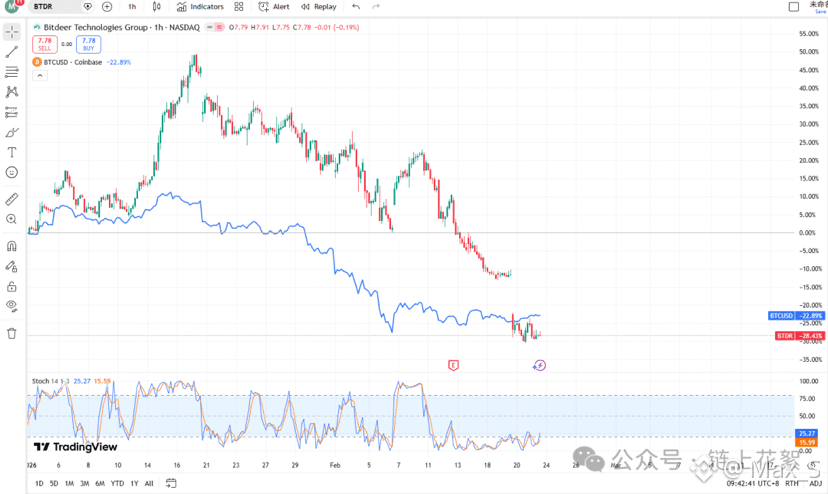
With this "cross-border e-commerce + global top IP" pie drawn, this stock rose from $4 to $180 in just a few days (a staggering 45 times!), and then rapidly crashed back to around $10.
This roller coaster-level K-line is no different from our cryptocurrency circle's MEME coins cutting leeks! It turns out that the end of livestream e-commerce is to go to Wall Street to do "Pump and Dump" with coins!
Don't laugh at them for just being a funny internet celebrity; the top MCN's scythe has long completed its cross-national upgrade. You think they are done for, but they just switched to another pond to continue their low-dimensional attacks.
Brothers, from $4 to $180 and then back to the starting point, how do you evaluate this US stock manipulation method? Please give a follow, and let's meet in the comments section! 👇
Who says that if it's cool in the country, you can only retreat from the internet? Come and see a textbook-level capital magic trick!
Remember the three sheep that fell into a deadlock because of "Meicheng Mooncake"? On the surface, they are quietly paying fines and stopping broadcasts for rectification in the country, but behind the scenes, Little Yang has long gone to Nasdaq to play advanced micro-manipulation!
#三只羊 didn't spend a penny in cash, directly binding overseas business with TikTok's global number one internet celebrity "Speechless Brother" (Khaby Lame), borrowing the shell of the US stock company Rich Sparkle (code changed to ANPA), and quickly created a capital game valued at nearly $1 billion!
With this "cross-border e-commerce + global top IP" pie drawn, this stock rose from $4 to $180 in just a few days (a staggering 45 times!), and then rapidly crashed back to around $10.
This roller coaster-level K-line is no different from our cryptocurrency circle's MEME coins cutting leeks! It turns out that the end of livestream e-commerce is to go to Wall Street to do "Pump and Dump" with coins!
Don't laugh at them for just being a funny internet celebrity; the top MCN's scythe has long completed its cross-national upgrade. You think they are done for, but they just switched to another pond to continue their low-dimensional attacks.
Brothers, from $4 to $180 and then back to the starting point, how do you evaluate this US stock manipulation method? Please give a follow, and let's meet in the comments section! 👇
1
183
·
--
🚨 V Dog selling off, EF cutbacks: Has the “tightening era” of Ethereum really arrived?
1️⃣ Are the big players retreating? V Dog has reportedly reduced its holdings by over 8,800 ETH in the past few days, cashing out nearly 20 million dollars. Although the official statement claims it’s to “fund special projects,” during a time when ETH is on a downtrend, even dipping below 2,000, this action feels like a blow to believers.
2️⃣ Rumors of “bankruptcy” for the foundation? The Ethereum Foundation (EF) has officially announced the start of a five-year “moderate tightening period.” They claim to optimize resources, but in reality, they just have no money to distribute! Once upon a time, EF’s Grants were a lifeline for many projects, and now they themselves have to rely on staking 16,000 ETH to earn a “dead salary” to maintain operations.
3️⃣ Anti-consensus alert: Don’t just look at that 2026 roadmap. In reality, EF is busy “violently seizing power” from the dominant players. On the surface, it’s about decentralization, but behind the scenes, it’s a redistribution of power.
As the myth begins to tighten, and the big players start cashing out, do you still want to buy into the so-called “world computer” at this price? In the front line of the gossip, leave your thoughts in the comments, can $ETH still return to 3000?
🚨 V Dog selling off, EF cutbacks: Has the “tightening era” of Ethereum really arrived?
1️⃣ Are the big players retreating? V Dog has reportedly reduced its holdings by over 8,800 ETH in the past few days, cashing out nearly 20 million dollars. Although the official statement claims it’s to “fund special projects,” during a time when ETH is on a downtrend, even dipping below 2,000, this action feels like a blow to believers.
2️⃣ Rumors of “bankruptcy” for the foundation? The Ethereum Foundation (EF) has officially announced the start of a five-year “moderate tightening period.” They claim to optimize resources, but in reality, they just have no money to distribute! Once upon a time, EF’s Grants were a lifeline for many projects, and now they themselves have to rely on staking 16,000 ETH to earn a “dead salary” to maintain operations.
3️⃣ Anti-consensus alert: Don’t just look at that 2026 roadmap. In reality, EF is busy “violently seizing power” from the dominant players. On the surface, it’s about decentralization, but behind the scenes, it’s a redistribution of power.
As the myth begins to tighten, and the big players start cashing out, do you still want to buy into the so-called “world computer” at this price? In the front line of the gossip, leave your thoughts in the comments, can $ETH still return to 3000?
1️⃣ Are the big players retreating? V Dog has reportedly reduced its holdings by over 8,800 ETH in the past few days, cashing out nearly 20 million dollars. Although the official statement claims it’s to “fund special projects,” during a time when ETH is on a downtrend, even dipping below 2,000, this action feels like a blow to believers.
2️⃣ Rumors of “bankruptcy” for the foundation? The Ethereum Foundation (EF) has officially announced the start of a five-year “moderate tightening period.” They claim to optimize resources, but in reality, they just have no money to distribute! Once upon a time, EF’s Grants were a lifeline for many projects, and now they themselves have to rely on staking 16,000 ETH to earn a “dead salary” to maintain operations.
3️⃣ Anti-consensus alert: Don’t just look at that 2026 roadmap. In reality, EF is busy “violently seizing power” from the dominant players. On the surface, it’s about decentralization, but behind the scenes, it’s a redistribution of power.
As the myth begins to tighten, and the big players start cashing out, do you still want to buy into the so-called “world computer” at this price? In the front line of the gossip, leave your thoughts in the comments, can $ETH still return to 3000?

1
453
Log in to explore more content
Join global crypto users on Binance Square
⚡️ Get latest and useful information about crypto.
💬 Trusted by the world’s largest crypto exchange.
👍 Discover real insights from verified creators.
Email / Phone number
Trending Topics
ClarityActFacesProceduralVoteSept15
2,181 views
69 Discussing
#clarityactfacesproceduralvotesept15 🏛️ Senate Prepares for Pivotal CLARITY Act Procedural Vote on Sept 15
The U.S. crypto industry is approaching a major legislative milestone. All eyes are on the Senate as a crucial procedural vote could shape the future of digital asset regulation. 👀
📰 Core News
• On September 15, the U.S. Senate will hold a key cloture (procedural) vote on the Digital Asset Market Clarity Act (CLARITY Act, H.R. 3633) [[1]].
• This landmark bill aims to resolve long-standing regulatory ambiguity by clearly defining which digital assets are classified as commodities versus securities [[20]].
• Advancing this bill would determine whether the SEC or CFTC takes primary oversight, establishing a foundational market structure for the industry [[21]].
📊 Market Impact
• Regulatory Clarity A favorable vote could reduce compliance uncertainty for exchanges, issuers, and DeFi protocols, fostering a more predictable operating environment [[13]].
• Market Sentiment Institutional participation often hinges on regulatory clarity. Progress on this bill may positively influence market confidence in digital commodities and broader crypto infrastructure.
• Procedural Reality The cloture vote requires 60 votes to advance, meaning the outcome remains uncertain and will serve as a key indicator of bipartisan support for crypto legislation [[10]].
💬 Join the Discussion
What’s your take? Do you believe the CLARITY Act will successfully bridge the regulatory gap, or should we expect further legislative delays? Let’s discuss below! 👇
#CryptoRegulation #CLARITYAct #DigitalAssets #CryptoMarket #BinanceSquare
This is for educational purposes only. Not Financial Advice (NFA). Always Do Your Own Research (DYOR).
$LSK $VTHO $ETHFI
ZoyaQueen16
·0 Likes
·19 views
US2YearYieldRisesTo4.61%
8,991 views
213 Discussing
US10YearTreasuryYieldNears5%
4,990 views
126 Discussing