

KazzChain
469 Posts

KazzChain
Report
Block User
Crypto believer. Hodler. Content Creator. Educator. || Binance Angel

Content Master Angel

Binance Square Angels
10 Following
5.3K+ Followers
31.7K+ Liked
2 Badges
Posts
All
Quotes
PINNED
·
--
Article
LOSING IT LITTLE BY LITTLEWhen Richard got the $10 airdrop, he laughed at it.
Ten dollars was not capital. It was transport money, one decent lunch, a number too small to change anything. But he was 27, living in Lagos, checking charts between freelance design jobs and pretending not to feel behind in life. So instead of cashing it out, he left it on Binance and told himself he would “learn with small money.”
That was the beginning.
At first, he was careful. He read announcements, watched BTC and ETH move, and bought fractions of coins he had only seen people argue about online. Because the money was so small, he felt strangely free. He could experiment without fear. He started keeping notes in his phone:
Why did I enter? What was I feeling? What did I miss?
Those notes mattered more than he knew.
A few months later, the market turned hot. Coins he held doubled, then tripled. A token he bought with less than two dollars suddenly became twelve. He added small amounts from his earnings—$15 here, $20 there, then $50 after a client paid on time. He wasn’t rich, but he was consistent. He stopped chasing every candle and started thinking in months instead of hours.
That was when the account began to grow.
At $300, he took screenshots.
At $1,000, he showed his cousin.
At $2,400, he stopped sleeping properly.
By the time his portfolio crossed $10,000, Richard had changed in ways nobody around him could fully see. Outwardly, he looked calm. Inwardly, every price movement touched his nervous system. Green candles made him generous and spiritual. Red candles made him irritable, suspicious, and silent.
Success had introduced him to a new danger: identity attachment.
He no longer just had a profitable portfolio. He had become “the guy who turned an airdrop into five figures.” That story fed his ego. He replayed it in his head until it sounded like destiny, not discipline.
Then came the staking decision.
One of his biggest positions had strong community hype and attractive locked staking rewards. The one-year lock looked brutal, but the APY was tempting. People online called it conviction. “Diamond hands,” they said. “If you can’t hold for one year, you don’t deserve the gains.”
Richard knew the rule he once believed in: never lock up money unless you understand both the opportunity cost and your own emotions.
But greed has a polished voice. It doesn’t sound like greed. It sounds like logic wearing confidence.
He told himself the project was solid. He told himself the extra yield would multiply his long-term returns. He told himself that forced illiquidity would protect him from impulsive decisions. So he locked a large portion of his portfolio for one year.
For the first few weeks, he felt brilliant.
Then the market changed.
Prices softened, then drifted lower, then cracked. News turned negative. Influencers who once posted rocket emojis became macro philosophers overnight. Richard watched his unrealized value shrink, but since the tokens were locked, he couldn’t act even if he wanted to. At first this felt like protection. Later it felt like punishment.
That year taught him a harsh truth: being unable to sell does not remove fear; it can concentrate it.
He checked the app every day. Then every hour. Sometimes he opened it at 3 a.m., eyes dry, heart racing, as if staring harder could hold the market up. He became moody. He lost interest in work. He snapped at his younger sister for borrowing his charger. He stopped going out with friends because he didn’t want to answer, “How’s crypto?”
What hurt most was not just the falling numbers. It was helplessness.
He had mistaken endurance for emotional strength.
Real emotional strength would have been building a plan before the lock:
What percentage should stay liquid?
What drawdown can I psychologically survive?
If the market structure changes, will I still believe in this asset?
Am I staking from conviction, or from fear of missing out on yield?
He had asked none of those questions honestly.
By the time the staking period finally ended, his portfolio was a shadow of itself. What had once been over $10,000 was already deeply wounded. But there was still enough value left to recover—if he stayed calm.
He didn’t.
The unlock happened during a weak market, and Richard had spent months storing fear like dry gunpowder. The moment he regained access, he sold in a rush—fast, angry, exhausted. Not because the fundamentals had suddenly changed that hour. Not because he had reviewed a disciplined exit plan. He sold because he could no longer bear the emotional pressure.
That panic sale finished what the market had started.
After fees, slippage, and a few more desperate exits from other positions, his account fell to less than $1,000.
For two days, he told nobody.
On the third day, he opened the notes app he had abandoned during his “smart money” era. He read his old entries from when he started with ten dollars. The younger version of himself had been humble, curious, and honest. The richer version had become louder, more certain, and less self-aware.
That was the real loss.
Not the money.
The self-awareness.
So Richard began again, but differently.
He wrote new rules this time, not about coins, but about emotions:
Euphoria is not clarity.
When you feel unbeatable, reduce your confidence, not your caution.
Illiquidity amplifies psychology.
Locked products are not just financial decisions; they are emotional commitments.
A plan made in peace is better than a decision made in pain.
If you don’t define exits before stress arrives, stress will define them for you.
Your portfolio is not your worth.
Money can measure returns; it cannot measure identity.
Discipline includes self-knowledge.
It is not enough to ask, “Is this a good asset?” You must also ask, “Am I in a good mental state to hold it?”
He still traded after that, but with smaller size, more cash on the side, and less need to impress anyone. He learned to close the app and go for walks. He learned that shame grows in silence, so he spoke honestly with a friend. He learned that patience is not the same as paralysis, and conviction is not the same as stubbornness.
Years later, when people asked him how he lost almost everything after growing so much from almost nothing, he gave them the answer they never expected:
“I didn’t lose it in one crash,” he said. “I lost it little by little—when I stopped managing my emotions.”
And that was the most real lesson of all.
_________
Here is a Binance Academy article to learn about building a well balanced portfolio
https://www.binance.com/en/academy/articles/how-to-build-a-well-balanced-crypto-portfolio
LOSING IT LITTLE BY LITTLE
When Richard got the $10 airdrop, he laughed at it.
Ten dollars was not capital. It was transport money, one decent lunch, a number too small to change anything. But he was 27, living in Lagos, checking charts between freelance design jobs and pretending not to feel behind in life. So instead of cashing it out, he left it on Binance and told himself he would “learn with small money.”
That was the beginning.
At first, he was careful. He read announcements, watched BTC and ETH move, and bought fractions of coins he had only seen people argue about online. Because the money was so small, he felt strangely free. He could experiment without fear. He started keeping notes in his phone:
Why did I enter? What was I feeling? What did I miss?
Those notes mattered more than he knew.
A few months later, the market turned hot. Coins he held doubled, then tripled. A token he bought with less than two dollars suddenly became twelve. He added small amounts from his earnings—$15 here, $20 there, then $50 after a client paid on time. He wasn’t rich, but he was consistent. He stopped chasing every candle and started thinking in months instead of hours.
That was when the account began to grow.
At $300, he took screenshots.
At $1,000, he showed his cousin.
At $2,400, he stopped sleeping properly.
By the time his portfolio crossed $10,000, Richard had changed in ways nobody around him could fully see. Outwardly, he looked calm. Inwardly, every price movement touched his nervous system. Green candles made him generous and spiritual. Red candles made him irritable, suspicious, and silent.
Success had introduced him to a new danger: identity attachment.
He no longer just had a profitable portfolio. He had become “the guy who turned an airdrop into five figures.” That story fed his ego. He replayed it in his head until it sounded like destiny, not discipline.
Then came the staking decision.
One of his biggest positions had strong community hype and attractive locked staking rewards. The one-year lock looked brutal, but the APY was tempting. People online called it conviction. “Diamond hands,” they said. “If you can’t hold for one year, you don’t deserve the gains.”
Richard knew the rule he once believed in: never lock up money unless you understand both the opportunity cost and your own emotions.
But greed has a polished voice. It doesn’t sound like greed. It sounds like logic wearing confidence.
He told himself the project was solid. He told himself the extra yield would multiply his long-term returns. He told himself that forced illiquidity would protect him from impulsive decisions. So he locked a large portion of his portfolio for one year.
For the first few weeks, he felt brilliant.
Then the market changed.
Prices softened, then drifted lower, then cracked. News turned negative. Influencers who once posted rocket emojis became macro philosophers overnight. Richard watched his unrealized value shrink, but since the tokens were locked, he couldn’t act even if he wanted to. At first this felt like protection. Later it felt like punishment.
That year taught him a harsh truth: being unable to sell does not remove fear; it can concentrate it.
He checked the app every day. Then every hour. Sometimes he opened it at 3 a.m., eyes dry, heart racing, as if staring harder could hold the market up. He became moody. He lost interest in work. He snapped at his younger sister for borrowing his charger. He stopped going out with friends because he didn’t want to answer, “How’s crypto?”
What hurt most was not just the falling numbers. It was helplessness.
He had mistaken endurance for emotional strength.
Real emotional strength would have been building a plan before the lock:
What percentage should stay liquid?
What drawdown can I psychologically survive?
If the market structure changes, will I still believe in this asset?
Am I staking from conviction, or from fear of missing out on yield?
He had asked none of those questions honestly.
By the time the staking period finally ended, his portfolio was a shadow of itself. What had once been over $10,000 was already deeply wounded. But there was still enough value left to recover—if he stayed calm.
He didn’t.
The unlock happened during a weak market, and Richard had spent months storing fear like dry gunpowder. The moment he regained access, he sold in a rush—fast, angry, exhausted. Not because the fundamentals had suddenly changed that hour. Not because he had reviewed a disciplined exit plan. He sold because he could no longer bear the emotional pressure.
That panic sale finished what the market had started.
After fees, slippage, and a few more desperate exits from other positions, his account fell to less than $1,000.
For two days, he told nobody.
On the third day, he opened the notes app he had abandoned during his “smart money” era. He read his old entries from when he started with ten dollars. The younger version of himself had been humble, curious, and honest. The richer version had become louder, more certain, and less self-aware.
That was the real loss.
Not the money.
The self-awareness.
So Richard began again, but differently.
He wrote new rules this time, not about coins, but about emotions:
Euphoria is not clarity.
When you feel unbeatable, reduce your confidence, not your caution.
Illiquidity amplifies psychology.
Locked products are not just financial decisions; they are emotional commitments.
A plan made in peace is better than a decision made in pain.
If you don’t define exits before stress arrives, stress will define them for you.
Your portfolio is not your worth.
Money can measure returns; it cannot measure identity.
Discipline includes self-knowledge.
It is not enough to ask, “Is this a good asset?” You must also ask, “Am I in a good mental state to hold it?”
He still traded after that, but with smaller size, more cash on the side, and less need to impress anyone. He learned to close the app and go for walks. He learned that shame grows in silence, so he spoke honestly with a friend. He learned that patience is not the same as paralysis, and conviction is not the same as stubbornness.
Years later, when people asked him how he lost almost everything after growing so much from almost nothing, he gave them the answer they never expected:
“I didn’t lose it in one crash,” he said. “I lost it little by little—when I stopped managing my emotions.”
And that was the most real lesson of all.
_________
Here is a Binance Academy article to learn about building a well balanced portfolio
https://www.binance.com/en/academy/articles/how-to-build-a-well-balanced-crypto-portfolio
Ten dollars was not capital. It was transport money, one decent lunch, a number too small to change anything. But he was 27, living in Lagos, checking charts between freelance design jobs and pretending not to feel behind in life. So instead of cashing it out, he left it on Binance and told himself he would “learn with small money.”
That was the beginning.
At first, he was careful. He read announcements, watched BTC and ETH move, and bought fractions of coins he had only seen people argue about online. Because the money was so small, he felt strangely free. He could experiment without fear. He started keeping notes in his phone:
Why did I enter? What was I feeling? What did I miss?
Those notes mattered more than he knew.
A few months later, the market turned hot. Coins he held doubled, then tripled. A token he bought with less than two dollars suddenly became twelve. He added small amounts from his earnings—$15 here, $20 there, then $50 after a client paid on time. He wasn’t rich, but he was consistent. He stopped chasing every candle and started thinking in months instead of hours.
That was when the account began to grow.
At $300, he took screenshots.
At $1,000, he showed his cousin.
At $2,400, he stopped sleeping properly.
By the time his portfolio crossed $10,000, Richard had changed in ways nobody around him could fully see. Outwardly, he looked calm. Inwardly, every price movement touched his nervous system. Green candles made him generous and spiritual. Red candles made him irritable, suspicious, and silent.
Success had introduced him to a new danger: identity attachment.
He no longer just had a profitable portfolio. He had become “the guy who turned an airdrop into five figures.” That story fed his ego. He replayed it in his head until it sounded like destiny, not discipline.
Then came the staking decision.
One of his biggest positions had strong community hype and attractive locked staking rewards. The one-year lock looked brutal, but the APY was tempting. People online called it conviction. “Diamond hands,” they said. “If you can’t hold for one year, you don’t deserve the gains.”
Richard knew the rule he once believed in: never lock up money unless you understand both the opportunity cost and your own emotions.
But greed has a polished voice. It doesn’t sound like greed. It sounds like logic wearing confidence.
He told himself the project was solid. He told himself the extra yield would multiply his long-term returns. He told himself that forced illiquidity would protect him from impulsive decisions. So he locked a large portion of his portfolio for one year.
For the first few weeks, he felt brilliant.
Then the market changed.
Prices softened, then drifted lower, then cracked. News turned negative. Influencers who once posted rocket emojis became macro philosophers overnight. Richard watched his unrealized value shrink, but since the tokens were locked, he couldn’t act even if he wanted to. At first this felt like protection. Later it felt like punishment.
That year taught him a harsh truth: being unable to sell does not remove fear; it can concentrate it.
He checked the app every day. Then every hour. Sometimes he opened it at 3 a.m., eyes dry, heart racing, as if staring harder could hold the market up. He became moody. He lost interest in work. He snapped at his younger sister for borrowing his charger. He stopped going out with friends because he didn’t want to answer, “How’s crypto?”
What hurt most was not just the falling numbers. It was helplessness.
He had mistaken endurance for emotional strength.
Real emotional strength would have been building a plan before the lock:
What percentage should stay liquid?
What drawdown can I psychologically survive?
If the market structure changes, will I still believe in this asset?
Am I staking from conviction, or from fear of missing out on yield?
He had asked none of those questions honestly.
By the time the staking period finally ended, his portfolio was a shadow of itself. What had once been over $10,000 was already deeply wounded. But there was still enough value left to recover—if he stayed calm.
He didn’t.
The unlock happened during a weak market, and Richard had spent months storing fear like dry gunpowder. The moment he regained access, he sold in a rush—fast, angry, exhausted. Not because the fundamentals had suddenly changed that hour. Not because he had reviewed a disciplined exit plan. He sold because he could no longer bear the emotional pressure.
That panic sale finished what the market had started.
After fees, slippage, and a few more desperate exits from other positions, his account fell to less than $1,000.
For two days, he told nobody.
On the third day, he opened the notes app he had abandoned during his “smart money” era. He read his old entries from when he started with ten dollars. The younger version of himself had been humble, curious, and honest. The richer version had become louder, more certain, and less self-aware.
That was the real loss.
Not the money.
The self-awareness.
So Richard began again, but differently.
He wrote new rules this time, not about coins, but about emotions:
Euphoria is not clarity.
When you feel unbeatable, reduce your confidence, not your caution.
Illiquidity amplifies psychology.
Locked products are not just financial decisions; they are emotional commitments.
A plan made in peace is better than a decision made in pain.
If you don’t define exits before stress arrives, stress will define them for you.
Your portfolio is not your worth.
Money can measure returns; it cannot measure identity.
Discipline includes self-knowledge.
It is not enough to ask, “Is this a good asset?” You must also ask, “Am I in a good mental state to hold it?”
He still traded after that, but with smaller size, more cash on the side, and less need to impress anyone. He learned to close the app and go for walks. He learned that shame grows in silence, so he spoke honestly with a friend. He learned that patience is not the same as paralysis, and conviction is not the same as stubbornness.
Years later, when people asked him how he lost almost everything after growing so much from almost nothing, he gave them the answer they never expected:
“I didn’t lose it in one crash,” he said. “I lost it little by little—when I stopped managing my emotions.”
And that was the most real lesson of all.
_________
Here is a Binance Academy article to learn about building a well balanced portfolio
https://www.binance.com/en/academy/articles/how-to-build-a-well-balanced-crypto-portfolio
4
1
1
295
·
--
Article
Why I Choose BinanceTime has come for me to share some interesting facts about why I choose Binance and why I will continue to choose Binance. 💛
Here are 5 reasons why I choose Binance. 👇
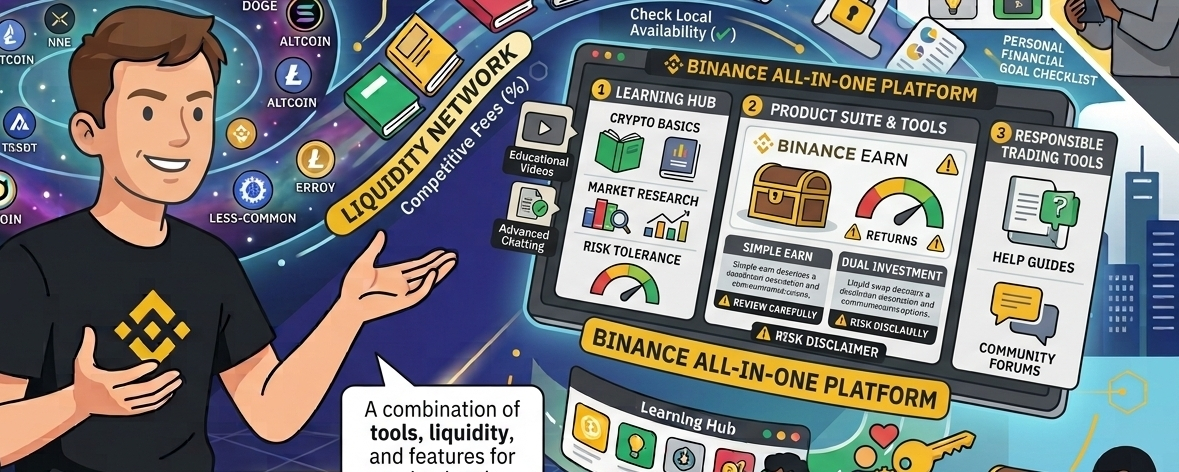
1. I choose Binance because it brings together many crypto services in one place.
✅️Seamless SPOT trading
✅️Tracking markets
✅️Passive earning, and many more.
It has become the Super App.
2. Secondly, I choose Binance because of the access to broad range of assets and markets.
Binance has remain a market leader when it comes to market size, market share and very deep liquidity that makes trading instant.
3. I choose Binance because the platform does not leave security as the sole responsibility of user.
2FA, device management, withdrawal controls, and security notification. These tools do not remove all risk, but they help users take practical steps to protect their accounts.
4. Learning never ends they say.
I choose Binance everyday because of the enormous learning resources on Binance Academy & Binance support.
Join the ongoing Binance Summer Camp if you are yet to: https://binance.com/en/ti/cryptolingo
5. Finally, I choose Binance for the convenience of managing crypto activity through a single platform.
Binance’s combination of tools, liquidity, and user-focused features makes it a platform for navigating the crypto market responsibly and profitably.
Thank you for reading. 💛
#WhyBinance @Binance_Angels
Why I Choose Binance
Time has come for me to share some interesting facts about why I choose Binance and why I will continue to choose Binance. 💛
Here are 5 reasons why I choose Binance. 👇
1. I choose Binance because it brings together many crypto services in one place.
✅️Seamless SPOT trading
✅️Tracking markets
✅️Passive earning, and many more.
It has become the Super App.
2. Secondly, I choose Binance because of the access to broad range of assets and markets.
Binance has remain a market leader when it comes to market size, market share and very deep liquidity that makes trading instant.
3. I choose Binance because the platform does not leave security as the sole responsibility of user.
2FA, device management, withdrawal controls, and security notification. These tools do not remove all risk, but they help users take practical steps to protect their accounts.
4. Learning never ends they say.
I choose Binance everyday because of the enormous learning resources on Binance Academy & Binance support.
Join the ongoing Binance Summer Camp if you are yet to: https://binance.com/en/ti/cryptolingo
5. Finally, I choose Binance for the convenience of managing crypto activity through a single platform.
Binance’s combination of tools, liquidity, and user-focused features makes it a platform for navigating the crypto market responsibly and profitably.
Thank you for reading. 💛
#WhyBinance @Binance Angels
Here are 5 reasons why I choose Binance. 👇
1. I choose Binance because it brings together many crypto services in one place.
✅️Seamless SPOT trading
✅️Tracking markets
✅️Passive earning, and many more.
It has become the Super App.
2. Secondly, I choose Binance because of the access to broad range of assets and markets.
Binance has remain a market leader when it comes to market size, market share and very deep liquidity that makes trading instant.
3. I choose Binance because the platform does not leave security as the sole responsibility of user.
2FA, device management, withdrawal controls, and security notification. These tools do not remove all risk, but they help users take practical steps to protect their accounts.
4. Learning never ends they say.
I choose Binance everyday because of the enormous learning resources on Binance Academy & Binance support.
Join the ongoing Binance Summer Camp if you are yet to: https://binance.com/en/ti/cryptolingo
5. Finally, I choose Binance for the convenience of managing crypto activity through a single platform.
Binance’s combination of tools, liquidity, and user-focused features makes it a platform for navigating the crypto market responsibly and profitably.
Thank you for reading. 💛
#WhyBinance @Binance Angels
2
204
·
--
Start your journey on @Binance_Academy
Course:
On-Chain Analysis for Beginners
Build a solid foundation in blockchain data, crypto projects, and asset security.
[https://www.binance.com/en/academy/track/on-chain-analysis-for-beginners](https://www.binance.com/en/academy/track/on-chain-analysis-for-beginners?ref=35122673)
Start your journey on @Binance Academy
Course:
On-Chain Analysis for Beginners
Build a solid foundation in blockchain data, crypto projects, and asset security.
https://www.binance.com/en/academy/track/on-chain-analysis-for-beginners
Course:
On-Chain Analysis for Beginners
Build a solid foundation in blockchain data, crypto projects, and asset security.
https://www.binance.com/en/academy/track/on-chain-analysis-for-beginners
1
155
·
--
Should what politicians think be deciding the future of $BTC and cryptocurrencies in general?
Crypto is the only asset that truly belongs to everyone, no matter your class. Don't put your destinies in the hands of politicians and government policies. They are not bigger than $BITCOIN. None of them.
Keep the SATOSHI dream alive.
@richardteng asked: Who should control money?
My answer: No one. Everyone.
Should what politicians think be deciding the future of $BTC and cryptocurrencies in general?
Crypto is the only asset that truly belongs to everyone, no matter your class. Don't put your destinies in the hands of politicians and government policies. They are not bigger than $BITCOIN. None of them.
Keep the SATOSHI dream alive.
@Richard Teng asked: Who should control money?
My answer: No one. Everyone.
Crypto is the only asset that truly belongs to everyone, no matter your class. Don't put your destinies in the hands of politicians and government policies. They are not bigger than $BITCOIN. None of them.
Keep the SATOSHI dream alive.
@Richard Teng asked: Who should control money?
My answer: No one. Everyone.
103
·
--
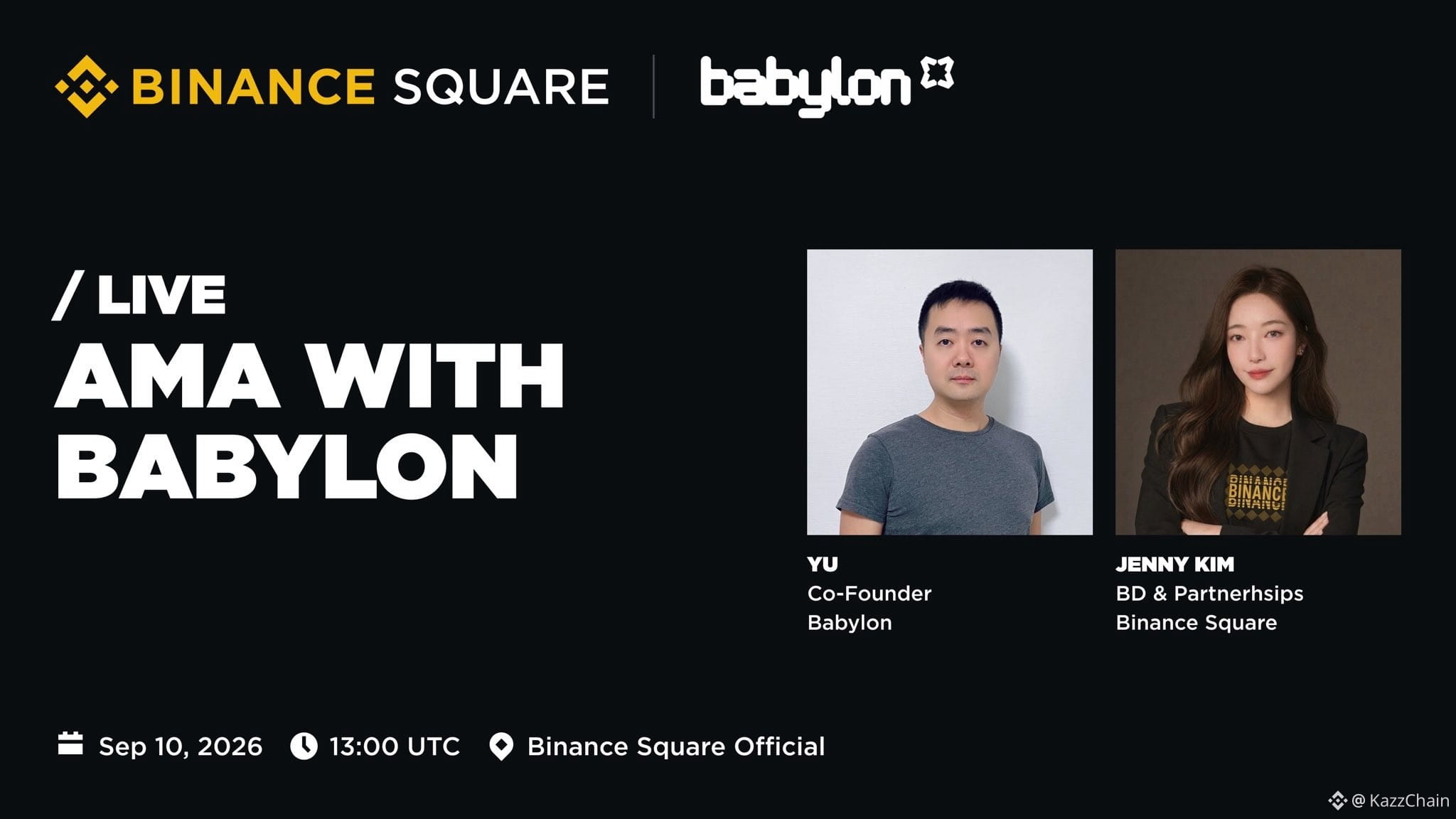
Less than 2 hours to go:
[https://app.binance.com/uni-qr/cspa/45596122475721?r=UCIPZ4L0&l=en-AF&source=share&uc=app_square_share_link&us=copylink ](https://app.binance.com/uni-qr/cspa/45596122475721?r=UCIPZ4L0&l=en-AF&source=share&uc=app_square_share_link&us=copylink )
Less than 2 hours to go:
https://app.binance.com/uni-qr/cspa/45596122475721?r=UCIPZ4L0&l=en-AF&source=share&uc=app_square_share_link&us=copylink
https://app.binance.com/uni-qr/cspa/45596122475721?r=UCIPZ4L0&l=en-AF&source=share&uc=app_square_share_link&us=copylink
1
267
·
--
Binance Starter Carnival: Kicking Off with the Button Game and 30 BNB Token Voucher Rewards!
[More details](https://www.binance.com/en/support/announcement/11cacc4f64944d13a4af3528f2ed458a?ref=35122673)
Binance Starter Carnival: Kicking Off with the Button Game and 30 BNB Token Voucher Rewards!
More details
More details
140
·
--
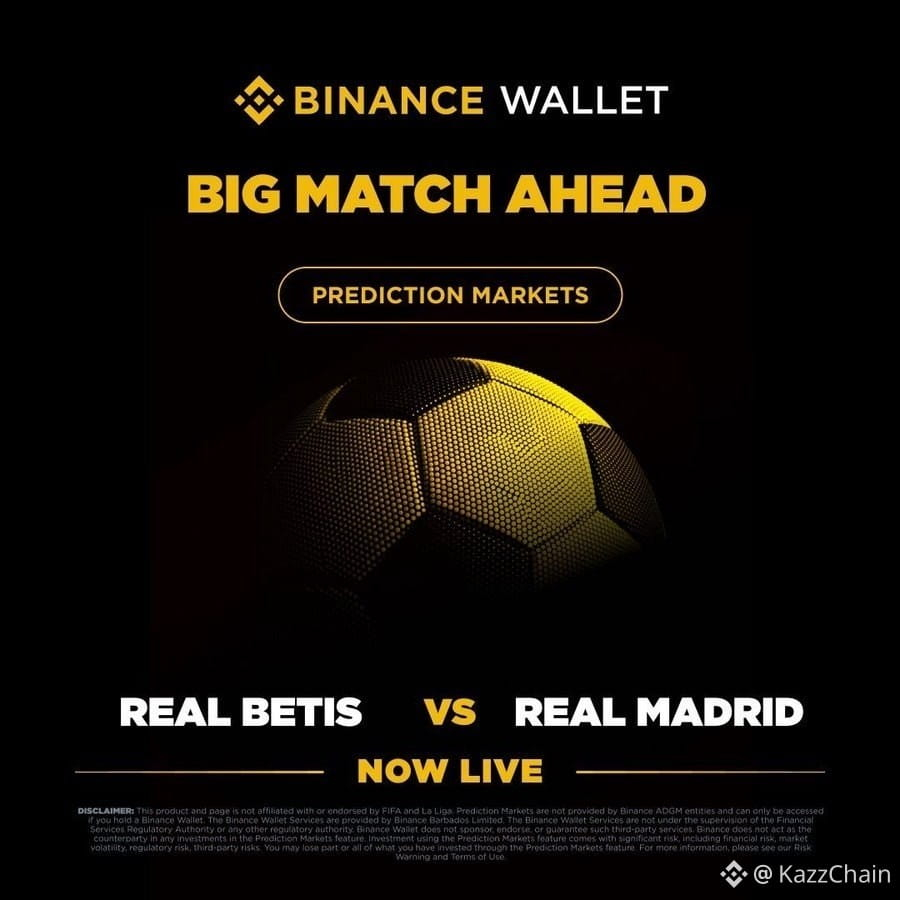
⚽️ Real Betis vs. Real Madrid Prediction Market is now live.
Los Blancos have won every game so far. Can Betis end the run?
Join the PnL Trading Competition and compete for a share of a 100,000 USDT prize pool!
Join now: https://web3.binance.com/activity/predict-tc/single/SoccerPnL
⚽️ Real Betis vs. Real Madrid Prediction Market is now live.
Los Blancos have won every game so far. Can Betis end the run?
Join the PnL Trading Competition and compete for a share of a 100,000 USDT prize pool!
Join now: https://web3.binance.com/activity/predict-tc/single/SoccerPnL
Los Blancos have won every game so far. Can Betis end the run?
Join the PnL Trading Competition and compete for a share of a 100,000 USDT prize pool!
Join now: https://web3.binance.com/activity/predict-tc/single/SoccerPnL
86
·
--
Introducing the Binance Creator Network!
Creating crypto or finance content – or just want to become a creator?
Join the Binance Creator Network 🌍
Binance has launched a new global program for creators, whether you’re just getting started or already have an established audience.
What you’ll get:
- Exclusive bi-weekly creator challenges with rewards
- Masterclasses with leading crypto creators and industry experts
- Binance Research insights and content inspiration
- Direct access to the Binance team and opportunities to grow with us
Follower count isn’t everything – we’re looking for creativity, quality content and people who want to grow as creators.
Important: For now, all content created as part of the program must be in English.
Apply here: [https://www.binance.com/en/learn/creatornetwork](https://www.binance.com/en/learn/creatornetwork?ref=35122673)
Introducing the Binance Creator Network!
Creating crypto or finance content – or just want to become a creator?
Join the Binance Creator Network 🌍
Binance has launched a new global program for creators, whether you’re just getting started or already have an established audience.
What you’ll get:
- Exclusive bi-weekly creator challenges with rewards
- Masterclasses with leading crypto creators and industry experts
- Binance Research insights and content inspiration
- Direct access to the Binance team and opportunities to grow with us
Follower count isn’t everything – we’re looking for creativity, quality content and people who want to grow as creators.
Important: For now, all content created as part of the program must be in English.
Apply here: https://www.binance.com/en/learn/creatornetwork
Creating crypto or finance content – or just want to become a creator?
Join the Binance Creator Network 🌍
Binance has launched a new global program for creators, whether you’re just getting started or already have an established audience.
What you’ll get:
- Exclusive bi-weekly creator challenges with rewards
- Masterclasses with leading crypto creators and industry experts
- Binance Research insights and content inspiration
- Direct access to the Binance team and opportunities to grow with us
Follower count isn’t everything – we’re looking for creativity, quality content and people who want to grow as creators.
Important: For now, all content created as part of the program must be in English.
Apply here: https://www.binance.com/en/learn/creatornetwork
101
·
--
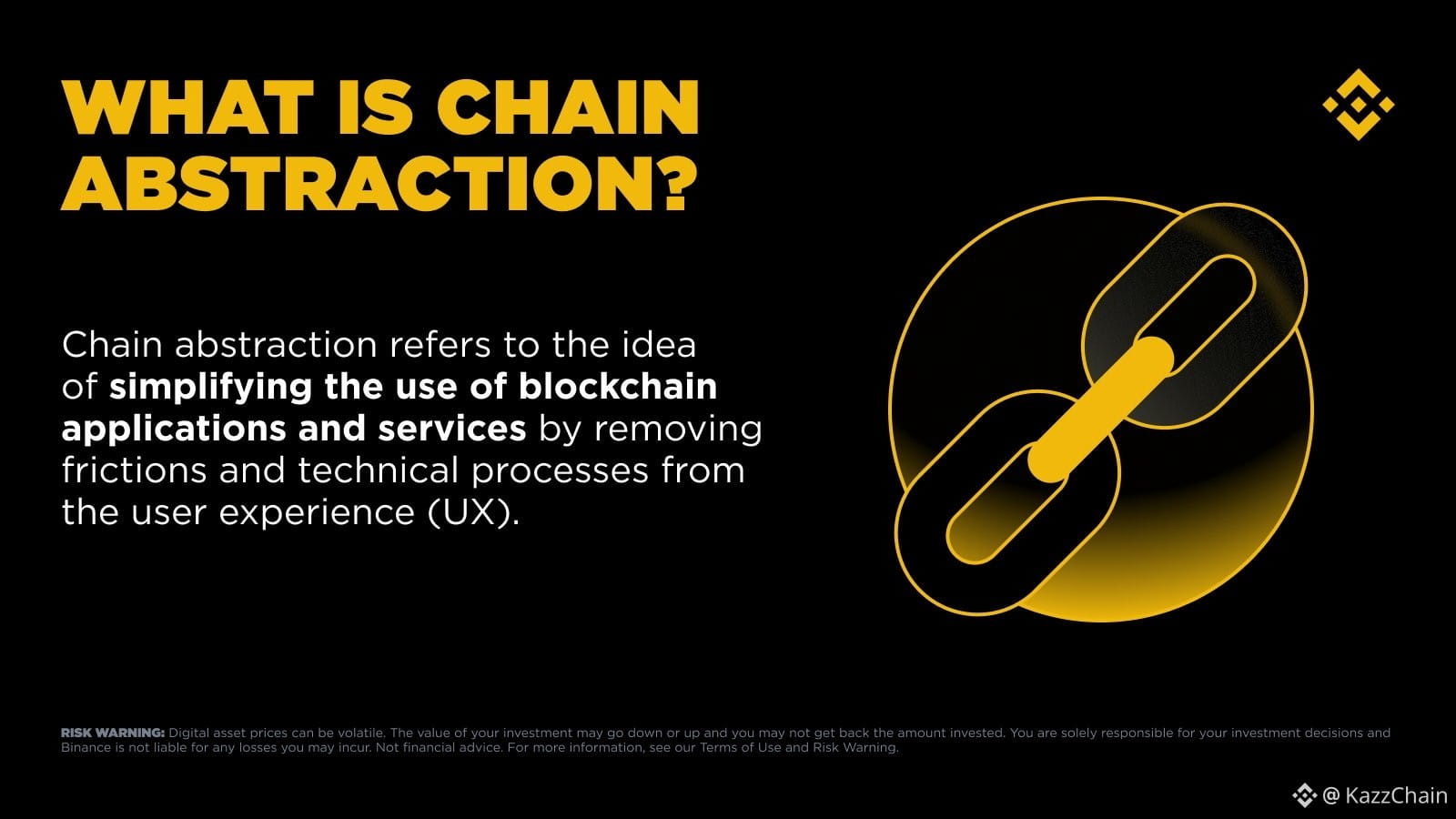
Chain abstraction explained
Chain abstraction is a design approach that hides the technical complexity of blockchains from users. Instead of needing to manage separate wallets, native gas tokens, networks, and bridging steps, a user can interact with a decentralized application through a simpler, unified experience—even when the app uses multiple chains behind the scenes.
[According to this article on Binance Academy](https://www.binance.com/en/academy/articles/what-is-chain-abstraction), its goal is to make cross-chain applications feel more like everyday internet services: users focus on what they want to do, while the underlying infrastructure handles network-specific processes. This can improve usability and interoperability, but it also introduces trade-offs, including possible centralization, security, and compatibility risks.
Chain abstraction explained
Chain abstraction is a design approach that hides the technical complexity of blockchains from users. Instead of needing to manage separate wallets, native gas tokens, networks, and bridging steps, a user can interact with a decentralized application through a simpler, unified experience—even when the app uses multiple chains behind the scenes.
According to this article on Binance Academy, its goal is to make cross-chain applications feel more like everyday internet services: users focus on what they want to do, while the underlying infrastructure handles network-specific processes. This can improve usability and interoperability, but it also introduces trade-offs, including possible centralization, security, and compatibility risks.
Chain abstraction is a design approach that hides the technical complexity of blockchains from users. Instead of needing to manage separate wallets, native gas tokens, networks, and bridging steps, a user can interact with a decentralized application through a simpler, unified experience—even when the app uses multiple chains behind the scenes.
According to this article on Binance Academy, its goal is to make cross-chain applications feel more like everyday internet services: users focus on what they want to do, while the underlying infrastructure handles network-specific processes. This can improve usability and interoperability, but it also introduces trade-offs, including possible centralization, security, and compatibility risks.
107
·
--
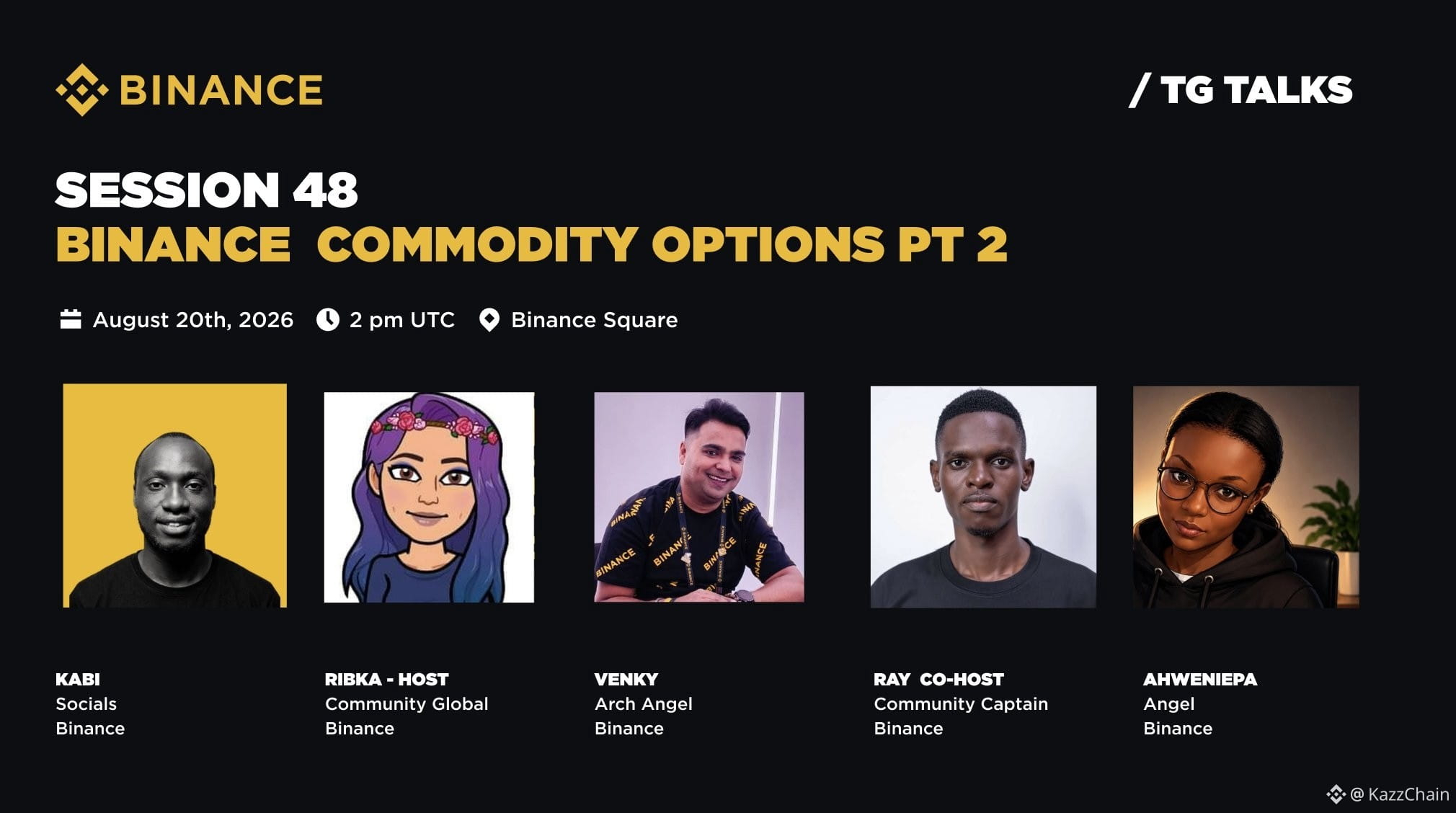
Join us later today on Binance Square live.
Topic: Binance Commodity Options + Bstocks Updates
🗓 Date: August 20th, 2026
⏰ Time: 2 PM UTC
🎁 There will be $150 quiz prize pool
Set reminder 👇
[https://app.binance.com/uni-qr/cspa/44114606334034?r=LPPPPQSM&l=en-AF&source=share&uc=app_square_share_link&us=copylink](https://app.binance.com/uni-qr/cspa/44114606334034?r=LPPPPQSM&l=en-AF&source=share&uc=app_square_share_link&us=copylink)
Join us later today on Binance Square live.
Topic: Binance Commodity Options + Bstocks Updates
🗓 Date: August 20th, 2026
⏰ Time: 2 PM UTC
🎁 There will be $150 quiz prize pool
Set reminder 👇
https://app.binance.com/uni-qr/cspa/44114606334034?r=LPPPPQSM&l=en-AF&source=share&uc=app_square_share_link&us=copylink
Topic: Binance Commodity Options + Bstocks Updates
🗓 Date: August 20th, 2026
⏰ Time: 2 PM UTC
🎁 There will be $150 quiz prize pool
Set reminder 👇
https://app.binance.com/uni-qr/cspa/44114606334034?r=LPPPPQSM&l=en-AF&source=share&uc=app_square_share_link&us=copylink
75
·
--
Article
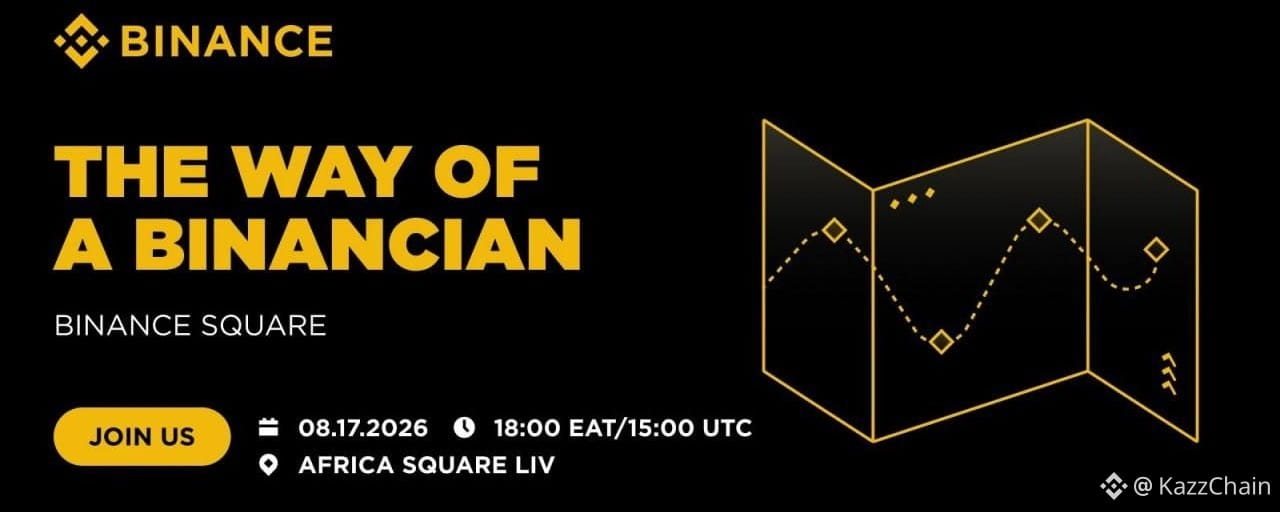
The Way of a Binancian!Discover the journey of a true trader at The Way of a Binancian!
Join us on August 17, 2026, at Africa Square Live for an immersive experience into the Binance community. Learn, connect, and grow alongside fellow traders as we explore insights, strategies, and the spirit that defines a Binancian.
🗓 Date: August 17, 2026
⏰ Time: 18:00 EAT / 15:00 UTC
📍 Location: Africa Square Live
Don't miss this opportunity to elevate your trading journey—Join Us now!
[https://www.binance.com/en/square/audio?id=44579326565601](https://www.binance.com/en/square/audio?id=44579326565601)
$BNB
{spot}(BNBUSDT)
The Way of a Binancian!
Discover the journey of a true trader at The Way of a Binancian!
Join us on August 17, 2026, at Africa Square Live for an immersive experience into the Binance community. Learn, connect, and grow alongside fellow traders as we explore insights, strategies, and the spirit that defines a Binancian.
🗓 Date: August 17, 2026
⏰ Time: 18:00 EAT / 15:00 UTC
📍 Location: Africa Square Live
Don't miss this opportunity to elevate your trading journey—Join Us now!
https://www.binance.com/en/square/audio?id=44579326565601
$BNB
Join us on August 17, 2026, at Africa Square Live for an immersive experience into the Binance community. Learn, connect, and grow alongside fellow traders as we explore insights, strategies, and the spirit that defines a Binancian.
🗓 Date: August 17, 2026
⏰ Time: 18:00 EAT / 15:00 UTC
📍 Location: Africa Square Live
Don't miss this opportunity to elevate your trading journey—Join Us now!
https://www.binance.com/en/square/audio?id=44579326565601
$BNB
121
·
--
Learn & stay #SAFU
Learn & stay #SAFU


Binance Africa
·
--
Avoid honeypot #tokens
Learn the common warning signs and safer checks before swapping.
Read more👇
Click on the Link to Read More
$BNB
Learn the common warning signs and safer checks before swapping.
Read more👇
Click on the Link to Read More
$BNB
22
·
--
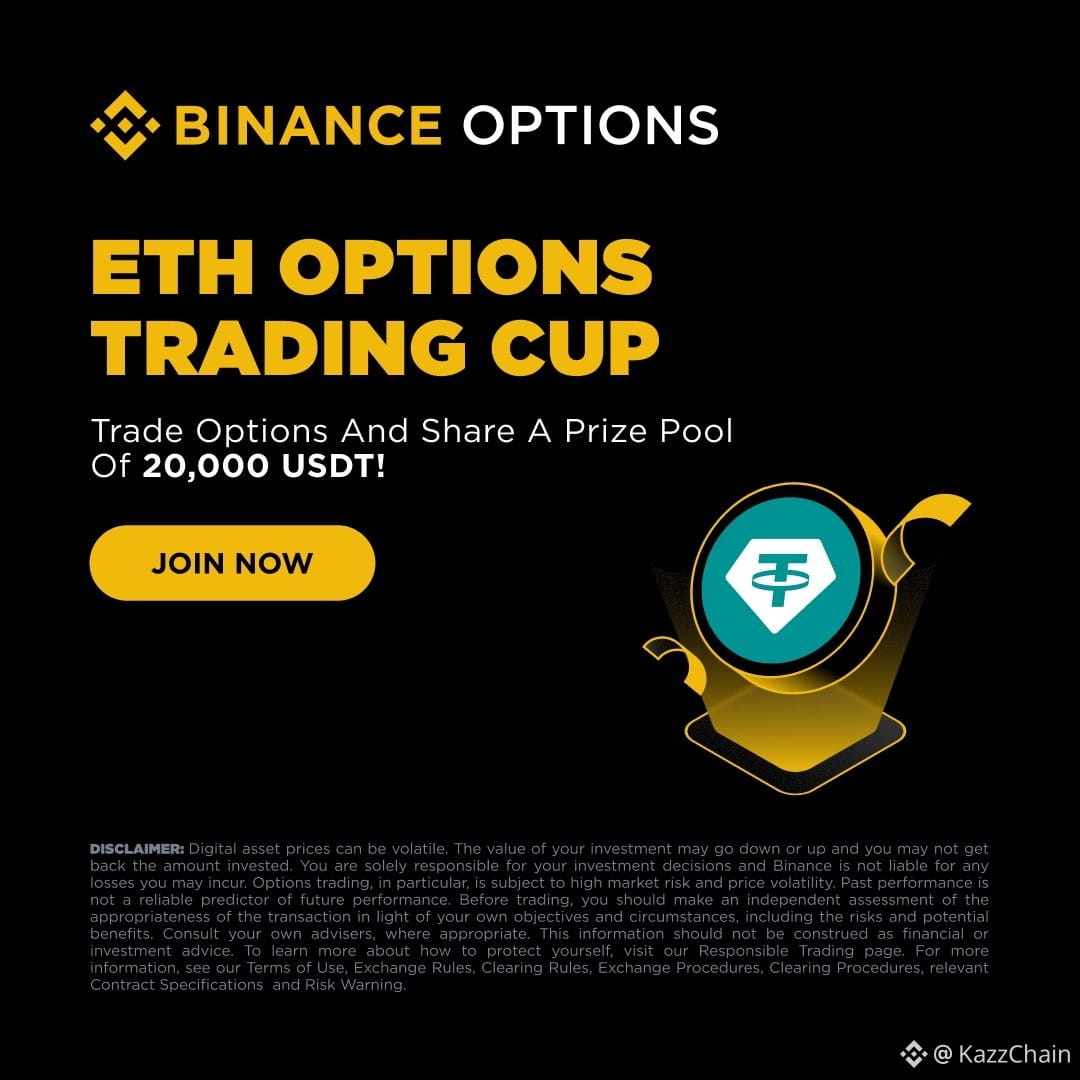
Trade ETH Options
Compete for 20,000 USDT
Finish among the top 150 by valid trading volume
Welcome to the Binance Options Trading Cup. 🏆
Activity: [https://www.binance.com/en/activity/trading-competition/eth-option-competition-w1?utm_source=social](https://www.binance.com/en/activity/trading-competition/eth-option-competition-w1?ref=35122673&utm_source=social)
Trade ETH Options
Compete for 20,000 USDT
Finish among the top 150 by valid trading volume
Welcome to the Binance Options Trading Cup. 🏆
Activity: https://www.binance.com/en/activity/trading-competition/eth-option-competition-w1?utm_source=social
Compete for 20,000 USDT
Finish among the top 150 by valid trading volume
Welcome to the Binance Options Trading Cup. 🏆
Activity: https://www.binance.com/en/activity/trading-competition/eth-option-competition-w1?utm_source=social
95
·
--
Risk Management
Learning and applying risk management when starting out with crypto will give you an edge many only think about.
[View the Risk Management Course on Binance Academy](https://www.binance.com/en/academy/track/crypto-risk-management)
By the end of this course, you should be able to:
- Identify: Map the complete crypto risk landscape (market, custody, protocol, behavioral, and regulatory risks), and understand why they happen and how they interact.
- Protect: Make informed decisions about wallets, custody solutions, and security architecture.
- Defend: Recognize and counter the fraud vectors, social engineering tactics, and technical attacks targeting crypto holders.
- Comply: Navigate regulatory obligations, understand governance frameworks, and respond effectively to security incidents.
- You will earn Free Certificate
Risk Management
Learning and applying risk management when starting out with crypto will give you an edge many only think about.
View the Risk Management Course on Binance Academy
By the end of this course, you should be able to:
- Identify: Map the complete crypto risk landscape (market, custody, protocol, behavioral, and regulatory risks), and understand why they happen and how they interact.
- Protect: Make informed decisions about wallets, custody solutions, and security architecture.
- Defend: Recognize and counter the fraud vectors, social engineering tactics, and technical attacks targeting crypto holders.
- Comply: Navigate regulatory obligations, understand governance frameworks, and respond effectively to security incidents.
- You will earn Free Certificate
Learning and applying risk management when starting out with crypto will give you an edge many only think about.
View the Risk Management Course on Binance Academy
By the end of this course, you should be able to:
- Identify: Map the complete crypto risk landscape (market, custody, protocol, behavioral, and regulatory risks), and understand why they happen and how they interact.
- Protect: Make informed decisions about wallets, custody solutions, and security architecture.
- Defend: Recognize and counter the fraud vectors, social engineering tactics, and technical attacks targeting crypto holders.
- Comply: Navigate regulatory obligations, understand governance frameworks, and respond effectively to security incidents.
- You will earn Free Certificate
1
136
·
--
Verified
Article
Key Points About Ethereum Glamsterdam UpgradeGlamsterdam is a major Ethereum protocol upgrade. It was originally targeted for June 2026, but later delayed to Q3 2026.
The upgrade focuses on three goals: parallelizing transaction processing, expanding block capacity, and preventing database bloat through gas repricing.
The proposals include EIP-7732 (enshrined proposer-builder separation), EIP-7928 (block-level access lists), and EIP-8037 (addressing gas repricing).
The Ethereum Foundation has set a target of 200 million gas as a post-upgrade capacity goal, a significant increase from the current approximately 60 million.
[Read the full article on Binance Academy](https://www.binance.com/en/academy/articles/what-is-the-ethereum-glamsterdam-upgrade?ref=cw7k91gm)
Key Points About Ethereum Glamsterdam Upgrade
Glamsterdam is a major Ethereum protocol upgrade. It was originally targeted for June 2026, but later delayed to Q3 2026.
The upgrade focuses on three goals: parallelizing transaction processing, expanding block capacity, and preventing database bloat through gas repricing.
The proposals include EIP-7732 (enshrined proposer-builder separation), EIP-7928 (block-level access lists), and EIP-8037 (addressing gas repricing).
The Ethereum Foundation has set a target of 200 million gas as a post-upgrade capacity goal, a significant increase from the current approximately 60 million.
Read the full article on Binance Academy
The upgrade focuses on three goals: parallelizing transaction processing, expanding block capacity, and preventing database bloat through gas repricing.
The proposals include EIP-7732 (enshrined proposer-builder separation), EIP-7928 (block-level access lists), and EIP-8037 (addressing gas repricing).
The Ethereum Foundation has set a target of 200 million gas as a post-upgrade capacity goal, a significant increase from the current approximately 60 million.
Read the full article on Binance Academy
159
·
--
#dusk
$DUSK is a layer-1 blockchain that powers the Confidential Security Contract (XSC) standard, and supports confidential smart contracts.
While hype forms the basis of most projects, tech still influences narratives and longetivity of projects. @Dusk_Foundation might be a project to look out for.
This is not a financial advice. DYOR and stay SAFU
#dusk
$DUSK is a layer-1 blockchain that powers the Confidential Security Contract (XSC) standard, and supports confidential smart contracts.
While hype forms the basis of most projects, tech still influences narratives and longetivity of projects. @Dusk might be a project to look out for.
This is not a financial advice. DYOR and stay SAFU
$DUSK is a layer-1 blockchain that powers the Confidential Security Contract (XSC) standard, and supports confidential smart contracts.
While hype forms the basis of most projects, tech still influences narratives and longetivity of projects. @Dusk might be a project to look out for.
This is not a financial advice. DYOR and stay SAFU
96
·
--
Bullish
What are your thoughts on the market direction before the end of December 2026?
Me: We may witness strong bullish moves by established projects and a moderate #BTC move.
What's your prediction?
What are your thoughts on the market direction before the end of December 2026?
Me: We may witness strong bullish moves by established projects and a moderate #BTC move.
What's your prediction?
Me: We may witness strong bullish moves by established projects and a moderate #BTC move.
What's your prediction?
131
·
--
Bearish
When the going gets tough, it might be time to rest.
When the going gets tough, it might be time to rest.
46
·
--
Understand how things work the way the do.
Read: Understanding Matching Engines in Trading
https://www.binance.com/en/academy/articles/understanding-matching-engines-in-trading
Understand how things work the way the do.
Read: Understanding Matching Engines in Trading
https://www.binance.com/en/academy/articles/understanding-matching-engines-in-trading
Read: Understanding Matching Engines in Trading
https://www.binance.com/en/academy/articles/understanding-matching-engines-in-trading
171
Log in to explore more content
Join global crypto users on Binance Square
⚡️ Get latest and useful information about crypto.
💬 Trusted by the world’s largest crypto exchange.
👍 Discover real insights from verified creators.
Email / Phone number
Trending Topics
EtherGains70.9%InQ3
81,422 views
824 Discussing
One of the best third quarters in history 💰
September closed out last night, and with it, the quarter. For the quarter, BTC is up 42%—the second-best Q3 on record. ETH had a record-breaking Q3 overall, up 70%.
Looking at the chart, things are still looking good: we’re holding support, but we’re testing it more and more often. Plus, ETF momentum is weakening — inflows are gradually declining, and yesterday saw outflows for the first time in a long while.
Yes, historically, October has been a good month for crypto — it’s not called “Uptober” for nothing. But it’s also one of the most volatile months. Last year, for example, we managed to hit a new all-time high (ATH) and experience a flash crash.
🚀 High Accuracy Trades.
$BTC
$ETH
$SOL
#EtherGains70.9%InQ3 #DollarIndexHitsHighestSinceMay2025 #CFTCSubmitsTwoEventContractRulesToWhiteHouse #MicronBeatsEarningsLiftsGuidance
Knowledge is Power
·0 Likes
·164 views
TreasuryLetsStatesFileStablecoinCertificationsEarly
4,080 views
43 Discussing
US10YearYieldNears5.3%
110,026 views
933 Discussing