

jujucrypt
1.5k Posts

jujucrypt
Report
Block User
just here to learn and share ideas
Open Trade
Occasional Trader
4.9 Years
28 Following
1.6K+ Followers
8.3K+ Liked
Posts
Portfolio
All
Quotes
·
--
Grayscale’s ETF clients bought $20.52 million worth of $ZEC today, adding to a growing streak of institutional interest.
Zcash has now recorded 4 consecutive days of net inflows, suggesting demand is holding up.
With privacy coins gaining attention, it’s worth watching whether these inflows continue and how the market reacts.
A sustained trend could provide further support for ZEC, though inflows alone don’t guarantee price gains.
Grayscale’s ETF clients bought $20.52 million worth of $ZEC today, adding to a growing streak of institutional interest.
Zcash has now recorded 4 consecutive days of net inflows, suggesting demand is holding up.
With privacy coins gaining attention, it’s worth watching whether these inflows continue and how the market reacts.
A sustained trend could provide further support for ZEC, though inflows alone don’t guarantee price gains.
Zcash has now recorded 4 consecutive days of net inflows, suggesting demand is holding up.
With privacy coins gaining attention, it’s worth watching whether these inflows continue and how the market reacts.
A sustained trend could provide further support for ZEC, though inflows alone don’t guarantee price gains.
2
3.9k
·
--
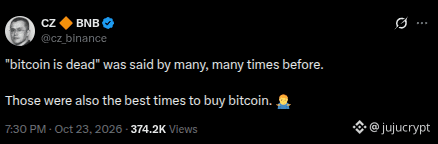
no better time to be in crypto than now
$BTC is just getting started
#PepeJumps14%ToLeadAltcoinRebound
no better time to be in crypto than now
$BTC is just getting started
#PepeJumps14%ToLeadAltcoinRebound
$BTC is just getting started
#PepeJumps14%ToLeadAltcoinRebound
54
·
--
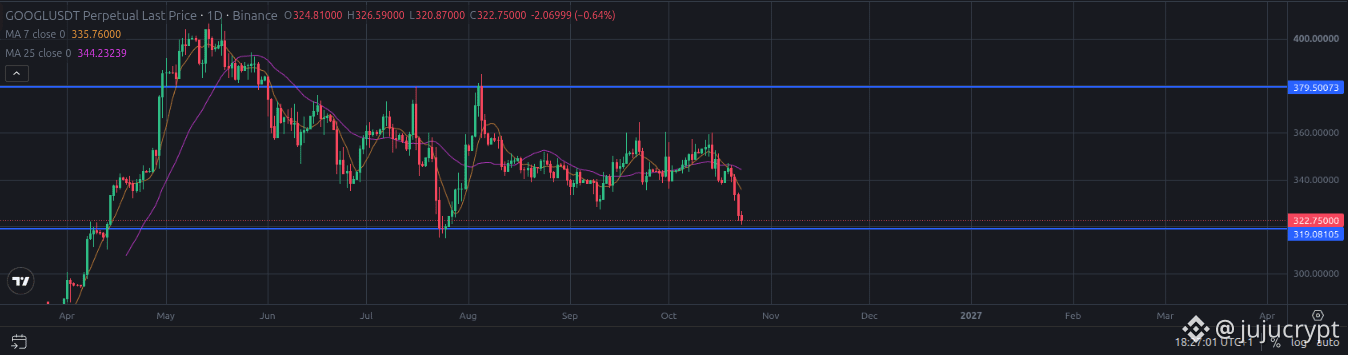
$GOOGL is looking interesting here.
The latest candlestick has moved way below the lower Bollinger Band, which could mean the price is stretched to the downside.
I'm watching for a possible bounce next week, but I want to see buyers step in before making a move.
Adding GOOGL to my watchlist.
#EarningsSeason
$GOOGL is looking interesting here.
The latest candlestick has moved way below the lower Bollinger Band, which could mean the price is stretched to the downside.
I'm watching for a possible bounce next week, but I want to see buyers step in before making a move.
Adding GOOGL to my watchlist.
#EarningsSeason
The latest candlestick has moved way below the lower Bollinger Band, which could mean the price is stretched to the downside.
I'm watching for a possible bounce next week, but I want to see buyers step in before making a move.
Adding GOOGL to my watchlist.
#EarningsSeason
158
·
--
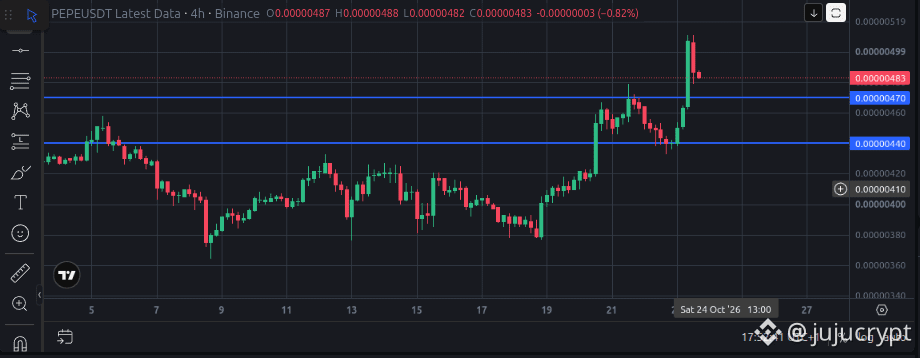
$PEPE is showing why it remains one of the memecoins to watch.
It started the year strong, and as we approach year-end, the market is getting interesting again.
While $USELESS is up 163% from its yearly open, PEPE is still holding its place in the conversation.
Memecoins are unpredictable, but PEPE is far from out of the picture.
#PepeJumps14%ToLeadAltcoinRebound
$PEPE is showing why it remains one of the memecoins to watch.
It started the year strong, and as we approach year-end, the market is getting interesting again.
While $USELESS is up 163% from its yearly open, PEPE is still holding its place in the conversation.
Memecoins are unpredictable, but PEPE is far from out of the picture.
#PepeJumps14%ToLeadAltcoinRebound
It started the year strong, and as we approach year-end, the market is getting interesting again.
While $USELESS is up 163% from its yearly open, PEPE is still holding its place in the conversation.
Memecoins are unpredictable, but PEPE is far from out of the picture.
#PepeJumps14%ToLeadAltcoinRebound
222
·
--
Partly True
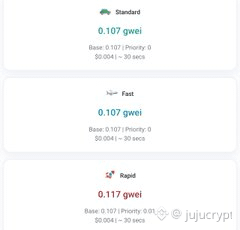
BREAKING: $ETH gas fees drop to around $0.004
“ETH is the new Solana?”
Low fees have been one of Solana’s $SOL biggest selling points, but Ethereum getting cheaper could make things interesting.
Lower gas means cheaper swaps, easier access to DeFi, and less money lost to transaction fees.
But one cheap transaction doesn’t make Ethereum the new Solana. Fees change with network demand, and both ecosystems have different strengths.
The real question is: if Ethereum stays this cheap, will it bring more users back on-chain?
#EthereumHoodiTestnetGlamsterdamHardForkDelayed
BREAKING: $ETH gas fees drop to around $0.004
“ETH is the new Solana?”
Low fees have been one of Solana’s $SOL biggest selling points, but Ethereum getting cheaper could make things interesting.
Lower gas means cheaper swaps, easier access to DeFi, and less money lost to transaction fees.
But one cheap transaction doesn’t make Ethereum the new Solana. Fees change with network demand, and both ecosystems have different strengths.
The real question is: if Ethereum stays this cheap, will it bring more users back on-chain?
#EthereumHoodiTestnetGlamsterdamHardForkDelayed
“ETH is the new Solana?”
Low fees have been one of Solana’s $SOL biggest selling points, but Ethereum getting cheaper could make things interesting.
Lower gas means cheaper swaps, easier access to DeFi, and less money lost to transaction fees.
But one cheap transaction doesn’t make Ethereum the new Solana. Fees change with network demand, and both ecosystems have different strengths.
The real question is: if Ethereum stays this cheap, will it bring more users back on-chain?
#EthereumHoodiTestnetGlamsterdamHardForkDelayed
1
192
·
--
BREAKING: 🇮🇱 Netanyahu wants Israel to prepare a blockchain based alternative in case it faces future financial sanctions.
This is bigger than just crypto.
If access to traditional banking becomes restricted, blockchain and digital currencies could offer alternative ways to move money across borders.
But there’s a catch: crypto isn’t completely beyond government control. Exchanges can freeze accounts, and blockchain transactions can still be traced.
The real question is whether a blockchain-based financial system could provide enough independence to keep an economy running under sanctions.
Could this push more countries to explore #crypto as part of their financial strategy?
BREAKING: 🇮🇱 Netanyahu wants Israel to prepare a blockchain based alternative in case it faces future financial sanctions.
This is bigger than just crypto.
If access to traditional banking becomes restricted, blockchain and digital currencies could offer alternative ways to move money across borders.
But there’s a catch: crypto isn’t completely beyond government control. Exchanges can freeze accounts, and blockchain transactions can still be traced.
The real question is whether a blockchain-based financial system could provide enough independence to keep an economy running under sanctions.
Could this push more countries to explore #crypto as part of their financial strategy?
This is bigger than just crypto.
If access to traditional banking becomes restricted, blockchain and digital currencies could offer alternative ways to move money across borders.
But there’s a catch: crypto isn’t completely beyond government control. Exchanges can freeze accounts, and blockchain transactions can still be traced.
The real question is whether a blockchain-based financial system could provide enough independence to keep an economy running under sanctions.
Could this push more countries to explore #crypto as part of their financial strategy?
1
128
·
--
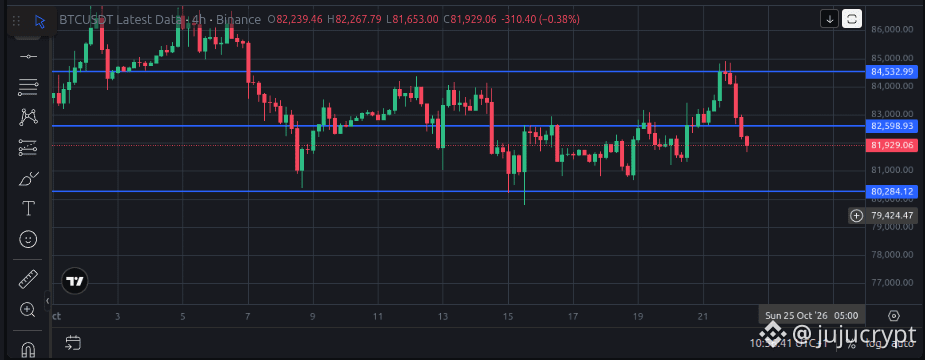
the Pump yesterday was a sign we can still go higher, for now there is a pullback in the market $BTC is headed back to 80k
hopefully that support holds
#BitcoinETFsPullIn$1.08BInThreeDays
the Pump yesterday was a sign we can still go higher, for now there is a pullback in the market $BTC is headed back to 80k
hopefully that support holds
#BitcoinETFsPullIn$1.08BInThreeDays
hopefully that support holds
#BitcoinETFsPullIn$1.08BInThreeDays
jujucrypt
·
--
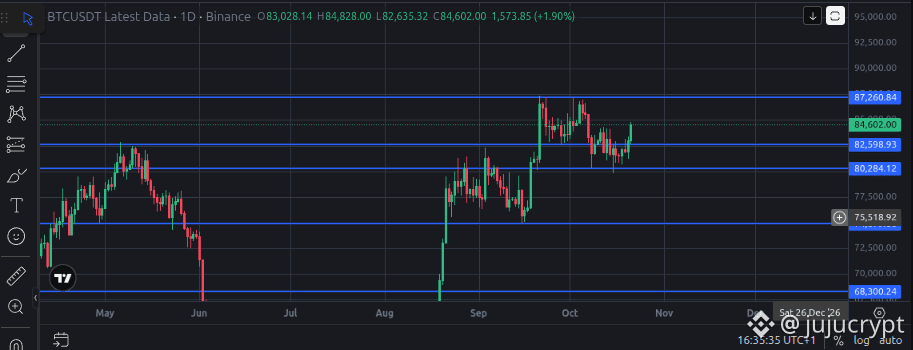
got all my focus on $BTC that $87k level a break of that level
will be really bullish
we might still see uptober I guess
#BTC
will be really bullish
we might still see uptober I guess
#BTC
2
95
·
--
got all my focus on $BTC that $87k level a break of that level
will be really bullish
we might still see uptober I guess
#BTC
got all my focus on $BTC that $87k level a break of that level
will be really bullish
we might still see uptober I guess
#BTC
will be really bullish
we might still see uptober I guess
#BTC
1
128
·
--
Verified
Aster DEX has burned over 210M $ASTER tokens worth around $148M.
Since its tokenomics upgrade in June, more than 32.3M $ASTER have been burned under the new model.
Aster DEX has burned over 210M $ASTER tokens worth around $148M.
Since its tokenomics upgrade in June, more than 32.3M $ASTER have been burned under the new model.
Since its tokenomics upgrade in June, more than 32.3M $ASTER have been burned under the new model.

2
11
10.6k
·
--
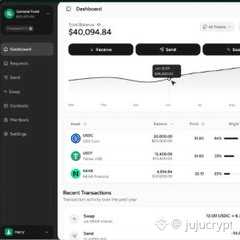
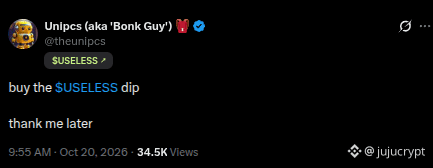
$NEAR launches a business platform for managing multisig wallets,
payroll, and capital across 35+ blockchains from one dashboard,
supporting assets like $BTC , $ETH , and $SOL without third-party bridges.
$NEAR launches a business platform for managing multisig wallets,
payroll, and capital across 35+ blockchains from one dashboard,
supporting assets like $BTC , $ETH , and $SOL without third-party bridges.
payroll, and capital across 35+ blockchains from one dashboard,
supporting assets like $BTC , $ETH , and $SOL without third-party bridges.
250
·
--
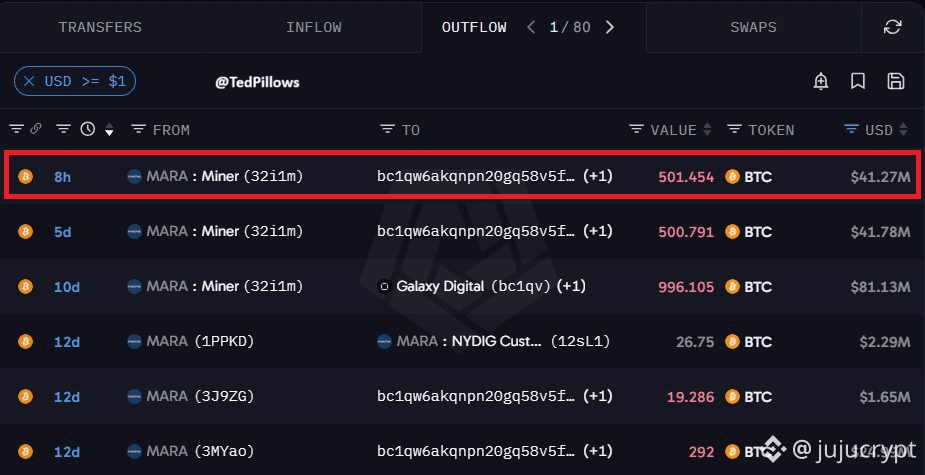
Bitcoin miner MARA Holdings reportedly deposited $41.27M worth of $BTC to exchanges today.
Could a sell-off be coming, or is it just a routine transfer? Exchange deposits are worth watching, but they don't automatically mean selling is imminent.
#BitcoinSurpasses$83,000
Bitcoin miner MARA Holdings reportedly deposited $41.27M worth of $BTC to exchanges today.
Could a sell-off be coming, or is it just a routine transfer? Exchange deposits are worth watching, but they don't automatically mean selling is imminent.
#BitcoinSurpasses$83,000
Could a sell-off be coming, or is it just a routine transfer? Exchange deposits are worth watching, but they don't automatically mean selling is imminent.
#BitcoinSurpasses$83,000
50
·
--
$ETH ’s best-case scenario for this week
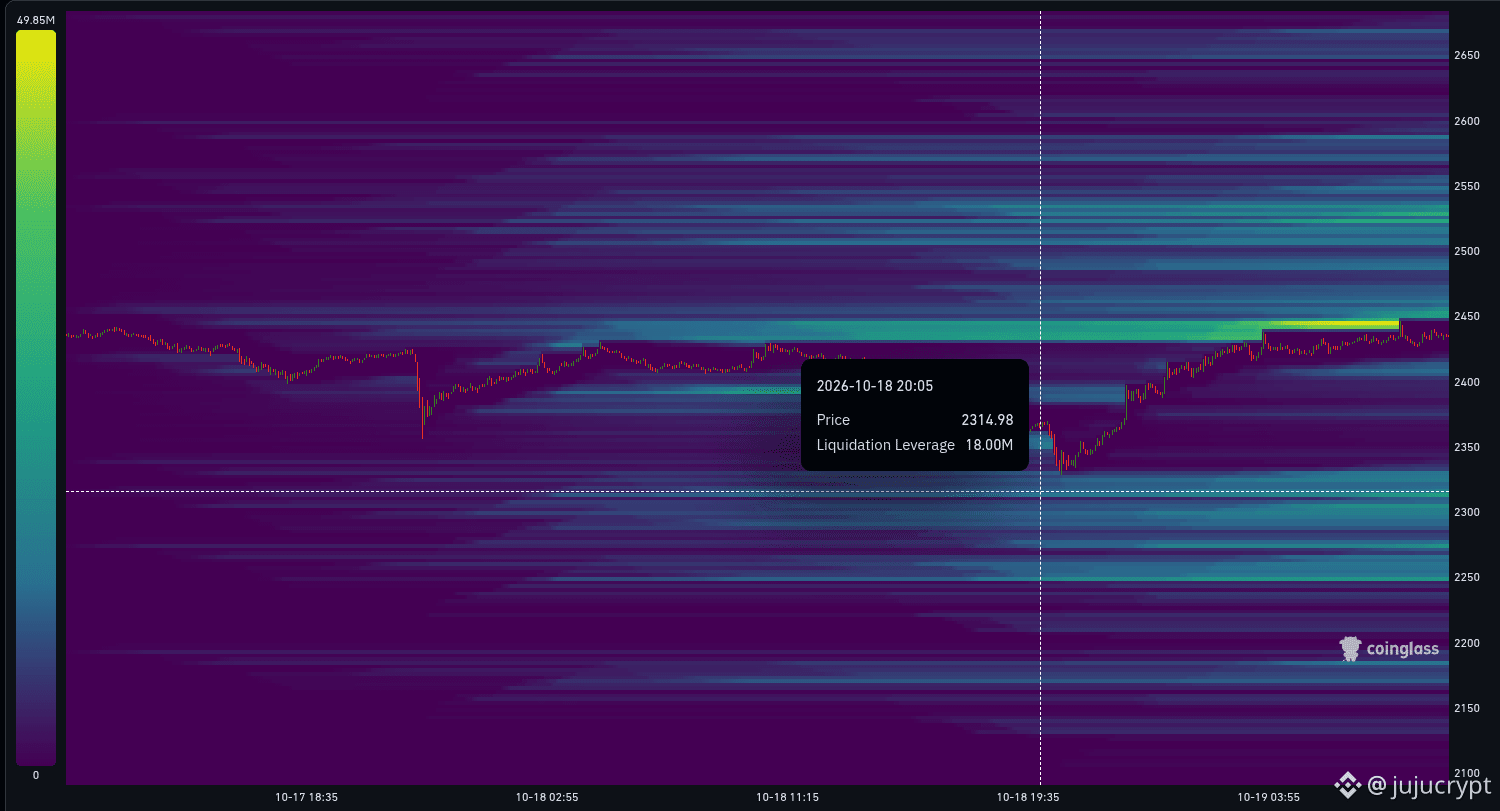
ETH has bounced nicely from the $2,330–$2,350 zone and is now approaching the $2,440–$2,450 liquidity area.
If bulls can break above and hold that zone, we could see a move toward $2,500–$2,550 this week.
For now, I’m watching how price reacts around resistance. A rejection could send ETH back to retest lower support, so confirmation is key.
Let’s see if the bulls can keep this momentum going.
#Ethereum
$ETH ’s best-case scenario for this week
ETH has bounced nicely from the $2,330–$2,350 zone and is now approaching the $2,440–$2,450 liquidity area.
If bulls can break above and hold that zone, we could see a move toward $2,500–$2,550 this week.
For now, I’m watching how price reacts around resistance. A rejection could send ETH back to retest lower support, so confirmation is key.
Let’s see if the bulls can keep this momentum going.
#Ethereum
ETH has bounced nicely from the $2,330–$2,350 zone and is now approaching the $2,440–$2,450 liquidity area.
If bulls can break above and hold that zone, we could see a move toward $2,500–$2,550 this week.
For now, I’m watching how price reacts around resistance. A rejection could send ETH back to retest lower support, so confirmation is key.
Let’s see if the bulls can keep this momentum going.
#Ethereum
1
415
·
--
I did not see the warning early
I did not see the warning early

Jynx_trade
·
--
$Q i tried to warn you 🔴⚠️
39
·
--
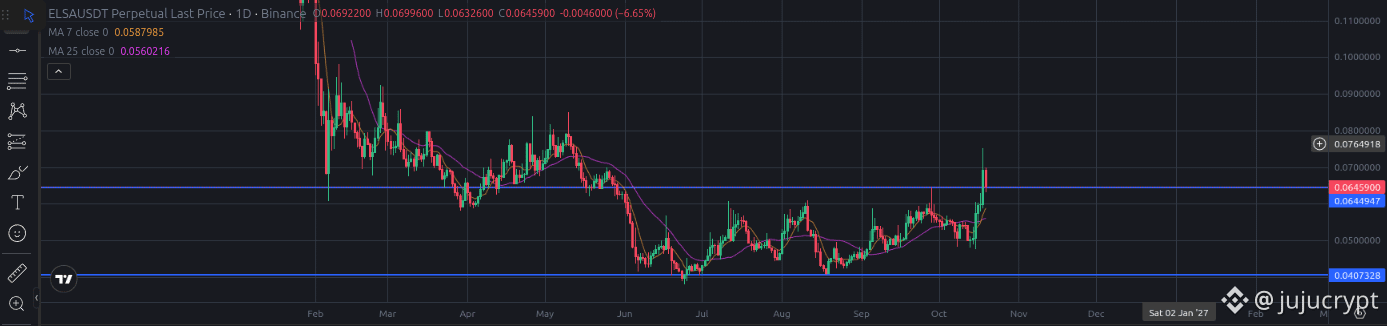
$ELSA I thought we'd see more upside from here, but the momentum seems to be slowing down.
A break below 0.06462 could signal more downside, though this might just be a pullback before the next move up.
I'll be watching how price reacts around that level.
$ELSA I thought we'd see more upside from here, but the momentum seems to be slowing down.
A break below 0.06462 could signal more downside, though this might just be a pullback before the next move up.
I'll be watching how price reacts around that level.
A break below 0.06462 could signal more downside, though this might just be a pullback before the next move up.
I'll be watching how price reacts around that level.
333
·
--
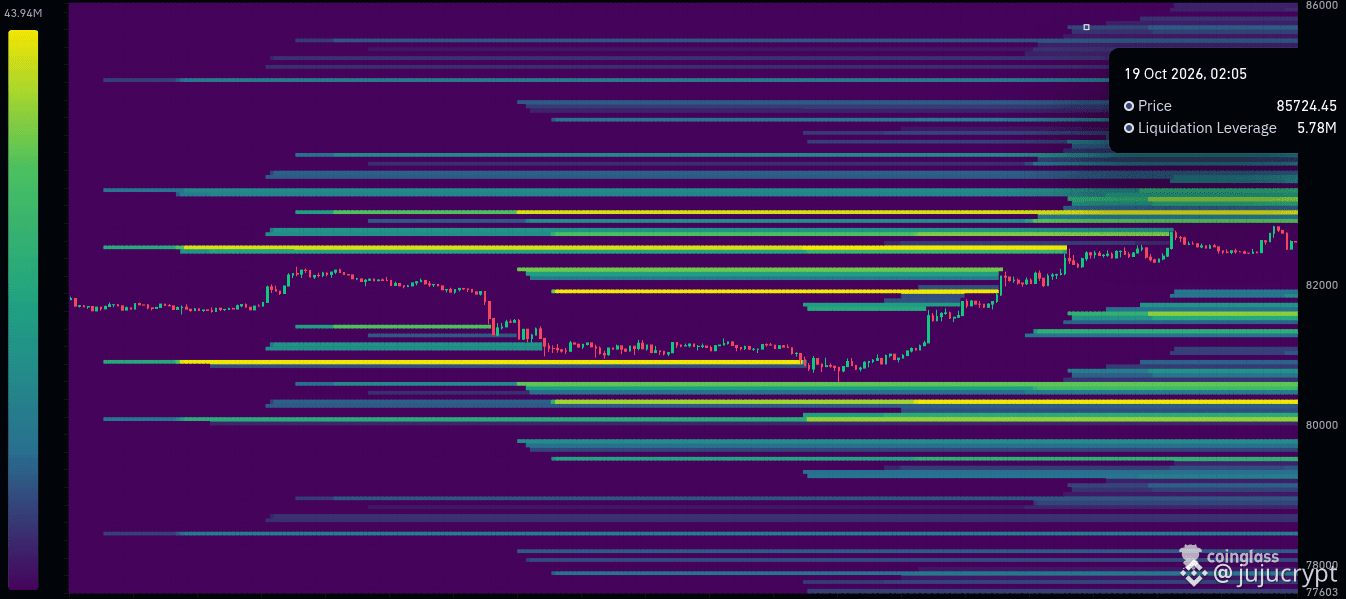
$BTC 's best-case scenario is a clean break above the $82.8K–$83.3K resistance zone.
If buyers push through and hold that area, we could see BTC move toward the next liquidation clusters higher up.
For now, I'm watching for a breakout confirmation before getting too bullish.
#BitcoinSurpasses$82K
$BTC 's best-case scenario is a clean break above the $82.8K–$83.3K resistance zone.
If buyers push through and hold that area, we could see BTC move toward the next liquidation clusters higher up.
For now, I'm watching for a breakout confirmation before getting too bullish.
#BitcoinSurpasses$82K
If buyers push through and hold that area, we could see BTC move toward the next liquidation clusters higher up.
For now, I'm watching for a breakout confirmation before getting too bullish.
#BitcoinSurpasses$82K
3
5.8k
·
--
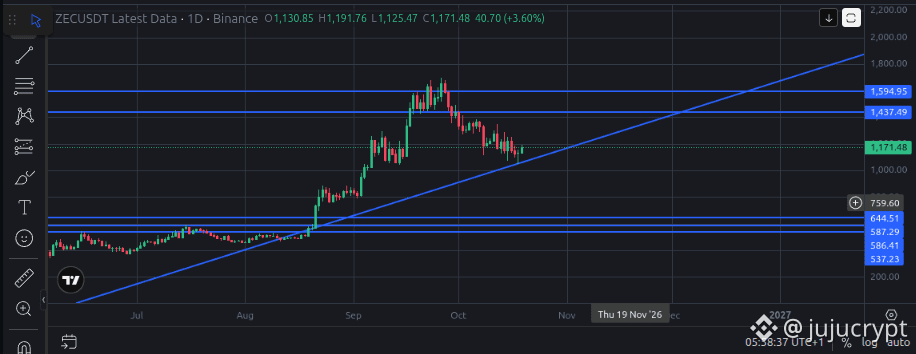
$ZEC charts are still looking bullish heading into the new week.
#ZcashNU7ProposalWouldFreezeSproutSpending
$ZEC charts are still looking bullish heading into the new week.
#ZcashNU7ProposalWouldFreezeSproutSpending
#ZcashNU7ProposalWouldFreezeSproutSpending
257
·
--
Unique Wealth has reported $10.4 million in Bitcoin exposure through its latest SEC filing.
The disclosure highlights how traditional investment firms are gaining exposure to Bitcoin $BTC through ETFs without directly holding the asset.
Institutional interest in Bitcoin continues to be worth watching.
#BitcoinShortTermHoldersReach4.08MBTC
Unique Wealth has reported $10.4 million in Bitcoin exposure through its latest SEC filing.
The disclosure highlights how traditional investment firms are gaining exposure to Bitcoin $BTC through ETFs without directly holding the asset.
Institutional interest in Bitcoin continues to be worth watching.
#BitcoinShortTermHoldersReach4.08MBTC
The disclosure highlights how traditional investment firms are gaining exposure to Bitcoin $BTC through ETFs without directly holding the asset.
Institutional interest in Bitcoin continues to be worth watching.
#BitcoinShortTermHoldersReach4.08MBTC

1
35
·
--
$ONDO ’s tokenized real-world assets on Solana $SOL have surpassed $500 million** in total value, marking another milestone for the growing RWA sector.
The total value of Ondo’s assets on Solana has climbed 46% in the past 30 days, showing growing activity around bringing traditional financial assets on-chain.
Tokenization allows assets such as U.S. Treasuries to be represented on a blockchain, potentially making them easier to access, transfer, and use in on-chain finance.
Real-world assets continue to gain traction as traditional finance meets DeFi.
$ONDO ’s tokenized real-world assets on Solana $SOL have surpassed $500 million** in total value, marking another milestone for the growing RWA sector.
The total value of Ondo’s assets on Solana has climbed 46% in the past 30 days, showing growing activity around bringing traditional financial assets on-chain.
Tokenization allows assets such as U.S. Treasuries to be represented on a blockchain, potentially making them easier to access, transfer, and use in on-chain finance.
Real-world assets continue to gain traction as traditional finance meets DeFi.
The total value of Ondo’s assets on Solana has climbed 46% in the past 30 days, showing growing activity around bringing traditional financial assets on-chain.
Tokenization allows assets such as U.S. Treasuries to be represented on a blockchain, potentially making them easier to access, transfer, and use in on-chain finance.
Real-world assets continue to gain traction as traditional finance meets DeFi.

45
·
--
🚨 JUST IN: 🇯🇵 Japan’s three largest banks MUFG, SMBC, and Mizuho — have successfully completed a joint test of a yen-backed stablecoin for international payments.
The trial tested how digital yen tokens could be issued, transferred, and redeemed, with a focus on cross-border payments between businesses in Japan and their overseas offices.
The goal? Make international payments more efficient using blockchain technology.
Traditional finance and digital assets are getting closer.
$USDT $USDC
🚨 JUST IN: 🇯🇵 Japan’s three largest banks MUFG, SMBC, and Mizuho — have successfully completed a joint test of a yen-backed stablecoin for international payments.
The trial tested how digital yen tokens could be issued, transferred, and redeemed, with a focus on cross-border payments between businesses in Japan and their overseas offices.
The goal? Make international payments more efficient using blockchain technology.
Traditional finance and digital assets are getting closer.
$USDT $USDC
The trial tested how digital yen tokens could be issued, transferred, and redeemed, with a focus on cross-border payments between businesses in Japan and their overseas offices.
The goal? Make international payments more efficient using blockchain technology.
Traditional finance and digital assets are getting closer.
$USDT $USDC
1
34
Log in to explore more content
Join global crypto users on Binance Square
⚡️ Get latest and useful information about crypto.
💬 Trusted by the world’s largest crypto exchange.
👍 Discover real insights from verified creators.
Email / Phone number