
JanaCryptoQueen
305 Posts

JanaCryptoQueen
 Square Verified
Report
Block User
From mining engineer, ended up building my freedom through Web3.
If you’re here, it means you want more than just hype. You want growth, let's get it.

Macro KOL
Open Trade
Occasional Trader
4.4 Years
41 Following
3.9K+ Followers
2.6K+ Liked
1 Badges
Posts
Portfolio
All
Quotes
Videos
Live
PINNED
Technically both USDC and USDT can freeze your assets.
What actually makes USDC grow this fast right now is the GENIUS Act, and we need to get more educated about this now.
The new US rules mean banks and institutions can only hold stablecoins with fully qualifying reserves, and USDC fits.
So big money will keep flowing there by default.
Join me and @yikesqq live on Binance Square this week!
Come learn and have fun at the same time.
10
3
14
378
PINNED
Brazilians bought $14.7 billion of stablecoins in the first half of the year. More than double last year.
Besides, this monday soon after the election was ended USDT trading jumped nearly 800% from the week before.
Any Brazilians opnions? 🇧🇷
Brazilians bought $14.7 billion of stablecoins in the first half of the year. More than double last year.
Besides, this monday soon after the election was ended USDT trading jumped nearly 800% from the week before.
Any Brazilians opnions? 🇧🇷
Besides, this monday soon after the election was ended USDT trading jumped nearly 800% from the week before.
Any Brazilians opnions? 🇧🇷
1
1
430
These are the most important news that you most likely missed:
- In the UK, more than 10,000 complaints came in over just 90 days from people whose banks blocked or limited their crypto purchases, even on regulated exchanges. Barclays caps it at £2,500 a transfer, and some banks don't allow it at all.
- Block, the company behind Cash App, showed a voice AI called Dessa that handles interruptions, laughter and changes in tone like a real person. It's only a research preview for now, and people online were split between amazed and worried about scam calls.
- US spot Bitcoin ETFs ended the week up about $301 million after two red weeks in a row, but October is still about $314 million in the red, which is tiny next to the $57.6 billion that came in since they launched.
- Latvia wants rules to tokenize real things like commercial property in the first half of 2027, but the government is still being formed after this month's election, so it's a plan, not a law yet.
The UK says it wants to be a crypto hub and its banks still decide where your own money is allowed to go. That's exactly why holding my own keys matters so much to me.

1
517
These are the most important news that you most likely missed:
- The US banking regulator published its final rules for stablecoins. Issuers it oversees have to hold reserves worth at least as much as every coin they issued. Starts on 18 January 2027.
- Solana’s biggest upgrade so far, Alpenglow, went live on Wednesday. The goal is for a transaction to be final in about 0.15 seconds instead of 12.8.
- The hacker behind April’s $295 million hack sent $109 million in ETH through Tornado Cash in just two days, while the people who lost money got about a penny per dollar when the recovery pool opened.
- Shinhan Card in South Korea and SBI in Japan will test yen stablecoin payments for travellers, between two countries that had more than 10 million visitor arrivals in eight months this year.
- Dogecoin now has its own company, Dogecoin Labs, building wallets, payments and apps so people can actually use dogecoin:native day to day.

1
232
These are the most important news that you most likely missed:
- The US banking regulator published its final rules for stablecoins. Issuers it oversees have to hold reserves worth at least as much as every coin they issued. Starts on 18 January 2027.
- Solana’s biggest upgrade so far, Alpenglow, went live on Wednesday. The goal is for a transaction to be final in about 0.15 seconds instead of 12.8.
- The hacker behind April’s $295 million hack sent $109 million in ETH through Tornado Cash in just two days, while the people who lost money got about a penny per dollar when the recovery pool opened.
- Shinhan Card in South Korea and SBI in Japan will test yen stablecoin payments for travellers, between two countries that had more than 10 million visitor arrivals in eight months this year.
- Dogecoin now has its own company, Dogecoin Labs, building wallets, payments and apps so people can actually use $DOGE day to day.

1.1k
These are the most important news that you most likely missed:
- A Bitcoin wallet that hadn’t moved since 2013 just moved, about $33 million. It’s one of 39,069 wallets someone in New York is suing to have called “abandoned”, and the people suing don’t hold a single key.
- BNB Chain burned about 1.65 million BNB, around $1.2 billion. Supply is now about 131.5 million on the way to 100 million.
- France’s parliament passed a tax on swapping crypto into stablecoins 38 votes to 37, with only 100 of its 577 members voting. Another proposal would make people declare their own wallets if they hold over €100,000.
- JPMorgan put its JPM Coin on Ethereum, bank dollars that move in seconds. Only for big approved clients for now.
I don't think any other time has been as important to have conviction as now. TradeFI will keep taking over of what they want to use from blockchain and we can just be prepare and enjoy the pumps once they decide to also start buying different assets.

92
Crypto is Changing How We Use Money Forever!
We’re inevitable.
Crypto is Changing How We Use Money Forever!
We’re inevitable.
We’re inevitable.
3
8
554
Verified
Update❗️❗️
US inflation came in worse than expected again 🥸
- 3.7% over the last year, up from 3.4% in August.
- Gas alone went up 9.1% in a single month.
- The Fed’s own goal is 2%, so we’re almost at double that.
Your Money Now = Less Buying Power
Update❗️❗️
US inflation came in worse than expected again 🥸
- 3.7% over the last year, up from 3.4% in August.
- Gas alone went up 9.1% in a single month.
- The Fed’s own goal is 2%, so we’re almost at double that.
Your Money Now = Less Buying Power
US inflation came in worse than expected again 🥸
- 3.7% over the last year, up from 3.4% in August.
- Gas alone went up 9.1% in a single month.
- The Fed’s own goal is 2%, so we’re almost at double that.
Your Money Now = Less Buying Power

1k
WEN UPTOBER? 🥹
Bitcoin has spent the whole week stuck between $81K and $87K.
Important things to know:
- Oil near $110;
- US 30-year rates the highest since 2002;
- Now everyone’s waiting on one US inflation number this Wednesday 14 Oct, at 8:30am New York time;
Possible Meeting Outcomes
▶️ Hotter than expected: people bet harder on a rate hike, US rates climb and Bitcoin likely feels the pressure. We can go from neutral toward fear quickly.
▶️ Cooler than expected: rates could ease and give Bitcoin and stocks some room to move up.
▶️ About as expected: probably more of the same flat chop until the Fed meeting.
Prediction markets show a split right now: about 54% odds Bitcoin touches $80K in October, 45% for $87.5K.
Time to wait and see.

1.4k
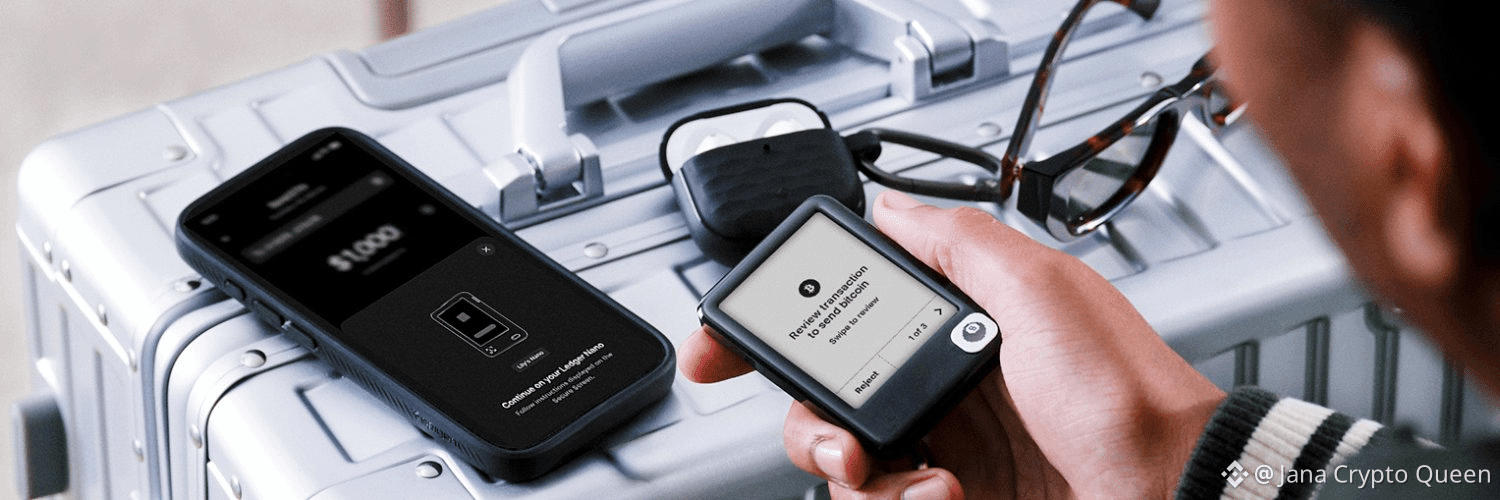
Update about Ledger Users Drain Incident.
Ledger has now confirmed that one of the drained devices had a hardware implant inside, something put in there that should never have been.
They also says it’s limited to one reseller in Southeast Asia, but that reseller was listed as authorised on Ledger’s own website.
Researchers have traced $86 to $93 million from more than 300 wallets, about ten times the last incident from a fake Ledger app scam back in April.
DON'T BUY YOUR WALLET FROM MARKETPLACES!!
694
Finally back from TOKEN2049 🇸🇬
A lot happened this last few days, so here is an overview:
- A year ago this weekend crypto had the biggest liquidation day in its history, more than $19 billion in borrowed bets wiped out in one day. Now, Bitcoin is around $83,000 now, about a third lower than that morning.
- People in Southeast Asia who bought their Ledger through one authorised reseller got drained, more than $86 million in suspected thefts traced so far, still not confirmed by Ledger.
- This Sunday a phishing link went out from Coldcard's own X account.
Cold wallets keep being the focus of big hacks this year...
- Besides, from late October, 82 million Galaxy phones in the US will get digital dollars inside Samsung Wallet.
- Visa survey found almost half of people in Asia Pacific expect to use stablecoins in the next five years, while only 6% understand how they work.
If you read so far you might be seeing the same gap I’m. More people are coming into the space and most will use this before they understand it, so for today lesson: buy your wallet from the maker, type the website yourself, and take the time to learn what you're holding.

279

6
1
42
8.7k
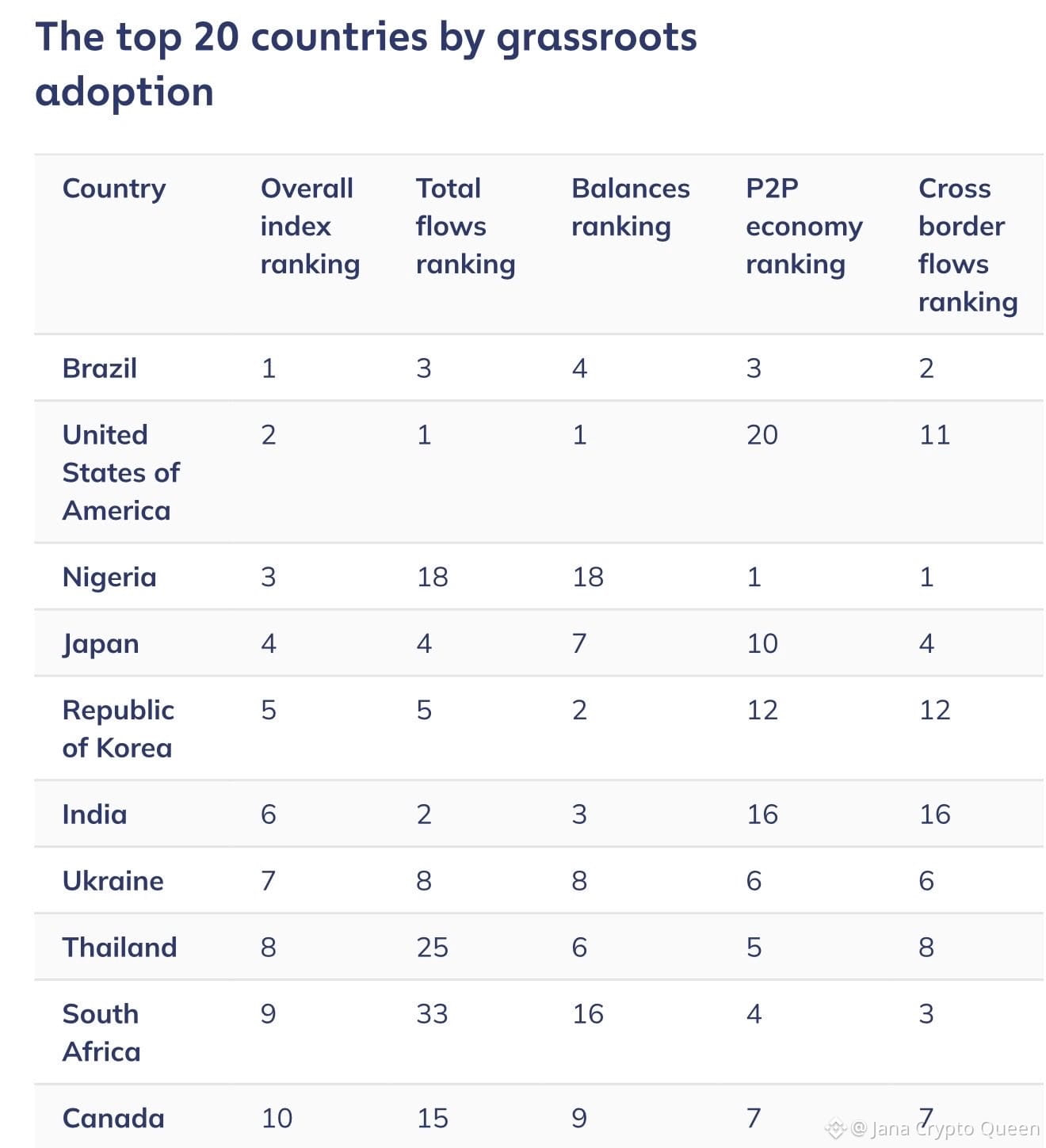
Brazil at the top 🇧🇷🔥
Brazil came first in Chainalysis's yearly ranking of which countries use crypto most.
You know why?
Because we need it!
Brazilians deserve better, and if the government doesn’t provide it, we go take it.
Brazil at the top 🇧🇷🔥
Brazil came first in Chainalysis's yearly ranking of which countries use crypto most.
You know why?
Because we need it!
Brazilians deserve better, and if the government doesn’t provide it, we go take it.
Brazil came first in Chainalysis's yearly ranking of which countries use crypto most.
You know why?
Because we need it!
Brazilians deserve better, and if the government doesn’t provide it, we go take it.
1
5
892
Really anxious watching Brazil counting votes right now....
I moved from Brazil less than two years ago and I can say that one of the main reasons that made me confirm my decision to move out was the current president and the way things have been moving there.
Wishing for a change, for my family and more than 200 million Brazilians there.
I moved from Brazil less than two years ago and I can say that one of the main reasons that made me confirm my decision to move out was the current president and the way things have been moving there.
Wishing for a change, for my family and more than 200 million Brazilians there.

4
1k
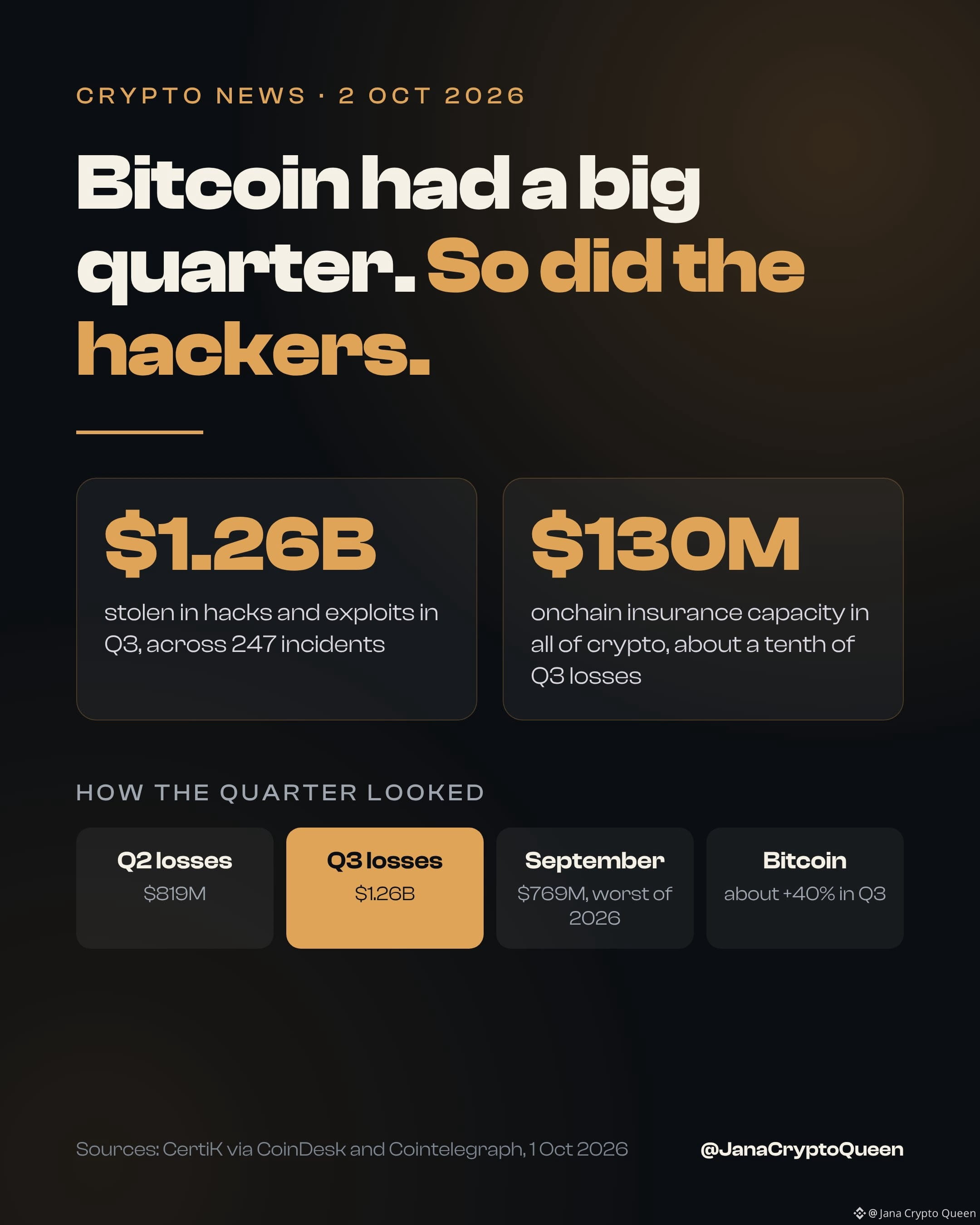
Bitcoin went up about 40% in the last three months.
YET Hackers had a big quarter too.
$1.26 billion stolen, and September was the worst month so far...
All the onchain insurance in crypto adds up to about $130 million. Roughly a tenth of what was taken.
Crypto People rarely gets a break 🥹
Bitcoin went up about 40% in the last three months.
YET Hackers had a big quarter too.
$1.26 billion stolen, and September was the worst month so far...
All the onchain insurance in crypto adds up to about $130 million. Roughly a tenth of what was taken.
Crypto People rarely gets a break 🥹
YET Hackers had a big quarter too.
$1.26 billion stolen, and September was the worst month so far...
All the onchain insurance in crypto adds up to about $130 million. Roughly a tenth of what was taken.
Crypto People rarely gets a break 🥹
800
Partly True
$HBAR looking really good!
Here's what happened:
- A company building on Hedera got its AI identity tool listed on IBM's cloud catalog.
- Besides Hedera posted that some of its council members, like Accenture, are part of NVIDIA's new AI agent safety platform
My read: Hedera is still down about 42% over the year, so this is a start of a major bounce.
Bullish news and expecting more to come during this cycle for @hedera @HederaCommunity
4
4
4.5k
SEC saved us?!
Innovation Exemption is a temporary conditional of 5 years that allows on chain trading of US tokenized stocks 🤔
Bullish?
SEC saved us?!
Innovation Exemption is a temporary conditional of 5 years that allows on chain trading of US tokenized stocks 🤔
Bullish?
Innovation Exemption is a temporary conditional of 5 years that allows on chain trading of US tokenized stocks 🤔
Bullish?
2
1
3
921
The CLARITY Act is dead, for now.
Why?
The two sides voting had written more than 600 pages of compromise between them, yet still what broke it was the ethics section, the few pages about whether people in government can hold and launch crypto while they are the ones writing the rules for crypto.
Trump agreed to a version of that language on Sunday, right before the vote, which was big news at the time...
It would bar covered officials and their spouses from issuing or sponsoring a digital asset, make them sell any “significant financial interest” in crypto or move it into a blind trust, let state attorneys general sue to enforce it, and stop exchanges from listing any token issued by one of those officials.
For a moment it looks good, but here is the part, Democrats read it differently.
Their argument was that it blocks new launches yet doesn’t clearly reach what is already in place, and they wanted it extended to large holdings, dependent children and paid crypto promotion.
For context on why that section was the one that mattered:
- Trump’s own financial disclosure in June showed at least $1.4 billion in crypto income for 2025.
- Around $594 million from World Liberty Financial and about $635 million from the $TRUMP coin.
- Besides the fact that crypto was his single biggest source of income for the year, bigger than real estate.
What now?
The SEC and the CFTC keep going with their own rulemaking, which was already happening in the background. That route is slower, narrower, and much easier for the next administration to undo.
The crypto PACs now decide what they do with the senators who voted no, with the election on November 3.
And if the Senate changes hands in November, the next version of this bill gets written in a very different room.
Regardless of how anyone feels about this bill, the part I keep coming back to and failing to move on from is the selfish side of our nature as humans, this was a bill with more than six hundred pages and the whole thing fell apart over the section about themselves.

3
531
Log in to explore more content
Join global crypto users on Binance Square
⚡️ Get latest and useful information about crypto.
💬 Trusted by the world’s largest crypto exchange.
👍 Discover real insights from verified creators.
Email / Phone number
Trending Topics
BitcoinRebounds$75KAsChipsLead
11,640 views
168 Discussing
Market Watch | Bitcoin Rebounds to $75,600 After Dip Below $75,000 as Chip Stocks Lead Rally on Jobs Beat
Binance News
·17 Likes
·5.3k views
JobsReportRaisesHikeOdds
156,266 views
1,352 Discussing
US Data Center Rules May Constrain AI Expansion
23,608 views
130 Discussing