
Baoyu
29 Posts

Baoyu
Report
Block User
复利人格|长期主义|独立思考
Open Trade

BTC Holder
Occasional Trader
8.9 Years
7 Following
41 Followers
50 Liked
Posts
Portfolio
All
Quotes
·
--
My friends always say I’m an Android person.
I keep my phone in power-saving mode year-round, check for group-buy discounts before buying anything, and always try to save wherever I can.
But in crypto, I’ve increasingly come to believe that some money shouldn’t be saved, and some bargains aren’t worth chasing.
Just to earn a few extra percentage points in interest, you might put your assets on some unknown, small platform. If it collapses, years of savings could be wiped out overnight.
You might save a little on fees, but you could be gambling your entire principal.
That’s why I’d rather choose a major platform like Binance. Its scale, risk controls, and security systems deserve serious consideration—and at least that’s more rational than blindly chasing high returns. Of course, being a major platform doesn’t mean it’s absolutely safe; asset allocation and risk awareness matter just as much.
The first rule of investing isn’t to earn as much as possible, but to stay in the game for as long as possible.
Don’t let a tiny short-term gain undo years of compounding.
#币安 #比特币 #加密货币 #LongTermism
1
226
·
--
Article
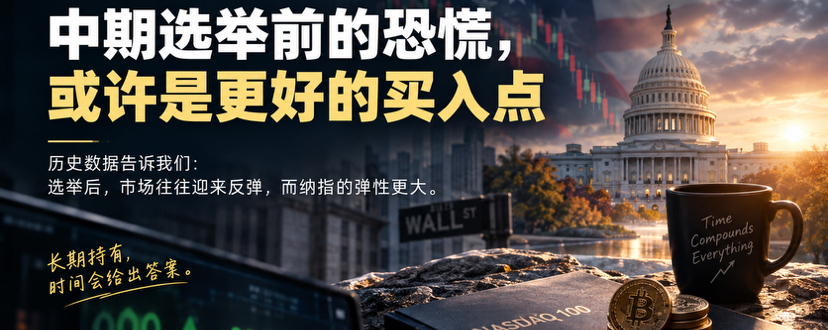
The Nasdaq in a Time of Fear: Historical Patterns Ahead of the Midterms, and the Confidence to Stay Invested for the Long TermIt is now late October 2026, with less than two weeks to go before the U.S. midterm elections, which usually take place on the first Tuesday in November. Market sentiment has cooled noticeably. The CNN Fear & Greed Index was around 21 on or about October 23, putting it in “Extreme Fear” territory. The Nasdaq has also seen a marked pullback recently, with tech stocks under pressure as concerns mount over AI capital spending, inflation, geopolitics, and other factors.
As a committed long-term Nasdaq investor—whether through dollar-cost averaging or holding QQQ or other Nasdaq-100-related products—I don’t treat this kind of sentiment as a signal to “buy the dip” or time the market. I see it instead as noise that has recurred throughout historical market cycles. What truly deserves attention is the data and the patterns themselves.
The Nasdaq in a Time of Fear: Historical Patterns Ahead of the Midterms, and the Confidence to Stay Invested for the Long Term
It is now late October 2026, with less than two weeks to go before the U.S. midterm elections, which usually take place on the first Tuesday in November. Market sentiment has cooled noticeably. The CNN Fear & Greed Index was around 21 on or about October 23, putting it in “Extreme Fear” territory. The Nasdaq has also seen a marked pullback recently, with tech stocks under pressure as concerns mount over AI capital spending, inflation, geopolitics, and other factors.
As a committed long-term Nasdaq investor—whether through dollar-cost averaging or holding QQQ or other Nasdaq-100-related products—I don’t treat this kind of sentiment as a signal to “buy the dip” or time the market. I see it instead as noise that has recurred throughout historical market cycles. What truly deserves attention is the data and the patterns themselves.
As a committed long-term Nasdaq investor—whether through dollar-cost averaging or holding QQQ or other Nasdaq-100-related products—I don’t treat this kind of sentiment as a signal to “buy the dip” or time the market. I see it instead as noise that has recurred throughout historical market cycles. What truly deserves attention is the data and the patterns themselves.
110
·
--
My BTC trading experience: I don’t try to call the bottom—I just keep accumulating.
After years of trading, I’ve come to believe one thing more and more: what truly sets you apart isn’t whether you can time the bottom perfectly, but whether you have a strategy you can stick to over the long term.
Looking back at my BTC purchase records, I bought in several batches on February 7, at an average price of about 70,819 USDT. On March 22, I bought more at an average price of about 68,667 USDT. Then, on March 28, I made two more purchases at average prices of about 66,448 and 66,358 USDT, respectively.
The biggest lesson I’ve taken from these records is that you don’t have to buy at the absolute low every time—but you do need to be able to weather volatility.
I don’t use leverage, and I don’t treat short-term price movements as the whole story. For assets I truly believe in, I’d rather rely on time, discipline, and steady accumulation, and wait for the power of compounding to do its work.
Of course, trading tools are just there to help; risk management and independent judgment are what really matter. With derivatives in particular, make sure you understand margin, leverage, and liquidation risks before getting involved. Never jump in blindly.
Trading isn’t about winning every day. It’s about building an approach you can sustain over the long term. Accumulate for the future, and let time be your friend.

2
2
423
·
--
Those who can endure profound uncertainty over the long term must have a profound certainty within.
This is true of investing, and of life.
Others see ups and downs, anxiety, and the unknown. You see long-term trends, underlying principles, and the ultimate direction.
True strength isn’t about predicting the future. It’s about knowing why you set out, even when you can’t see what lies ahead.
What is that certain answer within you?
#投资 #长期主义 #Cognition
1
99
·
--
Duan Yongping has an important principle when it comes to investing:
“If you know investing, you don’t need margin. If you don’t, you shouldn’t use it.”
If you truly understand investing, there’s no need to use leverage to accelerate wealth accumulation. If you don’t yet understand investing, you should be even more careful not to use leverage to amplify your risk.
Whether I’m buying stocks or investing in BTC, I stick to the same rules:
No margin. No borrowing. No leverage.
If my principal is small, I’ll build it up gradually. If returns come slowly, I’ll give them more time.
The point of investing isn’t to use leverage to win a market rally. It’s to rely on knowledge, patience, and compounding to stay the course over the long run.
First make sure you won’t be forced out of the game. Then think about growing your wealth.
#投资 #BTC #ValueInvesting
1
174
·
--
The tragedy of being poor isn’t that you don’t work hard enough, but that you learn too little of what’s useful and too much of what isn’t.
Instead of studying how to save money, study how to make it.
Instead of studying short-term market fluctuations, study long-term investing.
Instead of studying other people’s lives, work on expanding your own understanding.
What truly sets people apart isn’t how hard you work, but what your hard work ultimately builds.
Spend your time on things that compound. Turn knowledge into ability, and ability into value.
The greatest turnaround in life isn’t suddenly making a lot of money—it’s finally learning the right things.
#Understanding #Growth #Investing
1
93
·
--
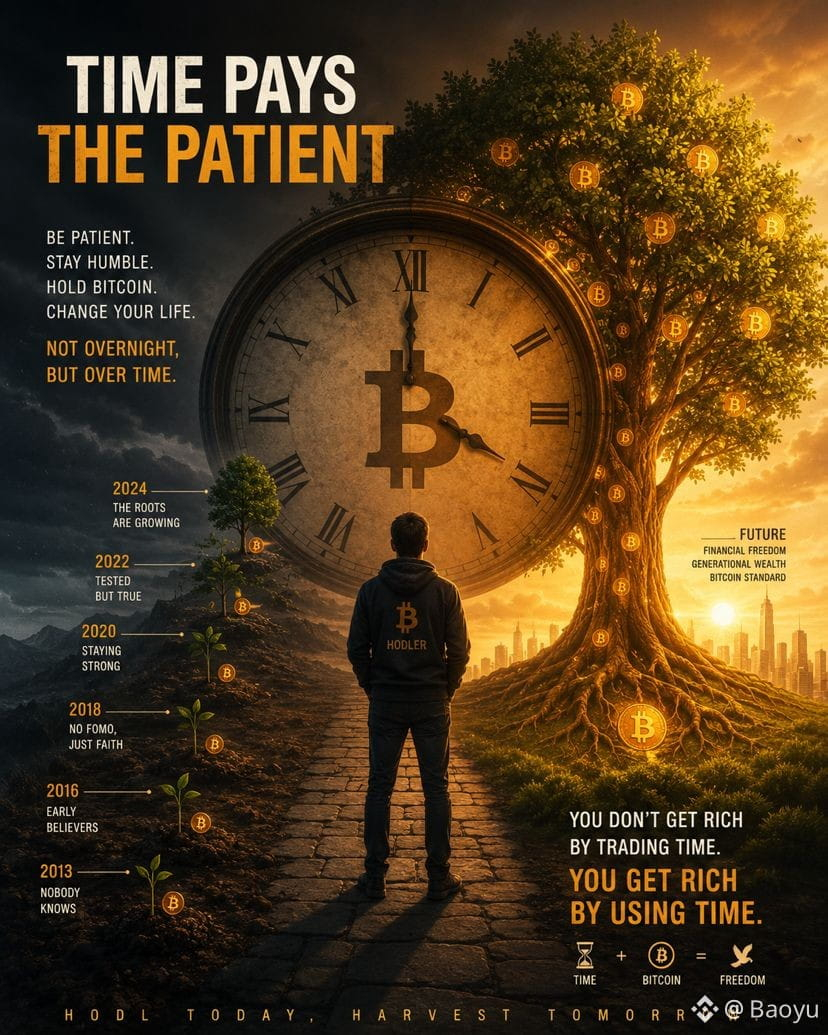
167
·
--
This year could be the best time in the next 10 years to save up 1 BTC. $BTC #比特币创2023年3月来最佳周表现
This year could be the best time in the next 10 years to save up 1 BTC. $BTC #比特币创2023年3月来最佳周表现

韭韭金
·
--
BearishI just had a dream. In the dream, $BTC dropped back to 75,000. In the dream, I struggled a lot, and in the end I cut the loss. Suddenly, I felt so light and relieved. Then I woke up, picked up my phone, and checked—$BTC didn’t drop; it actually went up 😂
But through this dream, I feel it’s time to put an end to what’s happening now. I’ve said before: if an investment makes you lose sleep at night, then it’s not a good investment. Not only in the dream—before, when I went out, I didn’t even bring a phone for trading crypto, and it didn’t feel like anything. But yesterday, when I went to a friend’s place, I could clearly feel I was distracted. I started worrying a lot about the trend of $BTC . This clearly affected my life. For a person, besides money, mental and physical health is what matters most. So I decided to terminate this trade.
Buddhism says that all worries in the world come from self-attachment—that’s so true. Looking back on this trade: holding on to the position at first was because I was fixated on achieving a 100% win rate, and that—ironically—is the least useful thing in trading. So yesterday’s top-up, when I think back, was more like being stunned by the recent gains these past few days. I was unwilling to accept it, not believing it could keep going up, and that wasn’t rational.
This position should have been closed as early as yesterday, but I let it survive one more day.
A loss of 3.4 million W is something I can’t help but feel a lot about. I really hope they don’t have to experience something like this 😂 Finally, even though I cut the loss, I still feel that this trend can’t last. Maybe the moment I sell, it’ll start to crash—who knows? After the contracts end, they’ll probably find some opportunities to get some recovery. As a little “wheatling,” I know we must go on living and reproducing endlessly—long live, no matter what. Gods, good morning~ 🌞
1
167
·
--
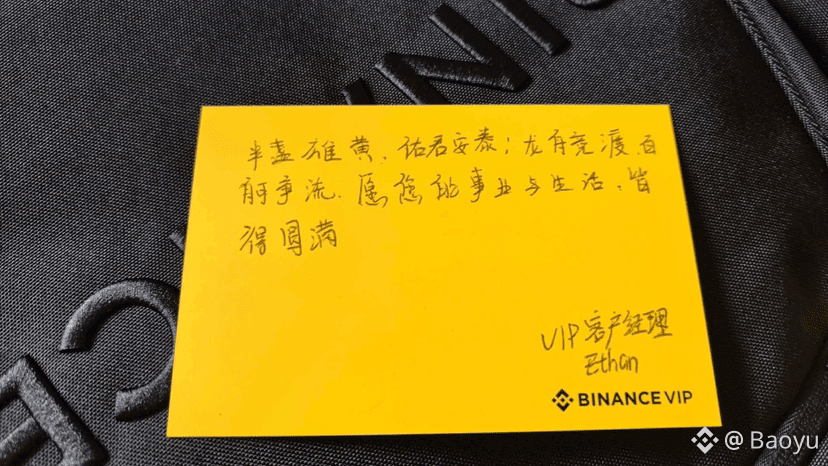
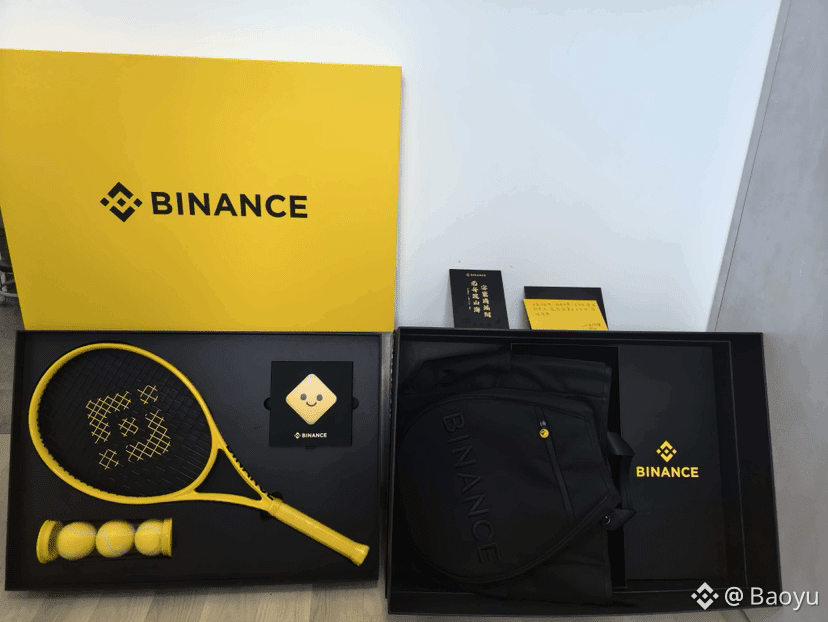
Our Binance Dragon Boat Festival gift box is truly thoughtful.
Our Binance Dragon Boat Festival gift box is truly thoughtful.
1
173
·
--
Bullish
$BTC BTC is about to enter a super cycle, so hold onto your bags.
$BTC BTC is about to enter a super cycle, so hold onto your bags.
1
102
·
--
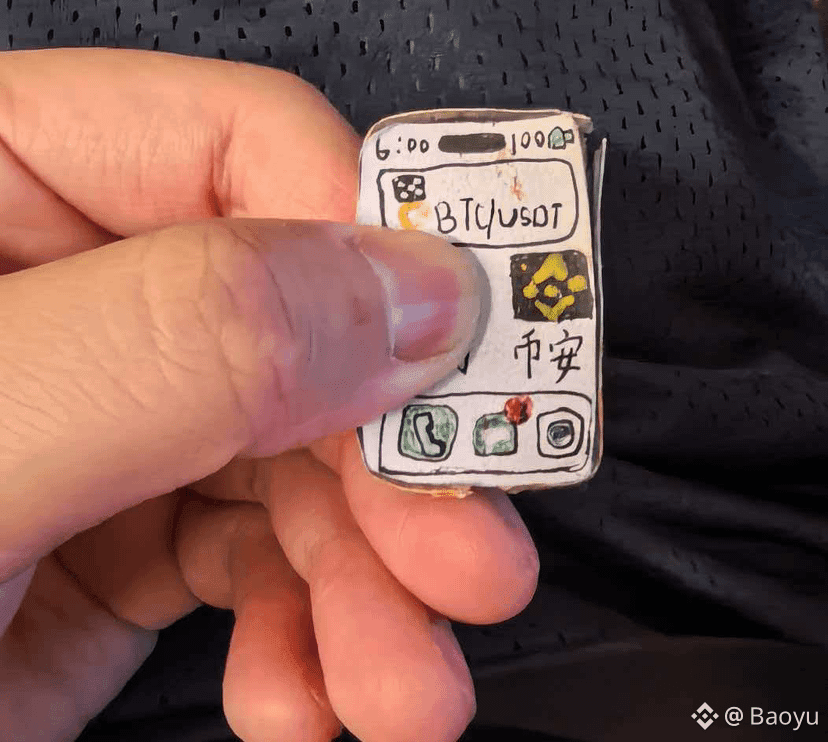
Interpretation of Saylor's mixed messages.Today, Saylor said in an interview that he never said he wouldn't sell BTC; he just advised you not to sell. Many think he talks one way and acts another, but I believe he has multiple layers of meaning.
Level One: Saylor and the average investor are not on the same playing field.
A lot of folks see Saylor as a pure BTC believer.
But in reality, he has three roles:
* BTC Investors
* Public Company Executive
* Corporate Capital Allocator
For the average person:
Not selling BTC = Holding BTC
For Saylor:
Not selling BTC ≠ Never engaging in capital operations.
If extreme situations arise in the future:
Interpretation of Saylor's mixed messages.
Today, Saylor said in an interview that he never said he wouldn't sell BTC; he just advised you not to sell. Many think he talks one way and acts another, but I believe he has multiple layers of meaning.
Level One: Saylor and the average investor are not on the same playing field.
A lot of folks see Saylor as a pure BTC believer.
But in reality, he has three roles:
* BTC Investors
* Public Company Executive
* Corporate Capital Allocator
For the average person:
Not selling BTC = Holding BTC
For Saylor:
Not selling BTC ≠ Never engaging in capital operations.
If extreme situations arise in the future:
142
·
--
Don’t focus on the price, focus on the stack.
This is a habit that many OGs in the BTC scene develop over time.
They don’t really care:
* Is BTC at 80k or 120k today?
What they care about is:
Did I grab an extra 0.1 BTC this year?
Did I stack an extra whole BTC this year?
When someone starts thinking in "coins" instead of "prices," their time horizon usually shifts from next week to the next cycle, or even to the next generation.
1
266
·
--
The digits in your account aren't the most valuable thing. The real treasure is evolving from a 'price mindset' to an 'asset mindset'. This asset mindset is often where the true compounding begins. #价值投资 $QQQ $BTC
The digits in your account aren't the most valuable thing. The real treasure is evolving from a 'price mindset' to an 'asset mindset'. This asset mindset is often where the true compounding begins. #价值投资 $QQQ $BTC
125
·
--
#美国持续打击伊朗纳指跌1%
For the average Joe, the two most solid investment plays are the Nasdaq and BTC. Just hold them for a decade, don’t sweat the ups and downs, and check back in 10 years to see how your decisions panned out.
#美国持续打击伊朗纳指跌1%
For the average Joe, the two most solid investment plays are the Nasdaq and BTC. Just hold them for a decade, don’t sweat the ups and downs, and check back in 10 years to see how your decisions panned out.
For the average Joe, the two most solid investment plays are the Nasdaq and BTC. Just hold them for a decade, don’t sweat the ups and downs, and check back in 10 years to see how your decisions panned out.
107
·
--
$BTC
Most folks fail to grow their wealth not because they picked the wrong assets, but because they bailed on the right ones during a market dip.
$BTC
Most folks fail to grow their wealth not because they picked the wrong assets, but because they bailed on the right ones during a market dip.
Most folks fail to grow their wealth not because they picked the wrong assets, but because they bailed on the right ones during a market dip.
111
·
--
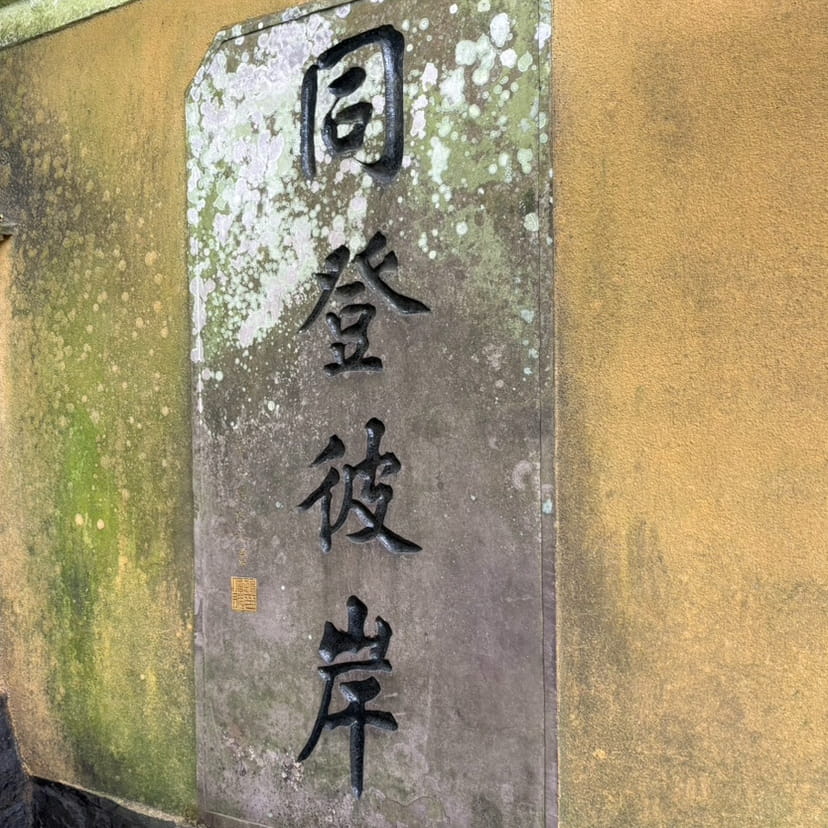
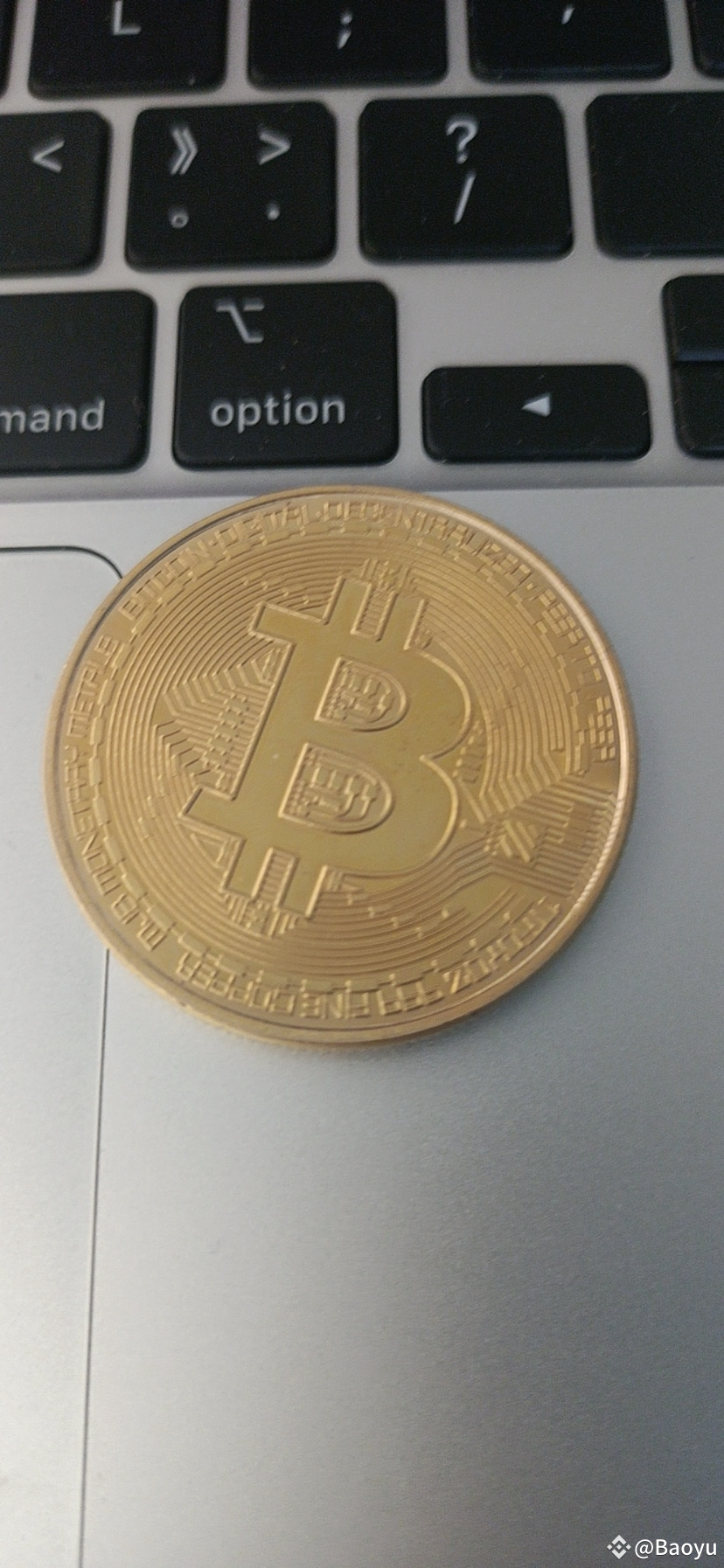
I can't wrap my head around why there are still people selling btc at this price.
I can't wrap my head around why there are still people selling btc at this price.
2
332
·
--
1
10
310
Log in to explore more content
Join global crypto users on Binance Square
⚡️ Get latest and useful information about crypto.
💬 Trusted by the world’s largest crypto exchange.
👍 Discover real insights from verified creators.
Email / Phone number
Trending Topics
CanBTCReboundAfterFallingBelow60K?
0 views
419 Discussing
Bitcoin News | Bitcoin Falls Below $60,000 for the First Time Since July as IBIT Posts Record $541 Million Outflow
Binance News
·38 Likes
·61.9k views
GlobalStocksFaceLongestLosingStreakSince2023
40,835 views
451 Discussing
AnthropicPlungesTowardIPOPriceonDay2
10,469 views
155 Discussing