

M_Yousaf_Trader
( KITE , UID : 801457 )
Open Trade
High-Frequency Trader
1.7 Years
45 Following
4.6K+ Followers
1.1K+ Liked
Posts
Portfolio
All
Quotes
Videos
Live


China_BNB
·
--
[Replay] 🎙️ Time to trade and live talk
Chek dado chrger
03 h 18 m 24 s · 255 listens




China_BNB
·
--
[Replay] 🎙️ Nothing special but 1 important things So let's talking come on!🌹
05 h 32 m 08 s · 321 listens
China_BNB
·
--
The $6.3 Billion Binance Hack: Is Crypto Exchange Security Entering a New Era?
The biggest threat to a crypto exchange may not come from the market. It may come from inside its own security infrastructure.
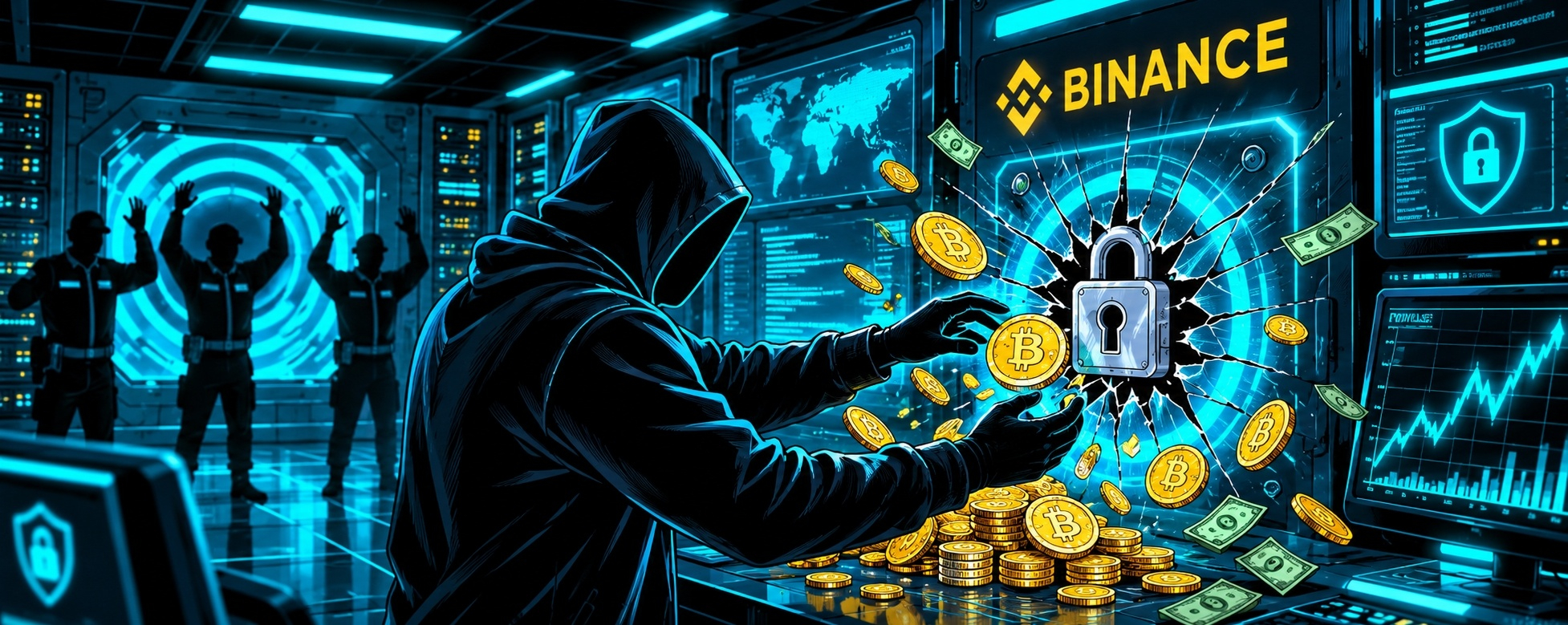
The cryptocurrency industry is facing a serious wake-up call after Binance disclosed a security breach involving approximately $6.3 billion worth of digital assets.
The incident, which occurred on October 29, has become one of the most significant security events in crypto history.
But the real story goes beyond the amount stolen.
What Actually Happened?
According to Binance's official security updates, attackers compromised parts of its hot-wallet infrastructure and executed unauthorized withdrawals.
Binance initially identified a potentially compromised laptop and later discovered additional points of breach.
Importantly, the exchange reported no evidence that wallet private keys had been leaked.
The FBI attributed the attack to TraderTraitor, a North Korea-linked hacking group. North Korea has denied involvement.
Binance's Response: Protecting Customer Funds
Instead of passing the financial impact to customers, Binance pledged to cover the stolen assets using its corporate treasury and security reserves.
Its recovery efforts have included:
- Approximately $3 billion in stolen assets frozen on-chain, according to an earlier update.- Around 95% of the affected assets replenished, according to Binance's November 1 announcement.- Withdrawals gradually restored through a phased process.- Updated Proof of Reserves information to strengthen transparency.These actions represent a major attempt to restore confidence.
The $4.72 Billion Question
According to Reuters' November 2 reporting, Binance experienced approximately $4.72 billion in net customer withdrawals following the incident.
However, the situation is more complex than a simple loss of confidence.
Binance also reported approximately $2.7 billion flowing back into the platform since Sunday.
This suggests that while some users reacted cautiously, others continued to trust the exchange.
What Does This Mean for the Future of Crypto?
This incident raises three important questions for the entire industry:
1. Is keeping large amounts of crypto in hot wallets becoming too risky?
Exchanges may need stronger isolation between operational systems and critical wallet infrastructure.
2. Is Proof of Reserves enough?
Showing that customer assets are backed is important, but transparency must also include security controls, operational risks and independent verification.
3. Will institutional investors demand stronger protection?
Institutional adoption depends not only on liquidity and regulation but also on reliable custody and security infrastructure.
My Perspective
The Binance incident should not automatically be interpreted as the end of centralized exchanges.
However, it exposes a fundamental weakness in the industry's security model.
Crypto was built around the idea of financial independence and control over assets. Yet millions of investors still depend on centralized platforms to protect their holdings.
The next era of crypto competition may not be decided by trading fees, token listings or marketing.
It may be decided by one critical factor:
Who can prove that their security is stronger than the threats targeting them?
The future of crypto will belong to platforms that earn trust through security, transparency and accountability — not simply those with the largest trading volumes.
What do you think? Will this $6.3 billion incident fundamentally change how investors trust centralized exchanges?
#BinanceWithdrawalScamWarning





Log in to explore more content