Binance Square

Danni Traders

Open Trade
Frequent Trader
1.5 Years
Market analyzer .. Signals provider
86 Following
6.5K+ Followers
9.7K+ Liked
2.2K+ Shared
All Content
Portfolio
PINNED
--
How Beginners Can Turn $50 into $1000 Using 5-Minute Candle Patterns in 7 DaysIntroduction For beginner traders looking to grow their small investments, understanding candlestick patterns is a great starting point. This article covers popular 5-minute candle patterns, explaining their significance and how they can be used effectively to potentially grow $50 into $1000. These patterns, combined with careful analysis and risk management, can provide high-quality trade opportunities. --- 1. Understanding Candlestick Patterns Candlestick patterns are visual indicators used in technical analysis to predict market movements. They provide insights into the psychology of market participants, showing how prices have changed over a specific period. Each candlestick consists of the open, high, low, and close prices, represented by a body and wicks (or shadows). Below are some essential candlestick patterns that can be applied to 5-minute charts. --- 2. Reversal Patterns Reversal patterns indicate that the current trend (whether bullish or bearish) is likely to reverse. These patterns are valuable for identifying profitable entry points. Bearish Engulfing: This pattern signals a potential downward reversal, where a large red candle engulfs a smaller green one. It typically appears after an uptrend, signaling a shift to a downtrend. Bullish Engulfing: The opposite of bearish engulfing, this pattern indicates a bullish reversal, with a large green candle engulfing a smaller red candle, often found after a downtrend. Evening Star and Morning Star: The Evening Star is a bearish reversal pattern seen at the end of an uptrend, while the Morning Star signals a bullish reversal after a downtrend. Both patterns involve three candles and highlight changes in momentum. Hammer and Inverted Hammer: These single-candle patterns show potential reversals. A Hammer has a small body with a long lower wick and appears after a downtrend, indicating a possible uptrend. The Inverted Hammer, found in a downtrend, has a small body with a long upper wick, signaling a reversal. Shooting Star: A bearish reversal pattern, the Shooting Star appears after an uptrend and has a small body with a long upper wick. This formation suggests that buyers pushed the price higher, but sellers regained control, leading to a potential downtrend. --- 3. Continuation Patterns Continuation patterns show that the current trend is likely to persist, providing traders with a signal to hold or add to their positions. Bullish and Bearish Tweezers: These patterns consist of two candles with almost equal highs or lows. Bullish tweezers often appear at the bottom of a downtrend, while bearish tweezers appear at the top of an uptrend, indicating a continuation of the trend. Spinning Tops: With small bodies and long wicks, Spinning Tops represent indecision in the market. While they may not signal a strong reversal or continuation on their own, they can be used to confirm other patterns. --- 4. Trend Indicators Certain patterns suggest the strength or weakness of a trend, helping traders make decisions based on trend dynamics. Three Black Crows: This bearish pattern consists of three consecutive red candles with lower closes, indicating strong selling pressure and a potential downtrend. Three White Soldiers: This bullish pattern consists of three green candles with higher closes, signaling strong buying pressure and a possible uptrend continuation. --- 5. Multi-Candle Reversal Patterns These patterns involve multiple candles and provide more reliable signals. Three Inside Up and Three Inside Down: These three-candle patterns indicate reversals. The Three Inside Up pattern shows a shift to a bullish trend after a downtrend, while Three Inside Down indicates a bearish reversal following an uptrend. --- 6. Using the Patterns with Risk Management Even with reliable candlestick patterns, it’s crucial to apply risk management strategies. Here are some tips: Set Stop-Losses: A stop-loss helps minimize potential losses by automatically selling your asset when it reaches a certain price. Manage Position Size: Don’t risk more than a small percentage of your account balance on a single trade. Use Other Indicators for Confirmation: Relying on just one pattern can be risky. Use moving averages, RSI, or MACD to confirm trades. Avoid Overtrading: Candlestick patterns may appear frequently, but not every pattern is worth trading. Select high-quality setups and avoid unnecessary risks. --- 7. Strategy for Turning $50 into $1000 Using these patterns on a 5-minute chart can offer quick entry and exit opportunities. Here’s a sample strategy: 1. Identify Trend: Use trend indicators and patterns like Three White Soldiers or Three Black Crows to determine the market direction. 2. Look for Reversal Patterns: Identify patterns like the Morning Star or Shooting Star to enter trades at optimal points. 3. Place Stop-Loss Orders: Set your stop-loss slightly below or above the pattern’s formation to manage risk. 4. Set Profit Targets: Aim for realistic profit levels. Exiting at the right time is crucial to preserving gains. 5. Reinvest Profits: Compound your returns by reinvesting some profits into future trades, while withdrawing a portion to secure your earnings. --- Conclusion Turning $50 into $1000 in a week requires patience, skill, and disciplined risk management. While these 5-minute candle patterns can offer profitable opportunities, remember that all trading involves risk. Practice on a demo account before applying real funds, and always conduct thorough research before making trades. By mastering these candlestick patterns and combining them with sound strategies, beginner traders can enhance their chances of success in the fast-paced world of trad

How Beginners Can Turn $50 into $1000 Using 5-Minute Candle Patterns in 7 Days

Introduction For beginner traders looking to grow their small investments, understanding candlestick patterns is a great starting point. This article covers popular 5-minute candle patterns, explaining their significance and how they can be used effectively to potentially grow $50 into $1000. These patterns, combined with careful analysis and risk management, can provide high-quality trade opportunities.
---
1. Understanding Candlestick Patterns
Candlestick patterns are visual indicators used in technical analysis to predict market movements. They provide insights into the psychology of market participants, showing how prices have changed over a specific period. Each candlestick consists of the open, high, low, and close prices, represented by a body and wicks (or shadows). Below are some essential candlestick patterns that can be applied to 5-minute charts.
---
2. Reversal Patterns
Reversal patterns indicate that the current trend (whether bullish or bearish) is likely to reverse. These patterns are valuable for identifying profitable entry points.
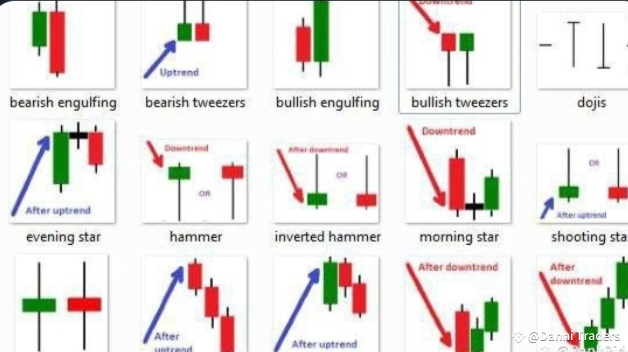
Bearish Engulfing: This pattern signals a potential downward reversal, where a large red candle engulfs a smaller green one. It typically appears after an uptrend, signaling a shift to a downtrend.
Bullish Engulfing: The opposite of bearish engulfing, this pattern indicates a bullish reversal, with a large green candle engulfing a smaller red candle, often found after a downtrend.
Evening Star and Morning Star: The Evening Star is a bearish reversal pattern seen at the end of an uptrend, while the Morning Star signals a bullish reversal after a downtrend. Both patterns involve three candles and highlight changes in momentum.
Hammer and Inverted Hammer: These single-candle patterns show potential reversals. A Hammer has a small body with a long lower wick and appears after a downtrend, indicating a possible uptrend. The Inverted Hammer, found in a downtrend, has a small body with a long upper wick, signaling a reversal.
Shooting Star: A bearish reversal pattern, the Shooting Star appears after an uptrend and has a small body with a long upper wick. This formation suggests that buyers pushed the price higher, but sellers regained control, leading to a potential downtrend.
---
3. Continuation Patterns
Continuation patterns show that the current trend is likely to persist, providing traders with a signal to hold or add to their positions.
Bullish and Bearish Tweezers: These patterns consist of two candles with almost equal highs or lows. Bullish tweezers often appear at the bottom of a downtrend, while bearish tweezers appear at the top of an uptrend, indicating a continuation of the trend.
Spinning Tops: With small bodies and long wicks, Spinning Tops represent indecision in the market. While they may not signal a strong reversal or continuation on their own, they can be used to confirm other patterns.
---
4. Trend Indicators
Certain patterns suggest the strength or weakness of a trend, helping traders make decisions based on trend dynamics.
Three Black Crows: This bearish pattern consists of three consecutive red candles with lower closes, indicating strong selling pressure and a potential downtrend.
Three White Soldiers: This bullish pattern consists of three green candles with higher closes, signaling strong buying pressure and a possible uptrend continuation.
---
5. Multi-Candle Reversal Patterns
These patterns involve multiple candles and provide more reliable signals.
Three Inside Up and Three Inside Down: These three-candle patterns indicate reversals. The Three Inside Up pattern shows a shift to a bullish trend after a downtrend, while Three Inside Down indicates a bearish reversal following an uptrend.
---
6. Using the Patterns with Risk Management
Even with reliable candlestick patterns, it’s crucial to apply risk management strategies. Here are some tips:
Set Stop-Losses: A stop-loss helps minimize potential losses by automatically selling your asset when it reaches a certain price.
Manage Position Size: Don’t risk more than a small percentage of your account balance on a single trade.
Use Other Indicators for Confirmation: Relying on just one pattern can be risky. Use moving averages, RSI, or MACD to confirm trades.
Avoid Overtrading: Candlestick patterns may appear frequently, but not every pattern is worth trading. Select high-quality setups and avoid unnecessary risks.
---
7. Strategy for Turning $50 into $1000
Using these patterns on a 5-minute chart can offer quick entry and exit opportunities. Here’s a sample strategy:
1. Identify Trend: Use trend indicators and patterns like Three White Soldiers or Three Black Crows to determine the market direction.
2. Look for Reversal Patterns: Identify patterns like the Morning Star or Shooting Star to enter trades at optimal points.
3. Place Stop-Loss Orders: Set your stop-loss slightly below or above the pattern’s formation to manage risk.
4. Set Profit Targets: Aim for realistic profit levels. Exiting at the right time is crucial to preserving gains.
5. Reinvest Profits: Compound your returns by reinvesting some profits into future trades, while withdrawing a portion to secure your earnings.
---
Conclusion
Turning $50 into $1000 in a week requires patience, skill, and disciplined risk management. While these 5-minute candle patterns can offer profitable opportunities, remember that all trading involves risk. Practice on a demo account before applying real funds, and always conduct thorough research before making trades.
By mastering these candlestick patterns and combining them with
sound strategies, beginner traders can enhance their chances of success in the fast-paced world of trad
Lorenzo Protocol: Bringing Institutional Asset Management On-Chain Through Tokenized StrategiesThe evolution of blockchain technology has opened the door to reimagining how capital is managed, deployed, and accessed. While decentralized finance has introduced powerful primitives such as lending, staking, and automated market making, much of traditional asset management expertise has remained off-chain. Lorenzo Protocol is designed to close this gap. It is an on-chain asset management platform that transforms proven traditional financial strategies into tokenized, accessible, and transparent products, allowing users to gain structured exposure to sophisticated strategies directly on-chain. Lorenzo Protocol is built on the belief that professional asset management should not be limited to institutions or high-net-worth individuals. In traditional finance, access to diversified funds, managed futures, or structured products is often restricted, opaque, and inefficient. Lorenzo reimagines these structures using blockchain infrastructure, enabling open participation, real-time transparency, and programmable capital flows. Through its design, Lorenzo Protocol aims to become a foundational layer for on-chain asset management. At the center of the Lorenzo ecosystem is the concept of On-Chain Traded Funds, known as OTFs. These products are tokenized versions of traditional fund structures, designed to offer exposure to specific strategies rather than single assets. Instead of manually managing positions or navigating complex financial products, users can hold OTFs that represent a basket of strategies executed through smart contracts. This abstraction simplifies participation while preserving the sophistication of the underlying strategies. OTFs allow capital to be deployed across a range of approaches, including quantitative trading, managed futures, volatility-based strategies, and structured yield products. Each OTF is designed with a clear objective and risk profile, allowing users to choose strategies that align with their goals. By tokenizing these strategies, Lorenzo makes them composable, transferable, and easy to integrate into broader DeFi ecosystems. A core innovation within Lorenzo Protocol is its vault-based architecture. Vaults are the structural backbone that organizes and routes capital into different strategies. Lorenzo uses two main types of vaults: simple vaults and composed vaults. Simple vaults focus on a single strategy or asset flow, offering clarity and efficiency. Composed vaults, on the other hand, combine multiple simple vaults into more complex strategy frameworks, enabling diversification and advanced capital allocation. This modular vault system allows Lorenzo to scale and adapt without disrupting existing products. New strategies can be added as new vaults, while composed vaults can rebalance or evolve over time. For users, this means access to continuously improving products without the need for constant manual intervention. The vault design also supports transparency, as on-chain data allows participants to track allocations, performance, and flows in real time. Quantitative trading strategies are a key component of Lorenzo’s offering. These strategies rely on systematic models, data-driven signals, and predefined rules to execute trades. By bringing quantitative strategies on-chain, Lorenzo enables automated execution with reduced human bias and increased consistency. Smart contracts ensure that strategies are followed precisely, while on-chain settlement provides transparency that is rarely available in traditional hedge fund structures. Managed futures strategies are another pillar of the Lorenzo Protocol ecosystem. Traditionally used by professional funds to gain exposure to trends across asset classes, managed futures strategies can provide diversification and risk-adjusted returns. Lorenzo adapts these concepts to an on-chain environment, allowing users to gain exposure to trend-following and systematic allocation strategies through tokenized products. This opens access to a category of strategies that has historically been difficult for retail participants to reach. Volatility strategies within Lorenzo Protocol are designed to capitalize on market movements rather than simple price direction. By structuring products that respond to changes in volatility, Lorenzo offers tools that can perform across different market conditions. These strategies can play an important role in portfolio construction, helping users manage risk and seek returns even in uncertain environments. On-chain execution ensures that these strategies operate transparently and according to predefined rules. Structured yield products further expand Lorenzo’s strategy suite. These products are designed to generate predictable or enhanced yield by combining multiple on-chain mechanisms into a single structure. In traditional finance, structured products are often complex, opaque, and difficult to evaluate. Lorenzo simplifies this by encoding structures into smart contracts, making terms, logic, and outcomes visible on-chain. Users gain access to yield strategies with a clearer understanding of how returns are generated. One of the most powerful aspects of Lorenzo Protocol is how it abstracts complexity without removing control. Users do not need to actively trade or manage positions, yet they retain visibility into where capital is deployed and how strategies perform. This balance between simplicity and transparency is central to Lorenzo’s design philosophy. It allows participants to benefit from professional-grade strategies while remaining informed and empowered. The BANK token is the native token of the Lorenzo Protocol ecosystem and plays a central role in governance and participation. BANK holders are not passive spectators; they are stakeholders in the protocol’s evolution. Through governance mechanisms, BANK holders can participate in decisions related to strategy selection, vault parameters, and protocol upgrades. This aligns incentives between users and the long-term success of the platform. In addition to governance, BANK is integrated into incentive programs that encourage ecosystem participation. Incentives help attract liquidity, reward active contributors, and support the growth of OTFs and vaults. By aligning rewards with meaningful participation, Lorenzo fosters a healthy and engaged community rather than short-term speculation. A defining feature of Lorenzo Protocol’s governance system is its vote-escrow mechanism, known as veBANK. Through this system, users can lock BANK tokens for a specified period to receive veBANK, which grants enhanced governance power and potential benefits. The longer the lock duration, the greater the influence. This model encourages long-term commitment and discourages short-term opportunistic behavior, promoting stability within the ecosystem. The veBANK system also creates alignment between governance participants and protocol performance. Those who are most invested in Lorenzo’s future have a greater voice in shaping it. This structure has proven effective in other DeFi contexts and is adapted within Lorenzo to support sustainable growth and thoughtful decision-making. From an ecosystem perspective, Lorenzo Protocol acts as a bridge between traditional finance concepts and decentralized infrastructure. By translating familiar fund structures into on-chain formats, Lorenzo makes it easier for traditional finance participants to explore DeFi while offering crypto-native users access to more advanced strategies. This convergence is critical for the next phase of blockchain adoption, where usability and sophistication must coexist. Interoperability is another important consideration. Lorenzo’s tokenized products are designed to be composable within the broader DeFi landscape. OTFs can potentially be used as collateral, integrated into other protocols, or combined with additional financial tools. This composability increases capital efficiency and expands the utility of Lorenzo’s products beyond standalone investment vehicles. Transparency is one of the most transformative benefits Lorenzo brings to asset management. In traditional finance, fund operations are often opaque, with delayed reporting and limited insight into underlying positions. Lorenzo leverages on-chain data to provide real-time visibility into strategy execution, capital allocation, and performance. This level of openness builds trust and allows users to make informed decisions. Risk management is embedded into Lorenzo’s architecture through strategy design, vault separation, and governance oversight. While no financial system is without risk, Lorenzo’s structured approach helps isolate strategies and manage exposure. Users can diversify across multiple OTFs rather than relying on a single strategy, supporting more resilient portfolio construction. As decentralized finance continues to mature, demand for structured, professional-grade products is increasing. Lorenzo Protocol is positioned to meet this demand by offering a framework that is both flexible and robust. Its ability to support multiple strategies, evolve through governance, and integrate with other on-chain systems makes it a compelling platform for long-term asset management innovation. Looking ahead, Lorenzo Protocol has the potential to redefine how funds are created, managed, and accessed. As new strategies emerge and on-chain infrastructure improves, Lorenzo’s modular design allows it to adapt and expand. This adaptability is essential in a rapidly changing financial landscape, where innovation and resilience must go hand in hand. In conclusion, Lorenzo Protocol represents a significant step forward in bringing traditional asset management on-chain. Through On-Chain Traded Funds, modular vaults, and a strong governance framework powered by BANK and veBANK, Lorenzo creates a transparent, accessible, and scalable asset management ecosystem. It empowers users to access sophisticated strategies without sacrificing control or clarity. Follow @LorenzoProtocol to stay connected, explore the ecosystem, and understand how $BANK and #LorenzoProtocol are shaping the future of on-chain asset management. @LorenzoProtocol #LorenzoProtocol $BANK

Lorenzo Protocol: Bringing Institutional Asset Management On-Chain Through Tokenized Strategies

The evolution of blockchain technology has opened the door to reimagining how capital is managed, deployed, and accessed. While decentralized finance has introduced powerful primitives such as lending, staking, and automated market making, much of traditional asset management expertise has remained off-chain. Lorenzo Protocol is designed to close this gap. It is an on-chain asset management platform that transforms proven traditional financial strategies into tokenized, accessible, and transparent products, allowing users to gain structured exposure to sophisticated strategies directly on-chain.

Lorenzo Protocol is built on the belief that professional asset management should not be limited to institutions or high-net-worth individuals. In traditional finance, access to diversified funds, managed futures, or structured products is often restricted, opaque, and inefficient. Lorenzo reimagines these structures using blockchain infrastructure, enabling open participation, real-time transparency, and programmable capital flows. Through its design, Lorenzo Protocol aims to become a foundational layer for on-chain asset management.

At the center of the Lorenzo ecosystem is the concept of On-Chain Traded Funds, known as OTFs. These products are tokenized versions of traditional fund structures, designed to offer exposure to specific strategies rather than single assets. Instead of manually managing positions or navigating complex financial products, users can hold OTFs that represent a basket of strategies executed through smart contracts. This abstraction simplifies participation while preserving the sophistication of the underlying strategies.

OTFs allow capital to be deployed across a range of approaches, including quantitative trading, managed futures, volatility-based strategies, and structured yield products. Each OTF is designed with a clear objective and risk profile, allowing users to choose strategies that align with their goals. By tokenizing these strategies, Lorenzo makes them composable, transferable, and easy to integrate into broader DeFi ecosystems.

A core innovation within Lorenzo Protocol is its vault-based architecture. Vaults are the structural backbone that organizes and routes capital into different strategies. Lorenzo uses two main types of vaults: simple vaults and composed vaults. Simple vaults focus on a single strategy or asset flow, offering clarity and efficiency. Composed vaults, on the other hand, combine multiple simple vaults into more complex strategy frameworks, enabling diversification and advanced capital allocation.

This modular vault system allows Lorenzo to scale and adapt without disrupting existing products. New strategies can be added as new vaults, while composed vaults can rebalance or evolve over time. For users, this means access to continuously improving products without the need for constant manual intervention. The vault design also supports transparency, as on-chain data allows participants to track allocations, performance, and flows in real time.

Quantitative trading strategies are a key component of Lorenzo’s offering. These strategies rely on systematic models, data-driven signals, and predefined rules to execute trades. By bringing quantitative strategies on-chain, Lorenzo enables automated execution with reduced human bias and increased consistency. Smart contracts ensure that strategies are followed precisely, while on-chain settlement provides transparency that is rarely available in traditional hedge fund structures.

Managed futures strategies are another pillar of the Lorenzo Protocol ecosystem. Traditionally used by professional funds to gain exposure to trends across asset classes, managed futures strategies can provide diversification and risk-adjusted returns. Lorenzo adapts these concepts to an on-chain environment, allowing users to gain exposure to trend-following and systematic allocation strategies through tokenized products. This opens access to a category of strategies that has historically been difficult for retail participants to reach.

Volatility strategies within Lorenzo Protocol are designed to capitalize on market movements rather than simple price direction. By structuring products that respond to changes in volatility, Lorenzo offers tools that can perform across different market conditions. These strategies can play an important role in portfolio construction, helping users manage risk and seek returns even in uncertain environments. On-chain execution ensures that these strategies operate transparently and according to predefined rules.

Structured yield products further expand Lorenzo’s strategy suite. These products are designed to generate predictable or enhanced yield by combining multiple on-chain mechanisms into a single structure. In traditional finance, structured products are often complex, opaque, and difficult to evaluate. Lorenzo simplifies this by encoding structures into smart contracts, making terms, logic, and outcomes visible on-chain. Users gain access to yield strategies with a clearer understanding of how returns are generated.

One of the most powerful aspects of Lorenzo Protocol is how it abstracts complexity without removing control. Users do not need to actively trade or manage positions, yet they retain visibility into where capital is deployed and how strategies perform. This balance between simplicity and transparency is central to Lorenzo’s design philosophy. It allows participants to benefit from professional-grade strategies while remaining informed and empowered.

The BANK token is the native token of the Lorenzo Protocol ecosystem and plays a central role in governance and participation. BANK holders are not passive spectators; they are stakeholders in the protocol’s evolution. Through governance mechanisms, BANK holders can participate in decisions related to strategy selection, vault parameters, and protocol upgrades. This aligns incentives between users and the long-term success of the platform.

In addition to governance, BANK is integrated into incentive programs that encourage ecosystem participation. Incentives help attract liquidity, reward active contributors, and support the growth of OTFs and vaults. By aligning rewards with meaningful participation, Lorenzo fosters a healthy and engaged community rather than short-term speculation.

A defining feature of Lorenzo Protocol’s governance system is its vote-escrow mechanism, known as veBANK. Through this system, users can lock BANK tokens for a specified period to receive veBANK, which grants enhanced governance power and potential benefits. The longer the lock duration, the greater the influence. This model encourages long-term commitment and discourages short-term opportunistic behavior, promoting stability within the ecosystem.

The veBANK system also creates alignment between governance participants and protocol performance. Those who are most invested in Lorenzo’s future have a greater voice in shaping it. This structure has proven effective in other DeFi contexts and is adapted within Lorenzo to support sustainable growth and thoughtful decision-making.

From an ecosystem perspective, Lorenzo Protocol acts as a bridge between traditional finance concepts and decentralized infrastructure. By translating familiar fund structures into on-chain formats, Lorenzo makes it easier for traditional finance participants to explore DeFi while offering crypto-native users access to more advanced strategies. This convergence is critical for the next phase of blockchain adoption, where usability and sophistication must coexist.

Interoperability is another important consideration. Lorenzo’s tokenized products are designed to be composable within the broader DeFi landscape. OTFs can potentially be used as collateral, integrated into other protocols, or combined with additional financial tools. This composability increases capital efficiency and expands the utility of Lorenzo’s products beyond standalone investment vehicles.

Transparency is one of the most transformative benefits Lorenzo brings to asset management. In traditional finance, fund operations are often opaque, with delayed reporting and limited insight into underlying positions. Lorenzo leverages on-chain data to provide real-time visibility into strategy execution, capital allocation, and performance. This level of openness builds trust and allows users to make informed decisions.

Risk management is embedded into Lorenzo’s architecture through strategy design, vault separation, and governance oversight. While no financial system is without risk, Lorenzo’s structured approach helps isolate strategies and manage exposure. Users can diversify across multiple OTFs rather than relying on a single strategy, supporting more resilient portfolio construction.

As decentralized finance continues to mature, demand for structured, professional-grade products is increasing. Lorenzo Protocol is positioned to meet this demand by offering a framework that is both flexible and robust. Its ability to support multiple strategies, evolve through governance, and integrate with other on-chain systems makes it a compelling platform for long-term asset management innovation.

Looking ahead, Lorenzo Protocol has the potential to redefine how funds are created, managed, and accessed. As new strategies emerge and on-chain infrastructure improves, Lorenzo’s modular design allows it to adapt and expand. This adaptability is essential in a rapidly changing financial landscape, where innovation and resilience must go hand in hand.

In conclusion, Lorenzo Protocol represents a significant step forward in bringing traditional asset management on-chain. Through On-Chain Traded Funds, modular vaults, and a strong governance framework powered by BANK and veBANK, Lorenzo creates a transparent, accessible, and scalable asset management ecosystem. It empowers users to access sophisticated strategies without sacrificing control or clarity. Follow @Lorenzo Protocol to stay connected, explore the ecosystem, and understand how $BANK and #LorenzoProtocol are shaping the future of on-chain asset management.
@Lorenzo Protocol #LorenzoProtocol $BANK
Yield Guild Games: Powering the Play-to-Earn Economy Through Community, Ownership, and OpportunityThe rise of blockchain gaming has reshaped how players interact with virtual worlds, turning time, skill, and participation into real economic value. At the center of this transformation stands Yield Guild Games, widely known as YGG. Yield Guild Games is a Decentralized Autonomous Organization (DAO) focused on investing in Non-Fungible Tokens used across virtual worlds and blockchain-based games. More than just a gaming guild, YGG represents a new economic model where players, creators, and investors come together to build sustainable, community-owned gaming ecosystems. Yield Guild Games was created with a clear vision: empower gamers by giving them access to digital assets, earning opportunities, and shared ownership in the growth of blockchain gaming. Traditional gaming models often lock players into closed ecosystems where time and effort cannot be translated into real value. YGG challenges this model by enabling players to earn, govern, and grow together through decentralized infrastructure and shared incentives. At its core, YGG operates as a DAO, meaning decisions are driven by the community rather than a centralized authority. Token holders participate in governance, helping shape the direction of the ecosystem. This decentralized structure aligns incentives between the guild and its members, ensuring that growth benefits the broader community. The $YGG token plays a central role in this system, acting as a governance and utility asset that connects players, investors, and contributors. One of the defining elements of Yield Guild Games is its focus on NFTs as productive assets. In blockchain games, NFTs often represent characters, land, items, or resources that players need to participate. However, these assets can be expensive, creating barriers for new players. YGG addresses this challenge by acquiring NFTs and deploying them across its network, allowing members to access gameplay opportunities without the upfront cost. This approach opens the door for players worldwide to participate in play-to-earn economies. YGG Vaults are a key component of the ecosystem. These vaults are designed to manage and deploy digital assets in a structured way. Through vaults, NFTs and other assets can be allocated to games, players, or strategies that generate yield. This system helps optimize asset usage while maintaining transparency and accountability. Participants can stake, earn rewards, and support the growth of the guild through these vault-based mechanisms. SubDAOs further expand YGG’s structure by organizing activity around specific games, regions, or themes. Each SubDAO operates with a degree of autonomy while remaining connected to the broader YGG ecosystem. This modular approach allows YGG to scale efficiently as new games and virtual worlds emerge. SubDAOs empower local communities and game-specific groups to tailor strategies, manage assets, and build engagement at a more focused level. Yield farming is another important feature within the YGG ecosystem. By participating in various on-chain activities, members can earn rewards that reflect their contribution and engagement. This creates a dynamic environment where value is continuously generated and distributed among participants. Combined with staking mechanisms, yield farming encourages long-term participation and aligns individual incentives with ecosystem health. Governance is a cornerstone of Yield Guild Games. Through decentralized governance, YGG holders can propose and vote on decisions that affect the DAO. This includes asset allocation strategies, partnerships, and ecosystem initiatives. Governance participation transforms players from passive users into active stakeholders, reinforcing the idea that YGG is owned and guided by its community. The YGG Play initiative represents a major step forward in making blockchain gaming more accessible. The YGG Play Launchpad is live, offering a unified platform where users can discover their favorite web3 games within the YGG ecosystem. Instead of navigating fragmented platforms and tools, players can explore games, learn about opportunities, and get started more easily. This streamlined experience lowers barriers and welcomes new users into the world of decentralized gaming. A standout feature of the YGG Play Launchpad is its quest-based system. Players can complete quests across supported games, earning rewards and unlocking access to new game tokens. These quests provide a guided onboarding experience, helping users understand gameplay mechanics while earning along the way. By combining discovery, engagement, and rewards, the Launchpad turns exploration into a meaningful journey rather than a confusing entry point. Access to new game tokens through the Launchpad creates additional value for participants. As blockchain games grow, early access and participation can play a significant role in long-term success. YGG Play connects players with emerging projects, allowing them to be part of new ecosystems from an early stage. This reinforces YGG’s role as a bridge between players and innovation in web3 gaming. From an economic perspective, Yield Guild Games demonstrates how decentralized organizations can coordinate capital, talent, and assets at scale. By pooling resources and distributing opportunities, YGG reduces individual risk while increasing collective potential. This cooperative model contrasts sharply with traditional gaming economies, where value is often extracted by centralized publishers. Education and community building are also central to YGG’s mission. Blockchain gaming introduces new concepts such as wallets, NFTs, and on-chain governance, which can be intimidating for newcomers. YGG supports its community by sharing knowledge, best practices, and tools that help members succeed. This focus on education strengthens the ecosystem and builds confidence among participants. As the metaverse and virtual economies continue to expand, the role of organizations like Yield Guild Games becomes increasingly important. Virtual worlds require infrastructure for asset management, player coordination, and economic sustainability. YGG provides this infrastructure while maintaining a community-first philosophy. Its DAO structure ensures adaptability as technologies and market conditions evolve. The long-term vision of Yield Guild Games extends beyond individual games. YGG aims to create a network of interconnected virtual economies where players can move seamlessly between worlds, carrying value and identity with them. NFTs and tokens act as the building blocks of this vision, enabling interoperability and persistent ownership across platforms. Staking mechanisms within YGG further align incentives between the network and its members. By staking YGG through vaults, participants support the ecosystem while earning rewards. This encourages long-term commitment and reinforces the shared ownership model. Staking also strengthens governance by giving more weight to those who are invested in the future of the guild. Yield Guild Games stands as a powerful example of how decentralized finance, NFTs, and gaming can merge into a single ecosystem. It shows that gaming can be more than entertainment; it can be a pathway to income, ownership, and global collaboration. By leveraging blockchain technology, YGG transforms players into contributors and communities into economic engines. The continued development of YGG Play and its Launchpad highlights the DAO’s commitment to innovation and accessibility. By focusing on discovery, quests, and token access, YGG ensures that both new and experienced players can find value within the ecosystem. This approach supports sustainable growth rather than short-term hype. In conclusion, Yield Guild Games represents a new paradigm for gaming and digital economies. As a DAO investing in NFTs and blockchain-based games, YGG empowers players through shared ownership, governance, and opportunity. With features like vaults, SubDAOs, yield farming, staking, and the YGG Play Launchpad, the ecosystem offers a comprehensive framework for play-to-earn participation. Follow @YieldGuildGames to stay connected, explore new experiences, and be part of a community shaping the future of gaming with $YGG and In conclusion, Yield Guild Games represents a new paradigm for gaming and digital economies. As a DAO investing in NFTs and blockchain-based games, YGG empowers players through shared ownership, governance, and opportunity. With features like vaults, SubDAOs, yield farming, staking, and the YGG Play Launchpad, the ecosystem offers a comprehensive framework for play-to-earn participation. Follow @YieldGuildGames to stay connected, explore new experiences, and be part of a community shaping the future of gaming with $YGG and @YieldGuildGames #YGGPlay $YGG

Yield Guild Games: Powering the Play-to-Earn Economy Through Community, Ownership, and Opportunity

The rise of blockchain gaming has reshaped how players interact with virtual worlds, turning time, skill, and participation into real economic value. At the center of this transformation stands Yield Guild Games, widely known as YGG. Yield Guild Games is a Decentralized Autonomous Organization (DAO) focused on investing in Non-Fungible Tokens used across virtual worlds and blockchain-based games. More than just a gaming guild, YGG represents a new economic model where players, creators, and investors come together to build sustainable, community-owned gaming ecosystems.

Yield Guild Games was created with a clear vision: empower gamers by giving them access to digital assets, earning opportunities, and shared ownership in the growth of blockchain gaming. Traditional gaming models often lock players into closed ecosystems where time and effort cannot be translated into real value. YGG challenges this model by enabling players to earn, govern, and grow together through decentralized infrastructure and shared incentives.

At its core, YGG operates as a DAO, meaning decisions are driven by the community rather than a centralized authority. Token holders participate in governance, helping shape the direction of the ecosystem. This decentralized structure aligns incentives between the guild and its members, ensuring that growth benefits the broader community. The $YGG token plays a central role in this system, acting as a governance and utility asset that connects players, investors, and contributors.

One of the defining elements of Yield Guild Games is its focus on NFTs as productive assets. In blockchain games, NFTs often represent characters, land, items, or resources that players need to participate. However, these assets can be expensive, creating barriers for new players. YGG addresses this challenge by acquiring NFTs and deploying them across its network, allowing members to access gameplay opportunities without the upfront cost. This approach opens the door for players worldwide to participate in play-to-earn economies.

YGG Vaults are a key component of the ecosystem. These vaults are designed to manage and deploy digital assets in a structured way. Through vaults, NFTs and other assets can be allocated to games, players, or strategies that generate yield. This system helps optimize asset usage while maintaining transparency and accountability. Participants can stake, earn rewards, and support the growth of the guild through these vault-based mechanisms.

SubDAOs further expand YGG’s structure by organizing activity around specific games, regions, or themes. Each SubDAO operates with a degree of autonomy while remaining connected to the broader YGG ecosystem. This modular approach allows YGG to scale efficiently as new games and virtual worlds emerge. SubDAOs empower local communities and game-specific groups to tailor strategies, manage assets, and build engagement at a more focused level.

Yield farming is another important feature within the YGG ecosystem. By participating in various on-chain activities, members can earn rewards that reflect their contribution and engagement. This creates a dynamic environment where value is continuously generated and distributed among participants. Combined with staking mechanisms, yield farming encourages long-term participation and aligns individual incentives with ecosystem health.

Governance is a cornerstone of Yield Guild Games. Through decentralized governance, YGG holders can propose and vote on decisions that affect the DAO. This includes asset allocation strategies, partnerships, and ecosystem initiatives. Governance participation transforms players from passive users into active stakeholders, reinforcing the idea that YGG is owned and guided by its community.

The YGG Play initiative represents a major step forward in making blockchain gaming more accessible. The YGG Play Launchpad is live, offering a unified platform where users can discover their favorite web3 games within the YGG ecosystem. Instead of navigating fragmented platforms and tools, players can explore games, learn about opportunities, and get started more easily. This streamlined experience lowers barriers and welcomes new users into the world of decentralized gaming.

A standout feature of the YGG Play Launchpad is its quest-based system. Players can complete quests across supported games, earning rewards and unlocking access to new game tokens. These quests provide a guided onboarding experience, helping users understand gameplay mechanics while earning along the way. By combining discovery, engagement, and rewards, the Launchpad turns exploration into a meaningful journey rather than a confusing entry point.

Access to new game tokens through the Launchpad creates additional value for participants. As blockchain games grow, early access and participation can play a significant role in long-term success. YGG Play connects players with emerging projects, allowing them to be part of new ecosystems from an early stage. This reinforces YGG’s role as a bridge between players and innovation in web3 gaming.

From an economic perspective, Yield Guild Games demonstrates how decentralized organizations can coordinate capital, talent, and assets at scale. By pooling resources and distributing opportunities, YGG reduces individual risk while increasing collective potential. This cooperative model contrasts sharply with traditional gaming economies, where value is often extracted by centralized publishers.

Education and community building are also central to YGG’s mission. Blockchain gaming introduces new concepts such as wallets, NFTs, and on-chain governance, which can be intimidating for newcomers. YGG supports its community by sharing knowledge, best practices, and tools that help members succeed. This focus on education strengthens the ecosystem and builds confidence among participants.

As the metaverse and virtual economies continue to expand, the role of organizations like Yield Guild Games becomes increasingly important. Virtual worlds require infrastructure for asset management, player coordination, and economic sustainability. YGG provides this infrastructure while maintaining a community-first philosophy. Its DAO structure ensures adaptability as technologies and market conditions evolve.

The long-term vision of Yield Guild Games extends beyond individual games. YGG aims to create a network of interconnected virtual economies where players can move seamlessly between worlds, carrying value and identity with them. NFTs and tokens act as the building blocks of this vision, enabling interoperability and persistent ownership across platforms.

Staking mechanisms within YGG further align incentives between the network and its members. By staking YGG through vaults, participants support the ecosystem while earning rewards. This encourages long-term commitment and reinforces the shared ownership model. Staking also strengthens governance by giving more weight to those who are invested in the future of the guild.

Yield Guild Games stands as a powerful example of how decentralized finance, NFTs, and gaming can merge into a single ecosystem. It shows that gaming can be more than entertainment; it can be a pathway to income, ownership, and global collaboration. By leveraging blockchain technology, YGG transforms players into contributors and communities into economic engines.

The continued development of YGG Play and its Launchpad highlights the DAO’s commitment to innovation and accessibility. By focusing on discovery, quests, and token access, YGG ensures that both new and experienced players can find value within the ecosystem. This approach supports sustainable growth rather than short-term hype.

In conclusion, Yield Guild Games represents a new paradigm for gaming and digital economies. As a DAO investing in NFTs and blockchain-based games, YGG empowers players through shared ownership, governance, and opportunity. With features like vaults, SubDAOs, yield farming, staking, and the YGG Play Launchpad, the ecosystem offers a comprehensive framework for play-to-earn participation. Follow @Yield Guild Games to stay connected, explore new experiences, and be part of a community shaping the future of gaming with $YGG and In conclusion, Yield Guild Games represents a new paradigm for gaming and digital economies. As a DAO investing in NFTs and blockchain-based games, YGG empowers players through shared ownership, governance, and opportunity. With features like vaults, SubDAOs, yield farming, staking, and the YGG Play Launchpad, the ecosystem offers a comprehensive framework for play-to-earn participation. Follow @Yield Guild Games to stay connected, explore new experiences, and be part of a community shaping the future of gaming with $YGG and @Yield Guild Games #YGGPlay $YGG
Kite Blockchain: Building the Foundation for Agentic Payments and Autonomous AI Coordination As artificial intelligence becomes more autonomous and capable, a new challenge emerges: how can AI agents securely interact, transact, and coordinate value on-chain without constant human intervention? Kite is addressing this challenge by developing a purpose-built blockchain platform for agentic payments. Designed as an EVM-compatible Layer 1 network, Kite enables autonomous AI agents to transact in real time using verifiable identity and programmable governance, creating a new financial and coordination layer for the AI-driven future. Kite is built around the idea that AI agents will soon act as independent economic participants. These agents may pay for data, services, compute resources, or even collaborate with other agents to complete complex tasks. Traditional blockchain systems are not optimized for this type of activity. Kite introduces an infrastructure where AI agents can operate securely, efficiently, and transparently, while remaining accountable through on-chain identity and governance frameworks. At the core of the Kite blockchain is its focus on agentic payments. Unlike conventional transactions that assume a human-controlled wallet, Kite enables autonomous agents to initiate and receive payments based on predefined logic. This allows AI systems to function continuously, making decisions and settling transactions without delays. Real-time transaction processing ensures that these interactions remain fast and reliable, which is critical for AI-to-AI coordination and machine-driven economies. One of Kite’s most important innovations is its three-layer identity system. This system separates users, agents, and sessions, creating a clear distinction between who owns an agent, how the agent behaves, and when it is active. By isolating these layers, Kite enhances security and control, reducing the risk of misuse or unauthorized activity. Users retain oversight, while agents gain the flexibility to operate autonomously within defined boundaries. This structure is especially important in environments where multiple agents interact simultaneously across different tasks and networks. Security and trust are essential when autonomous systems handle value. Kite’s identity framework ensures that every agent interaction can be verified on-chain, supporting transparency and accountability. This makes it easier to audit behavior, enforce permissions, and manage risk. For developers and enterprises exploring AI-driven applications, this level of control provides confidence that agents will act according to agreed rules and governance models. Kite’s EVM-compatible Layer 1 design makes the platform accessible to a wide range of developers. By supporting familiar tooling and smart contract standards, Kite lowers the barrier to entry for building agentic applications. Developers can deploy existing Ethereum-based contracts while extending them with agent-specific logic. This compatibility accelerates innovation and encourages ecosystem growth, allowing Kite to integrate smoothly with the broader blockchain landscape. The KITE token plays a central role in powering the network. As the native asset of the Kite blockchain, KITE is designed to align incentives between users, developers, and the network itself. The token’s utility is introduced in two structured phases, ensuring sustainable adoption and long-term value creation. This phased approach reflects Kite’s focus on building real usage before expanding into deeper economic functions. In the first phase, KITE is used to support ecosystem participation and incentives. This includes encouraging early adoption, rewarding developers, and fostering network activity. By prioritizing ecosystem growth, Kite ensures that real applications and agent use cases are established early on. This phase helps create a strong foundation of users and builders who contribute to the network’s development and experimentation. The second phase expands KITE’s utility to include staking, governance, and fee-related functions. Staking aligns network security with token holders, while governance allows the community to participate in decision-making around protocol upgrades and parameters. Fee-related utilities integrate KITE directly into the economic activity of agentic payments, reinforcing its role as a core asset within the ecosystem. Together, these functions transform KITE from a participation token into a fully integrated network asset. Kite’s vision extends beyond payments alone. By enabling coordination among AI agents, the platform opens the door to decentralized AI workflows, autonomous marketplaces, and machine-driven services. Agents can negotiate, collaborate, and settle outcomes on-chain, reducing reliance on centralized intermediaries. This creates a more open and efficient environment where intelligence and value flow seamlessly across networks. From a broader perspective, Kite represents a convergence of blockchain and AI infrastructure. As AI systems grow more capable, the need for decentralized, programmable, and trust-minimized coordination layers will increase. Kite positions itself at this intersection, offering a network specifically designed for the demands of autonomous agents. Its emphasis on identity, real-time performance, and governance reflects a deep understanding of the challenges ahead. In conclusion, Kite is building more than a blockchain; it is creating the foundation for an agent-driven economy. By enabling agentic payments, verifiable identity, and programmable governance, the Kite blockchain empowers AI agents to operate as secure and accountable on-chain participants. With a clear token utility roadmap and an EVM-compatible design, Kite provides both innovation and accessibility. Follow @GoKiteAI to stay connected with the ecosystem, explore how $KITE is evolving, and witness how #KITE is shaping the future of autonomous on-chain interactions. @GoKiteAI #KITE $KITE {spot}(KITEUSDT)

Kite Blockchain: Building the Foundation for Agentic Payments and Autonomous AI Coordination

As artificial intelligence becomes more autonomous and capable, a new challenge emerges: how can AI agents securely interact, transact, and coordinate value on-chain without constant human intervention? Kite is addressing this challenge by developing a purpose-built blockchain platform for agentic payments. Designed as an EVM-compatible Layer 1 network, Kite enables autonomous AI agents to transact in real time using verifiable identity and programmable governance, creating a new financial and coordination layer for the AI-driven future.

Kite is built around the idea that AI agents will soon act as independent economic participants. These agents may pay for data, services, compute resources, or even collaborate with other agents to complete complex tasks. Traditional blockchain systems are not optimized for this type of activity. Kite introduces an infrastructure where AI agents can operate securely, efficiently, and transparently, while remaining accountable through on-chain identity and governance frameworks.

At the core of the Kite blockchain is its focus on agentic payments. Unlike conventional transactions that assume a human-controlled wallet, Kite enables autonomous agents to initiate and receive payments based on predefined logic. This allows AI systems to function continuously, making decisions and settling transactions without delays. Real-time transaction processing ensures that these interactions remain fast and reliable, which is critical for AI-to-AI coordination and machine-driven economies.

One of Kite’s most important innovations is its three-layer identity system. This system separates users, agents, and sessions, creating a clear distinction between who owns an agent, how the agent behaves, and when it is active. By isolating these layers, Kite enhances security and control, reducing the risk of misuse or unauthorized activity. Users retain oversight, while agents gain the flexibility to operate autonomously within defined boundaries. This structure is especially important in environments where multiple agents interact simultaneously across different tasks and networks.

Security and trust are essential when autonomous systems handle value. Kite’s identity framework ensures that every agent interaction can be verified on-chain, supporting transparency and accountability. This makes it easier to audit behavior, enforce permissions, and manage risk. For developers and enterprises exploring AI-driven applications, this level of control provides confidence that agents will act according to agreed rules and governance models.

Kite’s EVM-compatible Layer 1 design makes the platform accessible to a wide range of developers. By supporting familiar tooling and smart contract standards, Kite lowers the barrier to entry for building agentic applications. Developers can deploy existing Ethereum-based contracts while extending them with agent-specific logic. This compatibility accelerates innovation and encourages ecosystem growth, allowing Kite to integrate smoothly with the broader blockchain landscape.

The KITE token plays a central role in powering the network. As the native asset of the Kite blockchain, KITE is designed to align incentives between users, developers, and the network itself. The token’s utility is introduced in two structured phases, ensuring sustainable adoption and long-term value creation. This phased approach reflects Kite’s focus on building real usage before expanding into deeper economic functions.

In the first phase, KITE is used to support ecosystem participation and incentives. This includes encouraging early adoption, rewarding developers, and fostering network activity. By prioritizing ecosystem growth, Kite ensures that real applications and agent use cases are established early on. This phase helps create a strong foundation of users and builders who contribute to the network’s development and experimentation.

The second phase expands KITE’s utility to include staking, governance, and fee-related functions. Staking aligns network security with token holders, while governance allows the community to participate in decision-making around protocol upgrades and parameters. Fee-related utilities integrate KITE directly into the economic activity of agentic payments, reinforcing its role as a core asset within the ecosystem. Together, these functions transform KITE from a participation token into a fully integrated network asset.

Kite’s vision extends beyond payments alone. By enabling coordination among AI agents, the platform opens the door to decentralized AI workflows, autonomous marketplaces, and machine-driven services. Agents can negotiate, collaborate, and settle outcomes on-chain, reducing reliance on centralized intermediaries. This creates a more open and efficient environment where intelligence and value flow seamlessly across networks.

From a broader perspective, Kite represents a convergence of blockchain and AI infrastructure. As AI systems grow more capable, the need for decentralized, programmable, and trust-minimized coordination layers will increase. Kite positions itself at this intersection, offering a network specifically designed for the demands of autonomous agents. Its emphasis on identity, real-time performance, and governance reflects a deep understanding of the challenges ahead.

In conclusion, Kite is building more than a blockchain; it is creating the foundation for an agent-driven economy. By enabling agentic payments, verifiable identity, and programmable governance, the Kite blockchain empowers AI agents to operate as secure and accountable on-chain participants. With a clear token utility roadmap and an EVM-compatible design, Kite provides both innovation and accessibility. Follow @KITE AI to stay connected with the ecosystem, explore how $KITE is evolving, and witness how #KITE is shaping the future of autonomous on-chain interactions.
@KITE AI #KITE $KITE
Falcon Finance: A Community-Driven Path to Smarter On-Chain LiquidityThe evolution of decentralized finance has unlocked new ways for users to interact with liquidity, yield, and capital efficiency. Yet, many systems still rely on rigid models that force users to choose between holding assets and accessing liquidity. Falcon Finance introduces a new approach by building the first universal collateralization infrastructure, designed to transform how liquidity and yield are created on-chain. At the center of this system is USDf, an overcollateralized synthetic dollar that enables users to unlock liquidity without giving up ownership of their assets. Falcon Finance is designed with a simple but powerful idea: assets should work harder for their holders. Instead of selling tokens or real-world asset representations to access capital, users can deposit them as collateral and mint USDf. This approach preserves long-term exposure while providing immediate liquidity. By accepting a wide range of liquid assets, including digital tokens and tokenized real-world assets, Falcon Finance creates a flexible foundation that adapts to different user needs and market conditions. USDf plays a central role in the Falcon Finance ecosystem. As an overcollateralized synthetic dollar, USDf is designed to maintain stability while remaining fully on-chain. Overcollateralization ensures that the system remains resilient during market volatility, protecting both users and the protocol. This design allows USDf to function as a reliable medium of exchange, a liquidity tool, and a building block for other decentralized applications. Users gain access to stable on-chain liquidity without the pressure of forced liquidation, which is a common issue in traditional lending systems. One of the key strengths of Falcon Finance is its universal collateral model. By supporting both native digital assets and tokenized real-world assets, the protocol bridges traditional value with decentralized infrastructure. This opens the door for a broader range of participants, from crypto-native users to those interested in bringing real-world value on-chain. The ability to use diverse collateral types enhances capital efficiency and creates new opportunities for yield generation across different asset classes. Liquidity in Falcon Finance is not just about borrowing; it is about optimization. Users can deploy USDf across various on-chain strategies while their underlying collateral remains intact. This creates a layered approach to capital usage, where assets can simultaneously secure liquidity and contribute to long-term positioning. Such a structure aligns with the growing demand for smarter financial tools that balance risk, flexibility, and yield. Security and sustainability are core considerations in Falcon Finance’s design. The overcollateralized nature of USDf reduces systemic risk and helps maintain confidence in the protocol. By carefully managing collateral ratios and focusing on robust risk parameters, Falcon Finance aims to provide a stable environment even during periods of market stress. This emphasis on prudent design supports long-term growth rather than short-term speculation. Another important aspect of Falcon Finance is accessibility. The protocol is built to be intuitive and user-focused, lowering the barrier to entry for on-chain liquidity solutions. By simplifying the process of depositing collateral and minting USDf, Falcon Finance makes advanced financial strategies available to a wider audience. This ease of use is critical for broader adoption, as decentralized finance continues to expand beyond early adopters. Falcon Finance also contributes to the broader DeFi ecosystem by enabling composability. USDf can be integrated into other on-chain applications, creating a network effect that enhances its utility. As more platforms adopt USDf as a liquidity or settlement layer, its role within decentralized finance becomes stronger. This interconnected approach reflects the core philosophy of DeFi, where protocols build on top of each other to create more efficient and open financial systems. Looking toward the future, Falcon Finance is positioned to play a significant role in shaping how liquidity is accessed and managed on-chain. As tokenized real-world assets continue to grow and users seek alternatives to traditional financial systems, universal collateralization becomes increasingly relevant. Falcon Finance’s infrastructure provides a scalable solution that can evolve alongside market demands, supporting new asset types and use cases over time. In a landscape where capital efficiency and stability are more important than ever, Falcon Finance offers a thoughtful and forward-looking model. By allowing users to unlock liquidity without sacrificing ownership, the protocol aligns with the long-term vision of decentralized finance. It empowers individuals to remain in control of their assets while still participating actively in the on-chain economy. Falcon Finance is not just introducing another stable asset; it is redefining the relationship between collateral, liquidity, and yield. With USDf as its core innovation, the protocol demonstrates how overcollateralized synthetic dollars can support sustainable growth and financial flexibility. For those exploring the next phase of DeFi infrastructure, Falcon Finance represents a meaningful step toward a more efficient and inclusive on-chain financial system. Stay connected with @falcon_finance to follow updates, explore the ecosystem, and understand how $FF is helping shape the future of decentralized liquidity. @falcon_finance #FalconFinance $FF {spot}(FFUSDT)

Falcon Finance: A Community-Driven Path to Smarter On-Chain Liquidity

The evolution of decentralized finance has unlocked new ways for users to interact with liquidity, yield, and capital efficiency. Yet, many systems still rely on rigid models that force users to choose between holding assets and accessing liquidity. Falcon Finance introduces a new approach by building the first universal collateralization infrastructure, designed to transform how liquidity and yield are created on-chain. At the center of this system is USDf, an overcollateralized synthetic dollar that enables users to unlock liquidity without giving up ownership of their assets.

Falcon Finance is designed with a simple but powerful idea: assets should work harder for their holders. Instead of selling tokens or real-world asset representations to access capital, users can deposit them as collateral and mint USDf. This approach preserves long-term exposure while providing immediate liquidity. By accepting a wide range of liquid assets, including digital tokens and tokenized real-world assets, Falcon Finance creates a flexible foundation that adapts to different user needs and market conditions.

USDf plays a central role in the Falcon Finance ecosystem. As an overcollateralized synthetic dollar, USDf is designed to maintain stability while remaining fully on-chain. Overcollateralization ensures that the system remains resilient during market volatility, protecting both users and the protocol. This design allows USDf to function as a reliable medium of exchange, a liquidity tool, and a building block for other decentralized applications. Users gain access to stable on-chain liquidity without the pressure of forced liquidation, which is a common issue in traditional lending systems.

One of the key strengths of Falcon Finance is its universal collateral model. By supporting both native digital assets and tokenized real-world assets, the protocol bridges traditional value with decentralized infrastructure. This opens the door for a broader range of participants, from crypto-native users to those interested in bringing real-world value on-chain. The ability to use diverse collateral types enhances capital efficiency and creates new opportunities for yield generation across different asset classes.

Liquidity in Falcon Finance is not just about borrowing; it is about optimization. Users can deploy USDf across various on-chain strategies while their underlying collateral remains intact. This creates a layered approach to capital usage, where assets can simultaneously secure liquidity and contribute to long-term positioning. Such a structure aligns with the growing demand for smarter financial tools that balance risk, flexibility, and yield.

Security and sustainability are core considerations in Falcon Finance’s design. The overcollateralized nature of USDf reduces systemic risk and helps maintain confidence in the protocol. By carefully managing collateral ratios and focusing on robust risk parameters, Falcon Finance aims to provide a stable environment even during periods of market stress. This emphasis on prudent design supports long-term growth rather than short-term speculation.

Another important aspect of Falcon Finance is accessibility. The protocol is built to be intuitive and user-focused, lowering the barrier to entry for on-chain liquidity solutions. By simplifying the process of depositing collateral and minting USDf, Falcon Finance makes advanced financial strategies available to a wider audience. This ease of use is critical for broader adoption, as decentralized finance continues to expand beyond early adopters.

Falcon Finance also contributes to the broader DeFi ecosystem by enabling composability. USDf can be integrated into other on-chain applications, creating a network effect that enhances its utility. As more platforms adopt USDf as a liquidity or settlement layer, its role within decentralized finance becomes stronger. This interconnected approach reflects the core philosophy of DeFi, where protocols build on top of each other to create more efficient and open financial systems.

Looking toward the future, Falcon Finance is positioned to play a significant role in shaping how liquidity is accessed and managed on-chain. As tokenized real-world assets continue to grow and users seek alternatives to traditional financial systems, universal collateralization becomes increasingly relevant. Falcon Finance’s infrastructure provides a scalable solution that can evolve alongside market demands, supporting new asset types and use cases over time.

In a landscape where capital efficiency and stability are more important than ever, Falcon Finance offers a thoughtful and forward-looking model. By allowing users to unlock liquidity without sacrificing ownership, the protocol aligns with the long-term vision of decentralized finance. It empowers individuals to remain in control of their assets while still participating actively in the on-chain economy.

Falcon Finance is not just introducing another stable asset; it is redefining the relationship between collateral, liquidity, and yield. With USDf as its core innovation, the protocol demonstrates how overcollateralized synthetic dollars can support sustainable growth and financial flexibility. For those exploring the next phase of DeFi infrastructure, Falcon Finance represents a meaningful step toward a more efficient and inclusive on-chain financial system. Stay connected with @Falcon Finance to follow updates, explore the ecosystem, and understand how $FF is helping shape the future of decentralized liquidity.
@Falcon Finance #FalconFinance $FF
APRO Oracle: Powering Trustworthy Data for the On-Chain World In the rapidly evolving blockchain ecosystem, reliable data has become one of the most critical building blocks for decentralized applications. Smart contracts, DeFi platforms, gaming protocols, and tokenized assets all depend on accurate and timely information to function correctly. APRO emerges as a decentralized oracle solution designed to solve this challenge by delivering secure, real-time, and verifiable data to blockchain networks in a scalable and efficient way. By combining off-chain intelligence with on-chain validation, APRO creates a strong foundation of trust that modern Web3 applications require. At its core, APRO is built to bridge the gap between real-world data and blockchain environments. Blockchains on their own are isolated systems that cannot directly access external information such as market prices, asset values, or real-world events. APRO addresses this limitation by acting as a reliable data layer that feeds high-quality information into smart contracts, ensuring they execute exactly as intended. This role makes APRO a key infrastructure component for decentralized finance, gaming, NFTs, and many other blockchain-based use cases. One of the defining features of APRO is its dual data delivery model: Data Push and Data Pull. With the Data Push mechanism, APRO proactively supplies real-time data to the blockchain, making it ideal for applications that require constant updates, such as price feeds or market indicators. On the other hand, the Data Pull method allows smart contracts or applications to request specific data only when needed. This flexible approach helps developers optimize costs and performance, ensuring that they only use resources when required. By offering both models, APRO adapts seamlessly to a wide range of application needs. Security and data accuracy are at the heart of APRO’s design. The platform integrates AI-driven verification to enhance the reliability of the data being delivered. Through intelligent validation processes, APRO can detect anomalies, filter out low-quality inputs, and improve overall data integrity. This reduces the risk of manipulation or errors, which is especially important in high-value environments such as DeFi protocols and financial applications. The use of AI not only strengthens security but also improves efficiency by automating complex verification tasks. Another advanced feature that sets APRO apart is verifiable randomness. Randomness plays a crucial role in applications like gaming, lotteries, NFT minting, and fair distribution mechanisms. APRO provides verifiable randomness that can be independently checked on-chain, ensuring transparency and fairness. This capability helps developers build trust with users by guaranteeing that outcomes are not manipulated and remain provably random. APRO also operates on a two-layer network architecture, designed to balance performance with decentralization. The off-chain layer focuses on data aggregation, processing, and verification, while the on-chain layer ensures transparency, immutability, and trustless execution. This separation allows APRO to handle large volumes of data efficiently without overloading blockchain networks, resulting in lower costs and faster response times. At the same time, critical validation and final data delivery remain on-chain, preserving the core principles of decentralization. One of the major strengths of APRO is its broad asset coverage. The platform supports a wide range of data types, including cryptocurrencies, stocks, real estate information, gaming data, and more. This versatility enables developers to build complex and innovative applications that go beyond traditional use cases. Whether it is a DeFi protocol relying on price feeds, a game requiring fair randomness, or a platform tokenizing real-world assets, APRO provides the data backbone needed to support these ideas. Scalability is another area where APRO excels. With support for more than 40 blockchain networks, APRO is designed to be chain-agnostic and interoperable. Developers can integrate APRO across multiple ecosystems without being locked into a single chain. This multi-chain support not only expands APRO’s reach but also empowers builders to deploy their applications wherever their users are, while still relying on a consistent and trusted oracle solution. Cost efficiency is a key concern for both developers and users, and APRO addresses this by working closely with blockchain infrastructures. Through optimized data delivery and flexible integration options, APRO helps reduce unnecessary on-chain operations and transaction costs. This makes it easier for smaller projects and startups to access high-quality oracle services without facing prohibitive expenses. Easy integration tools further simplify the development process, allowing teams to focus on innovation rather than infrastructure complexity. Looking ahead, APRO is positioned to play a significant role in the future of decentralized ecosystems. As blockchain adoption grows, the demand for secure, scalable, and intelligent data solutions will continue to increase. APRO’s focus on AI-driven verification, multi-chain support, and flexible data models aligns well with the evolving needs of Web3. By continuously improving its technology and expanding its supported data types, APRO can become a foundational layer for next-generation decentralized applications. In conclusion, APRO represents more than just an oracle solution; it is a comprehensive data infrastructure designed for the modern blockchain era. By combining real-time data delivery, advanced security features, and broad interoperability, APRO empowers developers to build trustworthy and efficient applications. For anyone interested in the future of decentralized systems, APRO stands out as a project that understands the importance of reliable data and delivers it with innovation and precision. Follow @APRO-Oracle to stay updated, explore the ecosystem, and understand how $AT is shaping the future of decentralized data. @APRO-Oracle #APRO $AT {spot}(ATUSDT)

APRO Oracle: Powering Trustworthy Data for the On-Chain World

In the rapidly evolving blockchain ecosystem, reliable data has become one of the most critical building blocks for decentralized applications. Smart contracts, DeFi platforms, gaming protocols, and tokenized assets all depend on accurate and timely information to function correctly. APRO emerges as a decentralized oracle solution designed to solve this challenge by delivering secure, real-time, and verifiable data to blockchain networks in a scalable and efficient way. By combining off-chain intelligence with on-chain validation, APRO creates a strong foundation of trust that modern Web3 applications require.

At its core, APRO is built to bridge the gap between real-world data and blockchain environments. Blockchains on their own are isolated systems that cannot directly access external information such as market prices, asset values, or real-world events. APRO addresses this limitation by acting as a reliable data layer that feeds high-quality information into smart contracts, ensuring they execute exactly as intended. This role makes APRO a key infrastructure component for decentralized finance, gaming, NFTs, and many other blockchain-based use cases.

One of the defining features of APRO is its dual data delivery model: Data Push and Data Pull. With the Data Push mechanism, APRO proactively supplies real-time data to the blockchain, making it ideal for applications that require constant updates, such as price feeds or market indicators. On the other hand, the Data Pull method allows smart contracts or applications to request specific data only when needed. This flexible approach helps developers optimize costs and performance, ensuring that they only use resources when required. By offering both models, APRO adapts seamlessly to a wide range of application needs.

Security and data accuracy are at the heart of APRO’s design. The platform integrates AI-driven verification to enhance the reliability of the data being delivered. Through intelligent validation processes, APRO can detect anomalies, filter out low-quality inputs, and improve overall data integrity. This reduces the risk of manipulation or errors, which is especially important in high-value environments such as DeFi protocols and financial applications. The use of AI not only strengthens security but also improves efficiency by automating complex verification tasks.

Another advanced feature that sets APRO apart is verifiable randomness. Randomness plays a crucial role in applications like gaming, lotteries, NFT minting, and fair distribution mechanisms. APRO provides verifiable randomness that can be independently checked on-chain, ensuring transparency and fairness. This capability helps developers build trust with users by guaranteeing that outcomes are not manipulated and remain provably random.

APRO also operates on a two-layer network architecture, designed to balance performance with decentralization. The off-chain layer focuses on data aggregation, processing, and verification, while the on-chain layer ensures transparency, immutability, and trustless execution. This separation allows APRO to handle large volumes of data efficiently without overloading blockchain networks, resulting in lower costs and faster response times. At the same time, critical validation and final data delivery remain on-chain, preserving the core principles of decentralization.

One of the major strengths of APRO is its broad asset coverage. The platform supports a wide range of data types, including cryptocurrencies, stocks, real estate information, gaming data, and more. This versatility enables developers to build complex and innovative applications that go beyond traditional use cases. Whether it is a DeFi protocol relying on price feeds, a game requiring fair randomness, or a platform tokenizing real-world assets, APRO provides the data backbone needed to support these ideas.

Scalability is another area where APRO excels. With support for more than 40 blockchain networks, APRO is designed to be chain-agnostic and interoperable. Developers can integrate APRO across multiple ecosystems without being locked into a single chain. This multi-chain support not only expands APRO’s reach but also empowers builders to deploy their applications wherever their users are, while still relying on a consistent and trusted oracle solution.

Cost efficiency is a key concern for both developers and users, and APRO addresses this by working closely with blockchain infrastructures. Through optimized data delivery and flexible integration options, APRO helps reduce unnecessary on-chain operations and transaction costs. This makes it easier for smaller projects and startups to access high-quality oracle services without facing prohibitive expenses. Easy integration tools further simplify the development process, allowing teams to focus on innovation rather than infrastructure complexity.

Looking ahead, APRO is positioned to play a significant role in the future of decentralized ecosystems. As blockchain adoption grows, the demand for secure, scalable, and intelligent data solutions will continue to increase. APRO’s focus on AI-driven verification, multi-chain support, and flexible data models aligns well with the evolving needs of Web3. By continuously improving its technology and expanding its supported data types, APRO can become a foundational layer for next-generation decentralized applications.

In conclusion, APRO represents more than just an oracle solution; it is a comprehensive data infrastructure designed for the modern blockchain era. By combining real-time data delivery, advanced security features, and broad interoperability, APRO empowers developers to build trustworthy and efficient applications. For anyone interested in the future of decentralized systems, APRO stands out as a project that understands the importance of reliable data and delivers it with innovation and precision. Follow @APRO Oracle to stay updated, explore the ecosystem, and understand how $AT is shaping the future of decentralized data.
@APRO Oracle #APRO $AT
Kite: Building a Blockchain for Agentic Payments and Autonomous AI CoordinationThe rapid advancement of artificial intelligence is reshaping how digital systems interact, make decisions, and execute tasks. As AI agents become more autonomous and capable of acting independently on behalf of users, new infrastructure is required to support secure, verifiable, and programmable economic activity. Kite is being developed to meet this need by creating a blockchain platform purpose-built for agentic payments, enabling autonomous AI agents to transact on-chain with verifiable identity and programmable governance. Kite is an EVM-compatible Layer 1 blockchain designed for real-time transactions and coordination between humans, AI agents, and applications. Unlike general-purpose blockchains that are adapted for AI use cases, Kite is built specifically to support autonomous agents operating at scale. This focus allows Kite to handle payments, permissions, and execution without compromising security or accountability, positioning it at the intersection of blockchain infrastructure, artificial intelligence, and decentralized governance. The Emergence of Agentic Payments Agentic payments introduce a new model of economic interaction. Instead of humans initiating every transaction, autonomous agents can transact independently within predefined rules. These agents may execute trades, pay for services, manage subscriptions, or coordinate resources in real time. Most existing blockchain systems are not designed for this level of autonomy. They lack native mechanisms for agent identity, session-based permissions, and granular control over automated behavior. Kite addresses these limitations by providing a blockchain environment optimized for AI-driven economic activity, where agents can act independently while remaining accountable to their owners and governance frameworks. The Vision Behind Kite Kite’s vision is to serve as a foundational settlement and coordination layer for autonomous AI agents. As AI systems evolve from tools into economic actors, the infrastructure supporting them must evolve as well. Kite aims to provide a trust-minimized environment where agents can interact with humans and other agents in a transparent and programmable manner. This vision extends beyond payments alone. Kite is designed to support complex workflows involving multiple agents, conditional execution, and real-time coordination. By embedding identity, permissions, and governance directly into the blockchain layer, Kite enables new forms of interaction that are difficult or impossible to achieve on traditional networks. EVM-Compatible Layer 1 Architecture Kite is built as an EVM-compatible Layer 1 blockchain, allowing developers to use familiar Ethereum tools, smart contracts, and development frameworks. This compatibility reduces friction for adoption and allows existing applications to migrate or expand into agentic use cases with minimal changes. As a Layer 1 network, Kite is optimized for performance, fast finality, and low-latency execution. These characteristics are essential for autonomous agents that must respond quickly to changing conditions without incurring excessive costs or delays. Real-Time Transactions and Coordination Autonomous agents often operate in time-sensitive environments where delays can reduce effectiveness or increase risk. Kite is designed to support real-time transaction processing, enabling agents to execute payments, update states, and coordinate actions with minimal latency. This capability is critical for applications such as algorithmic trading, automated service marketplaces, AI-driven logistics, and dynamic resource allocation. By reducing transaction friction, Kite enables agents to operate closer to real-world timing requirements while preserving blockchain security. A Three-Layer Identity System One of Kite’s core innovations is its three-layer identity system, which separates users, agents, and sessions to improve security and control. The user layer represents the human or organization that owns and controls the system. Users define high-level permissions, rules, and governance parameters that determine how agents are allowed to operate. The agent layer represents autonomous AI entities that act on behalf of users. Each agent has its own identity and can interact independently on the network while remaining linked to its owner. The session layer represents temporary execution contexts. Sessions can have limited permissions, defined lifespans, and restricted scopes. This reduces risk if credentials are compromised or if an agent behaves unexpectedly. Security and Control Through Identity Separation Separating users, agents, and sessions allows Kite to balance autonomy with safety. Agents are granted only the permissions they need, and session-level controls ensure that authority is temporary and limited. This structure reduces the blast radius of errors, exploits, or unintended behavior. It also enables more advanced governance models where different agents operate under different constraints and oversight rules. Programmable Governance for Autonomous Agents Governance is essential in systems where autonomous agents can transact independently. Kite enables programmable governance through smart contracts, allowing rules and constraints to be enforced directly on-chain. Governance mechanisms can define how agents are created, how permissions are updated, how disputes are resolved, and how protocol upgrades are implemented. This ensures that autonomous behavior remains aligned with stakeholder interests. Agent-to-Agent Coordination Kite is designed to support coordination between multiple autonomous agents. In many scenarios, agents must communicate, negotiate, and collaborate to achieve shared goals. By providing a common settlement and execution layer, Kite enables agents to interact in a trust-minimized environment. This opens the door to decentralized AI markets where agents offer services, compete for tasks, and form temporary collaborations. Use Cases for the Kite Blockchain Kite supports a wide range of emerging use cases. In decentralized finance, AI agents can manage portfolios, rebalance assets, and execute strategies autonomously. In commerce, agents can negotiate pricing, pay for services, and manage subscriptions without human involvement. In enterprise settings, Kite can support automated procurement, compliance workflows, and operational coordination. For consumers, personal AI assistants can securely transact on behalf of users, paying for data, digital goods, or services as needed. The Role of the KITE Token KITE is the native token of the Kite blockchain. It plays a central role in ecosystem participation, incentives, and long-term network alignment. The token’s utility is introduced in two phases to support sustainable growth. In the first phase, KITE is used for ecosystem participation and incentives. Early users, developers, and contributors are rewarded for building applications, testing infrastructure, and growing adoption. Phase Two Utility: Staking, Governance, and Fees In the second phase, KITE expands to support staking, governance, and transaction fee functions. Staking mechanisms help secure the network by aligning participants with its long-term health. Governance functionality allows KITE holders to vote on protocol upgrades, parameter changes, and ecosystem decisions. Transaction fees paid in KITE support network operations and reflect growing demand for agentic activity. Incentive Alignment and Ecosystem Growth The phased rollout of KITE utility reflects a careful approach to incentive alignment. Early incentives encourage experimentation and adoption, while later utilities support decentralization and sustainability. This progression helps ensure that Kite develops a strong ecosystem before introducing more complex economic mechanisms. Developer Experience and Adoption Developer adoption is essential for Kite’s success. EVM compatibility allows developers to reuse existing tools while accessing new primitives for identity, sessions, and agent management. By providing clear abstractions and a familiar development environment, Kite lowers barriers for building agentic applications that move beyond experimentation into production. Interoperability and the Web3 Ecosystem Kite is designed to integrate with the broader Web3 ecosystem. Its compatibility with existing standards allows agents on Kite to interact with assets, protocols, and services across multiple networks. This interoperability increases the usefulness of agentic systems and allows Kite to complement existing blockchain infrastructure rather than replace it. Challenges and Considerations Infrastructure for autonomous agents introduces unique challenges, including security risks, governance complexity, and unintended behavior. Kite’s layered identity model and programmable governance are designed to mitigate these risks, but ongoing refinement will be required. Regulatory considerations may also emerge as autonomous systems become more common. Transparency and accountability will be important as the ecosystem evolves. The Strategic Importance of Kite Kite represents a forward-looking approach to blockchain infrastructure. By designing specifically for agentic payments and coordination, it addresses needs that general-purpose networks struggle to support. As AI agents become active participants in digital economies, Kite aims to provide the settlement and governance layer that enables this transformation. Long-Term Outlook Kite has the potential to become a core blockchain for autonomous AI economies. As adoption grows, its infrastructure can support increasingly complex agent interactions and value flows. Success will depend on developer adoption, ecosystem growth, and effective decentralized governance. Conclusion Kite is building a blockchain platform designed for agentic payments and autonomous AI coordination. Through its EVM-compatible Layer 1 architecture, real-time transaction capabilities, and three-layer identity system, Kite enables secure and programmable on-chain activity for AI agents. With the KITE token supporting ecosystem incentives initially and expanding into staking, governance, and fee utility, Kite establishes a comprehensive economic framework. As AI and blockchain converge, Kite stands out as infrastructure built specifically for autonomous, agent-driven economies. @GoKiteAI #KITE $KITE

Kite: Building a Blockchain for Agentic Payments and Autonomous AI Coordination

The rapid advancement of artificial intelligence is reshaping how digital systems interact, make decisions, and execute tasks. As AI agents become more autonomous and capable of acting independently on behalf of users, new infrastructure is required to support secure, verifiable, and programmable economic activity. Kite is being developed to meet this need by creating a blockchain platform purpose-built for agentic payments, enabling autonomous AI agents to transact on-chain with verifiable identity and programmable governance.

Kite is an EVM-compatible Layer 1 blockchain designed for real-time transactions and coordination between humans, AI agents, and applications. Unlike general-purpose blockchains that are adapted for AI use cases, Kite is built specifically to support autonomous agents operating at scale. This focus allows Kite to handle payments, permissions, and execution without compromising security or accountability, positioning it at the intersection of blockchain infrastructure, artificial intelligence, and decentralized governance.

The Emergence of Agentic Payments

Agentic payments introduce a new model of economic interaction. Instead of humans initiating every transaction, autonomous agents can transact independently within predefined rules. These agents may execute trades, pay for services, manage subscriptions, or coordinate resources in real time.

Most existing blockchain systems are not designed for this level of autonomy. They lack native mechanisms for agent identity, session-based permissions, and granular control over automated behavior. Kite addresses these limitations by providing a blockchain environment optimized for AI-driven economic activity, where agents can act independently while remaining accountable to their owners and governance frameworks.

The Vision Behind Kite

Kite’s vision is to serve as a foundational settlement and coordination layer for autonomous AI agents. As AI systems evolve from tools into economic actors, the infrastructure supporting them must evolve as well. Kite aims to provide a trust-minimized environment where agents can interact with humans and other agents in a transparent and programmable manner.

This vision extends beyond payments alone. Kite is designed to support complex workflows involving multiple agents, conditional execution, and real-time coordination. By embedding identity, permissions, and governance directly into the blockchain layer, Kite enables new forms of interaction that are difficult or impossible to achieve on traditional networks.

EVM-Compatible Layer 1 Architecture

Kite is built as an EVM-compatible Layer 1 blockchain, allowing developers to use familiar Ethereum tools, smart contracts, and development frameworks. This compatibility reduces friction for adoption and allows existing applications to migrate or expand into agentic use cases with minimal changes.

As a Layer 1 network, Kite is optimized for performance, fast finality, and low-latency execution. These characteristics are essential for autonomous agents that must respond quickly to changing conditions without incurring excessive costs or delays.

Real-Time Transactions and Coordination

Autonomous agents often operate in time-sensitive environments where delays can reduce effectiveness or increase risk. Kite is designed to support real-time transaction processing, enabling agents to execute payments, update states, and coordinate actions with minimal latency.

This capability is critical for applications such as algorithmic trading, automated service marketplaces, AI-driven logistics, and dynamic resource allocation. By reducing transaction friction, Kite enables agents to operate closer to real-world timing requirements while preserving blockchain security.

A Three-Layer Identity System

One of Kite’s core innovations is its three-layer identity system, which separates users, agents, and sessions to improve security and control.

The user layer represents the human or organization that owns and controls the system. Users define high-level permissions, rules, and governance parameters that determine how agents are allowed to operate.

The agent layer represents autonomous AI entities that act on behalf of users. Each agent has its own identity and can interact independently on the network while remaining linked to its owner.

The session layer represents temporary execution contexts. Sessions can have limited permissions, defined lifespans, and restricted scopes. This reduces risk if credentials are compromised or if an agent behaves unexpectedly.

Security and Control Through Identity Separation

Separating users, agents, and sessions allows Kite to balance autonomy with safety. Agents are granted only the permissions they need, and session-level controls ensure that authority is temporary and limited.

This structure reduces the blast radius of errors, exploits, or unintended behavior. It also enables more advanced governance models where different agents operate under different constraints and oversight rules.

Programmable Governance for Autonomous Agents

Governance is essential in systems where autonomous agents can transact independently. Kite enables programmable governance through smart contracts, allowing rules and constraints to be enforced directly on-chain.

Governance mechanisms can define how agents are created, how permissions are updated, how disputes are resolved, and how protocol upgrades are implemented. This ensures that autonomous behavior remains aligned with stakeholder interests.

Agent-to-Agent Coordination

Kite is designed to support coordination between multiple autonomous agents. In many scenarios, agents must communicate, negotiate, and collaborate to achieve shared goals.

By providing a common settlement and execution layer, Kite enables agents to interact in a trust-minimized environment. This opens the door to decentralized AI markets where agents offer services, compete for tasks, and form temporary collaborations.

Use Cases for the Kite Blockchain

Kite supports a wide range of emerging use cases. In decentralized finance, AI agents can manage portfolios, rebalance assets, and execute strategies autonomously. In commerce, agents can negotiate pricing, pay for services, and manage subscriptions without human involvement.

In enterprise settings, Kite can support automated procurement, compliance workflows, and operational coordination. For consumers, personal AI assistants can securely transact on behalf of users, paying for data, digital goods, or services as needed.

The Role of the KITE Token

KITE is the native token of the Kite blockchain. It plays a central role in ecosystem participation, incentives, and long-term network alignment. The token’s utility is introduced in two phases to support sustainable growth.

In the first phase, KITE is used for ecosystem participation and incentives. Early users, developers, and contributors are rewarded for building applications, testing infrastructure, and growing adoption.

Phase Two Utility: Staking, Governance, and Fees

In the second phase, KITE expands to support staking, governance, and transaction fee functions. Staking mechanisms help secure the network by aligning participants with its long-term health.

Governance functionality allows KITE holders to vote on protocol upgrades, parameter changes, and ecosystem decisions. Transaction fees paid in KITE support network operations and reflect growing demand for agentic activity.

Incentive Alignment and Ecosystem Growth

The phased rollout of KITE utility reflects a careful approach to incentive alignment. Early incentives encourage experimentation and adoption, while later utilities support decentralization and sustainability.

This progression helps ensure that Kite develops a strong ecosystem before introducing more complex economic mechanisms.

Developer Experience and Adoption

Developer adoption is essential for Kite’s success. EVM compatibility allows developers to reuse existing tools while accessing new primitives for identity, sessions, and agent management.

By providing clear abstractions and a familiar development environment, Kite lowers barriers for building agentic applications that move beyond experimentation into production.

Interoperability and the Web3 Ecosystem

Kite is designed to integrate with the broader Web3 ecosystem. Its compatibility with existing standards allows agents on Kite to interact with assets, protocols, and services across multiple networks.

This interoperability increases the usefulness of agentic systems and allows Kite to complement existing blockchain infrastructure rather than replace it.

Challenges and Considerations

Infrastructure for autonomous agents introduces unique challenges, including security risks, governance complexity, and unintended behavior. Kite’s layered identity model and programmable governance are designed to mitigate these risks, but ongoing refinement will be required.

Regulatory considerations may also emerge as autonomous systems become more common. Transparency and accountability will be important as the ecosystem evolves.

The Strategic Importance of Kite

Kite represents a forward-looking approach to blockchain infrastructure. By designing specifically for agentic payments and coordination, it addresses needs that general-purpose networks struggle to support.

As AI agents become active participants in digital economies, Kite aims to provide the settlement and governance layer that enables this transformation.

Long-Term Outlook

Kite has the potential to become a core blockchain for autonomous AI economies. As adoption grows, its infrastructure can support increasingly complex agent interactions and value flows.

Success will depend on developer adoption, ecosystem growth, and effective decentralized governance.

Conclusion

Kite is building a blockchain platform designed for agentic payments and autonomous AI coordination. Through its EVM-compatible Layer 1 architecture, real-time transaction capabilities, and three-layer identity system, Kite enables secure and programmable on-chain activity for AI agents.

With the KITE token supporting ecosystem incentives initially and expanding into staking, governance, and fee utility, Kite establishes a comprehensive economic framework. As AI and blockchain converge, Kite stands out as infrastructure built specifically for autonomous, agent-driven economies.
@KITE AI #KITE $KITE
Falcon Finance: Building Universal Collateralization Infrastructure for On-Chain Liquidity and YieldFalcon Finance is emerging as a foundational protocol in decentralized finance with a clear and ambitious goal: to build the first universal collateralization infrastructure for on-chain liquidity. As DeFi matures, the industry is shifting away from isolated lending products toward systems that allow capital to remain productive without forcing users to sell or liquidate their assets. Falcon Finance addresses this need by enabling users to deposit a wide range of liquid assets, including digital tokens and tokenized real-world assets, as collateral to mint USDf, an overcollateralized synthetic dollar. By focusing on capital efficiency, asset flexibility, and stability, Falcon Finance aims to redefine how liquidity and yield are created on-chain. Rather than forcing users to choose between holding assets and accessing liquidity, the protocol allows them to do both simultaneously. This approach positions Falcon Finance as a critical piece of next-generation DeFi infrastructure. The Need for Universal Collateralization in DeFi Liquidity is the lifeblood of decentralized finance. Yet many existing protocols require users to liquidate or lock their assets in inflexible ways to access stable liquidity. This creates inefficiencies, limits participation, and introduces opportunity costs. Universal collateralization seeks to solve this problem by allowing diverse asset types to be used as productive collateral without fragmentation. Falcon Finance is designed around this principle. By accepting both crypto-native assets and tokenized real-world assets, the protocol expands the usable collateral base beyond traditional DeFi systems. This inclusivity increases liquidity depth, reduces reliance on a narrow set of tokens, and improves overall system resilience. Falcon Finance’s Core Vision The core vision of Falcon Finance is to create a permissionless and scalable infrastructure where liquid assets can be transformed into on-chain liquidity. Instead of focusing on a single asset class, Falcon Finance aims to unify liquidity across crypto and real-world assets within one protocol. This vision aligns with the broader convergence of digital assets and traditional finance. As tokenization continues to grow, protocols capable of safely integrating real-world value into DeFi will play a defining role in the ecosystem. Understanding USDf: The Synthetic Dollar USDf is the central product of the Falcon Finance ecosystem. It is an overcollateralized synthetic dollar designed to provide stable on-chain liquidity. Unlike centralized stablecoins, USDf is minted against on-chain collateral rather than backed by off-chain custodial reserves. Overcollateralization creates a safety buffer that helps protect USDf during periods of market volatility. This design supports price stability while maintaining transparency and decentralization. Accessing Liquidity Without Liquidation Falcon Finance allows users to unlock liquidity without selling their assets. By depositing collateral and minting USDf, users retain exposure to their holdings while accessing stable capital. This model benefits long-term holders and yield-focused participants who want flexibility without sacrificing future upside. It supports more strategic capital management and deeper engagement with DeFi opportunities. Collateral Types and Asset Flexibility Falcon Finance supports a wide range of liquid collateral, including cryptocurrencies and tokenized real-world assets. These may include yield-bearing instruments, financial products, or other assets that meet liquidity and risk standards. Supporting diverse collateral types reduces concentration risk and improves capital efficiency. It also positions Falcon Finance to adapt as new tokenized asset classes emerge. Risk Management and Overcollateralization Risk management is central to Falcon Finance’s design. Overcollateralization ensures system solvency, while collateral ratios are adjusted based on asset volatility and liquidity. Automated monitoring and system controls help maintain stability while minimizing unnecessary liquidations. These mechanisms aim to protect both users and the protocol during market stress. On-Chain Yield Opportunities Falcon Finance is designed to support yield generation alongside liquidity access. Collateral may be utilized in governance-approved strategies that generate additional returns while remaining secure. USDf can also be deployed throughout the DeFi ecosystem, including lending platforms, trading venues, and yield protocols. This composability increases its utility and demand. Capital Efficiency and User Experience Capital efficiency is a core benefit of Falcon Finance. Users can unlock liquidity while keeping assets productive within a single framework. This reduces complexity and improves accessibility for a wide range of participants. Clear interfaces, transparent mechanics, and on-chain visibility are essential to user trust and adoption. Falcon Finance prioritizes simplicity without sacrificing control. Decentralization and Protocol Governance Falcon Finance is governed through decentralized, on-chain processes. Community participants can vote on protocol parameters, collateral support, and system upgrades. The native token, FF, enables governance participation and ecosystem alignment. Token holders play a role in shaping the protocol’s future and long-term sustainability. The Role of USDf in the DeFi Ecosystem USDf is designed to function as a stable unit of account and medium of exchange within DeFi. Its overcollateralized structure and on-chain transparency make it suitable for a wide range of applications. As adoption increases, USDf can become a core liquidity asset across multiple protocols, strengthening Falcon Finance’s position within the ecosystem. Tokenized Real-World Assets and Expansion Support for tokenized real-world assets is a forward-looking feature of Falcon Finance. As traditional finance embraces tokenization, on-chain collateral systems will need to accommodate these assets securely. Falcon Finance provides a framework for integrating real-world value into DeFi while maintaining decentralization and transparency. Security and Transparency Security is fundamental to Falcon Finance. Smart contracts, collateral ratios, and system health metrics are visible on-chain, allowing users to verify protocol integrity. This transparency supports informed decision-making and reinforces trust through verifiable data rather than centralized assurances. Challenges and Market Considerations Market volatility, regulatory uncertainty, and asset integration risks remain ongoing challenges. Supporting diverse collateral types requires careful evaluation and continuous governance oversight. Community participation and responsible parameter management are critical to long-term success. The Strategic Importance of Falcon Finance Falcon Finance addresses one of DeFi’s core inefficiencies by enabling universal collateralization without forced liquidation. Its infrastructure approach positions it as a foundational protocol rather than a niche product. As DeFi evolves, systems that allow capital to remain flexible and productive will become increasingly important. Long-Term Outlook Falcon Finance has the potential to become a central liquidity layer for on-chain finance. Expansion into new collateral types, broader USDf adoption, and deeper DeFi integrations support long-term growth. Its design aligns with the future needs of both crypto-native and real-world asset participants. Conclusion Falcon Finance is building a universal collateralization infrastructure that transforms how liquidity and yield are created on-chain. By allowing users to deposit liquid digital assets and tokenized real-world assets as collateral to mint USDf, the protocol provides stable liquidity without requiring asset liquidation. With overcollateralization, transparency, and decentralized governance powered by the FF token, Falcon Finance offers a strong foundation for next-generation decentralized finance. @falcon_finance #FalconFinance $FF

Falcon Finance: Building Universal Collateralization Infrastructure for On-Chain Liquidity and Yield

Falcon Finance is emerging as a foundational protocol in decentralized finance with a clear and ambitious goal: to build the first universal collateralization infrastructure for on-chain liquidity. As DeFi matures, the industry is shifting away from isolated lending products toward systems that allow capital to remain productive without forcing users to sell or liquidate their assets. Falcon Finance addresses this need by enabling users to deposit a wide range of liquid assets, including digital tokens and tokenized real-world assets, as collateral to mint USDf, an overcollateralized synthetic dollar.

By focusing on capital efficiency, asset flexibility, and stability, Falcon Finance aims to redefine how liquidity and yield are created on-chain. Rather than forcing users to choose between holding assets and accessing liquidity, the protocol allows them to do both simultaneously. This approach positions Falcon Finance as a critical piece of next-generation DeFi infrastructure.

The Need for Universal Collateralization in DeFi

Liquidity is the lifeblood of decentralized finance. Yet many existing protocols require users to liquidate or lock their assets in inflexible ways to access stable liquidity. This creates inefficiencies, limits participation, and introduces opportunity costs. Universal collateralization seeks to solve this problem by allowing diverse asset types to be used as productive collateral without fragmentation.

Falcon Finance is designed around this principle. By accepting both crypto-native assets and tokenized real-world assets, the protocol expands the usable collateral base beyond traditional DeFi systems. This inclusivity increases liquidity depth, reduces reliance on a narrow set of tokens, and improves overall system resilience.

Falcon Finance’s Core Vision

The core vision of Falcon Finance is to create a permissionless and scalable infrastructure where liquid assets can be transformed into on-chain liquidity. Instead of focusing on a single asset class, Falcon Finance aims to unify liquidity across crypto and real-world assets within one protocol.

This vision aligns with the broader convergence of digital assets and traditional finance. As tokenization continues to grow, protocols capable of safely integrating real-world value into DeFi will play a defining role in the ecosystem.

Understanding USDf: The Synthetic Dollar

USDf is the central product of the Falcon Finance ecosystem. It is an overcollateralized synthetic dollar designed to provide stable on-chain liquidity. Unlike centralized stablecoins, USDf is minted against on-chain collateral rather than backed by off-chain custodial reserves.

Overcollateralization creates a safety buffer that helps protect USDf during periods of market volatility. This design supports price stability while maintaining transparency and decentralization.

Accessing Liquidity Without Liquidation

Falcon Finance allows users to unlock liquidity without selling their assets. By depositing collateral and minting USDf, users retain exposure to their holdings while accessing stable capital.

This model benefits long-term holders and yield-focused participants who want flexibility without sacrificing future upside. It supports more strategic capital management and deeper engagement with DeFi opportunities.

Collateral Types and Asset Flexibility

Falcon Finance supports a wide range of liquid collateral, including cryptocurrencies and tokenized real-world assets. These may include yield-bearing instruments, financial products, or other assets that meet liquidity and risk standards.

Supporting diverse collateral types reduces concentration risk and improves capital efficiency. It also positions Falcon Finance to adapt as new tokenized asset classes emerge.

Risk Management and Overcollateralization

Risk management is central to Falcon Finance’s design. Overcollateralization ensures system solvency, while collateral ratios are adjusted based on asset volatility and liquidity.

Automated monitoring and system controls help maintain stability while minimizing unnecessary liquidations. These mechanisms aim to protect both users and the protocol during market stress.

On-Chain Yield Opportunities

Falcon Finance is designed to support yield generation alongside liquidity access. Collateral may be utilized in governance-approved strategies that generate additional returns while remaining secure.

USDf can also be deployed throughout the DeFi ecosystem, including lending platforms, trading venues, and yield protocols. This composability increases its utility and demand.

Capital Efficiency and User Experience

Capital efficiency is a core benefit of Falcon Finance. Users can unlock liquidity while keeping assets productive within a single framework. This reduces complexity and improves accessibility for a wide range of participants.

Clear interfaces, transparent mechanics, and on-chain visibility are essential to user trust and adoption. Falcon Finance prioritizes simplicity without sacrificing control.

Decentralization and Protocol Governance

Falcon Finance is governed through decentralized, on-chain processes. Community participants can vote on protocol parameters, collateral support, and system upgrades.

The native token, FF, enables governance participation and ecosystem alignment. Token holders play a role in shaping the protocol’s future and long-term sustainability.

The Role of USDf in the DeFi Ecosystem

USDf is designed to function as a stable unit of account and medium of exchange within DeFi. Its overcollateralized structure and on-chain transparency make it suitable for a wide range of applications.

As adoption increases, USDf can become a core liquidity asset across multiple protocols, strengthening Falcon Finance’s position within the ecosystem.

Tokenized Real-World Assets and Expansion

Support for tokenized real-world assets is a forward-looking feature of Falcon Finance. As traditional finance embraces tokenization, on-chain collateral systems will need to accommodate these assets securely.

Falcon Finance provides a framework for integrating real-world value into DeFi while maintaining decentralization and transparency.

Security and Transparency

Security is fundamental to Falcon Finance. Smart contracts, collateral ratios, and system health metrics are visible on-chain, allowing users to verify protocol integrity.

This transparency supports informed decision-making and reinforces trust through verifiable data rather than centralized assurances.

Challenges and Market Considerations

Market volatility, regulatory uncertainty, and asset integration risks remain ongoing challenges. Supporting diverse collateral types requires careful evaluation and continuous governance oversight.

Community participation and responsible parameter management are critical to long-term success.

The Strategic Importance of Falcon Finance

Falcon Finance addresses one of DeFi’s core inefficiencies by enabling universal collateralization without forced liquidation. Its infrastructure approach positions it as a foundational protocol rather than a niche product.

As DeFi evolves, systems that allow capital to remain flexible and productive will become increasingly important.

Long-Term Outlook

Falcon Finance has the potential to become a central liquidity layer for on-chain finance. Expansion into new collateral types, broader USDf adoption, and deeper DeFi integrations support long-term growth.

Its design aligns with the future needs of both crypto-native and real-world asset participants.

Conclusion

Falcon Finance is building a universal collateralization infrastructure that transforms how liquidity and yield are created on-chain. By allowing users to deposit liquid digital assets and tokenized real-world assets as collateral to mint USDf, the protocol provides stable liquidity without requiring asset liquidation.

With overcollateralization, transparency, and decentralized governance powered by the FF token, Falcon Finance offers a strong foundation for next-generation decentralized finance.
@Falcon Finance #FalconFinance $FF
APRO: A Decentralized Oracle Infrastructure Powering Reliable Data for Web3 Applications Decentralized finance, blockchain gaming, real-world asset tokenization, and on-chain automation all rely on one critical component: accurate and trustworthy data. Without reliable external information, smart contracts cannot function as intended, and decentralized systems lose their integrity. APRO was developed to address this foundational need by providing a decentralized oracle infrastructure that delivers secure, real-time, and verifiable data to blockchain applications across a wide range of industries. As a decentralized oracle network, APRO bridges the gap between off-chain data sources and on-chain smart contracts. By combining off-chain computation, on-chain validation, and advanced verification mechanisms, APRO ensures that data entering blockchain systems remains accurate, tamper-resistant, and performant. Its design reflects the growing demand for oracle solutions that go beyond simple price feeds and support complex, multi-asset, multi-chain use cases. The Role of Oracles in the Blockchain Ecosystem Blockchains are inherently deterministic and isolated from the outside world. While this design provides security and immutability, it also limits the ability of smart contracts to access real-world information. Oracles solve this problem by acting as data bridges, bringing external information on-chain in a format that smart contracts can understand and trust. Centralized or poorly designed oracle systems introduce risks such as data manipulation, downtime, and single points of failure. APRO addresses these challenges through decentralization, layered validation, and cryptographic guarantees. Its architecture is designed to ensure that data remains reliable even in adversarial environments. APRO’s Vision and Design Philosophy APRO was built with a clear objective: to deliver high-quality data to decentralized applications while maintaining security, scalability, and cost efficiency. Rather than focusing on a single data type or blockchain network, APRO supports a broad spectrum of assets and infrastructures. This flexibility allows developers to build complex applications without being constrained by oracle limitations. The protocol emphasizes ease of integration, making it accessible to both established projects and new developers. By working closely with blockchain infrastructures, APRO reduces latency, lowers gas costs, and improves overall performance, making it suitable for high-frequency and mission-critical use cases. Data Push and Data Pull: Two Complementary Oracle Models APRO delivers real-time data through two primary methods: Data Push and Data Pull. These models are designed to accommodate different application requirements and optimize efficiency. In the Data Push model, APRO continuously updates data on-chain at predefined intervals or when specific conditions are met. This approach is ideal for applications that require frequent updates, such as decentralized exchanges, derivatives platforms, and lending protocols. The Data Pull model allows smart contracts to request data only when needed. This method is useful for applications that require data sporadically, such as insurance claims, settlement processes, or event-based triggers. Data Pull helps reduce unnecessary on-chain activity and manage costs. AI-Driven Verification for Data Integrity One of APRO’s key features is AI-driven verification. Incoming data from multiple sources is analyzed to detect anomalies, inconsistencies, or manipulation attempts before finalization on-chain. By using machine learning techniques, APRO strengthens data validation while reducing reliance on manual oversight. This adaptive verification layer is increasingly important as data complexity grows across Web3 applications. Verifiable Randomness and Secure Outcomes Many blockchain applications require secure and unbiased randomness. APRO provides verifiable randomness that can be audited on-chain, supporting use cases such as gaming mechanics, NFT distribution, lotteries, and fair allocation systems. Randomness is generated through cryptographic methods that ensure unpredictability while remaining verifiable by smart contracts, ensuring transparency and fairness. Two-Layer Network Architecture APRO operates on a two-layer network architecture. The off-chain layer handles data aggregation, preprocessing, and verification, while the on-chain layer validates and delivers finalized data to smart contracts. This structure improves scalability by reducing on-chain computation while maintaining security. It also enhances resilience by allowing the network to continue operating even if some data sources or nodes experience issues. Broad Asset Coverage Across Industries APRO supports a wide range of asset types. In crypto markets, it provides real-time price feeds, indices, and volatility data for DeFi applications such as trading, lending, and derivatives. Beyond crypto, APRO supports data for traditional assets like stocks and commodities, enabling tokenized financial products and synthetic markets. It also supports real estate data for valuation and location-based use cases, as well as gaming data for on-chain gameplay and fairness mechanisms. Multi-Chain Support and Interoperability APRO supports more than 40 blockchain networks, enabling developers to access consistent oracle data across multiple environments. This multi-chain compatibility reduces fragmentation and simplifies cross-chain deployment. Projects can scale across chains without integrating separate oracle solutions, improving efficiency and consistency for both developers and users. Cost Efficiency and Performance Optimization Oracle costs can be significant for data-intensive applications. APRO optimizes performance by reducing unnecessary updates, working closely with blockchain infrastructures, and offering flexible data delivery models. Developers can choose between Data Push and Data Pull based on application needs, balancing performance and cost efficiency. Developer-Friendly Integration APRO is designed with developers in mind. Clear interfaces, modular tooling, and straightforward integration processes allow teams to implement oracle services quickly. This accessibility accelerates development cycles and encourages innovation across the ecosystem. Security and Trust Assumptions Security is embedded throughout APRO’s design. Decentralization, AI-driven verification, cryptographic proofs, and layered validation work together to reduce attack vectors. All data and outcomes are verifiable on-chain, enabling transparency and accountability for users and applications. Use Cases Across Web3 APRO supports a broad range of Web3 use cases, including DeFi trading and lending, blockchain gaming, NFT mechanics, real-world asset tokenization, and enterprise automation. Its versatility makes it a foundational data layer for applications that require reliable and real-time external information. Challenges and Ongoing Development Operating across many data sources and blockchain networks presents ongoing challenges, including data availability, regulatory considerations, and technical complexity. APRO is designed to evolve, incorporating new asset types, verification methods, and integrations as Web3 matures. The Strategic Importance of APRO As decentralized applications become more sophisticated, demand for reliable oracle infrastructure continues to grow. APRO’s comprehensive approach positions it as a critical enabler of next-generation blockchain systems. By supporting real-time data, verifiable randomness, AI-driven validation, and multi-chain deployment, APRO addresses both current and future needs of Web3 infrastructure. Conclusion APRO is a decentralized oracle platform built to deliver secure, reliable, and high-performance data to blockchain applications. Through its Data Push and Data Pull models, AI-driven verification, verifiable randomness, and two-layer architecture, APRO provides a strong foundation for data-driven smart contracts. With support for a wide range of assets and more than 40 blockchain networks, APRO enables scalable and trustworthy applications across DeFi, gaming, real-world assets, and beyond. As Web3 continues to expand, APRO stands as a key infrastructure layer powering decentralized trust. @APRO-Oracle #APRO $AT

APRO: A Decentralized Oracle Infrastructure Powering Reliable Data for Web3 Applications

Decentralized finance, blockchain gaming, real-world asset tokenization, and on-chain automation all rely on one critical component: accurate and trustworthy data. Without reliable external information, smart contracts cannot function as intended, and decentralized systems lose their integrity. APRO was developed to address this foundational need by providing a decentralized oracle infrastructure that delivers secure, real-time, and verifiable data to blockchain applications across a wide range of industries.

As a decentralized oracle network, APRO bridges the gap between off-chain data sources and on-chain smart contracts. By combining off-chain computation, on-chain validation, and advanced verification mechanisms, APRO ensures that data entering blockchain systems remains accurate, tamper-resistant, and performant. Its design reflects the growing demand for oracle solutions that go beyond simple price feeds and support complex, multi-asset, multi-chain use cases.

The Role of Oracles in the Blockchain Ecosystem

Blockchains are inherently deterministic and isolated from the outside world. While this design provides security and immutability, it also limits the ability of smart contracts to access real-world information. Oracles solve this problem by acting as data bridges, bringing external information on-chain in a format that smart contracts can understand and trust.

Centralized or poorly designed oracle systems introduce risks such as data manipulation, downtime, and single points of failure. APRO addresses these challenges through decentralization, layered validation, and cryptographic guarantees. Its architecture is designed to ensure that data remains reliable even in adversarial environments.

APRO’s Vision and Design Philosophy

APRO was built with a clear objective: to deliver high-quality data to decentralized applications while maintaining security, scalability, and cost efficiency. Rather than focusing on a single data type or blockchain network, APRO supports a broad spectrum of assets and infrastructures. This flexibility allows developers to build complex applications without being constrained by oracle limitations.

The protocol emphasizes ease of integration, making it accessible to both established projects and new developers. By working closely with blockchain infrastructures, APRO reduces latency, lowers gas costs, and improves overall performance, making it suitable for high-frequency and mission-critical use cases.

Data Push and Data Pull: Two Complementary Oracle Models

APRO delivers real-time data through two primary methods: Data Push and Data Pull. These models are designed to accommodate different application requirements and optimize efficiency.

In the Data Push model, APRO continuously updates data on-chain at predefined intervals or when specific conditions are met. This approach is ideal for applications that require frequent updates, such as decentralized exchanges, derivatives platforms, and lending protocols.

The Data Pull model allows smart contracts to request data only when needed. This method is useful for applications that require data sporadically, such as insurance claims, settlement processes, or event-based triggers. Data Pull helps reduce unnecessary on-chain activity and manage costs.

AI-Driven Verification for Data Integrity

One of APRO’s key features is AI-driven verification. Incoming data from multiple sources is analyzed to detect anomalies, inconsistencies, or manipulation attempts before finalization on-chain.

By using machine learning techniques, APRO strengthens data validation while reducing reliance on manual oversight. This adaptive verification layer is increasingly important as data complexity grows across Web3 applications.

Verifiable Randomness and Secure Outcomes

Many blockchain applications require secure and unbiased randomness. APRO provides verifiable randomness that can be audited on-chain, supporting use cases such as gaming mechanics, NFT distribution, lotteries, and fair allocation systems.

Randomness is generated through cryptographic methods that ensure unpredictability while remaining verifiable by smart contracts, ensuring transparency and fairness.

Two-Layer Network Architecture

APRO operates on a two-layer network architecture. The off-chain layer handles data aggregation, preprocessing, and verification, while the on-chain layer validates and delivers finalized data to smart contracts.

This structure improves scalability by reducing on-chain computation while maintaining security. It also enhances resilience by allowing the network to continue operating even if some data sources or nodes experience issues.

Broad Asset Coverage Across Industries

APRO supports a wide range of asset types. In crypto markets, it provides real-time price feeds, indices, and volatility data for DeFi applications such as trading, lending, and derivatives.

Beyond crypto, APRO supports data for traditional assets like stocks and commodities, enabling tokenized financial products and synthetic markets. It also supports real estate data for valuation and location-based use cases, as well as gaming data for on-chain gameplay and fairness mechanisms.

Multi-Chain Support and Interoperability

APRO supports more than 40 blockchain networks, enabling developers to access consistent oracle data across multiple environments. This multi-chain compatibility reduces fragmentation and simplifies cross-chain deployment.

Projects can scale across chains without integrating separate oracle solutions, improving efficiency and consistency for both developers and users.

Cost Efficiency and Performance Optimization

Oracle costs can be significant for data-intensive applications. APRO optimizes performance by reducing unnecessary updates, working closely with blockchain infrastructures, and offering flexible data delivery models.

Developers can choose between Data Push and Data Pull based on application needs, balancing performance and cost efficiency.

Developer-Friendly Integration

APRO is designed with developers in mind. Clear interfaces, modular tooling, and straightforward integration processes allow teams to implement oracle services quickly.

This accessibility accelerates development cycles and encourages innovation across the ecosystem.

Security and Trust Assumptions

Security is embedded throughout APRO’s design. Decentralization, AI-driven verification, cryptographic proofs, and layered validation work together to reduce attack vectors.

All data and outcomes are verifiable on-chain, enabling transparency and accountability for users and applications.

Use Cases Across Web3

APRO supports a broad range of Web3 use cases, including DeFi trading and lending, blockchain gaming, NFT mechanics, real-world asset tokenization, and enterprise automation.

Its versatility makes it a foundational data layer for applications that require reliable and real-time external information.

Challenges and Ongoing Development

Operating across many data sources and blockchain networks presents ongoing challenges, including data availability, regulatory considerations, and technical complexity.

APRO is designed to evolve, incorporating new asset types, verification methods, and integrations as Web3 matures.

The Strategic Importance of APRO

As decentralized applications become more sophisticated, demand for reliable oracle infrastructure continues to grow. APRO’s comprehensive approach positions it as a critical enabler of next-generation blockchain systems.

By supporting real-time data, verifiable randomness, AI-driven validation, and multi-chain deployment, APRO addresses both current and future needs of Web3 infrastructure.

Conclusion

APRO is a decentralized oracle platform built to deliver secure, reliable, and high-performance data to blockchain applications. Through its Data Push and Data Pull models, AI-driven verification, verifiable randomness, and two-layer architecture, APRO provides a strong foundation for data-driven smart contracts.

With support for a wide range of assets and more than 40 blockchain networks, APRO enables scalable and trustworthy applications across DeFi, gaming, real-world assets, and beyond. As Web3 continues to expand, APRO stands as a key infrastructure layer powering decentralized trust.
@APRO Oracle #APRO $AT
Lorenzo Protocol: Bringing Institutional-Grade Asset Management On-Chain Through Tokenized FinancialThe rapid evolution of decentralized finance has transformed how capital is deployed, managed, and governed. While early DeFi focused heavily on lending, swaps, and liquidity provision, the next phase of growth is centered on structured products and professional asset management. Lorenzo Protocol sits at the forefront of this transition by bridging traditional financial strategies with blockchain-native infrastructure. As an on-chain asset management platform, Lorenzo Protocol introduces tokenized investment products that replicate and enhance familiar financial instruments, making sophisticated strategies accessible, transparent, and programmable. At its core, Lorenzo Protocol is designed to translate established financial concepts into trust-minimized, on-chain products. By leveraging smart contracts, tokenization, and decentralized governance, the protocol enables users to gain exposure to complex trading strategies without relying on centralized intermediaries. This approach reflects a broader shift in DeFi, where composability, transparency, and capital efficiency are becoming as important as yield itself. The Vision Behind Lorenzo Protocol Lorenzo Protocol was built with a clear objective: to bring traditional asset management frameworks on-chain while preserving the flexibility and openness of decentralized systems. In traditional finance, asset management is often gated by high minimum investments, opaque processes, and reliance on centralized custodians. Lorenzo Protocol removes these barriers by creating tokenized products that can be accessed, traded, and governed directly on-chain. The protocol aims to serve both sophisticated investors seeking diversified exposure and DeFi-native users looking for structured yield opportunities. By packaging professional trading strategies into transparent, tokenized formats, Lorenzo Protocol enables a broader audience to participate in financial strategies that were previously limited to institutions and high-net-worth individuals. On-Chain Traded Funds (OTFs) Explained One of the defining innovations of Lorenzo Protocol is the introduction of On-Chain Traded Funds, or OTFs. OTFs are tokenized representations of traditional fund structures, designed to function entirely on blockchain infrastructure. Much like exchange-traded funds in traditional markets, OTFs provide diversified exposure to specific strategies or asset classes through a single token. OTFs go further by offering real-time transparency, automated execution, and composability with other DeFi protocols. Investors can hold, transfer, or integrate OTF tokens into broader DeFi strategies without friction, creating a more dynamic and flexible investment environment. Tokenization as a Foundation for Accessibility Tokenization is central to Lorenzo Protocol’s design. By representing investment strategies as tokens, the protocol enables fractional ownership, seamless transferability, and permissionless access. This structure lowers entry barriers and improves liquidity compared to traditional fund products. Tokenized strategies also benefit from blockchain transparency. Investors can track capital allocation, strategy exposure, and performance directly on-chain, reducing information asymmetry and increasing trust. Simple and Composed Vault Architecture Lorenzo Protocol organizes capital using simple vaults and composed vaults. Simple vaults allocate capital into a single strategy or asset class, offering direct and focused exposure. These are suited for users seeking clarity and precision in their investment approach. Composed vaults aggregate multiple simple vaults into one structure, allowing capital to be distributed across several strategies simultaneously. This enables diversification while maintaining efficiency and transparency through smart contracts. Capital Routing and Strategy Execution Vaults play a critical role in capital deployment. Smart contracts route funds automatically into approved strategies based on predefined rules. This reduces operational risk and removes the need for manual oversight. Automation ensures consistent execution, which is especially important for advanced strategies such as managed futures or structured yield products where timing and allocation matter significantly. Quantitative Trading Strategies On-Chain Quantitative trading is a key focus of Lorenzo Protocol. These strategies rely on data-driven models and algorithms to identify trading opportunities. Traditionally, access to such strategies has been limited to hedge funds and institutional traders. Through tokenized OTFs and vaults, Lorenzo Protocol brings quantitative trading on-chain in an accessible format. Users gain exposure to systematic strategies without needing to build or manage the models themselves. Managed Futures and Systematic Allocation Managed futures strategies focus on trading futures contracts using trend-following or momentum-based systems. Lorenzo Protocol adapts these concepts for crypto markets and on-chain execution. By offering managed futures exposure through OTFs, users can benefit from diversification and systematic risk management, which can perform differently across varying market conditions. Volatility Strategies in Decentralized Markets Crypto markets are inherently volatile, and Lorenzo Protocol leverages this through volatility-focused strategies. These strategies may involve derivatives or structured positions designed to benefit from price fluctuations rather than directional movement. Tokenized volatility strategies allow users to hedge risk or seek returns during uncertain market periods while maintaining transparency and discipline through vault management. Structured Yield Products and Capital Efficiency Structured yield products combine multiple financial instruments to create defined risk and return profiles. Lorenzo Protocol brings these products on-chain using smart contracts and vault structures. By implementing structured yield transparently, users can clearly understand how returns are generated and how risks are managed, which is often not possible in traditional finance. Governance Through the BANK Token The BANK token is the native governance and utility token of Lorenzo Protocol. BANK holders can vote on strategy approvals, protocol upgrades, and system parameters, ensuring community-driven decision-making. This governance model aligns long-term incentives and allows the protocol to evolve based on collective input rather than centralized control. Incentives and Ecosystem Growth BANK is also used for incentive programs that reward active participation. Users contributing capital, governance input, or liquidity may earn additional rewards. These incentives support ecosystem growth by attracting skilled strategists, committed investors, and engaged community members. The Vote-Escrow System and veBANK Lorenzo Protocol uses a vote-escrow model known as veBANK. Users lock BANK tokens for a set period to receive veBANK, which provides enhanced governance power and potential rewards. This system encourages long-term alignment and rewards participants who commit to the protocol’s future rather than short-term speculation. Transparency and Risk Management All strategies, vault movements, and governance actions are visible on-chain. This transparency allows users to independently verify how capital is managed. Risk is addressed through diversification, automated execution, and governance oversight, enabling informed participation rather than blind trust. Composability Within the DeFi Ecosystem OTFs and vault tokens are composable with other DeFi protocols. They can be integrated into lending platforms, yield aggregators, or portfolio tools, improving capital efficiency. This interoperability expands use cases and strengthens Lorenzo Protocol’s position within the broader DeFi ecosystem. Institutional Appeal and Retail Accessibility Lorenzo Protocol appeals to institutions seeking structured, transparent strategies while remaining accessible to retail users through low entry barriers and on-chain execution. By serving both groups, the protocol helps bridge traditional finance and decentralized finance. Challenges and Market Considerations Market volatility, regulatory uncertainty, and technical risk remain challenges. The protocol’s success depends on risk management, strong governance, and ongoing innovation. Community engagement and transparency will be essential for long-term sustainability. The Future of On-Chain Asset Management As DeFi matures, demand for structured and professionally managed on-chain products will grow. Lorenzo Protocol is positioned to meet this demand through OTFs, vault architecture, and decentralized governance. Future developments may include new strategies, cross-chain expansion, and deeper ecosystem integrations. Strategic Importance of Lorenzo Protocol Lorenzo Protocol demonstrates how asset management can function in a transparent, trust-minimized environment. Its focus on accessibility, structure, and governance reflects the next evolution of DeFi infrastructure. Conclusion Lorenzo Protocol is redefining asset management by bringing traditional financial strategies on-chain through tokenized products and automated systems. With On-Chain Traded Funds, flexible vault architecture, and governance powered by BANK and veBANK, the protocol offers a comprehensive solution for decentralized investment management. By enabling access to quantitative trading, managed futures, volatility strategies, and structured yield products, Lorenzo Protocol bridges the gap between traditional finance and DeFi and plays a critical role in shaping the future of on-chain asset management. @LorenzoProtocol #LorenzoProtocol $BANK

Lorenzo Protocol: Bringing Institutional-Grade Asset Management On-Chain Through Tokenized Financial

The rapid evolution of decentralized finance has transformed how capital is deployed, managed, and governed. While early DeFi focused heavily on lending, swaps, and liquidity provision, the next phase of growth is centered on structured products and professional asset management. Lorenzo Protocol sits at the forefront of this transition by bridging traditional financial strategies with blockchain-native infrastructure. As an on-chain asset management platform, Lorenzo Protocol introduces tokenized investment products that replicate and enhance familiar financial instruments, making sophisticated strategies accessible, transparent, and programmable.

At its core, Lorenzo Protocol is designed to translate established financial concepts into trust-minimized, on-chain products. By leveraging smart contracts, tokenization, and decentralized governance, the protocol enables users to gain exposure to complex trading strategies without relying on centralized intermediaries. This approach reflects a broader shift in DeFi, where composability, transparency, and capital efficiency are becoming as important as yield itself.

The Vision Behind Lorenzo Protocol

Lorenzo Protocol was built with a clear objective: to bring traditional asset management frameworks on-chain while preserving the flexibility and openness of decentralized systems. In traditional finance, asset management is often gated by high minimum investments, opaque processes, and reliance on centralized custodians. Lorenzo Protocol removes these barriers by creating tokenized products that can be accessed, traded, and governed directly on-chain.

The protocol aims to serve both sophisticated investors seeking diversified exposure and DeFi-native users looking for structured yield opportunities. By packaging professional trading strategies into transparent, tokenized formats, Lorenzo Protocol enables a broader audience to participate in financial strategies that were previously limited to institutions and high-net-worth individuals.

On-Chain Traded Funds (OTFs) Explained

One of the defining innovations of Lorenzo Protocol is the introduction of On-Chain Traded Funds, or OTFs. OTFs are tokenized representations of traditional fund structures, designed to function entirely on blockchain infrastructure. Much like exchange-traded funds in traditional markets, OTFs provide diversified exposure to specific strategies or asset classes through a single token.

OTFs go further by offering real-time transparency, automated execution, and composability with other DeFi protocols. Investors can hold, transfer, or integrate OTF tokens into broader DeFi strategies without friction, creating a more dynamic and flexible investment environment.

Tokenization as a Foundation for Accessibility

Tokenization is central to Lorenzo Protocol’s design. By representing investment strategies as tokens, the protocol enables fractional ownership, seamless transferability, and permissionless access. This structure lowers entry barriers and improves liquidity compared to traditional fund products.

Tokenized strategies also benefit from blockchain transparency. Investors can track capital allocation, strategy exposure, and performance directly on-chain, reducing information asymmetry and increasing trust.

Simple and Composed Vault Architecture

Lorenzo Protocol organizes capital using simple vaults and composed vaults. Simple vaults allocate capital into a single strategy or asset class, offering direct and focused exposure. These are suited for users seeking clarity and precision in their investment approach.

Composed vaults aggregate multiple simple vaults into one structure, allowing capital to be distributed across several strategies simultaneously. This enables diversification while maintaining efficiency and transparency through smart contracts.

Capital Routing and Strategy Execution

Vaults play a critical role in capital deployment. Smart contracts route funds automatically into approved strategies based on predefined rules. This reduces operational risk and removes the need for manual oversight.

Automation ensures consistent execution, which is especially important for advanced strategies such as managed futures or structured yield products where timing and allocation matter significantly.

Quantitative Trading Strategies On-Chain

Quantitative trading is a key focus of Lorenzo Protocol. These strategies rely on data-driven models and algorithms to identify trading opportunities. Traditionally, access to such strategies has been limited to hedge funds and institutional traders.

Through tokenized OTFs and vaults, Lorenzo Protocol brings quantitative trading on-chain in an accessible format. Users gain exposure to systematic strategies without needing to build or manage the models themselves.

Managed Futures and Systematic Allocation

Managed futures strategies focus on trading futures contracts using trend-following or momentum-based systems. Lorenzo Protocol adapts these concepts for crypto markets and on-chain execution.

By offering managed futures exposure through OTFs, users can benefit from diversification and systematic risk management, which can perform differently across varying market conditions.

Volatility Strategies in Decentralized Markets

Crypto markets are inherently volatile, and Lorenzo Protocol leverages this through volatility-focused strategies. These strategies may involve derivatives or structured positions designed to benefit from price fluctuations rather than directional movement.

Tokenized volatility strategies allow users to hedge risk or seek returns during uncertain market periods while maintaining transparency and discipline through vault management.

Structured Yield Products and Capital Efficiency

Structured yield products combine multiple financial instruments to create defined risk and return profiles. Lorenzo Protocol brings these products on-chain using smart contracts and vault structures.

By implementing structured yield transparently, users can clearly understand how returns are generated and how risks are managed, which is often not possible in traditional finance.

Governance Through the BANK Token

The BANK token is the native governance and utility token of Lorenzo Protocol. BANK holders can vote on strategy approvals, protocol upgrades, and system parameters, ensuring community-driven decision-making.

This governance model aligns long-term incentives and allows the protocol to evolve based on collective input rather than centralized control.

Incentives and Ecosystem Growth

BANK is also used for incentive programs that reward active participation. Users contributing capital, governance input, or liquidity may earn additional rewards.

These incentives support ecosystem growth by attracting skilled strategists, committed investors, and engaged community members.

The Vote-Escrow System and veBANK

Lorenzo Protocol uses a vote-escrow model known as veBANK. Users lock BANK tokens for a set period to receive veBANK, which provides enhanced governance power and potential rewards.

This system encourages long-term alignment and rewards participants who commit to the protocol’s future rather than short-term speculation.

Transparency and Risk Management

All strategies, vault movements, and governance actions are visible on-chain. This transparency allows users to independently verify how capital is managed.

Risk is addressed through diversification, automated execution, and governance oversight, enabling informed participation rather than blind trust.

Composability Within the DeFi Ecosystem

OTFs and vault tokens are composable with other DeFi protocols. They can be integrated into lending platforms, yield aggregators, or portfolio tools, improving capital efficiency.

This interoperability expands use cases and strengthens Lorenzo Protocol’s position within the broader DeFi ecosystem.

Institutional Appeal and Retail Accessibility

Lorenzo Protocol appeals to institutions seeking structured, transparent strategies while remaining accessible to retail users through low entry barriers and on-chain execution.

By serving both groups, the protocol helps bridge traditional finance and decentralized finance.

Challenges and Market Considerations

Market volatility, regulatory uncertainty, and technical risk remain challenges. The protocol’s success depends on risk management, strong governance, and ongoing innovation.

Community engagement and transparency will be essential for long-term sustainability.

The Future of On-Chain Asset Management

As DeFi matures, demand for structured and professionally managed on-chain products will grow. Lorenzo Protocol is positioned to meet this demand through OTFs, vault architecture, and decentralized governance.

Future developments may include new strategies, cross-chain expansion, and deeper ecosystem integrations.

Strategic Importance of Lorenzo Protocol

Lorenzo Protocol demonstrates how asset management can function in a transparent, trust-minimized environment. Its focus on accessibility, structure, and governance reflects the next evolution of DeFi infrastructure.

Conclusion

Lorenzo Protocol is redefining asset management by bringing traditional financial strategies on-chain through tokenized products and automated systems. With On-Chain Traded Funds, flexible vault architecture, and governance powered by BANK and veBANK, the protocol offers a comprehensive solution for decentralized investment management.

By enabling access to quantitative trading, managed futures, volatility strategies, and structured yield products, Lorenzo Protocol bridges the gap between traditional finance and DeFi and plays a critical role in shaping the future of on-chain asset management.
@Lorenzo Protocol #LorenzoProtocol $BANK
Yield Guild Games and the YGG Play Launchpad: Powering the Next Era of Web3 Gaming EconomiesYield Guild Games (YGG) has become one of the most recognizable names in the Web3 gaming space, sitting at the crossroads of blockchain technology, decentralized finance, and digital entertainment. Built as a Decentralized Autonomous Organization (DAO), YGG focuses on acquiring, managing, and deploying Non-Fungible Tokens (NFTs) that are actively used across blockchain-based games and virtual worlds. Instead of functioning like a traditional gaming studio or investment fund, YGG represents a community-driven approach to value creation, where shared ownership, participation, and transparent governance are core principles. At its foundation, YGG exists to help players, investors, and contributors benefit from the rapid growth of play-to-earn and play-and-own gaming models. By pooling capital, knowledge, and in-game assets, the DAO lowers the barriers that often prevent users from entering blockchain gaming ecosystems. This collaborative approach has allowed YGG to position itself not only as an investor in gaming infrastructure, but also as a key driver of sustainable, player-powered digital economies. The DAO Model and the YGG Vision Understanding Yield Guild Games starts with understanding its DAO structure. All major decisions within YGG are made through on-chain governance, where token holders vote on proposals that shape the future of the ecosystem. This includes decisions related to asset deployment, partnerships, and long-term strategy. Rather than relying on centralized leadership, YGG is guided by the collective voice of its community. The vision behind YGG goes far beyond simply owning digital assets. The organization aims to build a thriving virtual economy where players are true stakeholders. Members can earn through gameplay, participate in governance, and contribute directly to the growth of emerging Web3 games. Because proposals can be introduced and voted on at any time, the DAO structure also allows YGG to respond quickly to changes in both the gaming industry and the broader blockchain environment. NFTs as Productive Assets in Virtual Worlds A defining aspect of Yield Guild Games is its view of NFTs as productive assets rather than static collectibles. In traditional gaming, in-game items usually have no value outside of their closed ecosystems. YGG challenges this model by investing in NFTs that generate real economic value through gameplay, rentals, and staking. These NFTs can include virtual land, characters, tools, weapons, or other assets required to participate in blockchain-based games. YGG deploys these assets across its network of players, often called scholars, who use them to play and earn rewards. The revenue generated is then shared among players, asset owners, and the DAO, creating a balanced and circular economic system. YGG Vaults and Yield Optimization YGG Vaults are a core part of the platform’s financial infrastructure. They allow users to stake tokens or NFTs to earn yield, participate in network activities, or gain exposure to different areas of the Web3 gaming ecosystem. The vaults are designed to simplify participation, making yield farming and staking more accessible even for users without advanced DeFi knowledge. From a strategic standpoint, vaults also help YGG manage capital more efficiently. By pooling assets and deploying them across multiple opportunities, the DAO can spread risk while aiming for consistent returns. Participants benefit from this structured approach while still maintaining transparency and control through on-chain systems. SubDAOs and Ecosystem Specialization As Web3 gaming continues to expand, Yield Guild Games has introduced SubDAOs to support growth and specialization. SubDAOs operate as semi-independent units within the larger YGG ecosystem, each focused on a specific game, region, or initiative. This allows for more localized decision-making while remaining aligned with YGG’s broader mission. For example, a SubDAO may focus entirely on managing assets and players for a single blockchain game, while another may concentrate on regional growth and community building. This structure enables YGG to scale efficiently and encourages innovation at the community level. Network Transactions, Governance, and the Role of the YGG Token The YGG token is central to the ecosystem, serving both governance and utility purposes. Token holders can vote on proposals, suggest new initiatives, and help shape the future direction of the DAO. This ensures that those who contribute to the ecosystem also have a say in how it evolves. Beyond governance, the YGG token is used for network transactions, staking, and access to certain platform features. Staking rewards encourage long-term participation and help secure the ecosystem. Together, these functions make the YGG token a foundational element of both the economic and governance layers of the platform. The Emergence of the YGG Play Launchpad One of the most important recent developments for Yield Guild Games is the launch of the YGG Play Launchpad. This platform acts as a discovery and engagement hub for Web3 games connected to the YGG ecosystem. With the launchpad now live, users can explore a curated selection of blockchain games, learn how they work, and begin participating directly. Discoverability has long been a challenge in Web3 gaming. With so many new projects launching, it can be difficult for players to identify quality games and understand how to get started. The YGG Play Launchpad solves this problem by offering a trusted entry point backed by YGG’s experience and standards. Discovering Web3 Games Through YGG Discovery on the YGG Play Launchpad goes beyond simple listings. Each game is presented with detailed information about gameplay, token models, and earning opportunities. This helps users make informed decisions about where to invest their time and resources. Because games on the launchpad go through YGG’s internal review process, users can feel more confident exploring early-stage projects. This curated approach reduces risk, builds trust, and supports long-term engagement for both players and developers. Quest-Based Engagement and Player Onboarding One of the standout features of the YGG Play Launchpad is its quest system. Quests guide users through specific actions such as trying a new game, completing tutorials, or joining community activities. In return, players earn rewards, including access to new game tokens. This system helps new users learn by doing, making onboarding smoother and more engaging. It also encourages active participation rather than passive speculation. For developers, quests provide a structured way to attract and retain committed players. Access to New Game Tokens Access to new game tokens is one of the strongest incentives offered through the YGG Play Launchpad. By completing quests and participating in activities, users can earn early or exclusive access to tokens from emerging Web3 games. This model directly links engagement with rewards. Players are compensated for their time and effort, developers gain a loyal user base, and YGG strengthens its role as a central hub for value creation in Web3 gaming. Over time, this approach supports healthier and more sustainable token economies. Strengthening Community and Governance Through Play The YGG Play Launchpad also plays an important role in community building. By bringing players together through shared quests and governance opportunities, it reinforces the social side of Web3 gaming. Users are encouraged to give feedback, join discussions, and help shape the direction of games and the wider ecosystem. This blend of gameplay, governance, and incentives reflects the true spirit of a DAO. Players are not just users; they are contributors with a voice. As governance tools continue to evolve, the launchpad could become a key bridge between playing games and participating in decision-making. Long-Term Implications for Web3 Gaming The YGG Play Launchpad signals a broader shift in how Web3 gaming ecosystems are built. Instead of fragmented platforms and tools, YGG is creating an integrated experience where discovery, onboarding, asset management, and governance work together. With its DAO structure, NFT portfolio, and global community, YGG is well positioned to influence industry standards. The launchpad model may inspire similar initiatives across Web3, helping drive adoption and long-term growth. Challenges and Considerations Like any growing ecosystem, YGG faces challenges. Regulatory uncertainty, market volatility, and rapidly evolving technology all present risks. Maintaining sustainable play-to-earn models requires careful design and active governance. The long-term success of the YGG Play Launchpad will depend on balancing incentives, maintaining quality, and listening closely to community feedback. Transparency and ongoing improvement will be critical to building trust. The Strategic Role of Yield Guild Games Moving Forward Looking ahead, Yield Guild Games is likely to continue expanding its role as a key infrastructure provider for Web3 gaming. This includes supporting new games, testing innovative economic models, and improving tools for both players and developers. Because governance is community-led, future growth will be guided by shared insight rather than centralized control. As virtual worlds and blockchain games grow more advanced, the need for organizations that can coordinate players, assets, and capital will only increase. YGG’s integrated approach, highlighted by the YGG Play Launchpad, positions it as a long-term leader in this space. Yield Guild Games stands as a foundational force in Web3 gaming, combining DAO governance, NFT investment, and community-driven value creation. Through YGG Vaults, SubDAOs, staking, and on-chain governance, users are empowered to participate meaningfully in decentralized gaming economies. The launch of the YGG Play Launchpad marks a major step forward. It offers a unified space to discover Web3 games, complete quests, and gain access to new game tokens. By aligning incentives between players, developers, and the DAO, Yield Guild Games continues to shape the future of gaming, ownership, and decentralized collaboration. @YieldGuildGames #YGGPlay $YGG

Yield Guild Games and the YGG Play Launchpad: Powering the Next Era of Web3 Gaming Economies

Yield Guild Games (YGG) has become one of the most recognizable names in the Web3 gaming space, sitting at the crossroads of blockchain technology, decentralized finance, and digital entertainment. Built as a Decentralized Autonomous Organization (DAO), YGG focuses on acquiring, managing, and deploying Non-Fungible Tokens (NFTs) that are actively used across blockchain-based games and virtual worlds. Instead of functioning like a traditional gaming studio or investment fund, YGG represents a community-driven approach to value creation, where shared ownership, participation, and transparent governance are core principles.

At its foundation, YGG exists to help players, investors, and contributors benefit from the rapid growth of play-to-earn and play-and-own gaming models. By pooling capital, knowledge, and in-game assets, the DAO lowers the barriers that often prevent users from entering blockchain gaming ecosystems. This collaborative approach has allowed YGG to position itself not only as an investor in gaming infrastructure, but also as a key driver of sustainable, player-powered digital economies.

The DAO Model and the YGG Vision

Understanding Yield Guild Games starts with understanding its DAO structure. All major decisions within YGG are made through on-chain governance, where token holders vote on proposals that shape the future of the ecosystem. This includes decisions related to asset deployment, partnerships, and long-term strategy. Rather than relying on centralized leadership, YGG is guided by the collective voice of its community.

The vision behind YGG goes far beyond simply owning digital assets. The organization aims to build a thriving virtual economy where players are true stakeholders. Members can earn through gameplay, participate in governance, and contribute directly to the growth of emerging Web3 games. Because proposals can be introduced and voted on at any time, the DAO structure also allows YGG to respond quickly to changes in both the gaming industry and the broader blockchain environment.

NFTs as Productive Assets in Virtual Worlds

A defining aspect of Yield Guild Games is its view of NFTs as productive assets rather than static collectibles. In traditional gaming, in-game items usually have no value outside of their closed ecosystems. YGG challenges this model by investing in NFTs that generate real economic value through gameplay, rentals, and staking.

These NFTs can include virtual land, characters, tools, weapons, or other assets required to participate in blockchain-based games. YGG deploys these assets across its network of players, often called scholars, who use them to play and earn rewards. The revenue generated is then shared among players, asset owners, and the DAO, creating a balanced and circular economic system.

YGG Vaults and Yield Optimization

YGG Vaults are a core part of the platform’s financial infrastructure. They allow users to stake tokens or NFTs to earn yield, participate in network activities, or gain exposure to different areas of the Web3 gaming ecosystem. The vaults are designed to simplify participation, making yield farming and staking more accessible even for users without advanced DeFi knowledge.

From a strategic standpoint, vaults also help YGG manage capital more efficiently. By pooling assets and deploying them across multiple opportunities, the DAO can spread risk while aiming for consistent returns. Participants benefit from this structured approach while still maintaining transparency and control through on-chain systems.

SubDAOs and Ecosystem Specialization

As Web3 gaming continues to expand, Yield Guild Games has introduced SubDAOs to support growth and specialization. SubDAOs operate as semi-independent units within the larger YGG ecosystem, each focused on a specific game, region, or initiative. This allows for more localized decision-making while remaining aligned with YGG’s broader mission.

For example, a SubDAO may focus entirely on managing assets and players for a single blockchain game, while another may concentrate on regional growth and community building. This structure enables YGG to scale efficiently and encourages innovation at the community level.

Network Transactions, Governance, and the Role of the YGG Token

The YGG token is central to the ecosystem, serving both governance and utility purposes. Token holders can vote on proposals, suggest new initiatives, and help shape the future direction of the DAO. This ensures that those who contribute to the ecosystem also have a say in how it evolves.

Beyond governance, the YGG token is used for network transactions, staking, and access to certain platform features. Staking rewards encourage long-term participation and help secure the ecosystem. Together, these functions make the YGG token a foundational element of both the economic and governance layers of the platform.

The Emergence of the YGG Play Launchpad

One of the most important recent developments for Yield Guild Games is the launch of the YGG Play Launchpad. This platform acts as a discovery and engagement hub for Web3 games connected to the YGG ecosystem. With the launchpad now live, users can explore a curated selection of blockchain games, learn how they work, and begin participating directly.

Discoverability has long been a challenge in Web3 gaming. With so many new projects launching, it can be difficult for players to identify quality games and understand how to get started. The YGG Play Launchpad solves this problem by offering a trusted entry point backed by YGG’s experience and standards.

Discovering Web3 Games Through YGG

Discovery on the YGG Play Launchpad goes beyond simple listings. Each game is presented with detailed information about gameplay, token models, and earning opportunities. This helps users make informed decisions about where to invest their time and resources.

Because games on the launchpad go through YGG’s internal review process, users can feel more confident exploring early-stage projects. This curated approach reduces risk, builds trust, and supports long-term engagement for both players and developers.

Quest-Based Engagement and Player Onboarding

One of the standout features of the YGG Play Launchpad is its quest system. Quests guide users through specific actions such as trying a new game, completing tutorials, or joining community activities. In return, players earn rewards, including access to new game tokens.

This system helps new users learn by doing, making onboarding smoother and more engaging. It also encourages active participation rather than passive speculation. For developers, quests provide a structured way to attract and retain committed players.

Access to New Game Tokens

Access to new game tokens is one of the strongest incentives offered through the YGG Play Launchpad. By completing quests and participating in activities, users can earn early or exclusive access to tokens from emerging Web3 games.

This model directly links engagement with rewards. Players are compensated for their time and effort, developers gain a loyal user base, and YGG strengthens its role as a central hub for value creation in Web3 gaming. Over time, this approach supports healthier and more sustainable token economies.

Strengthening Community and Governance Through Play

The YGG Play Launchpad also plays an important role in community building. By bringing players together through shared quests and governance opportunities, it reinforces the social side of Web3 gaming. Users are encouraged to give feedback, join discussions, and help shape the direction of games and the wider ecosystem.

This blend of gameplay, governance, and incentives reflects the true spirit of a DAO. Players are not just users; they are contributors with a voice. As governance tools continue to evolve, the launchpad could become a key bridge between playing games and participating in decision-making.

Long-Term Implications for Web3 Gaming

The YGG Play Launchpad signals a broader shift in how Web3 gaming ecosystems are built. Instead of fragmented platforms and tools, YGG is creating an integrated experience where discovery, onboarding, asset management, and governance work together.

With its DAO structure, NFT portfolio, and global community, YGG is well positioned to influence industry standards. The launchpad model may inspire similar initiatives across Web3, helping drive adoption and long-term growth.

Challenges and Considerations

Like any growing ecosystem, YGG faces challenges. Regulatory uncertainty, market volatility, and rapidly evolving technology all present risks. Maintaining sustainable play-to-earn models requires careful design and active governance.

The long-term success of the YGG Play Launchpad will depend on balancing incentives, maintaining quality, and listening closely to community feedback. Transparency and ongoing improvement will be critical to building trust.

The Strategic Role of Yield Guild Games Moving Forward

Looking ahead, Yield Guild Games is likely to continue expanding its role as a key infrastructure provider for Web3 gaming. This includes supporting new games, testing innovative economic models, and improving tools for both players and developers. Because governance is community-led, future growth will be guided by shared insight rather than centralized control.

As virtual worlds and blockchain games grow more advanced, the need for organizations that can coordinate players, assets, and capital will only increase. YGG’s integrated approach, highlighted by the YGG Play Launchpad, positions it as a long-term leader in this space.
Yield Guild Games stands as a foundational force in Web3 gaming, combining DAO governance, NFT investment, and community-driven value creation. Through YGG Vaults, SubDAOs, staking, and on-chain governance, users are empowered to participate meaningfully in decentralized gaming economies.

The launch of the YGG Play Launchpad marks a major step forward. It offers a unified space to discover Web3 games, complete quests, and gain access to new game tokens. By aligning incentives between players, developers, and the DAO, Yield Guild Games continues to shape the future of gaming, ownership, and decentralized collaboration.
@Yield Guild Games #YGGPlay $YGG
Yield Guild Games: Building Community Ownership in Web3 Gaming Yield Guild Games is a decentralized autonomous organization focused on investing in NFTs used across virtual worlds and blockchain-based games. By organizing resources through a DAO structure, YGG helps players, creators, and communities participate in the growing on-chain gaming economy in a structured and sustainable way. The ecosystem offers powerful tools such as YGG Vaults and SubDAOs, allowing users to take part in yield farming, staking, governance, and network transactions. These features give community members multiple ways to engage, earn, and contribute while supporting long-term ecosystem growth. A major milestone for the ecosystem is the launch of the YGG Play Launchpad. This platform makes it easy to discover web3 games supported by YGG, explore new gaming experiences, and complete quests directly within the ecosystem. By participating in these quests, users can gain early access to new game tokens and become part of emerging gaming communities from the start. @YieldGuildGames continues to build a bridge between gaming and decentralized finance by lowering entry barriers and creating shared value. With $YGG at the center of governance and ecosystem incentives, YGG is shaping the future of play-to-own gaming and community-driven virtual economies. @YieldGuildGames #YGGPlay $YGG {spot}(YGGUSDT)
Yield Guild Games: Building Community Ownership in Web3 Gaming

Yield Guild Games is a decentralized autonomous organization focused on investing in NFTs used across virtual worlds and blockchain-based games. By organizing resources through a DAO structure, YGG helps players, creators, and communities participate in the growing on-chain gaming economy in a structured and sustainable way.

The ecosystem offers powerful tools such as YGG Vaults and SubDAOs, allowing users to take part in yield farming, staking, governance, and network transactions. These features give community members multiple ways to engage, earn, and contribute while supporting long-term ecosystem growth.

A major milestone for the ecosystem is the launch of the YGG Play Launchpad. This platform makes it easy to discover web3 games supported by YGG, explore new gaming experiences, and complete quests directly within the ecosystem. By participating in these quests, users can gain early access to new game tokens and become part of emerging gaming communities from the start.

@Yield Guild Games continues to build a bridge between gaming and decentralized finance by lowering entry barriers and creating shared value. With $YGG at the center of governance and ecosystem incentives, YGG is shaping the future of play-to-own gaming and community-driven virtual economies.
@Yield Guild Games #YGGPlay $YGG
--
Bullish
Lorenzo Protocol: Bringing Structured Asset Management On-Chain Lorenzo Protocol is an advanced asset management platform designed to move traditional financial strategies into the on-chain world through tokenized products. By introducing On-Chain Traded Funds (OTFs), Lorenzo allows users to gain exposure to professionally structured strategies in a transparent and accessible way. The protocol uses a system of simple and composed vaults to efficiently organize and route capital. These vaults support a wide range of strategies, including quantitative trading, managed futures, volatility-based approaches, and structured yield products. This modular design helps users access diversified strategies while maintaining clarity and control over capital allocation. Lorenzo Protocol focuses on efficiency, transparency, and scalability. By tokenizing complex strategies, it reduces operational friction and makes advanced asset management more accessible to on-chain participants. The platform’s architecture also allows strategies to evolve while keeping risk management and capital structure clear. The $BANK token plays a central role in the ecosystem. It is used for governance, incentive programs, and participation in the vote-escrow system known as veBANK. Through @LorenzoProtocol, users can engage in a new model of asset management that combines the discipline of traditional finance with the flexibility and openness of blockchain technology. @LorenzoProtocol #LorenzoProtocol $BANK {spot}(BANKUSDT)
Lorenzo Protocol: Bringing Structured Asset Management On-Chain

Lorenzo Protocol is an advanced asset management platform designed to move traditional financial strategies into the on-chain world through tokenized products. By introducing On-Chain Traded Funds (OTFs), Lorenzo allows users to gain exposure to professionally structured strategies in a transparent and accessible way.

The protocol uses a system of simple and composed vaults to efficiently organize and route capital. These vaults support a wide range of strategies, including quantitative trading, managed futures, volatility-based approaches, and structured yield products. This modular design helps users access diversified strategies while maintaining clarity and control over capital allocation.

Lorenzo Protocol focuses on efficiency, transparency, and scalability. By tokenizing complex strategies, it reduces operational friction and makes advanced asset management more accessible to on-chain participants. The platform’s architecture also allows strategies to evolve while keeping risk management and capital structure clear.

The $BANK token plays a central role in the ecosystem. It is used for governance, incentive programs, and participation in the vote-escrow system known as veBANK. Through @LorenzoProtocol, users can engage in a new model of asset management that combines the discipline of traditional finance with the flexibility and openness of blockchain technology.
@Lorenzo Protocol #LorenzoProtocol $BANK
Kite: A Layer 1 Network Built for Autonomous AI Transactions @GoKiteAI is building a purpose-driven blockchain platform focused on agentic payments, where autonomous AI agents can securely interact, transact, and coordinate on-chain. By combining verifiable identity with programmable governance, Kite creates a trusted environment for AI-driven economic activity without relying on centralized control. The Kite blockchain is an EVM-compatible Layer 1 network designed for real-time transactions and high-speed coordination between AI agents. Its architecture supports low-latency execution, making it suitable for use cases where agents need to make fast and reliable decisions. This design helps bridge the gap between blockchain infrastructure and the growing AI economy. A key innovation of Kite is its three-layer identity system, which clearly separates users, agents, and sessions. This structure improves security, reduces risk, and gives developers fine-grained control over how agents operate and interact. It also enables better accountability while preserving flexibility for complex agent workflows. The $KITE token powers the network and evolves in two phases. The first phase focuses on ecosystem participation and incentives, while the second phase introduces staking, governance, and fee-related utilities. @GoKiteAI is laying the foundation for a future where AI agents can operate autonomously, securely, and efficiently on-chain. @GoKiteAI #KITE $KITE {spot}(KITEUSDT)
Kite: A Layer 1 Network Built for Autonomous AI Transactions

@KITE AI is building a purpose-driven blockchain platform focused on agentic payments, where autonomous AI agents can securely interact, transact, and coordinate on-chain. By combining verifiable identity with programmable governance, Kite creates a trusted environment for AI-driven economic activity without relying on centralized control.

The Kite blockchain is an EVM-compatible Layer 1 network designed for real-time transactions and high-speed coordination between AI agents. Its architecture supports low-latency execution, making it suitable for use cases where agents need to make fast and reliable decisions. This design helps bridge the gap between blockchain infrastructure and the growing AI economy.

A key innovation of Kite is its three-layer identity system, which clearly separates users, agents, and sessions. This structure improves security, reduces risk, and gives developers fine-grained control over how agents operate and interact. It also enables better accountability while preserving flexibility for complex agent workflows.

The $KITE token powers the network and evolves in two phases. The first phase focuses on ecosystem participation and incentives, while the second phase introduces staking, governance, and fee-related utilities. @KITE AI is laying the foundation for a future where AI agents can operate autonomously, securely, and efficiently on-chain.
@KITE AI #KITE $KITE
Falcon Finance: Unlocking Liquidity Without Selling Your Assets @falcon_finance is building a new standard for on-chain liquidity by introducing the first universal collateralization infrastructure. The protocol allows users to deposit liquid assets, including digital tokens and tokenized real-world assets, as collateral. This approach opens the door to more flexible and efficient capital use across decentralized finance. At the core of the system is USDf, an overcollateralized synthetic dollar designed to provide stable and reliable on-chain liquidity. With USDf, users can access liquidity without selling or liquidating their long-term holdings. This model helps protect asset exposure while still unlocking value for trading, yield strategies, or other on-chain activities. Falcon Finance focuses on security, transparency, and capital efficiency. By supporting a wide range of collateral types, the protocol connects traditional value with on-chain innovation. Its design encourages better risk management while maintaining stability through overcollateralization and clear system rules. As decentralized finance continues to mature, demand for sustainable liquidity solutions is growing. @falcon_finance is positioning itself as a key infrastructure layer that supports long-term growth and responsible innovation. With $FF at the center of the ecosystem, Falcon Finance aims to shape the future of how liquidity and yield are created and accessed on-chain. @falcon_finance #FalconFinance $FF {spot}(FFUSDT)
Falcon Finance: Unlocking Liquidity Without Selling Your Assets

@Falcon Finance is building a new standard for on-chain liquidity by introducing the first universal collateralization infrastructure. The protocol allows users to deposit liquid assets, including digital tokens and tokenized real-world assets, as collateral. This approach opens the door to more flexible and efficient capital use across decentralized finance.

At the core of the system is USDf, an overcollateralized synthetic dollar designed to provide stable and reliable on-chain liquidity. With USDf, users can access liquidity without selling or liquidating their long-term holdings. This model helps protect asset exposure while still unlocking value for trading, yield strategies, or other on-chain activities.

Falcon Finance focuses on security, transparency, and capital efficiency. By supporting a wide range of collateral types, the protocol connects traditional value with on-chain innovation. Its design encourages better risk management while maintaining stability through overcollateralization and clear system rules.

As decentralized finance continues to mature, demand for sustainable liquidity solutions is growing. @Falcon Finance is positioning itself as a key infrastructure layer that supports long-term growth and responsible innovation. With $FF at the center of the ecosystem, Falcon Finance aims to shape the future of how liquidity and yield are created and accessed on-chain.
@Falcon Finance #FalconFinance $FF
APRO Oracle: Reliable Data Infrastructure for the Multi-Chain Future @APRO-Oracle is a decentralized oracle built to deliver accurate, secure, and real-time data for modern blockchain applications. By combining off-chain processing with on-chain verification, APRO ensures that smart contracts receive data they can trust. This balanced design helps reduce errors, improve speed, and maintain strong security across different use cases. One of the key strengths of APRO is its dual data delivery system. Through Data Push and Data Pull methods, developers can access information in the most efficient way for their applications. Advanced features like AI-driven verification, verifiable randomness, and a two-layer network structure further enhance data quality and protect against manipulation. APRO supports a wide range of data types, including cryptocurrencies, stocks, real estate, and gaming assets. With compatibility across more than 40 blockchain networks, it offers flexibility and broad reach for builders working in diverse ecosystems. Easy integration and close alignment with blockchain infrastructures also help lower operational costs and improve overall performance. As decentralized applications continue to grow, reliable data becomes more important than ever. @APRO-Oracle is positioning itself as a strong foundation for this future, powered by innovation, scalability, and trust. The $AT token plays a key role in supporting this growing ecosystem and its long-term vision. @APRO-Oracle #APRO $AT {spot}(ATUSDT)
APRO Oracle: Reliable Data Infrastructure for the Multi-Chain Future

@APRO Oracle is a decentralized oracle built to deliver accurate, secure, and real-time data for modern blockchain applications. By combining off-chain processing with on-chain verification, APRO ensures that smart contracts receive data they can trust. This balanced design helps reduce errors, improve speed, and maintain strong security across different use cases.

One of the key strengths of APRO is its dual data delivery system. Through Data Push and Data Pull methods, developers can access information in the most efficient way for their applications. Advanced features like AI-driven verification, verifiable randomness, and a two-layer network structure further enhance data quality and protect against manipulation.

APRO supports a wide range of data types, including cryptocurrencies, stocks, real estate, and gaming assets. With compatibility across more than 40 blockchain networks, it offers flexibility and broad reach for builders working in diverse ecosystems. Easy integration and close alignment with blockchain infrastructures also help lower operational costs and improve overall performance.

As decentralized applications continue to grow, reliable data becomes more important than ever. @APRO Oracle is positioning itself as a strong foundation for this future, powered by innovation, scalability, and trust. The $AT token plays a key role in supporting this growing ecosystem and its long-term vision.
@APRO Oracle #APRO $AT
APRO Oracle: Powering Trusted Data Infrastructure for the Multi-Chain Web3 EraReliable data is the backbone of every blockchain application. From decentralized finance and gaming to real-world asset tokenization and automation, smart contracts are only as powerful as the data they consume. APRO is a decentralized oracle platform built to solve this critical challenge by delivering secure, accurate, and real-time data across a wide range of blockchain ecosystems. By combining off-chain intelligence with on-chain verification, APRO aims to redefine how data is sourced, validated, and delivered in Web3. Unlike traditional oracle systems that rely on limited data feeds or single execution models, APRO adopts a flexible and scalable architecture. It supports both Data Push and Data Pull mechanisms, allowing applications to receive data in ways that best match their operational needs. This dual approach ensures that developers are not constrained by a one-size-fits-all model and can build more responsive and efficient decentralized applications. At its core, APRO is designed to be a universal data layer. The platform supports a wide spectrum of data types, including cryptocurrencies, stocks, commodities, real estate metrics, gaming statistics, and more. This diversity enables APRO to serve not just DeFi protocols but also emerging sectors such as on-chain gaming, prediction systems, tokenized real-world assets, and automated financial products. As blockchain adoption expands beyond crypto-native use cases, the need for such a versatile oracle becomes increasingly important. One of the key strengths of APRO lies in its hybrid data architecture. Off-chain processes are used to gather and preprocess data from multiple reliable sources, while on-chain mechanisms ensure transparency, validation, and final delivery. This combination allows APRO to achieve both speed and security. Off-chain computation reduces costs and latency, while on-chain verification maintains trustlessness and auditability. The Data Push model is particularly useful for applications that require continuous updates, such as price feeds or market indicators. In this mode, APRO actively pushes verified data to smart contracts at predefined intervals or when specific conditions are met. This ensures that applications always have access to up-to-date information without needing to request it manually. On the other hand, the Data Pull model offers greater flexibility for applications that require data only at specific moments. In this approach, smart contracts request data when needed, and APRO responds with verified results. This method is ideal for scenarios such as settlement processes, random number generation, or event-based triggers, where constant updates are unnecessary. Security and data quality are central to APRO’s design. The platform integrates AI-driven verification to enhance the accuracy and reliability of data feeds. By using intelligent models to detect anomalies, inconsistencies, or manipulation attempts, APRO adds an additional layer of defense beyond traditional validation methods. This is especially valuable in volatile markets or complex data environments where errors can have significant consequences. Another advanced feature of APRO is verifiable randomness. Randomness is a critical component for many blockchain applications, including gaming, lotteries, NFT distribution, and fairness-driven mechanisms. APRO provides verifiable randomness that can be independently audited on-chain, ensuring that outcomes are fair, unpredictable, and resistant to manipulation. This capability expands APRO’s usefulness beyond financial data into interactive and entertainment-focused applications. APRO’s two-layer network system further strengthens its infrastructure. The first layer focuses on data collection and aggregation, while the second layer handles validation, verification, and on-chain delivery. This separation of responsibilities improves scalability and resilience. It allows the network to process large volumes of data efficiently while maintaining strict quality controls at the verification stage. Multi-chain compatibility is another defining aspect of APRO. The platform supports more than 40 blockchain networks, enabling developers to deploy consistent oracle solutions across different ecosystems. This reduces fragmentation and simplifies cross-chain development. For projects operating on multiple chains, APRO offers a unified data solution that maintains consistency and reliability regardless of the underlying network. Cost efficiency is a major consideration for developers and users alike. APRO is designed to reduce operational costs by optimizing data workflows and minimizing unnecessary on-chain interactions. By leveraging off-chain computation and efficient integration with blockchain infrastructures, APRO helps applications achieve better performance without excessive gas fees. This makes high-quality oracle services accessible to a broader range of projects, including those in early stages. Ease of integration is another important benefit. APRO provides developer-friendly tools and interfaces that simplify the process of connecting smart contracts to reliable data feeds. By lowering the technical barrier, APRO encourages experimentation and innovation. Developers can focus on building application logic rather than managing complex data pipelines. The native token, AT, plays a key role in the APRO ecosystem. While the oracle delivers data services, the token supports network operations, incentives, and long-term sustainability. Token-based mechanisms help align the interests of data providers, validators, and users, ensuring that high-quality data is consistently delivered. Over time, AT contributes to the decentralization and robustness of the network. APRO’s broad asset coverage makes it particularly relevant for real-world asset integration. As tokenization expands into areas such as real estate, commodities, and traditional financial instruments, reliable external data becomes essential. APRO bridges this gap by providing accurate and timely information that reflects real-world conditions, enabling more sophisticated on-chain financial products. In gaming and interactive applications, APRO’s capabilities unlock new possibilities. Real-time data feeds, verifiable randomness, and multi-chain support allow developers to create immersive experiences that are fair, transparent, and engaging. This aligns with the growing demand for decentralized gaming ecosystems where trust and performance are equally important. The platform’s design also emphasizes resilience against manipulation and single points of failure. By aggregating data from multiple sources and applying intelligent verification, APRO reduces reliance on any individual provider. This decentralized approach enhances trust and ensures continuity even in adverse conditions. As blockchain ecosystems mature, the role of oracles becomes increasingly strategic. They are no longer just data bridges but core infrastructure components that influence security, usability, and scalability. APRO recognizes this shift and positions itself as a next-generation oracle designed for complex, multi-chain environments. Looking ahead, APRO’s focus on innovation and adaptability positions it well for future growth. As new data types, chains, and application models emerge, the platform’s flexible architecture can evolve accordingly. This future-ready design ensures that APRO remains relevant as the Web3 landscape continues to change. The combination of AI-driven verification, dual data delivery methods, verifiable randomness, and wide asset support sets APRO apart from conventional oracle solutions. These features work together to provide a comprehensive data infrastructure that meets the needs of modern decentralized applications. In a broader context, APRO contributes to the overall reliability and credibility of blockchain systems. By ensuring that smart contracts operate on accurate and secure data, the platform helps reduce systemic risks and build user confidence. This is essential for mainstream adoption of decentralized technologies. In conclusion, APRO is more than an oracle; it is a robust data infrastructure designed for the multi-chain future. Through its hybrid architecture, advanced verification methods, and broad compatibility, APRO delivers reliable data that empowers a wide range of blockchain applications. As Web3 continues to expand into new domains, platforms like APRO will play a vital role in ensuring that decentralized systems are built on a foundation of trust, accuracy, and performance. @APRO-Oracle #APRO $AT {spot}(ATUSDT)

APRO Oracle: Powering Trusted Data Infrastructure for the Multi-Chain Web3 Era

Reliable data is the backbone of every blockchain application. From decentralized finance and gaming to real-world asset tokenization and automation, smart contracts are only as powerful as the data they consume. APRO is a decentralized oracle platform built to solve this critical challenge by delivering secure, accurate, and real-time data across a wide range of blockchain ecosystems. By combining off-chain intelligence with on-chain verification, APRO aims to redefine how data is sourced, validated, and delivered in Web3.

Unlike traditional oracle systems that rely on limited data feeds or single execution models, APRO adopts a flexible and scalable architecture. It supports both Data Push and Data Pull mechanisms, allowing applications to receive data in ways that best match their operational needs. This dual approach ensures that developers are not constrained by a one-size-fits-all model and can build more responsive and efficient decentralized applications.

At its core, APRO is designed to be a universal data layer. The platform supports a wide spectrum of data types, including cryptocurrencies, stocks, commodities, real estate metrics, gaming statistics, and more. This diversity enables APRO to serve not just DeFi protocols but also emerging sectors such as on-chain gaming, prediction systems, tokenized real-world assets, and automated financial products. As blockchain adoption expands beyond crypto-native use cases, the need for such a versatile oracle becomes increasingly important.

One of the key strengths of APRO lies in its hybrid data architecture. Off-chain processes are used to gather and preprocess data from multiple reliable sources, while on-chain mechanisms ensure transparency, validation, and final delivery. This combination allows APRO to achieve both speed and security. Off-chain computation reduces costs and latency, while on-chain verification maintains trustlessness and auditability.

The Data Push model is particularly useful for applications that require continuous updates, such as price feeds or market indicators. In this mode, APRO actively pushes verified data to smart contracts at predefined intervals or when specific conditions are met. This ensures that applications always have access to up-to-date information without needing to request it manually.

On the other hand, the Data Pull model offers greater flexibility for applications that require data only at specific moments. In this approach, smart contracts request data when needed, and APRO responds with verified results. This method is ideal for scenarios such as settlement processes, random number generation, or event-based triggers, where constant updates are unnecessary.

Security and data quality are central to APRO’s design. The platform integrates AI-driven verification to enhance the accuracy and reliability of data feeds. By using intelligent models to detect anomalies, inconsistencies, or manipulation attempts, APRO adds an additional layer of defense beyond traditional validation methods. This is especially valuable in volatile markets or complex data environments where errors can have significant consequences.

Another advanced feature of APRO is verifiable randomness. Randomness is a critical component for many blockchain applications, including gaming, lotteries, NFT distribution, and fairness-driven mechanisms. APRO provides verifiable randomness that can be independently audited on-chain, ensuring that outcomes are fair, unpredictable, and resistant to manipulation. This capability expands APRO’s usefulness beyond financial data into interactive and entertainment-focused applications.

APRO’s two-layer network system further strengthens its infrastructure. The first layer focuses on data collection and aggregation, while the second layer handles validation, verification, and on-chain delivery. This separation of responsibilities improves scalability and resilience. It allows the network to process large volumes of data efficiently while maintaining strict quality controls at the verification stage.

Multi-chain compatibility is another defining aspect of APRO. The platform supports more than 40 blockchain networks, enabling developers to deploy consistent oracle solutions across different ecosystems. This reduces fragmentation and simplifies cross-chain development. For projects operating on multiple chains, APRO offers a unified data solution that maintains consistency and reliability regardless of the underlying network.

Cost efficiency is a major consideration for developers and users alike. APRO is designed to reduce operational costs by optimizing data workflows and minimizing unnecessary on-chain interactions. By leveraging off-chain computation and efficient integration with blockchain infrastructures, APRO helps applications achieve better performance without excessive gas fees. This makes high-quality oracle services accessible to a broader range of projects, including those in early stages.

Ease of integration is another important benefit. APRO provides developer-friendly tools and interfaces that simplify the process of connecting smart contracts to reliable data feeds. By lowering the technical barrier, APRO encourages experimentation and innovation. Developers can focus on building application logic rather than managing complex data pipelines.

The native token, AT, plays a key role in the APRO ecosystem. While the oracle delivers data services, the token supports network operations, incentives, and long-term sustainability. Token-based mechanisms help align the interests of data providers, validators, and users, ensuring that high-quality data is consistently delivered. Over time, AT contributes to the decentralization and robustness of the network.

APRO’s broad asset coverage makes it particularly relevant for real-world asset integration. As tokenization expands into areas such as real estate, commodities, and traditional financial instruments, reliable external data becomes essential. APRO bridges this gap by providing accurate and timely information that reflects real-world conditions, enabling more sophisticated on-chain financial products.

In gaming and interactive applications, APRO’s capabilities unlock new possibilities. Real-time data feeds, verifiable randomness, and multi-chain support allow developers to create immersive experiences that are fair, transparent, and engaging. This aligns with the growing demand for decentralized gaming ecosystems where trust and performance are equally important.

The platform’s design also emphasizes resilience against manipulation and single points of failure. By aggregating data from multiple sources and applying intelligent verification, APRO reduces reliance on any individual provider. This decentralized approach enhances trust and ensures continuity even in adverse conditions.

As blockchain ecosystems mature, the role of oracles becomes increasingly strategic. They are no longer just data bridges but core infrastructure components that influence security, usability, and scalability. APRO recognizes this shift and positions itself as a next-generation oracle designed for complex, multi-chain environments.

Looking ahead, APRO’s focus on innovation and adaptability positions it well for future growth. As new data types, chains, and application models emerge, the platform’s flexible architecture can evolve accordingly. This future-ready design ensures that APRO remains relevant as the Web3 landscape continues to change.

The combination of AI-driven verification, dual data delivery methods, verifiable randomness, and wide asset support sets APRO apart from conventional oracle solutions. These features work together to provide a comprehensive data infrastructure that meets the needs of modern decentralized applications.

In a broader context, APRO contributes to the overall reliability and credibility of blockchain systems. By ensuring that smart contracts operate on accurate and secure data, the platform helps reduce systemic risks and build user confidence. This is essential for mainstream adoption of decentralized technologies.

In conclusion, APRO is more than an oracle; it is a robust data infrastructure designed for the multi-chain future. Through its hybrid architecture, advanced verification methods, and broad compatibility, APRO delivers reliable data that empowers a wide range of blockchain applications. As Web3 continues to expand into new domains, platforms like APRO will play a vital role in ensuring that decentralized systems are built on a foundation of trust, accuracy, and performance.
@APRO Oracle #APRO $AT
Falcon Finance’s Vision for a Capital-Efficient On-Chain Economy Decentralized finance has made remarkable progress in recent years, yet one fundamental challenge continues to limit its full potential: how to unlock liquidity and yield without forcing users to sell or liquidate their assets. Falcon Finance is addressing this challenge by building the first universal collateralization infrastructure, designed to transform how value flows across on-chain systems. At the center of this vision is USDf, an overcollateralized synthetic dollar that allows users to access stable, on-chain liquidity while retaining exposure to their underlying assets. Falcon Finance is not just another lending or stablecoin protocol. It is an infrastructure layer focused on capital efficiency, asset inclusivity, and long-term sustainability. By supporting both digital assets and tokenized real-world assets as collateral, Falcon Finance expands the definition of what can be productively used on-chain. This approach opens the door to a more inclusive financial system where liquidity is no longer limited to a narrow set of crypto-native assets. The concept of universal collateralization lies at the heart of Falcon Finance. Traditional DeFi protocols often restrict collateral to a small group of highly liquid tokens, excluding a vast amount of value that exists both on-chain and off-chain. Falcon Finance challenges this model by creating a framework where diverse liquid assets can be deposited as collateral. This includes established digital tokens as well as tokenized representations of real-world assets, enabling a broader range of participants to access decentralized liquidity. USDf is the primary mechanism through which Falcon Finance delivers this value. As an overcollateralized synthetic dollar, USDf is designed to maintain stability while being fully backed by deposited collateral. Users mint USDf by locking their assets into the protocol, allowing them to access liquidity without selling their holdings. This structure preserves long-term investment positions while unlocking capital for new opportunities, spending, or reinvestment. One of the most important advantages of USDf is that it removes the forced trade-off between liquidity and ownership. In many traditional systems, accessing liquidity requires selling assets, which can result in missed upside and tax inefficiencies. With USDf, users retain exposure to their assets while gaining a stable unit of account that can be used across the DeFi ecosystem. This makes USDf a powerful tool for both individual users and institutions seeking efficient capital management. Overcollateralization is a key pillar of Falcon Finance’s design philosophy. By requiring collateral value to exceed the value of issued USDf, the protocol prioritizes system stability and resilience. This conservative approach helps absorb market volatility and protects the integrity of the synthetic dollar. Rather than chasing short-term growth through undercollateralized models, Falcon Finance emphasizes long-term trust and reliability. The inclusion of tokenized real-world assets represents a major step forward for on-chain finance. Real-world assets, when properly tokenized, bring diversification and scale to decentralized systems. Falcon Finance recognizes that the future of DeFi lies in bridging on-chain and off-chain value, and its collateral framework is built to support this convergence. By accepting tokenized real-world assets, Falcon expands the collateral base and reduces reliance on purely crypto-native volatility. Another defining feature of Falcon Finance is its focus on yield creation. Collateral deposited into the protocol is not idle; it can be structured to generate yield in a sustainable and risk-aware manner. This allows users to benefit from both liquidity access and yield opportunities simultaneously. The result is a more efficient use of capital, where assets work harder without introducing unnecessary complexity for the user. Falcon Finance also aims to create a unified liquidity layer for DeFi. USDf is designed to be composable, meaning it can integrate seamlessly with other on-chain applications. This composability allows USDf to function as a stable building block across decentralized markets, payment systems, and financial primitives. As adoption grows, USDf can become a widely used medium for value exchange and settlement. The protocol’s architecture reflects a deep understanding of risk management. By carefully managing collateral ratios, asset eligibility, and system parameters, Falcon Finance seeks to minimize systemic risk. This is particularly important as the protocol expands to support a wider range of assets. A robust risk framework ensures that growth does not come at the expense of stability. The native token, FF, plays a strategic role in aligning incentives across the Falcon Finance ecosystem. While USDf serves as the liquidity instrument, FF represents participation, governance, and long-term value alignment. Token holders are positioned to influence protocol decisions, ensuring that Falcon Finance evolves in a way that reflects the interests of its community and stakeholders. Governance is an essential component of Falcon Finance’s long-term vision. As the protocol matures, decentralized governance mechanisms allow participants to shape parameters, approve new collateral types, and guide strategic direction. This collective decision-making process supports transparency and adaptability, which are critical in a rapidly evolving financial landscape. Falcon Finance’s emphasis on infrastructure rather than short-term speculation sets it apart. By focusing on universal collateralization, the protocol addresses a structural limitation of DeFi rather than chasing fleeting trends. This infrastructure-first mindset positions Falcon Finance as a foundational layer that other applications can build upon. Accessibility is another core principle of Falcon Finance. By enabling users to access liquidity without liquidating assets, the protocol lowers barriers to participation. This is particularly valuable in emerging markets and for users who hold long-term positions but require short-term liquidity. Falcon Finance offers a solution that aligns with real-world financial needs. The design of USDf as a synthetic dollar also reflects the importance of stability in decentralized systems. A reliable unit of account is essential for everyday transactions, planning, and risk management. USDf aims to fulfill this role while remaining fully on-chain and transparently backed by collateral. As decentralized finance continues to grow, the demand for scalable and inclusive collateral frameworks will increase. Falcon Finance is well-positioned to meet this demand by supporting a diverse range of assets and use cases. Its universal collateralization model can adapt as new asset classes emerge and as tokenization of real-world value accelerates. Looking to the future, Falcon Finance has the potential to become a central liquidity hub for on-chain finance. By unifying collateral, liquidity, and yield under a single framework, the protocol can support a wide array of applications, from decentralized trading to payments and financial management. This versatility is key to long-term relevance. The integration of digital assets and real-world assets also strengthens Falcon Finance’s resilience. Diversification across asset types reduces reliance on any single market segment and enhances overall system stability. This balanced approach aligns with the protocol’s emphasis on sustainability and risk-aware growth. In a broader context, Falcon Finance contributes to the ongoing evolution of decentralized finance from experimental systems to robust financial infrastructure. By addressing fundamental issues around collateral and liquidity, the protocol helps pave the way for more mature and widely adopted on-chain solutions. In conclusion, Falcon Finance is building a new standard for on-chain liquidity through universal collateralization. By enabling users to mint USDf using liquid digital assets and tokenized real-world assets, the protocol unlocks capital efficiency without sacrificing ownership. Its focus on overcollateralization, stability, and infrastructure-level innovation positions Falcon Finance as a key player in the future of decentralized finance. As DeFi continues to expand, solutions like Falcon Finance will play a crucial role in shaping a more inclusive, efficient, and sustainable financial system. @falcon_finance #FalconFinance $FF {spot}(FFUSDT)

Falcon Finance’s Vision for a Capital-Efficient On-Chain Economy

Decentralized finance has made remarkable progress in recent years, yet one fundamental challenge continues to limit its full potential: how to unlock liquidity and yield without forcing users to sell or liquidate their assets. Falcon Finance is addressing this challenge by building the first universal collateralization infrastructure, designed to transform how value flows across on-chain systems. At the center of this vision is USDf, an overcollateralized synthetic dollar that allows users to access stable, on-chain liquidity while retaining exposure to their underlying assets.

Falcon Finance is not just another lending or stablecoin protocol. It is an infrastructure layer focused on capital efficiency, asset inclusivity, and long-term sustainability. By supporting both digital assets and tokenized real-world assets as collateral, Falcon Finance expands the definition of what can be productively used on-chain. This approach opens the door to a more inclusive financial system where liquidity is no longer limited to a narrow set of crypto-native assets.

The concept of universal collateralization lies at the heart of Falcon Finance. Traditional DeFi protocols often restrict collateral to a small group of highly liquid tokens, excluding a vast amount of value that exists both on-chain and off-chain. Falcon Finance challenges this model by creating a framework where diverse liquid assets can be deposited as collateral. This includes established digital tokens as well as tokenized representations of real-world assets, enabling a broader range of participants to access decentralized liquidity.

USDf is the primary mechanism through which Falcon Finance delivers this value. As an overcollateralized synthetic dollar, USDf is designed to maintain stability while being fully backed by deposited collateral. Users mint USDf by locking their assets into the protocol, allowing them to access liquidity without selling their holdings. This structure preserves long-term investment positions while unlocking capital for new opportunities, spending, or reinvestment.

One of the most important advantages of USDf is that it removes the forced trade-off between liquidity and ownership. In many traditional systems, accessing liquidity requires selling assets, which can result in missed upside and tax inefficiencies. With USDf, users retain exposure to their assets while gaining a stable unit of account that can be used across the DeFi ecosystem. This makes USDf a powerful tool for both individual users and institutions seeking efficient capital management.

Overcollateralization is a key pillar of Falcon Finance’s design philosophy. By requiring collateral value to exceed the value of issued USDf, the protocol prioritizes system stability and resilience. This conservative approach helps absorb market volatility and protects the integrity of the synthetic dollar. Rather than chasing short-term growth through undercollateralized models, Falcon Finance emphasizes long-term trust and reliability.

The inclusion of tokenized real-world assets represents a major step forward for on-chain finance. Real-world assets, when properly tokenized, bring diversification and scale to decentralized systems. Falcon Finance recognizes that the future of DeFi lies in bridging on-chain and off-chain value, and its collateral framework is built to support this convergence. By accepting tokenized real-world assets, Falcon expands the collateral base and reduces reliance on purely crypto-native volatility.

Another defining feature of Falcon Finance is its focus on yield creation. Collateral deposited into the protocol is not idle; it can be structured to generate yield in a sustainable and risk-aware manner. This allows users to benefit from both liquidity access and yield opportunities simultaneously. The result is a more efficient use of capital, where assets work harder without introducing unnecessary complexity for the user.

Falcon Finance also aims to create a unified liquidity layer for DeFi. USDf is designed to be composable, meaning it can integrate seamlessly with other on-chain applications. This composability allows USDf to function as a stable building block across decentralized markets, payment systems, and financial primitives. As adoption grows, USDf can become a widely used medium for value exchange and settlement.

The protocol’s architecture reflects a deep understanding of risk management. By carefully managing collateral ratios, asset eligibility, and system parameters, Falcon Finance seeks to minimize systemic risk. This is particularly important as the protocol expands to support a wider range of assets. A robust risk framework ensures that growth does not come at the expense of stability.

The native token, FF, plays a strategic role in aligning incentives across the Falcon Finance ecosystem. While USDf serves as the liquidity instrument, FF represents participation, governance, and long-term value alignment. Token holders are positioned to influence protocol decisions, ensuring that Falcon Finance evolves in a way that reflects the interests of its community and stakeholders.

Governance is an essential component of Falcon Finance’s long-term vision. As the protocol matures, decentralized governance mechanisms allow participants to shape parameters, approve new collateral types, and guide strategic direction. This collective decision-making process supports transparency and adaptability, which are critical in a rapidly evolving financial landscape.

Falcon Finance’s emphasis on infrastructure rather than short-term speculation sets it apart. By focusing on universal collateralization, the protocol addresses a structural limitation of DeFi rather than chasing fleeting trends. This infrastructure-first mindset positions Falcon Finance as a foundational layer that other applications can build upon.

Accessibility is another core principle of Falcon Finance. By enabling users to access liquidity without liquidating assets, the protocol lowers barriers to participation. This is particularly valuable in emerging markets and for users who hold long-term positions but require short-term liquidity. Falcon Finance offers a solution that aligns with real-world financial needs.

The design of USDf as a synthetic dollar also reflects the importance of stability in decentralized systems. A reliable unit of account is essential for everyday transactions, planning, and risk management. USDf aims to fulfill this role while remaining fully on-chain and transparently backed by collateral.

As decentralized finance continues to grow, the demand for scalable and inclusive collateral frameworks will increase. Falcon Finance is well-positioned to meet this demand by supporting a diverse range of assets and use cases. Its universal collateralization model can adapt as new asset classes emerge and as tokenization of real-world value accelerates.

Looking to the future, Falcon Finance has the potential to become a central liquidity hub for on-chain finance. By unifying collateral, liquidity, and yield under a single framework, the protocol can support a wide array of applications, from decentralized trading to payments and financial management. This versatility is key to long-term relevance.

The integration of digital assets and real-world assets also strengthens Falcon Finance’s resilience. Diversification across asset types reduces reliance on any single market segment and enhances overall system stability. This balanced approach aligns with the protocol’s emphasis on sustainability and risk-aware growth.

In a broader context, Falcon Finance contributes to the ongoing evolution of decentralized finance from experimental systems to robust financial infrastructure. By addressing fundamental issues around collateral and liquidity, the protocol helps pave the way for more mature and widely adopted on-chain solutions.

In conclusion, Falcon Finance is building a new standard for on-chain liquidity through universal collateralization. By enabling users to mint USDf using liquid digital assets and tokenized real-world assets, the protocol unlocks capital efficiency without sacrificing ownership. Its focus on overcollateralization, stability, and infrastructure-level innovation positions Falcon Finance as a key player in the future of decentralized finance. As DeFi continues to expand, solutions like Falcon Finance will play a crucial role in shaping a more inclusive, efficient, and sustainable financial system.
@Falcon Finance #FalconFinance $FF
Kite Blockchain: Powering the Future of Agentic Payments and Autonomous AI Economies The rapid evolution of artificial intelligence is changing how digital systems think, decide, and act. Yet one major challenge remains unresolved: how autonomous AI agents can safely interact, coordinate, and transact value without relying on fragile, centralized intermediaries. This is where Kite steps in. Kite is developing a purpose-built blockchain platform for agentic payments, designed to allow autonomous AI agents to transact, coordinate, and operate with verifiable identity and programmable governance. At its core, Kite represents a new layer of infrastructure where AI and blockchain converge to create secure, scalable, and real-time on-chain economies. Kite is not simply another general-purpose blockchain. It is an EVM-compatible Layer 1 network optimized for real-time transactions and coordination among AI agents. By focusing on identity separation, transaction speed, and programmable governance, Kite aims to solve problems that traditional blockchains were never designed to handle. As AI agents become more autonomous and economically active, the need for a specialized settlement and coordination layer becomes critical. Kite positions itself as that foundational layer. One of the defining characteristics of Kite is its clear focus on agentic payments. Agentic payments refer to value transfers initiated, executed, and managed by autonomous agents rather than by humans directly. These agents may represent software services, AI-driven applications, or automated decision-making systems that need to pay, receive, and allocate resources dynamically. In such an environment, trust cannot be assumed, identities must be verifiable, and permissions must be granular. Kite’s architecture is designed to meet these exact requirements. At the heart of the Kite blockchain is its three-layer identity system. This system separates users, agents, and sessions, creating a more secure and flexible framework for interaction. Traditional blockchain systems usually treat all actors as single addresses, which works well for human users but falls short for autonomous systems. Kite’s identity separation introduces a more nuanced approach. Users represent the human or organizational owners, agents represent the autonomous AI entities acting on their behalf, and sessions represent temporary, task-specific execution contexts. This layered model enhances security by limiting the scope of each agent’s authority and reducing the risk of misuse or compromise. By separating identity in this way, Kite enables fine-grained control over what an agent can do, for how long, and under what conditions. For example, an AI agent could be authorized to execute payments within a specific budget during a defined session, without exposing the user’s full identity or assets. This approach mirrors best practices in modern security systems while extending them into the blockchain and AI domain. It also lays the groundwork for compliance-friendly, auditable agent behavior, which is essential as autonomous systems become more prevalent. Kite’s choice to build as an EVM-compatible Layer 1 is another strategic decision with far-reaching implications. EVM compatibility ensures that developers can leverage existing tools, smart contract languages, and infrastructure without needing to learn an entirely new stack. This lowers the barrier to entry for builders and accelerates ecosystem growth. At the same time, being a Layer 1 allows Kite to optimize its base layer specifically for AI-driven workloads, rather than inheriting limitations from a generalized network. Real-time transaction capability is a core design goal of the Kite blockchain. Autonomous agents often need to react instantly to changing conditions, whether that involves purchasing compute resources, paying for data access, or coordinating with other agents. Delayed confirmations or unpredictable transaction finality can undermine these workflows. Kite is designed to support fast, deterministic transactions that align with the operational needs of AI systems. This makes it suitable for use cases that demand continuous, machine-to-machine interaction. Beyond payments, Kite also emphasizes coordination among AI agents. Coordination is about more than transferring value; it involves shared rules, communication, and decision-making frameworks. On Kite, smart contracts can encode programmable governance logic that defines how agents collaborate, resolve conflicts, and allocate resources. This opens the door to complex multi-agent systems that operate transparently and autonomously on-chain. Such systems could underpin decentralized marketplaces, automated service networks, and self-managing digital organizations. Programmable governance is a key pillar of Kite’s vision. Instead of relying on static rules or centralized oversight, governance on Kite can evolve through on-chain mechanisms. This allows stakeholders to adapt policies as the ecosystem grows and new use cases emerge. For AI-driven environments, where behavior must be carefully constrained and updated over time, this flexibility is crucial. Governance mechanisms can define acceptable agent behavior, upgrade protocols, and manage economic incentives in a transparent and verifiable manner. The native token, KITE, plays a central role in aligning incentives across the network. Rather than introducing all token utilities at once, Kite has adopted a phased approach. In the first phase, KITE is focused on ecosystem participation and incentives. This includes rewarding early users, developers, and participants who contribute to network growth and experimentation. By emphasizing participation first, Kite encourages organic ecosystem development and real-world testing of its infrastructure. As the network matures, the second phase of KITE utility expands to include staking, governance, and fee-related functions. Staking mechanisms can help secure the network while aligning long-term participants with its success. Governance utility allows token holders to participate in decision-making processes, shaping the future direction of the protocol. Fee-related functions integrate KITE directly into the economic activity of the network, creating sustainable demand tied to actual usage rather than speculation alone. This phased rollout reflects a thoughtful approach to token economics. By delaying advanced utilities until the ecosystem is ready, Kite reduces unnecessary complexity in the early stages and focuses on building real adoption. It also ensures that governance and staking mechanisms are introduced in a context where participants understand the network’s purpose and value. This can lead to more informed decision-making and a healthier long-term ecosystem. Kite’s infrastructure is particularly well-suited for emerging AI-native applications. As AI agents begin to manage portfolios, negotiate services, optimize logistics, or coordinate digital labor, they require a reliable settlement layer. Kite provides that layer with built-in identity, security, and governance features. Developers can design agents that interact economically without constant human oversight, knowing that permissions and controls are enforced at the protocol level. Another important aspect of Kite is its focus on security and control. Autonomous systems amplify both efficiency and risk. A poorly constrained agent can cause significant damage if it gains excessive authority. Kite’s identity and session model mitigates this risk by enforcing boundaries. Agents operate within defined scopes, and sessions can be terminated or limited in duration. This makes it easier to audit behavior and respond to anomalies, which is essential for trust in autonomous systems. From a broader perspective, Kite contributes to the evolution of decentralized infrastructure. It represents a shift from human-centric blockchains to machine-centric networks, where AI agents are first-class participants. This shift does not replace human involvement but augments it, enabling new forms of collaboration between humans and machines. By providing a secure and programmable foundation, Kite helps bridge the gap between theoretical AI autonomy and practical, real-world deployment. The long-term potential of Kite extends beyond payments and coordination. As standards emerge for agent identity, governance, and interaction, Kite could become a reference layer for AI-native protocols. Its EVM compatibility ensures interoperability with existing decentralized ecosystems, while its specialized features address the unique needs of autonomous agents. This combination positions Kite as a foundational building block in the next phase of blockchain and AI convergence. Looking ahead, the success of Kite will depend on developer adoption, real-world use cases, and the gradual rollout of its token utilities. The initial focus on ecosystem participation sets the stage for experimentation and learning. As applications mature, staking and governance can reinforce network security and decentralization. Over time, a thriving economy of agents, users, and services can emerge, all coordinated through the Kite blockchain. In conclusion, Kite is building more than a blockchain; it is building an operating environment for autonomous AI economies. Through its agentic payment focus, three-layer identity system, EVM-compatible Layer 1 design, and phased token utility, Kite addresses challenges that traditional networks cannot. As AI agents become increasingly active participants in the digital economy, the need for secure, programmable, and real-time coordination will only grow. Kite stands at the intersection of these trends, offering a clear vision of how blockchain can support the future of autonomous systems. @GoKiteAI #KITE $KITE {spot}(KITEUSDT)

Kite Blockchain: Powering the Future of Agentic Payments and Autonomous AI Economies

The rapid evolution of artificial intelligence is changing how digital systems think, decide, and act. Yet one major challenge remains unresolved: how autonomous AI agents can safely interact, coordinate, and transact value without relying on fragile, centralized intermediaries. This is where Kite steps in. Kite is developing a purpose-built blockchain platform for agentic payments, designed to allow autonomous AI agents to transact, coordinate, and operate with verifiable identity and programmable governance. At its core, Kite represents a new layer of infrastructure where AI and blockchain converge to create secure, scalable, and real-time on-chain economies.

Kite is not simply another general-purpose blockchain. It is an EVM-compatible Layer 1 network optimized for real-time transactions and coordination among AI agents. By focusing on identity separation, transaction speed, and programmable governance, Kite aims to solve problems that traditional blockchains were never designed to handle. As AI agents become more autonomous and economically active, the need for a specialized settlement and coordination layer becomes critical. Kite positions itself as that foundational layer.

One of the defining characteristics of Kite is its clear focus on agentic payments. Agentic payments refer to value transfers initiated, executed, and managed by autonomous agents rather than by humans directly. These agents may represent software services, AI-driven applications, or automated decision-making systems that need to pay, receive, and allocate resources dynamically. In such an environment, trust cannot be assumed, identities must be verifiable, and permissions must be granular. Kite’s architecture is designed to meet these exact requirements.

At the heart of the Kite blockchain is its three-layer identity system. This system separates users, agents, and sessions, creating a more secure and flexible framework for interaction. Traditional blockchain systems usually treat all actors as single addresses, which works well for human users but falls short for autonomous systems. Kite’s identity separation introduces a more nuanced approach. Users represent the human or organizational owners, agents represent the autonomous AI entities acting on their behalf, and sessions represent temporary, task-specific execution contexts. This layered model enhances security by limiting the scope of each agent’s authority and reducing the risk of misuse or compromise.

By separating identity in this way, Kite enables fine-grained control over what an agent can do, for how long, and under what conditions. For example, an AI agent could be authorized to execute payments within a specific budget during a defined session, without exposing the user’s full identity or assets. This approach mirrors best practices in modern security systems while extending them into the blockchain and AI domain. It also lays the groundwork for compliance-friendly, auditable agent behavior, which is essential as autonomous systems become more prevalent.

Kite’s choice to build as an EVM-compatible Layer 1 is another strategic decision with far-reaching implications. EVM compatibility ensures that developers can leverage existing tools, smart contract languages, and infrastructure without needing to learn an entirely new stack. This lowers the barrier to entry for builders and accelerates ecosystem growth. At the same time, being a Layer 1 allows Kite to optimize its base layer specifically for AI-driven workloads, rather than inheriting limitations from a generalized network.

Real-time transaction capability is a core design goal of the Kite blockchain. Autonomous agents often need to react instantly to changing conditions, whether that involves purchasing compute resources, paying for data access, or coordinating with other agents. Delayed confirmations or unpredictable transaction finality can undermine these workflows. Kite is designed to support fast, deterministic transactions that align with the operational needs of AI systems. This makes it suitable for use cases that demand continuous, machine-to-machine interaction.

Beyond payments, Kite also emphasizes coordination among AI agents. Coordination is about more than transferring value; it involves shared rules, communication, and decision-making frameworks. On Kite, smart contracts can encode programmable governance logic that defines how agents collaborate, resolve conflicts, and allocate resources. This opens the door to complex multi-agent systems that operate transparently and autonomously on-chain. Such systems could underpin decentralized marketplaces, automated service networks, and self-managing digital organizations.

Programmable governance is a key pillar of Kite’s vision. Instead of relying on static rules or centralized oversight, governance on Kite can evolve through on-chain mechanisms. This allows stakeholders to adapt policies as the ecosystem grows and new use cases emerge. For AI-driven environments, where behavior must be carefully constrained and updated over time, this flexibility is crucial. Governance mechanisms can define acceptable agent behavior, upgrade protocols, and manage economic incentives in a transparent and verifiable manner.

The native token, KITE, plays a central role in aligning incentives across the network. Rather than introducing all token utilities at once, Kite has adopted a phased approach. In the first phase, KITE is focused on ecosystem participation and incentives. This includes rewarding early users, developers, and participants who contribute to network growth and experimentation. By emphasizing participation first, Kite encourages organic ecosystem development and real-world testing of its infrastructure.

As the network matures, the second phase of KITE utility expands to include staking, governance, and fee-related functions. Staking mechanisms can help secure the network while aligning long-term participants with its success. Governance utility allows token holders to participate in decision-making processes, shaping the future direction of the protocol. Fee-related functions integrate KITE directly into the economic activity of the network, creating sustainable demand tied to actual usage rather than speculation alone.

This phased rollout reflects a thoughtful approach to token economics. By delaying advanced utilities until the ecosystem is ready, Kite reduces unnecessary complexity in the early stages and focuses on building real adoption. It also ensures that governance and staking mechanisms are introduced in a context where participants understand the network’s purpose and value. This can lead to more informed decision-making and a healthier long-term ecosystem.

Kite’s infrastructure is particularly well-suited for emerging AI-native applications. As AI agents begin to manage portfolios, negotiate services, optimize logistics, or coordinate digital labor, they require a reliable settlement layer. Kite provides that layer with built-in identity, security, and governance features. Developers can design agents that interact economically without constant human oversight, knowing that permissions and controls are enforced at the protocol level.

Another important aspect of Kite is its focus on security and control. Autonomous systems amplify both efficiency and risk. A poorly constrained agent can cause significant damage if it gains excessive authority. Kite’s identity and session model mitigates this risk by enforcing boundaries. Agents operate within defined scopes, and sessions can be terminated or limited in duration. This makes it easier to audit behavior and respond to anomalies, which is essential for trust in autonomous systems.

From a broader perspective, Kite contributes to the evolution of decentralized infrastructure. It represents a shift from human-centric blockchains to machine-centric networks, where AI agents are first-class participants. This shift does not replace human involvement but augments it, enabling new forms of collaboration between humans and machines. By providing a secure and programmable foundation, Kite helps bridge the gap between theoretical AI autonomy and practical, real-world deployment.

The long-term potential of Kite extends beyond payments and coordination. As standards emerge for agent identity, governance, and interaction, Kite could become a reference layer for AI-native protocols. Its EVM compatibility ensures interoperability with existing decentralized ecosystems, while its specialized features address the unique needs of autonomous agents. This combination positions Kite as a foundational building block in the next phase of blockchain and AI convergence.

Looking ahead, the success of Kite will depend on developer adoption, real-world use cases, and the gradual rollout of its token utilities. The initial focus on ecosystem participation sets the stage for experimentation and learning. As applications mature, staking and governance can reinforce network security and decentralization. Over time, a thriving economy of agents, users, and services can emerge, all coordinated through the Kite blockchain.

In conclusion, Kite is building more than a blockchain; it is building an operating environment for autonomous AI economies. Through its agentic payment focus, three-layer identity system, EVM-compatible Layer 1 design, and phased token utility, Kite addresses challenges that traditional networks cannot. As AI agents become increasingly active participants in the digital economy, the need for secure, programmable, and real-time coordination will only grow. Kite stands at the intersection of these trends, offering a clear vision of how blockchain can support the future of autonomous systems.
@KITE AI #KITE $KITE
Yield Guild Games and the Expanding Framework of Web3 Gaming EconomiesYield Guild Games, commonly known as YGG, is a Decentralized Autonomous Organization focused on investing in non-fungible tokens that power blockchain-based games and virtual worlds. Since its inception, YGG has aimed to lower barriers to entry in Web3 gaming by pooling resources, coordinating communities, and creating shared infrastructure that allows players to participate in digital economies more efficiently. Rather than operating as a traditional gaming company, YGG functions as a network-driven organization where ownership, governance, and growth are collectively managed by its members. At the heart of the YGG model is the idea that digital assets used in games can be productive when managed at scale. Many blockchain games require players to own NFTs such as characters, land, or in-game items before they can fully participate. These assets can be expensive, especially for new players. YGG addresses this challenge by acquiring NFTs through its treasury and deploying them across its network, allowing players to access games without having to purchase assets themselves. This approach creates value for both players and the broader ecosystem. Players gain access to games and earning opportunities, while NFTs are actively used rather than remaining idle. Over time, this shared ownership model has helped YGG build one of the largest gaming-focused communities in Web3, spanning multiple games, regions, and virtual worlds. Governance is a core part of how Yield Guild Games operates. As a DAO, major decisions are made collectively by token holders using $YGG. These decisions can include treasury management, strategic partnerships, ecosystem expansion, and protocol upgrades. This decentralized structure ensures that control is distributed among participants rather than concentrated in a single entity. The $YGG token plays a central role across the ecosystem. It is used for governance, staking, and participation in network activities. Token holders can vote on proposals, contribute to decision-making, and align themselves with the long-term growth of the guild. This governance-driven model helps ensure that YGG evolves in a way that reflects the interests of its community. YGG Vaults are one of the key infrastructure components supporting this ecosystem. Vaults allow users to stake assets, participate in yield farming, and earn rewards tied to the performance of gaming-related investments. By pooling assets into vaults, YGG improves capital efficiency and creates opportunities for users who may not want to manage individual assets or strategies themselves. Staking through vaults also encourages long-term participation. Users who stake $YGG or other supported assets are directly supporting the network while earning rewards. This creates an incentive structure that aligns individual participation with the health of the broader ecosystem. Another important structural element is the use of SubDAOs. SubDAOs allow YGG to scale across different games, regions, and communities without losing focus. Each SubDAO can operate with a degree of autonomy while remaining connected to the main YGG network. This allows strategies and operations to be tailored to specific games or markets while benefiting from shared governance and resources. SubDAOs also help foster local leadership and community development. Regional gaming communities can organize around specific titles or cultural contexts, making YGG more adaptable and inclusive. This structure has been particularly effective in supporting global adoption of Web3 gaming. Beyond financial participation, YGG emphasizes active community engagement. Members can contribute through governance discussions, community initiatives, content creation, and game-related activities. This participatory model helps transform players into stakeholders who are invested in the success of the ecosystem rather than passive users. One of the most significant recent developments within the YGG ecosystem is the launch of the YGG Play Launchpad. The YGG Play Launchpad is now live and serves as a central hub for discovering Web3 games connected to Yield Guild Games. This platform is designed to simplify how players find and engage with blockchain games. The Launchpad addresses a common challenge in Web3 gaming: fragmentation. New players often struggle to find quality games, understand onboarding processes, or determine which projects are credible. The YGG Play Launchpad brings curated games into a single interface, making discovery more accessible and user-friendly. Through the Launchpad, users can explore different Web3 games supported by YGG. Each game offers quests that introduce players to gameplay mechanics, ecosystems, and community features. These quests are designed to encourage meaningful participation rather than surface-level engagement. Completing quests on the YGG Play Launchpad allows users to earn rewards and gain access to new game tokens. This creates a direct connection between learning, participation, and incentives. Instead of relying on speculation, users are rewarded for actually engaging with games and contributing to their ecosystems. For players, this model offers a smoother onboarding experience. Rather than navigating multiple platforms, wallets, and communities, they can start their journey through a single entry point. This lowers friction and makes Web3 gaming more approachable, especially for newcomers. Developers also benefit from the YGG Play Launchpad. By partnering with YGG, game developers gain exposure to an established community of Web3 gamers. This can improve user acquisition and retention, as players arriving through YGG are often more informed and engaged. The Launchpad also supports healthier token distribution. By tying access to new game tokens to quest completion, YGG helps ensure that tokens are distributed to active participants rather than short-term speculators. This approach aligns incentives between players and developers and supports more sustainable in-game economies. The integration of the Launchpad with YGG’s existing infrastructure strengthens the overall ecosystem. Assets earned through gameplay can be reinvested through vaults, used in governance, or deployed across SubDAOs. This interconnected design helps keep value circulating within the network. Yield Guild Games also plays an educational role in the Web3 space. Through quests, community initiatives, and governance participation, users gain hands-on experience with blockchain mechanics, NFTs, and decentralized finance. This practical learning approach helps onboard new users more effectively than traditional tutorials. As Web3 gaming continues to evolve, scalability and sustainability are becoming increasingly important. YGG’s focus on shared ownership, long-term incentives, and community governance positions it well to adapt to changing market conditions. Rather than relying solely on hype or short-term rewards, the ecosystem emphasizes participation and alignment. The global nature of YGG’s community is another strength. With participants from different regions and gaming cultures, the DAO benefits from diverse perspectives and localized insights. This diversity helps YGG identify new opportunities and respond to regional trends more effectively. From a broader industry perspective, Yield Guild Games demonstrates how DAOs can function as sophisticated coordination layers. By combining asset management, governance, and community engagement, YGG provides a blueprint for how decentralized organizations can operate at scale. Looking ahead, the continued expansion of the YGG Play Launchpad, additional game partnerships, and deeper integration between vaults and SubDAOs could further strengthen the ecosystem. As more games adopt blockchain-based economies, platforms that simplify access and align incentives are likely to play a key role. In summary, Yield Guild Games is more than a gaming guild. It is a decentralized ecosystem that brings together players, assets, and governance to support the growth of Web3 gaming. Through YGG Vaults, SubDAOs, staking, and governance powered by $YGG, the DAO provides multiple ways for users to participate. With the YGG Play Launchpad now live, players can discover Web3 games, complete quests, and gain access to new game tokens in a more structured and rewarding way. This combination of infrastructure, community, and innovation positions Yield Guild Games as a foundational player in the future of blockchain gaming. @YieldGuildGames #YGGPlay $YGG {spot}(YGGUSDT)

Yield Guild Games and the Expanding Framework of Web3 Gaming Economies

Yield Guild Games, commonly known as YGG, is a Decentralized Autonomous Organization focused on investing in non-fungible tokens that power blockchain-based games and virtual worlds. Since its inception, YGG has aimed to lower barriers to entry in Web3 gaming by pooling resources, coordinating communities, and creating shared infrastructure that allows players to participate in digital economies more efficiently. Rather than operating as a traditional gaming company, YGG functions as a network-driven organization where ownership, governance, and growth are collectively managed by its members.

At the heart of the YGG model is the idea that digital assets used in games can be productive when managed at scale. Many blockchain games require players to own NFTs such as characters, land, or in-game items before they can fully participate. These assets can be expensive, especially for new players. YGG addresses this challenge by acquiring NFTs through its treasury and deploying them across its network, allowing players to access games without having to purchase assets themselves.

This approach creates value for both players and the broader ecosystem. Players gain access to games and earning opportunities, while NFTs are actively used rather than remaining idle. Over time, this shared ownership model has helped YGG build one of the largest gaming-focused communities in Web3, spanning multiple games, regions, and virtual worlds.

Governance is a core part of how Yield Guild Games operates. As a DAO, major decisions are made collectively by token holders using $YGG . These decisions can include treasury management, strategic partnerships, ecosystem expansion, and protocol upgrades. This decentralized structure ensures that control is distributed among participants rather than concentrated in a single entity.

The $YGG token plays a central role across the ecosystem. It is used for governance, staking, and participation in network activities. Token holders can vote on proposals, contribute to decision-making, and align themselves with the long-term growth of the guild. This governance-driven model helps ensure that YGG evolves in a way that reflects the interests of its community.

YGG Vaults are one of the key infrastructure components supporting this ecosystem. Vaults allow users to stake assets, participate in yield farming, and earn rewards tied to the performance of gaming-related investments. By pooling assets into vaults, YGG improves capital efficiency and creates opportunities for users who may not want to manage individual assets or strategies themselves.

Staking through vaults also encourages long-term participation. Users who stake $YGG or other supported assets are directly supporting the network while earning rewards. This creates an incentive structure that aligns individual participation with the health of the broader ecosystem.

Another important structural element is the use of SubDAOs. SubDAOs allow YGG to scale across different games, regions, and communities without losing focus. Each SubDAO can operate with a degree of autonomy while remaining connected to the main YGG network. This allows strategies and operations to be tailored to specific games or markets while benefiting from shared governance and resources.

SubDAOs also help foster local leadership and community development. Regional gaming communities can organize around specific titles or cultural contexts, making YGG more adaptable and inclusive. This structure has been particularly effective in supporting global adoption of Web3 gaming.

Beyond financial participation, YGG emphasizes active community engagement. Members can contribute through governance discussions, community initiatives, content creation, and game-related activities. This participatory model helps transform players into stakeholders who are invested in the success of the ecosystem rather than passive users.

One of the most significant recent developments within the YGG ecosystem is the launch of the YGG Play Launchpad. The YGG Play Launchpad is now live and serves as a central hub for discovering Web3 games connected to Yield Guild Games. This platform is designed to simplify how players find and engage with blockchain games.

The Launchpad addresses a common challenge in Web3 gaming: fragmentation. New players often struggle to find quality games, understand onboarding processes, or determine which projects are credible. The YGG Play Launchpad brings curated games into a single interface, making discovery more accessible and user-friendly.

Through the Launchpad, users can explore different Web3 games supported by YGG. Each game offers quests that introduce players to gameplay mechanics, ecosystems, and community features. These quests are designed to encourage meaningful participation rather than surface-level engagement.

Completing quests on the YGG Play Launchpad allows users to earn rewards and gain access to new game tokens. This creates a direct connection between learning, participation, and incentives. Instead of relying on speculation, users are rewarded for actually engaging with games and contributing to their ecosystems.

For players, this model offers a smoother onboarding experience. Rather than navigating multiple platforms, wallets, and communities, they can start their journey through a single entry point. This lowers friction and makes Web3 gaming more approachable, especially for newcomers.

Developers also benefit from the YGG Play Launchpad. By partnering with YGG, game developers gain exposure to an established community of Web3 gamers. This can improve user acquisition and retention, as players arriving through YGG are often more informed and engaged.

The Launchpad also supports healthier token distribution. By tying access to new game tokens to quest completion, YGG helps ensure that tokens are distributed to active participants rather than short-term speculators. This approach aligns incentives between players and developers and supports more sustainable in-game economies.

The integration of the Launchpad with YGG’s existing infrastructure strengthens the overall ecosystem. Assets earned through gameplay can be reinvested through vaults, used in governance, or deployed across SubDAOs. This interconnected design helps keep value circulating within the network.

Yield Guild Games also plays an educational role in the Web3 space. Through quests, community initiatives, and governance participation, users gain hands-on experience with blockchain mechanics, NFTs, and decentralized finance. This practical learning approach helps onboard new users more effectively than traditional tutorials.

As Web3 gaming continues to evolve, scalability and sustainability are becoming increasingly important. YGG’s focus on shared ownership, long-term incentives, and community governance positions it well to adapt to changing market conditions. Rather than relying solely on hype or short-term rewards, the ecosystem emphasizes participation and alignment.

The global nature of YGG’s community is another strength. With participants from different regions and gaming cultures, the DAO benefits from diverse perspectives and localized insights. This diversity helps YGG identify new opportunities and respond to regional trends more effectively.

From a broader industry perspective, Yield Guild Games demonstrates how DAOs can function as sophisticated coordination layers. By combining asset management, governance, and community engagement, YGG provides a blueprint for how decentralized organizations can operate at scale.

Looking ahead, the continued expansion of the YGG Play Launchpad, additional game partnerships, and deeper integration between vaults and SubDAOs could further strengthen the ecosystem. As more games adopt blockchain-based economies, platforms that simplify access and align incentives are likely to play a key role.

In summary, Yield Guild Games is more than a gaming guild. It is a decentralized ecosystem that brings together players, assets, and governance to support the growth of Web3 gaming. Through YGG Vaults, SubDAOs, staking, and governance powered by $YGG , the DAO provides multiple ways for users to participate. With the YGG Play Launchpad now live, players can discover Web3 games, complete quests, and gain access to new game tokens in a more structured and rewarding way. This combination of infrastructure, community, and innovation positions Yield Guild Games as a foundational player in the future of blockchain gaming.
@Yield Guild Games #YGGPlay $YGG
Login to explore more contents
Explore the latest crypto news
⚡️ Be a part of the latests discussions in crypto
💬 Interact with your favorite creators
👍 Enjoy content that interests you
Email / Phone number

Latest News

--
View More
Sitemap
Cookie Preferences
Platform T&Cs