

币反佣
720 Posts

币反佣
Report
Block User
交易盈亏没人能保证,但手续费多少,可以算清楚。币安返佣7年|每周固定结算|明细随时可查可核|一次绑定,永久返还|不聊暴富,只帮你把交易成本降下来|公众号:币反佣||手续费是交易最大的支出,不要小看了每笔手续费。
8.5K+ Following
2.6K Followers
764 Liked
Posts
All
Quotes
Videos
PINNED
·
--

Article
Can existing users rebind an invitation relationship? 5 account scenarios explained① Link after registration
Suitable for: Accounts registered recently that did not establish an invitation relationship during registration.
Key criteria:
Registered less than 30 days ago
No current invitation relationship
No deposits
No trades
Eligible users can proceed directly with: Link after registration
The ultimate goal is clear: establish an invitation relationship directly for the original account.
(Example) Add referral information for a new user
② Rebind for Super Commission Rebates
Suitable for: Users whose accounts have been registered for a while, who currently have no invitation relationship, and whose recent trading volume is low.
One of the key requirements: total trading volume over the past 90 days is under $5,000.
Can existing users rebind an invitation relationship? 5 account scenarios explained
① Link after registration
Suitable for: Accounts registered recently that did not establish an invitation relationship during registration.
Key criteria:
Registered less than 30 days ago
No current invitation relationship
No deposits
No trades
Eligible users can proceed directly with: Link after registration
The ultimate goal is clear: establish an invitation relationship directly for the original account.
(Example) Add referral information for a new user
② Rebind for Super Commission Rebates
Suitable for: Users whose accounts have been registered for a while, who currently have no invitation relationship, and whose recent trading volume is low.
One of the key requirements: total trading volume over the past 90 days is under $5,000.
Suitable for: Accounts registered recently that did not establish an invitation relationship during registration.
Key criteria:
Registered less than 30 days ago
No current invitation relationship
No deposits
No trades
Eligible users can proceed directly with: Link after registration
The ultimate goal is clear: establish an invitation relationship directly for the original account.
(Example) Add referral information for a new user
② Rebind for Super Commission Rebates
Suitable for: Users whose accounts have been registered for a while, who currently have no invitation relationship, and whose recent trading volume is low.
One of the key requirements: total trading volume over the past 90 days is under $5,000.
1
43
PINNED
·
--
For existing users to resolve commission rebate issues, add a Binance friend if needed.
For existing users to resolve commission rebate issues, add a Binance friend if needed.

3
2
54
·
--

Article
Many people trade for a long time before realizing they could be getting their trading fees backMany people trade for months or even years before seeing someone mention rebates in the community and suddenly realizing: Why do others get part of their trading fees back every month, while I never have?
The reason is actually pretty simple.
What is a trading fee rebate?
Every spot or futures trade you make incurs a fee. If your account has an applicable rebate arrangement, part of that fee will be returned to you at a set rate.
If you don’t trade much, you may not notice the difference. But if you trade futures regularly over the long term, your fees can add up to more than you’d expect over the course of a month.
Many people trade for a long time before realizing they could be getting their trading fees back
Many people trade for months or even years before seeing someone mention rebates in the community and suddenly realizing: Why do others get part of their trading fees back every month, while I never have?
The reason is actually pretty simple.
What is a trading fee rebate?
Every spot or futures trade you make incurs a fee. If your account has an applicable rebate arrangement, part of that fee will be returned to you at a set rate.
If you don’t trade much, you may not notice the difference. But if you trade futures regularly over the long term, your fees can add up to more than you’d expect over the course of a month.
The reason is actually pretty simple.
What is a trading fee rebate?
Every spot or futures trade you make incurs a fee. If your account has an applicable rebate arrangement, part of that fee will be returned to you at a set rate.
If you don’t trade much, you may not notice the difference. But if you trade futures regularly over the long term, your fees can add up to more than you’d expect over the course of a month.
122
·
--

Article
What’s the Difference Between Rebates and Referrers?Many people who are new to Binance think “rebates” and “referrers” are the same thing. They are related, but they work in completely different ways.
Let’s start with rebates. They’re easy to understand: after you incur trading fees, a portion of those fees is returned to you based on the applicable rebate rate. So what determines how much you receive isn’t just the rebate rate—it also depends on how much in fees you actually generate.
Here’s a simple example:
The rebate rate is 20% in both cases, but if you generate just 10 USDT in trading fees in a month versus 1,000 USDT, the amount you ultimately receive will be completely different.
What’s the Difference Between Rebates and Referrers?
Many people who are new to Binance think “rebates” and “referrers” are the same thing. They are related, but they work in completely different ways.
Let’s start with rebates. They’re easy to understand: after you incur trading fees, a portion of those fees is returned to you based on the applicable rebate rate. So what determines how much you receive isn’t just the rebate rate—it also depends on how much in fees you actually generate.
Here’s a simple example:
The rebate rate is 20% in both cases, but if you generate just 10 USDT in trading fees in a month versus 1,000 USDT, the amount you ultimately receive will be completely different.
Let’s start with rebates. They’re easy to understand: after you incur trading fees, a portion of those fees is returned to you based on the applicable rebate rate. So what determines how much you receive isn’t just the rebate rate—it also depends on how much in fees you actually generate.
Here’s a simple example:
The rebate rate is 20% in both cases, but if you generate just 10 USDT in trading fees in a month versus 1,000 USDT, the amount you ultimately receive will be completely different.
2
216
·
--
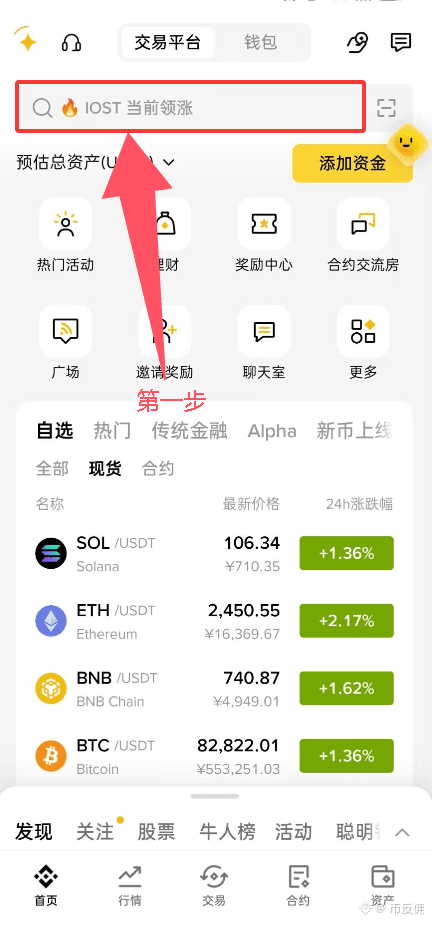
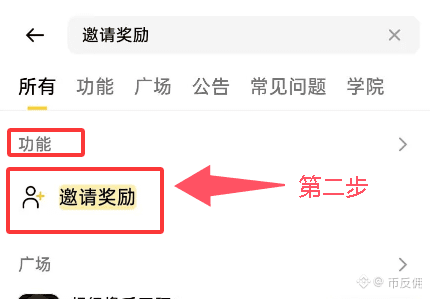
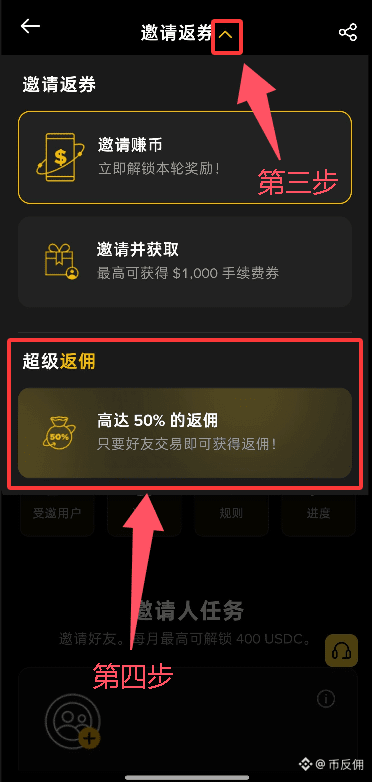
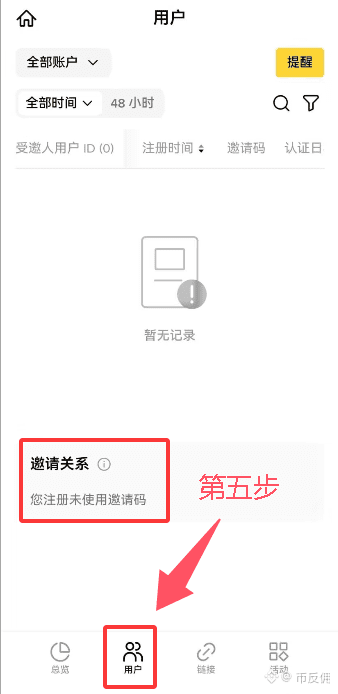
Does the account offer rebates? Beginners should check these five steps first
Does the account offer rebates? Beginners should check these five steps first
274
·
--
Why do futures trading fees feel so expensive?
Because fees are calculated based on the actual trade value, not the margin.
For example, if you use 1,000 U of margin to open a 10,000 U position, you pay a fee when you open it and again when you close it. (Trading fees are a necessary cost of trading.)
So what often drives fees up isn’t the fee rate itself, but large positions, frequent opening and closing, and more taker trades.
In short: leverage doesn’t directly increase the fee rate, but a larger trade value can significantly increase the fee amount.
Why do futures trading fees feel so expensive?
Because fees are calculated based on the actual trade value, not the margin.
For example, if you use 1,000 U of margin to open a 10,000 U position, you pay a fee when you open it and again when you close it. (Trading fees are a necessary cost of trading.)
So what often drives fees up isn’t the fee rate itself, but large positions, frequent opening and closing, and more taker trades.
In short: leverage doesn’t directly increase the fee rate, but a larger trade value can significantly increase the fee amount.
Because fees are calculated based on the actual trade value, not the margin.
For example, if you use 1,000 U of margin to open a 10,000 U position, you pay a fee when you open it and again when you close it. (Trading fees are a necessary cost of trading.)
So what often drives fees up isn’t the fee rate itself, but large positions, frequent opening and closing, and more taker trades.
In short: leverage doesn’t directly increase the fee rate, but a larger trade value can significantly increase the fee amount.
87
·
--
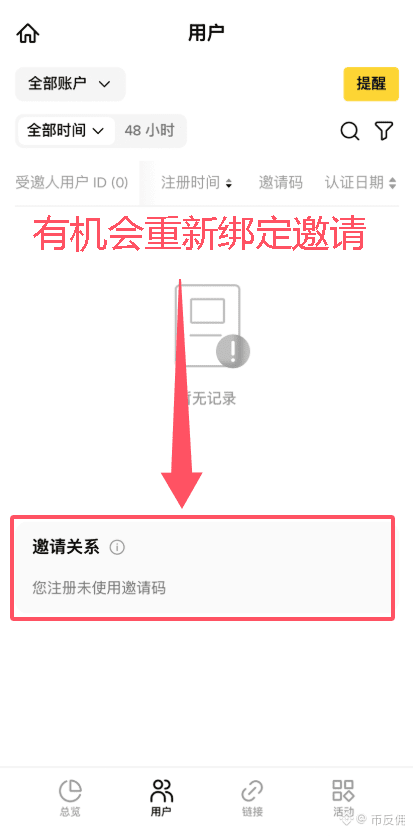
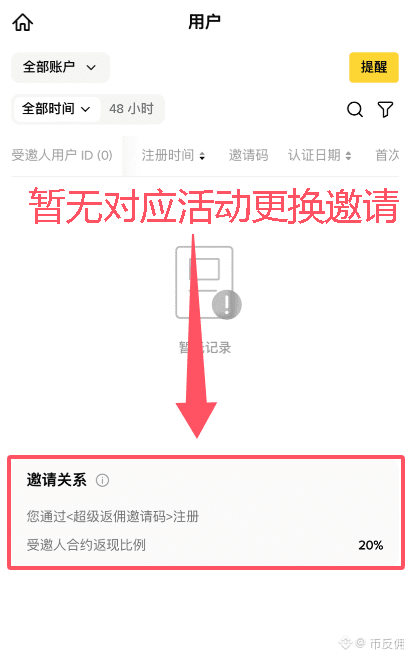
Can I change my inviter after I’ve already been linked to one? Does adding a support person mean “changing my upline”?
The short answer: If you already have a valid inviter relationship, you can’t change your upline by adding a support person.
A support person doesn’t replace your inviter; it’s a separate system for collaboration, commission sharing, and data management.
Only if your account currently has no inviter relationship might you be able to follow a process such as linking to a new inviter, depending on your account status.
So remember: You can’t change your upline if you already have one; if you don’t, check whether you can link to a new one. A support person ≠ a new upline.
Can I change my inviter after I’ve already been linked to one? Does adding a support person mean “changing my upline”?
The short answer: If you already have a valid inviter relationship, you can’t change your upline by adding a support person.
A support person doesn’t replace your inviter; it’s a separate system for collaboration, commission sharing, and data management.
Only if your account currently has no inviter relationship might you be able to follow a process such as linking to a new inviter, depending on your account status.
So remember: You can’t change your upline if you already have one; if you don’t, check whether you can link to a new one. A support person ≠ a new upline.
The short answer: If you already have a valid inviter relationship, you can’t change your upline by adding a support person.
A support person doesn’t replace your inviter; it’s a separate system for collaboration, commission sharing, and data management.
Only if your account currently has no inviter relationship might you be able to follow a process such as linking to a new inviter, depending on your account status.
So remember: You can’t change your upline if you already have one; if you don’t, check whether you can link to a new one. A support person ≠ a new upline.
1
1
1.5k
·
--
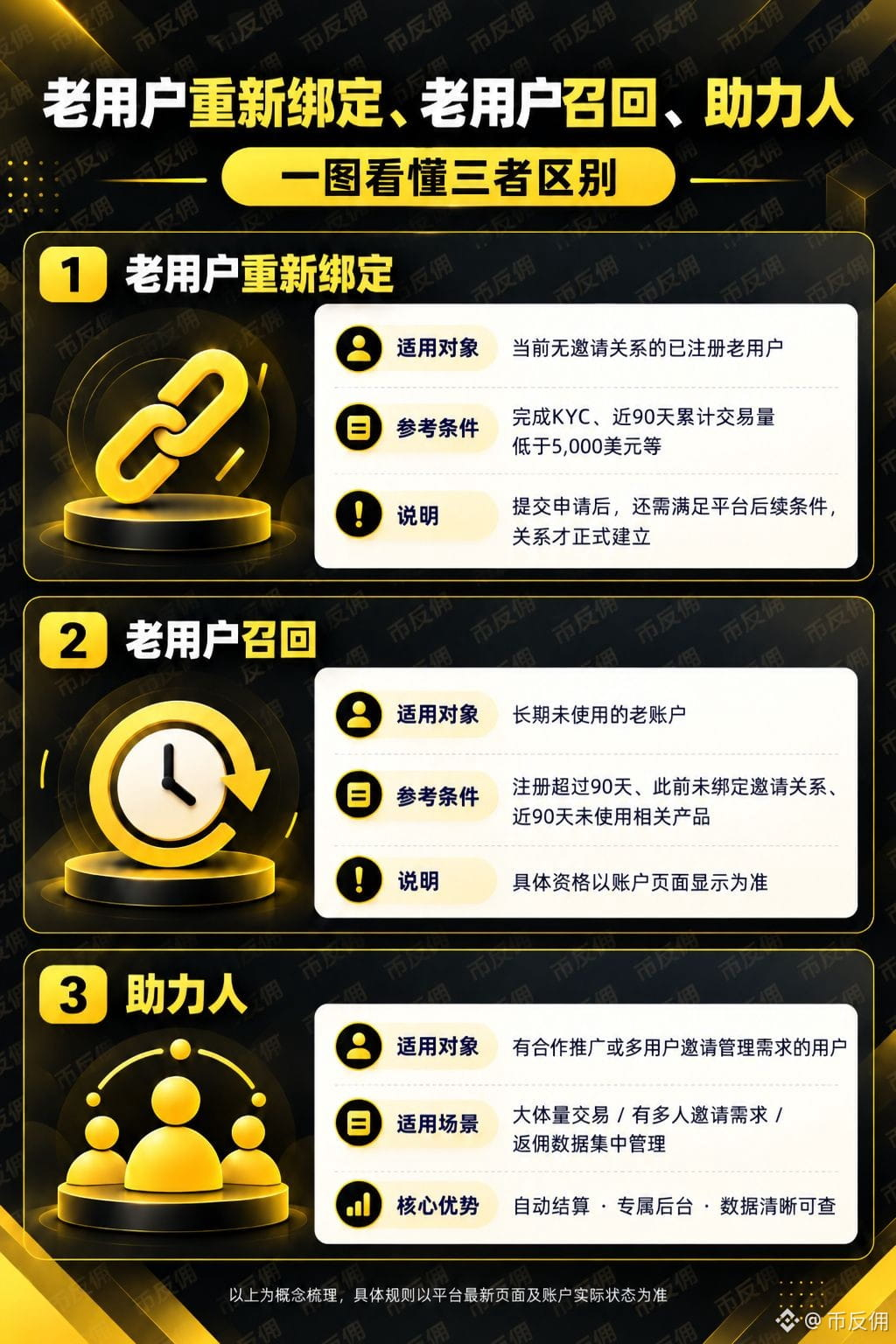
Many people easily confuse these three concepts: rebinding existing users, re-engaging existing users, and helpers.
Many people easily confuse these three concepts: rebinding existing users, re-engaging existing users, and helpers.
1
350
·
--
Where exactly is the fee deducted from? Many people confuse “principal” with “profit”Many people ask: Is the fee deducted from the principal, or is it deducted from your profit after you’ve earned money?
In fact, neither of these explanations is entirely accurate. A simpler way to understand it is: as long as the trade is executed, the fee will be generated separately and will ultimately be reflected in your account balance.
For example, if you use 1000U to make a trade and the trading fee is 1U, that 1U isn’t deducted only after you make a profit—it’s already generated at the time the trade is executed.
If this trade ultimately earns 100U, then your actual return needs to be reduced again by the trading fee. And even if this trade results in a loss of 100U, the fee still exists.
Where exactly is the fee deducted from? Many people confuse “principal” with “profit”
Many people ask: Is the fee deducted from the principal, or is it deducted from your profit after you’ve earned money?
In fact, neither of these explanations is entirely accurate. A simpler way to understand it is: as long as the trade is executed, the fee will be generated separately and will ultimately be reflected in your account balance.
For example, if you use 1000U to make a trade and the trading fee is 1U, that 1U isn’t deducted only after you make a profit—it’s already generated at the time the trade is executed.
If this trade ultimately earns 100U, then your actual return needs to be reduced again by the trading fee. And even if this trade results in a loss of 100U, the fee still exists.
In fact, neither of these explanations is entirely accurate. A simpler way to understand it is: as long as the trade is executed, the fee will be generated separately and will ultimately be reflected in your account balance.
For example, if you use 1000U to make a trade and the trading fee is 1U, that 1U isn’t deducted only after you make a profit—it’s already generated at the time the trade is executed.
If this trade ultimately earns 100U, then your actual return needs to be reduced again by the trading fee. And even if this trade results in a loss of 100U, the fee still exists.
546
·
--
The more frequently you trade, how outrageous are the fees really? Do the math and you’ll understand.Many people, when trading, only look at profit and loss, and rarely calculate fees separately. If you look at a single trade, the fee might be only a few U, so you don’t really feel it. But the problem is that it doesn’t end after one charge—it happens every time you trade.
When your trading frequency is high, what’s really worth looking at isn’t “how much this one trade got deducted,” but how much you’ve been charged cumulatively over a month or even a year.
First, remember the simplest formula: trading volume × fee rate = fee.
The key isn’t how much money you have in your account, but how much trading volume you actually generate. For example: your account has only 1,000 U, but you frequently open and close positions—if your accumulated turnover in a month is 1,000,000 U, then the fees will ultimately be calculated based on that 1,000,000 U trading volume. This is why high-frequency traders especially need to pay attention to trading costs.
The more frequently you trade, how outrageous are the fees really? Do the math and you’ll understand.
Many people, when trading, only look at profit and loss, and rarely calculate fees separately. If you look at a single trade, the fee might be only a few U, so you don’t really feel it. But the problem is that it doesn’t end after one charge—it happens every time you trade.
When your trading frequency is high, what’s really worth looking at isn’t “how much this one trade got deducted,” but how much you’ve been charged cumulatively over a month or even a year.
First, remember the simplest formula: trading volume × fee rate = fee.
The key isn’t how much money you have in your account, but how much trading volume you actually generate. For example: your account has only 1,000 U, but you frequently open and close positions—if your accumulated turnover in a month is 1,000,000 U, then the fees will ultimately be calculated based on that 1,000,000 U trading volume. This is why high-frequency traders especially need to pay attention to trading costs.
When your trading frequency is high, what’s really worth looking at isn’t “how much this one trade got deducted,” but how much you’ve been charged cumulatively over a month or even a year.
First, remember the simplest formula: trading volume × fee rate = fee.
The key isn’t how much money you have in your account, but how much trading volume you actually generate. For example: your account has only 1,000 U, but you frequently open and close positions—if your accumulated turnover in a month is 1,000,000 U, then the fees will ultimately be calculated based on that 1,000,000 U trading volume. This is why high-frequency traders especially need to pay attention to trading costs.
2
968
·
--
Old users want to add/attach an invitation code—check this first.
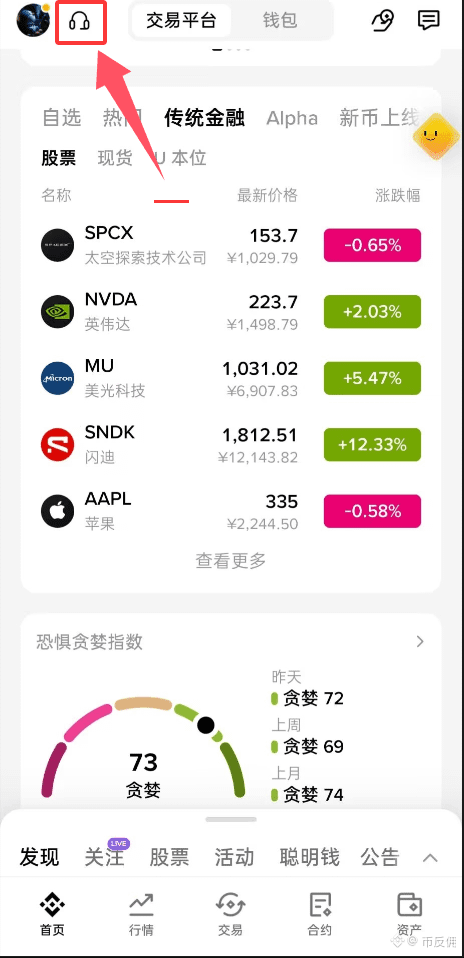
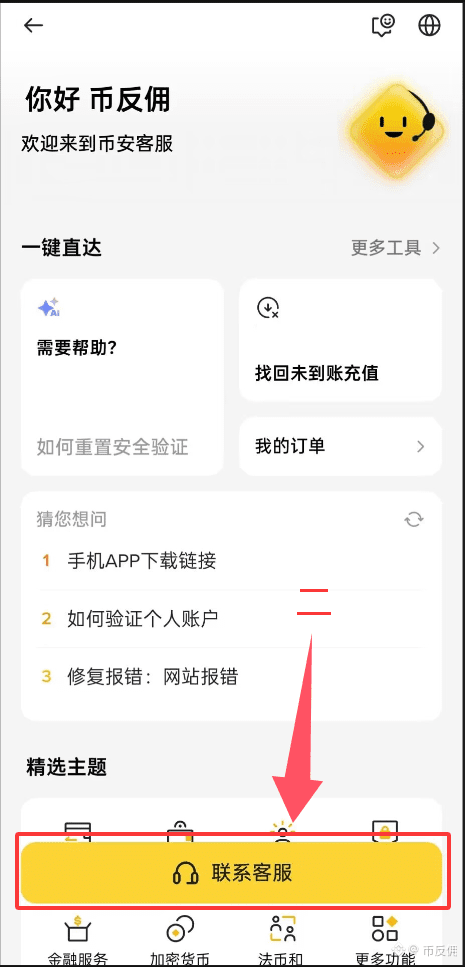
Don’t rush to look at your registration date or trading volume. Step one is to confirm: does your account currently have an invitation relationship?
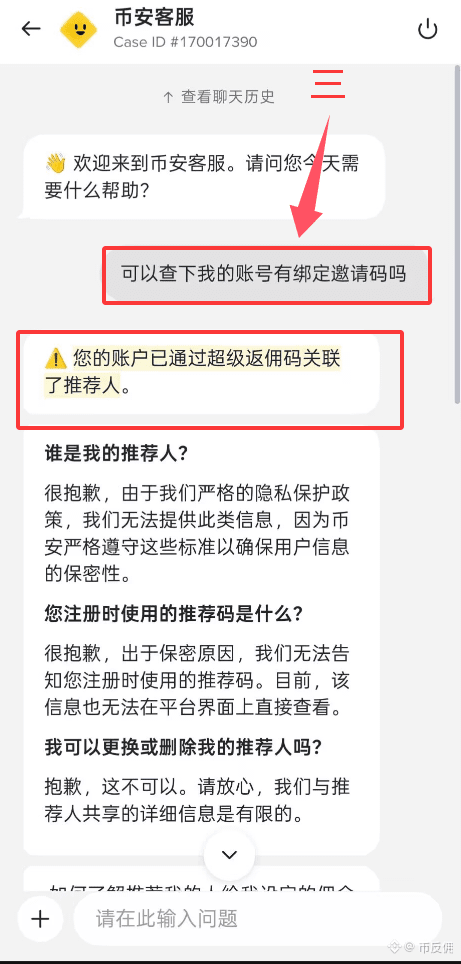
Reference path: Customer Service entry → Contact Customer Service → Ask “Can you check whether my account is bound to an invitation code?”
If customer service says your account is already associated with a referrer, then you already have an invitation relationship;
if not, continue to determine whether you meet the criteria for re-binding or for returning old users. Check the relationship first, then decide the path—this can save you a lot of detours.
#邀请码 #返佣
Old users want to add/attach an invitation code—check this first.
Don’t rush to look at your registration date or trading volume. Step one is to confirm: does your account currently have an invitation relationship?
Reference path: Customer Service entry → Contact Customer Service → Ask “Can you check whether my account is bound to an invitation code?”
If customer service says your account is already associated with a referrer, then you already have an invitation relationship;
if not, continue to determine whether you meet the criteria for re-binding or for returning old users. Check the relationship first, then decide the path—this can save you a lot of detours.
#邀请码 #返佣
Don’t rush to look at your registration date or trading volume. Step one is to confirm: does your account currently have an invitation relationship?
Reference path: Customer Service entry → Contact Customer Service → Ask “Can you check whether my account is bound to an invitation code?”
If customer service says your account is already associated with a referrer, then you already have an invitation relationship;
if not, continue to determine whether you meet the criteria for re-binding or for returning old users. Check the relationship first, then decide the path—this can save you a lot of detours.
#邀请码 #返佣
1
1.5k
·
--
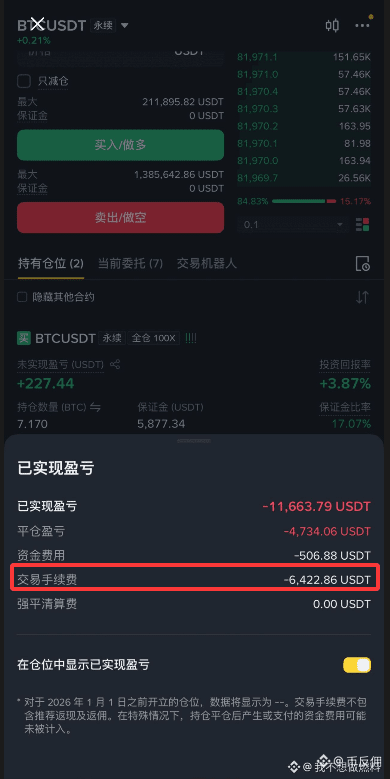
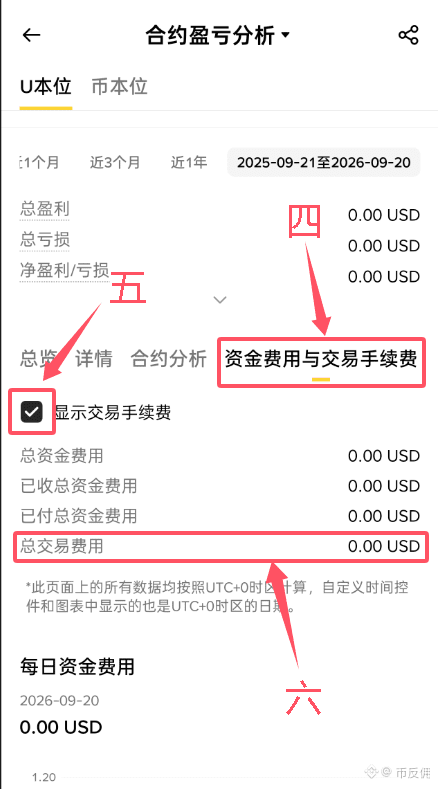
Do you know how much trading fees you paid in a single month?
Many people watch their profits and losses every day, but never really look at the fees.
View path:
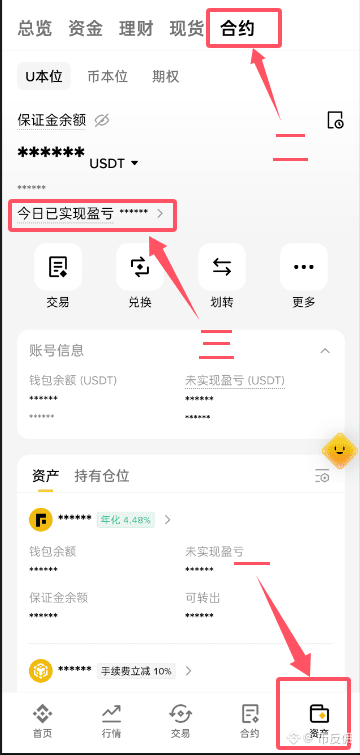
Funds → Contracts → Today’s Realized P&L → Funds Fees & Trading Commissions → Check “Show Trading Commissions” → Total Trading Fees (Fee Expenses)
Here you can directly see your total trading fees (fee expenses). We recommend you don’t just look at one day—scroll to the past 1 month and 3 months to check.
With high-frequency trading, what’s easiest to overlook isn’t the fee on a single trade, but the long-term cumulative effect. Sometimes the direction hasn’t lost much, yet your account balance keeps dropping—the issue may be hidden in these “small fees.”
The larger your trading volume, the more you should regularly review your trading costs.
#手续费
Do you know how much trading fees you paid in a single month?
Many people watch their profits and losses every day, but never really look at the fees.
View path:
Funds → Contracts → Today’s Realized P&L → Funds Fees & Trading Commissions → Check “Show Trading Commissions” → Total Trading Fees (Fee Expenses)
Here you can directly see your total trading fees (fee expenses). We recommend you don’t just look at one day—scroll to the past 1 month and 3 months to check.
With high-frequency trading, what’s easiest to overlook isn’t the fee on a single trade, but the long-term cumulative effect. Sometimes the direction hasn’t lost much, yet your account balance keeps dropping—the issue may be hidden in these “small fees.”
The larger your trading volume, the more you should regularly review your trading costs.
#手续费
Many people watch their profits and losses every day, but never really look at the fees.
View path:
Funds → Contracts → Today’s Realized P&L → Funds Fees & Trading Commissions → Check “Show Trading Commissions” → Total Trading Fees (Fee Expenses)
Here you can directly see your total trading fees (fee expenses). We recommend you don’t just look at one day—scroll to the past 1 month and 3 months to check.
With high-frequency trading, what’s easiest to overlook isn’t the fee on a single trade, but the long-term cumulative effect. Sometimes the direction hasn’t lost much, yet your account balance keeps dropping—the issue may be hidden in these “small fees.”
The larger your trading volume, the more you should regularly review your trading costs.
#手续费
1
1
1.5k
·
--
Can existing users add/link to the invitation for referral commissions? First see which type of account you have, then decide which route to take.Many people only realize one issue after registering for Binance: when they registered, they didn’t link an invitation relationship. Now they are considered existing users—can they補 (add) it later?
The answer isn’t simply “yes” or “no.” Because the situation of existing users isn’t exactly the same. Some people have accounts that have been used for a long time, but their trading volume isn’t very large; others registered long ago but haven’t used the account for several months. According to Binance’s current rules, these two types of accounts actually don’t follow the same path.
Also, there’s one prerequisite that must be made clear first: when we say “补绑” (add/link the invitation), it does not mean replacing the original inviter.
Can existing users add/link to the invitation for referral commissions? First see which type of account you have, then decide which route to take.
Many people only realize one issue after registering for Binance: when they registered, they didn’t link an invitation relationship. Now they are considered existing users—can they補 (add) it later?
The answer isn’t simply “yes” or “no.” Because the situation of existing users isn’t exactly the same. Some people have accounts that have been used for a long time, but their trading volume isn’t very large; others registered long ago but haven’t used the account for several months. According to Binance’s current rules, these two types of accounts actually don’t follow the same path.
Also, there’s one prerequisite that must be made clear first: when we say “补绑” (add/link the invitation), it does not mean replacing the original inviter.
The answer isn’t simply “yes” or “no.” Because the situation of existing users isn’t exactly the same. Some people have accounts that have been used for a long time, but their trading volume isn’t very large; others registered long ago but haven’t used the account for several months. According to Binance’s current rules, these two types of accounts actually don’t follow the same path.
Also, there’s one prerequisite that must be made clear first: when we say “补绑” (add/link the invitation), it does not mean replacing the original inviter.
117
·
--
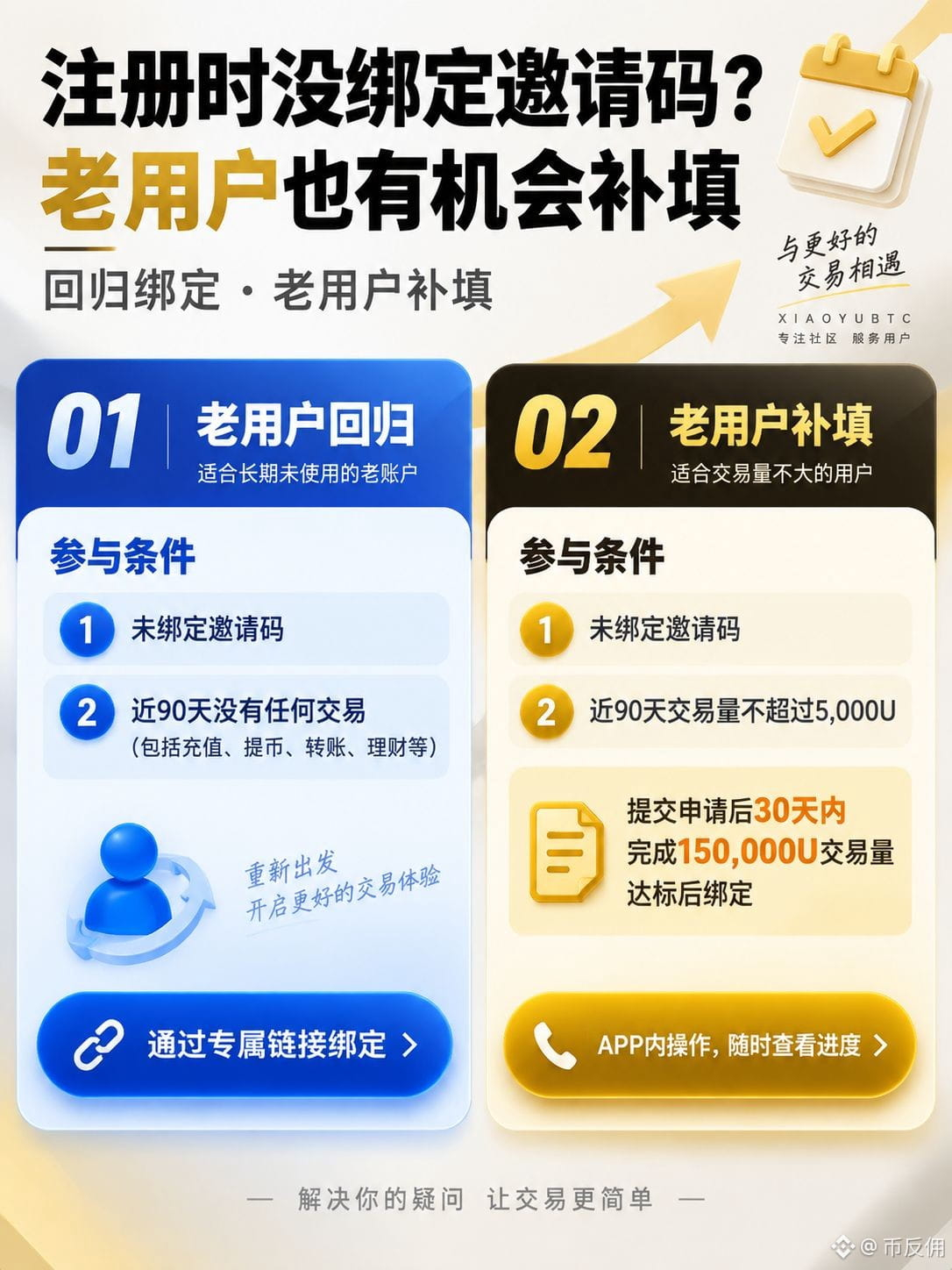
Forgot to enter an invitation code when registering?
Many old users only found out later: it turns out the account has issues related to the referral relationship.
There are two simple scenarios:
🔹 Long-inactive account → Returning old users
🔹 Registered but with low trading volume → Old users complete the referral info
Whether you meet the conditions depends on the actual status of your account.
Learn the rules before registering so you can avoid some detours later.
#老用户召回
Forgot to enter an invitation code when registering?
Many old users only found out later: it turns out the account has issues related to the referral relationship.
There are two simple scenarios:
🔹 Long-inactive account → Returning old users
🔹 Registered but with low trading volume → Old users complete the referral info
Whether you meet the conditions depends on the actual status of your account.
Learn the rules before registering so you can avoid some detours later.
#老用户召回
Many old users only found out later: it turns out the account has issues related to the referral relationship.
There are two simple scenarios:
🔹 Long-inactive account → Returning old users
🔹 Registered but with low trading volume → Old users complete the referral info
Whether you meet the conditions depends on the actual status of your account.
Learn the rules before registering so you can avoid some detours later.
#老用户召回
133
·
--
Why when you see BTC 80,000, the buy becomes 80,010?
Many beginners are confused the first time they trade: if the price you see is 80,000, why isn’t the execution price 80,000?
The reason could be—slippage.
A simple understanding:
What you see is the “current market price”; what actually gets executed is the “real matched order price.”
For example:
BTC displayed price: 80,000 USDT; buy execution price: 80,010 USDT. The 10 USDT difference in between is the slippage.
Why does slippage happen?
① The market moves too fast and the price keeps changing
② Market orders are filled according to the order book prices
③ When the order size is large, you need to consume multiple price levels
Ways to reduce slippage:
✅ Understand the order book depth
✅ Avoid chasing trades in extreme market conditions
✅ Split large orders reasonably
✅ Learn the difference between limit orders and market orders
Trading isn’t just about the direction—you also need to pay attention to execution details.
Many seemingly minor costs can, over the long run, affect your trading results.
Why when you see BTC 80,000, the buy becomes 80,010?
Many beginners are confused the first time they trade: if the price you see is 80,000, why isn’t the execution price 80,000?
The reason could be—slippage.
A simple understanding:
What you see is the “current market price”; what actually gets executed is the “real matched order price.”
For example:
BTC displayed price: 80,000 USDT; buy execution price: 80,010 USDT. The 10 USDT difference in between is the slippage.
Why does slippage happen?
① The market moves too fast and the price keeps changing
② Market orders are filled according to the order book prices
③ When the order size is large, you need to consume multiple price levels
Ways to reduce slippage:
✅ Understand the order book depth
✅ Avoid chasing trades in extreme market conditions
✅ Split large orders reasonably
✅ Learn the difference between limit orders and market orders
Trading isn’t just about the direction—you also need to pay attention to execution details.
Many seemingly minor costs can, over the long run, affect your trading results.
Many beginners are confused the first time they trade: if the price you see is 80,000, why isn’t the execution price 80,000?
The reason could be—slippage.
A simple understanding:
What you see is the “current market price”; what actually gets executed is the “real matched order price.”
For example:
BTC displayed price: 80,000 USDT; buy execution price: 80,010 USDT. The 10 USDT difference in between is the slippage.
Why does slippage happen?
① The market moves too fast and the price keeps changing
② Market orders are filled according to the order book prices
③ When the order size is large, you need to consume multiple price levels
Ways to reduce slippage:
✅ Understand the order book depth
✅ Avoid chasing trades in extreme market conditions
✅ Split large orders reasonably
✅ Learn the difference between limit orders and market orders
Trading isn’t just about the direction—you also need to pay attention to execution details.
Many seemingly minor costs can, over the long run, affect your trading results.
212
·
--
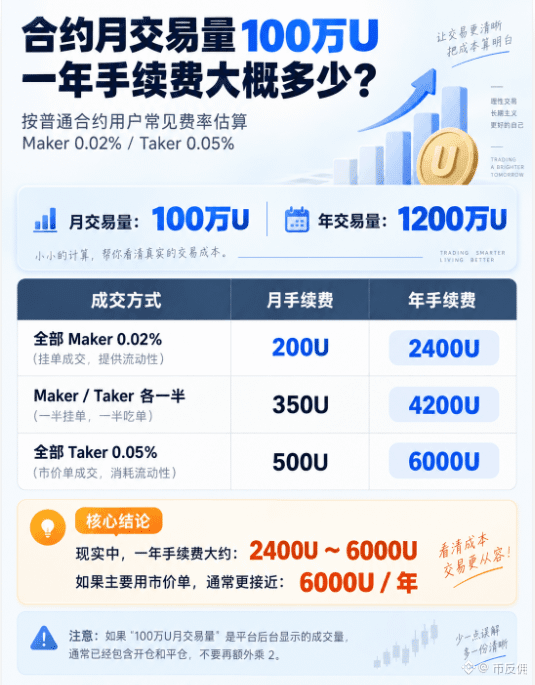
A monthly trading volume of 1 million U might not sound particularly extreme. But over a year, the fees could be 2,400 U to 6,000 U.
The more frequently you trade, the more you should calculate the fees as a separate expense. Sometimes the money you save is real, tangible profit.
#手续费
A monthly trading volume of 1 million U might not sound particularly extreme. But over a year, the fees could be 2,400 U to 6,000 U.
The more frequently you trade, the more you should calculate the fees as a separate expense. Sometimes the money you save is real, tangible profit.
#手续费
The more frequently you trade, the more you should calculate the fees as a separate expense. Sometimes the money you save is real, tangible profit.
#手续费
227
·
--
What should old users do if they have already been bound to an invitation code?
This is the easiest point to get mixed up.
"Didn’t fill it in during registration" and "already bound to someone else" are two different situations.
In the former case, when certain conditions are met, it may be possible to re-establish the invitation relationship. If the account already has an existing invitation relationship, you can’t simply understand it as "fill in a new invitation code to replace the old one." So if you forgot to enter the invitation code during registration, don’t jump to the conclusion right away that "there’s absolutely no chance."
First, check three things:
Whether there is an upstream invitation relationship,
the account’s usage status in the past 90 days,
and whether the account page allows re-binding.
Different account situations lead to different outcomes. In the end, what matters is the conditions shown on your own logged-in activity page.
#返佣
What should old users do if they have already been bound to an invitation code?
This is the easiest point to get mixed up.
"Didn’t fill it in during registration" and "already bound to someone else" are two different situations.
In the former case, when certain conditions are met, it may be possible to re-establish the invitation relationship. If the account already has an existing invitation relationship, you can’t simply understand it as "fill in a new invitation code to replace the old one." So if you forgot to enter the invitation code during registration, don’t jump to the conclusion right away that "there’s absolutely no chance."
First, check three things:
Whether there is an upstream invitation relationship,
the account’s usage status in the past 90 days,
and whether the account page allows re-binding.
Different account situations lead to different outcomes. In the end, what matters is the conditions shown on your own logged-in activity page.
#返佣
This is the easiest point to get mixed up.
"Didn’t fill it in during registration" and "already bound to someone else" are two different situations.
In the former case, when certain conditions are met, it may be possible to re-establish the invitation relationship. If the account already has an existing invitation relationship, you can’t simply understand it as "fill in a new invitation code to replace the old one." So if you forgot to enter the invitation code during registration, don’t jump to the conclusion right away that "there’s absolutely no chance."
First, check three things:
Whether there is an upstream invitation relationship,
the account’s usage status in the past 90 days,
and whether the account page allows re-binding.
Different account situations lead to different outcomes. In the end, what matters is the conditions shown on your own logged-in activity page.
#返佣
208
·
--
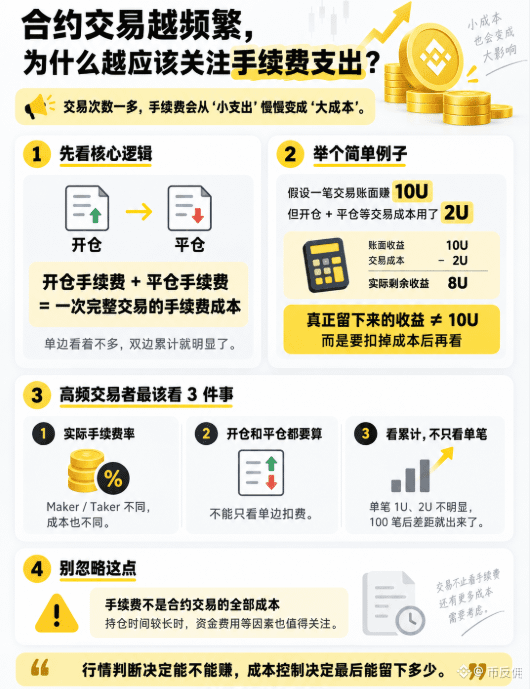
Many people who trade contracts have the first instinct to look at how much profit or loss they made on this one deal.
But once the number of trades increases, there’s another item that’s very easy to overlook: trading fees.
By themselves, a single trade may not feel like much—1U, 2U, or even less—but if you open and close positions many times a day, and in a month you accumulate dozens or even hundreds of trades, the total transaction cost will become more and more noticeable.
Especially for short-term trading, where the profit margin per trade isn’t necessarily large to begin with, the proportion of fees deserves even more attention.
In many cases, it’s not that any one fee is particularly high—it’s that the trading frequency slowly amplifies those small costs.
Have you ever seriously calculated how much trading fee you paid in a month in total?
#手续费
Many people who trade contracts have the first instinct to look at how much profit or loss they made on this one deal.
But once the number of trades increases, there’s another item that’s very easy to overlook: trading fees.
By themselves, a single trade may not feel like much—1U, 2U, or even less—but if you open and close positions many times a day, and in a month you accumulate dozens or even hundreds of trades, the total transaction cost will become more and more noticeable.
Especially for short-term trading, where the profit margin per trade isn’t necessarily large to begin with, the proportion of fees deserves even more attention.
In many cases, it’s not that any one fee is particularly high—it’s that the trading frequency slowly amplifies those small costs.
Have you ever seriously calculated how much trading fee you paid in a month in total?
#手续费
But once the number of trades increases, there’s another item that’s very easy to overlook: trading fees.
By themselves, a single trade may not feel like much—1U, 2U, or even less—but if you open and close positions many times a day, and in a month you accumulate dozens or even hundreds of trades, the total transaction cost will become more and more noticeable.
Especially for short-term trading, where the profit margin per trade isn’t necessarily large to begin with, the proportion of fees deserves even more attention.
In many cases, it’s not that any one fee is particularly high—it’s that the trading frequency slowly amplifies those small costs.
Have you ever seriously calculated how much trading fee you paid in a month in total?
#手续费
221
·
--
Binance longtime users—can they rebuild the referral relationship?
#返佣
Binance longtime users—can they rebuild the referral relationship?
#返佣
#返佣

108
·
--
Why did I still get charged a Taker fee even though I placed a limit order?
Many people have a misconception: “If I clearly placed a limit order, why am I not a Maker?”
In fact, a limit order is not necessarily a Maker order.
The key is this: when you place the order, does it immediately match and fill with orders that already exist in the market?
For example:
Placing a price and waiting for someone else to come fill it usually counts as Maker (providing liquidity).
But if your limit order happens to match an existing resting order in the order book and fills right away, that trade may be classified as Taker.
A simple way to understand it:
Maker: your order enters the order book and waits for others to trade against it.
Taker: your order directly consumes existing orders in the market.
So to determine Maker/Taker, it’s not about whether it’s “limit” or “market,” but about whether your order increases the market’s resting order depth.
In fee calculations, order type is only one factor—the final determination is based on the platform’s actual trade execution records.
#区块链 #交易日常 #交易心态 #手续费
Why did I still get charged a Taker fee even though I placed a limit order?
Many people have a misconception: “If I clearly placed a limit order, why am I not a Maker?”
In fact, a limit order is not necessarily a Maker order.
The key is this: when you place the order, does it immediately match and fill with orders that already exist in the market?
For example:
Placing a price and waiting for someone else to come fill it usually counts as Maker (providing liquidity).
But if your limit order happens to match an existing resting order in the order book and fills right away, that trade may be classified as Taker.
A simple way to understand it:
Maker: your order enters the order book and waits for others to trade against it.
Taker: your order directly consumes existing orders in the market.
So to determine Maker/Taker, it’s not about whether it’s “limit” or “market,” but about whether your order increases the market’s resting order depth.
In fee calculations, order type is only one factor—the final determination is based on the platform’s actual trade execution records.
#区块链 #交易日常 #交易心态 #手续费
Many people have a misconception: “If I clearly placed a limit order, why am I not a Maker?”
In fact, a limit order is not necessarily a Maker order.
The key is this: when you place the order, does it immediately match and fill with orders that already exist in the market?
For example:
Placing a price and waiting for someone else to come fill it usually counts as Maker (providing liquidity).
But if your limit order happens to match an existing resting order in the order book and fills right away, that trade may be classified as Taker.
A simple way to understand it:
Maker: your order enters the order book and waits for others to trade against it.
Taker: your order directly consumes existing orders in the market.
So to determine Maker/Taker, it’s not about whether it’s “limit” or “market,” but about whether your order increases the market’s resting order depth.
In fee calculations, order type is only one factor—the final determination is based on the platform’s actual trade execution records.
#区块链 #交易日常 #交易心态 #手续费

238
Log in to explore more content
Join global crypto users on Binance Square
⚡️ Get latest and useful information about crypto.
💬 Trusted by the world’s largest crypto exchange.
👍 Discover real insights from verified creators.
Email / Phone number
Trending Topics
BinancePick
2.5M views
137,927 Discussing
Join #EarningsSeason: Predict Earnings on Binance Pick, Share Your Take on Binance Square!
Binance Square Official
·400 Likes
·337.1k views
EarningsSeason
4.9M views
23,915 Discussing
ElectrumWalletBugLetRogueServersStealFunds
2,613 views
137 Discussing