TheCryptoX
202 Posts
TheCryptoX
Report
Block User
Curiosity and exploration in the world of crypto for ten years led me to trade cryptocurrencies and its challenges, difficulties and success.
1.4K+ Following
1.2K+ Followers
425 Liked
Posts
All
Quotes
·
--

Article
45 Bitcoin, One Car: Turning a Market Gain Into a Real-World Goal45 Bitcoin, One Car: Turning a Market Gain Into a Real-World Goal
Crypto Boom Stories | Crypto by the Numbers
A rising balance can stay an abstract number for years. Peter Saddington's story offers a different question: what would you actually want a gain to accomplish?
According to Saddington's own account, he bought bitcoin at $2.52 per coin in November 2011. In fall 2017, he used 45 BTC to buy a 2015 Lamborghini Huracan. CNBC featured the purchase in a video published on February 7, 2018.
That is a roughly six-year journey, not an overnight result.
There is a useful calculation here, but it needs a clear label:
45 × $2.52 = $113.40
This is the implied original cost of those 45 coins using his reported entry price, before any acquisition costs. It is not an independently audited cost basis, the car's purchase price or his net profit.
Calling it a “$113 car” would hide the most important distinction: he gave up 45 BTC with purchasing power at the time of the transaction. Their low historical cost did not make them nearly free to spend in 2017.
The reported outcome was a tangible purchase. It was not merely a portfolio screenshot, and it does not tell us his remaining bitcoin balance, total wealth or exact after-tax gain. Nor does it establish that he sold at the market peak.
The transferable lesson is about purpose.
His chosen purchase was personal. Your goal could be a business tool, an education budget or another concrete need. The practical exercise is to define that goal before an exciting price move starts making the decision for you.
Write down three things:
• The real-world goal and its estimated cost.
• What you would actually receive after execution costs and any applicable taxes.
• What change in your circumstances or evidence would make you revise the plan.
Then ask: am I measuring progress toward that goal, or only comparing today's balance with the highest number I once saw?
This is not a formula for repeating his outcome. An early entry, years of exposure to uncertainty and favorable market timing all mattered. Selecting a successful early buyer creates survivorship bias: it leaves out people who lost money, lost access or backed assets that failed.
Patience alone cannot turn every asset into a winner. A dramatic past result is not evidence that a new token will follow the same path.
Saddington's purchase shows one reported way an early holder used appreciated bitcoin. The useful habit today is to research carefully, define a purpose and distinguish spendable proceeds from an attractive number on a screen.
What would a meaningful financial goal look like for you, beyond a higher portfolio value?
Sources:
Peter Saddington, “The Bitcoin Lamborghini” — personal account.
CNBC, “This Guy Bought A Lamborghini With Bitcoin” — February 7, 2018.
Disclaimer: Educational and analytical content only; not a recommendation to buy or sell, nor a guarantee of profit.
#BTC #BitcoinHistory #FinancialLiteracy #RiskManagement"
45 Bitcoin, One Car: Turning a Market Gain Into a Real-World Goal
45 Bitcoin, One Car: Turning a Market Gain Into a Real-World Goal
Crypto Boom Stories | Crypto by the Numbers
A rising balance can stay an abstract number for years. Peter Saddington's story offers a different question: what would you actually want a gain to accomplish?
According to Saddington's own account, he bought bitcoin at $2.52 per coin in November 2011. In fall 2017, he used 45 BTC to buy a 2015 Lamborghini Huracan. CNBC featured the purchase in a video published on February 7, 2018.
That is a roughly six-year journey, not an overnight result.
There is a useful calculation here, but it needs a clear label:
45 × $2.52 = $113.40
This is the implied original cost of those 45 coins using his reported entry price, before any acquisition costs. It is not an independently audited cost basis, the car's purchase price or his net profit.
Calling it a “$113 car” would hide the most important distinction: he gave up 45 BTC with purchasing power at the time of the transaction. Their low historical cost did not make them nearly free to spend in 2017.
The reported outcome was a tangible purchase. It was not merely a portfolio screenshot, and it does not tell us his remaining bitcoin balance, total wealth or exact after-tax gain. Nor does it establish that he sold at the market peak.
The transferable lesson is about purpose.
His chosen purchase was personal. Your goal could be a business tool, an education budget or another concrete need. The practical exercise is to define that goal before an exciting price move starts making the decision for you.
Write down three things:
• The real-world goal and its estimated cost.
• What you would actually receive after execution costs and any applicable taxes.
• What change in your circumstances or evidence would make you revise the plan.
Then ask: am I measuring progress toward that goal, or only comparing today's balance with the highest number I once saw?
This is not a formula for repeating his outcome. An early entry, years of exposure to uncertainty and favorable market timing all mattered. Selecting a successful early buyer creates survivorship bias: it leaves out people who lost money, lost access or backed assets that failed.
Patience alone cannot turn every asset into a winner. A dramatic past result is not evidence that a new token will follow the same path.
Saddington's purchase shows one reported way an early holder used appreciated bitcoin. The useful habit today is to research carefully, define a purpose and distinguish spendable proceeds from an attractive number on a screen.
What would a meaningful financial goal look like for you, beyond a higher portfolio value?
Sources:
Peter Saddington, “The Bitcoin Lamborghini” — personal account.
CNBC, “This Guy Bought A Lamborghini With Bitcoin” — February 7, 2018.
Disclaimer: Educational and analytical content only; not a recommendation to buy or sell, nor a guarantee of profit.
#BTC #BitcoinHistory #FinancialLiteracy #RiskManagement"
1
1
114
·
--

Article
Low Price High Valuation?The $0.01 Trap: A Small Price Can Hide a Billion-Dollar Valuation
"If this coin reaches just $1..."
That sentence skips a crucial question: how many coins would exist at that price?
A low price per token does not, by itself, make an asset undervalued. Before judging a price target, put the supply beside it.
Market cap = price per token × circulating supply.
A hypothetical comparison, not live market data:
• Token A: $0.01 × 100 billion circulating tokens = $1 billion market cap.
• Token B: $100 × 1 million circulating tokens = $100 million market cap.
Token A has ten times Token B's market cap, despite its much smaller price tag. That does not tell us which is a better investment; it shows why comparing unit prices alone is misleading.
Now test the "$1" claim.
If Token A's circulating supply remains 100 billion, a $1 price implies a $100 billion market cap: 100 times its starting valuation. If supply changes, the calculation must change too.
This is a way to expose the scale of a claim, not a forecast or proof that the target is impossible. Nor does the $99 billion increase mean $99 billion of fresh money must enter. Market cap applies a reference price to the circulating supply; it is not a cash-flow meter.
One extra check for experienced readers:
For a token with a defined maximum supply, fully diluted valuation (FDV) uses that maximum rather than the circulating amount. If Token A's maximum is 200 billion tokens, its FDV at $0.01 is $2 billion.
FDV holds the price constant for the calculation. It does not predict the price when more tokens become available, and it does not show when they will arrive.
Before accepting a price target:
1. Check circulating and maximum supply against the project's official documentation and a data provider. Note the date and any differences in definitions.
2. Calculate the market cap implied by the target, using an explicit supply assumption.
3. Read the official token-release schedule: how much additional supply could become available, and when?
4. Examine actual use and spot-market liquidity. A valuation number alone cannot show whether buyers would absorb your order near the displayed price.
A smaller market cap is not automatically a bargain or a safer asset. Neither market cap nor FDV proves project quality, and neither guarantees that holders can sell their entire balance at the quoted price.
Try this on the next "just $1" claim you see: what total valuation is hidden behind that small number?
Sources: Binance Academy; CoinMarketCap valuation methodology.
[https://www.binance.com/en/academy/articles/crypto-market-capitalization-explained](https://www.binance.com/en/academy/articles/crypto-market-capitalization-explained)
Disclaimer: Educational and analytical content only; not a recommendation to buy or sell, nor a guarantee of profit.
#CryptoEducation #MarketCap #Tokenomics #RiskManagement #CryptoByTheNumbers
#CryptoByTheNumbers
#BTC☀
Low Price High Valuation?
The $0.01 Trap: A Small Price Can Hide a Billion-Dollar Valuation
"If this coin reaches just $1..."
That sentence skips a crucial question: how many coins would exist at that price?
A low price per token does not, by itself, make an asset undervalued. Before judging a price target, put the supply beside it.
Market cap = price per token × circulating supply.
A hypothetical comparison, not live market data:
• Token A: $0.01 × 100 billion circulating tokens = $1 billion market cap.
• Token B: $100 × 1 million circulating tokens = $100 million market cap.
Token A has ten times Token B's market cap, despite its much smaller price tag. That does not tell us which is a better investment; it shows why comparing unit prices alone is misleading.
Now test the "$1" claim.
If Token A's circulating supply remains 100 billion, a $1 price implies a $100 billion market cap: 100 times its starting valuation. If supply changes, the calculation must change too.
This is a way to expose the scale of a claim, not a forecast or proof that the target is impossible. Nor does the $99 billion increase mean $99 billion of fresh money must enter. Market cap applies a reference price to the circulating supply; it is not a cash-flow meter.
One extra check for experienced readers:
For a token with a defined maximum supply, fully diluted valuation (FDV) uses that maximum rather than the circulating amount. If Token A's maximum is 200 billion tokens, its FDV at $0.01 is $2 billion.
FDV holds the price constant for the calculation. It does not predict the price when more tokens become available, and it does not show when they will arrive.
Before accepting a price target:
1. Check circulating and maximum supply against the project's official documentation and a data provider. Note the date and any differences in definitions.
2. Calculate the market cap implied by the target, using an explicit supply assumption.
3. Read the official token-release schedule: how much additional supply could become available, and when?
4. Examine actual use and spot-market liquidity. A valuation number alone cannot show whether buyers would absorb your order near the displayed price.
A smaller market cap is not automatically a bargain or a safer asset. Neither market cap nor FDV proves project quality, and neither guarantees that holders can sell their entire balance at the quoted price.
Try this on the next "just $1" claim you see: what total valuation is hidden behind that small number?
Sources: Binance Academy; CoinMarketCap valuation methodology.
https://www.binance.com/en/academy/articles/crypto-market-capitalization-explained
Disclaimer: Educational and analytical content only; not a recommendation to buy or sell, nor a guarantee of profit.
#CryptoEducation #MarketCap #Tokenomics #RiskManagement #CryptoByTheNumbers
#CryptoByTheNumbers
#BTC☀
91
·
--

Article
Check the network and address before transferring your fundsOne transfer could cost you your funds: check the network before tapping “Send”
You may copy a valid address and enter the amount correctly, yet the transfer still may not reach the recipient’s account. A possible reason: you chose a network that the recipient’s platform doesn’t support for that currency.
The currency and the network are not the same thing. The currency is the asset you want to send, while the network is the technical route the transaction takes. The same asset may appear under similar names on more than one network, but that doesn’t mean every platform or wallet accepts deposits through those networks.
Check the network and address before transferring your funds
One transfer could cost you your funds: check the network before tapping “Send”
You may copy a valid address and enter the amount correctly, yet the transfer still may not reach the recipient’s account. A possible reason: you chose a network that the recipient’s platform doesn’t support for that currency.
The currency and the network are not the same thing. The currency is the asset you want to send, while the network is the technical route the transaction takes. The same asset may appear under similar names on more than one network, but that doesn’t mean every platform or wallet accepts deposits through those networks.
183
·
--
I set a stop-loss… so why wasn’t the coin sold?
With a Stop-Limit order, the trigger price does not guarantee a sale price. When the market reaches it, a limit order is sent to the order book; execution requires buyers at your limit price or better.
Hypothetical example: You bought 10 units at $100 each, set the trigger at $95, and the sell limit at $94. If buy offers quickly drop to $90 before your order executes, it may remain unfilled because you won’t accept less than $94.
If you value the holding at $90, your unrealized loss is $100 before fees—not $60, as it would be if all the units had sold at $94.
Even reaching the limit price does not guarantee that the entire quantity will sell; liquidity may be insufficient, or other orders may be ahead of yours.
Before confirming: review the order type, trigger price, and execution limit. After triggering, check the filled and remaining quantities—not just the trigger notification. Widening the gap between the two prices may help, but does not guarantee execution.
Source: https://www.binance.com/en/academy/articles/what-is-a-stop-limit-order
Disclaimer: This is educational and analytical content, not a recommendation to buy or sell, nor a guarantee of profit.
#Risk_Management #Trading_Orders #الكريبتو_بالأرقام #ETH #BTC #xrp

206
·
--
TVL has risen… Has new money come in?
Before buying a token from a decentralized finance project, don’t consider a rise in “total value locked” sufficient evidence of money flowing in. TVL measures the value of assets deposited in the protocol, and is affected by their prices.
Hypothetical example: A protocol holds 100 ETH, and each token is worth $2,000; its locked value is $200,000. If the price rises to $3,000 while the balance remains unchanged, the value becomes $300,000: a 50% increase with no new deposits!
For a practical check: compare TVL with asset quantities and the USD Inflows metric on DefiLlama; it calculates changes in asset balances in dollar terms, separating the effect of inflows from price changes.
The reverse is also possible: the dollar value can fall despite new assets coming in if their prices drop sharply. So don’t judge by the TVL chart alone, and don’t consider a rise in TVL project revenue or a guarantee that its token will rise.
Source: https://defillama.com/data-definitions
Disclaimer: This is educational and analytical content, not a recommendation to buy or sell, nor a guarantee of profit.
#ETH #DeFi #Fundamental_Analysis #الكريبتو_بالأرقام #ETH #BTC

232
·
--
Stories from the Crypto Boom: From Bitcoin to an Educational Venture
According to Erik Finman’s biography published by TEDxTeen, he invested $1,000 he received from his grandmother in Bitcoin, then sold his holdings for $100,000.
He used the proceeds to launch Botangle from his home in Idaho, a venture connecting students with teachers online. Entrepreneur covered his story on June 11, 2014, when he was 15 years old.
The important distinction: the amount cited is the sale proceeds, not a documented net profit after costs and taxes, nor an estimate of his wealth today. And starting a venture does not prove that it went on to succeed financially.
A practical lesson: set a realistic financial goal and make a plan for using any gains if they materialize, rather than letting excitement make the decision for you. Funding a skill or a venture requires independent research, even if the money comes from a successful trade.
This is a published account, not audited financial records. Early entry, timing, and luck are influential factors; success stories do not represent everyone’s odds of succeeding.
Source: https://www.tedxteen.com/speakers/erik-finman
Disclaimer: Educational and analytical content; not a recommendation to buy or sell, nor a guarantee of profit.
#BTC #Crypto_Stories #الكريبتو_بالأرقام #ETH #BTC

192
·
--
I disconnected my wallet from the website… Did I revoke its permissions?
In Web3 apps, connecting your wallet to a website is different from granting it permission to spend your tokens. Clicking “Disconnect” does not automatically revoke spending approvals recorded on the blockchain.
Hypothetical example: You want to swap 50 units of an ERC-20 token, but the approval window asks for unlimited permission. You are not approving only the swap amount; you are granting the contract permission to spend that token from your wallet, within the allowance.
If the contract is malicious or gets exploited, the rest of your holdings of that token may be at risk. Approval for one token does not grant permission to withdraw all your other coins.
Before approving, check the authorized spender’s address, the token, and the spending limit. Set it to the required amount whenever possible. Review old approvals using a blockchain explorer or a trusted tool, and revoke any you no longer need.
Revoking is an on-chain transaction and may require a fee. It does not recover stolen funds or fix a leaked recovery phrase. Never enter that phrase on any website to check approvals.
Source: https://revoke.cash/learn/faq
Disclaimer: This is educational and analytical content, not a recommendation to buy or sell, nor a guarantee of profit.
#WalletSecurity #Web3 #الكريبتو_بالأرقام #ETH

132
·
--
18 years since the Bitcoin white paper… What’s the practical lesson?
On October 31, 2008, Satoshi Nakamoto announced the Bitcoin white paper on a cryptography mailing list. The idea was a peer-to-peer electronic cash system that addressed the problem of “double spending”: attempting to spend the same balance twice.
This explains an important distinction today: seeing a BTC transaction in your wallet does not mean it has been confirmed on the network.
Hypothetical example: Someone sends you 0.01 BTC, and “0 confirmations” appears next to it. This means the transaction has not yet been included in a block; don’t treat a notification or a screenshot of the transfer as final proof of confirmed receipt.
Each additional block added after the transaction is included increases its confirmations and makes it harder to reverse. But confirmations aren’t a timer: ten minutes is the approximate average time to produce a block, not a promise that your payment will arrive within that time.
Practical step: Check the transaction ID, address, amount, and confirmations in a blockchain explorer, and check the deposit platform’s required number of confirmations before considering the funds available.
Original white paper: https://bitcoin.org/bitcoin.pdf
Disclaimer: This is educational and analytical content, not a recommendation to buy or sell, nor a guarantee of profit.
#BTC #Bitcoin #الكريبتو_بالأرقام #ETH #BTC

152
·
--
“Stable” doesn’t mean the dollar is guaranteed!
A dollar-pegged stablecoin targets a price of one dollar, but its trading price may deviate from that. The existence of reserves does not mean every holder can redeem dollars from the issuer without conditions.
Hypothetical example: You have 1,000 units that you bought for one dollar each. If their price falls to $0.97, their market value is $970—a $30 difference before fees. The number of units has not changed, but their value in dollars has fallen.
Selling the coin on an exchange at the market price is different from redeeming it with the issuer. Redemption may require specific eligibility, identity verification, a minimum amount, and fees; read the terms for the coin itself.
Before holding it, check three things: What are the reserves made up of? When was the latest independent report on them? And is direct redemption available to you?
A deviation alone does not prove the coin has collapsed, but it also does not guarantee that it will return to one dollar. Assess the reason, liquidity, and exit terms—not just the word “stable.”
Source: https://metamask.com/news/stablecoin-risks
Disclaimer: Educational and analytical content; not a recommendation to buy or sell, nor a guarantee of profit.
#Stablecoins #Risk_management #الكريبتو_بالأرقام #ETH #BTC

340
·
--
The transaction failed… so why were fees charged?
On the Ethereum network, gas fees pay for computational work, not for a successful transaction. If a transaction is included in a block and then fails to execute, fees may still be charged even though the transfer or swap was not completed.
Hypothetical example: a failed transaction used 50,000 units of gas at an effective price of 10 gwei per unit:
Fee = 0.0005 ETH.
These are illustrative figures, not current network fees; gwei is one billionth of an ETH.
An important distinction: a transaction rejected before being included in a block does not consume gas on the network. But running out of gas during execution consumes the entire allocated limit, while the transaction’s changes are reverted.
Before confirming, review the fee estimate and wallet warnings, and don’t randomly lower the gas limit to save money. After a failure, check the error in a network explorer before trying again.
Increasing the gas limit won’t fix every error; you may pay fees again if the underlying cause remains. This concerns network transactions, not trading fees within a platform.
Source: https://ethereum.org/developers/docs/gas/
Disclaimer: This is educational and analytical content, not a recommendation to buy or sell, nor a guarantee of profit.
#ETH #Network_Fees #الكريبتو_بالأرقام #BTC

115
·
--
You won 7 out of 10 trades… so why did your balance shrink?
The win rate measures how often you win, not how much money you make. That’s why “70% accuracy” alone isn’t enough to evaluate a trader or strategy.
A hypothetical example of ten closed trades:
• 7 winning trades, each earning $5: total of $35.
• 3 losing trades, each losing $20: total of $60.
Result: a $25 loss before fees, despite winning 70% of the trades!
The key takeaway: with an average profit of $5 and an average loss of $20, you need an 80% win rate to break even before costs, and a higher rate to make a profit.
Your next step: review your trade history and calculate your average profit and average loss in dollars after fees. Don’t just count the green marks, and don’t rely on theoretical targets instead of actual results.
These calculations are illustrative; ten trades don’t prove a strategy is sound, and past results don’t guarantee they will be repeated.
Source: https://www.binance.com/en/academy/glossary/win-rate
Disclaimer: Educational and analytical content only; this is not a recommendation to buy or sell, nor a guarantee of profit.
#Risk_Management #Financial_Literacy #الكريبتو_بالأرقام
#ETH #BTC

1
1
201
·
--
Kh
In an interview with The Local published on October 29, 2013, Norwegian Christopher Koch said he had bought bitcoin for around $27, then forgot he owned it until news of the price surge brought him back to his wallet.
According to the interview, he set aside 500,000 Norwegian kroner from the sale to buy his apartment in Oslo. The point is that he turned some of his gains into a real-world goal, rather than settling for a number on a screen.
But the interview also mentioned that he lost access to some of his funds after the Bitcoin-24 platform was seized. This is a journalistic account, not an audited disclosure; the value of the holdings is not the same as full cash profit, and it does not prove what he owns today.
The lesson: decide in advance what you want your money to achieve. Early success and luck do not guarantee the same outcome will happen again, and the story of one successful person tells us nothing about how many people lost.
Source: The Local
Disclaimer: Educational and analytical content; not a recommendation to buy or sell, nor a guarantee of profit.
#BTC #CryptoStories #ثقافة_مالية $ETH
{future}(ETHUSDT)
Kh
In an interview with The Local published on October 29, 2013, Norwegian Christopher Koch said he had bought bitcoin for around $27, then forgot he owned it until news of the price surge brought him back to his wallet.
According to the interview, he set aside 500,000 Norwegian kroner from the sale to buy his apartment in Oslo. The point is that he turned some of his gains into a real-world goal, rather than settling for a number on a screen.
But the interview also mentioned that he lost access to some of his funds after the Bitcoin-24 platform was seized. This is a journalistic account, not an audited disclosure; the value of the holdings is not the same as full cash profit, and it does not prove what he owns today.
The lesson: decide in advance what you want your money to achieve. Early success and luck do not guarantee the same outcome will happen again, and the story of one successful person tells us nothing about how many people lost.
Source: The Local
Disclaimer: Educational and analytical content; not a recommendation to buy or sell, nor a guarantee of profit.
#BTC #CryptoStories #ثقافة_مالية $ETH

139
·
--
#BinancePick #EarningsSeason #$BTC $ETH
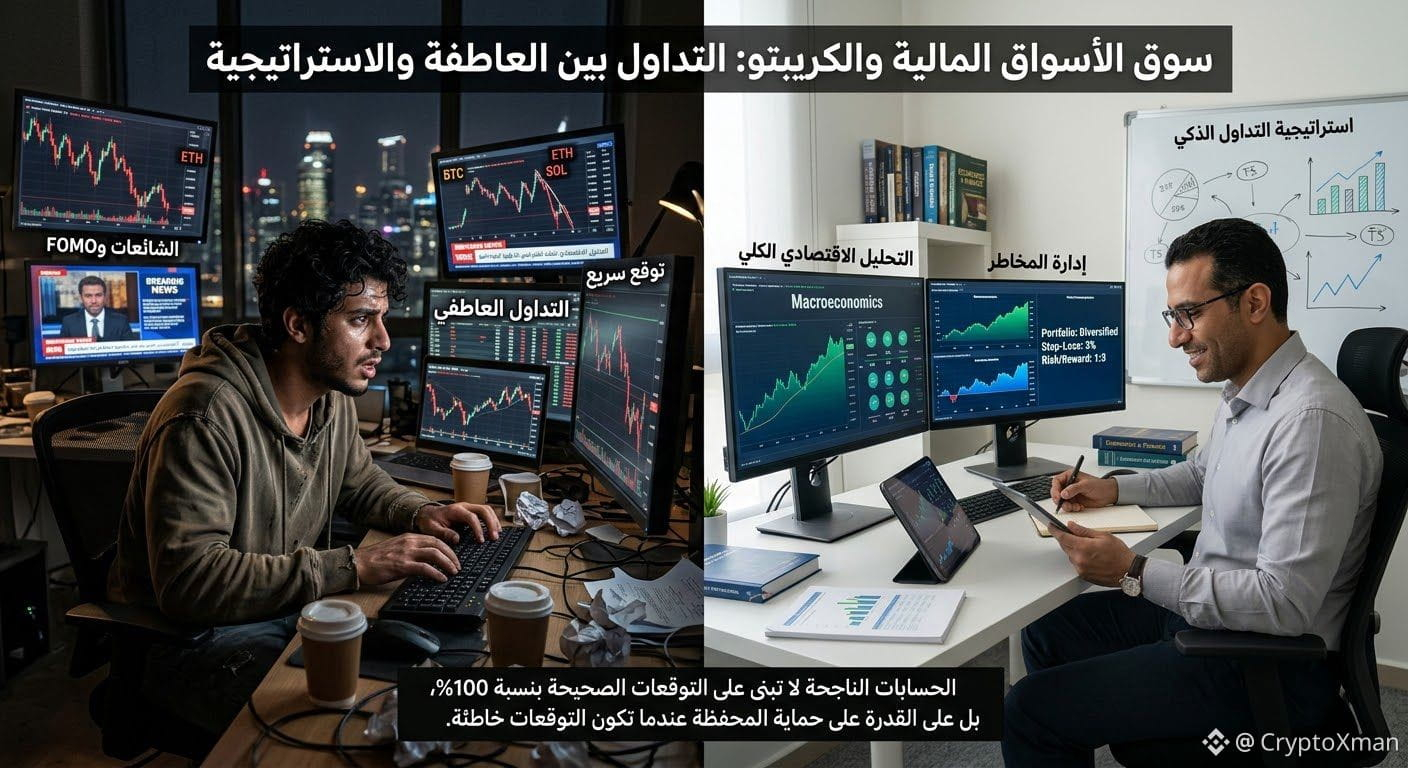
In financial markets and crypto, everyone tries to rely on technical indicators and quick forecasts, but the biggest fallacy is ignoring macroeconomic factors (Macroeconomics) and the role of risk management. Trading based on emotion or chasing rumors is the fastest way to lose capital. Successful accounts aren’t built on forecasts that are 100% accurate, but on the ability to protect the portfolio when forecasts are wrong. What strategy do you rely on most to manage your account’s risk?
In financial markets and crypto, everyone tries to rely on technical indicators and quick forecasts, but the biggest fallacy is ignoring macroeconomic factors (Macroeconomics) and the role of risk management. Trading based on emotion or chasing rumors is the fastest way to lose capital. Successful accounts aren’t built on forecasts that are 100% accurate, but on the ability to protect the portfolio when forecasts are wrong. What strategy do you rely on most to manage your account’s risk?
119
·
--
Did you make a profit on the trade… after costs?
The price may move in the direction you expected, but your net profit could be lower than you think. When trading BTC or ETH, pay attention to the actual execution price and fees—not just the percentage increase in price.
Hypothetical spot trading example:
You buy an amount with an execution value of $1,000, then sell it for an execution value of $1,010. Profit before fees: $10.
Assuming a 0.1% fee for each trade, charged separately:
• Buy fee: $1.
• Sell fee: $1.01.
• Net profit: $7.99.
That means fees consumed 20.1% of the gross profit in this example! The assumed rate is not a statement of the fees on your account; check the fees for your trading pair and any discounts available to you.
There is also a difference between the price you expect and the price at which your trade executes: this is slippage, and it can work for or against you. Execution prices are more likely to differ when liquidity is low or your order is large relative to the available orders.
Note: Because this example uses actual execution values, we do not subtract slippage a second time; its effect is already reflected in those values.
Before trading, check the fees and order book depth. A limit order sets the acceptable price, but it may not execute, or may only execute partially. Afterward, review your execution history and calculate your net result.
Do you calculate your profits after fees?
Disclaimer: This is educational and analytical content, not a recommendation to buy or sell, nor a guarantee of profit.
#BTC #eth

328
·
--
🔎 A low price… does it mean an opportunity?
“This coin is worth one cent—imagine if it reached a dollar!”
Before getting carried away, ask: how many units are in circulation?
Hypothetical example:
A coin priced at $0.01, with a circulating supply of 100 billion units, has a market capitalization of $1 billion.
Reaching $1, with the supply unchanged, would mean a market capitalization of $100 billion. This is a scenario calculation, not a prediction that it will happen.
Market capitalization is not the amount of money that has flowed into a coin; it is the price × the circulating supply.
So, don’t compare a coin with BTC or ETH based on its unit price alone. Check:
• Market capitalization and supply.
• When new units will enter circulation.
• Liquidity and the project’s utility.
A low unit price doesn’t prove there’s an opportunity, and market capitalization alone isn’t enough to make a judgment.
What’s the first thing you check when researching a coin?
Source: Binance Academy — Market Capitalization.
Disclaimer: This content is for educational and analytical purposes and presents general ideas. It is not investment advice or a recommendation to buy or sell, and it does not guarantee profits. Crypto assets are high-risk and you could lose your entire investment. Do your own research and assess whether any decision is suitable for your circumstances; you are responsible for your choices and their outcomes.
#BTC #ETH #Cryptocurrency #FinancialLiteracy

148
·
--
A very bad analogy of the divinity of God alone and comparing XRP or others to the attribute of divinity, even metaphorically, as if it were a transient attribute or an ordinary perception is not permissible.
A very bad analogy of the divinity of God alone and comparing XRP or others to the attribute of divinity, even metaphorically, as if it were a transient attribute or an ordinary perception is not permissible.

Phantooum
·
--
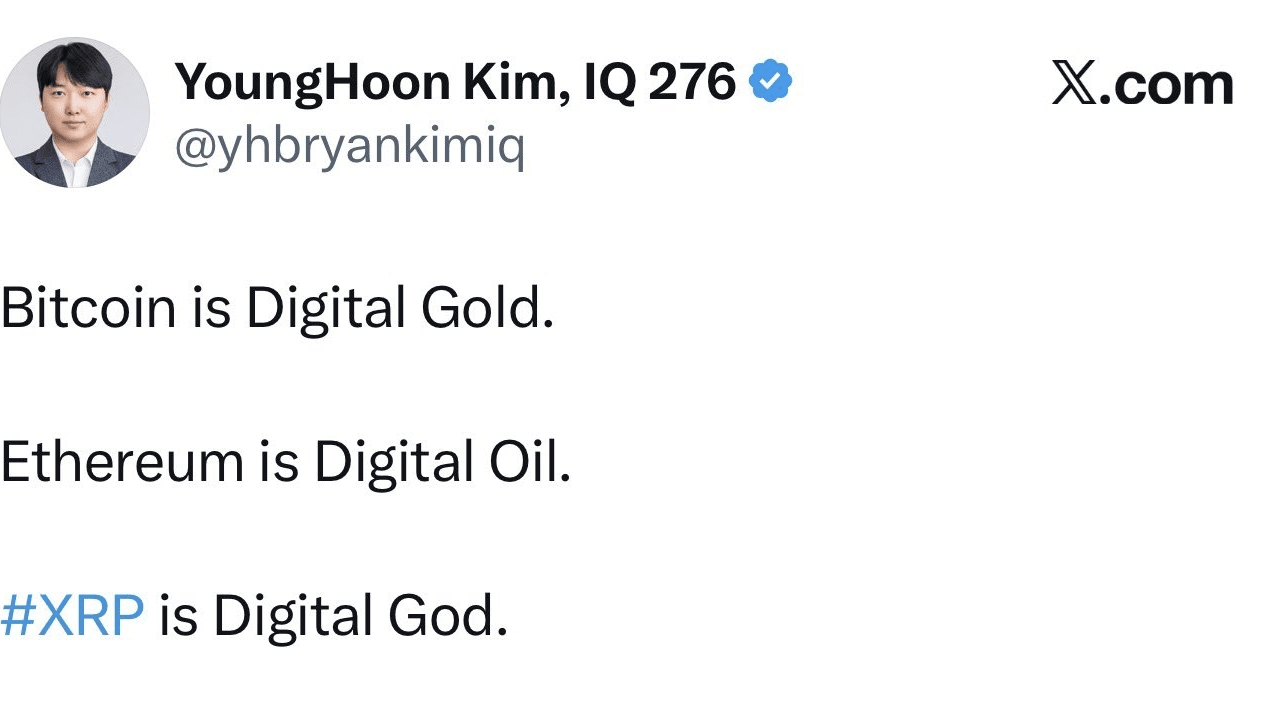
Breaking: The smartest person in the world says: XRP is the digital god
$XRP
🚨 Breaking: The smartest person in the world says: XRP is the digital god.
Yes, this statement was said literally.
No exaggeration. No metaphor for promotion.
This statement did not come from a transient influencer or from crypto noise.
Rather, it came from a mind known for its utmost analytical precision, its ability to read long-term patterns, and its focus on systems rather than prices. 🧠📊
2
82
·
--
Don't sell, keep them, the price will return and you will profit
Don't sell, keep them, the price will return and you will profit

Davis Hasse PQu2
·
--
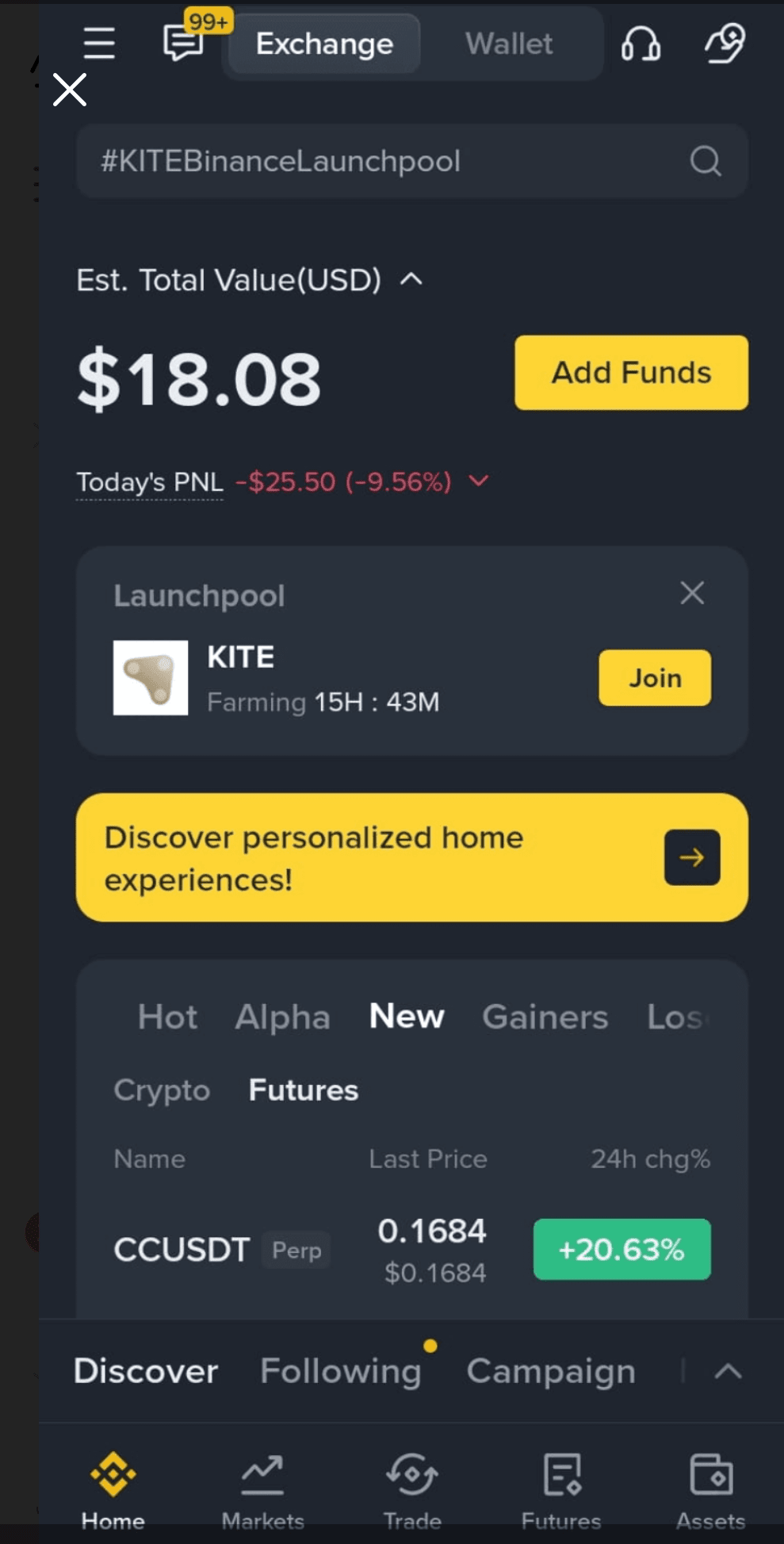
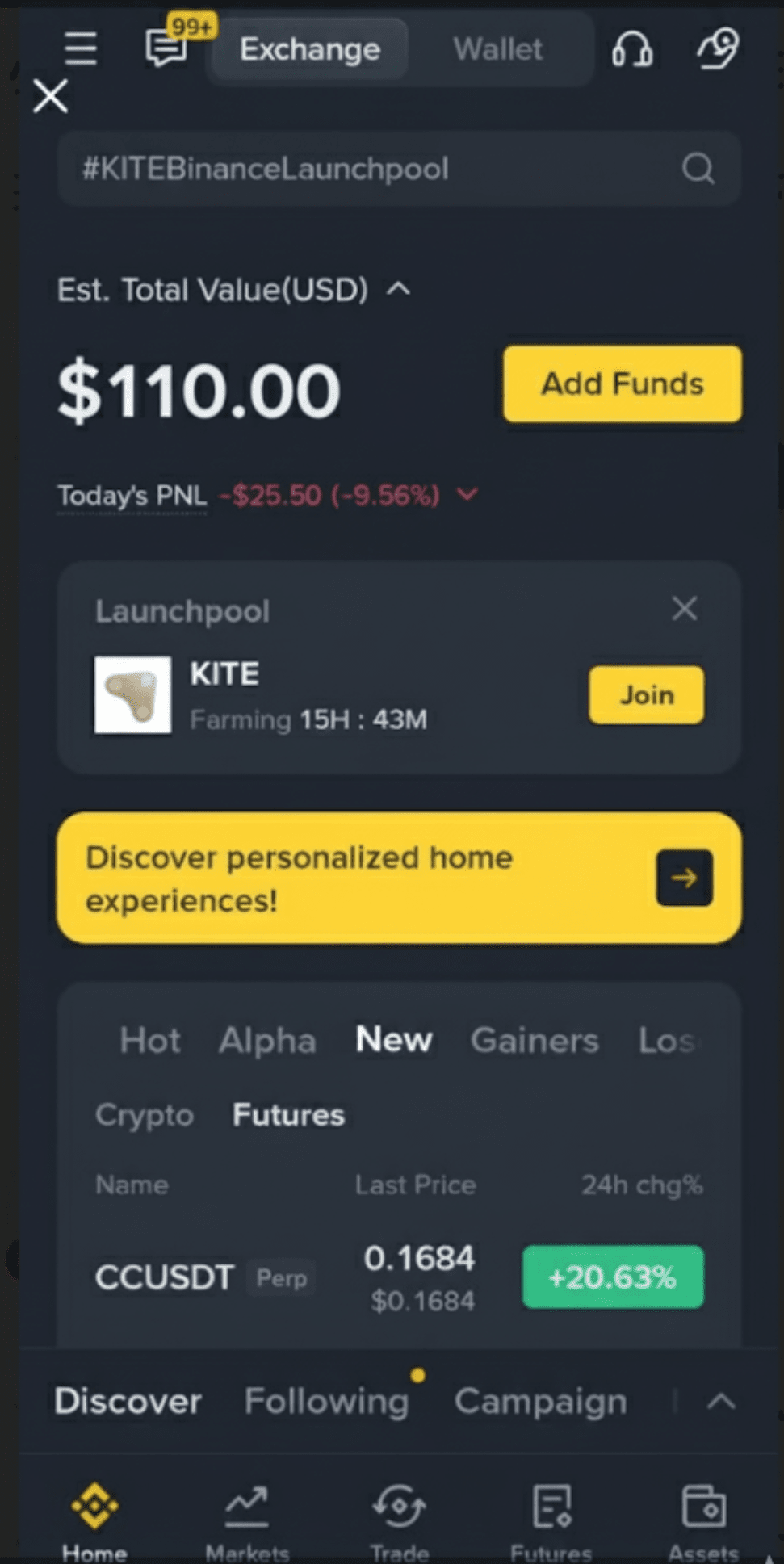
*What should I do? I turned 110 dollars into 18 dollars 😭😭😭😢😢😢😢😢*
1
32
·
--
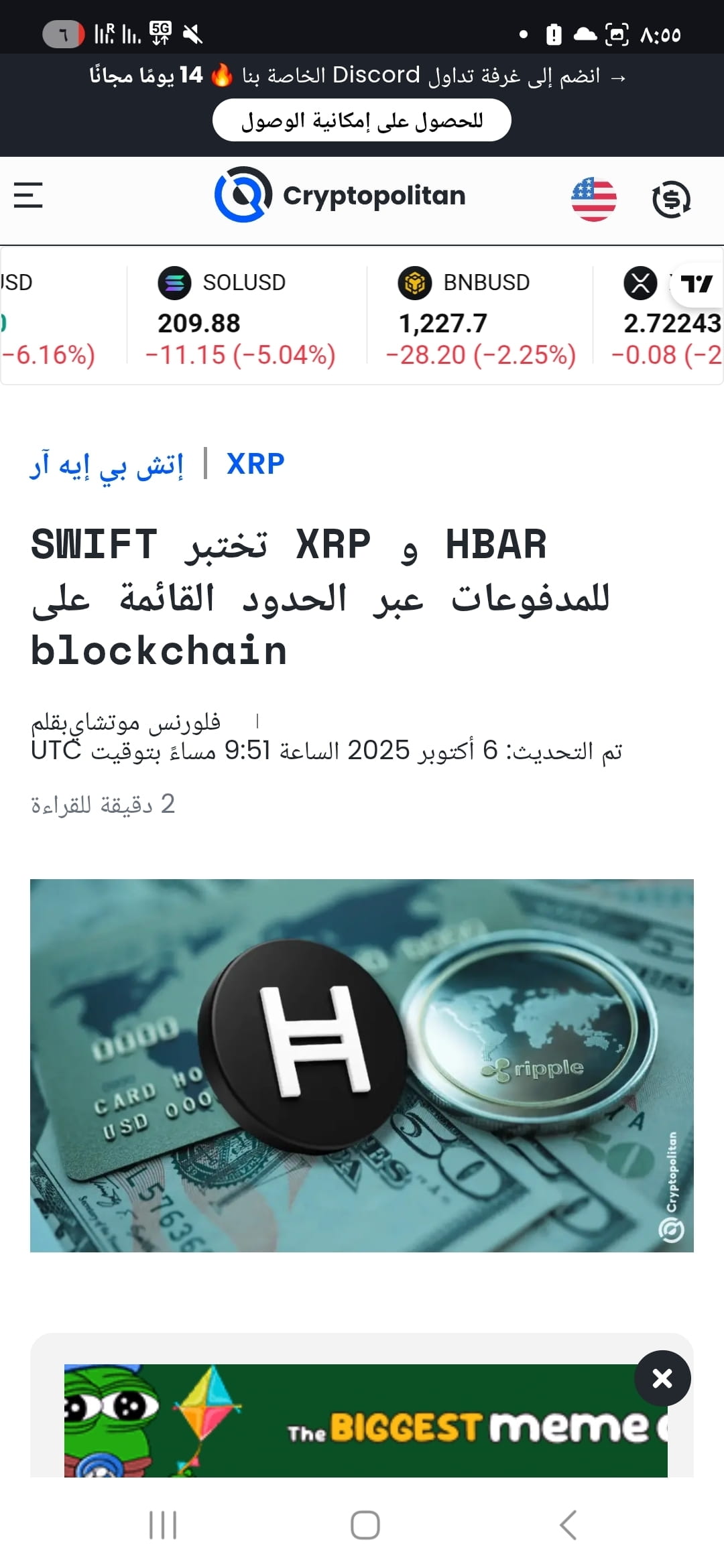
Non-professional formatting: The presence of numbers like -0.08 (-2) without clear context indicates the possibility of image modification or inaccuracy.
Non-professional formatting: The presence of numbers like -0.08 (-2) without clear context indicates the possibility of image modification or inaccuracy.

Alnour mustafa
·
--
The news is 100% true and now in the test expect to wake up and find it for 300 dollars
1
22
·
--
The prices and percentages mentioned (such as -6.16% for ISD) do not match the actual market data as of today and the numbers are fabricated or outdated
The prices and percentages mentioned (such as -6.16% for ISD) do not match the actual market data as of today and the numbers are fabricated or outdated
Alnour mustafa
·
--
The news is 100% true and now in the test expect to wake up and find it for 300 dollars
1
17
·
--
This type of content is speculative advertising (FOMO - Fear Of Missing Out) more than it is an investment analysis. Its goal:
· To stimulate emotions and greed.
· To create demand for the currency.
· To justify the purchase of a high-risk currency.
This type of content is speculative advertising (FOMO - Fear Of Missing Out) more than it is an investment analysis. Its goal:
· To stimulate emotions and greed.
· To create demand for the currency.
· To justify the purchase of a high-risk currency.
· To stimulate emotions and greed.
· To create demand for the currency.
· To justify the purchase of a high-risk currency.
Phantooum
·
--
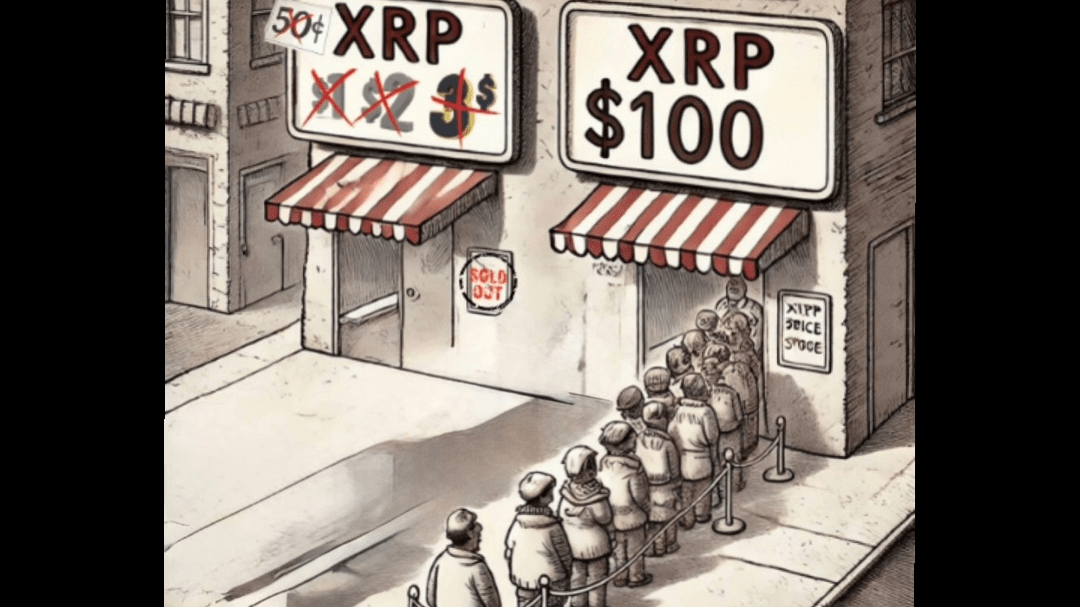
🚀 Most people will buy XRP when its price reaches 100 dollars! 🚀
$XRP
Up to 100 dollars is not considered a late entry point, considering that the price of XRP could reach 10,000 dollars or more. 💎
Hey everyone, this isn't just crazy predictions... This is what experts who have been studying the market for years are saying! 📊
🧠 Why aren't people buying now?
The main problem: most people think like a herd 🐑
• When the price is cheap (like now) → "There must be a problem, why is it so cheap?"
1
54
Log in to explore more content
Join global crypto users on Binance Square
⚡️ Get latest and useful information about crypto.
💬 Trusted by the world’s largest crypto exchange.
👍 Discover real insights from verified creators.
Email / Phone number
Trending Topics
CryptoSelloffTriggersMultipleWhaleLiquidations
167,824 views
1,718 Discussing
Crypto Liquidations Top $2B in 24 Hours as 329,000 Traders Are Wiped Out
Binance News
·39 Likes
·51.8k views
USSpotXRPETFsSeeLargestWeeklyOutflowIn8Months
152,325 views
1,515 Discussing
WillFOMCMinutesReinforceRateHikeExpectations?
43,934 views
713 Discussing