

Palpatine
6k Posts

Palpatine
Report
Block User
Strategy, vision, and market analysis from the dark side of crypto. Where others see chaos, I see pattern.
Open Trade
Frequent Trader
4.8 Years
613 Following
674 Followers
5.0K+ Liked
Posts
Portfolio
All
Quotes
Videos
·
--
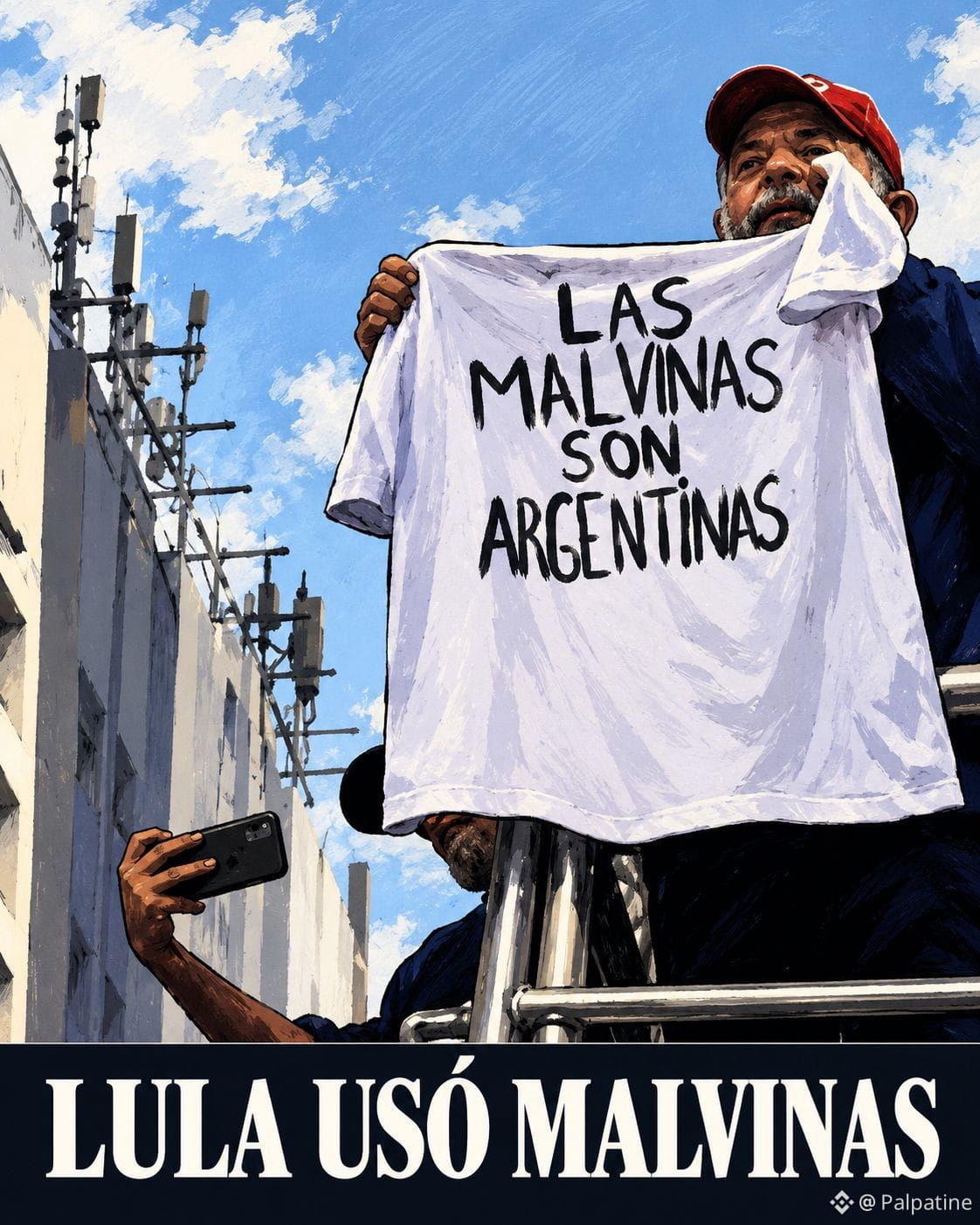
🇦🇷🇧🇷 THE FALKLANDS UNITED WHAT POLITICS DIVIDES
At Lula’s headquarters, they unfurled a flag reading “The Falklands are Argentine” while chanting against Milei.
The scene raises a simple question:
REAL SUPPORT FOR ARGENTINA… OR THE FALKLANDS USED AS A POLITICAL WEAPON AGAINST MILEI?
👇 I want to hear from Argentinians and Brazilians.
{future}(QNTUSDT)
{future}(ENAUSDT)
{future}(ERAUSDT)
🇦🇷🇧🇷 THE FALKLANDS UNITED WHAT POLITICS DIVIDES
At Lula’s headquarters, they unfurled a flag reading “The Falklands are Argentine” while chanting against Milei.
The scene raises a simple question:
REAL SUPPORT FOR ARGENTINA… OR THE FALKLANDS USED AS A POLITICAL WEAPON AGAINST MILEI?
👇 I want to hear from Argentinians and Brazilians.
At Lula’s headquarters, they unfurled a flag reading “The Falklands are Argentine” while chanting against Milei.
The scene raises a simple question:
REAL SUPPORT FOR ARGENTINA… OR THE FALKLANDS USED AS A POLITICAL WEAPON AGAINST MILEI?
👇 I want to hear from Argentinians and Brazilians.
8
456
·
--
DID THEY GET THE SPANISH DERBY RIGHT? OR BOCA JUNIORS?
#BinancePick
DID THEY GET THE SPANISH DERBY RIGHT? OR BOCA JUNIORS?
#BinancePick
#BinancePick
5
·
--
🇧🇷 LULA WON AGAIN: IS A SHOWDOWN WITH MILEI COMING?
Lula turned the runoff around and will remain at the helm of Brazil.
Now comes the juicy part:
WILL HE TRY TO GET CLOSER TO MILEI… OR MAKE HIM HIS MAIN REGIONAL RIVAL?
👇 WHAT WOULD YOU SAY TO LULA TODAY?
{future}(BMTUSDT)
{future}(SOLUSDT)
{spot}(BTCUSDT)
🇧🇷 LULA WON AGAIN: IS A SHOWDOWN WITH MILEI COMING?
Lula turned the runoff around and will remain at the helm of Brazil.
Now comes the juicy part:
WILL HE TRY TO GET CLOSER TO MILEI… OR MAKE HIM HIS MAIN REGIONAL RIVAL?
👇 WHAT WOULD YOU SAY TO LULA TODAY?
Lula turned the runoff around and will remain at the helm of Brazil.
Now comes the juicy part:
WILL HE TRY TO GET CLOSER TO MILEI… OR MAKE HIM HIS MAIN REGIONAL RIVAL?
👇 WHAT WOULD YOU SAY TO LULA TODAY?

1
310
·
--
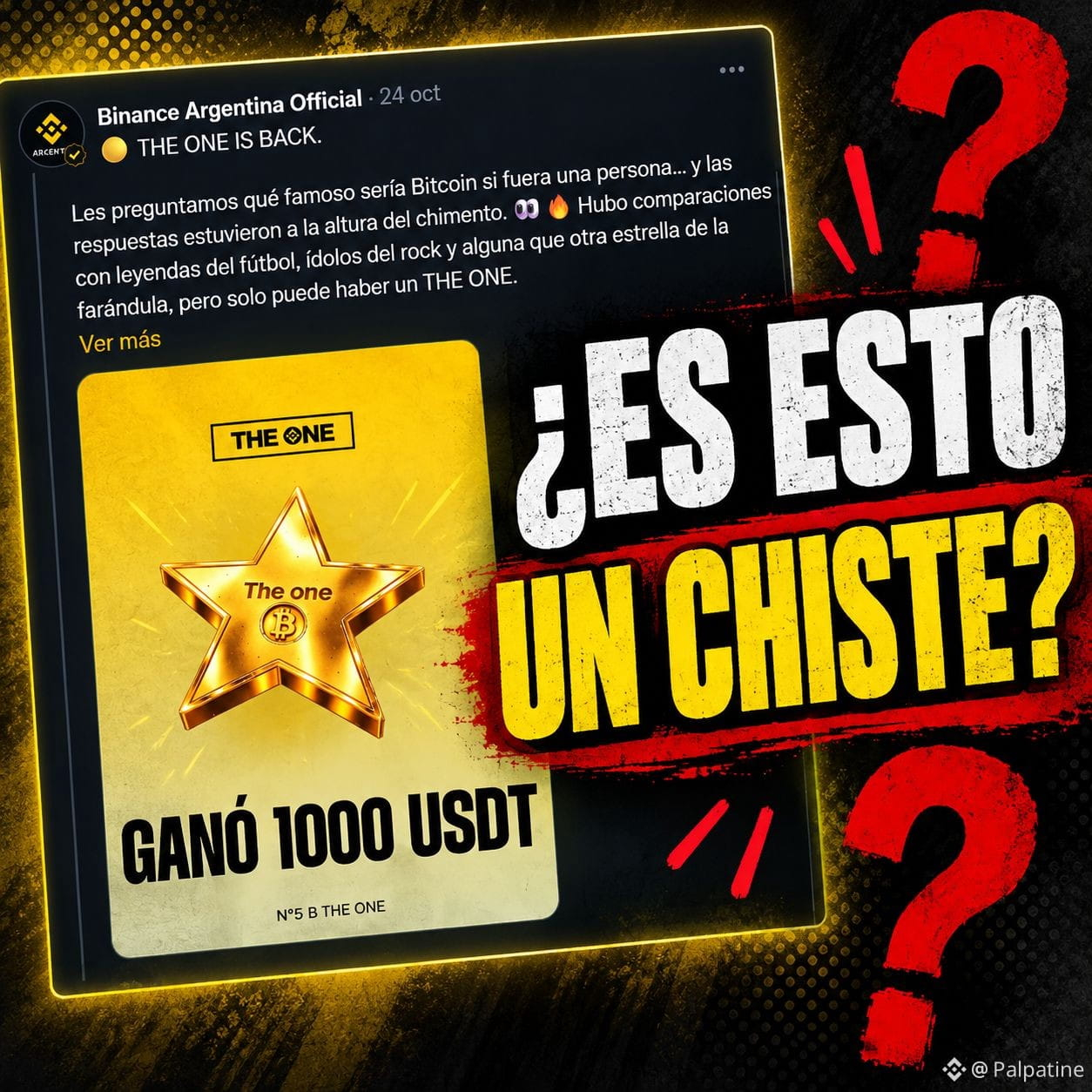
🚨 SERIOUSLY, WANDA NARA?
Binance Argentina asked who Bitcoin would be if it were an Argentine person and promised 1,000 USDT for the “most convincing” answer.
There were names like Fangio, Maradona, Messi, Favaloro… even Martín Fierro, whom I suggested because he represents rebellion, independence, and resistance to power.
And in the end, an answer featuring Wanda Nara won.
I’m not questioning the prize; I’m questioning the criteria.
What made that answer more convincing than the others?
If the goal was creativity, great—but there’s nothing “creative” about it.
If it was argumentation, then it would be good to know how they evaluated the answers.
$T $ENA $ZEC
#Bitcoin #BinanceArgentina #Crypto
🚨 SERIOUSLY, WANDA NARA?
Binance Argentina asked who Bitcoin would be if it were an Argentine person and promised 1,000 USDT for the “most convincing” answer.
There were names like Fangio, Maradona, Messi, Favaloro… even Martín Fierro, whom I suggested because he represents rebellion, independence, and resistance to power.
And in the end, an answer featuring Wanda Nara won.
I’m not questioning the prize; I’m questioning the criteria.
What made that answer more convincing than the others?
If the goal was creativity, great—but there’s nothing “creative” about it.
If it was argumentation, then it would be good to know how they evaluated the answers.
$T $ENA $ZEC
#Bitcoin #BinanceArgentina #Crypto
Binance Argentina asked who Bitcoin would be if it were an Argentine person and promised 1,000 USDT for the “most convincing” answer.
There were names like Fangio, Maradona, Messi, Favaloro… even Martín Fierro, whom I suggested because he represents rebellion, independence, and resistance to power.
And in the end, an answer featuring Wanda Nara won.
I’m not questioning the prize; I’m questioning the criteria.
What made that answer more convincing than the others?
If the goal was creativity, great—but there’s nothing “creative” about it.
If it was argumentation, then it would be good to know how they evaluated the answers.
$T $ENA $ZEC
#Bitcoin #BinanceArgentina #Crypto
18
2
8
5.7k
·
--
100 DAYS.
FIFA released never-before-seen footage of Lautaro's goal against England.
And how did you experience that day?
$BTC
#algopaso
100 DAYS.
FIFA released never-before-seen footage of Lautaro's goal against England.
And how did you experience that day?
$BTC
#algopaso
FIFA released never-before-seen footage of Lautaro's goal against England.
And how did you experience that day?
$BTC
#algopaso
61
·
--
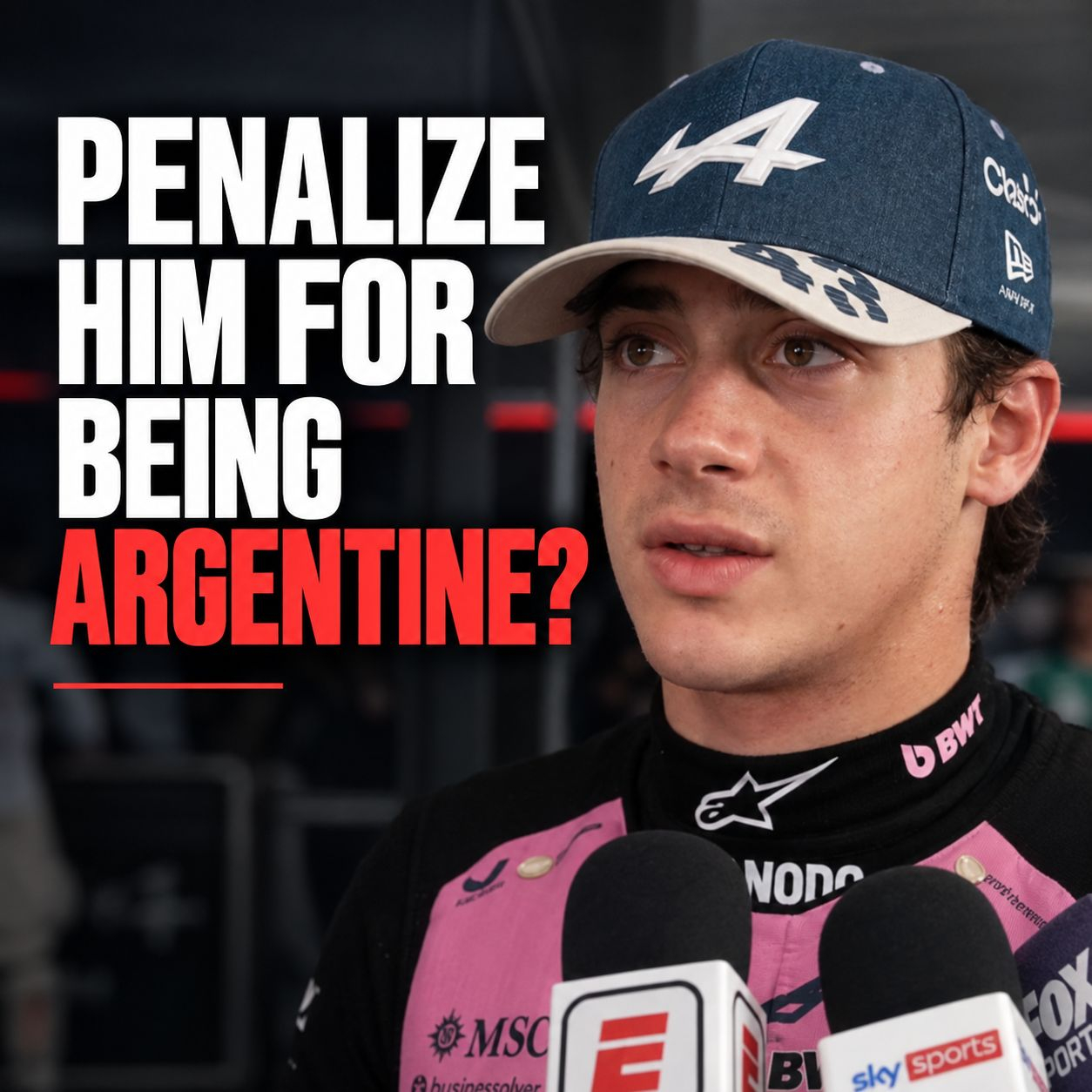
🚨 “WE SHOULD PENALIZE THE BRITISH AND THE SPANISH.”
Sounds horrible, right?
Well, Jeremy Clarkson said on Sky Sports that Franco Colapinto had a penalty “for being Argentine” and added that he would give him one for that. Alpine later distanced itself from the remark.
Yet whenever ONE Argentine says something offensive, suddenly there are statements, outrage and lectures everywhere.
So here’s the uncomfortable question:
Would the reaction have been the same if someone said this about a British or Spanish driver?
{future}(ANIMEUSDT)
{future}(SOLUSDT)
{future}(ALPINEUSDT)
#Colapinto #F1 #Argentina #BMT #EPIC #ANIME
🚨 “WE SHOULD PENALIZE THE BRITISH AND THE SPANISH.”
Sounds horrible, right?
Well, Jeremy Clarkson said on Sky Sports that Franco Colapinto had a penalty “for being Argentine” and added that he would give him one for that. Alpine later distanced itself from the remark.
Yet whenever ONE Argentine says something offensive, suddenly there are statements, outrage and lectures everywhere.
So here’s the uncomfortable question:
Would the reaction have been the same if someone said this about a British or Spanish driver?
#Colapinto #F1 #Argentina #BMT #EPIC #ANIME
Sounds horrible, right?
Well, Jeremy Clarkson said on Sky Sports that Franco Colapinto had a penalty “for being Argentine” and added that he would give him one for that. Alpine later distanced itself from the remark.
Yet whenever ONE Argentine says something offensive, suddenly there are statements, outrage and lectures everywhere.
So here’s the uncomfortable question:
Would the reaction have been the same if someone said this about a British or Spanish driver?
#Colapinto #F1 #Argentina #BMT #EPIC #ANIME
2
550
·
--
How many points do you have so far? I'll try to guess correctly in F1
#BinancePick
How many points do you have so far? I'll try to guess correctly in F1
#BinancePick
#BinancePick
53
·
--
Bearish
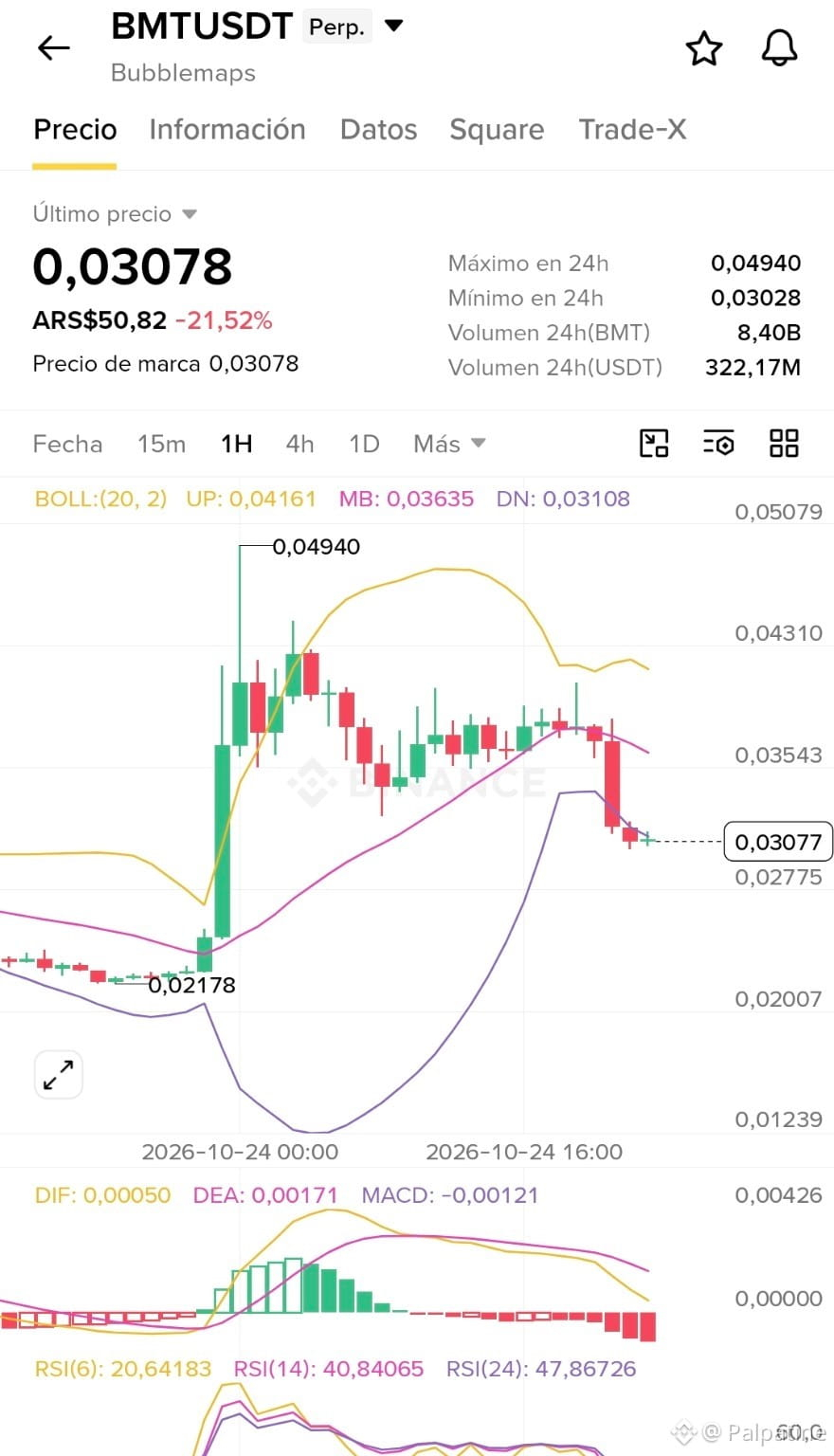
✅ $BMT MEAN REVERSION CONFIRMED
We flagged the setup before the breakdown.
From $0.0494 → ~$0.0308: roughly -37% from the high.
Now the question changes:
🔻 Lose $0.030 → $0.028 / $0.024 next
🟢 Hold here → technical bounce possible
The thesis worked. Now it’s about managing the next move.
{future}(BMTUSDT)
#BMT #Trading #Futures
✅ $BMT MEAN REVERSION CONFIRMED
We flagged the setup before the breakdown.
From $0.0494 → ~$0.0308: roughly -37% from the high.
Now the question changes:
🔻 Lose $0.030 → $0.028 / $0.024 next
🟢 Hold here → technical bounce possible
The thesis worked. Now it’s about managing the next move.
#BMT #Trading #Futures
We flagged the setup before the breakdown.
From $0.0494 → ~$0.0308: roughly -37% from the high.
Now the question changes:
🔻 Lose $0.030 → $0.028 / $0.024 next
🟢 Hold here → technical bounce possible
The thesis worked. Now it’s about managing the next move.
#BMT #Trading #Futures
203
·
--
Bearish
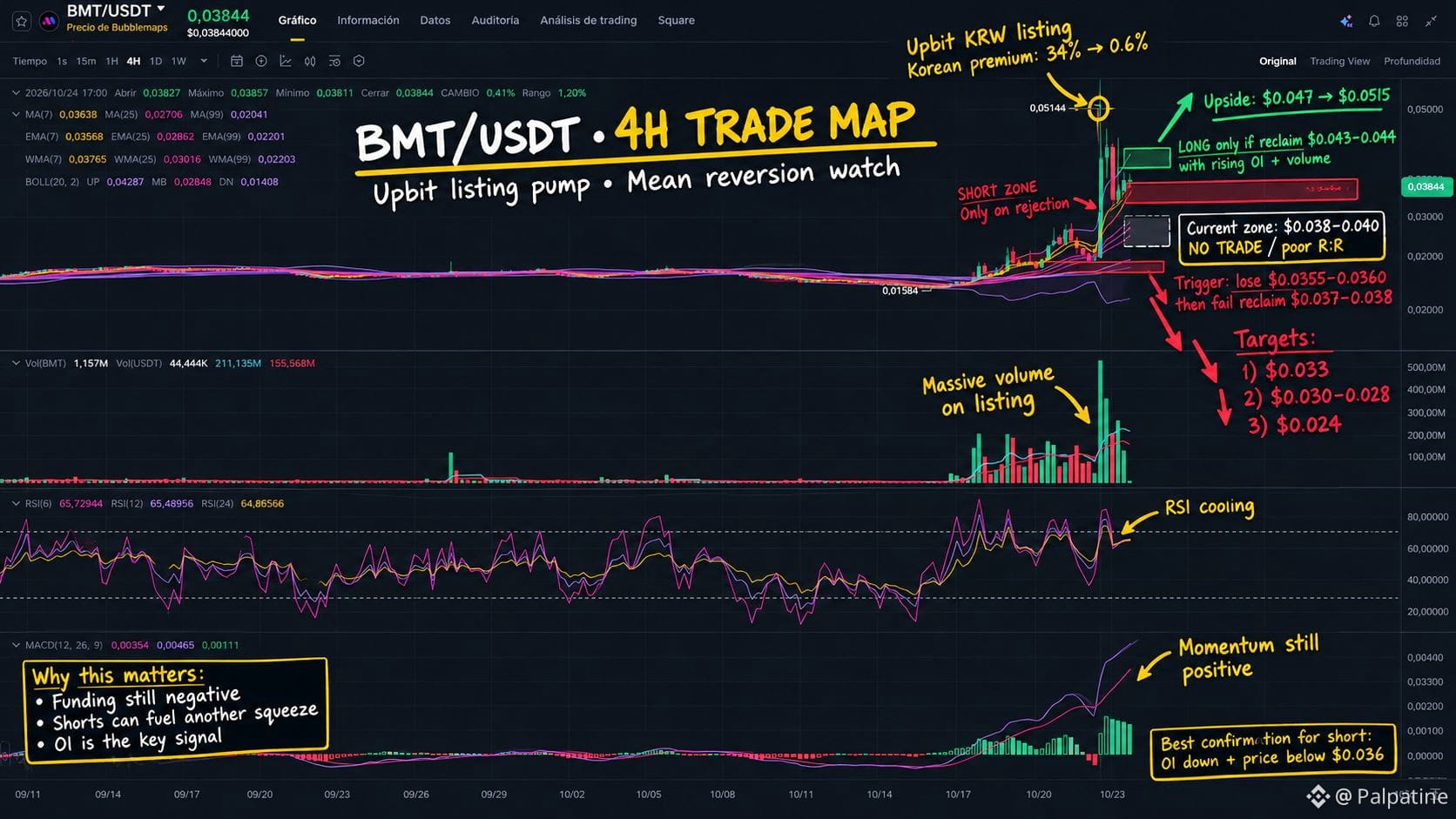
🚨 $BMT: LONG OR SHORT? HERE ARE THE LEVELS
Upbit listing triggered the pump, but the Korean premium already collapsed from ~34% → ~0.6%.
⚠️ Funding is still negative, so shorts can fuel another squeeze.
🔴 SHORT SETUP
Entry: $0.0425–0.0450 on rejection
Better confirmation: lose $0.0355–0.0360, then fail to reclaim $0.037–0.038
Targets: $0.033 → $0.030/$0.028 → $0.024
🟢 LONG SETUP
Entry: reclaim $0.043–0.044 with rising OI + volume
Targets: $0.047 → $0.0515
❌ Between $0.038–0.040: poor R. I’d wait.
Key signal now: OI + funding. Price alone is not enough.
{future}(BMTUSDT)
#BMT
🚨 $BMT: LONG OR SHORT? HERE ARE THE LEVELS
Upbit listing triggered the pump, but the Korean premium already collapsed from ~34% → ~0.6%.
⚠️ Funding is still negative, so shorts can fuel another squeeze.
🔴 SHORT SETUP
Entry: $0.0425–0.0450 on rejection
Better confirmation: lose $0.0355–0.0360, then fail to reclaim $0.037–0.038
Targets: $0.033 → $0.030/$0.028 → $0.024
🟢 LONG SETUP
Entry: reclaim $0.043–0.044 with rising OI + volume
Targets: $0.047 → $0.0515
❌ Between $0.038–0.040: poor R. I’d wait.
Key signal now: OI + funding. Price alone is not enough.
#BMT
Upbit listing triggered the pump, but the Korean premium already collapsed from ~34% → ~0.6%.
⚠️ Funding is still negative, so shorts can fuel another squeeze.
🔴 SHORT SETUP
Entry: $0.0425–0.0450 on rejection
Better confirmation: lose $0.0355–0.0360, then fail to reclaim $0.037–0.038
Targets: $0.033 → $0.030/$0.028 → $0.024
🟢 LONG SETUP
Entry: reclaim $0.043–0.044 with rising OI + volume
Targets: $0.047 → $0.0515
❌ Between $0.038–0.040: poor R. I’d wait.
Key signal now: OI + funding. Price alone is not enough.
#BMT
2
263
·
--
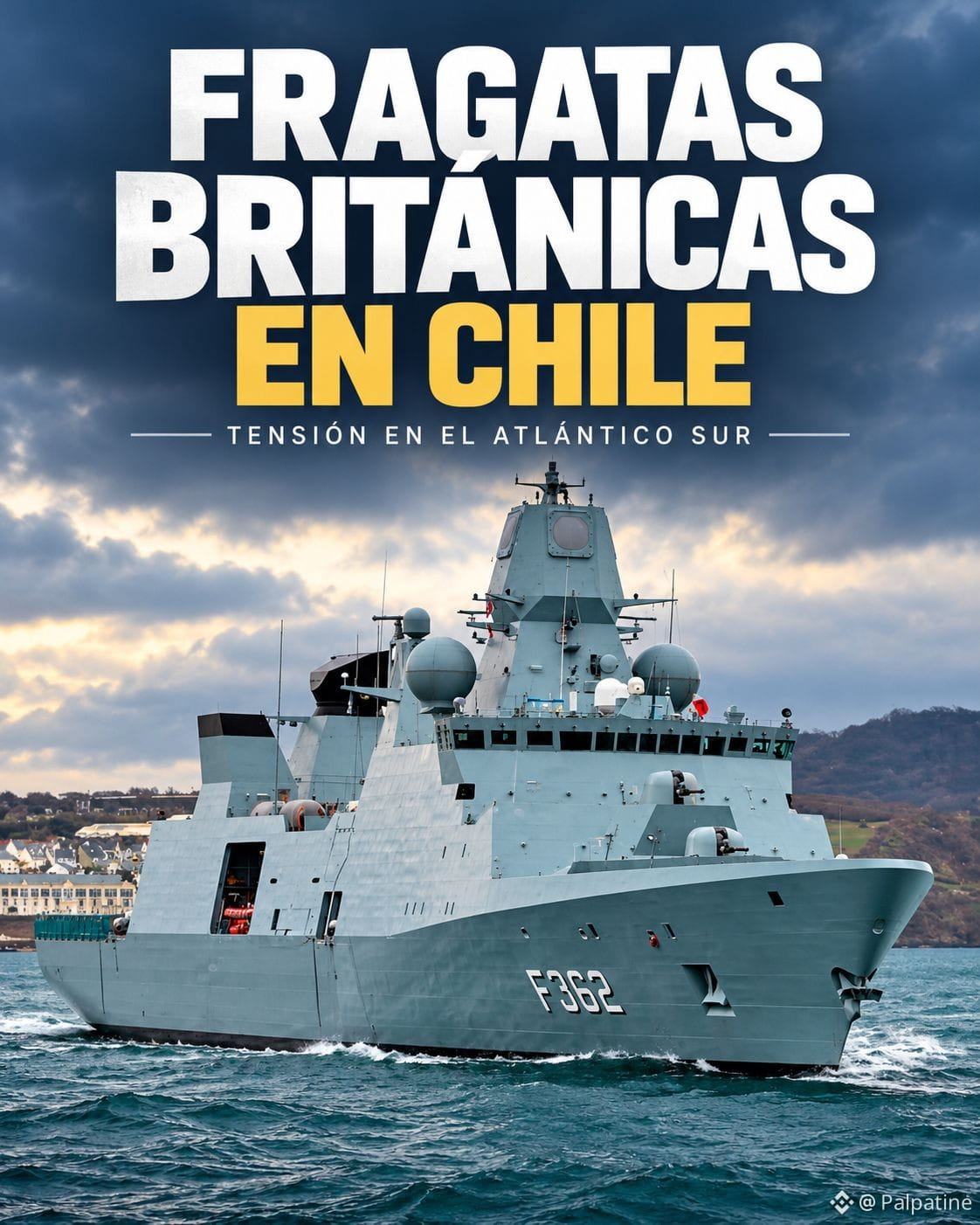
🚨 THE UNITED KINGDOM WANTS TO BUILD FRIGATES IN CHILE
Babcock offered to transfer technology to build Arrowhead 140 combat frigates in Magallanes. No contract has been signed yet.
And this is happening as tensions grow over the Falkland Islands, Sea Lion and logistics from Punta Arenas.
🇦🇷🇨🇱🇬🇧 A legitimate business partner… or is Chile crossing a sensitive line for Argentina?
{spot}(BTCUSDT)
{future}(LTCUSDT)
{spot}(SNDKBUSDT)
#argentinapotencia #Chile #Argentina #OilQuality
🚨 THE UNITED KINGDOM WANTS TO BUILD FRIGATES IN CHILE
Babcock offered to transfer technology to build Arrowhead 140 combat frigates in Magallanes. No contract has been signed yet.
And this is happening as tensions grow over the Falkland Islands, Sea Lion and logistics from Punta Arenas.
🇦🇷🇨🇱🇬🇧 A legitimate business partner… or is Chile crossing a sensitive line for Argentina?
#argentinapotencia #Chile #Argentina #OilQuality
Babcock offered to transfer technology to build Arrowhead 140 combat frigates in Magallanes. No contract has been signed yet.
And this is happening as tensions grow over the Falkland Islands, Sea Lion and logistics from Punta Arenas.
🇦🇷🇨🇱🇬🇧 A legitimate business partner… or is Chile crossing a sensitive line for Argentina?
#argentinapotencia #Chile #Argentina #OilQuality
409
·
--
🎯 ARE YOU GOING TO GIVE AWAY POINTS OR CLIMB THE RANKING?
Binance Pick is already handing out Scores and prizes in USDC.
Entering every market doesn’t mean playing better.
The real question is: take a risk now… or save your ammunition for the finish.
What would you do?
#BinancePick
{spot}(TSMBUSDT)
🎯 ARE YOU GOING TO GIVE AWAY POINTS OR CLIMB THE RANKING?
Binance Pick is already handing out Scores and prizes in USDC.
Entering every market doesn’t mean playing better.
The real question is: take a risk now… or save your ammunition for the finish.
What would you do?
#BinancePick
Binance Pick is already handing out Scores and prizes in USDC.
Entering every market doesn’t mean playing better.
The real question is: take a risk now… or save your ammunition for the finish.
What would you do?
#BinancePick
2
361
·
--
🚨 MILEI CLEARED IN THE $LIBRA CASE
The Federal Judiciary closed the criminal case against Javier and Karina Milei, finding that no crime had been committed.
Now comes the question dividing opinions:
DO YOU THINK THE CASE IS CLOSED… OR ARE THERE STILL THINGS THAT NEED EXPLAINING?
$PEPE $BNB $BTC
#LIBRA #Milei #Crypto
🚨 MILEI CLEARED IN THE $LIBRA CASE
The Federal Judiciary closed the criminal case against Javier and Karina Milei, finding that no crime had been committed.
Now comes the question dividing opinions:
DO YOU THINK THE CASE IS CLOSED… OR ARE THERE STILL THINGS THAT NEED EXPLAINING?
$PEPE $BNB $BTC
#LIBRA #Milei #Crypto
The Federal Judiciary closed the criminal case against Javier and Karina Milei, finding that no crime had been committed.
Now comes the question dividing opinions:
DO YOU THINK THE CASE IS CLOSED… OR ARE THERE STILL THINGS THAT NEED EXPLAINING?
$PEPE $BNB $BTC
#LIBRA #Milei #Crypto

394
·
--
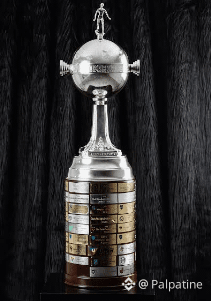
🔥 ESTUDIANTES’ LIBERTADORES FUTURE IS ON THE LINE AT THE MARACANÃ
The series is tied 0-0, and everything will be decided today against Flamengo.
If this match appears on Binance Pick, my question is simple:
🇦🇷 Will Estudiantes pull off an upset in Brazil, or will Flamengo make home advantage count?
I’m already checking out which markets to pick to earn Scores and climb the rankings.
What do you predict?
#BinancePick
🔥 ESTUDIANTES’ LIBERTADORES FUTURE IS ON THE LINE AT THE MARACANÃ
The series is tied 0-0, and everything will be decided today against Flamengo.
If this match appears on Binance Pick, my question is simple:
🇦🇷 Will Estudiantes pull off an upset in Brazil, or will Flamengo make home advantage count?
I’m already checking out which markets to pick to earn Scores and climb the rankings.
What do you predict?
#BinancePick
The series is tied 0-0, and everything will be decided today against Flamengo.
If this match appears on Binance Pick, my question is simple:
🇦🇷 Will Estudiantes pull off an upset in Brazil, or will Flamengo make home advantage count?
I’m already checking out which markets to pick to earn Scores and climb the rankings.
What do you predict?
#BinancePick
1
115
·
--
Bearish
🚨 $1 TRILLION+ ERASED. AND CRYPTO IS BLEEDING TOO.
Wall Street just flipped violently risk-off.
📉 Nasdaq: -2.68%
📉 NVIDIA: -4%+
📉 Bitcoin: ~$81K, -3.8%
📉 Ethereum: -4%+
And on Binance, the damage is even uglier:
🔥 $GTC: -14%+
🔥 $MOVR: -11%+
🔥 $MITO: -20%+
Most people only know how to make money when prices go up.
TRADERS KNOW VOLATILITY WORKS BOTH WAYS.
Days like this are exactly why Futures exist: momentum, breakdowns, failed bounces and short setups everywhere.
The real question now:
IS THIS JUST A SHAKEOUT… OR THE START OF SOMETHING MUCH BIGGER?
BTC ETH GTC
{future}(GTCUSDT)
{future}(MOVRUSDT)
{future}(MITOUSDT)
👇 Long the dip or short the weakness?
#Bitcoin #Crypto #Trading #Futures #StockMarket
🚨 $1 TRILLION+ ERASED. AND CRYPTO IS BLEEDING TOO.
Wall Street just flipped violently risk-off.
📉 Nasdaq: -2.68%
📉 NVIDIA: -4%+
📉 Bitcoin: ~$81K, -3.8%
📉 Ethereum: -4%+
And on Binance, the damage is even uglier:
🔥 $GTC: -14%+
🔥 $MOVR: -11%+
🔥 $MITO: -20%+
Most people only know how to make money when prices go up.
TRADERS KNOW VOLATILITY WORKS BOTH WAYS.
Days like this are exactly why Futures exist: momentum, breakdowns, failed bounces and short setups everywhere.
The real question now:
IS THIS JUST A SHAKEOUT… OR THE START OF SOMETHING MUCH BIGGER?
BTC ETH GTC
👇 Long the dip or short the weakness?
#Bitcoin #Crypto #Trading #Futures #StockMarket
Wall Street just flipped violently risk-off.
📉 Nasdaq: -2.68%
📉 NVIDIA: -4%+
📉 Bitcoin: ~$81K, -3.8%
📉 Ethereum: -4%+
And on Binance, the damage is even uglier:
🔥 $GTC: -14%+
🔥 $MOVR: -11%+
🔥 $MITO: -20%+
Most people only know how to make money when prices go up.
TRADERS KNOW VOLATILITY WORKS BOTH WAYS.
Days like this are exactly why Futures exist: momentum, breakdowns, failed bounces and short setups everywhere.
The real question now:
IS THIS JUST A SHAKEOUT… OR THE START OF SOMETHING MUCH BIGGER?
BTC ETH GTC
👇 Long the dip or short the weakness?
#Bitcoin #Crypto #Trading #Futures #StockMarket

1
1k
·
--
Bearish
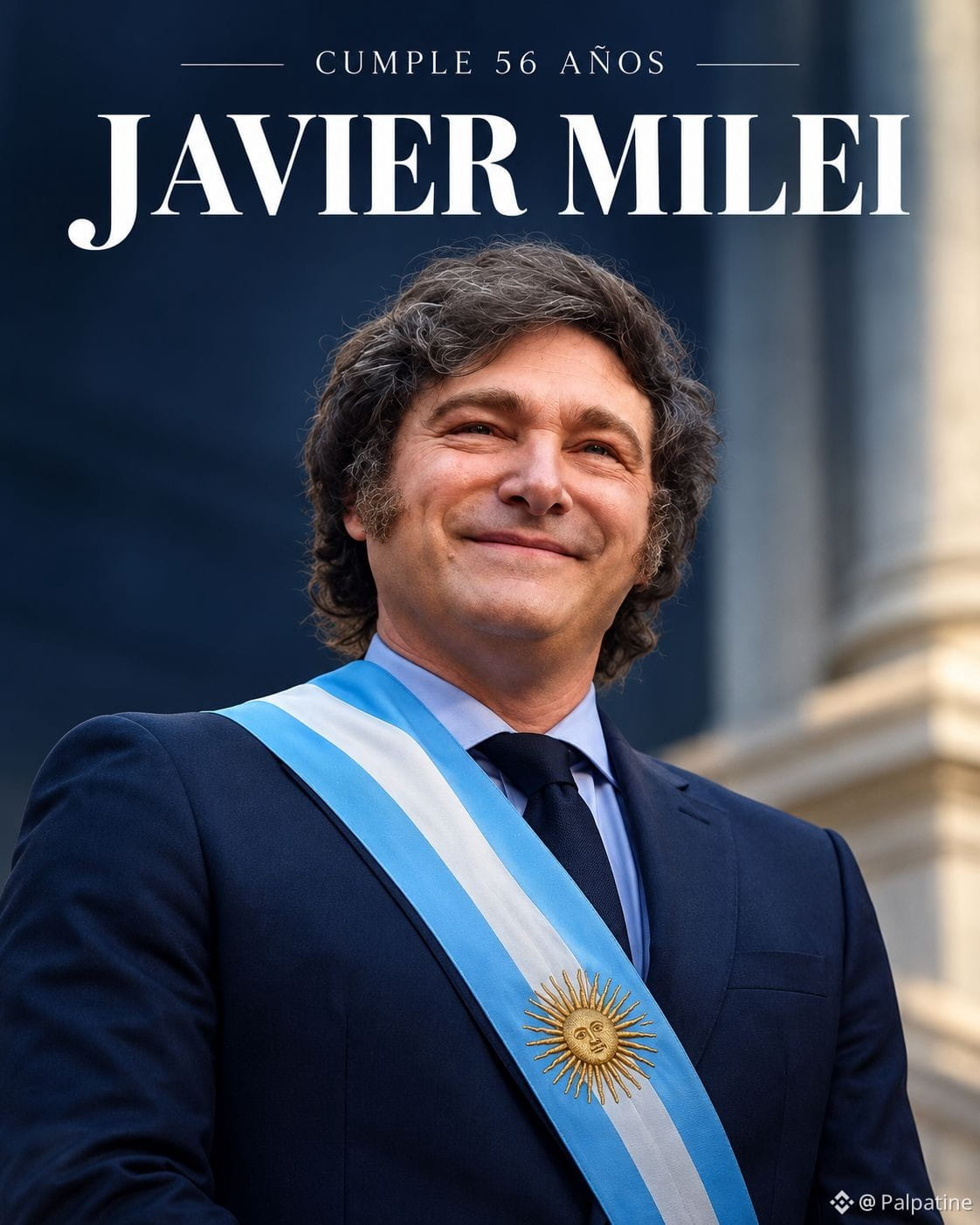
🎂 JAVIER MILEI TURNS 56
Today, October 22, the Argentine president celebrates his birthday.
Regardless of any political position, there’s one simple question:
IF YOU COULD ASK HIM FOR JUST ONE THING FOR ARGENTINA, WHAT WOULD IT BE?
{future}(HYPEUSDT)
{future}(HYPERUSDT)
{future}(ETHUSDT)
🎂 JAVIER MILEI TURNS 56
Today, October 22, the Argentine president celebrates his birthday.
Regardless of any political position, there’s one simple question:
IF YOU COULD ASK HIM FOR JUST ONE THING FOR ARGENTINA, WHAT WOULD IT BE?
Today, October 22, the Argentine president celebrates his birthday.
Regardless of any political position, there’s one simple question:
IF YOU COULD ASK HIM FOR JUST ONE THING FOR ARGENTINA, WHAT WOULD IT BE?
108
15
10.1k
·
--
Bearish
🚨 GLOBAL ALERT: GOVERNMENTS SHUT DOWN THEIR WEBSITES OVER A VULNERABILITY AFFECTING A LARGE PART OF THE INTERNET
A critical flaw in PHP has triggered a worldwide race between defenders and attackers. Official websites in several countries have been taken offline, millions of exploitation attempts may already be circulating, and the priority now is to patch the flaw before attackers get there first.
What’s unsettling: PHP underpins a huge part of the web.
Are we witnessing the beginning of one of the biggest internet security incidents in recent years?
{future}(BTCUSDT)
{future}(XRPUSDT)
{future}(SOLUSDT)
🚨 GLOBAL ALERT: GOVERNMENTS SHUT DOWN THEIR WEBSITES OVER A VULNERABILITY AFFECTING A LARGE PART OF THE INTERNET
A critical flaw in PHP has triggered a worldwide race between defenders and attackers. Official websites in several countries have been taken offline, millions of exploitation attempts may already be circulating, and the priority now is to patch the flaw before attackers get there first.
What’s unsettling: PHP underpins a huge part of the web.
Are we witnessing the beginning of one of the biggest internet security incidents in recent years?
A critical flaw in PHP has triggered a worldwide race between defenders and attackers. Official websites in several countries have been taken offline, millions of exploitation attempts may already be circulating, and the priority now is to patch the flaw before attackers get there first.
What’s unsettling: PHP underpins a huge part of the web.
Are we witnessing the beginning of one of the biggest internet security incidents in recent years?

1
137
·
--
Bullish
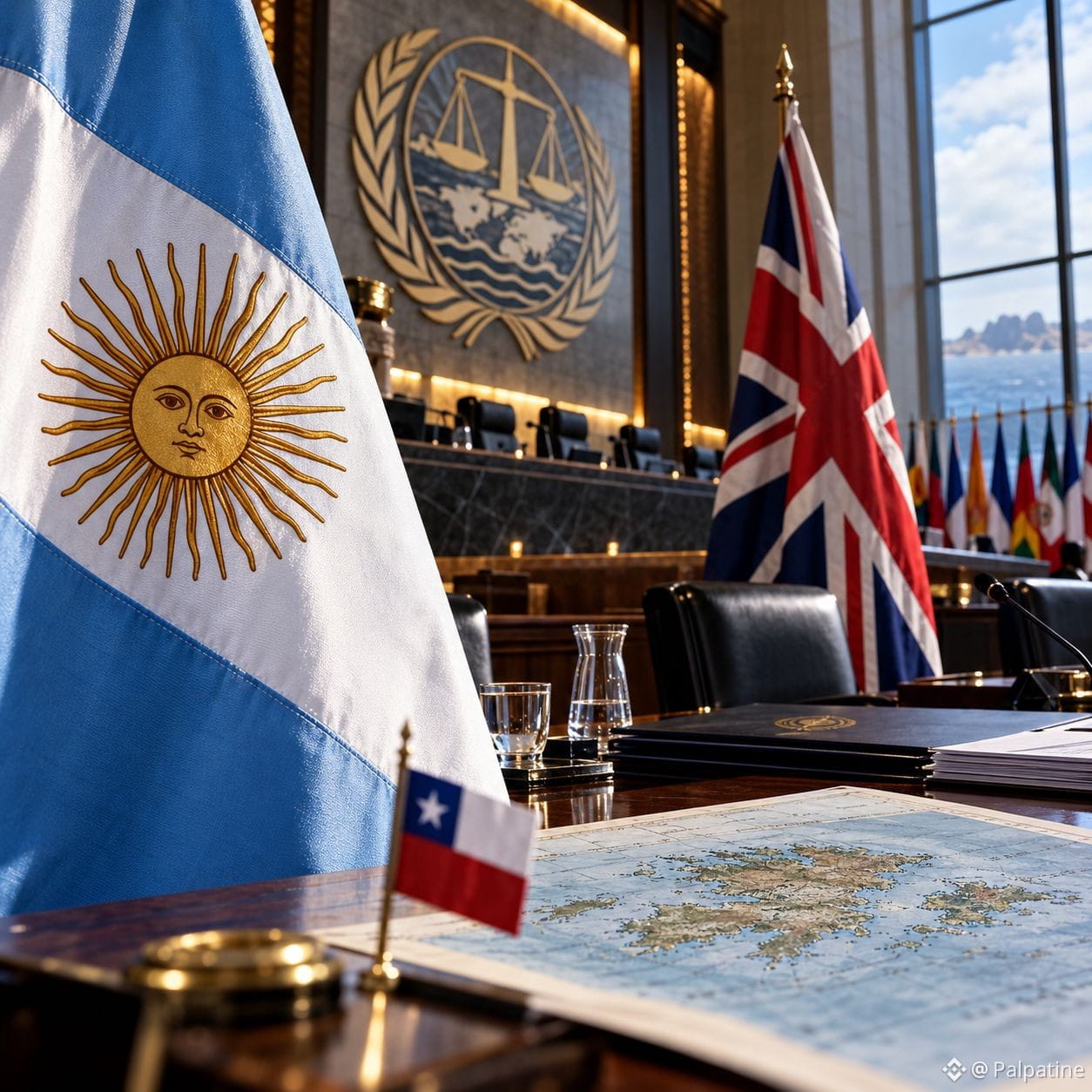
🇦🇷⚖️ MALVINAS: ARGENTINA TAKES THE UNITED KINGDOM BEFORE THE LAW OF THE SEA TRIBUNAL
It is no longer just a diplomatic protest.
The International Tribunal for the Law of the Sea has taken up Argentina’s claim against the United Kingdom over oil exploitation in the South Atlantic and has called both countries to hearings on November 10 and 11 in Hamburg.
Argentina is seeking an urgent measure to halt hydrocarbon exploitation at the Sea Lion project, north of the Malvinas Islands, while the arbitral tribunal that will hear the dispute is being constituted.
And there is one key detail:
🇬🇧 The United Kingdom has already confirmed it will participate in the proceedings and stated that if the Tribunal orders binding provisional measures, it will fulfill its international obligations. That does not mean London has accepted Argentina’s position or that the licenses are suspended today.
After decades of diplomatic claims, Argentina and the United Kingdom will now have to present their arguments before international judges.
The question has changed:
Could international litigation become London’s most uncomfortable front in the Malvinas dispute?
#argentinapotencia
{future}(BTCUSDT)
{spot}(XRPUSDT)
{future}(ETHUSDT)
🇦🇷⚖️ MALVINAS: ARGENTINA TAKES THE UNITED KINGDOM BEFORE THE LAW OF THE SEA TRIBUNAL
It is no longer just a diplomatic protest.
The International Tribunal for the Law of the Sea has taken up Argentina’s claim against the United Kingdom over oil exploitation in the South Atlantic and has called both countries to hearings on November 10 and 11 in Hamburg.
Argentina is seeking an urgent measure to halt hydrocarbon exploitation at the Sea Lion project, north of the Malvinas Islands, while the arbitral tribunal that will hear the dispute is being constituted.
And there is one key detail:
🇬🇧 The United Kingdom has already confirmed it will participate in the proceedings and stated that if the Tribunal orders binding provisional measures, it will fulfill its international obligations. That does not mean London has accepted Argentina’s position or that the licenses are suspended today.
After decades of diplomatic claims, Argentina and the United Kingdom will now have to present their arguments before international judges.
The question has changed:
Could international litigation become London’s most uncomfortable front in the Malvinas dispute?
#argentinapotencia
It is no longer just a diplomatic protest.
The International Tribunal for the Law of the Sea has taken up Argentina’s claim against the United Kingdom over oil exploitation in the South Atlantic and has called both countries to hearings on November 10 and 11 in Hamburg.
Argentina is seeking an urgent measure to halt hydrocarbon exploitation at the Sea Lion project, north of the Malvinas Islands, while the arbitral tribunal that will hear the dispute is being constituted.
And there is one key detail:
🇬🇧 The United Kingdom has already confirmed it will participate in the proceedings and stated that if the Tribunal orders binding provisional measures, it will fulfill its international obligations. That does not mean London has accepted Argentina’s position or that the licenses are suspended today.
After decades of diplomatic claims, Argentina and the United Kingdom will now have to present their arguments before international judges.
The question has changed:
Could international litigation become London’s most uncomfortable front in the Malvinas dispute?
#argentinapotencia
1
166
·
--
I'M NOT GOING TO CALL IT THE GOAT LIKE EVERYONE ELSE
Bitcoin would be Martín Fierro.
Not just because it’s “rebellious,” but because it was born outside the system, distrusts authority, doesn’t need permission to exist, and survived every attempt to tame it.
It has no owner, answers to no government, and the more they try to lock it up, the stronger its myth becomes.
“Here I set out to mine…” 😏
I'M NOT GOING TO CALL IT THE GOAT LIKE EVERYONE ELSE
Bitcoin would be Martín Fierro.
Not just because it’s “rebellious,” but because it was born outside the system, distrusts authority, doesn’t need permission to exist, and survived every attempt to tame it.
It has no owner, answers to no government, and the more they try to lock it up, the stronger its myth becomes.
“Here I set out to mine…” 😏
Bitcoin would be Martín Fierro.
Not just because it’s “rebellious,” but because it was born outside the system, distrusts authority, doesn’t need permission to exist, and survived every attempt to tame it.
It has no owner, answers to no government, and the more they try to lock it up, the stronger its myth becomes.
“Here I set out to mine…” 😏


Binance Argentina Official
·
--
Bitcoin has an Argentine ID. Who is it? 🇦🇷₿
We’re giving away 🟡 1000 USDT and asking the kind of question that could spark a debate at any dinner table:
If Bitcoin were a famous Argentine, who would it be? An icon, artist, historical figure, or fictional character. Make your choice and defend it.
To enter:
❤️ Like this post.
💬 Tell us in the comments who it would be and why. The most convincing answer wins the 1000 USDT.
🇦🇷 Open to users in Argentina only.
📣 On Saturday, October 24, we’ll find out who the new THE ONE is.
We’re giving away 🟡 1000 USDT and asking the kind of question that could spark a debate at any dinner table:
If Bitcoin were a famous Argentine, who would it be? An icon, artist, historical figure, or fictional character. Make your choice and defend it.
To enter:
❤️ Like this post.
💬 Tell us in the comments who it would be and why. The most convincing answer wins the 1000 USDT.
🇦🇷 Open to users in Argentina only.
📣 On Saturday, October 24, we’ll find out who the new THE ONE is.

1
82
·
--
Bullish
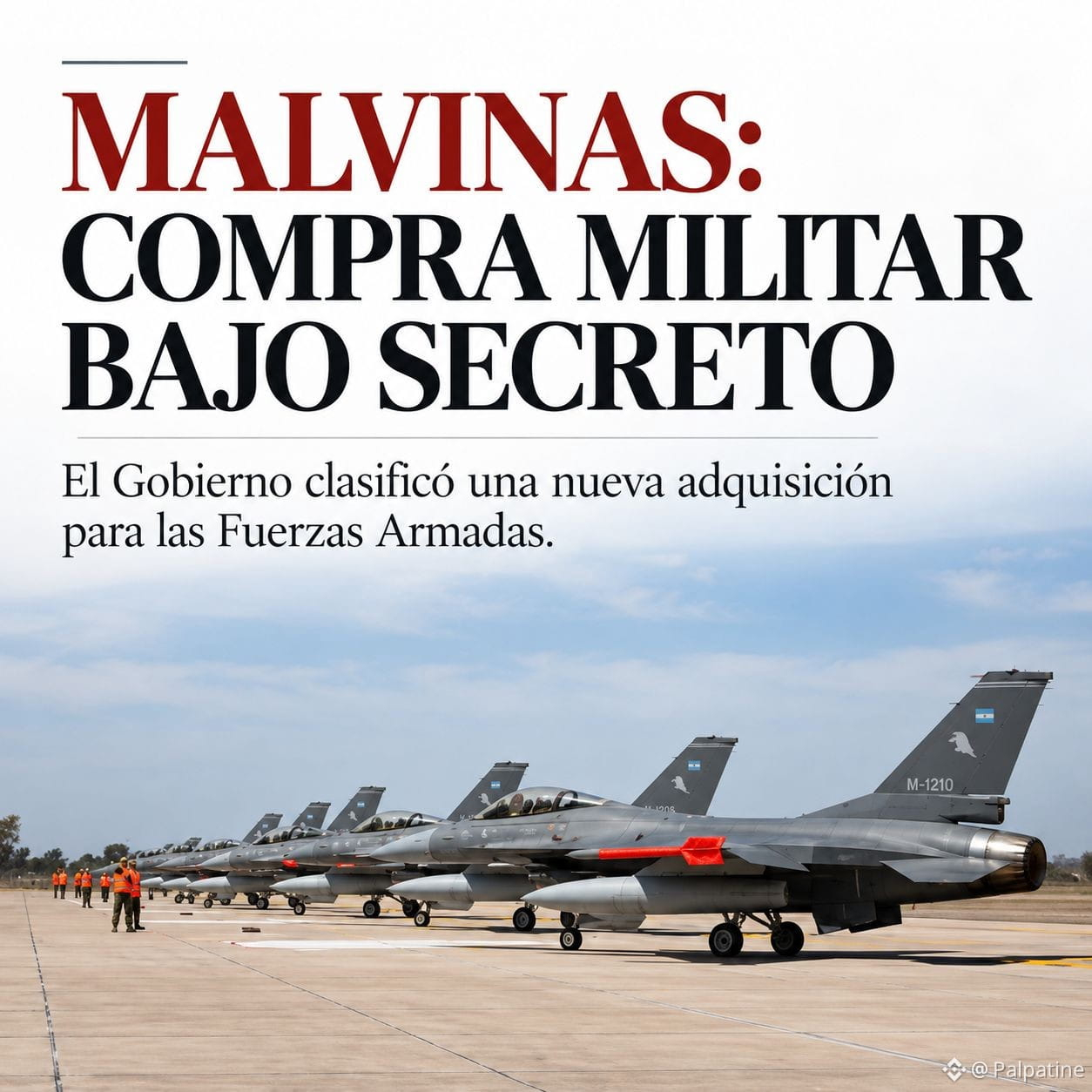
🚨 FALKLANDS: ARGENTINA ORDERS SECRET MILITARY PURCHASE
Amid a new period of tension over the South Atlantic, the Argentine government has ordered that a new acquisition for the Armed Forces be classified as a military secret.
The government has not publicly disclosed what equipment will be purchased, how much it will cost, who the supplier will be, or which branch of the military will receive it.
The news carries greater weight given the context: Argentina has been strengthening its military capabilities as the Falklands once again feature prominently on the political and strategic agenda.
The important thing is not to make anything up: the decree does not say that the purchase is specifically “for the Falklands.”
But the timing raises an inevitable question:
What is Argentina buying, and why does it need to keep it secret?
{spot}(INJUSDT)
{spot}(BTCUSDT)
{spot}(SOLUSDT)
#argentinapotencia
🚨 FALKLANDS: ARGENTINA ORDERS SECRET MILITARY PURCHASE
Amid a new period of tension over the South Atlantic, the Argentine government has ordered that a new acquisition for the Armed Forces be classified as a military secret.
The government has not publicly disclosed what equipment will be purchased, how much it will cost, who the supplier will be, or which branch of the military will receive it.
The news carries greater weight given the context: Argentina has been strengthening its military capabilities as the Falklands once again feature prominently on the political and strategic agenda.
The important thing is not to make anything up: the decree does not say that the purchase is specifically “for the Falklands.”
But the timing raises an inevitable question:
What is Argentina buying, and why does it need to keep it secret?
#argentinapotencia
Amid a new period of tension over the South Atlantic, the Argentine government has ordered that a new acquisition for the Armed Forces be classified as a military secret.
The government has not publicly disclosed what equipment will be purchased, how much it will cost, who the supplier will be, or which branch of the military will receive it.
The news carries greater weight given the context: Argentina has been strengthening its military capabilities as the Falklands once again feature prominently on the political and strategic agenda.
The important thing is not to make anything up: the decree does not say that the purchase is specifically “for the Falklands.”
But the timing raises an inevitable question:
What is Argentina buying, and why does it need to keep it secret?
#argentinapotencia
2
2
291
Log in to explore more content
Join global crypto users on Binance Square
⚡️ Get latest and useful information about crypto.
💬 Trusted by the world’s largest crypto exchange.
👍 Discover real insights from verified creators.
Email / Phone number