
Newapoli
136 Posts
Newapoli

BTC Holder
High-Frequency Trader
5 Years
112 Following
35 Followers
8 Liked
Posts
All
Quotes


MoonMan567
·
--
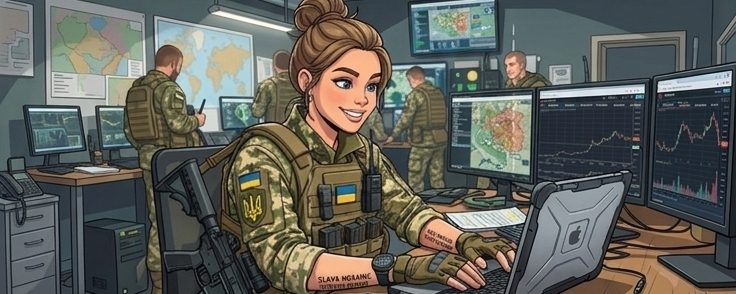
A tax crypto trap from the NBU and the Council
Why 5% is an illusion, and white crypto in Ukraine will become hell for the trader
The state has finally ripened: People’s Deputy Yaroslav Zheleznyak and his committee have rolled out the final concept of a draft law on virtual assets.
If you believe the loud statements of the MP, at the end of summer or at the beginning of autumn the draft law will pass its second reading, and from 2027 the crypto market in Ukraine is promised “absolute light and transparency.”
The state has finally ripened: People’s Deputy Yaroslav Zheleznyak and his committee have rolled out the final concept of a draft law on virtual assets.
If you believe the loud statements of the MP, at the end of summer or at the beginning of autumn the draft law will pass its second reading, and from 2027 the crypto market in Ukraine is promised “absolute light and transparency.”

Criptonicks
·
--
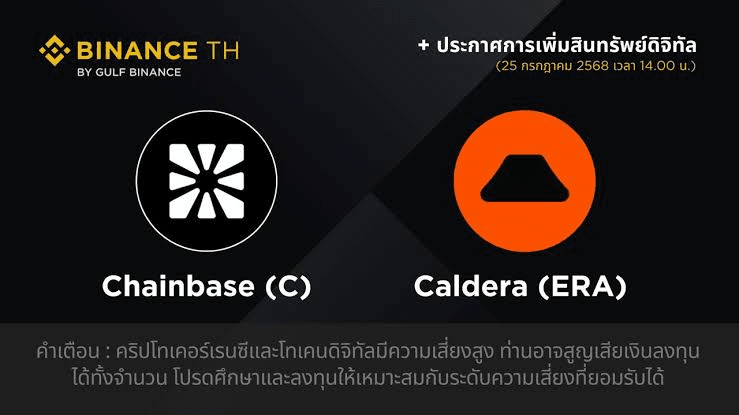
Chainbase (C) vs. Caldera (ERA): A Tale of Two Tokens and the Rumors Swirling Around Them
In the fast-paced world of crypto, it's not just about the tech—it's about the narratives, the whispers, and the fierce competition. Two tokens currently grabbing headlines, for very different reasons, are #Chainbase ($C ) and #Caldera ($ERA ). On the surface, they're both building critical infrastructure, but behind the scenes, the stories couldn't be more different. So, which one is the real dark horse, and which one might be all hype? Let's dive in.
The Ecosystems: A Data Kingpin vs. a Rollup Revolutionary
Chainbase (C): Forget what you've heard about simple data platforms. Chainbase is positioning itself as a Web3 data kingpin, a "Hyperdata Network" that’s not just organizing data, but making it AI-ready. The gossip? Its recent $15 million funding round led by a tech behemoth like Tencent has everyone talking. Is this the secret sauce that will propel Chainbase to the big leagues, or is it a sign of a traditional company trying to get its hands in the decentralized pie? The C token is the lifeblood of this network, used for everything from paying for exclusive data sets to governing the protocol. The word on the street is that the team is incredibly well-connected, with a roadmap that's a lot more ambitious than they let on.
Caldera (ERA): Caldera, on the other hand, is the darling of the Rollup-as-a-Service (RaaS) space. While Chainbase is about the data inside the blockchains, Caldera is all about building the blockchains themselves. Its ERA token is the native currency of the Caldera network, serving as the universal gas for seamless "omnchain" transactions. The hot gossip here is its massive airdrop, which reportedly sent 70 million tokens to early supporters and testnet contributors. This move created a lot of early excitement and—let's be honest—a ton of sell pressure. Some are whispering that the airdrop was a genius marketing play, while others are grumbling that it was a cash grab that left the token's price struggling to find solid ground. Is the airdrop a sign of community-first values or just a way to pump the numbers? The jury is still out.
The Numbers: A Sleeper Hit vs. a Rising Star
Chainbase (C): With a total supply of 1 billion tokens, Chainbase's tokenomics are fairly standard, with a significant chunk (40%) reserved for the ecosystem and community. Its current price sits around $0.3187, giving it a market cap of about $50.99 million. The chatter here is that this is a ridiculously low valuation for a project with such heavyweight backing and a compelling AI-Web3 narrative. Some analysts are calling it a "hidden blue-chip gem" that's flying under the radar. The question is, are the smart money investors like Tencent waiting for the perfect moment to unleash the full potential of their investment?
Caldera (ERA): Caldera also has a 1 billion total supply, but its recent airdrop and aggressive market entry have led to a more volatile, but ultimately higher, valuation. Trading between $1.48 and $1.55, its market cap is a substantial $219.88 million to $229.93 million. This higher market cap has some people wondering if the token is already overvalued, especially given the fierce competition in the RaaS sector. The whisper network suggests that while the tech is solid, the price might be inflated by the initial hype and the flurry of airdrop recipients looking to cash out.
The Verdict: Who Will Win the Narrative War?
Ultimately, @Chainbase Official ase (C) and @Calderaxyz (ERA) are building in different corners of the Web3 world, but their fates are intertwined by the market's fickle attention. Chainbase is the quiet, well-funded builder with a powerful story about AI and data—a story that could explode at any moment. Caldera is the flashy new kid on the block, riding a wave of airdrop excitement and a strong narrative around scaling solutions.
While their use cases and market performance diverge, the real drama lies in the speculation: Will Chainbase's strategic, institutional-backed approach lead to long-term dominance? Or will Caldera's aggressive, community-driven launch give it the momentum to become an industry leader? For now, the crypto world is watching and waiting, placing their bets on which narrative will ultimately capture the imagination of the market.
The Ecosystems: A Data Kingpin vs. a Rollup Revolutionary
Chainbase (C): Forget what you've heard about simple data platforms. Chainbase is positioning itself as a Web3 data kingpin, a "Hyperdata Network" that’s not just organizing data, but making it AI-ready. The gossip? Its recent $15 million funding round led by a tech behemoth like Tencent has everyone talking. Is this the secret sauce that will propel Chainbase to the big leagues, or is it a sign of a traditional company trying to get its hands in the decentralized pie? The C token is the lifeblood of this network, used for everything from paying for exclusive data sets to governing the protocol. The word on the street is that the team is incredibly well-connected, with a roadmap that's a lot more ambitious than they let on.
Caldera (ERA): Caldera, on the other hand, is the darling of the Rollup-as-a-Service (RaaS) space. While Chainbase is about the data inside the blockchains, Caldera is all about building the blockchains themselves. Its ERA token is the native currency of the Caldera network, serving as the universal gas for seamless "omnchain" transactions. The hot gossip here is its massive airdrop, which reportedly sent 70 million tokens to early supporters and testnet contributors. This move created a lot of early excitement and—let's be honest—a ton of sell pressure. Some are whispering that the airdrop was a genius marketing play, while others are grumbling that it was a cash grab that left the token's price struggling to find solid ground. Is the airdrop a sign of community-first values or just a way to pump the numbers? The jury is still out.
The Numbers: A Sleeper Hit vs. a Rising Star
Chainbase (C): With a total supply of 1 billion tokens, Chainbase's tokenomics are fairly standard, with a significant chunk (40%) reserved for the ecosystem and community. Its current price sits around $0.3187, giving it a market cap of about $50.99 million. The chatter here is that this is a ridiculously low valuation for a project with such heavyweight backing and a compelling AI-Web3 narrative. Some analysts are calling it a "hidden blue-chip gem" that's flying under the radar. The question is, are the smart money investors like Tencent waiting for the perfect moment to unleash the full potential of their investment?
Caldera (ERA): Caldera also has a 1 billion total supply, but its recent airdrop and aggressive market entry have led to a more volatile, but ultimately higher, valuation. Trading between $1.48 and $1.55, its market cap is a substantial $219.88 million to $229.93 million. This higher market cap has some people wondering if the token is already overvalued, especially given the fierce competition in the RaaS sector. The whisper network suggests that while the tech is solid, the price might be inflated by the initial hype and the flurry of airdrop recipients looking to cash out.
The Verdict: Who Will Win the Narrative War?
Ultimately, @Chainbase Official ase (C) and @Calderaxyz (ERA) are building in different corners of the Web3 world, but their fates are intertwined by the market's fickle attention. Chainbase is the quiet, well-funded builder with a powerful story about AI and data—a story that could explode at any moment. Caldera is the flashy new kid on the block, riding a wave of airdrop excitement and a strong narrative around scaling solutions.
While their use cases and market performance diverge, the real drama lies in the speculation: Will Chainbase's strategic, institutional-backed approach lead to long-term dominance? Or will Caldera's aggressive, community-driven launch give it the momentum to become an industry leader? For now, the crypto world is watching and waiting, placing their bets on which narrative will ultimately capture the imagination of the market.
Log in to explore more content