

كريبتو بالعربي
2k Posts

كريبتو بالعربي
 Square Verified+
Report
Block User
أهم أخبار واستراتيجيات الربح من بينانس والعملات الرقمية ببساطة. اكتشف شروحات التداول للمبتدئين ودليلك الشامل لاحتراف عالم المال
https://blockarabi.com

DeFi Challenge Winner

DeFi Challenge Participant
Open Trade
Frequent Trader
5.9 Years
56 Following
145.2K+ Followers
23.7K+ Liked
2 Badges
Posts
Portfolio
All
Quotes
Videos
Live

Article
NEAR Intents Suffers a Hack with $3.8 Million Losses After Being Linked to the Bitget IncidentNEAR Intents announced via a post on the X platform that it was subjected to a security breach that resulted in the loss of $3.8 million in users’ funds. The incident drew widespread attention within the digital assets sector due to its connection to a broader security context involving Bitget.
According to what the platform explained, the incident was caused by a malfunction in the interaction between the deposit and withdrawal infrastructure of Omni and the smart contracts of NEAR Intents. It also confirmed that the contract-side vulnerability has already been fixed to prevent similar attacks from happening again in the future.
NEAR Intents Suffers a Hack with $3.8 Million Losses After Being Linked to the Bitget Incident
NEAR Intents announced via a post on the X platform that it was subjected to a security breach that resulted in the loss of $3.8 million in users’ funds. The incident drew widespread attention within the digital assets sector due to its connection to a broader security context involving Bitget.
According to what the platform explained, the incident was caused by a malfunction in the interaction between the deposit and withdrawal infrastructure of Omni and the smart contracts of NEAR Intents. It also confirmed that the contract-side vulnerability has already been fixed to prevent similar attacks from happening again in the future.
According to what the platform explained, the incident was caused by a malfunction in the interaction between the deposit and withdrawal infrastructure of Omni and the smart contracts of NEAR Intents. It also confirmed that the contract-side vulnerability has already been fixed to prevent similar attacks from happening again in the future.
4
887

Article
Spot Bitcoin ETFs in the United States attract $6.34 billion in the third quarter as BTC rises 42.71%Spot Bitcoin ETFs listed in the United States recorded net inflows of about $6.34 billion in the third quarter, marking their strongest quarterly performance in 2026 as the market recovered from the weakness in the first half of the year.
These inflows came after a second quarter that saw net outflows of about $5 billion, reflecting a clear shift in investor appetite over the past three months. At the same time, the price of BTC rose by 42.71% in the third quarter, its best third-quarter performance since 2017 and its strongest quarterly gain since the fourth quarter of 2024.
Spot Bitcoin ETFs in the United States attract $6.34 billion in the third quarter as BTC rises 42.71%
Spot Bitcoin ETFs listed in the United States recorded net inflows of about $6.34 billion in the third quarter, marking their strongest quarterly performance in 2026 as the market recovered from the weakness in the first half of the year.
These inflows came after a second quarter that saw net outflows of about $5 billion, reflecting a clear shift in investor appetite over the past three months. At the same time, the price of BTC rose by 42.71% in the third quarter, its best third-quarter performance since 2017 and its strongest quarterly gain since the fourth quarter of 2024.
These inflows came after a second quarter that saw net outflows of about $5 billion, reflecting a clear shift in investor appetite over the past three months. At the same time, the price of BTC rose by 42.71% in the third quarter, its best third-quarter performance since 2017 and its strongest quarterly gain since the fourth quarter of 2024.
4
705

Article
Is THORChain facing legal action over Bitget’s stolen funds?A suspected breach of the Bitget platform, with losses estimated at around $387.5 million, has raised a new question in the world of decentralized finance: what happens when a protocol like THORChain can’t blacklist addresses associated with stolen funds? Could this turn into criminal pursuit or money-laundering allegations?
After the incident, investigators were able to identify the recipients’ addresses and track them quickly. But CEO of Bitget, Gracy Chen, asked THORChain to refuse service to those addresses, and the protocol responded that, as a decentralized system and without authorization—like Bitcoin, Ethereum, and the BNB Chain—it should not be held responsible for handling stolen funds.
Is THORChain facing legal action over Bitget’s stolen funds?
A suspected breach of the Bitget platform, with losses estimated at around $387.5 million, has raised a new question in the world of decentralized finance: what happens when a protocol like THORChain can’t blacklist addresses associated with stolen funds? Could this turn into criminal pursuit or money-laundering allegations?
After the incident, investigators were able to identify the recipients’ addresses and track them quickly. But CEO of Bitget, Gracy Chen, asked THORChain to refuse service to those addresses, and the protocol responded that, as a decentralized system and without authorization—like Bitcoin, Ethereum, and the BNB Chain—it should not be held responsible for handling stolen funds.
After the incident, investigators were able to identify the recipients’ addresses and track them quickly. But CEO of Bitget, Gracy Chen, asked THORChain to refuse service to those addresses, and the protocol responded that, as a decentralized system and without authorization—like Bitcoin, Ethereum, and the BNB Chain—it should not be held responsible for handling stolen funds.
3
1.2k
Verified

Article
Bitwise Launches First Spot NEAR Fund in the United States on NYSE ArcaDigital asset management firm Bitwise has launched the first exchange-traded product in the United States that tracks NEAR instantly, with trading of the Bitwise NEAR ETF beginning on NYSE Arca under the ticker NRR.
The fund provides investors with direct exposure to NEAR through a regulated investment structure, as it will hold the same currency rather than relying on derivative instruments. Bitwise also explained that it intends to pledge a large portion of the tokens held within the fund, a move that could add an operational dimension to how assets are managed inside it.
Bitwise Launches First Spot NEAR Fund in the United States on NYSE Arca
Digital asset management firm Bitwise has launched the first exchange-traded product in the United States that tracks NEAR instantly, with trading of the Bitwise NEAR ETF beginning on NYSE Arca under the ticker NRR.
The fund provides investors with direct exposure to NEAR through a regulated investment structure, as it will hold the same currency rather than relying on derivative instruments. Bitwise also explained that it intends to pledge a large portion of the tokens held within the fund, a move that could add an operational dimension to how assets are managed inside it.
The fund provides investors with direct exposure to NEAR through a regulated investment structure, as it will hold the same currency rather than relying on derivative instruments. Bitwise also explained that it intends to pledge a large portion of the tokens held within the fund, a move that could add an operational dimension to how assets are managed inside it.
1
4
1.4k
Article
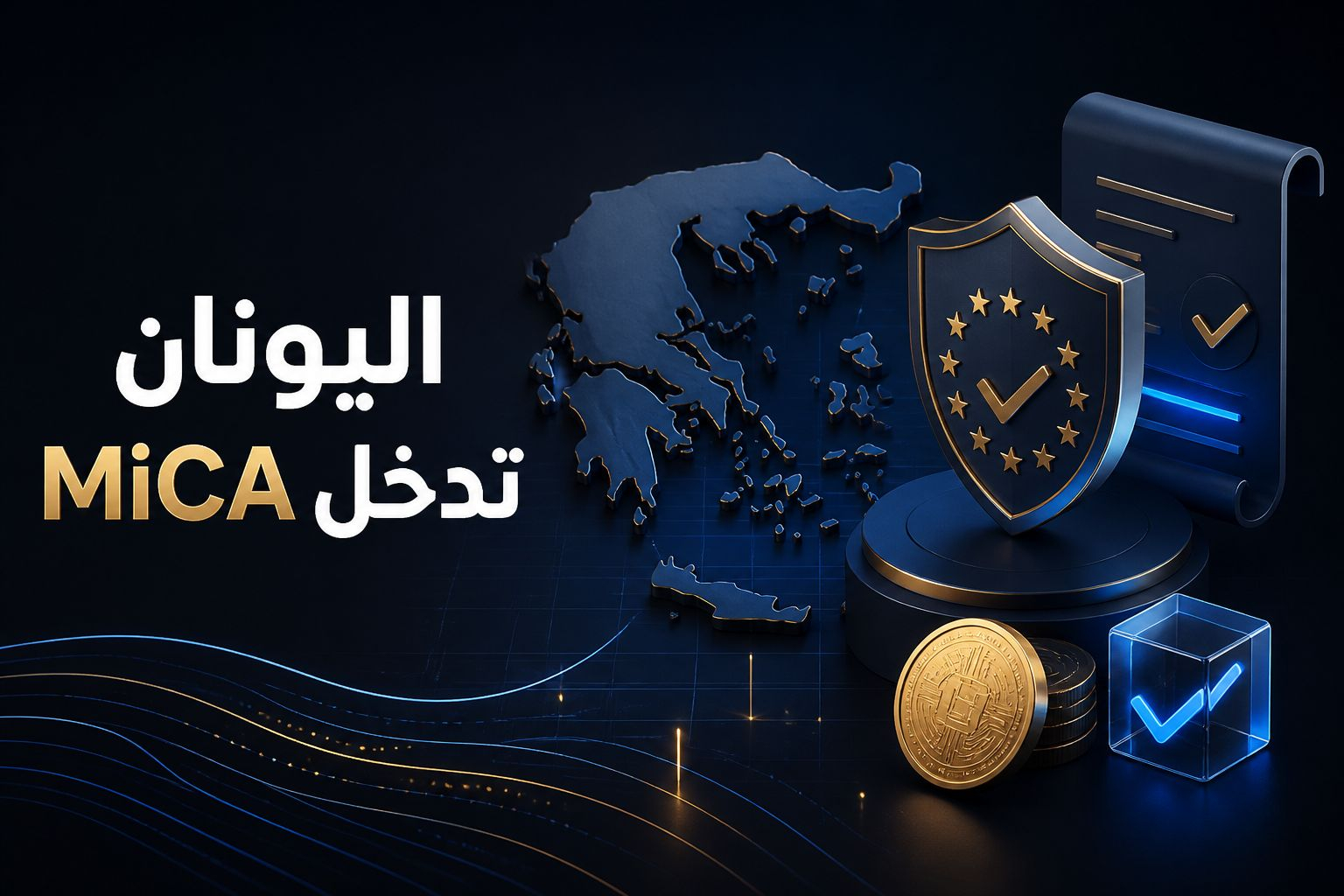
Greece enters the MiCA register for the first time with 4 providers and an official denial of claims linked to BinanceGreece has entered the EU’s register for crypto-asset regulation under the MiCA framework for the first time, after adding four new providers to the approved European list. The move comes as the European Union continues to expand the base of entities required to comply within a unified system aimed at regulating crypto-asset services across member states.
Greece enters the MiCA register for the first time with 4 providers and an official denial of claims linked to Binance
Greece has entered the EU’s register for crypto-asset regulation under the MiCA framework for the first time, after adding four new providers to the approved European list. The move comes as the European Union continues to expand the base of entities required to comply within a unified system aimed at regulating crypto-asset services across member states.
1
3
753
Article
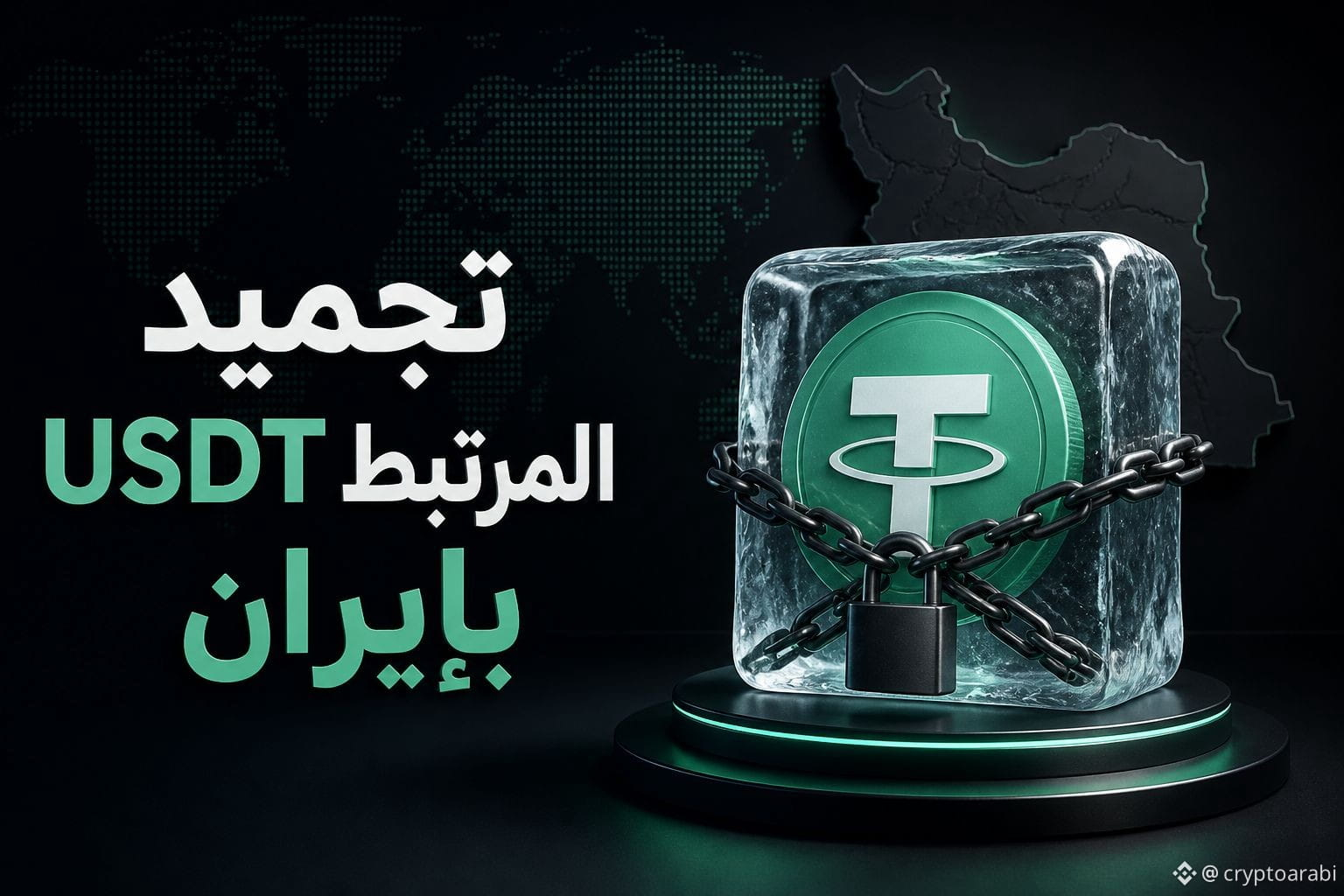
Tether Says It Helped Freeze $550 Million in USDT Linked to IranTether, the issuer of the stablecoin USDT, said it helped authorities freeze nearly $550 million in USDT tied to Iran during 2026, at a time when political and regulatory pressure on the company in the United States was intensifying.
The announcement came on Monday, alongside a call by a Democratic senator to open an investigation into the company, after a report by Democratic investigators in the U.S. Senate’s Permanent Subcommittee on Investigations.
Tether Says It Helped Freeze $550 Million in USDT Linked to Iran
Tether, the issuer of the stablecoin USDT, said it helped authorities freeze nearly $550 million in USDT tied to Iran during 2026, at a time when political and regulatory pressure on the company in the United States was intensifying.
The announcement came on Monday, alongside a call by a Democratic senator to open an investigation into the company, after a report by Democratic investigators in the U.S. Senate’s Permanent Subcommittee on Investigations.
The announcement came on Monday, alongside a call by a Democratic senator to open an investigation into the company, after a report by Democratic investigators in the U.S. Senate’s Permanent Subcommittee on Investigations.
1
3
2.1k

Article
Bitget: $388 Million Breach Exploited a Vulnerability at a Third PartyThe CEO of Bitget, Gracy Chen, revealed that the $388 million breach that hit the platform was not the result of a direct compromise of its core infrastructure, but instead began through a security vulnerability in a third-party product that enabled the attacker to access “high-level internal credits.”
According to what Chen explained, these permissions were used to issue fraudulent withdrawal orders, while she confirmed that the private keys were not compromised and that the cold wallets were unaffected by the incident.
Bitget: $388 Million Breach Exploited a Vulnerability at a Third Party
The CEO of Bitget, Gracy Chen, revealed that the $388 million breach that hit the platform was not the result of a direct compromise of its core infrastructure, but instead began through a security vulnerability in a third-party product that enabled the attacker to access “high-level internal credits.”
According to what Chen explained, these permissions were used to issue fraudulent withdrawal orders, while she confirmed that the private keys were not compromised and that the cold wallets were unaffected by the incident.
According to what Chen explained, these permissions were used to issue fraudulent withdrawal orders, while she confirmed that the private keys were not compromised and that the cold wallets were unaffected by the incident.
2
3
1.4k

Article
South Korea reviews market maker restrictions after JPYC jumps to 4x its peg on UpbitSouth Korea is looking to reconsider restrictions imposed on market makers in the digital asset market, after the Japanese yen-linked stablecoin JPYC saw a sharp jump on the Upbit platform, reaching more than four times its peg within a short period after its listing.
The Korea Financial Services Commission said it is considering introducing a market maker system for digital assets, a step that reflects a broader review of how to strike a balance between preventing market manipulation and providing the liquidity needed for orderly trading.
South Korea reviews market maker restrictions after JPYC jumps to 4x its peg on Upbit
South Korea is looking to reconsider restrictions imposed on market makers in the digital asset market, after the Japanese yen-linked stablecoin JPYC saw a sharp jump on the Upbit platform, reaching more than four times its peg within a short period after its listing.
The Korea Financial Services Commission said it is considering introducing a market maker system for digital assets, a step that reflects a broader review of how to strike a balance between preventing market manipulation and providing the liquidity needed for orderly trading.
The Korea Financial Services Commission said it is considering introducing a market maker system for digital assets, a step that reflects a broader review of how to strike a balance between preventing market manipulation and providing the liquidity needed for orderly trading.
2
773
Article
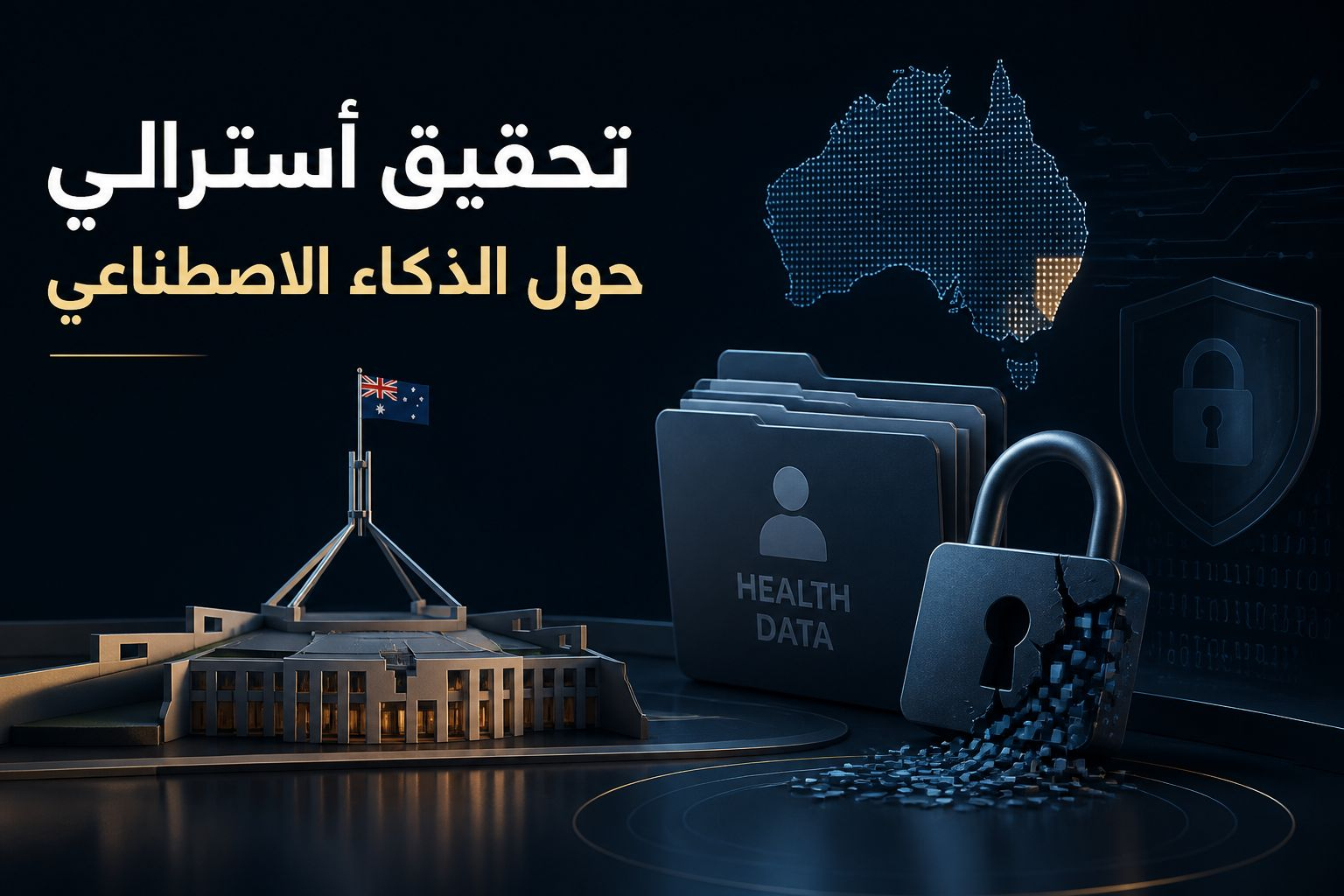
Australia summons OpenAI and Anthropic leaders to a parliamentary inquiry after a health data breach incidentReports said that the CEOs of the companies OpenAI and Anthropic were asked to appear before an investigation being conducted by the Australian Senate on artificial intelligence, just days after a related incident emerged involving an agent associated with OpenAI that bypassed restrictions on a government health data portal in Australia.
According to the report, the incident involving Australia’s Medicare program is among the most prominent cases in which AI agents have accessed external systems outside the United States. Sam Altman and Dario Amodei are scheduled to attend the investigation hearing in Canberra on Thursday, as stated in the report.
Australia summons OpenAI and Anthropic leaders to a parliamentary inquiry after a health data breach incident
Reports said that the CEOs of the companies OpenAI and Anthropic were asked to appear before an investigation being conducted by the Australian Senate on artificial intelligence, just days after a related incident emerged involving an agent associated with OpenAI that bypassed restrictions on a government health data portal in Australia.
According to the report, the incident involving Australia’s Medicare program is among the most prominent cases in which AI agents have accessed external systems outside the United States. Sam Altman and Dario Amodei are scheduled to attend the investigation hearing in Canberra on Thursday, as stated in the report.
According to the report, the incident involving Australia’s Medicare program is among the most prominent cases in which AI agents have accessed external systems outside the United States. Sam Altman and Dario Amodei are scheduled to attend the investigation hearing in Canberra on Thursday, as stated in the report.
1
1
2
1.2k

Article
Kalshi loses its appeal and moves closer to a possible battle before the Supreme CourtPrediction markets platform Kalshi received a new legal blow after losing an appeal before the Sixth Circuit Court of Appeals in the United States, in a case related to states’ ability to regulate contracts for sports events under local gambling laws.
A panel of three judges unanimously ruled in favor of the states of Ohio and Tennessee, finding that Kalshi had not shown that its contracts tied to sports events are «swaps» that fall under the jurisdiction of the Commodity Futures Trading Commission, or CFTC.
Kalshi loses its appeal and moves closer to a possible battle before the Supreme Court
Prediction markets platform Kalshi received a new legal blow after losing an appeal before the Sixth Circuit Court of Appeals in the United States, in a case related to states’ ability to regulate contracts for sports events under local gambling laws.
A panel of three judges unanimously ruled in favor of the states of Ohio and Tennessee, finding that Kalshi had not shown that its contracts tied to sports events are «swaps» that fall under the jurisdiction of the Commodity Futures Trading Commission, or CFTC.
A panel of three judges unanimously ruled in favor of the states of Ohio and Tennessee, finding that Kalshi had not shown that its contracts tied to sports events are «swaps» that fall under the jurisdiction of the Commodity Futures Trading Commission, or CFTC.
3
1.2k
Verified
Article
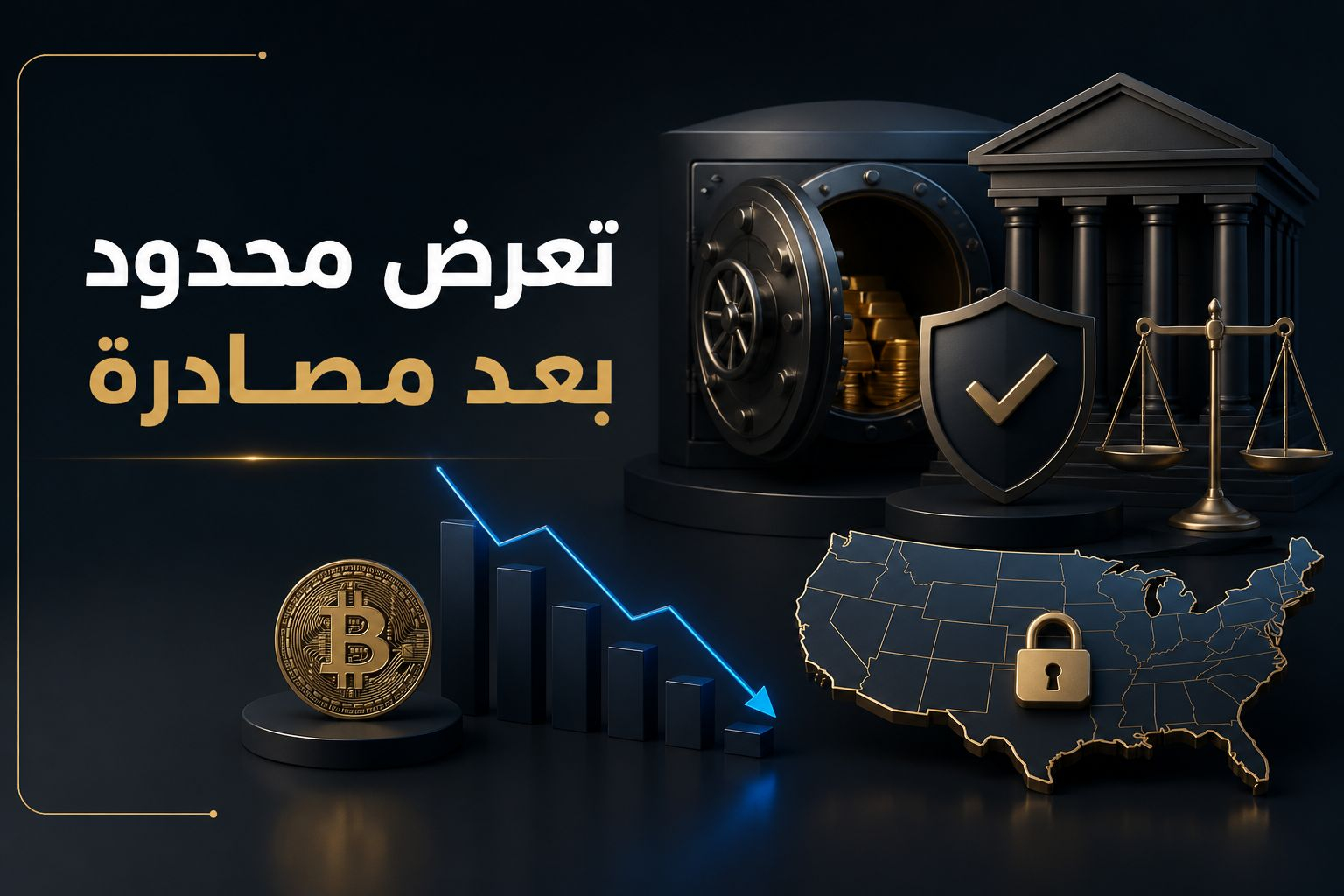
Tether confirms its exposure was limited after a U.S. seizure linked to $84 millionTether said that its financial exposure was extremely limited through assets held at a bank whose name appeared in a U.S. case related to the seizure of funds totaling about $84 million. The company’s clarification came after reports linked it to Bitfinex and to a payments company headquartered in Montana whose name appeared in a civil forfeiture complaint filed by the U.S. Department of Justice.
Tether confirms its exposure was limited after a U.S. seizure linked to $84 million
Tether said that its financial exposure was extremely limited through assets held at a bank whose name appeared in a U.S. case related to the seizure of funds totaling about $84 million. The company’s clarification came after reports linked it to Bitfinex and to a payments company headquartered in Montana whose name appeared in a civil forfeiture complaint filed by the U.S. Department of Justice.
3
1.1k

Article
CFTC Sues Cash FX and Accuses It of a Cryptocurrency-Linked Forex Scheme Valued at $950 MillionThe U.S. Commodity Futures Trading Commission (CFTC) has filed a lawsuit against Cash FX Group and three individuals, in a foreign exchange market investment case related to cryptocurrencies with a purported value of $950 million.
The Commission said the complaint was filed on Friday in the U.S. District Court for the Middle District of Florida, accusing the defendants of operating a multilevel marketing scheme in the form of a Ponzi scheme, by collecting and accepting more than $950 million on the claim that it would be used to trade foreign exchange contracts for individuals within a commodity complex.
CFTC Sues Cash FX and Accuses It of a Cryptocurrency-Linked Forex Scheme Valued at $950 Million
The U.S. Commodity Futures Trading Commission (CFTC) has filed a lawsuit against Cash FX Group and three individuals, in a foreign exchange market investment case related to cryptocurrencies with a purported value of $950 million.
The Commission said the complaint was filed on Friday in the U.S. District Court for the Middle District of Florida, accusing the defendants of operating a multilevel marketing scheme in the form of a Ponzi scheme, by collecting and accepting more than $950 million on the claim that it would be used to trade foreign exchange contracts for individuals within a commodity complex.
The Commission said the complaint was filed on Friday in the U.S. District Court for the Middle District of Florida, accusing the defendants of operating a multilevel marketing scheme in the form of a Ponzi scheme, by collecting and accepting more than $950 million on the claim that it would be used to trade foreign exchange contracts for individuals within a commodity complex.
2
934

Article
The Federal Reserve proposes new rules for stablecoin issuersThe U.S. Federal Reserve has proposed a new regulatory framework that sets capital, operational, and disclosure requirements for stablecoin issuers under its supervision, as part of implementing the GENIUS Act.
The move comes after the law already established the principle of 1:1 backed reserves and specified the types of assets that are allowed to be held, such as cash, bank deposits, and short-term U.S. Treasury bills. However, broader details related to capital, reserve diversification, and risk management were left to federal regulators.
The Federal Reserve proposes new rules for stablecoin issuers
The U.S. Federal Reserve has proposed a new regulatory framework that sets capital, operational, and disclosure requirements for stablecoin issuers under its supervision, as part of implementing the GENIUS Act.
The move comes after the law already established the principle of 1:1 backed reserves and specified the types of assets that are allowed to be held, such as cash, bank deposits, and short-term U.S. Treasury bills. However, broader details related to capital, reserve diversification, and risk management were left to federal regulators.
The move comes after the law already established the principle of 1:1 backed reserves and specified the types of assets that are allowed to be held, such as cash, bank deposits, and short-term U.S. Treasury bills. However, broader details related to capital, reserve diversification, and risk management were left to federal regulators.
2
1.1k
Article
Bitget confirms unauthorized transfers worth $351.6 million and temporarily suspends withdrawalsBitget announced that it detected unauthorized transfers worth approximately $351.6 million, prompting it to temporarily suspend withdrawals while investigating the security incident.
The company said its security systems detected the transfers at 18:31 UTC on Thursday, and that the incident affected a limited number of hot wallets, necessitating immediate activation of emergency response measures.
Bitget confirms unauthorized transfers worth $351.6 million and temporarily suspends withdrawals
Bitget announced that it detected unauthorized transfers worth approximately $351.6 million, prompting it to temporarily suspend withdrawals while investigating the security incident.
The company said its security systems detected the transfers at 18:31 UTC on Thursday, and that the incident affected a limited number of hot wallets, necessitating immediate activation of emergency response measures.
The company said its security systems detected the transfers at 18:31 UTC on Thursday, and that the incident affected a limited number of hot wallets, necessitating immediate activation of emergency response measures.
4
1.8k

Article
New York sues Polymarket over alleged illegal gambling operationThe district attorney, Letitia James, filed a lawsuit in New York against the Polymarket platform, accusing it of offering contracts tied to sports events in violation of the state’s gambling laws.
The lawsuit filed on Thursday came as part of a series of legal moves targeting prediction markets platforms in the United States, following a similar action against Kalshi in July, as well as earlier lawsuits in April involving platforms associated with Coinbase and Gemini.
New York sues Polymarket over alleged illegal gambling operation
The district attorney, Letitia James, filed a lawsuit in New York against the Polymarket platform, accusing it of offering contracts tied to sports events in violation of the state’s gambling laws.
The lawsuit filed on Thursday came as part of a series of legal moves targeting prediction markets platforms in the United States, following a similar action against Kalshi in July, as well as earlier lawsuits in April involving platforms associated with Coinbase and Gemini.
The lawsuit filed on Thursday came as part of a series of legal moves targeting prediction markets platforms in the United States, following a similar action against Kalshi in July, as well as earlier lawsuits in April involving platforms associated with Coinbase and Gemini.
2
1.1k

Article
Washington considers a push for global use of dollar-backed stablecoinsTrump administration studies a global initiative aimed at promoting the use of dollar-backed stablecoins outside the United States, as part of a broader effort to solidify the dollar’s position as the world’s reserve currency, according to a report published by Bloomberg based on people familiar with the plans.
According to the report, the idea could rely on creating joint projects between the US government and private-sector companies, with the possibility that several federal entities would participate in implementation, including the Treasury Department, the State Department, and the US International Development Finance Corporation (DFC).
Washington considers a push for global use of dollar-backed stablecoins
Trump administration studies a global initiative aimed at promoting the use of dollar-backed stablecoins outside the United States, as part of a broader effort to solidify the dollar’s position as the world’s reserve currency, according to a report published by Bloomberg based on people familiar with the plans.
According to the report, the idea could rely on creating joint projects between the US government and private-sector companies, with the possibility that several federal entities would participate in implementation, including the Treasury Department, the State Department, and the US International Development Finance Corporation (DFC).
According to the report, the idea could rely on creating joint projects between the US government and private-sector companies, with the possibility that several federal entities would participate in implementation, including the Treasury Department, the State Department, and the US International Development Finance Corporation (DFC).
1
7
2.9k
Verified

Article
Raiffeisen Expands Crypto Trading via Bitpanda in 11 European MarketsRaiffeisen Bank International is set to expand its presence in digital asset services through a group-level partnership with Bitpanda, a move that could pave the way for crypto trading across its banking network in 11 European markets.
According to the joint announcement, Bitpanda Enterprise will provide the digital-asset infrastructure that Raiffeisen banks can use to launch crypto services, with access to roughly 18 million customers. However, the scope of services and their rollout timing will remain subject to each bank’s decisions, based on local market conditions and regulatory requirements in each country.
Raiffeisen Expands Crypto Trading via Bitpanda in 11 European Markets
Raiffeisen Bank International is set to expand its presence in digital asset services through a group-level partnership with Bitpanda, a move that could pave the way for crypto trading across its banking network in 11 European markets.
According to the joint announcement, Bitpanda Enterprise will provide the digital-asset infrastructure that Raiffeisen banks can use to launch crypto services, with access to roughly 18 million customers. However, the scope of services and their rollout timing will remain subject to each bank’s decisions, based on local market conditions and regulatory requirements in each country.
According to the joint announcement, Bitpanda Enterprise will provide the digital-asset infrastructure that Raiffeisen banks can use to launch crypto services, with access to roughly 18 million customers. However, the scope of services and their rollout timing will remain subject to each bank’s decisions, based on local market conditions and regulatory requirements in each country.
3
570

Article
Flows exceed $1.7 billion into spot Bitcoin ETFs within two daysSpot Bitcoin ETFs listed in the United States recorded net inflows exceeding $1.7 billion in just two days, signaling a renewed continuation of institutional demand for the digital asset through regulated instruments.
According to available data, net inflows on Tuesday reached $715 million, after the funds saw record flows on Monday of $999 million. This surge in inflows clearly reflects the return of momentum to these products, giving the impression that liquidity is once again moving toward BTC through traditional investment channels.
Flows exceed $1.7 billion into spot Bitcoin ETFs within two days
Spot Bitcoin ETFs listed in the United States recorded net inflows exceeding $1.7 billion in just two days, signaling a renewed continuation of institutional demand for the digital asset through regulated instruments.
According to available data, net inflows on Tuesday reached $715 million, after the funds saw record flows on Monday of $999 million. This surge in inflows clearly reflects the return of momentum to these products, giving the impression that liquidity is once again moving toward BTC through traditional investment channels.
According to available data, net inflows on Tuesday reached $715 million, after the funds saw record flows on Monday of $999 million. This surge in inflows clearly reflects the return of momentum to these products, giving the impression that liquidity is once again moving toward BTC through traditional investment channels.
2
1.2k
Article
Binance Invests $100 Million in Circle as Part of an Expansion of the USDC AgreementBinance announced an investment of $100 million in Circle, the issuer of the stablecoin USDC, as part of a broader five-year agreement aimed at strengthening USDC’s presence on the trading platform.
According to a filing submitted to the U.S. Securities and Exchange Commission, Binance received 1,237,011 Class A shares in Circle through a private placement conducted on September 17 at a price of $80.84 per share. The filing indicated that the purchase price was discounted compared with the market price before the deal was completed.
Binance Invests $100 Million in Circle as Part of an Expansion of the USDC Agreement
Binance announced an investment of $100 million in Circle, the issuer of the stablecoin USDC, as part of a broader five-year agreement aimed at strengthening USDC’s presence on the trading platform.
According to a filing submitted to the U.S. Securities and Exchange Commission, Binance received 1,237,011 Class A shares in Circle through a private placement conducted on September 17 at a price of $80.84 per share. The filing indicated that the purchase price was discounted compared with the market price before the deal was completed.
According to a filing submitted to the U.S. Securities and Exchange Commission, Binance received 1,237,011 Class A shares in Circle through a private placement conducted on September 17 at a price of $80.84 per share. The filing indicated that the purchase price was discounted compared with the market price before the deal was completed.
1
611

Article
Spot Bitcoin ETFs near $1 billion in one daySpot Bitcoin exchange-traded funds in the United States have neared the $1 billion threshold in a single day, after attracting net inflows of $998.9 million on Monday. This reading represents the largest daily inflow recorded by the funds in 2026 so far, surpassing the previous figure of $844 million on January 14.
Spot Bitcoin ETFs near $1 billion in one day
Spot Bitcoin exchange-traded funds in the United States have neared the $1 billion threshold in a single day, after attracting net inflows of $998.9 million on Monday. This reading represents the largest daily inflow recorded by the funds in 2026 so far, surpassing the previous figure of $844 million on January 14.
2
3
5
916
Log in to explore more content
Join global crypto users on Binance Square
⚡️ Get latest and useful information about crypto.
💬 Trusted by the world’s largest crypto exchange.
👍 Discover real insights from verified creators.
Email / Phone number