

Conejo03
23.9k Posts

Conejo03
Report
Block User
Con ganas de aprender sobre este 🌍 gracias por sus ayudas
Open Trade
Occasional Trader
4.8 Years
2.3K+ Following
1.2K+ Followers
2.1K+ Liked
Posts
Portfolio
All
Quotes
Videos
Live

·
--
Bullish
#BinancePick
The Binance P2P market moves the equivalent of 83% of the dollars supplied by the BCV, according to Ecoanalítica.$BNB
{future}(BNBUSDT)
@Blockchain According to high-frequency monitoring conducted since June 11, completed buy and sell transactions on the platform’s P2P market in Venezuela average $45.4 million per day, totaling $5.949 billion. By contrast, foreign exchange interventions by the Central Bank of Venezuela (BCV) through the financial system totaled around $7.15 billion over the same period, confirming the comparable volumes of the two systems.🇻🇪$BNB
#BinancePick
The Binance P2P market moves the equivalent of 83% of the dollars supplied by the BCV, according to Ecoanalítica.$BNB
@Blockchain According to high-frequency monitoring conducted since June 11, completed buy and sell transactions on the platform’s P2P market in Venezuela average $45.4 million per day, totaling $5.949 billion. By contrast, foreign exchange interventions by the Central Bank of Venezuela (BCV) through the financial system totaled around $7.15 billion over the same period, confirming the comparable volumes of the two systems.🇻🇪$BNB
The Binance P2P market moves the equivalent of 83% of the dollars supplied by the BCV, according to Ecoanalítica.$BNB
@Blockchain According to high-frequency monitoring conducted since June 11, completed buy and sell transactions on the platform’s P2P market in Venezuela average $45.4 million per day, totaling $5.949 billion. By contrast, foreign exchange interventions by the Central Bank of Venezuela (BCV) through the financial system totaled around $7.15 billion over the same period, confirming the comparable volumes of the two systems.🇻🇪$BNB
117
·
--
Bullish
#BinancePick
🚀 Take your crypto decisions to the next level with Binancepick! 🚀
Tired of searching for the best opportunities in the market without knowing where to start? With Binancepick, we analyze and filter the highlights of the crypto ecosystem and bring them to you quickly and easily.
#BinancePick
🚀 Take your crypto decisions to the next level with Binancepick! 🚀
Tired of searching for the best opportunities in the market without knowing where to start? With Binancepick, we analyze and filter the highlights of the crypto ecosystem and bring them to you quickly and easily.
🚀 Take your crypto decisions to the next level with Binancepick! 🚀
Tired of searching for the best opportunities in the market without knowing where to start? With Binancepick, we analyze and filter the highlights of the crypto ecosystem and bring them to you quickly and easily.
80
·
--
Bullish
#BinancePick $USDC
{future}(USDCUSDT)
Start saving in dollars using Airtm! Create your account using this link and receive 10.0 dollars when you verify your account and complete 0 transactions. 👉https://app.airtm.com/ivt/tavo0303
#BinancePick $USDC
Start saving in dollars using Airtm! Create your account using this link and receive 10.0 dollars when you verify your account and complete 0 transactions. 👉https://app.airtm.com/ivt/tavo0303
Start saving in dollars using Airtm! Create your account using this link and receive 10.0 dollars when you verify your account and complete 0 transactions. 👉https://app.airtm.com/ivt/tavo0303

1
6
·
--
Bullish
#SwitzerlandApprovesFirstBitcoinETF
Bitcoin today: $BTC remains trapped between two key zones.
{future}(BTCUSDT)
@bitcoin A new week begins with no major changes to the structure we have been following over the past several sessions. During today's session, BTC gained slightly more than 1%, but later lost momentum and, at the time of writing this analysis, has given back the entire gain.
$BTC
From an auction theory perspective, this behavior remains characteristic of a market in balance. Buyers are managing to generate responses from the lower part of the value area, but they still lack sufficient initiative to sustain moves toward higher prices. Sellers, meanwhile, have also been unable to develop a bearish breakout that is accepted outside the structure.
Another important factor is that the daily FVG marked in green continues to attract demand. Over the past few sessions, bitcoin has reacted in this zone, so far avoiding a deeper decline toward the high-volume areas of the previous balance.
Looking ahead to the coming sessions, the main reference points remain practically the same. Below, the VAL of the current profile, located around $81,180, will remain important in assessing whether the market can maintain balance.
#BTC🔥🔥🔥🔥🔥
#SwitzerlandApprovesFirstBitcoinETF
Bitcoin today: $BTC remains trapped between two key zones.
@Bitcoin A new week begins with no major changes to the structure we have been following over the past several sessions. During today's session, BTC gained slightly more than 1%, but later lost momentum and, at the time of writing this analysis, has given back the entire gain.
$BTC
From an auction theory perspective, this behavior remains characteristic of a market in balance. Buyers are managing to generate responses from the lower part of the value area, but they still lack sufficient initiative to sustain moves toward higher prices. Sellers, meanwhile, have also been unable to develop a bearish breakout that is accepted outside the structure.
Another important factor is that the daily FVG marked in green continues to attract demand. Over the past few sessions, bitcoin has reacted in this zone, so far avoiding a deeper decline toward the high-volume areas of the previous balance.
Looking ahead to the coming sessions, the main reference points remain practically the same. Below, the VAL of the current profile, located around $81,180, will remain important in assessing whether the market can maintain balance.
#BTC🔥🔥🔥🔥🔥
Bitcoin today: $BTC remains trapped between two key zones.
@Bitcoin A new week begins with no major changes to the structure we have been following over the past several sessions. During today's session, BTC gained slightly more than 1%, but later lost momentum and, at the time of writing this analysis, has given back the entire gain.
$BTC
From an auction theory perspective, this behavior remains characteristic of a market in balance. Buyers are managing to generate responses from the lower part of the value area, but they still lack sufficient initiative to sustain moves toward higher prices. Sellers, meanwhile, have also been unable to develop a bearish breakout that is accepted outside the structure.
Another important factor is that the daily FVG marked in green continues to attract demand. Over the past few sessions, bitcoin has reacted in this zone, so far avoiding a deeper decline toward the high-volume areas of the previous balance.
Looking ahead to the coming sessions, the main reference points remain practically the same. Below, the VAL of the current profile, located around $81,180, will remain important in assessing whether the market can maintain balance.
#BTC🔥🔥🔥🔥🔥
91
·
--
Bullish
Conejo03
·
--
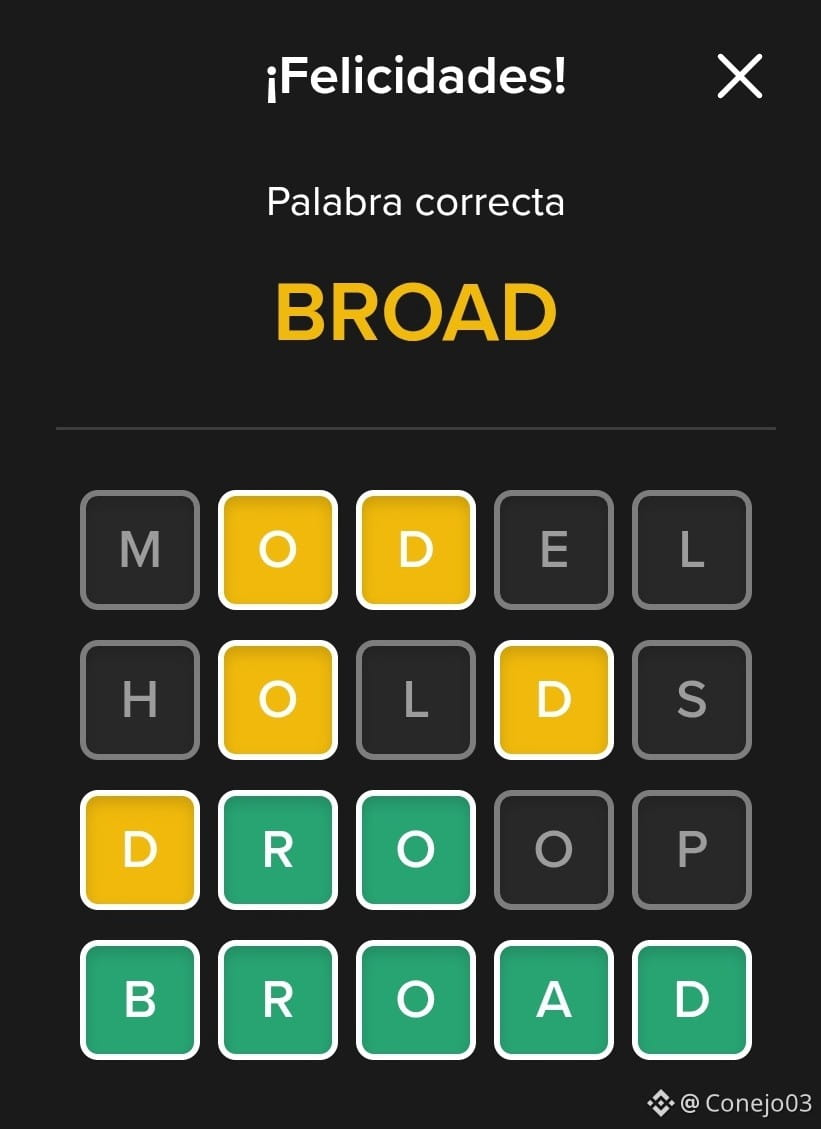
Bullish#GrayscaleAndRepublicLaunchThreeCryptoFunds #WOTD $USDC
Word of the day....💥
👉Participate AQUI...
Word of the day....💥
👉Participate AQUI...
1
2

·
--
Bullish
#BitcoinOptionsVolatilityHitsFiveYearLow
#WOTD $USDC
{future}(USDCUSDT)
We keep winning! Join the campaign and participate👉[Click Aquí...](https://www.binance.com/activity/word-of-the-day/Binance-Intelligence-Makes-Finance-Smarter?ref=CPA_001FM9SV6M)
#BitcoinOptionsVolatilityHitsFiveYearLow
#WOTD $USDC
We keep winning! Join the campaign and participate👉Click Aquí...
#WOTD $USDC
We keep winning! Join the campaign and participate👉Click Aquí...

1
370
·
--
Bullish
#FedOctoberHoldOdds82.3%
Short-term outlook for $BNB .
{future}(BNBUSDT)
@BNB_Chain
The interaction between leverage in the derivatives market and demand in the spot market will be one of the main factors to watch for BNB in the coming sessions. Rising open interest and positive funding rates reflect a growing appetite for bullish positions, but they also make the market more vulnerable to potential liquidations if the price moves in the opposite direction.
$BNB
In any case, BNB's structure continues to show technical strength as long as the price remains above its main support levels. The $800 zone now appears to be an immediate reference point: sustained consolidation above this level would reinforce the bullish outlook, while further rejections could prolong the consolidation phase before the next move.$BNB
#FedOctoberHoldOdds82.3%
Short-term outlook for $BNB .
@BNB Chain
The interaction between leverage in the derivatives market and demand in the spot market will be one of the main factors to watch for BNB in the coming sessions. Rising open interest and positive funding rates reflect a growing appetite for bullish positions, but they also make the market more vulnerable to potential liquidations if the price moves in the opposite direction.
$BNB
In any case, BNB's structure continues to show technical strength as long as the price remains above its main support levels. The $800 zone now appears to be an immediate reference point: sustained consolidation above this level would reinforce the bullish outlook, while further rejections could prolong the consolidation phase before the next move.$BNB
Short-term outlook for $BNB .
@BNB Chain
The interaction between leverage in the derivatives market and demand in the spot market will be one of the main factors to watch for BNB in the coming sessions. Rising open interest and positive funding rates reflect a growing appetite for bullish positions, but they also make the market more vulnerable to potential liquidations if the price moves in the opposite direction.
$BNB
In any case, BNB's structure continues to show technical strength as long as the price remains above its main support levels. The $800 zone now appears to be an immediate reference point: sustained consolidation above this level would reinforce the bullish outlook, while further rejections could prolong the consolidation phase before the next move.$BNB

136
·
--
Bullish
#EthStakingExitQueueHits2026High
Technical analysis and key support and resistance levels for the price of $BNB .
{future}(BNBUSDT)
@BNB_Chain
From a technical perspective, BNB maintains a favorable structure, trading above its 50-, 100- and 200-day exponential moving averages. The averages at around $728, $689 and $679, respectively, serve as relevant reference points in the event of deeper corrections.$BNB
#BNBToken Meanwhile, the relative strength index (RSI) is near 60, showing favorable momentum for buyers without yet reaching the traditional overbought zone. The MACD, on the other hand, is slightly negative, indicating that short-term momentum has moderated even though the overall structure remains bullish.
$BNB
If a short-term pullback occurs, the first horizontal support level is near $758. A deeper correction could find support around the 50% Fibonacci retracement at $748, followed by the 50-day EMA near $728. Together, these levels define a broad zone that buyers may try to defend.
#BNB走势 To the upside, a sustained break above the $798–$800 region would strengthen the possibility of continued gains toward $826. If BNB subsequently manages to break above that area, the next major technical level is around $959. However, these targets will depend on the price consolidating above previous resistance levels and maintaining sufficient buying volume.
#EthStakingExitQueueHits2026High
Technical analysis and key support and resistance levels for the price of $BNB .
@BNB Chain
From a technical perspective, BNB maintains a favorable structure, trading above its 50-, 100- and 200-day exponential moving averages. The averages at around $728, $689 and $679, respectively, serve as relevant reference points in the event of deeper corrections.$BNB
#BNBToken Meanwhile, the relative strength index (RSI) is near 60, showing favorable momentum for buyers without yet reaching the traditional overbought zone. The MACD, on the other hand, is slightly negative, indicating that short-term momentum has moderated even though the overall structure remains bullish.
$BNB
If a short-term pullback occurs, the first horizontal support level is near $758. A deeper correction could find support around the 50% Fibonacci retracement at $748, followed by the 50-day EMA near $728. Together, these levels define a broad zone that buyers may try to defend.
#BNB走势 To the upside, a sustained break above the $798–$800 region would strengthen the possibility of continued gains toward $826. If BNB subsequently manages to break above that area, the next major technical level is around $959. However, these targets will depend on the price consolidating above previous resistance levels and maintaining sufficient buying volume.
Technical analysis and key support and resistance levels for the price of $BNB .
@BNB Chain
From a technical perspective, BNB maintains a favorable structure, trading above its 50-, 100- and 200-day exponential moving averages. The averages at around $728, $689 and $679, respectively, serve as relevant reference points in the event of deeper corrections.$BNB
#BNBToken Meanwhile, the relative strength index (RSI) is near 60, showing favorable momentum for buyers without yet reaching the traditional overbought zone. The MACD, on the other hand, is slightly negative, indicating that short-term momentum has moderated even though the overall structure remains bullish.
$BNB
If a short-term pullback occurs, the first horizontal support level is near $758. A deeper correction could find support around the 50% Fibonacci retracement at $748, followed by the 50-day EMA near $728. Together, these levels define a broad zone that buyers may try to defend.
#BNB走势 To the upside, a sustained break above the $798–$800 region would strengthen the possibility of continued gains toward $826. If BNB subsequently manages to break above that area, the next major technical level is around $959. However, these targets will depend on the price consolidating above previous resistance levels and maintaining sufficient buying volume.

207
·
--
Bullish
#ETHUp70%InQ3ButLiquidityFalls
The price of $BNB reached a local peak of $800. Will the rally continue in the short term?
{future}(BNBUSDT)
@BNB_Chain BNB's price edged lower this Monday, trading around $786 after posting gains for three consecutive weeks. During the day, the asset briefly rose above $800, while the derivatives market showed increased activity and a greater bias toward buyers.
In the derivatives market, BNB open interest reached around $1.81 billion this Monday, its highest level since early June, according to data cited by FXStreet.$BNB
The rise in open interest alongside the price increase reflects the entry of new leveraged positions. Meanwhile, the funding rate remains positive at around 0.0093%, indicating that traders holding long positions are more willing to pay those holding short positions.
Despite these metrics, flows into BNB spot exchange-traded funds (ETFs) have remained stagnant since May. The lack of significant inflows points to limited institutional interest in the asset in recent months. As a result, the recent price increase has been driven primarily by speculation in the derivatives market.
#BNBToken
In short, to consolidate a prolonged uptrend, the token will need a sustained shift in ETF flows that confirms institutional support. Long-term capital inflows would help cushion pullbacks like the current one, which are caused by derivatives liquidations.$BNB
#ETHUp70%InQ3ButLiquidityFalls
The price of $BNB reached a local peak of $800. Will the rally continue in the short term?
@BNB Chain BNB's price edged lower this Monday, trading around $786 after posting gains for three consecutive weeks. During the day, the asset briefly rose above $800, while the derivatives market showed increased activity and a greater bias toward buyers.
In the derivatives market, BNB open interest reached around $1.81 billion this Monday, its highest level since early June, according to data cited by FXStreet.$BNB
The rise in open interest alongside the price increase reflects the entry of new leveraged positions. Meanwhile, the funding rate remains positive at around 0.0093%, indicating that traders holding long positions are more willing to pay those holding short positions.
Despite these metrics, flows into BNB spot exchange-traded funds (ETFs) have remained stagnant since May. The lack of significant inflows points to limited institutional interest in the asset in recent months. As a result, the recent price increase has been driven primarily by speculation in the derivatives market.
#BNBToken
In short, to consolidate a prolonged uptrend, the token will need a sustained shift in ETF flows that confirms institutional support. Long-term capital inflows would help cushion pullbacks like the current one, which are caused by derivatives liquidations.$BNB
The price of $BNB reached a local peak of $800. Will the rally continue in the short term?
@BNB Chain BNB's price edged lower this Monday, trading around $786 after posting gains for three consecutive weeks. During the day, the asset briefly rose above $800, while the derivatives market showed increased activity and a greater bias toward buyers.
In the derivatives market, BNB open interest reached around $1.81 billion this Monday, its highest level since early June, according to data cited by FXStreet.$BNB
The rise in open interest alongside the price increase reflects the entry of new leveraged positions. Meanwhile, the funding rate remains positive at around 0.0093%, indicating that traders holding long positions are more willing to pay those holding short positions.
Despite these metrics, flows into BNB spot exchange-traded funds (ETFs) have remained stagnant since May. The lack of significant inflows points to limited institutional interest in the asset in recent months. As a result, the recent price increase has been driven primarily by speculation in the derivatives market.
#BNBToken
In short, to consolidate a prolonged uptrend, the token will need a sustained shift in ETF flows that confirms institutional support. Long-term capital inflows would help cushion pullbacks like the current one, which are caused by derivatives liquidations.$BNB

558
·
--
Bullish
#EthereumValidatorExitQueueJumps392%
$USDC #WOTD🔥
{future}(USDCUSDT)
Participa 👉[AQUI](https://www.binance.com/activity/word-of-the-day/Proactive-Security-Wins?ref=CPA_001FM9SV6M) for a prize pool to be shared among the winners of10000$USDC
#EthereumValidatorExitQueueJumps392%
$USDC #WOTD🔥
Participa 👉AQUI for a prize pool to be shared among the winners of10000$USDC
$USDC #WOTD🔥
Participa 👉AQUI for a prize pool to be shared among the winners of10000$USDC

14
·
--
Bullish
#BitcoinFundingRateTriplesTo10%
$BNB recovers land and aims for a breakout over $771. #BNBToken
#binance BNB tries to regain traction after several sessions of consolidation, as the market evaluates a combination of technical signals and progress within BNB Chain. Activity related to stablecoins, new institutional initiatives, and infrastructure improvements provide support to the ecosystem, although the price still needs to break above nearby resistances to confirm a broader recovery.
$BNB
{future}(BNBUSDT)
▫️$BNB Chain strengthens its commitment to institutional adoption.
One of the most notable moves of the week was the appointment of Thomas Chen as the new Chief Business Officer of BNB Chain. His role will focus on revenue strategy, institutional partnerships, and creating long-term value for the ecosystem. Chen will also work with asset managers, banks, custodians, and real-world asset issuers, while boosting liquidity and trading volume across the network.
@BNB_Chain
The arrival comes as BNB Chain seeks to expand its presence in segments such as stablecoins, tokenization, and payments. This is accompanied by an extension until October 31 of its zero-fee transaction campaign for USDC, USD1, and U, which covers withdrawals, transfers, and operations via bridges. According to the network itself, the initiative has already covered more than $4.5 million in fees—an approach aimed at reducing friction to move liquidity toward BNB Chain.
#BitcoinFundingRateTriplesTo10%
$BNB recovers land and aims for a breakout over $771. #BNBToken
#binance BNB tries to regain traction after several sessions of consolidation, as the market evaluates a combination of technical signals and progress within BNB Chain. Activity related to stablecoins, new institutional initiatives, and infrastructure improvements provide support to the ecosystem, although the price still needs to break above nearby resistances to confirm a broader recovery.
$BNB
▫️$BNB Chain strengthens its commitment to institutional adoption.
One of the most notable moves of the week was the appointment of Thomas Chen as the new Chief Business Officer of BNB Chain. His role will focus on revenue strategy, institutional partnerships, and creating long-term value for the ecosystem. Chen will also work with asset managers, banks, custodians, and real-world asset issuers, while boosting liquidity and trading volume across the network.
@BNB Chain
The arrival comes as BNB Chain seeks to expand its presence in segments such as stablecoins, tokenization, and payments. This is accompanied by an extension until October 31 of its zero-fee transaction campaign for USDC, USD1, and U, which covers withdrawals, transfers, and operations via bridges. According to the network itself, the initiative has already covered more than $4.5 million in fees—an approach aimed at reducing friction to move liquidity toward BNB Chain.
$BNB recovers land and aims for a breakout over $771. #BNBToken
#binance BNB tries to regain traction after several sessions of consolidation, as the market evaluates a combination of technical signals and progress within BNB Chain. Activity related to stablecoins, new institutional initiatives, and infrastructure improvements provide support to the ecosystem, although the price still needs to break above nearby resistances to confirm a broader recovery.
$BNB
▫️$BNB Chain strengthens its commitment to institutional adoption.
One of the most notable moves of the week was the appointment of Thomas Chen as the new Chief Business Officer of BNB Chain. His role will focus on revenue strategy, institutional partnerships, and creating long-term value for the ecosystem. Chen will also work with asset managers, banks, custodians, and real-world asset issuers, while boosting liquidity and trading volume across the network.
@BNB Chain
The arrival comes as BNB Chain seeks to expand its presence in segments such as stablecoins, tokenization, and payments. This is accompanied by an extension until October 31 of its zero-fee transaction campaign for USDC, USD1, and U, which covers withdrawals, transfers, and operations via bridges. According to the network itself, the initiative has already covered more than $4.5 million in fees—an approach aimed at reducing friction to move liquidity toward BNB Chain.

1
179
·
--
Bullish
#NFPWatch
$BTC failure at the break and returns to the inside of the range.
{future}(BTCUSDT)
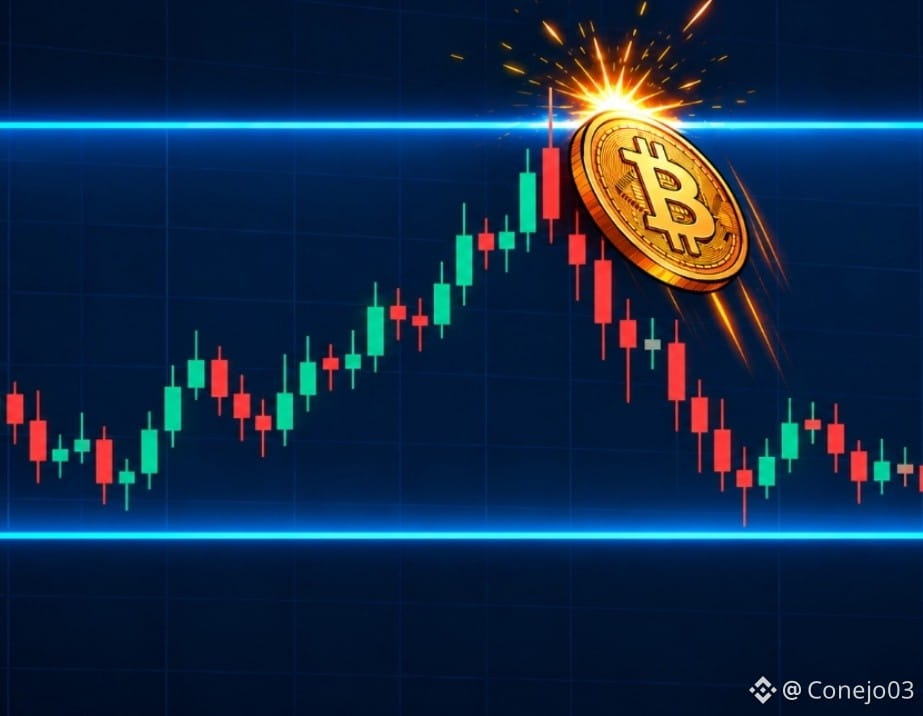
@bitcoin it reaches the end of the week, staying within the new balance we have been following over the last sessions. Although during today’s session there was an attempt to leave this structure on the upside, the move was not able to hold and price quickly returned to the value area.#BTC🔥🔥🔥🔥🔥
#Bitcoin❗ The advance again found difficulties within the daily FVG marked in purple, an area we pointed out for the first time in the analysis of September 21 and that we have been following since then as a possible reaction region. For now, this area continues to limit attempts at expanding toward higher prices.
$BTC From auction theory, the behavior is interesting. The market explored again above the balance, but it did not manage to develop acceptance at those prices. Instead of staying there and starting to build volume, it quickly returned back into the structure. This reinforces, at least for now, the idea of balance: the attempt to seek higher prices did not find enough interest to establish a new value zone.
The pullback led Bitcoin again toward the POC region of this balance, located around $84,000, where the drop began to lose intensity. This makes sense from auction logic, since the POC precisely represents the zone where the most trading has concentrated within this structure and where price can return when an exploration of the extremes fails.
Above price, we also continue to watch the 4-hour iFVG delimited by the white lines. This region has generated numerous reactions during the last sessions and continues to work as an important reference within the range. A sustained recovery from this zone would be necessary before attempting to test the upside again.$BTC
#NFPWatch
$BTC failure at the break and returns to the inside of the range.
@Bitcoin it reaches the end of the week, staying within the new balance we have been following over the last sessions. Although during today’s session there was an attempt to leave this structure on the upside, the move was not able to hold and price quickly returned to the value area.#BTC🔥🔥🔥🔥🔥
#Bitcoin❗ The advance again found difficulties within the daily FVG marked in purple, an area we pointed out for the first time in the analysis of September 21 and that we have been following since then as a possible reaction region. For now, this area continues to limit attempts at expanding toward higher prices.
$BTC From auction theory, the behavior is interesting. The market explored again above the balance, but it did not manage to develop acceptance at those prices. Instead of staying there and starting to build volume, it quickly returned back into the structure. This reinforces, at least for now, the idea of balance: the attempt to seek higher prices did not find enough interest to establish a new value zone.
The pullback led Bitcoin again toward the POC region of this balance, located around $84,000, where the drop began to lose intensity. This makes sense from auction logic, since the POC precisely represents the zone where the most trading has concentrated within this structure and where price can return when an exploration of the extremes fails.
Above price, we also continue to watch the 4-hour iFVG delimited by the white lines. This region has generated numerous reactions during the last sessions and continues to work as an important reference within the range. A sustained recovery from this zone would be necessary before attempting to test the upside again.$BTC
$BTC failure at the break and returns to the inside of the range.
@Bitcoin it reaches the end of the week, staying within the new balance we have been following over the last sessions. Although during today’s session there was an attempt to leave this structure on the upside, the move was not able to hold and price quickly returned to the value area.#BTC🔥🔥🔥🔥🔥
#Bitcoin❗ The advance again found difficulties within the daily FVG marked in purple, an area we pointed out for the first time in the analysis of September 21 and that we have been following since then as a possible reaction region. For now, this area continues to limit attempts at expanding toward higher prices.
$BTC From auction theory, the behavior is interesting. The market explored again above the balance, but it did not manage to develop acceptance at those prices. Instead of staying there and starting to build volume, it quickly returned back into the structure. This reinforces, at least for now, the idea of balance: the attempt to seek higher prices did not find enough interest to establish a new value zone.
The pullback led Bitcoin again toward the POC region of this balance, located around $84,000, where the drop began to lose intensity. This makes sense from auction logic, since the POC precisely represents the zone where the most trading has concentrated within this structure and where price can return when an exploration of the extremes fails.
Above price, we also continue to watch the 4-hour iFVG delimited by the white lines. This region has generated numerous reactions during the last sessions and continues to work as an important reference within the range. A sustained recovery from this zone would be necessary before attempting to test the upside again.$BTC
304
·
--
Bullish
#AltcoinSeasonIndexHoldsAbove60For5Days $BTC maintains the new balance and respects the lower zone.
{future}(BTCUSDT)
@bitcoin arrives at today’s session without major changes compared to what we’ve seen over the last few days. After the bullish breakout from the previous balance, the price lost momentum and began to develop a new trading zone above that structure.$BTC
#Bitcoin❗ In the daily chart, the new range we were anticipating is already quite clearly visible. Bitcoin stopped moving in a directional way and started trading repeatedly within the same region.
#BTC🔥🔥🔥🔥🔥
From auction theory, this behavior indicates that the market is trying to find a new equilibrium at higher prices. The area between the white lines—where there is a low-volume node (LVN)—continues to be an important reference: whenever price tests that region, rejection toward lower levels appears and it then reacts upward again.
More than considering it a traditional support, the key point is that, so far, the market is not showing acceptance below that LVN.
#BTC☀
As long as this dynamic continues, the new balance will remain valid. On the other hand, sustained presence and volume development below this zone would be the first sign that the auction begins to look for lower prices.
#AltcoinSeasonIndexHoldsAbove60For5Days $BTC maintains the new balance and respects the lower zone.
@Bitcoin arrives at today’s session without major changes compared to what we’ve seen over the last few days. After the bullish breakout from the previous balance, the price lost momentum and began to develop a new trading zone above that structure.$BTC
#Bitcoin❗ In the daily chart, the new range we were anticipating is already quite clearly visible. Bitcoin stopped moving in a directional way and started trading repeatedly within the same region.
#BTC🔥🔥🔥🔥🔥
From auction theory, this behavior indicates that the market is trying to find a new equilibrium at higher prices. The area between the white lines—where there is a low-volume node (LVN)—continues to be an important reference: whenever price tests that region, rejection toward lower levels appears and it then reacts upward again.
More than considering it a traditional support, the key point is that, so far, the market is not showing acceptance below that LVN.
#BTC☀
As long as this dynamic continues, the new balance will remain valid. On the other hand, sustained presence and volume development below this zone would be the first sign that the auction begins to look for lower prices.
@Bitcoin arrives at today’s session without major changes compared to what we’ve seen over the last few days. After the bullish breakout from the previous balance, the price lost momentum and began to develop a new trading zone above that structure.$BTC
#Bitcoin❗ In the daily chart, the new range we were anticipating is already quite clearly visible. Bitcoin stopped moving in a directional way and started trading repeatedly within the same region.
#BTC🔥🔥🔥🔥🔥
From auction theory, this behavior indicates that the market is trying to find a new equilibrium at higher prices. The area between the white lines—where there is a low-volume node (LVN)—continues to be an important reference: whenever price tests that region, rejection toward lower levels appears and it then reacts upward again.
More than considering it a traditional support, the key point is that, so far, the market is not showing acceptance below that LVN.
#BTC☀
As long as this dynamic continues, the new balance will remain valid. On the other hand, sustained presence and volume development below this zone would be the first sign that the auction begins to look for lower prices.
97
·
--
Bullish
#AltcoinSeasonIndexHoldsAbove60For5Days $HYPE exhausted short liquidity and now drops down the ladder of longs.
{future}(HYPEUSDT)
#Hyperliquid closed September as one of the strongest assets of the year, with more than a 260% cumulative gain so far this year. But the recent run had two very different halves, and the liquidation map allows you to read both using the same framework.$HYPE
#hype The first was a 70.71% rise in 35 days, which pushed the price to $98.05 on September 23, its all-time high and the day before its listing on Binance spot. The listing was finalized on the 24th at 11:00 UTC, with the HYPE/USDT, HYPE/USDC and HYPE/TRY pairs, under the Seed classification that the exchange reserves for highly volatile assets.
The second started from there. At the time of this analysis, the price is trading at $85.84.
#AltcoinSeasonIndexHoldsAbove60For5Days $HYPE exhausted short liquidity and now drops down the ladder of longs.
#Hyperliquid closed September as one of the strongest assets of the year, with more than a 260% cumulative gain so far this year. But the recent run had two very different halves, and the liquidation map allows you to read both using the same framework.$HYPE
#hype The first was a 70.71% rise in 35 days, which pushed the price to $98.05 on September 23, its all-time high and the day before its listing on Binance spot. The listing was finalized on the 24th at 11:00 UTC, with the HYPE/USDT, HYPE/USDC and HYPE/TRY pairs, under the Seed classification that the exchange reserves for highly volatile assets.
The second started from there. At the time of this analysis, the price is trading at $85.84.
#Hyperliquid closed September as one of the strongest assets of the year, with more than a 260% cumulative gain so far this year. But the recent run had two very different halves, and the liquidation map allows you to read both using the same framework.$HYPE
#hype The first was a 70.71% rise in 35 days, which pushed the price to $98.05 on September 23, its all-time high and the day before its listing on Binance spot. The listing was finalized on the 24th at 11:00 UTC, with the HYPE/USDT, HYPE/USDC and HYPE/TRY pairs, under the Seed classification that the exchange reserves for highly volatile assets.
The second started from there. At the time of this analysis, the price is trading at $85.84.
1
289
·
--
Bullish
#USADPAdds90000JobsInSeptember
@TRONDAO : the price of $TRX retreats strongly, and the market watches this support.
{future}(TRXUSDT)
#TRON✅ $TRX reaches the end of September with a still-solid bottom structure, backed by the growth of activity on TRON and its strong presence in the stablecoin market. However, the recent intraday push met resistance near $0.341 and gave way to a correction that once again puts a decisive technical area to the test over the next few hours.
In addition, several key fundamental developments continue to provide relevant signals for the ecosystem. Below is the analysis.
▫️#TRON. strengthens its activity while consolidating its dominance in stablecoins.
One of the main fundamental supports for TRX continues to be the activity of the network itself. On September 23, it was reported that the cumulative transaction volume processed by the blockchain exceeded $30 trillion, while the number of created accounts surpassed 405 million and the total number of operations exceeded 15 billion.
$TRX
Additionally, the network maintains more than $94 billion in USDT in circulation, one of the largest concentrations of this stablecoin on a single blockchain.
#USADPAdds90000JobsInSeptember
@TRON DAO : the price of $TRX retreats strongly, and the market watches this support.
#TRON✅ $TRX reaches the end of September with a still-solid bottom structure, backed by the growth of activity on TRON and its strong presence in the stablecoin market. However, the recent intraday push met resistance near $0.341 and gave way to a correction that once again puts a decisive technical area to the test over the next few hours.
In addition, several key fundamental developments continue to provide relevant signals for the ecosystem. Below is the analysis.
▫️#TRON. strengthens its activity while consolidating its dominance in stablecoins.
One of the main fundamental supports for TRX continues to be the activity of the network itself. On September 23, it was reported that the cumulative transaction volume processed by the blockchain exceeded $30 trillion, while the number of created accounts surpassed 405 million and the total number of operations exceeded 15 billion.
$TRX
Additionally, the network maintains more than $94 billion in USDT in circulation, one of the largest concentrations of this stablecoin on a single blockchain.
@TRON DAO : the price of $TRX retreats strongly, and the market watches this support.
#TRON✅ $TRX reaches the end of September with a still-solid bottom structure, backed by the growth of activity on TRON and its strong presence in the stablecoin market. However, the recent intraday push met resistance near $0.341 and gave way to a correction that once again puts a decisive technical area to the test over the next few hours.
In addition, several key fundamental developments continue to provide relevant signals for the ecosystem. Below is the analysis.
▫️#TRON. strengthens its activity while consolidating its dominance in stablecoins.
One of the main fundamental supports for TRX continues to be the activity of the network itself. On September 23, it was reported that the cumulative transaction volume processed by the blockchain exceeded $30 trillion, while the number of created accounts surpassed 405 million and the total number of operations exceeded 15 billion.
$TRX
Additionally, the network maintains more than $94 billion in USDT in circulation, one of the largest concentrations of this stablecoin on a single blockchain.

165
·
--
Bullish
#AltcoinSeasonIndexHoldsAbove60For5Days $BTC reacts to the PCE, but remains trapped in the range.
{spot}(BTCUSDT)
@bitcoin reaches the last day of September, staying within the new balance that began developing last week. After the strong bullish push that allowed it to break out of the previous range, the market continues trading in a higher zone, although it still hasn’t managed to achieve a new directional expansion.#BTC☀
#Bitcoin❗ During today’s session, there was an attempt to move toward the top of this structure, but again the purple-marked daily FVG produced rejection once more. At the time of writing this analysis, the daily candle shows a wide upper wick, indicating that the market explored higher prices but couldn’t hold them.$BTC
Below, the region defined by the white lines continues to work as an important reference. This zone lines up with a low volume node (LVN), and so far every approach has ended up finding buying response. From auction theory, the key point remains that the market is not showing acceptance below this region.
$BTC
The macro context also played a major role during the session. The United States PCE for August showed inflation lower than expected, easing some of the pressure on the Federal Reserve ahead of its next monetary policy decision. Bitcoin initially reacted to the upside after the data was released, but later it lost momentum and gave back the move, ultimately remaining within the same balance.#BTC🔥🔥🔥🔥🔥
#AltcoinSeasonIndexHoldsAbove60For5Days $BTC reacts to the PCE, but remains trapped in the range.
@Bitcoin reaches the last day of September, staying within the new balance that began developing last week. After the strong bullish push that allowed it to break out of the previous range, the market continues trading in a higher zone, although it still hasn’t managed to achieve a new directional expansion.#BTC☀
#Bitcoin❗ During today’s session, there was an attempt to move toward the top of this structure, but again the purple-marked daily FVG produced rejection once more. At the time of writing this analysis, the daily candle shows a wide upper wick, indicating that the market explored higher prices but couldn’t hold them.$BTC
Below, the region defined by the white lines continues to work as an important reference. This zone lines up with a low volume node (LVN), and so far every approach has ended up finding buying response. From auction theory, the key point remains that the market is not showing acceptance below this region.
$BTC
The macro context also played a major role during the session. The United States PCE for August showed inflation lower than expected, easing some of the pressure on the Federal Reserve ahead of its next monetary policy decision. Bitcoin initially reacted to the upside after the data was released, but later it lost momentum and gave back the move, ultimately remaining within the same balance.#BTC🔥🔥🔥🔥🔥
@Bitcoin reaches the last day of September, staying within the new balance that began developing last week. After the strong bullish push that allowed it to break out of the previous range, the market continues trading in a higher zone, although it still hasn’t managed to achieve a new directional expansion.#BTC☀
#Bitcoin❗ During today’s session, there was an attempt to move toward the top of this structure, but again the purple-marked daily FVG produced rejection once more. At the time of writing this analysis, the daily candle shows a wide upper wick, indicating that the market explored higher prices but couldn’t hold them.$BTC
Below, the region defined by the white lines continues to work as an important reference. This zone lines up with a low volume node (LVN), and so far every approach has ended up finding buying response. From auction theory, the key point remains that the market is not showing acceptance below this region.
$BTC
The macro context also played a major role during the session. The United States PCE for August showed inflation lower than expected, easing some of the pressure on the Federal Reserve ahead of its next monetary policy decision. Bitcoin initially reacted to the upside after the data was released, but later it lost momentum and gave back the move, ultimately remaining within the same balance.#BTC🔥🔥🔥🔥🔥
517
·
--
Bullish
Whales 🐋🐳🐋 of bitcoin resume accumulation at an accelerated pace.$BTC
{future}(BTCUSDT)
@bitcoin Large bitcoin wallets are again showing accumulation signals within the market. This new stage presents features distinct from the two previous phases recorded during the year. On this occasion, big investors are increasing their positions while the price stays near quarterly highs in the cryptocurrency.#BTC☀️
#Bitcoin❗ According to CryptoQuant, the group of addresses holding between 1,000 and 10,000 BTC recorded two major buying periods during 2026. The first wave took place between January and February, while the second occurred during June. In both cases, accumulation began amid significant price corrections.
$BTC
That behavior was not made up only of isolated inflows, but rather of extended periods of accumulation. The whales maintained purchases for several weeks as they progressively increased their positions. Now, the 30-day balance change metric has once again turned upward, as highlighted by the analysis.
#BTC🔥🔥🔥🔥🔥
In recent days, this group of whales accumulated more than 55,000 BTC in total. The main difference from the previous episodes lies in the current price zone, since bitcoin is not undergoing a strong correction, but instead trading near quarterly highs.$BTC
Whales 🐋🐳🐋 of bitcoin resume accumulation at an accelerated pace.$BTC
@Bitcoin Large bitcoin wallets are again showing accumulation signals within the market. This new stage presents features distinct from the two previous phases recorded during the year. On this occasion, big investors are increasing their positions while the price stays near quarterly highs in the cryptocurrency.#BTC☀️
#Bitcoin❗ According to CryptoQuant, the group of addresses holding between 1,000 and 10,000 BTC recorded two major buying periods during 2026. The first wave took place between January and February, while the second occurred during June. In both cases, accumulation began amid significant price corrections.
$BTC
That behavior was not made up only of isolated inflows, but rather of extended periods of accumulation. The whales maintained purchases for several weeks as they progressively increased their positions. Now, the 30-day balance change metric has once again turned upward, as highlighted by the analysis.
#BTC🔥🔥🔥🔥🔥
In recent days, this group of whales accumulated more than 55,000 BTC in total. The main difference from the previous episodes lies in the current price zone, since bitcoin is not undergoing a strong correction, but instead trading near quarterly highs.$BTC
@Bitcoin Large bitcoin wallets are again showing accumulation signals within the market. This new stage presents features distinct from the two previous phases recorded during the year. On this occasion, big investors are increasing their positions while the price stays near quarterly highs in the cryptocurrency.#BTC☀️
#Bitcoin❗ According to CryptoQuant, the group of addresses holding between 1,000 and 10,000 BTC recorded two major buying periods during 2026. The first wave took place between January and February, while the second occurred during June. In both cases, accumulation began amid significant price corrections.
$BTC
That behavior was not made up only of isolated inflows, but rather of extended periods of accumulation. The whales maintained purchases for several weeks as they progressively increased their positions. Now, the 30-day balance change metric has once again turned upward, as highlighted by the analysis.
#BTC🔥🔥🔥🔥🔥
In recent days, this group of whales accumulated more than 55,000 BTC in total. The main difference from the previous episodes lies in the current price zone, since bitcoin is not undergoing a strong correction, but instead trading near quarterly highs.$BTC

115
·
--
Bullish
#EarningsSeason
$LINK surpasses 2026 highs driven by major developments.
{future}(LINKUSDT)
#BitwiseLaunchesFirstSpotNEARETF
LINK's price, Chainlink's cryptocurrency, reached new 2026 highs after breaking above $14.40 and hitting as high as $15.80 during the session. Although the asset is still far from its all-time high, the recovery recorded over the past month has been significant.
At the time of writing this analysis, LINK is trading around $15.20, with daily gains of 11%, weekly gains of 17.9%, and monthly gains of 33.3%. Below, we analyze what's behind this strong surge and the main levels highlighted by the charts.
▫️Why is LINK's price rising strongly?
$LINK
The rally in LINK coincides with the launch of CCIP 2.0, the new version of its Cross-Chain Interoperability Protocol. This update gives institutions and token issuers the ability to define additional verifiers between chains, set certain rules for transactions, and configure settlement options.
The update includes new security tools, faster settlements, and compliance controls related to KYC and AML. This allows banks and issuers of tokenized assets to transfer value across different blockchains using more customizable security and control rules.
However, one of the main new features is the ability to add Cross-Chain Verifiers (CCV), which act as an additional security layer on top of the CCIP infrastructure responsible for validating messages between different networks. In this way, institutions can require additional verifications before accepting an operation between blockchains, even using their own systems or external providers.$LINK
#EarningsSeason
$LINK surpasses 2026 highs driven by major developments.
#BitwiseLaunchesFirstSpotNEARETF
LINK's price, Chainlink's cryptocurrency, reached new 2026 highs after breaking above $14.40 and hitting as high as $15.80 during the session. Although the asset is still far from its all-time high, the recovery recorded over the past month has been significant.
At the time of writing this analysis, LINK is trading around $15.20, with daily gains of 11%, weekly gains of 17.9%, and monthly gains of 33.3%. Below, we analyze what's behind this strong surge and the main levels highlighted by the charts.
▫️Why is LINK's price rising strongly?
$LINK
The rally in LINK coincides with the launch of CCIP 2.0, the new version of its Cross-Chain Interoperability Protocol. This update gives institutions and token issuers the ability to define additional verifiers between chains, set certain rules for transactions, and configure settlement options.
The update includes new security tools, faster settlements, and compliance controls related to KYC and AML. This allows banks and issuers of tokenized assets to transfer value across different blockchains using more customizable security and control rules.
However, one of the main new features is the ability to add Cross-Chain Verifiers (CCV), which act as an additional security layer on top of the CCIP infrastructure responsible for validating messages between different networks. In this way, institutions can require additional verifications before accepting an operation between blockchains, even using their own systems or external providers.$LINK
$LINK surpasses 2026 highs driven by major developments.
#BitwiseLaunchesFirstSpotNEARETF
LINK's price, Chainlink's cryptocurrency, reached new 2026 highs after breaking above $14.40 and hitting as high as $15.80 during the session. Although the asset is still far from its all-time high, the recovery recorded over the past month has been significant.
At the time of writing this analysis, LINK is trading around $15.20, with daily gains of 11%, weekly gains of 17.9%, and monthly gains of 33.3%. Below, we analyze what's behind this strong surge and the main levels highlighted by the charts.
▫️Why is LINK's price rising strongly?
$LINK
The rally in LINK coincides with the launch of CCIP 2.0, the new version of its Cross-Chain Interoperability Protocol. This update gives institutions and token issuers the ability to define additional verifiers between chains, set certain rules for transactions, and configure settlement options.
The update includes new security tools, faster settlements, and compliance controls related to KYC and AML. This allows banks and issuers of tokenized assets to transfer value across different blockchains using more customizable security and control rules.
However, one of the main new features is the ability to add Cross-Chain Verifiers (CCV), which act as an additional security layer on top of the CCIP infrastructure responsible for validating messages between different networks. In this way, institutions can require additional verifications before accepting an operation between blockchains, even using their own systems or external providers.$LINK

430
Log in to explore more content
Join global crypto users on Binance Square
⚡️ Get latest and useful information about crypto.
💬 Trusted by the world’s largest crypto exchange.
👍 Discover real insights from verified creators.
Email / Phone number