
生财王者
5.2k Posts

生财王者
 Square Verified+
Report
Block User
X@aigcking |KOL合作|现货,合约,WEB3钱包超级返佣邀请码 ZBC123
Open Trade

BNB Holder
Frequent Trader
4.6 Years
3.0K+ Following
69.2K+ Followers
25.9K+ Liked
Posts
Portfolio
All
Quotes
Videos
Live
PINNED
·
--
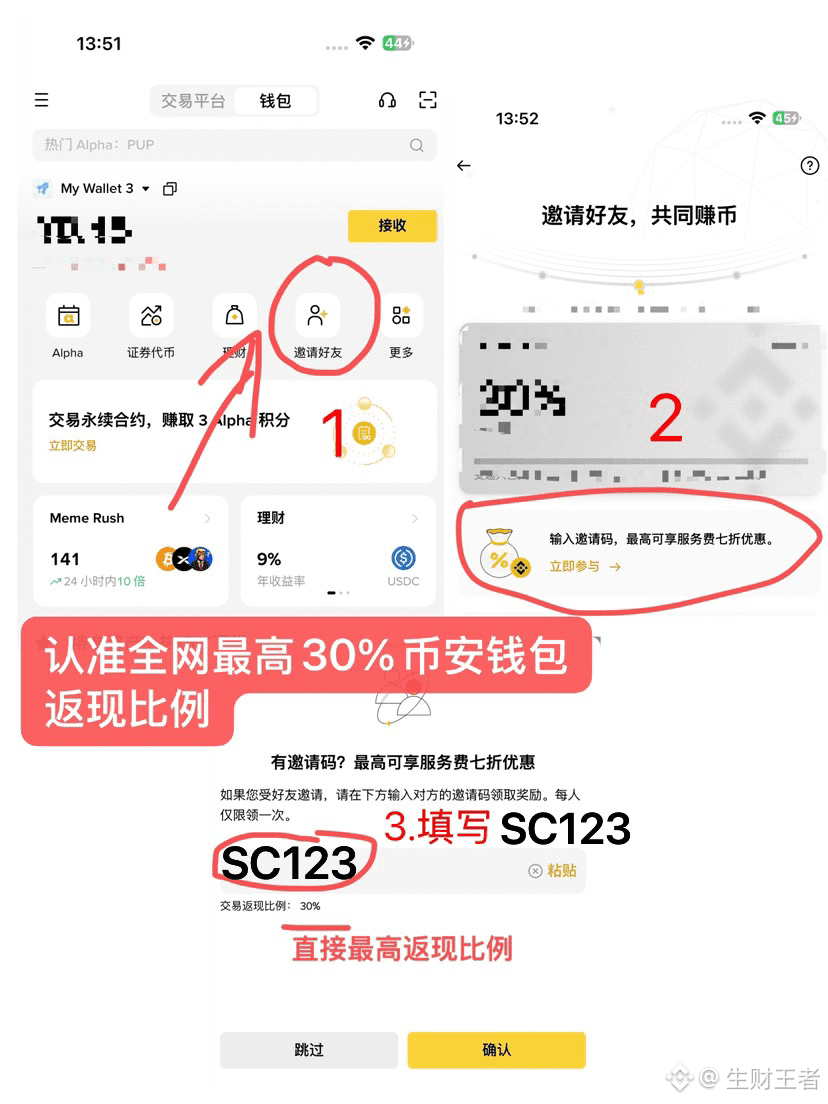
Binance WEB3 Wallet — invite code entry SC123 to get the Wealth Code 🚀
It takes just one minute to bind!
Besides getting the Wealth Code first, you can also save on fees 👍
If you’ve filled it in, let me know—so you can enjoy VIP treatment later 🎉 #meme板块关注热点 🚀 $SPCX
{future}(SPCXUSDT)
Binance WEB3 Wallet — invite code entry SC123 to get the Wealth Code 🚀
It takes just one minute to bind!
Besides getting the Wealth Code first, you can also save on fees 👍
If you’ve filled it in, let me know—so you can enjoy VIP treatment later 🎉 #meme板块关注热点 🚀 $SPCX
It takes just one minute to bind!
Besides getting the Wealth Code first, you can also save on fees 👍
If you’ve filled it in, let me know—so you can enjoy VIP treatment later 🎉 #meme板块关注热点 🚀 $SPCX
2
8
37
755
PINNED
·
--
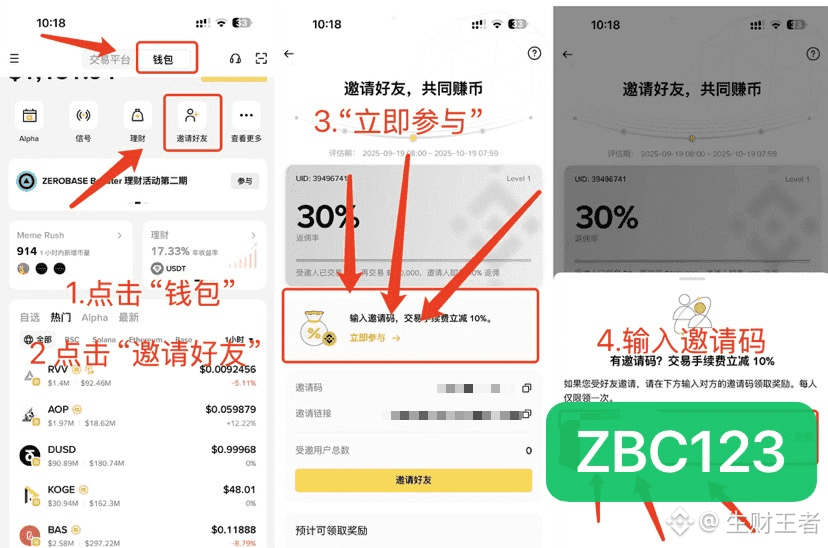
Binance WEB3 wallet—enter an invite code to get the wealth password ZBC123 🚀
It only takes one minute to bind!
Besides getting the wealth password first, you can also save on fees 👍
If you’ve filled it in, let me know—I'll make sure you enjoy VIP treatment later 🎉
For the exact steps, see the picture ⚠️ Come enjoy it with me: #币安人生 $币安人生
{future}(币安人生USDT)
Binance WEB3 wallet—enter an invite code to get the wealth password ZBC123 🚀
It only takes one minute to bind!
Besides getting the wealth password first, you can also save on fees 👍
If you’ve filled it in, let me know—I'll make sure you enjoy VIP treatment later 🎉
For the exact steps, see the picture ⚠️ Come enjoy it with me: #币安人生 $币安人生
It only takes one minute to bind!
Besides getting the wealth password first, you can also save on fees 👍
If you’ve filled it in, let me know—I'll make sure you enjoy VIP treatment later 🎉
For the exact steps, see the picture ⚠️ Come enjoy it with me: #币安人生 $币安人生
3
7
25
2k
·
--
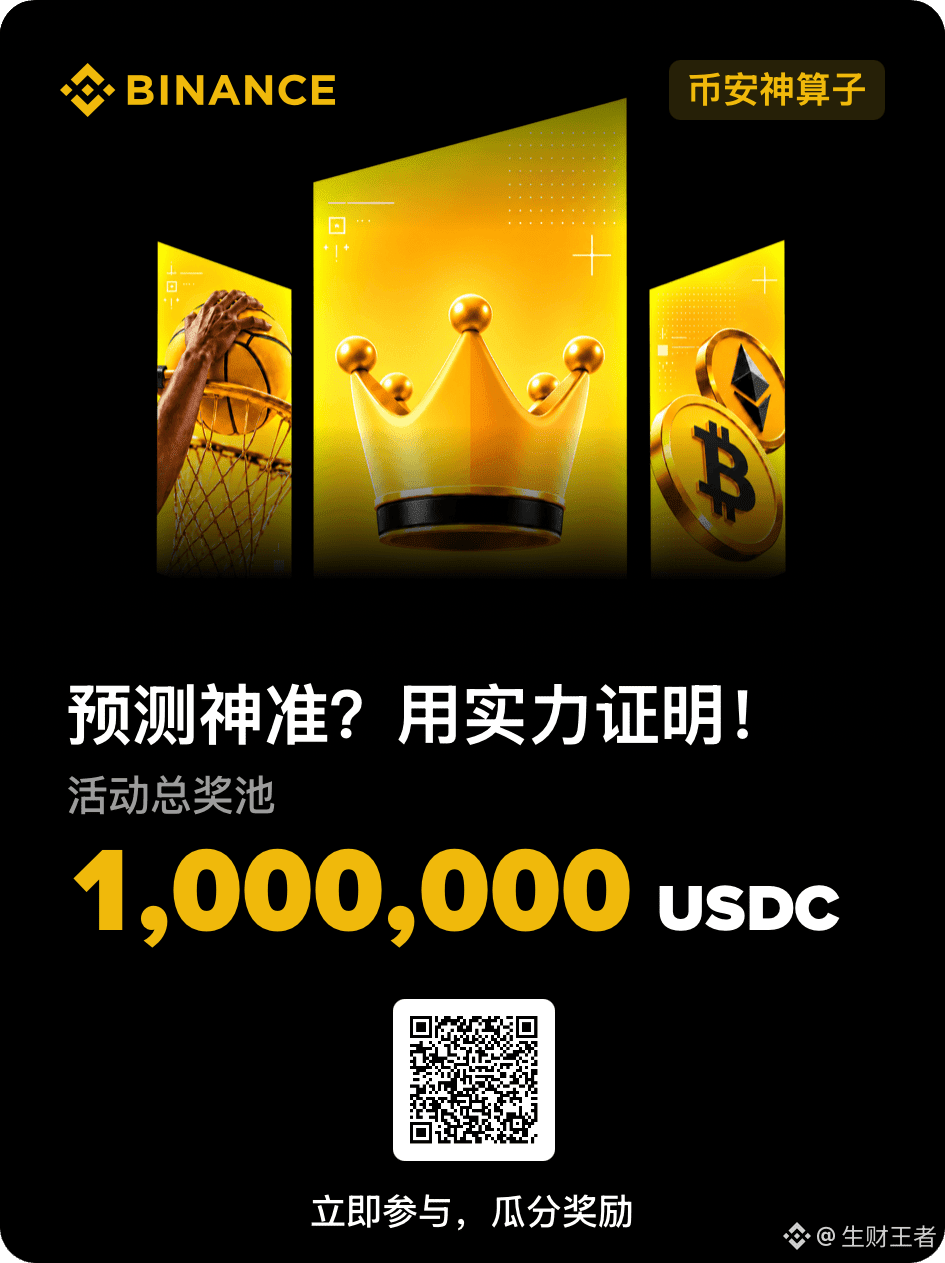
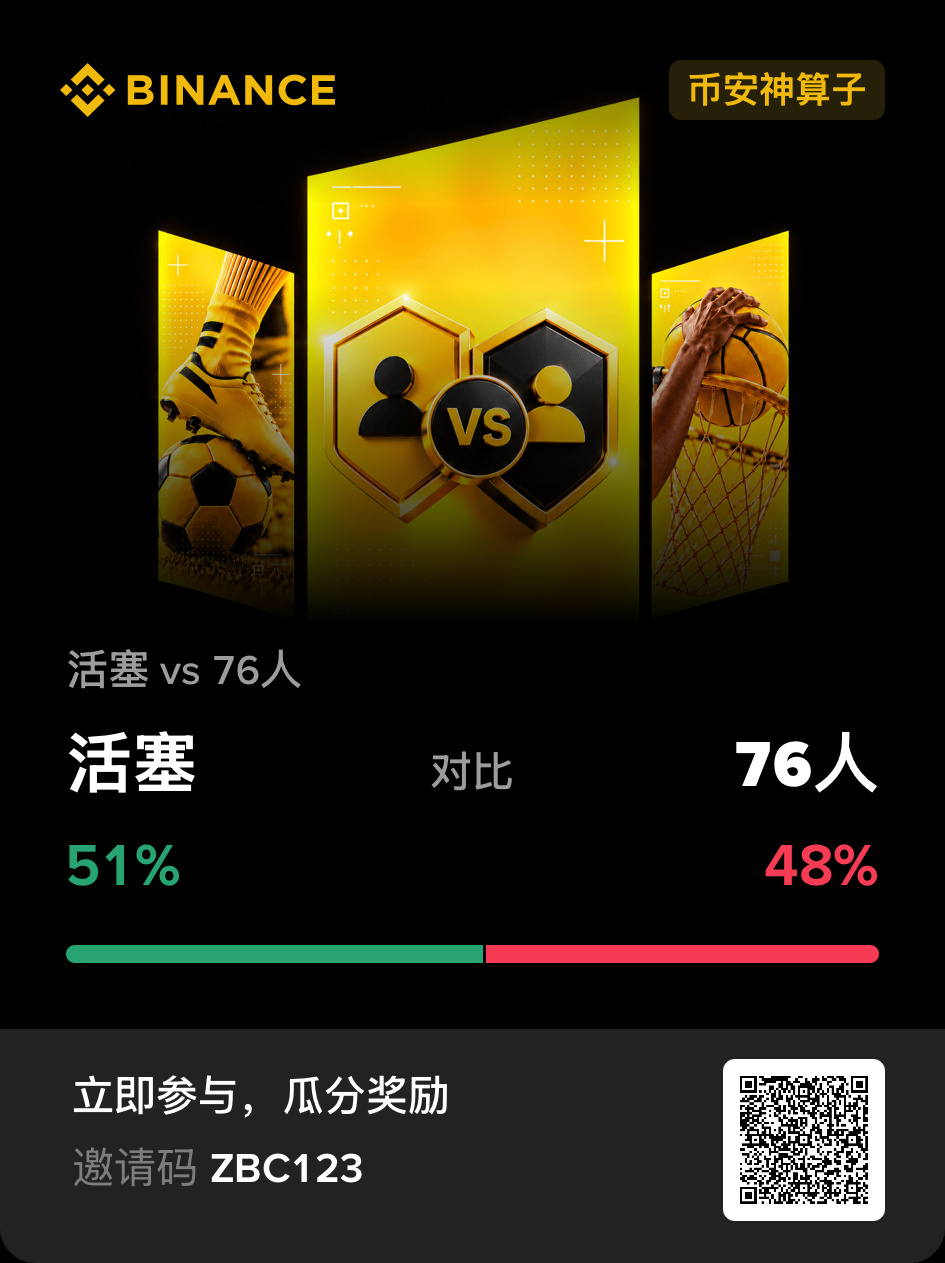
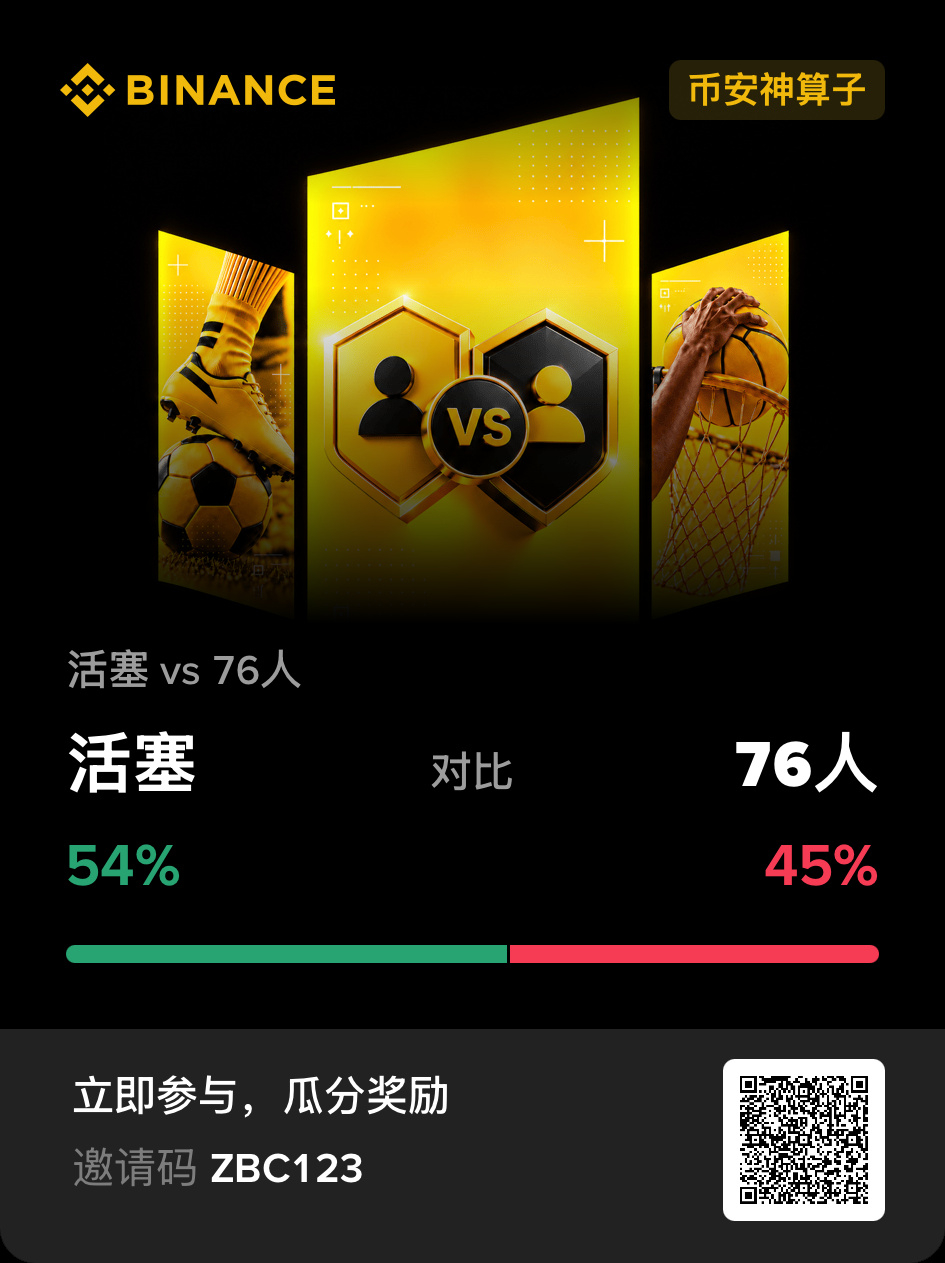
#币安神算子 Which one should I go for today? Fortune-teller, help me figure it out so I can go for it early. $币安人生
{future}(币安人生USDT)
{future}(1000PEPEUSDT)
#币安神算子 Which one should I go for today? Fortune-teller, help me figure it out so I can go for it early. $币安人生
246
·
--
Verified
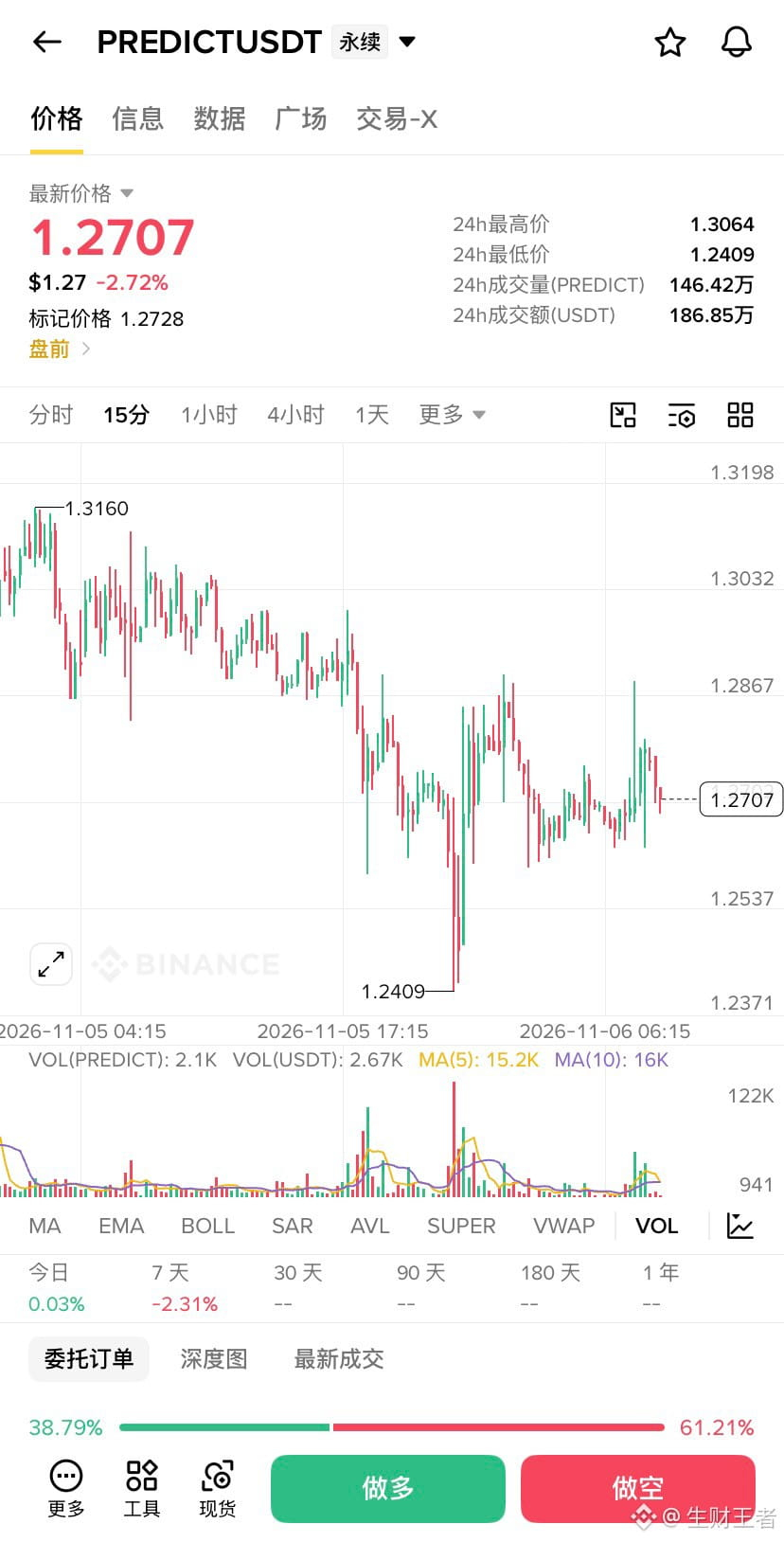
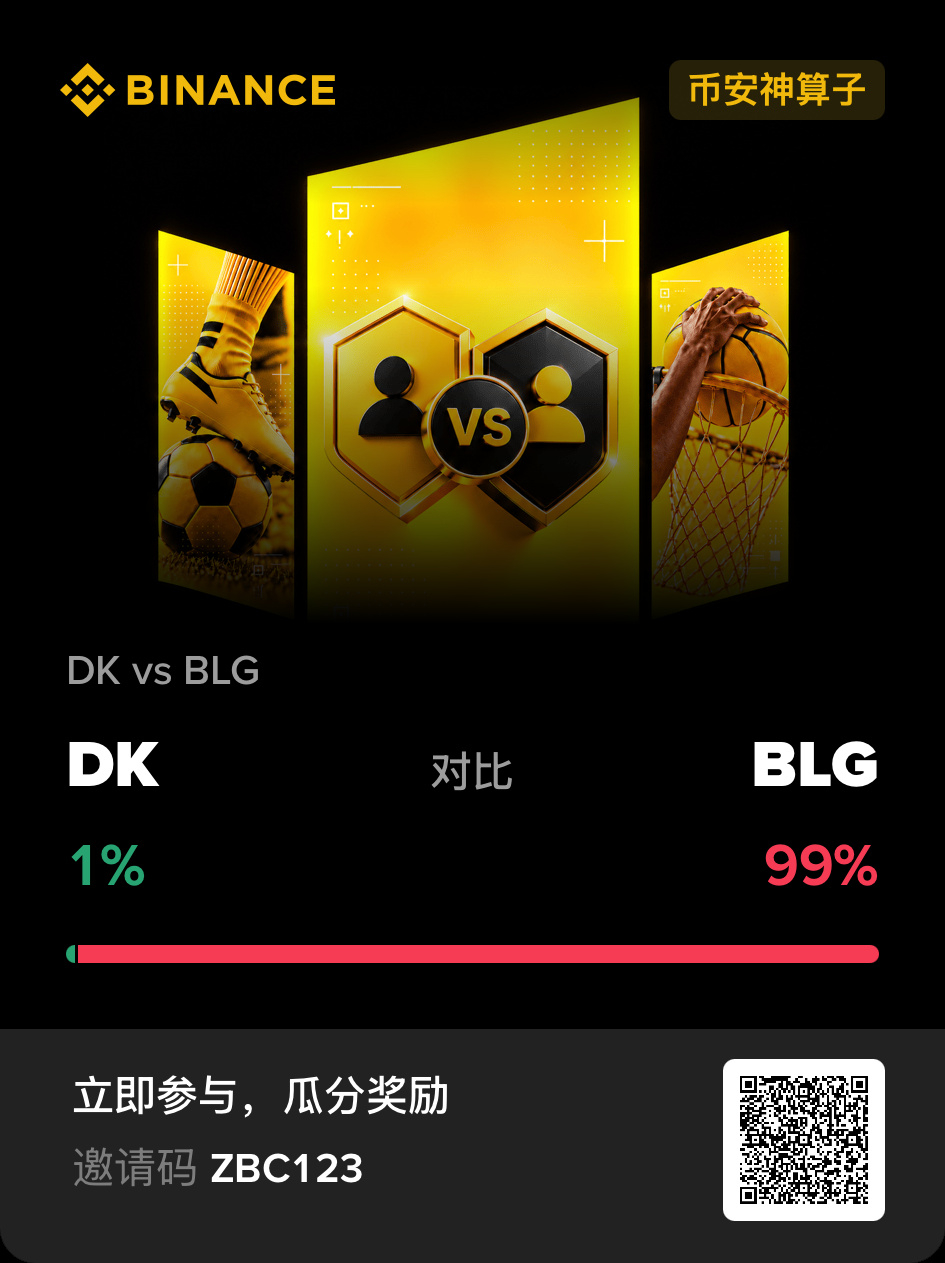
$PREDICT will be listed for spot trading on Binance! #币安人生 PREDICT operates in the prediction market sector. The price of a newly listed coin is mostly driven by sentiment at first, so everyone can ride the wave of sentiment!
{future}(PREDICTUSDT)
{future}(币安人生USDT)
$PREDICT will be listed for spot trading on Binance! #币安人生 PREDICT operates in the prediction market sector. The price of a newly listed coin is mostly driven by sentiment at first, so everyone can ride the wave of sentiment!
1
290


·
--
Financial freedom takes just three steps: build up your principal, let compound interest grow, and protect your assets. #BNB金铲子挖矿 $BNB
{future}(BNBUSDT)
{future}(1000PEPEUSDT)
{future}(TRUMPUSDT)
Financial freedom takes just three steps: build up your principal, let compound interest grow, and protect your assets. #BNB金铲子挖矿 $BNB
173
·
--
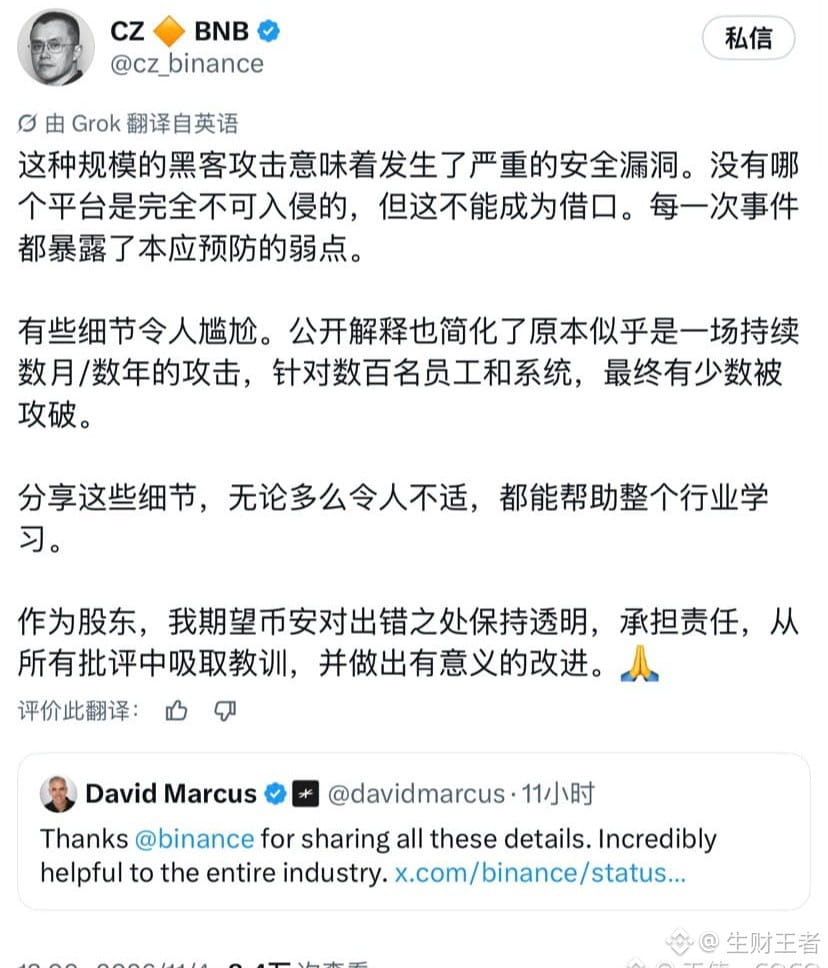
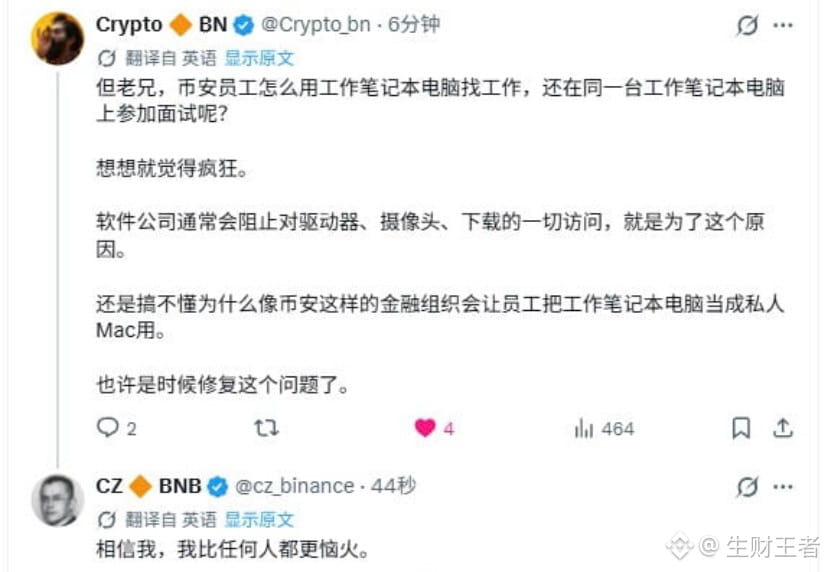
The Binance security investigation report has sparked heated discussion. What’s truly unsettling is not just an employee mistakenly clicking a malicious link, but the possibility that after a single endpoint is compromised, attackers could continue expanding their reach along the chain of internal privileges.
The attacks described in the report were far from crude: tampered installers for popular tools, seemingly legitimate job invitations, live video interviews, and highly convincing social media accounts all helped lower victims’ guard. Once a malicious file was downloaded, attackers could potentially use authorized tools, credentials, and deployment environments to move laterally.
AI tools deserve particular caution. In the name of efficiency, we often let them read files, run commands, connect to servers, and take part in automated deployments. Each permission may have a valid reason, yet together they can unknowingly expand the attack surface. Long-lived API keys, temporary permissions that are never revoked, and the mixing of test and production environments can all magnify the impact of a single mistake.#币安10·30安全事件调查报告 $BNB
{future}(BNBUSDT)
{future}(币安人生USDT)
{future}(1000PEPEUSDT)
The Binance security investigation report has sparked heated discussion. What’s truly unsettling is not just an employee mistakenly clicking a malicious link, but the possibility that after a single endpoint is compromised, attackers could continue expanding their reach along the chain of internal privileges.
The attacks described in the report were far from crude: tampered installers for popular tools, seemingly legitimate job invitations, live video interviews, and highly convincing social media accounts all helped lower victims’ guard. Once a malicious file was downloaded, attackers could potentially use authorized tools, credentials, and deployment environments to move laterally.
AI tools deserve particular caution. In the name of efficiency, we often let them read files, run commands, connect to servers, and take part in automated deployments. Each permission may have a valid reason, yet together they can unknowingly expand the attack surface. Long-lived API keys, temporary permissions that are never revoked, and the mixing of test and production environments can all magnify the impact of a single mistake.#币安10·30安全事件调查报告 $BNB
The attacks described in the report were far from crude: tampered installers for popular tools, seemingly legitimate job invitations, live video interviews, and highly convincing social media accounts all helped lower victims’ guard. Once a malicious file was downloaded, attackers could potentially use authorized tools, credentials, and deployment environments to move laterally.
AI tools deserve particular caution. In the name of efficiency, we often let them read files, run commands, connect to servers, and take part in automated deployments. Each permission may have a valid reason, yet together they can unknowingly expand the attack surface. Long-lived API keys, temporary permissions that are never revoked, and the mixing of test and production environments can all magnify the impact of a single mistake.#币安10·30安全事件调查报告 $BNB
107
·
--
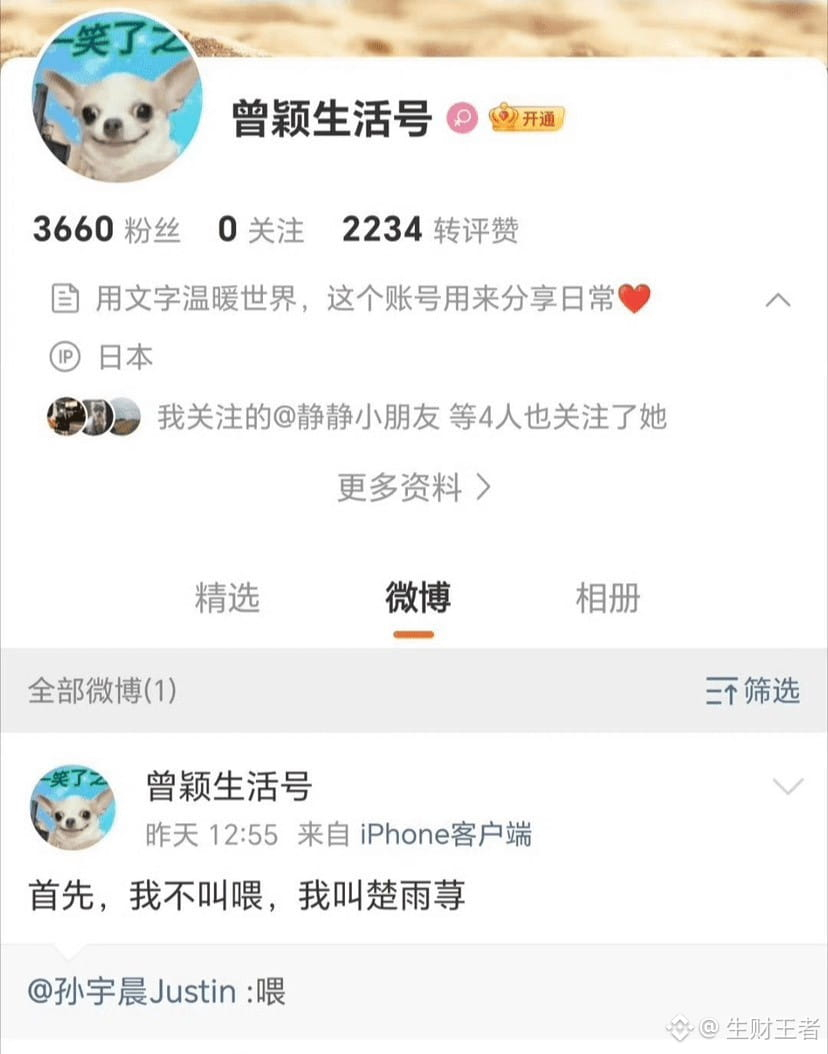
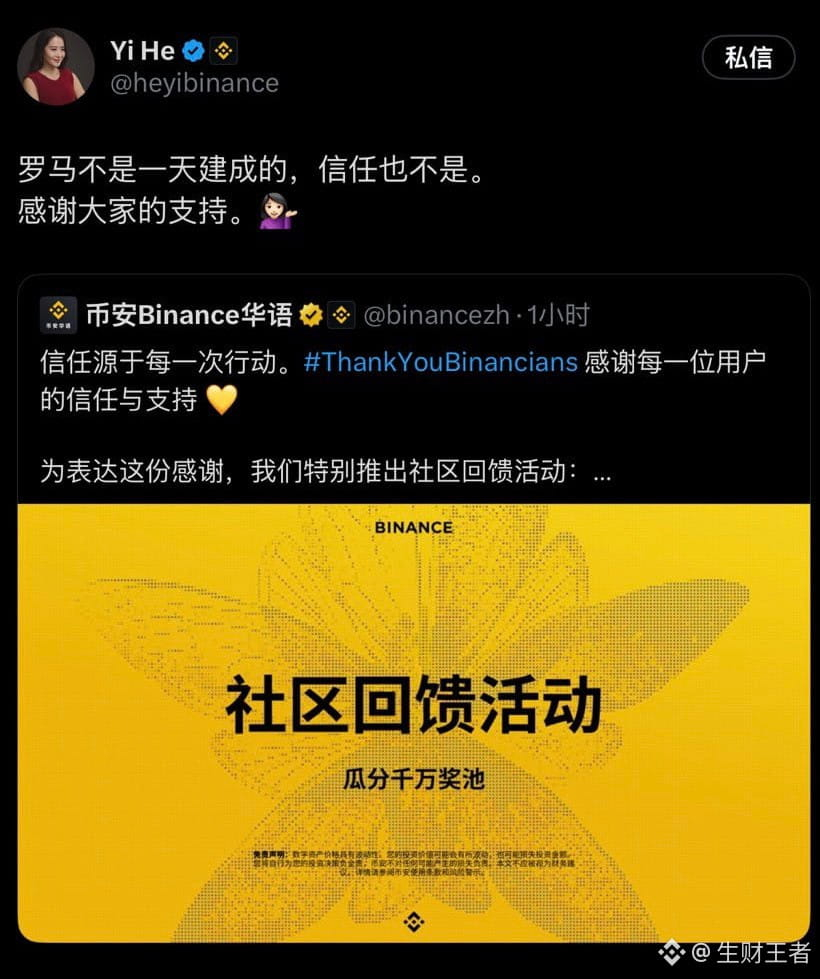
So they just date without getting married? They all know how to play the traffic game! #meme板块关注热点 $币安人生 🚀
{future}(币安人生USDT)
{future}(1000PEPEUSDT)
{future}(TRUMPUSDT)
So they just date without getting married? They all know how to play the traffic game! #meme板块关注热点 $币安人生 🚀
202
·
--
🎙️ Build Binance Square, hold BNB | U.S. nonfarm payroll data is coming out on Wednesday. Do you think it will affect the market? Come chat~

End
04 h 44 m 11 s
14.6k
56
37
Log in to explore more content
Join global crypto users on Binance Square
⚡️ Get latest and useful information about crypto.
💬 Trusted by the world’s largest crypto exchange.
👍 Discover real insights from verified creators.
Email / Phone number
Trending Topics
JobsReportRaisesHikeOdds
232,687 views
1,867 Discussing
TradFi News | US Adds 165,000 Jobs in October, More Than Double the 65,000 Forecast, as Unemployment Falls to 4.1%
Binance News
·30 Likes
·21.3k views
CPITestsDecemberRateOutlook
14,447 views
208 Discussing
BitcoinRebounds$75KAsChipsLead
19,827 views
210 Discussing