

BolsaDeValoresCrypto
2.1k Posts

BolsaDeValoresCrypto
Report
Block User
🏦 Gestión de Capital y Disciplina de Mercado. 📈 Mentoría en Acción del Precio y Velas Japonesas.🚀 Te ayudo a operar con estrategia, no con emociones.

BTC Holder
Frequent Trader
1.3 Years
0 Following
1.0K+ Followers
4.4K+ Liked
Posts
All
Quotes
Videos
PINNED

Article
📌 WELCOME TO THE CRYPTO STOCK EXCHANGE 🏛️📈Our mission is clear: to transform the complexity of the market into smart and profitable decisions. We do not operate with emotions, we operate with strategy.
What do we offer?
📊 Technical Analysis: Real projections of $BTC, $SOL, and Altcoins.
🎓 Education: Mentorships in Price Action and Japanese Candles.
⚖️ Risk Management: Institutional discipline to protect your capital.
🎙️ Crypto News: What really moves the market, without noise.
👇 Join the new era of professional trading! > Follow us and turn on notifications 🔔
📌 WELCOME TO THE CRYPTO STOCK EXCHANGE 🏛️📈
Our mission is clear: to transform the complexity of the market into smart and profitable decisions. We do not operate with emotions, we operate with strategy.
What do we offer?
📊 Technical Analysis: Real projections of $BTC, $SOL, and Altcoins.
🎓 Education: Mentorships in Price Action and Japanese Candles.
⚖️ Risk Management: Institutional discipline to protect your capital.
🎙️ Crypto News: What really moves the market, without noise.
👇 Join the new era of professional trading! > Follow us and turn on notifications 🔔
What do we offer?
📊 Technical Analysis: Real projections of $BTC, $SOL, and Altcoins.
🎓 Education: Mentorships in Price Action and Japanese Candles.
⚖️ Risk Management: Institutional discipline to protect your capital.
🎙️ Crypto News: What really moves the market, without noise.
👇 Join the new era of professional trading! > Follow us and turn on notifications 🔔
1
5
133
🚨 BREAKING: ANOTHER U.S. BANK HAS JUST COLLAPSED
🇺🇸 NANO BANC, IN CALIFORNIA, WAS SHUT DOWN ON FRIDAY.
With this failure, 6 BANKS have now collapsed in the U.S. in 2026, compared with just 2 during all of 2025.
AND THE UNDERLYING PROBLEM REMAINS THE SAME:
🏦 HIGH FUNDING COSTS
🏢 VACANT COMMERCIAL PROPERTIES
💰 LOANS THAT CANNOT BE REFINANCED
This is not an isolated case.
STRESS IN THE BANKING SYSTEM IS INCREASING.
And if this trend continues, markets could start paying MUCH more attention.
🚨 THIS IS SOMETHING TO WATCH VERY CLOSELY.
🚨 BREAKING: ANOTHER U.S. BANK HAS JUST COLLAPSED
🇺🇸 NANO BANC, IN CALIFORNIA, WAS SHUT DOWN ON FRIDAY.
With this failure, 6 BANKS have now collapsed in the U.S. in 2026, compared with just 2 during all of 2025.
AND THE UNDERLYING PROBLEM REMAINS THE SAME:
🏦 HIGH FUNDING COSTS
🏢 VACANT COMMERCIAL PROPERTIES
💰 LOANS THAT CANNOT BE REFINANCED
This is not an isolated case.
STRESS IN THE BANKING SYSTEM IS INCREASING.
And if this trend continues, markets could start paying MUCH more attention.
🚨 THIS IS SOMETHING TO WATCH VERY CLOSELY.
🇺🇸 NANO BANC, IN CALIFORNIA, WAS SHUT DOWN ON FRIDAY.
With this failure, 6 BANKS have now collapsed in the U.S. in 2026, compared with just 2 during all of 2025.
AND THE UNDERLYING PROBLEM REMAINS THE SAME:
🏦 HIGH FUNDING COSTS
🏢 VACANT COMMERCIAL PROPERTIES
💰 LOANS THAT CANNOT BE REFINANCED
This is not an isolated case.
STRESS IN THE BANKING SYSTEM IS INCREASING.
And if this trend continues, markets could start paying MUCH more attention.
🚨 THIS IS SOMETHING TO WATCH VERY CLOSELY.
1
522
In the morning they told me that $BTC wasn’t going to reach today and now it’s at 86,000. there you go..🤑
In the morning they told me that $BTC wasn’t going to reach today and now it’s at 86,000. there you go..🤑
2
544
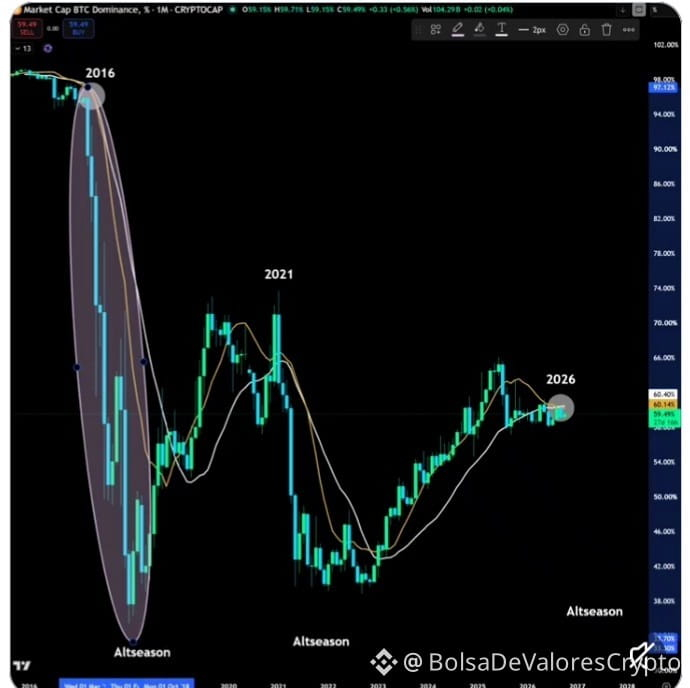
🚨🚨 The dominance of Bitcoin has just formed a DEATH CROSS! ₿📉
And watch out for this… 👀
The last 2 times something like this happened was right before the big ALTSEASONS of:
🔥 2017
🔥 2021
Now it’s happening again.
📉 BTC Dominance → Death Cross
💰 Capital → could start rotating toward altcoins
🚀 Altcoins → ready to take off?
👀 DO YOU ALREADY KNOW WHAT THIS COULD MEAN?
IS THE ALTSEASON COMING? 🚀💥$ETH
{spot}(ETHUSDT)
$BTC
{spot}(BTCUSDT)
🚨🚨 The dominance of Bitcoin has just formed a DEATH CROSS! ₿📉
And watch out for this… 👀
The last 2 times something like this happened was right before the big ALTSEASONS of:
🔥 2017
🔥 2021
Now it’s happening again.
📉 BTC Dominance → Death Cross
💰 Capital → could start rotating toward altcoins
🚀 Altcoins → ready to take off?
👀 DO YOU ALREADY KNOW WHAT THIS COULD MEAN?
IS THE ALTSEASON COMING? 🚀💥$ETH
$BTC
And watch out for this… 👀
The last 2 times something like this happened was right before the big ALTSEASONS of:
🔥 2017
🔥 2021
Now it’s happening again.
📉 BTC Dominance → Death Cross
💰 Capital → could start rotating toward altcoins
🚀 Altcoins → ready to take off?
👀 DO YOU ALREADY KNOW WHAT THIS COULD MEAN?
IS THE ALTSEASON COMING? 🚀💥$ETH
$BTC
8
1
10
15.5k
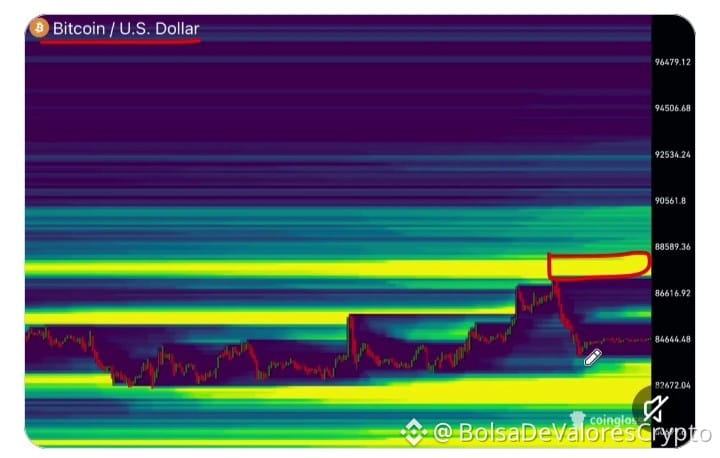
🚨 $BTC: TWO MAJOR LIQUIDITY ZONES ARE WAITING
The liquidity map shows two key levels:
🔼 $88,500 — strong concentration of liquidity above.
🔽 $82,600 — another major concentration of liquidity below.
Bitcoin is trapped between both levels.
One of these two levels could be swept very soon.
The question is:
WHICH COMES FIRST, $88.5K OR $82.6K? 👀
Keep your eyes on the liquidation map. $BTC
{spot}(BTCUSDT)
🚨 $BTC : TWO MAJOR LIQUIDITY ZONES ARE WAITING
The liquidity map shows two key levels:
🔼 $88,500 — strong concentration of liquidity above.
🔽 $82,600 — another major concentration of liquidity below.
Bitcoin is trapped between both levels.
One of these two levels could be swept very soon.
The question is:
WHICH COMES FIRST, $88.5K OR $82.6K? 👀
Keep your eyes on the liquidation map. $BTC
The liquidity map shows two key levels:
🔼 $88,500 — strong concentration of liquidity above.
🔽 $82,600 — another major concentration of liquidity below.
Bitcoin is trapped between both levels.
One of these two levels could be swept very soon.
The question is:
WHICH COMES FIRST, $88.5K OR $82.6K? 👀
Keep your eyes on the liquidation map. $BTC
1
119
But if we were at 57 and they didn’t take advantage 😂😂😂
Now they have to beg for a 15% correction to validate an entry 🤡
These people are Nocoiners who scare people out of Bitcoin.
$BTC
{spot}(BTCUSDT)
But if we were at 57 and they didn’t take advantage 😂😂😂
Now they have to beg for a 15% correction to validate an entry 🤡
These people are Nocoiners who scare people out of Bitcoin.
$BTC
Now they have to beg for a 15% correction to validate an entry 🤡
These people are Nocoiners who scare people out of Bitcoin.
$BTC

1
1.6k
Bitcoin surpassed yesterday the US$87,000 after a weak jobs report in the US, then fell again when Treasury bond yields rebounded. BTC’s behavior reflects how tightly it is tied to traditional macro markets—especially bond yields and expectations for interest rates from the US Federal Reserve.
US$87,300 for now is the ceiling of the recent range: either a definitive easing in sovereign debt markets or a steady stream of capital into spot BTC ETFs that manages to absorb sell pressure. If there’s a breakout with volume, the path will be clear to once again test the psychological barrier of US$90,000. Conversely, if it loses support at US$83,500, it would invalidate the short-term bullish momentum, triggering an accelerated drop toward the US$80,000 area. $BTC
{spot}(BTCUSDT)
Bitcoin surpassed yesterday the US$87,000 after a weak jobs report in the US, then fell again when Treasury bond yields rebounded. BTC’s behavior reflects how tightly it is tied to traditional macro markets—especially bond yields and expectations for interest rates from the US Federal Reserve.
US$87,300 for now is the ceiling of the recent range: either a definitive easing in sovereign debt markets or a steady stream of capital into spot BTC ETFs that manages to absorb sell pressure. If there’s a breakout with volume, the path will be clear to once again test the psychological barrier of US$90,000. Conversely, if it loses support at US$83,500, it would invalidate the short-term bullish momentum, triggering an accelerated drop toward the US$80,000 area. $BTC
US$87,300 for now is the ceiling of the recent range: either a definitive easing in sovereign debt markets or a steady stream of capital into spot BTC ETFs that manages to absorb sell pressure. If there’s a breakout with volume, the path will be clear to once again test the psychological barrier of US$90,000. Conversely, if it loses support at US$83,500, it would invalidate the short-term bullish momentum, triggering an accelerated drop toward the US$80,000 area. $BTC
1
44
📊 BCV: September 2026 Inflation at 8.4%
The Central Bank of Venezuela (BCV) reported an official inflation rate of 8.4% for September 2026.
What does this mean for your finances?
Loss of purchasing power: The bolívar devaluation continues to require optimizing hedging strategies.
Crypto as a safe haven: Tools like stablecoins (USDT) and digital assets continue to be key for protecting capital against local fluctuations.
Diversification and risk management are the best defense. 🛡️💡 $BTC
{spot}(BTCUSDT)
📊 BCV: September 2026 Inflation at 8.4%
The Central Bank of Venezuela (BCV) reported an official inflation rate of 8.4% for September 2026.
What does this mean for your finances?
Loss of purchasing power: The bolívar devaluation continues to require optimizing hedging strategies.
Crypto as a safe haven: Tools like stablecoins (USDT) and digital assets continue to be key for protecting capital against local fluctuations.
Diversification and risk management are the best defense. 🛡️💡 $BTC
The Central Bank of Venezuela (BCV) reported an official inflation rate of 8.4% for September 2026.
What does this mean for your finances?
Loss of purchasing power: The bolívar devaluation continues to require optimizing hedging strategies.
Crypto as a safe haven: Tools like stablecoins (USDT) and digital assets continue to be key for protecting capital against local fluctuations.
Diversification and risk management are the best defense. 🛡️💡 $BTC

1
320
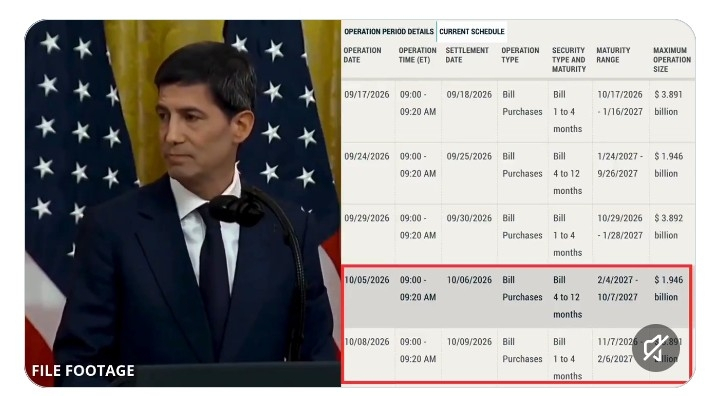
🚨 REMINDER: THE FED IS ABOUT TO MOVE A FILE 🇺🇸
The Federal Reserve is expected to buy up to $5,837 MILLION in U.S. Treasury bills next week.
💵 More liquidity flowing into the system.
📉 Less pressure on financial conditions.
₿ And the crypto market is watching every Fed move.
Liquidity is one of the great engines of the markets.
If liquidity increases, BTC has fuel.
ALL EYES ON THE FED. 👀
$BTC
{spot}(BTCUSDT)
$ETH
{spot}(ETHUSDT)
🚨 REMINDER: THE FED IS ABOUT TO MOVE A FILE 🇺🇸
The Federal Reserve is expected to buy up to $5,837 MILLION in U.S. Treasury bills next week.
💵 More liquidity flowing into the system.
📉 Less pressure on financial conditions.
₿ And the crypto market is watching every Fed move.
Liquidity is one of the great engines of the markets.
If liquidity increases, BTC has fuel.
ALL EYES ON THE FED. 👀
$BTC
$ETH
The Federal Reserve is expected to buy up to $5,837 MILLION in U.S. Treasury bills next week.
💵 More liquidity flowing into the system.
📉 Less pressure on financial conditions.
₿ And the crypto market is watching every Fed move.
Liquidity is one of the great engines of the markets.
If liquidity increases, BTC has fuel.
ALL EYES ON THE FED. 👀
$BTC
$ETH
2
2
608
Verified
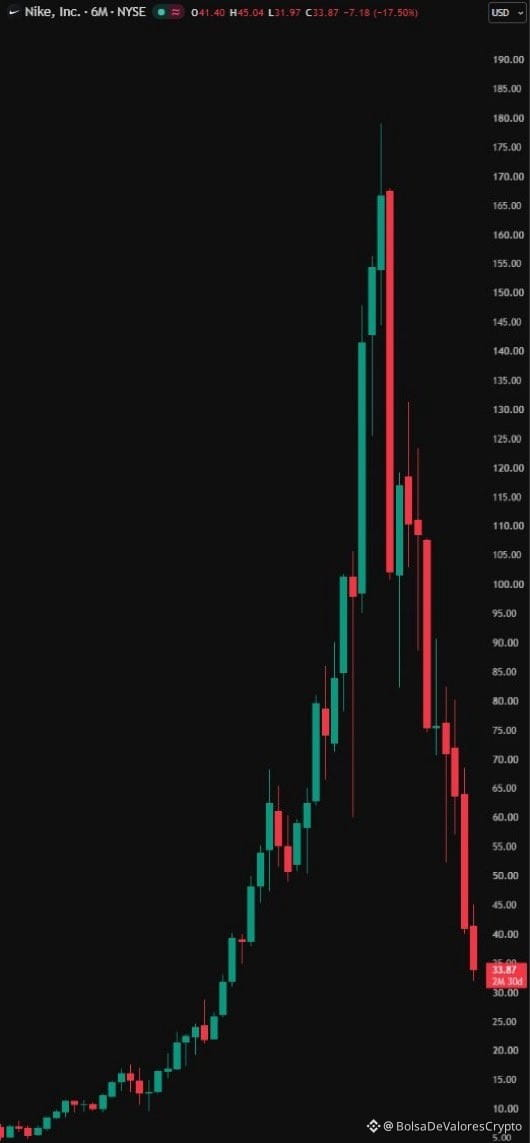
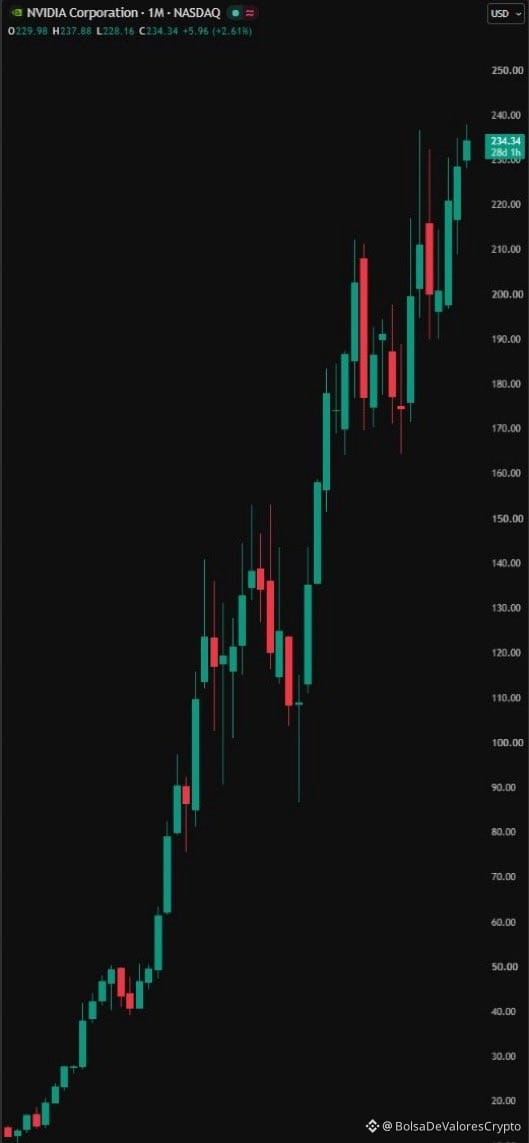
🚨 THE DIFFERENCE BETWEEN TWO NARRATIVES
$NVDA: from ~10$ to 234$.
$NKE: from ~180$ to 34$.
While NVIDIA is becoming one of the big winners of the AI revolution, ChatGPT, chips, and data centers, Nike has been losing ground for years.
The market is making something very clear:
CAPITAL STILL FOLLOWS THE NARRATIVE.
And this decade’s narrative has a name:
🤖 ARTIFICIAL INTELLIGENCE
Who will be the next NVIDIA? $NVDAB $NKE
{future}(NKEUSDT)
🚨 THE DIFFERENCE BETWEEN TWO NARRATIVES
$NVDA: from ~10$ to 234$.
$NKE : from ~180$ to 34$.
While NVIDIA is becoming one of the big winners of the AI revolution, ChatGPT, chips, and data centers, Nike has been losing ground for years.
The market is making something very clear:
CAPITAL STILL FOLLOWS THE NARRATIVE.
And this decade’s narrative has a name:
🤖 ARTIFICIAL INTELLIGENCE
Who will be the next NVIDIA? $NVDAB $NKE
$NVDA: from ~10$ to 234$.
$NKE : from ~180$ to 34$.
While NVIDIA is becoming one of the big winners of the AI revolution, ChatGPT, chips, and data centers, Nike has been losing ground for years.
The market is making something very clear:
CAPITAL STILL FOLLOWS THE NARRATIVE.
And this decade’s narrative has a name:
🤖 ARTIFICIAL INTELLIGENCE
Who will be the next NVIDIA? $NVDAB $NKE
2
806
Partly True
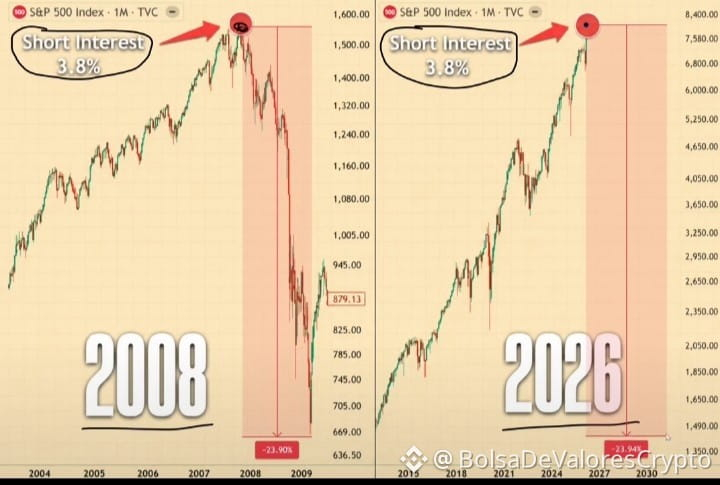
🚨🚨 Something VERY STRANGE is happening on Wall Street! 🇺🇸📉
The S&P 500 remains near all-time highs. 📈
But at the same time…
🔴 The S&P 500 short interest has just risen to 3.8%
⚠️ Similar levels to those seen around the 2008 crash
📉 SPY short interest → +21.5% in ONLY one month
🤯 WHY is bearish leverage increasing so fast while the stock market is at its HIGHS?
And here comes the interesting part… 👀
🔥 All those shorts could become the fuel for the LAST bullish squeeze.
🐻 Shorts close positions
📈 Stocks jump
🤑 Retail jumps in with FOMO
🚨 And then… the forced buying disappears.
💥 Could this dynamic be setting up the market’s FINAL top?
👀 Because after every top… a new opportunity appears. $NVDAB
{spot}(NVDABUSDT)
🚨🚨 Something VERY STRANGE is happening on Wall Street! 🇺🇸📉
The S&P 500 remains near all-time highs. 📈
But at the same time…
🔴 The S&P 500 short interest has just risen to 3.8%
⚠️ Similar levels to those seen around the 2008 crash
📉 SPY short interest → +21.5% in ONLY one month
🤯 WHY is bearish leverage increasing so fast while the stock market is at its HIGHS?
And here comes the interesting part… 👀
🔥 All those shorts could become the fuel for the LAST bullish squeeze.
🐻 Shorts close positions
📈 Stocks jump
🤑 Retail jumps in with FOMO
🚨 And then… the forced buying disappears.
💥 Could this dynamic be setting up the market’s FINAL top?
👀 Because after every top… a new opportunity appears. $NVDAB
The S&P 500 remains near all-time highs. 📈
But at the same time…
🔴 The S&P 500 short interest has just risen to 3.8%
⚠️ Similar levels to those seen around the 2008 crash
📉 SPY short interest → +21.5% in ONLY one month
🤯 WHY is bearish leverage increasing so fast while the stock market is at its HIGHS?
And here comes the interesting part… 👀
🔥 All those shorts could become the fuel for the LAST bullish squeeze.
🐻 Shorts close positions
📈 Stocks jump
🤑 Retail jumps in with FOMO
🚨 And then… the forced buying disappears.
💥 Could this dynamic be setting up the market’s FINAL top?
👀 Because after every top… a new opportunity appears. $NVDAB
1
2
788
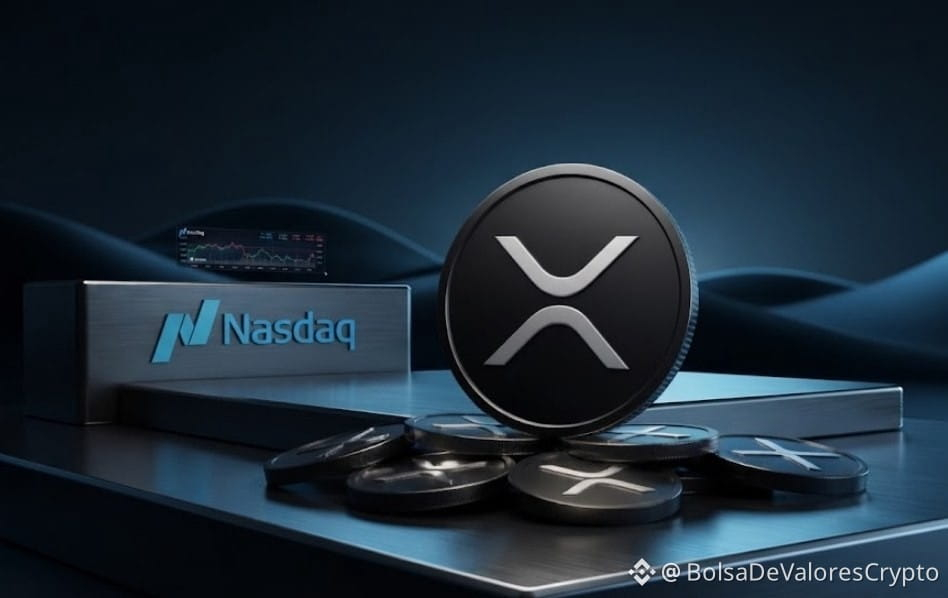
The treasury firm of the XRP Evernorth token obtained shareholder approval for its merger with Armada II, paving the way to debut on Nasdaq as XRPN on October 8. This event marks an important milestone for the institutional and regulated adoption of XRP in traditional financial markets. The associated transaction and private placements have raised more than one billion dollars, backed by major players in the industry.
Like treasury vehicles focused on other cryptocurrencies, such as the popular model pioneered by Strategy with Bitcoin, Evernorth offers traditional investors a regulated and direct route to gain exposure to the price of the XRP token without needing to trade on crypto exchanges. Its initial reserve has a significant base of approximately 473 million XRP. $XRP
{spot}(XRPUSDT)
The treasury firm of the XRP Evernorth token obtained shareholder approval for its merger with Armada II, paving the way to debut on Nasdaq as XRPN on October 8. This event marks an important milestone for the institutional and regulated adoption of XRP in traditional financial markets. The associated transaction and private placements have raised more than one billion dollars, backed by major players in the industry.
Like treasury vehicles focused on other cryptocurrencies, such as the popular model pioneered by Strategy with Bitcoin, Evernorth offers traditional investors a regulated and direct route to gain exposure to the price of the XRP token without needing to trade on crypto exchanges. Its initial reserve has a significant base of approximately 473 million XRP. $XRP
Like treasury vehicles focused on other cryptocurrencies, such as the popular model pioneered by Strategy with Bitcoin, Evernorth offers traditional investors a regulated and direct route to gain exposure to the price of the XRP token without needing to trade on crypto exchanges. Its initial reserve has a significant base of approximately 473 million XRP. $XRP
1
106
🔥BREAKING🔥
THE LABOR REPORT KEEPS US STRONGLY AWAY FROM A RATE HIKE IN OCTOBER ($BTC IS RISING).
What does this mean and how does it impact your investments?
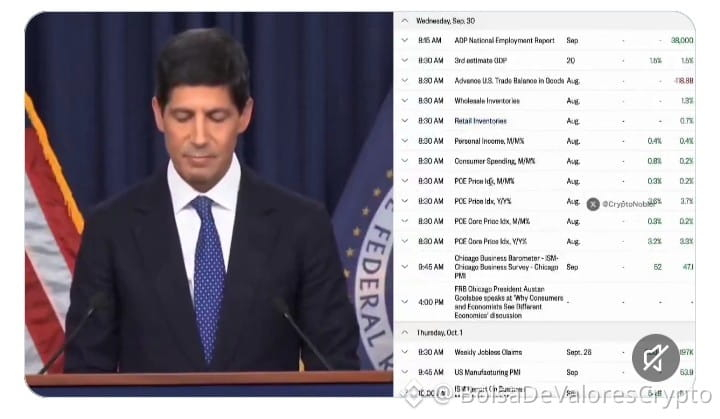
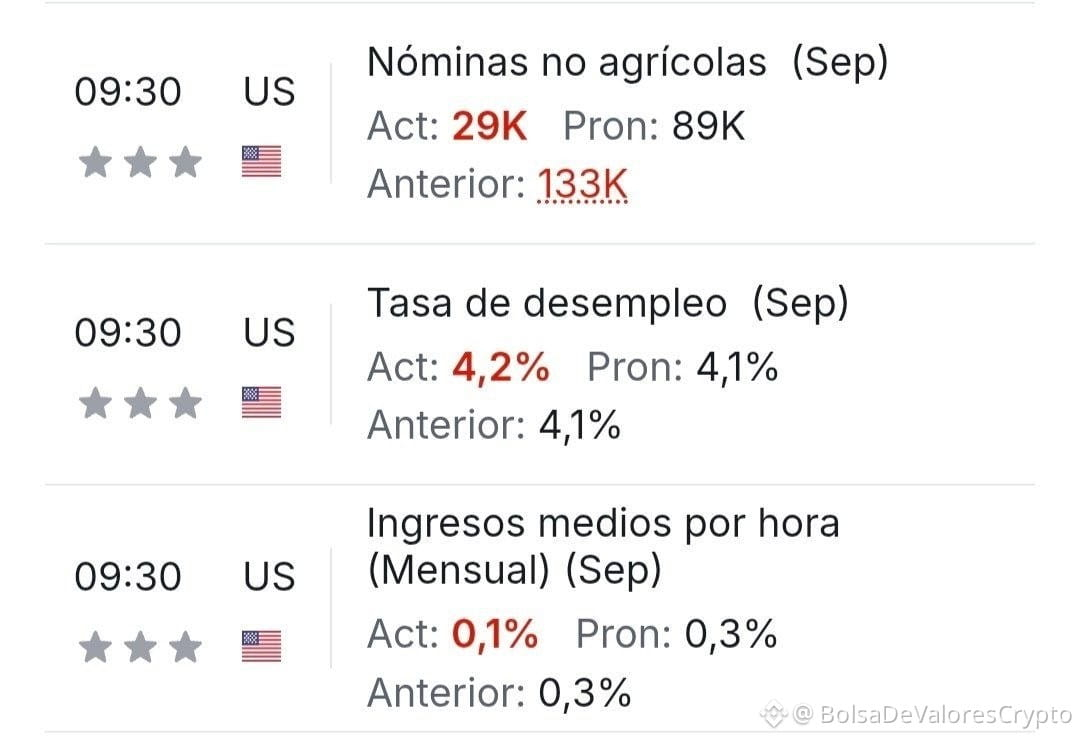
▫️The US economy went from adding 133K jobs outside the agricultural sector in August to adding 29K in September, a figure WELL BELOW expectations (expected +89K)
▫️On the other hand, the UNEMPLOYMENT RATE INCREASED from 4.1% to 4.2% (above the expected 4.1%)
▫️Lastly, the GROWTH in AVERAGE HOURLY INCOME FELL from 0.3% to 0.1% (it was expected to remain at 0.3%)
👀With a WEAK labor market, the chances that the FED will RAISE the rate in October are getting slimmer
👀Especially considering that PCE INFLATION came in LOWER than expected...
📍After the report, #Bitcoin briefly surpassed $87,000
🔥BREAKING🔥
THE LABOR REPORT KEEPS US STRONGLY AWAY FROM A RATE HIKE IN OCTOBER ($BTC IS RISING).
What does this mean and how does it impact your investments?
▫️The US economy went from adding 133K jobs outside the agricultural sector in August to adding 29K in September, a figure WELL BELOW expectations (expected +89K)
▫️On the other hand, the UNEMPLOYMENT RATE INCREASED from 4.1% to 4.2% (above the expected 4.1%)
▫️Lastly, the GROWTH in AVERAGE HOURLY INCOME FELL from 0.3% to 0.1% (it was expected to remain at 0.3%)
👀With a WEAK labor market, the chances that the FED will RAISE the rate in October are getting slimmer
👀Especially considering that PCE INFLATION came in LOWER than expected...
📍After the report, #Bitcoin briefly surpassed $87,000
THE LABOR REPORT KEEPS US STRONGLY AWAY FROM A RATE HIKE IN OCTOBER ($BTC IS RISING).
What does this mean and how does it impact your investments?
▫️The US economy went from adding 133K jobs outside the agricultural sector in August to adding 29K in September, a figure WELL BELOW expectations (expected +89K)
▫️On the other hand, the UNEMPLOYMENT RATE INCREASED from 4.1% to 4.2% (above the expected 4.1%)
▫️Lastly, the GROWTH in AVERAGE HOURLY INCOME FELL from 0.3% to 0.1% (it was expected to remain at 0.3%)
👀With a WEAK labor market, the chances that the FED will RAISE the rate in October are getting slimmer
👀Especially considering that PCE INFLATION came in LOWER than expected...
📍After the report, #Bitcoin briefly surpassed $87,000
1
73
🚨 BITCOIN IS SHOWING A VERY INTERESTING PATTERN
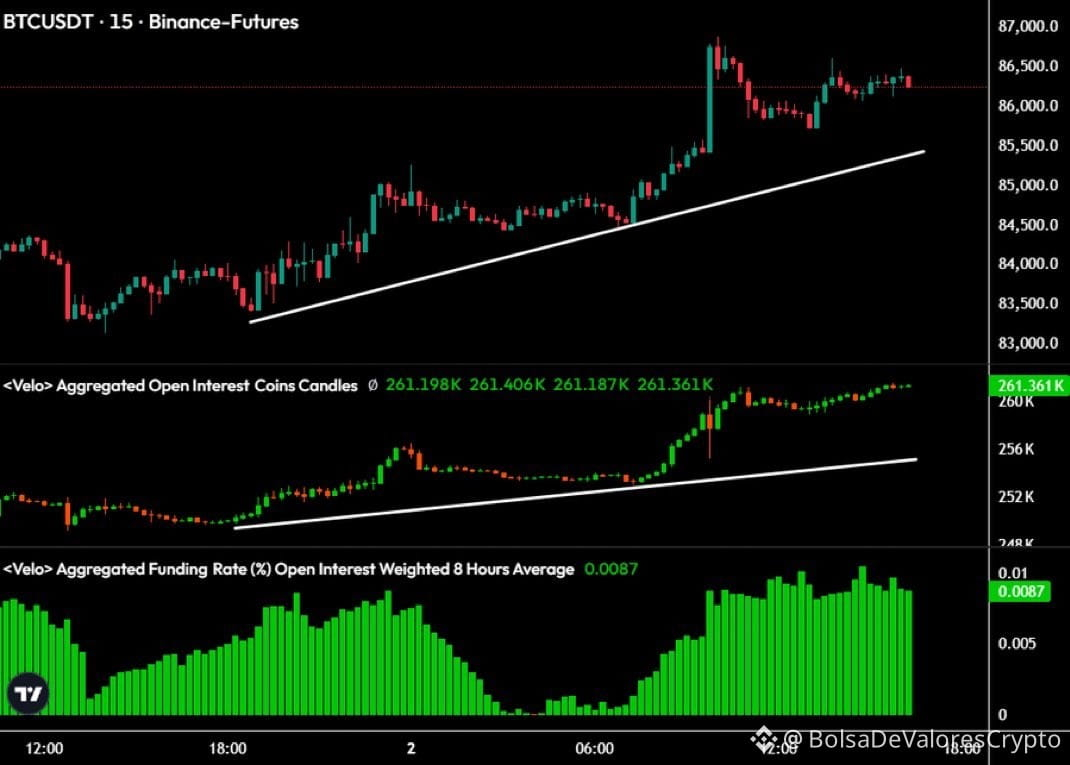
BTC has just made a strong upward move and, far from losing structure, it continues to hold above the ascending trendline.
But there’s something even more important:
📈 Open Interest is rising strongly, moving from the 252K zone to surpass 261K.
💰 At the same time, the Open Interest-weighted Funding Rate remains positive, currently around 0.0087%.
This indicates that the futures market is gaining activity and that there is significant position accumulation while BTC stays near $86,000–$86,500.
The key now is here:
🔹 BTC maintains the uptrend
🔹 Open Interest continues to grow
🔹 Positive funding
🔹 Price is consolidating after the strong push
⚠️ That said: a rapid increase in Open Interest alongside positive funding also means there is more and more leverage building up in the market.
That’s why the next moves could be especially violent.
As long as BTC respects the structure and the uptrend, the bulls remain in control.
Now it’s time to watch whether BTC manages to break through and consolidate above the recent highs, or whether it first does a cleanup of leveraged positions.
THE MARKET IS PRICING IN VOLATILITY. 🦈
🚨 BITCOIN IS SHOWING A VERY INTERESTING PATTERN
BTC has just made a strong upward move and, far from losing structure, it continues to hold above the ascending trendline.
But there’s something even more important:
📈 Open Interest is rising strongly, moving from the 252K zone to surpass 261K.
💰 At the same time, the Open Interest-weighted Funding Rate remains positive, currently around 0.0087%.
This indicates that the futures market is gaining activity and that there is significant position accumulation while BTC stays near $86,000–$86,500.
The key now is here:
🔹 BTC maintains the uptrend
🔹 Open Interest continues to grow
🔹 Positive funding
🔹 Price is consolidating after the strong push
⚠️ That said: a rapid increase in Open Interest alongside positive funding also means there is more and more leverage building up in the market.
That’s why the next moves could be especially violent.
As long as BTC respects the structure and the uptrend, the bulls remain in control.
Now it’s time to watch whether BTC manages to break through and consolidate above the recent highs, or whether it first does a cleanup of leveraged positions.
THE MARKET IS PRICING IN VOLATILITY. 🦈
BTC has just made a strong upward move and, far from losing structure, it continues to hold above the ascending trendline.
But there’s something even more important:
📈 Open Interest is rising strongly, moving from the 252K zone to surpass 261K.
💰 At the same time, the Open Interest-weighted Funding Rate remains positive, currently around 0.0087%.
This indicates that the futures market is gaining activity and that there is significant position accumulation while BTC stays near $86,000–$86,500.
The key now is here:
🔹 BTC maintains the uptrend
🔹 Open Interest continues to grow
🔹 Positive funding
🔹 Price is consolidating after the strong push
⚠️ That said: a rapid increase in Open Interest alongside positive funding also means there is more and more leverage building up in the market.
That’s why the next moves could be especially violent.
As long as BTC respects the structure and the uptrend, the bulls remain in control.
Now it’s time to watch whether BTC manages to break through and consolidate above the recent highs, or whether it first does a cleanup of leveraged positions.
THE MARKET IS PRICING IN VOLATILITY. 🦈
1
376
🚨 BREAKING: BITCOIN BREAKS THROUGH $86,000 🚨
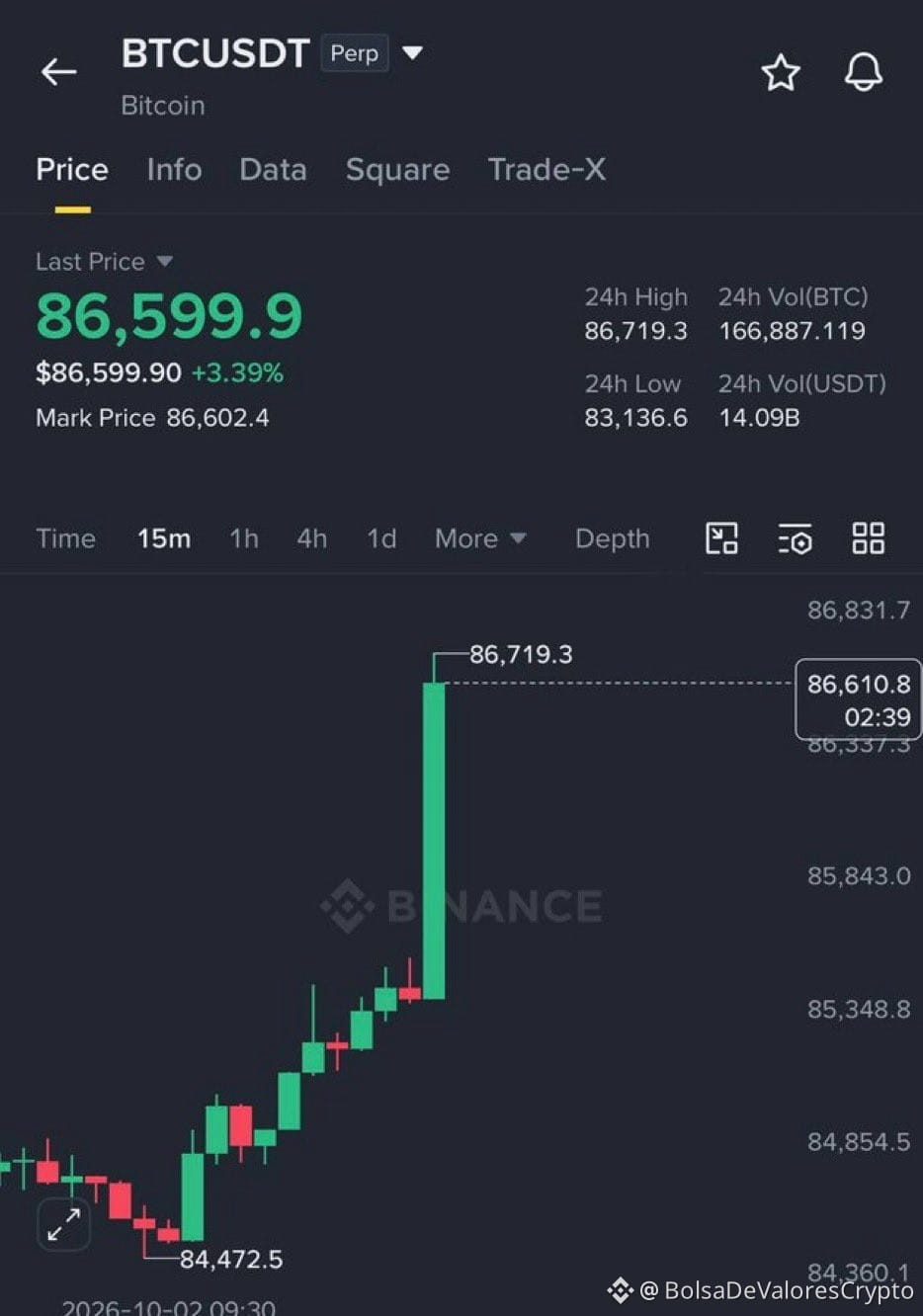
🇺🇸 $BTC has just surpassed $86,000, accelerating the bullish move.
💥 In just 15 MINUTES, around $110 MILLION have been liquidated in short positions.
Bears are being pushed out of the market as Bitcoin regains key levels.
👀 STAY TUNED: volatility is increasing rapidly.
BITCOIN IS BACK AWAKE. 🐂📈
🚨 BREAKING: BITCOIN BREAKS THROUGH $86,000 🚨
🇺🇸 $BTC has just surpassed $86,000, accelerating the bullish move.
💥 In just 15 MINUTES, around $110 MILLION have been liquidated in short positions.
Bears are being pushed out of the market as Bitcoin regains key levels.
👀 STAY TUNED: volatility is increasing rapidly.
BITCOIN IS BACK AWAKE. 🐂📈
🇺🇸 $BTC has just surpassed $86,000, accelerating the bullish move.
💥 In just 15 MINUTES, around $110 MILLION have been liquidated in short positions.
Bears are being pushed out of the market as Bitcoin regains key levels.
👀 STAY TUNED: volatility is increasing rapidly.
BITCOIN IS BACK AWAKE. 🐂📈
1
195
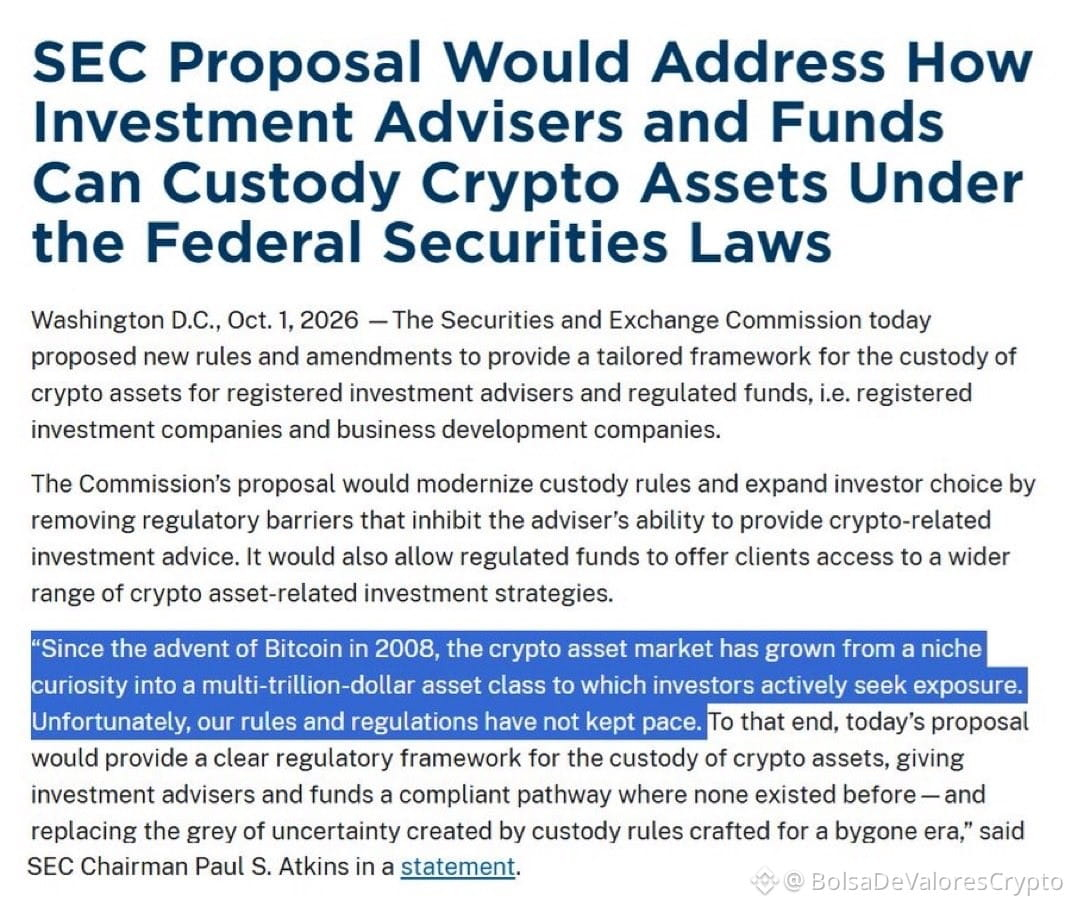
🔥BOMBAZO🔥
The head of the SEC, Paul Atkins, says that Bitcoin is now a "multibillion-dollar asset class that investors are actively seeking exposure to."
IT’S INEVITABLE 😎🤝 $BTC
{spot}(BTCUSDT)
🔥BOMBAZO🔥
The head of the SEC, Paul Atkins, says that Bitcoin is now a "multibillion-dollar asset class that investors are actively seeking exposure to."
IT’S INEVITABLE 😎🤝 $BTC
The head of the SEC, Paul Atkins, says that Bitcoin is now a "multibillion-dollar asset class that investors are actively seeking exposure to."
IT’S INEVITABLE 😎🤝 $BTC
3
1.1k
🔥IMPORTANT🔥
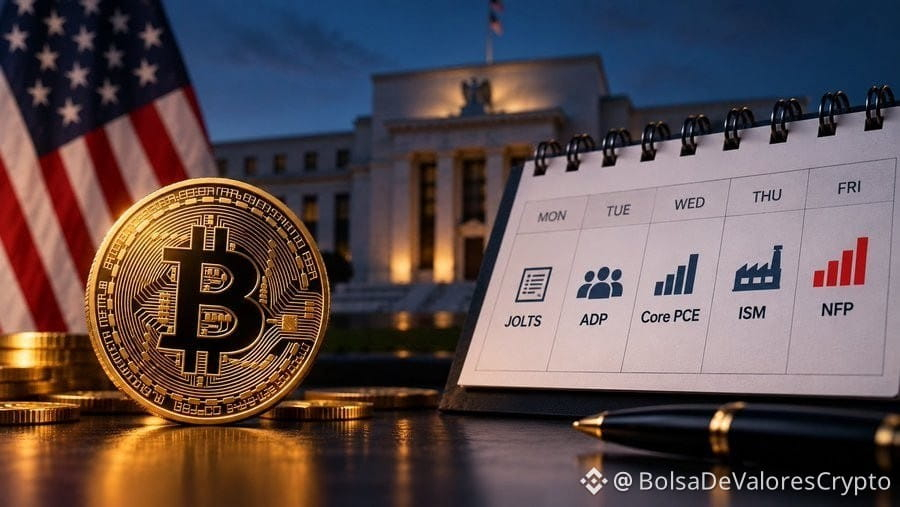
TOMORROW WE HAVE A DATA RELEASE THAT WILL MOVE ALL FINANCIAL MARKETS (INCLUDING $BTC Y #CRYPTO)
👉In the current situation, in which bond yields keep rising
👉And in which PCE inflation came in lower than expected and reduced the odds of a rate hike
👉What will likely define what happens with interest rates in October is tomorrow’s JOBS REPORT at 09:30 ARG
How would this impact financial markets and why?
▪️A WEAK jobs report would be positive for financial markets, since it TAKES US AWAY from a rate hike by the FED
▪️It is expected that new jobs outside the agricultural sector will fall from 162K to 89K
▪️That the unemployment rate remains at 4.1%
▪️And that average hourly earnings remain at 0.3%
📍If the jobs report comes STRONGER than expected, financial markets could react to the downside. Including $BTC
{spot}(BTCUSDT)
🔥IMPORTANT🔥
TOMORROW WE HAVE A DATA RELEASE THAT WILL MOVE ALL FINANCIAL MARKETS (INCLUDING $BTC Y #CRYPTO)
👉In the current situation, in which bond yields keep rising
👉And in which PCE inflation came in lower than expected and reduced the odds of a rate hike
👉What will likely define what happens with interest rates in October is tomorrow’s JOBS REPORT at 09:30 ARG
How would this impact financial markets and why?
▪️A WEAK jobs report would be positive for financial markets, since it TAKES US AWAY from a rate hike by the FED
▪️It is expected that new jobs outside the agricultural sector will fall from 162K to 89K
▪️That the unemployment rate remains at 4.1%
▪️And that average hourly earnings remain at 0.3%
📍If the jobs report comes STRONGER than expected, financial markets could react to the downside. Including $BTC
TOMORROW WE HAVE A DATA RELEASE THAT WILL MOVE ALL FINANCIAL MARKETS (INCLUDING $BTC Y #CRYPTO)
👉In the current situation, in which bond yields keep rising
👉And in which PCE inflation came in lower than expected and reduced the odds of a rate hike
👉What will likely define what happens with interest rates in October is tomorrow’s JOBS REPORT at 09:30 ARG
How would this impact financial markets and why?
▪️A WEAK jobs report would be positive for financial markets, since it TAKES US AWAY from a rate hike by the FED
▪️It is expected that new jobs outside the agricultural sector will fall from 162K to 89K
▪️That the unemployment rate remains at 4.1%
▪️And that average hourly earnings remain at 0.3%
📍If the jobs report comes STRONGER than expected, financial markets could react to the downside. Including $BTC
2
69
The market intelligence and on-chain research platform for cryptoassets and digital assets, Glassnode, indicated that the Bitcoin rebound is still early and speculative, with average daily volume of around US$6.4 billion, near the bottom of its range since the launch of US spot ETFs.
This type of context usually aligns with major resistance zones, such as the sell walls in order books on exchanges, where price struggles to move higher without an additional volume catalyst. With no surge of fresh capital and more moderate ETF flows, the current move is classified as early and speculative, driven more by internal market dynamics than by broad adoption of new liquidity. $BTC
{spot}(BTCUSDT)
The market intelligence and on-chain research platform for cryptoassets and digital assets, Glassnode, indicated that the Bitcoin rebound is still early and speculative, with average daily volume of around US$6.4 billion, near the bottom of its range since the launch of US spot ETFs.
This type of context usually aligns with major resistance zones, such as the sell walls in order books on exchanges, where price struggles to move higher without an additional volume catalyst. With no surge of fresh capital and more moderate ETF flows, the current move is classified as early and speculative, driven more by internal market dynamics than by broad adoption of new liquidity. $BTC
This type of context usually aligns with major resistance zones, such as the sell walls in order books on exchanges, where price struggles to move higher without an additional volume catalyst. With no surge of fresh capital and more moderate ETF flows, the current move is classified as early and speculative, driven more by internal market dynamics than by broad adoption of new liquidity. $BTC

2
407
Trying to guess the next Bitcoin correction is like saying: Oh look tomorrow I’m sure the Sun will come out.
On the way to 200k or a million, we’ll have many corrections of 15%, 20% or more.
This game is for those who have patience and conviction.
Praying for corrections to buy a +50% higher is inefficient.
Bitcoin is cheap. 🚀
$BTC
{spot}(BTCUSDT)
Trying to guess the next Bitcoin correction is like saying: Oh look tomorrow I’m sure the Sun will come out.
On the way to 200k or a million, we’ll have many corrections of 15%, 20% or more.
This game is for those who have patience and conviction.
Praying for corrections to buy a +50% higher is inefficient.
Bitcoin is cheap. 🚀
$BTC
On the way to 200k or a million, we’ll have many corrections of 15%, 20% or more.
This game is for those who have patience and conviction.
Praying for corrections to buy a +50% higher is inefficient.
Bitcoin is cheap. 🚀
$BTC
1
228
🚨 IMPORTANT
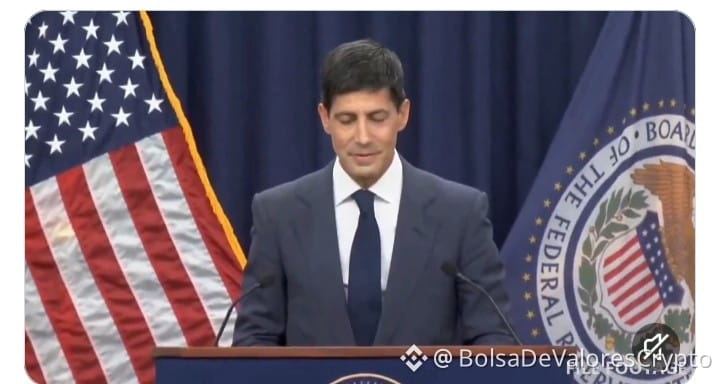
🇺🇸 THE U.S. ISM PMI HAS JUST BEEN OFFICIALLY RELEASED:
FORECAST: 55.0
ACTUAL: 54.5
📉 THE FIGURE COMES IN BELOW EXPECTATIONS AND REACHES ITS LOWEST LEVEL IN THE PAST 3 MONTHS.
THIS POINTS TO A SLOWDOWN IN BUSINESS ACTIVITY AND ADDS PRESSURE ON THE MARKETS.
👀 ALL EYES ON THE REACTION OF $BTC, $ETH AND THE REST OF THE MARKET.$BTC
{spot}(BTCUSDT)
🚨 IMPORTANT
🇺🇸 THE U.S. ISM PMI HAS JUST BEEN OFFICIALLY RELEASED:
FORECAST: 55.0
ACTUAL: 54.5
📉 THE FIGURE COMES IN BELOW EXPECTATIONS AND REACHES ITS LOWEST LEVEL IN THE PAST 3 MONTHS.
THIS POINTS TO A SLOWDOWN IN BUSINESS ACTIVITY AND ADDS PRESSURE ON THE MARKETS.
👀 ALL EYES ON THE REACTION OF $BTC , $ETH AND THE REST OF THE MARKET.$BTC
🇺🇸 THE U.S. ISM PMI HAS JUST BEEN OFFICIALLY RELEASED:
FORECAST: 55.0
ACTUAL: 54.5
📉 THE FIGURE COMES IN BELOW EXPECTATIONS AND REACHES ITS LOWEST LEVEL IN THE PAST 3 MONTHS.
THIS POINTS TO A SLOWDOWN IN BUSINESS ACTIVITY AND ADDS PRESSURE ON THE MARKETS.
👀 ALL EYES ON THE REACTION OF $BTC , $ETH AND THE REST OF THE MARKET.$BTC
1
47
Log in to explore more content
Join global crypto users on Binance Square
⚡️ Get latest and useful information about crypto.
💬 Trusted by the world’s largest crypto exchange.
👍 Discover real insights from verified creators.
Email / Phone number
Trending Topics
ADAGains10%Above$0.27
7,689 views
140 Discussing
$ADA is making a strong move today jumping over 10 percent to around 027 and breaking into a new 90 day high
Trading volume has also surged above 1 billion showing strong market activity
The move comes as $ADA continues its recovery from the June lows while its recent technical structure has turned more bullish
The 027 to 028 zone is now the key area to watch A sustained breakout could open the door toward higher resistance levels
But after such a sharp daily move volatility could remain high
#ADAGains10%Above$0.27 #crypto #ADA #Cardano #crypto #Write2Earn
AbdullahAbid_7
·0 Likes
·274 views
ETHUp70%InQ3ButLiquidityFalls
90,697 views
843 Discussing
EthStakingExitQueueHits2026High
34,519 views
636 Discussing