

Crypto_juju
279 Posts

Crypto_juju
Report
Block User
Uniquely me, but crypto has my heart, ohh am in love with defi and am here to let everyone know about it
0 Following
10 Followers
55 Liked
Posts
·
--
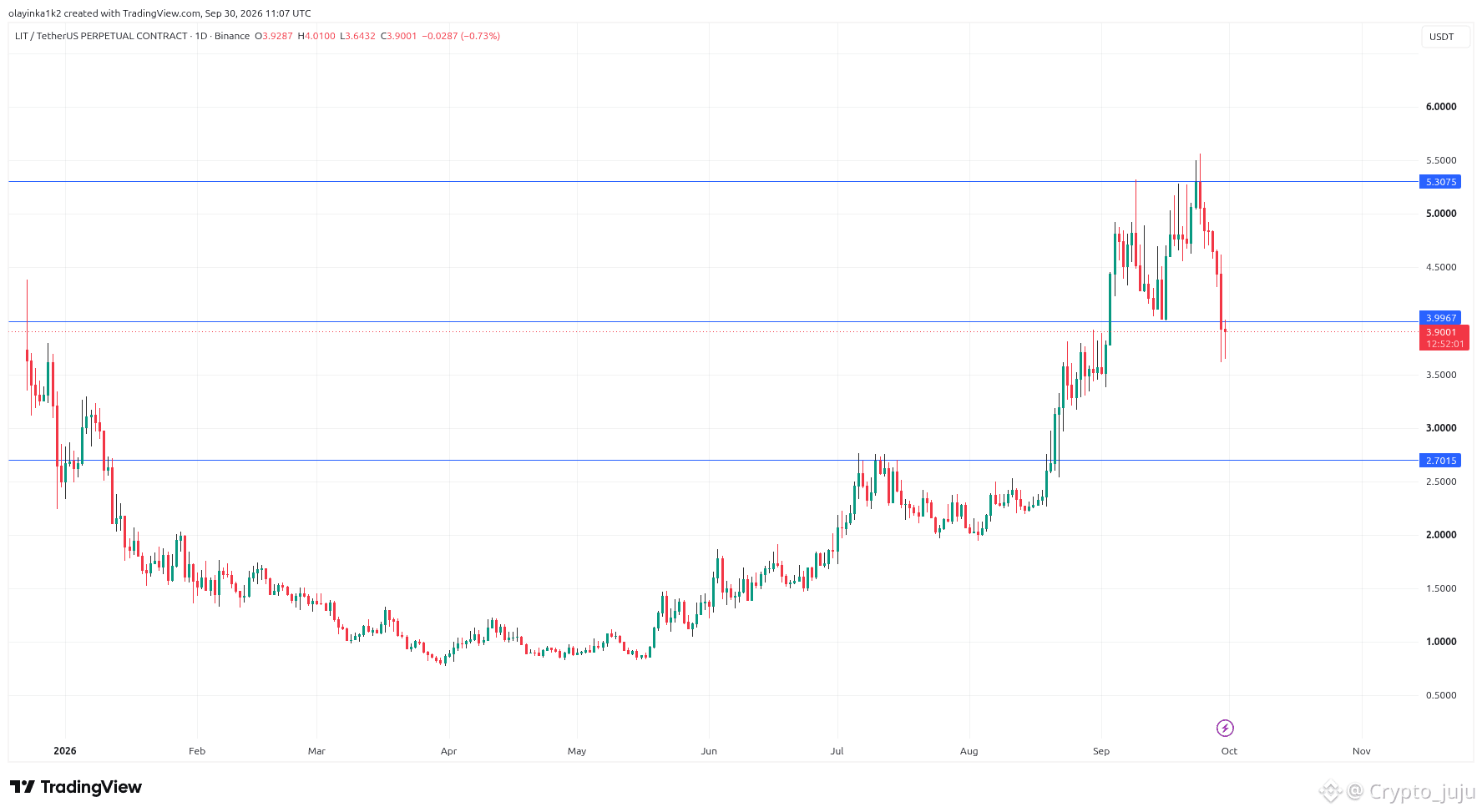
$LIT has been catching my attention lately. I’ve been watching the DEX for a while now, and the growing volume and attention around it are starting to make the chart more interesting. There’s even talk of LIT potentially taking a page from $HYPE , but I’m more interested in seeing whether the volume and activity can actually keep building. It honestly reminds me a bit of Ston and @ston_fi . stonfi has also had a pretty active year so far, especially with cross-chain becoming a bigger part of the platform. What I find interesting is how DEXs are slowly becoming more than just places to swap tokens. When liquidity, volume and cross-chain access start coming together, the whole ecosystem becomes a lot more interesting to watch. LIT is on my radar for now. And I’ll definitely keep watching what STON and build next.
$LIT has been catching my attention lately. I’ve been watching the DEX for a while now, and the growing volume and attention around it are starting to make the chart more interesting. There’s even talk of LIT potentially taking a page from $HYPE , but I’m more interested in seeing whether the volume and activity can actually keep building. It honestly reminds me a bit of Ston and @ston_fi . stonfi has also had a pretty active year so far, especially with cross-chain becoming a bigger part of the platform. What I find interesting is how DEXs are slowly becoming more than just places to swap tokens. When liquidity, volume and cross-chain access start coming together, the whole ecosystem becomes a lot more interesting to watch. LIT is on my radar for now. And I’ll definitely keep watching what STON and build next.
39
·
--
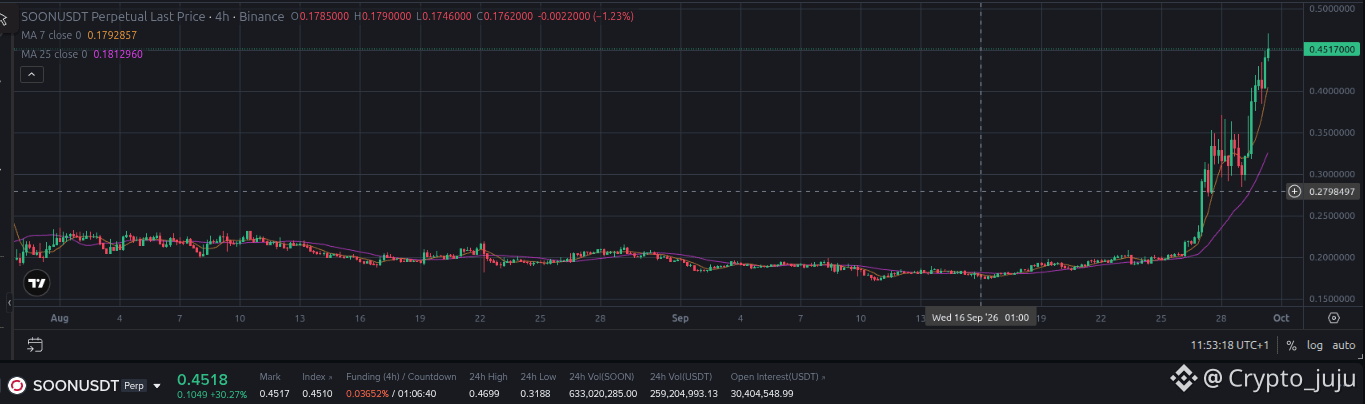
$ASTER is back on top of my watchlist and starting to show some movement. Could we see it head back toward $0.20? I’m watching the chart closely. The recent CZ tweet might have something to do with the renewed attention, but I’d still like to see how the price behaves from here before getting too excited. $SOON is also up today, so that’s another chart I’ve got my eyes on. Meanwhile, there’s a small but useful update from @ston_fi s Flight Deals campaign. The SafePal X1 reward just got easier to unlock. The previous $200 cross-chain swap volume requirement has been removed. Now, you only need to: * Complete the SafePal crew mission * Make at least one eligible cross-chain swap * Hold 2,000 miles The SafePal X1 is shipped after the campaign ends, and the Flight Deals refresh every Tuesday. Honestly, I like this kind of update. Less friction, fewer requirements, and it gives people a simpler way to actually explore cross-chain swaps while earning miles. Now back to the charts.
$ASTER is back on top of my watchlist and starting to show some movement. Could we see it head back toward $0.20? I’m watching the chart closely. The recent CZ tweet might have something to do with the renewed attention, but I’d still like to see how the price behaves from here before getting too excited. $SOON is also up today, so that’s another chart I’ve got my eyes on. Meanwhile, there’s a small but useful update from @ston_fi s Flight Deals campaign. The SafePal X1 reward just got easier to unlock. The previous $200 cross-chain swap volume requirement has been removed. Now, you only need to: * Complete the SafePal crew mission * Make at least one eligible cross-chain swap * Hold 2,000 miles The SafePal X1 is shipped after the campaign ends, and the Flight Deals refresh every Tuesday. Honestly, I like this kind of update. Less friction, fewer requirements, and it gives people a simpler way to actually explore cross-chain swaps while earning miles. Now back to the charts.
67
·
--
I’ve been looking into $AVAX lately, and the story is pretty interesting. Avalanche started with a simple idea: make blockchain transactions faster and more scalable without giving up too much on decentralization. Over time, it has grown into an ecosystem where developers can build their own networks and applications using Avalanche’s infrastructure. The part I’m watching now is how much real activity and adoption the ecosystem can keep building. For me, $AVAX is one of those projects worth keeping on the radar.
I’ve been looking into $AVAX lately, and the story is pretty interesting. Avalanche started with a simple idea: make blockchain transactions faster and more scalable without giving up too much on decentralization. Over time, it has grown into an ecosystem where developers can build their own networks and applications using Avalanche’s infrastructure. The part I’m watching now is how much real activity and adoption the ecosystem can keep building. For me, $AVAX is one of those projects worth keeping on the radar.
112
·
--
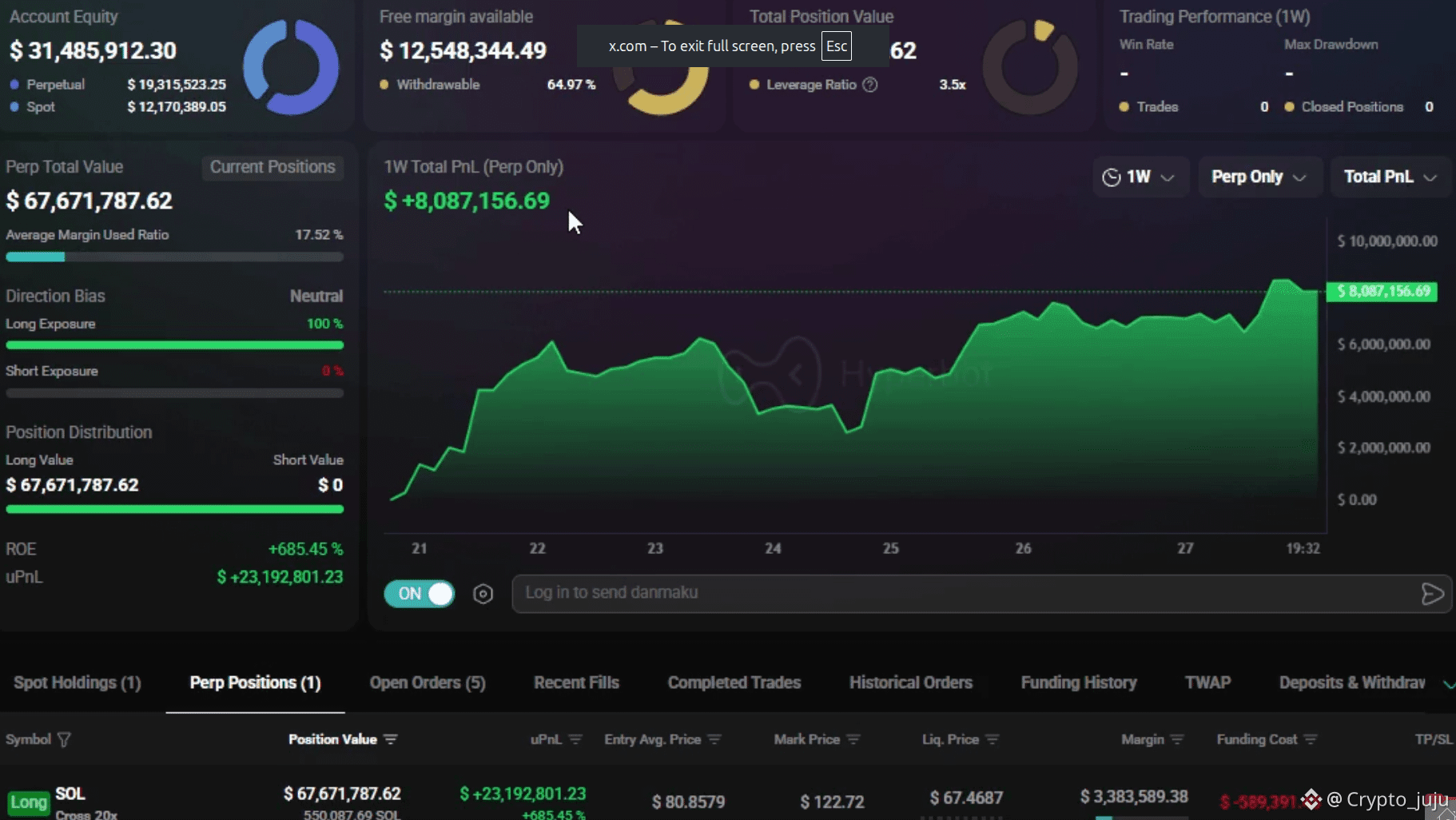
$SOL whales are making some serious moves. Bitfinex whale long positions have gone vertical, while Solana ETFs bought 2.32M SOL, worth around $278M, over the past two weeks. Total ETF AUM is now around $2.28B. With whales stacking and ETF demand picking up, is Solana setting up for another meme season? $XRP
$SOL whales are making some serious moves. Bitfinex whale long positions have gone vertical, while Solana ETFs bought 2.32M SOL, worth around $278M, over the past two weeks. Total ETF AUM is now around $2.28B. With whales stacking and ETF demand picking up, is Solana setting up for another meme season? $XRP
·
--
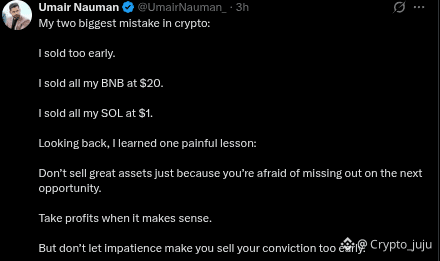
just saw the tweet of someone that Sold there $SOL and $BNB early damn
just saw the tweet of someone that Sold there $SOL and $BNB early damn
7
·
--
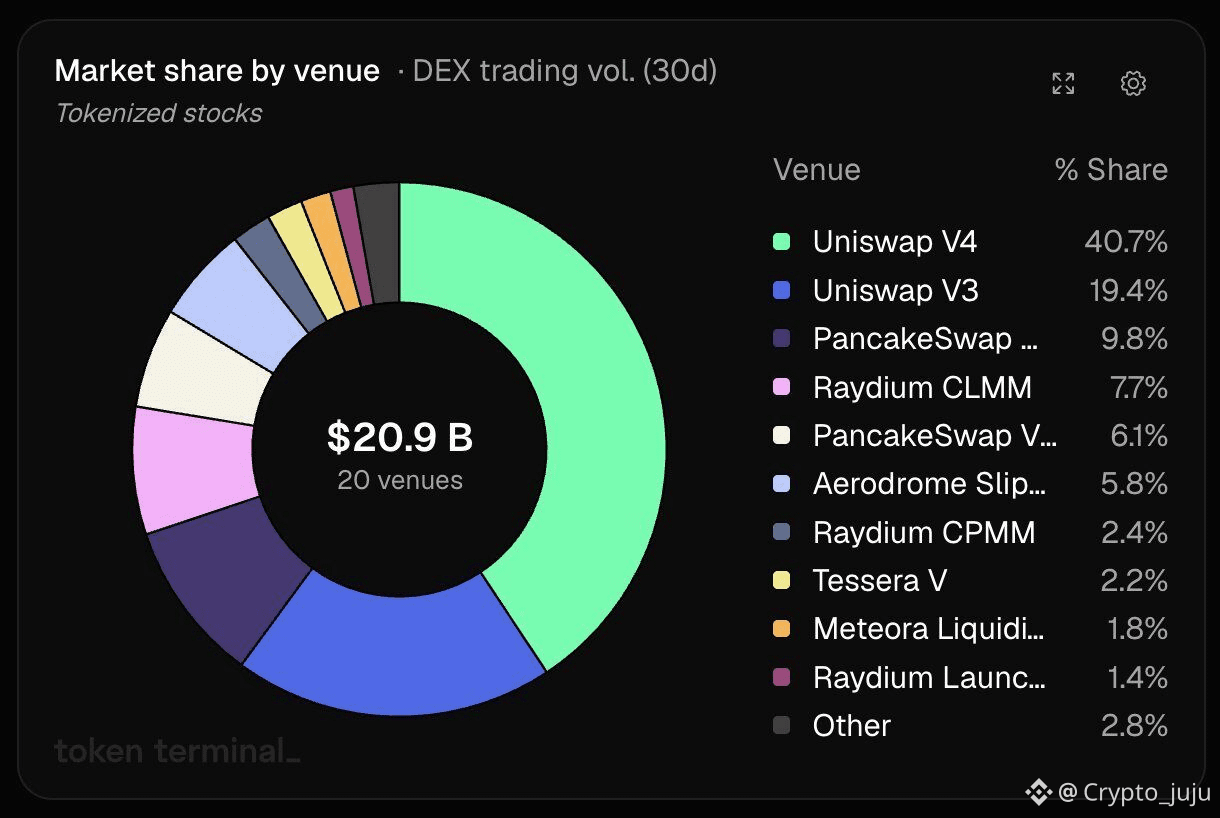
Tokenized stocks are starting to look less like a side experiment in DeFi. Over the past 30 days, tokenized stocks did $20.9B in DEX trading volume, with Uniswap $UNI V3 and V4 accounting for about $12.6B**, or 60.1% of the total. That’s a lot of activity for an asset class that wasn't even part of the normal DeFi conversation not too long ago. It also got me thinking about xStocks on @ston_fi . I’ve been watching how xStocks are fitting into TON, and honestly, it makes the RWA side of DeFi feel a lot more practical. You can swap into tokenized assets like AAPLx, NVDAx and TSLAx directly through stonfi , with the xStocks sitting in your TON wallet as onchain assets. What I find even more interesting is the infrastructure underneath. xStocks are one of the first assets using Omniston’s escrow execution which lets the system tap into resolver-priced liquidity instead of relying only on regular AMM pools. So while the headlines are about tokenized stock volume hitting billions, there’s another story happening underneath: Traditional assets are becoming onchain, and DeFi infrastructure is adapting around them. I think we’re still pretty early in seeing what that actually looks like. $XRP #Altcoin Season#
Tokenized stocks are starting to look less like a side experiment in DeFi. Over the past 30 days, tokenized stocks did $20.9B in DEX trading volume, with Uniswap $UNI V3 and V4 accounting for about $12.6B**, or 60.1% of the total. That’s a lot of activity for an asset class that wasn't even part of the normal DeFi conversation not too long ago. It also got me thinking about xStocks on @ston_fi . I’ve been watching how xStocks are fitting into TON, and honestly, it makes the RWA side of DeFi feel a lot more practical. You can swap into tokenized assets like AAPLx, NVDAx and TSLAx directly through stonfi , with the xStocks sitting in your TON wallet as onchain assets. What I find even more interesting is the infrastructure underneath. xStocks are one of the first assets using Omniston’s escrow execution which lets the system tap into resolver-priced liquidity instead of relying only on regular AMM pools. So while the headlines are about tokenized stock volume hitting billions, there’s another story happening underneath: Traditional assets are becoming onchain, and DeFi infrastructure is adapting around them. I think we’re still pretty early in seeing what that actually looks like. $XRP #Altcoin Season#
·
--
So this week feels like $NEAR season onchain. And honestly, that’s one thing about being a trencher you have to be quick to notice when attention starts moving somewhere else. The $SOL trenches are still active, but I think it’s easy to get too comfortable watching just one chain. Sometimes the next interesting move is happening somewhere you weren’t even looking. That’s also why I’ve been paying more attention to cross-chain activity lately. **Omniston just crossed $7.5M in all-time cross-chain swap volume**, more than double the $3M mark it hit earlier this month. That kind of growth is interesting because it shows liquidity isn’t staying in one ecosystem. People are moving between chains, and the infrastructure connecting those ecosystems becomes more important as activity grows. So yeah, keep an eye on the SOL trenches. But don’t forget to look around. #Altcoin Season#
So this week feels like $NEAR season onchain. And honestly, that’s one thing about being a trencher you have to be quick to notice when attention starts moving somewhere else. The $SOL trenches are still active, but I think it’s easy to get too comfortable watching just one chain. Sometimes the next interesting move is happening somewhere you weren’t even looking. That’s also why I’ve been paying more attention to cross-chain activity lately. **Omniston just crossed $7.5M in all-time cross-chain swap volume**, more than double the $3M mark it hit earlier this month. That kind of growth is interesting because it shows liquidity isn’t staying in one ecosystem. People are moving between chains, and the infrastructure connecting those ecosystems becomes more important as activity grows. So yeah, keep an eye on the SOL trenches. But don’t forget to look around. #Altcoin Season#
25
·
--
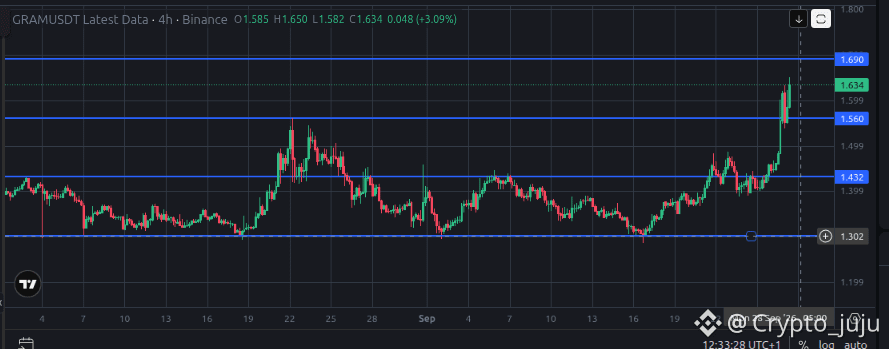
$GRAM is pushing toward $1.69 If the momentum holds, I’d love to see it test $2 next week, but for now I’m just watching how price reacts around these levels. A strong GRAM move is also interesting for the @ston_fi ecosystem because more activity can mean more attention and liquidity around the TON DeFi side. I’ve got my eyes on STON too. Let’s see how it reacts if GRAM keeps moving. $ZEC #Altcoin Season#
$GRAM is pushing toward $1.69 If the momentum holds, I’d love to see it test $2 next week, but for now I’m just watching how price reacts around these levels. A strong GRAM move is also interesting for the @ston_fi ecosystem because more activity can mean more attention and liquidity around the TON DeFi side. I’ve got my eyes on STON too. Let’s see how it reacts if GRAM keeps moving. $ZEC #Altcoin Season#
46
·
--
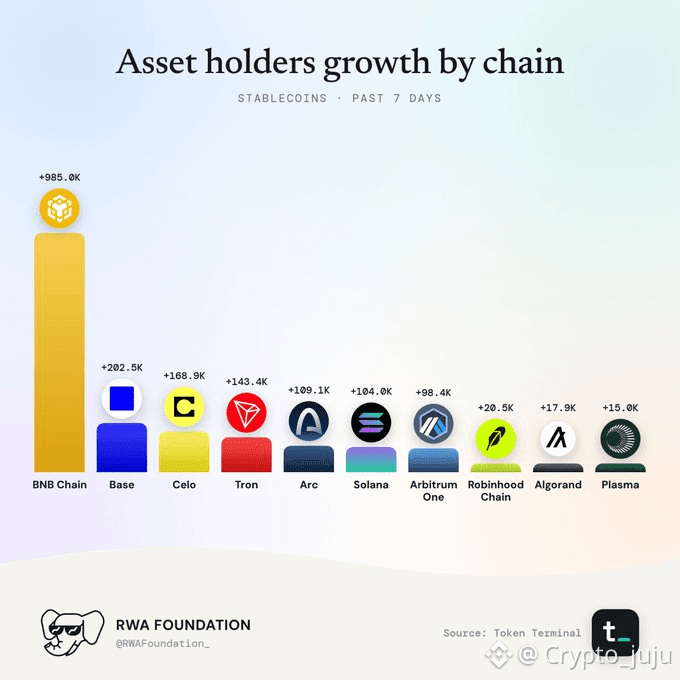
$BNB Chain is seeing a noticeable jump in stablecoin adoption. Around 985K new stablecoin holders joined the chain over the past 7 days. That’s almost 5x more than the next chain during the same period. Interesting to see where this new #StableCoin activity starts flowing next.
$BNB Chain is seeing a noticeable jump in stablecoin adoption. Around 985K new stablecoin holders joined the chain over the past 7 days. That’s almost 5x more than the next chain during the same period. Interesting to see where this new #StableCoin activity starts flowing next.
42
·
--
$QNT is the token behind Quant, a project focused on blockchain interoperability. Its Overledger technology is designed to connect different blockchains with existing financial systems. Quant is also involved in The Clearing House’s On-Chain Money Initiative, which explores tokenized deposits and onchain settlement. So the main story around $QNT is simple: connecting traditional finance with different blockchain networks.
$QNT is the token behind Quant, a project focused on blockchain interoperability. Its Overledger technology is designed to connect different blockchains with existing financial systems. Quant is also involved in The Clearing House’s On-Chain Money Initiative, which explores tokenized deposits and onchain settlement. So the main story around $QNT is simple: connecting traditional finance with different blockchain networks.

61
·
--
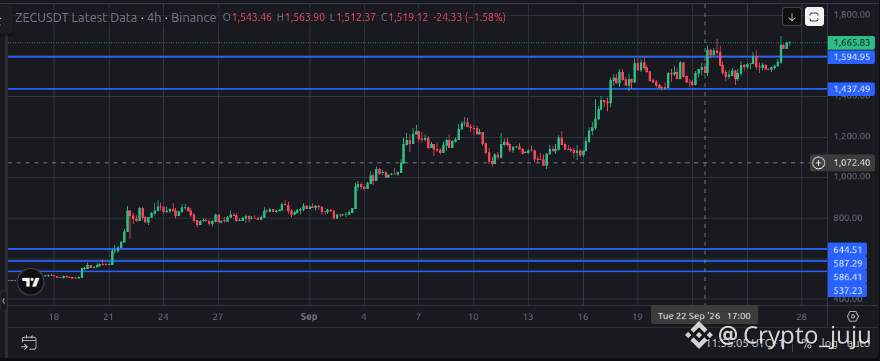
$ZEC is on its way to $2K and honestly, this move has been crazy. $HYPE isn’t looking too far behind either. Looking back at how some of these coins have moved this year, damn… what a year. And while everyone is watching the charts, I’ve also been paying attention to some of the activity happening underneath. Omniston has been processing more cross-chain swaps between TON and other networks, with BNB Chain → TON becoming one of the busiest routes recently. I find that part interesting because price is only one side of the market. There’s also the infrastructure quietly moving liquidity around while all these charts are going crazy. What a year for crypto. And we’re not even done yet.
$ZEC is on its way to $2K and honestly, this move has been crazy. $HYPE isn’t looking too far behind either. Looking back at how some of these coins have moved this year, damn… what a year. And while everyone is watching the charts, I’ve also been paying attention to some of the activity happening underneath. Omniston has been processing more cross-chain swaps between TON and other networks, with BNB Chain → TON becoming one of the busiest routes recently. I find that part interesting because price is only one side of the market. There’s also the infrastructure quietly moving liquidity around while all these charts are going crazy. What a year for crypto. And we’re not even done yet.
67
·
--
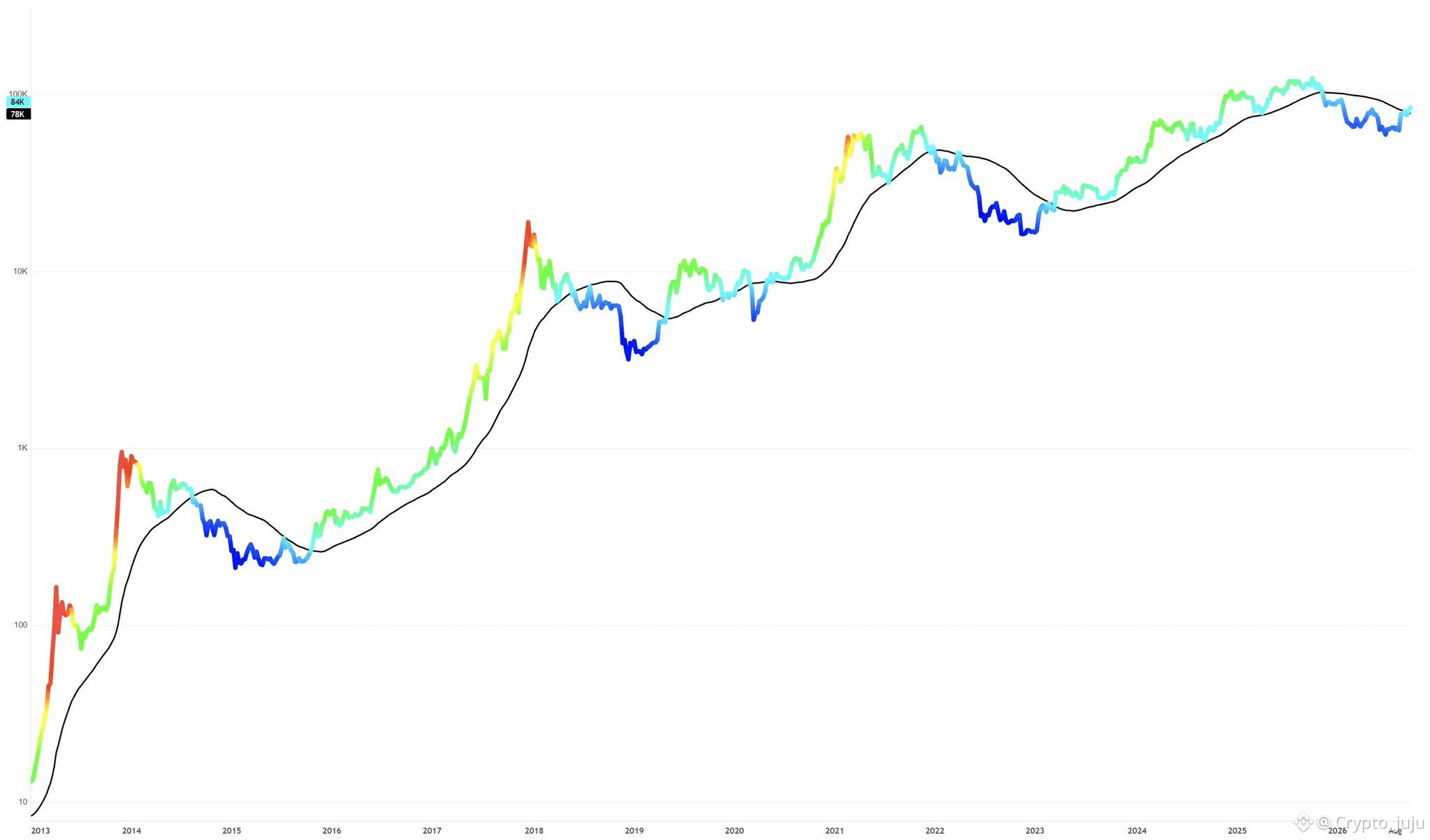
$BTC is giving all green signs right now. I see it, I accept it. $XRP looks ready to follow too. $5 soon? Meanwhile, @ston_fi cross-chain swaps have never felt this simple. You connect your TON and TRON wallets, choose what you want to swap, check the amount you’ll receive, confirm, and let the app handle the rest. No traditional bridge. No CEX in the middle. Just: **Connect → Choose → Confirm → Receive. That’s the kind of cross-chain experience I like. Simple enough that you don't need to think about what's happening behind the scenes. #Altcoin Season#
$BTC is giving all green signs right now. I see it, I accept it. $XRP looks ready to follow too. $5 soon? Meanwhile, @ston_fi cross-chain swaps have never felt this simple. You connect your TON and TRON wallets, choose what you want to swap, check the amount you’ll receive, confirm, and let the app handle the rest. No traditional bridge. No CEX in the middle. Just: **Connect → Choose → Confirm → Receive. That’s the kind of cross-chain experience I like. Simple enough that you don't need to think about what's happening behind the scenes. #Altcoin Season#
·
--
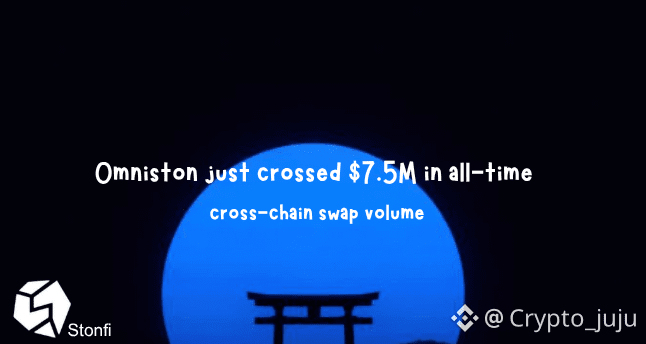
Solana $SOL just crossed 1 million tokenized stock holders And on the TON side, Omniston just crossed $7.5M in all-time cross-chain swap volume. What caught my attention is how quickly that number is growing. Omniston crossed the $3M mark earlier this month, and the week of Sept. 17–23 alone saw around **$1.8M** in cross-chain volume, up 26% from the previous week. Even more interesting, $BNB Chain → TON accounted for 78% of that weekly volume. Different ecosystems, different use cases, but I think there’s a similar story here: **When chains keep building, the activity eventually starts showing up. Tokenized assets, cross-chain swaps, liquidity, new apps it’s not always loud at first. Sometimes you just notice the numbers getting bigger. #Altcoin Season#
Solana $SOL just crossed 1 million tokenized stock holders And on the TON side, Omniston just crossed $7.5M in all-time cross-chain swap volume. What caught my attention is how quickly that number is growing. Omniston crossed the $3M mark earlier this month, and the week of Sept. 17–23 alone saw around **$1.8M** in cross-chain volume, up 26% from the previous week. Even more interesting, $BNB Chain → TON accounted for 78% of that weekly volume. Different ecosystems, different use cases, but I think there’s a similar story here: **When chains keep building, the activity eventually starts showing up. Tokenized assets, cross-chain swaps, liquidity, new apps it’s not always loud at first. Sometimes you just notice the numbers getting bigger. #Altcoin Season#
28
·
--
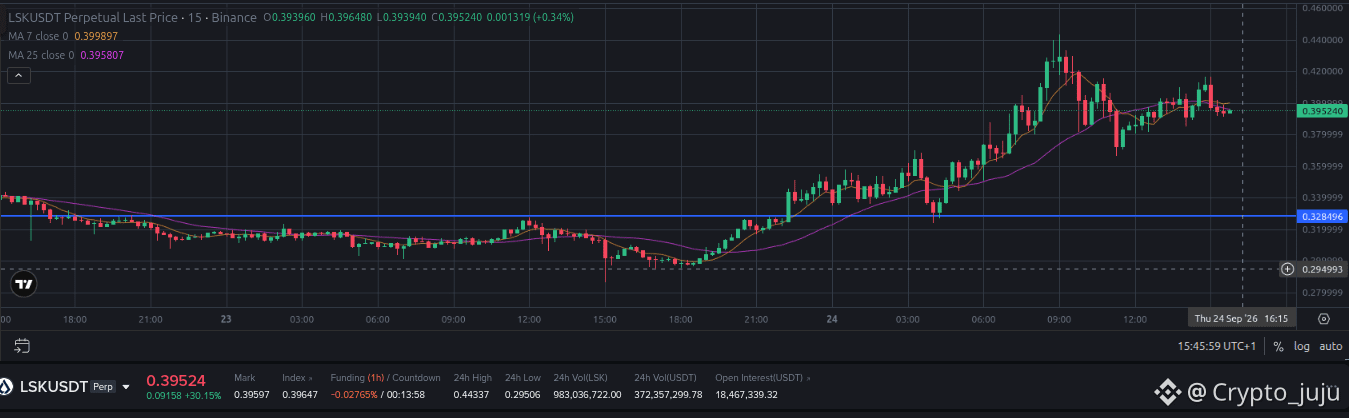
$PROVE is back active and pumping again. $LSK has been hot too, so I’m starting to feel like the market might be picking up some momentum again. Still not rushing anything though. I’m just watching how these moves develop and where the liquidity starts flowing. On the @ston_fi side, I’ve been putting my GEMSTON to use and upgrading my Stonkbots. Honestly, it’s pretty funny watching the bots change as you upgrade them But at the same time, it feels like a nice way to get more familiar with the NFT side of Stonfi instead of just swapping and farming. I came for the DeFi side. Now I’m somehow upgrading little NFT bots. #Altcoin Season#
$PROVE is back active and pumping again. $LSK has been hot too, so I’m starting to feel like the market might be picking up some momentum again. Still not rushing anything though. I’m just watching how these moves develop and where the liquidity starts flowing. On the @ston_fi side, I’ve been putting my GEMSTON to use and upgrading my Stonkbots. Honestly, it’s pretty funny watching the bots change as you upgrade them But at the same time, it feels like a nice way to get more familiar with the NFT side of Stonfi instead of just swapping and farming. I came for the DeFi side. Now I’m somehow upgrading little NFT bots. #Altcoin Season#
71
·
--
The stablecoin market could be heading in two different directions. $USDT and $USDC are already huge, with around $255B combined, but the GENIUS Act limits yield payments on these traditional stablecoins. Then you have “productive” stablecoins, which are designed to give users a return on the assets backing them. That’s the space RealFi is building in. Interesting to see stablecoins evolving from simply holding value to potentially putting that value to work.
The stablecoin market could be heading in two different directions. $USDT and $USDC are already huge, with around $255B combined, but the GENIUS Act limits yield payments on these traditional stablecoins. Then you have “productive” stablecoins, which are designed to give users a return on the assets backing them. That’s the space RealFi is building in. Interesting to see stablecoins evolving from simply holding value to potentially putting that value to work.
44
·
--
This is interesting. BlackRock + $ONDO is another sign that traditional finance is getting more comfortable with onchain assets. Ondo just launched Intelligent Portfolios built around investment strategies developed by BlackRock, with each portfolio represented by a single onchain token. And this got me thinking about xStocks on @ston_fi The approach is a little different, but the bigger idea is similar: bringing familiar traditional-market exposure into the blockchain world. With xStocks, assets like APLx, NVDAx, TSLAx, SPYx and GOOGLx are represented as tokens on TON. Eligible users can swap into them through Stonfi and hold them in their TON wallet. So we're starting to see different pieces of the same puzzle come together. BlackRock brings traditional portfolio strategies. Ondo turns those strategies into onchain portfolios. Products like xStocks bring individual market exposure onchain. And DeFi provides the infrastructure for these assets to actually move, trade and interact with other onchain products. The interesting part isn't just putting traditional assets onchain anymore. It's what happens once those assets can actually interact with DeFi. $LSK
This is interesting. BlackRock + $ONDO is another sign that traditional finance is getting more comfortable with onchain assets. Ondo just launched Intelligent Portfolios built around investment strategies developed by BlackRock, with each portfolio represented by a single onchain token. And this got me thinking about xStocks on @ston_fi The approach is a little different, but the bigger idea is similar: bringing familiar traditional-market exposure into the blockchain world. With xStocks, assets like APLx, NVDAx, TSLAx, SPYx and GOOGLx are represented as tokens on TON. Eligible users can swap into them through Stonfi and hold them in their TON wallet. So we're starting to see different pieces of the same puzzle come together. BlackRock brings traditional portfolio strategies. Ondo turns those strategies into onchain portfolios. Products like xStocks bring individual market exposure onchain. And DeFi provides the infrastructure for these assets to actually move, trade and interact with other onchain products. The interesting part isn't just putting traditional assets onchain anymore. It's what happens once those assets can actually interact with DeFi. $LSK

51
·
--
$ZEC is standing out among altcoins right now. Since $BTC hit its all-time high, only 9 of the top 50 altcoins have managed to outperform Bitcoin. ZEC is leading by a huge margin, with its return coming in around 14x Bitcoin’s over that period. HYPE , XMR and NEAR are also among the few that have outperformed. What’s interesting to me is the lack of broad altcoin strength. A few names are doing very well, but most of the market is still trailing BTC. So I’m keeping ZEC on the watchlist and paying more attention to relative strength than simply chasing whatever is moving. #Altcoin Season#
$ZEC is standing out among altcoins right now. Since $BTC hit its all-time high, only 9 of the top 50 altcoins have managed to outperform Bitcoin. ZEC is leading by a huge margin, with its return coming in around 14x Bitcoin’s over that period. HYPE , XMR and NEAR are also among the few that have outperformed. What’s interesting to me is the lack of broad altcoin strength. A few names are doing very well, but most of the market is still trailing BTC. So I’m keeping ZEC on the watchlist and paying more attention to relative strength than simply chasing whatever is moving. #Altcoin Season#

72
·
--
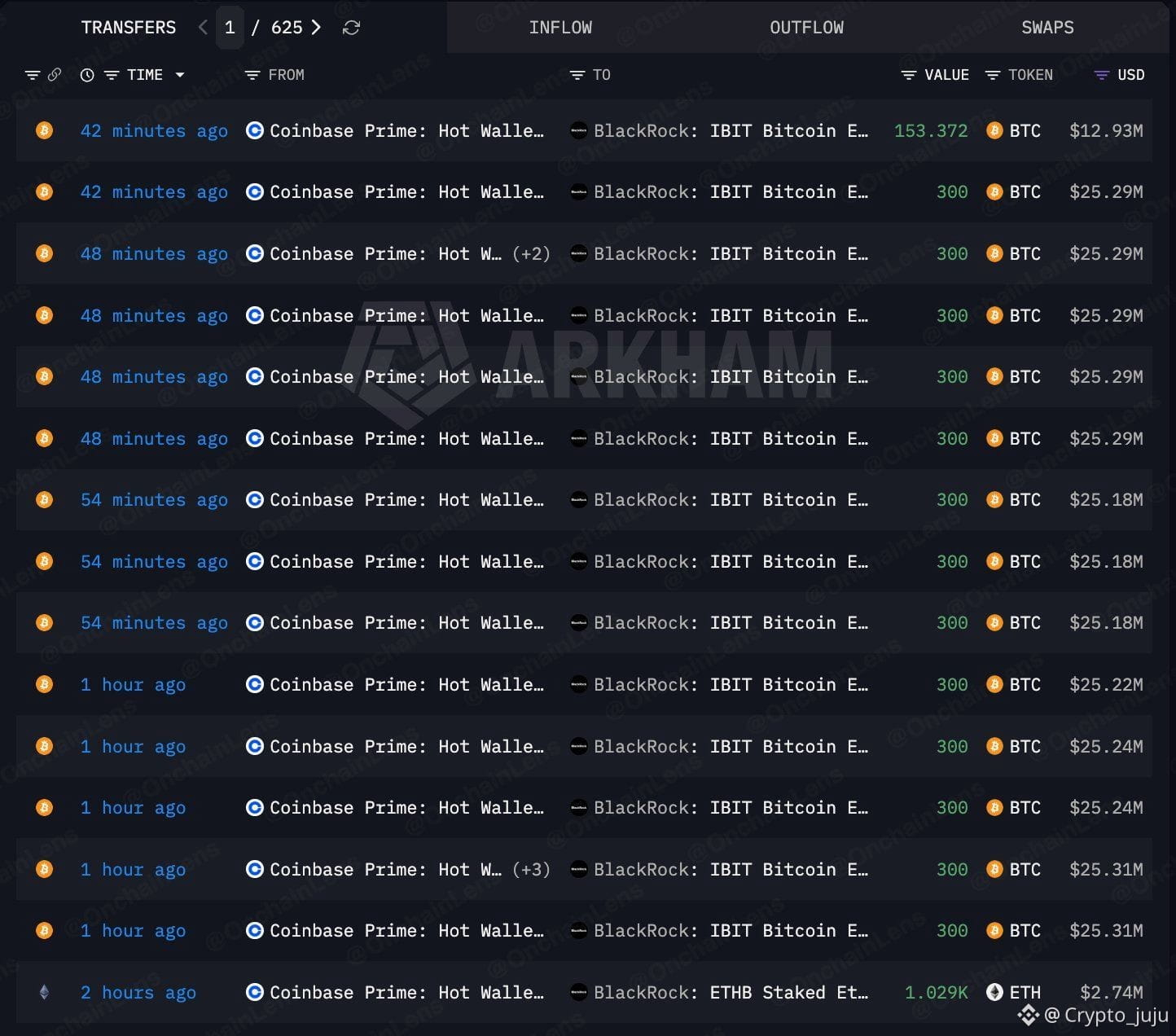
The big names are buying the dips. #BlackRock ’s IBIT reportedly accumulated and withdrew around 3.75K $BTC, worth roughly $316M, from Coinbase Prime over the past hour. While the market is busy watching the dip, some serious BTC buying is happening in the background. Meanwhile, there’s something happening on the @ston_fi side today. The “Inside the Cross-Chain Flight: Your Questions, Our Answers” AMA starts at 15:00 UTC. The Stonfi team will be answering community questions around the **One Swap. Across Chains campaign and how cross-chain swaps actually work. And there’s a little extra incentive too: 3 of the best questions get 50 STON each 150 STON in total. Plus, stay until the end for a secret word that gives you extra campaign points. $BTC buying in the background, cross-chain talk on the other side. Interesting day in crypto. $UNI
The big names are buying the dips. #BlackRock ’s IBIT reportedly accumulated and withdrew around 3.75K $BTC, worth roughly $316M, from Coinbase Prime over the past hour. While the market is busy watching the dip, some serious BTC buying is happening in the background. Meanwhile, there’s something happening on the @ston_fi side today. The “Inside the Cross-Chain Flight: Your Questions, Our Answers” AMA starts at 15:00 UTC. The Stonfi team will be answering community questions around the **One Swap. Across Chains campaign and how cross-chain swaps actually work. And there’s a little extra incentive too: 3 of the best questions get 50 STON each 150 STON in total. Plus, stay until the end for a secret word that gives you extra campaign points. $BTC buying in the background, cross-chain talk on the other side. Interesting day in crypto. $UNI
66
·
--
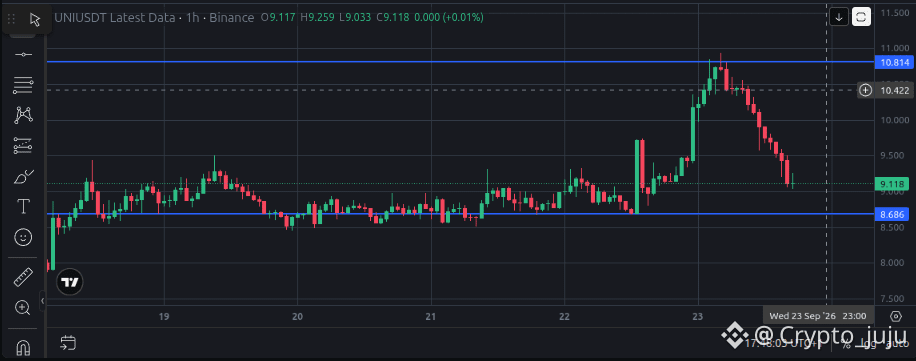
$PONS is getting hit pretty hard, and honestly, I’m starting to watch the low for an entry. $UNI is looking similar to me. After the recent dump across the market, I’m more interested in where the good levels are than chasing green candles. Not saying the bottom is in, but these are the kinds of pullbacks I start paying attention to. Meanwhile, on the Stonfi side, Arc is now live. That means USDC on Circle’s Arc network can now be swapped to and from TON and other supported chains through @ston_fi TON, Ethereum, BNB Chain, Base, Arbitrum, Polygon and more. I like seeing this because as more chains come online, moving liquidity between them should feel less complicated. The user doesn't really need to care about what's happening behind the scenes. Connect → swap → move on.
$PONS is getting hit pretty hard, and honestly, I’m starting to watch the low for an entry. $UNI is looking similar to me. After the recent dump across the market, I’m more interested in where the good levels are than chasing green candles. Not saying the bottom is in, but these are the kinds of pullbacks I start paying attention to. Meanwhile, on the Stonfi side, Arc is now live. That means USDC on Circle’s Arc network can now be swapped to and from TON and other supported chains through @ston_fi TON, Ethereum, BNB Chain, Base, Arbitrum, Polygon and more. I like seeing this because as more chains come online, moving liquidity between them should feel less complicated. The user doesn't really need to care about what's happening behind the scenes. Connect → swap → move on.
74
·
--
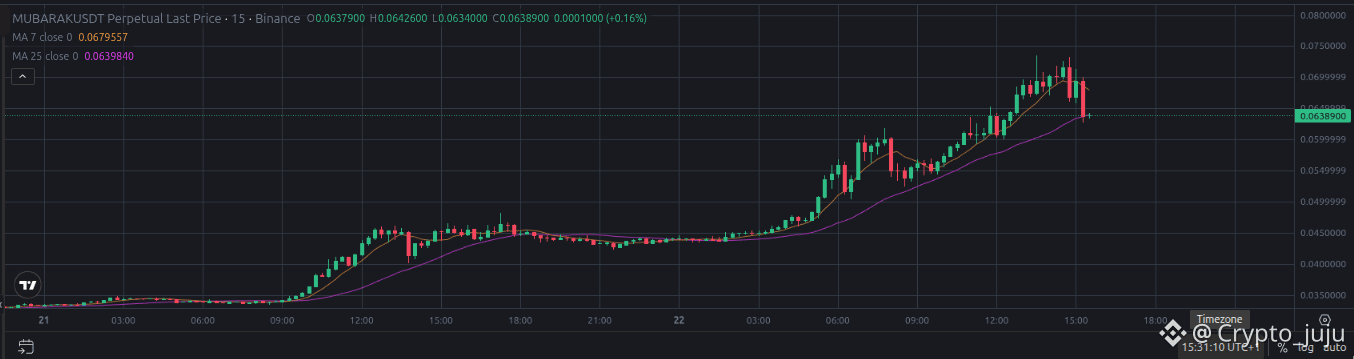
$MUBARAK just had a pullback after that massive move up. Could be an interesting area to watch if the chart starts finding support again. Maybe even another opportunity to buy in, but I’d rather see how the price reacts first. Meanwhile, I was looking at what’s happening around TON and came across Omniston again. What I like about the idea is pretty simple: liquidity is scattered across different chains and DEXs, but users usually just want to swap and get the best execution without thinking too much about where that liquidity sits. Omniston is basically working on that connection between the different liquidity sources and chains. It’s one of those pieces of infrastructure that might not get as much attention as a token pumping, but it becomes more interesting as more assets and liquidity move across ecosystems. $HYPE
$MUBARAK just had a pullback after that massive move up. Could be an interesting area to watch if the chart starts finding support again. Maybe even another opportunity to buy in, but I’d rather see how the price reacts first. Meanwhile, I was looking at what’s happening around TON and came across Omniston again. What I like about the idea is pretty simple: liquidity is scattered across different chains and DEXs, but users usually just want to swap and get the best execution without thinking too much about where that liquidity sits. Omniston is basically working on that connection between the different liquidity sources and chains. It’s one of those pieces of infrastructure that might not get as much attention as a token pumping, but it becomes more interesting as more assets and liquidity move across ecosystems. $HYPE
38
Log in to explore more content
Join global crypto users on Binance Square
⚡️ Get latest and useful information about crypto.
💬 Trusted by the world’s largest crypto exchange.
👍 Discover real insights from verified creators.
Email / Phone number
Trending Topics
AltcoinSeasonIndexHoldsAbove60For5Days
125 views
89 Discussing
#altcoinseasonindexholdsabove60for5days
Is Altcoin Season finally here, fam? 🔥 The Altcoin Season Index just held above 60 for 5 consecutive days—a milestone we haven't seen in over three months! 🚀 As Bitcoin crabs around $83k and its dominance slips to 57%, money is clearly rotating into alts. One day above 60 is a fluke, but five days is a trend!
What should traders do?
1️⃣ Don't FOMO into high-leverage positions; the futures market is thinning out.
2️⃣ Watch for rotation from BTC into high-utility alts and interoperability tokens.
3️⃣ Accumulate solid projects during this sideways consolidation.
Not financial advice! 🛑
Sign up on Binance with code VINHTOCDO: https://www.binance.com/register?ref=VINHTOCDO
👇 Click & Trade below to support me:
$BTC
| $SOL
| $QNT
#AltSeasonComing #CryptoRotation #Altcoins #Bullish #VINHTOCDO
Vinhtocdo
·1 Likes
·257 views
BitcoinSlipsBelow$84000
577 views
52 Discussing
KospiPostsWorstQuarterSince2020
83 views
60 Discussing