
Avgusto
1.4k Posts

Avgusto
Report
Block User
Dreams Come True
16 Following
1.0K+ Followers
3.2K+ Liked
Posts
All
Quotes
Videos
·
--
👀 Rebound without conviction: why the market doesn’t yet believe in a rally
🔸 Asian markets continue to fall, while oil holds on to its geopolitical premium
After Wall Street tech stocks suffered a sharp sell-off on Monday, Asian markets mostly declined:
South Korea’s Kospi: −5.8%.
Hang Seng: −1.8%.
Shanghai Composite: −1.4%.
🔸 Brent is holding around $92.67 a barrel. Tensions in the Persian Gulf and reports of attacks on ships and energy facilities are supporting prices.
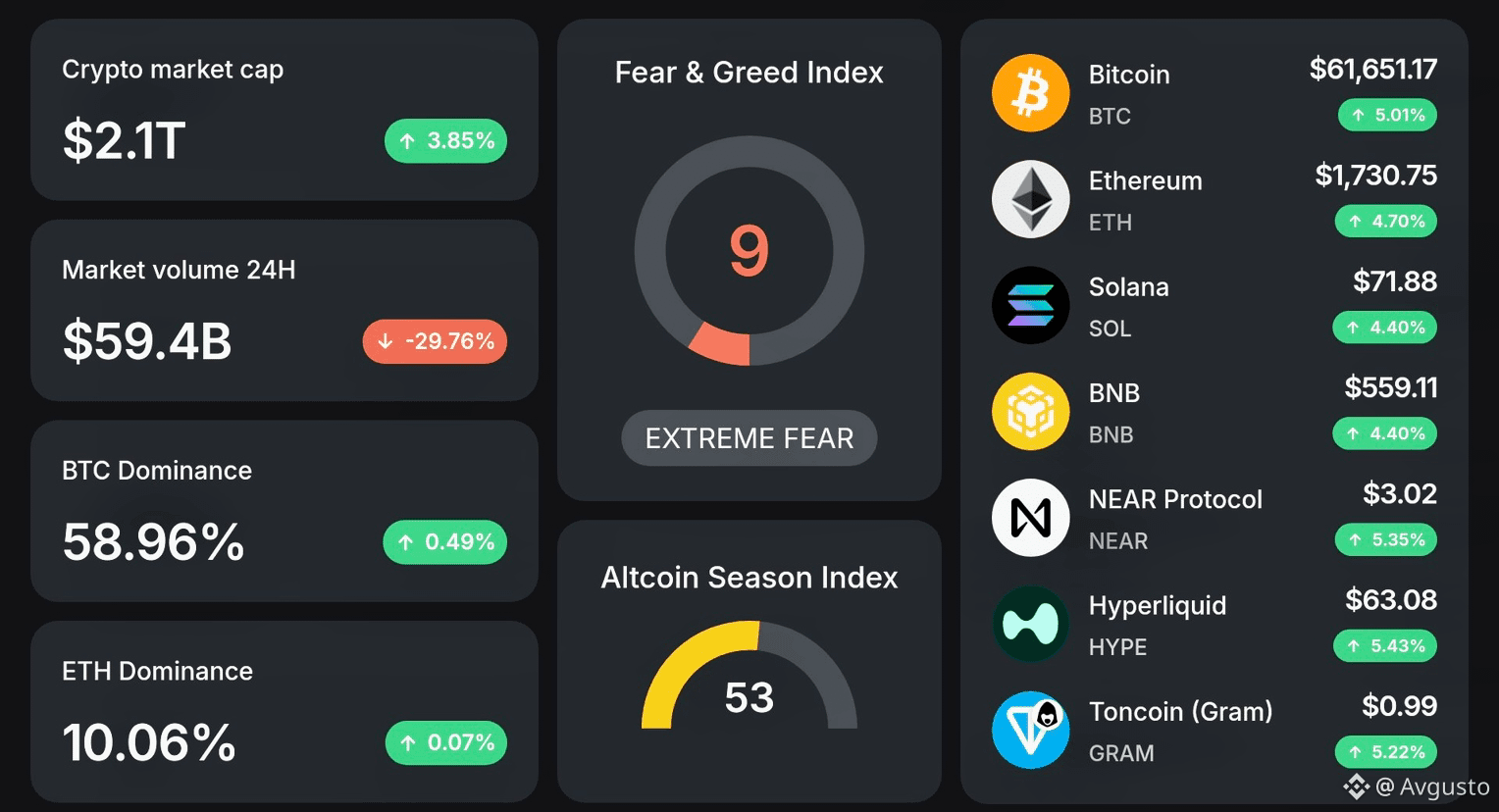
🔸 Bitcoin has rebounded, but ETFs continue to lose billions
Bitcoin ETFs lost $1.24 billion in the week of November 16–20.
This is the third consecutive week of outflows exceeding $1 billion.
Over three weeks, investors withdrew more than $3.59 billion from BTC funds.
Ethereum ETFs lost another $221.65 million over the week.
📌 The market is entering a period when attractive promises are no longer enough—we need working technology, liquidity, and trust🧐
145
·
--
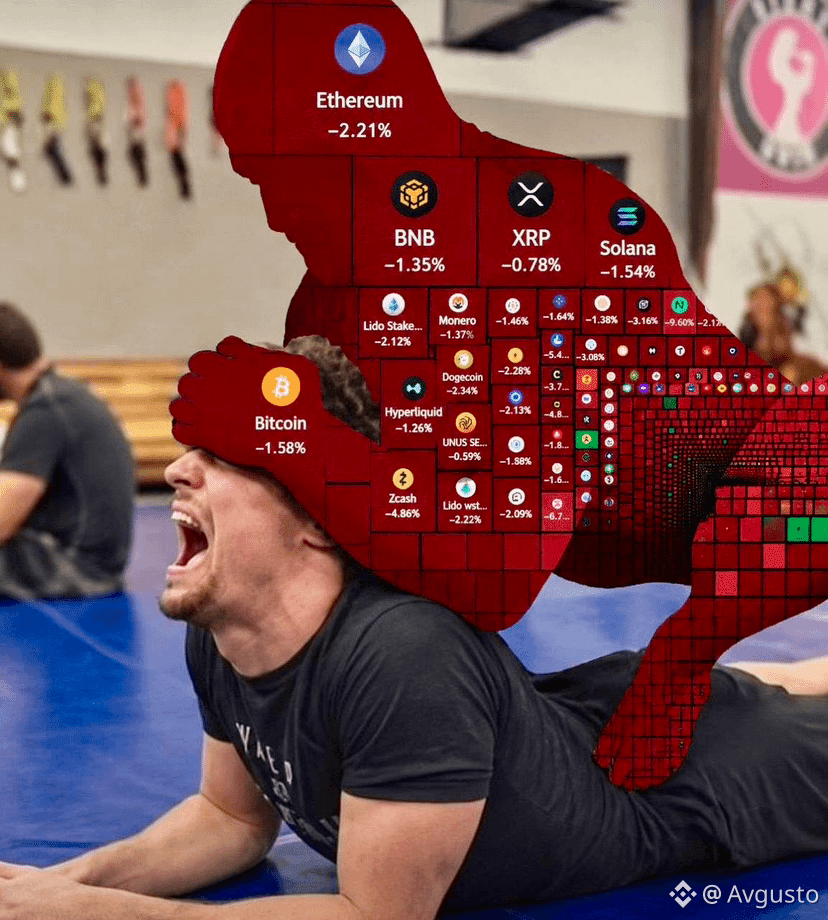
🚨 Markets continue to fall: crypto, stocks, and even safe-haven assets are under pressure
🔸 Bitcoin fell as low as $55,830 — its lowest level since September 2024. Spot BTC ETFs continue to see outflows
🔸 The U.S. stock market has entered a correction — the AI boom is no longer saving stocks:
S&P 500 fell 3.7%, ending more than 10% below its October record high.
Nasdaq Composite lost 5.3% in a day and around 10% for the week.
NVIDIA shares suffered a steep decline over the week.
Investors doubt that massive spending on AI infrastructure will pay off quickly
🔸 DeFi protocol Sky faced a massive liquidity outflow
🔸 Gold is no safe haven. The precious metal also came under pressure as expectations for Fed interest rates were revised.
📌 Pressure is now coming from several directions at once — the stock market, ETFs, macroeconomics, and geopolitics.
182
·
--
Verified
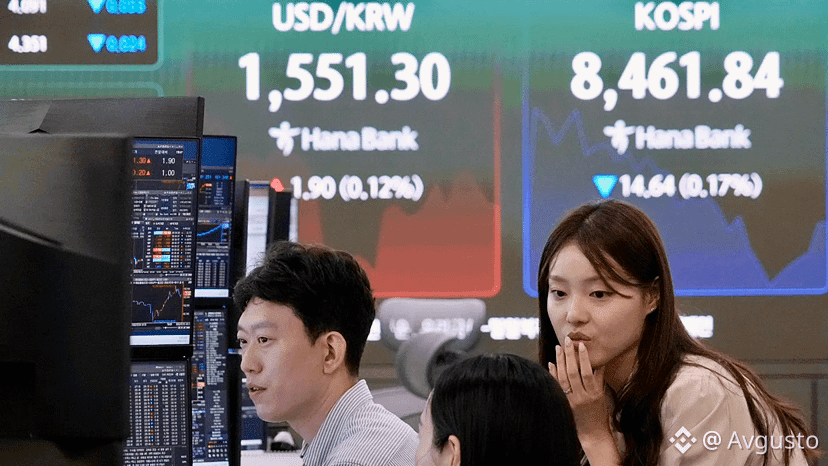
📉Asian markets are having their worst week since 2020
The tech stock sell-off continues despite Anthropic’s successful IPO.
🔸The MSCI Asia-Pacific ex-Japan Index fell 3.2% on the day and 8.3% for the week.
🔸Taiwan’s market dropped 16% for the week — its steepest weekly decline since 1991.
🔸The S&P 500 and Nasdaq fell more than 2% the previous day.
🔸Gold fell 2.5% to $3,533 an ounce.
Investors are concerned about the high cost of AI infrastructure, the tech sector’s debt burden, and the outlook for interest rates.
Futures are already pricing in a high probability of a Fed rate hike in December.
📌In a word, there’s not much to be cheerful about 😔
XAU-0.10%
MSCIUS-1.77%
1.3k
·
--
What’s in the news today 👀
🔸 🟣 Solana Foundation acquires controlling stake in CoinGecko
Solana Foundation has acquired a controlling stake in CoinGecko, one of the largest cryptocurrency analytics platforms.
🔸 SWIFT and Hong Kong banks test international payments using tokenized deposits
🔸 NVIDIA reports $115.8 billion in revenue. The AI boom continues
NVIDIA published its results for the third quarter of fiscal year 2027:
Total revenue — $115.8 billion, up 103% year over year.
Data Center revenue — $107.6 billion, up 110%.
Net income — $65.3 billion.
Earnings per share — $2.70.
📌 Almost all of the company’s revenue is now tied to data center infrastructure and demand for AI computing
158
·
--
The Economist has predicted the end of the world again🔥
There are three details that are particularly interesting from a financial perspective:
🔸Bond market. The Economist specifically highlights the debt burden of developed countries and the risk of rising yields.
🔸AI and the financial bubble. The publication draws attention to complex debt-financing schemes used by AI companies.
🔸Taiwan. The year 2027 is mentioned as an important milestone in the context of China’s military capabilities.
📌 The main danger in 2027 is not a single crisis, but several problems occurring at the same time.
😔Although replacing coffee grounds with a magazine cover is clearly not a noble pursuit

63
·
--
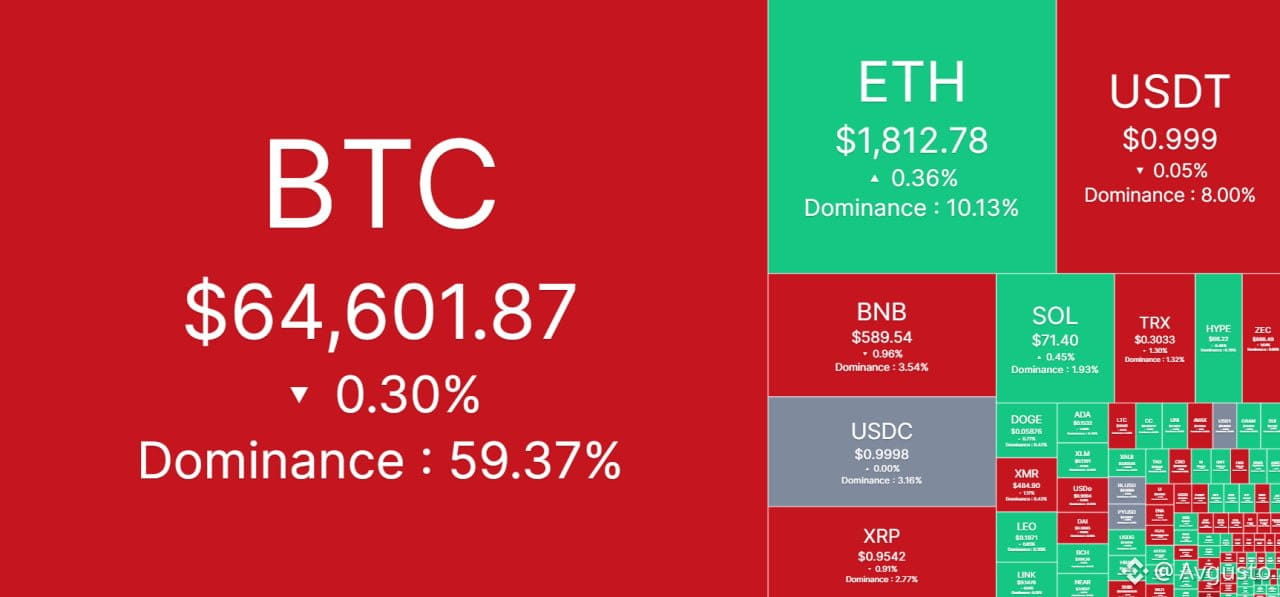
How's the market looking today 🙄
🔸BTC - $64,601 (-0.3%)
🔸 ETH - $1,812 (+0.3%)
🔸 SOL - $71 (+0.4%)
🔸 BNB - $589 (-0.9%)
🔸 XRP - $0.9 (-0.9%)
🔸 GRAM - $1 (+0.8%)
🤔 A vulnerability in Luxor Commander software allowed hackers to redirect 64,000 BTC miners to the OCEAN pool.
🤔 Hackers are distributing a password-stealing program for crypto wallets disguised as GTA VI.
197
·
--
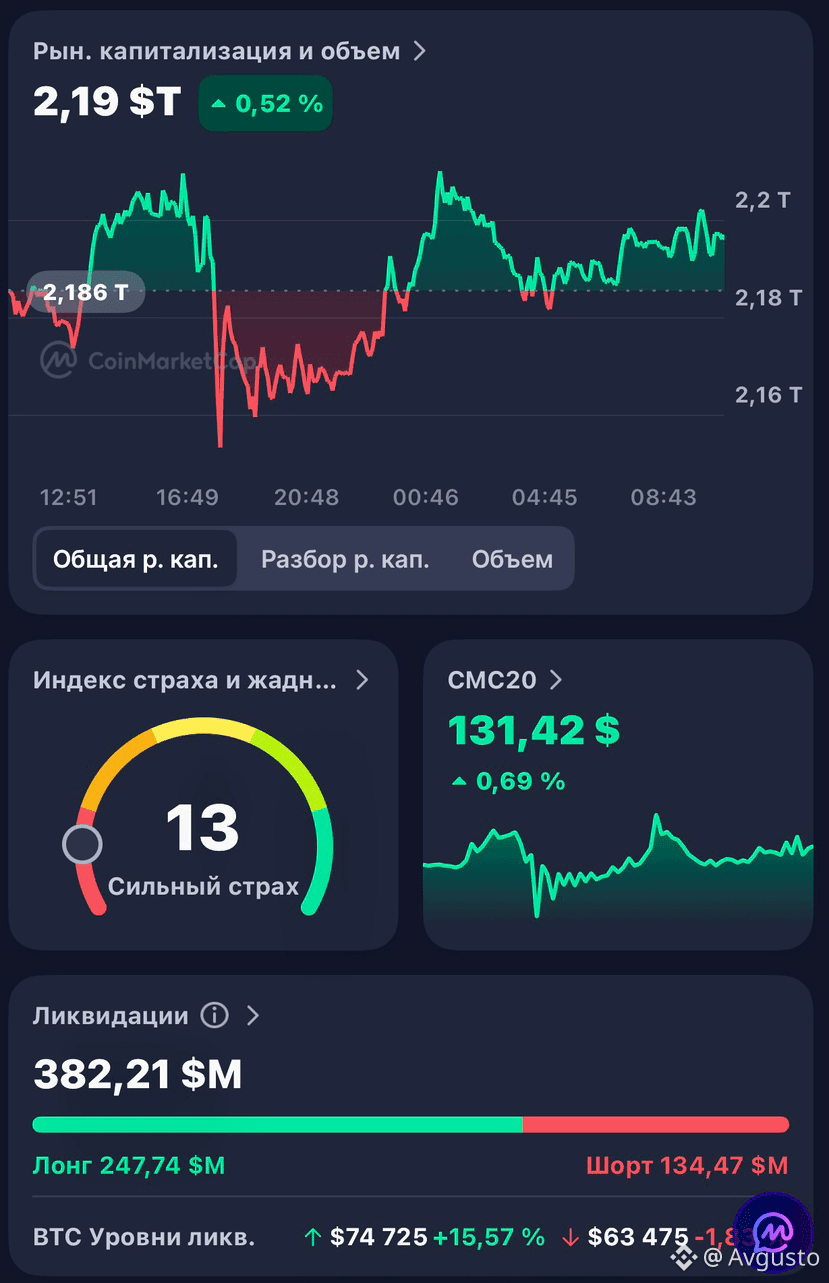
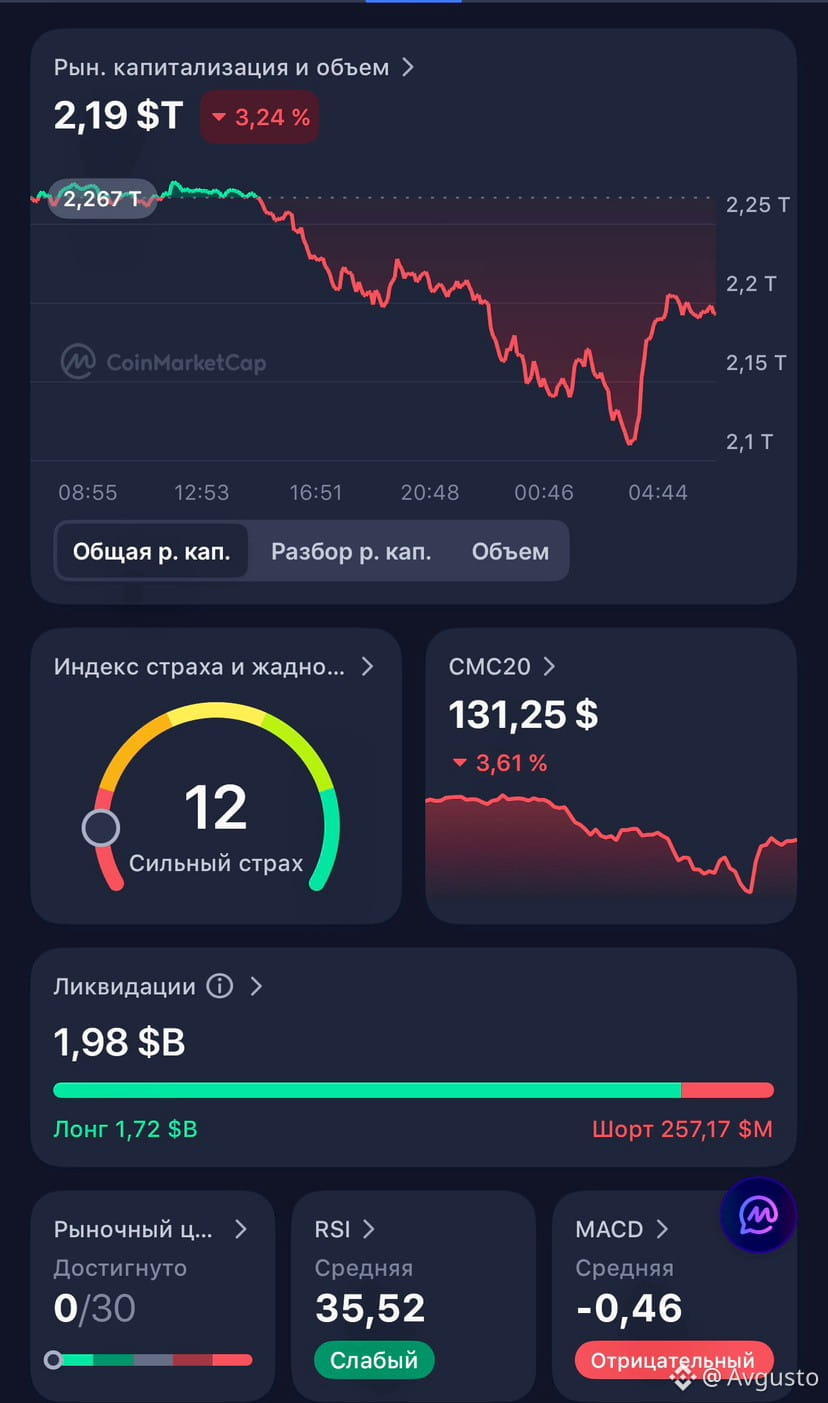
🫥 The market is once again wiping out those who decided to catch the bottom
Another wave of overnight liquidations showed just how costly it can be to try to catch the bottom with borrowed funds.
📉 Long positions took the biggest hit. The drop in BTC and ETH triggered a chain reaction: forced position closures intensified selling, and the selling pushed the market even lower.
⚠️ But there’s one caveat: mass liquidations don’t mean the bottom is in.
💬 The way I see it, the market is gradually shedding excessive leverage. But until there’s sustained demand, it’s too early to talk about a reversal.
📌 And yes, let’s not forget: guessing the bottom doesn’t mean you’ll make money at the bottom. 🎯
1
520
·
--
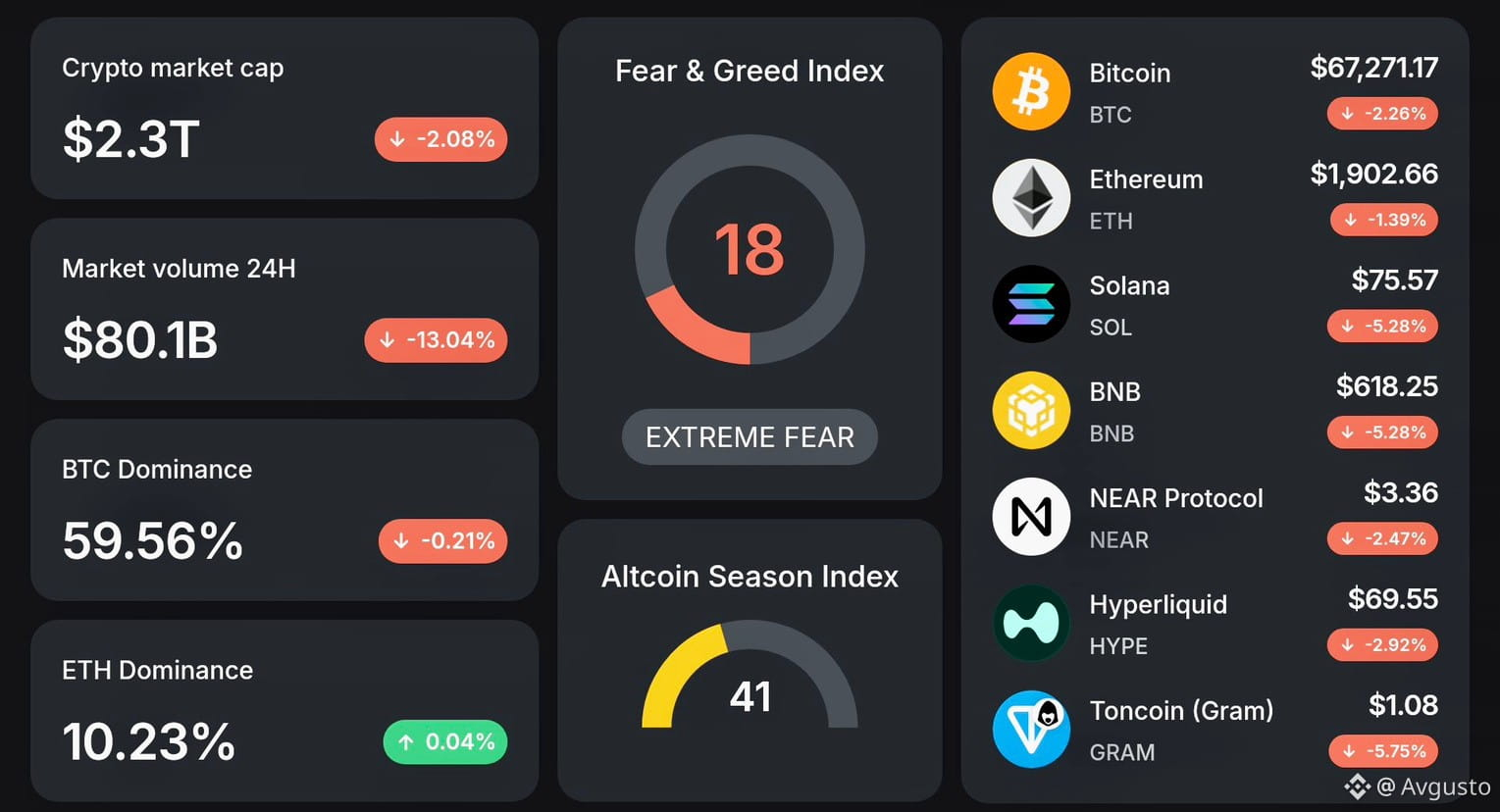
Crypto markets saw a wave of liquidations totaling $1.64 billion
Bitcoin fell below $68,000, while Ethereum dropped below $1,900.
According to Incrypted and CoinGlass, 185,595 traders’ positions were forcibly closed over 24 hours:
Total liquidations: $1.64 billion.
Long positions accounted for $1.46 billion.
The largest single liquidation was a $31.09 million BTC long on Hyperliquid.
The Fear and Greed Index fell to 19 points — extreme fear.
📌Looks like Hyperliquid is the only one doing fine 🚀: quarterly revenue reached $190.9 million
Protocol revenue was $190.9 million, up 21.7% from the previous quarter.
The average number of active traders per day was 65,161, a record high.
Open interest at the end of September was $16.76 billion.
Trading volume in tokenized stocks via HIP-3 rose 161% to $153.8 billion.
⚠️But there’s an important caveat: revenue is still down 36.5% year over year
1
1.1k
·
--
🚨 Polygon wants to rewrite blockchain rules for $6.5 million
A controversial proposal has emerged on the Polygon network: carry out a hard fork and forcibly redistribute around 70.49 million POL stolen in hacks targeting Binance and Polymarket.
💡The plan is simple: zero out the balances of five hacker wallets and transfer the tokens to addresses belonging to the affected companies.
But there’s a catch…
The blockchain was created precisely as a system where no one can arbitrarily alter transaction history or control other people’s assets.
Today, this would be done to recover stolen funds. But who can guarantee that tomorrow, a similar mechanism won’t be used for other reasons?
📌 Recovering stolen funds is the right idea. But turning forced balance changes into a routine tool is extremely dangerous.

1.1k
·
--
💡 Banks aren't buying Bitcoin—they're adopting the technology
Traditional financial institutions are taking an increasing interest in stablecoins.
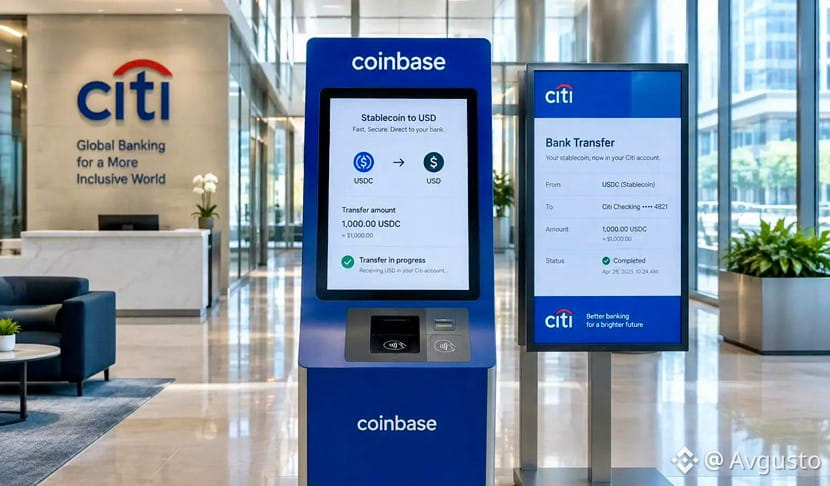
📌 American bank PNC has reached an agreement with Coinbase to test payments in the USDC stablecoin.
Most likely, it's a trial run—but it's a start 🫡
How the system will work:
🔸 A corporate client receives a payment in USDC.
🔸 The funds are transferred through crypto infrastructure.
🔸 USDC is automatically converted into regular US dollars.
🔸 The client receives dollars in their bank account.
🧐 I think one of the crypto industry's biggest long-term opportunities may lie in this direction.
After all, what matters most is the usefulness and demand for the service—not the number of inflated wallet counts.
167
·
--
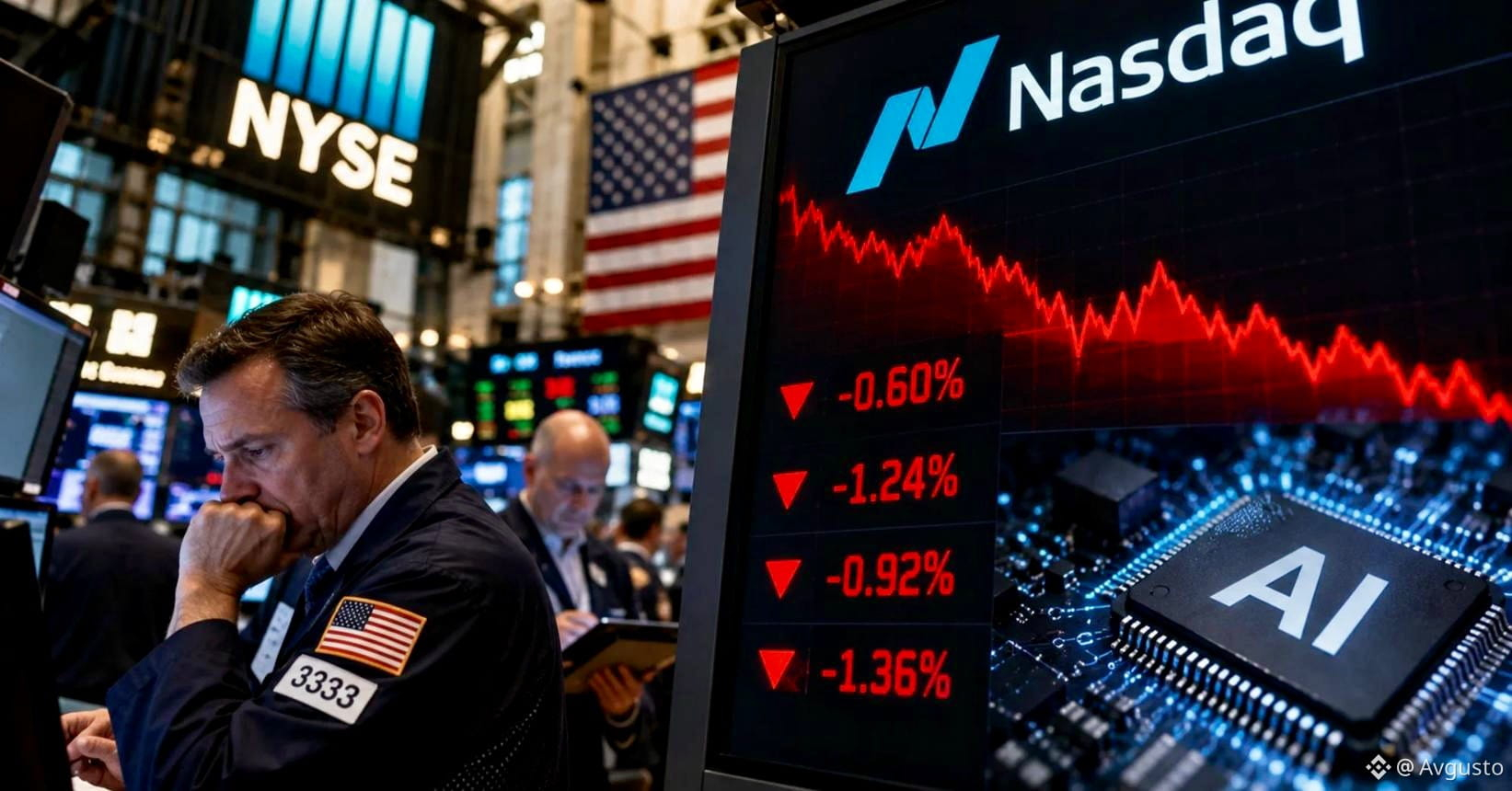
🌍 A week that made investors nervous
Financial markets were on edge. And it wasn't just cryptocurrencies.
📉 1. Tech stock sell-off
The Nasdaq 100 lost more than 6% in a single session.
🤖 2. AI — when will the bill come due?
The race for artificial intelligence requires billions of dollars. But along with investment, debt and questions are piling up 🙄
🏦 3. Crypto market under regulatory pressure
The US continues to tighten its oversight of the crypto industry.
🚨 4. Binance and the fallout from the hack
Despite the scale of the incident, the market didn't see a global sell-off.
🛡 5. Zcash and renewed interest in privacy
The NU7 upgrade once again drew attention to privacy technologies.
🧐 The market is gradually changing. Investors are becoming more cautious, tech companies are facing questions about profitability, and the crypto industry is becoming ever more integrated into the traditional financial system.
282
·
--
Crypto has made it to Wall Street. And not everyone there is happy about it
The tokenization of real-world assets (RWA) is gaining momentum.
Securitize has added another 13 U.S. stocks to its Solana product. There are now 25 companies available, including:
🔹 ExxonMobil
🔹 Disney
🔹 Salesforce
🔹 Uber
🔹 GameStop
🔹 Lockheed Martin
The tokens are backed 1:1 by real shares, and transactions are settled in USDC.
And the numbers are already interesting: Solana’s official account reported $3.9 billion in trading volume for tokenized stocks in October.
But there’s a catch 😔
🚫 50 companies have opposed OKXICE’s plans to trade tokenized versions of their shares.
They include Nvidia, Nike, Costco, Microsoft, Alphabet, and JPMorgan.
It’s an amusing situation: the crypto industry is actively building a market for tokenized stocks, while some of the issuers themselves don’t yet want to see their shares on third-party blockchain platforms.

341
·
--
Verified
🏆 “Has the AI boom hit a snag? Even Intel plunged 30%”
Today, October 30, 2026, Intel (NASDAQ: INTC) shares suffered a massive 30.43% drop, closing at $64.06. During the trading session, the stock fell to a local low of $63.91
Here are the reasons:
🔸 Gloomy outlook for the PC market: People will buy fewer PCs and spend more time on their phones🧐
🔸 Huge AI expenses: The financial report showed massive capital investments in artificial intelligence infrastructure.
🔸 Production emergency: Another negative factor was the closure of Intel’s factory in Israel in mid-October following a tragic explosion at the facility😔
👀In a nutshell, there’s nothing to celebrate
📌 Looks like there’s a reason Warren Buffett and his conglomerate Berkshire Hathaway don’t own Intel shares and haven’t invested any money in it

2.3k
·
--
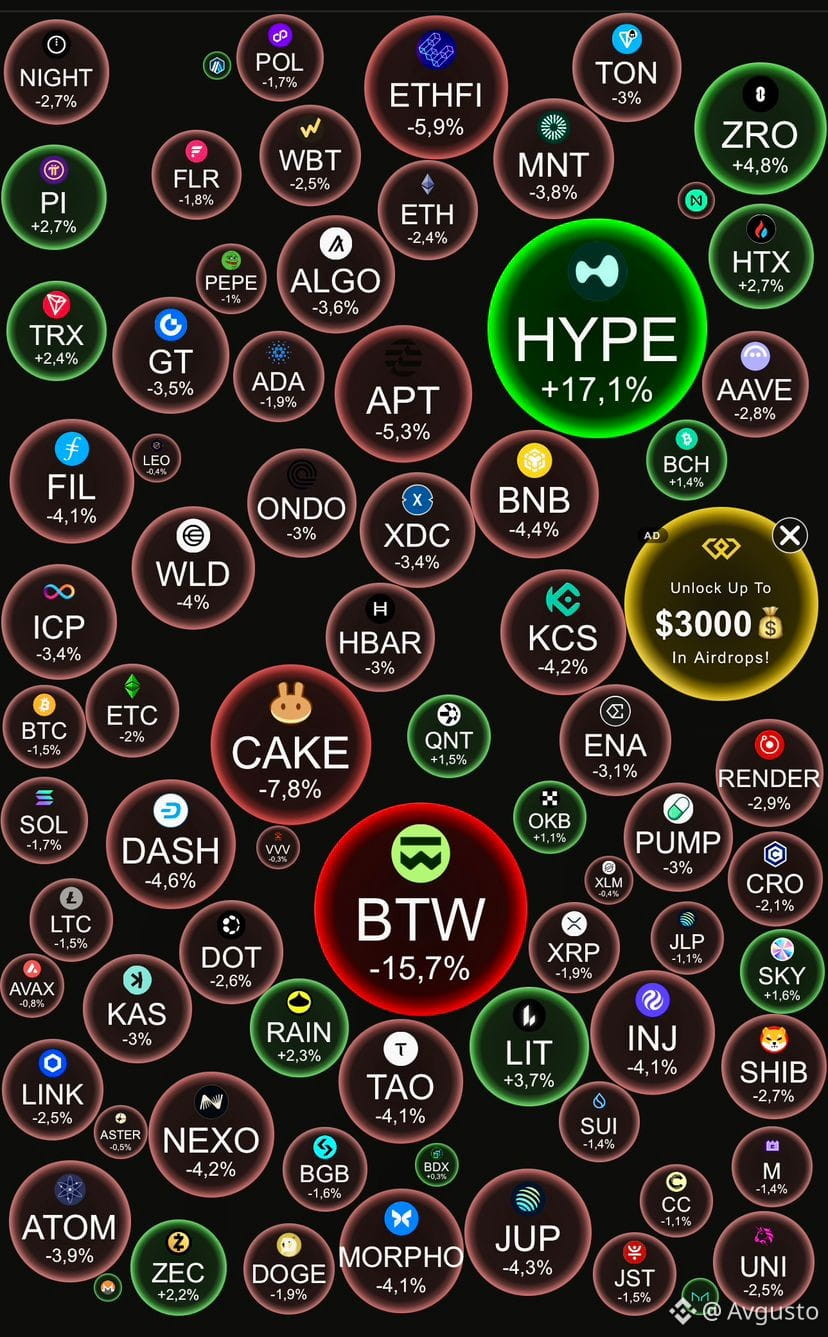
☕ Morning Crypto Briefing — October 30, 2026
👀Today, the crypto market woke up not to another Bitcoin forecast, but to a story that could become one of the biggest shocks to centralized exchanges. The preliminary estimated scale of the Binance incident is around $6.3 billion.
In one morning snapshot, the total market capitalization was around $2.61 trillion, and the Fear and Greed Index stood at 30, indicating fear. Most major altcoins are trading lower.
Separately, analysts weighed in. Chainalysis reported that approximately $5.912 billion in funds had been stolen. TRM Labs attributed the attack, with a high degree of confidence, to the North Korean group TraderTraitor.
Other key developments:
🔸 NYSE enters the perpetual futures market through Hyperliquid
🔸 Polygon connects Solana to its payment infrastructure
🔸 Curve expands beyond the EVM for the first time
442
·
--
🤖 AI crypto: who’s making money from artificial intelligence, and who’s just slapped on a trendy label?
While tech giants are spending billions on AI, a different story is unfolding in crypto — an attempt to build artificial intelligence infrastructure on the blockchain.
Grayscale highlighted three interesting areas 👇
🔹 DATA Network ($DATA) — collecting and licensing data to train AI models.
🔹 USD.AI ($CHIP) — financing GPU infrastructure through lending and on-chain pools.
🔹 Pearl ($PEARL) — an idea that combines AI computing with keeping the blockchain running.
📉 Even if artificial intelligence becomes a huge market, that doesn’t mean every AI token will rise along with it 😔
💡 The next exciting opportunity in AI crypto may emerge not where the marketing is loudest, but where the blockchain solves a specific economic problem.

1
246
·
--
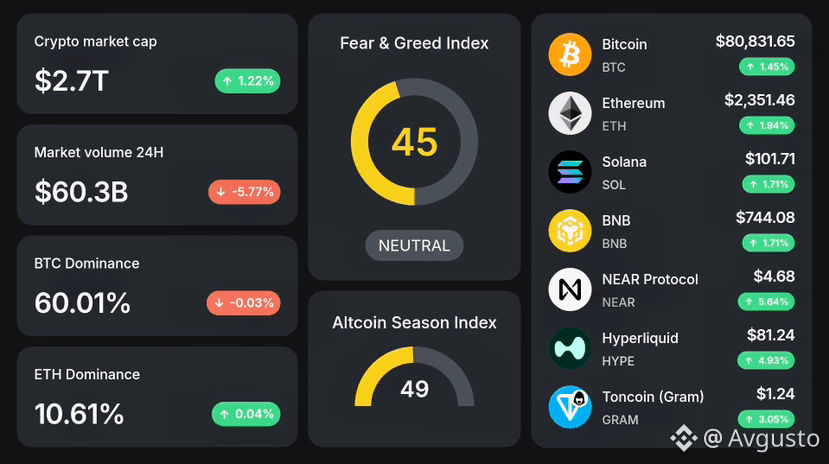
📊 What’s happening in the market…🙄
- BTC ≈$80,800 (+1.45%)
- ETH ≈$2,350 (+1.94%)
- SOL ≈$102 (+1.71%)
📌 Today, it’s more interesting to look not at yet another Bitcoin move, but at how crypto companies are gradually becoming part of the traditional financial system. And Ripple is a fresh example.
🔸Which altcoins are standing out?
Zcash (ZEC)
Hyperliquid (HYPE)
🔸 Another important factor: the US Federal Reserve’s decision is expected today at 20:00 Kyiv time.
🔸 Ripple, RLUSD, and crypto’s growing ties with banks
On October 26, Ripple CEO Brad Garlinghouse announced on X that the OCC—the US Office of the Comptroller of the Currency—had granted final approval to establish Ripple National Trust Bank.
…But there are some caveats 😔
🔻This is not a full-service commercial bank. The license does not allow it to accept regular deposits or issue loans.
🔻RLUSD is not XRP. Managing a stablecoin’s reserves and safeguarding assets do not automatically increase demand for the XRP token.
1
509
·
--
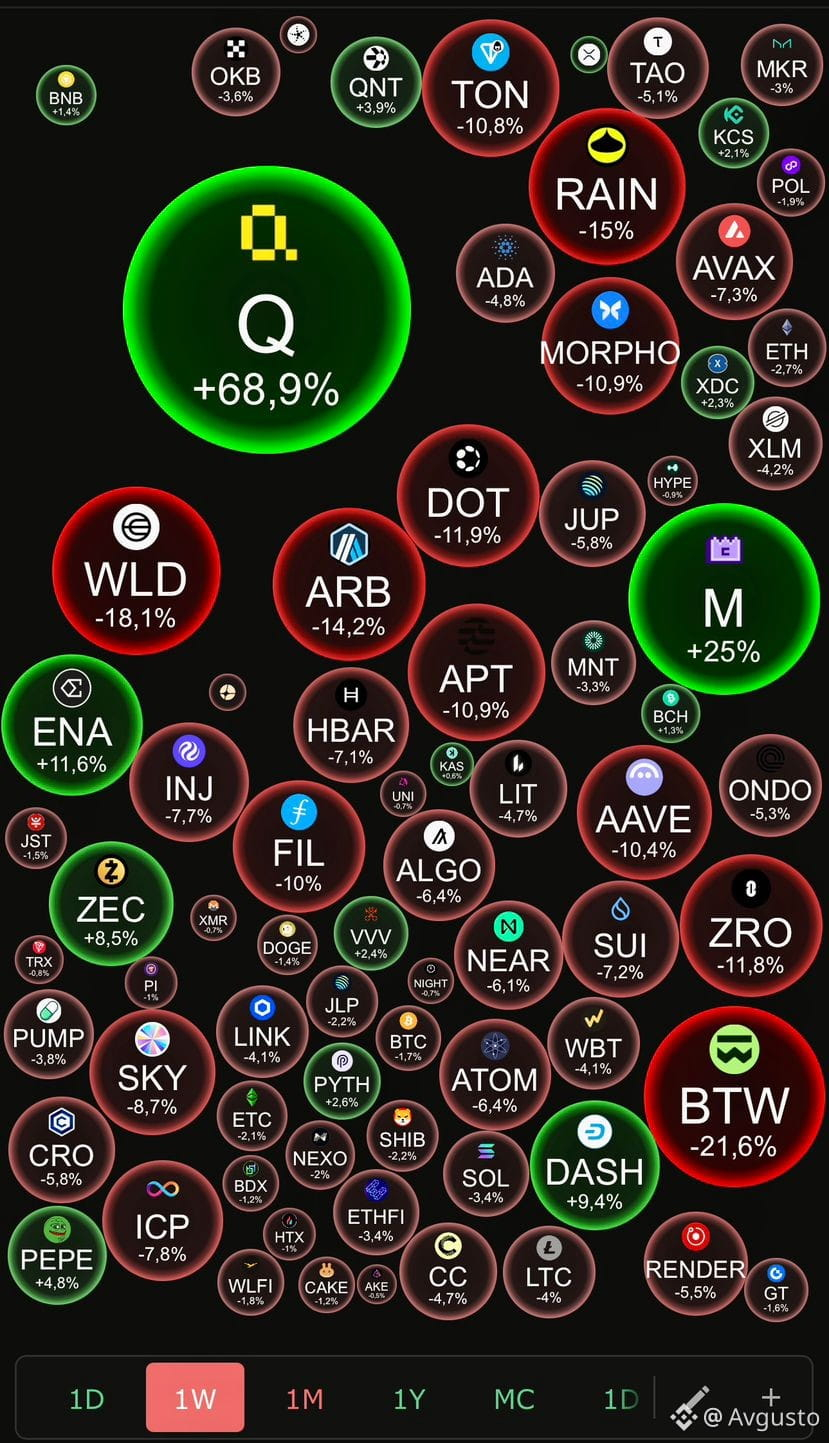
🔑 Key events of the day
🔸 Bitcoin is holding around $80,000.
The support zone is around $79,400–79,600, while the nearest resistance is at $80,500–80,800.
🔸 Institutional money is flowing unevenly.
In the week of October 19–23, U.S. spot Bitcoin ETFs attracted around $304.7 million, while Ethereum ETFs saw outflows of approximately $220.6 million.
🔸 The Fed will be in the spotlight tomorrow.
The market is awaiting the U.S. Federal Reserve’s decision on October 28.
🔸 AI tokens are attracting speculators again.
According to a DEX narrative tracker, as of the morning of October 27, AI tokens led by volume among the tracked trending tokens on BNB Chain and Base.
246
·
--
🚨 Is Uniswap coming back to life? New wallets are breaking records
🌱 2,295 new addresses appeared in the Uniswap ecosystem in the past 24 hours—the highest number since November 2022.
Against the backdrop of Uniswap v4, Unichain, and changes to the $UNI tokenomics, this looks interesting.
🔹 $7 — key support level;
🔹 $7.50 — first hurdle on the road to recovery;
🔹 $8 — the next target if momentum holds.
🧠 The key caveat: new addresses don’t guarantee a price rise. What matters is whether activity continues and starts generating more fees for the protocol.
If interest in Uniswap keeps growing, UNI will have an additional fundamental argument in favor of a recovery.
And if activity quickly fizzles out—we know the drill 😔
📌 We’re keeping UNI on our radar, but buying just because someone created a wallet? Not the best idea.
290
·
--
🔥 “Most blockchains will die. But even the winners don’t guarantee 100x returns”
Raoul Pal of Global Macro Investor believes the crypto market is following the dot-com crash playbook: thousands of projects will disappear, while most of the value will be concentrated in a few major networks.
🔹 ETH — infrastructure for DeFi, stablecoins, and asset tokenization.
🔹 SOL — mass-market apps, trading, and fast transactions.
🔹 SUI — a young contender that still has to prove its resilience.
🔹 HYPE — a specialized ecosystem built around trading infrastructure.
🫡What the candidates for extinction lack:
▪️ Resilient capital, not money that rushes in during a pump and disappears at the first dip.
▪️ Stablecoin growth, even in a weak market.
▪️ Developers who keep building products instead of merely promising a revolution.
▪️ Real network usage, not pretty numbers for presentations.
⚠️ Even if a blockchain survives, its token isn’t necessarily going to rise. A high valuation, unlocks, and a weak link between the network’s success and the coin’s value can undermine the investment thesis.
231
·
--
💰 Where can you actually make money in crypto right now?
If you look at the money instead of the flashy narratives, the answer gets pretty cynical.
CoinGecko calculated crypto projects’ revenue for 2026:
🥇 Hyperliquid — $429 million
🥈 Pump.fun — $322 million
🥉 Axiom Pro — $132 million
And here’s the most interesting part: a significant share of the money revolves around trading, memecoins, perpetuals, and infrastructure for speculation.
So while the market talks about AI, DePIN, and yet another “Web3 revolution,” the real fees are being collected by those who built the infrastructure where people trade, take risks, and make mistakes.
Hyperliquid is a great example. The platform makes money from trading activity, not promises of a brighter future. And in 2026, its growth is being driven by more than just crypto perpetuals—new markets and tools are emerging.
But there’s an important caveat 👇
An exchange making money doesn’t mean every trader on it is making money.
Quite the opposite. A platform’s fees are money that someone on the other side of the trade has already lost or paid for the chance to trade.
So today, it’s more interesting to look for projects that profit from market activity itself than yet another “100x token.”

412
Log in to explore more content
Join global crypto users on Binance Square
⚡️ Get latest and useful information about crypto.
💬 Trusted by the world’s largest crypto exchange.
👍 Discover real insights from verified creators.
Email / Phone number
Trending Topics
Bitcoin'sReboundFadesBelow$60K
3,341 views
88 Discussing
#Bitcoin'sReboundFadesBelow$60K
$60K Is Not a Floor. Bitcoin Traders, Don't Get Trapped.
$BTC bounced to $64K, then the air came out. $60K is a coin flip, not a floor.
$BTC wicked down to ~$55.3K over the weekend, ripped back toward $64.5K, then sold off again. Now it's chopping around $60K, with a daily close near $60.6K and an intraday low at $59.4K.
That's not a reversal. It's a market catching its breath.
What I'm watching:
Sentiment: Split between fear and dip-buyers. Green candles are short, and nobody is defending them.
Exchange flows: Large $BTC withdrawals from exchanges below $60K point to long-term accumulation or custody. Useful context, but it's slow money. It doesn't stop short-term sellers from hitting every pop.
Resistance: Overhead supply is real. Price keeps stalling near ~$61.5K on the daily, while the $64.5K wick was rejected hard.
Higher targets: Above that, equilibrium sits around $70–72K, with the weekly trend line near ~$79.8K.
Support: $55–59K (weekly demand plus the $55.3K sweep low). A weekly close below this zone makes the structure uglier.
Relief bounce vs. confirmed reversal:
Bounce: Price rises into resistance while volume fades.
Reversal: A strong daily/weekly close above the $64.5K rejection high, expanding volume, and a clean hold on the retest.
We have none of that yet.
Until then, $60K is a magnet, and magnets whipsaw leveraged traders in both directions. Catching the bottom with high leverage here just pays the market to stop you out.
💡 Square Insight: No confirmation, no Futures FOMO. Use limit orders at levels you planned in advance, and split Spot buys (DCA) across the range so one wick doesn't decide your whole position.
❓ Are you accumulating Spot in the $55–60K zone, or waiting for a weekly close above $64.5K first?
NFA / DYOR.
#bitcoin $BTC
TuilaNamKy
·0 Likes
·99 views
NVIDIAReinstatesJensenHuangasCEO
217,881 views
1,480 Discussing
WillMarketsStageAThanksgivingReliefRally?
304,980 views
2,288 Discussing