

staffzj1
10 Posts

staffzj1
Report
Block User
😎
Open Trade
Occasional Trader
2.5 Years
0 Following
53 Followers
33 Liked
Posts
Portfolio
·
--
Bitcoin: a revolution in finance
#bitcoin $BTC
{spot}(BTCUSDT)
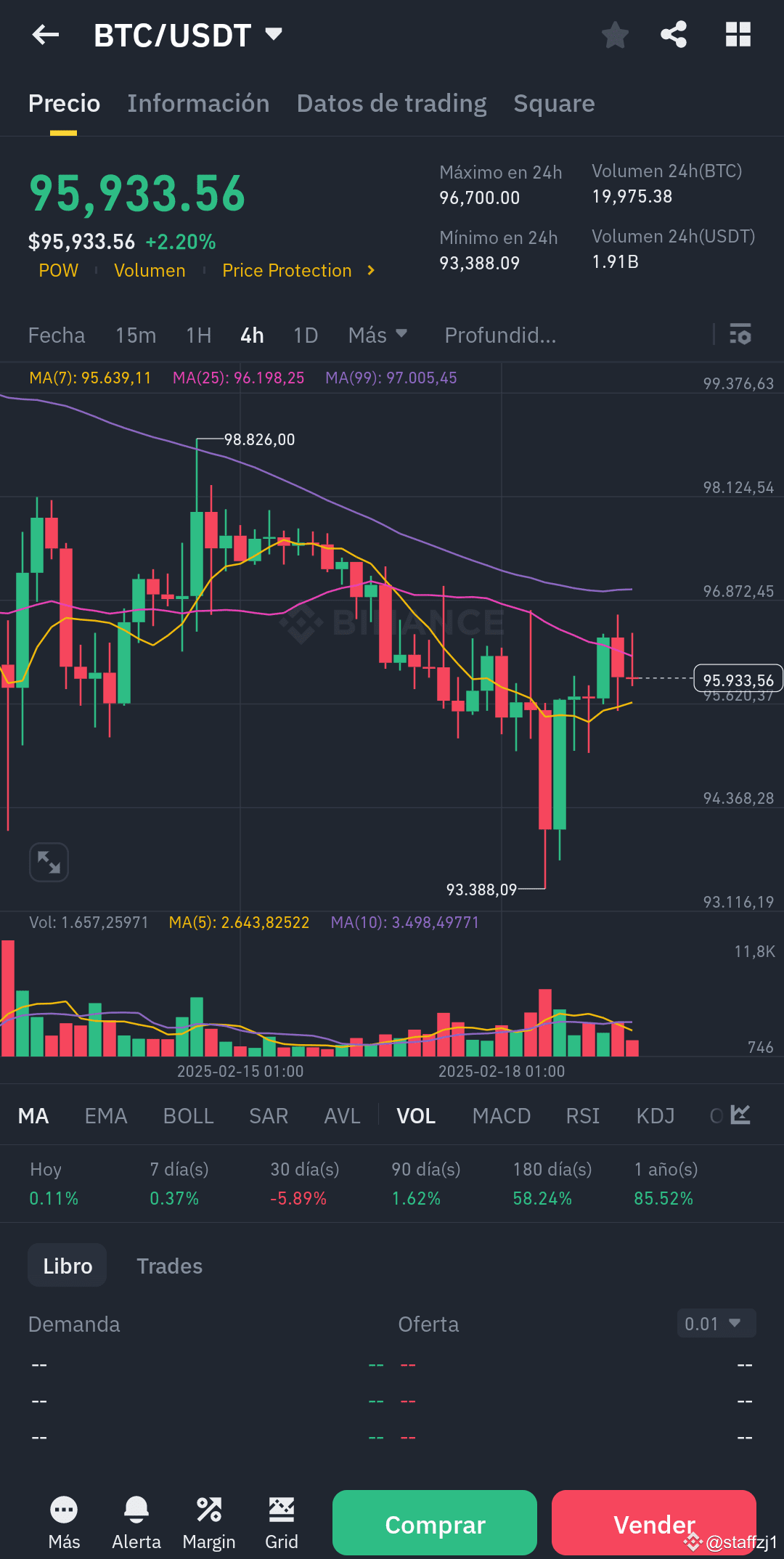
Bitcoin is a decentralized digital currency that operates independently of central banks. It uses blockchain technology, a secure and transparent ledger, to record all transactions.
Key features:
* Decentralized: no entity controls Bitcoin, making it resistant to censorship and manipulation.
* Secure: blockchain technology enhances security through cryptography and consensus mechanisms.
* Transparent: all transactions are publicly recorded on the blockchain, promoting transparency and accountability.
* Limited supply: there will only be 21 million Bitcoins, creating potential for long-term value appreciation.
Potential benefits:
* Financial inclusion: Bitcoin can provide financial services to unbanked individuals or those with limited access to banking services.
* Reduced transaction costs: Bitcoin can lower potential transaction fees compared to traditional financial systems.
* Greater financial freedom: Bitcoin gives individuals more control over their finances.
Disclaimer: Investing in Bitcoin involves significant risks, including price volatility and the potential for loss.#Bitcoin#Cryptocurrency#Blockchain#DecentralizedFinance #Investment
Note: This is a general overview and should not be considered financial advice.
Bitcoin: a revolution in finance
#bitcoin $BTC
Bitcoin is a decentralized digital currency that operates independently of central banks. It uses blockchain technology, a secure and transparent ledger, to record all transactions.
Key features:
* Decentralized: no entity controls Bitcoin, making it resistant to censorship and manipulation.
* Secure: blockchain technology enhances security through cryptography and consensus mechanisms.
* Transparent: all transactions are publicly recorded on the blockchain, promoting transparency and accountability.
* Limited supply: there will only be 21 million Bitcoins, creating potential for long-term value appreciation.
Potential benefits:
* Financial inclusion: Bitcoin can provide financial services to unbanked individuals or those with limited access to banking services.
* Reduced transaction costs: Bitcoin can lower potential transaction fees compared to traditional financial systems.
* Greater financial freedom: Bitcoin gives individuals more control over their finances.
Disclaimer: Investing in Bitcoin involves significant risks, including price volatility and the potential for loss.#Bitcoin#Cryptocurrency#Blockchain#DecentralizedFinance #Investment
Note: This is a general overview and should not be considered financial advice.
#bitcoin $BTC
Bitcoin is a decentralized digital currency that operates independently of central banks. It uses blockchain technology, a secure and transparent ledger, to record all transactions.
Key features:
* Decentralized: no entity controls Bitcoin, making it resistant to censorship and manipulation.
* Secure: blockchain technology enhances security through cryptography and consensus mechanisms.
* Transparent: all transactions are publicly recorded on the blockchain, promoting transparency and accountability.
* Limited supply: there will only be 21 million Bitcoins, creating potential for long-term value appreciation.
Potential benefits:
* Financial inclusion: Bitcoin can provide financial services to unbanked individuals or those with limited access to banking services.
* Reduced transaction costs: Bitcoin can lower potential transaction fees compared to traditional financial systems.
* Greater financial freedom: Bitcoin gives individuals more control over their finances.
Disclaimer: Investing in Bitcoin involves significant risks, including price volatility and the potential for loss.#Bitcoin#Cryptocurrency#Blockchain#DecentralizedFinance #Investment
Note: This is a general overview and should not be considered financial advice.
288
·
--
#ftxrepayment<t-57/>#FTXrepayment
FTX creditors discuss plans and lessons learned as repayments begin
The start of FTX’s payments to creditors on February 18 marks the beginning of the end of a saga that once shook the cryptocurrency community to its core. Creditors were among those who felt the brunt of the platform’s collapse, some of whom saw their life savings, earmarked for home purchases and children’s education, vanish overnight as the cryptocurrency empire collapsed.
#ftxrepayment
<t-57/>#FTXrepayment
FTX creditors discuss plans and lessons learned as repayments begin
The start of FTX’s payments to creditors on February 18 marks the beginning of the end of a saga that once shook the cryptocurrency community to its core. Creditors were among those who felt the brunt of the platform’s collapse, some of whom saw their life savings, earmarked for home purchases and children’s education, vanish overnight as the cryptocurrency empire collapsed.
FTX creditors discuss plans and lessons learned as repayments begin
The start of FTX’s payments to creditors on February 18 marks the beginning of the end of a saga that once shook the cryptocurrency community to its core. Creditors were among those who felt the brunt of the platform’s collapse, some of whom saw their life savings, earmarked for home purchases and children’s education, vanish overnight as the cryptocurrency empire collapsed.
3
263
·
--
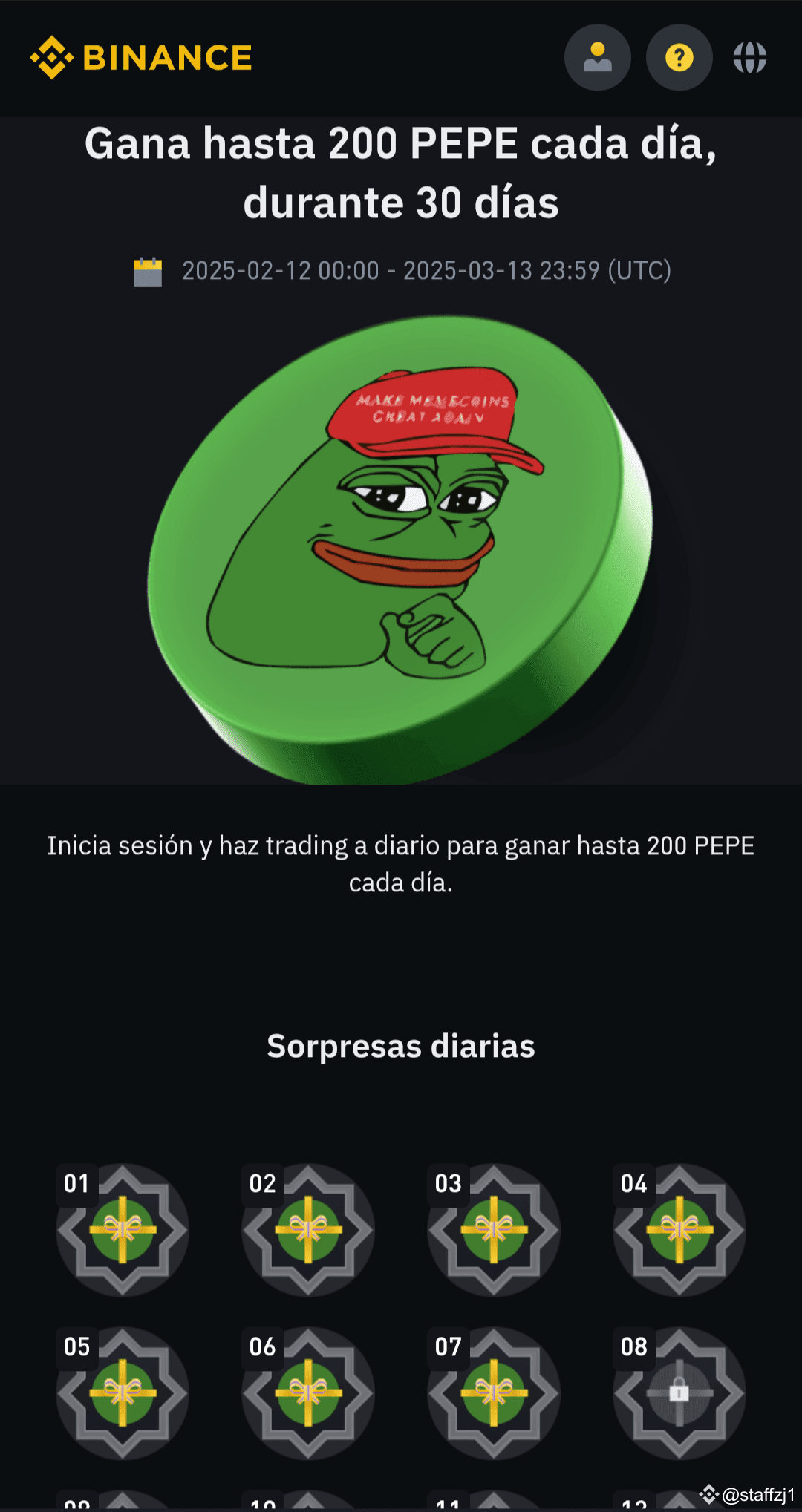
[gana 200 PEPE diarios reclamando recompensas](https://www.binance.info/activity/calendar/200PEPE?ref=GRO_7058_IFJ4T&utm_source=share)
gana 200 PEPE diarios reclamando recompensas
10
4
27
6.9k
Log in to explore more content
Join global crypto users on Binance Square
⚡️ Get latest and useful information about crypto.
💬 Trusted by the world’s largest crypto exchange.
👍 Discover real insights from verified creators.
Email / Phone number
Trending Topics
ZcashETFPostsFirstWeeklyOutflow$93.6M
6,942 views
37 Discussing
ZCASH ETF UPDATE
Zcash’s ETF has recorded its first weekly net outflow since launching in August.
Investors withdrew $93.6M as $ZEC fell toward $1,300. Grayscale’s ZCSH had attracted $98.2M two weeks earlier, but no daily net inflows have been recorded since September 22, according to SoSoValue.
ZEC was around $1,308 on October 3, down about 17.5% for the week and roughly 23% from its recent $1,690 peak.
$ZEC
Vicky-143
·0 Likes
·783 views
GreekPoliceBustCryptoScamRingArrest17
9,286 views
186 Discussing
BitcoinRejectedAt$87K
70,190 views
104 Discussing