
Aida Amal
956 Posts

Aida Amal
Report
Block User
🔔Noticias, Análisis, Alertas... de Bitcoin y Criptomonedas 📰Mantente siempre informado con las últimas novedades del mercado. "Guiándote con seguridad"
Open Trade
Frequent Trader
4.6 Years
100 Following
310 Followers
1.2K+ Liked
Posts
Portfolio
All
Quotes
Videos
PINNED
·
--
Bullish
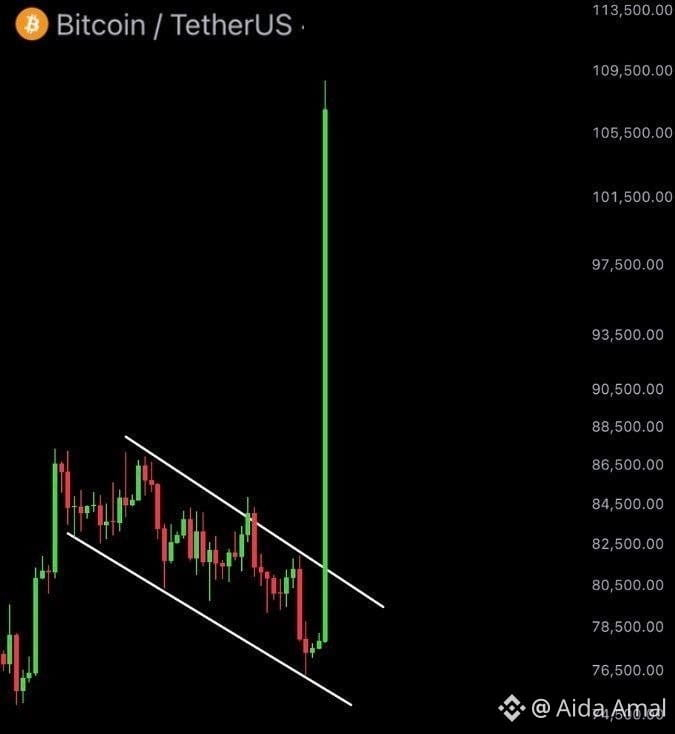
$BTC we only want one thing before the year ends…
✅
$BTC we only want one thing before the year ends…
✅
✅
15
3
48
21.8k
PINNED
·
--
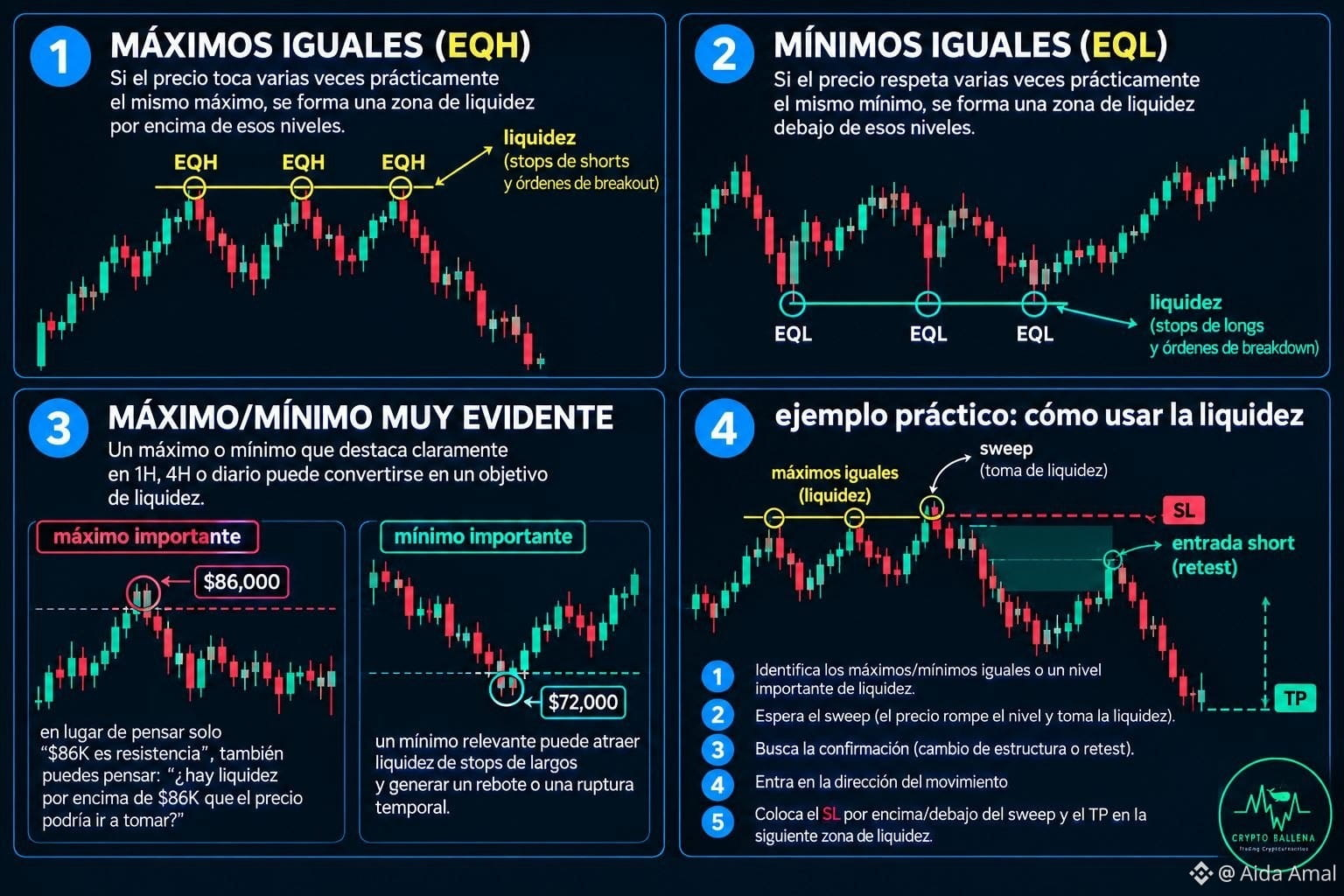
HOW TO IDENTIFY LIQUIDITY IN TRADING?
Liquidity is usually found around areas where many traders place their orders and stop losses.
Above equal highs (EQH), when the price leaves several highs at practically the same level, there may be liquidity above.
Below equal lows (EQL), when the price respects the same low multiple times, liquidity can accumulate below.
But finding liquidity doesn’t mean you should enter immediately.
One way to use it is to wait:
Liquidity → sweep → confirmation → entry
For example, price may break a high to take liquidity and then quickly return below it. That’s where we wait for confirmation before looking for a trade.
Remember: liquidity is a tool for interpreting price, not an automatic entry signal. Always use a stop loss and appropriate risk management.
$BTC #TradingCommunity #BinanceAcademy
12
4
35
7.7k
·
--
CFTC sues Louisiana to protect federally regulated prediction markets
The U.S. Commodity Futures Trading Commission (CFTC) has filed a federal lawsuit against the state of Louisiana, seeking to prevent the state from investigating or taking enforcement action against federally regulated prediction markets, as well as their affiliates and partners.
The lawsuit goes beyond the specific platforms mentioned in the Louisiana case, seeking broader protection for any entity operating under CFTC oversight. This action represents a direct federal challenge to state-level efforts to shut down prediction markets that have already received approval from federal regulators.
Source
Trade on Binance

1
32
·
--
Bitcoin and Ethereum ETFs see $1.5 billion in outflows over five days
U.S.-listed Bitcoin and Ethereum ETFs recorded combined net outflows of nearly $1.5 billion in a single week, marking one of the most intense periods of withdrawals since spot crypto ETFs launched in the United States.
Ethereum ETFs bore a particularly significant share of this pressure, with approximately $400 million in outflows over the same five-day period. The figures point to sustained redemption activity across both asset classes, rather than isolated selling in a specific product category.
These outflows come amid widespread uncertainty in cryptocurrency markets, where institutional fund flows are increasingly used as an indicator of short-term sentiment among large investors.
Source
Trade on Binance

1
62
·
--
Cryptocurrency market loses $571 billion in ten days as sell-offs intensify
The global cryptocurrency market lost $571 billion in ten days as a sustained wave of selling accelerated after Bitcoin fell below $72,000 on November 12.
Bitcoin and Ether posted brief rebounds after the recent plunge; however, comparisons over the past 24 hours confirm that losses are accelerating rather than stabilizing.
Source
Trade on Binance

1
57
·
--
💥BREAKING: JENSEN HUANG IS CONSIDERING RETURNING AS NVIDIA CEO, ACCORDING TO FT. 👀
@AmalCriptoMonarca ✅$NVDAB
💥BREAKING: JENSEN HUANG IS CONSIDERING RETURNING AS NVIDIA CEO, ACCORDING TO FT. 👀
@Aida Amal ✅$NVDAB
@Aida Amal ✅$NVDAB


2
203
·
--
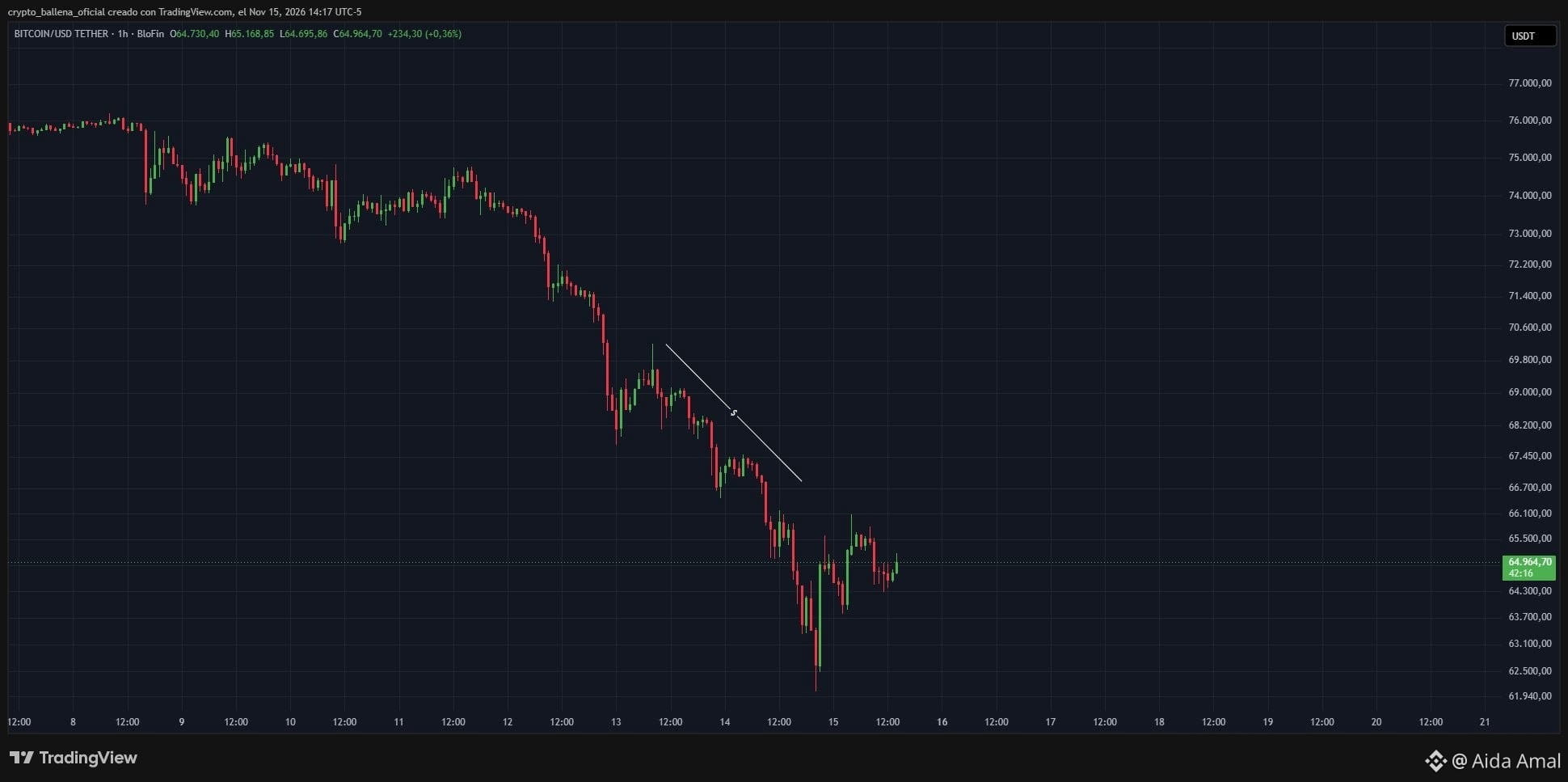
$BTC is leaving more and more accumulated liquidity up top. 👀
After such an aggressive drop, we’ll have to watch whether the price tries to sweep that liquidity.🎯
$BTC is leaving more and more accumulated liquidity up top. 👀
After such an aggressive drop, we’ll have to watch whether the price tries to sweep that liquidity.🎯
After such an aggressive drop, we’ll have to watch whether the price tries to sweep that liquidity.🎯
1
259
·
--
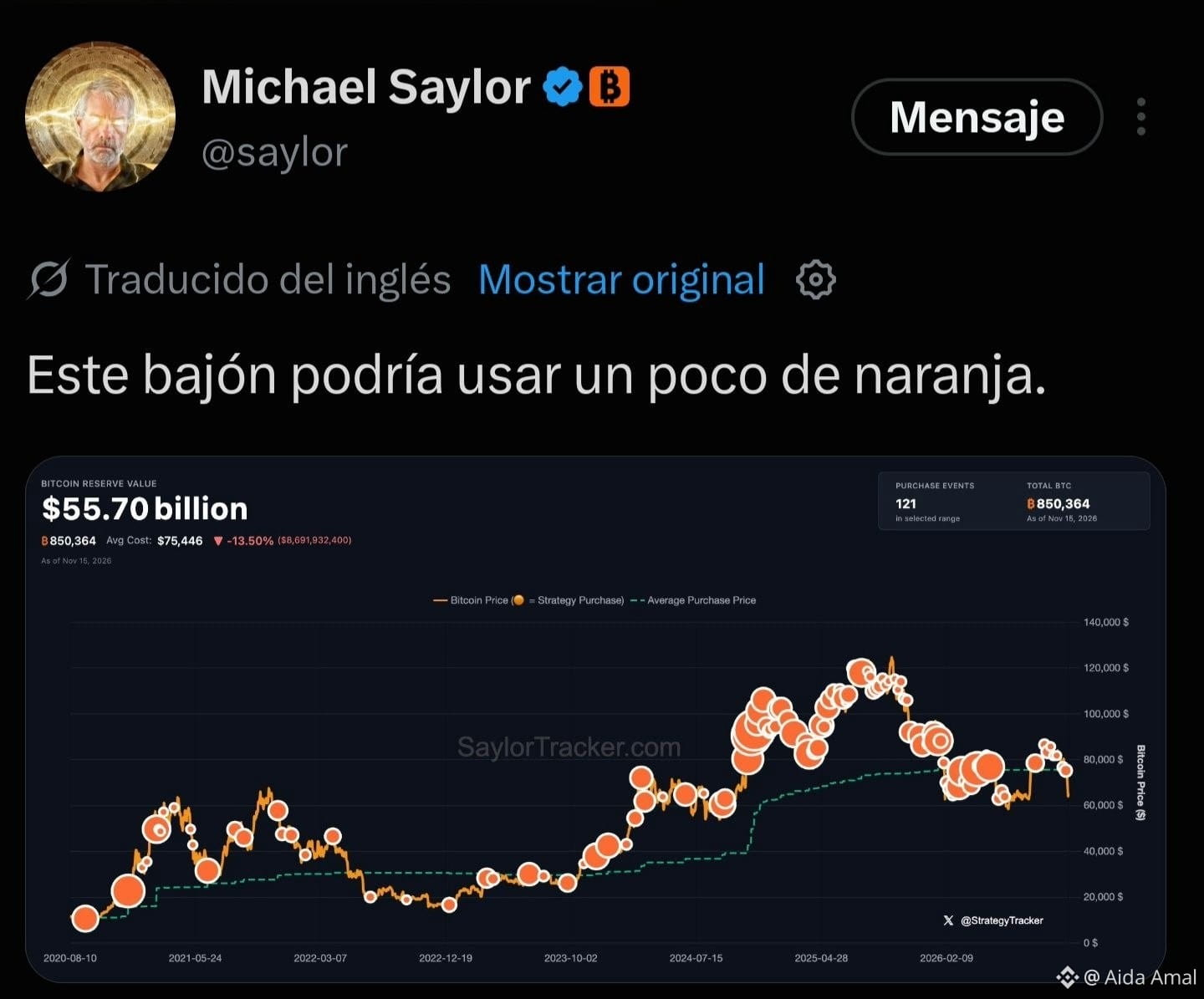
🪙 Michael Saylor reposts Strategy’s Bitcoin purchase chart, hinting at a new purchase announcement tomorrow 👀
@AmalCriptoMonarca ✅
🪙 Michael Saylor reposts Strategy’s Bitcoin purchase chart, hinting at a new purchase announcement tomorrow 👀
@Aida Amal ✅
@Aida Amal ✅
1
112
·
--
The market never falls in a straight line. There are always relief rallies...
The market never falls in a straight line. There are always relief rallies...
1
95
·
--
Bearish
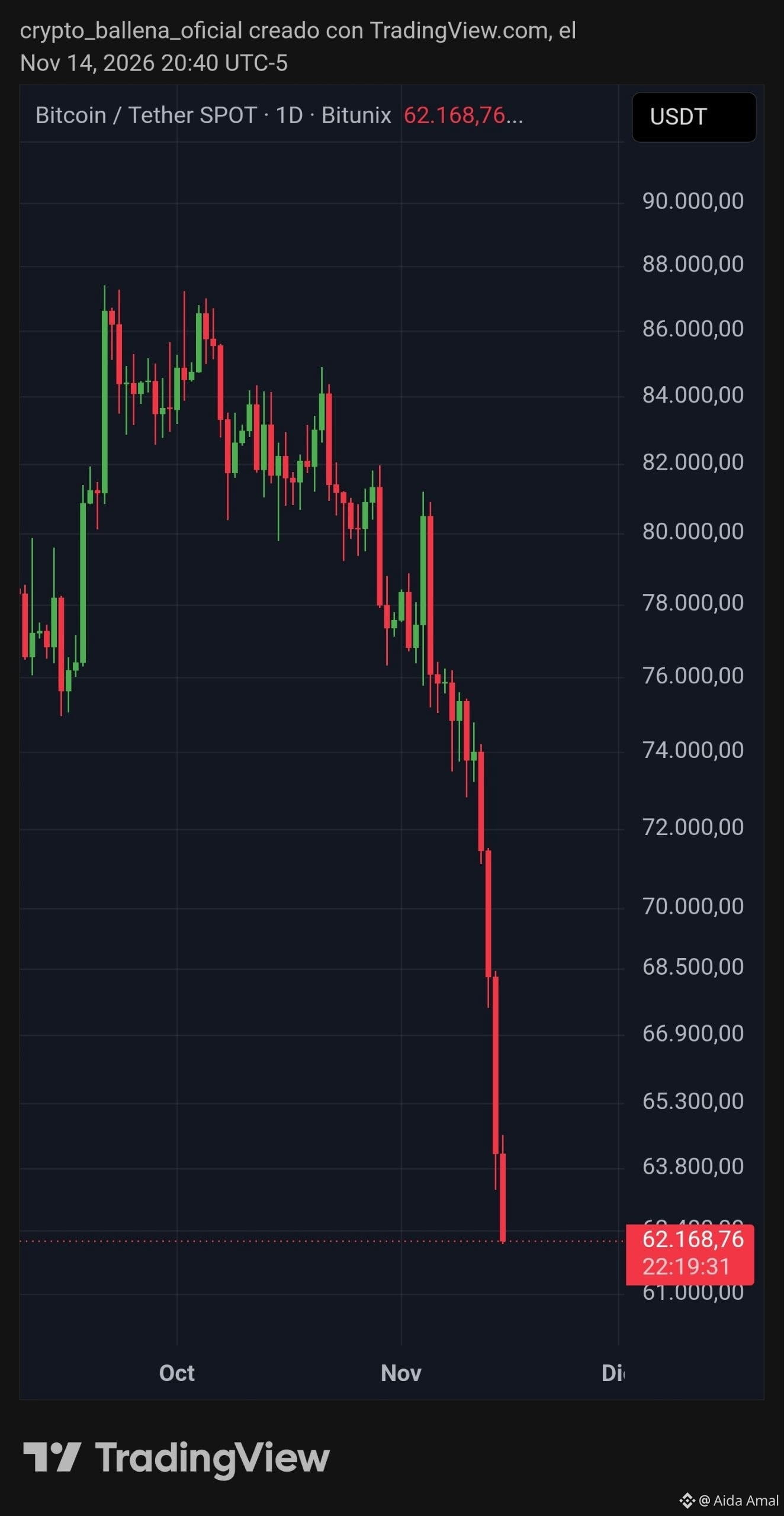
$BTC is still in free fall…🩸
If you know, you know.🫡
$BTC is still in free fall…🩸
If you know, you know.🫡
If you know, you know.🫡
1
9
·
--
Crypto market falls 4.6% as tighter financial conditions weigh on risk assets
The global cryptocurrency market fell 4.62% in 24 hours to $2.21 trillion this Saturday, as tighter financial conditions led investors to move away from risk assets in general.
Bitcoin fell 5.03% to $65,139.39, bringing its weekly loss to nearly 14%. Ether dropped 5.5% to $1,817.97, Solana fell 9.08% to $72.28, BNB declined 7.06% to $585.70, and XRP lost 5.98%, trading at $0.9549.
Source
Trade on Binance
1
184
·
--
Attackers target exposed Microsoft SQL servers with Monero mining software and remote access malware
FortiGuard Labs has identified an active campaign targeting Microsoft SQL servers exposed to the internet, deploying Monero cryptocurrency mining software alongside remote access malware designed to steal data and give attackers full control over compromised machines.
As detailed in a report dated November 12, the operation uses Gh0st RAT—a well-known remote access tool—in combination with payloads designed to mine Monero. The attack vector exploits publicly accessible exposed SQL Server instances, which are compromised to run the malicious software without requiring any further user interaction.
This dual-payload approach is significant: the mining software generates revenue for the attackers, while Gh0st RAT enables persistent access, data exfiltration, and ongoing system control. Organizations with SQL servers exposed to the internet are advised to audit their exposure levels and access controls.
Source
Operates on Binance

1
5
·
--
Indian rupee (INR) withdrawals on Coinbase suspended for more than five days in India
Coinbase users in India are unable to withdraw funds in Indian rupees due to a disruption in banking services that has persisted for more than five days. The platform has not provided a timeline for restoring the service.
The problem is not limited to Coinbase. Unocoin has suspended all deposits and withdrawals, while ZebPay has issued warnings to its users, citing widespread difficulties accessing banking services that are affecting cryptocurrency platforms operating in India.
Source
Trade on Binance
1
83
·
--
🚨 ATTENTION
💣 A BOMBSHELL is coming
👀 Stay tuned because I’ll drop it soon
🚨 ATTENTION
💣 A BOMBSHELL is coming
👀 Stay tuned because I’ll drop it soon
💣 A BOMBSHELL is coming
👀 Stay tuned because I’ll drop it soon
1
22
·
--
Bearish
WHEN WILL CRYPTO HACKS STOP?
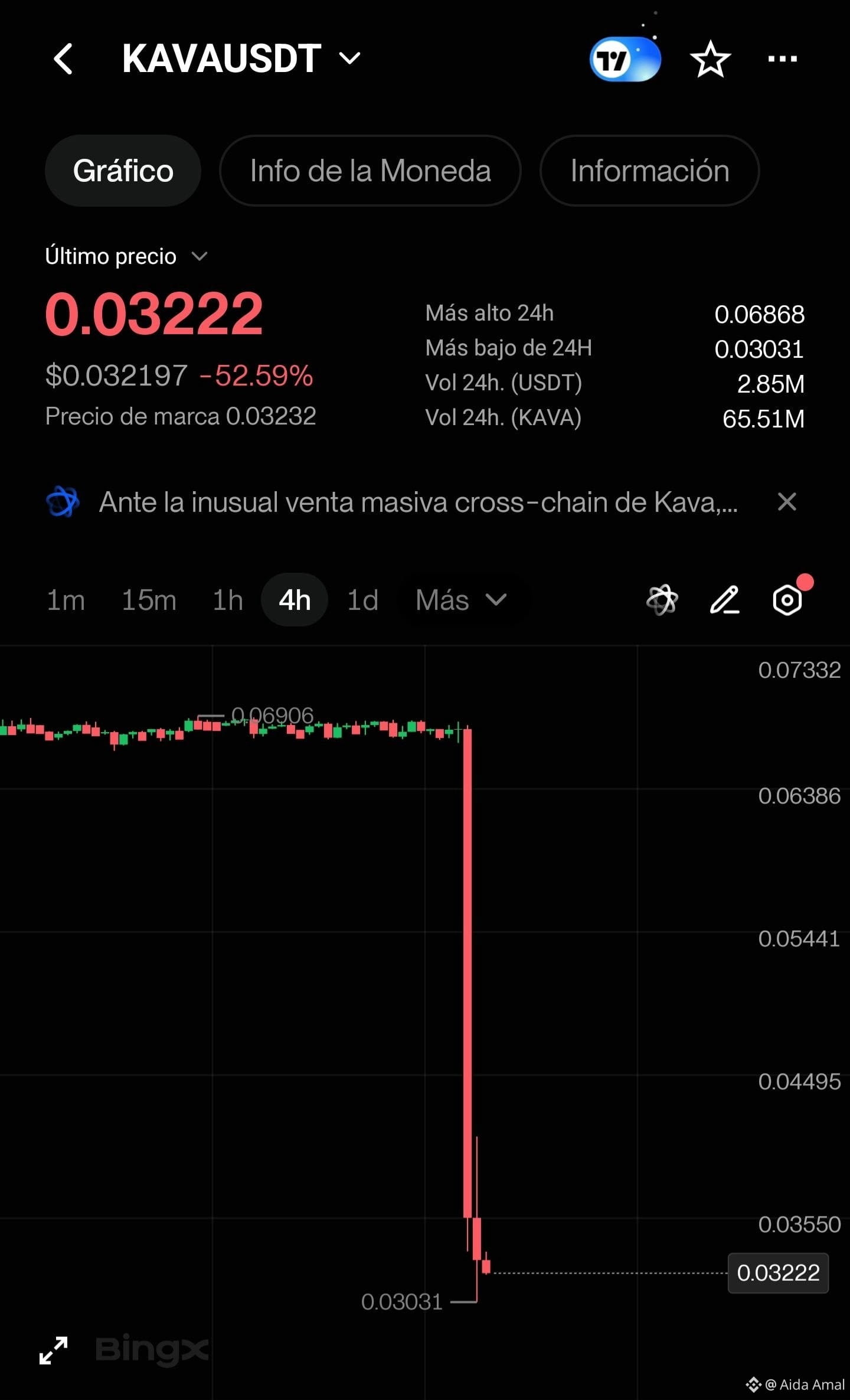
Now it's the turn of $KAVA , which plunged 55% after reports that its lending pool may have been drained. 🤯
@AmalCriptoMonarca ✅
WHEN WILL CRYPTO HACKS STOP?
Now it's the turn of $KAVA , which plunged 55% after reports that its lending pool may have been drained. 🤯
@Aida Amal ✅
Now it's the turn of $KAVA , which plunged 55% after reports that its lending pool may have been drained. 🤯
@Aida Amal ✅
1
1
567
·
--
Bearish
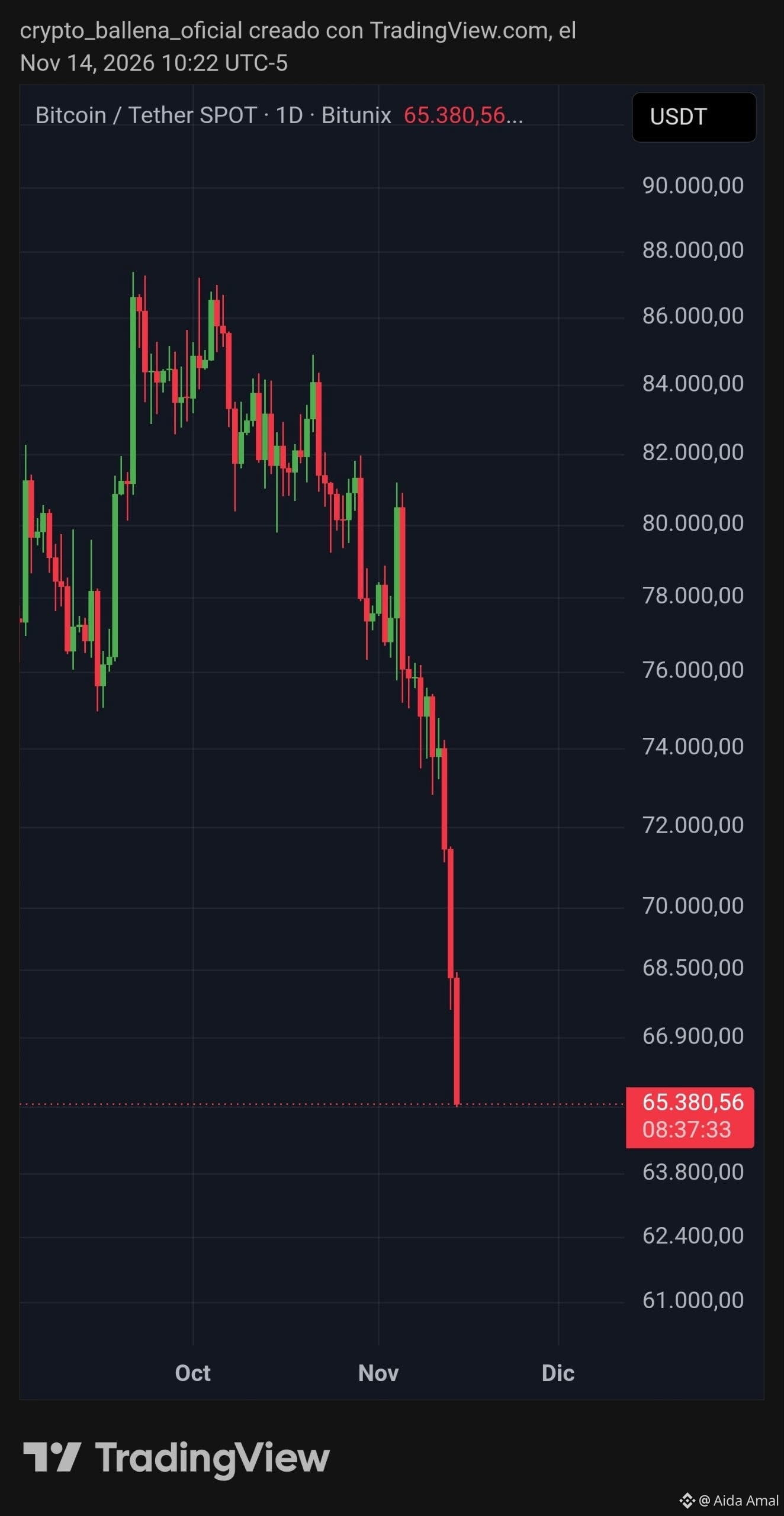
$BTC
Many are trying to catch falling knives while the market keeps dropping...
Stop doing that.
Wait for clear reversal signals before entering.
Remember this:
🔪 Don’t buy a falling knife.
🚀 Don’t short a rising rocket.
$BTC
Many are trying to catch falling knives while the market keeps dropping...
Stop doing that.
Wait for clear reversal signals before entering.
Remember this:
🔪 Don’t buy a falling knife.
🚀 Don’t short a rising rocket.
Many are trying to catch falling knives while the market keeps dropping...
Stop doing that.
Wait for clear reversal signals before entering.
Remember this:
🔪 Don’t buy a falling knife.
🚀 Don’t short a rising rocket.
1
8
·
--
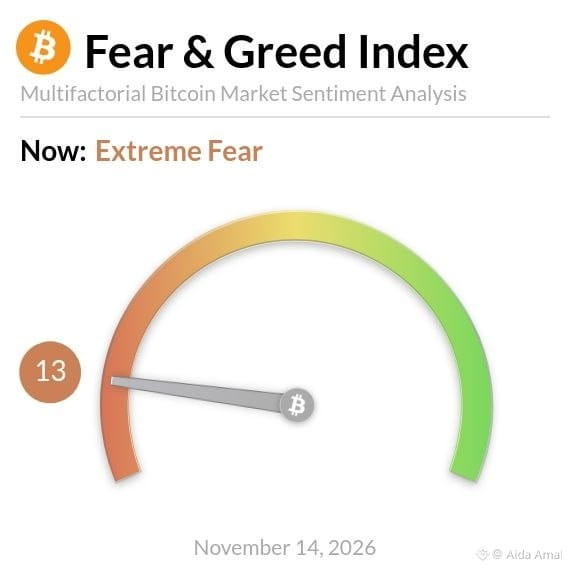
🚨 This is the current state of the Bitcoin Fear and Greed Index
Extreme Fear 13 🤯
🗓 Historically, extreme fear zones have been:
🟢 Good accumulation zones for spot (they don’t always mark the exact bottom)
⚠️ Dangerous for trading with high leverage
🔄 A precursor to relief rallies (short squeeze)
@AmalCriptoMonarca ✅
🚨 This is the current state of the Bitcoin Fear and Greed Index
Extreme Fear 13 🤯
🗓 Historically, extreme fear zones have been:
🟢 Good accumulation zones for spot (they don’t always mark the exact bottom)
⚠️ Dangerous for trading with high leverage
🔄 A precursor to relief rallies (short squeeze)
@Aida Amal ✅
Extreme Fear 13 🤯
🗓 Historically, extreme fear zones have been:
🟢 Good accumulation zones for spot (they don’t always mark the exact bottom)
⚠️ Dangerous for trading with high leverage
🔄 A precursor to relief rallies (short squeeze)
@Aida Amal ✅
1
147
·
--
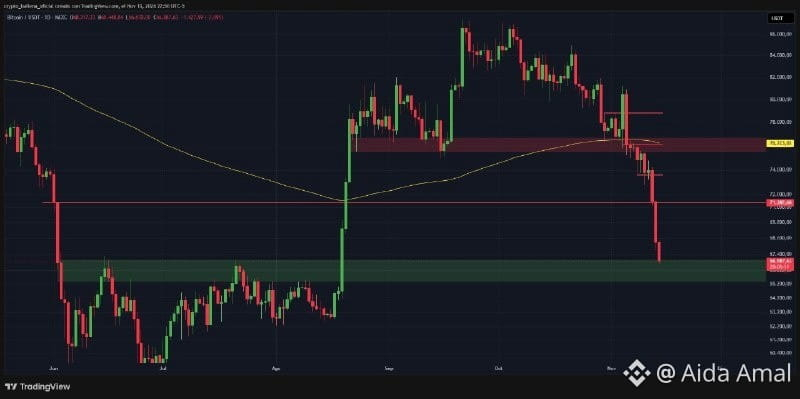
$BTC | UPDATE
On our way to the key support level I was telling you about.👀
This area (green) is important: we need demand to come in and price to defend it to avoid a bigger drop.🤞 Time: 12:01 a.m. today
$BTC | UPDATE
On our way to the key support level I was telling you about.👀
This area (green) is important: we need demand to come in and price to defend it to avoid a bigger drop.🤞 Time: 12:01 a.m. today
On our way to the key support level I was telling you about.👀
This area (green) is important: we need demand to come in and price to defend it to avoid a bigger drop.🤞 Time: 12:01 a.m. today
1
74
·
--
🚨 TOTAL BLOODBATH IN THE CRYPTO MARKET
🔻 $BTC below $67,000
🔻 $ETH below $1,900
🔻 $XRP below $1.00
🔻 $SOL below $75
💥 More than 330 MILLION DOLLARS liquidated in just 2 hours.
🚨 TOTAL BLOODBATH IN THE CRYPTO MARKET
🔻 $BTC below $67,000
🔻 $ETH below $1,900
🔻 $XRP below $1.00
🔻 $SOL below $75
💥 More than 330 MILLION DOLLARS liquidated in just 2 hours.
🔻 $BTC below $67,000
🔻 $ETH below $1,900
🔻 $XRP below $1.00
🔻 $SOL below $75
💥 More than 330 MILLION DOLLARS liquidated in just 2 hours.
1
224
Log in to explore more content
Join global crypto users on Binance Square
⚡️ Get latest and useful information about crypto.
💬 Trusted by the world’s largest crypto exchange.
👍 Discover real insights from verified creators.
Email / Phone number
Trending Topics
CryptoSelloffTriggersMultipleWhaleLiquidations
229,361 views
2,003 Discussing
Crypto Liquidations Top $2B in 24 Hours as 329,000 Traders Are Wiped Out
Binance News
·40 Likes
·60.1k views
HuangReportedlyConsidersReturnToNvidia
105 views
21 Discussing
About64000BitcoinMiningMachinesReportedlyHijacked
0 views
6 Discussing