

-AB
778 Posts

-AB
 Square Verified+
Report
Block User
BNB & Binance community Crypto content creator

Creator Awards 2024
Frequent Trader
5.5 Years
229 Following
78.9K+ Followers
19.1K+ Liked
1 Badges
Posts
All
Quotes
Videos
Live
PINNED
·
--
Bullish
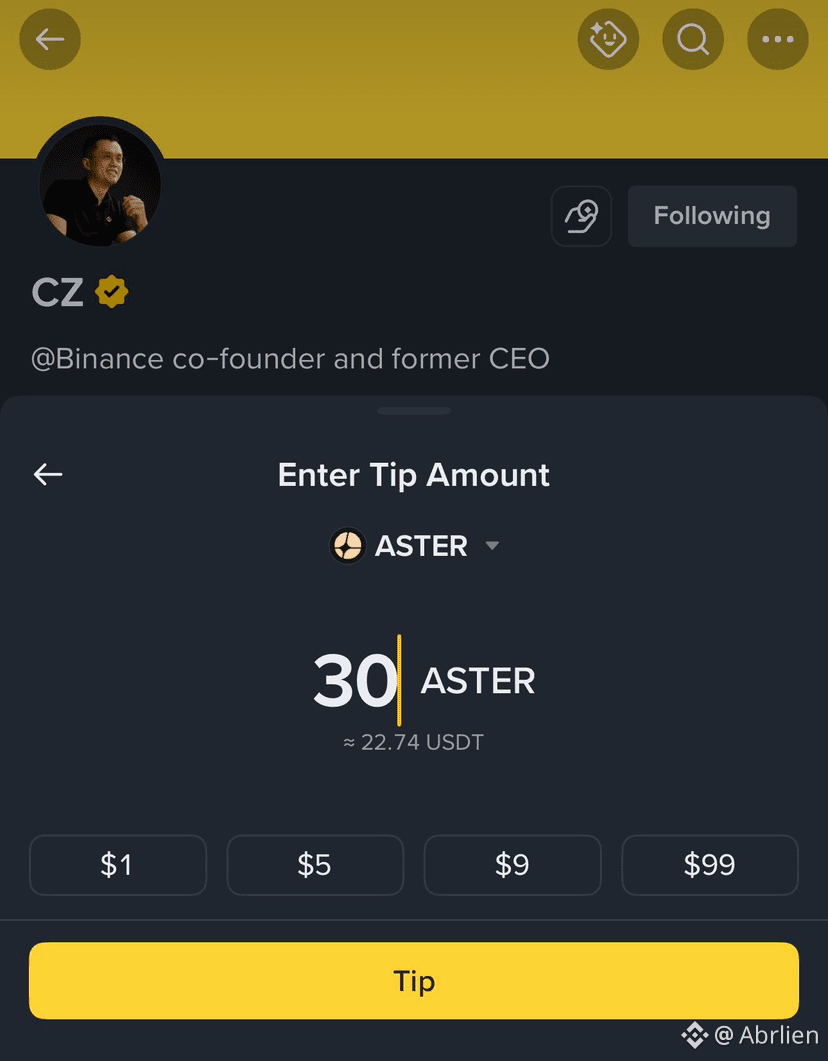
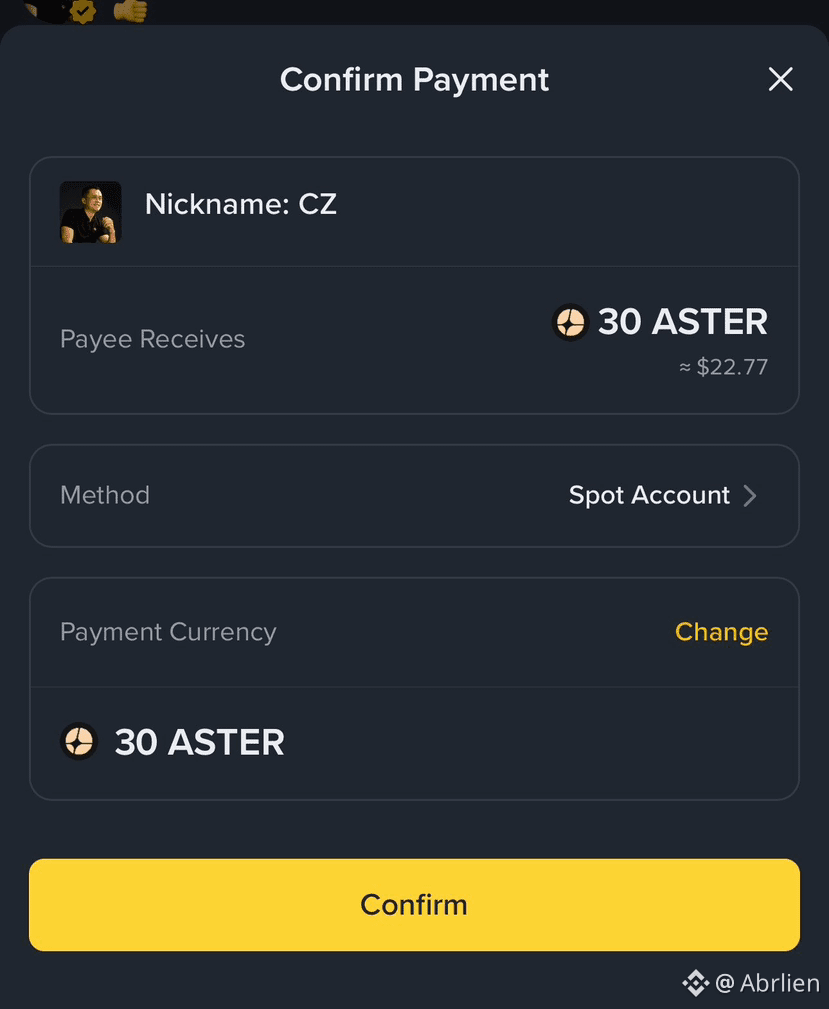
Just tested the Tip feature on #Binance Square Wow 🤩
I sent CZ @CZ 30 ASTER worth around 23 dollars directly from his profile
You can choose from different tokens and tip any creator without leaving Square
Pretty smooth experience
$ASTER
{spot}(ASTERUSDT)
$BNB
{spot}(BNBUSDT)
Just tested the Tip feature on #Binance Square Wow 🤩
I sent CZ @CZ 30 ASTER worth around 23 dollars directly from his profile
You can choose from different tokens and tip any creator without leaving Square
Pretty smooth experience
$ASTER
$BNB
I sent CZ @CZ 30 ASTER worth around 23 dollars directly from his profile
You can choose from different tokens and tip any creator without leaving Square
Pretty smooth experience
$ASTER
$BNB
117
1
204
239.4k
·
--
Bullish
Verified
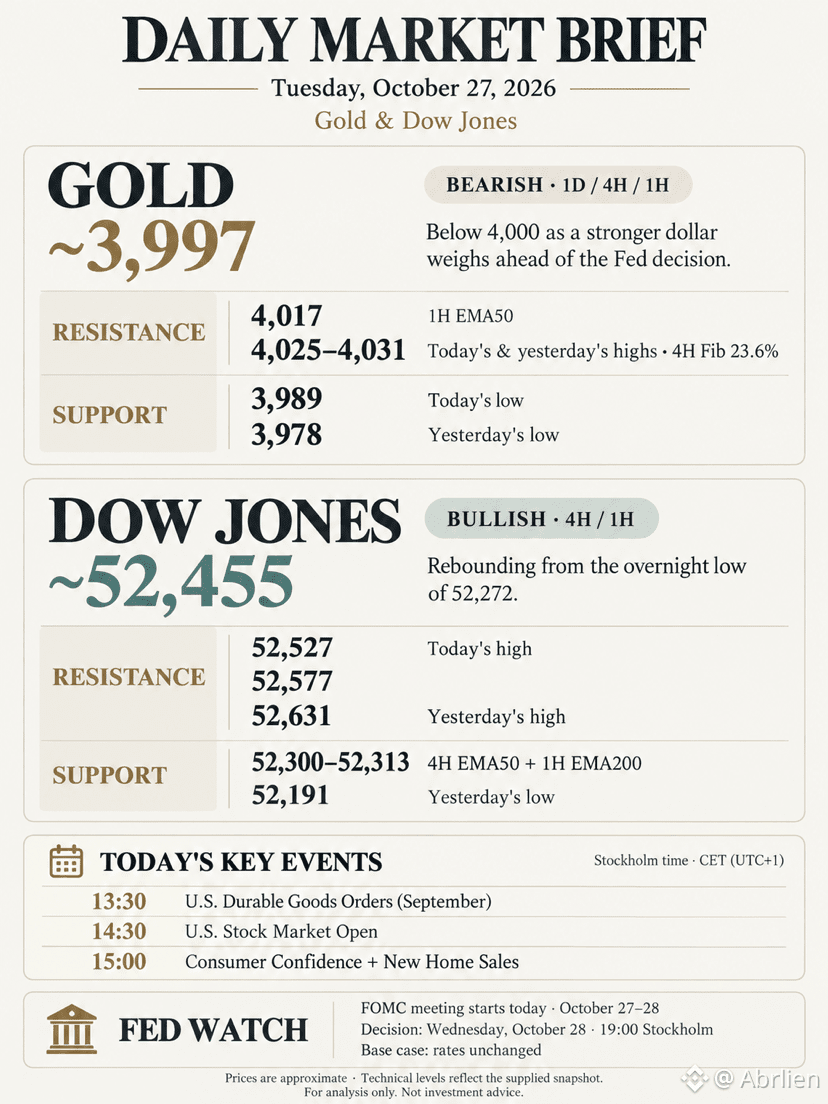
Daily Market Brief | Tuesday, October 27, 2026
GOLD ~3,997
Below 4,000 as a stronger dollar weighs ahead of the Fed decision. Bearish across the daily, 4H and 1H timeframes.
Resistance
• 4,017 — 1H EMA50
• 4,025–4,031 — Today’s and yesterday’s highs + 4H Fibonacci 23.6%
Support
• 3,989 — Today’s low
• 3,978 — Yesterday’s low
📈 DOW JONES ~52,455
Bullish on the 4H and 1H timeframes after rebounding from the overnight low of 52,272.
Resistance
• 52,527 — Today’s high
• 52,577
• 52,631 — Yesterday’s high
Support
• 52,300–52,313 — 4H EMA50 + 1H EMA200
• 52,191 — Yesterday’s low
📰 Today’s Key Events
All times are Stockholm time · CET
13:30 — U.S. Durable Goods Orders for September
14:30 — U.S. Stock Market Open
15:00 — Consumer Confidence + New Home Sales
🏦 Fed Watch
The two-day FOMC meeting begins today.
Rate decision: Wednesday, October 28 at 19:00.
Base case: rates unchanged.
Prices are approximate. Technical levels are for analysis only, not investment advice.
$BNB
{future}(BNBUSDT)
$BNCB
{spot}(BNCBUSDT)
$GENIUS
{future}(GENIUSUSDT)
Daily Market Brief | Tuesday, October 27, 2026
GOLD ~3,997
Below 4,000 as a stronger dollar weighs ahead of the Fed decision. Bearish across the daily, 4H and 1H timeframes.
Resistance
• 4,017 — 1H EMA50
• 4,025–4,031 — Today’s and yesterday’s highs + 4H Fibonacci 23.6%
Support
• 3,989 — Today’s low
• 3,978 — Yesterday’s low
📈 DOW JONES ~52,455
Bullish on the 4H and 1H timeframes after rebounding from the overnight low of 52,272.
Resistance
• 52,527 — Today’s high
• 52,577
• 52,631 — Yesterday’s high
Support
• 52,300–52,313 — 4H EMA50 + 1H EMA200
• 52,191 — Yesterday’s low
📰 Today’s Key Events
All times are Stockholm time · CET
13:30 — U.S. Durable Goods Orders for September
14:30 — U.S. Stock Market Open
15:00 — Consumer Confidence + New Home Sales
🏦 Fed Watch
The two-day FOMC meeting begins today.
Rate decision: Wednesday, October 28 at 19:00.
Base case: rates unchanged.
Prices are approximate. Technical levels are for analysis only, not investment advice.
$BNB
$BNCB
$GENIUS
GOLD ~3,997
Below 4,000 as a stronger dollar weighs ahead of the Fed decision. Bearish across the daily, 4H and 1H timeframes.
Resistance
• 4,017 — 1H EMA50
• 4,025–4,031 — Today’s and yesterday’s highs + 4H Fibonacci 23.6%
Support
• 3,989 — Today’s low
• 3,978 — Yesterday’s low
📈 DOW JONES ~52,455
Bullish on the 4H and 1H timeframes after rebounding from the overnight low of 52,272.
Resistance
• 52,527 — Today’s high
• 52,577
• 52,631 — Yesterday’s high
Support
• 52,300–52,313 — 4H EMA50 + 1H EMA200
• 52,191 — Yesterday’s low
📰 Today’s Key Events
All times are Stockholm time · CET
13:30 — U.S. Durable Goods Orders for September
14:30 — U.S. Stock Market Open
15:00 — Consumer Confidence + New Home Sales
🏦 Fed Watch
The two-day FOMC meeting begins today.
Rate decision: Wednesday, October 28 at 19:00.
Base case: rates unchanged.
Prices are approximate. Technical levels are for analysis only, not investment advice.
$BNB
$BNCB
$GENIUS
4
1.1k
·
--
Bullish
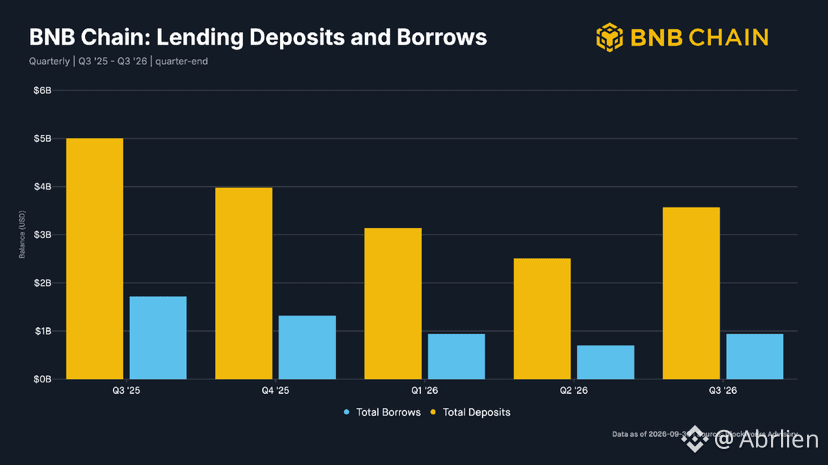
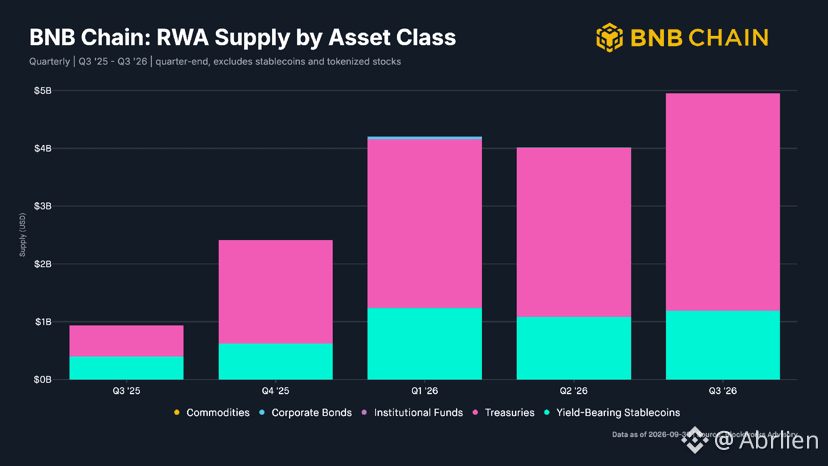
More tokenized assets. More capital at work on #BNBChain.
Q3 brought growth across the board:
• RWA supply reached $4.96B, up 24%
• Lending deposits climbed to $3.57B, up 42%
• Borrowing increased to $940M, up 33%
• Tokenized equities in lending markets jumped from $6M to $62M — more than 10x
BNB Chain’s onchain economy keeps expanding.
$BNB
Source: Blockworks $BNB
{future}(BNBUSDT)
$GENIUS
{future}(GENIUSUSDT)
$BNCB
{spot}(BNCBUSDT)
More tokenized assets. More capital at work on #BNBChain.
Q3 brought growth across the board:
• RWA supply reached $4.96B, up 24%
• Lending deposits climbed to $3.57B, up 42%
• Borrowing increased to $940M, up 33%
• Tokenized equities in lending markets jumped from $6M to $62M — more than 10x
BNB Chain’s onchain economy keeps expanding.
$BNB
Source: Blockworks $BNB
$GENIUS
$BNCB
Q3 brought growth across the board:
• RWA supply reached $4.96B, up 24%
• Lending deposits climbed to $3.57B, up 42%
• Borrowing increased to $940M, up 33%
• Tokenized equities in lending markets jumped from $6M to $62M — more than 10x
BNB Chain’s onchain economy keeps expanding.
$BNB
Source: Blockworks $BNB
$GENIUS
$BNCB
5
749
·
--
Bullish
Partly True
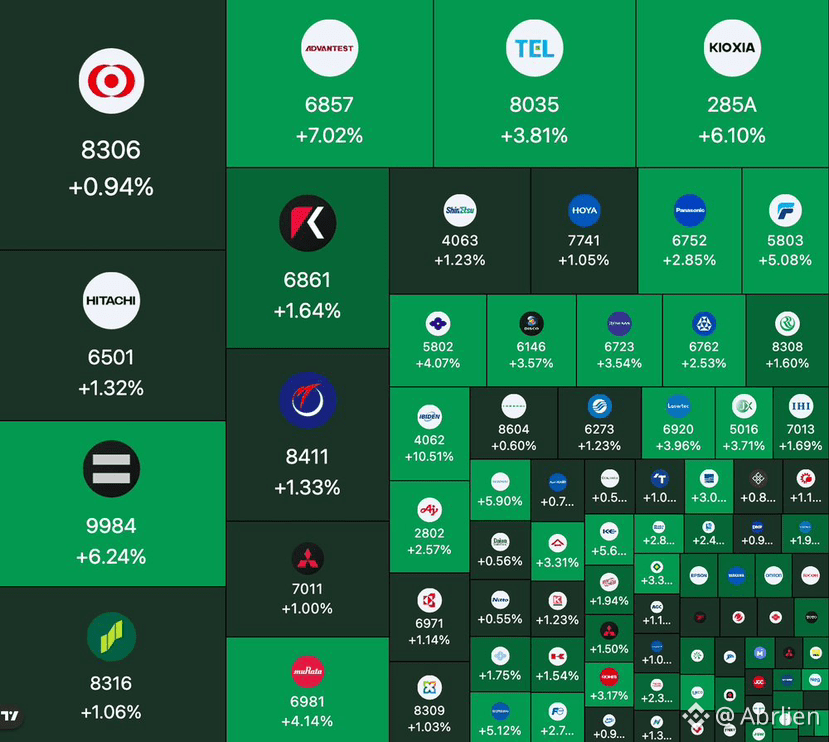
Japanese stocks add more than 23.55 trillion yen, about $150 billion, to their market value as the Nikkei index rises 2%.
$BTC
{future}(BTCUSDT)
$BNB
{future}(BNBUSDT)
Japanese stocks add more than 23.55 trillion yen, about $150 billion, to their market value as the Nikkei index rises 2%.
$BTC
$BNB
$BTC
$BNB
3
761
·
--
Bullish
Verified
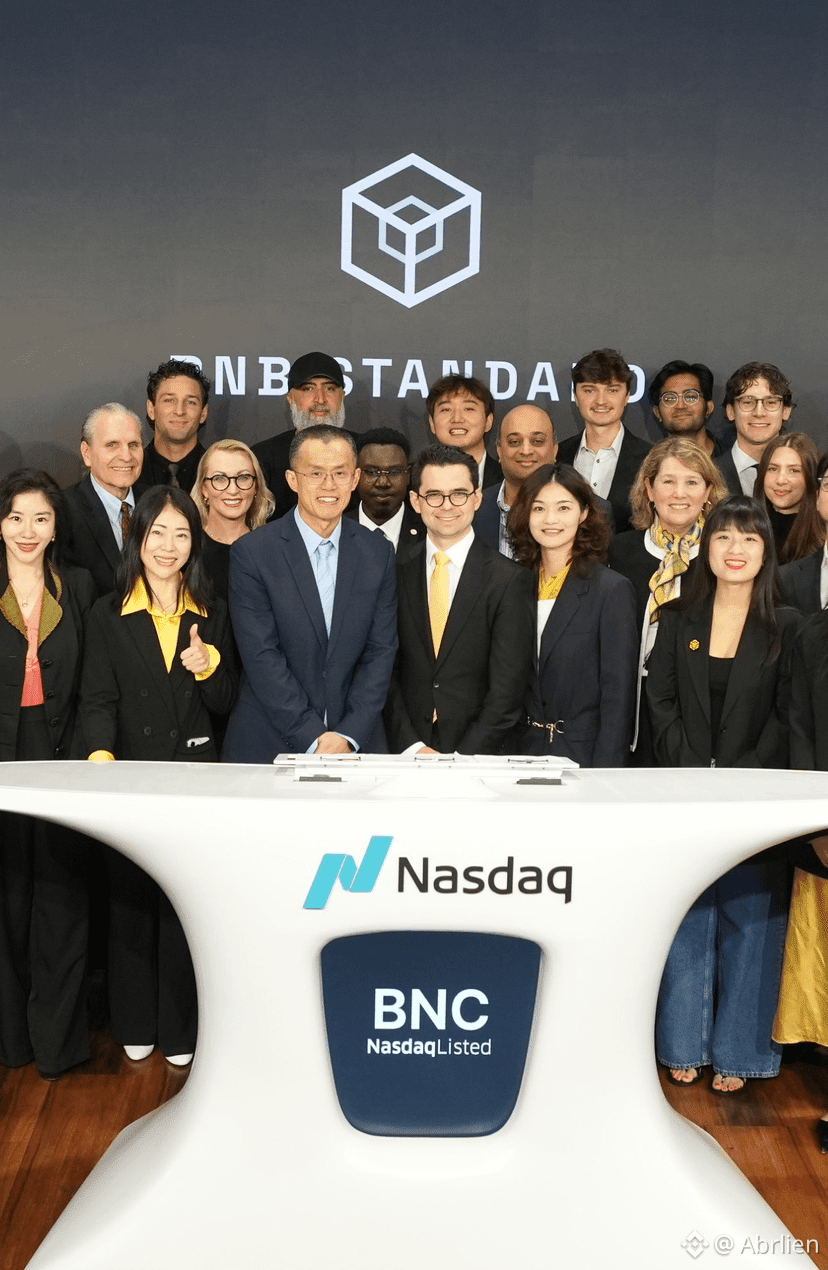
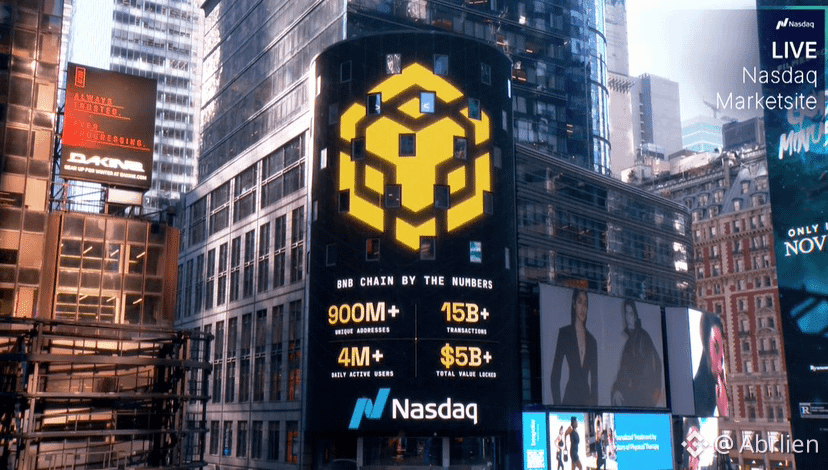
$BNB just made history at Nasdaq
@BNBStandard $BNC the world’s largest corporate BNB treasury rang the @NasdaqExchange Opening Bell with CEO Alex Odagiu @odagius
@BNBCHAIN lighting up Times Square
Years of building taking the global financial stage
A proud moment for CZ @cz_binance and the entire BNB community
The bell rang in New York
$BNB
{future}(BNBUSDT)
$BNCB
{spot}(BNCBUSDT)
$BNB just made history at Nasdaq
@BNBStandard $BNC the world’s largest corporate BNB treasury rang the @NasdaqExchange Opening Bell with CEO Alex Odagiu @odagius
@BNBCHAIN lighting up Times Square
Years of building taking the global financial stage
A proud moment for CZ @cz_binance and the entire BNB community
The bell rang in New York
$BNB
$BNCB
@BNBStandard $BNC the world’s largest corporate BNB treasury rang the @NasdaqExchange Opening Bell with CEO Alex Odagiu @odagius
@BNBCHAIN lighting up Times Square
Years of building taking the global financial stage
A proud moment for CZ @cz_binance and the entire BNB community
The bell rang in New York
$BNB
$BNCB
2
15
2.5k
·
--
Bullish
Verified
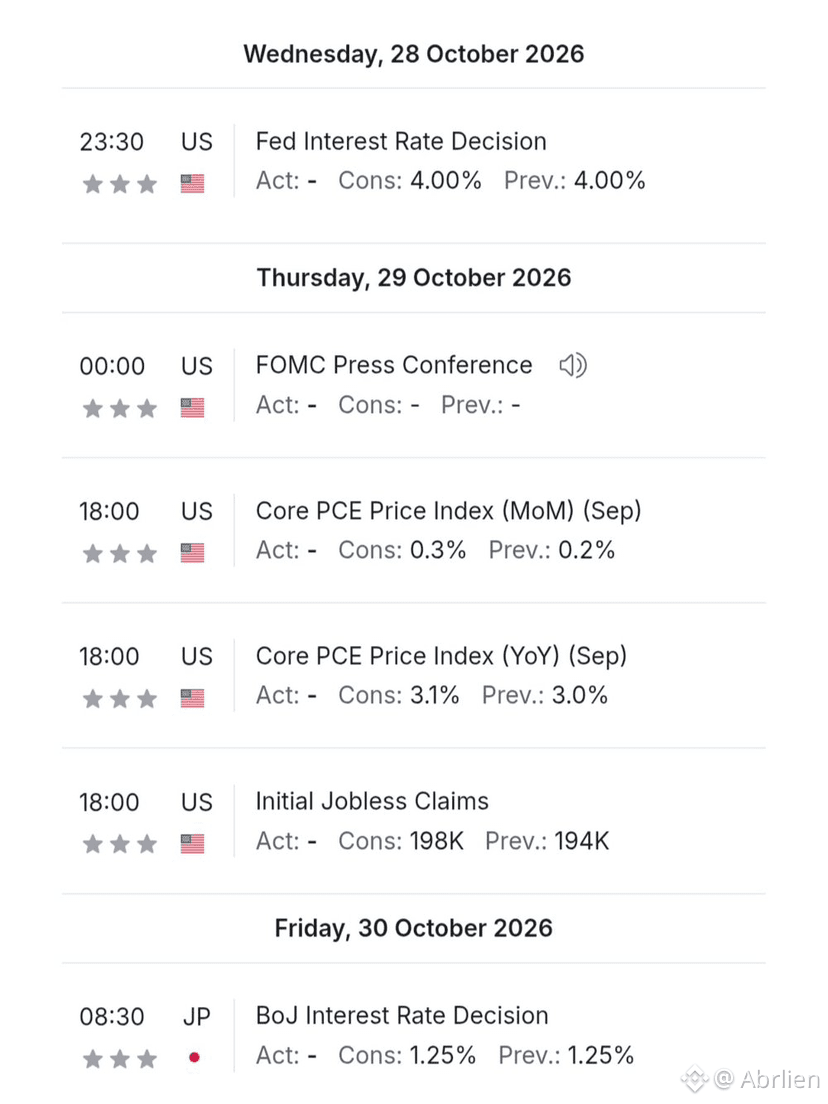
One week packed with market catalysts: the Fed, Big Tech earnings, US inflation data and the Bank of Japan.
Wednesday, October 28
The Fed is expected to hold rates at 3.75%–4.00%, with economists anticipating another 25 basis point hike in December.
Microsoft and Alphabet also report earnings. Together, they represent roughly $8 trillion in market value. Revenue expectations are around $90.6 billion for Microsoft and $128 billion for Alphabet.
Thursday, October 29
Amazon, Intel and Sandisk report, offering another test of the strength behind AI spending.
Headline PCE inflation is expected to rise to 3.6% from 3.4%, with core PCE at 3.1% year over year and 0.3% month over month. Third-quarter GDP growth is projected at around 3.2%.
Friday, October 30
The Bank of Japan is expected to hold rates at 1.25%, their highest level in 31 years.
Plenty for markets to digest. The biggest moves could come from the gap between expectations and reality.
$MSFTB
{spot}(MSFTBUSDT)
$BTC
{future}(BTCUSDT)
$BNB
{future}(BNBUSDT)
One week packed with market catalysts: the Fed, Big Tech earnings, US inflation data and the Bank of Japan.
Wednesday, October 28
The Fed is expected to hold rates at 3.75%–4.00%, with economists anticipating another 25 basis point hike in December.
Microsoft and Alphabet also report earnings. Together, they represent roughly $8 trillion in market value. Revenue expectations are around $90.6 billion for Microsoft and $128 billion for Alphabet.
Thursday, October 29
Amazon, Intel and Sandisk report, offering another test of the strength behind AI spending.
Headline PCE inflation is expected to rise to 3.6% from 3.4%, with core PCE at 3.1% year over year and 0.3% month over month. Third-quarter GDP growth is projected at around 3.2%.
Friday, October 30
The Bank of Japan is expected to hold rates at 1.25%, their highest level in 31 years.
Plenty for markets to digest. The biggest moves could come from the gap between expectations and reality.
$MSFTB
$BTC
$BNB
Wednesday, October 28
The Fed is expected to hold rates at 3.75%–4.00%, with economists anticipating another 25 basis point hike in December.
Microsoft and Alphabet also report earnings. Together, they represent roughly $8 trillion in market value. Revenue expectations are around $90.6 billion for Microsoft and $128 billion for Alphabet.
Thursday, October 29
Amazon, Intel and Sandisk report, offering another test of the strength behind AI spending.
Headline PCE inflation is expected to rise to 3.6% from 3.4%, with core PCE at 3.1% year over year and 0.3% month over month. Third-quarter GDP growth is projected at around 3.2%.
Friday, October 30
The Bank of Japan is expected to hold rates at 1.25%, their highest level in 31 years.
Plenty for markets to digest. The biggest moves could come from the gap between expectations and reality.
$MSFTB
$BTC
$BNB
8
1.8k
·
--
Bullish
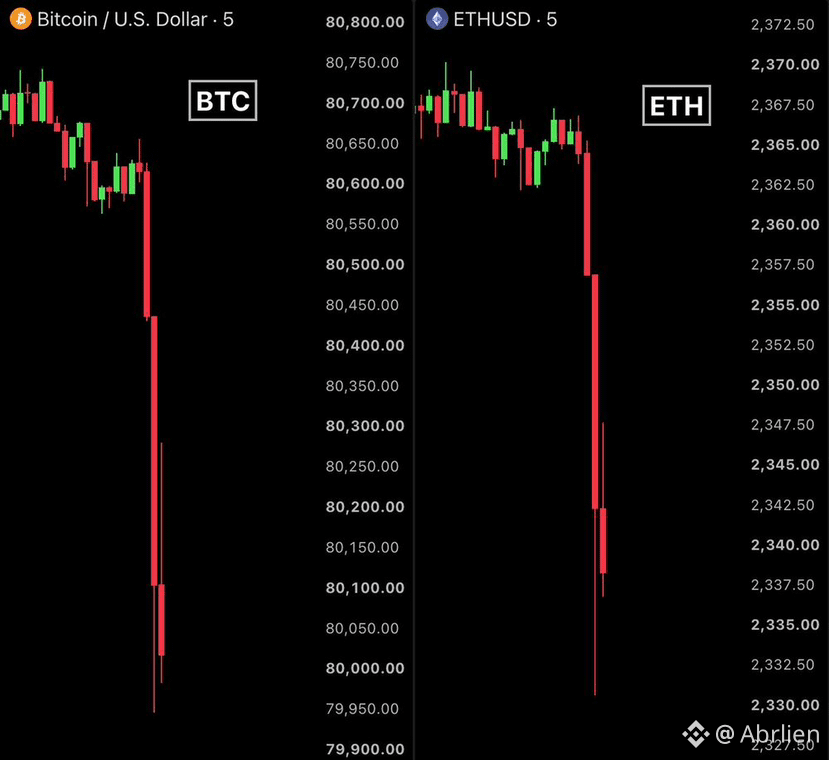
Bitcoin falls below $80,000, and Ethereum drops below $2,350.
More than $200 million in long positions were liquidated in just 15 minutes.
$BTC
{future}(BTCUSDT)
$ETH
{future}(ETHUSDT)
Bitcoin falls below $80,000, and Ethereum drops below $2,350.
More than $200 million in long positions were liquidated in just 15 minutes.
$BTC
$ETH
More than $200 million in long positions were liquidated in just 15 minutes.
$BTC
$ETH
1
10
4.8k
·
--
Bullish
Crypto is dumping
$SOL falls under $100
$XRP falls under $1.30
$ETH falls under $2,350
Bitcoin $BTC falls under $80,000
Over $200,000,000 in leveraged crypto long positions have been liquidated in the past 60 minutes.
$SOL
{future}(SOLUSDT)
$XRP
{future}(XRPUSDT)
Crypto is dumping
$SOL falls under $100
$XRP falls under $1.30
$ETH falls under $2,350
Bitcoin $BTC falls under $80,000
Over $200,000,000 in leveraged crypto long positions have been liquidated in the past 60 minutes.
$SOL
$XRP
$SOL falls under $100
$XRP falls under $1.30
$ETH falls under $2,350
Bitcoin $BTC falls under $80,000
Over $200,000,000 in leveraged crypto long positions have been liquidated in the past 60 minutes.
$SOL
$XRP
7
2.2k
·
--
Bullish
Verified
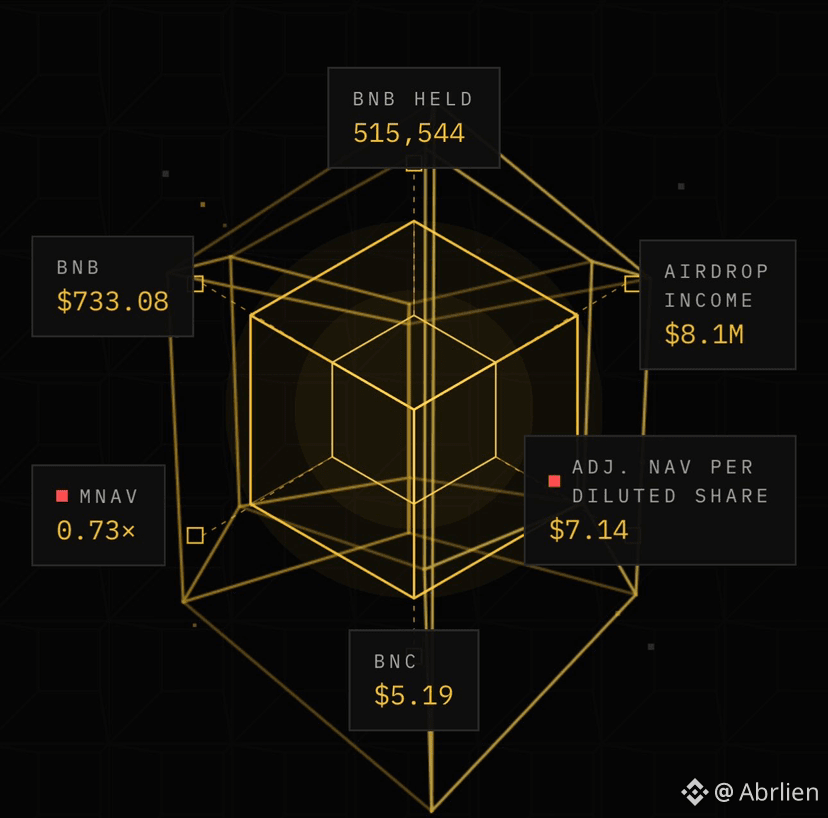
The #BNB community helped choose a name that is now heading to Nasdaq’s opening bell on October 26
BNB Standard is a Nasdaq listed treasury company trading as $BNC with new leadership and over half a million BNB in its reported holdings
Its new website lets investors check the holdings adjusted asset value and potential share dilution
Behind those numbers is #BNB powering gas staking and DeFi while burns reduce its supply over time
I like seeing years of building on BNB reach a whole new audience on Wall Street
$BNCB
{spot}(BNCBUSDT)
$GSTOCK
{alpha}(560xcafdbce93477261db8250e42bdae6e66733f9e20)
$BNB
{future}(BNBUSDT)
The #BNB community helped choose a name that is now heading to Nasdaq’s opening bell on October 26
BNB Standard is a Nasdaq listed treasury company trading as $BNC with new leadership and over half a million BNB in its reported holdings
Its new website lets investors check the holdings adjusted asset value and potential share dilution
Behind those numbers is #BNB powering gas staking and DeFi while burns reduce its supply over time
I like seeing years of building on BNB reach a whole new audience on Wall Street
$BNCB
$GSTOCK
$BNB
BNB Standard is a Nasdaq listed treasury company trading as $BNC with new leadership and over half a million BNB in its reported holdings
Its new website lets investors check the holdings adjusted asset value and potential share dilution
Behind those numbers is #BNB powering gas staking and DeFi while burns reduce its supply over time
I like seeing years of building on BNB reach a whole new audience on Wall Street
$BNCB
$GSTOCK
$BNB
1
14
5.1k
·
--
Verified
BNB’s supply keeps shrinking.
The 36th quarterly burn removed ~1.615M BNB, worth approximately $932M at the time, on July 15.
This is part of BNB’s ongoing Auto-Burn program to progressively reduce total supply to 100M BNB.
$BNB
{future}(BNBUSDT)
$GENIUS
{future}(GENIUSUSDT)
$ASTER
{future}(ASTERUSDT)
BNB’s supply keeps shrinking.
The 36th quarterly burn removed ~1.615M BNB, worth approximately $932M at the time, on July 15.
This is part of BNB’s ongoing Auto-Burn program to progressively reduce total supply to 100M BNB.
$BNB
$GENIUS
$ASTER
The 36th quarterly burn removed ~1.615M BNB, worth approximately $932M at the time, on July 15.
This is part of BNB’s ongoing Auto-Burn program to progressively reduce total supply to 100M BNB.
$BNB
$GENIUS
$ASTER
1
9
1.4k
·
--
Bullish
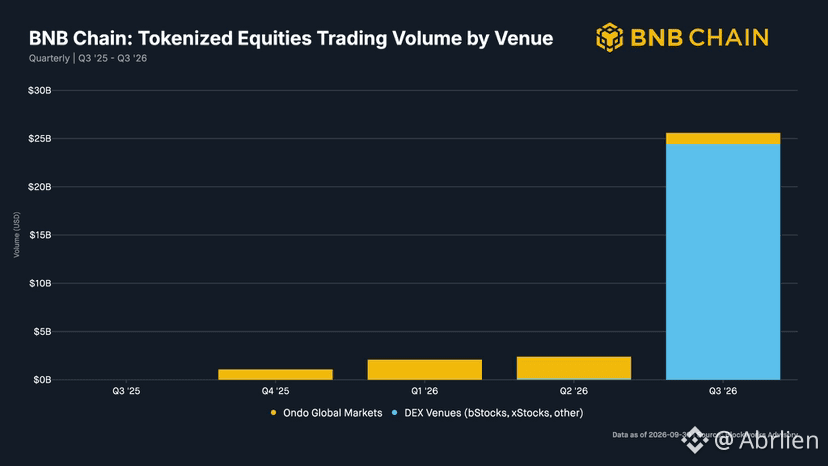
Tokenized equities on BNB Chain had a breakout quarter, with bstocksfinance and Ondo powering the growth
Trading surged 11x from Q2, with BNB Chain leading all tracked chains:
→ #1 in DEX trading volume: $24.4B
→ #1 in equity supply: $1.13B
→ #1 in holders: 1.8M
$BNB
{future}(BNBUSDT)
$ONDO
{future}(ONDOUSDT)
Tokenized equities on BNB Chain had a breakout quarter, with bstocksfinance and Ondo powering the growth
Trading surged 11x from Q2, with BNB Chain leading all tracked chains:
→ #1 in DEX trading volume: $24.4B
→ #1 in equity supply: $1.13B
→ #1 in holders: 1.8M
$BNB
$ONDO
Trading surged 11x from Q2, with BNB Chain leading all tracked chains:
→ #1 in DEX trading volume: $24.4B
→ #1 in equity supply: $1.13B
→ #1 in holders: 1.8M
$BNB
$ONDO
6
642
·
--
Bullish
Partly True
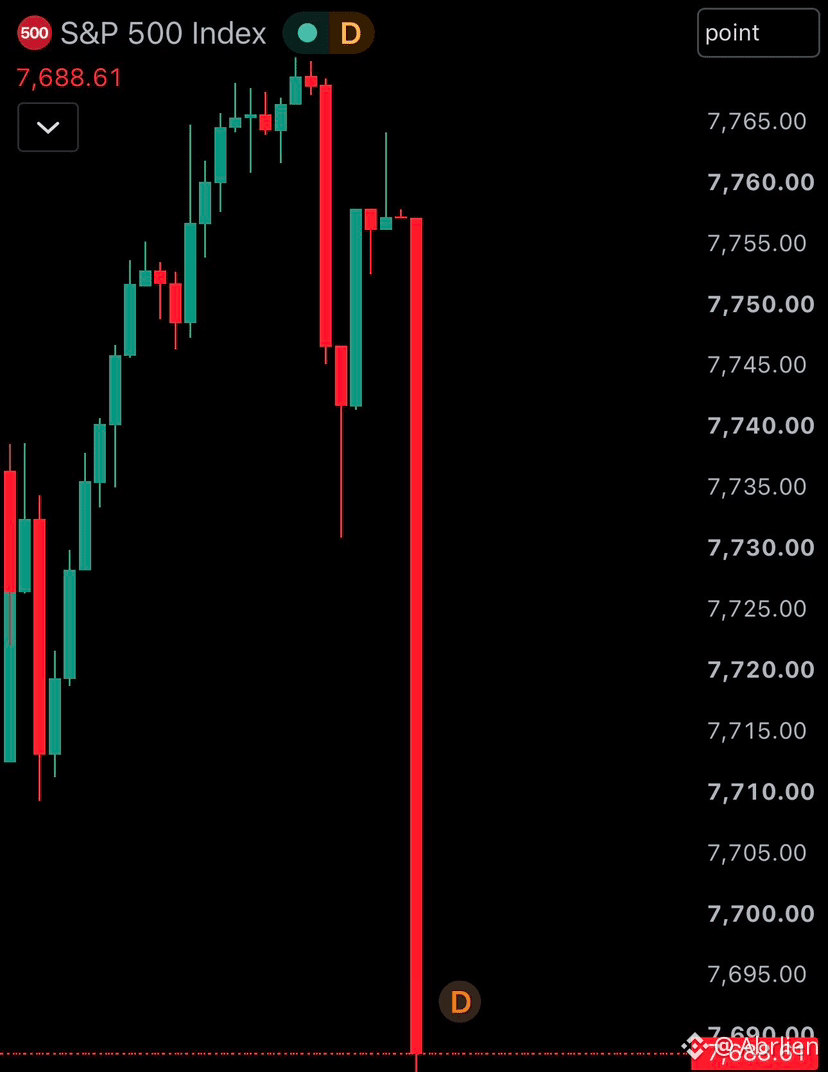
Over $750,000,000,000 wiped out from the US stock market at open.
$NVDAB
{spot}(NVDABUSDT)
$SPCXB
{spot}(SPCXBUSDT)
$AAPLB
{spot}(AAPLBUSDT)
Over $750,000,000,000 wiped out from the US stock market at open.
$NVDAB
$SPCXB
$AAPLB
$NVDAB
$SPCXB
$AAPLB
4
15
4.6k
·
--
Bullish
I’ve been in crypto since 2017 This industry has shaped a big part of my life and I’ve tried to give back to the people who made that journey worthwhile
@Abrlien
In 2024 I was honored at #Binance Blockchain Week That recognition remains one of my proudest memories and encouraged me to do more for the community that helped me get there
Over the years I’ve shared knowledge supported fellow creators, helped newcomers and brought communities closer together. #Binance and #BNB have been a constant part of that journey, through moments worth celebrating and moments when conviction mattered most
Today I’m grateful to be nominated for Binance’s 2026 Blockchain 100
Vote for AB for the Blockchain 100 Awards! 👉app.binance.com/uni-qr/cact26u…
If my content has helped you, if I’ve supported your community or if you believe my contribution deserves recognition, I’d be honored to have your vote
After nine years in crypto, I know how much trust matters. Thank you to everyone who has given me theirs. I’ll keep working to earn it
$BNB
{future}(BNBUSDT)
$BTC
{future}(BTCUSDT)
$ETH
{future}(ETHUSDT)
I’ve been in crypto since 2017 This industry has shaped a big part of my life and I’ve tried to give back to the people who made that journey worthwhile
@-AB
In 2024 I was honored at #Binance Blockchain Week That recognition remains one of my proudest memories and encouraged me to do more for the community that helped me get there
Over the years I’ve shared knowledge supported fellow creators, helped newcomers and brought communities closer together. #Binance and #BNB have been a constant part of that journey, through moments worth celebrating and moments when conviction mattered most
Today I’m grateful to be nominated for Binance’s 2026 Blockchain 100
Vote for AB for the Blockchain 100 Awards! 👉app.binance.com/uni-qr/cact26u…
If my content has helped you, if I’ve supported your community or if you believe my contribution deserves recognition, I’d be honored to have your vote
After nine years in crypto, I know how much trust matters. Thank you to everyone who has given me theirs. I’ll keep working to earn it
$BNB
$BTC
$ETH
@-AB
In 2024 I was honored at #Binance Blockchain Week That recognition remains one of my proudest memories and encouraged me to do more for the community that helped me get there
Over the years I’ve shared knowledge supported fellow creators, helped newcomers and brought communities closer together. #Binance and #BNB have been a constant part of that journey, through moments worth celebrating and moments when conviction mattered most
Today I’m grateful to be nominated for Binance’s 2026 Blockchain 100
Vote for AB for the Blockchain 100 Awards! 👉app.binance.com/uni-qr/cact26u…
If my content has helped you, if I’ve supported your community or if you believe my contribution deserves recognition, I’d be honored to have your vote
After nine years in crypto, I know how much trust matters. Thank you to everyone who has given me theirs. I’ll keep working to earn it
$BNB
$BTC
$ETH

15
2
27
4.7k
·
--
Bullish
Blackrock and other ETFs have bought $526.6 million worth of Bitcoin.
Institutions are loading up.
$BTC
{future}(BTCUSDT)
$ETH
{future}(ETHUSDT)
Blackrock and other ETFs have bought $526.6 million worth of Bitcoin.
Institutions are loading up.
$BTC
$ETH
Institutions are loading up.
$BTC
$ETH
1
11
940
·
--
Bullish
Square fam I’d love your support 💛
@Abrlien
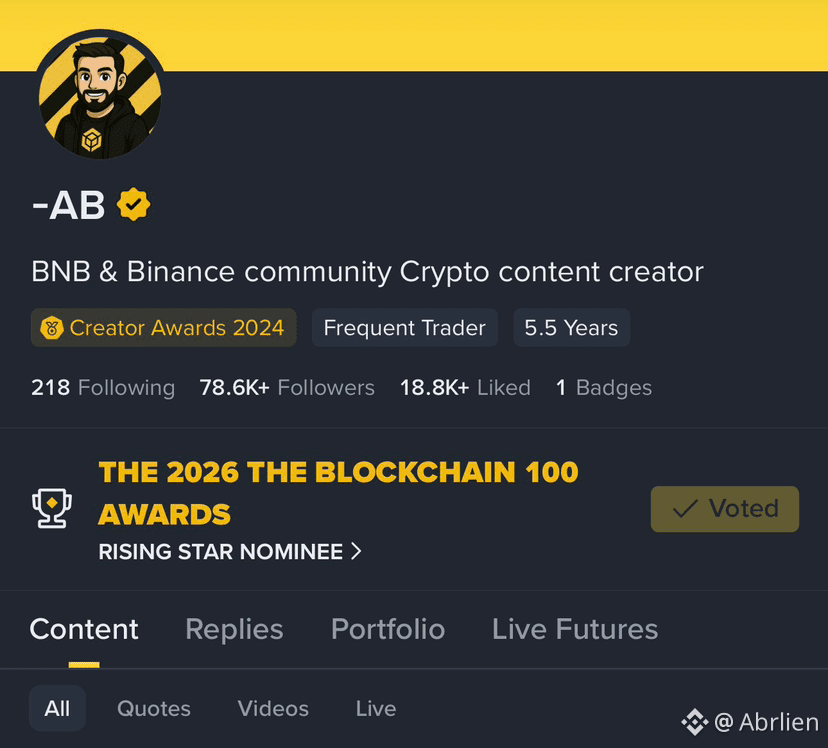
I’m nominated for Rising Star at the 2026 Blockchain 100 Awards 🏆
If you’ve ever found my content helpful I’d really appreciate your vote
You can vote directly from my Binance Square profile 🙏
$BTC
{future}(BTCUSDT)
$BNB
{future}(BNBUSDT)
Square fam I’d love your support 💛
@-AB
I’m nominated for Rising Star at the 2026 Blockchain 100 Awards 🏆
If you’ve ever found my content helpful I’d really appreciate your vote
You can vote directly from my Binance Square profile 🙏
$BTC
$BNB
@-AB
I’m nominated for Rising Star at the 2026 Blockchain 100 Awards 🏆
If you’ve ever found my content helpful I’d really appreciate your vote
You can vote directly from my Binance Square profile 🙏
$BTC
$BNB
9
3
21
4.1k
·
--
Bullish
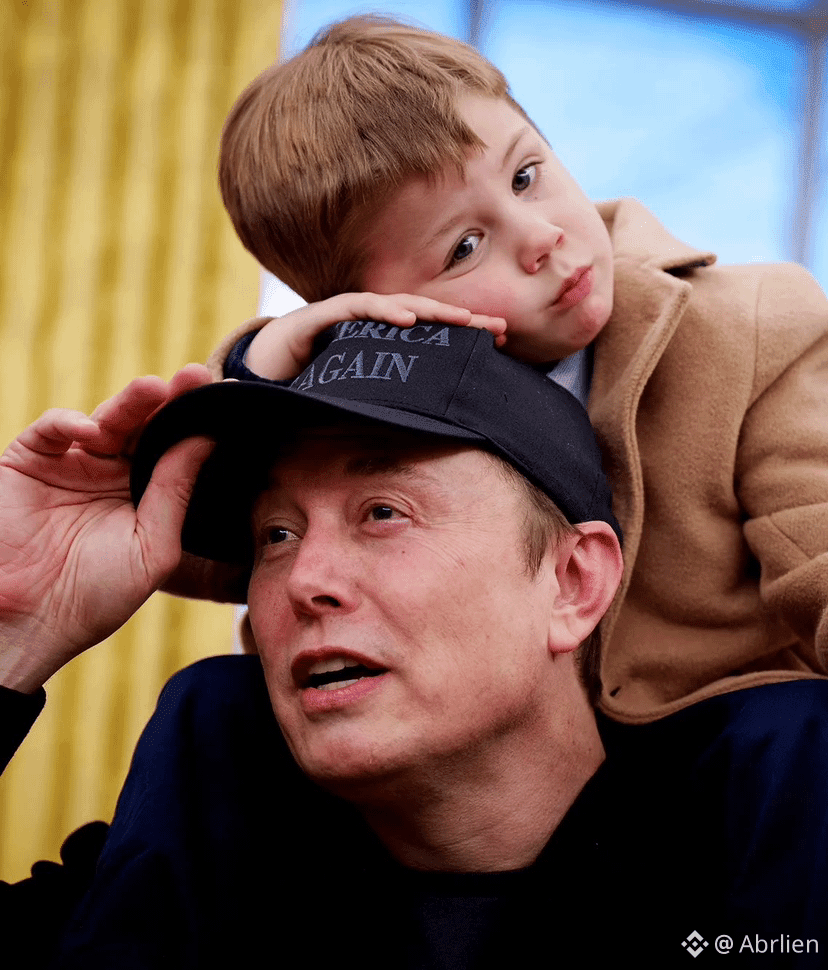
Elon Musk announces he will give 1 of his SpaceX $SPCX shares to "every kid in America" next year.
"This will be the first of many."
$SPCXB
{spot}(SPCXBUSDT)
Elon Musk announces he will give 1 of his SpaceX $SPCX shares to "every kid in America" next year.
"This will be the first of many."
$SPCXB
"This will be the first of many."
$SPCXB
2
1
12
869
·
--
Bullish
JUST IN: $BNB Chain becomes the first blockchain to surpass $1,000,000,000 in tokenized stocks and ETFs.$BNB
{future}(BNBUSDT)
JUST IN: $BNB Chain becomes the first blockchain to surpass $1,000,000,000 in tokenized stocks and ETFs.$BNB
3
10
766
·
--
Bullish
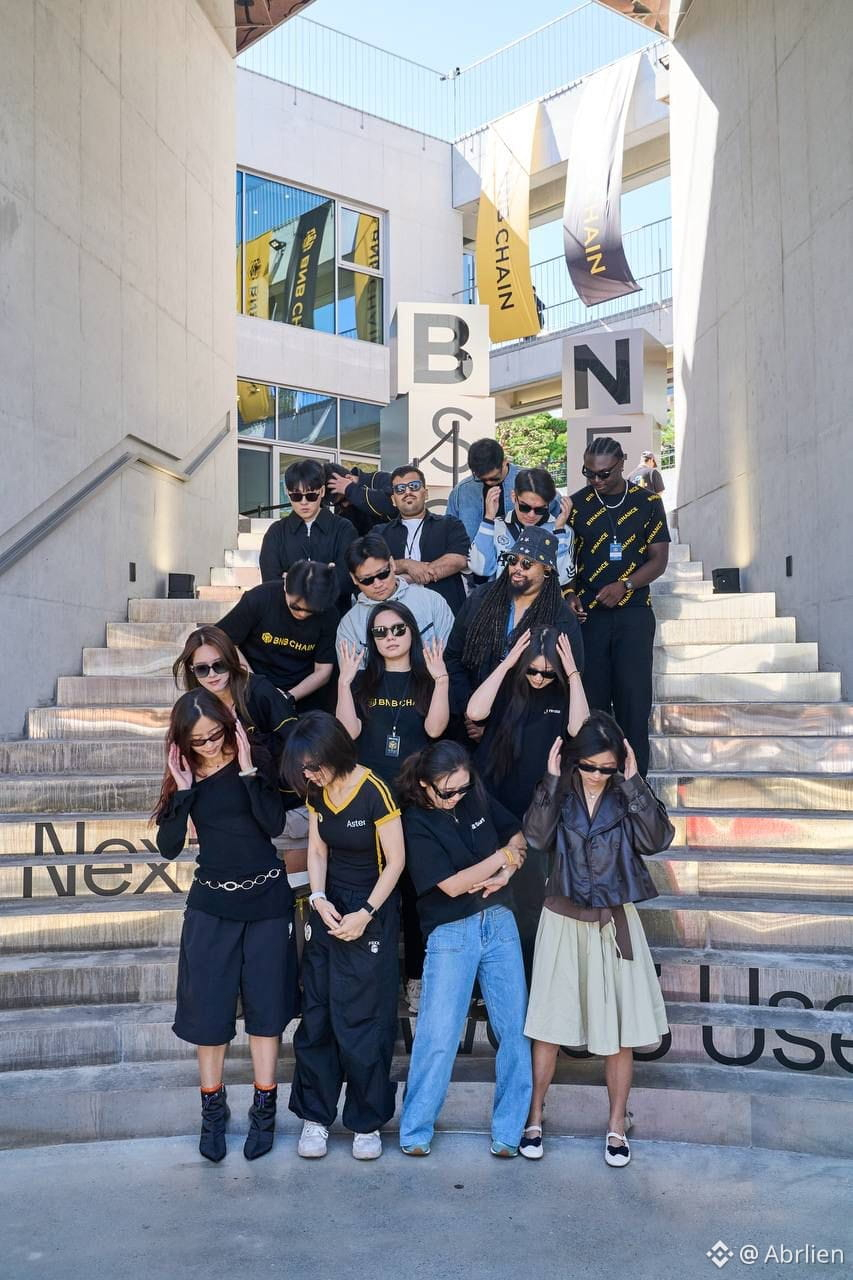
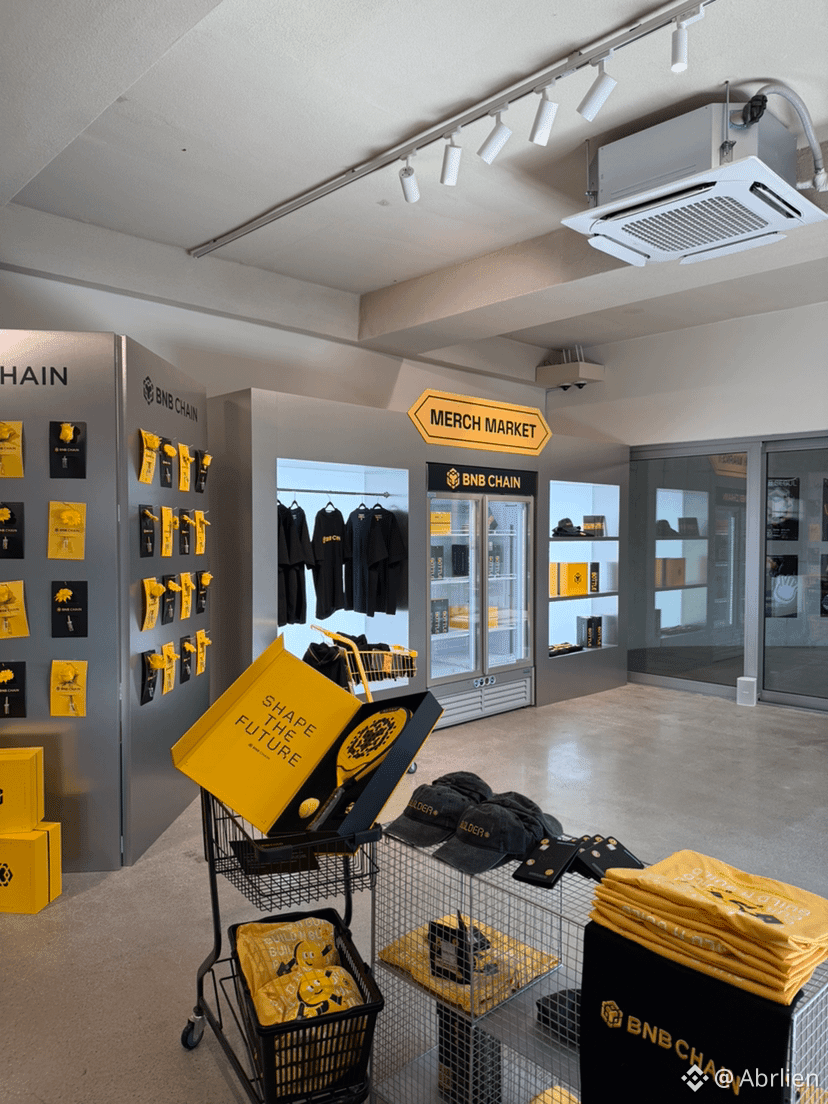
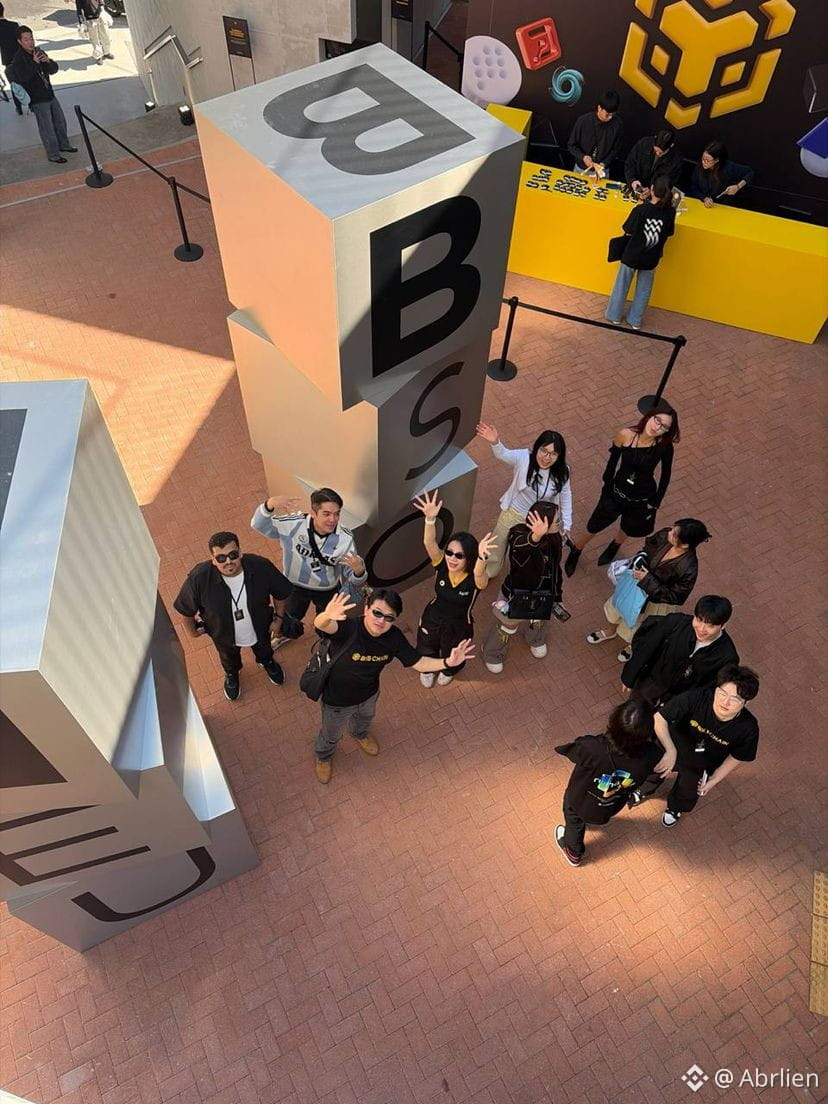
Just arrived at the @BNBCHAIN event in Seoul and wow the energy here is incredible
Beautiful venue amazing builders and the whole community together in one place
Korea BNB really knows how to bring Web3 to life 🇰🇷💛
$BNB
{future}(BNBUSDT)
Just arrived at the @BNBCHAIN event in Seoul and wow the energy here is incredible
Beautiful venue amazing builders and the whole community together in one place
Korea BNB really knows how to bring Web3 to life 🇰🇷💛
$BNB
Beautiful venue amazing builders and the whole community together in one place
Korea BNB really knows how to bring Web3 to life 🇰🇷💛
$BNB
2
21
2.4k
·
--
Bullish
Verified
Key events this week:
1. Monday — BOJ Monetary Policy Meeting Minutes
Any signal of further rate hikes could narrow the interest rate gap between the US and Japan and impact global bond markets
2. Wednesday — PCE Inflation
The Fed’s preferred inflation gauge will show whether consumer spending remains strong and inflationary pressures are still elevated
3. Wednesday — US GDP
Stronger growth could give the Fed more room to keep interest rates higher for longer
4. Thursday — ISM Manufacturing PMI
A stronger reading would signal improving manufacturing activity and firmer economic growth
5. Friday — Nonfarm Payrolls
A strong jobs report would show that the labor market remains resilient and support the case for keeping rates higher
Together these releases could shape expectations for the Fed’s next rate decision and the next major move in US Treasury yields
Which report do you think will have the biggest
impact on yields this week?
$BTC
{future}(BTCUSDT)
$ASTER
{future}(ASTERUSDT)
$GENIUS
{future}(GENIUSUSDT)
Key events this week:
1. Monday — BOJ Monetary Policy Meeting Minutes
Any signal of further rate hikes could narrow the interest rate gap between the US and Japan and impact global bond markets
2. Wednesday — PCE Inflation
The Fed’s preferred inflation gauge will show whether consumer spending remains strong and inflationary pressures are still elevated
3. Wednesday — US GDP
Stronger growth could give the Fed more room to keep interest rates higher for longer
4. Thursday — ISM Manufacturing PMI
A stronger reading would signal improving manufacturing activity and firmer economic growth
5. Friday — Nonfarm Payrolls
A strong jobs report would show that the labor market remains resilient and support the case for keeping rates higher
Together these releases could shape expectations for the Fed’s next rate decision and the next major move in US Treasury yields
Which report do you think will have the biggest
impact on yields this week?
$BTC
$ASTER
$GENIUS
1. Monday — BOJ Monetary Policy Meeting Minutes
Any signal of further rate hikes could narrow the interest rate gap between the US and Japan and impact global bond markets
2. Wednesday — PCE Inflation
The Fed’s preferred inflation gauge will show whether consumer spending remains strong and inflationary pressures are still elevated
3. Wednesday — US GDP
Stronger growth could give the Fed more room to keep interest rates higher for longer
4. Thursday — ISM Manufacturing PMI
A stronger reading would signal improving manufacturing activity and firmer economic growth
5. Friday — Nonfarm Payrolls
A strong jobs report would show that the labor market remains resilient and support the case for keeping rates higher
Together these releases could shape expectations for the Fed’s next rate decision and the next major move in US Treasury yields
Which report do you think will have the biggest
impact on yields this week?
$BTC
$ASTER
$GENIUS
10
955
·
--
Bullish
JUST IN: Bitget crypto exchange confirms over $350,000,000 stolen following major hack.
$BTC
{future}(BTCUSDT)
$ETH
{future}(ETHUSDT)
JUST IN: Bitget crypto exchange confirms over $350,000,000 stolen following major hack.
$BTC
$ETH
$BTC
$ETH
43
21
148
251.9k
Log in to explore more content
Join global crypto users on Binance Square
⚡️ Get latest and useful information about crypto.
💬 Trusted by the world’s largest crypto exchange.
👍 Discover real insights from verified creators.
Email / Phone number