

AtsouLuc
123 Posts

AtsouLuc
Report
Block User
Faire la lumière autour de cette chose: Blockchain | content creator | comunity manager| Binance Angel |blockchain analyst
| Parlant anglais et français.
0 Following
4 Followers
10 Liked
Posts
·
--
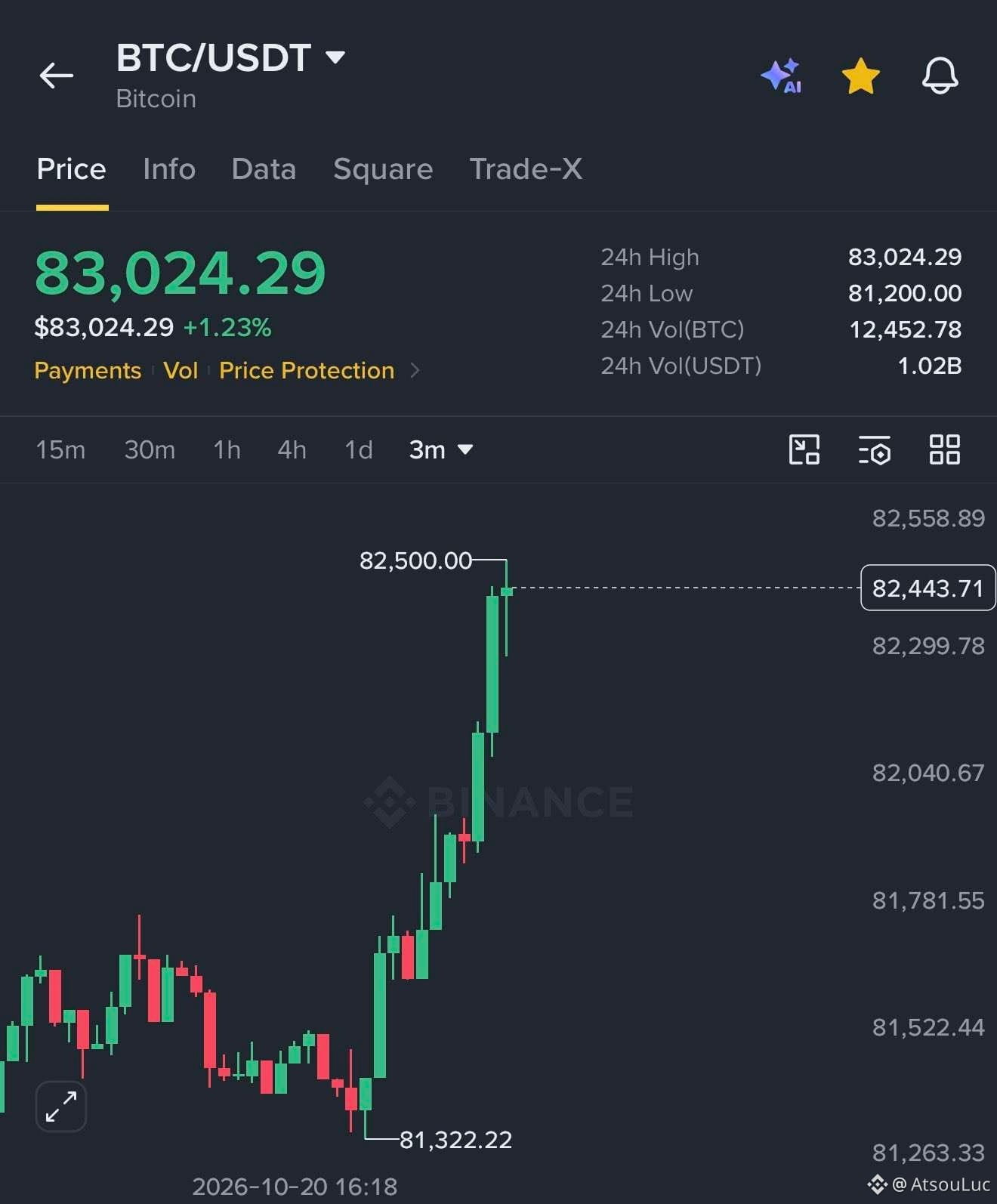
BREAKING: 🇺🇸 Bitcoin broke $83,000 and liquidated $64 million in shorts in 60 minutes.
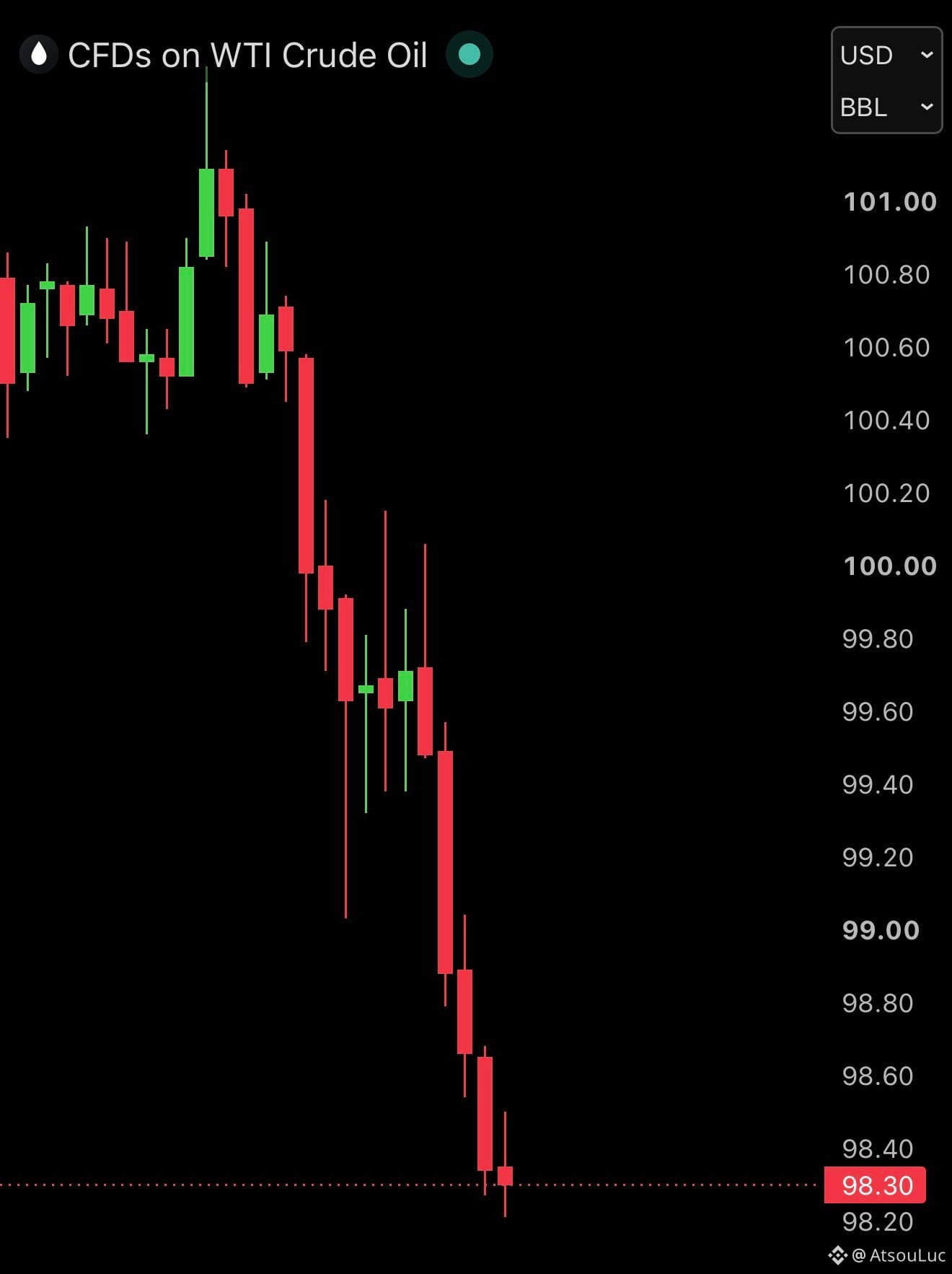
Meanwhile oil crashed -3.3% in the last 3 hours after reports of a US-Iran deal.
The market is pricing in peace.
BREAKING: 🇺🇸 Bitcoin broke $83,000 and liquidated $64 million in shorts in 60 minutes.
Meanwhile oil crashed -3.3% in the last 3 hours after reports of a US-Iran deal.
The market is pricing in peace.
Meanwhile oil crashed -3.3% in the last 3 hours after reports of a US-Iran deal.
The market is pricing in peace.
70
·
--
Bitcoin Weekly Analysis
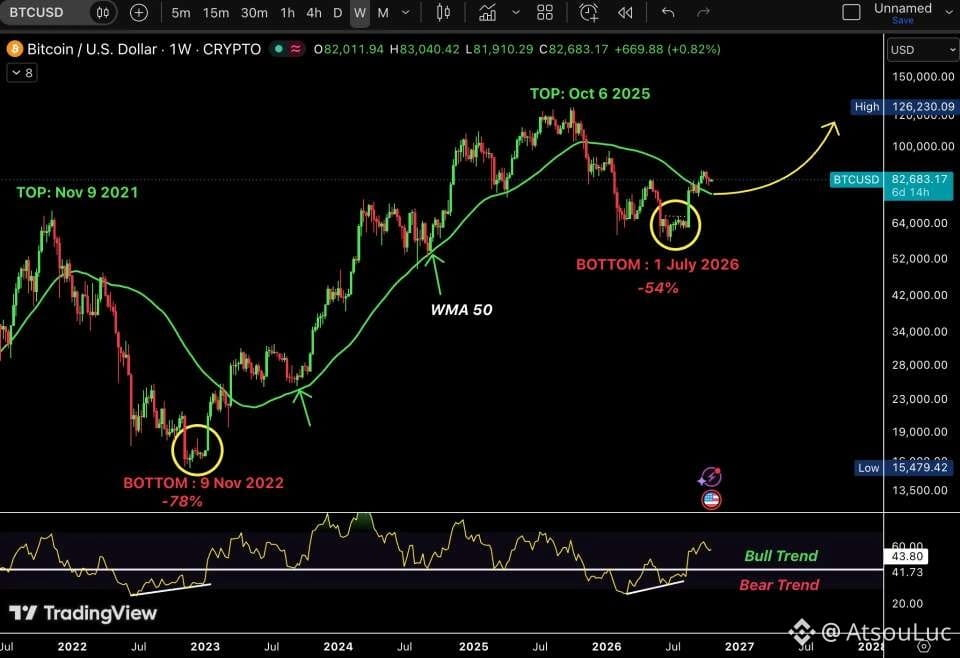
$BTC held the $80K support, closing the week down just 2%, while Nasdaq fell 5% and the semiconductor index dropped over 11%.
BTC has now closed above the 50W MA for 5 consecutive weeks despite the US market correction. As long as it holds the 50W MA near $76.1K, the bull run remains intact.
Key levels:
- Support: $80K and $76K
- Resistance: $84K and $87.5K
Bitcoin Weekly Analysis
$BTC held the $80K support, closing the week down just 2%, while Nasdaq fell 5% and the semiconductor index dropped over 11%.
BTC has now closed above the 50W MA for 5 consecutive weeks despite the US market correction. As long as it holds the 50W MA near $76.1K, the bull run remains intact.
Key levels:
- Support: $80K and $76K
- Resistance: $84K and $87.5K
$BTC held the $80K support, closing the week down just 2%, while Nasdaq fell 5% and the semiconductor index dropped over 11%.
BTC has now closed above the 50W MA for 5 consecutive weeks despite the US market correction. As long as it holds the 50W MA near $76.1K, the bull run remains intact.
Key levels:
- Support: $80K and $76K
- Resistance: $84K and $87.5K
74
·
--
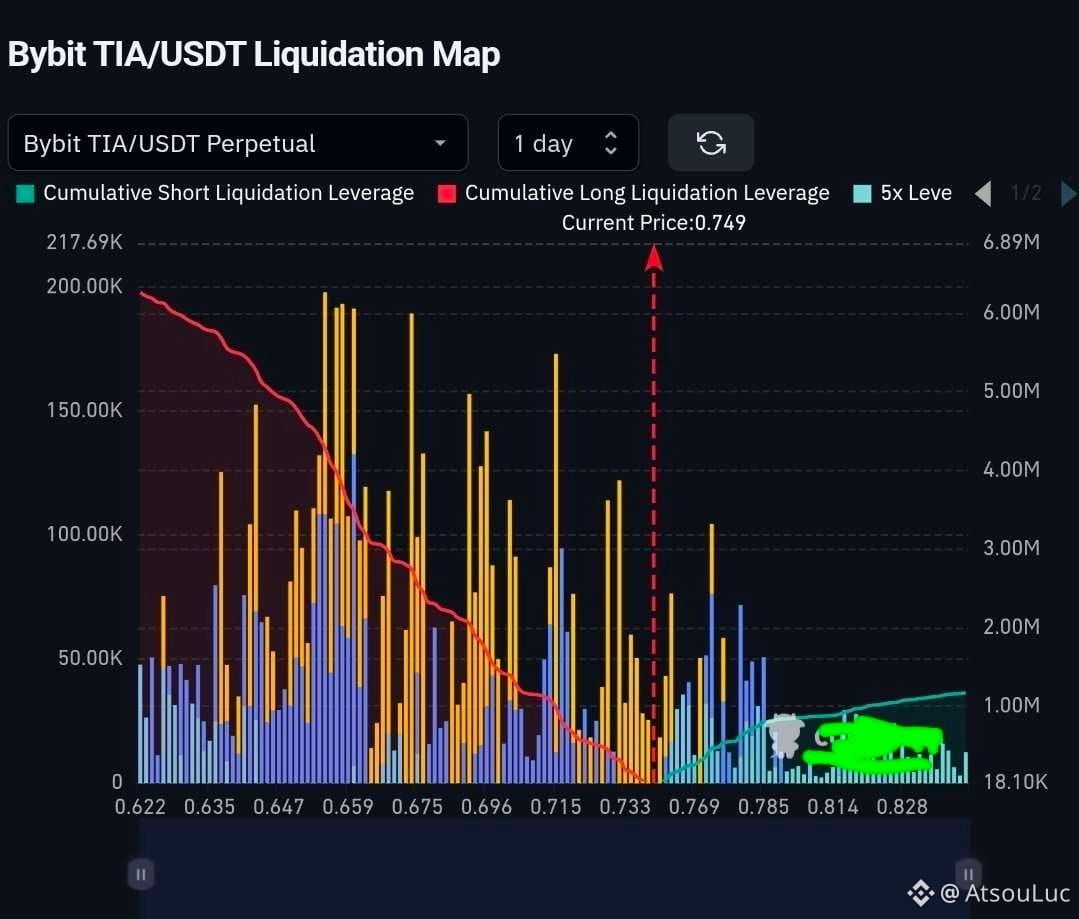
🐋 $TIA Liquidation Map Shows Key Levels
So guys, $TIA is trading around $0.749 and the liquidation map shows heavy liquidity below the current price, especially around $0.715 to $0.66 📊
If price moves lower, long liquidations could increase selling pressure. Meanwhile, a push above $0.77 to $0.79 could attract more short liquidations and support a bullish move 🚀
Watch both sides carefully because liquidity can pull price in either direction
NFA. DYOR
🐋 $TIA Liquidation Map Shows Key Levels
So guys, $TIA is trading around $0.749 and the liquidation map shows heavy liquidity below the current price, especially around $0.715 to $0.66 📊
If price moves lower, long liquidations could increase selling pressure. Meanwhile, a push above $0.77 to $0.79 could attract more short liquidations and support a bullish move 🚀
Watch both sides carefully because liquidity can pull price in either direction
NFA. DYOR
So guys, $TIA is trading around $0.749 and the liquidation map shows heavy liquidity below the current price, especially around $0.715 to $0.66 📊
If price moves lower, long liquidations could increase selling pressure. Meanwhile, a push above $0.77 to $0.79 could attract more short liquidations and support a bullish move 🚀
Watch both sides carefully because liquidity can pull price in either direction
NFA. DYOR
79
·
--
BREAKING: 🇩🇪 $1.98 Trillion Deutsche Bank is launching crypto custody within weeks.
Germany's biggest bank is going onchain.
BREAKING: 🇩🇪 $1.98 Trillion Deutsche Bank is launching crypto custody within weeks.
Germany's biggest bank is going onchain.
Germany's biggest bank is going onchain.

·
--
years ago when we set out to build an L1, all the VCs and institutions we talked to told us to fork the EVM and spare ourselves the pain
"build another version of the same thing, ship fast, move on" that's what they said
we said no to that, because we had a very specific view of where the world was going and copying a broken design was not an option
so we built sui from scratch, took the risk, and took the time it needed
now the world is going exactly where we thought it would go. and there is a whole set of things people want to build now where sui is the only option on the table
the next few years are going to be fun
years ago when we set out to build an L1, all the VCs and institutions we talked to told us to fork the EVM and spare ourselves the pain
"build another version of the same thing, ship fast, move on" that's what they said
we said no to that, because we had a very specific view of where the world was going and copying a broken design was not an option
so we built sui from scratch, took the risk, and took the time it needed
now the world is going exactly where we thought it would go. and there is a whole set of things people want to build now where sui is the only option on the table
the next few years are going to be fun
"build another version of the same thing, ship fast, move on" that's what they said
we said no to that, because we had a very specific view of where the world was going and copying a broken design was not an option
so we built sui from scratch, took the risk, and took the time it needed
now the world is going exactly where we thought it would go. and there is a whole set of things people want to build now where sui is the only option on the table
the next few years are going to be fun
67
·
--
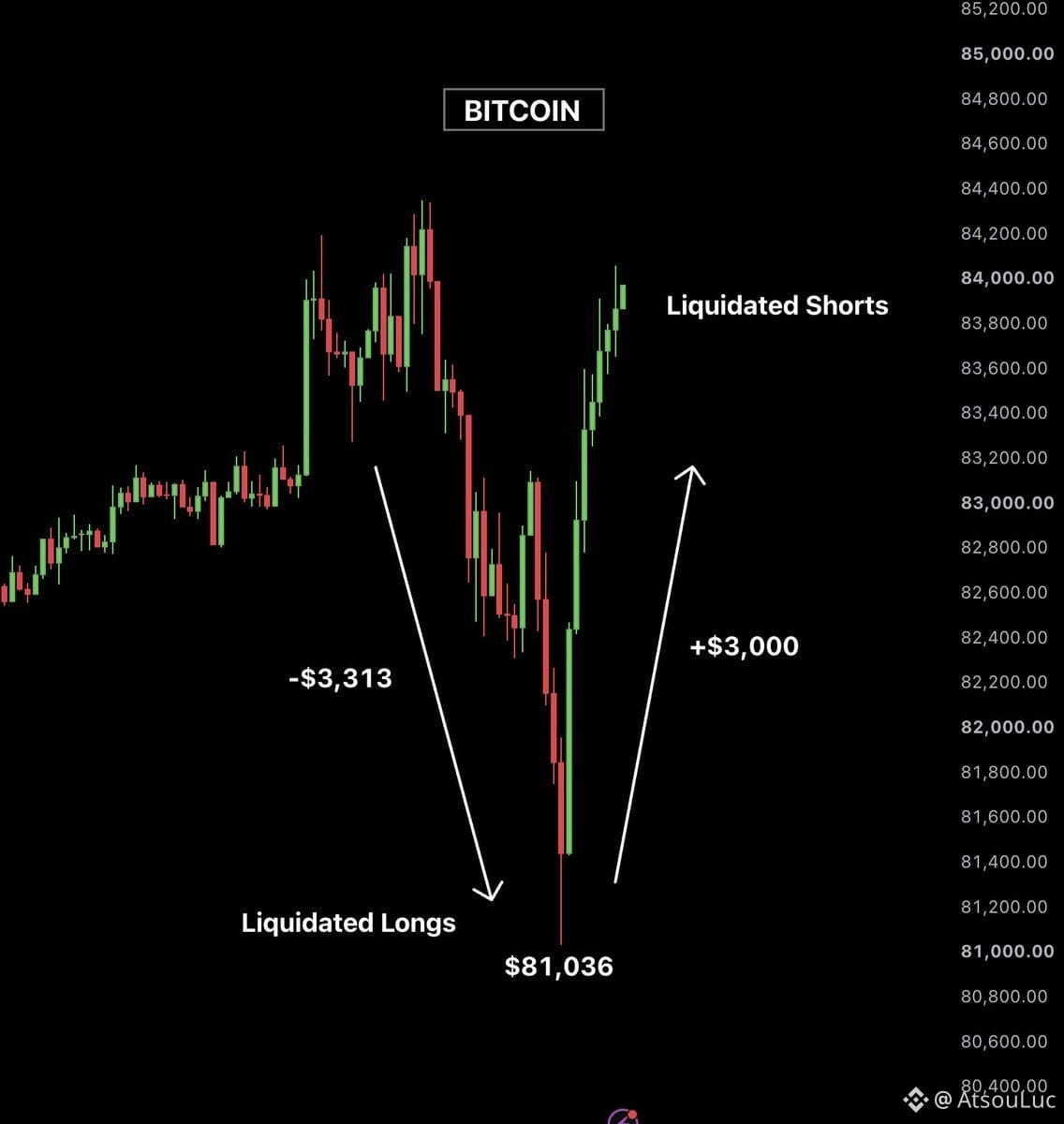
📉📈 Bitcoin just trapped the bulls… then the bears, all within a few hours.
BTC first dropped by more than $3,000, to around $81,000, triggering a massive leverage flush.
Over 24 hours, more than $770 million in crypto positions were liquidated, including around $686 million in LONG positions.
Then the market abruptly reversed, with Bitcoin climbing back above $83,000, recovering more than $2,000 $ from its low in just a few hours.
Traders who had started shorting the drop then found themselves trapped too.
📉📈 Bitcoin just trapped the bulls… then the bears, all within a few hours.
BTC first dropped by more than $3,000, to around $81,000, triggering a massive leverage flush.
Over 24 hours, more than $770 million in crypto positions were liquidated, including around $686 million in LONG positions.
Then the market abruptly reversed, with Bitcoin climbing back above $83,000, recovering more than $2,000 $ from its low in just a few hours.
Traders who had started shorting the drop then found themselves trapped too.
BTC first dropped by more than $3,000, to around $81,000, triggering a massive leverage flush.
Over 24 hours, more than $770 million in crypto positions were liquidated, including around $686 million in LONG positions.
Then the market abruptly reversed, with Bitcoin climbing back above $83,000, recovering more than $2,000 $ from its low in just a few hours.
Traders who had started shorting the drop then found themselves trapped too.
61
·
--
🚨 BITCOIN’S NEXT BIG OPPORTUNITY WILL COME WHEN EVERYONE IS TERRIFIED TO BUY.
Most people are afraid of another $BTC crash.
I'm waiting for it.
Because Bitcoin's 4-year cycle is pointing to something almost nobody is preparing for.
2025 → SELL
2026 → BEAR
2027 → BUY
2028 → HOLD
2029 → SELL
Look at the previous cycles:
2011 → BUY | 2013 → SELL
2015 → BUY | 2017 → SELL
2019 → BUY | 2021 → SELL
2023 → BUY | 2025 → SELL
The same four-year rhythm has repeated for over a decade.
And if it happens again, 2026 could give us one of the biggest buying opportunities of this cycle.
That's why I'm not scared of lower prices.
I WANT them.
Because the people panic-selling in 2026 could be the same people chasing Bitcoin at much higher prices in 2028 and 2029.
Remember:
I publicly called Bitcoin's $126K cycle top.
I also told you I was buying around $60K in June.
Now I'm waiting for my next major entry.
And when I see it, I'll post it here BEFORE the crowd catches on.
Save this chart.
Follow + turn notifications on.
🚨 BITCOIN’S NEXT BIG OPPORTUNITY WILL COME WHEN EVERYONE IS TERRIFIED TO BUY.
Most people are afraid of another $BTC crash.
I'm waiting for it.
Because Bitcoin's 4-year cycle is pointing to something almost nobody is preparing for.
2025 → SELL
2026 → BEAR
2027 → BUY
2028 → HOLD
2029 → SELL
Look at the previous cycles:
2011 → BUY | 2013 → SELL
2015 → BUY | 2017 → SELL
2019 → BUY | 2021 → SELL
2023 → BUY | 2025 → SELL
The same four-year rhythm has repeated for over a decade.
And if it happens again, 2026 could give us one of the biggest buying opportunities of this cycle.
That's why I'm not scared of lower prices.
I WANT them.
Because the people panic-selling in 2026 could be the same people chasing Bitcoin at much higher prices in 2028 and 2029.
Remember:
I publicly called Bitcoin's $126K cycle top.
I also told you I was buying around $60K in June.
Now I'm waiting for my next major entry.
And when I see it, I'll post it here BEFORE the crowd catches on.
Save this chart.
Follow + turn notifications on.
Most people are afraid of another $BTC crash.
I'm waiting for it.
Because Bitcoin's 4-year cycle is pointing to something almost nobody is preparing for.
2025 → SELL
2026 → BEAR
2027 → BUY
2028 → HOLD
2029 → SELL
Look at the previous cycles:
2011 → BUY | 2013 → SELL
2015 → BUY | 2017 → SELL
2019 → BUY | 2021 → SELL
2023 → BUY | 2025 → SELL
The same four-year rhythm has repeated for over a decade.
And if it happens again, 2026 could give us one of the biggest buying opportunities of this cycle.
That's why I'm not scared of lower prices.
I WANT them.
Because the people panic-selling in 2026 could be the same people chasing Bitcoin at much higher prices in 2028 and 2029.
Remember:
I publicly called Bitcoin's $126K cycle top.
I also told you I was buying around $60K in June.
Now I'm waiting for my next major entry.
And when I see it, I'll post it here BEFORE the crowd catches on.
Save this chart.
Follow + turn notifications on.
67
·
--
THIS IS THE MOST IMPORTANT POST YOU'LL READ TODAY.
This week, someone lost $6.6 Million in Ledger wallet drain.
He bought the dip, didn't panic sell, and then one wallet switch cost him all 80 $BTC.
Most drainers need your wallet to be online or need you to sign something you didn't read.
So here's how to set up a wallet on a spare iPhone that goes online once and never again.
1. Buy a new, sealed iPhone
The cheapest model works. Buy it from a store, never secondhand. A used phone could be tampered with before it reaches you.
2. Make a new Apple ID
Use it only on this phone. If your main Apple ID ever gets hacked, this phone stays out of it.
3. Turn off Face ID and Touch ID
Use a long passcode with letters and numbers. Face ID can be unlocked by holding the phone up to your face, even against your will.
A 6-digit code can be cracked in about a day. A 10+ character one would take thousands of years.
4. Turn on Lockdown Mode
Settings > Privacy & Security > Lockdown Mode. It switches off the features spyware usually uses to break in.
Also, in your passcode settings, keep USB accessories switched off. That stops the charging port from passing data while the phone is locked.
5. Download the wallet app
On your home WiFi, download an offline wallet app that signs with QR codes. Pick one that's open source. This is the last time the phone goes online.
6. Cut every connection
Remove the SIM and delete any eSIM. Turn on Airplane Mode. Turn off WiFi and Bluetooth. Leave it like this forever.
7. Create your wallet
Write the 24 words on paper or steel. Never take a photo of them, and never type them anywhere.
If the phone dies, those words are how you get your coins back.
8. Move coins with QR codes
On your normal phone, install that wallet's watch-only companion app. It can see your balance but can't spend anything.
THIS IS THE MOST IMPORTANT POST YOU'LL READ TODAY.
This week, someone lost $6.6 Million in Ledger wallet drain.
He bought the dip, didn't panic sell, and then one wallet switch cost him all 80 $BTC.
Most drainers need your wallet to be online or need you to sign something you didn't read.
So here's how to set up a wallet on a spare iPhone that goes online once and never again.
1. Buy a new, sealed iPhone
The cheapest model works. Buy it from a store, never secondhand. A used phone could be tampered with before it reaches you.
2. Make a new Apple ID
Use it only on this phone. If your main Apple ID ever gets hacked, this phone stays out of it.
3. Turn off Face ID and Touch ID
Use a long passcode with letters and numbers. Face ID can be unlocked by holding the phone up to your face, even against your will.
A 6-digit code can be cracked in about a day. A 10+ character one would take thousands of years.
4. Turn on Lockdown Mode
Settings > Privacy & Security > Lockdown Mode. It switches off the features spyware usually uses to break in.
Also, in your passcode settings, keep USB accessories switched off. That stops the charging port from passing data while the phone is locked.
5. Download the wallet app
On your home WiFi, download an offline wallet app that signs with QR codes. Pick one that's open source. This is the last time the phone goes online.
6. Cut every connection
Remove the SIM and delete any eSIM. Turn on Airplane Mode. Turn off WiFi and Bluetooth. Leave it like this forever.
7. Create your wallet
Write the 24 words on paper or steel. Never take a photo of them, and never type them anywhere.
If the phone dies, those words are how you get your coins back.
8. Move coins with QR codes
On your normal phone, install that wallet's watch-only companion app. It can see your balance but can't spend anything.
This week, someone lost $6.6 Million in Ledger wallet drain.
He bought the dip, didn't panic sell, and then one wallet switch cost him all 80 $BTC.
Most drainers need your wallet to be online or need you to sign something you didn't read.
So here's how to set up a wallet on a spare iPhone that goes online once and never again.
1. Buy a new, sealed iPhone
The cheapest model works. Buy it from a store, never secondhand. A used phone could be tampered with before it reaches you.
2. Make a new Apple ID
Use it only on this phone. If your main Apple ID ever gets hacked, this phone stays out of it.
3. Turn off Face ID and Touch ID
Use a long passcode with letters and numbers. Face ID can be unlocked by holding the phone up to your face, even against your will.
A 6-digit code can be cracked in about a day. A 10+ character one would take thousands of years.
4. Turn on Lockdown Mode
Settings > Privacy & Security > Lockdown Mode. It switches off the features spyware usually uses to break in.
Also, in your passcode settings, keep USB accessories switched off. That stops the charging port from passing data while the phone is locked.
5. Download the wallet app
On your home WiFi, download an offline wallet app that signs with QR codes. Pick one that's open source. This is the last time the phone goes online.
6. Cut every connection
Remove the SIM and delete any eSIM. Turn on Airplane Mode. Turn off WiFi and Bluetooth. Leave it like this forever.
7. Create your wallet
Write the 24 words on paper or steel. Never take a photo of them, and never type them anywhere.
If the phone dies, those words are how you get your coins back.
8. Move coins with QR codes
On your normal phone, install that wallet's watch-only companion app. It can see your balance but can't spend anything.
95
·
--
The Binance.US Team at the Nasdaq podium 📸
Great conversations with the Nasdaq team on market integrity and trader protections as we keep raising the bar for a safe, transparent, and trusted trading experience. #BinanceUS
The Binance.US Team at the Nasdaq podium 📸
Great conversations with the Nasdaq team on market integrity and trader protections as we keep raising the bar for a safe, transparent, and trusted trading experience. #BinanceUS
Great conversations with the Nasdaq team on market integrity and trader protections as we keep raising the bar for a safe, transparent, and trusted trading experience. #BinanceUS

56
·
--
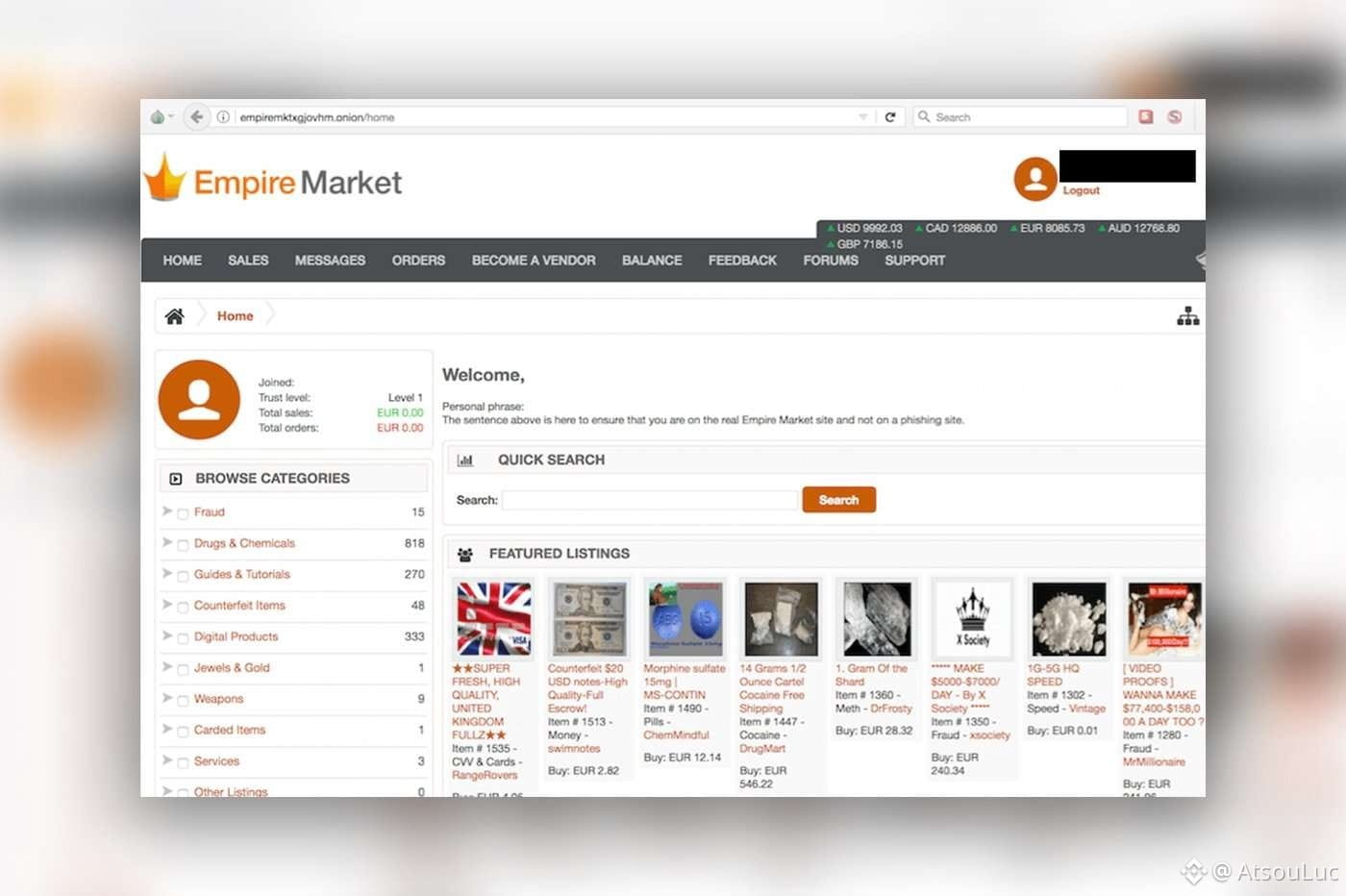
🚨 Raheim Hamilton, co-founder of Empire Market, has just been sentenced to 40 years in federal prison in the United States and fined $5 million.
Between 2018 and 2020, his platform facilitated more than 4 million transactions worth $430 million.
Drugs, stolen credentials, fake documents, and hacking tools: everything was paid for exclusively in crypto.
Hamilton also agreed to forfeit approximately 1,230 BTC and 24.4 ETH to U.S. authorities. His associate, Thomas Pavey, agreed to forfeit 1,584 BTC and is still due to be sentenced this month.
🚨 Raheim Hamilton, co-founder of Empire Market, has just been sentenced to 40 years in federal prison in the United States and fined $5 million.
Between 2018 and 2020, his platform facilitated more than 4 million transactions worth $430 million.
Drugs, stolen credentials, fake documents, and hacking tools: everything was paid for exclusively in crypto.
Hamilton also agreed to forfeit approximately 1,230 BTC and 24.4 ETH to U.S. authorities. His associate, Thomas Pavey, agreed to forfeit 1,584 BTC and is still due to be sentenced this month.
Between 2018 and 2020, his platform facilitated more than 4 million transactions worth $430 million.
Drugs, stolen credentials, fake documents, and hacking tools: everything was paid for exclusively in crypto.
Hamilton also agreed to forfeit approximately 1,230 BTC and 24.4 ETH to U.S. authorities. His associate, Thomas Pavey, agreed to forfeit 1,584 BTC and is still due to be sentenced this month.
64
·
--
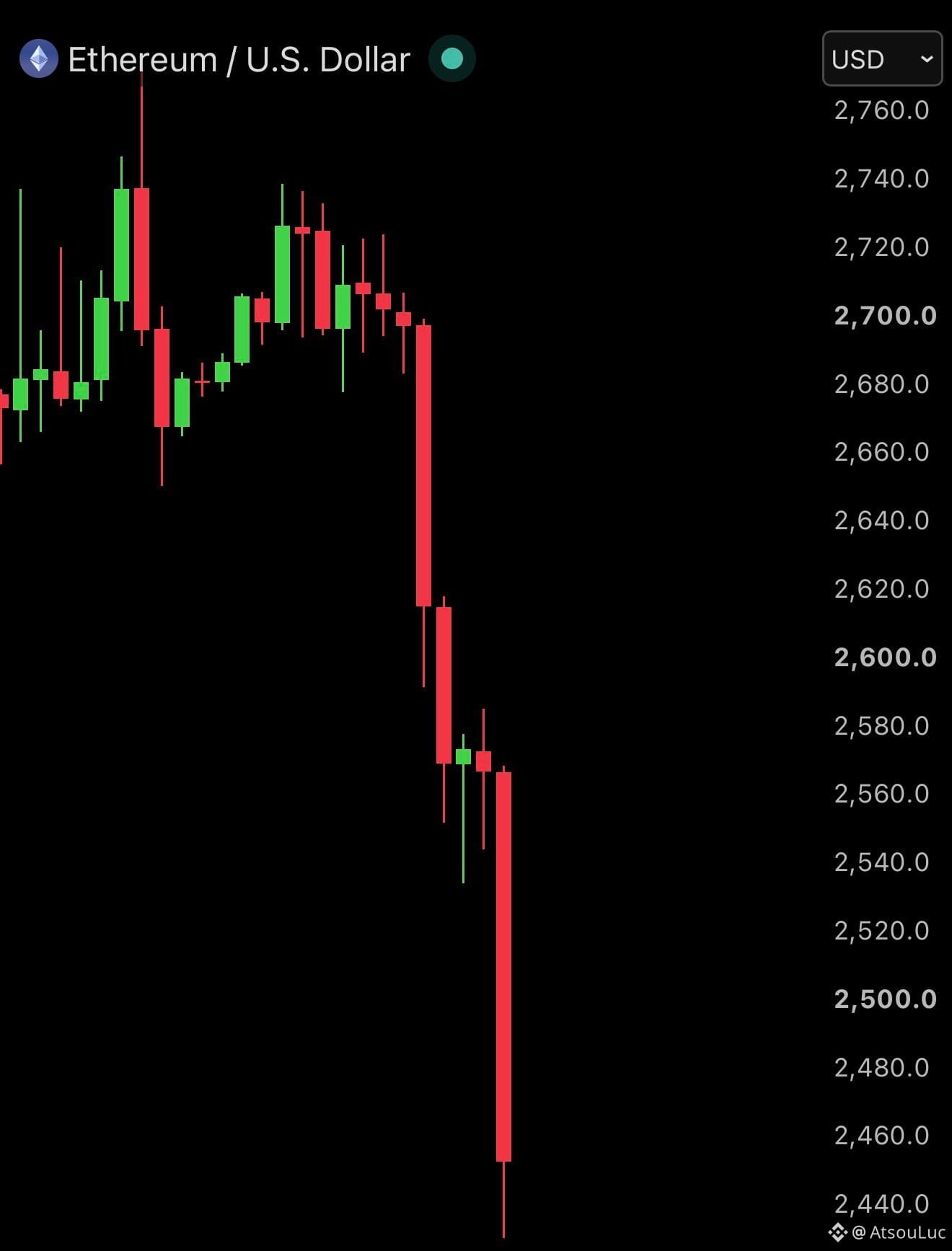
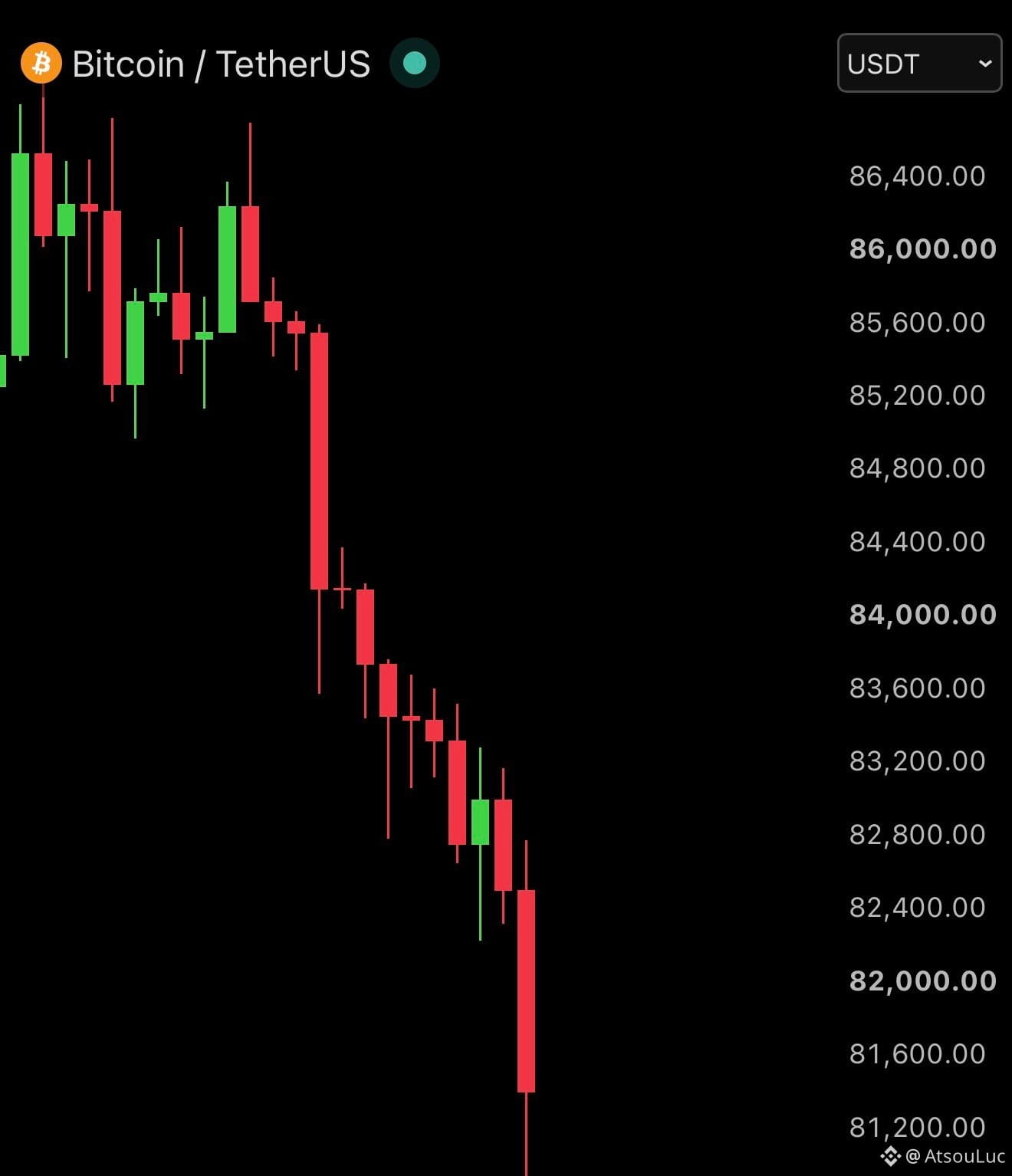
Why is the crypto market dumping?
$200 Billion wiped out from crypto in the last 48 hours as $BTC dropped below $81,000 and $ETH dropped below $2,450, causing $1.4 Billion in long liquidations.
Key reasons:
1. President Trump said he may restart attacks on Iran.
2. Top research warns AI could break cryptography before quantum.
3. The US government transferring Billions in BTC.
4. Hawkish FOMC minutes, which indicate one more rate hike in 2026.
Why is the crypto market dumping?
$200 Billion wiped out from crypto in the last 48 hours as $BTC dropped below $81,000 and $ETH dropped below $2,450, causing $1.4 Billion in long liquidations.
Key reasons:
1. President Trump said he may restart attacks on Iran.
2. Top research warns AI could break cryptography before quantum.
3. The US government transferring Billions in BTC.
4. Hawkish FOMC minutes, which indicate one more rate hike in 2026.
$200 Billion wiped out from crypto in the last 48 hours as $BTC dropped below $81,000 and $ETH dropped below $2,450, causing $1.4 Billion in long liquidations.
Key reasons:
1. President Trump said he may restart attacks on Iran.
2. Top research warns AI could break cryptography before quantum.
3. The US government transferring Billions in BTC.
4. Hawkish FOMC minutes, which indicate one more rate hike in 2026.
68
·
--
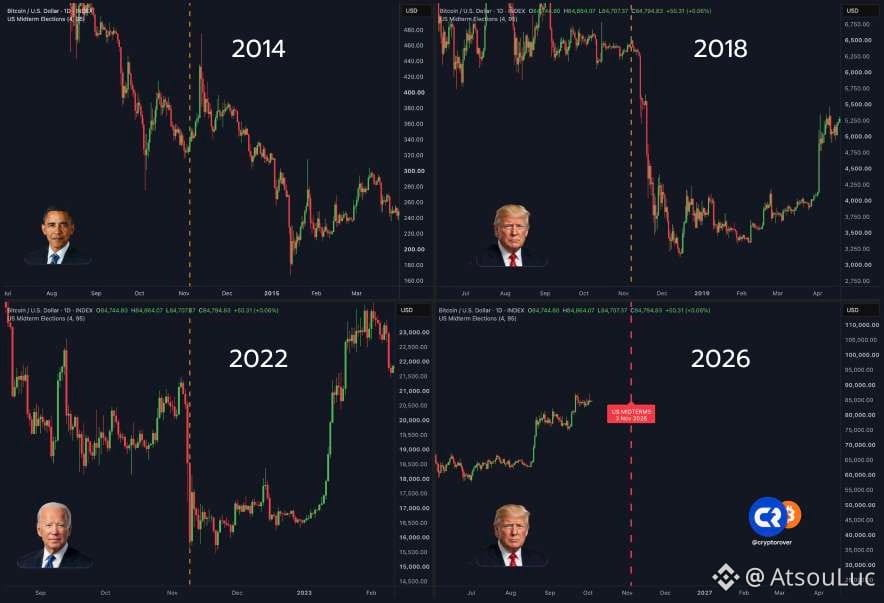
ALERT: 🚨 Bitcoin has historically dumped after the midterms.
Will history repeat itself, or will Bitcoin finally break the cycle?
Remember: in bull markets, BUY EVERY DIP!
ALERT: 🚨 Bitcoin has historically dumped after the midterms.
Will history repeat itself, or will Bitcoin finally break the cycle?
Remember: in bull markets, BUY EVERY DIP!
Will history repeat itself, or will Bitcoin finally break the cycle?
Remember: in bull markets, BUY EVERY DIP!
61
·
--
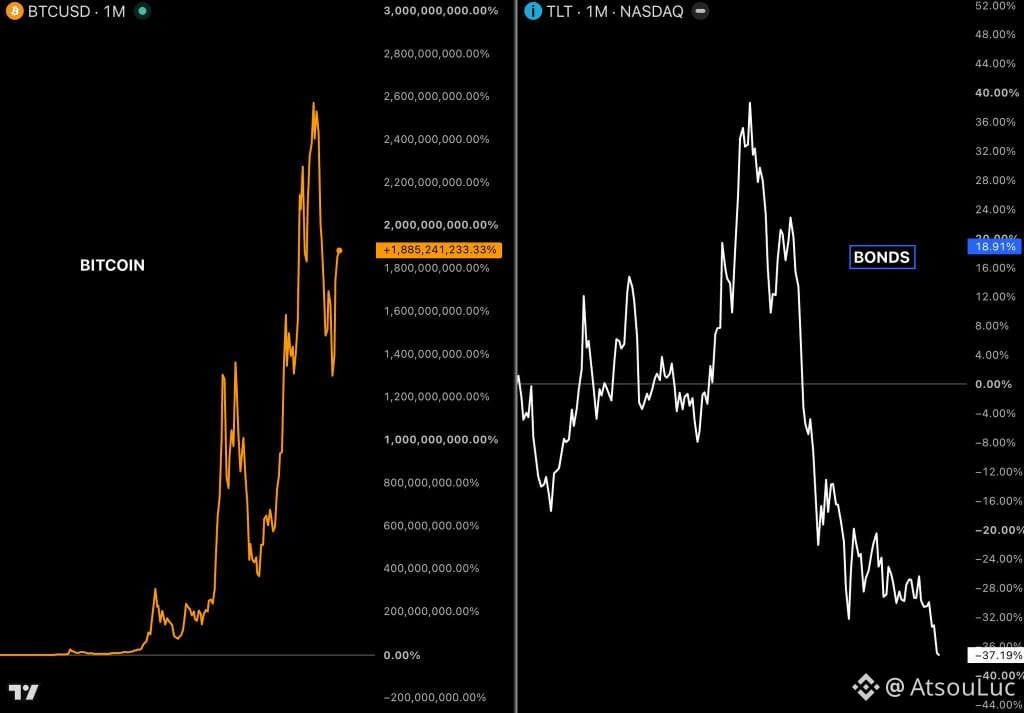
This is absolutely insane.
If you invested $1,000 in US bonds in 2010, you'd have $630 today.
If you invested the same $1,000 in $BTC that same year, you'd have $1.8 BILLION today.
This is absolutely insane.
If you invested $1,000 in US bonds in 2010, you'd have $630 today.
If you invested the same $1,000 in $BTC that same year, you'd have $1.8 BILLION today.
If you invested $1,000 in US bonds in 2010, you'd have $630 today.
If you invested the same $1,000 in $BTC that same year, you'd have $1.8 BILLION today.
BTC-0.60%
TLTETF+0.30%
77
·
--
🚨 Near Intents has just been hacked for approximately $3.8 million…
A flaw in the interaction between the Omni deposits/withdrawals infrastructure and the NEAR Intents smart contract allowed a hacker to drain funds. The protocol has temporarily suspended its cross-chain services and says it has since fixed the vulnerability.
According to ZachXBT, the stolen funds were then sent to KuCoin before being converted/bridged to Bitcoin. NEAR Intents says it has contacted the authorities and promises to fully reimburse affected users.
🚨 Near Intents has just been hacked for approximately $3.8 million…
A flaw in the interaction between the Omni deposits/withdrawals infrastructure and the NEAR Intents smart contract allowed a hacker to drain funds. The protocol has temporarily suspended its cross-chain services and says it has since fixed the vulnerability.
According to ZachXBT, the stolen funds were then sent to KuCoin before being converted/bridged to Bitcoin. NEAR Intents says it has contacted the authorities and promises to fully reimburse affected users.
A flaw in the interaction between the Omni deposits/withdrawals infrastructure and the NEAR Intents smart contract allowed a hacker to drain funds. The protocol has temporarily suspended its cross-chain services and says it has since fixed the vulnerability.
According to ZachXBT, the stolen funds were then sent to KuCoin before being converted/bridged to Bitcoin. NEAR Intents says it has contacted the authorities and promises to fully reimburse affected users.

62
·
--
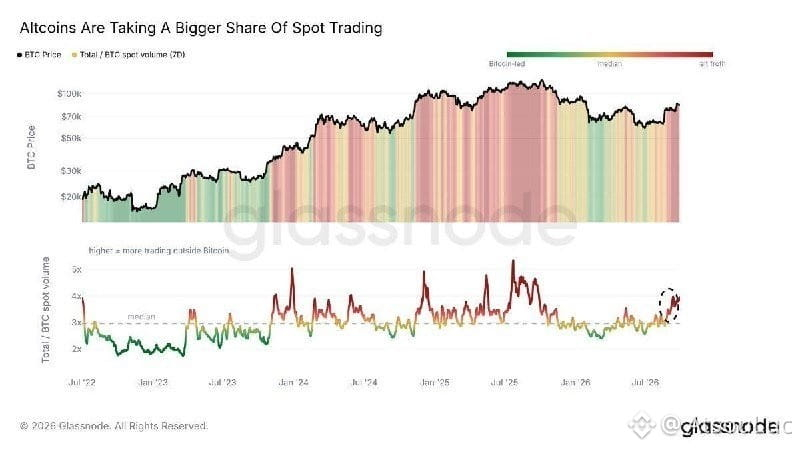
🔎 Altcoins now represent nearly 4 times Bitcoin’s spot volume.
The ratio has reached its highest level in about a year.
This rotation is clearly visible right now, and Glassnode also notes that 72.5% of the altcoins it tracks have outperformed Bitcoin over the last week.
According to Glassnode, similar spikes have historically coincided with local highs for BTC.
🔎 Altcoins now represent nearly 4 times Bitcoin’s spot volume.
The ratio has reached its highest level in about a year.
This rotation is clearly visible right now, and Glassnode also notes that 72.5% of the altcoins it tracks have outperformed Bitcoin over the last week.
According to Glassnode, similar spikes have historically coincided with local highs for BTC.
The ratio has reached its highest level in about a year.
This rotation is clearly visible right now, and Glassnode also notes that 72.5% of the altcoins it tracks have outperformed Bitcoin over the last week.
According to Glassnode, similar spikes have historically coincided with local highs for BTC.
69
·
--
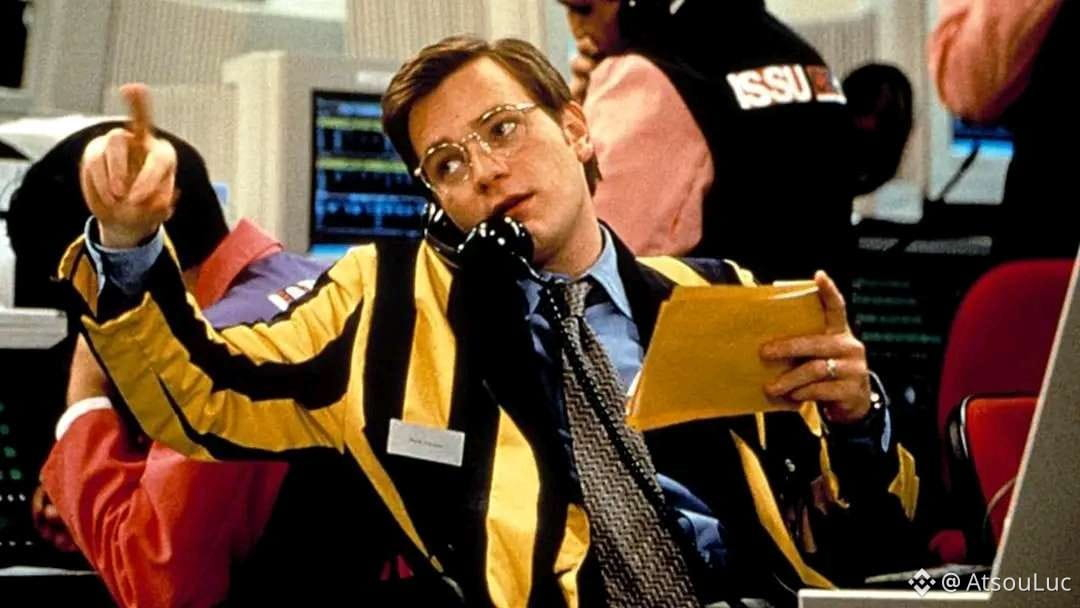
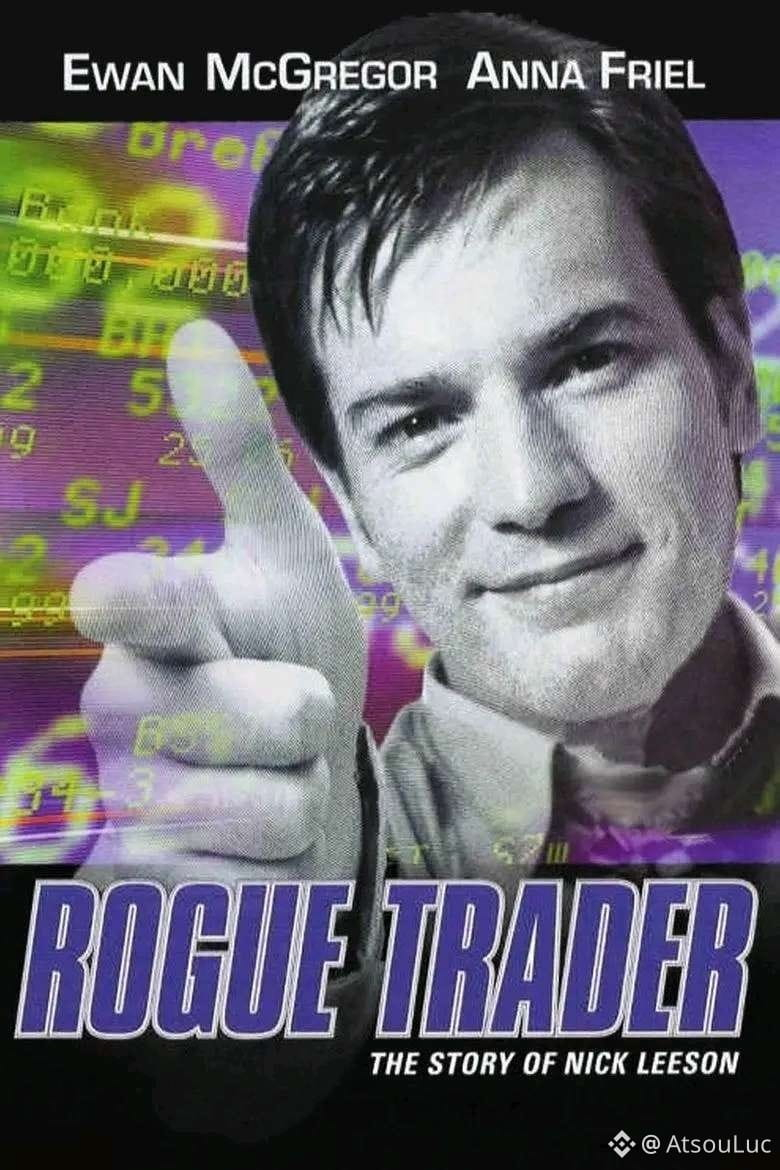
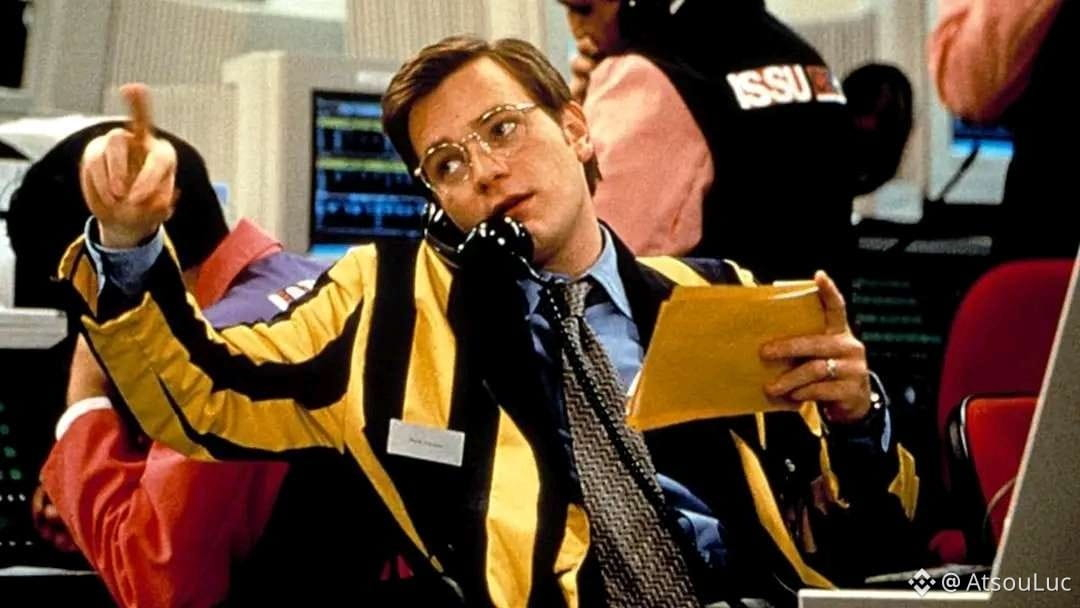
I watched Rogue Trader recently, and one thing stayed with me long after the movie ended.
Nick Leeson takes a small loss. Nothing dramatic. The kind every trader has taken a hundred times.
But instead of closing it, reporting it, eating it, he moves it into a hidden account.
Just for now.
Just until the market comes back.
It wasn't the size of the losses or even the fraud that struck me.
It was the psychology of hiding them.
And it made me think about how easily traders can fall into a similar trap, not necessarily by committing fraud, but by refusing to admit when a trade, strategy, or decision isn't working.
One loss becomes:
"I'll recover it on the next trade."
The next loss becomes:
"I just need one good setup."
And before you know it, you're no longer trading your strategy.
You're trading to escape the consequences of your previous decision.
That, to me, is one of the most dangerous places a trader can find themselves.
As a mentor, I've come to believe that one of the most important skills in trading isn't knowing when to enter.
It's knowing when to accept that you're wrong.
A stop-loss isn't just a risk-management tool.
Sometimes, it's an admission:
"This trade didn't work. And that's okay."
Watching Rogue Trader reminded me that losses become much more dangerous when our ego won't allow us to accept them.
Recently, I’ve been getting into some films about trading. I still have a few others on my watchlist, and there are so many lessons hidden in these stories.
I intend to share some of the insights and lessons that stand out to me as I watch them.
Because sometimes, a trading lesson doesn't come from a chart.
Sometimes, it comes from a story.
Have you watched Rogue Trader? What struck you most?
I watched Rogue Trader recently, and one thing stayed with me long after the movie ended.
Nick Leeson takes a small loss. Nothing dramatic. The kind every trader has taken a hundred times.
But instead of closing it, reporting it, eating it, he moves it into a hidden account.
Just for now.
Just until the market comes back.
It wasn't the size of the losses or even the fraud that struck me.
It was the psychology of hiding them.
And it made me think about how easily traders can fall into a similar trap, not necessarily by committing fraud, but by refusing to admit when a trade, strategy, or decision isn't working.
One loss becomes:
"I'll recover it on the next trade."
The next loss becomes:
"I just need one good setup."
And before you know it, you're no longer trading your strategy.
You're trading to escape the consequences of your previous decision.
That, to me, is one of the most dangerous places a trader can find themselves.
As a mentor, I've come to believe that one of the most important skills in trading isn't knowing when to enter.
It's knowing when to accept that you're wrong.
A stop-loss isn't just a risk-management tool.
Sometimes, it's an admission:
"This trade didn't work. And that's okay."
Watching Rogue Trader reminded me that losses become much more dangerous when our ego won't allow us to accept them.
Recently, I’ve been getting into some films about trading. I still have a few others on my watchlist, and there are so many lessons hidden in these stories.
I intend to share some of the insights and lessons that stand out to me as I watch them.
Because sometimes, a trading lesson doesn't come from a chart.
Sometimes, it comes from a story.
Have you watched Rogue Trader? What struck you most?
Nick Leeson takes a small loss. Nothing dramatic. The kind every trader has taken a hundred times.
But instead of closing it, reporting it, eating it, he moves it into a hidden account.
Just for now.
Just until the market comes back.
It wasn't the size of the losses or even the fraud that struck me.
It was the psychology of hiding them.
And it made me think about how easily traders can fall into a similar trap, not necessarily by committing fraud, but by refusing to admit when a trade, strategy, or decision isn't working.
One loss becomes:
"I'll recover it on the next trade."
The next loss becomes:
"I just need one good setup."
And before you know it, you're no longer trading your strategy.
You're trading to escape the consequences of your previous decision.
That, to me, is one of the most dangerous places a trader can find themselves.
As a mentor, I've come to believe that one of the most important skills in trading isn't knowing when to enter.
It's knowing when to accept that you're wrong.
A stop-loss isn't just a risk-management tool.
Sometimes, it's an admission:
"This trade didn't work. And that's okay."
Watching Rogue Trader reminded me that losses become much more dangerous when our ego won't allow us to accept them.
Recently, I’ve been getting into some films about trading. I still have a few others on my watchlist, and there are so many lessons hidden in these stories.
I intend to share some of the insights and lessons that stand out to me as I watch them.
Because sometimes, a trading lesson doesn't come from a chart.
Sometimes, it comes from a story.
Have you watched Rogue Trader? What struck you most?

61
·
--
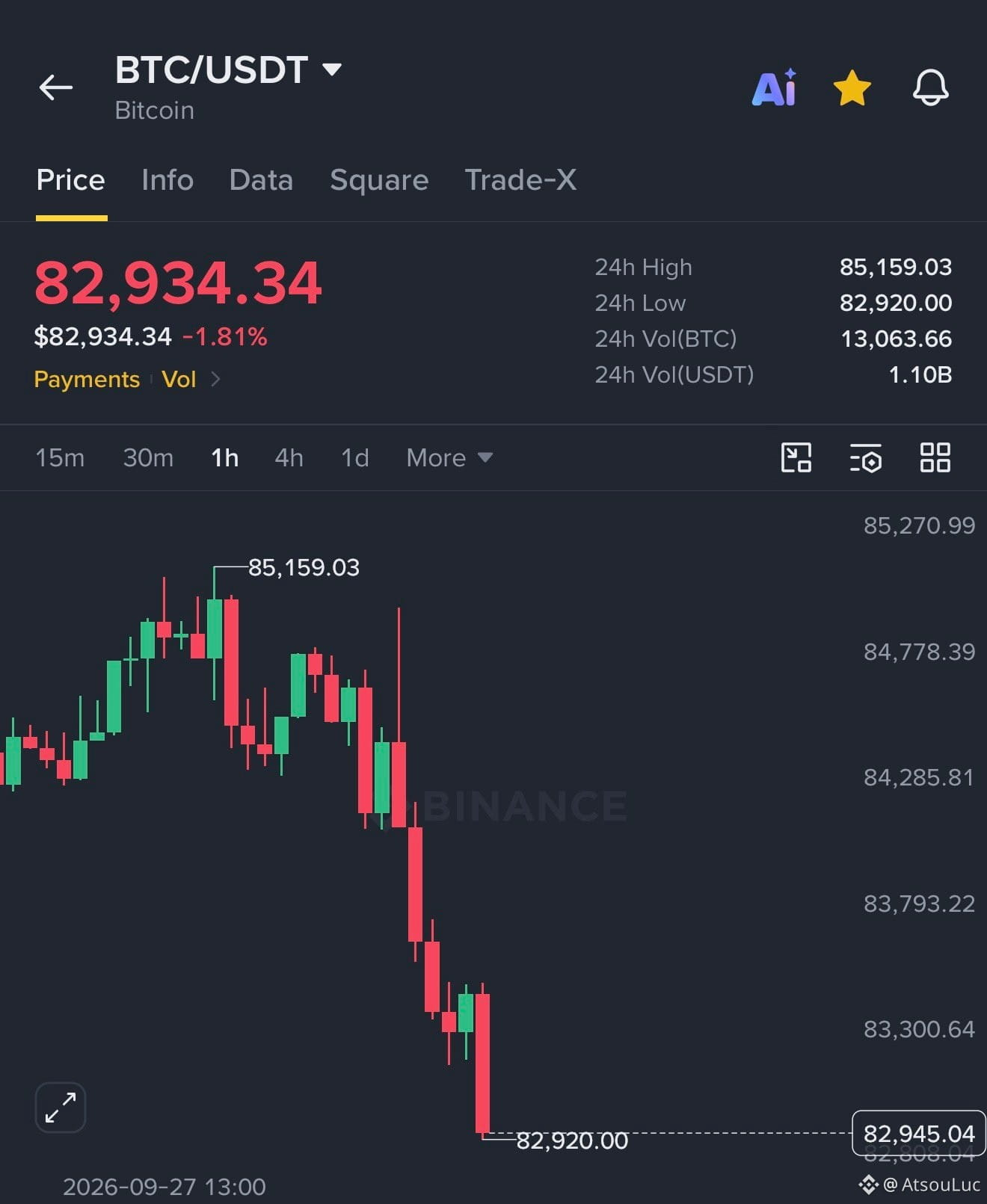
$BTC just dropped below $83,000
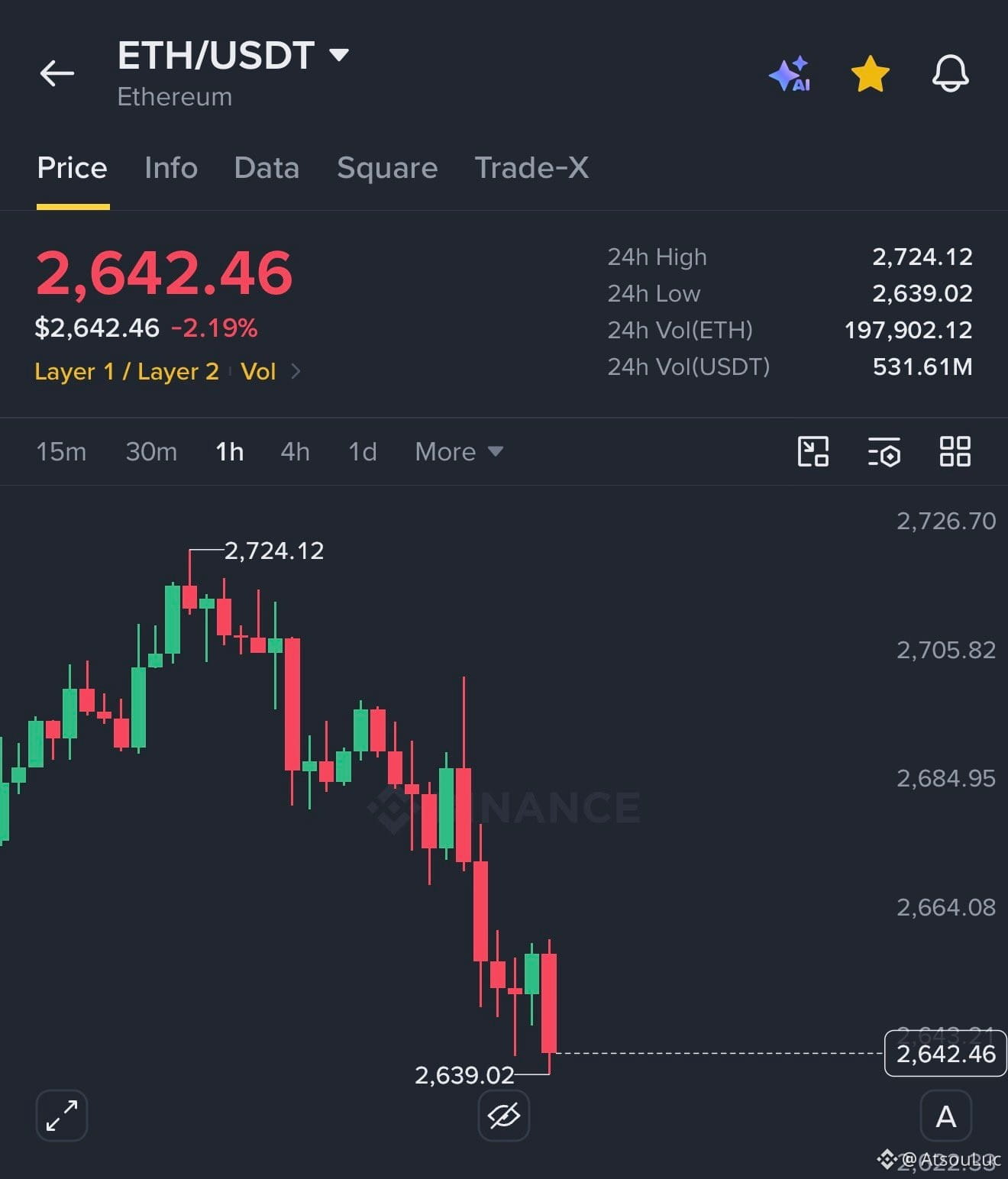
$ETH falls below $2,650
$50 Million longs liquidated in 60 mins.
$BTC just dropped below $83,000
$ETH falls below $2,650
$50 Million longs liquidated in 60 mins.
$ETH falls below $2,650
$50 Million longs liquidated in 60 mins.
72
·
--
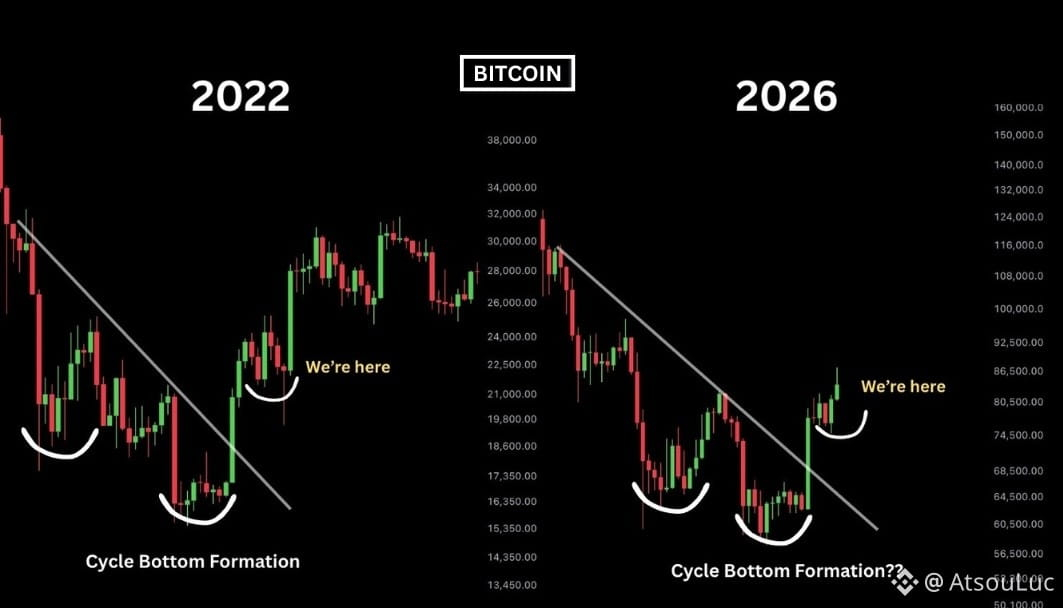
Bitcoin is currently mirroring the 2022 cycle bottom and pre-bull run price action.
After breaking out of the trendline, Bitcoin entered an accumulation phase and formed a range before breaking out for the next leg up.
We’re seeing a similar setup again.
Bitcoin is currently mirroring the 2022 cycle bottom and pre-bull run price action.
After breaking out of the trendline, Bitcoin entered an accumulation phase and formed a range before breaking out for the next leg up.
We’re seeing a similar setup again.
After breaking out of the trendline, Bitcoin entered an accumulation phase and formed a range before breaking out for the next leg up.
We’re seeing a similar setup again.
66
·
--
I watched Rogue Trader recently, and one thing stayed with me long after the movie ended.
Nick Leeson takes a small loss. Nothing dramatic. The kind every trader has taken a hundred times.
But instead of closing it, reporting it, eating it, he moves it into a hidden account.
Just for now.
Just until the market comes back.
It wasn't the size of the losses or even the fraud that struck me.
It was the psychology of hiding them.
And it made me think about how easily traders can fall into a similar trap, not necessarily by committing fraud, but by refusing to admit when a trade, strategy, or decision isn't working.
One loss becomes:
"I'll recover it on the next trade."
The next loss becomes:
"I just need one good setup."
And before you know it, you're no longer trading your strategy.
You're trading to escape the consequences of your previous decision.
That, to me, is one of the most dangerous places a trader can find themselves.
As a mentor, I've come to believe that one of the most important skills in trading isn't knowing when to enter.
It's knowing when to accept that you're wrong.
A stop-loss isn't just a risk-management tool.
Sometimes, it's an admission:
"This trade didn't work. And that's okay."
Watching Rogue Trader reminded me that losses become much more dangerous when our ego won't allow us to accept them.
Recently, I’ve been getting into some films about trading. I still have a few others on my watchlist, and there are so many lessons hidden in these stories.
I intend to share some of the insights and lessons that stand out to me as I watch them.
Because sometimes, a trading lesson doesn't come from a chart.
Sometimes, it comes from a story.
Have you watched Rogue Trader? What struck you most?
I watched Rogue Trader recently, and one thing stayed with me long after the movie ended.
Nick Leeson takes a small loss. Nothing dramatic. The kind every trader has taken a hundred times.
But instead of closing it, reporting it, eating it, he moves it into a hidden account.
Just for now.
Just until the market comes back.
It wasn't the size of the losses or even the fraud that struck me.
It was the psychology of hiding them.
And it made me think about how easily traders can fall into a similar trap, not necessarily by committing fraud, but by refusing to admit when a trade, strategy, or decision isn't working.
One loss becomes:
"I'll recover it on the next trade."
The next loss becomes:
"I just need one good setup."
And before you know it, you're no longer trading your strategy.
You're trading to escape the consequences of your previous decision.
That, to me, is one of the most dangerous places a trader can find themselves.
As a mentor, I've come to believe that one of the most important skills in trading isn't knowing when to enter.
It's knowing when to accept that you're wrong.
A stop-loss isn't just a risk-management tool.
Sometimes, it's an admission:
"This trade didn't work. And that's okay."
Watching Rogue Trader reminded me that losses become much more dangerous when our ego won't allow us to accept them.
Recently, I’ve been getting into some films about trading. I still have a few others on my watchlist, and there are so many lessons hidden in these stories.
I intend to share some of the insights and lessons that stand out to me as I watch them.
Because sometimes, a trading lesson doesn't come from a chart.
Sometimes, it comes from a story.
Have you watched Rogue Trader? What struck you most?
Nick Leeson takes a small loss. Nothing dramatic. The kind every trader has taken a hundred times.
But instead of closing it, reporting it, eating it, he moves it into a hidden account.
Just for now.
Just until the market comes back.
It wasn't the size of the losses or even the fraud that struck me.
It was the psychology of hiding them.
And it made me think about how easily traders can fall into a similar trap, not necessarily by committing fraud, but by refusing to admit when a trade, strategy, or decision isn't working.
One loss becomes:
"I'll recover it on the next trade."
The next loss becomes:
"I just need one good setup."
And before you know it, you're no longer trading your strategy.
You're trading to escape the consequences of your previous decision.
That, to me, is one of the most dangerous places a trader can find themselves.
As a mentor, I've come to believe that one of the most important skills in trading isn't knowing when to enter.
It's knowing when to accept that you're wrong.
A stop-loss isn't just a risk-management tool.
Sometimes, it's an admission:
"This trade didn't work. And that's okay."
Watching Rogue Trader reminded me that losses become much more dangerous when our ego won't allow us to accept them.
Recently, I’ve been getting into some films about trading. I still have a few others on my watchlist, and there are so many lessons hidden in these stories.
I intend to share some of the insights and lessons that stand out to me as I watch them.
Because sometimes, a trading lesson doesn't come from a chart.
Sometimes, it comes from a story.
Have you watched Rogue Trader? What struck you most?

78
·
--
#Bitcoin - The 4-Year Cycle Continues
Cycle 1 (2011 - 2014)
2011 - Buy
2012 - Hold
2013 - Sell
2014 - Bear Market
Cycle 2 (2015 - 2018)
2015 - Buy
2016 - Hold
2017 - Sell
2018 - Bear Market
Cycle 3 (2019 - 2022)
2019 - Buy
2020 - Hold
2021 - Sell
2022 - Bear Market
Cycle 4 (2023 - 2026)
2023 - Buy
2024 - Hold
2025 - Sell
2026 - Bear Market (we’re in it)
Cycle 5 (2027 - 2030)
2027 - Buy
2028 - Hold
2029 - Sell
2030 - Bear Market
So far, the 4-year cycles have played out perfectly.
With this structure continuing, 2027 will be the next buying moment...
#Bitcoin - The 4-Year Cycle Continues
Cycle 1 (2011 - 2014)
2011 - Buy
2012 - Hold
2013 - Sell
2014 - Bear Market
Cycle 2 (2015 - 2018)
2015 - Buy
2016 - Hold
2017 - Sell
2018 - Bear Market
Cycle 3 (2019 - 2022)
2019 - Buy
2020 - Hold
2021 - Sell
2022 - Bear Market
Cycle 4 (2023 - 2026)
2023 - Buy
2024 - Hold
2025 - Sell
2026 - Bear Market (we’re in it)
Cycle 5 (2027 - 2030)
2027 - Buy
2028 - Hold
2029 - Sell
2030 - Bear Market
So far, the 4-year cycles have played out perfectly.
With this structure continuing, 2027 will be the next buying moment...
Cycle 1 (2011 - 2014)
2011 - Buy
2012 - Hold
2013 - Sell
2014 - Bear Market
Cycle 2 (2015 - 2018)
2015 - Buy
2016 - Hold
2017 - Sell
2018 - Bear Market
Cycle 3 (2019 - 2022)
2019 - Buy
2020 - Hold
2021 - Sell
2022 - Bear Market
Cycle 4 (2023 - 2026)
2023 - Buy
2024 - Hold
2025 - Sell
2026 - Bear Market (we’re in it)
Cycle 5 (2027 - 2030)
2027 - Buy
2028 - Hold
2029 - Sell
2030 - Bear Market
So far, the 4-year cycles have played out perfectly.
With this structure continuing, 2027 will be the next buying moment...
63
Log in to explore more content
Join global crypto users on Binance Square
⚡️ Get latest and useful information about crypto.
💬 Trusted by the world’s largest crypto exchange.
👍 Discover real insights from verified creators.
Email / Phone number