
137Labs
337 Posts
137Labs
137Labs 专注挖掘 Crypto 与 AI 领域的真实需求。通过深度投研,为您锁定具有爆发潜力的落地应用,用最直白的语言拆解前沿趋势,助你精准把握市场先机.

原创之星
45 Following
142 Followers
309 Liked
1 Badges
Posts
All
Quotes
137 · Market Trends ✨ 9-2
Roundup of the past 24H hotspots — Market Snapshot
1. The Iran–Israel conflict has escalated sharply, with Middle East developments influencing global markets;
2. Bitcoin spot ETFs saw net inflows of $3.5 billion in August, the highest since July 2025;
3. SB Energy filed for an IPO, highly dependent on OpenAI, and is expected to raise $5.0–$7.0 billion;
4. HYPE Treasury Company’s PURR equity financing limit doubled to $2.5 billion;
5. OpenAI and Anthropic released new AI models on the same day;
6. Ethena launches a Money App supported by USDE, now available in 48 countries;
7. Binance lists options trading for roughly 1,000 U.S. stocks and ETFs;
8. Cathie Wood’s Ark Invest bought 456,059 shares of Block stock (about $37.0 million) through three ETFs, and increased its stake in Circle stock by $3.4 million;
9. HYPE is included in the Nasdaq CME Crypto Index; whale activity in transfers has drawn attention;
10. Key economic data and central bank decisions to watch on September 2
Today’s global market focus: 09:30 Australia Q2 GDP y/y; 10:00 New Zealand RBNZ interest rate decision; 20:15 U.S. August ADP employment data; 22:00 U.S. July factory orders m/m; 22:30 EIA crude oil inventory data and a news conference by the Bank of Canada governor; early next day 02:00 Fed Beige Book.
Roundup of the past 24H hotspots — Market Snapshot
1. The Iran–Israel conflict has escalated sharply, with Middle East developments influencing global markets;
2. Bitcoin spot ETFs saw net inflows of $3.5 billion in August, the highest since July 2025;
3. SB Energy filed for an IPO, highly dependent on OpenAI, and is expected to raise $5.0–$7.0 billion;
4. HYPE Treasury Company’s PURR equity financing limit doubled to $2.5 billion;
5. OpenAI and Anthropic released new AI models on the same day;
6. Ethena launches a Money App supported by USDE, now available in 48 countries;
7. Binance lists options trading for roughly 1,000 U.S. stocks and ETFs;
8. Cathie Wood’s Ark Invest bought 456,059 shares of Block stock (about $37.0 million) through three ETFs, and increased its stake in Circle stock by $3.4 million;
9. HYPE is included in the Nasdaq CME Crypto Index; whale activity in transfers has drawn attention;
10. Key economic data and central bank decisions to watch on September 2
Today’s global market focus: 09:30 Australia Q2 GDP y/y; 10:00 New Zealand RBNZ interest rate decision; 20:15 U.S. August ADP employment data; 22:00 U.S. July factory orders m/m; 22:30 EIA crude oil inventory data and a news conference by the Bank of Canada governor; early next day 02:00 Fed Beige Book.
137 · Market Watch✨ 8-24
Roundup of 24H Highlights — Market Snapshot
1、Bessent announces launching a "largest-ever financial offensive" against Iran;
2、Anthropic plans to raise over $100 billion via an IPO, with a valuation potentially reaching $2 trillion;
3、The Sandbox cross-chain bridge was attacked; the attacker minted about 14.9 billion unbacked SAND tokens;
4、The spending volume of crypto cards surpasses $1 billion, with stablecoins becoming a mainstay of everyday payments;
5、HYPE "diamond hands" have held their positions for 10 months with unrealized gains of over $57 million;
6、Zcash submits an application for its first privacy-coin spot ETF;
7、Coinbase’s Bitcoin premium index ends its 97-day longest negative-value streak;
8、CryptoRank: ENA, PUMP, and ACE lead this week’s search heat.
Roundup of 24H Highlights — Market Snapshot
1、Bessent announces launching a "largest-ever financial offensive" against Iran;
2、Anthropic plans to raise over $100 billion via an IPO, with a valuation potentially reaching $2 trillion;
3、The Sandbox cross-chain bridge was attacked; the attacker minted about 14.9 billion unbacked SAND tokens;
4、The spending volume of crypto cards surpasses $1 billion, with stablecoins becoming a mainstay of everyday payments;
5、HYPE "diamond hands" have held their positions for 10 months with unrealized gains of over $57 million;
6、Zcash submits an application for its first privacy-coin spot ETF;
7、Coinbase’s Bitcoin premium index ends its 97-day longest negative-value streak;
8、CryptoRank: ENA, PUMP, and ACE lead this week’s search heat.
137 · Market Trends✨ 8-20
Roundup of 24H highlights — Market Snapshot
1、Bitcoin breaks through $70,000, triggering an epic short squeeze and the crypto market sees its biggest rebound in over three months;
2、The U.S. Treasury expands the size of its Treasury repo program, pushing U.S. Treasuries above $4 trillion;
3、U.S. regulatory developments: OCC pledges to issue stablecoin rules by November, and the CFTC reaches a settlement with FTX executives;
4、Coinbase enables perpetual contract trading for its Base App via Hyperliquid;
5、OpenAI CFO: the company expects to go public in 2027 or earlier;
6、Japan’s July trade data comes in above expectations: imports year-on-year +27.8%, exports year-on-year +23.2%; Korea’s kimchi premium turns negative to -1.75% ;
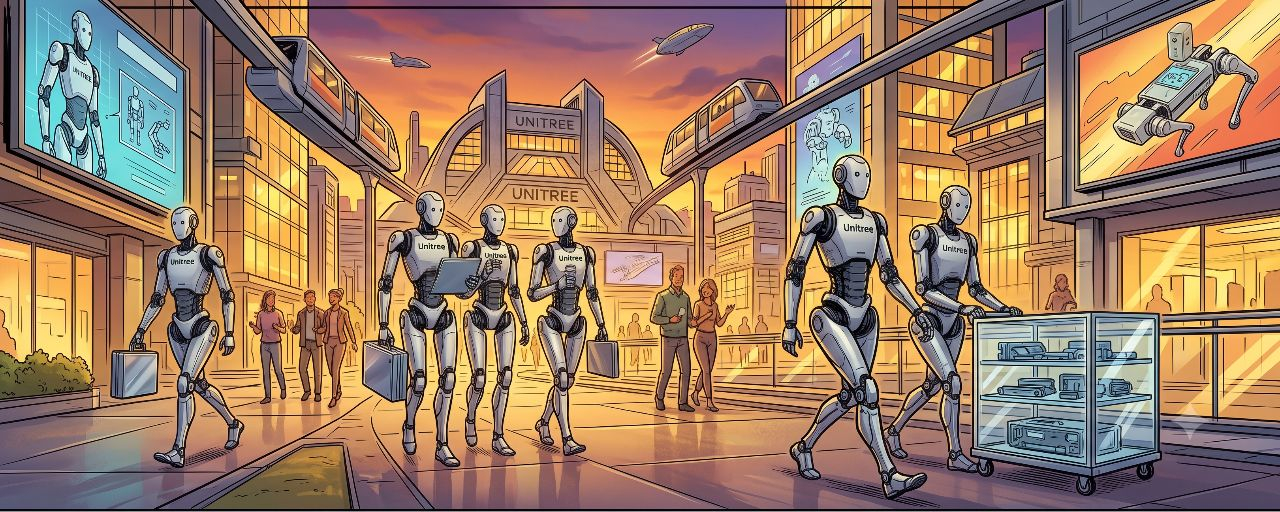
7、Unitree Technology’s debut on the A-share market surges 460% on the first day, with its founder’s net worth exceeding 100 billion. Unitree Technology’s issue price was RMB 150.80 per share, closing at RMB 845 per share, with a total market cap exceeding RMB 340 billion. The company dubbed "the first publicly listed stock of humanoid robots" draws major attention.
8、Binance’s SNDK perpetual contract trading volume surpasses Bitcoin, with traditional assets becoming the main force in trading.
Roundup of 24H highlights — Market Snapshot
1、Bitcoin breaks through $70,000, triggering an epic short squeeze and the crypto market sees its biggest rebound in over three months;
2、The U.S. Treasury expands the size of its Treasury repo program, pushing U.S. Treasuries above $4 trillion;
3、U.S. regulatory developments: OCC pledges to issue stablecoin rules by November, and the CFTC reaches a settlement with FTX executives;
4、Coinbase enables perpetual contract trading for its Base App via Hyperliquid;
5、OpenAI CFO: the company expects to go public in 2027 or earlier;
6、Japan’s July trade data comes in above expectations: imports year-on-year +27.8%, exports year-on-year +23.2%; Korea’s kimchi premium turns negative to -1.75% ;
7、Unitree Technology’s debut on the A-share market surges 460% on the first day, with its founder’s net worth exceeding 100 billion. Unitree Technology’s issue price was RMB 150.80 per share, closing at RMB 845 per share, with a total market cap exceeding RMB 340 billion. The company dubbed "the first publicly listed stock of humanoid robots" draws major attention.
8、Binance’s SNDK perpetual contract trading volume surpasses Bitcoin, with traditional assets becoming the main force in trading.
137 · Market Trends✨ 8-18
Recap of 24H Hotspots - Market Overview
1. U.S. stocks collectively fell; crypto-related stocks rose against the trend. Bitcoin rebounded to above $64,000, and derivatives data showed long positions are crowded;
2. The 60-day window for U.S.-Iran nuclear talks has lapsed. Trump said he is not seeking an extension, and tensions in the region are heating up;
3. The yield on the 30-year U.S. Treasury hit a 19-year high. The market is warning about fiscal and inflation risks;
4. Anthropic’s annualized revenue surpassed $65 billion, accelerating the IPO process. Payward joined its AI safety program;
5. Robinhood Chain’s August TVL grew by 45%, while the share of tokenized RWA plunged sharply;
6. Market share for tokenized stocks tripled, with Ondo taking the lead;
7. A wave of AI infrastructure financing drove U.S. investment-grade bond issuance to a new August high.
Recap of 24H Hotspots - Market Overview
1. U.S. stocks collectively fell; crypto-related stocks rose against the trend. Bitcoin rebounded to above $64,000, and derivatives data showed long positions are crowded;
2. The 60-day window for U.S.-Iran nuclear talks has lapsed. Trump said he is not seeking an extension, and tensions in the region are heating up;
3. The yield on the 30-year U.S. Treasury hit a 19-year high. The market is warning about fiscal and inflation risks;
4. Anthropic’s annualized revenue surpassed $65 billion, accelerating the IPO process. Payward joined its AI safety program;
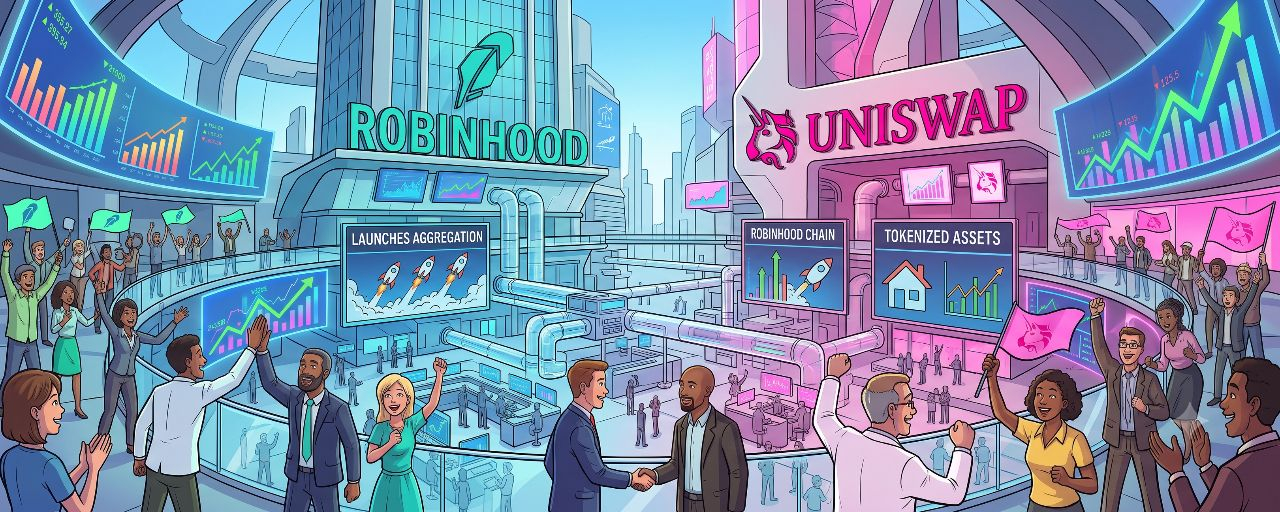
5. Robinhood Chain’s August TVL grew by 45%, while the share of tokenized RWA plunged sharply;
6. Market share for tokenized stocks tripled, with Ondo taking the lead;
7. A wave of AI infrastructure financing drove U.S. investment-grade bond issuance to a new August high.





137 · Market Trends✨ 8-4
Rundown of 24H Headlines - Market Snapshot
1、A major shake-up in the market caps of U.S. tech giants: Amazon breaks through the $3 trillion mark, posting its biggest single-day gain in 14 years. Its market cap increases by nearly $40 billion, making it the fifth company in history to reach $3 trillion;
2、A critical security vulnerability in the Coldcard hardware wallet, with losses likely or nearing $114 million, possibly indicating that the fourth round of attacks is underway;
3、Morgan Stanley sharply cuts its price target for Circle—from $106 down to $38—citing that a contraction in USDC circulation has exposed sensitivity to reserve-related income. At the same time, Circle’s acquisition of nearly 1,000 blockchain patents from IBM has triggered concerns about “patent weaponization.” After the news was released, the stock price rose by about 2% at one point;
4、The U.S. Treasury market remains under sustained pressure, with the 30-year yield hitting its highest level in nearly 19 years;
5、On the Binance platform, the share of trading volume for counterfeit “altcoins” rises to 60%, and the BTC market structure is changing;
6、Over the past 24 hours, Hyperliquid burned about 760,000 HYPE, bringing cumulative burns to $2.5 billion (4.62% of total supply). Meanwhile, it plans to raise the HYPE collateralized borrowing LTV limit from 50% to 65%. Current active borrowing size on the mainnet is close to $100 million;
7、In the past 24 hours, liquidations across the entire network totaled $251 million, and Bitcoin ETF net outflows continued;
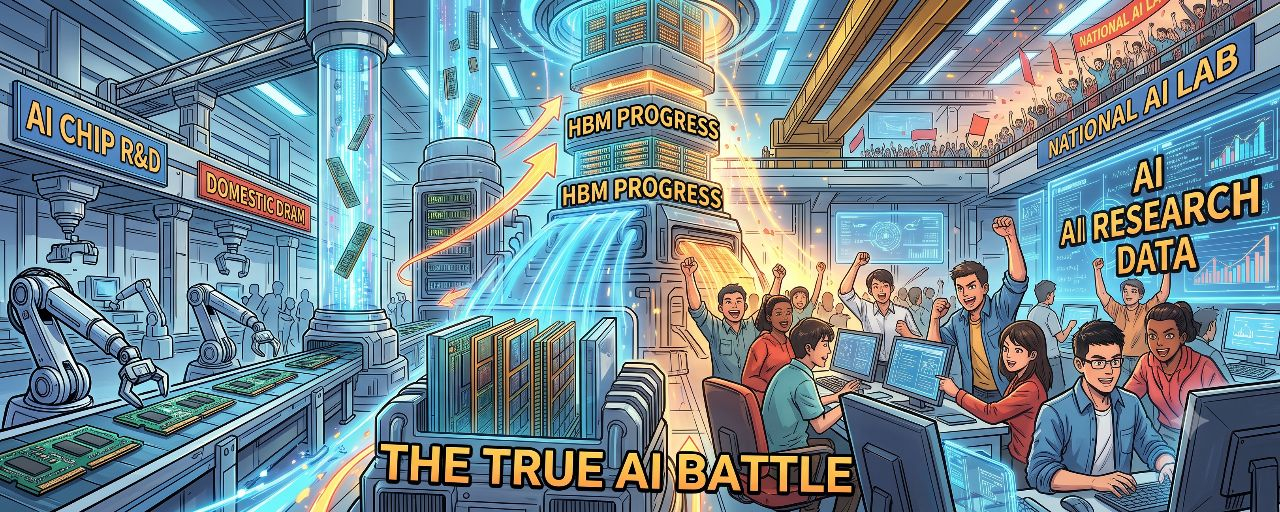
8、DRAM/HBM: 2027 production capacity reportedly sold out in advance.
Rundown of 24H Headlines - Market Snapshot
1、A major shake-up in the market caps of U.S. tech giants: Amazon breaks through the $3 trillion mark, posting its biggest single-day gain in 14 years. Its market cap increases by nearly $40 billion, making it the fifth company in history to reach $3 trillion;
2、A critical security vulnerability in the Coldcard hardware wallet, with losses likely or nearing $114 million, possibly indicating that the fourth round of attacks is underway;
3、Morgan Stanley sharply cuts its price target for Circle—from $106 down to $38—citing that a contraction in USDC circulation has exposed sensitivity to reserve-related income. At the same time, Circle’s acquisition of nearly 1,000 blockchain patents from IBM has triggered concerns about “patent weaponization.” After the news was released, the stock price rose by about 2% at one point;
4、The U.S. Treasury market remains under sustained pressure, with the 30-year yield hitting its highest level in nearly 19 years;
5、On the Binance platform, the share of trading volume for counterfeit “altcoins” rises to 60%, and the BTC market structure is changing;
6、Over the past 24 hours, Hyperliquid burned about 760,000 HYPE, bringing cumulative burns to $2.5 billion (4.62% of total supply). Meanwhile, it plans to raise the HYPE collateralized borrowing LTV limit from 50% to 65%. Current active borrowing size on the mainnet is close to $100 million;
7、In the past 24 hours, liquidations across the entire network totaled $251 million, and Bitcoin ETF net outflows continued;
8、DRAM/HBM: 2027 production capacity reportedly sold out in advance.
137 · Market Trends✨ 7-29
Roundup of the past 24 hours' highlights — Market Snapshot
1、Iran launches missile attacks on US military bases, rapidly escalating tensions between Iran and the US, driving oil prices sharply higher;
2、SK hynix's earnings fall short of expectations, causing a plunge in the storage chip sector, and Bitcoin drops below $63,000;
3、In the first half of 2026, losses from crypto security exceed $1 billion, setting a new all-time high;
4、Korean stock markets tumble, triggering circuit breakers, and the Financial Services Commission considers limiting the investment额度 for leveraged ETFs;
5、The probability of the Fed raising rates by 25 bps in July rises to 30.5%; liquidations across the entire web total $611 million in 24 hours;
6、Robinhood activates on-chain board/limit order trading volumes that surpass PumpSwap, but on-chain deposits cool off;
7、Wall Street giants such as BlackRock and Fidelity support the “Clarity Act,” though the probability of passage within the year declines;
8、Open interest in traditional finance perpetual contracts exceeds $2 billion, with Binance holding the top share.
Roundup of the past 24 hours' highlights — Market Snapshot
1、Iran launches missile attacks on US military bases, rapidly escalating tensions between Iran and the US, driving oil prices sharply higher;
2、SK hynix's earnings fall short of expectations, causing a plunge in the storage chip sector, and Bitcoin drops below $63,000;
3、In the first half of 2026, losses from crypto security exceed $1 billion, setting a new all-time high;
4、Korean stock markets tumble, triggering circuit breakers, and the Financial Services Commission considers limiting the investment额度 for leveraged ETFs;
5、The probability of the Fed raising rates by 25 bps in July rises to 30.5%; liquidations across the entire web total $611 million in 24 hours;
6、Robinhood activates on-chain board/limit order trading volumes that surpass PumpSwap, but on-chain deposits cool off;
7、Wall Street giants such as BlackRock and Fidelity support the “Clarity Act,” though the probability of passage within the year declines;
8、Open interest in traditional finance perpetual contracts exceeds $2 billion, with Binance holding the top share.
137 · Market Trends✨ 7-27
A roundup of the past 24H highlights — Market Snapshot
1、Nvidia is reportedly set to provide a $250 billion financing guarantee for OpenAI’s Ohio data center project;
2、Tensions between the US and Iran ease, oil prices plunge, and risk assets surge across the board;
3、BitMart exchange shuts down—front-end on-chain reserves reportedly crash, about to fully close;
4、Bitcoin breaks through $65,000, up more than 1% intraday. In the past 24 hours, the crypto market liquidated nearly $113 million in leveraged positions;
5、Spot trading volume on centralized exchanges has fallen 74% since August 2025;
6、Elon Musk on AI development timelines: he predicts that within 5 years, overall AI intelligence could exceed the combined sum of humanity, and he accepts the possibility of a 10–20% risk of human extinction due to AI—while believing development is unstoppable. His remarks coincided with declines in Tesla and SpaceX stock prices, with net assets on paper shrinking significantly;
7、Robinhood Chain on-chain tokens continue to be heavily traded: the issuing platform PONS’ market cap hit a new all-time high above $56 million (24h +31.88%); the ecosystem meme coin BRODIE’s market cap surpassed $6 million (24h +151.7%). This highlights the risk of volatility in related tokens;
8、This week’s macro outlook: the “super central banks’” week brings an “hawkish test” as energy prices soar, new US tariffs and a surge in AI capital expenditures deliver a triple shock, fueling heightened global inflation fears. The Nasdaq leads losses, and the Philadelphia Semiconductor Index plunged 5%. The market is watching whether the upcoming Fed meeting turns unexpectedly hawkish. Apple, Microsoft, Meta, Amazon, and others will release earnings. Polymarket shows an 83% probability that “the Fed will keep rates unchanged in July.”
A roundup of the past 24H highlights — Market Snapshot
1、Nvidia is reportedly set to provide a $250 billion financing guarantee for OpenAI’s Ohio data center project;
2、Tensions between the US and Iran ease, oil prices plunge, and risk assets surge across the board;
3、BitMart exchange shuts down—front-end on-chain reserves reportedly crash, about to fully close;
4、Bitcoin breaks through $65,000, up more than 1% intraday. In the past 24 hours, the crypto market liquidated nearly $113 million in leveraged positions;
5、Spot trading volume on centralized exchanges has fallen 74% since August 2025;
6、Elon Musk on AI development timelines: he predicts that within 5 years, overall AI intelligence could exceed the combined sum of humanity, and he accepts the possibility of a 10–20% risk of human extinction due to AI—while believing development is unstoppable. His remarks coincided with declines in Tesla and SpaceX stock prices, with net assets on paper shrinking significantly;
7、Robinhood Chain on-chain tokens continue to be heavily traded: the issuing platform PONS’ market cap hit a new all-time high above $56 million (24h +31.88%); the ecosystem meme coin BRODIE’s market cap surpassed $6 million (24h +151.7%). This highlights the risk of volatility in related tokens;
8、This week’s macro outlook: the “super central banks’” week brings an “hawkish test” as energy prices soar, new US tariffs and a surge in AI capital expenditures deliver a triple shock, fueling heightened global inflation fears. The Nasdaq leads losses, and the Philadelphia Semiconductor Index plunged 5%. The market is watching whether the upcoming Fed meeting turns unexpectedly hawkish. Apple, Microsoft, Meta, Amazon, and others will release earnings. Polymarket shows an 83% probability that “the Fed will keep rates unchanged in July.”

137 · Market Signals✨ 7-23
Roundup of the past 24H headlines — Market Overview
1. A new version of the “CLARITY Act” is released, with the ethical provisions becoming a flashpoint for debate between the two parties;
2. The Trump administration announced an additional 50% ad valorem tariff on certain Canadian products (including goods covered by the USMCA), in response to what it calls Canada’s “discriminatory measures” in the auto trade. The new tariffs will take effect on August 19;
3. Arbitrum perpetual futures DEX Ostium will resume trading in stages. It was previously hacked on July 15, compromising the off-chain pricing system, with losses exceeding $23.75 million. The platform is working with security organizations and law enforcement agencies to investigate;
4. Movement Labs has filed for bankruptcy protection: book assets of only $100,000–$500,000, liabilities of $10 million. Co-founder Rushi Manche, who was removed, is the largest creditor. The MOVE token plunged by 99%";
5. a16z said the tokenized stock market has grown more than 5x in one year: as of the end of June, the total market cap of tokenized stocks was about $1.7 billion, up more than 5x. AI and chip categories’ share rose to 15.5%, while large-cap tech stocks accounted for 10.6%. Monthly on-chain transfer volume increased by more than 170x year over year. DTCC has completed its first batches of live transactions on the Canton Network, and Robinhood has launched its own chain;
6. Big tech earnings season: Tesla and Alphabet have released their Q2 results;
7. The crypto industry in 2026 will contribute more than $55 billion to the U.S. GDP;
8. Bitcoin ETFs saw consecutive net inflows for six straight days from July 14 to 21, the longest streak since early May. Cumulative net inflows reached $51.8 billion. In the same period, Ethereum ETFs had net inflows of $196 million, bringing cumulative net inflows up to $11.2 billion.
Roundup of the past 24H headlines — Market Overview
1. A new version of the “CLARITY Act” is released, with the ethical provisions becoming a flashpoint for debate between the two parties;
2. The Trump administration announced an additional 50% ad valorem tariff on certain Canadian products (including goods covered by the USMCA), in response to what it calls Canada’s “discriminatory measures” in the auto trade. The new tariffs will take effect on August 19;
3. Arbitrum perpetual futures DEX Ostium will resume trading in stages. It was previously hacked on July 15, compromising the off-chain pricing system, with losses exceeding $23.75 million. The platform is working with security organizations and law enforcement agencies to investigate;
4. Movement Labs has filed for bankruptcy protection: book assets of only $100,000–$500,000, liabilities of $10 million. Co-founder Rushi Manche, who was removed, is the largest creditor. The MOVE token plunged by 99%";
5. a16z said the tokenized stock market has grown more than 5x in one year: as of the end of June, the total market cap of tokenized stocks was about $1.7 billion, up more than 5x. AI and chip categories’ share rose to 15.5%, while large-cap tech stocks accounted for 10.6%. Monthly on-chain transfer volume increased by more than 170x year over year. DTCC has completed its first batches of live transactions on the Canton Network, and Robinhood has launched its own chain;
6. Big tech earnings season: Tesla and Alphabet have released their Q2 results;
7. The crypto industry in 2026 will contribute more than $55 billion to the U.S. GDP;
8. Bitcoin ETFs saw consecutive net inflows for six straight days from July 14 to 21, the longest streak since early May. Cumulative net inflows reached $51.8 billion. In the same period, Ethereum ETFs had net inflows of $196 million, bringing cumulative net inflows up to $11.2 billion.

Log in to explore more content